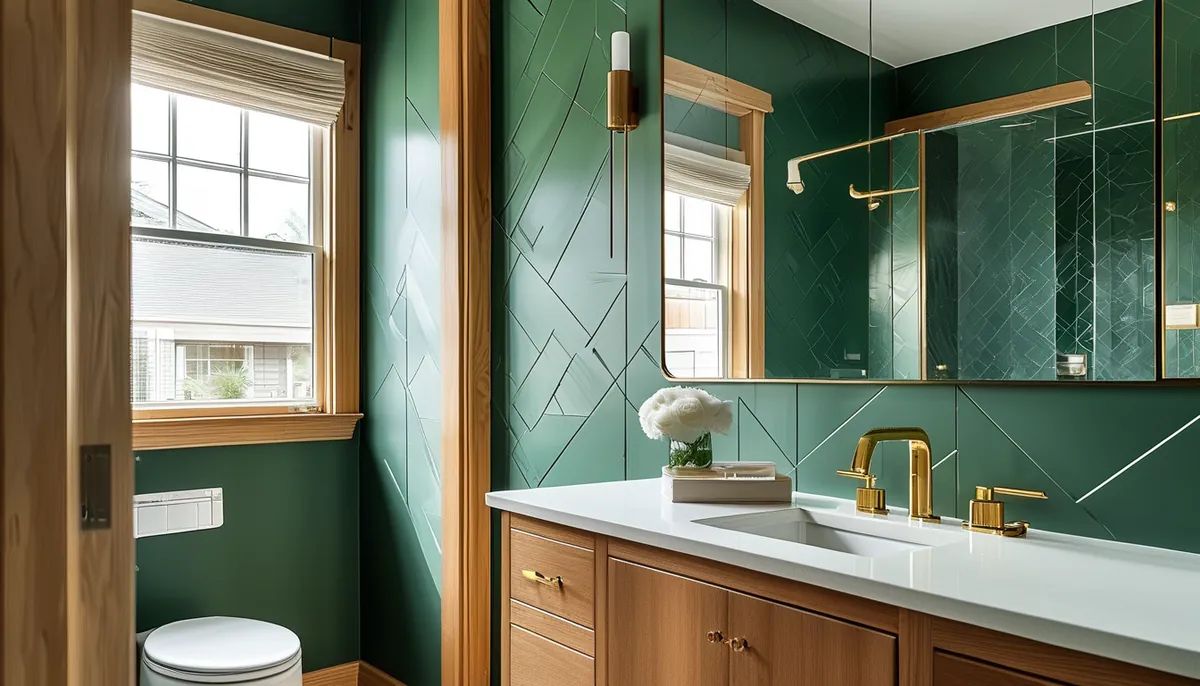
When you’re looking to update your bathroom walls, peel and stick wallpaper is a popular choice for its ease of application and removal. However, bathrooms present unique challenges due to high humidity and potential moisture. Not all peel and stick products are designed to withstand these conditions, so understanding the material and its limitations is crucial.
choosing the right material for bathroom peel and stick
The best peel and stick wallpaper for bathroom walls is typically made from vinyl or a vinyl-coated material. Vinyl is inherently resistant to moisture, making it ideal for preventing mold and mildew growth. Look for products specifically marketed as waterproof or moisture-resistant for bathrooms. Standard paper-based peel and stick wallpapers will absorb moisture, leading to peeling, bubbling, and potential damage to your walls.
Some manufacturers offer PVC (polyvinyl chloride) based wallpapers, which are excellent for bathrooms. PVC is durable, waterproof, and easy to clean. Always check the product specifications to confirm the material composition. If the listing only says ‘removable wallpaper’ without specifying the material, it’s safer to assume it’s not suitable for a bathroom environment.
Consider the adhesive. High-quality peel and stick wallpapers use a strong, water-based adhesive that can hold up to humidity but can still be removed without damaging the underlying surface when you’re ready for a change. Cheaper alternatives might use a weaker adhesive that won’t stick well in a humid bathroom, or an adhesive so strong it can pull paint off drywall upon removal.
peel and stick wallpaper thickness and durability
The thickness of the peel and stick material plays a role in its durability and ability to cover imperfections on your existing walls. Thicker wallpapers, often found in vinyl or PVC, tend to be more forgiving. They can often bridge minor cracks or unevenness in drywall, providing a smoother finish. A thinner material might show every bump and flaw underneath.
For bathrooms, aim for a product that is at least 0.15 mm thick. Thicker options, like those around 0.20 mm or more, offer better opacity and a more substantial feel. This thickness also makes them more resistant to tears and scuffs, which is important in a high-traffic area like a bathroom.
installation: preparing your bathroom walls
Proper wall preparation is non-negotiable for successful peel and stick wallpaper installation in a bathroom. Start by thoroughly cleaning the walls. Remove any soap scum, mildew, or grease. Use a mild detergent or a specialized wall cleaner, and ensure the walls are completely dry before proceeding.
If your bathroom walls have been previously painted, check the paint’s condition. Glossy or semi-gloss finishes are generally better for bathrooms as they offer some moisture resistance. However, if the paint is peeling or damaged, you’ll need to repair and sand it smooth. For best results, a primer designed for high-moisture areas can provide an excellent base for the wallpaper’s adhesive. Allow the primer to cure fully according to the manufacturer’s instructions.
Ensure all outlets and fixtures are turned off before you begin cutting and applying wallpaper around them. Measure your walls carefully and plan your cuts to minimize waste and ensure patterns align correctly.
applying peel and stick wallpaper in a humid environment
When applying, work in manageable sections. Peel back only a few inches of the backing paper at a time, aligning the edge of the wallpaper with your starting point (usually a corner or ceiling line). Use a smoothing tool, such as a plastic squeegee, to press the wallpaper onto the wall, working from the center outwards to eliminate air bubbles. Avoid stretching the material as you apply it, as this can distort the pattern and weaken the adhesive.
In humid bathrooms, allow a slight ‘dwell time’ after applying each section. This means letting the adhesive set for a few minutes before smoothing it down completely. This can help the adhesive bond more effectively to the wall in the presence of moisture. However, don’t let it sit too long, especially if the humidity is very high, as it might become too difficult to reposition.
For areas around sinks and tubs, consider using a sealant along the top edge of the wallpaper where it meets a backsplash or countertop. This provides an extra layer of protection against water ingress. While many peel and stick wallpapers are water-resistant, a bead of waterproof caulk or sealant offers added peace of mind.
maintenance and care of bathroom peel and stick
Cleaning your peel and stick bathroom wallpaper is straightforward. For most vinyl or PVC options, a damp cloth with a mild soap solution is sufficient for everyday cleaning. Wipe away any splatters or marks gently. Avoid abrasive cleaners or scrub brushes, as these can damage the surface and the print.
Regularly inspect the edges, especially in high-moisture zones like shower enclosures or around the vanity. If you notice any lifting, try to reapply pressure with your smoothing tool. If it persists, a tiny amount of wallpaper adhesive or even a dab of clear silicone caulk might be needed to secure the edge, but use this sparingly.
While peel and stick wallpaper is a fantastic option for a quick refresh, its longevity in a bathroom can vary. Understand that while it offers a great aesthetic, it might not last as long as traditional tile or paint in extremely wet conditions. For areas that experience direct water spray, like inside a shower stall, tile or other waterproof panels are still the most durable and recommended solution.
when to avoid peel and stick for bathroom walls
Peel and stick wallpaper is not suitable for every bathroom scenario. If your bathroom experiences extreme humidity, condensation buildup on walls, or frequent direct water exposure (e.g., a shower stall without proper ventilation), you should reconsider. Standard peel and stick may fail under these conditions.
Also, if your walls are not smooth and properly prepared, peel and stick wallpaper will highlight every imperfection. It’s not a ‘cover-up’ solution for severely damaged drywall. You’ll need to make repairs first. If you’re looking for a truly transformative and durable upgrade, explore the range of high-quality peel and stick options. You can find guides to help you find the best peel and stick wallpaper for your home. If you’re considering unique textures, you might also want to look into grasscloth peel and stick wallpaper.