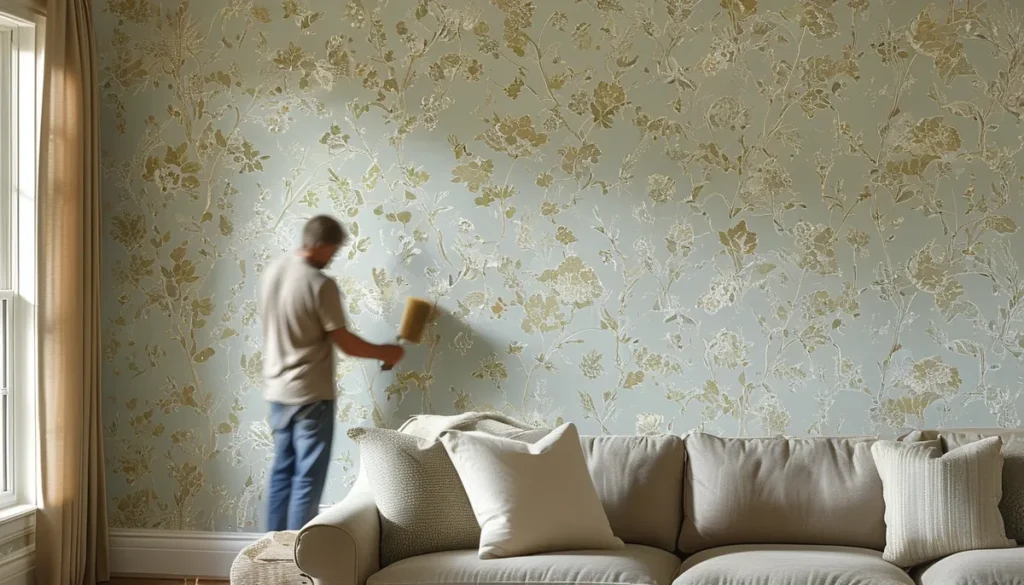
Choosing affordable removable wallpaper is a smart move when you want a fresh look without the commitment or cost of traditional wallpaper. It’s perfect for renters, frequent redecorators, or anyone testing out a new style. But not all peel-and-stick options are created equal, especially when budget is a primary concern.
Understand the materials used in budget removable wallpaper
Most affordable removable wallpaper is made from PVC (polyvinyl chloride) or a similar vinyl material. These are often thinner than higher-end options, which can affect durability and ease of application. The adhesive is typically a water-based or latex-based glue designed to be repositionable and removable without damaging your walls. Thicker, more textured wallpapers often use fabric or non-woven materials, which usually come with a higher price tag.
Pros and cons of PVC-based wallpaper
Pros:
- Cost-effective: PVC is inexpensive to produce, making it the go-to material for budget-friendly options.
- Durable and washable: Vinyl is generally resistant to moisture and easy to wipe clean, a big plus for kitchens and bathrooms.
- Variety of designs: Available in a vast array of colors, patterns, and textures.
Cons:
- Thinness: Cheaper PVC wallpapers can be quite thin, making them prone to tearing during installation. They can also show imperfections on the wall underneath.
- Less breathable: PVC doesn’t breathe well, which can trap moisture against the wall, potentially leading to mold or mildew issues in damp environments if not properly ventilated.
- Environmental concerns: Vinyl production and disposal can have environmental impacts.
When to choose budget removable wallpaper
Budget removable wallpaper is ideal for:
- Rental properties: It allows you to personalize your space without losing your security deposit.
- Temporary makeovers: For parties, holidays, or seasonal decor changes.
- Accent walls: When you want to add a pop of color or pattern to a single wall without a large expense.
- Kids’ rooms or playrooms: Where designs might change frequently as tastes evolve, and easy cleaning is a must.
- DIY projects: Practicing your wallpapering skills without high stakes.
Avoid using budget removable wallpaper for:
- High-traffic areas: Where durability is paramount and scuffs are likely.
- Areas with extreme humidity: Unless the product specifically states it’s suitable for bathrooms or kitchens, the thin vinyl might not hold up well.
- Covering damaged walls: The thin material won’t hide significant drywall imperfections.
Key features to check for affordable options
When shopping for affordable removable wallpaper, focus on these critical features to ensure you get the best value and a satisfactory result:
Adhesive quality
The adhesive is crucial. Look for descriptions like “repositionable,” “residue-free,” and “safe for painted walls.” Even budget options should offer a decent adhesive that allows for minor adjustments during application without losing its grip over time. If the reviews mention difficulty applying, peeling off, or leaving behind sticky residue, steer clear.
Material thickness
While budget options are often thinner, try to find the thickest option within your price range. Thicker wallpaper is more forgiving during installation, less likely to tear, and can offer slightly better coverage of minor wall imperfections. Aim for at least 5-6 mil thickness if possible, though specific mil thickness might not always be advertised for budget rolls.
Design and pattern repeat
Affordable doesn’t mean you have to sacrifice style. Browse a wide range of retailers and look for simple yet effective patterns. Geometric, striped, or small-scale floral designs often hide the thinness of the material better than large, intricate, or solid dark colors which can show more flaws. Pay attention to the pattern repeat – a smaller repeat means you’ll use less wallpaper to align complex patterns, saving you money and reducing waste.
Roll dimensions
Check the dimensions carefully. Standard rolls are often 20.5 inches wide and 28 feet long (covering about 47.5 sq ft). However, some budget options might come in narrower or shorter rolls, meaning you’ll need more rolls and potentially pay more overall. Calculate the total square footage you need and compare prices per square foot.
Where to buy affordable removable wallpaper
Several retailers offer budget-friendly removable wallpaper. Your best bet is to compare prices and read reviews:
Online marketplaces
Websites like Amazon, Wayfair, and Overstock frequently feature affordable removable wallpaper from various brands. You can often find deals and a wide selection. Be diligent about reading customer reviews, as quality can vary significantly.
Big-box home improvement stores
Stores such as Home Depot and Lowe’s carry their own brands or exclusive lines of peel-and-stick wallpaper that can be surprisingly affordable. They often have in-store displays where you can see and feel the material.
Discount retailers
Discount stores like Walmart and Target, as well as online discount retailers, can be treasure troves for budget decor. Keep an eye on their seasonal sections and home goods aisles.
Direct from manufacturers
Some smaller brands or manufacturers might offer direct-to-consumer pricing that undercuts larger retailers, especially during sales events.
Installation tips for budget removable wallpaper
Applying thin, budget-friendly wallpaper requires extra care. Follow these tips to ensure a smooth process:
Prep your walls meticulously
This is non-negotiable. Your walls must be clean, dry, and smooth. Wash them with a mild detergent and water, then rinse and let them dry completely. Fill any holes or cracks with spackle and sand them smooth. Lightly sand glossy paint to give the adhesive something to grip. A smooth surface is critical, especially with thinner materials.
Use the right tools
You’ll need a sharp utility knife or craft knife, a smoother (like a plastic squeegee or credit card), a measuring tape, a pencil, and possibly a ladder. Ensure your blades are sharp to avoid snagging or tearing the wallpaper.
Measure twice, cut once
Measure the height of your wall and add at least 4-6 inches to each strip for trimming at the top and bottom. For patterned wallpaper, factor in the pattern repeat to ensure a seamless look.
Apply in sections
Don’t peel off the entire backing at once. Start by aligning the top edge of the wallpaper with the ceiling or corner. Peel back only a few inches of the backing and use your smoother to press the wallpaper onto the wall, working from the center outwards. Gradually peel the backing down while smoothing the wallpaper upwards and downwards.
Overlap seams (or butt them carefully)
For budget vinyl, a slight overlap (about 1/16th of an inch) can sometimes help prevent seams from lifting, but this can also be more visible. Alternatively, you can butt the edges together very carefully and use the smoother to press them down firmly. Practice on a small, inconspicuous area first to see which method works best for your specific wallpaper.
Smooth out air bubbles immediately
As you apply each section, work diligently to push out any air bubbles towards the edges with your smoother. If you miss a bubble, try to gently lift the wallpaper back to that point and re-smooth. Small bubbles that appear after application can sometimes be pricked with a fine needle and then smoothed down.
Trim excess carefully
Once a strip is in place, use your sharp utility knife to carefully trim the excess wallpaper at the ceiling and baseboard. For corners, make relief cuts to help the wallpaper lay flat before trimming.
Common mistakes to avoid with affordable removable wallpaper
Even with budget-friendly options, avoiding these common pitfalls will save you frustration and ensure a better final look:
Applying to unprimed or textured walls
Textured walls (like popcorn ceilings or heavily textured drywall) and glossy, unprimed paint surfaces will prevent the adhesive from sticking properly. The wallpaper will bubble, peel, or fall off. Always ensure your walls are smooth and properly prepped.
Using dull blades for trimming
A dull blade will snag and tear the wallpaper, creating jagged edges that are difficult to fix and look unprofessional. Always use a fresh, sharp blade for clean cuts.
Overstretching the material
Removable wallpaper, especially thinner vinyl, can stretch if you pull too hard. This can distort the pattern and make it difficult to align subsequent strips. Apply gently and let the adhesive do the work.
Not allowing for pattern repeat
For patterned wallpapers, failing to account for the pattern repeat will result in mismatched designs at the seams, which is highly noticeable and detracts from the overall aesthetic. Always measure and cut with the repeat in mind.
Leaving gaps between seams
If your wallpaper doesn’t overlap slightly, leaving even a tiny gap between strips will expose the wall color underneath. This is particularly noticeable with darker or patterned wallpapers. Ensure edges are butted together precisely or overlapped minimally.
Maintaining and removing your affordable wallpaper
Proper maintenance and removal are key to getting the most out of your affordable removable wallpaper.
Cleaning
Most vinyl-based removable wallpapers can be cleaned with a damp cloth and mild soap. Avoid abrasive cleaners or excessive water, which can damage the material or weaken the adhesive over time. Test any cleaning solution on an inconspicuous area first.
Removal
When it’s time to remove your wallpaper, start at a corner and pull slowly and steadily. If it’s difficult to remove or leaves residue, you can often use a hairdryer on a low heat setting to warm the adhesive, making it more pliable. Never use harsh chemicals or tools that could damage your walls.
For more in-depth guidance on peel and stick options, check out our Easy Peel and Stick Wallpaper Guide.
Comparing affordable removable wallpaper to other wall treatments
When considering affordable wall treatments, removable wallpaper stands out. Here’s a quick comparison:
vs. Paint
Paint is generally cheaper per square foot and easier to apply for a beginner. However, paint offers a flat finish and lacks the visual depth and texture that wallpaper provides. Removable wallpaper can cover minor wall imperfections better than a single coat of paint and offers far more design possibilities.
vs. Traditional Wallpaper
Traditional wallpaper is often more durable, thicker, and may have a more premium finish. However, it requires a special adhesive, is difficult to remove (often damaging drywall), and is a permanent commitment. Affordable removable wallpaper wins on ease of installation, removal, and flexibility, making it ideal for renters or those who like to change their decor frequently. For more on choosing the right removable wallpaper, see The Ultimate Guide to Choosing and Using the Best Removable Wallpaper.
vs. Peel-and-stick murals or decals
These are often even more affordable and easier to apply than full rolls of wallpaper. However, they are typically used for accent pieces rather than covering entire walls. If you’re looking for a full-room transformation on a tight budget, affordable removable wallpaper is a better choice.
Styling with affordable removable wallpaper
Don’t let the