Choosing the right type of tropical jungle wallpaper involves more than just picking a pattern you like. You need to consider the material, durability, and how it will perform in your specific room environment. This is especially true when aiming for that immersive, wild feel that jungle designs promise.
Understanding wallpaper materials for jungle prints
The material of your tropical jungle wallpaper dictates its appearance, durability, and how easy it is to install and maintain. Not all wallpapers are created equal, and some are much better suited for the bold, often large-scale designs found in jungle themes.
Vinyl wallpapers
Vinyl is a popular choice for a reason. It’s durable, washable, and often scrubbable, making it ideal for high-traffic areas or rooms prone to moisture, like kitchens or bathrooms. Many tropical jungle designs come on a vinyl base, offering a practical solution for bringing lush greenery into any space. The vinyl coating provides a protective layer, preventing moisture from damaging the paper and making it resistant to scuffs and stains. It’s also relatively easy to remove, which is a plus if you like to change your decor frequently.
Non-woven wallpapers
Also known as ‘paste-the-wall’ wallpaper, non-woven options are made from a blend of paper and synthetic fibers. They are breathable, making them suitable for areas where moisture can be an issue, though they aren’t as waterproof as vinyl. The major advantage of non-woven wallpaper is its ease of installation and removal. You apply the paste directly to the wall, not the paper, which means less mess and less risk of the paper stretching or tearing. This makes large jungle murals much more manageable. They also tend to be more eco-friendly than traditional vinyl.
Textured wallpapers
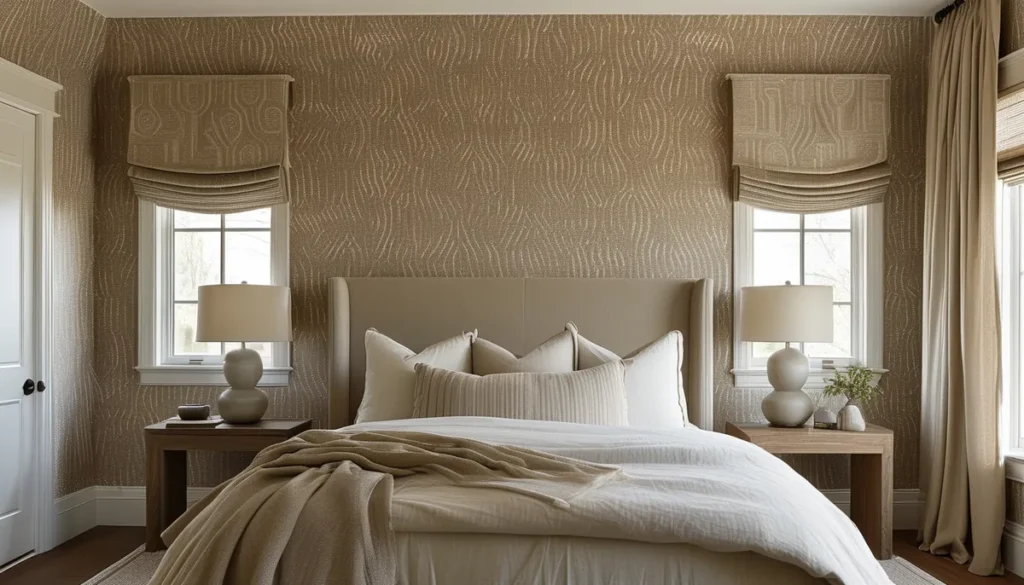
Some tropical jungle wallpapers feature textures, such as linen, grasscloth, or embossed patterns. These add a tactile dimension to your walls, enhancing the natural feel of jungle motifs. Textured wallpapers can hide minor imperfections in your walls, but they can also be trickier to clean and may require professional installation. The raised patterns can create beautiful shadow play, adding depth and sophistication to the tropical theme. However, be aware that some textures might not be suitable for very humid environments.
Peel-and-stick wallpapers
This is the most DIY-friendly option. Peel-and-stick wallpaper has an adhesive backing, meaning you simply peel off the backing and apply it to the wall. It’s perfect for renters or for accent walls where you might want to change the design down the line. Many tropical jungle designs are now available in peel-and-stick formats. While convenient, ensure you buy enough for your project, as dye lots can vary, and it might be discontinued. Also, the adhesive can sometimes damage delicate paint surfaces upon removal, so test a small area first.
Key design elements in tropical jungle wallpaper
The ‘jungle’ in tropical jungle wallpaper isn’t just about generic greenery. It’s about a specific type of lush, often dense, and vibrant flora and fauna. Understanding these elements helps you choose a design that truly captures the essence of the tropics.
Botanical diversity
Look for a variety of plant types. Think large, dramatic leaves like Monstera, palm fronds, banana leaves, and ferns. Interspersed with these might be exotic flowers such as orchids, hibiscus, or birds of paradise. The richness comes from the layering and diversity of these botanical elements. Tropical botanical wallpaper offers a wide array of these intricate designs.
Color palettes
While lush greens are dominant, effective jungle wallpapers use a range of colors to create depth and realism. Expect deep emeralds, lime greens, and olive tones mixed with earthy browns, vibrant pops of floral colors (reds, oranges, purples), and sometimes even hints of blue in the background for sky or water elements. The contrast between dark shadows and bright highlights is crucial for a dynamic jungle scene.
Scale and pattern repeat
Jungle patterns are often large-scale, mimicking the overwhelming nature of a real rainforest. A large-scale print can make a small room feel more expansive by drawing the eye, but it needs adequate wall space to be appreciated. Pay attention to the pattern repeat – how often the design pattern starts over. A large repeat is common in jungle designs and requires careful planning during installation to ensure the pattern flows seamlessly across multiple panels. Consider tropical palm tree wallpaper for a more focused, yet still impactful, look.
Fauna and accents
Some tropical jungle wallpapers include hidden or prominent wildlife elements – birds like parrots or toucans, monkeys, or even large cats. These can add a playful or dramatic touch. Other accents might include water features, ancient ruins, or subtle textures that mimic natural materials.
Where to use tropical jungle wallpaper
The boldness of tropical jungle wallpaper means it works best when used strategically. While a full room immersion is possible, accent walls are often a more practical and impactful application.
Accent walls
An accent wall behind a bed, sofa, or fireplace can become the focal point of a room without overwhelming the space. This is a great way to introduce a dramatic jungle theme, especially in living rooms, dining rooms, or bedrooms. The rest of the walls can be painted in a complementary solid color that picks out an accent from the wallpaper.
Bathrooms and powder rooms
For a bold statement, consider tropical bathroom wallpaper. Moisture-resistant vinyl or non-woven options are essential here. A small powder room can be completely transformed into a lush oasis with a stunning jungle mural.
Hallways and entryways
A long hallway can become a journey through the jungle, with the wallpaper guiding guests into your home. Entryways can also be given a dramatic first impression with a carefully chosen jungle design. Ensure the wallpaper is durable enough for the foot traffic if it’s a primary entryway.
Home offices and dens
To create an inspiring and energetic workspace, tropical jungle wallpaper can be an excellent choice. It can help boost creativity and provide a visually stimulating backdrop during video calls. Ensure the pattern isn’t too distracting for focused work.
Installation tips for a seamless jungle effect
Proper installation is critical for achieving the desired impact with tropical jungle wallpaper, especially with large-scale and intricate designs. Mistakes can be costly and detract from the beauty of the print.
Preparation is key
Ensure your walls are clean, dry, and smooth. Fill any holes or cracks and sand them smooth. Prime the walls if necessary, especially if you’re covering a dark color with a lighter wallpaper, or if you’re using a non-woven type that requires a specific primer for optimal adhesion. Remove any old wallpaper completely.
Measuring and cutting
Measure your walls carefully and calculate how many rolls you’ll need, accounting for pattern repeat and potential mistakes. When cutting your panels, ensure you align the pattern precisely. It’s often best to cut panels slightly longer than needed and trim the excess at the ceiling and baseboard later.
Applying the wallpaper
Follow the manufacturer’s instructions for applying paste (either to the wall or the paper, depending on the material). Use a smoothing tool (like a wallpaper brush or plastic smoother) to press the paper onto the wall, working from the center outwards to remove air bubbles. Overlap seams slightly for vinyl or butt them together for non-woven, depending on the product’s recommendation. For peel-and-stick, carefully align each section before pressing it down.
Dealing with corners and outlets
Carefully fold the wallpaper around inside corners, ensuring a tight fit. For outside corners, wrap the paper around as far as possible and trim any excess. For outlets and switches, cut an ‘X’ in the wallpaper over the opening and fold the flaps inside the box before reattaching the cover plate. Always turn off the power at the breaker before working near electrical outlets.
Maintaining your tropical jungle wallpaper
The longevity of your wallpaper depends on its material and how well it’s maintained. For most vinyl and some non-woven wallpapers, gentle cleaning is usually sufficient.
Cleaning
For washable vinyl wallpapers, use a soft, damp cloth with a mild soap solution. Gently wipe the surface, avoiding excessive scrubbing, which can damage the print or texture. For non-woven papers, check the manufacturer’s guidelines; some are spot-cleanable, while others require professional cleaning. Textured wallpapers might require special care or professional cleaning.
Avoiding damage
Keep direct sunlight from hitting the wallpaper for extended periods, as this can cause fading over time. Avoid high humidity environments for non-vinyl wallpapers. Be cautious with furniture placement to prevent scuffing or tearing, especially in high-traffic areas.
When to consider professional installation
While many wallpapers are designed for DIY installation, complex patterns, large-scale murals, or premium materials might benefit from professional help. If you’re unsure about your skills, working with a particularly intricate tropical wallpaper oasis design, or covering a large or irregularly shaped room, hiring a professional installer can save you time, stress, and potential costly mistakes. They have the tools, experience, and techniques to ensure a flawless finish.