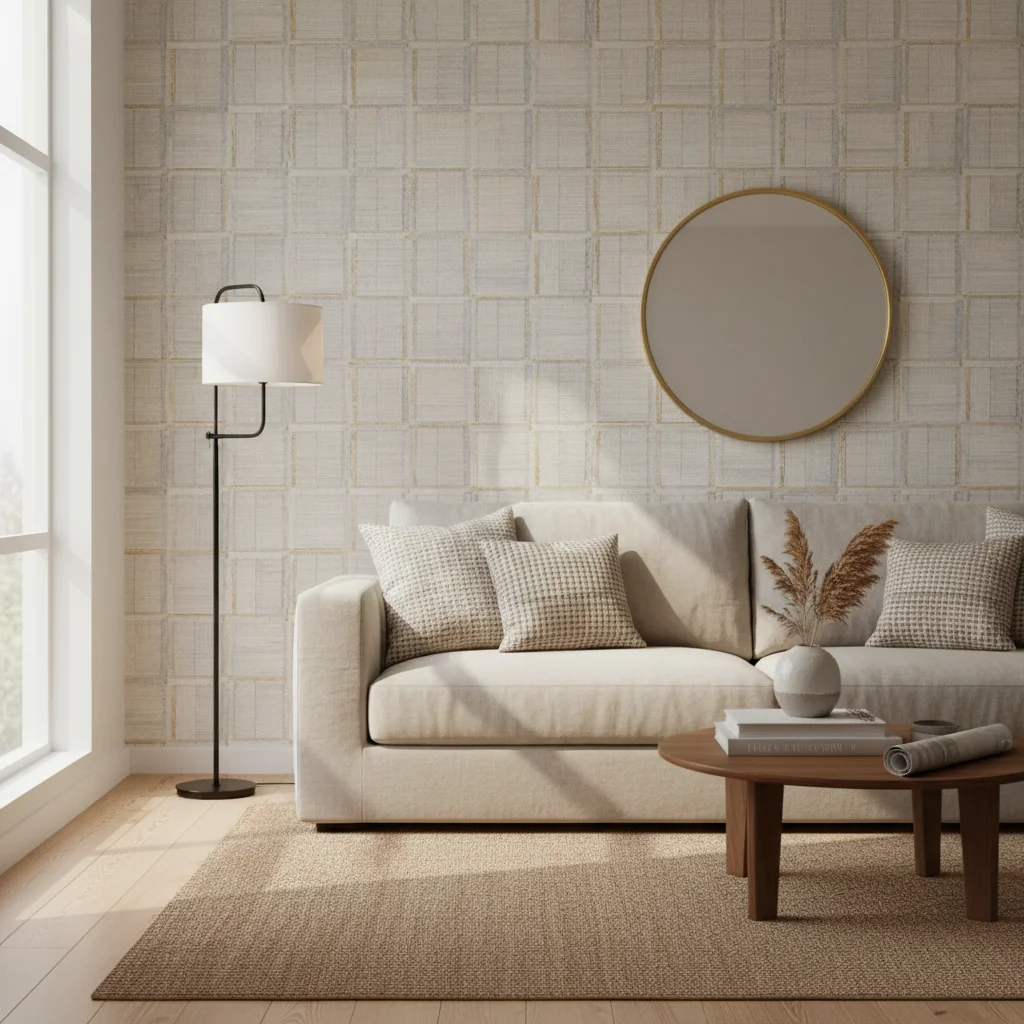
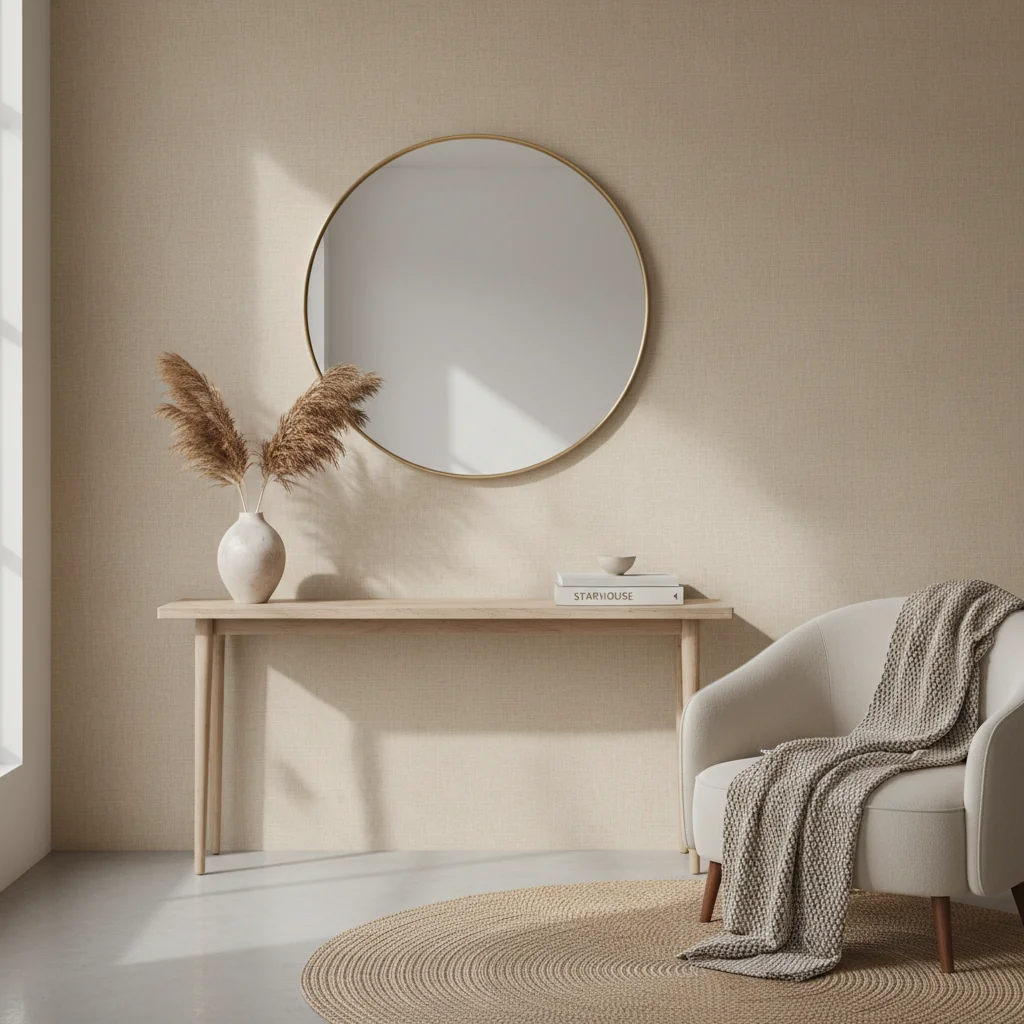
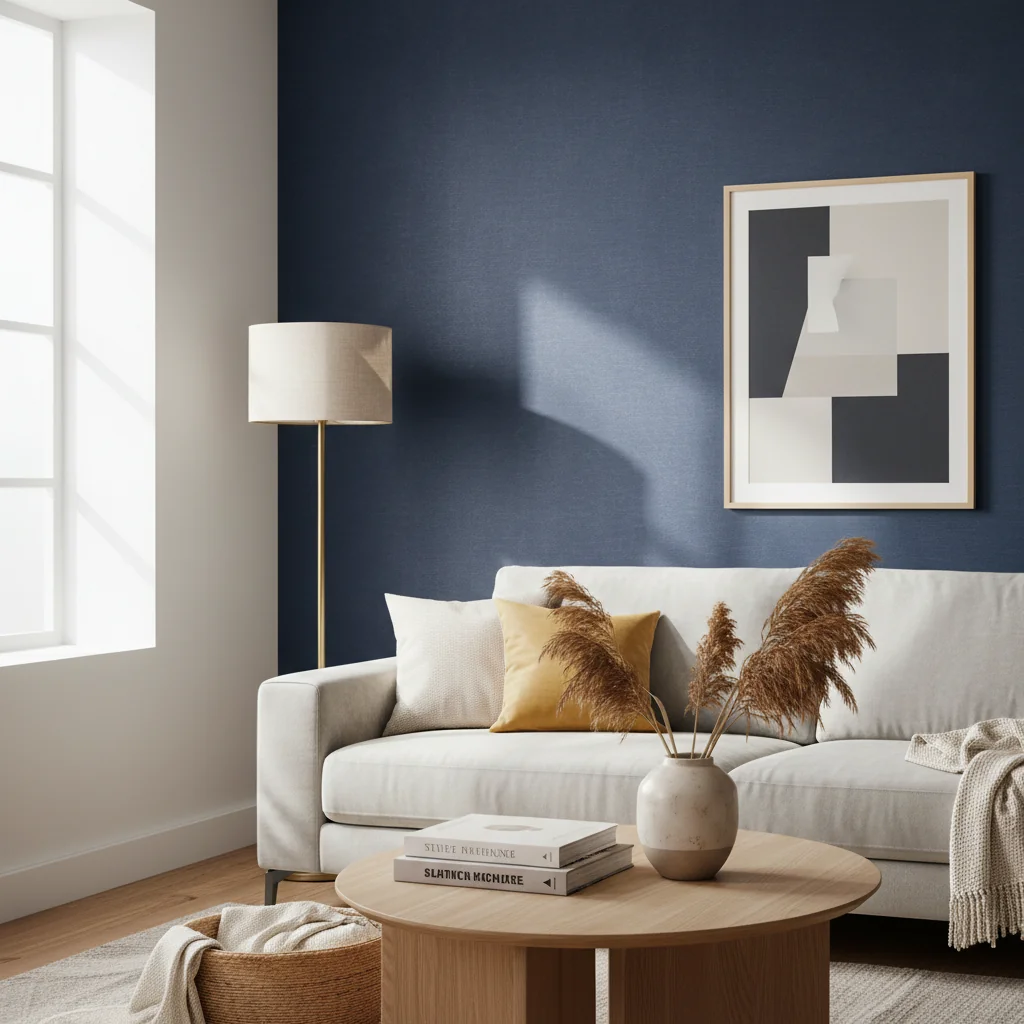
York Wallcoverings wallpaper represents a cornerstone of American interior design, offering an unparalleled selection of patterns, textures, and materials that elevate residential and commercial spaces with enduring style and quality. As the oldest and largest wallpaper manufacturer in the United States, York Wallcoverings has established a reputation for innovative design and superior craftsmanship, producing wallcoverings that span from classic damasks to contemporary geometrics, all meticulously crafted to meet rigorous aesthetic and performance standards. Their extensive portfolio includes traditional unpasted, pre-pasted, and modern peel-and-stick options, catering to diverse design sensibilities and installation preferences across the nation. Starhouse recognizes York Wallcoverings as a premier brand for its commitment to both heritage and innovation, providing homeowners and designers with foundational elements for creating truly distinctive interiors.
Key Takeaways
- York Wallcoverings is the largest and oldest wallpaper manufacturer in the United States, renowned for its heritage and continuous innovation in wallcovering design and technology.
- Their extensive product line encompasses a wide range of types, including traditional unpasted, pre-pasted, and highly convenient peel-and-stick options, suitable for various installation needs and preferences.
- York Wallcoverings offers an expansive spectrum of styles, from historical reproductions and classic damasks to modern geometrics and tactile textures, ensuring a perfect match for any interior design aesthetic.
- The brand prioritizes material quality, utilizing durable substrates like non-woven, paper, and vinyl, often incorporating specialty finishes such as metallic accents, flocking, and embossed textures for enhanced visual and tactile appeal.
- Proper selection involves considering room function, lighting, existing furnishings, and desired maintenance levels, with precise measurement and pattern matching being critical for a flawless installation.
- Thoughtful styling and pairing of York Wallcoverings wallpaper with complementary furnishings, lighting, and accessories are essential to creating cohesive and impactful design narratives within a space.
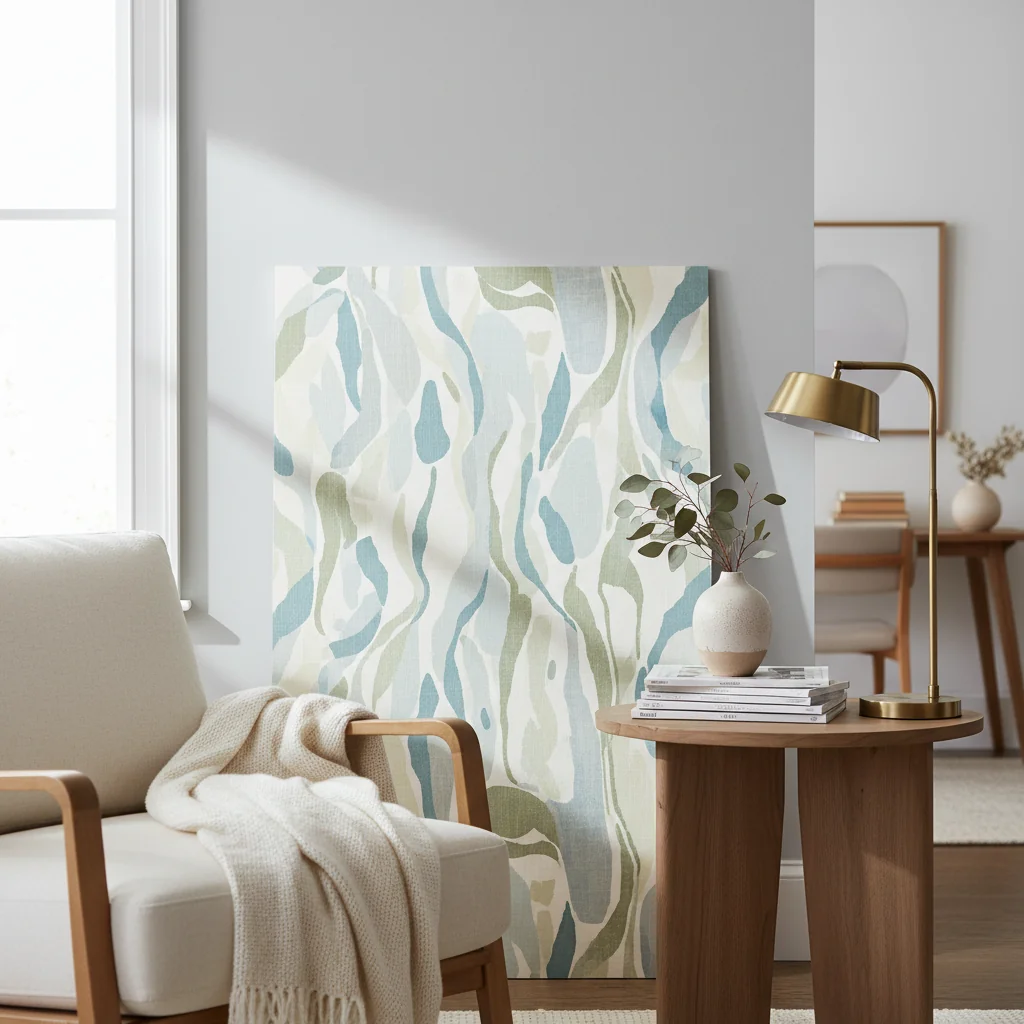
The Enduring Legacy of York Wallcoverings
York Wallcoverings holds a significant and distinguished position in the American interior design landscape, rooted in a history of manufacturing excellence that dates back to 1895 in York, Pennsylvania. As the oldest and largest wallpaper manufacturer in the United States, York Wallcoverings has consistently evolved its production techniques and design offerings while maintaining a steadfast commitment to quality and craftsmanship. This enduring legacy is built upon a foundation of traditional printing methods, such as surface printing, combined with continuous innovation in materials and digital technologies.
The company’s commitment to preserving historical design integrity while embracing contemporary aesthetics has allowed it to remain at the forefront of the wallcovering industry for over a century. York Wallcoverings is recognized for its vast archive of patterns, which serves as both inspiration and a resource for authentic reproductions. This unique position enables them to offer designs that resonate with both classic sensibilities and modern tastes, making their collections highly sought after by discerning homeowners and professional designers alike. The brand’s dedication to its American heritage is evident in its continued operation and innovation from its original Pennsylvania base, underscoring a commitment to domestic manufacturing and quality control.
Throughout its history, York Wallcoverings has demonstrated a remarkable ability to adapt to changing design trends and technological advancements. From the early days of hand-block printing to the sophisticated digital and rotary screen processes used today, the company has consistently invested in methods that enhance both the artistry and durability of its products. This blend of tradition and modernity ensures that every roll of York wallpaper not only meets high aesthetic standards but also provides lasting performance, reflecting a deep understanding of what constitutes a truly exceptional wallcovering.
Understanding the Diverse Types of York Wallcoverings Wallpaper
York Wallcoverings produces a diverse array of wallpaper types, primarily categorized by their backing material and application method, offering solutions for various installation skill levels and permanence requirements. These categories include traditional unpasted, pre-pasted, and the highly convenient peel-and-stick options, each designed to meet specific aesthetic and functional needs within a space. Understanding the distinctions between these types is crucial for selecting the most appropriate wallcovering for your project.
Traditional Unpasted Wallpaper: This classic type requires the application of a separate adhesive to the back of the wallpaper before hanging. Traditional unpasted wallpaper is often favored by experienced installers and those seeking a highly durable and long-lasting finish, as the separate adhesive typically offers a stronger, more permanent bond to the wall. This category frequently includes high-quality paper-backed vinyls, solid sheet vinyls, and various natural fiber options, providing exceptional depth and texture. The installation process, while more involved, allows for greater control over the adhesive application and positioning, which can be advantageous for intricate patterns or delicate materials. Many of York’s most intricate and luxurious designs, including embossed and specialty textured papers, are offered in this format.
Pre-pasted Wallpaper: Engineered for ease of application, pre-pasted wallpaper comes with a dry adhesive already applied to its backing, which is activated by simply dipping the cut strips in water. This method significantly streamlines the installation process compared to unpasted varieties, making it a popular choice for DIY enthusiasts. Once activated, the paste creates a reliable bond, and the wallpaper can typically be repositioned for minor adjustments during hanging. York’s pre-pasted options are often designed with user-friendliness in mind, maintaining high aesthetic standards while simplifying the project for homeowners. The adhesive is formulated to provide strong adherence while often allowing for easier removal than some traditional pastes, making it a versatile choice for various rooms.
Peel-and-Stick Wallpaper: Also known as self-adhesive or removable wallpaper, peel-and-stick wallpaper features an adhesive backing protected by a removable liner. Installation involves simply peeling off the liner and pressing the wallpaper onto a clean, smooth wall surface, offering the ultimate in convenience and flexibility. This type is particularly well-suited for renters, temporary installations, accent walls, or for those who enjoy frequently changing their décor, as it can be removed without damaging the underlying paint or drywall. York Wallcoverings offers a robust selection of peel-and-stick designs, ensuring that convenience does not compromise style. The material is typically a durable vinyl or non-woven fabric, making it washable and resistant to humidity, expanding its applicability to bathrooms and kitchens where traditional wallpaper might be more challenging to manage.
Each type offers distinct advantages. Traditional unpasted provides the broadest range of material choices and the most permanent application. Pre-pasted offers a balance of ease and durability. Peel-and-stick delivers maximum flexibility and minimal commitment. Starhouse recommends evaluating your project’s longevity, your comfort level with installation, and the specific environmental conditions of the room when selecting among these options.
| Type | Application Method | Permanence | Removal | Ideal Use Cases | DIY Friendliness |
|---|---|---|---|---|---|
| Traditional Unpasted | Separate paste applied to paper or wall | High (most permanent) | More involved, may require steaming | Long-term installations, high-traffic areas, luxury finishes | Moderate to Low (professional recommended for best results) |
| Pre-pasted | Water-activated paste on backing | Medium to High | Generally strippable when wet | General living spaces, bedrooms, dining rooms, medium-term projects | Moderate |
| Peel-and-Stick | Self-adhesive backing, peel-off liner | Low to Medium (removable) | Easy, peels off without residue | Rentals, accent walls, temporary decor, DIY projects, dorm rooms | High |
Exploring Styles and Design Aesthetics from York Wallcoverings
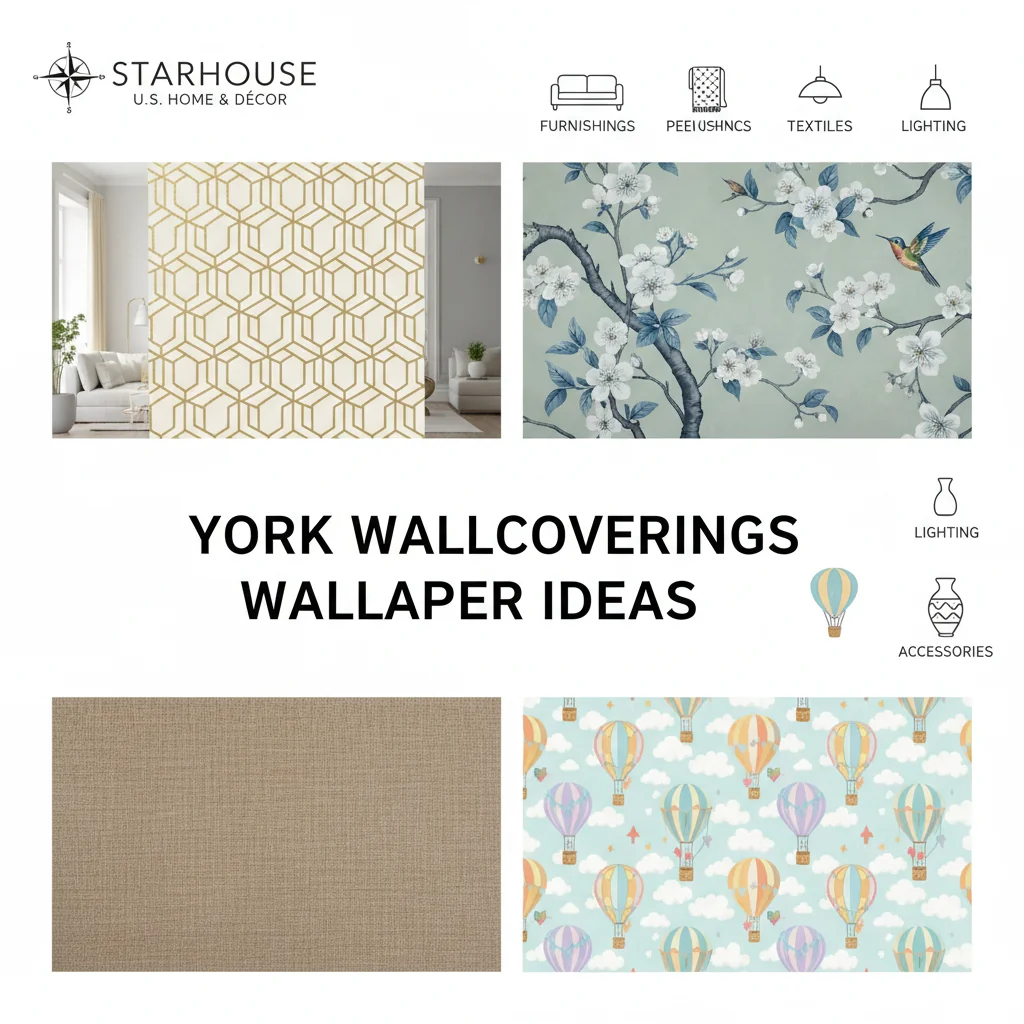
York Wallcoverings is renowned for its expansive and diverse portfolio of styles, encompassing everything from historical reproductions to cutting-edge contemporary designs, ensuring a suitable aesthetic for virtually any interior design vision. Their collections are meticulously curated to reflect both enduring design principles and current trends, allowing homeowners and designers to achieve specific moods and themes within their spaces. The breadth of York’s stylistic offerings is a testament to their deep understanding of global design history and future-forward innovation.
Traditional & Classic: York Wallcoverings excels in creating traditional and classic patterns that evoke timeless elegance. This category includes intricate damasks, stately stripes, elegant toile de Jouy, and sophisticated floral motifs. These designs often draw inspiration from historical periods, such as Victorian, Georgian, and Colonial American aesthetics, featuring rich color palettes and detailed ornamentation. They are ideal for formal living rooms, dining rooms, or master bedrooms where a sense of grandeur and established charm is desired. The precision of York’s printing techniques ensures that these complex patterns maintain their clarity and depth.
Modern & Contemporary: For spaces requiring a fresh, minimalist, or avant-garde touch, York offers a robust selection of modern and contemporary styles. These designs frequently feature geometric patterns, abstract art-inspired motifs, bold graphic prints, and textured solids. Color palettes tend to be more neutral, monochromatic, or feature vibrant, contrasting hues. These wallpapers are perfect for creating sleek, urban environments, enhancing architectural features, or adding a dynamic focal point in a contemporary setting. Materials often include smooth vinyls, metallic accents, and subtle textural variations that play with light.
Transitional: The transitional style effectively bridges the gap between traditional and modern, blending classic elements with contemporary sensibilities for a balanced and adaptable look. York’s transitional wallpapers might feature softened traditional patterns, updated damasks with metallic sheens, or muted geometrics with organic undertones. This style is incredibly versatile, suitable for homes that seek comfort and familiarity without appearing dated, often found in family rooms, studies, or guest bedrooms. The designs offer a sophisticated yet approachable aesthetic, often using subtle textures and a refined color palette.
Rustic & Organic: Embracing natural textures and earthy tones, York’s rustic and organic collections bring the tranquility of the outdoors inside. This includes patterns mimicking wood grain, natural stone, brick, grasscloth textures, and botanical prints featuring leaves, trees, and floral elements. These styles are perfect for creating cozy, inviting spaces with a connection to nature, suitable for cabins, farmhouses, or any home seeking a serene and grounded atmosphere. The tactile quality of these wallpapers often enhances their authenticity.
Eclectic & Whimsical: For those who dare to express individuality, York offers eclectic and whimsical designs that defy easy categorization. These might include unexpected animal prints, vibrant illustrative patterns, bold artistic murals, or playful novelty designs. These wallpapers are excellent for creating accent walls, children’s rooms, or spaces where personality and creative expression are paramount. They allow for a high degree of personalization and can serve as a conversation starter within a room.
York Wallcoverings also frequently collaborates with renowned designers, bringing exclusive collections to market that further diversify their stylistic offerings. This commitment to variety ensures that whether your preference leans towards historical accuracy, sleek modernity, or something uniquely personal, there is a York Wallcoverings design to perfectly articulate your vision.
Materials and Construction: The Foundation of York Quality
The superior quality and performance of York Wallcoverings wallpaper are fundamentally rooted in the materials used and the advanced construction techniques employed during manufacturing. York meticulously selects substrates and inks, and utilizes various printing methods to create wallcoverings that are not only visually stunning but also durable, washable, and often eco-friendly. Understanding these foundational aspects helps in appreciating the value and longevity of their products.
Substrates: The base material, or substrate, of a wallpaper dictates many of its characteristics, including durability, ease of installation, and environmental impact.
- Non-Woven: Non-woven wallpaper is a high-performance material made from a blend of natural and synthetic fibers, making it exceptionally strong, tear-resistant, and breathable. This substrate is highly dimensionally stable, meaning it resists shrinking or expanding when wet, which simplifies installation and ensures a smooth finish. Non-woven wallpapers are often “paste-the-wall” products, where adhesive is applied directly to the wall rather than the paper, making them easier to hang and remove. They are also breathable, which helps prevent mold and mildew growth in humid environments.
- Paper: Traditional paper-backed wallpapers consist of a decorative paper face laminated to a paper backing. While offering a classic feel and excellent print quality, they are generally less durable and more prone to tearing when wet compared to other substrates. Paper wallpapers are typically unpasted and require careful handling during installation. They are often chosen for their aesthetic appeal and ability to capture intricate details and rich colors.
- Solid Sheet Vinyl (SSV): Solid sheet vinyl wallpapers are made entirely of vinyl, offering exceptional durability, washability, and resistance to moisture and abrasion. These are highly practical for high-traffic areas, kitchens, and bathrooms. SSV is known for its robustness and long lifespan, making it a functional choice where performance is paramount. They can be heavy-duty and are often found in commercial settings due to their resilience.
- Paper-Backed Vinyl: This popular type features a decorative vinyl surface laminated to a paper backing. It combines the aesthetic versatility and print quality of paper with the enhanced durability and washability of vinyl. Paper-backed vinyls are generally easy to clean and maintain, making them suitable for many residential applications. They offer a good balance between appearance and practicality.
- Fabric-Backed Vinyl: For the utmost in durability and tear resistance, fabric-backed vinyl wallpapers feature a vinyl surface laminated to a woven fabric backing. These are particularly robust and are often specified for commercial projects or very high-traffic residential areas. The fabric backing provides exceptional strength and dimensional stability.
- Natural Fibers: York also offers wallcoverings made from natural materials such as grasscloth, sisal, and jute. These provide unique textures and organic aesthetics, adding depth and warmth to a space. They are typically unpasted and require specialized installation techniques due to their delicate nature and visible seams.
Printing Methods and Finishes: York Wallcoverings utilizes a variety of sophisticated printing techniques and finishes to achieve its diverse range of designs and tactile qualities.
- Surface Printing: This traditional method uses raised rollers to apply ink, resulting in a distinct, hand-printed look with a slightly raised texture. It’s often used for classic patterns and can create a beautiful, layered effect.
- Rotary Screen Printing: A versatile method that uses cylindrical screens to apply ink, allowing for excellent detail and vibrant colors. It’s efficient for large production runs and can create a wide range of effects, including metallic and glitter finishes.
- Digital Printing: For highly detailed, photographic, or custom designs, digital printing offers unparalleled precision and flexibility. It’s ideal for murals and intricate patterns with many colors.
- Embossing: This process creates a raised, three-dimensional texture on the wallpaper, adding depth and tactile interest. Embossing can mimic fabric weaves, natural textures, or intricate patterns.
- Flocking: A technique where fine fibers are electrostatically applied to a glued pattern, creating a soft, velvety, raised texture. Flocked wallpapers offer a luxurious and opulent feel.
- Metallic & Mica Inks: These specialty inks add a subtle shimmer or bold reflective quality to patterns, enhancing light play and adding a touch of glamour.
The combination of these carefully chosen materials and advanced manufacturing processes ensures that York Wallcoverings products are not merely decorative but are also built to perform and endure, reflecting the brand’s unwavering commitment to quality.
Choosing the Right York Wallcoverings Wallpaper for Your Space
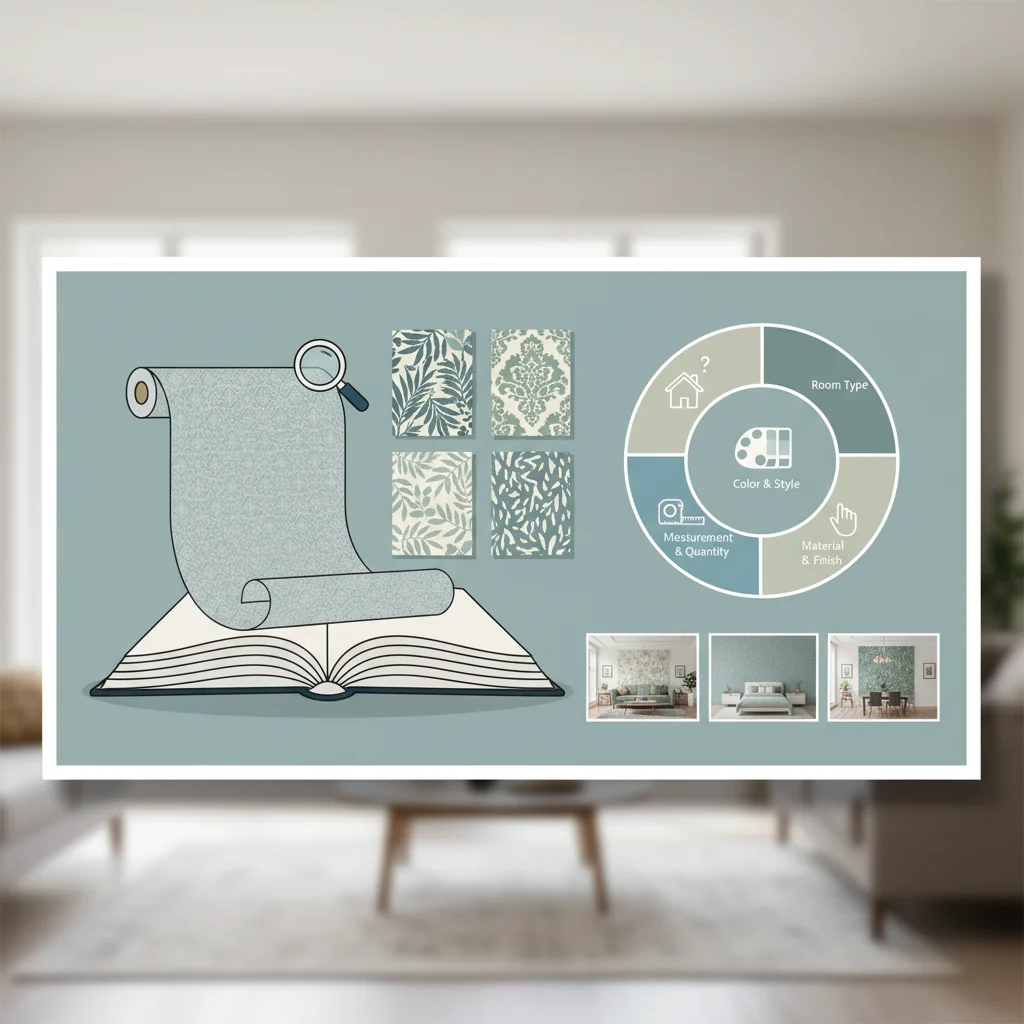
Selecting the appropriate York Wallcoverings wallpaper involves a thoughtful assessment of several key factors, including the room’s function, existing décor, lighting conditions, and your personal style preferences, to ensure a cohesive and impactful design outcome. A well-chosen wallpaper can dramatically transform a space, adding character, warmth, or a bold statement, but an unsuitable choice can detract from the overall aesthetic. Starhouse emphasizes a holistic approach to this decision-making process.
1. Consider the Room’s Function and Traffic Level:
- High-Traffic Areas (Hallways, Kids’ Rooms): Opt for durable, washable materials like solid sheet vinyl or paper-backed vinyl. These materials are resistant to scuffs, stains, and can withstand frequent cleaning. Peel-and-stick vinyl options also offer excellent durability and are often easily wiped clean.
- Bathrooms & Kitchens: Moisture and humidity are key considerations. Non-woven or vinyl wallpapers are excellent choices due to their resistance to moisture and ease of cleaning. Ensure adequate ventilation to prevent issues.
- Bedrooms & Living Rooms: These areas allow for a wider range of materials, including more delicate options like traditional paper or natural fibers, as traffic and moisture exposure are typically lower. Focus here on comfort, aesthetic appeal, and creating a desired mood.
- Formal Spaces (Dining Rooms, Studies): Luxurious materials such as flocked, embossed, or natural fiber wallpapers can elevate these areas, adding sophistication and depth.
2. Evaluate Existing Décor and Furnishings:
- Color Palette: Select a wallpaper that harmonizes with your existing furniture, textiles, and paint colors. Determine if you want the wallpaper to be the dominant feature or a complementary backdrop. A general rule is to pick out one or two colors from your existing décor to tie into the wallpaper pattern.
- Style Cohesion: Ensure the wallpaper style (e.g., traditional, modern, rustic) aligns with the overall design aesthetic of your home. A modern geometric might clash in a heavily traditional space unless intentionally used for an eclectic contrast.
- Scale of Pattern: The scale of the wallpaper pattern should be proportionate to the size of the room and the scale of your furniture. Large, bold patterns can overwhelm a small room but can make a grand statement in a spacious area. Conversely, small, intricate patterns can add detail without overpowering a compact space.
- Texture Integration: Consider how the wallpaper’s texture will interact with other textures in the room, such as upholstery, rugs, and window treatments. A balance of smooth, rough, soft, and hard textures creates visual interest.
3. Assess Lighting Conditions:
- Natural Light: Rooms with abundant natural light can handle darker, bolder patterns without feeling constricted. Metallic or reflective wallpapers can beautifully bounce light around.
- Low Light: In dimly lit rooms, opt for lighter colors and patterns, or designs with subtle sheen, to brighten the space and prevent it from feeling too enclosed. Avoid overly dark or dense patterns unless you intend to create a cozy, intimate atmosphere.
- Artificial Light: Consider how your artificial lighting (lamps, overhead fixtures) will interact with the wallpaper. Certain textures or metallic finishes can appear dramatically different under varying light sources.
4. Personal Style and Desired Mood:
Ultimately, the wallpaper should reflect your personal taste and contribute to the desired mood of the room. Do you want a tranquil retreat, a vibrant gathering space, or a sophisticated study?
- Calm & Serene: Soft pastels, subtle textures, organic patterns, and muted tones.
- Bold & Dramatic: Large-scale patterns, deep colors, metallic accents, or abstract designs.
- Warm & Inviting: Earthy tones, natural textures like grasscloth, botanical prints.
- Playful & Energetic: Bright colors, whimsical motifs, stripes, or polka dots.
5. Obtain Samples:
Starhouse strongly recommends ordering samples of your preferred York Wallcoverings patterns. Hang them on your wall for a few days to observe how they appear in different lighting conditions throughout the day and how they interact with your existing furnishings. This crucial step helps confirm your choice before committing to a full purchase.
By carefully evaluating these factors, you can confidently select a York Wallcoverings wallpaper that not only enhances your space aesthetically but also meets your practical needs and personal vision.
Starhouse is passionately curating a collection of premium home décor essentials designed to elevate every corner of your home. We invite you to tell us what you’re looking for in your dream space and gain early access to our exclusive launch.
Sizing, Measuring, and Installation Considerations for York Wallcoverings
Accurate sizing and precise measurement are paramount for a successful wallpaper installation, ensuring a seamless finish and minimizing waste when working with York Wallcoverings products. Proper preparation and understanding installation nuances specific to each wallpaper type are equally critical for achieving professional-grade results. Even the most exquisite wallpaper can look subpar if not measured and installed correctly.
Understanding Wallpaper Dimensions
York Wallcoverings wallpaper rolls typically come in standard widths and lengths, though these can vary slightly by collection and design.
- Standard Widths: Most residential wallpapers are approximately 20.5 inches (52 cm) or 27 inches (68.5 cm) wide. Wider rolls, often around 36 to 48 inches, are common for commercial-grade or specialty wallcoverings.
- Standard Lengths: A single roll usually contains about 16.5 feet (5 meters) to 33 feet (10 meters) of wallpaper. Double rolls, which are common for traditional unpasted wallpapers, typically offer approximately 33 feet (10 meters) in length, providing more continuous material and reducing waste from pattern repeats. Always check the specific roll dimensions listed on the product specifications.
- Pattern Repeat: This is the vertical distance at which the pattern repeats itself on the wallpaper. Understanding the pattern repeat is essential for accurate measuring and matching the design seamlessly from one strip to the next. Pattern repeats can range from a few inches to over 24 inches for large-scale designs.
Precise Measurement for Wallpaper Quantities
To accurately determine how many rolls of York Wallcoverings wallpaper you need, follow these steps:
- Measure Wall Dimensions: Measure the height of your wall from the baseboard to the ceiling, and the total width of each wall you intend to cover. It is imperative to measure in several places, as walls are rarely perfectly uniform. Use the greatest measurement for calculation.
- Calculate Total Square Footage: Multiply the total height (in feet) by the total width (in feet) of all walls to get the total square footage. Do not deduct for windows or doors at this stage; this provides a safety margin for pattern matching and trimming.
- Determine Usable Square Footage Per Roll: Each roll of wallpaper has a stated total square footage. However, due to pattern repeats and trimming, the usable square footage is always less. A common estimation for usable square footage for a standard single roll (e.g., 20.5 inches wide, 33 feet long) is around 50-55 sq ft. For double rolls, this would be approximately 100-110 sq ft. Always refer to the manufacturer’s specific coverage estimates, which often account for pattern repeat.
- Divide Total Area by Usable Roll Coverage: Divide your total calculated square footage by the estimated usable square footage per roll. Round up to the nearest whole number to determine the number of rolls needed.
- Factor in Pattern Repeat: For patterns with a large repeat, it is advisable to purchase an extra roll. A large pattern repeat (e.g., 20 inches or more) means you will lose more material per strip to ensure seamless alignment. This extra roll serves as a buffer for mistakes or future repairs.
- Purchase from the Same Dye Lot: Always purchase all rolls at once from the same dye lot (batch number) to ensure consistent color. Slight variations can occur between different production runs. This information is typically printed on the label of each roll.
Example Calculation:
A room has four walls: two walls are 10 ft high x 12 ft wide, and two walls are 10 ft high x 15 ft wide.
Total wall width: (12 ft + 12 ft + 15 ft + 15 ft) = 54 ft.
Total wall area: 10 ft (height) x 54 ft (width) = 540 sq ft.
If a York double roll provides 110 sq ft of usable coverage:
Rolls needed: 540 sq ft / 110 sq ft/roll = 4.9 rolls.
Round up to 5 rolls. With a large pattern repeat, consider 6 rolls for safety.
Key Installation Considerations
Proper installation is critical for the aesthetic and longevity of your York Wallcoverings wallpaper.
- Wall Preparation: The wall surface must be clean, dry, smooth, and primed. Any imperfections will show through the wallpaper. Fill holes, sand rough patches, and apply a high-quality wallpaper primer (like a “sizing” or “prep coat”) to ensure optimal adhesion and easier future removal. This step is non-negotiable for a professional finish.
- Tools: Gather essential tools: a plumb bob or laser level for straight vertical lines, a smoothing brush or plastic smoother, a utility knife with fresh blades, a tape measure, a bucket for water (for pre-pasted), a paste brush/roller (for unpasted), and a clean sponge.
- Starting Point: For patterned wallpaper, it is often best to start near a corner that is less conspicuous, or centered on a focal wall, working outwards. For a room, starting near a door frame or in a corner where the pattern will be less noticeable if it doesn’t perfectly align can be strategic.
- Pattern Matching: Carefully align the pattern from one strip to the next. Cut strips longer than needed (add 4-6 inches to the top and bottom for trimming) to allow for pattern matching. Dry-fit strips before applying adhesive to ensure proper alignment.
- Adhesive Application (Unpasted): Apply a high-quality, clear wallpaper paste evenly to the back of the paper or directly to the wall (depending on the product type). “Booking” (folding pasted edges to the center) allows the paste to set and the paper to relax.
- Hanging and Smoothing: Start from the top, aligning the strip with your plumb line. Smooth out air bubbles with a brush or smoother, working from the center outwards. Trim excess at the top and bottom with a sharp utility knife and a straightedge.
- Seams: Butt seams tightly together; avoid overlapping unless specified by the manufacturer for certain materials like grasscloth. Some heavier vinyls may require seam rollers.
- Drying Time: Allow ample drying time, typically 24-48 hours, keeping the room at a consistent temperature and avoiding drafts.
For complex patterns, delicate materials, or large installations, Starhouse highly recommends engaging a professional wallpaper installer. Their expertise ensures a flawless application and preserves the integrity of your investment in York Wallcoverings wallpaper.
York Wallcoverings themselves provide resources for understanding different wallpaper types and installation nuances, underscoring the importance of proper technique.
Current Trends in York Wallcoverings Wallpaper
York Wallcoverings consistently anticipates and shapes interior design trends, offering collections that reflect current aesthetic preferences while maintaining their signature quality and timeless appeal. The brand’s ability to blend innovative design with classic sensibilities ensures that their trending wallpapers are not fleeting fads but rather stylish investments that enhance a space for years. Currently, several key trends are prominent in their offerings, focusing on nature, texture, geometric forms, and vintage revival.
1. Biophilic Design and Botanical Motifs:
The integration of nature into interior spaces, known as biophilic design, remains a dominant trend. York Wallcoverings excels in this area with an abundance of botanical and natural-inspired patterns. This includes large-scale tropical leaves, delicate floral prints, dense forest scenes, and abstract organic forms. Color palettes range from vibrant greens and deep blues to muted earth tones, bringing a sense of calm and connection to the outdoors. These patterns are particularly popular in bedrooms, bathrooms, and living areas, fostering a serene and restorative atmosphere.
2. Tactile Textures and Dimensionality:
Beyond visual appeal, there’s a strong movement towards enhancing the tactile experience of interiors. York Wallcoverings offers a wide array of textured wallpapers that add depth and interest without necessarily introducing a bold pattern. This includes realistic faux finishes like wood grain, brick, concrete, and stone, as well as more abstract textures such as grasscloth, woven effects, and subtle embossed designs. These textures create a sophisticated backdrop, adding warmth and a luxurious feel, often in neutral or monochromatic palettes. Flocked wallpapers, with their velvety raised patterns, also fit into this trend, providing a rich, sensory experience.
3. Geometric and Abstract Patterns:
Geometric designs continue to evolve, moving beyond simple lines to more complex, often irregular, and abstract configurations. York provides a sophisticated range of geometric patterns, from subtle interlocking shapes to bold, graphic statements. These designs can add a sense of order, dynamism, or artistic flair to a space. Abstract patterns, which evoke emotion and visual interest without a literal representation, are also gaining traction, offering unique focal points. These are particularly favored in contemporary and transitional interiors, adding a modern edge.
4. Art Deco and Mid-Century Modern Revival:
Nostalgia for the glamour of the Art Deco era and the clean lines of Mid-Century Modern design continues to inspire. York Wallcoverings captures these periods with elegant fan patterns, sunburst motifs, stylized metallics, and streamlined geometric forms characteristic of Art Deco. For Mid-Century Modern, patterns often feature organic curves, atomic-inspired shapes, and a playful yet refined color palette. These styles bring a sense of vintage sophistication and character to modern homes, often used in living rooms, dining areas, or home offices.
5. Murals and Large-Scale Scenics:
Moving beyond traditional repeating patterns, wall murals and large-scale scenic designs are gaining immense popularity, transforming entire walls into immersive works of art. York offers stunning murals depicting landscapes, cityscapes, abstract art, and oversized botanicals. These create dramatic focal points and can make a room feel larger or transport inhabitants to another setting. They are especially effective in open-plan living areas, accent walls, or children’s rooms.
6. Metallic Accents and Sheen:
Incorporating metallic gold, silver, bronze, and rose gold accents or subtle mica sheens adds a touch of luxury and glamor. These finishes catch and reflect light, making spaces feel more expansive and luminous. York integrates metallics into both traditional damasks and modern geometrics, providing a sophisticated shimmer that elevates any design.
York Wallcoverings consistently updates its collections to feature these evolving trends, ensuring that their offerings remain fresh, relevant, and inspiring for all design projects. By focusing on these key areas, they continue to provide homeowners with stylish and enduring options for personalized interiors.
Care and Maintenance for Your York Wallcoverings
Proper care and maintenance are essential for preserving the beauty and extending the lifespan of your York Wallcoverings wallpaper, ensuring it remains a vibrant feature in your home for many years. The specific cleaning method depends significantly on the wallpaper’s material and finish, and adhering to manufacturer guidelines is crucial to avoid damage. General principles of gentle cleaning and prompt attention to spills are universal.
Identifying Your Wallpaper’s Cleanability Rating
York Wallcoverings products are typically categorized by their level of washability, which is usually indicated by symbols on the product label. Understanding these classifications is the first step in proper care:
- Washable: This designation means the wallpaper can be gently wiped with a damp cloth and mild soap (non-abrasive, non-detergent). It is suitable for light soiling.
- Scrubbable: More durable than washable, scrubbable wallpapers can withstand more vigorous cleaning with a sponge, mild soap, and water. These are ideal for areas prone to more significant marks.
- Highly Scrubbable: The most durable category, designed to withstand extensive cleaning, often with a soft brush and stronger cleaning solutions (though still non-abrasive). These are typically solid sheet vinyl or fabric-backed vinyls.
- Delicate (Non-Washable/Wipeable): Materials like natural grasscloth, some specialty paper-based wallpapers, or heavily flocked designs are often not washable and should only be dusted or vacuumed gently. Introducing moisture can cause damage, staining, or separation.
General Care Guidelines
- Dust Regularly: For all types of wallpaper, regular dusting with a soft, dry cloth or a duster with an extension pole prevents dust buildup. A soft brush attachment on a vacuum cleaner can also be effective for textured or delicate surfaces.
- Address Spills Immediately: Blot spills gently with a clean, dry cloth as soon as they occur. Do not rub, as this can spread the stain or damage the wallpaper fibers.
- Test in an Inconspicuous Area: Before applying any cleaning solution to a visible area, always test it on a small, hidden spot (e.g., behind furniture or near the baseboard) to ensure it does not cause discoloration or damage.
- Use Mild Cleaning Solutions: For washable and scrubbable wallpapers, a solution of lukewarm water and a few drops of mild dish soap is usually sufficient. Avoid harsh chemicals, abrasive cleaners, or bleach, as these can strip colors, damage finishes, or degrade the material.
- Clean Gently: Apply the cleaning solution with a soft, damp sponge or cloth. Wipe in gentle, circular motions or from bottom to top to prevent streaking. Avoid oversaturating the wallpaper with water.
- Rinse and Dry: After cleaning, wipe the area with a clean cloth dampened with plain water to remove any soap residue. Then, immediately dry the wallpaper with a fresh, soft, dry cloth to prevent water spots or moisture damage.
- Avoid Excessive Moisture: Even for washable wallpapers, excessive moisture can weaken the adhesive or penetrate the backing, potentially leading to bubbling or peeling. Always wring out sponges or cloths thoroughly.
- Protect from Direct Sunlight: Prolonged exposure to direct sunlight can cause wallpaper colors to fade over time. Consider using blinds, shades, or UV-filtering window treatments in rooms with intense sun exposure to protect your investment.
- Repair Minor Damage Promptly: If a seam begins to lift or a small tear occurs, address it quickly. Use a seam roller for lifting seams or a small amount of appropriate wallpaper adhesive for tears to prevent further damage.
For specialty finishes like flocking, metallic accents, or delicate natural fibers, consult the specific care instructions provided by York Wallcoverings. These materials often require dry cleaning methods (dusting, light vacuuming) only. By following these guidelines, your York Wallcoverings wallpaper will continue to enhance your home’s aesthetic with its intended beauty and vibrancy for years to come.
Styling and Pairing York Wallcoverings Wallpaper for Impact
Styling and pairing York Wallcoverings wallpaper effectively involves integrating its pattern, color, and texture with other elements in the room, such as furnishings, lighting, and accessories, to create a cohesive and visually impactful design narrative. Wallpaper is a powerful design tool, and when thoughtfully coordinated, it can elevate a space from ordinary to extraordinary, reflecting a sophisticated and intentional aesthetic. Starhouse believes in leveraging wallpaper as a foundational element to build a truly harmonious interior.
1. Defining the Room’s Focal Point
Determine whether the wallpaper will serve as the primary focal point or a complementary backdrop.
- Focal Point: If using a bold, large-scale pattern, a vibrant color, or a dramatic mural, let the wallpaper be the star. Place it on a single accent wall, behind a bed, or in an entryway. Keep other elements in the room (furniture, art) relatively subdued to avoid visual clutter. For instance, a striking botanical mural from York Wallcoverings could be the sole statement wall, with solid-colored upholstery and minimalist accessories elsewhere.
- Complementary Backdrop: For more subtle patterns, textures, or neutral-toned wallpapers, they can provide a sophisticated foundation for the room. In this case, the furniture, artwork, or lighting can take center stage, with the wallpaper adding depth and warmth without overpowering. A delicate grasscloth texture or a soft geometric pattern creates an inviting envelope for your curated possessions.
2. Harmonizing with Furnishings and Textiles
The interplay between wallpaper and soft furnishings is crucial for a balanced design.
- Color Coordination: Pull one or two colors from the wallpaper pattern and echo them in your upholstery, throw pillows, rugs, or curtains. This creates a visual connection and a sense of cohesion. For example, if your York wallpaper features subtle hints of sage green, incorporate that color into accent pillows or a ceramic vase.
- Pattern Mixing: When mixing patterns, vary their scale and type. If your wallpaper has a large floral pattern, choose smaller-scale geometrics or stripes for textiles, or vice-versa. Ensure there’s a common color thread to unify the different patterns. A solid-colored fabric can provide a visual break and ground the space.
- Texture Contrast: Balance the texture of your wallpaper with your furnishings. If your wallpaper has a rich, tactile texture (like flocking or grasscloth), pair it with smooth fabrics (silk, velvet) and sleek furniture. If the wallpaper is smooth, introduce textured elements through chunky knits, linen, or natural wood furniture.
- Furniture Style: Ensure the style of your furniture complements the wallpaper. A vintage-inspired damask wallpaper pairs beautifully with traditional or antique furniture, while a modern geometric pattern calls for contemporary, minimalist pieces. Transitional wallpapers offer flexibility for a blend of styles.
3. Enhancing with Lighting and Accessories
Lighting and accessories are the finishing touches that bring the entire design together.
- Lighting: Consider how light interacts with your wallpaper. Metallic or mica-infused wallpapers from York will shimmer and reflect light, making a room feel brighter and more expansive. Wall sconces can highlight textured wallpaper, creating interesting shadow play. Ensure adequate ambient, task, and accent lighting to showcase the wallpaper’s nuances at different times of day.
- Mirrors: Strategically placed mirrors can amplify the wallpaper’s pattern and color, especially in smaller spaces. They also reflect light, further enhancing metallic or reflective designs.
- Artwork: If the wallpaper is busy, opt for simple, large-scale artwork with ample white space or a strong, singular image. If the wallpaper is subtle, you can layer a gallery wall or more intricate art. Frame artwork in colors that complement the wallpaper, or use floating frames to minimize distraction.
- Greenery: Live plants bring a natural element into the room, especially effective with botanical or organic-themed wallpapers. Their vibrant green hues provide a refreshing contrast and add life.
- Shelving and Built-ins: Wallpapering the back of bookshelves or inside display cabinets is an excellent way to introduce a pattern without overwhelming the room. It adds a surprising pop of design and highlights displayed objects.
- Architectural Details: Use wallpaper to emphasize architectural features like fireplaces, alcoves, or coffered ceilings. A patterned wallpaper inside a recessed panel can add depth and interest.
By meticulously planning how your York Wallcoverings wallpaper interacts with every other element in your room, you can craft a space that is not only beautiful but also deeply personal and thoughtfully designed. The goal is to achieve a layered look where every component contributes to the overall aesthetic harmony.
Common Mistakes to Avoid When Working with York Wallcoverings Wallpaper
Even with high-quality products like York Wallcoverings wallpaper, certain common mistakes can detract from the final aesthetic and durability of your installation. Being aware of these pitfalls allows for proactive planning and execution, ensuring a professional and long-lasting result that truly enhances your space. Avoiding these errors is key to maximizing your investment and achieving the desired design impact.
- Inadequate Wall Preparation: This is arguably the most critical and frequently overlooked step. Failing to clean, repair, and properly prime walls will lead to an inferior finish. Dust, grime, old adhesive, or uneven surfaces will show through, and the wallpaper may not adhere correctly, leading to bubbling, peeling, or visible imperfections. Always ensure walls are smooth, dry, and primed with a high-quality wallpaper primer/sealer for optimal adhesion and easier removal in the future.
- Incorrect Measurement and Underestimation of Rolls: Under-ordering wallpaper is a common and frustrating mistake. Not accounting for pattern repeat, trimming, or potential mistakes can leave you short of material, especially if the subsequent rolls are from a different dye lot (leading to color variations). Always measure meticulously, use a reliable wallpaper calculator, and purchase at least one extra roll, particularly for large or intricate patterns.
- Neglecting Dye Lots: Wallpaper rolls are produced in batches called “dye lots.” Slight color variations can occur between different dye lots. Mixing rolls from different dye lots on the same wall will result in noticeable color discrepancies. Always check that all purchased rolls have the same dye lot number printed on the label.
- Improper Pattern Matching: For patterned wallpaper, failing to align the design seamlessly from one strip to the next creates a disjointed and unprofessional appearance. Take time to dry-fit strips and carefully match the pattern repeat before applying adhesive. Cut strips generously to allow for precise alignment and trimming.
- Ignoring Manufacturer’s Instructions: Each York Wallcoverings product comes with specific installation and care instructions. These guidelines are tailored to the material and adhesive type of that particular wallpaper. Disregarding them, such as using the wrong type of adhesive for unpasted paper or applying peel-and-stick to an unsuitable surface, can lead to adhesion failure, damage to the wallpaper, or difficulty in removal.
- Poor Tool Selection and Maintenance: Using dull utility knife blades will tear the wallpaper, leading to ragged edges. Inadequate smoothing tools can leave air bubbles and wrinkles. Investing in good quality wallpaper tools and keeping blades sharp is essential for clean cuts and a smooth finish.
- Rushing the Process: Wallpaper installation requires patience and precision. Rushing through steps like wall preparation, measuring, pattern matching, or smoothing out bubbles often results in mistakes that are difficult to rectify. Allocate ample time for the project and take breaks as needed.
- Overlooking Room Conditions: Installing wallpaper in rooms with extreme temperature fluctuations or high humidity without proper ventilation can compromise the adhesive and the wallpaper’s integrity. For bathrooms and kitchens, select moisture-resistant wallpaper types and ensure good ventilation.
- Not Testing Samples: Skipping the step of ordering and testing wallpaper samples in your actual space is a significant oversight. Colors can look different on a small swatch than on an entire wall, and they can change dramatically under various lighting conditions. Always live with samples for a few days before making a final decision.
- Incorrect Seam Treatment: Overlapping seams (unless explicitly instructed for certain specialty papers) creates visible ridges and an unprofessional look. Most modern wallpapers are designed for “butt” seams, where edges meet precisely without overlapping. For peel-and-stick, leaving a slight gap can also be problematic.
By being mindful of these common mistakes, you can approach your York Wallcoverings wallpaper project with greater confidence and achieve a beautiful, enduring result that elevates your home’s interior design.
Frequently Asked Questions (FAQ)
What makes York Wallcoverings a reputable brand?
York Wallcoverings is highly reputable due to its extensive history since 1895 as the oldest and largest wallpaper manufacturer in the United States, known for its consistent quality, innovative designs, and diverse range of materials and styles. Their commitment to craftsmanship and maintaining a vast design archive solidifies their standing as a leader in the industry.
Can York Wallcoverings wallpaper be used in bathrooms or kitchens?
Yes, many York Wallcoverings wallpapers are suitable for bathrooms and kitchens, especially those made from vinyl or non-woven substrates, which offer enhanced moisture resistance and scrubbability. It is imperative to check the specific product’s washability rating and ensure proper ventilation in humid environments to prevent issues.
Is York Wallcoverings peel-and-stick wallpaper truly removable without damage?
York Wallcoverings peel-and-stick wallpaper is designed for easy removal without damaging properly prepared, smooth, painted walls. Adhesion can vary based on wall surface condition, paint type, and environmental factors, but when applied correctly to a clean, dry, and primed surface, it generally peels off cleanly, making it ideal for temporary decor or renters.
How do I calculate how many rolls of York Wallcoverings wallpaper I need?
To calculate the number of rolls, measure the total square footage of your walls (height x width) and divide by the usable square footage per roll, which is typically around 50-55 sq ft for a standard single roll or 100-110 sq ft for a double roll, factoring in the pattern repeat. Always round up and purchase an extra roll for safety and ensure all rolls are from the same dye lot.
What is a “pattern repeat” and why is it important?
A pattern repeat is the vertical distance on a wallpaper roll at which the design exactly duplicates itself. It is crucial for installation because you must align the pattern seamlessly from one strip to the next, which requires cutting strips carefully to match the repeat. A larger pattern repeat means you will need to purchase more wallpaper to account for the material lost during matching.
Can I install York Wallcoverings wallpaper myself, or should I hire a professional?
The feasibility of DIY installation depends on the wallpaper type and your experience level. Peel-and-stick and pre-pasted wallpapers are generally more DIY-friendly. However, for traditional unpasted wallpapers, complex patterns, delicate materials, or large installations, hiring a professional wallpaper installer is highly recommended to ensure a flawless finish and prevent costly errors, preserving the integrity of the wallcovering.
How do I clean my York Wallcoverings wallpaper?
Cleaning methods depend on the wallpaper’s washability rating. For washable and scrubbable types, use a soft, damp cloth with a mild soap solution, wiping gently and drying immediately. Delicate or non-washable wallpapers, such as grasscloth or flocked designs, should only be dusted or gently vacuumed. Always test any cleaning method on an inconspicuous area first.
Sources
Conclusion: Elevating Your Home with York Wallcoverings
York Wallcoverings wallpaper offers an unparalleled opportunity to infuse your home with character, sophistication, and personal style, standing as a testament to American craftsmanship and design innovation. From its rich heritage of traditional printing to its embrace of modern peel-and-stick technologies, York provides a diverse and high-quality solution for every design aspiration. Whether you are drawn to the timeless elegance of classic damasks, the serene beauty of biophilic patterns, or the bold statement of contemporary geometrics, the breadth of their collections ensures that a perfect match exists for your unique vision.
The meticulous selection of materials, the precision of their printing techniques, and the thoughtful consideration of durability and maintenance all contribute to the enduring appeal of York Wallcoverings products. By understanding the different types, carefully measuring your space, and approaching installation with diligence, you can transform your walls into works of art that not only enhance aesthetic appeal but also reflect a cultivated sense of design. The impact of a thoughtfully chosen wallpaper extends beyond mere decoration; it shapes the mood, defines the character, and elevates the entire experience of a room.
Starhouse is dedicated to curating the finest home décor elements that empower you to create spaces that resonate with your individual style and comfort. As we prepare to launch our curated collection, we are eager to understand what truly inspires you. We invite you to tell us what you’re looking for in your ideal home environment and gain exclusive early access to products that will help you realize your design dreams. Let York Wallcoverings be the foundation upon which you build an interior that is as beautiful as it is personal.