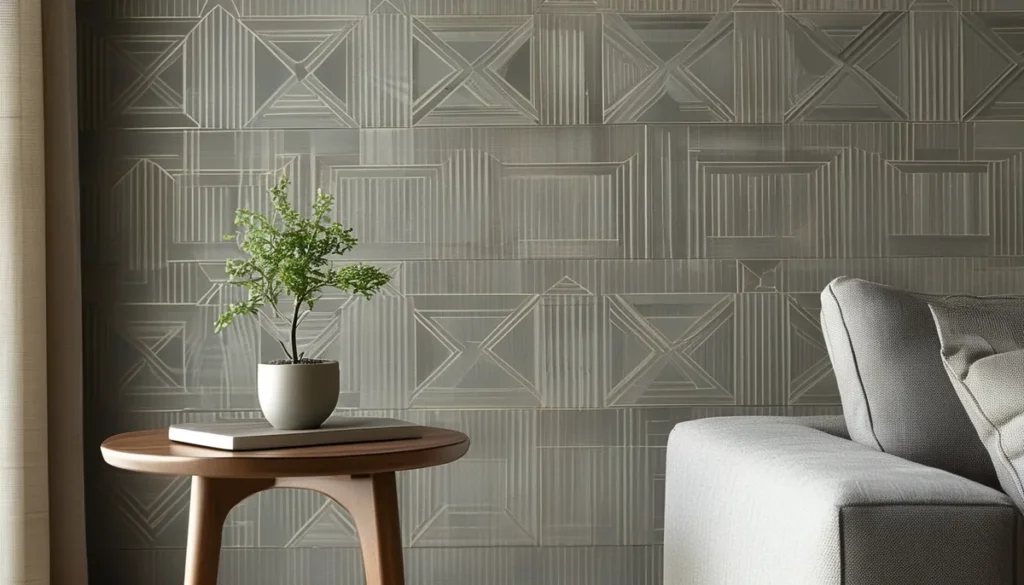
The width of a stripe fundamentally changes its effect. Thin stripes, typically under 1/2 inch wide, offer a more subtle pattern than their bolder counterparts. Their primary function is often to add texture and visual interest without overpowering a room, making them incredibly versatile.
When to choose thin stripes
Thin stripes excel at creating specific illusions. If you want to make a ceiling appear higher, opt for vertical thin stripes. They draw the eye upward, creating a sense of spaciousness. Horizontal thin stripes, on the other hand, can make a narrow room feel wider, though they can also make a ceiling seem lower. Use this effect judiciously, perhaps in a long hallway or a room with already high ceilings.
Consider the overall aesthetic you’re aiming for. Thin stripes are ideal for a sophisticated, understated look. They work well in bedrooms, home offices, and living rooms where you want pattern without a dominant visual statement. They can also serve as a subtle accent, complementing bolder furniture or artwork. For a more dramatic effect with stripes, explore our guide on vintage striped wallpaper where stripe width decides everything.
Types of thin striped wallpaper
Like most wallpapers, thin striped options come in various materials, each with pros and cons:
- Paper-backed: The most budget-friendly option. It’s generally less durable, can tear easily during installation, and is not ideal for high-moisture areas. It’s best suited for low-traffic areas or temporary applications.
- Vinyl-coated: Offers increased durability and moisture resistance. The vinyl layer makes it easier to clean, making it a good choice for kitchens and bathrooms. The texture can sometimes be slightly less refined than other options.
- Non-woven (or ‘paste-the-wall’): This is a popular choice for DIYers. Made from a blend of synthetic fibers and paper pulp, it’s breathable, washable, and more forgiving during installation. It tears less easily than traditional paper and allows for repositioning.
- Textured or Embossed: These wallpapers have a raised pattern, adding a tactile dimension to the thin stripes. Materials can vary, but the raised effect adds depth. Be aware that textured wallpapers can be harder to clean.
- Peel-and-stick: Highly convenient for renters or those who like to change decor frequently. It applies like a large sticker and can be removed without damaging the wall. However, ensure your walls are properly prepped, as uneven surfaces can affect adhesion and the final look.
Considering stripe color and contrast
The impact of thin stripes is heavily influenced by the color choices and the contrast between them. High-contrast pairings, like black and white or navy and cream, create a bolder, more graphic look, even with narrow stripes. These can be excellent for making a statement in entryways or dining rooms.
Lower-contrast combinations, such as pale gray and off-white, or beige and taupe, offer a much softer, more serene feel. These are ideal for bedrooms and living areas where a calming atmosphere is desired. They add subtle pattern and sophistication without being visually demanding. Remember that the overall color scheme of your room will dictate which stripe colors work best. You might find inspiration in purple striped wallpaper guides for color application ideas.
Installation tips for thin striped wallpaper
Achieving a flawless finish with thin stripes requires precision. The narrowness of the pattern means any misalignment is more noticeable.
1. Wall preparation is crucial
Your walls must be clean, dry, smooth, and free of imperfections. Fill any holes, sand down bumps, and ensure the surface is completely smooth. If you are wallpapering over old wallpaper, make sure it is securely adhered or remove it entirely. A primer can help with adhesion and make future removal easier.
2. Use a level and plumb line
For vertical stripes, starting with a perfectly vertical first strip is non-negotiable. Use a spirit level or a plumb bob to draw a straight, vertical guideline from ceiling to floor. Align your first strip precisely with this line. Even a slight deviation here will be magnified across subsequent strips, resulting in crooked stripes.
3. Cut carefully and consistently
When cutting your wallpaper strips, ensure the pattern repeats correctly if it’s a design that requires matching. For thin stripes, consistent cutting is key. Measure and cut strips to the correct length, allowing for a little overlap at the ceiling and baseboard. Use a sharp utility knife and a straight edge for clean cuts.
4. Overlap or butt joint?
Most modern wallpapers, especially non-woven types, are designed to be hung with a butt joint – meaning the edges of the strips meet precisely without overlapping. This gives a cleaner finish, especially with thin stripes where an overlap might create a visible ridge. Always check the manufacturer’s instructions. If overlapping is recommended, overlap by about 1/16 to 1/8 inch and trim the excess with a sharp knife and straight edge.
5. Smooth out air bubbles
As you hang each strip, use a wallpaper brush or smoother to work from the center outwards, pushing out any air bubbles or wrinkles. Pay close attention to the edges to ensure good adhesion. If you get a small bubble, try gently lifting the strip and re-smoothing. For stubborn bubbles, a pinprick can sometimes release the air, but do this cautiously.
Mistakes to avoid with thin striped wallpaper
Using the wrong adhesive: Always use the recommended adhesive for your wallpaper type. Using the wrong paste can lead to poor adhesion, bubbling, or staining.
Ignoring the pattern repeat: Even with thin stripes, some designs have a pattern repeat. Failing to match this will make the wallpaper look haphazard.
Not allowing for expansion/contraction: Temperature and humidity changes can cause wallpaper to expand or contract slightly. Non-woven wallpapers are generally more stable, but it’s still good practice to ensure good adhesion at the edges.
Poor lighting during installation: Adequate lighting is essential to spot imperfections, ensure correct alignment, and apply the wallpaper smoothly. Work with good natural light or bright artificial light.
Where to use thin striped wallpaper
Thin striped wallpaper is incredibly adaptable. Consider these spaces:
- Bedrooms: Creates a serene and sophisticated atmosphere.
- Home Offices: Adds a professional yet subtle touch, promoting focus.
- Nurseries: Offers a gentle pattern that isn’t overstimulating for infants.
- Hallways and Staircases: Can guide the eye and add visual length or width.
- Accent Walls: Use in a living room or dining room to add interest without overwhelming the space.
For inspiration on specific design applications, check out guides on timeless striped wallpaper designs or how gold striped wallpaper adds a touch of luxury.
Durability and maintenance
The durability of thin striped wallpaper depends heavily on the material. Vinyl and non-woven wallpapers are generally the most durable and easiest to maintain. They can typically be wiped clean with a damp cloth. Paper-backed wallpapers are the least durable and are best kept in dry, low-traffic areas. Always check the manufacturer’s care instructions for specific cleaning recommendations to avoid damaging the delicate stripe pattern.
When considering decorative borders, thin stripes can also be employed. Our guide on striped wallpaper borders might offer additional ideas for incorporating this versatile pattern.