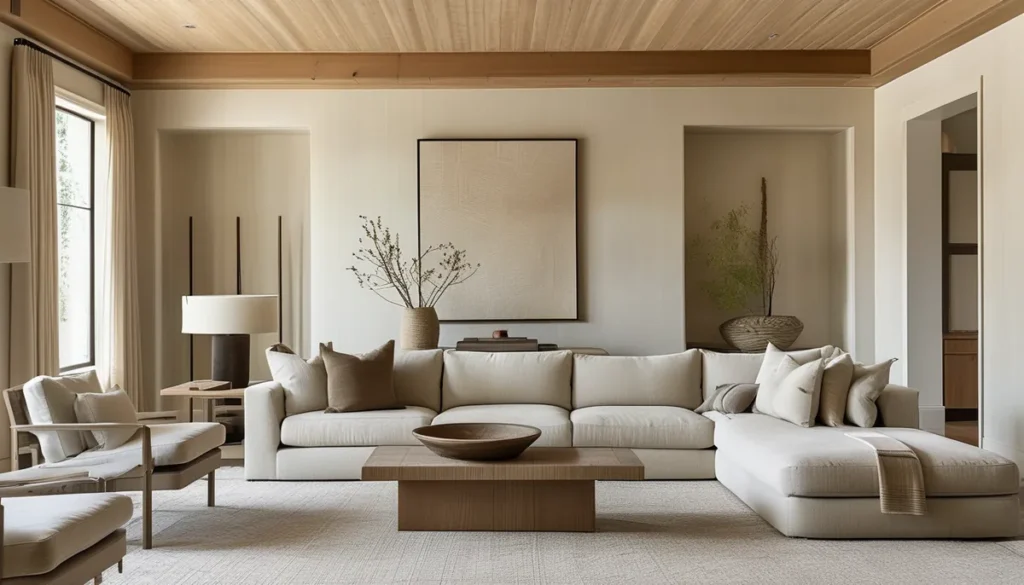
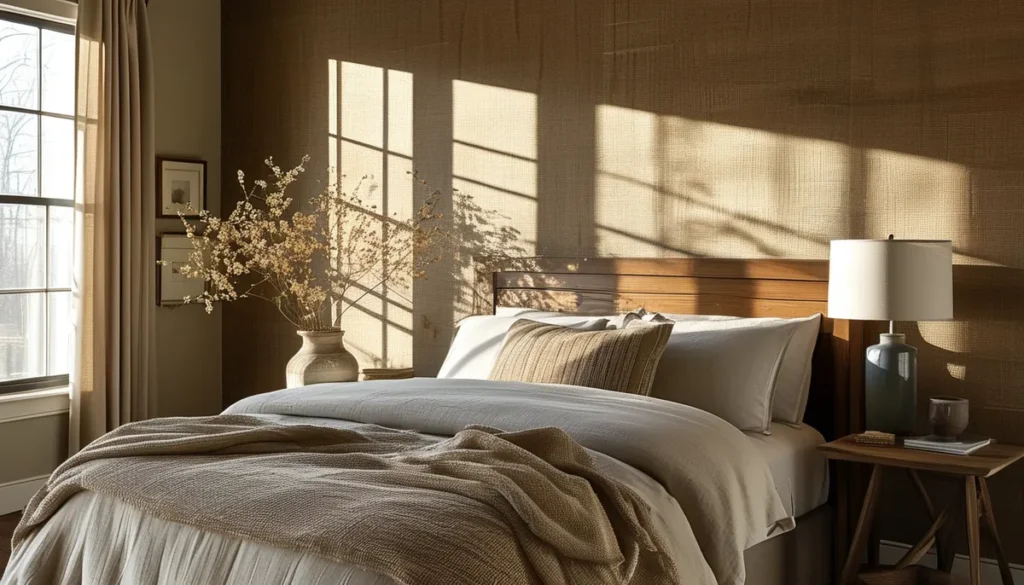
Selecting wallpaper for your drawing room isn’t just about picking a pretty pattern; it’s about setting the tone for your entire home. This is often the first room guests see, so its design speaks volumes about your personal style. Consider the scale of your room and the amount of natural light it receives when choosing a pattern and color. Large, bold patterns can make a small room feel smaller, while dark colors can absorb light. Conversely, a light-colored or subtly textured wallpaper can make a large room feel more intimate and cozy.
Think about the existing furniture and decor. Does your drawing room lean towards modern minimalism, classic elegance, or perhaps a bohemian vibe? Your wallpaper should complement, not clash with, your current aesthetic. For a modern look, consider geometric patterns or abstract designs. Traditional spaces might benefit from damask, floral, or striped wallpapers. If you’re aiming for a sophisticated and timeless feel, subtle textures or metallic accents can add a touch of luxury without being overwhelming.
The material of the wallpaper is as crucial as its design. Vinyl wallpapers are durable, scrubbable, and ideal for high-traffic areas, making them a practical choice for a drawing room that sees a lot of use. They also offer a good defense against moisture, though they aren’t typically recommended for bathrooms unless specifically rated for it. For a more natural and breathable option, consider paper-based wallpapers. These are often more eco-friendly but can be less forgiving of mistakes during installation and are not as easily cleaned.
Non-woven (or “paste-the-wall”) wallpapers offer an easier installation process. The paste is applied directly to the wall, not the paper, which means you don’t have to book the paper (let it soak) and wait for it to expand. This also makes them easier to remove, often peeling off in large strips without leaving residue. They are a great option if you anticipate changing your decor frequently.
Types of wallpaper for drawing rooms and their unique characteristics
The variety of wallpapers available today means you can find almost any aesthetic imaginable. Understanding the different types will help you choose the best fit for your drawing room’s personality and practical needs.
Zurich metallic wallpaper cool grey with metallic gold
This wallpaper brings a sophisticated and glamorous touch to any drawing room. The cool grey base provides a neutral and calming backdrop, while the metallic gold accents add a luxurious shimmer. It’s perfect for a modern or art deco-inspired space. The metallic elements catch the light, making the room feel brighter and more expansive. This type of wallpaper is often vinyl-coated, making it scrubbable and durable, which is ideal for a frequently used drawing room. The gold pattern is usually applied through a printing process that gives it a raised texture, adding depth.
Sofia wallpaper in mocha with gold metallic
Similar to the Zurich design, the Sofia wallpaper offers a rich mocha base complemented by metallic gold. Mocha is a warmer neutral than cool grey, lending a cozier feel to the drawing room. The gold metallic detailing provides the same sense of luxury and light reflection. This design works well in spaces aiming for a classic yet updated look, or a more opulent, traditional style. Its durability, often a feature of metallic wallpapers due to their vinyl content, makes it a practical choice for high-traffic areas.
Woodland meadow wallpaper in cappuccino
For a more natural and serene atmosphere, the woodland meadow wallpaper in cappuccino is an excellent choice. The cappuccino color offers a warm, earthy tone, while the woodland meadow motif brings elements of nature indoors. This design can evoke a sense of tranquility and organic beauty. While often printed on a non-woven or paper substrate, some versions may have vinyl finishes for added durability. It’s ideal for creating a calm retreat within your drawing room, perhaps paired with natural wood furniture and plants.
Layered brushstrokes wallpaper in terracotta and neutrals
This wallpaper offers an artistic and contemporary feel with its layered brushstroke design. The terracotta hue adds warmth and a touch of earthy vibrancy, while the neutral tones ensure it remains sophisticated and versatile. This design mimics the look of painted texture, adding depth and visual interest without being overly busy. It’s a fantastic choice for a modern, bohemian, or eclectic drawing room. The texture is key here, often achieved through embossing or a textured print on a durable substrate like vinyl or heavy non-woven paper.
Woodland whisper panel wallpaper in cream
The woodland whisper panel wallpaper in cream offers a delicate and ethereal interpretation of nature. The cream base is light and airy, while the subtle woodland motifs create a gentle, dreamy ambiance. Panel designs often suggest a more traditional or elegant aesthetic, similar to wallpaper de panel. This type of wallpaper is excellent for creating a soft, inviting atmosphere in a drawing room, especially in spaces that receive ample natural light. It can be particularly effective in making a room feel larger and more serene.
Midtown wallpaper in cream
The midtown wallpaper in cream offers a clean, sophisticated look. This design often features subtle textures or a minimalist pattern that conveys modern elegance. Cream is a versatile neutral that pairs well with almost any color palette, making it easy to integrate into your existing decor. It’s ideal for a drawing room aiming for a contemporary, chic, or transitional style. The simplicity of the design allows other elements in the room to shine, while still providing a polished backdrop.
Wood grain wallpaper in dark oak
For those seeking a rustic, natural, or lodge-like feel, wood grain wallpaper in dark oak is a striking option. It offers the visual appeal of dark wood paneling without the cost or installation complexity. This can add significant warmth, texture, and a sense of groundedness to your drawing room. It works exceptionally well in spaces with traditional, rustic, or even industrial design themes. Many wood grain wallpapers have an embossed texture to mimic the feel of real wood, often printed on a durable vinyl or heavy non-woven material.
Manhattan modern wallpaper in ivory and gold
This design brings urban sophistication to your drawing room. The ivory base is a soft, elegant neutral, while the gold accents provide a touch of glamour and art deco flair. It suggests a chic, metropolitan aesthetic, perfect for a contemporary or glamorous drawing room. The combination of ivory and gold is timeless and creates a luxurious feel. Like other metallic designs, it’s often printed on a durable vinyl substrate, making it both beautiful and practical for a living space.
Choosing the right wallpaper material for your drawing room
The material of your wallpaper significantly impacts its appearance, durability, and ease of installation. For a drawing room, which is a primary living space, durability and cleanability are often key considerations.
Paper wallpaper
Made from wood pulp, paper wallpapers are the most traditional type. They are eco-friendly and offer a matte finish that can be beautiful for intricate patterns. However, they are the least durable option. They can be susceptible to moisture, staining, and tearing, making them less ideal for a drawing room that experiences heavy use or spills. Installation can also be trickier, as they can easily tear and require precise alignment of seams.
Vinyl wallpaper
Vinyl wallpapers are a popular choice for drawing rooms due to their excellent durability and ease of maintenance. The vinyl coating makes them resistant to moisture, stains, and fading. This means you can often wipe them clean with a damp cloth, making them ideal for homes with children or pets. They come in various finishes, from matte to high gloss, and can effectively mimic other textures like fabric or wood. The most common types are solid vinyl (a thick, durable layer) and expanded vinyl (which has a textured, foamy surface).
Non-woven wallpaper
Non-woven wallpapers are made from a blend of synthetic and natural fibers. This construction makes them breathable, durable, and resistant to shrinking or expanding with changes in humidity. They are often referred to as “paste-the-wall” wallpapers, simplifying the installation process as you apply the adhesive directly to the wall. This also makes them easier to remove, often peeling off in one piece. They offer a good balance of aesthetics and practicality for a drawing room.
Textured wallpapers
These can include materials like grasscloth, fabric-backed vinyl, or embossed papers. Grasscloth offers a natural, organic texture but can be challenging to clean and is best suited for lower-traffic areas of the drawing room. Fabric-backed vinyl combines the texture of fabric with the durability of vinyl, offering a luxurious look and feel. Embossed wallpapers have raised patterns created through a printing process, adding depth and visual interest. The material base can vary (paper, vinyl, non-woven), but the texture is the defining characteristic.
Key considerations when selecting wallpaper for your drawing room
Beyond style and material, several other factors will influence your final decision. Getting these right ensures your wallpaper enhances, rather than detracts from, your drawing room.
Scale of the pattern
The size of the pattern should be in proportion to the size of your drawing room. Large, bold patterns can overwhelm a small room, making it feel even more cramped. Conversely, a very small or delicate pattern might get lost in a large, spacious drawing room. For smaller rooms, opt for smaller patterns or subtle textures. In larger rooms, you have more flexibility, and a larger-scale design can make a statement.
Color and light
Consider the natural and artificial light sources in your drawing room. Light colors and those with a subtle sheen or metallic finish will reflect light, making the room feel brighter and more open. Darker colors or matte finishes can absorb light, creating a more intimate and cozy atmosphere, but may make a room feel smaller. If your drawing room is north-facing and receives less natural light, lighter, cooler tones might be best. South-facing rooms can handle warmer colors and deeper shades.
Room dimensions and ceiling height
Vertical stripes can make ceilings appear higher, while horizontal stripes can make a room appear wider. Large-scale patterns or dramatic designs can also affect the perceived size of the room. If you have a drawing room with a very high ceiling, a bold, large-scale pattern can help to ground the space. For standard or lower ceilings, consider patterns that draw the eye upward or have a strong vertical element.
Your personal style and existing decor
The wallpaper should be an extension of your personal taste and complement your existing furniture, flooring, and other decorative elements. If your drawing room is furnished with modern pieces, a geometric or abstract wallpaper might be suitable. For a more traditional setting, consider classic motifs like damask, floral, or paisley. If you’re unsure, a neutral textured wallpaper or a subtle pattern offers versatility.
Installation essentials: making your drawing room wallpaper look professional
Proper installation is crucial for a flawless finish. While you can hire a professional, understanding the steps can help you decide if it’s a DIY project for you. For a 12×12 room, calculating how much wallpaper you need is the first step. Learn how much wallpaper you need for a 12×12 room to ensure you have enough and avoid pattern matching issues.
Surface preparation
The most critical step is preparing your walls. They must be clean, dry, smooth, and free of any imperfections. Fill any holes or cracks with spackle and sand them smooth. If you’re wallpapering over existing wallpaper, ensure it’s well-adhered and stable. In some cases, you may need to remove old wallpaper entirely. Priming the walls with a wallpaper primer is highly recommended. Primer seals the surface, improves adhesion, and makes future removal easier. For bathrooms, specific prepasted wallpaper for bathrooms may require different considerations.
Tools and materials
You’ll need: a smoothing tool (like a plastic smoother or a wallpaper brush), a sharp utility knife or razor, a seam roller, a measuring tape, a level or plumb line, a paste brush (if not using pre-pasted), a bucket for paste and water, and drop cloths to protect your floor.
Hanging the wallpaper
For paste-the-wallpaper: Cut your strips to size, allowing extra length for trimming. Apply the adhesive evenly to the back of the paper, following the manufacturer’s instructions regarding booking time (if any). Fold the pasted edges together (booking) and let it sit for the recommended period. This allows the paper to expand and become pliable.
For paste-the-wall: Cut your strips. Apply the adhesive directly to the wall surface for one or two strips at a time, ensuring even coverage. Then, hang the dry strip of wallpaper directly onto the pasted area.
All types: Align the first strip perfectly vertical using a level. Press the wallpaper onto the wall using your smoothing tool, working from the center outwards to remove air bubbles and excess paste. For patterned wallpapers, ensure the pattern matches precisely at the seams before smoothing. Trim any excess paper at the ceiling, baseboard, and around windows and doors with your sharp knife.
Seaming and finishing
Use a seam roller to gently press down the seams once the wallpaper is smoothed. This ensures a tight, professional look and prevents peeling. Wipe away any excess paste immediately with a damp sponge or cloth. Allow the wallpaper to dry completely according to the manufacturer’s instructions before reintroducing furniture or hanging decor.
Common mistakes to avoid when wallpapering your drawing room
Even with careful planning, some mistakes can derail your wallpaper project. Being aware of these pitfalls can save you time, money, and frustration.
Inadequate surface preparation
This is the most common and costly mistake. Painting over a damaged or uneven surface will not hide flaws; it will highlight them once the wallpaper is applied. Any bumps, holes, or grease spots will show through, especially with lighter-colored or thinner wallpapers. Always ensure your walls are perfectly smooth, clean, and primed.
Not enough wallpaper
Running out of wallpaper mid-project is a nightmare, especially if the batch number is different, leading to slight color variations. Always buy at least one extra roll, or use the online calculators to accurately determine your needs. Estimating wallpaper quantity correctly is vital.
Poor pattern matching
For patterned wallpapers, failing to align the pattern at the seams looks unprofessional and detracts from the overall design. Take your time when hanging each strip, ensuring the pattern flows seamlessly from one panel to the next. This often means you’ll use more paper than if you weren’t matching a pattern.
Using the wrong adhesive
Different types of wallpaper require different adhesives. Using a standard wallpaper paste on a vinyl wallpaper might not provide adequate adhesion, leading to peeling. Always use the adhesive recommended by the wallpaper manufacturer, or choose a high-quality universal paste suitable for your wallpaper type.
Ignoring manufacturer instructions
Each wallpaper product has specific instructions for application, paste, and drying times. Deviating from these can lead to poor adhesion, bubbling, or premature peeling. Always read and follow the manufacturer’s guidelines carefully.
Elevate your drawing room with the right wallpaper
The drawing room is a canvas for your personal style. Whether you opt for the subtle elegance of the woodland whisper panel wallpaper in cream, the bold statement of the Zurich metallic wallpaper cool grey with metallic gold, or the earthy charm of the woodland meadow wallpaper in cappuccino, the right choice can profoundly impact your home’s ambiance. Remember to consider the material, pattern scale, and color in relation to your room’s light and dimensions. Proper preparation and installation are key to achieving a professional, lasting finish that you’ll enjoy for years to come.
For other areas of your home, consider how wallpaper choices differ. For example, quirky bathroom wallpaper might prioritize moisture resistance and bold patterns, while pastel bedroom wallpaper focuses on creating a serene and calming environment. Accent walls are also a popular choice; learn about master bedroom wallpaper accent walls to see how a single wall can transform a room. If convenience is a priority, understanding prepasted wallpaper for bathrooms can be beneficial.