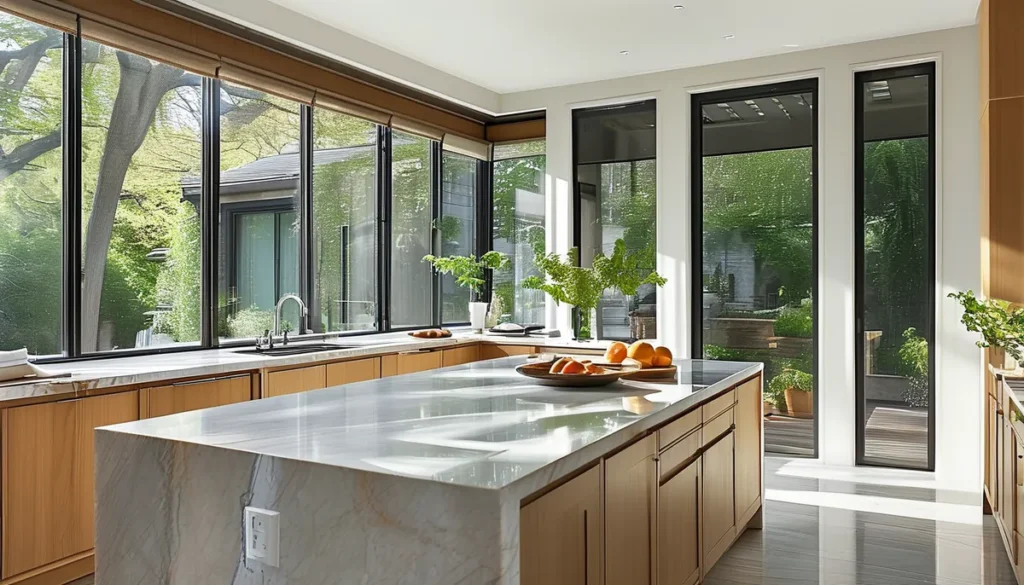
Pictures of different types of wall paneling
Wall paneling offers diverse aesthetic and functional options. Explore wood types like beadboard and shiplap, engineered options like MDF and PVC, and decorative panels such as tile and stone veneer. Each type suits different rooms and styles, providing visual appeal and protection.
Wall paneling can dramatically alter the look and feel of a room. Whether you’re aiming for a rustic farmhouse vibe, a sleek modern aesthetic, or a timeless traditional look, there’s a paneling option to match. Understanding the different types available, and seeing them in context, is key to making the right choice for your home.
Wood paneling remains a popular choice for its natural beauty and warmth. Varieties range from solid wood planks, often used for accent walls or full room coverage, to more decorative styles. Beadboard, characterized by its narrow vertical grooves, offers a classic cottage or coastal feel. Shiplap, with its overlapping horizontal boards, is synonymous with modern farmhouse design. Tongue-and-groove paneling, where each board fits snugly into the next, provides a clean, seamless look that can be used vertically or horizontally.
Engineered wood and composite paneling options
For those seeking cost-effective and versatile solutions, engineered wood and composite paneling are excellent alternatives. Medium-Density Fiberboard (MDF) panels are a budget-friendly option that can be painted or finished to mimic the look of real wood. They are often used for wainscoting or decorative wall accents. MDF is susceptible to moisture, so it’s best used in dry areas like living rooms or bedrooms.
Polyvinyl Chloride (PVC) panels are a highly durable and water-resistant choice, making them ideal for high-moisture areas like bathrooms, kitchens, and basements. PVC panels come in a wide array of finishes, including those that replicate wood grain, tile, or stone. They are lightweight, easy to clean, and resistant to mold and mildew. Some PVC panels are designed for peel-and-stick installation, simplifying the DIY process.
Decorative and specialty wall panels
Beyond traditional wood and composites, a range of decorative and specialty panels can add unique character to your walls. Stone veneer panels, available in natural or manufactured forms, offer the sophisticated look and texture of real stone without the weight and installation complexity. These can be used for accent walls, fireplaces, or even entire rooms to create a dramatic focal point.
Tile panels, often made from ceramic, porcelain, or even metal, provide a sleek and modern finish. They are particularly popular in kitchens as backsplashes or in bathrooms. These panels can mimic the look of individual tiles but offer a more streamlined installation. For a truly contemporary feel, consider large-format porcelain panels that create a seamless, uninterrupted surface.
Choosing the right wall paneling for your project
When selecting wall paneling, consider the room’s function and the desired aesthetic. For high-traffic areas or rooms prone to moisture, like kitchens, bathrooms, or basements, PVC or tile panels are often the most practical choices due to their durability and water resistance. Wood paneling, especially solid wood, can add significant warmth and character to living rooms, dining rooms, or bedrooms.
Budget is also a major factor. Solid wood paneling is typically the most expensive, followed by stone veneer and some decorative tile options. MDF and PVC panels generally offer more budget-friendly solutions. Installation method is another consideration. Some panels, like peel-and-stick PVC or shiplap, are suitable for DIY projects, while others, like stone veneer or large-format tile, may require professional installation. Always check local building codes for specific requirements, especially in areas like bathrooms or kitchens.
Wall Paneling Types and Recommended Uses
| Type/Grade | Description | Recommended Use |
|---|---|---|
| Beadboard | Narrow vertical grooves, painted or stained finish. | Kitchens, bathrooms, backsplashes, wainscoting, ceilings. |
| Shiplap | Overlapping horizontal boards with a rustic or modern farmhouse look. | Accent walls, living rooms, bedrooms, dining rooms. |
| MDF Panels | Engineered wood, smooth surface, paintable, cost-effective. | Wainscoting, accent walls in dry areas (living rooms, bedrooms). |
| PVC Panels | Water-resistant, durable, available in various finishes. | Bathrooms, kitchens, basements, garages, high-moisture areas. |
| Stone Veneer Panels | Natural or manufactured stone look, adds texture and depth. | Accent walls, fireplaces, exterior accents, feature walls. |
| Tile Panels | Ceramic, porcelain, or metal, mimicking tile patterns. | Kitchen backsplashes, bathroom walls, shower surrounds. |
FAQ
Can I install wall paneling over existing drywall?
Yes, in most cases you can install wall paneling directly over existing drywall, provided the drywall is in good condition, structurally sound, and free of mold or excessive moisture. You may need to remove baseboards and trim first, and ensure the wall is clean and smooth. Always check the panel manufacturer’s instructions for specific installation guidelines.
What is the best type of wall paneling for a bathroom?
For bathrooms, water resistance is paramount. PVC panels are an excellent choice due to their high durability and ability to withstand moisture and humidity without warping or degrading. Tile panels are also a very popular and practical option, especially for shower surrounds and backsplashes.
How do I clean and maintain different types of wall paneling?
Maintenance varies by material. Wood paneling often requires occasional dusting and can be cleaned with a damp cloth and mild soap, followed by drying. Avoid excessive moisture. MDF panels should be cleaned with a damp cloth; avoid soaking. PVC and tile panels are generally the easiest to clean, typically requiring just a damp cloth and mild cleaner.
Are there eco-friendly wall paneling options?
Yes, there are. Look for panels made from sustainably sourced wood, reclaimed wood, or recycled materials. Some manufacturers offer bamboo paneling or panels with low VOC (Volatile Organic Compound) finishes, which are better for indoor air quality. Always check product specifications for sustainability certifications.
What are the installation differences between shiplap and beadboard?
Shiplap typically features overlapping boards that create a slight shadow line, often installed horizontally for a rustic or farmhouse look. Beadboard consists of narrow, vertical planks with a beaded edge, usually installed vertically to create a cottage or traditional feel. Both can be DIY-friendly, but shiplap might require more precise leveling for a consistent look.