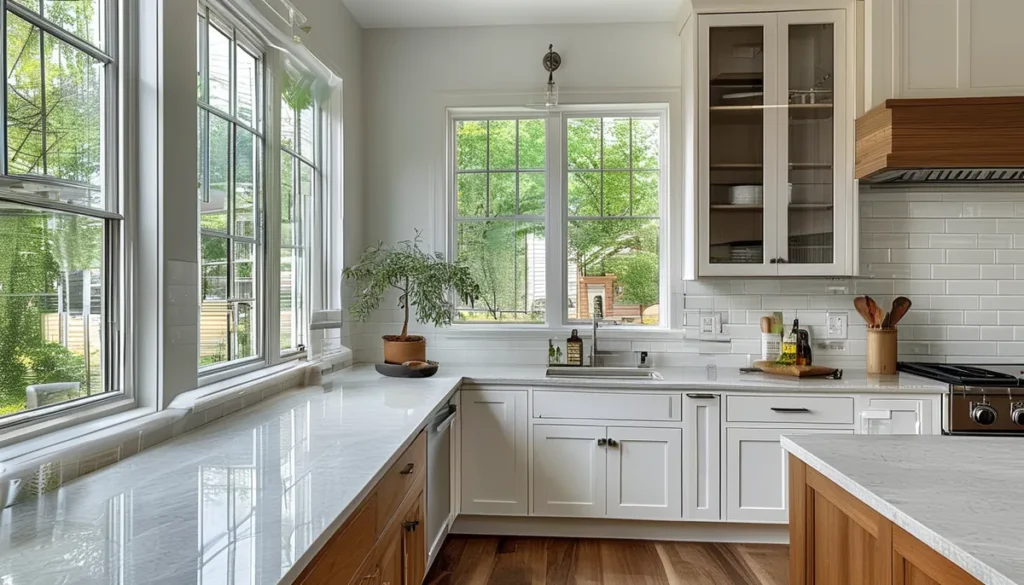
how to add doors to a bookshelf
You can add doors to a bookshelf by determining the door type and size, then cutting or purchasing the doors. Install hinges on the bookshelf and doors, then mount the doors, adjusting for a proper fit. Finally, add hardware like handles or knobs. This project enhances functionality and appearance, protecting items from dust and concealing clutter.
Adding doors to an existing bookshelf is a straightforward DIY project that can significantly upgrade its functionality and appearance. This project not only protects your books and items from dust but also allows you to conceal clutter, creating a more polished look for your room. Whether you have a freestanding unit or a built-in, the process involves careful measurement, precise cutting (if necessary), and secure mounting of hinges and doors.
Before you begin, decide on the style of doors you want. Options include simple flat panels, shaker-style doors with a raised or recessed center panel, or even glass-fronted doors if you want to display certain items while still keeping them dust-free. The material of your doors should ideally match or complement the existing bookshelf material. Common choices include plywood, MDF, or solid wood. For a quick project, you can even adapt pre-made cabinet doors.
Measure and Plan Your Bookshelf Doors
Accurate measurements are critical for a professional-looking result. Measure the height and width of each opening where you want to install a door. If your bookshelf has multiple shelves, you’ll need to decide if you want doors for the entire unit, individual shelves, or a combination. For standard cabinet doors that overlay the frame, you’ll typically want the doors to be slightly larger than the opening. A common overlay is 1/2 inch on all sides (top, bottom, and both sides) for a single door, or you might have two doors meeting in the middle.
Consider the thickness of your doors. They should not be so thick that they impede opening or clash with adjacent shelves or the wall. For overlay doors, measure the thickness of the bookshelf’s face frame or side panels. If your bookshelf has no face frame, you’ll be attaching hinges directly to the side panels. Account for any existing trim or decorative elements on the bookshelf that might interfere with the door swing.
Choose Your Door Style and Material
The aesthetic of your doors will greatly impact the overall look of the bookshelf. For a clean, modern look, flat-panel doors are a good choice. Shaker-style doors offer a more traditional feel. If you want to showcase specific items, consider doors with glass inserts. You can purchase pre-made cabinet doors from home improvement stores, which can save you time and effort. These often come in standard sizes and finishes, but may require painting or staining to match your decor.
If you’re building the doors yourself, plywood is a durable and cost-effective option. High-quality plywood, like birch or oak veneer plywood, can be finished to look like solid wood. MDF is another option, offering a smooth surface ideal for painting, but it’s heavier and less moisture-resistant than plywood. Solid wood offers the best durability and aesthetic but is the most expensive and can be prone to warping if not properly finished and maintained. Ensure the wood you choose is kiln-dried.
Cut and Prepare the Doors
If you are cutting your own doors from larger panels, use a table saw or circular saw with a fine-tooth blade for clean, straight cuts. Measure twice and cut once. Sand all cut edges smooth. If you’re using pre-made doors, check their dimensions and ensure they fit your openings as planned. You may need to trim them slightly if they are too large, but be very careful not to remove too much material.
After cutting, sand all surfaces and edges of the doors. Start with a medium-grit sandpaper (around 120-grit) and finish with a fine-grit sandpaper (180 or 220-grit) for a smooth finish. If you plan to paint or stain the doors, now is the time to do any initial priming or staining. Ensure the doors are completely dry before proceeding to the next step.
Install the Hinges
The type of hinge you use depends on the door style and how it will sit on the bookshelf. For overlay doors, concealed (or European) hinges are popular for a clean look, as they are hidden when the door is closed. Alternatively, surface-mounted or butt hinges are simpler to install and visible on the outside. If using concealed hinges, you’ll need to drill recesses (cup holes) in the doors using a spade bit or Forstner bit of the correct diameter.
Mark the hinge locations on the doors and the bookshelf carcass precisely. For overlay doors, ensure the hinge placement allows for the desired overlay. If using concealed hinges, follow the manufacturer’s instructions carefully for drilling the cup holes and mounting the hinge plates. For butt hinges, mortise (recess) them into the door and frame for a flush fit, or simply screw them directly to the surfaces for a quicker installation. Always pre-drill pilot holes to prevent wood splitting, especially in hardwood.
Mount the Doors to the Bookshelf
With the hinges installed on the doors, you can now attach the doors to the bookshelf. If you used concealed hinges, attach the mounting plates to the inside of the bookshelf frame or side panels. Then, clip or screw the doors onto the plates. If you used butt hinges, align the doors with the desired position on the bookshelf and screw the hinge leaves to the frame. Start with one hinge attached to test the alignment before fully securing.
Once the doors are mounted, you’ll likely need to make adjustments. Most concealed hinges have adjustment screws that allow you to fine-tune the door’s position – up/down, left/right, and in/out – ensuring they hang straight and have even gaps around them. Take your time with these adjustments; they are key to a professional finish. If using butt hinges, shims might be necessary to achieve proper alignment.
Add Door Hardware
The final step is adding hardware like handles, knobs, or pulls. Choose hardware that complements the style of your doors and the overall decor of the room. Measure and mark the desired location for the hardware on each door. Ensure the placement is consistent across all doors. For example, if you have two doors, place the hardware at the same height on both.
Drill pilot holes through the doors at your marked locations. If the hardware comes with screws, use those. For knobs or pulls that require a specific screw length, ensure you have the correct size. Install the hardware securely. If you’re adding magnetic catches or other closure mechanisms, install those now as well, usually on the inside top or bottom edge of the doors and the corresponding frame location.
Common Mistakes When Adding Doors to a Bookshelf
| Step | Typical Mistake | How to Avoid It |
|---|---|---|
| Measuring | Inaccurate measurements leading to ill-fitting doors. | Measure openings multiple times in different spots. Account for overlay and hinge type. |
| Cutting Doors | Uneven or crooked cuts, or cutting too much material. | Use a sharp blade, straight edge guide, and measure carefully. Practice on scrap wood. |
| Hinge Installation | Hinges placed incorrectly, causing doors to sag or not align. | Mark hinge locations precisely. Use a template if available. Pre-drill pilot holes. |
| Door Alignment | Doors uneven, with inconsistent gaps, or rubbing against the frame. | Make small, incremental adjustments with hinge screws. Use shims if necessary. |
| Hardware Placement | Hardware mounted crooked or off-center. | Use a level and tape measure for precise marking. Drill pilot holes. |
FAQ
Can I add doors to a bookshelf without a face frame?
Yes, you can add doors to a bookshelf without a face frame. In this case, you’ll typically attach hinges directly to the side panels of the bookshelf carcass. You might need to use specialized hinges or add small mounting blocks to the side panels to provide a secure surface for the hinge attachment, depending on the hinge type.
What is the best way to hang two doors that meet in the middle?
For two doors meeting in the middle, you’ll typically use two sets of hinges per door. You can use standard butt hinges mounted on the outside, or concealed hinges for a cleaner look. Ensure the doors are precisely aligned so they meet evenly without a significant gap. You may need to slightly bevel the meeting edges of the doors for a flush closure.
How do I prevent doors from sagging over time?
To prevent doors from sagging, use high-quality, sturdy hinges appropriate for the weight and size of your doors. Ensure the hinges are properly installed into solid wood or reinforced mounting points, not just particleboard. Distribute the weight evenly by using multiple hinges per door (usually two for smaller doors, three for larger ones). If the bookshelf itself is not very sturdy, consider reinforcing its internal structure.
Can I use peel and stick wallpaper on the inside of a bookshelf with doors?
Yes, you can use peel and stick wallpaper on the inside of a bookshelf with doors. Ensure the surfaces are clean and smooth before application. This is a great way to add a decorative touch to the interior of your newly enclosed bookshelf. Just make sure the wallpaper doesn’t interfere with the door’s ability to close properly.