Green wallpaper, a timeless design element, offers unparalleled versatility and depth, transforming any space into a sanctuary of style and tranquility. Its spectrum ranges from the muted sophistication of sage to the vibrant energy of emerald, providing a foundational aesthetic that can be both calming and invigorating. Starhouse curates an extensive collection of green wallcoverings, including peel-and-stick options, traditional wallpapers, and bespoke murals, each crafted to meet the highest standards of design and durability for homeowners across the United States. This comprehensive guide delves into every aspect of integrating green wallpaper into your home, from understanding its historical significance and material properties to mastering installation techniques and advanced styling strategies, ensuring your design choices are both beautiful and enduring.
Key Takeaways
- Green wallpaper offers immense versatility, ranging from calming sage to vibrant emerald, suitable for diverse design aesthetics from modern minimalist to maximalist.
- Selecting the right green wallpaper involves considering material properties (e.g., vinyl for durability, non-woven for ease of removal), pattern scale, and the specific lighting conditions of your room.
- Precise measurement is paramount for wallpaper projects; always account for pattern repeats and an additional 15-20% for waste and future repairs.
- Historically, certain green pigments, like Scheele’s Green and Paris Green, contained arsenic, posing significant health risks, a stark contrast to today’s environmentally conscious and non-toxic formulations.
- Sustainability is a growing concern in wallpaper manufacturing, with many brands, including Starhouse partners, prioritizing VOC-free inks, recycled content, and responsible sourcing for eco-friendly options.
- Proper care, including gentle cleaning and managing humidity, extends the life and vibrancy of green wallpaper, preserving its aesthetic appeal for years.
The Enduring Allure of Green Wallpaper
Green wallpaper holds a distinct and enduring appeal in interior design, rooted deeply in human psychology and historical significance, offering a unique blend of nature-inspired tranquility and sophisticated style. This color, intrinsically linked to growth, renewal, and harmony, has been utilized in decorative arts for centuries to evoke feelings of balance and well-being. Its versatility allows it to seamlessly integrate into various design aesthetics, from vibrant maximalism to serene minimalism.
Historically, green pigments in wallpaper have a complex past, with early formulations sometimes containing toxic substances. For instance, the popular Scheele’s Green and Paris Green, widely used in the 19th century, were copper arsenite compounds that could release arsenic into the air, posing serious health risks when exposed to damp conditions. This historical context underscores the significant advancements in modern manufacturing, where today’s green wallpapers are produced using safe, non-toxic, and often environmentally friendly pigments and materials.
Psychologically, green is known to reduce stress, improve concentration, and foster a sense of security and calm. Incorporating green wallpaper into a space can therefore contribute to a more restful and productive environment. Its association with nature, from lush forests to vibrant meadows, brings an organic, grounding energy indoors, making it a favored choice for creating biophilic designs. Starhouse acknowledges this profound connection, curating green wallpapers that not only enhance visual appeal but also contribute to the overall mood and atmosphere of a home.
The vast spectrum of green, from deep forest hues to bright lime, allows for incredible design flexibility. A deep emerald can lend a luxurious, jewel-toned richness to a formal dining room, while a soft sage can create a soothing backdrop in a bedroom or nursery. Patterned green wallpapers introduce another layer of complexity, with botanicals, geometrics, and abstract designs each offering a unique narrative. This comprehensive exploration will guide you through harnessing the full potential of green wallpaper to articulate your personal style and elevate your living spaces.
Understanding the Spectrum: Types of Green Wallpaper
Green wallpaper encompasses an expansive range of designs, patterns, and textures, moving far beyond a simple solid hue to offer intricate visual narratives and tactile experiences for any interior. The categorization of green wallpaper typically involves distinguishing between solid colors, various patterns, and textured finishes, each contributing distinct aesthetic and functional qualities to a space. Understanding these distinctions is crucial for selecting a wallpaper that perfectly aligns with your design vision and the specific demands of a room.
Solid Green Wallpapers: The Foundation of Color
Solid green wallpapers provide an uninterrupted wash of color, serving as a powerful backdrop that can anchor a room or create a serene, enveloping atmosphere. The impact of a solid green depends entirely on its specific shade and undertone, ranging from cool blues to warm yellows.
- Sage Green: A muted, grayish-green, sage evokes tranquility and sophistication. It pairs beautifully with natural wood tones, creams, and soft grays, ideal for bedrooms, living rooms, and bathrooms seeking a serene, spa-like ambiance. Its understated nature makes it a versatile neutral.
- Mint Green: Light and refreshing, mint green brings a playful, airy quality to a space. It is excellent for nurseries, kitchens, or any area where a cheerful, bright atmosphere is desired. Mint green works well with whites, pastels, and light wood finishes.
- Olive Green: Earthy and rich, olive green carries a sense of grounding and warmth. It often has yellow or brown undertones, making it suitable for rustic, industrial, or traditional interiors. It pairs well with deep reds, burnt oranges, and dark wood.
- Emerald Green: A deep, vibrant, and luxurious green, emerald is associated with jewels and opulence. It makes a bold statement, perfect for accent walls in living rooms, dining rooms, or home offices where a touch of drama and elegance is desired. Gold accents and dark furniture complement emerald beautifully.
- Forest Green: Dark and saturated, forest green mirrors the depth of natural woodlands, creating a cozy and enveloping feel. It is ideal for creating intimate spaces, studies, or accent walls, especially when paired with natural textures like leather and wood.
- Teal Green: A captivating blend of green and blue, teal offers a sophisticated yet vibrant aesthetic. It can range from deep, moody shades to brighter, more energetic tones. Teal is excellent for adding a pop of color to modern or eclectic spaces, pairing well with metallics and contrasting colors like coral or mustard.
- Lime Green: Bright and energetic, lime green is a bold choice that injects a playful, contemporary vibe. It is often used in smaller doses as an accent or in spaces designed for high energy, such as creative studios or children’s playrooms.
- Hunter Green: A classic, dark, and traditional green, hunter green evokes a sense of heritage and classic style. It’s often found in libraries, studies, and formal living areas, providing a distinguished backdrop, especially when combined with rich leathers and dark wood.
Patterned Green Wallpapers: Dynamic Visual Interest
Patterned green wallpapers introduce visual rhythm and character, transforming plain walls into focal points. The choice of pattern significantly influences the room’s perceived size, style, and overall mood.
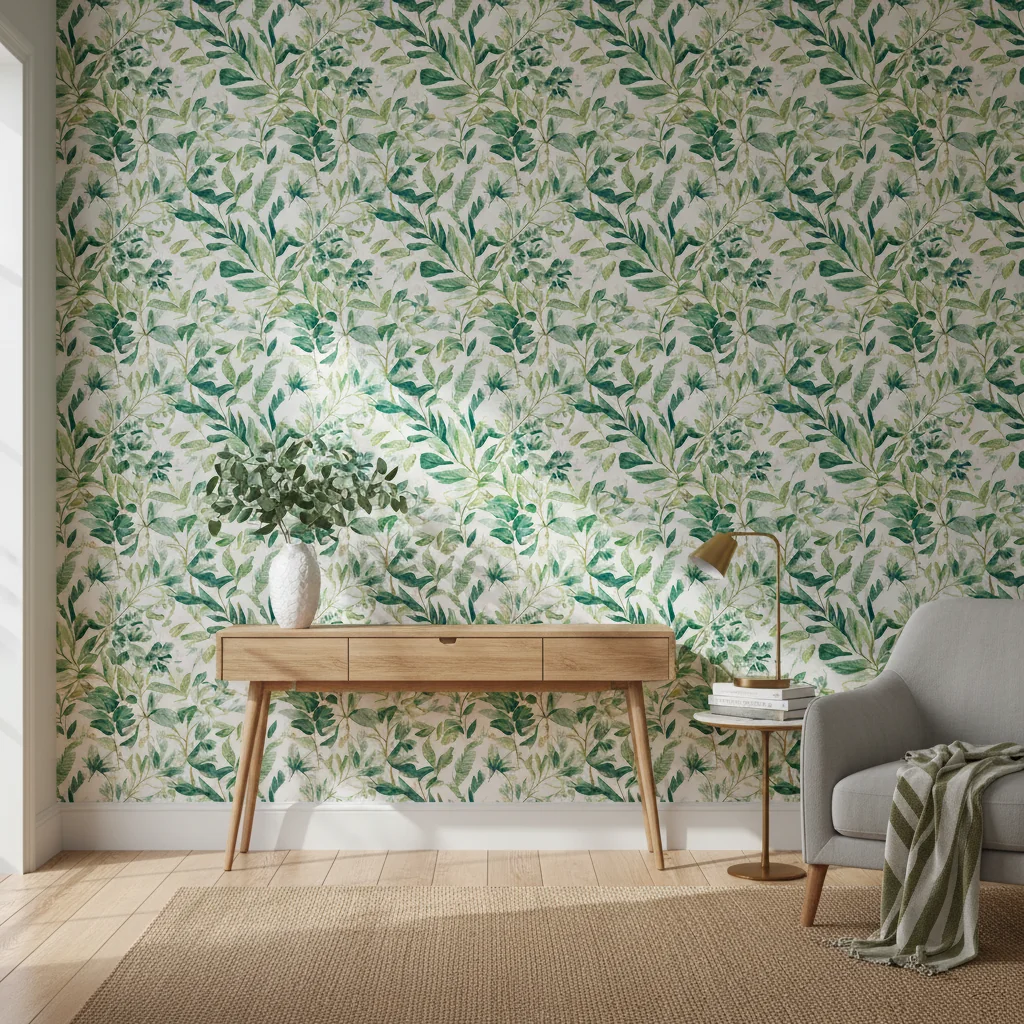
- Botanical and Floral: These patterns draw inspiration from nature, featuring leaves, vines, flowers, and foliage. They are perfect for creating biophilic designs, bringing the outdoors in. From delicate trailing vines to lush jungle prints, botanical patterns evoke freshness and vitality.
- Geometric: Characterized by repeating shapes like stripes, chevrons, hexagons, and intricate tessellations, geometric green wallpapers offer a contemporary or Art Deco feel. They add structure and modern sophistication, working well in minimalist or eclectic settings.
- Damask and Toile: Traditional and ornate, damask patterns feature elaborate, often symmetrical, motifs, typically in a single color or two-tone design. Toile patterns depict pastoral scenes or historical narratives. Both lend a sense of classic elegance and grandeur, ideal for formal living areas or traditional bedrooms.
- Abstract: Abstract green wallpapers feature non-representational designs, from watercolor washes and brushstrokes to organic forms and modern art-inspired prints. They add a layer of artistic expression and can be highly versatile, adapting to contemporary or eclectic interiors.
- Animal Prints and Chinoiserie: More niche but highly impactful, animal prints (e.g., subtle leopard spots in green tones) offer exotic flair, while Chinoiserie features intricate Asian-inspired motifs like birds, trees, and pagodas, often against a vibrant green background, providing a luxurious, global aesthetic.
- Stripes: Vertical stripes can make ceilings appear higher, while horizontal stripes can make a room feel wider. Green stripes can be classic and subtle or bold and graphic, depending on the width and color contrast.
Textured Green Wallpapers: Tactile Depth and Dimension
Textured wallpapers add a physical dimension to walls, creating subtle shadows and highlights that enhance the perceived depth of a space. These are particularly effective in solid greens or subtly patterned designs where the texture can truly shine.
- Grasscloth: Made from natural fibers like sisal, jute, or bamboo, grasscloth wallpaper offers an organic, tactile texture with visible seams that contribute to its handmade charm. Green grasscloth brings an unparalleled natural elegance and warmth, perfect for creating serene, earthy environments.
- Faux Textures: These wallpapers mimic the look and feel of other materials, such as linen, silk, concrete, wood grain, or even plaster. Green faux textures can add sophistication without the cost or maintenance of the real material, providing subtle visual interest.
- Embossed: Embossed wallpapers feature raised patterns, creating a three-dimensional effect. This can range from subtle patterns that catch the light to more pronounced designs, adding elegance and depth to the wall surface.
By understanding the nuances of these types—from the foundational impact of solid greens to the dynamic narratives of patterns and the tactile richness of textures—you can make an informed decision that elevates your home’s aesthetic. Starhouse offers a curated selection across all these categories, ensuring a perfect green wallpaper solution for every design aspiration.
Materials Matter: A Deep Dive into Wallpaper Substrates and Finishes
The material composition of wallpaper, encompassing both its substrate and finish, fundamentally dictates its durability, ease of installation, maintenance requirements, and overall aesthetic impact in a space. Understanding these material properties is paramount for making an informed selection that aligns with a room’s specific functional needs and your long-term design expectations. Modern wallpaper materials have evolved significantly, offering a diverse array of options that combine beauty with practicality.
Wallpaper substrates refer to the base material onto which the design is printed, while the finish describes the top layer that provides texture, sheen, and protective qualities. These two components work in tandem to define the wallpaper’s performance characteristics.
Common Wallpaper Substrates:
The substrate is the foundation of the wallpaper, influencing its application and longevity.
- Non-Woven: This is a highly popular and modern substrate made from a blend of natural and synthetic fibers. Non-woven wallpapers are renowned for their breathability, tear resistance, and ease of removal (often peeling off in full sheets without damaging walls). They are also dimensionally stable, meaning they won’t expand or contract when pasted, simplifying installation. This material is an excellent choice for DIY enthusiasts and those who anticipate changing their decor in the future.
- Paper (Traditional): Classic paper wallpapers consist of a paper base, sometimes coated with a protective layer. They offer a traditional aesthetic and are often more affordable. However, they can be more delicate, prone to tearing when wet, and more challenging to remove without damaging the wall. Paper wallpaper requires careful application with paste applied directly to the back of the paper.
- Vinyl: Vinyl wallpapers feature a paper or fabric backing topped with a solid or coated vinyl layer. This construction makes them exceptionally durable, washable, and resistant to moisture and stains, making them ideal for high-traffic areas like kitchens, bathrooms, and children’s rooms. Vinyl is generally easier to clean than paper. Types include solid vinyl (most durable) and coated vinyl (vinyl coating over paper).
- Fabric (Textile): These wallpapers use natural fibers like linen, silk, grasscloth, jute, or synthetic textiles adhered to a paper backing. Fabric wallpapers offer luxurious texture, warmth, and sound-absorbing qualities. Grasscloth, for example, is made from woven natural fibers, creating a distinct, organic texture with visible seams that are part of its charm. They are typically more expensive, require professional installation, and can be delicate to clean.
- Peel-and-Stick (Self-Adhesive): Peel-and-stick wallpaper is a non-woven or vinyl substrate with an adhesive backing protected by a removable liner. This type of wallpaper is designed for easy, temporary application and removal, making it perfect for renters, accent walls, or frequent decor updates. It requires no additional paste and can be repositioned during installation.
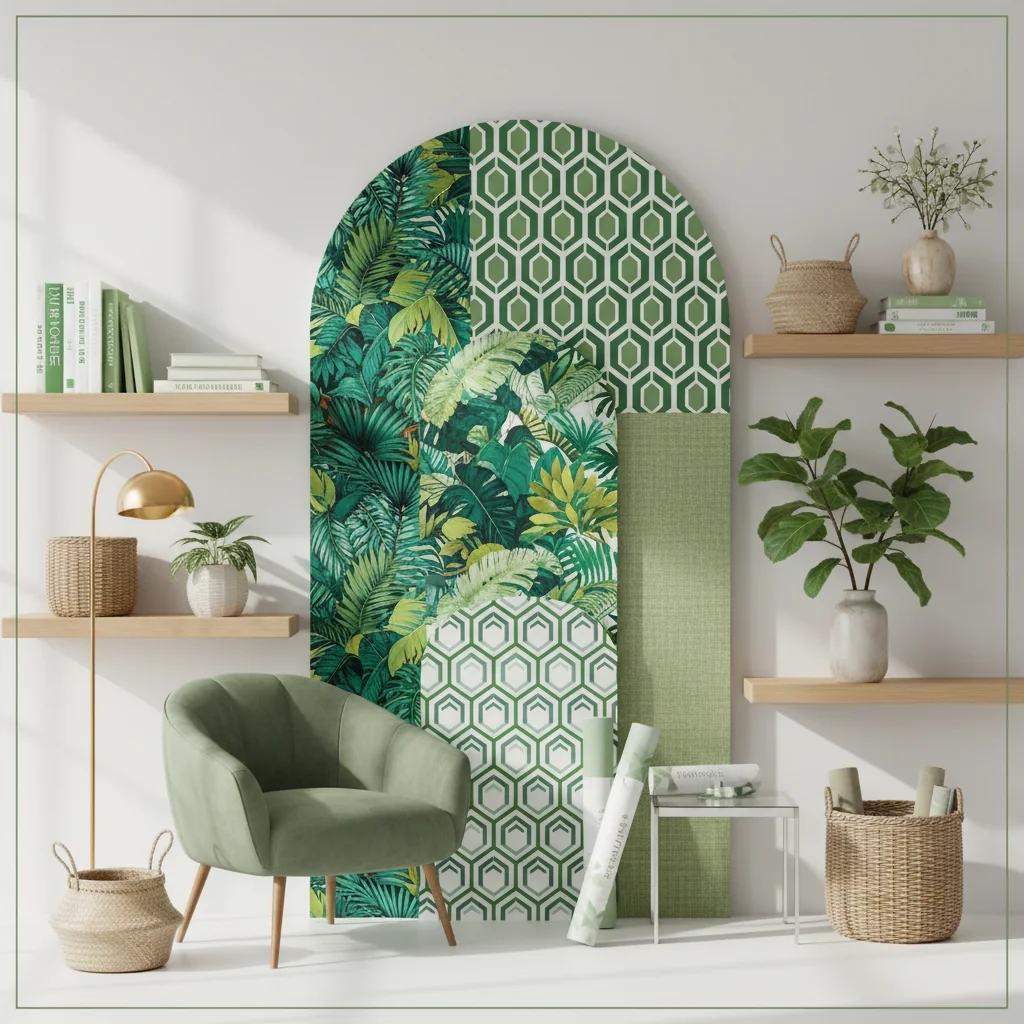
Wallpaper Finishes: Aesthetic and Protective Qualities
The finish applied to the surface of the wallpaper significantly impacts its appearance, tactile quality, and resistance to wear and tear. It also determines how light interacts with the wall surface.
- Matte: A matte finish absorbs light, resulting in a soft, non-reflective appearance that helps to hide minor wall imperfections. It offers a sophisticated, understated elegance and is often preferred for creating a cozy, intimate atmosphere.
- Satin/Eggshell: These finishes have a slight sheen, offering a subtle glow that reflects a small amount of light. They are more durable and easier to clean than matte finishes, making them a good balance between aesthetics and practicality.
- Gloss/Semi-Gloss: Highly reflective, gloss finishes bounce light around a room, making spaces feel brighter and larger. They are the most durable and easiest to clean but can highlight wall imperfections. Often used in bathrooms or kitchens for their moisture resistance.
- Textured/Embossed: These finishes feature raised patterns or tactile surfaces, adding physical depth and dimension. Textures can range from subtle linen weaves to pronounced faux brick or wood grain, enhancing the visual interest and often concealing minor wall flaws.
- Metallic: Incorporating metallic inks or foils, these finishes add shimmer and luxury, reflecting light to create dynamic visual effects. Gold, silver, copper, or bronze accents can elevate a design, particularly in sophisticated or glamorous interiors.
- Pearlescent/Iridescent: These finishes have a soft, shimmering quality reminiscent of pearls or opals, creating a subtle color shift depending on the viewing angle and lighting. They add a delicate touch of elegance and visual intrigue.
Environmental and Health Considerations:
Modern manufacturing has increasingly focused on sustainability and health. Many contemporary wallpapers are now:
- VOC-Free: Volatile Organic Compounds (VOCs) are chemicals that can off-gas from materials and contribute to indoor air pollution. Starhouse prioritizes wallpapers made with VOC-free inks and materials to ensure healthier indoor environments.
- FSC-Certified: This certification indicates that the paper content comes from responsibly managed forests.
- Recycled Content: Some wallpapers incorporate recycled materials, reducing environmental impact.
- PVC-Free: Polyvinyl chloride (PVC) is a common plastic used in vinyl wallpapers. PVC-free options are available for those seeking alternatives, often utilizing non-woven or natural fiber bases.
For example, leading manufacturers like York Wallcoverings emphasize their commitment to environmental stewardship, focusing on responsible manufacturing processes, water-based inks, and the reduction of VOCs. Similarly, Brewster Home Fashions provides detailed specifications on their wallpaper properties, including washability and lightfastness, allowing consumers to make informed choices about product performance and longevity.
By carefully considering the substrate and finish, you can choose a green wallpaper that not only looks stunning but also performs optimally for its intended application, ensuring lasting beauty and satisfaction.
Comparison of Popular Green Wallpaper Materials
| Material Type | Durability & Washability | Installation Complexity | Removal | Typical Use Cases | Approx. Price Range (per single roll) |
|---|---|---|---|---|---|
| Non-Woven | Good; often washable. Breathable. | Moderate; paste-the-wall method is easier. | Easy; strips dry from wall. | Living rooms, bedrooms, dining rooms. General residential use. | $40 – $120 |
| Paper (Traditional) | Delicate; not easily washable. | High; paste-the-paper, can tear when wet. | Difficult; requires soaking, can damage walls. | Low-traffic areas, formal rooms where a classic look is desired. | $20 – $80 |
| Vinyl (Solid & Coated) | Excellent; highly durable, scrubbable, moisture-resistant. | Moderate; often pre-pasted or paste-the-wall. | Varies; can be peelable or strippable. | Kitchens, bathrooms, hallways, kids’ rooms, commercial spaces. | $30 – $150 |
| Fabric (Textile/Grasscloth) | Varies; delicate, not easily washable, can stain. | High; professional installation often recommended. | Difficult; can damage wall upon removal. | Accent walls, luxurious living rooms, studies, formal dining rooms. | $80 – $300+ |
| Peel-and-Stick | Good; often washable, less durable than solid vinyl. | Easy; DIY-friendly, repositionable. | Very Easy; peels off without residue or damage. | Rentals, accent walls, temporary decor, DIY projects, dorm rooms. | $30 – $100 |
Selecting Your Perfect Green: Style, Shade, and Setting
Choosing the ideal green wallpaper involves a nuanced consideration of your existing interior design style, the specific shade of green, and the functional demands and natural light of the room itself. A well-chosen green wallpaper can dramatically enhance a space, reinforcing its aesthetic identity and influencing its mood. This decision requires a holistic approach, moving beyond simple color preference to encompass texture, pattern, and environmental factors.
Harmonizing with Interior Design Styles:
Green wallpaper is remarkably adaptable, capable of complementing a wide array of design philosophies. The key is to match the green’s character to the style’s core principles.
- Modern/Contemporary: Opt for clean, minimalist geometric patterns in muted or deep greens like olive or forest, or solid, sleek finishes. Abstract designs with subtle texture can also work well. The goal is sophistication and understated elegance, avoiding overly ornate or busy patterns.
- Traditional/Classic: Rich emerald, hunter, or deep sage greens are excellent choices. Look for classic patterns such as damask, toile, Chinoiserie, or subtle stripes. Textured wallpapers, particularly those mimicking fabric or grasscloth, add depth and luxury.
- Farmhouse/Rustic: Muted, earthy greens like sage, moss, or olive are ideal. Patterns might include subtle botanicals, simple plaids, or faux wood grain. Textured wallpapers that evoke natural elements, such as distressed finishes, enhance the rustic charm.
- Bohemian/Eclectic: This style thrives on expressive patterns and a mix of textures. Vibrant emerald, teal, or lime green wallpapers with large-scale botanical prints, intricate mandalas, or global-inspired motifs can create a lively, well-traveled feel. Mixing different shades of green within patterns works beautifully.
- Coastal/Nautical: Light, airy greens like seafoam, mint, or pale sage pair well with blues and whites. Subtle textures reminiscent of sand or linen, or patterns featuring understated botanicals or coral motifs, can evoke a serene seaside ambiance.
- Art Deco/Glamorous: Bold emerald or jade greens with metallic accents, geometric patterns, or luxurious textures like velvet-flocked wallpaper create a sense of opulence and drama. Pair with gold or brass elements for ultimate sophistication.
- Biophilic/Nature-Inspired: Lush forest greens, mossy tones, and vibrant leafy patterns are central to this design. Incorporate large-scale botanical murals, dense jungle prints, or real grasscloth for a truly immersive natural experience.
The Psychology of Green Shades and Their Impact:
Each shade of green carries its own psychological implications, influencing the mood and atmosphere of a room.
- Muted Greens (Sage, Moss, Celadon): These soft, desaturated greens promote calm, relaxation, and a sense of natural harmony. They are perfect for bedrooms, bathrooms, and meditation spaces, fostering a serene and restorative environment. They act as sophisticated neutrals.
- Vibrant Greens (Emerald, Lime, Kelly): Energetic and stimulating, these greens infuse a space with vitality, creativity, and a sense of playfulness. Best used in areas where you want to feel invigorated, such as home offices, creative studios, or accent walls in living areas.
- Deep Greens (Forest, Hunter, Olive): These rich, saturated greens evoke feelings of stability, luxury, and connection to nature. They create an enveloping, cozy atmosphere, ideal for libraries, formal dining rooms, or spaces where a sense of gravitas is desired. They can make a large room feel more intimate.
- Teal and Aqua Greens: Blending the calming properties of blue with the refreshing qualities of green, these shades are both sophisticated and serene. They are excellent for creating a tranquil yet stylish ambiance in living rooms, bathrooms, or accent walls.
Considering the Room and Its Lighting:
The specific room and its natural and artificial lighting conditions profoundly affect how a green wallpaper appears and performs.
- Natural Light:
- North-facing rooms: These rooms receive cooler, indirect light. Warmer greens with yellow undertones (e.g., olive, moss) can help prevent the space from feeling too cold. Lighter greens can brighten the room.
- South-facing rooms: Bathed in warm, abundant light, these rooms can handle cooler greens (e.g., teal, emerald with blue undertones) or deep, saturated greens without feeling heavy.
- East-facing rooms: Receive bright morning light, which turns cooler by afternoon. Greens that balance warm and cool tones work well, or embrace the morning warmth with brighter greens.
- West-facing rooms: Get warm, intense afternoon light. Cooler greens can help temper the heat, while deep greens will look especially rich in the evening.
- Artificial Lighting: Consider the color temperature of your light bulbs. Warm white light (2700K-3000K) enhances warm green tones, while cool white light (4000K-5000K) can make greens appear crisper and more blue-toned. Test wallpaper samples under your actual lighting conditions.
- Room Size and Function:
- Small rooms: Lighter, muted greens or small-scale patterns can make a small room feel larger and more open. Avoid overly large or busy patterns that can overwhelm the space.
- Large rooms: Can accommodate bolder, darker greens and large-scale patterns without feeling cramped. Deep forest green or a large-scale botanical mural can create a dramatic statement.
- Bedrooms: Favor calming, muted greens like sage, celadon, or soft mint for a restful retreat.
- Living Rooms: Versatile; can handle a range from elegant emerald to cozy olive, depending on the desired ambiance.
- Kitchens & Bathrooms: Opt for durable, washable vinyl wallpapers in refreshing mint, vibrant lime, or sophisticated teal.
- Home Offices/Studies: Deep greens like hunter or forest can foster concentration and a sense of gravitas.
By meticulously evaluating these factors—style, shade, and setting—you can pinpoint the green wallpaper that not only beautifies your home but also perfectly complements its character and functionality. Starhouse offers a diverse collection, ensuring you find the ideal match for your unique space.
Precision in Planning: Sizing, Measuring, and Estimating
Accurate sizing, meticulous measuring, and precise estimation are the foundational steps for any successful wallpaper installation, directly impacting both the aesthetic outcome and cost efficiency of your project. Underestimating material needs can lead to costly reorders and potential color batch discrepancies, while overestimating results in unnecessary waste. This section provides a definitive guide to ensure you acquire the correct quantity of green wallpaper for a flawless application.
Understanding Wallpaper Roll Dimensions:
Wallpaper is typically sold in rolls, but the dimensions can vary significantly by manufacturer and region. In the U.S., standard rolls often come in two main widths:
- Standard Roll (Single Roll): Approximately 20.5 inches to 21 inches wide and 16.5 feet long (yielding about 28 square feet). However, many manufacturers sell “double rolls” or “bolts” which are effectively two single rolls packaged as one, providing approximately 33 feet long (56 square feet). It is crucial to always check the specific dimensions listed on the product description, as these can vary.
- Wide Rolls: Some designer or commercial wallpapers come in wider formats, such as 27 inches, 36 inches, or even 54 inches, with varying lengths. These are often sold by the yard or linear foot.
Definition: Pattern Repeat is the vertical distance between one point in a pattern and the identical point in the next identical pattern, indicating where the design repeats itself. This measurement is critical for aligning patterns seamlessly across wallpaper strips.
Step-by-Step Measuring Guide:
Follow these steps precisely to measure your room for green wallpaper:
- Measure Wall Height: Measure the height of each wall from the baseboard to the ceiling. If your ceiling height varies, use the tallest measurement for all cuts to ensure consistency. For walls with architectural features like windows or doors, measure the height from the floor to the highest point the wallpaper will reach above or below the obstruction.
- Measure Wall Width: Measure the total width of each wall. Add these widths together to get the total perimeter of the room, excluding windows and doors for now, but keeping them in mind for later adjustments.
- Calculate Total Square Footage: For each wall, multiply its height by its width to get its square footage. Sum these values for the total square footage of all walls you intend to cover.
- Account for Openings (Windows and Doors): Measure the height and width of all windows and doors. Calculate their individual square footage and subtract these from the total wall square footage. For unusually shaped openings or very large windows, consider how the wallpaper strips will run around them.
- Consider Architectural Features:
- Sloped Ceilings: Measure the highest and lowest points, and use the highest point as your standard height for cuts, allowing for trimming.
- Arches/Alcoves: Measure the height and width of these areas separately and add them to your total, accounting for any complex cuts.
Estimating Wallpaper Quantity with Pattern Repeat:
The pattern repeat is the most critical factor influencing how much wallpaper you need, as it dictates how much extra material must be purchased to ensure pattern alignment. This is where most errors occur.
Formula for Estimating Rolls:
Step 1: Calculate Number of Strips per Roll (considering repeat)
- Measure your wall height (H) in inches.
- Add the pattern repeat (R) in inches to the wall height: Total Strip Length (TSL) = H + R. (If the pattern repeat is very small or zero, you can often just add 4-6 inches for trimming).
- Divide the total length of the wallpaper roll (RL) in inches by the TSL: Number of Usable Strips per Roll = RL / TSL. Round down to the nearest whole number.
- Example: Wall Height = 96 inches. Pattern Repeat = 24 inches. Roll Length = 396 inches (33 feet).
TSL = 96 + 24 = 120 inches.
Usable Strips = 396 / 120 = 3.3. Round down to 3 usable strips per roll.
Step 2: Calculate Total Number of Strips Needed for Room
- Measure the total linear feet of walls to be covered (total width of walls).
- Convert this to inches.
- Divide the total linear inches by the wallpaper width (WW) in inches: Total Strips Needed = Total Linear Inches / WW. Round up to the nearest whole number.
- Example: Total wall width = 20 feet = 240 inches. Wallpaper width = 20.5 inches.
Total Strips Needed = 240 / 20.5 = 11.7. Round up to 12 strips.
Step 3: Calculate Total Rolls Needed
- Divide the Total Strips Needed by the Number of Usable Strips per Roll: Total Rolls = Total Strips Needed / Usable Strips per Roll. Round up to the nearest whole number.
- Example: Total Rolls = 12 / 3 = 4 rolls.
Step 4: Add Waste Factor and Contingency
- Always add an additional 15-20% to your final roll count to account for trimming, pattern matching errors, damage, and future repairs. This is a critical step that prevents shortfalls. For complex patterns or rooms with many architectural features, consider adding up to 25%.
- Example: 4 rolls + 20% (0.8 rolls) = 4.8 rolls. Round up to 5 rolls.
Important Considerations:
- Batch Numbers (Dye Lots): Always order all rolls at once to ensure they come from the same manufacturing batch (dye lot). Different dye lots can have subtle color variations that become noticeable on the wall.
- Ceilings: If wallpapering a ceiling, measure its length and width, calculate square footage, and apply the same pattern repeat and waste factor considerations.
- Half Walls/Chair Rails: Measure the specific height and width of the area to be covered. You might be able to get more strips per roll if the height is significantly reduced.
- Professional Consultation: For complex rooms, large-scale murals, or expensive wallpapers, consult with a professional installer. They can provide an accurate estimate and often guarantee their material calculations.
By following these precise measurement and estimation techniques, you can confidently order the correct amount of green wallpaper, minimizing waste and ensuring a seamless, professional-looking installation. Starhouse recommends double-checking all measurements and calculations before finalizing your purchase.
Installation Insights: From DIY to Professional Application
The successful installation of green wallpaper hinges on meticulous preparation and adherence to proper techniques, whether you choose a DIY approach or opt for professional assistance. While peel-and-stick options have democratized wallpaper application, traditional paste-the-wall or paste-the-paper methods require a higher degree of skill and patience. Understanding the nuances of each method and the critical steps involved ensures a durable and visually stunning result.
Surface Preparation: The Foundation of Success
Regardless of the wallpaper type, proper wall preparation is non-negotiable for a smooth, lasting finish.
- Clean Walls: All walls must be clean, dry, and free of dust, grease, and grime. Wash walls with a mild detergent solution, rinse thoroughly, and allow to dry completely (24-48 hours).
- Repair Imperfections: Fill any holes, cracks, or dents with spackle or joint compound. Sand smooth once dry. Wallpaper, especially those with a matte or light finish, will highlight wall imperfections.
- Remove Old Wallpaper: If there’s existing wallpaper, it must be fully removed. Techniques include steaming, chemical removers, or scoring and wetting. Ensure all adhesive residue is gone.
- Prime Walls: Apply a high-quality wallpaper primer (often called “sizing” or “wall prep”) to all surfaces. Primer creates a uniform, slightly textured surface that promotes adhesion, prevents paste from soaking into porous drywall, and makes future removal easier. Allow primer to dry completely according to manufacturer instructions.
- Remove Fixtures: Remove outlet covers, switch plates, and any wall-mounted fixtures. Turn off power to the room at the circuit breaker for safety when working around outlets.
DIY Installation: Peel-and-Stick vs. Traditional
Peel-and-Stick Wallpaper (Self-Adhesive):
Peel-and-stick wallpaper, often made from non-woven or vinyl substrates, is designed for ease of application and removal, making it a popular choice for temporary decor or DIY projects.
Tools Needed: Tape measure, pencil, level, utility knife with fresh blades, smoothing tool (squeegee), scissors, step ladder.
Steps:
- Measure and Cut: Measure the height of your wall and cut the first strip of wallpaper, adding 2-4 inches to the top and bottom for trimming.
- Draw a Plumb Line: Starting in a corner (or the least conspicuous area), use a level to draw a perfectly vertical plumb line on the wall for your first strip. This ensures subsequent strips are straight.
- Apply First Strip: Peel back a few inches of the backing paper from the top of the strip. Align the wallpaper with your plumb line and the ceiling, allowing for overhang. Slowly press the wallpaper onto the wall, working downwards. Gradually peel off more backing paper with one hand while smoothing the wallpaper with your other hand or a squeegee, working from the center outwards to remove air bubbles.
- Match Pattern and Apply Subsequent Strips: For the next strip, align it edge-to-edge with the previous one, carefully matching the pattern. Repeat the peeling and smoothing process.
- Trim Excess: Once all strips are applied, use a sharp utility knife and a straight edge to trim excess wallpaper at the ceiling, baseboards, and around windows/doors.
- Smooth Seams: Gently press seams with a seam roller (if recommended for your material) to ensure they are flat and secure.
Traditional Wallpaper (Paste-the-Wall or Paste-the-Paper):
Traditional methods offer a highly durable finish but require more precision and a greater time investment.
Tools Needed: Tape measure, pencil, level, utility knife, smoothing brush/roller, seam roller, wallpaper paste (if not pre-pasted), paste brush/roller, bucket, sponges, clean cloths, step ladder, cutting table (for paste-the-paper).
Steps (Paste-the-Wall – typically for non-woven):
- Measure and Cut: Measure wall height and cut strips, adding 4-6 inches for trimming at top and bottom.
- Draw a Plumb Line: Use a level to draw a vertical plumb line for your first strip.
- Apply Paste to Wall: Apply a generous, even layer of wallpaper paste directly to the wall section where the first strip will go, extending slightly beyond its width.
- Hang First Strip: Align the top of the strip with the ceiling and the side with your plumb line, allowing for overhang. Smooth the paper onto the wall with a smoothing brush or roller, working from the center outwards to eliminate bubbles.
- Match Pattern and Apply Subsequent Strips: Apply paste to the next section of the wall. Carefully butt the second strip against the first, matching the pattern precisely. Smooth down.
- Trim and Clean: Trim excess paper at edges. Immediately wipe away any excess paste from the wallpaper surface and seams with a damp sponge to prevent staining.
Steps (Paste-the-Paper – typically for paper-backed vinyl or paper):
- Measure and Cut: Measure wall height and cut strips, adding 4-6 inches for trimming.
- Apply Paste to Paper: Lay a strip face down on a clean work surface. Apply an even layer of paste to the entire back of the paper.
- Book the Paper: Gently fold each end of the pasted strip towards the middle, pasted side to pasted side, without creasing. This allows the paste to soak in (“booking”) and makes the paper more pliable. Let it rest for the time recommended by the paste manufacturer (usually 5-10 minutes).
- Draw a Plumb Line: Use a level to draw a vertical plumb line on the wall for your first strip.
- Hang First Strip: Unfold the top half of the booked strip. Align it with the ceiling and plumb line. Smooth onto the wall. Then unfold the bottom half and smooth it down.
- Match Pattern and Apply Subsequent Strips: Repeat the pasting, booking, and hanging process, carefully aligning patterns.
- Trim and Clean: Trim excess paper and immediately wipe away excess paste.
Dealing with Corners and Obstacles:
- Inside Corners: Hang the strip up to the corner, allowing it to wrap slightly (about 1/2 inch) onto the adjacent wall. Cut the strip vertically in the corner, then apply the next strip to the adjacent wall, overlapping the cut edge slightly and ensuring it’s plumb.
- Outside Corners: Wrap the wallpaper around the corner by about 1 inch. Trim the excess if needed. For the next strip, overlap the wrap and use a seam roller.
- Windows and Doors: Hang the strip over the opening. Make diagonal cuts from the center of the opening to each corner. Trim the excess paper, leaving a small overlap to be trimmed flush with a utility knife and straight edge.
- Outlets/Switches: Turn off power. Hang the wallpaper over the fixture. Carefully cut an “X” from the center of the opening to the corners of the box. Trim the excess paper around the box, leaving a small overlap. Replace the cover plate after the wallpaper has dried completely.
When to Hire a Professional:
While DIY is rewarding, professional installation is recommended for:
- Complex Patterns: Large, intricate patterns or murals that require precise alignment.
- Delicate Materials: Grasscloth, fabric, or very expensive wallpapers that are prone to damage.
- Challenging Rooms: Rooms with many angles, sloped ceilings, or architectural details.
- Time Constraints: If you lack the time or patience for a detailed project.
- Guaranteed Results: Professionals offer guarantees on their work, ensuring a flawless finish.
Ultimately, whether you opt for DIY or professional installation, careful planning and execution are paramount. Starhouse recommends thoroughly reading the specific installation instructions provided with your chosen green wallpaper, as techniques can vary slightly by product type.
Maintaining the Verdant Charm: Care and Longevity
Proper care and maintenance are essential for preserving the vibrancy, texture, and overall aesthetic appeal of your green wallpaper, ensuring its longevity and protecting your investment. Different wallpaper materials require specific cleaning methods, and understanding these distinctions prevents damage and maintains the pristine condition of your walls. Adhering to manufacturer guidelines is always the primary directive for optimal care.
General Care Principles:
- Regular Dusting: Dust accumulation can dull the appearance of wallpaper. Gently dust your wallpaper regularly with a soft, dry cloth, a feather duster, or a vacuum cleaner with a brush attachment.
- Immediate Stain Treatment: Address spills and stains promptly. The longer a stain sits, the harder it is to remove. Always test any cleaning solution on an inconspicuous area first.
- Avoid Harsh Chemicals: Never use abrasive cleaners, strong solvents, or harsh chemicals, as these can damage the wallpaper’s finish, strip its color, or degrade its material.
- Protect from Direct Sunlight: Prolonged exposure to direct sunlight can cause fading, especially with natural fiber wallpapers and certain ink types. Consider UV-filtering window treatments (curtains, blinds, or films) in sun-drenched rooms to extend the life of your wallpaper.
- Control Humidity: High humidity can cause wallpaper to peel, bubble, or even foster mold growth, particularly in bathrooms or basements. Ensure adequate ventilation and consider using a dehumidifier in humid environments. Conversely, extremely dry air can cause seams to shrink and open.
Material-Specific Cleaning Guidelines:
The washability rating of your wallpaper, typically indicated by symbols on the roll label, determines its appropriate cleaning method. These symbols range from “Spongeable” (lightly wipe with a damp cloth) to “Scrubbable” (can withstand vigorous cleaning).
- Paper Wallpaper (Non-Washable/Spongeable):
- Cleaning: Generally, paper wallpaper is not designed for wet cleaning. For dust, use a soft, dry cloth or duster. For light marks, a kneaded eraser or a very slightly damp (almost dry) sponge can be used with extreme caution on a small, inconspicuous area. Blot, do not rub.
- Stains: Immediate, gentle blotting is key. For grease, a small amount of cornstarch or talcum powder can sometimes absorb the oil if applied immediately.
- Non-Woven Wallpaper (Washable/Extra Washable):
- Cleaning: Most non-woven wallpapers are washable. Use a soft sponge or cloth dampened with a mild soap solution (e.g., dish soap and water). Gently wipe the surface, then wipe again with a clean, damp cloth to remove soap residue. Pat dry with a clean, soft towel.
- Stains: For tougher stains, a slightly stronger, pH-neutral cleaner might be used, but always test first.
- Vinyl Wallpaper (Washable/Scrubbable):
- Cleaning: Vinyl is the most durable and easiest to clean. Use a soft sponge or cloth with a mild soap and water solution. For stubborn dirt or grime, a gentle scrub brush can often be used. Rinse thoroughly with a clean, damp cloth and dry.
- Stains: Most household stains can be removed with a mild detergent. For tougher marks, a diluted all-purpose cleaner might be effective, but again, test first.
- Fabric/Textile Wallpaper (e.g., Grasscloth, Silk, Linen):
- Cleaning: These are typically the most delicate and often not truly washable. Dry cleaning is usually the only safe method. For dust, use a vacuum cleaner with a soft brush attachment.
- Stains: Avoid liquid cleaners entirely. For spills, blot immediately with a clean, dry cloth. For more significant stains, professional cleaning is often required. Water can leave permanent marks or warp natural fibers.
- Peel-and-Stick Wallpaper:
- Cleaning: The cleaning method depends on the material of the peel-and-stick (often vinyl or non-woven). Follow the guidelines for the underlying material (e.g., washable for vinyl, gentle wipe for non-woven).
Addressing Common Issues:
- Peeling Seams: If seams start to lift, re-adhere them using a seam adhesive or a small amount of wallpaper paste. Apply a thin layer to the back of the peeling edge, press firmly, and wipe away excess.
- Bubbles: Small air bubbles can sometimes be gently pressed out with a smoothing tool or a clean cloth. For larger, persistent bubbles, a small incision with a sharp utility knife (an “X” shape) can release trapped air, then re-adhere with seam adhesive or paste.
- Minor Damage/Tears: For small tears, a repair kit or a small piece of matching wallpaper (ideally from your leftover rolls) can be used. Cut a patch slightly larger than the damaged area, align the pattern, and carefully adhere it over the damage.
By implementing these care and maintenance practices, your green wallpaper will continue to be a vibrant and cherished element of your home decor for years to come. Starhouse encourages customers to refer to the specific care instructions provided with each wallpaper product for the most accurate guidance.
Styling with Green Wallpaper: Harmonizing Your Home
Styling with green wallpaper involves a sophisticated blend of color theory, texture play, and strategic placement to create a cohesive and inviting environment. Green, being a color deeply rooted in nature, offers an unparalleled ability to harmonize disparate elements within a room, acting as both a vibrant statement and a tranquil backdrop. The goal is to integrate the wallpaper seamlessly with furnishings, textiles, lighting, and accessories, achieving a balanced and aesthetically pleasing design.
Complementary Color Palettes:
Green pairs beautifully with a wide range of colors, depending on the desired mood and style.
- Neutrals (White, Cream, Beige, Gray): These provide a crisp, clean contrast to green, allowing the wallpaper to be the focal point while maintaining an airy feel. Light neutrals enhance the freshness of mint or sage, while darker grays can add depth to emerald or forest green.
- Warm Metallics (Gold, Brass, Copper): Gold and brass accents infuse warmth and luxury, particularly stunning against deep emerald, hunter, or teal greens. These combinations evoke a sense of opulence and sophistication.
- Cool Metallics (Silver, Chrome): Silver and chrome elements offer a sleek, modern contrast to greens, especially effective with cool-toned greens like seafoam or jade, enhancing a contemporary aesthetic.
- Earthy Tones (Brown, Terracotta, Rust): These colors create a grounded, natural palette, perfect for rustic, bohemian, or traditional interiors. Olive, moss, and forest greens are particularly complementary.
- Pinks and Corals: A surprising but effective pairing, soft blush pinks or vibrant corals can create a playful, energetic, yet balanced contrast with various greens, from sage to emerald. This combination is often seen in botanical prints.
- Blues: Green and blue are analogous colors, creating a serene and harmonious scheme. Navy or deep indigo pairs beautifully with forest or emerald green, while lighter blues complement mint or sage for a coastal feel.
- Yellows and Mustards: These colors can add a cheerful, sunny contrast to green. A pop of mustard against a deep green can create a sophisticated, mid-century modern vibe.
- Black and White: For a bold, graphic statement, black and white accents provide a stark contrast that makes green pop, often seen in modern or Art Deco designs.
Furniture and Textile Pairings:
The material, color, and style of your furniture and textiles should either echo or provide a thoughtful contrast to your green wallpaper.
- Natural Materials: Wood (light oak to dark walnut), rattan, wicker, and bamboo furniture effortlessly complement green wallpaper, reinforcing its organic appeal.
- Upholstery:
- Velvet: A luxurious choice, velvet sofas or chairs in jewel tones (deep blue, burgundy) or rich neutrals (cream, charcoal) elevate the sophistication of emerald or forest green wallpaper.
- Linen/Cotton: For a more relaxed, natural feel, linen or cotton upholstery in muted tones or subtle patterns works well with sage, moss, or botanical green wallpapers.
- Leather: Rich brown or camel-colored leather furniture adds warmth and a classic touch, especially with deeper, earthy greens.
- Textiles (Curtains, Rugs, Throws):
- Select textiles in complementary colors or patterns that subtly pick up on the wallpaper’s hues.
- Sheer curtains allow light to filter through, highlighting the wallpaper, while heavier drapes in a contrasting solid color can frame the window beautifully.
- Rugs can define zones and add texture. A jute rug enhances a natural green, while a patterned rug with green accents can tie the room together.
Lighting and Accessories:
Lighting and accessories are crucial for completing the look, adding layers of interest and functionality.
- Lighting:
- Layered Lighting: Combine ambient (general room light), task (reading lamps), and accent lighting (spotlights on artwork) to create depth and highlight the wallpaper’s features.
- Fixtures: Choose lighting fixtures that complement the room’s style. Brass or gold fixtures enhance warm greens, while black or matte finishes suit modern green schemes.
- Dimmer Switches: Allow you to adjust the mood, making green wallpaper appear more dramatic or subdued.
- Artwork and Mirrors:
- Artwork: Select pieces that either feature green to reinforce the theme or use contrasting colors to create a focal point. Large-scale abstract art or framed botanical prints can be particularly effective.
- Mirrors: Mirrors with decorative frames can reflect light, making a room feel larger and brighter, and highlight the green wallpaper.
- Greenery and Plants:
- Enhance the biophilic connection by incorporating live plants. The varying shades and textures of real foliage complement green wallpaper beautifully, creating a layered, natural aesthetic.
- Consider plants with contrasting leaf shapes or sizes to add visual interest against patterned wallpaper.
- Decorative Objects:
- Vases, ceramics, books, and other decorative items in complementary colors or natural materials (wood, stone) can tie the room together.
- Use a limited palette for accessories to avoid visual clutter, allowing the green wallpaper to shine.
By thoughtfully curating these elements, green wallpaper becomes more than just a wall covering; it becomes an integral part of a sophisticated, harmonious design narrative. Starhouse encourages experimentation with samples and mood boards to visualize how different elements will interact with your chosen green wallpaper, ensuring a result that truly reflects your personal style.
Before moving on to emerging trends, let us reiterate the importance of thoughtful selection. The right green wallpaper can be a transformative element in your home, setting the tone for entire rooms and reflecting your personal style. Starhouse is dedicated to helping you achieve this vision, and we are continuously expanding our curated collection to include the latest in design and sustainable materials. We invite you to share your design aspirations with us, helping us to tailor our upcoming catalog to your specific needs. Tell us what you’re looking for in your dream home decor.
Emerging Trends in Green Wallpaper Design
The world of interior design is in constant evolution, and green wallpaper, with its enduring appeal, remains at the forefront of contemporary trends, particularly those emphasizing nature, sustainability, and unique artistic expression. Current design movements are deeply influenced by a desire for tranquility, connection to the natural world, and a growing consciousness about environmental impact. These trends manifest in specific shades, patterns, and material innovations that define the modern use of green wallpaper.
Biophilic Design Dominance:
Biophilic design, which integrates natural elements into built environments to enhance well-being, continues to be a major driving force. Green wallpaper is a cornerstone of this trend, bringing the restorative power of nature indoors.
- Lush Botanicals and Jungle Prints: Large-scale, hyper-realistic botanical prints featuring dense foliage, tropical leaves, and exotic flora are immensely popular. These designs create immersive, vibrant spaces that blur the lines between indoor and outdoor.
- Abstracted Nature: Beyond literal representations, abstract patterns inspired by natural forms—such as flowing water, organic textures, or subtle tree rings—are gaining traction, offering a more artistic and less literal interpretation of biophilia.
- Moss and Forest Tones: Deep, earthy greens like moss, forest, and olive are favored for their grounding and calming effects, creating sanctuaries of peace and quietude.
Sustainable and Eco-Conscious Materials:
As environmental awareness grows, consumers are increasingly seeking sustainable and health-conscious options for their homes. This demand is shaping the future of wallpaper manufacturing.
- Non-Woven and PVC-Free Options: The preference for breathable, easy-to-remove non-woven substrates and PVC-free materials continues to rise due to their lower environmental impact and improved indoor air quality.
- Recycled and Upcycled Content: Wallpapers incorporating recycled paper, post-consumer waste, or even upcycled textile fibers are becoming more prevalent, appealing to eco-minded consumers.
- Natural Fibers: Grasscloth, jute, and cork wallpapers, renowned for their organic texture and natural origins, remain highly sought after for their sustainable properties and unique aesthetic.
- Water-Based, VOC-Free Inks: Manufacturers are increasingly using non-toxic, water-based inks that are free from Volatile Organic Compounds (VOCs), ensuring a healthier living environment. This commitment to environmental responsibility is a hallmark of reputable brands, as seen in the practices of companies like York Wallcoverings.
Textural Play and Tactile Finishes:
Beyond visual patterns, designers are exploring the tactile dimension of wallpaper, adding depth and sensory richness to walls.
- Subtle Textures: Wallpapers mimicking the feel of linen, silk, plaster, or suede in green hues add a sophisticated, understated elegance without overwhelming the space.
- Embossed Designs: Raised patterns, whether subtle geometrics or intricate botanicals, create shadows and highlights that change with the light, offering dynamic visual interest.
- Digital Printing for Customization: Advances in digital printing allow for highly detailed, custom designs and murals. This enables homeowners to create truly unique green wallscapes, from personalized botanical illustrations to large-format abstract art.
Sophisticated Green Shades and Combinations:
The palette of green is expanding and being refined, with particular shades gaining prominence.
- Muted and Desaturated Greens: Sage, celadon, and dusty olive continue their reign as preferred neutrals, offering a calming and sophisticated alternative to grays and beiges.
- Deep Jewel Tones: Emerald, jade, and deep teal greens are favored for creating luxurious, dramatic spaces, often paired with metallic accents.
- Green with Warm Undertones: Greens with a yellow or brown base, such as chartreuse or moss, are becoming popular for their ability to add warmth and vibrancy.
- Monochromatic Green Schemes: Using different shades and textures of green within the same room creates a rich, layered, and harmonious effect without introducing other colors.
Maximalist and Eclectic Expression:
While minimalism still holds its place, there’s a growing embrace of maximalist and eclectic styles, where green wallpaper plays a starring role.
- Bold Patterns and Murals: Large-scale, vibrant patterns, often with multiple colors intertwined with green, are used to create statement walls or completely transform a room with personality.
- Layering Patterns: In some eclectic designs, green wallpaper with a strong pattern might be paired with patterned textiles or artwork, creating a rich, layered, and visually stimulating environment.
These emerging trends highlight green wallpaper’s versatility and its capacity to meet evolving design preferences, emphasizing both aesthetic beauty and a commitment to sustainable living. Starhouse remains at the forefront of these developments, curating a collection that reflects the latest innovations and timeless appeal of green in home decor.
Common Pitfalls to Avoid When Choosing Green Wallpaper
While green wallpaper offers immense potential for transforming a space, several common mistakes can undermine even the most well-intentioned design efforts. Recognizing and actively avoiding these pitfalls ensures a successful and satisfying outcome, preventing costly errors and design regrets. The key lies in careful planning, thorough evaluation, and understanding the practical implications of your choices.
- Ignoring Room Lighting: This is one of the most critical errors. The same green wallpaper can look dramatically different under various lighting conditions (natural vs. artificial, warm vs. cool light, north-facing vs. south-facing room). A vibrant emerald might appear dull in a dimly lit room, while a pale sage could feel washed out in bright, direct sunlight. Always test wallpaper samples in the actual room at different times of day.
- Underestimating Pattern Repeat and Waste: Failing to account for pattern repeat during measurement is a frequent and costly mistake. It leads to insufficient material, requiring a reorder that might come from a different dye lot, resulting in noticeable color discrepancies. Always add 15-20% extra for waste, especially with large or intricate patterns.
- Neglecting Wall Surface Preparation: Applying wallpaper over an unprepared or damaged wall surface (uneven, dirty, unprimed, or with old wallpaper residue) guarantees a poor finish. Imperfections will show through, adhesion will be compromised, and bubbling or peeling will likely occur. Proper cleaning, repair, and priming are non-negotiable.
- Choosing the Wrong Material for the Room’s Function: Selecting delicate paper wallpaper for a high-moisture bathroom or a high-traffic hallway is an error in judgment. Vinyl or washable non-woven options are essential for areas prone to moisture, splashes, or frequent contact to ensure durability and ease of cleaning. Conversely, using heavy-duty commercial-grade vinyl in a formal living room might feel overly utilitarian.
- Overwhelming the Space with Busy Patterns: While bold patterns can be striking, using a large, intricate, or highly contrasting green pattern on all four walls of a small room can make the space feel cramped, busy, and visually overwhelming. Consider using such patterns on an accent wall, or opt for smaller, more subtle patterns in confined spaces.
- Failing to Consider Existing Decor: Introducing green wallpaper without evaluating how it integrates with existing furniture, flooring, textiles, and artwork can lead to a disjointed and unharmonious look. Ensure the shade, style, and pattern of the green wallpaper complement or thoughtfully contrast with your current decor elements.
- Ignoring the Scale of the Pattern: A pattern’s scale must be appropriate for the room size. A tiny floral print might get lost in a large room, while an oversized botanical could overpower a small powder room. Visualize the pattern in situ by using large samples or even taping up multiple sheets to get a better sense of its impact.
- Not Ordering Samples: Relying solely on online images or small swatches can be misleading. Color representation varies across screens, and texture cannot be fully appreciated digitally. Always order physical samples to see how the green wallpaper looks and feels in your home environment.
- Improper Installation Techniques: Rushing the installation, failing to use a plumb line, not smoothing out bubbles, or improper paste application (for traditional wallpaper) leads to visible seams, misaligned patterns, and eventual peeling. If unsure, consider hiring a professional.
- Forgetting About Dye Lots: As mentioned, wallpaper rolls are produced in batches, and slight color variations can occur between these “dye lots.” Always purchase all rolls for a single project at the same time to ensure they come from the same dye lot, avoiding noticeable color shifts on your wall.
By consciously addressing these common pitfalls, you can navigate the selection and installation of green wallpaper with confidence, culminating in a beautifully designed and enduring space. Starhouse emphasizes that thoughtful preparation and informed decision-making are the cornerstones of any successful home decor project.
Sources
Frequently Asked Questions About Green Wallpaper
Is green wallpaper a good choice for a small room?
Yes, green wallpaper can be an excellent choice for a small room, provided the right shade and pattern are selected. Lighter, muted greens like sage, mint, or celadon can make a small room feel larger and more open by reflecting light and creating a serene atmosphere. Small-scale patterns or subtle textures are also preferable over large, busy prints which can overwhelm a confined space.
What colors pair best with green wallpaper?
Green wallpaper pairs exceptionally well with a wide range of colors, depending on the desired aesthetic. Neutrals such as white, cream, beige, and gray offer a clean, classic contrast. Warm metallics like gold and brass add luxury, while earthy tones such as brown and terracotta create a grounded, natural feel. Pinks, corals, and blues also offer vibrant or harmonious complementary palettes, respectively.
Is green wallpaper easy to remove?
The ease of removing green wallpaper depends entirely on its material type and the wall preparation. Non-woven wallpapers are generally the easiest to remove, often peeling off in full, dry strips without damaging the wall. Peel-and-stick wallpapers are also designed for easy, residue-free removal. Traditional paper-backed wallpapers, however, can be more challenging and may require soaking or steaming to remove effectively.
Can I use green wallpaper in a bathroom?
Yes, green wallpaper can be used effectively in a bathroom, but it is crucial to select a material specifically designed for high-moisture environments. Vinyl wallpaper is the most suitable choice due to its superior durability, washability, and resistance to humidity and splashes. Ensure proper ventilation in the bathroom to prevent moisture buildup, which can compromise even moisture-resistant wallpapers over time.
How do I clean green wallpaper without damaging it?
Cleaning green wallpaper requires adherence to its specific washability rating. For washable or scrubbable vinyl and non-woven wallpapers, gently wipe with a soft sponge or cloth dampened with a mild soap and water solution, then rinse with a clean, damp cloth and pat dry. For delicate paper or natural fiber wallpapers (like grasscloth), dry dusting with a soft cloth or vacuum brush attachment is recommended, as wet cleaning can cause damage or staining.
Is green wallpaper still in style?
Yes, green wallpaper is very much in style and continues to be a prominent trend in interior design, particularly driven by the popularity of biophilic design and a desire for natural, calming aesthetics. Muted greens like sage and olive are favored neutrals, while vibrant emeralds and lush botanical prints remain popular for creating statement spaces. Its versatility ensures it adapts to various evolving design trends.
What is the difference between a single roll and a double roll of wallpaper?
A single roll of wallpaper typically measures approximately 20.5 to 21 inches wide and 16.5 feet long, covering about 28 square feet. A double roll (often called a bolt) is simply two single rolls packaged as one continuous length, usually measuring the same width but approximately 33 feet long, covering about 56 square feet. Manufacturers often price and sell by the double roll, but it’s crucial to confirm the specific dimensions listed for each product.
Conclusion: Your Verdant Vision Awaits
Green wallpaper is more than just a decorative choice; it is a profound design statement that brings the tranquility, vitality, and timeless elegance of nature into your home. From the serene whispers of sage to the bold declaration of emerald, its vast spectrum offers endless possibilities for crafting spaces that resonate with your personal style and enhance your daily living. We have explored its rich history, delved into the nuances of materials and patterns, provided precise guidance on measurement and installation, and offered expert advice on styling and maintenance, equipping you with the knowledge to make informed and inspired decisions.
At Starhouse, we understand that your home is a reflection of your aspirations and a sanctuary for your well-being. Our commitment is to curate a collection of green wallpapers and complementary home decor that exemplifies sophisticated design, exceptional quality, and enduring beauty. As we continue to build our premier catalog, we are actively seeking to understand the unique design needs and desires of discerning homeowners like you.
We invite you to be a part of our journey as we shape a collection designed for the modern American home. Share your vision, your preferences, and what you dream of for your living spaces. Your input is invaluable in helping us curate an unparalleled selection that truly speaks to your aesthetic. Tell us what you’re looking for, and gain early access to our meticulously curated offerings, bringing your verdant vision to life with Starhouse.