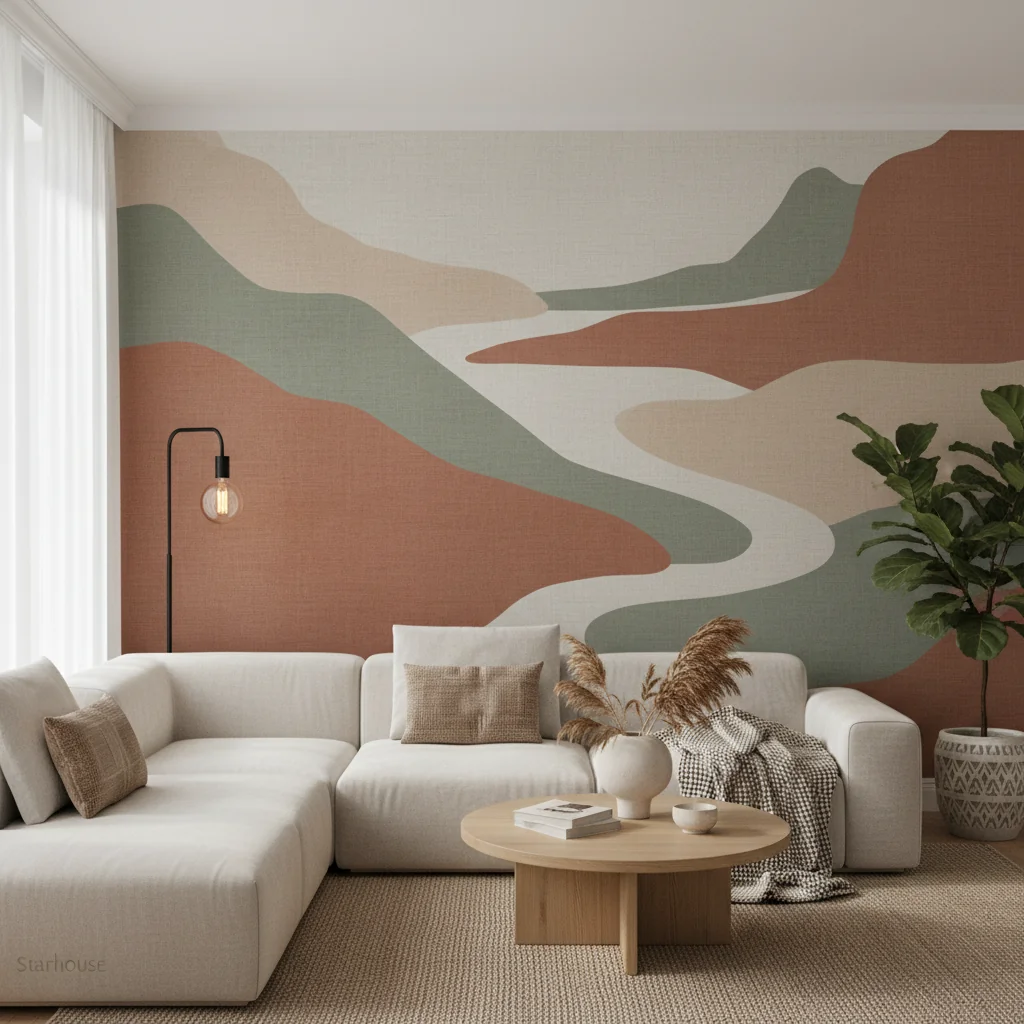
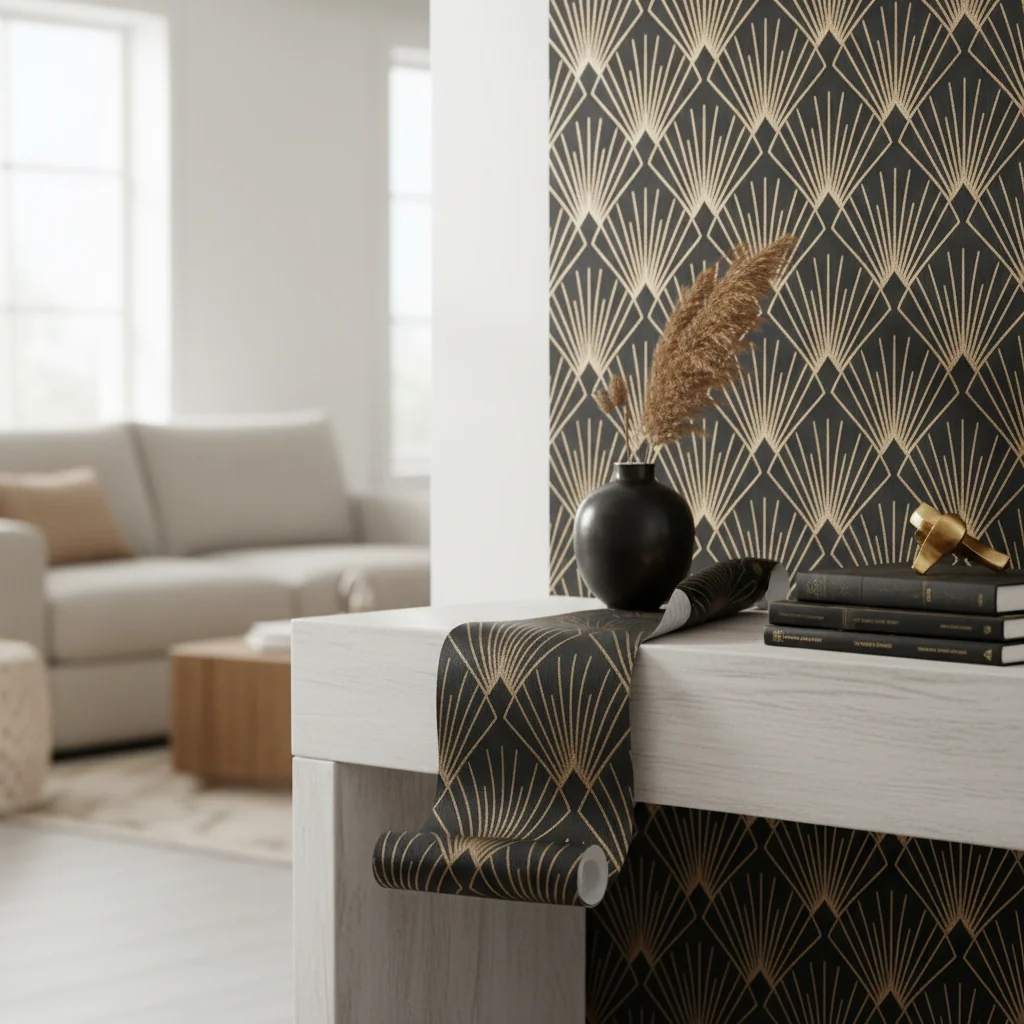
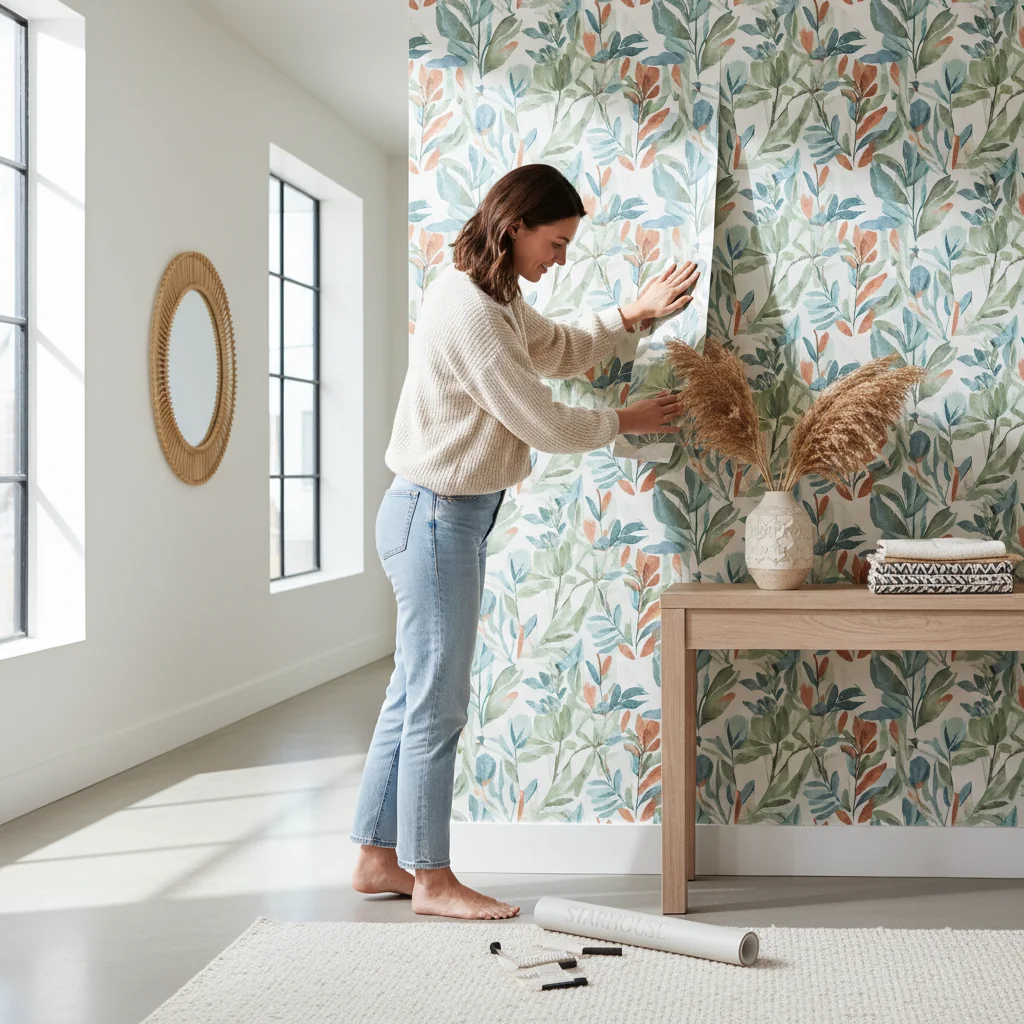
Fabric wall covering is a sophisticated interior design element that involves applying various textile materials directly to walls, offering unparalleled texture, depth, and acoustic benefits beyond traditional paint or wallpaper. Unlike conventional wall treatments, fabric wall coverings introduce a tactile dimension and often a bespoke aesthetic, transforming a room’s entire ambiance through its material richness and visual warmth. This versatile design choice can range from intricately woven silks to robust natural fibers, each contributing a distinct character to residential and commercial spaces across the United States, elevating interiors with both visual appeal and functional advantages.
Key takeaways
- Fabric wall covering offers superior texture, depth, and acoustic benefits compared to paint or traditional wallpaper.
- Key types include textile wallcoverings (glued), upholstered walls (padded), and stretched fabric systems (track-mounted).
- Materials range from luxurious silks and velvets to durable linens, cottons, and eco-friendly natural fibers like jute and grasscloth.
- Proper measurement is crucial, requiring precise calculations of square footage and consideration of pattern repeats to minimize waste.
- Installation methods vary from direct adhesive application to sophisticated stretched panel systems, impacting permanence and acoustic performance.
- Care and maintenance depend heavily on the fabric type, but regular dusting and prompt stain treatment are universal best practices.
- Integrating fabric wall coverings into a design scheme requires careful consideration of room function, existing decor, lighting, and desired aesthetic.
What is Fabric Wall Covering?
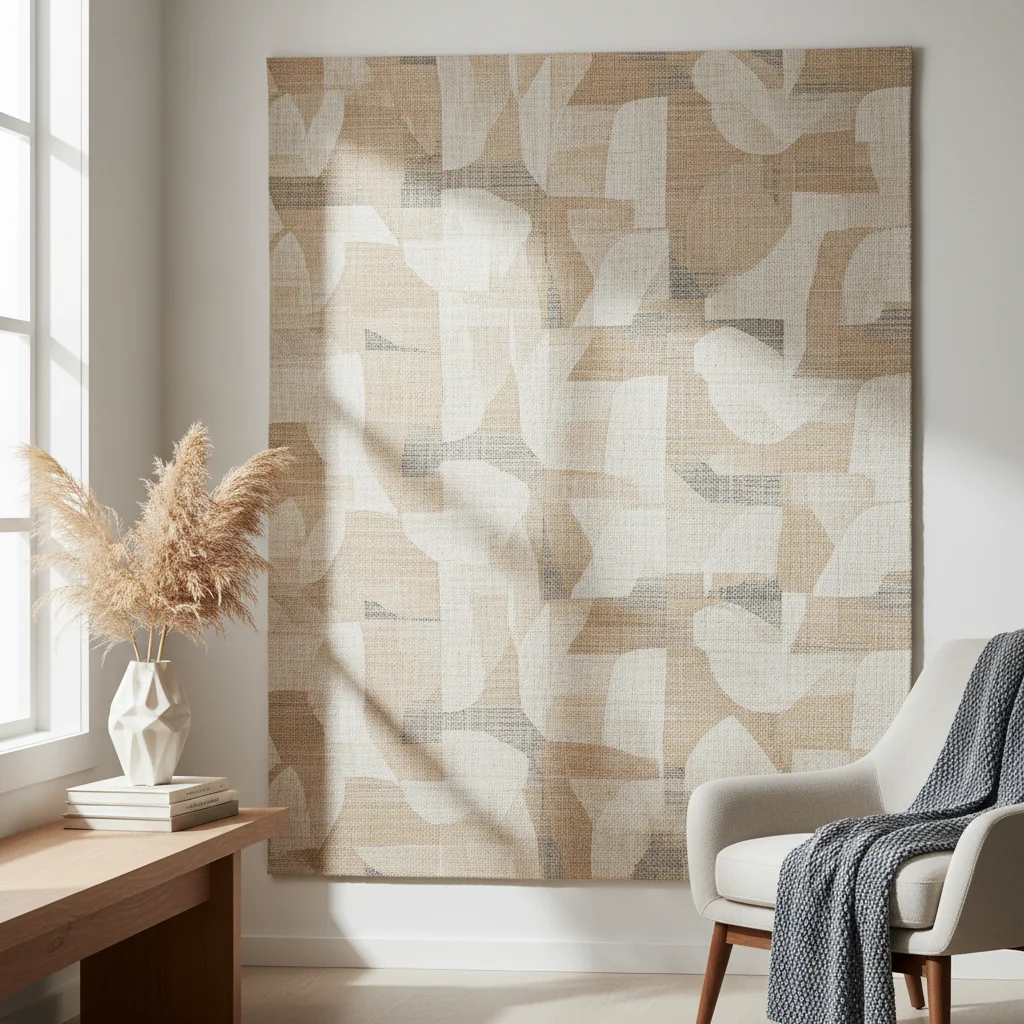
Fabric wall covering is a premium decorative and functional wall treatment that utilizes woven or non-woven textile materials, often backed with paper or a non-woven substrate, for direct application to interior walls. This method elevates standard wall surfaces by introducing rich textures, intricate patterns, and a soft, luxurious feel that paint or vinyl cannot replicate. Distinct from traditional wallpaper, which is typically paper or vinyl-based, fabric wall coverings are defined by their textile composition, offering a unique blend of aesthetic depth and tactile warmth to any room.
Historically, textiles have adorned walls for centuries, from tapestries in medieval castles to silk panels in Rococo salons, serving both decorative and insulating purposes. Modern fabric wall coverings evolve this tradition, combining contemporary manufacturing techniques with a wide array of natural and synthetic fibers. They are typically sold by the yard or roll, much like wallpaper, but require specialized installation due to their weight, texture, and often delicate nature. The backing material, such as paper, acrylic, or non-woven fabric, provides stability, prevents adhesive bleed-through, and facilitates easier installation and removal compared to unbacked textiles.
The appeal of fabric wall covering lies in its ability to transform a space, imparting a sense of bespoke luxury and refined comfort. It can absorb sound, providing improved acoustics in residential and commercial settings, and can also offer a degree of thermal insulation. From grand living rooms and elegant dining areas to sophisticated bedrooms and executive offices, fabric wall covering serves as a statement piece, a subtle backdrop, or a functional enhancer, allowing for a depth of design expression that is truly distinctive.
Key characteristics of fabric wall coverings include their inherent texture, which can range from smooth and subtle to deeply dimensional and tactile. They often feature complex weaves, embossed patterns, or embroidered details that catch light in unique ways, adding visual interest and movement to walls. Furthermore, the material composition influences its durability, cleanability, and suitability for different environments. Understanding these fundamental aspects is crucial for selecting the ideal fabric wall covering to meet both aesthetic desires and practical requirements for any interior design project.
The Enduring Appeal: Why Choose Fabric Wall Covering?
Choosing fabric wall covering for your interiors offers a multitude of benefits that extend beyond mere aesthetics, providing enhanced comfort, superior acoustics, and a distinct sense of luxury. These wall treatments transform a space into an enveloping environment, delivering a tactile and visual experience that paint or standard wallpapers simply cannot match. The decision to incorporate fabric on your walls is an investment in both the beauty and functionality of your home or commercial space.
One of the primary advantages is the unparalleled aesthetic richness. Fabric wall coverings introduce texture, depth, and warmth that instantly elevate a room’s design. The way light interacts with woven fibers creates subtle shifts in color and shadow, adding dynamic visual interest. Whether you opt for the sheen of silk, the organic texture of grasscloth, or the plushness of velvet, fabric brings an immediate sense of sophistication and bespoke craftsmanship to any wall.
Beyond visual appeal, fabric wall coverings significantly improve a room’s acoustics. The inherent properties of textile materials absorb sound waves, reducing echo and reverberation, which is particularly beneficial in open-plan living areas, home theaters, bedrooms, and offices. This acoustic dampening creates a quieter, more intimate, and comfortable atmosphere, enhancing both conversation and concentration.
Fabric wall coverings also offer a degree of thermal insulation, contributing to better energy efficiency within a space. The textile layer acts as an additional barrier against temperature fluctuations, helping to keep rooms warmer in winter and cooler in summer. While not a primary insulator, this subtle effect can contribute to a more stable indoor climate and potentially reduce heating and cooling costs over time.
Durability is another compelling reason to choose fabric wall covering, especially when considering performance-grade textiles. Many modern fabric wall coverings are engineered for high traffic areas, resistant to scuffs, tears, and fading. Unlike painted surfaces that can show every imperfection, the texture and pattern of fabric can often mask minor blemishes, maintaining a pristine appearance for longer periods. This makes them a practical choice for busy households or commercial environments that demand longevity and ease of maintenance.
Finally, fabric wall coverings allow for an extraordinary level of design versatility and personalization. With an expansive range of materials, weaves, patterns, and colors available, designers and homeowners can create truly unique environments. From creating a dramatic focal point to providing a soft, enveloping backdrop, fabric offers the flexibility to realize distinct design visions. This bespoke quality ensures that your space reflects a refined taste and a commitment to exceptional interior design.
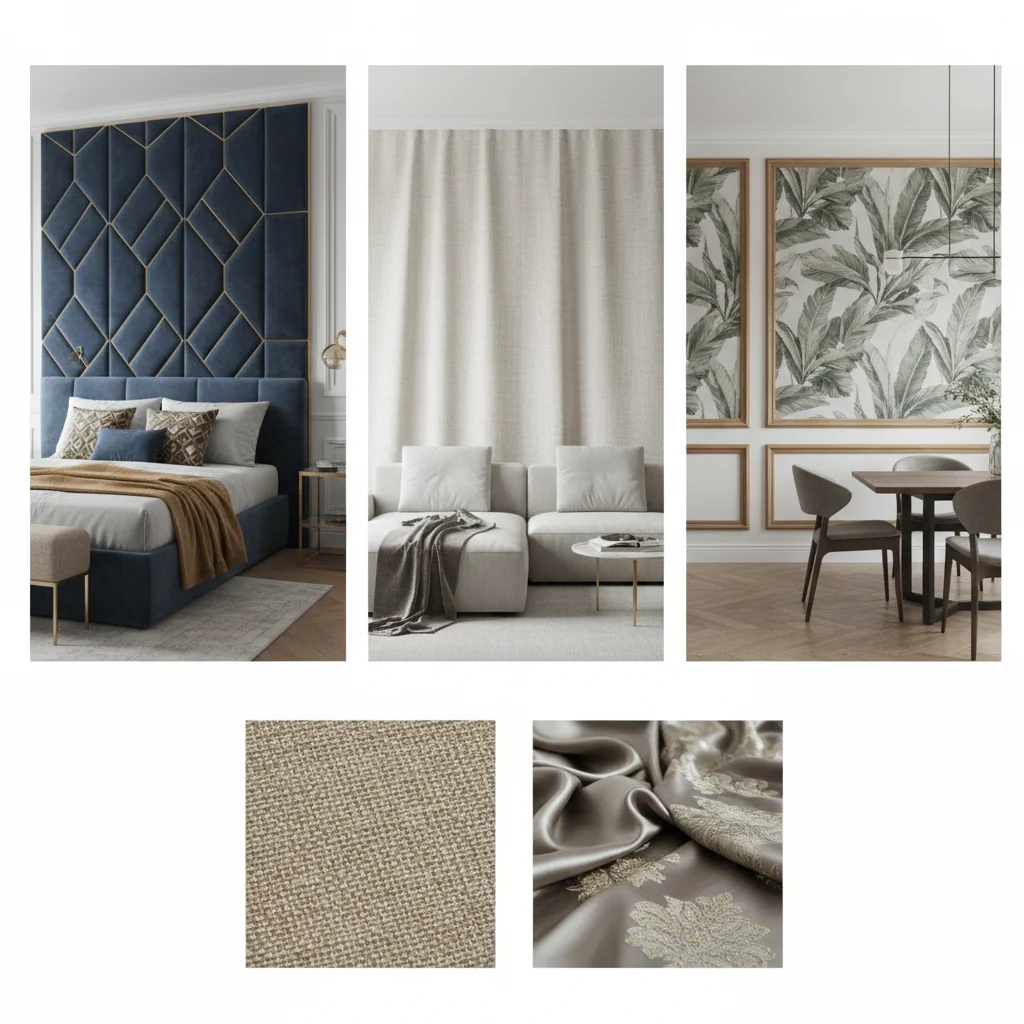
A Tapestry of Options: Types of Fabric Wall Coverings
Fabric wall coverings encompass several distinct categories, each offering unique aesthetic qualities, installation methods, and functional benefits. Understanding these different types is crucial for selecting the most appropriate solution to achieve your desired design outcome and performance requirements. Each method transforms a wall in its own characteristic way, from the subtle elegance of textile wallcoverings to the plush luxury of upholstered panels.
1. Textile Wallcoverings (Adhesive-Applied)
Textile wallcoverings are the most common and accessible form of fabric wall treatment, consisting of a fabric face (such as silk, linen, cotton, or synthetic blends) laminated to a paper or non-woven backing. This backing provides stability, prevents adhesive from bleeding through, and makes the material easier to install, much like traditional wallpaper. They are typically sold in rolls and applied to the wall using a specialized adhesive.
- Aesthetic: Offers a vast array of textures, patterns, and colors. Can range from delicate, shimmering silks to robust, rustic weaves.
- Installation: Requires precise cutting, pattern matching, and careful application with a specific fabric wallcovering adhesive. Professional installation is highly recommended due to the material’s cost and delicate nature.
- Durability: Varies greatly by fabric type and backing. Many are treated for stain resistance.
- Acoustics: Provides moderate sound absorption, improving room acoustics subtly.
- Cost: Generally mid-to-high range, depending on the fiber and design complexity.
2. Upholstered Walls
Upholstered walls involve padding a wall surface with a layer of batting or foam before covering it with fabric, creating a soft, dimensional, and luxurious finish. This method is often seen in high-end residential interiors, recording studios, or boutique hotels, where both aesthetics and superior acoustic performance are paramount. Upholstered walls can be installed directly onto the wall or as pre-fabricated panels.
- Aesthetic: Creates a deeply luxurious, tactile, and inviting atmosphere. Can be tufted, channeled, or stretched smoothly.
- Installation: More complex and labor-intensive than textile wallcoverings. Often involves custom carpentry for frames or direct application of padding and fabric.
- Durability: Excellent, as the padding protects the fabric from direct impact. Fabric choice impacts wear.
- Acoustics: Provides exceptional sound absorption and insulation due to the layering of fabric and padding.
- Cost: High, due to material costs (fabric, padding) and specialized labor.
3. Stretched Fabric Systems
Stretched fabric systems utilize a track-and-frame system to hold fabric tautly against a wall or ceiling, often with an acoustic or thermal batting layer behind it. This method eliminates the need for adhesives on the fabric itself, allowing for easy replacement or cleaning of panels. It’s particularly favored for seamless installations over large areas, or where acoustic performance is a primary concern. The fabric is tucked into a perimeter track system, creating a smooth, drum-tight finish.
- Aesthetic: Offers a clean, seamless, and contemporary look. Ideal for large, uninterrupted surfaces.
- Installation: Requires specialized track systems and professional installers. No adhesive on the fabric means clean edges and no visible seams if done correctly.
- Durability: Highly durable, as the fabric is kept taut and can be easily replaced if damaged or for a design update.
- Acoustics: Excellent, especially when combined with acoustic infill materials like fiberglass or mineral wool.
- Cost: High, due to specialized materials and installation expertise.
4. Acoustic Panels (Fabric-Wrapped)
While often considered a subset of stretched fabric or upholstered walls, dedicated acoustic panels are pre-fabricated units designed specifically for sound absorption, then wrapped in decorative fabric. These panels are typically installed in arrays to target specific acoustic issues in a room. They are highly functional but can also be designed as significant aesthetic elements.
- Aesthetic: Can be customized with various fabrics and patterns, integrating functionality with design. Available in standard or custom sizes and shapes.
- Installation: Relatively straightforward; panels are mounted directly to the wall or suspended from ceilings.
- Durability: Good, especially with performance fabrics.
- Acoustics: Superior, as their core purpose is sound management.
- Cost: Mid-to-high, depending on size, core material, and fabric.
Each type of fabric wall covering presents a distinct approach to enhancing interior spaces, offering a spectrum of design possibilities and functional advantages. The choice among these types will depend on the specific aesthetic vision, acoustic needs, budget, and desired level of permanence for your project.
The Foundation of Design: Common Materials and Their Characteristics
The choice of material is perhaps the most critical decision when selecting a fabric wall covering, as it dictates the aesthetic, tactile quality, durability, and maintenance requirements of the final installation. From opulent natural fibers to resilient synthetics, each material brings its own unique set of characteristics to the wall, profoundly influencing the room’s atmosphere. Understanding these properties ensures that the chosen fabric not only looks magnificent but also performs optimally in its intended environment.
Natural Fibers
Natural fibers offer unparalleled texture, breathability, and an organic appeal that synthetic alternatives often struggle to replicate. They imbue spaces with a sense of authenticity and connection to nature.
- Silk: Renowned for its luxurious sheen, smooth hand, and vibrant color absorption. Silk wall coverings exude elegance and sophistication, often featuring intricate weaves or subtle slubs. They are delicate, prone to sun fading, and require careful handling and cleaning, making them ideal for low-traffic, formal areas. Prices are typically at the higher end of the spectrum.
- Linen: A strong, durable fiber derived from the flax plant, linen offers a crisp, natural texture with subtle variations in thread thickness. It presents a sophisticated, understated elegance, often associated with a relaxed yet refined aesthetic. Linen is breathable and resistant to pilling, but can wrinkle and may show slight variations in dye lots. It’s suitable for a wide range of spaces, from casual to formal.
- Cotton: Versatile and widely available, cotton provides a soft, matte finish and excellent printability for patterns. It’s breathable and relatively durable for residential use. However, cotton can be prone to fading and staining if not treated, and its absorbency makes it less ideal for high-humidity areas without protective finishes.
- Jute & Grasscloth: These natural fibers offer distinctive, organic textures and earthy tones, bringing a tactile, biophilic element into a space. Grasscloth, made from woven grasses, reeds, or hemp, is often hand-woven and backed, displaying natural variations and visible seams that contribute to its artisanal charm. Jute is coarser and more robust. Both are eco-friendly choices, excellent for adding warmth and depth, but they can be delicate, absorb moisture, and may fade in direct sunlight.
- Wool: Known for its exceptional durability, natural flame resistance, and sound-absorbing qualities, wool provides a rich, warm texture. It is highly resilient and excellent for insulation, making it a practical choice for areas where comfort and performance are key. Wool can be more challenging to clean and may be susceptible to moths if untreated.
Synthetic Fibers
Synthetic fibers are engineered for performance, offering enhanced durability, stain resistance, and colorfastness, often at a more accessible price point. They are ideal for high-traffic or demanding environments.
- Polyester: A highly versatile and durable synthetic fiber, polyester offers excellent resistance to fading, stretching, and shrinking. It can be engineered to mimic the look and feel of natural fibers like silk or linen, often with added benefits such as stain resistance and UV protection. Polyester is a practical choice for busy areas and is generally easy to clean.
- Olefin (Polypropylene): Extremely durable, colorfast, and resistant to moisture, mildew, and fading, olefin is often used in performance wall coverings, especially in commercial settings or areas prone to spills. It has a somewhat coarser hand than other synthetics but offers exceptional longevity and low maintenance.
- Rayon/Viscose: A regenerated cellulosic fiber, rayon can mimic the luxurious feel of silk or the absorbency of cotton. It drapes well and takes dye beautifully, offering vibrant colors. However, rayon can be less durable when wet and may be prone to wrinkling, requiring careful handling.
- Blends: Many fabric wall coverings utilize blends of natural and synthetic fibers to combine the best qualities of each. For example, a linen-polyester blend might offer the natural texture of linen with the enhanced durability and stain resistance of polyester. These blends provide a balanced solution for aesthetics and performance.
Specialty Materials
- Vinyl-Backed Fabrics: These combine a decorative fabric face with a durable vinyl backing. The vinyl provides excellent scrubbability, moisture resistance, and tear strength, making these suitable for high-traffic commercial spaces or areas requiring frequent cleaning, such as healthcare or hospitality settings.
- Non-Woven Backings: Often used with delicate natural fabrics, non-woven backings provide stability and make installation and removal easier, reducing the risk of damage to the fabric. They also help prevent adhesive from bleeding through.
- Acoustic Fabrics: Specifically engineered textiles with open weaves or unique fiber structures designed to maximize sound absorption, often used in conjunction with acoustic panels or stretched fabric systems.
All materials used in home furnishings, including fabric wall coverings, are subject to various federal regulations designed to ensure consumer safety and environmental responsibility. These regulations undergo rigorous review processes to maintain their efficacy and relevance (reginfo.gov).
Choosing the right material involves balancing aesthetic aspirations with practical considerations like durability, maintenance, and the specific environmental conditions of the room. A thorough understanding of each fiber’s characteristics is paramount to making an informed and lasting design decision.
Crafting Your Aesthetic: Styles, Patterns, and Textures
Fabric wall coverings offer an unparalleled opportunity to define a room’s aesthetic through an expansive array of styles, patterns, and textures. This versatility allows designers and homeowners to create environments that range from understated elegance to bold, dramatic statements, reflecting personal taste and complementing architectural features. The interplay of visual design and tactile quality is what makes fabric wall coverings such a potent tool in interior design.
Styles
The style of a fabric wall covering can instantly set the tone for an entire room, aligning with various design philosophies:
- Traditional/Classic: Characterized by ornate damasks, intricate florals, toile de Jouy, and rich brocades, often in muted or jewel tones. These patterns evoke historical elegance and formality, perfectly suited for grand living rooms, dining rooms, or libraries.
- Contemporary/Modern: Features clean lines, geometric shapes, abstract motifs, and often a monochromatic or limited color palette. Textures might be subtle yet sophisticated, emphasizing simplicity and functionality. Ideal for sleek urban apartments or minimalist designs.
- Transitional: A harmonious blend of traditional and contemporary elements, offering a fresh take on classic patterns or introducing traditional textures to modern forms. This style is versatile and appeals to a broad range of tastes, providing comfort without being overly formal or stark.
- Global/Bohemian: Embraces patterns inspired by cultures worldwide, such as ikat, batik, tribal prints, or intricate paisleys. Natural textures like jute or grasscloth also fall into this category, bringing an eclectic, well-traveled, and relaxed vibe.
- Art Deco/Mid-Century Modern: Defined by bold geometric patterns, metallic accents, and luxurious textures like velvet or polished linen. Art Deco evokes 1920s glamour, while Mid-Century Modern leans into organic shapes and sophisticated simplicity from the 1950s and 60s.
Patterns
Patterns are powerful visual elements that can dictate the mood and perceived size of a space:
- Geometric: Includes stripes, chevrons, trellises, and abstract shapes. Geometrics can add structure, energy, or a sense of order. Large-scale geometrics can make a dramatic statement, while smaller patterns offer subtle rhythm.
- Floral/Botanical: Ranging from delicate, realistic depictions to stylized, abstract interpretations of plants and flowers. Florals introduce softness, organic movement, and a connection to nature, suitable for creating serene or romantic atmospheres.
- Damask/Brocade: Classic, often symmetrical, and highly decorative patterns, typically woven into the fabric itself or printed with metallic inks. These patterns convey opulence and formality, perfect for creating a sense of grandeur.
- Abstract/Textural: Patterns that don’t represent identifiable objects but instead focus on color, line, and form, or mimic natural textures like stone or wood. These can create a contemporary, artistic, or organic feel, adding visual interest without specific motifs.
- Solid/Textured Solids: While seemingly simple, a solid fabric wall covering with a rich texture (e.g., raw silk, heavy linen, woven grasscloth) can be incredibly impactful. It provides a sophisticated backdrop, allowing other design elements to shine, while still adding depth and warmth.
Textures
Texture is where fabric wall coverings truly distinguish themselves, adding a tactile dimension that paint cannot replicate:
- Smooth/Silky: Materials like polished silk or fine rayon offer a soft, lustrous surface that reflects light beautifully, creating an illusion of liquid movement.
- Woven/Nubby: Linens, cottons, and some synthetic blends feature visible weaves, slubs, or irregular threads, imparting a natural, organic, and rustic feel. Grasscloth is a prime example of a highly textural woven material.
- Plush/Velvety: Velvets, chenilles, and some flannels provide a soft, deep pile that is incredibly tactile and luxurious, absorbing light and sound for a cozy, intimate ambiance.
- Embossed/Dimensional: Some fabric wall coverings feature patterns that are raised or pressed into the material, creating a three-dimensional effect that adds depth and visual intrigue, even in monochromatic schemes.
When combining styles, patterns, and textures, consider the overall balance of the room. A bold patterned wall might be best paired with more subdued furnishings, while a richly textured solid fabric can provide an exquisite foundation for varied accents. The goal is to create a cohesive and inviting space that leverages the unique qualities of fabric to tell a compelling design story.
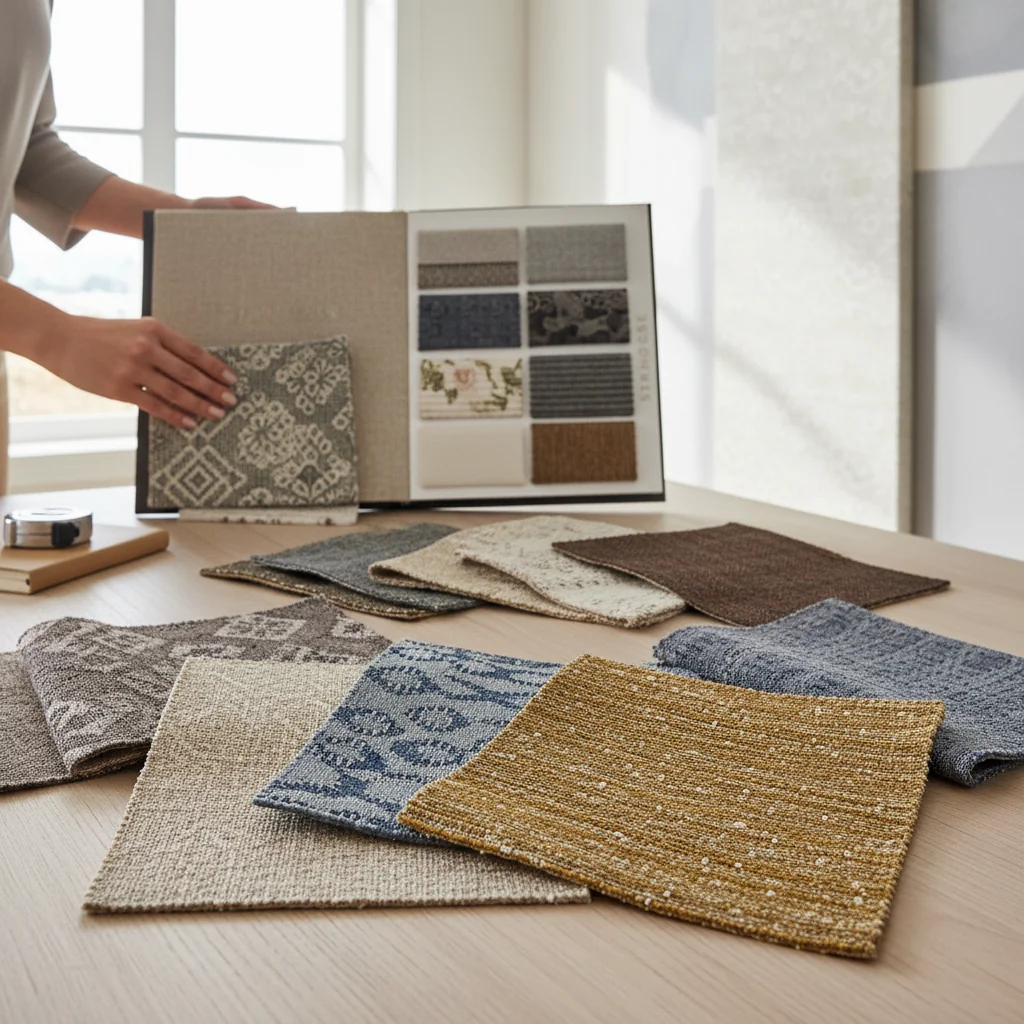
Making the Informed Choice: Selecting the Ideal Fabric Wall Covering
Selecting the ideal fabric wall covering requires a thoughtful consideration of various practical and aesthetic factors to ensure it perfectly complements your space and meets your lifestyle needs. This decision goes beyond mere visual preference, delving into the functional requirements and environmental conditions of the room. A well-chosen fabric wall covering enhances beauty and provides lasting satisfaction.
1. Room Function and Traffic
The purpose of the room is paramount. For high-traffic areas like hallways, family rooms, or children’s playrooms, prioritize durability and ease of cleaning. Performance fabrics made from synthetic blends or vinyl-backed textiles are excellent choices as they resist scuffs, stains, and can be scrubbed. For formal living rooms, dining rooms, or master bedrooms, where traffic is lighter, delicate materials like silk or velvet can be considered for their luxurious appeal.
2. Existing Decor and Architectural Style
The fabric wall covering should harmonize with your existing furniture, art, and architectural style. A traditional space might call for damasks or brocades, while a modern interior could benefit from subtle textures or geometric patterns. Consider the color palette, material finishes (wood, metal, glass), and overall aesthetic you wish to achieve. The wall covering should act as an integral layer, not an isolated element.
3. Lighting Conditions
Natural and artificial light profoundly impact how a fabric wall covering appears. Rooms with ample natural light can showcase intricate patterns and textures, while those with limited light might benefit from lighter colors and reflective surfaces (like silk) to brighten the space. Consider samples in various lighting conditions throughout the day to observe how the color and texture shift.
4. Desired Aesthetic and Mood
What feeling do you want to evoke? A plush velvet can create a cozy, intimate atmosphere, while a crisp linen might suggest an airy, sophisticated vibe. Bold patterns can energize a room, whereas subtle textures provide a serene backdrop. Fabric wall coverings allow for a wide range of moods, from dramatic and opulent to understated and organic.
5. Budget Considerations
Fabric wall coverings vary significantly in price based on material, complexity of weave, and brand. Natural fibers like silk or hand-woven grasscloth are typically more expensive than synthetic blends. Factor in not just the material cost per yard or roll, but also the potential professional installation fees, which can be substantial for specialized fabrics or complex installations like upholstered walls. A realistic budget ensures you select a product that aligns with your financial plan.
6. Maintenance and Durability
Be realistic about the level of maintenance you are willing to commit to. Some fabrics require professional cleaning, while others can be spot-cleaned or wiped down. Check the manufacturer’s care instructions carefully. For homes with pets or children, stain-resistant and easily cleanable options are advisable. Durability ratings, often indicated by rub counts (for upholstery fabrics) or specific performance certifications, can provide guidance.
7. Acoustic and Thermal Needs
If sound absorption is a priority (e.g., home theater, bedroom, office), consider thicker fabrics, upholstered walls, or stretched fabric systems with acoustic batting. Similarly, if you’re looking for a slight boost in thermal insulation, a thicker fabric will offer more benefit than a thin textile. These functional aspects can significantly enhance comfort.
8. Environmental Factors
Consider humidity levels in the room. Some natural fibers, like grasscloth, can be sensitive to moisture and may warp or mold in high-humidity environments (e.g., bathrooms, basements) without proper ventilation or specific treatments. Also, assess exposure to direct sunlight; some fabrics are more prone to fading than others, requiring UV-resistant treatments or strategic placement.
By systematically evaluating these factors, you can confidently select a fabric wall covering that not only fulfills your design aspirations but also stands the test of time and enhances the functionality of your space.
At Starhouse, we understand that selecting the perfect fabric wall covering is a deeply personal journey, reflecting your unique style and vision for your home. We are curating a collection that embodies quality, beauty, and thoughtful design. We invite you to tell us what you’re looking for in your next design project and gain early access to our exclusive offerings.
Precision in Planning: Measuring and Sizing for Flawless Installation
Accurate measurement and sizing are foundational for a successful fabric wall covering installation, minimizing waste, ensuring pattern alignment, and achieving a seamless finish. Unlike paint, fabric wall coverings are a finite material, making precise calculations essential to avoid costly errors or delays. This meticulous planning phase guarantees you order the correct quantity and prepare adequately for the application process.
1. Gather Your Tools
Before you begin, ensure you have the right tools: a steel tape measure (at least 25 feet long), a pencil, a notepad, and a calculator. For complex rooms, graph paper can be helpful for sketching out wall sections.
2. Measure Each Wall Section
Measure the height of each wall from the baseboard to the ceiling or crown molding. Record the tallest point if the ceiling is uneven. Then, measure the width of each wall section. For walls with windows, doors, or built-in elements, measure the entire wall as if these elements weren’t there, and then measure the width and height of the obstructions separately. These obstructions are typically subtracted later, but initially measuring the full area helps with pattern matching.
Example: A wall is 8 feet high and 12 feet wide. Its area is 96 square feet. If there’s a window that is 4 feet high and 6 feet wide, its area is 24 square feet. While you’ll subtract the window’s area for basic material quantity, you’ll still need enough fabric to cut around it, often requiring full-height strips.
3. Calculate Total Square Footage
Sum the square footage of all walls to be covered.
Total Square Footage = (Wall Height x Wall Width) for each wall
This initial sum gives you a baseline for material estimation.
4. Account for Pattern Repeat (Crucial for Patterned Fabrics)
Pattern repeat is the vertical distance on a patterned fabric before the design repeats itself. This is critical for ensuring patterns align seamlessly across adjoining strips of wall covering. The manufacturer will provide this measurement (e.g., 24 inches, 36 inches).
- Add to Height: For each strip of fabric, you must add the pattern repeat to the wall height to ensure enough material for alignment.
Cut Length per Strip = Wall Height + Pattern Repeat(If the pattern repeat is very large, you may need to add it multiple times to ensure full repeats at the top and bottom of each strip, but typically one repeat is sufficient for alignment.) - Number of Strips: Divide the total width of your walls by the width of the fabric roll (e.g., 54 inches for standard textile wall coverings). Round up to the nearest whole number to get the total number of strips needed.
Number of Strips = Total Wall Width / Fabric Roll Width - Total Fabric Needed (Linear Feet/Yards): Multiply the cut length per strip by the number of strips. Convert to yards (1 yard = 3 feet).
Total Linear Feet = Cut Length per Strip x Number of Strips
Total Yards = Total Linear Feet / 3
For solid or randomly textured fabrics with no pattern repeat, you only need to add an extra 6-12 inches per strip for trimming at the top and bottom.
5. Add for Waste and Contingency
Always factor in extra material for waste, trimming, and potential mistakes. A common recommendation is to add an extra 10-15% to your total calculated yardage. For complex patterns or rooms with many architectural features, adding 20% might be safer. This buffer is invaluable for repairs or future touch-ups.
6. Consider Fabric Width
Fabric wall coverings come in various widths, commonly 54 inches, but also 27 inches, 36 inches, or custom widths. The width directly impacts the number of strips you’ll need and how many seams will be visible. Wider fabrics mean fewer seams, potentially a more seamless look, but can be harder to handle during installation.
7. Account for Doors and Windows
When calculating the number of strips, treat the wall as solid. You’ll cut around doors and windows during installation. While the area of these openings can be subtracted from the total square footage for a rough material estimate, you still need full-height strips to maintain pattern continuity. The fabric cut from these openings can sometimes be used for smaller areas, but it’s not guaranteed.
8. Professional Consultation
For highly complex rooms, expensive fabrics, or if you are uncertain about your calculations, it is always wise to consult with a professional installer. They can provide precise measurements and advise on the specific requirements of your chosen fabric, ensuring an accurate order and a flawless installation.
By following these meticulous steps, you can confidently determine the exact amount of fabric wall covering required for your project, minimizing waste and ensuring a beautiful, professional result.
The Art of Application: Installation Methods Explored
The successful application of fabric wall covering is a specialized craft, and the chosen installation method significantly impacts the final aesthetic, durability, and functional performance of the treatment. Depending on the type of fabric, the desired outcome, and the specific characteristics of the wall, different techniques are employed, each requiring precision and expertise. Understanding these methods is key to appreciating the artistry involved and ensuring a lasting, beautiful result.
1. Adhesive-Applied (Traditional Wallcovering Method)
This is the most common method for textile wallcoverings, where fabric, typically backed with paper or a non-woven material, is directly adhered to the wall. This technique is similar to hanging traditional wallpaper but requires greater care due to the fabric’s unique properties.
- Preparation: Walls must be meticulously clean, smooth, dry, and primed with a high-quality primer specifically designed for wallcoverings. Any imperfections will show through the fabric.
- Adhesive: A heavy-duty, clear, non-staining adhesive (often a clay-based or clear vinyl adhesive) is applied evenly to the wall or, in some cases, directly to the fabric backing (paste-the-wall or paste-the-paper method).
- Application: Strips of fabric are carefully hung vertically, working from a plumb line. Seams are butt-joined (edges meet without overlapping) and gently smoothed with a soft brush or roller to remove air bubbles. Care must be taken not to stretch or distort the fabric.
- Trimming: Excess fabric at the top, bottom, and around openings is carefully trimmed with a sharp blade.
- Considerations: Requires significant skill to avoid visible seams, adhesive bleed-through, or fabric distortion. Not suitable for unbacked fabrics. Professional installation is highly recommended.
2. Stretched Fabric System (Track System)
This method utilizes a specialized perimeter track system to hold the fabric tautly against the wall, creating a seamless, drum-tight finish without the use of adhesives on the fabric itself. It is particularly popular for acoustic treatments and large, uninterrupted wall surfaces.
- Frame/Track Installation: A rigid PVC or aluminum track system is installed around the perimeter of the area to be covered, typically along edges, around doors, windows, and at ceiling/floor lines.
- Infill/Padding: Acoustic or thermal batting (e.g., fiberglass, mineral wool, polyester fiber) is placed behind the fabric, within the track system, if sound absorption or insulation is desired. This creates a soft, absorbent layer.
- Fabric Stretching: The fabric is cut slightly larger than the framed area. It is then meticulously stretched and tucked into the track’s gripping teeth, pulling it taut and smooth. This process requires specialized tools and expertise to achieve an even tension.
- Considerations: Offers a truly seamless look, especially over large areas. Fabric can be easily removed, cleaned, or replaced without damaging the wall. Excellent for acoustic enhancement. Higher initial cost due to specialized materials and labor.
3. Upholstered Wall (Padded Fabric)
Upholstered walls involve applying a layer of padding or batting to the wall before covering it with fabric, resulting in a soft, dimensional, and highly luxurious finish. This method provides superior sound absorption and a plush aesthetic.
- Preparation: The wall is prepared, and a wooden framework (battens) or a direct adhesive application of padding is used.
- Padding Application: A layer of foam or batting (e.g., polyester batting, acoustic foam) is applied to the wall, either directly adhered or stretched over the framework.
- Fabric Application: The chosen upholstery fabric is then carefully stretched over the padding and secured. This can be done by stapling the fabric to the wooden battens (creating channels or panels), or by using specialized fabric fasteners and adhesives for a smooth, seamless appearance. Tufting or decorative nail heads can be added for extra detail.
- Considerations: Creates a highly tactile and visually rich surface. Provides excellent acoustic insulation. More labor-intensive and costly than other methods. Best suited for feature walls or areas where extreme comfort and sound dampening are desired.
4. Peel-and-Stick Fabric Wall Coverings (Limited)
While less common for traditional, high-end fabric wall coverings, some lighter-weight textile-look wallpapers are available in peel-and-stick formats. These typically feature a fabric-like texture printed on a self-adhesive vinyl or non-woven backing. They are designed for DIY-friendly installation and temporary applications.
- Preparation: Walls must be smooth, clean, and dry.
- Application: The backing is peeled away, and the material is pressed onto the wall, smoothing out bubbles as you go.
- Considerations: Generally simpler to install and remove. Less durable and luxurious than true fabric wall coverings. Limited in material selection and acoustic benefits. Best for temporary updates or accent walls.
Regardless of the method chosen, professional installation is often a worthwhile investment for fabric wall coverings. Their specialized nature, cost, and the need for meticulous precision make expert application crucial for achieving the desired high-end finish and ensuring the longevity of your investment.
Current Currents: Trends in Fabric Wall Covering
The world of interior design is constantly evolving, and fabric wall coverings are at the forefront of innovation, blending timeless elegance with contemporary sensibilities. Current trends reflect a growing desire for comfort, sustainability, and personalized expression, making fabric a key element in creating sophisticated and inviting spaces. These trends showcase how fabric wall coverings are adapting to modern lifestyles while maintaining their inherent luxurious appeal.
1. Emphasis on Sustainable and Natural Fibers
There’s a significant movement towards eco-conscious design, driving demand for fabric wall coverings made from sustainable and natural fibers. Materials like organic cotton, linen, jute, hemp, and recycled polyester are gaining popularity. These choices not only offer beautiful, tactile textures but also appeal to environmentally aware consumers seeking products with a reduced ecological footprint. Grasscloth, with its inherent organic variations and renewable sourcing, continues to be a strong trend for its biophilic connection and natural aesthetic.
2. Textured Neutrals and Monochromatic Schemes
While bold patterns have their place, a prevailing trend is the use of richly textured neutral fabric wall coverings. Shades of cream, beige, taupe, soft grays, and muted earth tones are favored, allowing the texture of the fabric itself to become the primary design element. This approach creates serene, sophisticated, and timeless backdrops that provide depth and warmth without overwhelming the space. Monochromatic schemes, where different textures of the same color are layered, are particularly chic.
3. Biophilic Design and Organic Patterns
Connecting interiors with the natural world, biophilic design is influencing fabric wall covering trends. This includes patterns inspired by flora and fauna, abstract organic forms, and the use of natural materials mentioned above. Wall coverings featuring subtle leaf motifs, flowing lines, or textures reminiscent of bark or stone are highly sought after, fostering a sense of calm and well-being within a space.
4. Bold, Large-Scale Patterns and Murals
For those seeking a more dramatic statement, large-scale patterns and fabric murals are making a significant impact. These aren’t just small repeats; they are often expansive, artistic designs that cover an entire wall, transforming it into a piece of art. This trend allows for highly personalized and impactful design statements, turning a wall into the focal point of a room with vibrant colors or intricate illustrative designs.
5. Acoustic Integration and Wellness Focus
With increasing awareness of indoor comfort, fabric wall coverings that offer acoustic benefits are becoming more prominent. Stretched fabric systems and upholstered panels designed to absorb sound are no longer confined to commercial spaces but are integrated into residential designs, particularly in home offices, media rooms, and open-plan living areas. This trend aligns with a broader focus on creating spaces that promote well-being and tranquility.
6. Luxurious and Tactile Velvets and Silks
Despite the move towards natural textures, the allure of pure luxury remains strong. Velvets, chenilles, and silks continue to be popular choices for adding a touch of opulence and glamour. These materials, with their soft hand and light-catching properties, create intimate and inviting environments, especially in bedrooms, dressing rooms, and formal lounges. Rich jewel tones or deep, sophisticated hues are often favored for these plush textures.
7. Performance Fabrics with Elevated Aesthetics
Advancements in textile technology mean that performance fabrics are no longer solely utilitarian. New fabric wall coverings offer enhanced durability, stain resistance, and fade resistance without compromising on beauty or tactile quality. These “performance luxury” fabrics are ideal for busy households or commercial settings where both aesthetics and longevity are crucial, ensuring that high-traffic areas can still feature sophisticated textile treatments.
These trends highlight the dynamic evolution of fabric wall coverings, positioning them as essential elements in contemporary interior design. They offer both aesthetic beauty and functional benefits, allowing for the creation of spaces that are not only visually stunning but also comfortable, sustainable, and reflective of individual style.
Preserving Your Investment: Care and Maintenance Guidelines
Proper care and maintenance are essential for preserving the beauty and longevity of your fabric wall covering, ensuring it remains a stunning feature in your home for years to come. The specific cleaning regimen will depend heavily on the type of fabric, its backing, and any protective treatments applied during manufacturing. Adhering to manufacturer guidelines is paramount, as improper cleaning can lead to irreparable damage, fading, or staining.
General Best Practices
- Regular Dusting: The simplest and most effective maintenance step is regular, gentle dusting. Use a soft brush attachment on your vacuum cleaner or a clean, dry microfiber cloth to lightly brush the surface. This prevents dust and airborne particles from accumulating and embedding into the fabric fibers. Dusting should be done at least once a month, or more frequently in dusty environments.
- Immediate Spot Treatment: Address spills and stains immediately. Blot, do not rub, with a clean, white cloth or paper towel. Rubbing can spread the stain and push it deeper into the fibers. For most stains, a mild, diluted soap solution (e.g., dish soap and water) or a specialized fabric cleaner can be used, but always test on an inconspicuous area first.
- Avoid Harsh Chemicals: Never use harsh chemical cleaners, abrasive scrubbers, or bleach on fabric wall coverings unless specifically recommended by the manufacturer. These can strip protective coatings, discolor the fabric, or damage its integrity.
- Control Humidity: Maintain consistent humidity levels in the room to prevent moisture-related issues like mold, mildew, or warping, especially for natural fiber wall coverings like grasscloth. Use dehumidifiers in damp environments and ensure adequate ventilation.
- Protect from Direct Sunlight: Prolonged exposure to direct sunlight can cause fading, particularly for natural fibers and vibrant dyes. Use curtains, blinds, or UV-filtering window treatments to protect your fabric wall coverings from intense sunlight.
Specific Fabric Care
Different fabric types require tailored care:
| Fabric Type | General Care | Stain Treatment | Key Considerations |
|---|---|---|---|
| Silk/Rayon | Gentle dusting with a soft brush. | Professional cleaning highly recommended. Blot spills immediately with a dry cloth. Avoid water-based cleaners. | Very delicate. Prone to water spots, fading. Best for low-traffic, formal areas. |
| Linen/Cotton | Regular vacuuming with brush attachment. | Spot clean with mild, diluted detergent. Test first. Professional wet cleaning possible for some. | Can wrinkle, may absorb moisture. Treat for stain resistance. |
| Jute/Grasscloth | Very gentle dusting/vacuuming. Use a dry cloth. | Blot dry spills. Avoid liquids; water can cause warping/staining. Professional dry cleaning for severe issues. | Delicate, prone to moisture damage and fraying. Visible seams are inherent. |
| Velvet/Chenille | Gentle vacuuming with brush in the direction of the pile. | Blot spills. Use a dry foam cleaner if necessary, testing first. Avoid rubbing against the pile. | Can show pressure marks. May attract dust. |
| Synthetics (Polyester, Olefin) | Regular vacuuming. Wipe with a damp cloth. | Spot clean with mild soap and water. Many are stain-resistant. | Generally very durable and easy to clean. Good for high-traffic areas. |
| Vinyl-Backed Fabrics | Wipe down with a damp cloth and mild detergent. | Can be scrubbed gently with a soft brush for tougher stains. | Highly durable and scrubbable. Ideal for commercial or high-humidity areas. |
Professional Cleaning
For deep cleaning, stubborn stains, or general refresh, professional wallcovering cleaners are often the best solution. They have specialized equipment and knowledge to clean various fabric types without causing damage. Consult your manufacturer’s warranty and care instructions to determine if professional cleaning is required or recommended annually.
By implementing these care and maintenance practices, your fabric wall covering will continue to provide aesthetic beauty and functional benefits, maintaining its pristine appearance as a cherished element of your interior design.
Harmonizing Your Haven: Styling and Pairing Strategies
Styling and pairing fabric wall coverings with other elements in your space is an art that elevates a room from merely decorated to truly designed, creating a cohesive and inviting atmosphere. The fabric on your walls serves as a foundational layer, influencing how furniture, lighting, textiles, and accessories interact within the overall scheme. Thoughtful integration ensures a balanced and aesthetically pleasing environment that reflects a sophisticated design sensibility.
1. Complementary Furniture Selections
The furniture in a room should either complement or subtly contrast with the fabric wall covering. If your wall covering features a bold pattern or rich texture, opt for furniture with simpler lines and solid colors to avoid visual clutter. For example, a damask wall covering pairs beautifully with classic, upholstered pieces in solid velvet or linen. Conversely, if your wall has a subtle, textured solid, you can introduce more intricately designed furniture or pieces with patterned upholstery to add interest. Consider the scale of the furniture in relation to the wall; large-scale patterns can overwhelm small furniture, while delicate patterns might get lost against bulky pieces.
2. Strategic Lighting Design
Lighting is crucial for showcasing the texture and depth of fabric wall coverings. Uplighting or sconces can graze the surface of a textured fabric, highlighting its dimensionality and creating dramatic shadows. Downlighting can emphasize the sheen of materials like silk or velvet. Natural light interaction is also vital; consider how sunlight changes the appearance of the fabric throughout the day. Avoid harsh, direct spotlights that might wash out delicate patterns or create unwanted glare. Layered lighting—ambient, task, and accent—allows you to control the mood and emphasize different aspects of the wall covering.
3. Integrating Textiles and Soft Furnishings
Fabric wall coverings thrive when paired with other textiles in the room, such as curtains, rugs, throw pillows, and upholstery. This creates a rich, layered effect. Aim for a mix of textures and patterns that complement each other without competing. If your wall covering is patterned, choose solid or subtly textured curtains and pillows. If the wall is a textured solid, you have more freedom to introduce patterned rugs or throws. Consider the weight and drape of fabrics; heavy velvets on walls might be echoed by plush rugs, while airy linens could be paired with sheer curtains. Ensure color palettes are harmonious, perhaps drawing accent colors from the wall covering into smaller textile elements.
4. Thoughtful Accessory Placement
Accessories, from artwork to decorative objects, should enhance, not detract from, the fabric wall covering. For highly textured or patterned walls, choose understated artwork with simple frames or sculptural pieces that provide contrast. Mirrors can be strategically placed to reflect the fabric, expanding its visual impact. Avoid overcrowding walls with too many small items, which can make the space feel busy. Instead, select a few impactful accessories that resonate with the overall aesthetic established by the wall covering.
5. Complementary Wall Treatments
Fabric wall coverings can be combined with other wall treatments for a dynamic effect. Consider using fabric on a single accent wall, then painting the remaining walls in a complementary color pulled from the fabric. Alternatively, pair fabric wall coverings with wood paneling, decorative moldings, or even other types of wallpaper in an adjacent space, ensuring a smooth transition and visual continuity. The goal is to create a cohesive narrative throughout the room or adjoining spaces.
6. Color and Pattern Harmony
When pairing, consider the dominant colors and patterns. A fabric wall covering with a strong pattern might be balanced by furniture in solid, subdued tones, allowing the wall to be the star. Conversely, a subtle, textured fabric can serve as a sophisticated backdrop for bold furniture or artwork. Use a color wheel to identify complementary or analogous colors, or simply pull colors directly from the fabric itself for a foolproof scheme. The overall effect should be one of intentional design, where each element feels purposeful and integrated.
By meticulously considering how your fabric wall covering interacts with every other element in the room, you can create a truly harmonious and personalized haven that exudes sophistication and comfort.
Avoiding Pitfalls: Common Mistakes in Fabric Wall Covering Projects
While fabric wall coverings offer immense potential for transforming interiors, certain common mistakes can undermine the final result, leading to disappointment or costly rectifications. Awareness of these pitfalls, often stemming from insufficient planning or lack of technical understanding, is crucial for ensuring a successful and satisfying project. By proactively addressing these issues, homeowners and designers can achieve the sophisticated finish they envision.
1. Underestimating Preparation Time and Wall Condition
Mistake: Rushing wall preparation or assuming walls are perfectly smooth and clean. Fabric wall coverings, especially those with fine textures or light colors, are unforgiving.
Solution: Thoroughly clean, patch, sand, and prime walls. Any bumps, holes, or unevenness will be magnified under the fabric. A high-quality primer ensures proper adhesion and prevents previous wall colors from showing through. For older homes, consider professional plaster repair.
2. Incorrect Measurement and Ordering Insufficient Material
Mistake: Failing to account for pattern repeat, trimming, or waste when calculating material needs. This often leads to running out of fabric mid-project, with potential issues like dye lot variations if reordering.
Solution: Always measure meticulously, add the full pattern repeat to each strip’s length, and factor in an additional 10-20% for waste and contingency. When in doubt, consult a professional installer for precise measurements.
3. Choosing the Wrong Fabric for the Room’s Function
Mistake: Selecting delicate or high-maintenance fabrics for high-traffic areas, or moisture-sensitive materials for humid environments.
Solution: Match the fabric’s durability, cleanability, and environmental resilience to the room’s function. Opt for performance fabrics in busy family rooms or hallways. Avoid natural fibers like grasscloth in bathrooms unless specifically treated and well-ventilated.
4. Neglecting Pattern Matching and Seam Alignment
Mistake: Improperly aligning patterns between strips or creating visible, uneven seams. This is a common issue with patterned fabric wall coverings and can ruin the aesthetic.
Solution: Professional installation is highly recommended for patterned fabrics. Installers are skilled in precise cutting, pattern matching, and butt-joining seams to create an almost invisible transition. Always start with a plumb line to ensure vertical alignment.
5. Using Incompatible Adhesives or Installation Methods
Mistake: Applying the wrong type of adhesive for the specific fabric backing, or attempting a method (e.g., stretched fabric) without the proper tools or expertise.
Solution: Always follow the fabric manufacturer’s recommendations for adhesive type. Different backings require different adhesives. For specialized installations like stretched fabric systems or upholstered walls, engaging experienced professionals is essential to avoid structural or aesthetic failures.
6. Overlooking Lighting’s Impact on Fabric Appearance
Mistake: Selecting a fabric based on a small sample viewed under different lighting conditions than the actual room.
Solution: Obtain large samples and observe them on the wall in the intended room at various times of day and under both natural and artificial light. Light dramatically affects how color, sheen, and texture are perceived.
7. Ignoring Acoustic and Thermal Benefits (or Lack Thereof)
Mistake: Expecting all fabric wall coverings to provide significant acoustic or thermal insulation, when only specific types or installation methods offer these benefits.
Solution: If acoustic or thermal performance is a priority, choose thicker fabrics, upholstered walls, or stretched fabric systems with acoustic infill. Thin, unbacked textile wallcoverings offer minimal functional benefits beyond aesthetics.
8. Improper Care and Maintenance
Mistake: Using harsh cleaners, rubbing stains, or neglecting regular dusting, leading to premature wear, fading, or permanent damage.
Solution: Adhere strictly to the manufacturer’s care instructions. Dust regularly with a soft brush, blot spills immediately, and use only recommended cleaning agents (testing first). For deep cleaning, consult professionals.
By being mindful of these common mistakes, you can navigate your fabric wall covering project with confidence, ensuring a beautiful, long-lasting, and truly impactful design statement for your space.
Sources
Frequently Asked Questions About Fabric Wall Covering
What is the main difference between fabric wall covering and traditional wallpaper?
Fabric wall covering is primarily composed of woven or non-woven textile materials, offering distinct textures, depth, and often superior acoustic properties, whereas traditional wallpaper is typically made from paper or vinyl with printed designs.
Is fabric wall covering durable?
Yes, fabric wall coverings can be highly durable, especially those made from synthetic fibers like polyester or olefin, or vinyl-backed textiles, which are designed for high-traffic areas and resistance to scuffs and stains. Natural fibers like silk are more delicate.
Can I install fabric wall covering myself?
While some lighter, peel-and-stick fabric-look options exist for DIY, traditional textile wall coverings and specialized systems like stretched fabric or upholstered walls typically require professional installation due to their material cost, delicate nature, and the precision needed for pattern matching and seamless application.
How do I clean fabric wall covering?
Cleaning methods vary by fabric type; however, general care includes regular, gentle dusting with a soft brush vacuum attachment and immediate blotting of spills with a clean, dry cloth. Always consult the manufacturer’s specific care instructions and test any cleaning solution on an inconspicuous area first.
Is fabric wall covering expensive?
Fabric wall coverings are generally considered a premium wall treatment, with costs typically higher than paint or standard wallpaper due to the material quality, intricate designs, and specialized installation requirements. Prices vary significantly based on fiber type (e.g., silk is more expensive than cotton or synthetics), brand, and complexity of the weave or pattern.
Can fabric wall covering improve room acoustics?
Yes, fabric wall coverings inherently absorb sound waves, significantly improving a room’s acoustics by reducing echo and reverberation. Thicker fabrics, upholstered walls, or stretched fabric systems with acoustic infill offer the most substantial sound-dampening benefits.
Can fabric wall covering be used in bathrooms or kitchens?
Fabric wall coverings are generally not recommended for high-humidity areas like bathrooms or areas prone to splashes like kitchens, as moisture can cause warping, staining, or mildew on many fabric types. However, certain vinyl-backed fabric wall coverings are engineered to withstand these environments due to their moisture resistance and scrubbability.
Conclusion
Fabric wall covering stands as a testament to the enduring power of texture and materiality in interior design, offering a sophisticated alternative to conventional wall treatments. From the luxurious sheen of silk to the organic warmth of grasscloth, these textile applications provide unparalleled depth, acoustic comfort, and a bespoke aesthetic that truly transforms a space. We have explored the diverse types, exquisite materials, and nuanced styling strategies that define this elegant design choice, emphasizing precision in planning, meticulous installation, and diligent care.
Choosing fabric for your walls is an investment in creating an environment that is not only visually stunning but also deeply tactile and functionally superior. It allows for a level of personalization and refinement that elevates the everyday into an experience of curated beauty. As you embark on your next design endeavor, consider the transformative potential of fabric wall coverings to imbue your home with unique character and enduring elegance.
At Starhouse, we are dedicated to curating exceptional home & décor elements that inspire and delight. Our upcoming collection will feature a range of exquisite wall coverings and furnishings designed to meet the highest standards of style and quality. We invite you to share your vision and tell us what you’re looking for in your dream space to gain early access to our exclusive offerings and be among the first to explore our meticulously selected pieces.