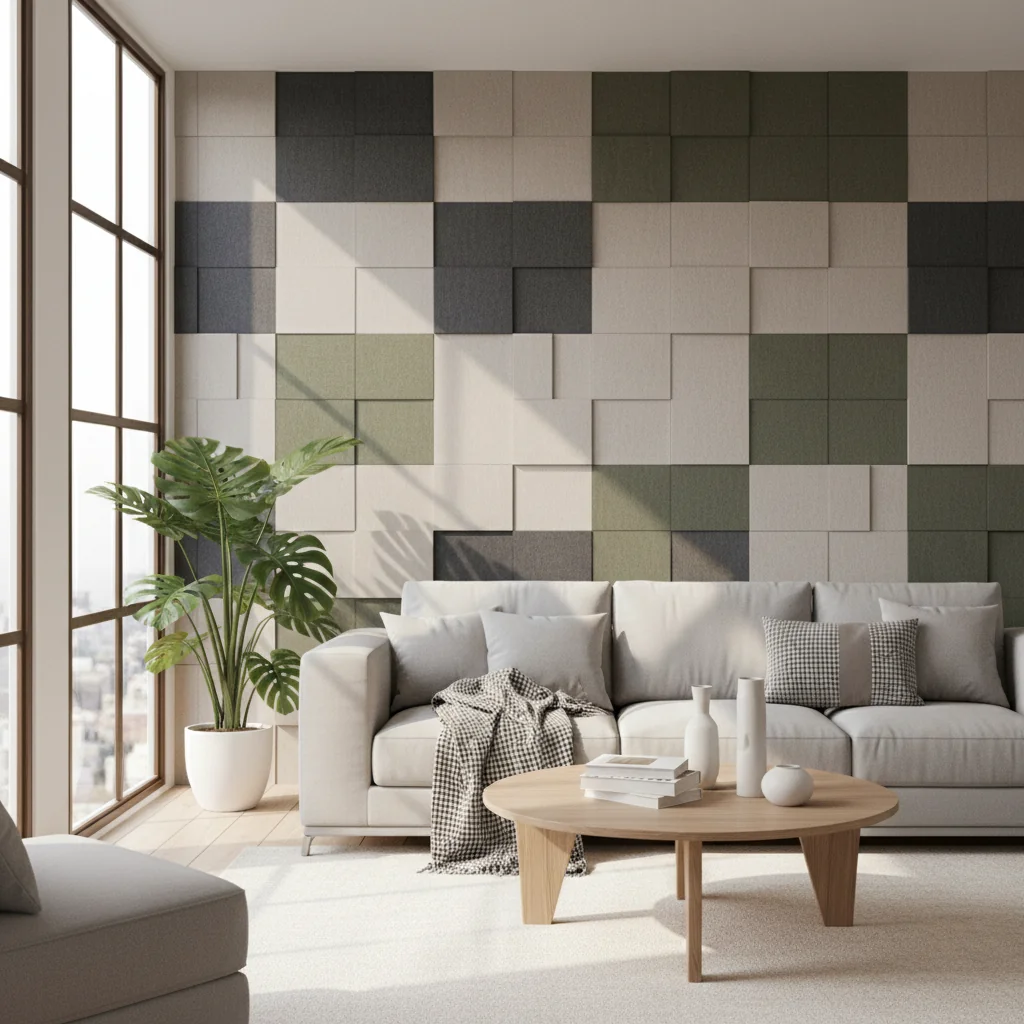
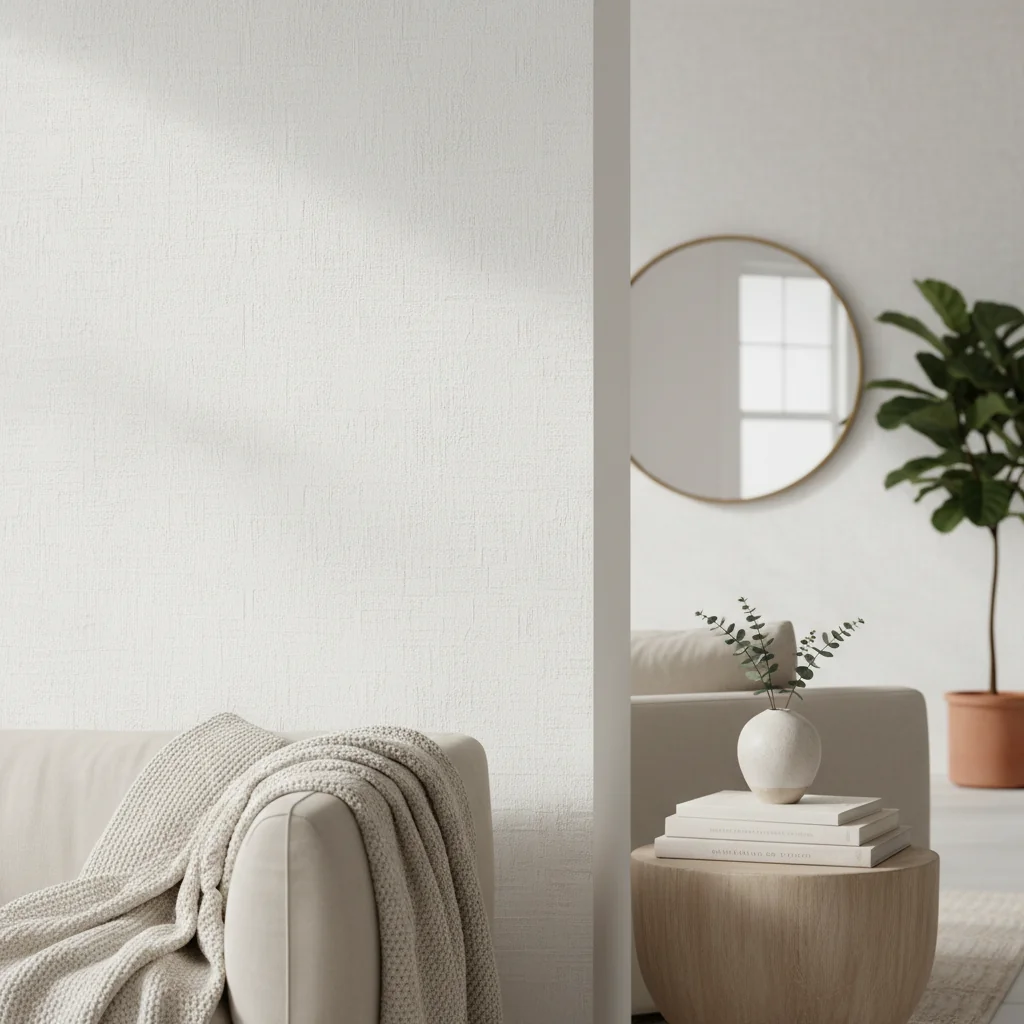
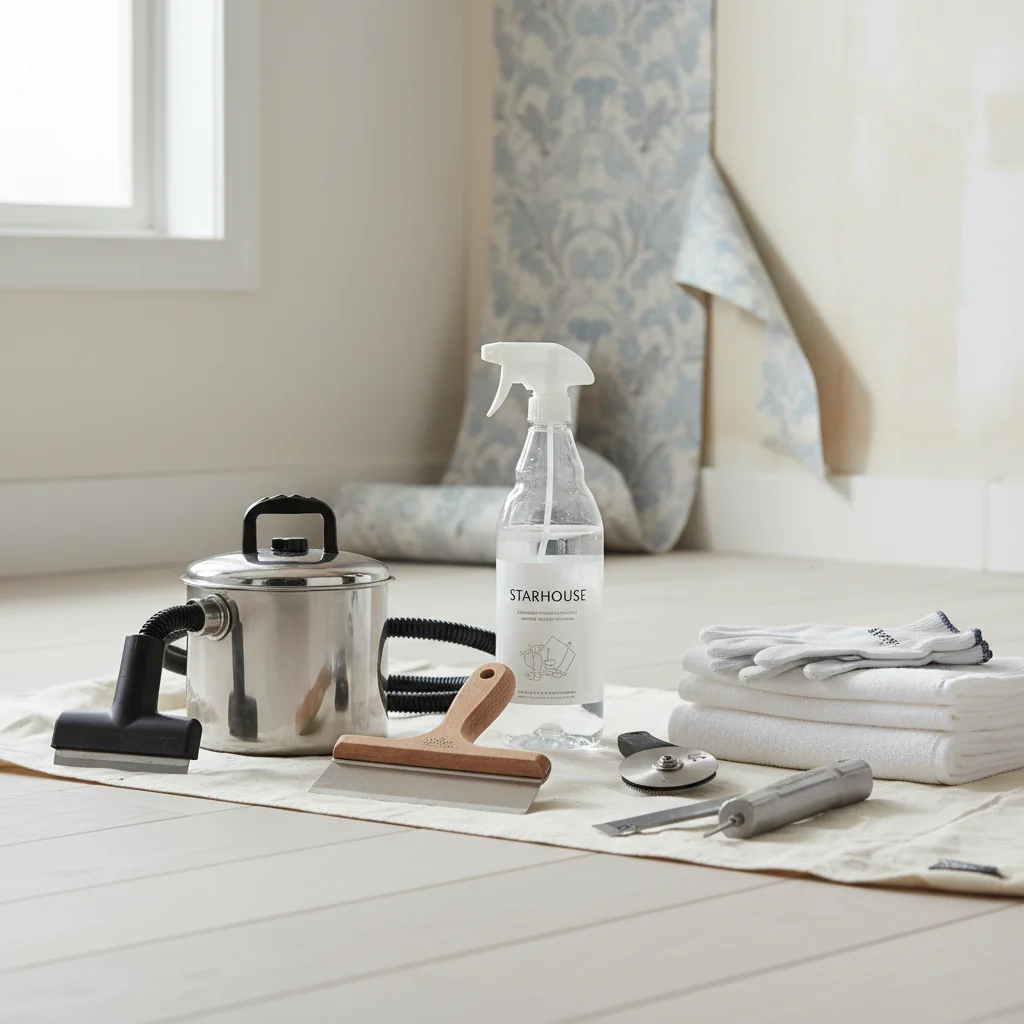
Warner wallcoverings represent a distinguished category of premium wall décor, widely recognized for their exquisite patterns, luxurious textures, and exceptional quality that elevate interior spaces. These sophisticated offerings, often associated with reputable design houses like York Wallcoverings and Warner House, serve as a benchmark for high-end design, providing homeowners and designers alike with an expansive palette of options to create truly bespoke environments. From opulent botanicals and classic Toile de Jouy to innovative textural finishes, Warner collections are meticulously crafted to deliver both aesthetic grandeur and enduring performance, transforming ordinary walls into captivating focal points.
At Starhouse, we understand that the walls of your home are not merely structural elements but canvases awaiting transformation, reflections of your personal style and aspirations. This comprehensive guide delves into the intricate world of Warner wallcoverings, exploring their diverse types, signature styles, material compositions, and the precise considerations for selection, measurement, and care. Our aim is to equip you with the authoritative insights needed to navigate this luxurious segment of home décor, ensuring your choices are informed, confident, and ultimately, inspiring. Whether you envision a dramatic statement wall or a room enveloped in subtle elegance, understanding the nuances of Warner wallcoverings is the first step toward realizing your design dreams.
Key Takeaways
- Warner wallcoverings signify a premium category of wall décor, renowned for their luxurious patterns, rich textures, and superior material quality.
- These wallcoverings encompass diverse types, from durable vinyls and non-wovens to exquisite natural fibers and textiles, each offering distinct aesthetic and performance benefits.
- Signature styles include botanical florals, classic Toile de Jouy, intricate Ikats, sophisticated geometrics, and a wide array of tactile textural finishes.
- Proper selection demands careful consideration of room function, lighting, pattern scale, and desired durability to ensure a harmonious and lasting design.
- Accurate measurement, accounting for pattern repeat, and professional installation are crucial for achieving a flawless and aesthetically pleasing finish.
- Regular, appropriate care, tailored to the specific material, is essential for maintaining the pristine appearance and extending the lifespan of your wallcovering investment.
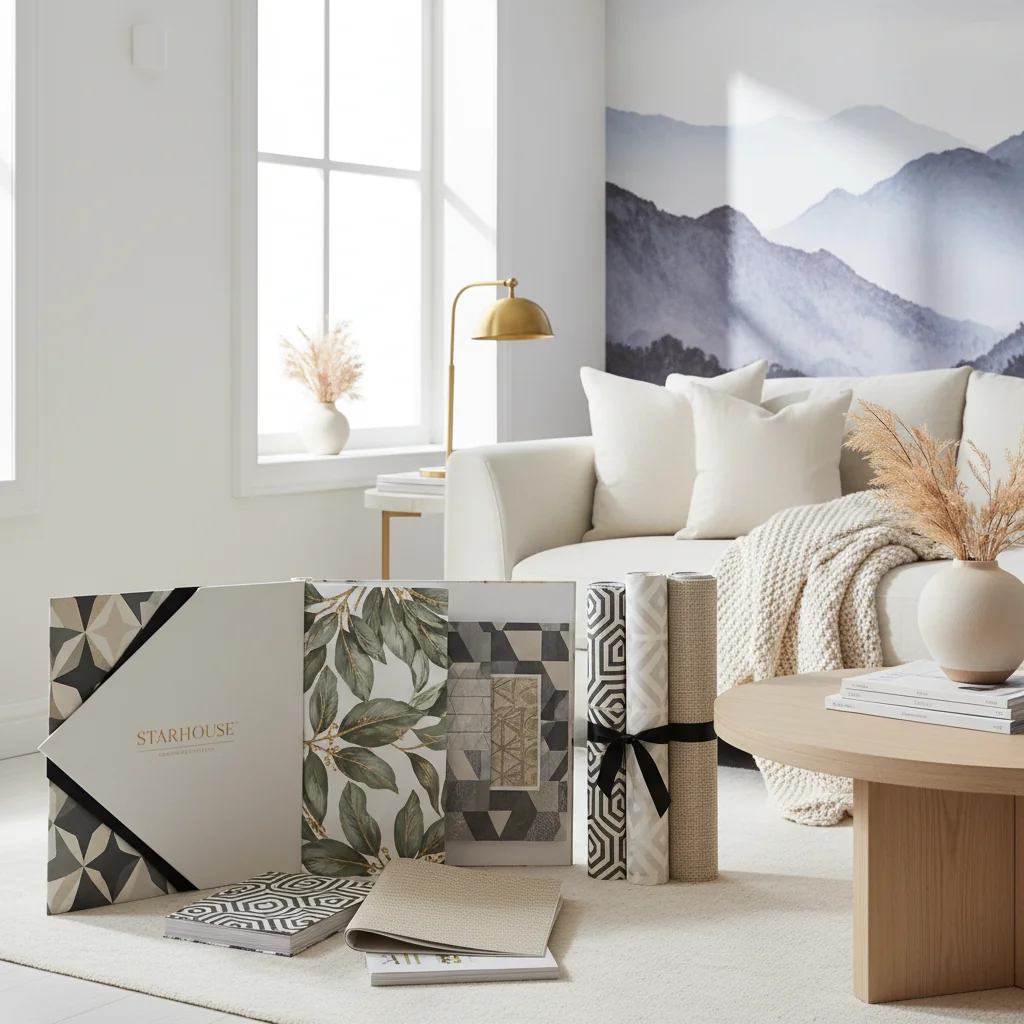
What Are Warner Wallcoverings? Defining Luxury and Heritage in Wall Décor
Warner wallcoverings represent a distinct category of premium, often intricately patterned or richly textured wallcoverings, known for their sophisticated designs, superior materials, and enduring quality. These collections are synonymous with high-end interior design, offering a curated selection that transcends fleeting trends to provide lasting elegance and character to any space. The “Warner” designation, frequently associated with established names like Warner House or Warner Studios by York Wallcoverings, signifies a commitment to exceptional craftsmanship and a deep understanding of design aesthetics.
The heritage behind these wallcoverings often traces back to traditions of artistry and meticulous production. They are not merely decorative papers but engineered surfacing materials designed to enhance the architectural integrity and sensory experience of a room. This commitment to quality extends to the selection of raw materials, the precision of printing techniques, and the durability of the finished product, ensuring that each roll contributes to a truly aspirational interior.
Wallcovering is a general term encompassing various materials applied to walls for decorative and protective purposes, including traditional wallpaper, fabric-backed vinyls, and natural fiber options, often distinguished from simple paint by its texture, pattern, and depth. Warner wallcoverings exemplify the pinnacle of this category, offering a breadth of designs that cater to diverse stylistic preferences, from classical grandeur to understated modernism. Their collections consistently deliver patterns that are both visually striking and thoughtfully composed, making them a preferred choice for designers seeking to impart a sense of refined luxury.
These wallcoverings are engineered for longevity, often featuring advanced coatings that resist fading, scuffing, and moisture, depending on the specific type. This robust construction ensures that the initial investment in a Warner wallcovering translates into years of pristine beauty, maintaining its visual impact even in active household environments. The design philosophy emphasizes not just beauty, but also functionality and resilience, aligning with the demands of contemporary living while upholding timeless aesthetic principles.
The Diverse World of Warner Wallcovering Types and Materials
Warner wallcoverings encompass a broad spectrum of types, primarily distinguished by their construction and material composition, ranging from traditional paper-backed designs to highly durable fabric-backed vinyls and exquisite natural fiber options. Each material offers unique tactile qualities, aesthetic characteristics, and performance benefits, allowing for tailored selections based on the specific demands and desired ambiance of an interior space. Understanding these distinctions is fundamental to choosing a wallcovering that not only looks exceptional but also performs optimally over time.
The selection of materials directly influences the wallcovering’s texture, sheen, durability, and ease of maintenance. Premium collections often feature innovative blends and advanced manufacturing processes to enhance these attributes. For instance, the renowned “Warner Textures” collections specifically highlight wallcoverings designed to mimic natural surfaces or woven fabrics, adding depth and tactile interest without overwhelming a space with bold patterns.
Common Types of Warner Wallcoverings:
- Paper-Backed Vinyl: This type features a decorative vinyl surface laminated to a paper backing. It offers excellent durability, washability, and resistance to stains, making it a practical choice for high-traffic areas like hallways and children’s rooms. The vinyl layer allows for a wide range of embossed textures and printed patterns, providing both visual appeal and functional resilience.
- Fabric-Backed Vinyl: Considered a commercial-grade option, fabric-backed vinyl consists of a solid vinyl surface adhered to a woven fabric backing, typically cotton or polyester. This construction provides superior strength, tear resistance, and dimensional stability. It is exceptionally durable, scrubbable, and often resistant to mildew, making it ideal for demanding environments such as kitchens, bathrooms, and commercial settings. Its robust nature also makes it forgiving during installation.
- Non-Woven: Composed of a blend of natural and synthetic fibers, non-woven wallcoverings are celebrated for their breathability and ease of installation and removal. They are often referred to as “paste-the-wall” products, as the adhesive is applied directly to the wall, simplifying the process. Non-wovens are dimensionally stable, resisting shrinking or expanding, and are typically strippable, making future redecoration easier. They provide a smooth, matte finish that is excellent for intricate patterns.
- Natural Fibers (Grasscloth, Sisal, Jute, Cork): These wallcoverings are crafted from organic materials, offering unparalleled texture, warmth, and an earthy, sophisticated aesthetic. Grasscloth, made from woven grasses, is particularly popular for its subtle variations in color and texture, which create a distinctive, handcrafted look. While highly decorative, natural fibers are generally less durable than vinyls and require more delicate care, as they are often non-washable and can be susceptible to moisture damage.
- Textile Wallcoverings (Silk, Linen, Woven Fabrics): For the ultimate in luxury and tactile appeal, textile wallcoverings utilize actual woven fabrics, such as silk, linen, or blends, adhered to a backing. They impart a soft, rich, and often iridescent quality to walls, adding significant depth and warmth to formal living areas, master bedrooms, and dining rooms. These are among the most expensive types and typically require professional installation and specialized cleaning due to their delicate nature.
- Flocked Wallcoverings: Created by adhering tiny fibers (flock) to a patterned adhesive background, flocked wallcoverings produce a velvety, raised texture that adds a sense of opulence and historical grandeur. This technique can mimic traditional damasks and other ornate designs, providing a plush, tactile surface. Flocked papers are typically delicate and require gentle cleaning.
- Digital Murals and Custom Prints: While not a material type in the traditional sense, digital printing technology allows for custom murals and large-scale, intricate patterns to be printed on various substrates, including non-woven and vinyl. This offers unparalleled customization and the ability to create truly unique, artistic statements that transform an entire wall into a focal point.
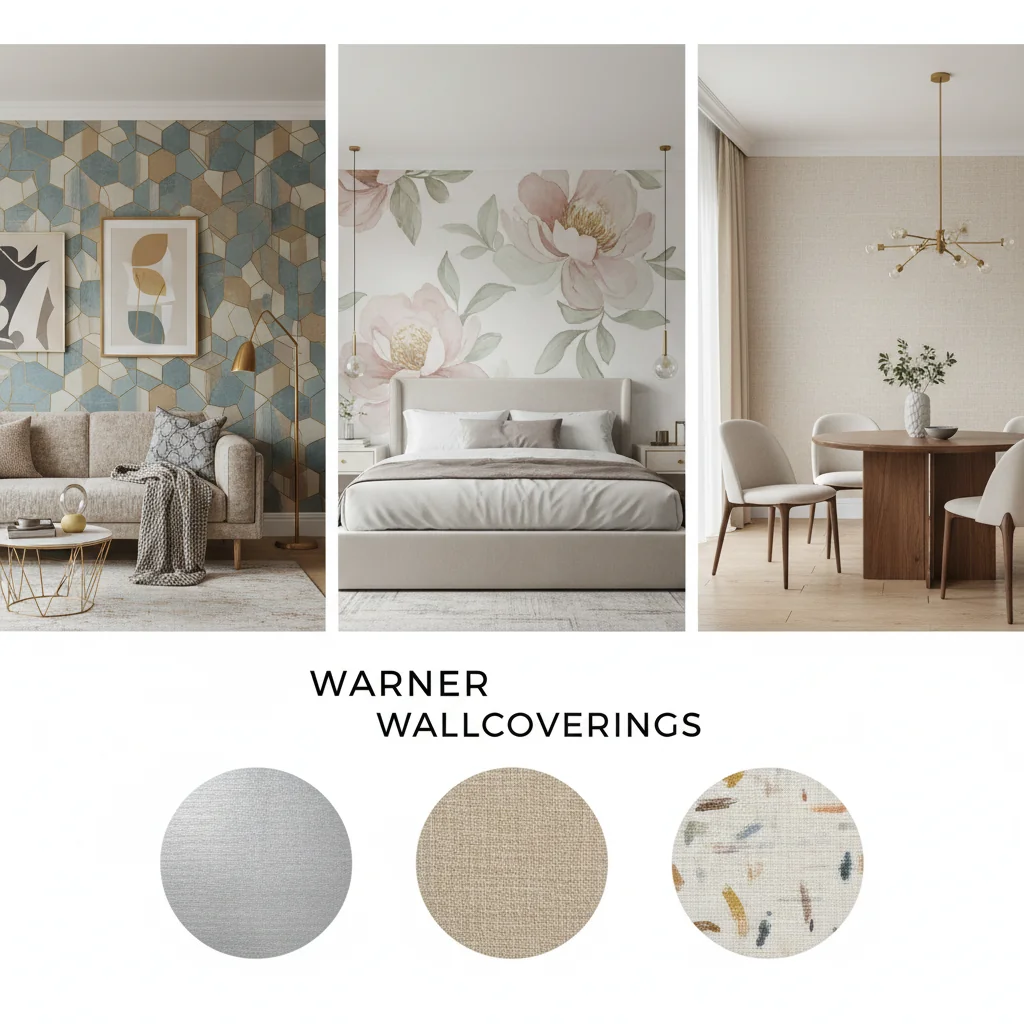
Comparison of Key Warner Wallcovering Material Types
| Type | Primary Material Composition | Key Characteristics | Durability Rating | Ideal Application | Approx. Price Range (per single roll) |
|---|---|---|---|---|---|
| Paper-Backed Vinyl | Vinyl face, paper backing | Washable, durable, wide pattern variety, embossed textures | Medium-High | Bedrooms, living rooms, hallways, low-humidity bathrooms | $60 – $150 USD |
| Fabric-Backed Vinyl | Solid vinyl face, woven fabric backing | Highly durable, scrubbable, tear-resistant, commercial-grade | Very High | Kitchens, high-traffic areas, commercial spaces, high-humidity bathrooms | $100 – $300 USD |
| Non-Woven | Natural and synthetic fibers | Breathable, easy installation/removal (paste-the-wall), dimensionally stable | Medium | Living rooms, bedrooms, dining rooms, dry areas | $80 – $200 USD |
| Natural Fibers (e.g., Grasscloth) | Woven grasses, sisal, jute, cork | Unique texture, organic feel, subtle variations, natural warmth | Low-Medium | Formal living rooms, studies, accent walls, low-traffic areas | $150 – $400 USD |
| Textile (e.g., Silk, Linen) | Woven fabrics (silk, linen, blends) | Luxurious, soft, rich texture, high-end aesthetic, often delicate | Low | Formal dining rooms, master bedrooms, elegant studies | $200 – $600+ USD |
| Flocked | Fibers (rayon, nylon) adhered to paper/non-woven backing | Velvety, raised texture, opulent, traditional feel | Low-Medium | Formal living rooms, dining rooms, accent walls | $120 – $350 USD |
The choice among these types depends heavily on the functional requirements of the room, the desired aesthetic impact, and the budget. While a fabric-backed vinyl provides robust protection for a bustling family room, a delicate silk wallcovering might be reserved for a formal dining area where its beauty can be admired without the risk of frequent contact or spills. Starhouse curates collections that span this entire spectrum, ensuring that every design vision can be realized with the appropriate material choice.
Exploring Signature Styles and Design Motifs
Warner wallcoverings are renowned for their extensive and distinctive design motifs, encompassing classic elegance, contemporary flair, and a rich array of patterns that transform interiors into bespoke environments. These styles are meticulously developed to offer designers and homeowners a vast selection, ensuring a perfect match for any aesthetic vision, from a subtle backdrop to a dramatic focal point. The depth and breadth of these collections are a hallmark of the “Warner” distinction, providing both timeless appeal and cutting-edge design.
The patterns often draw inspiration from historical archives, global cultures, and contemporary art, reinterpreted with a sophisticated sensibility. This results in designs that are not only beautiful but also tell a story, adding layers of personality and refinement to a space.
Key Styles and Motifs Found in Warner Wallcoverings:
- Botanical & Floral: This category is a cornerstone, ranging from delicate, intricate florals reminiscent of English gardens to grand, large-scale botanicals that bring the outdoors in with dramatic effect. Archival chintzes, with their rich heritage and complex color palettes, offer a timeless charm, while modern interpretations feature abstract leaves and vibrant blossoms. These patterns are perfect for creating a serene, natural, or romantically styled space.
- Toile de Jouy: A classic French design, Toile de Jouy typically depicts pastoral scenes, historical events, or mythological narratives in a single color (often blue, red, or black) on an off-white or cream background. It evokes a sense of antique charm and sophisticated nostalgia, ideal for traditional bedrooms, dining rooms, or powder rooms. Warner collections often feature both classic and updated versions of this iconic pattern.
- Ikats & Global Inspired: Drawing from textile traditions around the world, Ikat patterns are characterized by their blurred, feathered edges, resulting from a resist dyeing technique applied to the yarns before weaving. Along with other global-inspired motifs like Moroccan tiles, Indian block prints, or Japanese geometrics, these patterns introduce rich cultural depth, vibrant colors, and an eclectic, well-traveled aesthetic. They are excellent for adding character and an artisanal touch.
- Animal Prints & Textures: From subtle faux-bois (wood grain) and faux-grasscloth textures to more overt animal prints like leopard, zebra, or python, these designs add an exotic, luxurious, and often playful element to interiors. They can be used to create a bold statement wall or to introduce a sophisticated textural layer. The “Warner Textures” line particularly excels in offering a wide array of nuanced textural finishes that mimic natural materials or woven fabrics.
- Geometric & Abstract: For those who prefer a more structured or contemporary look, geometric patterns offer clean lines, repetitive forms, and often a sense of architectural precision. These can range from subtle, repeating tessellations to bold, large-scale abstract designs that create a dynamic visual impact. Art Deco-inspired geometrics, mid-century modern patterns, and contemporary abstract art are common themes, suitable for modern living spaces, offices, or entryways.
- Damasks & Traditional: Damask patterns are characterized by their intricate, reversible, and often floral or ornamental designs, typically woven into fabric but beautifully replicated in wallcoverings. These patterns evoke a sense of regal opulence and historical grandeur, perfect for formal settings, grand dining rooms, or luxurious master suites. Traditional styles also include classic stripes, trellises, and neoclassical motifs.
- Textural Finishes: Beyond overtly patterned designs, Warner wallcoverings also offer an extensive array of textural finishes that add depth and dimension without relying on complex motifs. These include subtle linen weaves, faux suede, raw silk effects, and fine metallic textures. These options are ideal for creating a sophisticated backdrop that enhances other design elements in the room, providing a sense of quiet luxury and tactile interest.
The interplay between these styles allows for incredible versatility. A bold botanical might define a “maximalist dream” in a living room, while a subtle textural finish can provide the perfect foundation for a minimalist, serene bedroom. Many Warner collections are designed to be mixed and matched, allowing for a harmonious blend of patterns and textures within a single space or across an entire home. This curated diversity ensures that whether your preference leans towards classic elegance or contemporary chic, there is a Warner wallcovering to perfectly articulate your design vision.
How to Choose the Right Warner Wallcovering for Your Space
Selecting the ideal Warner wallcovering involves a thoughtful evaluation of your room’s function, existing décor, desired aesthetic, and practical considerations like durability and maintenance. This meticulous approach ensures that the chosen wallcovering not only enhances the visual appeal of your space but also meets its functional demands, providing lasting satisfaction and beauty. A considered decision process prevents common design missteps and maximizes the transformative power of a premium wallcovering.
Before committing to a specific design, it is imperative to gather samples and observe them in your home’s natural and artificial lighting conditions. Colors and textures can appear significantly different under varying light, and a sample allows you to assess how the pattern interacts with your existing furnishings and architectural features.
Key Factors to Consider When Choosing:
-
Room Function and Traffic:
The purpose of the room dictates the required durability and washability of the wallcovering. For high-traffic areas like entryways, hallways, and family rooms, highly durable and scrubbable options like fabric-backed vinyls are recommended. In kitchens and bathrooms, resistance to moisture and ease of cleaning are paramount, favoring vinyls or specially treated non-wovens. For formal living rooms or bedrooms, where wear and tear are minimal, more delicate options like natural fibers or textile wallcoverings can be considered for their luxurious aesthetic.
-
Lighting Conditions:
The amount of natural and artificial light a room receives profoundly impacts how a wallcovering appears. In rooms with limited natural light, lighter colors, subtle patterns, and wallcoverings with metallic accents or a slight sheen can help reflect light and brighten the space. Conversely, in brightly lit rooms, you have more freedom to explore bolder colors, deeper tones, and large-scale patterns without making the room feel enclosed. Always view samples in situ under different lighting conditions throughout the day.
-
Scale of Pattern and Room Size:
The scale of the pattern should be proportionate to the size of the room. In smaller rooms, delicate, small-scale patterns or subtle textures tend to work best, preventing the space from feeling overwhelmed or busy. Large-scale prints, murals, or bold geometrics are typically more effective in spacious rooms with ample wall area, where the pattern can be fully appreciated. A large pattern in a small room can feel claustrophobic, while a tiny pattern in a vast room might get lost.
-
Existing Color Palette and Décor:
The wallcovering should harmonize with your existing furnishings, textiles, and overall color scheme. Decide whether the wallcovering will be a focal point or a complementary backdrop. If your furniture and accessories are vibrant, a more subdued or textural wallcovering might be appropriate. If your décor is neutral, a bold, patterned wallcovering can inject personality and color. Consider the undertones of your existing colors to ensure a cohesive look.
-
Desired Aesthetic and Personal Style:
Ultimately, the wallcovering should resonate with your personal taste and the desired ambiance of the room. Do you seek a traditional, elegant feel with damasks or Toile? A modern, chic look with geometrics? Or a natural, serene environment with grasscloth? Warner collections offer designs across the spectrum, allowing you to articulate your unique style. Trust your instincts, but also consider how the design will feel to live with every day.
-
Durability and Maintenance Requirements:
Review the manufacturer’s specifications for durability ratings (e.g., washability, scrubbability, stain resistance). If you have children or pets, or if the room is prone to spills, opt for highly cleanable options. Natural fibers, for instance, often require dry cleaning or very gentle spot cleaning, making them less suitable for areas where frequent cleaning is anticipated.
Pattern Repeat is the vertical distance on a roll of wallcovering before the design begins to repeat itself; this measurement is crucial for calculating the correct amount of material needed and for ensuring seamless pattern alignment across multiple strips. Ignoring this detail can lead to insufficient material or visible breaks in the design.
By systematically considering these factors, you can confidently select a Warner wallcovering that not only meets your aesthetic desires but also performs beautifully within the context of your home. Starhouse is dedicated to guiding you through this selection process, ensuring your choice is both inspired and practical.
Ready to transform your home with exquisite wallcoverings?
Starhouse is curating a collection of premium home décor, including the finest wallcoverings.
Tell us what you’re looking for and get early access.
Precision in Planning: Sizing, Measuring, and Installation Considerations
Accurate sizing and meticulous measurement are critical steps in any wallcovering project, ensuring sufficient material, minimizing waste, and guaranteeing a seamless, professional installation. Underestimating these preparatory stages can lead to costly errors, visible seams, or a disjointed pattern. A precise approach to planning lays the foundation for a flawless and enduring wallcovering application.
The aesthetic success of a wallcovering project hinges as much on the quality of the installation as on the beauty of the material itself. Proper preparation and careful execution are non-negotiable for achieving the sophisticated finish that Warner wallcoverings are designed to deliver.
Tools and Preparation for Measuring:
Before you begin measuring, gather the following essential tools:
- Measuring Tape: A sturdy, retractable metal tape measure, at least 25 feet long, for accurate readings.
- Pencil: For marking measurements clearly.
- Notebook or Calculator: To record dimensions and perform calculations.
- Step Ladder: To reach the full height of your walls safely.
Ensure walls are clean and free of obstructions. Remove any existing wall décor, light switch plates, and outlet covers. If walls are newly plastered or have been repaired, they should be fully cured, smooth, and primed.
Step-by-Step Measuring Guide:
- Measure Wall Height: Measure the height of each wall from the top of the baseboard to the ceiling line. Take measurements at several points across the wall, especially if your ceiling or floor is uneven, and use the greatest height for your calculations. For walls with varying heights (e.g., sloped ceilings), measure the highest point.
- Measure Wall Width: Measure the width of each wall from corner to corner. Again, take multiple measurements and use the widest dimension.
- Account for Doors and Windows: For calculating the number of rolls, treat doors and windows as if they are not there when measuring the total wall area. This is crucial for ensuring you have enough material for pattern matching and for cutting around these obstacles. You will trim excess material later.
- Calculate Total Square Footage: For each wall, multiply its height by its width to get the square footage. Sum the square footage of all walls to get the total area to be covered.
-
Factor in Pattern Repeat: This is a critical step. Warner wallcoverings, especially those with large or intricate designs, have a specific pattern repeat (e.g., 21 inches, 25.25 inches). You must account for this when cutting each strip to ensure the pattern aligns seamlessly.
Each strip cut from the roll must be long enough to cover the wall height PLUS the pattern repeat, plus a few extra inches for trimming at the top and bottom. For example, if your wall is 8 feet (96 inches) high and the pattern repeat is 21 inches, each strip should be at least 96 + 21 + 4 (trim allowance) = 121 inches long.
- Calculate Number of Strips Per Roll: Standard wallpaper rolls are typically 20.5 or 27 inches wide and 33 feet (396 inches) long. Divide the total length of the roll by the cut length of each strip (wall height + pattern repeat + trim allowance). This gives you the number of full strips you can get from one roll. For example, if a roll is 396 inches long and each strip needs to be 121 inches, you get 396 / 121 = 3.27, meaning 3 full strips per roll.
- Determine Number of Rolls Needed: Divide the total width of the walls (in inches) by the width of the wallcovering roll (e.g., 20.5 or 27 inches) to find out how many strips you need to cover all walls. Then, divide the total number of strips by the number of strips you can get per roll (calculated in step 6). Round up to the nearest whole number to determine the total number of rolls to purchase.
- Add for Waste and Future Repairs: Always add an extra roll (or at least 15-20% extra material) to your final calculation. This accounts for cutting errors, complex pattern matching, and provides reserve material for future repairs or touch-ups, ensuring color and dye lot consistency.
Installation Considerations: Professional vs. DIY
While some wallcovering types, particularly non-wovens, are designed for easier DIY installation, many Warner wallcoverings, especially those with intricate patterns, delicate materials (like natural fibers or textiles), or large pattern repeats, greatly benefit from professional installation.
- Professional Installation: A skilled professional wallpaper hanger possesses the expertise, specialized tools, and experience to handle complex patterns, delicate materials, and challenging room configurations. They ensure precise pattern matching, seamless joins, and proper surface preparation, resulting in a flawless, long-lasting finish. For high-value wallcoverings, the investment in professional installation protects your material investment and guarantees the best possible aesthetic outcome.
- DIY Installation: If you choose to install yourself, select a simpler pattern and a more forgiving material (e.g., non-woven or paper-backed vinyl). Thoroughly research the specific installation instructions for your chosen wallcovering, prepare your walls meticulously (cleaning, patching, priming), and gather all necessary tools. Patience, precision, and an understanding of the material’s characteristics are essential for a successful DIY project.
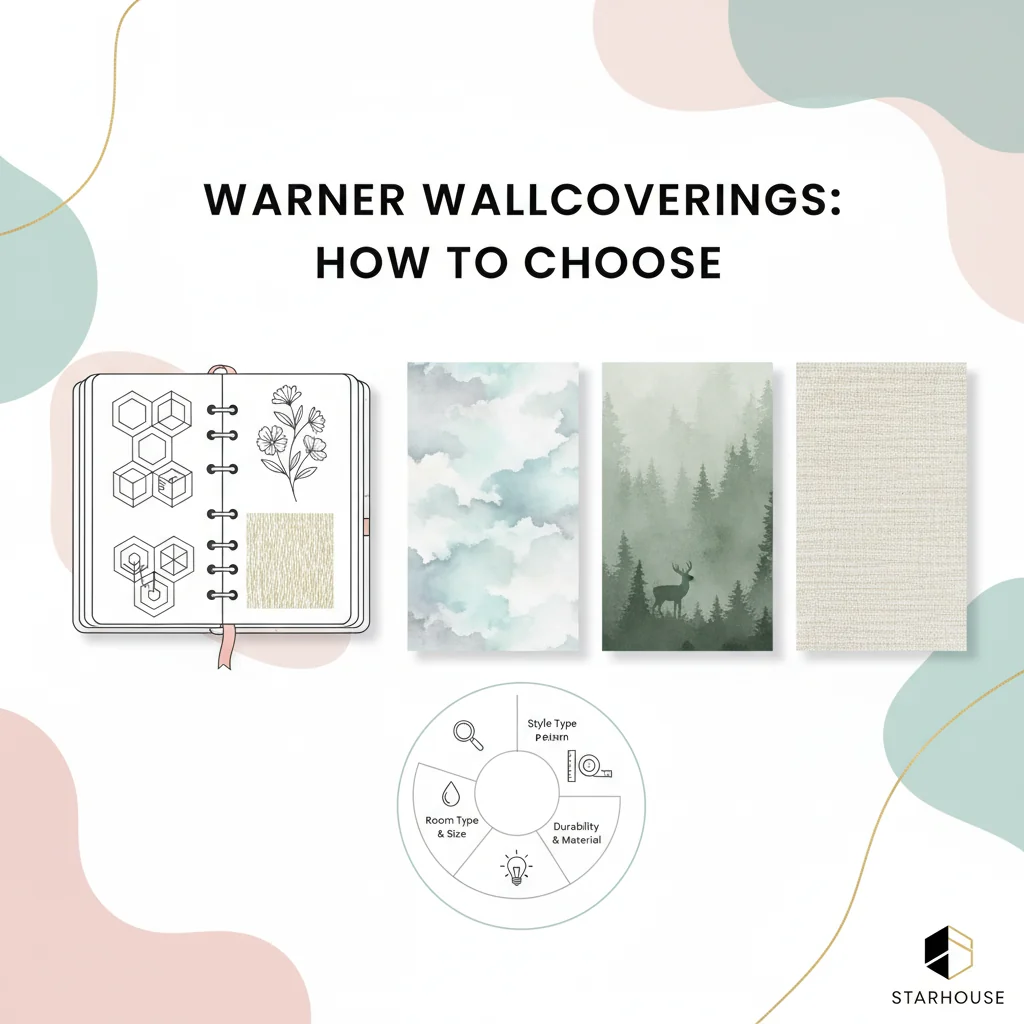
Surface preparation is paramount regardless of who installs. Walls must be clean, dry, smooth, and properly primed with a high-quality wallcovering primer. This ensures optimal adhesion, prevents paste from absorbing too quickly, and allows for easier future removal. Skipping this step is a common cause of installation failure and can compromise the integrity and appearance of even the finest Warner wallcovering.
Current Trends and Enduring Classics in Warner Wallcoverings
The landscape of Warner wallcoverings balances evolving design trends with timeless classics, offering both contemporary statements and enduring elegance for diverse interior palettes. While certain patterns and textures gain temporary prominence, the hallmark of Warner collections is their ability to interpret these trends through a lens of sophisticated design, ensuring longevity and relevance beyond a single season. This blend of innovation and heritage means there is always a wallcovering to suit both cutting-edge and traditional tastes.
Understanding the interplay between current trends and established classics helps in making informed design decisions that feel fresh yet grounded. Starhouse curates collections that reflect this balance, bringing you options that are both fashionable and enduring.
Current Trends in Warner Wallcoverings:
- Biophilic Design: A strong trend emphasizing connection to nature, biophilic wallcoverings feature large-scale botanical prints, lush tropical motifs, and patterns that mimic natural elements like wood grain, stone, or water. These designs often incorporate natural textures such as grasscloth or cork, creating serene and invigorating spaces that promote well-being. The color palettes lean towards greens, blues, and earthy tones.
- Textural Richness and Tactile Surfaces: There is a growing appreciation for surfaces that engage more than just sight. Wallcoverings that offer significant tactile interest, such as subtle linen weaves, faux suede, raw silk effects, or deeply embossed vinyls, are highly sought after. These textures add depth and warmth to a room, creating a sense of quiet luxury and inviting touch without relying on bold patterns. “Warner Textures” collections are particularly strong in this area.
- Art Deco Revival and Geometric Abstracts: The glamour and sophistication of the Art Deco era continue to influence contemporary design. This translates into wallcoverings with bold geometric patterns, metallic accents (gold, silver, bronze), and symmetrical, often linear, designs. Abstract patterns, drawing inspiration from modern art, also remain popular, offering dynamic visual interest and a contemporary edge.
- Maximalism and Eclectic Mixes: Moving away from stark minimalism, maximalism embraces rich colors, layered patterns, and a curated mix of styles. Warner wallcoverings excel here with their opulent botanical florals, vibrant Ikats, and intricate damasks that can be combined to create visually rich, personality-filled spaces. This trend encourages bold choices and a playful approach to design.
- Sustainable and Eco-Friendly Options: As environmental consciousness grows, there is an increasing demand for wallcoverings made from sustainable materials, utilizing eco-friendly manufacturing processes, and free from harmful VOCs. Non-woven wallcoverings, often made from natural and synthetic fibers, and those with certifications for environmental responsibility, are gaining popularity among discerning homeowners.
- Murals and Large-Scale Imagery: Digital printing technology has made custom murals more accessible, allowing for breathtaking, wall-spanning imagery. These can range from panoramic landscapes and abstract art to oversized floral arrangements, transforming an entire wall into a singular, immersive piece of art.
Enduring Classics in Warner Wallcoverings:
- Toile de Jouy: This classic French pattern, with its charming pastoral scenes, has remained a beloved choice for centuries. Its timeless appeal lies in its narrative quality and its ability to evoke a sense of history and romance, making it a perennial favorite for traditional and country-chic interiors.
- Damask: Synonymous with elegance and grandeur, damask patterns feature intricate, often symmetrical, ornamental designs. They are a staple in formal settings, master bedrooms, and dining rooms, providing a sophisticated backdrop that speaks of luxury and heritage.
- Classic Florals and Chintzes: While floral trends evolve, the appeal of classic floral patterns, particularly archival chintzes, endures. These designs, often featuring bouquets or trailing vines, bring a sense of softness, charm, and English country elegance to a room. They can be traditional or reinterpreted with modern color palettes for a fresh take.
- Subtle Stripes and Geometrics: Simple, elegant stripes (vertical or horizontal) offer a versatile classic that can visually alter room dimensions and add a crisp, tailored look. Similarly, understated geometric patterns, such as trellises or small repeating motifs, provide structure and sophistication without overwhelming the space.
- Solid Textures (Faux Finishes): Wallcoverings that mimic solid painted walls but with added texture (e.g., linen, grasscloth, plaster effects) are timeless. They provide depth and warmth that paint alone cannot achieve, serving as a refined backdrop that enhances other decorative elements without competing for attention.
The strength of Warner wallcoverings lies in their ability to offer both the excitement of new trends and the comforting familiarity of enduring classics. This ensures that every Starhouse client can find a design that not only reflects their current aesthetic but also stands the test of time, proving to be a cherished element of their home for years to come.
Care and Maintenance for Lasting Beauty
Proper care and routine maintenance are essential for preserving the aesthetic integrity and extending the lifespan of Warner wallcoverings, protecting your investment in luxury décor. The specific cleaning regimen will depend significantly on the material composition of your wallcovering, as delicate natural fibers require a gentler touch than robust vinyls. Adhering to manufacturer guidelines ensures the wallcovering remains vibrant and pristine for years.
Neglecting proper care can lead to premature wear, fading, or damage, diminishing the visual impact and longevity of your wallcovering. Understanding the “scrubbability” and “washability” ratings is key to effective maintenance.
General Care Tips for Warner Wallcoverings:
- Regular Dusting: The most basic and crucial step for all wallcoverings is regular dusting. Use a soft, dry cloth, a microfiber duster, or a soft-bristled brush attachment on your vacuum cleaner to gently remove surface dust and cobwebs. This prevents dirt buildup that can become harder to remove over time.
- Identify Your Wallcovering Type: Before attempting any wet cleaning, always confirm the specific type of wallcovering you have. Refer to the original packaging or manufacturer’s instructions for care recommendations. Different materials react differently to moisture and cleaning agents.
-
Spot Cleaning: For minor marks or stains, immediate action is best.
- Vinyl and Non-Woven Wallcoverings: Most vinyl and non-woven wallcoverings are washable or scrubbable. Mix a small amount of mild, non-abrasive soap (like dish soap) with warm water. Dampen a clean, soft sponge or cloth with the solution (do not saturate). Gently wipe the stained area from bottom to top to prevent streaks. Rinse with a separate clean, damp cloth, then immediately dry the area with a soft, dry towel. Always test in an inconspicuous area first.
- Natural Fiber Wallcoverings (Grasscloth, Sisal): These are generally NOT washable and can be easily damaged by water, leading to discoloration or warping. For dirt or dust, use a dry cloth or a soft brush. For stubborn spots, a very lightly dampened cloth with clear water might work if used immediately and dried thoroughly, but extreme caution is advised. Often, a gentle eraser or professional dry cleaning is the safest option.
- Textile and Flocked Wallcoverings: These delicate materials are typically not washable. For dust, use a soft brush or vacuum with a brush attachment. For stains, immediate blotting with a dry, clean cloth is crucial. Avoid rubbing. For more significant stains, professional wallcovering cleaners specializing in delicate fabrics may be necessary.
- Avoid Harsh Chemicals: Never use abrasive cleaners, bleach, scouring pads, or solvent-based products on any wallcovering, as these can damage the surface, strip colors, or leave permanent marks. Stick to mild soap and water unless otherwise specified by the manufacturer.
- Address Moisture Immediately: For wallcoverings that are not water-resistant, any spills or splashes should be blotted dry immediately to prevent water damage, swelling, or mold growth.
- Control Humidity: In humid environments like bathrooms, ensure proper ventilation. Excessive humidity can cause wallcoverings to lift at the seams or encourage mold and mildew, especially on non-vinyl types.
- Repair Minor Damage: For minor issues like lifting seams, use a small amount of clear vinyl-to-vinyl adhesive (or the specific adhesive recommended for your wallcovering type) applied with a small brush. Gently press the seam back down with a clean roller or soft cloth, wiping away any excess adhesive immediately. Small tears can sometimes be repaired with matching scrap pieces, carefully cut and adhered.
Scrubbability refers to the ability of a wallcovering to withstand vigorous cleaning with a brush and detergent solution without damage to its surface, indicating a high level of durability and ease of maintenance, typically found in vinyl wallcoverings.
By following these guidelines and respecting the specific characteristics of your Warner wallcovering, you can ensure its beauty is preserved, maintaining the sophisticated ambiance it brings to your home for many years to come. At Starhouse, we advocate for informed care to protect your premium décor investments.
Styling and Pairing: Integrating Warner Wallcoverings into Your Décor
Integrating Warner wallcoverings effectively requires thoughtful styling and pairing with furnishings, lighting, and accessories to create a cohesive and harmonious interior design narrative. A well-chosen wallcovering has the power to define a room’s character, but its true impact is realized when it interacts seamlessly with all other elements of the space. This strategic approach ensures that the wallcovering enhances, rather than overwhelms, the overall design.
The goal is to achieve a balanced and intentional look, where each component contributes to a unified aesthetic. Whether you opt for a bold statement or a subtle backdrop, careful consideration of scale, color, and texture is paramount.
Tips for Styling and Pairing Warner Wallcoverings:
-
Defining a Statement Wall:
A statement wall, often the first wall you see upon entering a room or the wall behind a significant piece of furniture (like a bed or sofa), is an excellent way to introduce a bold Warner pattern without overwhelming the entire space. Choose a pattern with a strong visual impact—a large-scale botanical, a vibrant geometric, or a rich Toile de Jouy. Balance this intensity by painting the remaining walls in a complementary solid color pulled from the wallcovering’s palette. Ensure the statement wall doesn’t compete with other strong focal points.
-
Whole Room Application for Immersive Experiences:
For a truly immersive and luxurious feel, consider applying a Warner wallcovering to all four walls of a room. This approach works exceptionally well with smaller-scale patterns, subtle textures (like those from “Warner Textures”), or elegant damasks. In larger rooms, a whole-room application of a bold pattern can create a maximalist, enveloping effect. When choosing this option, ensure the pattern and color palette are comfortable to live with and complement all existing furnishings without creating visual clutter.
-
Complementary Furnishings:
The wallcovering should inform your furniture choices. If your wallcovering is highly patterned, opt for simpler, solid-colored furniture to provide visual rest. Conversely, if you’ve chosen a subtle texture or a small-scale pattern, you can introduce more intricately designed or upholstered furniture. Consider the scale of your furniture relative to the pattern; large furniture can balance a large pattern, while delicate pieces might get lost. Ensure the color palette of your furniture harmonizes with the wallcovering, whether through contrast or complement.
-
Lighting’s Role in Enhancing Texture and Sheen:
Lighting significantly impacts how a wallcovering appears. Wallcoverings with metallic accents or a subtle sheen will sparkle and shift under different light sources, adding dynamism to the room. Textured wallcoverings, such as grasscloth or embossed vinyls, benefit from accent lighting (e.g., wall sconces, picture lights) that casts shadows and highlights, emphasizing their dimensional qualities. Ensure your lighting plan enhances the wallcovering’s best features and avoids harsh glares.
-
Accessories as Balancing Elements:
Art, mirrors, decorative objects, and textiles (cushions, throws, curtains) should either reinforce or soften the wallcovering’s impact. If your wallcovering is busy, choose simpler, understated accessories. If the wallcovering is subtle, accessories can introduce pops of color, pattern, or texture. Mirrors are particularly effective at reflecting wallcoverings, amplifying their beauty and making spaces feel larger. Select accessories that share a common thread—be it color, style, or material—with the wallcovering to maintain cohesion.
-
Mixing Patterns (Advanced Technique):
For a sophisticated, layered look, you can mix different patterns within a single room, but this requires careful execution. The key is to vary the scale of the patterns (e.g., a large floral on the wall, a medium stripe on upholstery, a small geometric on a cushion) and ensure a consistent color palette or at least one unifying color. Warner wallcoverings often offer coordinating fabrics or patterns within their collections, simplifying this process.
-
Creating Zones in Open-Plan Spaces:
In open-concept homes, a distinct Warner wallcovering can be used to visually define specific areas, such as a dining nook or a reading corner, without the need for physical walls. This helps to create intimacy and structure within a larger space, giving each zone its own identity. Ensure the chosen wallcovering for a zone still relates to the broader aesthetic of the open-plan area.
By approaching styling and pairing with intention, your Warner wallcoverings will not only stand out as individual elements of beauty but will also contribute to a beautifully orchestrated and deeply personal interior design. Starhouse encourages this holistic approach, providing the foundation for a home that truly reflects your unique vision.
Common Mistakes to Avoid When Working with Wallcoverings
Avoiding common pitfalls in wallcovering selection and installation is crucial for achieving a professional finish and long-term satisfaction with your design choice. Many issues that arise during or after a wallcovering project stem from overlooked details or a lack of understanding of the material’s specific requirements. Being aware of these mistakes enables proactive planning and ensures a successful outcome.
Even the most luxurious Warner wallcovering can look subpar if these fundamental errors are made, undermining both its aesthetic appeal and its durability. A thorough approach to preparation and execution is always recommended.
Key Mistakes to Avoid:
- Underestimating Pattern Repeat: This is one of the most frequent and costly mistakes. Failing to account for the pattern repeat when calculating the number of rolls needed or when cutting strips will result in insufficient material, mismatched patterns, and significant waste. Always add the pattern repeat to your wall height measurement for each strip, plus extra for trimming.
- Inadequate Surface Preparation: Applying wallcovering over dirty, uneven, porous, or unprimed walls is a recipe for disaster. This leads to poor adhesion, visible imperfections (bumps, cracks), bubbling, peeling, or difficulty in future removal. Walls must be clean, dry, smooth, patched, and properly primed with a quality wallcovering primer.
- Ignoring Room Conditions: Not considering the environment of the room can lead to material failure. High humidity in bathrooms can cause non-moisture-resistant wallcoverings to lift or mold. Direct, intense sunlight can fade certain dyes and materials over time. Choose wallcoverings appropriate for the specific conditions of the room.
- Choosing the Wrong Type for the Area: Using delicate natural fibers in a high-traffic hallway or a non-washable material in a kitchen will inevitably lead to premature wear and damage. Match the wallcovering’s durability and maintenance characteristics to the functional demands of the space.
- Rushing Installation: Wallcovering installation requires patience and precision. Rushing can lead to misaligned patterns, visible seams, bubbles, wrinkles, or improperly trimmed edges. Take your time, follow instructions meticulously, and don’t hesitate to pause and regroup if needed.
- Not Ordering Enough Material (or Not Ordering from the Same Dye Lot): Running out of wallcovering mid-project is frustrating. Even worse is needing an extra roll and finding that the new batch comes from a different dye lot, resulting in noticeable color variations. Always order an extra roll (15-20% extra) and ensure all rolls purchased for a single project are from the same dye lot to guarantee color consistency.
- Skipping Samples: Relying solely on online images or small swatches can be misleading. Colors and textures can appear drastically different in your home’s unique lighting conditions. Always obtain larger samples and view them on your wall throughout the day before making a final decision.
- Overlooking Adhesive Compatibility: Not all wallcoverings use the same adhesive. Some are pre-pasted, others require specific types of paste (e.g., clear, heavy-duty, clay-based). Using the wrong adhesive can lead to poor adhesion, staining, or difficulty in removal. Always use the adhesive recommended by the wallcovering manufacturer.
- Improper Tools: Attempting to install wallcovering without the correct tools (e.g., smoothers, trimming knives, seam rollers, plumb line) makes the job much harder and often results in a less professional finish. Invest in or rent the proper equipment.
By being mindful of these common pitfalls, you can approach your wallcovering project with greater confidence and achieve the stunning, professional results that Warner wallcoverings are designed to deliver. Starhouse advocates for informed decision-making at every stage to ensure your home décor investments are both beautiful and enduring.
Frequently Asked Questions About Warner Wallcoverings
What is the difference between wallpaper and wallcovering?
While often used interchangeably, “wallcovering” is a broader term that encompasses all materials designed to cover walls for decorative or protective purposes, including traditional paper-based wallpaper, as well as more durable and specialized options like fabric-backed vinyl, natural fibers, and textiles. Warner wallcoverings typically refer to these higher-grade, more robust, and often more textured materials, distinguishing them from basic decorative papers.
Are Warner wallcoverings difficult to install?
The difficulty of installing Warner wallcoverings varies significantly by material type and pattern complexity. Non-woven wallcoverings (often “paste-the-wall”) are generally easier for DIY enthusiasts due to their dimensional stability. However, intricate patterns with large repeats, delicate natural fibers, or heavy fabric-backed vinyls often require professional installation to ensure precise pattern matching, seamless joins, and proper adhesion, safeguarding your investment and achieving a flawless finish.
Can I use Warner wallcoverings in a bathroom?
Yes, many Warner wallcoverings are suitable for bathrooms, but careful selection is crucial. Fabric-backed vinyl wallcoverings are an excellent choice for high-humidity environments due to their superior durability, washability, and resistance to moisture and mildew. Delicate materials like natural fibers or textiles are generally not recommended for bathrooms unless the space is exceptionally well-ventilated and experiences minimal moisture exposure, as water can cause damage or discoloration.
How do I clean textured wallcoverings?
Cleaning textured wallcoverings requires specific care to avoid damaging the surface. For most textured vinyl or non-woven types, gentle dusting with a soft brush or vacuum attachment is recommended for routine maintenance. For spot cleaning, use a very mild soap solution and a damp (not wet) cloth, blotting gently rather than scrubbing, and then drying immediately. Natural fiber textures, such as grasscloth, are often not washable and should be dry-cleaned or very carefully spot-cleaned with specialized products, always testing in an inconspicuous area first.
What does ‘pattern repeat’ mean, and why is it important?
Pattern repeat refers to the vertical distance on a roll of wallcovering before the design begins to repeat itself. It is critical for calculating the correct amount of material needed and for ensuring seamless pattern alignment when hanging multiple strips. Ignoring the pattern repeat can lead to insufficient material, visible breaks in the design, and significant waste, as extra material must be purchased and cut to match the pattern across seams.
Are Warner wallcoverings eco-friendly?
The eco-friendliness of Warner wallcoverings depends on the specific product line and materials used. Many manufacturers, including those associated with Warner collections, are increasingly offering sustainable options such as non-woven wallcoverings made from natural and synthetic fibers, products with low VOC (Volatile Organic Compound) emissions, and those sourced from responsibly managed forests. Always look for specific certifications or product descriptions that highlight environmental attributes if this is a priority for your project.
How much does Warner wallcovering cost per roll?
The cost of Warner wallcoverings per roll varies widely based on the material type, design complexity, and brand. More common vinyl or non-woven options might range from $60 to $200 per roll, while luxurious natural fibers, textiles (like silk or linen), or highly intricate designs can range from $150 to $600 USD or more per roll. The investment reflects the superior quality, detailed craftsmanship, and durability inherent in these premium wallcoverings.
Conclusion: Elevate Your Home with Starhouse
Warner wallcoverings represent more than just a decorative choice; they are an investment in the enduring beauty, character, and sophistication of your home. From their rich heritage and diverse material compositions to their expansive array of signature styles, these premium wallcoverings offer unparalleled opportunities to transform any interior into a reflection of refined taste and personal aspiration. By understanding the nuances of selection, measurement, care, and styling, you are empowered to make informed decisions that ensure your walls become true works of art, providing lasting visual pleasure and functional excellence.
At Starhouse, we are dedicated to curating collections that embody this level of quality and design distinction. We believe that every element of your home should inspire and delight, and our selection of wallcoverings is chosen with this philosophy in mind. As you embark on your design journey, let the authoritative insights provided in this guide serve as your compass, leading you toward choices that elevate your living spaces.
We are meticulously building a collection designed to meet the highest standards of luxury and style, ensuring that when you choose Starhouse, you choose unparalleled elegance for every room.
Help us curate the perfect collection for your home.
Your vision guides our selection. Tell us what wallcoverings, furnishings, and décor pieces you dream of for your space.
Share what you’re looking for and get early access to Starhouse.