Coral wallpaper transforms interiors by introducing the captivating beauty of underwater ecosystems, offering a diverse palette of patterns, textures, and hues that evoke serenity, vibrancy, or sophisticated naturalism. This decorative wallcovering, available in various materials and application methods, serves as a powerful design element capable of defining a room’s aesthetic, from tranquil coastal retreats to bold, contemporary statements. Starhouse curates an extensive range of coral-inspired designs, ensuring homeowners can find the perfect motif to infuse their spaces with unique character and an undeniable connection to the ocean’s allure.
Key takeaways
- Coral wallpaper encompasses a broad spectrum of designs, from realistic marine botanicals to abstract geometric interpretations, suitable for diverse interior styles.
- Material choice, including non-woven, vinyl, and grasscloth, significantly impacts durability, texture, and suitability for specific environments like high-humidity bathrooms.
- Precise measurement is paramount for successful installation, requiring accurate wall dimensions and consideration for pattern repeat to minimize waste and ensure a cohesive look.
- Styling coral wallpaper involves harmonizing complementary colors, textures, and furnishings to create a balanced and sophisticated aesthetic that enhances the chosen coral motif.
- Proper surface preparation, including addressing lead-based paint concerns in older homes, is critical for optimal adhesion and longevity of any wallpaper installation.
- Emerging trends in coral wallpaper favor sustainable materials, digitally printed murals, and designs that blend traditional motifs with modern artistic interpretations.
Types of Coral Wallpaper: Patterns, Materials, and Application Methods
Coral wallpaper is not a singular design but a vast category encompassing various patterns, materials, and application methods, each offering distinct aesthetic and functional properties for interior spaces. Understanding these distinctions is crucial for selecting a wallcovering that aligns with both your design vision and practical requirements. The diversity allows for precise customization, whether seeking a subtle texture or a dramatic focal point.
Patterns and Motifs
Coral patterns range from highly realistic depictions of marine life to abstract interpretations, providing versatility for any design scheme. The chosen motif significantly influences the room’s overall mood and visual impact.
- Realistic Marine Botanical: These designs feature detailed illustrations or photographic representations of various coral species, often intertwined with other ocean flora and fauna like anemones, sea fans, and small fish. They excel at creating an immersive, tranquil underwater ambiance, ideal for bathrooms, master bedrooms, or serene reading nooks. The intricate details often require a larger pattern repeat, making them particularly impactful on expansive walls.
- Abstract and Stylized Coral: Abstract coral patterns interpret coral forms through simplified shapes, geometric arrangements, or artistic brushstrokes. These designs offer a modern and sophisticated take on the marine theme, moving beyond literal representation. They can introduce a sense of movement and artistic flair without overwhelming a space, making them suitable for contemporary living rooms or chic dining areas.
- Coral Branch/Branching Patterns: Focusing specifically on the delicate, branching structures of coral, these patterns often repeat across the surface, creating a rhythmic and organic flow. They can be subtle or bold depending on the color contrast and scale, providing a sophisticated backdrop that hints at nature without being overtly thematic. This style works well in transitional spaces or as an elegant accent.
- Coral Reef Murals: Unlike repeating patterns, coral reef murals are large-format, single-image designs that cover an entire wall, creating a breathtaking panoramic view of an underwater scene. These are designed to be a dominant focal point, offering depth and an expansive feel, and are highly effective in open-plan living areas or commercial spaces seeking a dramatic impact. The installation requires meticulous planning due to the scale and singular image.
- Geometric Interpretations: Some designs abstract the coral structure into geometric forms, creating intricate tessellations or repetitive motifs that are inspired by, rather than directly depicting, coral. These patterns introduce a contemporary edge and can add visual interest through rhythm and symmetry, often appealing to minimalist or industrial design aesthetics.
Materials and Their Properties
The material composition of coral wallpaper dictates its durability, texture, ease of cleaning, and suitability for different environments. Each material offers distinct advantages.
| Material Type | Key Characteristics | Durability & Maintenance | Ideal Application | Approximate Price Point (per roll, USD) |
|---|---|---|---|---|
| Non-Woven | Breathable, tear-resistant, easy to install and remove (strippable dry). Made from a blend of natural and synthetic fibers. | High durability, often washable. Resists mold and mildew. Excellent for long-term use. | Bedrooms, living rooms, dining rooms, low-humidity spaces. Good for DIY. | $40 – $120 |
| Vinyl (Solid Sheet & Fabric-Backed) | Highly durable, water-resistant, scrubbable. Solid vinyl is often embossed for texture. Fabric-backed vinyl is robust and dimensionally stable. | Very high durability, excellent for high-traffic areas. Extremely easy to clean; resists stains and moisture. | Kitchens, bathrooms, hallways, commercial spaces. Areas requiring frequent cleaning. | $50 – $150+ |
| Peel-and-Stick (Removable Vinyl/Fabric) | Self-adhesive backing, easy to reposition and remove without residue. Often made from vinyl or a polyester fabric blend. | Moderate durability, generally wipeable. Ideal for temporary applications or renters. Less robust than traditional vinyl for heavy wear. | Rentals, children’s rooms, accent walls, DIY projects, short-term décor updates. | $30 – $100 |
| Grasscloth/Natural Fibers | Hand-woven from natural fibers like sisal, jute, or seagrass onto a paper backing. Offers unique texture and organic aesthetic. | Moderate durability, susceptible to moisture and staining. Requires gentle cleaning (vacuuming, light dusting). Not scrubbable. | Living rooms, studies, dining rooms, accent walls where texture is paramount. Not for high-humidity areas. | $100 – $300+ |
| Paper-Backed Fabric | Luxurious feel, often made with silk, linen, or cotton fibers. Offers depth and richness. | Moderate durability, delicate. Not typically washable; professional cleaning often recommended. Susceptible to fading. | Formal living rooms, master bedrooms, elegant dining rooms. Low-traffic, dry areas. | $80 – $250+ |
Application Methods
The method of application impacts ease of installation, permanence, and suitability for different surfaces. Starhouse offers solutions catering to both DIY enthusiasts and professional installers.
- Pre-Pasted Wallpaper: This type comes with a dry adhesive applied to the back during manufacturing. Installation involves activating the adhesive by submerging the paper in water (often in a water tray) for a specified time, then applying it to the wall. It simplifies the process by eliminating the need to apply paste separately, making it a popular choice for DIY projects.
- Un-Pasted Wallpaper: This traditional method requires a separate wallpaper adhesive (paste) to be applied to the back of the paper or directly to the wall (known as “paste-the-wall” method for non-wovens). It offers greater control over adhesion and is often preferred by professionals for heavier, more intricate wallcoverings. The paste-the-wall method is particularly efficient for non-woven materials.
- Peel-and-Stick Wallpaper: Also known as self-adhesive or removable wallpaper, this type features a protective backing that is peeled away to expose a sticky adhesive layer. It is highly favored for its ease of installation and removal, making it ideal for renters, temporary decor updates, or those who enjoy frequently changing their interiors. It requires minimal tools and can be repositioned during installation.
Styling and Aesthetic Interpretations of Coral Wallpaper
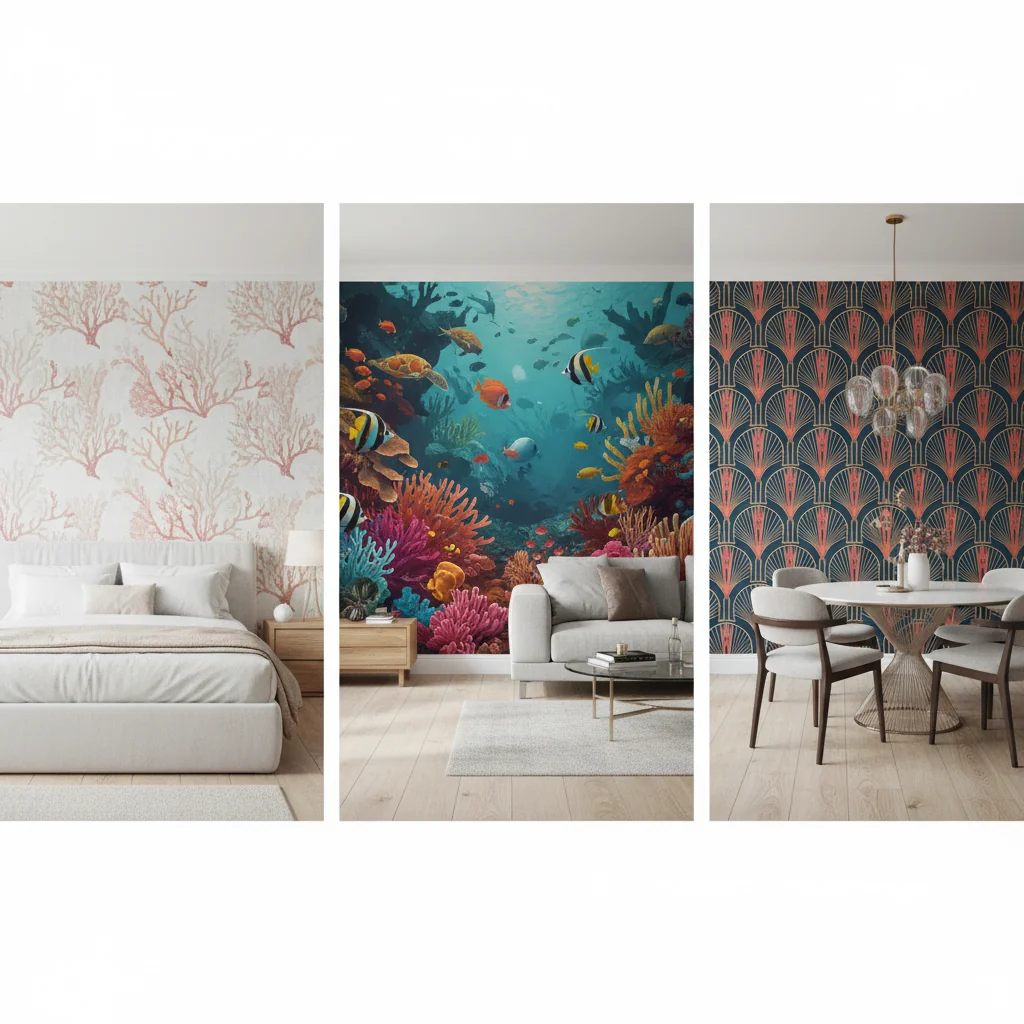
Coral wallpaper is exceptionally versatile, adapting to a wide array of interior design styles through nuanced pattern choices, color palettes, and material selections. Its aesthetic interpretations can range from distinctly coastal and tropical to unexpectedly modern or classically elegant, allowing for precise integration into any home’s narrative. The key lies in understanding how specific coral motifs align with established design principles.
Coastal and Nautical Styles
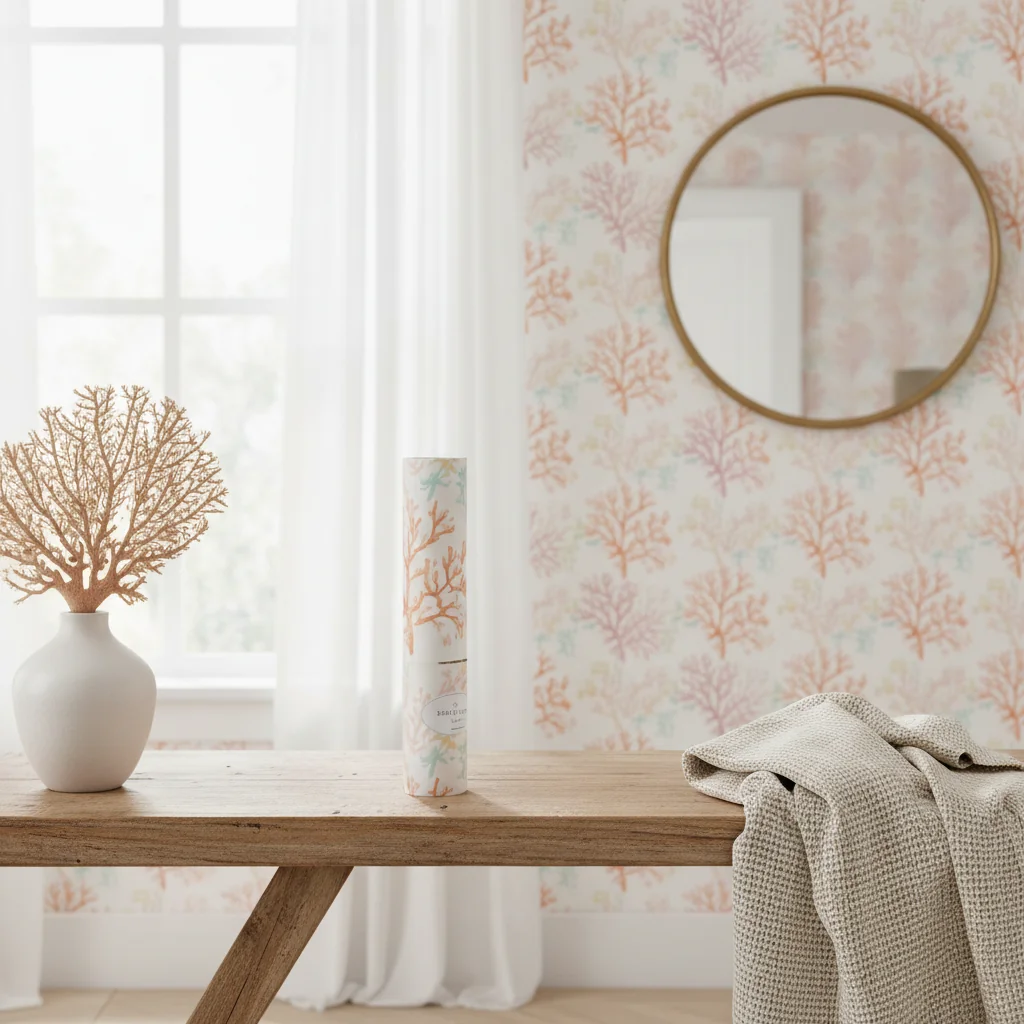
Coral wallpaper is a quintessential element for coastal and nautical design, instantly evoking seaside charm and tranquility. These styles typically feature patterns with realistic or subtly stylized coral branches, often paired with seashells, starfish, or abstract wave motifs.
- Color Palette: Predominantly soft blues, sandy beiges, crisp whites, and muted greens. The coral itself might appear in its natural muted tones of pink, orange, or red, but often in a softer, more desaturated form.
- Furnishings: Light-colored wood (driftwood, whitewashed oak), rattan, wicker, and linen upholstery. Slipcovered sofas, distressed finishes, and natural textures are common.
- Accessories: Decorative shells, nautical ropes, glass floats, framed ocean prints, and ceramic vases in sea-inspired hues.
- Starhouse Recommendation: Opt for non-woven coral patterns with a subtle texture in shades of muted aqua, soft peach, or sandy beige. A delicate coral branch pattern in a powder room or a vibrant coral reef mural in a living room can anchor this aesthetic.
Tropical and Bohemian Styles
For a more vibrant and eclectic aesthetic, coral wallpaper can contribute to tropical or bohemian interiors, celebrating lushness, color, and a sense of wanderlust. These interpretations often feature bolder colors and more elaborate, dense patterns.
- Color Palette: Rich greens, vibrant teals, fuchsia, sunny yellows, and deep oranges. Coral patterns might be depicted in saturated reds, oranges, and pinks, often against a leafy or deep blue background.
- Furnishings: Darker woods like mahogany or teak, bamboo furniture, plush velvet upholstery, and intricately carved pieces. Layered textiles with global patterns are also prevalent.
- Accessories: Large tropical plants (monstera, palm), woven baskets, macrame hangings, artisanal pottery, and colorful textiles from around the world.
- Starhouse Recommendation: Consider a peel-and-stick vinyl with a large-scale, colorful coral and tropical fish motif for an accent wall in a den, or a fabric-backed mural depicting a vibrant reef scene for a maximalist living space.
Modern and Contemporary Styles
Coral wallpaper can be seamlessly integrated into modern and contemporary designs by focusing on abstract forms, minimalist palettes, and sophisticated textures. The emphasis here is on clean lines and artistic interpretation.
- Color Palette: Monochromatic schemes (grays, blacks, whites), metallic accents (gold, silver), or bold, singular pops of color. Coral might be rendered in a single, striking hue against a neutral background, or as a subtle tone-on-tone pattern.
- Furnishings: Sleek, minimalist furniture with geometric shapes, polished metals, glass, and smooth leather or performance fabrics.
- Accessories: Abstract art, sculptural objects, minimalist lighting fixtures, and carefully curated, impactful pieces.
- Starhouse Recommendation: Explore non-woven wallpaper with a stylized, graphic coral pattern in a two-tone scheme (e.g., charcoal gray on white, or a subtle metallic gold on deep navy). A large-scale, simplified coral silhouette can act as a sophisticated backdrop in a modern dining room.
Traditional and Classic Styles
Even in traditional and classic settings, coral motifs can find their place, often appearing in more refined, intricate patterns that echo historical botanical illustrations or Chinoiserie designs.
- Color Palette: Deep blues, emerald greens, rich creams, and sophisticated pastels. Coral patterns are typically in softer, more muted reds or oranges, often on a cream or light-colored ground.
- Furnishings: Antique or reproduction furniture, rich wood tones (cherry, walnut), upholstered pieces with classic silhouettes, and fine fabrics like damask or silk.
- Accessories: Porcelain vases, antique mirrors, framed botanical prints, crystal chandeliers, and ornate decorative items.
- Starhouse Recommendation: Select a paper-backed fabric wallpaper featuring a delicate, repeating coral branch pattern in a subdued colorway, perhaps with a subtle metallic sheen. This creates an elegant and timeless backdrop in a formal study or master bedroom.
Eclectic and Transitional Styles
Eclectic and transitional interiors thrive on mixing elements from different styles, and coral wallpaper can act as a unifying or contrasting feature. The key is balance and intentional juxtaposition.
- Color Palette: Can be varied, often incorporating both vibrant and muted tones. The coral pattern might introduce a pop of unexpected color or a grounding natural element.
- Furnishings: A mix of old and new, different materials, and varied textures. A vintage dresser paired with a modern sofa, for example.
- Accessories: Collected objects, travel souvenirs, unique art pieces, and a blend of cultural influences.
- Starhouse Recommendation: A medium-scale, slightly stylized coral pattern in a unique color combination (e.g., coral pink on a deep teal background) can bridge traditional and contemporary elements in a transitional living room. For an eclectic space, a mural that blends realistic coral with abstract elements offers a personalized statement.
Choosing the Right Coral Wallpaper for Your Space
Selecting the ideal coral wallpaper involves a thoughtful assessment of your room’s function, existing decor, natural light, and desired aesthetic impact. A well-chosen design can dramatically enhance a space, while an ill-suited one can disrupt harmony. This decision requires a holistic approach, considering both visual appeal and practical considerations.
Considerations for Room Function and Environment
The purpose and environmental conditions of a room dictate the most suitable wallpaper material and pattern.
- Living Rooms and Dining Rooms: These are often high-impact areas where you can make a bold statement. A large-scale coral mural or a sophisticated repeating pattern can create a dramatic focal point. Non-woven or fabric-backed vinyl wallpapers are excellent choices for durability and long-term aesthetic appeal, offering resistance to scuffs and spills in active spaces. Consider a pattern that complements your entertaining style, whether it’s a vibrant tropical reef for lively gatherings or a subtle branch motif for elegant dinners.
- Bedrooms: Bedrooms benefit from patterns that promote relaxation and serenity. Soft, muted coral patterns in calming blues, greens, or subtle pinks are ideal. Non-woven wallpapers are breathable and provide a comfortable texture. A delicate coral botanical pattern behind the headboard can create a serene focal point without overwhelming the space. Peel-and-stick options are also suitable for a quick refresh or for accent walls.
- Bathrooms and Powder Rooms: High humidity and moisture levels demand specific wallpaper types. Solid sheet vinyl or fabric-backed vinyl wallpapers are highly recommended due to their superior water resistance and scrubbability, preventing mold and mildew growth. Avoid natural fiber wallpapers like grasscloth, as they are prone to water damage. A vibrant coral pattern can transform a small powder room into a jewel box, while a more subdued design can bring a spa-like tranquility to a larger bathroom. Ensure proper ventilation is in place regardless of wallpaper choice.
- Kitchens: Similar to bathrooms, kitchens require durable and easily cleanable wallpaper. Vinyl options are best for resisting grease splatters, steam, and food stains. Consider a pattern that complements your cabinetry and backsplash, perhaps a playful coral motif for a casual kitchen or a more refined design for a sophisticated culinary space. Ensure the wallpaper is positioned away from direct heat sources.
- Home Offices and Studies: These spaces can benefit from patterns that inspire focus and creativity. A stylized or abstract coral pattern in a sophisticated color palette (e.g., deep teal with gold coral accents) can add character without being distracting. Non-woven or paper-backed fabric wallpapers can lend a refined, professional air. Avoid overly busy or vibrant patterns that might hinder concentration.
- Nurseries and Children’s Rooms: Peel-and-stick wallpaper is an excellent choice here due to its removability and ease of cleaning. Children’s rooms often benefit from playful, colorful coral patterns that spark imagination. The ability to easily change the wallpaper as the child grows is a significant advantage. Opt for patterns with larger, friendly motifs rather than overly intricate details.
Assessing Existing Decor and Color Palette
The new wallpaper must integrate harmoniously with your current furniture, textiles, and overall color scheme.
- Complementary Colors: Identify the dominant colors in your room. Coral patterns often feature shades of pink, orange, red, blue, green, and white. Choose a wallpaper where the coral color or its background color either matches an existing accent color or provides a pleasing contrast. For example, a coral pattern with a subtle blue background will complement existing navy or sky-blue furnishings.
- Style Cohesion: Ensure the coral pattern’s style (e.g., realistic, abstract, geometric) aligns with your room’s existing aesthetic. A highly modern, abstract coral design might clash with a very traditional, ornate furniture collection.
- Scale of Pattern: The size of the coral motif should be proportionate to the room and the wall it covers. Large patterns work best in spacious rooms or on expansive walls to avoid feeling overwhelming. Smaller, more intricate patterns can add detail and charm to smaller spaces or accent walls.
- Texture Integration: Consider the texture of the wallpaper. Grasscloth coral wallpaper adds natural texture, complementing rustic or bohemian styles. Smooth vinyl provides a sleek, modern finish.
Impact of Natural Light and Room Size
Light and space are critical factors that influence how a wallpaper appears and feels in a room.
- Rooms with Abundant Natural Light: Bright rooms can handle bolder, more saturated coral colors and larger patterns without feeling dark or cramped. The natural light will highlight the details and vibrancy of the design. A wallpaper with a slight sheen can also reflect light, enhancing brightness.
- Rooms with Limited Natural Light: For darker rooms, choose coral wallpapers with lighter backgrounds and less dense patterns. Whites, creams, or pale pastels with subtle coral motifs will help brighten the space and make it feel more open. Avoid dark, heavy patterns that can make the room feel smaller and more enclosed.
- Small Rooms: In smaller rooms (e.g., powder rooms, entryways), a medium-scale pattern can add depth and interest without overwhelming. A single accent wall with a captivating coral design can create a focal point. Alternatively, a mural can offer an illusion of depth and expand the perceived space.
- Large Rooms: Expansive rooms can accommodate large-scale patterns, murals, or even an all-over application of a bolder coral design. These larger patterns provide visual interest across a broad surface without appearing repetitive or lost.
As you consider the myriad possibilities for integrating coral wallpaper into your home, remember that Starhouse is dedicated to helping you find the perfect expression of your personal style. We are curating a collection that balances aesthetic appeal with functional excellence.
We invite you to tell us what you’re looking for in your ideal home decor, and gain early access to our upcoming selections. Your input helps us refine our offerings to meet the precise needs of discerning homeowners like you.
Sizing and Measuring for Coral Wallpaper Installation
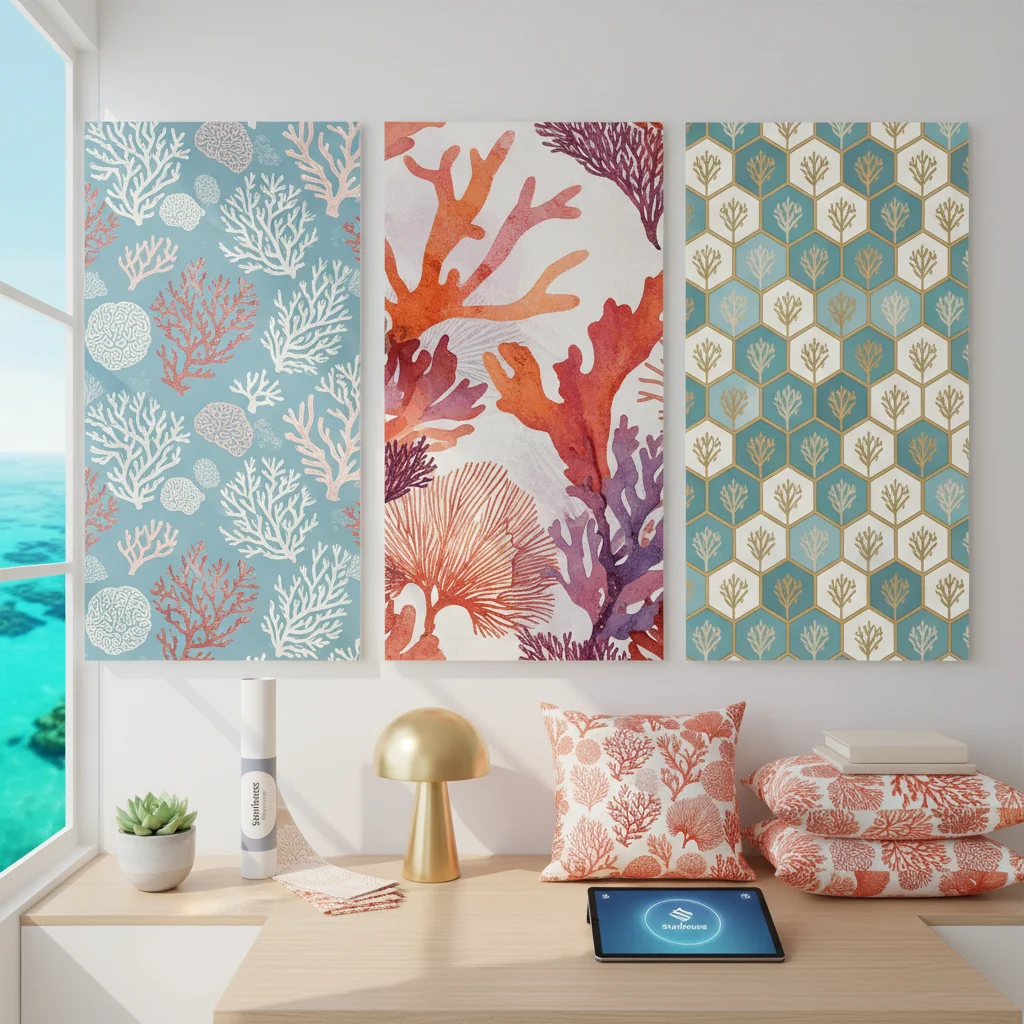
Accurate sizing and meticulous measuring are the foundational steps for any successful wallpaper installation, preventing costly errors and ensuring a seamless, professional finish. This process involves calculating the total square footage, accounting for pattern repeat, and understanding standard roll dimensions to determine the precise quantity of wallpaper needed. Precision in this phase guarantees both aesthetic satisfaction and efficient use of materials.
Standard Wallpaper Roll Dimensions
Wallpaper rolls come in various standard widths and lengths, which are crucial for calculation. While dimensions can vary by manufacturer and region, common widths in the U.S. typically fall into two categories:
- American Standard Rolls: These are generally 20.5 inches wide and 33 feet long. One American standard roll covers approximately 56 square feet, though usable coverage is less due to waste and pattern repeat.
- European/Metric Rolls: Often wider, typically 21 inches or 27 inches wide, and longer, sometimes 33 feet or 39 feet long. A common metric roll is 21 inches wide and 33 feet long, covering about 57.75 square feet.
Always verify the exact dimensions specified by the manufacturer for the specific wallpaper you intend to purchase. This information is typically found on the product description or packaging.
Step-by-Step Measuring Guide
Follow these steps to accurately measure your walls for coral wallpaper:
- Measure Wall Height: Measure the height of each wall from the baseboard to the ceiling. If the height varies, use the tallest measurement for all cuts. Add an extra 4-6 inches to this height for trimming at the top and bottom of each strip. For example, if your wall is 8 feet (96 inches) tall, each strip needs to be 100-102 inches long.
- Measure Wall Width: Measure the total width of each wall you plan to wallpaper.
- Calculate Total Square Footage: Multiply the total height of all walls by their total width. For example, if you have two walls, each 10 feet wide and 8 feet tall: (10 ft + 10 ft) * 8 ft = 20 ft * 8 ft = 160 sq ft. Convert to inches if necessary for precise calculations, or keep in feet for a rough estimate.
- Account for Doors and Windows: While you won’t wallpaper over these, it’s generally recommended to include them in your initial square footage calculation and then deduct only half of their area. This accounts for the extra wallpaper needed for cuts around these features and for pattern matching. For example, a standard 3 ft x 7 ft door is 21 sq ft; deduct 10.5 sq ft.
- Determine Number of Strips per Wall: Divide the total width of each wall (in inches) by the width of your wallpaper roll (in inches). Round up to the next whole number. For a 10-foot (120-inch) wide wall and 20.5-inch wide wallpaper: 120 / 20.5 ≈ 5.85, so you need 6 strips.
- Calculate Total Strips Needed: Sum the number of strips needed for all walls.
-
Factor in Pattern Repeat: This is a critical step for patterned wallpaper. The pattern repeat is the vertical distance (in inches) before the pattern begins to repeat itself.
- No Match/Random Match: Requires minimal waste. You can hang strips side-by-side without needing to align the pattern.
- Straight Match: The pattern matches at the same height across adjacent strips.
- Drop Match (Offset Match): The pattern on the second strip drops down by a specific distance (e.g., half the pattern repeat) to match the first strip. This creates the most waste.
For patterns with a repeat, you must add one full pattern repeat length to the height of each strip (except the very first one cut from the roll). For example, if your wall height is 96 inches and the pattern repeat is 24 inches, each strip will effectively require 96 + 24 = 120 inches of paper to ensure a match, plus the 4-6 inches for trimming. This means a usable length per strip of 124-126 inches.
- Calculate Total Linear Feet Required: Multiply the total number of strips by the effective height per strip (including trim allowance and pattern repeat). For example, 6 strips * 126 inches/strip = 756 inches, or 63 linear feet.
- Determine Number of Rolls: Divide the total linear feet required by the linear feet per roll (e.g., 33 feet for an American standard roll). Round up to the next whole number. 63 linear feet / 33 feet/roll ≈ 1.9, so you need 2 rolls.
- Add for Waste and Future Repairs: Always add an additional 10-15% for waste, cutting errors, or future repairs. For complex rooms with many corners, doors, or windows, consider adding up to 20%. It is always better to have a little extra than to run short and risk color variations from different dye lots.
Example Calculation
Let’s assume a room with three walls to be papered:
* Wall A: 12 ft wide x 8 ft tall
* Wall B: 10 ft wide x 8 ft tall (with a 3 ft x 7 ft door = 21 sq ft)
* Wall C: 14 ft wide x 8 ft tall
* Wallpaper: 20.5 inches wide, 33 feet long per roll, with a 21-inch pattern repeat (drop match).
1. Wall Height: 8 ft = 96 inches. Add 6 inches for trim = 102 inches per strip.
2. Effective Strip Height (with pattern repeat): 102 inches (base) + 21 inches (repeat) = 123 inches per strip.
3. Strips for Wall A (12 ft = 144 inches wide): 144 inches / 20.5 inches/strip ≈ 7.02 -> 8 strips.
4. Strips for Wall B (10 ft = 120 inches wide): 120 inches / 20.5 inches/strip ≈ 5.85 -> 6 strips.
5. Strips for Wall C (14 ft = 168 inches wide): 168 inches / 20.5 inches/strip ≈ 8.19 -> 9 strips.
6. Total Strips: 8 + 6 + 9 = 23 strips.
7. Total Linear Inches: 23 strips * 123 inches/strip = 2829 inches.
8. Total Linear Feet: 2829 inches / 12 inches/foot = 235.75 feet.
9. Linear Feet per Roll: 33 feet.
10. Initial Rolls Needed: 235.75 feet / 33 feet/roll ≈ 7.14 -> 8 rolls.
11. Add 15% Waste: 8 rolls * 1.15 = 9.2 rolls -> 10 rolls.
In this example, you would need 10 rolls of wallpaper. Always double-check calculations and consider consulting with a professional installer if unsure.
Current Trends in Coral Wallpaper Design
Current trends in coral wallpaper design reflect a broader shift towards biophilic aesthetics, sustainable practices, and personalized artistic expressions in home decor. Designers are reinterpreting traditional marine motifs through fresh color palettes, innovative materials, and advanced printing techniques, ensuring coral remains a relevant and sophisticated choice for modern interiors. These trends emphasize both visual impact and environmental consciousness.
Biophilic and Nature-Inspired Designs
The increasing desire to connect with nature indoors drives the popularity of biophilic design, making coral a natural fit.
- Realistic and Immersive Murals: High-resolution digital printing allows for breathtakingly realistic coral reef murals that create an immersive, window-like effect. These designs often feature vibrant, true-to-life colors and intricate details, transporting the viewer to an underwater paradise. They are particularly popular for accent walls in living rooms, bedrooms, and even commercial spaces like spas or restaurants.
- Botanical Blends: Coral patterns are increasingly integrated with other botanical elements beyond the marine environment, such as delicate ferns, subtle floral accents, or tropical foliage. This creates a more generalized “nature-inspired” aesthetic that feels organic and lush, appealing to those who appreciate botanical prints but desire a unique twist.
- Organic Textures: There’s a growing demand for wallpapers that mimic natural textures, such as grasscloth or woven fabrics, which provide tactile depth. Even on smooth vinyl, advanced printing techniques can create an illusion of texture, enhancing the biophilic connection.
Sustainable and Eco-Conscious Materials
Environmental responsibility is a significant driver in modern design, leading to an emphasis on sustainable wallpaper options.
- FSC-Certified Papers: Wallpaper made from paper sourced from responsibly managed forests, certified by the Forest Stewardship Council (FSC), is gaining prominence. This ensures that the production process supports ecological and social well-being.
- Recycled Content: Manufacturers are incorporating recycled materials, such as post-consumer waste, into their wallpaper backings or face layers, reducing landfill waste and resource consumption.
- VOC-Free Inks and Adhesives: Health-conscious consumers seek wallpapers printed with water-based, low-VOC (Volatile Organic Compound) inks and non-toxic adhesives. This improves indoor air quality, a critical consideration for homes.
- Non-Woven and Fabric-Based Options: Many non-woven wallpapers are PVC-free and breathable, contributing to healthier indoor environments. Fabric-based wallpapers, especially those made from natural fibers, are also favored for their eco-credentials.
Color and Pattern Innovations
Contemporary coral wallpaper explores new color harmonies and artistic interpretations.
- Muted and Earthy Tones: While vibrant coral is classic, current trends also embrace more subdued palettes. Think terracotta, dusty rose, sage green, and soft blues, which offer a sophisticated and calming interpretation of the marine theme. These tones pair well with natural wood and minimalist decor.
- Unexpected Color Combinations: Designers are experimenting with coral motifs in unconventional color pairings, such as coral red on a deep charcoal background, or a metallic gold coral against an emerald green. These bold choices create striking visual interest and a sense of modern luxury.
- Abstract and Geometric Forms: Moving beyond literal depictions, coral patterns are being reinterpreted through abstract shapes, geometric repeats, and art deco-inspired motifs. These designs offer a contemporary edge, appealing to those who appreciate artistic flair and clean lines.
- Large-Scale and Dispersed Patterns: Instead of dense, repetitive patterns, there’s a trend towards larger, more spaced-out coral motifs that allow the background color to play a more significant role. This creates a sense of openness and prevents the pattern from overwhelming the space.
Technological Advancements
Digital printing and material science are expanding the possibilities for coral wallpaper.
- Custom Digital Murals: Digital printing technology allows for highly customized coral murals, where homeowners can commission unique designs or even use their own high-resolution images. This offers unparalleled personalization.
- Textured Finishes: Advanced printing techniques can create embossed or textured finishes on various materials, adding a tactile dimension to coral patterns. These textures can mimic the organic feel of coral or add a subtle shimmer.
- Enhanced Durability and Removability: Innovations in vinyl and peel-and-stick technologies have led to wallpapers that are both exceptionally durable (resistant to scuffs, moisture, and fading) and easily removable without damaging walls, catering to both long-term and temporary design needs.
Installation Best Practices for Coral Wallpaper
Proper installation is critical for achieving a flawless and long-lasting finish for your coral wallpaper, regardless of its type. Adhering to best practices, from meticulous surface preparation to precise application, ensures optimal adhesion, a seamless appearance, and a durable result. This meticulous approach prevents common issues such as bubbling, peeling, or visible seams.
Surface Preparation: The Foundation of Success
The quality of your wall surface directly impacts the wallpaper’s adherence and final appearance.
- Clean the Walls Thoroughly: Wash walls with a mild detergent solution (e.g., TSP substitute) to remove dirt, grease, and grime. Rinse thoroughly with clean water and allow the walls to dry completely, typically 24-48 hours. Ensure no residue remains.
- Repair Imperfections: Fill any holes, cracks, or dents with spackle or joint compound. Sand these areas smooth once dry, then wipe away dust. Wallpaper will not hide imperfections; it often accentuates them.
- Remove Old Wallpaper (if applicable): If old wallpaper is present, it must be completely removed. Applying new wallpaper over old can lead to adhesion issues, bubbling, and an uneven finish. Use a wallpaper stripper, steamer, or removal solution, following product instructions.
- Prime the Walls: Applying a high-quality wallpaper primer (also known as a “sizing” or “wall-prep”) is non-negotiable. Primer seals porous surfaces, promotes better adhesion, allows for easier repositioning during installation, and makes future removal easier. It also creates a uniform surface for the wallpaper to adhere to, preventing paste from soaking in unevenly. Allow the primer to dry completely according to manufacturer instructions, usually 2-4 hours.
- Address Lead-Based Paint: If your home was built before 1978, lead-based paint may be present. Disturbing lead-based paint during surface preparation (sanding, scraping) can release hazardous lead dust. The U.S. Environmental Protection Agency (EPA) strongly advises caution and recommends professional lead-safe renovation practices. If lead paint is suspected, encapsulating it with a specialized primer or hiring a lead-certified professional is essential before proceeding with wallpaper installation. Further guidance on lead-safe work practices can be found through resources like reginfo.gov.
Tools Required
Having the right tools ensures a smooth and efficient installation process.
- Measuring tape and ruler
- Pencil
- Utility knife with snap-off blades (always use fresh, sharp blades)
- Smoothing tool (plastic smoother or wallpaper brush)
- Seam roller (for traditional wallpaper)
- Water tray (for pre-pasted wallpaper)
- Wallpaper paste and paste brush/roller (for un-pasted wallpaper)
- Level or plumb line
- Sponge and clean water bucket
- Drop cloths
- Step ladder
- Scissors
Application Techniques (General Steps)
While specific steps vary by wallpaper type (pre-pasted, un-pasted, peel-and-stick), the general principles remain consistent.
- Mark Your Starting Point: Do not rely on corners for your first strip, as walls are rarely perfectly plumb. Measure out from a corner (e.g., 20 inches for a 20.5-inch roll) and draw a vertical plumb line using a level. This ensures your first strip is perfectly straight, which is crucial for subsequent strips.
- Cut Your First Strip: Measure the wall height (including trim allowance and pattern repeat, if applicable) and cut the first strip of wallpaper. Lay it flat, pattern side up.
-
Apply Paste/Activate Adhesive:
- Un-Pasted: Apply a thin, even coat of wallpaper paste to the back of the strip using a paste brush or roller. “Book” the paper (fold paste-to-paste) and let it “relax” for the manufacturer’s recommended time (usually 5-10 minutes).
- Pre-Pasted: Submerge the rolled strip (adhesive side in) in a water tray for the specified time, typically 10-30 seconds.
- Peel-and-Stick: Slowly peel back a few inches of the backing paper from the top.
- Apply the Strip to the Wall: Carefully align the top edge of the strip with your plumb line and the ceiling line (allowing for trim). Press the wallpaper gently onto the wall, working from the top down.
- Smooth Out Bubbles: Using your smoothing tool or brush, work from the center of the strip outwards to remove all air bubbles and excess paste. Ensure firm contact with the wall.
- Trim Excess: Use a sharp utility knife and a straightedge (like a wide putty knife or ruler) to trim the excess wallpaper at the ceiling and baseboard. Change blades frequently for clean cuts.
- Hang Subsequent Strips: For the next strip, align the pattern carefully with the previous strip. For traditional wallpaper, butt the edges together tightly to create an invisible seam. For peel-and-stick, slightly overlap (1/16-inch to 1/8-inch) if recommended by the manufacturer, then trim. Smooth and trim as before.
- Clean Up: Immediately wipe away any excess paste from the wallpaper surface or seams with a damp sponge. Allow the wallpaper to dry completely, which can take 24-72 hours. Avoid opening windows or using fans during the drying process, as rapid drying can lead to shrinkage.
Care and Maintenance of Coral Wallpaper
Proper care and maintenance are essential for preserving the beauty and longevity of your coral wallpaper, ensuring it remains a vibrant and integral part of your home decor for years. The specific cleaning methods depend heavily on the wallpaper material, as different compositions react uniquely to moisture and cleaning agents. Adhering to manufacturer guidelines is paramount to prevent damage.
General Care Principles
Regardless of material, some universal practices apply to all wallpaper types.
- Dust Regularly: Use a soft, dry cloth, a feather duster, or a vacuum cleaner with a brush attachment to gently remove dust and cobwebs. Regular dusting prevents buildup that can become harder to remove later.
- Avoid Harsh Cleaners: Never use abrasive cleaners, bleach, or strong chemical solvents, as these can strip colors, damage the material, or leave permanent stains. Always opt for the mildest cleaning solution appropriate for your wallpaper type.
- Test in an Inconspicuous Area: Before applying any cleaning solution to a visible area, always test it on a small, hidden spot (e.g., behind furniture or near a corner) to ensure it does not cause discoloration or damage.
- Address Stains Immediately: Promptly blot spills or stains with a clean, dry cloth. Do not rub, as this can spread the stain or push it deeper into the material.
- Control Humidity: Excessive humidity can lead to mold, mildew, and wallpaper peeling. Ensure proper ventilation, especially in bathrooms and kitchens. Use dehumidifiers in very humid climates if necessary.
- Protect from Direct Sunlight: Prolonged exposure to direct sunlight can cause wallpaper colors to fade over time. Use blinds, curtains, or UV-filtering window films to protect your investment.
Material-Specific Cleaning Instructions
The cleaning approach must be tailored to the wallpaper’s material composition.
-
Vinyl Wallpaper (Solid Sheet & Fabric-Backed):
- Classification: Often labeled as “scrubbable” or “washable.”
- Cleaning Method: These are the most durable and easiest to clean. Mix a small amount of mild dish soap with warm water. Dampen a soft sponge or cloth with the solution (do not saturate) and gently wipe down the wallpaper. Rinse the sponge frequently with clean water and wipe away any soap residue. Finish by drying with a clean, dry cloth to prevent water spots. For stubborn stains, a non-abrasive household cleaner might be used, but always test first.
-
Non-Woven Wallpaper:
- Classification: Typically “washable” or “wipeable.”
- Cleaning Method: Non-woven wallpapers are generally durable but less resistant to scrubbing than vinyl. Use a slightly damp, soft cloth with plain water or a very diluted, mild soap solution. Gently wipe soiled areas. Avoid excessive moisture. Pat dry with a clean, soft cloth. Do not scrub vigorously.
-
Peel-and-Stick Wallpaper (Removable Vinyl/Fabric):
- Classification: Usually “wipeable.”
- Cleaning Method: Similar to non-woven, use a soft, damp cloth with plain water. For minor marks, a very small amount of mild soap can be used. Wipe gently and pat dry. Avoid harsh rubbing or abrasive materials, as these can damage the printed surface or adhesive.
-
Grasscloth and Natural Fiber Wallpapers:
- Classification: “Non-washable” or “delicate.”
- Cleaning Method: These materials are highly susceptible to water damage, staining, and shrinkage. They should never be cleaned with liquids. Instead, use a vacuum cleaner with a soft brush attachment to gently remove dust and loose debris. For small spots, a dry art gum eraser can sometimes lift marks, but proceed with extreme caution and test first. Professional cleaning is recommended for significant stains. Keep these wallpapers away from high-humidity areas.
-
Paper-Backed Fabric Wallpapers:
- Classification: “Non-washable” or “delicate.”
- Cleaning Method: Treat these similarly to natural fibers. Dust gently with a soft cloth or vacuum brush. Avoid all liquids. Any significant cleaning should be handled by a professional wallpaper cleaner specializing in delicate materials to prevent damage, watermarks, or shrinking.
Addressing Common Issues
Even with careful installation and maintenance, minor issues can arise.
- Loose Seams: If a seam begins to lift, gently re-apply wallpaper adhesive (for traditional wallpaper) or a specific seam adhesive, ensuring it’s applied thinly and evenly. Press down with a seam roller and wipe away excess. For peel-and-stick, gently press the seam back down; if it continues to lift, a very small amount of craft glue might secure it, though this can affect removability.
- Bubbles: Small bubbles often disappear as wallpaper dries. If a bubble persists after drying, you can carefully pierce it with a sharp utility knife (a small “x” cut), then gently push out the trapped air and apply a small amount of adhesive underneath, smoothing it flat.
- Fading: Fading due to UV exposure is typically irreversible. Prevention through window treatments is the best strategy.
Styling and Pairing Coral Wallpaper with Home Decor
Styling coral wallpaper effectively involves creating a cohesive and visually appealing environment by thoughtfully pairing it with complementary furnishings, textiles, lighting, and accessories. The aim is to enhance the wallpaper’s aesthetic without overwhelming the space, ensuring a harmonious balance between the wallcovering and the room’s other elements. This requires a nuanced understanding of color theory, texture, and scale.
Complementary Color Palettes
The background and coral hues in your wallpaper dictate the best color partners for your decor.
-
Blues and Greens: A classic and natural pairing for coral, evoking the ocean.
- Soft Coral with Aqua/Seafoam Green: Creates a serene, coastal, or spa-like atmosphere. Pair with light wood tones, white trim, and natural fiber rugs.
- Vibrant Coral with Deep Teal/Navy: Offers a dramatic, sophisticated contrast. Ideal for accent walls in living rooms or dining areas. Complement with dark wood furniture, brass accents, and rich textiles.
- Muted Coral with Sage Green/Eucalyptus: A calm, earthy combination perfect for bedrooms or studies. Integrate with light-colored, natural textiles and minimalist furnishings.
-
Neutrals: Whites, creams, grays, and sandy beiges provide a grounding backdrop that allows coral to pop.
- Coral on White/Cream Background: Keeps the space feeling bright and airy. Use white or light-colored furniture, sheer curtains, and natural textures to maintain an open feel.
- Coral on Gray Background: Introduces a modern, sophisticated edge. Pair with contemporary furniture, metallic accents (silver, chrome), and clean lines.
- Coral with Sandy Beige/Tan: Enhances a warm, natural, and inviting atmosphere. Combine with rattan, wicker, and light wood furniture for a relaxed vibe.
-
Warm Tones: Pinks, oranges, and yellows can create a vibrant, energetic, or romantic feel.
- Coral with Blush Pink/Rose Gold: Creates a soft, feminine, and romantic aesthetic. Ideal for bedrooms or dressing areas, paired with luxurious fabrics like velvet and delicate metallic accents.
- Coral with Terracotta/Burnt Orange: Offers an earthy, bohemian, or Mediterranean influence. Combine with rough-hewn wood, woven textiles, and artisanal pottery.
- Coral with Sunny Yellow/Gold: Infuses the room with warmth and cheerfulness. Use sparingly as accents to brighten the space, especially in tropical or eclectic settings.
Furniture and Layout Considerations
The style and placement of furniture should complement, not compete with, the wallpaper.
- Scale and Proportion: Ensure furniture scale is appropriate for the room size and the wallpaper pattern. In a room with large-scale coral wallpaper, opt for simpler, less ornate furniture to avoid visual clutter.
- Color and Finish: Choose furniture colors that harmonize with the wallpaper. Light-colored furniture (white, cream, light wood) typically works well with vibrant coral patterns, allowing the wallpaper to be the star. Darker woods or painted furniture can provide a sophisticated contrast.
- Material and Texture: Integrate textures that complement the coral motif. Rattan, wicker, linen, and distressed wood enhance coastal or tropical themes. Polished metals, glass, and smooth leather suit modern interpretations.
- Strategic Placement: If using coral wallpaper on an accent wall, place key furniture pieces (e.g., a sofa, bed, console table) against that wall to highlight the design. Avoid placing tall, bulky furniture that obscures too much of the pattern.
Textiles, Lighting, and Accessories
These elements add layers of texture, color, and personality, tying the whole scheme together.
-
Textiles (Rugs, Curtains, Pillows):
- Rugs: A solid-colored rug in a complementary neutral (jute, sisal, or a plush cream rug) can ground the space. For more adventurous designs, a subtle geometric or abstract pattern that picks up a secondary color from the wallpaper can work.
- Curtains: Sheer white or linen curtains maintain an airy feel. For added depth, choose curtains in a solid color that matches a background hue in the wallpaper or a muted accent color.
- Pillows and Throws: Introduce pillows and throws in solid colors that echo the wallpaper’s palette, or in patterns (stripes, subtle geometrics) that do not clash with the coral motif. Incorporate different textures like velvet, linen, or chunky knits.
-
Lighting:
- Natural Light: Maximize natural light to showcase the wallpaper’s colors and details. Sheer curtains or blinds allow light to filter in gently.
- Artificial Lighting: Use a mix of ambient, task, and accent lighting. Soft, warm lighting can enhance the cozy feel of coral. Consider light fixtures made of natural materials (rattan, shell) for coastal themes, or sleek metallics for modern spaces.
-
Accessories:
- Art and Mirrors: Choose artwork that complements the wallpaper’s colors and theme. Simple framed prints or abstract art can work. Mirrors with interesting frames (distressed wood, gilded) can reflect light and the wallpaper, expanding the space.
- Decorative Objects: Incorporate objects that reinforce your chosen style – seashells, coral sculptures (real or faux), marine-themed pottery for coastal; tropical plants, woven baskets for bohemian; minimalist sculptures for modern.
- Greenery: Live plants (e.g., palms, monsteras) bring life and a biophilic element, especially effective with tropical or realistic coral patterns.
Common Mistakes to Avoid When Using Coral Wallpaper
While coral wallpaper offers immense decorative potential, several common pitfalls can detract from its intended beauty and impact. Recognizing and actively avoiding these mistakes ensures a polished, professional outcome that elevates your interior design. Careful planning and attention to detail are crucial for a successful application and enduring aesthetic.
- Underestimating Pattern Repeat and Waste: Many homeowners fail to account for the pattern repeat when calculating wallpaper quantity, leading to running out of paper or having mismatched seams. This is especially critical for drop match patterns. Always add extra for pattern matching and a buffer (10-15% minimum) for errors or future repairs. Running short and needing to order more rolls from a different dye lot can result in noticeable color variations.
- Neglecting Wall Preparation: Skipping or rushing surface preparation is a primary cause of wallpaper failure. Applying wallpaper over dirty, uneven, or unprimed walls leads to poor adhesion, visible imperfections (bumps, dents), bubbles, and premature peeling. Lead-based paint in older homes, if not properly encapsulated, can also pose a health hazard during prep. Proper cleaning, patching, sanding, and priming are non-negotiable steps.
- Choosing the Wrong Material for the Environment: Using non-washable paper or natural fiber wallpaper (like grasscloth) in high-humidity areas such as bathrooms or kitchens will inevitably lead to damage, mold, and peeling. Conversely, using heavy-duty commercial vinyl in a delicate bedroom might feel overly utilitarian. Match the wallpaper material’s properties (washability, durability, breathability) to the room’s function and environmental conditions.
- Overwhelming Small Spaces with Large, Busy Patterns: While a bold coral pattern can be stunning, a large, intricate, or highly saturated design in a very small room can make the space feel cramped and visually chaotic. In smaller areas, consider a more subdued pattern, a lighter background, or use the bold pattern on a single accent wall to create a focal point without overwhelming.
- Ignoring Existing Decor and Color Palette: Introducing coral wallpaper without considering the room’s existing furniture, textiles, and color scheme can create a disjointed and clashing aesthetic. The wallpaper should complement, not compete with, other elements. Ensure the coral’s colors and style harmonize with your current decor, or plan for a comprehensive room refresh.
- Poor Pattern Alignment and Visible Seams: Improperly aligning the pattern between strips or leaving gaps at the seams creates an unprofessional and distracting appearance. Take the time to meticulously match the pattern and butt seams tightly for traditional wallpaper. For peel-and-stick, carefully follow manufacturer guidelines regarding slight overlaps or butt joints. Use a plumb line for your first strip to ensure subsequent strips are straight.
- Using Dull Blades for Trimming: Attempting to trim wallpaper with a dull utility knife blade results in jagged edges, tears, and a messy finish. Always use a fresh, sharp snap-off blade for every few cuts, or at least for each wall, to ensure clean, precise edges at the ceiling, baseboards, and around obstacles.
- Inadequate Drying Conditions: Rushing the drying process by opening windows or using fans immediately after installation can cause the wallpaper to dry too quickly and shrink, leading to visible seams or peeling. Allow the wallpaper to cure naturally, typically for 24-72 hours, in a stable environment.
- Failing to Order Enough from the Same Dye Lot: Wallpaper is produced in “dye lots,” and slight color variations can occur between batches. Always order all the wallpaper you need for a single room at the same time to ensure it comes from the same dye lot. If you run short and order later, the new rolls may not match perfectly, resulting in a noticeable difference on your wall.
Sources
Frequently Asked Questions About Coral Wallpaper
Can coral wallpaper be used in a small bathroom?
Yes, coral wallpaper can be used effectively in a small bathroom, provided you choose a material designed for high humidity, such as solid sheet vinyl or fabric-backed vinyl. For visual impact in a confined space, consider a medium-scale pattern or a vibrant mural on one accent wall to create depth without overwhelming the room.
Is peel-and-stick coral wallpaper durable enough for long-term use?
Peel-and-stick coral wallpaper offers moderate durability and is generally suitable for long-term use in low-traffic areas or for accent walls, often lasting several years with proper care. While it is wipeable and resistant to some wear, it typically does not match the heavy-duty durability of traditional vinyl wallcoverings in high-traffic or high-moisture environments.
How do I calculate how many rolls of coral wallpaper I need?
To calculate the number of rolls, measure your wall’s total height and width in feet. Multiply height by width to get square footage. For patterned wallpaper, add the pattern repeat length to your wall height for each strip, then divide the total linear feet needed by the linear feet per roll (e.g., 33 feet for an American standard roll). Always round up and add an extra 10-15% for waste and future repairs to ensure you have enough from the same dye lot.
Can I install coral wallpaper over textured walls?
Installing coral wallpaper directly over textured walls is not recommended, as the texture will show through, creating an uneven and unprofessional finish, and may compromise adhesion. For best results, textured walls should be smoothed out by sanding or applying a skim coat of joint compound before priming and wallpapering.
What colors pair best with a vibrant coral wallpaper?
Vibrant coral wallpaper pairs exceptionally well with complementary colors like deep teals, navy blues, and emerald greens for a striking contrast. For a softer look, it harmonizes with crisp whites, sandy beiges, and muted grays. Metallic accents such as gold or brass can also enhance its richness and sophistication.
How do I clean grasscloth coral wallpaper?
Grasscloth coral wallpaper is non-washable and should never be cleaned with liquids. To maintain its appearance, gently dust it regularly with a soft, dry cloth or use a vacuum cleaner with a brush attachment. For any significant stains, professional wallpaper cleaning is recommended to avoid damage.
Is it necessary to prime walls before installing coral wallpaper?
Yes, priming walls before installing coral wallpaper is essential for optimal adhesion, easier repositioning during installation, and smoother future removal. A high-quality wallpaper primer seals porous surfaces, prevents paste from soaking in unevenly, and creates a uniform base for the wallpaper to adhere to, significantly improving the longevity and finish of your installation.
Conclusion: Discovering Your Ideal Coral Aesthetic
Coral wallpaper offers an unparalleled opportunity to infuse your home with natural beauty, sophisticated color, and distinctive character. From the serene depths of a realistic reef mural to the modern elegance of an abstract branching pattern, the versatility of coral designs ensures a perfect match for any interior style and functional requirement. By carefully considering material properties, pattern scale, and complementary decor elements, you can transform your space into a personalized sanctuary that reflects your unique aesthetic vision. The journey to selecting, installing, and maintaining this exquisite wallcovering is a rewarding one, culminating in a striking visual statement that evokes tranquility, vibrancy, or refined artistry.
At Starhouse, we are meticulously curating a collection that embodies the finest in home decor, including an exquisite array of coral wallpapers designed to inspire and captivate. We believe your home should be a reflection of your aspirations and taste, and our forthcoming selections are chosen with precision and an unwavering commitment to quality. We invite you to be part of our journey as we build this exceptional catalog. Share your vision and tell us what you’re looking for in your ideal home decor, and gain early access to our anticipated collections. Your discerning input helps us craft an offering that truly resonates with homeowners seeking elevated design.