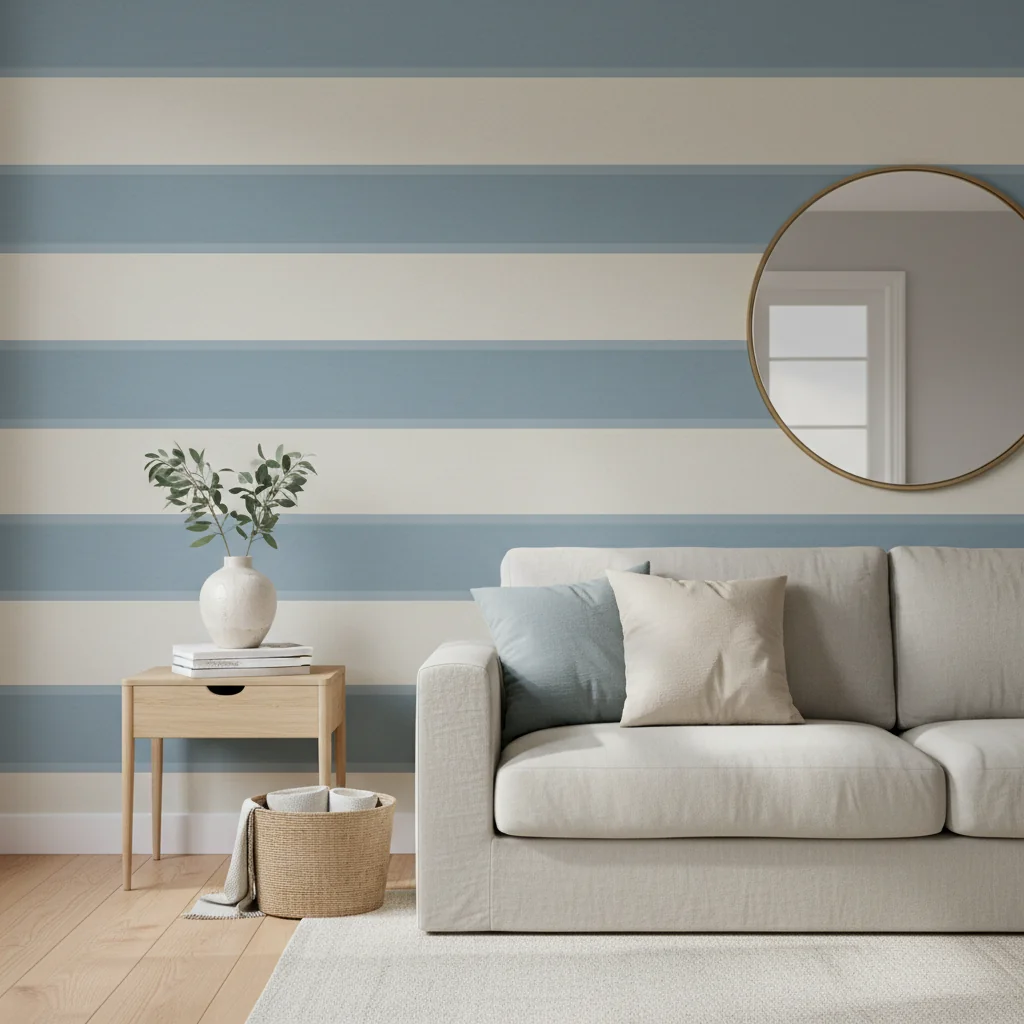
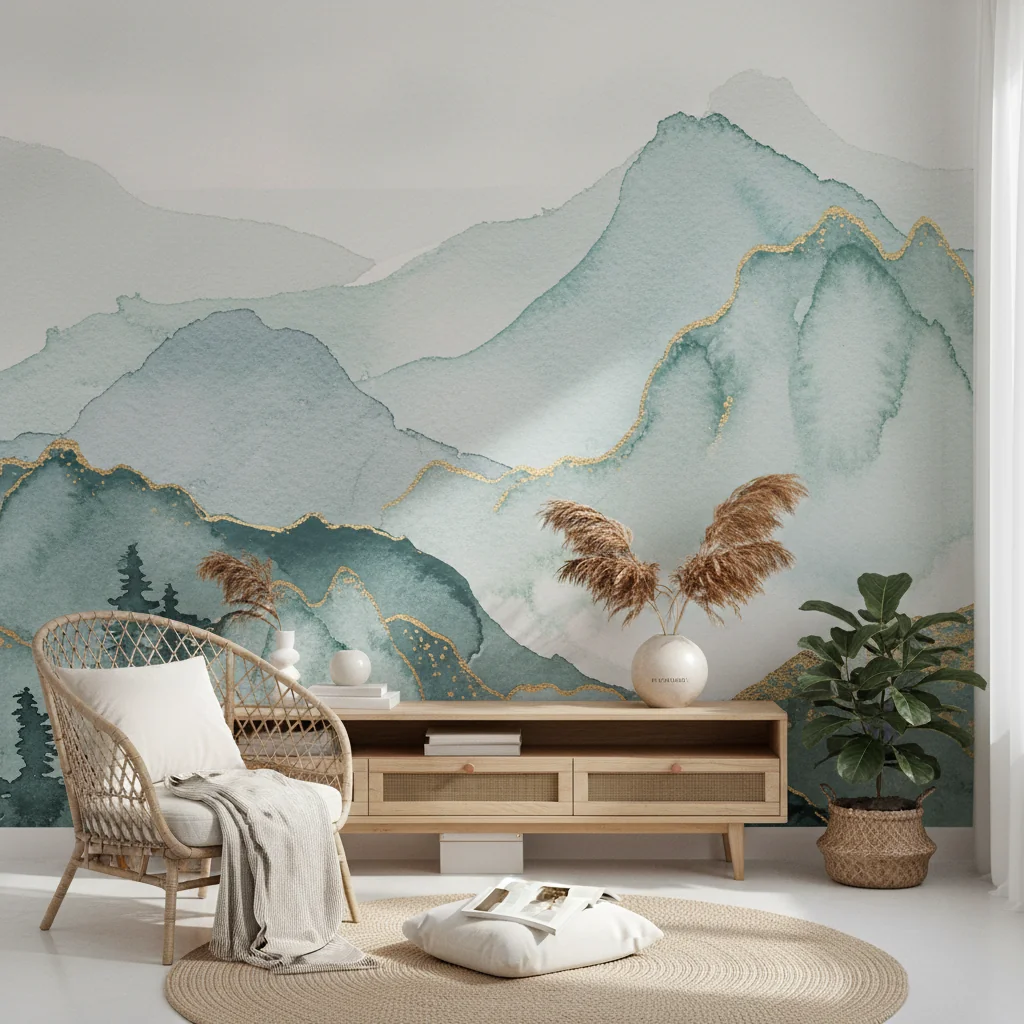
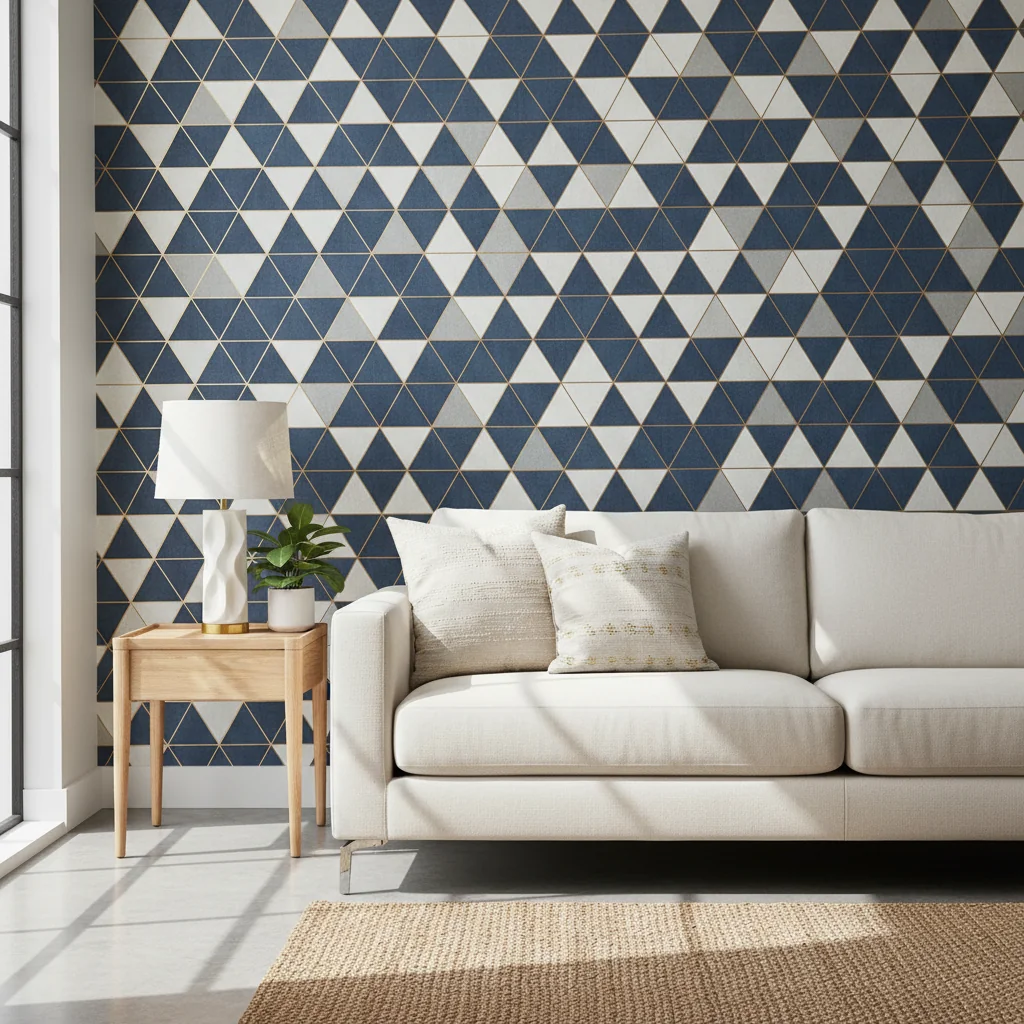
Removable wallpaper has transformed interior design, offering a versatile, temporary, and stylish solution for enhancing any space without the commitment of traditional wallcoverings. This innovative product, often referred to as peel-and-stick wallpaper, features an adhesive backing that allows for easy application and removal, making it an ideal choice for renters, design enthusiasts, and anyone seeking a flexible approach to home décor. At Starhouse, we recognize removable wallpaper as a cornerstone of modern interior design, providing an accessible pathway to sophisticated aesthetics and personalized environments across the United States.
Key Takeaways
- Removable wallpaper offers a flexible, damage-free solution for updating interiors, ideal for both homeowners and renters.
- It encompasses various types, including peel-and-stick, self-adhesive fabric, and vinyl options, each with distinct properties.
- Proper measurement and surface preparation are critical for successful installation and a seamless finish.
- Selecting the right material, pattern, and style ensures durability and complements your existing décor.
- With advancements in technology, modern removable wallpapers are highly durable and easy to maintain.
- Styling possibilities are extensive, from creating accent walls to revamping furniture and achieving bespoke looks.
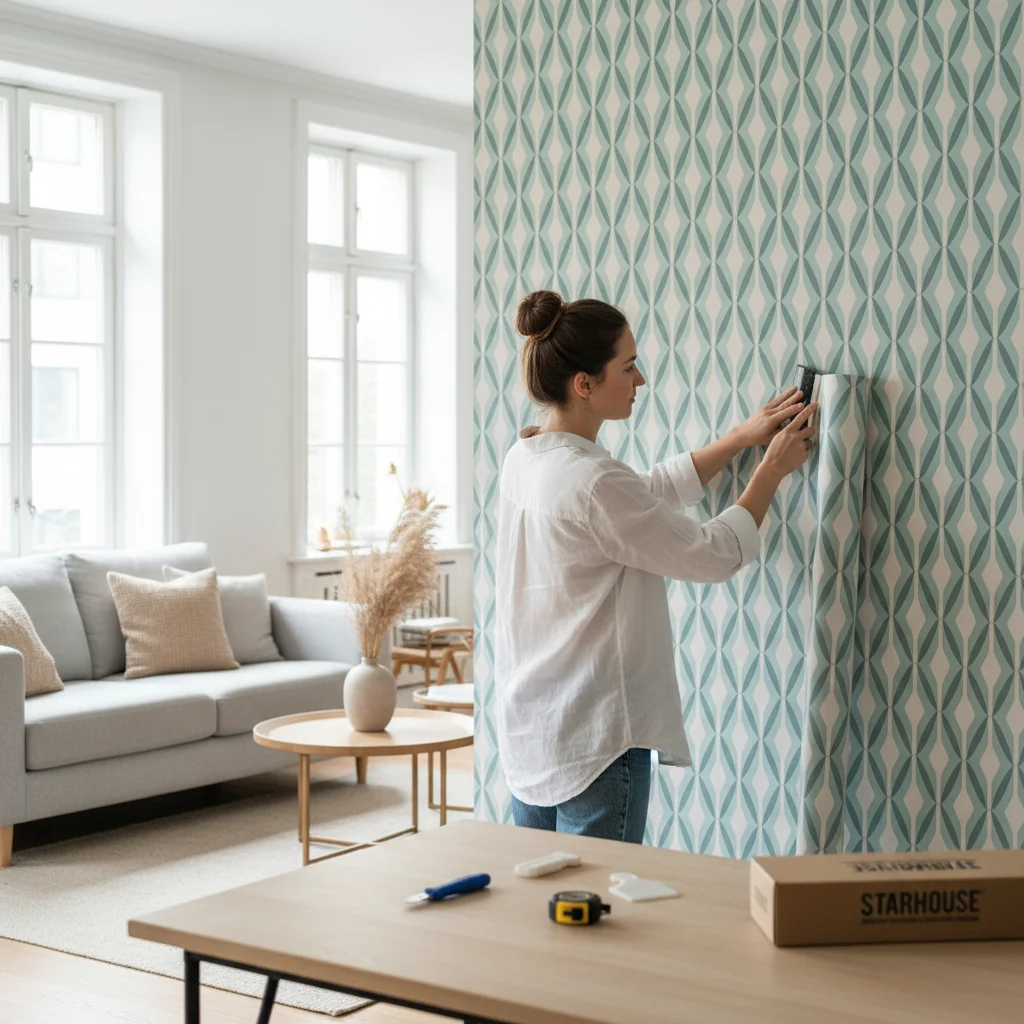
The Evolution of Removable Wallpaper: Why It’s a Modern Design Essential
Removable wallpaper has emerged as a revolutionary force in home décor, fundamentally changing how individuals approach interior design by offering unparalleled flexibility and ease of transformation. Unlike its traditional counterpart, which requires messy glues and professional installation, removable wallpaper features a self-adhesive backing that allows for simple application and clean removal without damaging walls. This innovation addresses a critical need for adaptable design solutions in an era where personal expression and temporary living arrangements are increasingly prevalent.
Historically, wallpaper was a permanent fixture, a significant investment in both cost and labor, often deterrent for those seeking frequent design updates or living in rental properties. The introduction of peel-and-stick technology transformed this paradigm, democratizing access to intricate patterns, textures, and murals previously reserved for high-commitment projects. Modern removable wallpapers are engineered with advanced adhesives that bond securely to surfaces yet detach cleanly, leaving no residue or paint damage. This technological leap has made sophisticated wall treatments accessible to a broader audience, empowering individuals to experiment with bold designs, subtle textures, and vibrant colors without long-term commitment.
The appeal of removable wallpaper extends beyond its practical benefits. It embodies a contemporary design philosophy that values adaptability and personal evolution within living spaces. Homeowners can refresh rooms seasonally, renters can personalize their temporary abodes, and businesses can create dynamic environments for pop-up shops or events. This product category aligns perfectly with the Starhouse ethos of curating everything for the home, offering solutions that are both aspirational and eminently practical. Its rise signifies a shift towards more responsive and user-friendly home décor, positioning it as an indispensable tool for modern interior designers and DIY enthusiasts alike.
Furthermore, the environmental considerations of removable wallpaper are increasingly important. Many contemporary options are produced using eco-friendly materials and non-toxic inks, reflecting a growing consumer demand for sustainable home products. The ability to reuse certain types of removable wallpaper further enhances its appeal, allowing for creative repurposing in different spaces or applications. This commitment to both design versatility and environmental consciousness solidifies removable wallpaper’s status as a modern design essential, perfectly suited for the evolving needs of the American home.
The market has responded with an explosion of design options, ranging from classic damasks and intricate botanicals to contemporary geometrics and realistic textures like wood or brick. This vast selection ensures that there is a removable wallpaper to suit every aesthetic, from minimalist to maximalist, traditional to avant-garde. The ease of installation, coupled with the dramatic visual impact, positions removable wallpaper as a powerful tool for quick and effective home makeovers, offering a high return on investment in terms of aesthetic enhancement.
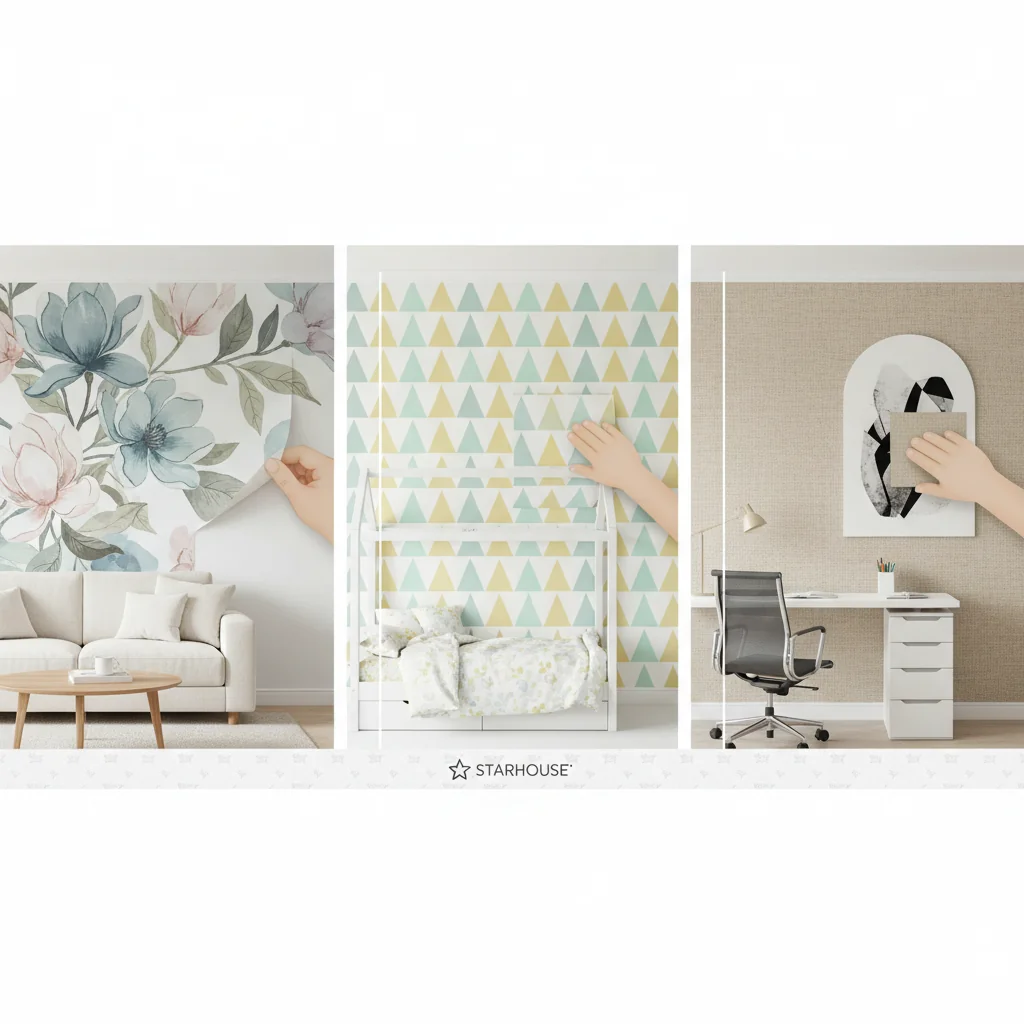
Types of Removable Wallpaper: Beyond the Basics
Removable wallpaper encompasses a variety of materials and adhesive technologies, each offering distinct characteristics in terms of texture, durability, and ease of application. Understanding these different types is crucial for selecting the best option for your specific design vision and functional requirements. While “peel-and-stick” is the most common descriptor, it refers to a broad category that includes several nuanced variations.
The primary distinguishing factor among removable wallpapers is the material composition, which dictates its feel, appearance, and performance. Here are the most prevalent types:
1. Vinyl Peel-and-Stick Wallpaper
Vinyl peel-and-stick wallpaper is the most widely available and often the most budget-friendly option, known for its robustness and water resistance. It consists of a PVC (polyvinyl chloride) film with a printed design on one side and a pressure-sensitive adhesive on the other, protected by a removable paper backing. This material is highly durable, making it suitable for high-traffic areas like hallways, kitchens, and bathrooms where moisture and wear are concerns. Vinyl is also easy to clean, typically requiring just a damp cloth for spills and marks.
- Durability: Excellent, resistant to scratches and tears.
- Water Resistance: High, ideal for humid environments.
- Texture: Generally smooth, though some options mimic textures.
- Application: Straightforward, but can be less forgiving during repositioning than fabric types.
- Ideal Use: Kitchens, bathrooms, children’s rooms, high-traffic zones.
2. Fabric-Based Peel-and-Stick Wallpaper
Fabric-based removable wallpaper, often made from woven polyester or other textile blends, offers a more luxurious and tactile experience. This type features a soft, matte finish that can absorb light, providing a sophisticated, paint-like appearance. The adhesive on fabric wallpapers is typically less aggressive than vinyl, allowing for greater repositionability during installation and ensuring a clean, damage-free removal, even from delicate surfaces. Fabric options are generally breathable, which can be beneficial in preventing moisture buildup behind the paper.
- Durability: Good, less prone to tearing during installation than some vinyls.
- Water Resistance: Moderate; not recommended for direct water exposure but suitable for general humidity.
- Texture: Soft, matte, often with a subtle woven texture.
- Application: Very forgiving, easy to reposition and smooth out bubbles.
- Ideal Use: Bedrooms, living rooms, nurseries, spaces where a premium, soft look is desired.
3. Non-Woven Removable Wallpaper
While often associated with traditional paste-the-wall wallpaper, non-woven materials are also used in some premium peel-and-stick applications. Non-woven wallpaper is a breathable blend of natural and synthetic fibers, making it highly durable, tear-resistant, and dimensionally stable. When used as a peel-and-stick product, it combines the strength and texture of non-woven material with the convenience of a self-adhesive backing. This type offers excellent print clarity and a refined finish.
- Durability: Very high, strong and tear-resistant.
- Water Resistance: Moderate to high, depending on coatings.
- Texture: Can range from smooth to subtly textured.
- Application: Generally easy to handle, good dimensional stability.
- Ideal Use: Living areas, dining rooms, feature walls, commercial spaces requiring durability.
4. Textured Removable Wallpaper
Beyond the base materials, removable wallpapers can incorporate various textures to add depth and tactile interest to a room. These can range from subtle linen weaves and grasscloth imitations to more pronounced faux finishes like brick, wood planks, concrete, or even plaster. Textured removable wallpapers are excellent for adding architectural interest or warmth to a space without the expense or permanence of actual materials. The texture is often achieved through embossing or printing techniques on vinyl or fabric substrates.
- Variety: Wide range of faux finishes and tactile surfaces.
- Impact: Adds significant depth and character to walls.
- Application: Can sometimes be slightly more challenging to align patterns with pronounced textures.
- Ideal Use: Accent walls, creating a specific ambiance (e.g., industrial, rustic), adding visual interest.
5. Removable Wall Murals
Removable wall murals are essentially large-format peel-and-stick wallpapers that feature a single, continuous image or design spanning an entire wall. They are often printed on fabric or premium vinyl for clarity and ease of installation. Murals offer a dramatic visual statement, transforming a room into a landscape, cityscape, abstract art piece, or a personalized scene. They are typically custom-sized to fit specific wall dimensions, ensuring a perfect fit and seamless appearance.
- Visual Impact: Maximal, creates a focal point.
- Customization: Often available in custom dimensions.
- Application: Requires careful alignment of large panels; professional installation sometimes recommended for complex designs.
- Ideal Use: Feature walls, children’s rooms, creative spaces, commercial interiors.
Each type of removable wallpaper provides a unique set of benefits, allowing designers and homeowners to precisely match the product to their aesthetic goals, functional needs, and installation preferences. At Starhouse, we understand the nuances of these materials and curate a collection that highlights the best of each category, ensuring quality and design excellence.
Choosing the Right Removable Wallpaper for Your Space
Selecting the ideal removable wallpaper involves a thoughtful consideration of your room’s function, existing décor, desired aesthetic, and the practicalities of the material itself. A precise choice ensures both visual harmony and long-term satisfaction with your design update. The process moves beyond simply liking a pattern; it requires a strategic approach to integrate the wallpaper seamlessly into your home’s narrative.
1. Assess Your Space and Its Function
The first step is to evaluate the room where the wallpaper will be applied. Consider:
- Moisture Levels: For high-humidity areas like bathrooms and kitchens, opt for durable, water-resistant vinyl peel-and-stick wallpaper. Fabric-based options are less suitable for direct water exposure.
- Traffic and Wear: In high-traffic zones such as hallways or children’s playrooms, a robust, washable vinyl is preferable. Its resilience stands up to scuffs and frequent cleaning.
- Light Exposure: Rooms with abundant natural light can handle bolder patterns and darker hues. In dimly lit spaces, lighter colors and subtle patterns will help brighten and expand the area. Consider wallpapers with UV resistance to prevent fading over time.
- Existing Furniture and Finishes: Take stock of your furniture, flooring, and paint colors. The wallpaper should complement, not compete with, these elements.
2. Define Your Aesthetic and Style
Removable wallpaper is a powerful tool for establishing or reinforcing a room’s style. Determine the overall mood you wish to create:
- Modern/Minimalist: Geometric patterns, abstract designs, or solid textures like faux concrete or plaster in neutral tones (grays, whites, blacks).
- Traditional/Classic: Damasks, toile, floral patterns, or subtle stripes. Consider a muted color palette for timeless elegance.
- Bohemian/Eclectic: Vibrant global-inspired prints, intricate mandalas, or botanical motifs. Mix and match patterns confidently.
- Farmhouse/Rustic: Faux wood planks, shiplap, brick, or natural linen textures. Earthy tones and simple patterns work best.
- Coastal/Nautical: Subtle stripes, coral motifs, abstract wave patterns, or light blue and sandy beige palettes.
Consider whether you want the wallpaper to be a focal point (e.g., an accent wall with a bold mural) or a subtle backdrop (e.g., a textured solid on all walls).
3. Pattern Scale and Visual Impact
The scale of the pattern significantly influences how a room feels:
- Large-Scale Patterns: Best suited for larger rooms or accent walls, as they can overwhelm smaller spaces. They create a dramatic, impactful statement.
- Small-Scale Patterns: Ideal for smaller rooms, powder rooms, or when you want a subtle, intricate detail. They can make a room feel cozier.
- Vertical Patterns (Stripes, Florals): Can make ceilings appear higher, adding a sense of grandeur.
- Horizontal Patterns: Can make a room feel wider or longer, creating a sense of expansiveness.
- Geometric Patterns: Offer structure and can introduce a contemporary edge.
Always view samples in your actual space and under different lighting conditions before committing to a full roll. This step is indispensable for ensuring the pattern and color translate effectively from screen to wall.
4. Material Considerations: Durability and Texture
Revisit the types of removable wallpaper discussed earlier and align them with your needs:
| Material Type | Key Characteristics | Durability | Approx. Price Range (per sq ft) | Ideal Use Cases |
|---|---|---|---|---|
| Vinyl Peel-and-Stick | Smooth, wipeable, water-resistant, wide range of prints | High (resists scratches, moisture) | $1.50 – $4.00 | Kitchens, bathrooms, kids’ rooms, high-traffic areas |
| Fabric Peel-and-Stick | Matte finish, soft texture, highly repositionable, breathable | Medium-High (less prone to tearing during install) | $2.50 – $6.00 | Bedrooms, living rooms, nurseries, low-humidity spaces |
| Non-Woven (Peel-and-Stick) | Durable, tear-resistant, breathable, good print clarity | High (dimensionally stable) | $3.00 – $7.00 | Living areas, dining rooms, feature walls, commercial use |
| Textured Faux Finishes | Embossed to mimic brick, wood, grasscloth; adds depth | Varies by base material (vinyl or fabric) | $2.00 – $6.00 | Accent walls, creating specific ambiance (e.g., rustic, industrial) |
| Wall Murals (Custom) | Large-scale continuous image, dramatic visual impact | Varies by base material (often fabric or premium vinyl) | $4.00 – $10.00+ | Feature walls, children’s rooms, creative spaces, commercial branding |
This table provides a general overview for comparison. Prices are approximate and can vary significantly based on brand, design complexity, and retailer.
5. Color Palette and Mood
Color is perhaps the most influential element in setting a room’s mood:
- Warm Colors (reds, oranges, yellows): Create an energetic, inviting, and cozy atmosphere. Can make a room feel smaller.
- Cool Colors (blues, greens, purples): Evoke a sense of calm, tranquility, and spaciousness. Can make a room feel larger.
- Neutrals (grays, beiges, whites): Provide a versatile backdrop, allowing other elements in the room to stand out. Timeless and sophisticated.
- Dark Colors: Can add drama and intimacy to a large room, or make a small room feel like a jewel box. Use sparingly in small, poorly lit spaces.
Consider the color temperature of your existing furnishings and lighting. The goal is a cohesive and harmonious palette.
By systematically addressing these factors, you can confidently choose a removable wallpaper that not only transforms your walls but also elevates the entire ambiance of your home. At Starhouse, we believe in empowering your design choices with curated options that meet these discerning criteria.
Sizing and Measuring: Achieving Precision for a Flawless Finish
Accurate sizing and meticulous measuring are fundamental steps to ensure a seamless and professional-looking removable wallpaper installation. Underestimating or overestimating your needs can lead to frustrating shortages, visible seams, or unnecessary waste, making precision paramount. This section provides a comprehensive guide to calculating the correct amount of wallpaper for your project.
1. Tools You Will Need
Before you begin, gather the following essential tools:
- Measuring tape (a retractable metal tape measure is most accurate)
- Pencil
- Notebook or paper for calculations
- Step stool or ladder (if walls are tall)
2. Measuring Your Walls
Follow these steps to accurately measure the dimensions of your walls:
- Measure Wall Height: Measure from the baseboard to the ceiling for each wall you intend to cover. Take measurements at several points across the wall, as walls are rarely perfectly uniform. Use the tallest measurement as your standard height.
- Measure Wall Width: Measure the width of each wall. For walls with architectural features like windows or doors, measure the total width of the wall first, then measure the width and height of the obstructions. You will subtract these later.
- Account for Irregularities and Overlap: Always add an extra 2-4 inches to both your height and width measurements for each panel. This crucial allowance provides room for trimming at the ceiling and baseboard, accommodating uneven walls, and ensuring pattern matching. It is always better to have a slight excess that can be trimmed than to come up short.
3. Calculating the Number of Rolls
Most removable wallpapers are sold in rolls with specific dimensions (e.g., 20.5 inches wide by 18 feet long). Here’s how to calculate your needs:
Step A: Calculate the Number of Panels per Roll
Divide the total length of one roll by the height of your wall (including the 2-4 inch allowance). Round down to the nearest whole number to determine how many full panels you can get from a single roll.
Example:
- Roll Length: 18 feet (216 inches)
- Wall Height (including allowance): 9 feet (108 inches)
- Panels per roll = 216 inches / 108 inches = 2 panels
Step B: Calculate the Number of Panels Needed for Your Wall(s)
Divide the total width of your wall(s) by the width of one wallpaper panel. Round up to the nearest whole number, as you cannot use a partial panel width.
Example:
- Total Wall Width: 12 feet (144 inches)
- Wallpaper Panel Width: 20.5 inches
- Panels needed = 144 inches / 20.5 inches ≈ 7.02. Round up to 8 panels.
Step C: Calculate Total Rolls Required
Divide the total number of panels needed (from Step B) by the number of panels you get per roll (from Step A). Round up to the nearest whole number to determine the total number of rolls to purchase.
Example:
- Total Panels Needed: 8
- Panels per Roll: 2
- Total Rolls = 8 / 2 = 4 rolls
4. Accounting for Pattern Repeat
Pattern repeat is a critical factor, especially for designs with large motifs or specific alignments. Pattern repeat refers to the vertical distance between where the pattern exactly duplicates itself. This distance needs to be considered when cutting subsequent panels to ensure a continuous design.
- Small or No Repeat: If the pattern repeat is minimal (e.g., small geometrics, textures) or non-existent (e.g., solid colors, some abstract designs), you might not need to add extra length for matching beyond the standard trim allowance.
- Large Repeat: For patterns with a significant repeat (e.g., large florals, intricate damasks), you must add the pattern repeat length to each panel’s height *after the first panel*. This ensures you can shift the subsequent panel up or down to align the pattern perfectly. This often means you will get fewer usable panels per roll.
Revised Step A (with pattern repeat):
If your wall height is 108 inches and your pattern repeat is 24 inches, you effectively need 108 + 24 = 132 inches for each subsequent panel to match. This will significantly reduce the number of usable panels per roll.
It is generally recommended to consult the manufacturer’s specific instructions for pattern repeat and cutting guidelines, as these can vary. When in doubt, always over-order by at least one roll to ensure you have enough. Leftover, unopened rolls can often be returned, but running short mid-project can cause significant delays and color-matching issues.
5. Dealing with Obstructions (Windows, Doors, Built-ins)
Do not subtract the area of windows or doors from your total square footage when calculating rolls, especially for patterned wallpaper. It is essential to wallpaper over these openings and then trim around them. This is because you need the full width and length of the wallpaper panels to maintain pattern continuity across the wall, even if parts of those panels will be cut away. Subtracting these areas can lead to insufficient material for pattern matching.
For more complex areas or large murals, a detailed diagram of your wall with all measurements and obstructions marked can be incredibly helpful. Always purchase all rolls for a single project at the same time to ensure they come from the same dye lot, which prevents subtle color variations.
By following these precise measuring and calculation methods, you will be well-prepared to embark on your removable wallpaper installation with confidence, achieving a polished and professional result. At Starhouse, we advocate for this meticulous approach to guarantee your design vision is realized flawlessly.
Installation Guide: A Seamless Application Process
Installing removable wallpaper is a straightforward process that can be achieved by most DIY enthusiasts, but careful preparation and a methodical approach are crucial for a flawless, bubble-free finish. The self-adhesive nature of this product eliminates the need for messy glues, making it a clean and efficient way to transform your walls. This guide provides step-by-step instructions for a professional-looking application.
1. Essential Tools for Installation
Gathering the right tools beforehand streamlines the process:
- Measuring Tape: For precise panel cuts.
- Utility Knife or Exacto Knife: With fresh, sharp blades for clean cuts.
- Smoothing Tool (Squeegee): A felt-edged squeegee is ideal to prevent scratching the wallpaper surface and to remove air bubbles.
- Level or Plumb Line: To ensure your first panel is perfectly straight.
- Pencil: For marking guidelines.
- Scissors: For initial rough cuts.
- Clean Cloth or Sponge: For surface preparation and wiping down.
- Step Stool or Ladder: For reaching high areas.
2. Surface Preparation: The Foundation of Success
Proper surface preparation is arguably the most critical step, ensuring optimal adhesion and a smooth finish.
- Clean the Walls: Thoroughly clean your walls with a mild detergent and water solution to remove any dirt, dust, grease, or grime. Rinse with clean water and allow the walls to dry completely, ideally for at least 24-48 hours.
- Smooth the Surface: Patch any holes or cracks with spackle, sand them smooth, and wipe away dust. Removable wallpaper will highlight any imperfections beneath it, so a perfectly smooth surface is essential.
- Paint Curing: If walls have been recently painted, allow the paint to cure fully according to the paint manufacturer’s instructions, typically 2-4 weeks. Applying wallpaper to uncured paint can lead to adhesion issues or paint peeling upon removal.
- Prime (Optional but Recommended): For best results, especially on newly painted or porous walls, consider applying a high-quality primer. A primer creates a uniform surface that promotes better adhesion and easier removal. Allow the primer to dry completely.
3. Planning Your Layout and Cutting Panels
Strategic planning prevents mistakes and ensures pattern alignment.
- Determine Starting Point: For most rooms, begin in a less conspicuous corner or near a doorframe. For accent walls, start in the center of the wall and work outwards for symmetrical pattern placement.
- Draw a Plumb Line: Using a level or plumb bob, draw a perfectly vertical line on your wall where the edge of your first panel will meet. This line is crucial for keeping all subsequent panels straight. Do not rely on corners or ceiling lines, as they are rarely perfectly straight.
- Pre-Cut Panels: Unroll your wallpaper and, using your measurements (including the 2-4 inch excess for trimming at top and bottom), cut your first panel. If your wallpaper has a pattern repeat, cut subsequent panels, aligning the pattern before each cut, ensuring the pattern flows seamlessly from one panel to the next. Label the back of each panel with its order (e.g., 1, 2, 3) and top/bottom direction.
4. Applying the Wallpaper Panels
This is where precision and patience pay off.
- Peel and Align (First Panel): Peel back 4-6 inches of the backing paper from the top of your first panel. Align the exposed adhesive edge with your plumb line, starting from the ceiling. Press lightly to adhere the top section.
- Smooth Downward: Slowly peel away more of the backing paper as you work your way down the wall. As you peel, use your smoothing tool (squeegee) to press the wallpaper firmly onto the wall, working from the center outwards to eliminate air bubbles. Overlap your strokes slightly.
- Trim Excess: Once the first panel is fully adhered, use your utility knife and a straight edge (like a metal ruler or the squeegee) to carefully trim the excess wallpaper at the ceiling and baseboard. Keep the blade sharp for clean cuts.
- Repeat for Subsequent Panels: For the next panel, peel back a small section of the backing and align its edge precisely with the edge of the previous panel. For most removable wallpapers, a slight overlap (1/16 to 1/8 inch) is recommended to prevent gaps as the material settles, especially for vinyl. For fabric types, a butt joint (edges meeting perfectly without overlap) is often preferred for a seamless look. Consult manufacturer instructions. Match the pattern carefully as you apply.
- Remove Air Bubbles: If you notice any bubbles, gently lift the nearest edge of the wallpaper and re-smooth it down with your squeegee. For stubborn small bubbles, you can carefully prick them with a fine needle and then smooth them out.
- Work Around Obstructions: For windows, doors, or outlets, apply the wallpaper over the obstruction. Then, use your utility knife to carefully cut around the edges, leaving a small overlap that can be tucked or trimmed for a neat finish. For outlets, turn off power at the breaker, remove the cover plate, wallpaper over the opening, then cut out the opening and replace the cover.
5. Finishing Touches
Once all panels are installed:
- Inspect for Bubbles: Step back and inspect the entire wall for any remaining bubbles or imperfections. Address them as needed.
- Clean Up: Wipe down the wallpaper surface with a soft, dry cloth to remove any fingerprints or dust.
- Enjoy: Step back and admire your newly transformed space!
Patience is key throughout this process. Do not rush, especially during alignment and smoothing. Removable wallpaper is designed to be forgiving, allowing for repositioning, so take your time to achieve the best results. With these detailed steps, you can confidently install removable wallpaper and create a stunning visual impact in your home. At Starhouse, we empower your design journey with both exceptional products and precise guidance.
We understand that embarking on a home transformation can be both exciting and overwhelming. As Starhouse curates its collection of exquisite home décor, we want to hear from you. Share what you’re looking for in terms of style, functionality, and inspiration, and get early access to our curated selections. Tell us what you’re looking for and help us shape the perfect collection for your dream home.
Care and Maintenance for Lasting Beauty
Proper care and maintenance are essential for preserving the beauty and extending the lifespan of your removable wallpaper, ensuring it remains vibrant and pristine for years. While designed for durability, these wallcoverings benefit from simple, consistent upkeep to resist wear, fading, and damage. Understanding the specific care requirements based on the wallpaper’s material is key to maintaining its aesthetic appeal.
General Care Guidelines
These principles apply to most types of removable wallpaper:
- Regular Dusting: Dust your wallpaper regularly with a soft, dry cloth or a feather duster. This prevents dust buildup, which can dull the appearance over time.
- Avoid Harsh Cleaners: Never use abrasive cleaners, scouring pads, or harsh chemical solvents, as these can damage the surface, fade colors, or compromise the adhesive.
- Address Spills Promptly: Attend to spills or marks immediately to prevent them from setting. The longer a stain sits, the harder it is to remove.
- Protect from Direct Sunlight: While many modern wallpapers are UV-resistant, prolonged exposure to direct sunlight can still cause fading over extended periods. Consider curtains, blinds, or UV-filtering window films in rooms with intense sun exposure.
- Handle with Care: Avoid sharp objects, abrasive surfaces, or excessive rubbing that could scratch or tear the wallpaper.
Specific Care by Material Type
The cleaning method largely depends on the wallpaper’s material:
1. Vinyl Peel-and-Stick Wallpaper
Vinyl is the most robust and water-resistant type of removable wallpaper, making it exceptionally easy to clean.
- Cleaning Method: For most marks and spills, simply wipe with a soft cloth or sponge dampened with warm water and a small amount of mild, non-abrasive dish soap. Gently wipe the affected area, then wipe again with a clean, damp cloth to remove any soap residue. Finish by drying with a clean, dry cloth to prevent water spots.
- Stains: For tougher stains, a diluted solution of rubbing alcohol (e.g., 50/50 with water) can sometimes be used, but always test in an inconspicuous area first. Avoid excessive scrubbing.
2. Fabric-Based Peel-and-Stick Wallpaper
Fabric wallpapers have a more delicate, matte finish and are less water-resistant than vinyl, requiring a gentler approach.
- Cleaning Method: For dust and light marks, use a soft, dry cloth or a slightly damp (not wet) cloth. Gently blot, do not rub vigorously, to avoid damaging the fibers or pushing the stain deeper.
- Stains: For liquid spills, blot immediately with a clean, dry cloth to absorb as much liquid as possible. For more stubborn marks, a very mild, diluted fabric cleaner can be used, but always test on a hidden spot first. Avoid saturating the fabric.
- Avoid Excess Moisture: Do not use excessive water or harsh scrubbing, as this can cause the fabric to pill, distort, or affect the adhesive.
3. Non-Woven Removable Wallpaper
Non-woven materials offer a good balance of durability and a refined finish. Their cleanability often falls between vinyl and fabric, depending on specific coatings.
- Cleaning Method: Most non-woven peel-and-stick wallpapers are wipeable. Use a soft, damp cloth with a mild soap solution for general cleaning. Wipe gently and dry thoroughly.
- Durability: They are generally tear-resistant, but still avoid harsh abrasion.
Addressing Common Issues
- Loose Edges: If an edge starts to peel, gently press it back down with your smoothing tool. For persistent lifting, a small amount of spray adhesive specifically designed for wallpaper or crafts can be applied to the backing (test first). However, this may affect removability.
- Bubbles: Small bubbles can often be smoothed out with a squeegee. For stubborn bubbles, carefully prick with a fine needle and then smooth towards the hole to release trapped air.
- Fading: If fading occurs due to sun exposure, there is no direct remedy other than re-applying a fresh panel or considering a new design. Prevention through window treatments is the best approach.
By adhering to these specific care instructions, your removable wallpaper will continue to be a stunning and well-preserved element of your home décor. Starhouse is committed to providing not only beautiful products but also the knowledge to ensure their enduring quality in your living spaces.
Styling and Pairing: Unleashing Creative Potential
Removable wallpaper is a powerful design tool that offers endless possibilities for transforming spaces, allowing for creative expression that is both impactful and impermanent. Its versatility extends beyond simple wall coverings, enabling homeowners and designers to experiment with various styles, create focal points, and even personalize furniture. The key to successful styling lies in understanding how to pair patterns, colors, and textures to achieve a cohesive and aspirational aesthetic.
1. Creating a Dynamic Accent Wall
The most common and effective use of removable wallpaper is to create an accent wall, drawing attention to a specific area of the room. This approach allows you to introduce bold patterns, vibrant colors, or dramatic textures without overwhelming the entire space.
- Behind the Bed: A patterned or textured wallpaper behind a headboard instantly elevates a bedroom, acting as a sophisticated backdrop. Consider large-scale florals, abstract geometrics, or a faux grasscloth for a luxurious feel.
- In the Dining Room: A statement wallpaper on the wall opposite the entrance or behind a buffet can define the dining area and add an element of grandeur.
- In the Living Room: Use it on the wall where your television or a significant piece of art is displayed to frame the area and provide visual interest. A faux brick or concrete can add an urban industrial edge, while a subtle linen texture provides warmth.
- Architectural Features: Highlight alcoves, recessed shelving, or fireplace surrounds with a contrasting pattern or texture to make them pop.
2. Integrating with Existing Décor
Successful styling involves ensuring the wallpaper complements your existing furniture, textiles, and color palette. This creates a harmonious and polished look.
- Color Harmony: Choose wallpaper colors that either match a secondary color in your room (e.g., from pillows, rugs, or artwork) or provide a complementary contrast. For example, a cool-toned wallpaper can balance warm-toned furniture.
- Pattern Play: If your room already features patterned textiles (like a patterned rug or sofa), opt for a wallpaper with a simpler, smaller-scale pattern or a subtle texture. Conversely, if your furniture is solid-colored, a bold wallpaper can be the statement piece. Mix patterns with varying scales to avoid visual clutter.
- Texture Contrast: Pair a smooth, glossy wallpaper with natural textures like wood, linen, or wool for tactile interest. A textured wallpaper (e.g., faux grasscloth, woven fabric) can add warmth and depth to a room with sleek, modern furniture.
3. Beyond Walls: Creative Applications
Removable wallpaper’s adhesive nature makes it incredibly versatile for various DIY projects beyond traditional wall coverings.
- Furniture Facelifts: Revamp old dressers, bookshelves, tabletops, or cabinet fronts. Measure and cut panels to fit drawer fronts or cabinet doors, instantly updating a piece of furniture with a fresh pattern or texture. This is an excellent way to personalize inexpensive or hand-me-down pieces.
- Shelf Backings: Add a pop of color or pattern to the back of open shelves or bookcases. This creates a curated, designer look and highlights your displayed items.
- Stair Risers: Transform a plain staircase by applying patterned wallpaper to the risers. This adds an unexpected and charming detail to a often-overlooked area.
- Drawer Liners: Use smaller pieces of wallpaper to line drawers, providing a pleasant surprise and protecting the drawer’s interior.
- Ceiling Statements: For a truly unexpected and luxurious touch, apply a subtle pattern or textured wallpaper to the ceiling. This works particularly well in bedrooms or dining rooms with high ceilings.
- Door Panels: Add visual interest to interior doors by applying wallpaper to recessed panels or the entire door surface.
4. Achieving Specific Design Aesthetics
Removable wallpaper allows you to easily achieve specific design aesthetics:
- Bohemian Chic: Use intricate global patterns, botanical prints, or vibrant mandalas. Pair with natural wood, woven textiles, and lush plants.
- Modern Farmhouse: Opt for faux shiplap, brick, or rustic wood grain. Combine with distressed furniture, industrial lighting, and cozy fabrics.
- Glamorous Retreat: Select metallic patterns, rich damasks, or luxurious textures like velvet-inspired prints. Pair with mirrored furniture, crystal accents, and plush textiles.
- Coastal Calm: Choose subtle stripes, watercolor patterns, or sea-inspired motifs in blues, greens, and sandy tones. Complement with light wood, natural fibers, and shell accents.
The beauty of removable wallpaper lies in its ability to be changed as your style evolves or as trends shift. This freedom encourages bold choices and creative experimentation, allowing you to continually refresh and redefine your living spaces. At Starhouse, we celebrate this creative freedom by offering a diverse range of designs that inspire and empower your unique styling journey.
Current Trends in Removable Wallpaper Design
The world of interior design is constantly evolving, and removable wallpaper, with its inherent adaptability, is at the forefront of these shifts, reflecting contemporary tastes and lifestyle demands. Staying abreast of current trends allows you to infuse your home with a fresh, modern aesthetic that feels both timely and personal. At Starhouse, we observe these emerging patterns to curate a collection that empowers sophisticated design choices for our customers.
1. Biophilic Designs: Bringing Nature Indoors
Biophilic design, which emphasizes connecting occupants with nature, continues to dominate. Removable wallpapers featuring lush botanicals, intricate floral patterns, tropical leaves, and realistic landscapes are highly sought after. These designs create serene, calming environments, promoting well-being and a sense of tranquility. Expect to see variations ranging from delicate, illustrative flora to bold, oversized jungle motifs.
- Key Elements: Large-scale leaves (monstera, banana leaf), watercolor botanicals, abstract floral arrangements, forest scenes, subtle nature-inspired textures.
- Color Palettes: Rich greens, earthy browns, soft blues, and muted pastels.
2. Textured and Tactile Illusions
Beyond visual patterns, there’s a strong trend towards wallpapers that create tactile illusions, adding depth and sensory interest to walls. Faux finishes that mimic natural materials are incredibly popular, offering the look and feel of expensive architectural elements without the commitment or cost.
- Key Elements: Faux grasscloth, linen, raw concrete, Venetian plaster, distressed wood, exposed brick, and subtle woven textures.
- Impact: Adds warmth, sophistication, and a sense of authenticity, often used to create a sophisticated, minimalist backdrop.
3. Geometric Abstractions and Art Deco Revival
Clean lines, repeating shapes, and abstract compositions are making a significant comeback, often with a nod to the Art Deco era’s glamour and symmetry. These patterns offer a sense of order and modernity, suitable for contemporary and transitional spaces.
- Key Elements: Arches, sunbursts, interlocking shapes, grids, and abstract painterly strokes.
- Color Palettes: Bold contrasts (black and white, navy and gold), jewel tones, and sophisticated neutrals.
- Application: Often used for accent walls in living rooms, offices, or entryways to create a striking focal point.
4. Muted Tones and Earthy Neutrals
While bold patterns are popular for accent walls, there’s a prevailing trend towards softer, more subdued color palettes for overall wall coverings. Earthy neutrals, muted pastels, and warm grays provide a calming backdrop that allows furniture and art to take center stage.
- Key Elements: Sage green, dusty blue, terracotta, warm beige, greige, and soft blush.
- Benefits: Creates a serene atmosphere, versatile, and enduring, providing a sense of timeless elegance.
5. Whimsical and Playful Designs
Especially for children’s rooms, nurseries, and creative spaces, whimsical and playful designs are thriving. These patterns often feature charming illustrations, imaginative motifs, and vibrant colors that spark joy and creativity.
- Key Elements: Cloudscapes, starry nights, animal prints (friendly characters), fantastical landscapes, hand-drawn patterns.
- Impact: Encourages imagination and creates a joyful, personalized environment.
6. Large-Scale Murals and Panoramics
Moving beyond repeating patterns, large-scale murals that cover an entire wall with a single, continuous image are highly impactful. These can be custom-designed or pre-printed panoramic scenes that create an immersive experience, effectively turning a wall into a work of art.
- Key Elements: Abstract landscapes, cityscapes, dramatic botanical scenes, historical maps, or artistic interpretations.
- Application: Best for feature walls in spacious rooms or areas where a grand statement is desired.
These trends highlight removable wallpaper’s capacity to adapt to diverse design preferences, offering options for every room and personality. By embracing these current styles, you can ensure your home reflects contemporary elegance and personal flair. Starhouse remains dedicated to sourcing and curating designs that embody these trends, offering you access to the most desirable and high-quality removable wallpaper options on the market.
Common Mistakes to Avoid When Using Removable Wallpaper
While removable wallpaper offers a forgiving and flexible design solution, certain common mistakes can hinder a successful installation and detract from the final aesthetic. Being aware of these pitfalls allows for proactive avoidance, ensuring a smooth process and a stunning result. Precision and patience are paramount in achieving a professional finish with this versatile product.
1. Inadequate Wall Preparation
This is the most frequent and impactful mistake. Applying removable wallpaper to an unprepared surface leads to poor adhesion, visible imperfections, and potential damage upon removal.
- Mistake: Applying to dirty, dusty, greasy, or uneven walls; applying over uncured paint.
- Solution: Thoroughly clean and dry walls. Patch and sand any holes or imperfections. Allow freshly painted walls to cure for at least 2-4 weeks. Consider a primer for porous or newly painted surfaces.
2. Skipping the Plumb Line
Failing to establish a perfectly straight vertical guide for your first panel can result in progressively crooked panels, leading to an unprofessional and visually jarring finish.
- Mistake: Relying on ceiling lines, corners, or door frames, which are rarely perfectly straight.
- Solution: Always use a level or a plumb bob to draw a precise vertical line for your first panel. This sets the foundation for all subsequent panels.
3. Incorrect Measurements and Under-ordering
Running out of wallpaper mid-project, especially for patterned designs, is a significant setback that can lead to delays and color mismatch issues due to different dye lots.
- Mistake: Not adding extra allowance for trimming, not accounting for pattern repeat, or failing to measure all wall sections accurately.
- Solution: Measure carefully, adding 2-4 inches to height for trimming. Account for pattern repeat when calculating panel cuts. Always over-order by at least one roll to ensure you have enough from the same dye lot.
4. Rushing the Installation Process
Impatience often leads to bubbles, creases, and misaligned patterns. Removable wallpaper is forgiving, but it requires a steady hand and methodical approach.
- Mistake: Peeling off too much backing at once, pulling too hard, or rushing the smoothing process.
- Solution: Work slowly, peeling only a few inches of backing at a time. Use a smoothing tool (squeegee) to firmly press out air bubbles as you go, working from the center outward. Take breaks if you feel frustrated.
5. Overlooking Pattern Match and Alignment
For patterned wallpapers, misalignment between panels can destroy the intended design and create visible seams.
- Mistake: Not carefully aligning the pattern repeat between adjacent panels.
- Solution: Before cutting, lay out panels to visualize the pattern match. During application, take extra time to align the pattern at the seam of each new panel. Forgivingly reposition as needed until the pattern flows seamlessly.
6. Using Dull Blades for Trimming
A dull utility knife blade will tear and fray the edges of the wallpaper, resulting in messy, unprofessional cuts at the ceiling, baseboards, and around obstructions.
- Mistake: Not changing blades frequently.
- Solution: Use a fresh, sharp utility knife blade for every trimming cut. Keep extra blades on hand and change them as soon as you feel any drag or resistance.
7. Ignoring Manufacturer Instructions
Each wallpaper product may have specific recommendations for surface preparation, installation, and care based on its unique material and adhesive.
- Mistake: Assuming all removable wallpapers are installed identically.
- Solution: Always read and follow the specific instructions provided by the wallpaper manufacturer. These guidelines are tailored to ensure the best results for that particular product.
8. Inappropriate Placement for Material Type
Using a fabric-based wallpaper in a high-moisture environment, for example, can lead to damage and reduced lifespan.
- Mistake: Not considering the room’s function (e.g., humidity, traffic) when selecting the wallpaper material.
- Solution: Choose vinyl for high-moisture/high-traffic areas, and fabric or non-woven for living areas and bedrooms.
By consciously avoiding these common errors, you can ensure your removable wallpaper project is a rewarding experience, resulting in beautifully transformed walls that reflect your personal style with precision and elegance. At Starhouse, we empower your design journey with not just exquisite products, but also the knowledge to achieve flawless results.
What is removable wallpaper?
Removable wallpaper is a self-adhesive wallcovering, often called peel-and-stick, that allows for temporary application and damage-free removal from surfaces without leaving residue or damaging paint. It typically consists of a printed material (like vinyl or fabric) with a pressure-sensitive adhesive backing.
Is removable wallpaper truly damage-free upon removal?
Yes, high-quality removable wallpaper is designed to be damage-free when applied to properly prepared, smooth, and painted walls, leaving no sticky residue or paint chips upon removal. However, applying it to uncured paint or textured/unprimed surfaces may compromise its damage-free removal.
Can I install removable wallpaper in a bathroom or kitchen?
Yes, you can install removable wallpaper in bathrooms and kitchens, but it is crucial to choose a water-resistant material like vinyl peel-and-stick. This type withstands humidity and is easy to clean, making it suitable for areas prone to moisture and splashes.
How do I clean removable wallpaper?
Cleaning methods depend on the material: vinyl removable wallpaper can be gently wiped with a damp cloth and mild soap, then dried. Fabric-based options require a softer, dry cloth or very lightly damp blotting to avoid damage. Always avoid abrasive cleaners.
What surfaces are suitable for removable wallpaper?
Removable wallpaper adheres best to smooth, clean, dry, and properly primed or painted surfaces. It is generally not recommended for textured walls (e.g., orange peel, knockdown), unpainted drywall, brick, or highly porous surfaces, as adhesion and removal can be compromised.
How do I calculate how much removable wallpaper I need?
Measure the height and width of your wall(s) in inches. Add 2-4 inches to the height for trimming. Divide the total wall width by the wallpaper’s width to find the number of panels. Divide the roll length by your adjusted wall height to find panels per roll. Finally, divide total panels needed by panels per roll, rounding up, and always account for pattern repeat and over-order by one roll.
Can removable wallpaper be reused?
Some types of removable wallpaper, particularly those made from fabric with a less aggressive adhesive, can be carefully removed and repositioned or reused if the backing paper is preserved and the adhesive remains clean. However, multiple reuses can degrade the adhesive’s strength, and it is not a guaranteed feature for all products.
Conclusion: Redefine Your Home with Removable Wallpaper
Removable wallpaper stands as a testament to innovation in home décor, offering an unparalleled blend of style, flexibility, and practicality that redefines how we approach interior design. From its diverse material types and intricate patterns to its straightforward installation and easy maintenance, this versatile product empowers individuals to transform their living spaces with confidence and creativity. It is the ideal solution for those who desire dynamic environments, allowing for seasonal refreshes, trend adaptations, or simply a change of scenery without the permanence or commitment of traditional wallcoverings.
At Starhouse, we are dedicated to curating a collection that embodies the sophistication and aspirational quality you seek for your home. We understand that your space is an extension of your personal style, and removable wallpaper provides the perfect medium for expressing that individuality. It enables you to experiment with bold statements, introduce subtle textures, or create immersive experiences, all while ensuring a damage-free and adaptable solution.
Embrace the freedom to design, to innovate, and to continually evolve your home’s aesthetic. As Starhouse prepares to launch its exquisite catalog, we invite you to be a part of our journey. Share your vision, your desires, and what you envision for your perfect home, and gain early access to our carefully selected offerings. Your input helps us craft a collection that truly resonates with discerning tastes across the United States.
Step into a world where design is fluid, where every wall is a canvas, and where your home truly reflects your evolving style. Tell us what you’re looking for and join us in shaping the future of sophisticated home décor.