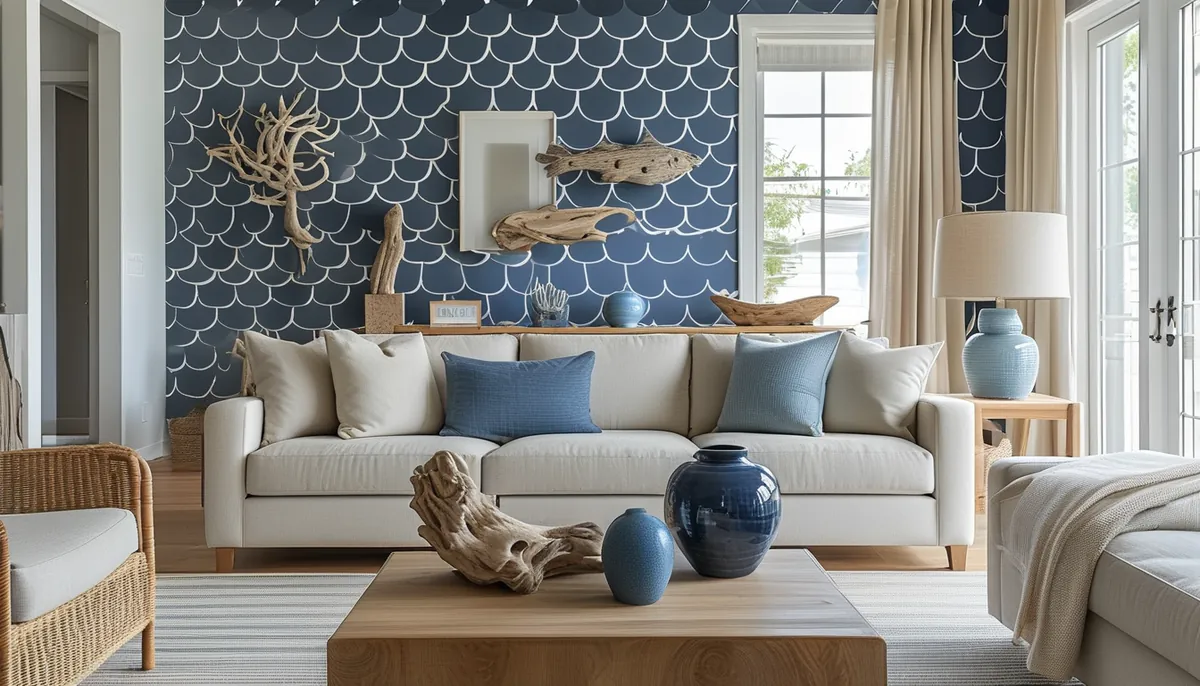
Fish stick wallpaper, often used to evoke a strong nautical or coastal vibe, typically features patterns resembling fish scales, fish silhouettes, or other marine life. The term itself is informal, but it points to a distinct decorative choice. When selecting this style, consider the scale of the pattern and how it will interact with your room’s dimensions and existing decor.
Understanding fish stick wallpaper patterns
The core appeal of fish stick wallpaper lies in its ability to create texture and visual interest reminiscent of the sea. Patterns can range from tightly packed, small-scale scales that mimic a shimmering school of fish to larger, more stylized fish shapes. Some designs incorporate a distressed or weathered look, enhancing the coastal feel, while others offer a cleaner, more contemporary interpretation.
Consider the color palette. Traditional nautical themes often lean towards blues, whites, and sandy beiges. However, modern takes can include vibrant accent colors or even metallic finishes. The material of the wallpaper also plays a role. Most modern options are peel and stick, making installation and removal straightforward. You can find these in vinyl, which is durable and washable, or even textured papers that add another layer of depth.
Where to use fish stick wallpaper
Bathrooms are a natural fit for fish stick wallpaper. The moisture resistance of vinyl options makes them practical for areas prone to humidity. A powder room can become a charming, themed escape with a subtle fish scale pattern. For a bolder statement, consider it for an accent wall in a living room or dining area, especially if you have a home with a coastal influence or you’re aiming for a vacation home feel.
Kids’ rooms and playrooms are also excellent candidates. A playful fish pattern can spark imagination and add a fun element to a child’s space. In a home office, a muted fish stick design can add a touch of personality without being overwhelming. If you’re looking for a new way to update your walls with easy peel and stick wallpaper, fish stick designs offer a unique option.
Key considerations for installation
Before you buy, measure your walls carefully. Most peel and stick wallpapers are sold in rolls with specific coverage areas (e.g., 20.5 inches wide by 33 feet long, covering about 56 square feet). Always buy a little extra to account for pattern matching and potential mistakes. For fish stick patterns, precise pattern matching can be crucial to ensure the scales or fish align seamlessly, creating a cohesive look.
Ensure your walls are clean, dry, and smooth. Any bumps, grease, or old wallpaper residue will prevent the adhesive from sticking properly and can lead to peeling. For new drywall, ensure it’s primed. When applying, start at a corner or a prominent edge. Use a smoother tool to press the wallpaper onto the wall, working out air bubbles as you go. Peel and stick wallpaper is forgiving, allowing you to reposition it if needed during installation, but try to minimize this to maintain adhesion.
Pattern matching challenges
Some fish stick wallpaper designs have a drop match, meaning the pattern needs to align horizontally between panels. This can be more wasteful of material and requires extra attention. A random match means you can hang panels without worrying about precise horizontal alignment, making installation easier. Always check the product description for the type of match required. For intricate scale patterns, a slight misalignment can be less noticeable than with distinct fish shapes.
Materials and durability
Most peel and stick fish stick wallpapers are made from vinyl or PVC. This material is durable, water-resistant, and typically scrubbable, making it suitable for high-traffic areas or rooms like kitchens and bathrooms. Some higher-end options might use a fabric-backed vinyl or even textured paper for a more premium feel.
The thickness of the wallpaper matters. Thicker materials tend to be more opaque, hiding minor wall imperfections better. They also feel more substantial and are often easier to handle during application. Look for descriptions that mention opacity or thickness if you have textured walls or slight damage you’re trying to cover. If you’re seeking high-quality peel and stick wallpaper, explore options that specify durable materials and good adhesion.
Alternatives and complementary styles
If traditional fish stick patterns feel too literal, consider alternatives that offer a similar aesthetic. Subtle scale patterns in neutral tones can provide texture without being overtly themed. Geometric patterns with rounded shapes can also echo the organic feel of scales. For an abstract take on marine life, look for wallpapers with wave motifs or watercolor depictions of the ocean.
Complementary decor can enhance the nautical theme. Think about accessories like rope accents, driftwood elements, or artwork featuring seascapes. Even simple color choices in furniture and textiles can reinforce the coastal atmosphere. If you’re exploring different types of textured wallpapers, you might also be interested in grasscloth peel and stick wallpaper for a natural, organic look that can also fit a coastal scheme.
Maintaining your fish stick wallpaper
Regular cleaning will keep your wallpaper looking fresh. For most vinyl peel and stick wallpapers, a damp cloth with mild soap is sufficient. Avoid abrasive cleaners, as they can damage the print or the surface. For textured wallpapers, you may need to be gentler. Always test a small, inconspicuous area first if you’re unsure about the cleaning method.
Peel and stick wallpaper is designed for temporary or semi-permanent use. While durable, prolonged exposure to direct sunlight can cause fading over time. If you’re applying it to a wall that receives intense sun, consider using UV-protectant treatments or choosing a more fade-resistant material. When it’s time for a change, the ease of removal is a major advantage. Simply peel it off, usually in large strips, leaving minimal residue. For stubborn adhesive, a little warm water or a specialized remover can help. This is part of why updating your walls with easy peel and stick wallpaper is so appealing.
Common mistakes to avoid
Applying wallpaper over unprimed or dirty walls is a common pitfall. This leads to poor adhesion and a shortened lifespan for the wallpaper. Rushing the installation and not taking the time for proper pattern matching, especially with detailed designs, can result in a disjointed and unprofessional appearance. Don’t assume all walls are perfectly flat; inspect them for imperfections and address them before starting.
Another mistake is not ordering enough wallpaper. Running out mid-project and finding that the dye lot has changed on subsequent rolls can lead to visible color differences. Always order at least 10-15% more than you calculate to be safe. Finally, using harsh cleaning chemicals can damage the surface. Stick to mild solutions recommended for your specific wallpaper material.
Fish stick wallpaper offers a unique way to infuse a nautical charm into your home. By carefully considering the pattern, material, and application, you can create a visually appealing and durable feature wall. Explore the variety of designs available to find the perfect fit for your coastal-inspired space, or use it to add a playful touch anywhere in your home. For more information on the benefits of this type of wall covering, check out our comprehensive guide to peel and stick wallpaper.