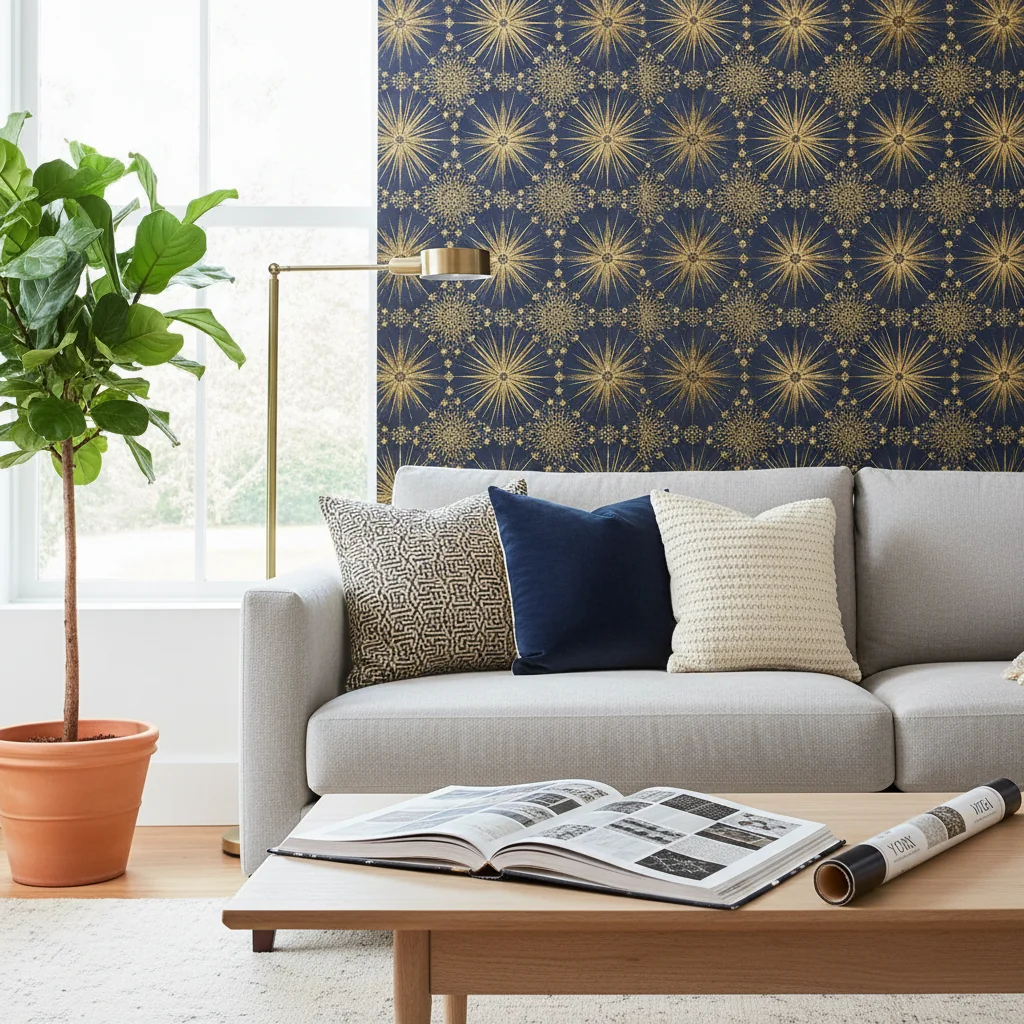
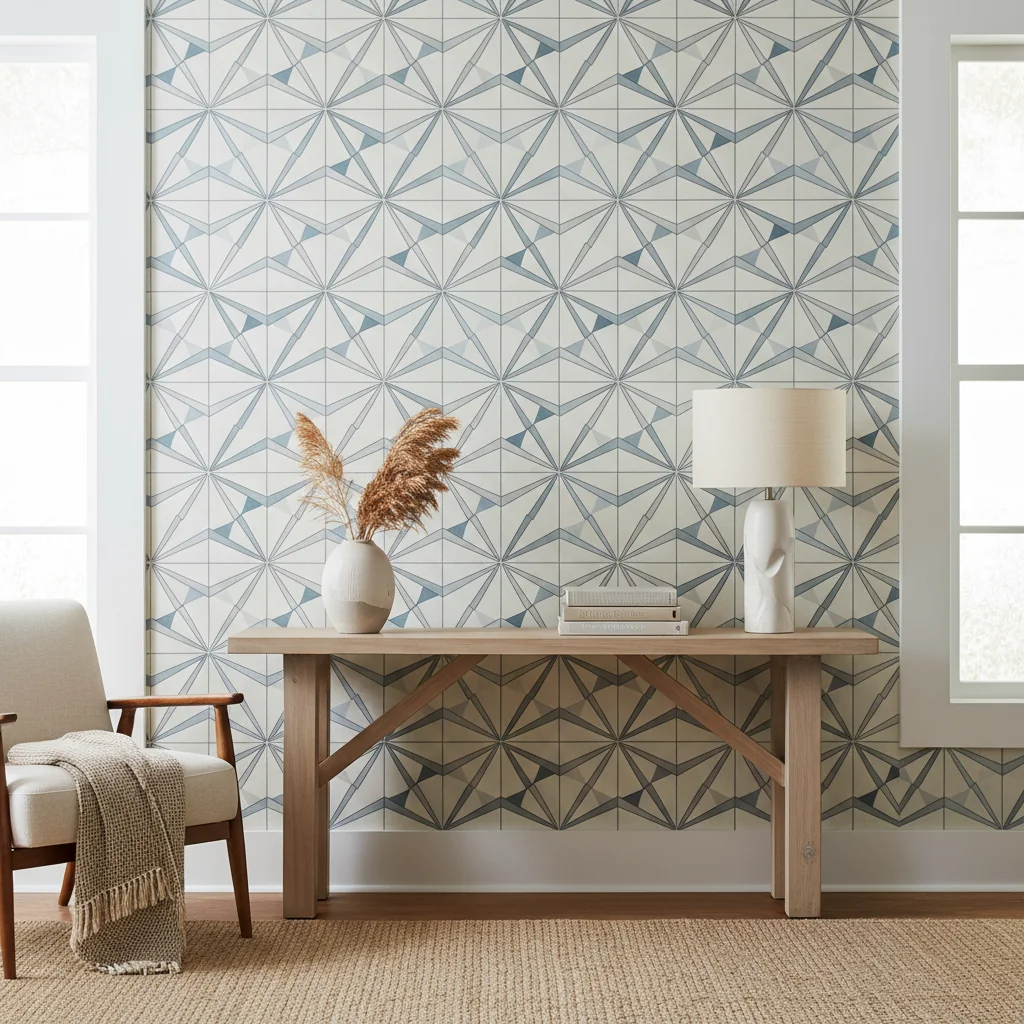
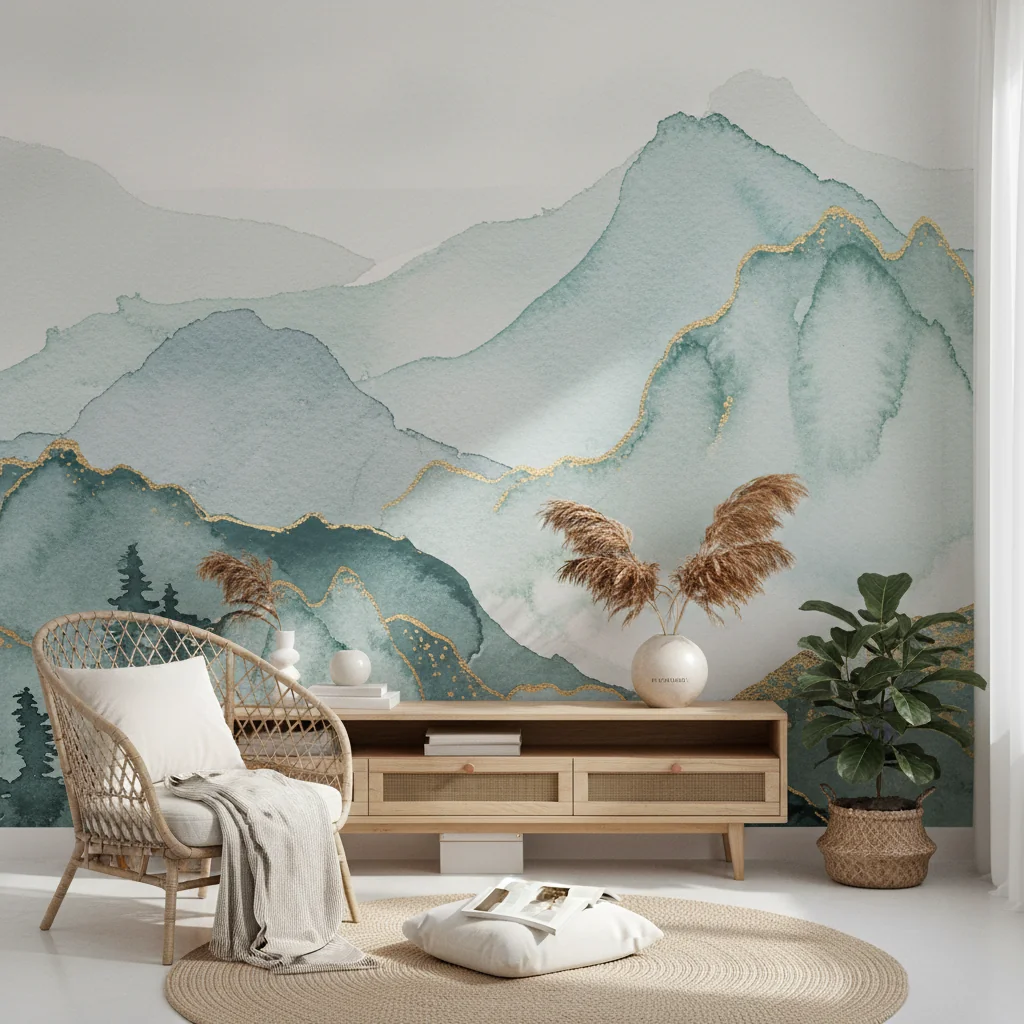
Animal print wallpaper offers a dynamic and sophisticated way to infuse natural elegance and exotic charm into any interior space, transforming mundane walls into captivating focal points. This versatile design element, ranging from subtle textures to bold patterns, provides an immediate visual upgrade, allowing homeowners and designers to express a distinctive aesthetic. At Starhouse, we understand the transformative power of expertly curated wall décor; our collection embraces the enduring allure of animal prints, ensuring every selection meets the highest standards of design and material integrity. Choosing the right animal print wallpaper involves careful consideration of pattern scale, material composition—such as durable vinyl or eco-friendly non-woven options—and installation method, whether it’s a convenient peel-and-stick application or a traditional paste-the-wall approach, all of which contribute to the final aesthetic and longevity of your design statement.
Key takeaways
- Animal print wallpaper is a versatile design element that adds sophistication and exotic flair, suitable for a wide range of interior styles from classic to contemporary.
- Key patterns include leopard, zebra, tiger, cheetah, giraffe, cowhide, and reptile, each offering distinct visual characteristics and design impacts.
- Material choices like peel-and-stick, non-woven, vinyl, and natural fibers dictate durability, ease of installation, and maintenance requirements.
- Successful application hinges on precise measurement, understanding pattern repeat, and considering the room’s function, scale, and existing color palette.
- Current trends favor biophilic designs, monochromatic interpretations, and textured finishes, while classic leopard and zebra prints remain timeless.
- Proper care, tailored to the wallpaper’s material, ensures the longevity and pristine appearance of your animal print investment.
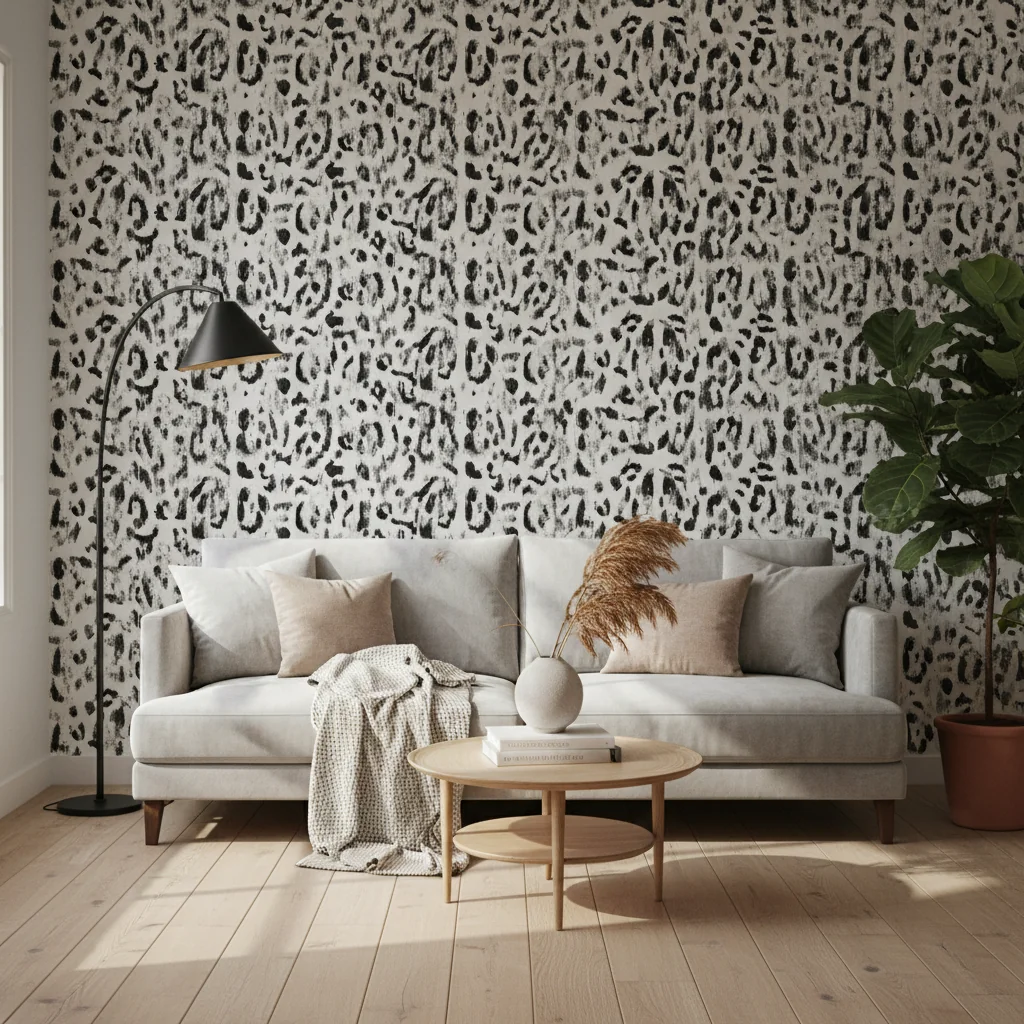
The Enduring Allure of Animal Print Wallpaper
Animal print wallpaper offers a sophisticated and often unexpected way to introduce personality, texture, and a sense of the exotic into interior design, establishing itself as a timeless motif rather than a fleeting trend. Its enduring appeal stems from its intrinsic connection to the natural world, coupled with its historical association with luxury, adventure, and even rebellion, allowing it to transcend stylistic boundaries from traditional to ultra-modern. The inherent complexity and organic nature of these patterns provide visual interest and depth, preventing monotony while fostering a sense of warmth and intrigue in any room.
Historically, animal prints have symbolized status and power, gracing the garments of royalty and the homes of the affluent for centuries. From ancient Egyptian pharaohs adorning themselves with leopard skins to 18th-century European aristocracy incorporating exotic animal motifs into their décor, the fascination with these patterns has deep roots. In the 20th century, animal prints experienced a surge in popularity, particularly in fashion and Hollywood glamor, cementing their place as a symbol of confidence and audacious style. This rich legacy contributes significantly to their continued relevance in contemporary home décor, where they are now appreciated for their versatility and ability to add a layer of curated sophistication.
The beauty of animal print wallpaper lies in its inherent ability to adapt. While a bold, large-scale leopard print might create a dramatic statement wall in a living room, a subtle, monochromatic zebra stripe can offer a refined graphic element in a minimalist powder room. This adaptability is further enhanced by the wide array of colors, textures, and material finishes now available, moving beyond traditional interpretations to include metallic accents, embossed patterns, and even abstract renderings. Whether seeking to create a focal point, add a layer of texture, or simply inject a touch of unexpected charm, animal print wallpaper provides a powerful design tool that continues to captivate and inspire. It serves as a testament to the enduring human desire to connect with the wild, interpreted through the lens of sophisticated interior design.
Modern applications of animal print wallpaper demonstrate a nuanced understanding of its power. Designers often use it to break up monotonous spaces, to define zones within an open-plan layout, or to add an element of surprise in unexpected places like closet interiors or ceiling treatments. The deliberate choice of an animal print pattern can instantly elevate a room, imbuing it with a sense of curated luxury and a narrative of global influence. This design choice is a confident one, reflecting a homeowner’s willingness to embrace bold aesthetics while maintaining an overarching sense of refined taste. The meticulous reproduction of these natural patterns, often with enhanced color palettes or metallic details, ensures that each wallpaper design feels fresh and contemporary, rather than merely derivative. This continuous evolution in design and material technology ensures animal print wallpaper remains a relevant and highly desirable element in the sophisticated home.
Decoding Animal Print Patterns: Types and Characteristics
Understanding the distinct characteristics of various animal print patterns is crucial for selecting the design that best complements your interior aesthetic and desired mood. Each print possesses a unique visual language, influencing the perception of space, light, and overall atmosphere within a room. From the iconic spots of a leopard to the graphic stripes of a zebra, these patterns offer a rich palette for creating diverse design statements.
Leopard Print: The Quintessential Exotic
Leopard print is perhaps the most iconic and widely recognized animal motif, characterized by its rosetted spots—irregular, broken circles of black or dark brown enclosing a lighter, often tawny, center. This print exudes luxury, confidence, and a touch of wild glamor. It is incredibly versatile, capable of appearing both sophisticated and playful depending on its scale, colorway, and surrounding décor. A classic leopard print in its naturalistic tawny and black tones can anchor a traditional or maximalist space, while a monochromatic or metallic rendition might suit a modern or Art Deco-inspired interior. Leopard print wallpaper is a bold choice often used for accent walls in living rooms, powder rooms, or as a luxurious backdrop in a home office.
Zebra Print: Graphic and Striking
Zebra print is defined by its distinctive black and white stripes, which can be either bold and uniform or more organic and irregular, mimicking the natural variations of a zebra’s coat. This high-contrast pattern introduces a strong graphic element to any space, lending itself particularly well to contemporary, minimalist, or Art Deco designs. The stark juxtaposition of black and white creates visual tension and movement, making it an excellent choice for adding drama without introducing additional colors. Zebra print wallpaper works exceptionally well in spaces where a clean, impactful statement is desired, such as a chic entryway, a modern bedroom, or a vibrant powder room. Its graphic nature can also be softened with softer grays or muted tones for a more understated elegance.
Tiger Print: Powerful and Luxurious
Tiger print features bold, irregular black stripes against a warm, often orange-brown or golden-yellow background. This pattern evokes a sense of power, majesty, and exotic luxury. Unlike the more fragmented leopard print, tiger stripes tend to be longer and more fluid, creating a dynamic and commanding presence. Tiger print wallpaper is ideal for spaces where a strong, opulent statement is desired, such as a formal dining room, a dramatic study, or a master bedroom seeking a touch of regal exoticism. It pairs beautifully with rich textures like velvet and polished wood, enhancing its inherent lavishness.
Cheetah Print: Refined and Elegant
Often confused with leopard print, cheetah print is distinguished by its solid black, distinct, round or oval spots that do not form rosettes. These spots are typically smaller and more evenly spaced than leopard rosettes, giving the cheetah print a more refined, delicate, and understated elegance. It offers a sophisticated alternative for those who desire an animal print but prefer a less overtly wild aesthetic. Cheetah print wallpaper works well in spaces that aim for subtle luxury, such as a sophisticated dressing room, a serene bedroom, or an elegant study. Its inherent grace allows it to blend seamlessly into both traditional and contemporary settings, offering a touch of exoticism without overwhelming the senses.
Giraffe Print: Geometric and Subtle
Giraffe print features large, irregular, polygonal patches of brown or reddish-brown against a lighter, often creamy or tan background. This pattern is inherently more geometric and less overtly “wild” than other feline prints, offering a softer, more organic aesthetic. Its unique, abstract quality makes it a sophisticated choice for adding texture and visual interest without overwhelming a space. Giraffe print wallpaper is excellent for creating a calming yet distinctive atmosphere, suitable for living rooms, nurseries, or offices where a subtle touch of nature is desired. It pairs beautifully with natural materials and a neutral color palette, enhancing its earthy appeal.
Cowhide Print: Rustic and Monochromatic
Cowhide print typically features irregular patches of black, brown, or tan against a white or off-white background, mimicking the natural markings of a cow. This print brings a rustic, farmhouse-chic, or modern Western vibe to interiors. It is often less about exoticism and more about grounded, natural textures and a sense of authenticity. Cowhide print wallpaper can introduce a playful yet sophisticated element, particularly in monochromatic schemes. It is well-suited for informal living spaces, cozy studies, or even a child’s room with a ranch-inspired theme. Its organic shapes provide visual softness while maintaining a bold presence.
Snake/Reptile Print: Textured and Avant-Garde
Reptile prints, such as snake or crocodile, are characterized by their intricate, often scaled textures and patterns. These prints tend to be more subtle in color, often featuring muted tones of gray, brown, green, or black, but compensate with significant tactile and visual texture. They exude a sleek, modern, and sometimes edgy sophistication. Reptile print wallpaper is an excellent choice for adding an unexpected layer of luxury and avant-garde style, particularly in contemporary or industrial-chic interiors. It works well in small, impactful spaces like a powder room, a bar area, or as a dramatic accent in a minimalist setting, offering depth without overt pattern. The subtle shimmer or embossed finish often found in these wallpapers enhances their luxurious appeal.
Bird and Feather Motifs: Whimsical and Delicate
While not strictly “animal print” in the traditional sense of fur or skin patterns, wallpaper featuring bird and feather motifs often falls into the broader “animal-themed” category and offers a more whimsical, delicate, or biophilic alternative. These designs can range from realistic depictions of exotic birds and intricate feather patterns to abstract interpretations. They introduce a sense of lightness, freedom, and natural beauty. Bird and feather motif wallpaper is perfect for creating serene bedrooms, elegant dining rooms, or charming nurseries, offering a softer, more narrative approach to incorporating animal-inspired design. These prints often feature a wider array of colors and can introduce botanical elements, further enhancing their naturalistic charm.
Considering a bold statement for your walls? Animal print wallpaper offers unparalleled style. Starhouse is curating a collection designed to inspire and transform your home. Tell us what you’re looking for, and get early access to our exclusive selections: tell us what you’re looking for.
Choosing among these diverse animal print patterns involves not only personal preference but also a careful consideration of the room’s function, scale, and existing décor. Each print tells a different story and contributes a distinct energy, allowing for highly personalized and impactful design outcomes. Understanding these nuances empowers you to select a wallpaper that truly resonates with your vision for a sophisticated and stylish home.
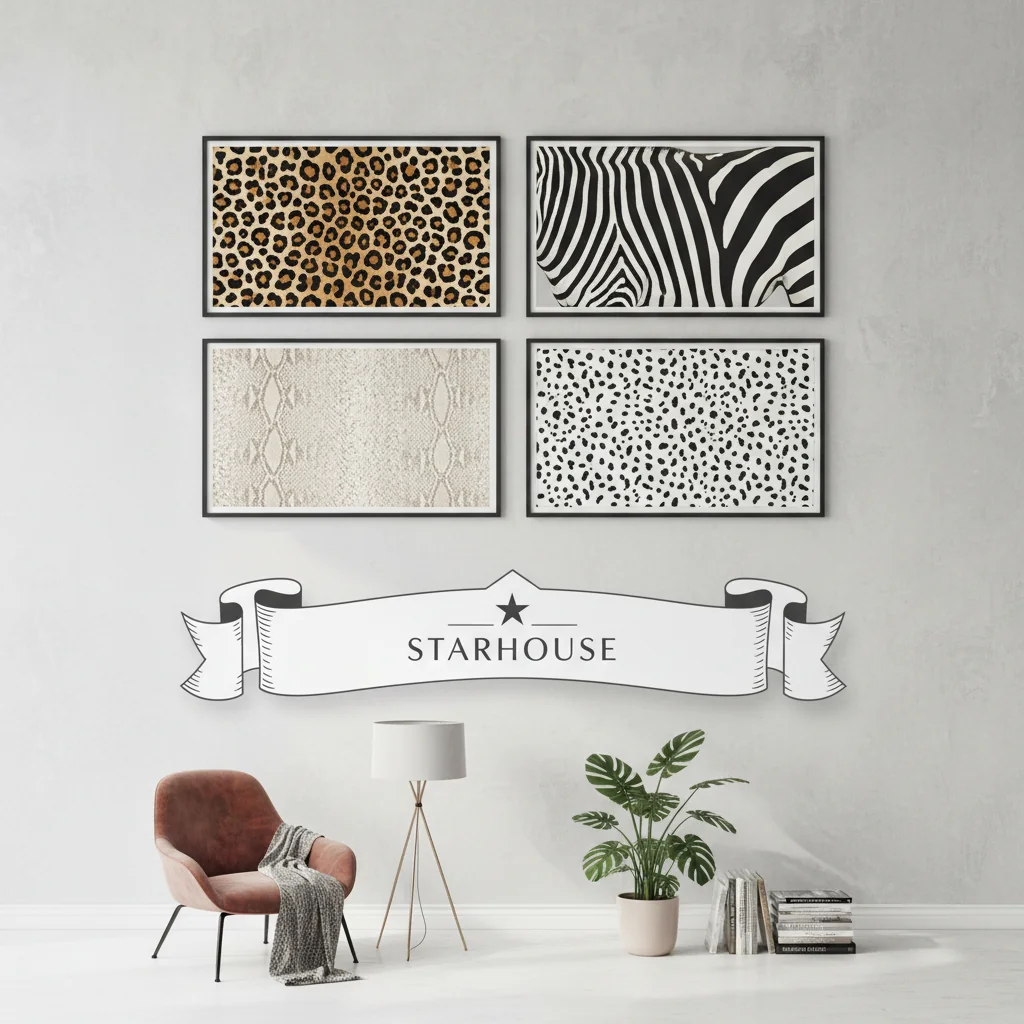
Animal print wallpaper is a decorative wall covering that replicates the patterns found on the fur, skin, or feathers of various animals, offering a sophisticated and often exotic aesthetic for interior spaces.
Materials and Construction: Understanding Your Options
The material and construction of animal print wallpaper significantly impact its durability, ease of installation, maintenance requirements, and overall aesthetic quality, making material selection as critical as pattern choice. Different materials offer distinct advantages, from temporary solutions for renters to highly durable options for high-traffic commercial spaces. Understanding these differences ensures you choose a wallpaper that not only looks stunning but also performs effectively in your specific environment.
Peel-and-Stick Wallpaper (Self-Adhesive)
Peel-and-stick wallpaper is a self-adhesive wall covering designed for easy application and removal, making it ideal for renters or temporary design updates. This material typically consists of a vinyl or fabric-based substrate with an adhesive backing protected by a removable liner. Its primary advantage is the ease of installation—no messy paste is required—and its non-damaging removal, which makes it perfect for apartments, dorms, or for those who enjoy frequently changing their décor. While generally less durable than traditional pasted options, modern peel-and-stick wallpapers have improved significantly in quality, offering good resistance to moisture and light scrubbing. They are excellent for accent walls, furniture facelings, or temporary thematic rooms like nurseries, where a long-term commitment is not desired.
Non-Woven Wallpaper
Non-woven wallpaper is a popular and versatile option, constructed from a blend of natural and synthetic fibers, making it breathable, tear-resistant, and dimensionally stable. This material is renowned for its “paste-the-wall” application method, which simplifies installation by applying adhesive directly to the wall rather than the paper, reducing mess and making alignment easier. Non-woven wallpapers are also celebrated for their easy removal; they typically peel off in full strips without damaging the wall surface, making them a favored choice for homeowners who anticipate future redecorating. They are generally washable, durable, and resistant to mold and mildew, making them suitable for a wide range of rooms, including bedrooms, living areas, and even bathrooms with proper ventilation.
Vinyl Wallpaper
Vinyl wallpaper is one of the most durable and practical options available, consisting of a paper or fabric backing coated with a layer of vinyl (polyvinyl chloride, or PVC). The vinyl layer provides exceptional resistance to moisture, stains, and abrasion, making it highly washable and scrubbable. This makes vinyl wallpaper an excellent choice for high-traffic areas such as hallways, kitchens, bathrooms, and commercial settings where frequent cleaning is necessary. Vinyl wallpapers are available in various thicknesses and finishes, including textured, embossed, and smooth. While some concerns about VOCs (Volatile Organic Compounds) exist with certain older vinyl products, modern vinyl wallpapers often meet strict indoor air quality standards. Their robustness ensures a long-lasting and low-maintenance wall covering solution.
Grasscloth and Natural Fiber Wallcoverings
Grasscloth and other natural fiber wallcoverings (like jute, sisal, or hemp) offer unparalleled texture and an organic, earthy aesthetic. These materials are woven from natural fibers, typically hand-applied to a paper backing. The beauty of natural fiber wallcoverings lies in their subtle variations in color and texture, which create a unique, artisanal look that cannot be replicated by synthetic materials. They introduce a sophisticated, biophilic element, adding warmth and depth to a space. However, natural fiber wallcoverings are generally more delicate than vinyl, less washable, and can be more challenging to install due to their natural variations and vulnerability to moisture. They are best suited for low-traffic areas such as bedrooms, dining rooms, or studies where their inherent beauty can be appreciated without risk of damage.
Fabric-Backed Vinyl Wallpaper
Fabric-backed vinyl wallpaper combines the best attributes of vinyl durability with a more robust fabric substrate, making it an exceptionally strong and stable option. This heavy-duty wallcovering is often found in commercial and hospitality settings due to its superior tear resistance, scrubbability, and longevity. The fabric backing provides added strength and helps prevent shrinkage or expansion, ensuring a smooth, long-lasting installation. While often thicker and more expensive, fabric-backed vinyl is an excellent investment for areas requiring maximum durability and ease of maintenance, such as commercial lobbies, high-traffic corridors, or even busy family homes where children and pets are a factor. It is a premium choice for those seeking the ultimate in performance and aesthetic retention.
Paper Wallpaper
Traditional paper wallpaper consists of a printed paper substrate, often with a protective coating. While less common for animal prints due to the desire for durability, paper wallpapers can offer exquisite prints and a classic, matte finish. They are generally less expensive upfront but are less durable, less washable, and more prone to tearing during installation or removal compared to other materials. They require careful handling and are best suited for low-humidity, low-traffic areas where a delicate finish is prioritized. Modern paper wallpapers can still be a beautiful choice for specific design aesthetics, particularly when a traditional or handcrafted feel is desired.
Here’s a comparison of common wallpaper materials:
| Material Type | Durability | Installation | Maintenance | Ideal Use Cases | Approx. Cost per sq ft (USD) |
|---|---|---|---|---|---|
| Peel-and-Stick | Moderate (good for temporary) | Very Easy (self-adhesive) | Wipeable | Rentals, accent walls, DIY projects, temporary decor | $2.00 – $6.00 |
| Non-Woven | Good (tear-resistant) | Easy (paste-the-wall) | Washable, scrubbable | Living rooms, bedrooms, dining rooms, bathrooms | $3.00 – $8.00 |
| Vinyl | Excellent (highly durable) | Moderate (paste-the-paper/wall) | Highly Washable, scrubbable | Kitchens, bathrooms, hallways, high-traffic areas, commercial | $4.00 – $10.00 |
| Grasscloth/Natural Fibers | Delicate (prone to damage) | Challenging (fragile, pattern variation) | Spot clean only (not washable) | Low-traffic areas, studies, formal dining rooms, bedrooms | $8.00 – $20.00+ |
| Fabric-Backed Vinyl | Superior (heavy-duty) | Moderate (paste-the-wall) | Highly Washable, scrubbable | Commercial spaces, busy family homes, high-wear areas | $7.00 – $15.00+ |
| Paper | Lower (tear-prone) | Moderate (paste-the-paper) | Delicate (lightly wipeable) | Low-traffic areas, traditional settings, bedrooms | $1.50 – $5.00 |
When selecting your animal print wallpaper, consider the environment it will inhabit. A powder room might tolerate a more delicate material, while a busy hallway demands the resilience of vinyl. Starhouse curates options across all these material types, ensuring that both aesthetic desires and practical needs are met with precision and quality.
Choosing the Right Animal Print for Your Space
Selecting the ideal animal print wallpaper for your home involves a thoughtful assessment of several key factors, including the room’s function, its size and natural light, your existing décor style, and the psychological impact you wish to achieve. A well-chosen print can elevate a space, while an ill-suited one can create visual discord or overwhelm the senses. Precision in matching the print to the environment is paramount for a cohesive and sophisticated outcome.
Consider the Room’s Function
- Powder Rooms & Entryways: These smaller, often transitional spaces are perfect for bold, dramatic animal prints. A vibrant leopard or graphic zebra can create an unexpected “jewel box” effect, offering a powerful first impression without overwhelming a large area. Since these rooms typically have less furniture, the wallpaper can truly shine as the main artistic statement.
- Bedrooms: For a sanctuary like a bedroom, consider softer, more subdued animal prints or those with a natural, organic feel. A subtle cheetah pattern, a monochromatic giraffe print, or even a delicate bird motif can introduce elegance and texture without disrupting tranquility. An accent wall behind the bed is a popular choice, providing a focal point that doesn’t dominate the entire room.
- Living Rooms & Dining Rooms: These communal spaces can accommodate a range of animal prints, from sophisticated and understated to bold and dramatic. The key is to balance the print with other elements in the room. A large-scale tiger print might create a luxurious backdrop in a formal dining room, while a more abstract or textural animal print could add depth to a contemporary living area. Consider the overall mood you want to evoke—glamorous, cozy, or adventurous.
- Home Offices & Studies: Animal prints can infuse a home office with personality and a sense of refined power. A classic leopard or a sleek reptile print can inspire confidence and creativity. Opt for patterns that feel sophisticated and less distracting, perhaps in deeper, richer tones or with metallic accents.
- Nurseries & Children’s Rooms: While traditional animal prints might seem intense, whimsical or stylized animal motifs, such as cartoonish safari animals or softer, pastel-colored versions of classic prints, can be charming. A subtle giraffe print can create a playful yet sophisticated backdrop, or a friendly animal mural can spark imagination.
Scale and Proportion
The size of the animal print pattern relative to the room’s dimensions and the wall’s expanse is a critical design consideration. A general rule of thumb is to match the scale of the print to the scale of the room. Large, expansive prints, like an oversized leopard rosette or broad zebra stripes, are best suited for larger walls or rooms with high ceilings where they have space to breathe and make a grand statement. In contrast, smaller, more intricate patterns, such as a delicate cheetah spot or a tightly woven reptile texture, are ideal for smaller rooms, accent walls, or areas with many architectural details, preventing the space from feeling overwhelmed. Misjudging scale can lead to a cramped feeling or, conversely, a lost impact. Always consider how much of the pattern will be visible and how it will interact with furniture and artwork.
Color Palette and Existing Décor
The colorway of the animal print wallpaper plays a significant role in its integration with your existing décor. Traditional animal prints often feature naturalistic browns, blacks, and creams, which serve as excellent neutrals that can complement a wide range of color schemes. For a more contemporary look, consider animal prints in unexpected colors like deep blues, emerald greens, grays, or even metallics. Ensure the chosen print’s colors harmonize with your furniture, textiles, and other wall art. If your room is already rich in color or pattern, opt for a more subdued, monochromatic, or textural animal print. Conversely, in a room with a neutral base, a vibrant animal print can serve as the primary color injection and focal point.
Light Exposure
The amount of natural and artificial light a room receives will influence how an animal print wallpaper appears. In rooms with abundant natural light, you have more flexibility to choose darker or bolder prints without making the space feel heavy. Conversely, in dimly lit rooms, lighter-colored animal prints or those with reflective qualities (like subtle metallic accents or a slight sheen) can help brighten the space and prevent it from feeling claustrophobic. Always test a sample of the wallpaper in your room at different times of day to observe how the lighting affects the pattern and color.
By carefully evaluating these factors, you can confidently select an animal print wallpaper that not only reflects your personal style but also enhances the overall harmony and sophistication of your Starhouse interior. The right choice transforms a wall into an art piece, contributing significantly to the home’s unique narrative.
Sizing and Measuring: Precision for a Flawless Installation
Accurate sizing and meticulous measuring are fundamental steps for a successful wallpaper installation, ensuring a seamless finish, minimizing waste, and preventing costly errors. Precise calculations account for wall dimensions, pattern repeat, and necessary trim allowances, guaranteeing that you order the correct quantity of wallpaper rolls for a professional-looking result. Overlooking these critical details can lead to mismatched patterns or insufficient material, compromising the entire design.
Step-by-Step Measuring Guide
Follow these steps to accurately measure your walls and estimate the number of wallpaper rolls required:
- Measure Wall Height: Measure the height of the wall from the baseboard to the ceiling. If your ceiling height varies, take measurements at several points and use the tallest measurement for your calculations. For sloped ceilings, measure the tallest point and the shortest point, and consult a professional or average for complex calculations.
- Measure Wall Width: Measure the width of each wall you intend to wallpaper. For walls with doors or windows, measure the full width first, then measure the width and height of the openings. While you won’t wallpaper over these areas, it’s often simpler to calculate the full wall and then account for waste during cutting, especially with pattern repeats.
- Calculate Total Square Footage: Multiply the total height by the total width for each wall to get its square footage. Add the square footage of all walls together to get the total area to be covered.
- Account for Pattern Repeat: This is a crucial step for animal print wallpapers, as most feature a repeating design. The pattern repeat measurement (e.g., 21 inches, 25.2 inches) is usually listed on the wallpaper specifications. You must add this measurement to the height of each strip you cut to ensure the pattern aligns from one strip to the next. This means each cut strip will be longer than the actual wall height.
- Estimate Number of Strips per Roll: Divide the length of one wallpaper roll (e.g., 33 feet or 396 inches for a standard single roll) by the adjusted height of each strip (wall height + pattern repeat). This will tell you how many full strips you can get from a single roll.
- Calculate Number of Rolls Needed:
- Determine how many strips are needed to cover the width of your wall(s). Divide the total width of the wall(s) by the width of one wallpaper strip (e.g., 20.5 inches or 27 inches for standard rolls). Round up to the nearest whole number.
- Divide the total number of strips needed by the number of strips you can get from one roll (calculated in step 5). Round up to the nearest whole number. This is your estimated roll count.
- Add for Waste and Future Repairs: Always order at least one extra roll, or 10-15% more than your calculated amount, to account for trimming, pattern matching errors, and potential future repairs. This is particularly important for large, intricate animal prints where waste from pattern matching can be significant.
Important Considerations for Different Wallpaper Types
- Peel-and-Stick: While easier to install, pattern repeat still applies. Ensure you have enough overlap for alignment. Some peel-and-stick options are designed for less waste with smaller repeats or random matches.
- Pre-pasted vs. Unpasted: Pre-pasted wallpaper has adhesive already applied to the back, activated by water. Unpasted requires separate adhesive application. Both require precise measurement, but unpasted might offer slightly more flexibility for minor adjustments during installation before the adhesive fully sets.
- Professional Installation: For intricate patterns, expensive materials like grasscloth, or large-scale projects, consider hiring a professional wallpaper hanger. They possess the expertise to handle complex pattern matches, difficult architectural features, and ensure a flawless, long-lasting finish, often saving time and preventing costly mistakes.
For example, if you have a wall that is 8 feet (96 inches) high and 12 feet (144 inches) wide, and your wallpaper has a 21-inch pattern repeat and is 20.5 inches wide per roll:
- Adjusted strip height: 96 inches (wall height) + 21 inches (pattern repeat) = 117 inches.
- Standard roll length: 33 feet = 396 inches.
- Strips per roll: 396 inches / 117 inches = 3.38. You get 3 full strips per roll.
- Number of strips needed for width: 144 inches (wall width) / 20.5 inches (strip width) = 7.02. You need 8 strips.
- Total rolls needed: 8 strips / 3 strips per roll = 2.66. You need to purchase 3 rolls.
- Add an extra roll for waste/future repairs: 3 + 1 = 4 rolls.
Accurate measurement and calculation are the bedrock of any successful wallpaper project. Taking the time to perform these steps meticulously will pay dividends in the final aesthetic and the longevity of your animal print wallpaper installation.
Current Trends and Enduring Styles in Animal Print Wallpaper
Animal print wallpaper, while a perennial favorite, continually evolves to align with contemporary design sensibilities, showcasing new interpretations, textures, and color palettes. Understanding both the prevailing trends and the timeless staples ensures that your selection remains stylish and relevant for years to come, offering a blend of modern flair and classic sophistication. The dynamic nature of interior design means that even classic motifs are reimagined to fit current aesthetic demands.
Maximalism: Bold and Layered Prints
The resurgence of maximalism embraces a “more is more” philosophy, making animal print wallpaper a cornerstone of this opulent style. In this trend, bold, large-scale animal prints are not merely accents but central design elements, often paired with other patterns, rich textures, and vibrant colors. Think a dramatic tiger print on all four walls of a dining room, complemented by velvet chairs, ornate mirrors, and an abundance of art. This approach celebrates individuality and a fearless approach to design, creating spaces that are visually stimulating, layered, and deeply personal. It encourages mixing different animal prints, or an animal print with a floral or geometric, for a truly eclectic and curated look.
Biophilic Design: Natural Elements and Subtle Motifs
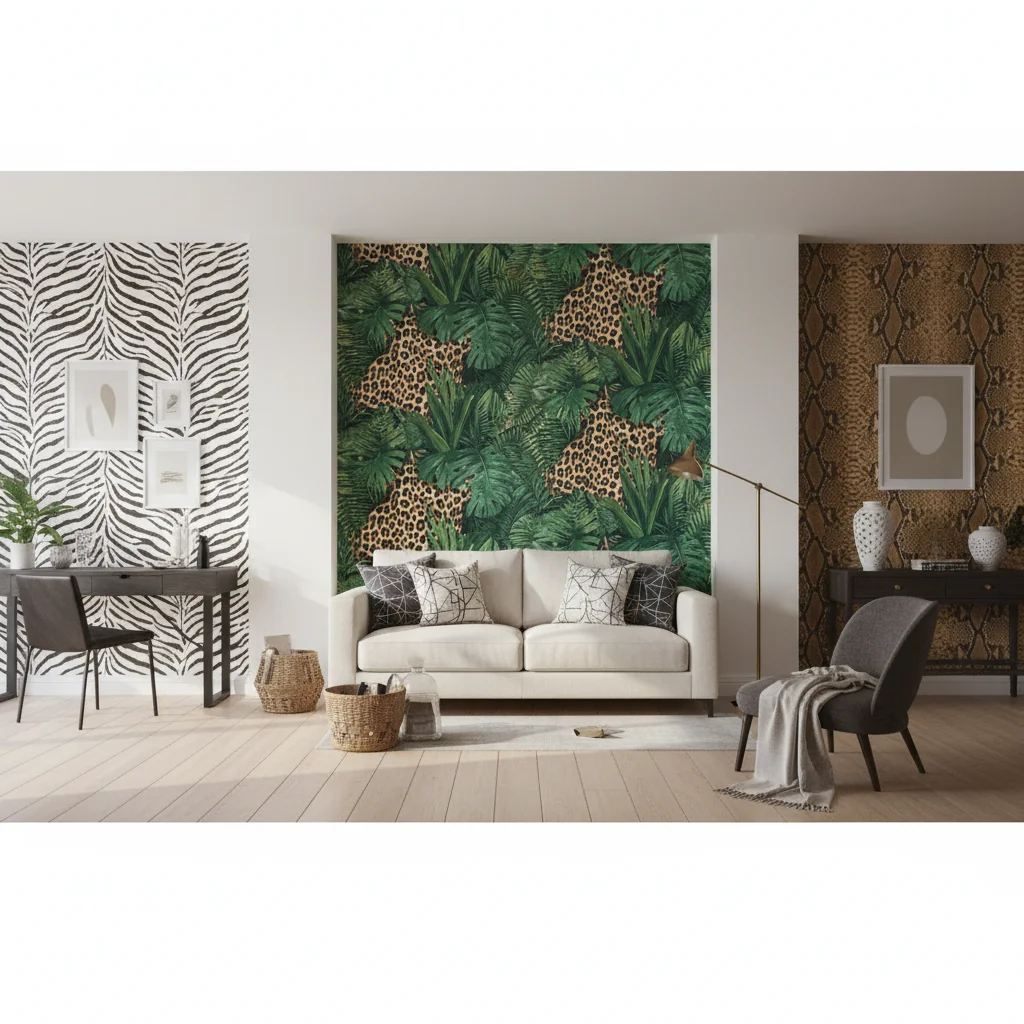
Biophilic design is an architectural and interior design approach that connects occupants with nature through direct and indirect natural elements, aiming to improve well-being. In the context of animal print wallpaper, this trend manifests in more naturalistic, organic interpretations. This includes prints that mimic animal textures in subdued, earthy tones, or patterns that integrate animal motifs with botanical elements, such as leopards peering through lush jungle foliage. The focus is on creating a calming, restorative environment that subtly brings the outdoors in, using softer color palettes and less aggressive pattern repeats. Giraffe prints, subtle bird motifs, and textured grasscloth-style wallpapers with animal patterns are particularly popular in biophilic-inspired spaces, fostering a sense of tranquility and connection to nature.
Art Deco Revival: Glamorous and Geometric Animal Prints
The enduring appeal of Art Deco design, characterized by geometric shapes, luxurious materials, and a sense of sophisticated glamor, finds a perfect partner in animal print wallpaper. This trend features animal prints that are often stylized, simplified, or rendered in metallic finishes like gold, silver, or bronze. Think sleek zebra stripes with a metallic sheen, or leopard spots arranged in a more uniform, almost geometric grid. The color palette often includes deep jewel tones—emerald green, sapphire blue, ruby red—paired with classic black and white or rich neutrals. Art Deco animal prints evoke an era of lavishness and elegance, ideal for creating a sophisticated and dramatic statement in a living room, bar area, or master suite.
Monochromatic Prints: Sophisticated and Understated
For those who appreciate the impact of animal print but prefer a more refined and understated aesthetic, monochromatic animal prints are a leading trend. This involves using a single color, or shades within a single color family, to render the animal pattern. For instance, a subtle gray-on-gray leopard print, a black-on-charcoal tiger stripe, or an ivory-on-cream zebra pattern. These prints offer texture and visual interest without overwhelming the space with color, allowing for a sophisticated backdrop that pairs beautifully with minimalist or contemporary interiors. Monochromatic animal prints are excellent for creating a sense of quiet luxury and depth, appealing to those who desire elegance without overt flash.
Textural Play: Embossed, Flocked, and Metallic Finishes
Beyond the visual pattern, contemporary animal print wallpapers are increasingly incorporating tactile and reflective elements to enhance their appeal. Embossed finishes add a three-dimensional quality, mimicking the actual texture of fur or scales, while flocked wallpapers feature raised, velvety patterns that invite touch. Metallic accents, whether subtle shimmer or bold reflective elements, introduce glamor and help to bounce light around the room, adding depth and a sense of luxury. These textural and metallic finishes elevate animal print wallpaper from a simple graphic to a multi-sensory experience, making the walls a tactile and visually dynamic feature. They are particularly effective in creating a high-end, bespoke feel.
Enduring Classics: Leopard and Zebra
Despite the emergence of new trends, classic leopard and zebra prints remain timeless staples in interior design. Their iconic status and inherent versatility ensure they never truly go out of style. A traditional leopard print in its natural colorway offers warmth and exoticism, while a black and white zebra print provides graphic impact and modern sophistication. These patterns serve as reliable choices for those seeking to invest in a design element that will maintain its appeal through changing trends, demonstrating their enduring power to transform and elevate any space with a touch of the wild. They are the foundational elements upon which many new interpretations are built, proving that some designs are simply too powerful to fade away.
By integrating these current trends with an appreciation for classic styles, Starhouse empowers you to select an animal print wallpaper that not only reflects your personal taste but also positions your home at the forefront of contemporary interior design, ensuring a space that is both fashionable and enduringly chic.
Care and Maintenance for Longevity
Proper care and routine maintenance are essential for preserving the beauty and extending the lifespan of your animal print wallpaper, protecting your investment and ensuring its pristine appearance for years. Different wallpaper materials require specific cleaning methods and protective measures; understanding these nuances prevents damage and helps maintain the vibrant patterns and textures. Neglecting appropriate care can lead to fading, staining, or premature deterioration of the wallcovering.
Identifying Your Wallpaper’s Washability Rating
Before any cleaning, it is critical to identify the washability rating of your specific wallpaper, usually indicated by symbols on the product label or specifications. These ratings dictate how much moisture and abrasion the material can withstand:
- Wipeable: Can be gently wiped with a damp cloth to remove light dirt. Avoid scrubbing. Common for delicate paper-based or unsealed wallpapers.
- Washable: Can be cleaned with a damp cloth and mild soap. Suitable for most non-woven and some vinyl-coated papers.
- Scrubbable: Can withstand more rigorous cleaning with a soft brush and detergent. Typically applies to durable vinyl or fabric-backed vinyl wallpapers.
- Extra Scrubbable: Designed for heavy-duty cleaning and high-traffic areas, offering maximum durability. Common in commercial-grade vinyls.
- Non-Washable: Materials like grasscloth or natural fibers cannot be wet-cleaned. Dusting or very light vacuuming is the only option.
General Cleaning Guidelines
Once you know your wallpaper’s rating, follow these general cleaning steps:
- Dust Regularly: For all wallpaper types, regular dusting with a soft, dry cloth or a duster with an extendable handle is crucial. This prevents dust buildup that can dull the print and attract moisture. For non-washable materials like grasscloth, a soft brush attachment on a vacuum cleaner can gently remove dust from crevices.
- Spot Clean Immediately: Address spills and marks as soon as they occur. For washable and scrubbable wallpapers, use a clean, soft sponge or cloth dampened with lukewarm water and a very mild, non-abrasive soap (like diluted dish soap). Gently blot the stain, working from the outside in to prevent spreading. Avoid harsh chemicals, abrasive cleaners, or excessive rubbing, which can damage the finish or remove the print.
- Dry Thoroughly: After wet cleaning, gently wipe the area with a clean, dry cloth to remove any excess moisture. Allowing wallpaper to remain damp can lead to watermarks, mold, or mildew, especially in poorly ventilated areas.
- Test in an Inconspicuous Area: Always test any cleaning solution or method on a small, hidden area of the wallpaper (e.g., behind furniture or in a closet) first to ensure it does not cause discoloration or damage.
Preventing Damage and Ensuring Longevity
- Sunlight Exposure: Prolonged exposure to direct sunlight can cause animal print wallpaper to fade, particularly prints with vibrant colors. Consider using UV-protective window films, blinds, or curtains in rooms with intense sun exposure to minimize fading.
- Moisture and Humidity: High humidity can cause wallpaper to peel, bubble, or develop mildew. Ensure good ventilation in bathrooms and kitchens. Use exhaust fans during showers or cooking. For areas prone to splashes, consider highly water-resistant vinyl wallpaper or apply a clear, protective topcoat specifically designed for wallpaper if the material allows.
- Physical Damage: Protect wallpaper from physical abrasions, scuffs, and tears. In high-traffic areas or homes with children and pets, consider using protective wall guards or choosing more durable, scrubbable wallpaper materials. Be mindful when moving furniture or hanging artwork to avoid accidental damage.
- Temperature Fluctuations: Extreme temperature changes can cause wallpaper to expand and contract, potentially leading to seams opening or peeling. Maintain a relatively stable indoor temperature to mitigate this risk.
- Professional Installation: A properly installed wallpaper is less prone to damage. Ensure walls are clean, dry, and properly primed. Professional installers use the correct adhesives and techniques, which contribute significantly to the wallpaper’s longevity and adherence.
By adhering to these care and maintenance guidelines, your animal print wallpaper will continue to be a stunning and captivating feature in your home, maintaining its exotic allure and sophisticated charm for many years. Regular, gentle attention is key to preserving its beauty and structural integrity.
Styling and Pairing: Integrating Animal Print Wallpaper Seamlessly
Successfully integrating animal print wallpaper into your interior design goes beyond merely hanging it on the wall; it involves thoughtful styling and careful pairing with furniture, textiles, lighting, and accessories to create a cohesive and sophisticated aesthetic. The goal is to balance the inherent boldness of the print with complementary elements, ensuring the space feels curated and harmonious rather than chaotic or overwhelming. Achieving this balance transforms a striking pattern into an integral part of a refined design narrative.
Complementary Color Palettes
The choice of a complementary color palette is paramount when working with animal print wallpaper. The most effective approach often involves grounding the vibrant print with neutrals, then layering in accent colors.
- Neutrals: Earth tones like beige, tan, cream, off-white, and shades of brown naturally complement most animal prints, creating a sophisticated and organic foundation. Black and charcoal gray provide a strong, modern contrast that enhances the drama of patterns like zebra or tiger.
- Jewel Tones: For a luxurious and opulent feel, pair animal prints with rich jewel tones such as emerald green, sapphire blue, ruby red, or amethyst purple. These deep, saturated colors resonate with the exotic origins of animal prints and elevate the space with a sense of glamor.
- Metallics: Gold, brass, and bronze accents beautifully enhance the warmth and luxury of leopard and tiger prints, adding a touch of Art Deco elegance. Silver and chrome provide a sleek, modern contrast, particularly effective with black and white zebra or monochromatic reptile prints.
- Soft Pinks & Blushes: Unexpectedly, soft pinks and blush tones can create a sophisticated and feminine contrast to bolder animal prints, softening their impact while maintaining an elevated aesthetic.
The key is to select one or two accent colors and repeat them throughout the room in various elements to create visual flow.
Furniture Styles and Materials
The furniture chosen to accompany animal print wallpaper should either complement its style or provide a deliberate contrast for visual interest.
- Modern & Contemporary: Sleek, minimalist furniture with clean lines and solid colors provides a sophisticated counterpoint to a bold animal print. Consider lacquered surfaces, glass, or polished chrome to enhance a modern aesthetic.
- Traditional & Classic: Rich, dark wood furniture, upholstered pieces in velvet or leather, and antique accents can create a luxurious, old-world safari feel. A classic leopard print pairs beautifully with Chesterfield sofas and ornate side tables.
- Bohemian & Eclectic: Animal prints are a natural fit for bohemian interiors. Mix and match vintage finds, natural wood pieces, rattan, and globally inspired textiles. A cowhide or giraffe print can ground an eclectic space.
- Mid-Century Modern: The organic shapes and warm wood tones of Mid-Century Modern furniture can be beautifully offset by a graphic zebra or a subtle cheetah print, creating a harmonious blend of styles.
Ensure that the scale of your furniture is appropriate for the room and the print, avoiding pieces that are too bulky or too small, which could disrupt the balance.
Textiles and Layering
Textiles are crucial for adding warmth, softness, and another layer of visual interest to a room with animal print wallpaper.
- Solid Colors & Textures: Use solid-colored drapery, rugs, pillows, and throws in colors that complement the wallpaper. Opt for rich textures like velvet, silk, linen, faux fur, or chunky knits to add depth and tactile appeal.
- Subtle Patterns: If mixing patterns, choose complementary designs with a different scale or style. For example, a small geometric or a delicate stripe can work with a bold animal print, as long as the colors are coordinated. Avoid competing patterns that are too similar in scale or intensity.
- Faux Fur: A faux fur throw or rug can enhance the animal print theme, adding a touch of cozy luxury without being overtly literal.
Lighting
Thoughtful lighting can dramatically enhance the effect of animal print wallpaper.
- Ambient Lighting: Overhead fixtures, such as chandeliers or flush mounts, provide general illumination. For animal prints, consider fixtures that cast a warm, inviting glow.
- Accent Lighting: Use sconces, picture lights, or strategically placed spotlights to highlight the wallpaper’s texture or particular details of the pattern. This can create dramatic shadows and emphasize the three-dimensionality of embossed or flocked prints.
- Task Lighting: Table lamps and floor lamps add layers of light and contribute to the room’s ambiance. Choose lamps with shades that complement the wallpaper’s color scheme.
Art and Accessories
Accessorizing a room with animal print wallpaper requires a discerning eye to avoid clutter and maintain sophistication.
- Minimalist Approach: In rooms with bold animal print wallpaper, consider a more minimalist approach to accessories. A few carefully chosen pieces of art, sculptural objects, or plants can be more impactful than many small items.
- Framed Art: Choose artwork with frames that complement the wallpaper—sleek black for modern, ornate gold for traditional. The art itself can be abstract, botanical, or even photographic, as long as its colors and style harmonize with the overall scheme.
- Natural Elements: Incorporate plants, oversized pottery, or wooden accents to reinforce the natural and exotic feel.
- Mirrors: Large mirrors can reflect the wallpaper, making the pattern feel more expansive and brightening the room.
- Personal Touches: Display personal collections or travel souvenirs that resonate with the adventurous spirit of animal prints.
By meticulously considering these styling and pairing elements, you can transform a room featuring animal print wallpaper into a truly captivating and cohesive space that reflects both your unique taste and the sophisticated aesthetic Starhouse champions. The goal is to create a dialogue between the walls and the furnishings, resulting in a harmonious and memorable design.
Common Mistakes to Avoid When Choosing Animal Print Wallpaper
While animal print wallpaper offers immense potential for sophisticated design, several common missteps can detract from its impact and lead to a less-than-desirable outcome. Avoiding these pitfalls ensures your chosen print enhances your space with elegance and style, rather than creating visual discord or an overwhelming effect. Precision in planning and execution is key to harnessing the transformative power of these bold patterns.
1. Overdoing It: Too Much Print
One of the most frequent mistakes is applying animal print wallpaper to every wall in a room, especially with a very bold or large-scale pattern, without proper consideration for balance. This can quickly make a room feel claustrophobic, chaotic, and overwhelming, diminishing the print’s inherent allure.
Correction: For most spaces, especially with prominent prints like leopard or tiger, an accent wall is often the most effective approach. This allows the print to be a striking focal point without dominating the entire room. In smaller spaces like powder rooms, you can wallpaper all walls for a “jewel box” effect, but ensure other elements are minimalist to maintain sophistication. For an all-over application in larger rooms, opt for more subtle, monochromatic, or textural animal prints, such as a tone-on-tone zebra or a delicate cheetah pattern, to add depth without visual overload.
2. Ignoring Scale and Proportion
Failing to consider the scale of the animal print in relation to the size of the room and the wall it covers is a critical error. A large, bold pattern in a tiny room can make the space feel even smaller and cluttered, while a very small, intricate pattern on an expansive wall might get lost and lack impact.
Correction: Match the scale of the print to the scale of the room. Use larger, more open patterns in spacious rooms or on large, uninterrupted walls. Reserve smaller, more detailed patterns for compact areas, accent walls, or spaces with architectural features where the detail can be appreciated up close. Always view a sample of the wallpaper at a distance and consider how the pattern repeats across the entire wall.
3. Clashing Patterns and Colors
Introducing animal print wallpaper into a room that already features multiple competing patterns or a clashing color palette can result in a visually jarring and unharmonious environment. The animal print should either be the dominant pattern or work in concert with existing elements.
Correction: When incorporating animal print, consider it a strong design statement. If you have other patterns in the room (e.g., on upholstery or rugs), ensure they are either complementary in style and color or significantly different in scale to avoid competition. A general rule is to pair a bold animal print with solid colors or very subtle textures in your furnishings and textiles. If mixing patterns, ensure they share a common color thread to tie them together. Stick to a cohesive color palette that either draws from the wallpaper or provides a sophisticated contrast.
4. Poor Surface Preparation
Skipping essential wall preparation steps before installation is a common mistake that undermines the final appearance and longevity of the wallpaper. Uneven surfaces, dirt, or improper priming can lead to bubbles, peeling, or visible imperfections.
Correction: Thoroughly clean the walls, ensuring they are free of dust, grease, and debris. Repair any cracks or holes and sand smooth. Apply a high-quality primer specifically designed for wallpaper installation. This creates a uniform surface, aids adhesion, and facilitates easier removal in the future. For best results, especially with dark or highly textured wallpapers, consider a tinted primer that matches the background color of your wallpaper.
5. Choosing Low-Quality Materials
Opting for the cheapest wallpaper available without considering its material quality, durability, and print clarity can lead to disappointment. Low-quality wallpapers may tear easily, fade quickly, or have a less refined appearance, ultimately costing more in the long run due to premature replacement.
Correction: Invest in high-quality wallpaper from reputable brands. Consider the material type (vinyl, non-woven, peel-and-stick) based on the room’s function and traffic level. High-quality animal print wallpapers offer superior print definition, richer colors, better durability, and easier installation/removal. At Starhouse, we prioritize curated selections that meet stringent quality standards, ensuring your investment enhances your home for years.
6. Neglecting Pattern Repeat
Underestimating the importance of pattern repeat during measurement and installation can lead to insufficient material or awkward, mismatched seams. This is particularly crucial for animal prints, where precise alignment is key to a naturalistic and seamless look.
Correction: Always factor in the pattern repeat when calculating the number of rolls needed and when cutting strips. Purchase extra rolls to account for waste from matching the pattern. During installation, carefully align each strip to ensure the animal print flows continuously across the wall, creating an uninterrupted visual effect.
By being mindful of these common mistakes, you can approach your animal print wallpaper project with confidence and achieve a stunning, professionally finished result that truly elevates your Starhouse interior. Thoughtful planning and attention to detail are the hallmarks of sophisticated design.
Is animal print wallpaper still in style?
Yes, animal print wallpaper remains a timeless and sophisticated design element, evolving beyond fleeting trends to become a perennial favorite in interior design. Its enduring appeal is rooted in its ability to add exoticism, texture, and a sense of curated luxury, making it suitable for both classic and contemporary aesthetics, often seen in renewed interpretations like monochromatic or biophilic designs.
Can I use animal print wallpaper in a small room?
Absolutely, animal print wallpaper can be highly effective in small rooms, particularly powder rooms or compact entryways, where a bold pattern can create a dramatic “jewel box” effect. For smaller spaces, consider using a large-scale print on an accent wall to prevent overwhelming the room, or opt for a subtle, monochromatic, or textural animal print on all walls to add depth without visual clutter.
What’s the best way to clean animal print wallpaper?
The best cleaning method depends on the wallpaper’s material and washability rating. Most non-woven and vinyl wallpapers are washable or scrubbable and can be gently cleaned with a damp cloth and mild soap. Delicate materials like grasscloth are non-washable and should only be dusted or vacuumed with a soft brush attachment. Always test any cleaning solution in an inconspicuous area first.
Is peel-and-stick animal print wallpaper durable?
Modern peel-and-stick animal print wallpaper offers good durability for temporary or low-to-medium traffic areas, typically lasting several years with proper care. While generally less robust than traditional pasted vinyl or fabric-backed vinyl, advancements in adhesive and material quality have made them more resistant to moisture and light scrubbing, suitable for renters or frequent redecorators.
How do I calculate how much animal print wallpaper I need?
To calculate wallpaper needs, measure the height and width of each wall to get total square footage. Crucially, account for the pattern repeat by adding its length to the wall height when determining strip length. Divide the total wall width by the wallpaper strip width to find the number of strips needed. Then, divide the total strips by the number of strips per roll. Always round up and purchase at least one extra roll (10-15% overage) for waste and future repairs.
What colors pair well with leopard print wallpaper?
Leopard print wallpaper pairs exceptionally well with a range of colors. Classic pairings include neutrals like black, white, cream, beige, and various shades of brown for a sophisticated, natural look. For a more dramatic effect, combine it with rich jewel tones such as emerald green, sapphire blue, or ruby red. Metallics like gold and brass also enhance its luxurious appeal, adding a touch of glamour.
Is animal print wallpaper suitable for a child’s room?
Yes, animal print wallpaper can be suitable for a child’s room, especially if you choose whimsical, stylized, or softer interpretations of animal motifs. Cartoonish safari animals, pastel-colored giraffe prints, or delicate bird patterns can create a playful yet sophisticated environment. Avoid overly bold or realistic prints that might feel too intense for a child’s space, opting instead for designs that spark imagination and comfort.
Conclusion: Unleash Your Wild Side with Starhouse
Animal print wallpaper stands as a testament to enduring style, offering an unparalleled ability to transform any interior into a space of sophisticated drama and curated elegance. From the timeless allure of leopard to the graphic impact of zebra, and the subtle textures of reptile prints, each pattern provides a unique narrative, allowing for highly personalized and impactful design statements. We have explored the diverse types, essential material considerations, precise measurement techniques, evolving trends, crucial care instructions, and expert styling advice, all designed to empower you in making an informed and confident choice.
At Starhouse, we believe that your home should be a reflection of your distinct personality and aspirations. Our curated collection of wall décor, furnishings, textiles, and lighting is meticulously selected to inspire and enable you to create spaces that are both beautiful and functionally refined. Choosing animal print wallpaper is a bold declaration of style, and with the right guidance, it becomes a seamless integration that elevates your entire home. Let your walls tell a story of adventure, luxury, and impeccable taste.
As Starhouse prepares to launch its exquisite collection, we are eager to understand what truly resonates with your design vision. We invite you to share your desires for your space and be among the first to explore our offerings. Tell us what you’re looking for, and get early access to our exclusive selections: tell us what you’re looking for. Unleash your wild side with confidence and transform your home into a Starhouse masterpiece.