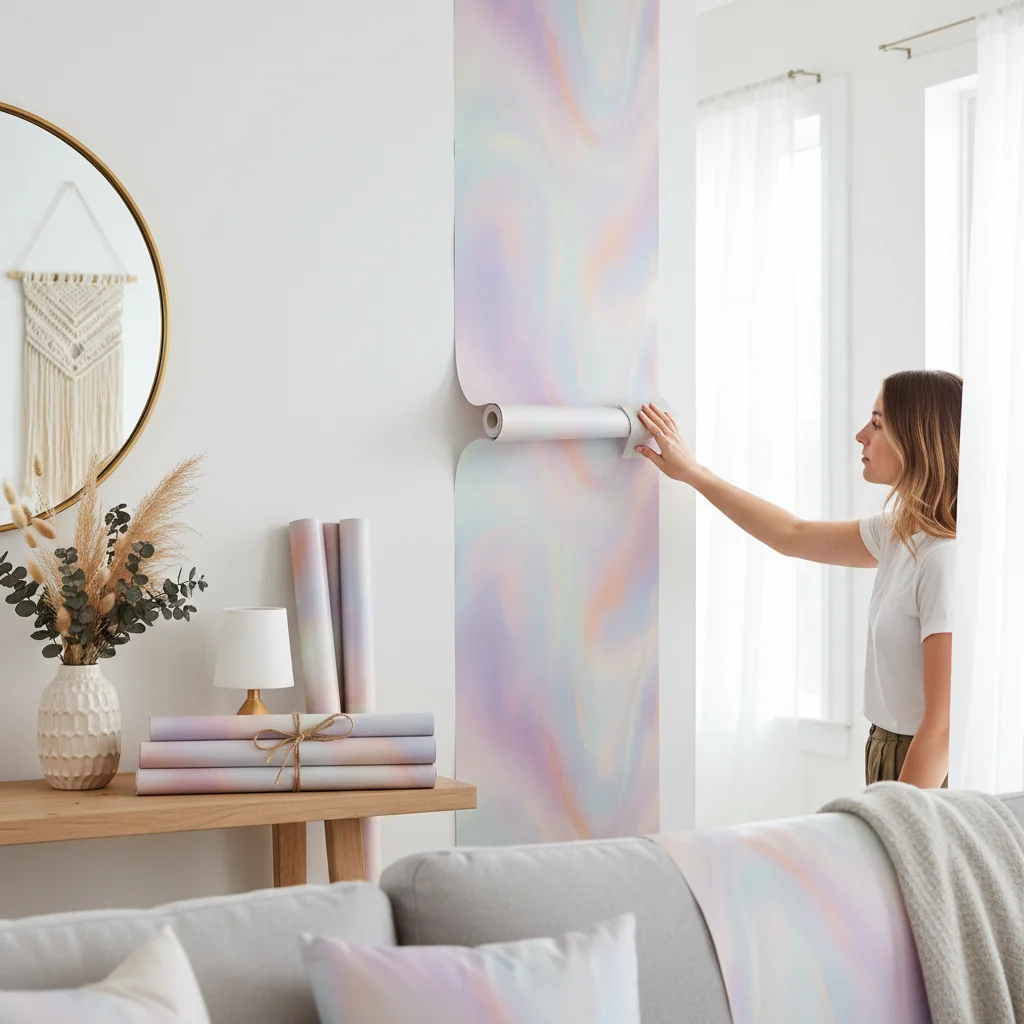
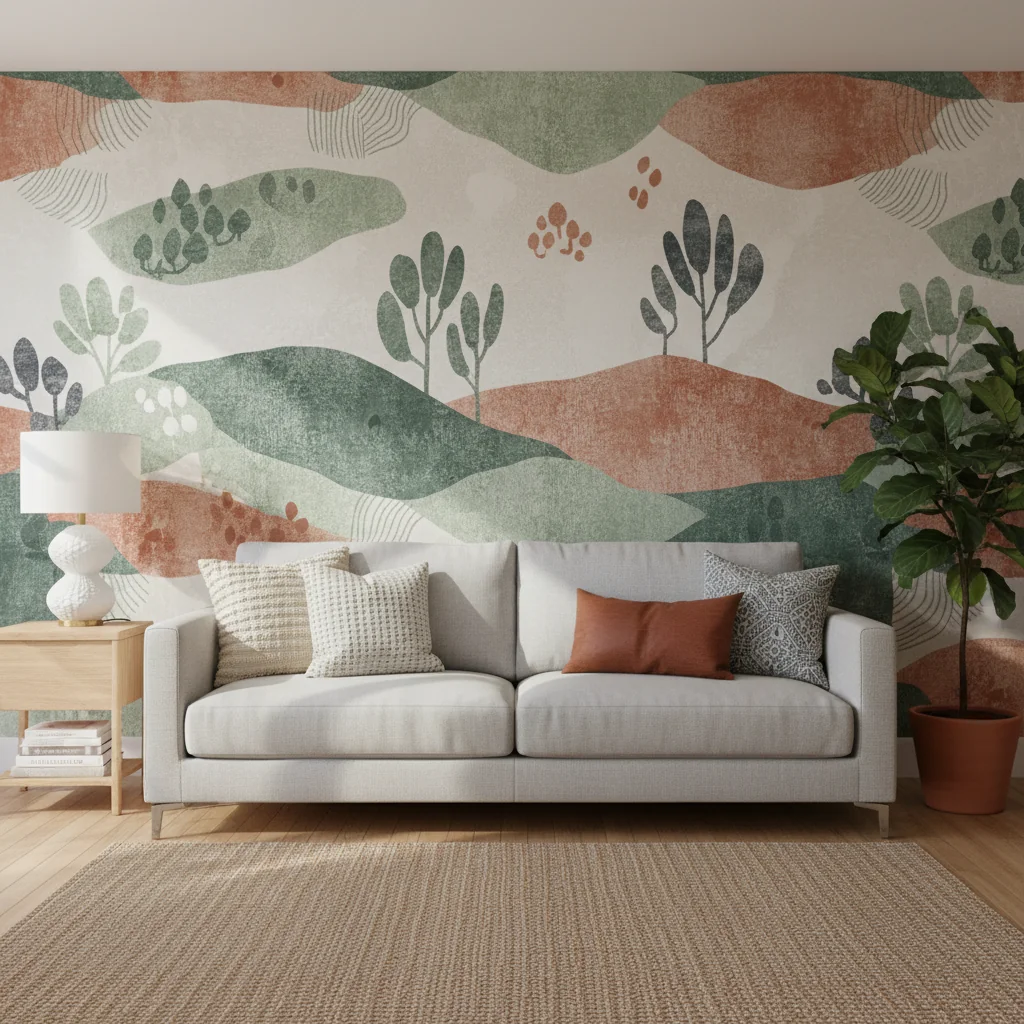
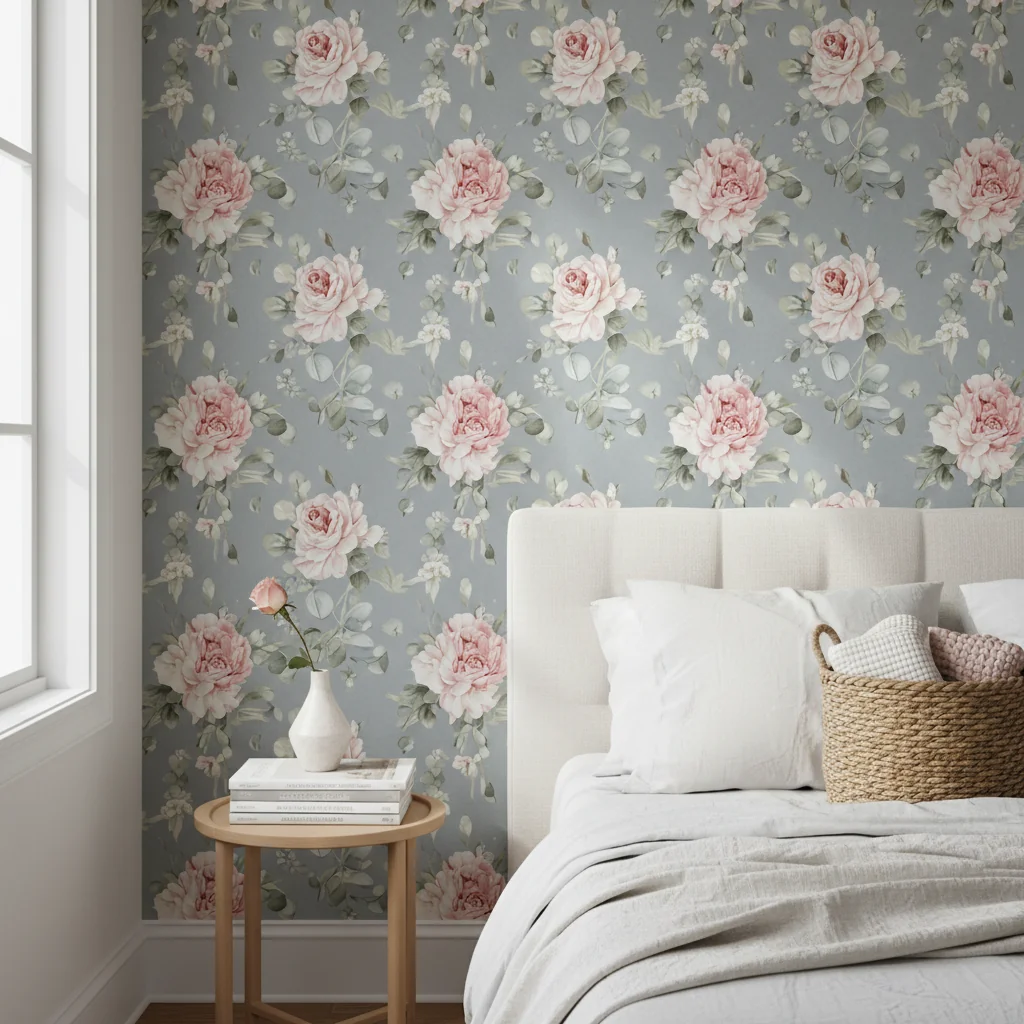
High-quality peel and stick wallpaper represents a revolutionary advancement in home décor, offering a sophisticated, versatile, and damage-free solution for transforming interiors with ease and precision. This innovative wallcovering technology combines premium materials, advanced adhesive formulations, and superior print resolution to deliver durable, aesthetically refined results that mimic the look and feel of traditional wallpaper without the commitment or complexity of paste application. It is a design solution engineered for both aesthetic impact and practical convenience, ensuring a flawless finish that can be updated or removed as design preferences evolve.
At Starhouse, we understand that your home is a canvas for your personal expression, and every detail contributes to its unique narrative. This comprehensive guide delves into the world of high-quality peel and stick wallpaper, providing an authoritative resource for discerning homeowners and design enthusiasts across the United States. We will explore the critical factors that define premium peel and stick options, from material science and adhesive technology to design aesthetics and practical application. Our aim is to equip you with the precise knowledge needed to select, install, and maintain a wallcovering that elevates your space with enduring style and confidence.
Key Takeaways
- High-quality peel and stick wallpaper is defined by superior material composition, advanced repositionable adhesive, and high-resolution, colorfast printing.
- Material options include durable vinyl, soft fabric, and breathable non-woven types, each suited for different functional and aesthetic requirements.
- Accurate wall measurement, including pattern repeat consideration and adding a buffer, is crucial for flawless installation and minimizing material waste.
- Proper wall preparation, involving cleaning, smoothing, and priming, is paramount to ensure optimal adhesion and prevent common installation issues.
- Maintaining peel and stick wallpaper typically involves gentle cleaning with a damp cloth and mild soap, avoiding harsh chemicals to preserve its integrity.
- The versatility of premium peel and stick wallpaper allows for diverse styling, from creating impactful accent walls to defining entire rooms with cohesive design.
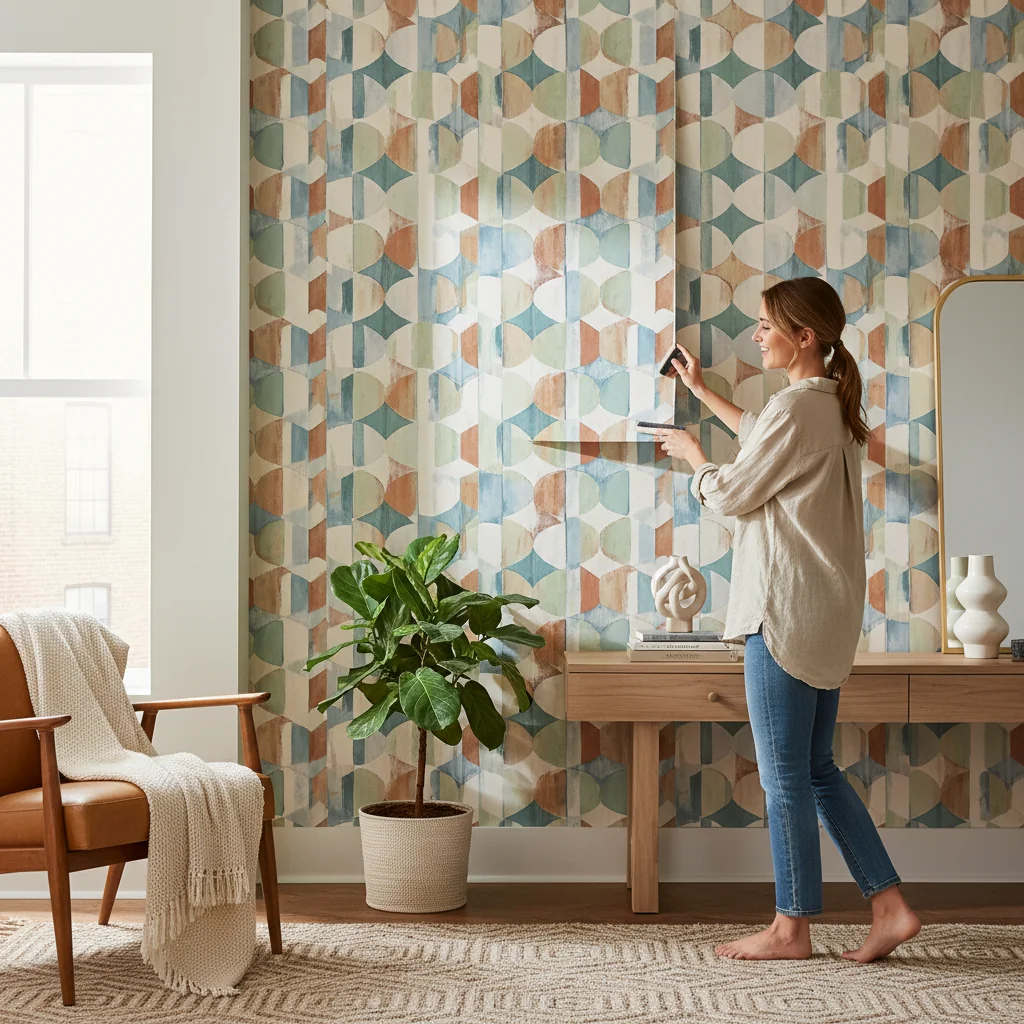
What Defines High-Quality Peel and Stick Wallpaper?
High-quality peel and stick wallpaper is defined by a confluence of superior material composition, advanced adhesive technology, and meticulous printing processes, ensuring both aesthetic excellence and practical functionality. Unlike lower-grade alternatives, premium options offer exceptional durability, ease of installation, and residue-free removal, making them a preferred choice for discerning homeowners. This distinction is critical for achieving a professional, long-lasting finish that truly enhances a space.
The foundation of any high-quality peel and stick wallpaper lies in its base material. Premium options typically utilize robust vinyl, textile-based fabrics, or non-woven blends, selected for their strength, texture, and ability to hold vibrant colors. These materials resist tearing during installation and removal, maintaining their structural integrity over time. The choice of base material directly influences the product’s feel, finish, and suitability for various environments.
Adhesive technology is another cornerstone of quality. High-quality peel and stick wallpapers employ a specialized repositionable adhesive that allows for precise adjustments during installation without losing tackiness. This adhesive is engineered to bond securely to properly prepared surfaces, preventing bubbling and peeling, yet it removes cleanly without damaging the underlying paint or drywall, leaving no sticky residue. This dual functionality is a hallmark of premium products.
Furthermore, the fidelity of the print is a non-negotiable aspect of high quality. Premium wallpapers feature high-resolution designs with exceptional color saturation and accuracy. This means intricate patterns are crisp, photographic murals are lifelike, and solid colors are uniformly rich. Superior printing processes also ensure colorfastness, meaning the wallpaper resists fading when exposed to sunlight, maintaining its original vibrancy for years.
Peel and stick wallpaper is a self-adhesive wallcovering featuring a backing that is peeled away to expose an adhesive layer, allowing for direct application to a surface without the need for additional paste.
Repositionable adhesive is a type of pressure-sensitive adhesive formulated to allow temporary bonding and re-adjustment of materials multiple times without losing its stickiness or leaving residue upon final removal.
Types of High-Quality Peel and Stick Wallpaper Materials
High-quality peel and stick wallpapers are primarily crafted from durable vinyl, soft fabric, or breathable non-woven materials, each offering distinct advantages in terms of durability, texture, and application suitability for various environments. Understanding these material differences is essential for making an informed choice that aligns with both functional needs and aesthetic aspirations. Each type brings a unique set of characteristics to the table, influencing the final look and longevity of your wallcovering.
Vinyl Peel and Stick Wallpaper
Vinyl-based peel and stick wallpaper is renowned for its exceptional durability and practical resilience, making it a robust choice for high-traffic areas and moisture-prone environments. This material is typically composed of a vinyl film layer over a paper or fabric backing, offering a smooth finish that is both protective and easy to clean. Its inherent strength makes it resistant to tearing and scuffing, ensuring a long-lasting aesthetic.
A significant advantage of vinyl wallpaper is its superior moisture resistance. This characteristic makes it an ideal solution for kitchens, bathrooms, and laundry rooms, where humidity and splashes are common. For instance, reputable sources highlight vinyl as a top choice for such applications due to its ability to withstand damp conditions without warping or peeling, contributing to a hygienic and easily maintained surface. As noted by Wayfair, vinyl is among the top moisture-resistant peel and stick wallpaper options, providing both aesthetic appeal and practical functionality in humid spaces. Its non-porous surface also simplifies cleaning; spills and marks can typically be wiped away with a damp cloth and mild soap, maintaining the wallpaper’s pristine appearance.
Vinyl wallpapers often feature a slight sheen or a matte finish, depending on the specific product, and can convincingly replicate a wide range of textures, including wood grain, marble, or concrete. This versatility allows for sophisticated design effects without the cost or complexity of genuine materials.
Fabric (Textile-based) Peel and Stick Wallpaper
Fabric-based peel and stick wallpaper offers a distinctive tactile experience and a sophisticated, often matte, aesthetic that introduces warmth and depth to a space. This type of wallpaper is typically made from polyester fabric or a blend, providing a softer, more breathable alternative to vinyl. The textile nature contributes to a premium feel and an elegant, understated visual appeal.
The primary appeal of fabric wallpaper lies in its luxurious texture. It can impart a subtle woven look, creating a sense of dimension and softness that smooth vinyl cannot replicate. This makes it an excellent choice for bedrooms, living rooms, and dining areas where comfort and a refined ambiance are desired. The matte finish often associated with fabric wallpapers absorbs light rather than reflecting it, contributing to a more subdued and sophisticated atmosphere.
While generally durable, fabric wallpapers may require slightly more gentle care than their vinyl counterparts, particularly regarding spills or heavy scrubbing. They are less suitable for high-moisture environments like bathrooms unless specifically treated for water resistance. However, their breathability can be an advantage in certain climates, helping to prevent moisture buildup behind the wallcovering.
Non-Woven Peel and Stick Wallpaper
Non-woven peel and stick wallpaper represents a modern advancement in wallcovering technology, combining the best attributes of durability, breathability, and environmental consideration. This material is typically a blend of natural and synthetic fibers, such as cellulose and polyester, bonded together to create a strong yet flexible sheet. Its composition offers a balance of resilience and ease of handling.
A key characteristic of non-woven wallpaper is its exceptional breathability, which helps prevent mildew and mold growth by allowing moisture vapor to pass through the material. This makes it a healthier option for interiors, particularly in areas where air circulation might be a concern. Furthermore, non-woven materials are often considered more environmentally friendly due to their composition and the fact that they are typically PVC-free.
Non-woven peel and stick wallpapers are notably easy to install and, crucially, to remove. They tend to peel off in full sheets without tearing, leaving minimal to no residue, which is a significant advantage for renters or those who enjoy frequent design updates. They offer a smooth, often matte finish that takes print beautifully, allowing for sharp details and vibrant colors across a wide range of designs. This material strikes an excellent balance between aesthetic versatility, practical performance, and ease of maintenance.
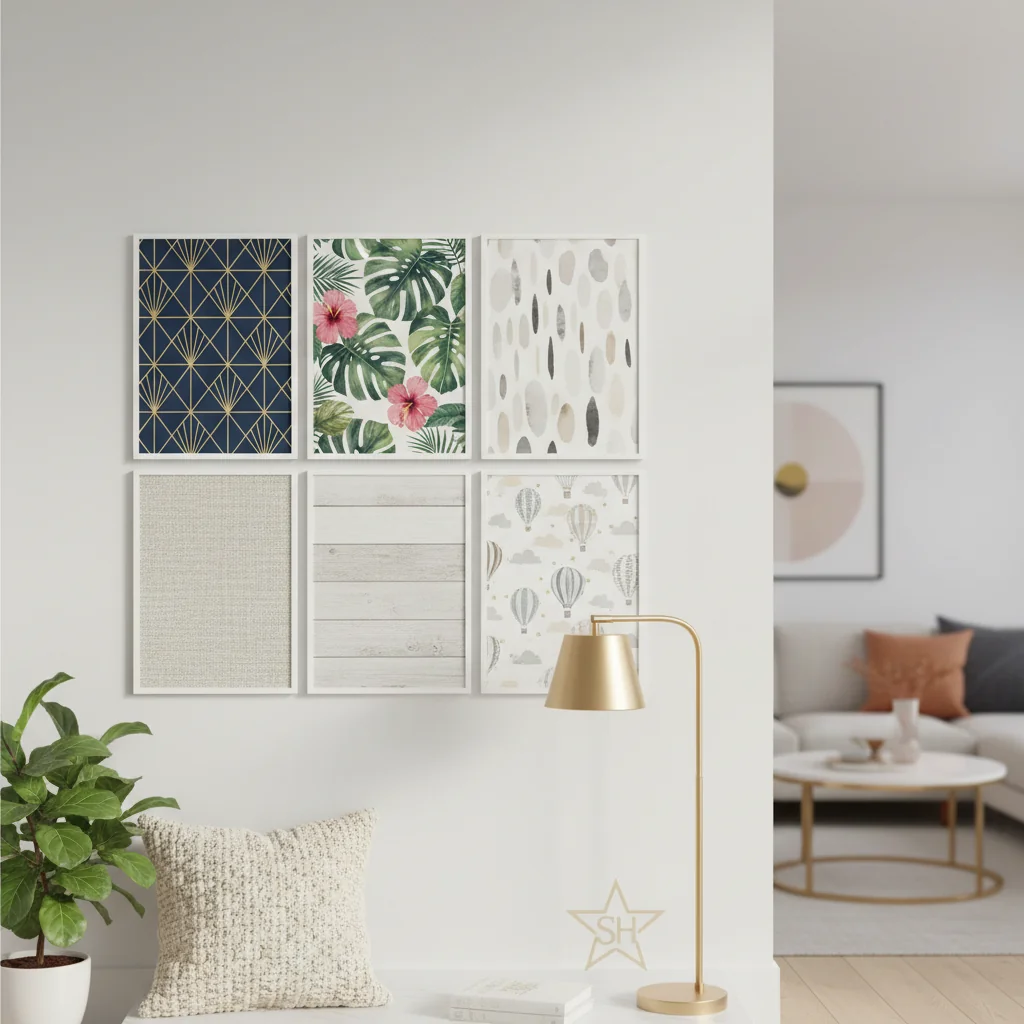
Exploring Styles and Designs in Premium Peel and Stick Wallpaper
Premium peel and stick wallpaper offers an expansive and sophisticated array of styles and designs, from timeless classic motifs to cutting-edge contemporary patterns, enabling precise aesthetic customization for virtually any interior design vision. The breadth of available designs ensures that every homeowner can find a wallcovering that perfectly articulates their personal style and complements their existing décor. This vast selection is a hallmark of high-quality offerings.
Classic and Traditional Styles
Classic and traditional peel and stick wallpaper designs draw inspiration from historical aesthetics, bringing a sense of enduring elegance and refined formality to a space. These styles often feature intricate patterns, rich color palettes, and motifs that evoke a sense of heritage.
- Damask and Toile: Damask patterns, characterized by their ornate, reversible motifs, often in a monochromatic or tone-on-tone scheme, exude luxury and formality. Toile patterns depict pastoral scenes or narrative illustrations, typically in a single color on a light background, offering a charming, vintage appeal.
- Botanical and Floral: Traditional botanical designs range from delicate floral sprigs to lush, oversized blossoms, often with a hand-painted or illustrative quality. These patterns introduce natural beauty and a serene atmosphere, perfect for bedrooms or elegant living spaces.
- Geometric and Stripe: Classic geometric patterns, such as trellises, quatrefoils, and subtle stripes, provide structure and order. These designs can be used to add architectural interest or to create a sense of height and width in a room.
Modern and Contemporary Styles
Modern and contemporary peel and stick wallpaper designs embrace innovation, clean lines, and often a minimalist approach, reflecting current design trends and a forward-thinking aesthetic. These styles typically prioritize simplicity, abstract forms, and sophisticated color combinations.
- Abstract and Geometric: Contemporary geometric patterns can be bold and dynamic, featuring interlocking shapes, angular lines, or repeating symmetrical forms. Abstract designs offer artistic expression through organic shapes, brushstrokes, or subtle textures, creating visual interest without explicit representation.
- Minimalist and Textured: Minimalist designs often feature subtle patterns, tone-on-tone textures, or monochromatic palettes that add depth without overwhelming the space. These can include faux concrete, plaster, or linen textures that provide a sophisticated, understated backdrop.
- Mid-Century Modern: Characterized by organic shapes, atomic patterns, and a distinctive color palette, Mid-Century Modern designs bring a nostalgic yet timeless appeal, often featuring bold graphics and playful motifs.
Specialty and Thematic Designs
Beyond traditional and modern categories, specialty and thematic designs cater to unique preferences and specific design narratives, allowing for truly personalized and impactful interior statements.
- Murals and Panoramas: High-quality peel and stick murals offer large-scale, often photographic or illustrative, designs that cover an entire wall to create a dramatic focal point. These can depict landscapes, cityscapes, abstract art, or intricate scenes, transforming a room into an immersive experience.
- Faux Textures: Realistic faux textures are a popular choice, replicating the look of natural materials such as weathered brick, polished marble, rustic wood planks, or industrial concrete without the high cost or installation complexity. These designs add architectural character and tactile appeal.
- Children’s and Whimsical: A vibrant selection of patterns designed for children’s rooms or playful spaces includes themes like starry nights, enchanted forests, animal motifs, and educational maps, fostering imagination and creating joyful environments.
The precision in printing and the quality of materials in premium peel and stick wallpapers ensure that these diverse styles are rendered with stunning clarity and color fidelity, allowing for seamless integration into any design scheme. The ability to achieve such varied aesthetic outcomes with a single, versatile product underscores its value in contemporary interior design.
How to Choose the Right High-Quality Peel and Stick Wallpaper for Your Space
Selecting the ideal high-quality peel and stick wallpaper requires careful consideration of the room’s function, existing décor, desired aesthetic, and practical factors like durability and light exposure, ensuring a harmonious and long-lasting design solution. A methodical approach to selection guarantees that the chosen wallpaper not only looks exceptional but also performs optimally within its environment. This thoughtful process prevents common design missteps and maximizes the transformative potential of the wallcovering.
Assess the Room’s Function and Environment
The primary function of a room dictates critical material requirements for your peel and stick wallpaper. High-traffic areas and environments prone to moisture demand specific material properties.
- Kitchens and Bathrooms: For these moisture-rich environments, selecting a vinyl-based peel and stick wallpaper is imperative. Vinyl offers superior moisture resistance and is easily wipeable, preventing water damage and simplifying cleaning of splashes and stains.
- Bedrooms and Living Rooms: In areas where comfort and aesthetics are paramount, fabric or non-woven options can provide a softer, more luxurious feel. These materials are excellent for creating accent walls or full room applications where durability against moisture is less of a concern.
- High-Traffic Areas (Hallways, Entryways): Vinyl wallpaper is the most practical choice due to its robust durability and resistance to scuffs and tears, ensuring the design remains pristine despite frequent contact.
- Children’s Rooms: Opt for durable, easily cleanable vinyl or non-woven options that can withstand wear and tear and be wiped clean of marks. Non-toxic, VOC-free materials are also a consideration for these spaces.
Consider Existing Décor and Color Palette
The new wallpaper must integrate seamlessly with your current furnishings, textiles, and overall color scheme, either by complementing or intentionally contrasting.
- Complementary vs. Contrasting: Decide if the wallpaper should blend harmoniously with existing colors and patterns or serve as a bold focal point. For a cohesive look, choose colors that are already present in the room or complementary shades. For a statement, select a pattern with a strong color that contrasts thoughtfully with your dominant hues.
- Scale of Pattern: The size of the pattern should be proportionate to the room’s dimensions. Large, bold patterns can overwhelm small spaces but make a dramatic statement in expansive rooms. Conversely, delicate, small-scale patterns can add subtle texture to larger walls or provide intricate detail in compact areas.
- Dominant Textures: If your room features prominent textures (e.g., a brick fireplace, velvet sofa), consider how the wallpaper’s texture or faux texture will interact. A smooth, subtle pattern might balance a heavily textured room, while a faux wood or fabric texture can enhance a minimalist space.
Evaluate Light Exposure and Room Orientation
Natural light significantly impacts how wallpaper colors and patterns are perceived.
- North-Facing Rooms: These rooms tend to receive cooler, indirect light. Opt for wallpapers with warmer tones (creams, yellows, oranges) or designs that add vibrancy to counteract the coolness.
- South-Facing Rooms: Abundant, warm light allows for greater flexibility. Cooler tones (blues, greens, grays) can feel refreshing, while dark, rich colors will appear more luminous.
- East-Facing Rooms: These rooms receive bright morning light. Consider patterns that look appealing in varying light conditions, as the light shifts throughout the day.
- West-Facing Rooms: Intense afternoon and evening light can make colors appear more saturated. Be mindful of very dark or very reflective patterns that might feel overwhelming.
- Colorfastness is the property of a dye or pigment to retain its original color when exposed to light, washing, or other environmental conditions, preventing fading or discoloration. Ensure your chosen wallpaper specifies good colorfastness, especially for sunny rooms.
Order Samples for Informed Decisions
Always order samples of your preferred peel and stick wallpapers before committing to a full purchase. This allows you to:
- Assess True Color: Colors can appear different on a screen than in person, and samples allow you to see the exact hue in your home’s unique lighting conditions.
- Evaluate Texture and Finish: Feel the material, observe its sheen (or lack thereof), and how it interacts with light at various times of day.
- Test Adhesion: Apply a sample to an inconspicuous area of your wall for a few days to ensure it adheres properly and removes cleanly without damage, especially if you have textured walls or specific paint types.
By meticulously addressing these considerations, you will confidently select a high-quality peel and stick wallpaper that not only fulfills your aesthetic desires but also performs exceptionally within your specific living environment.
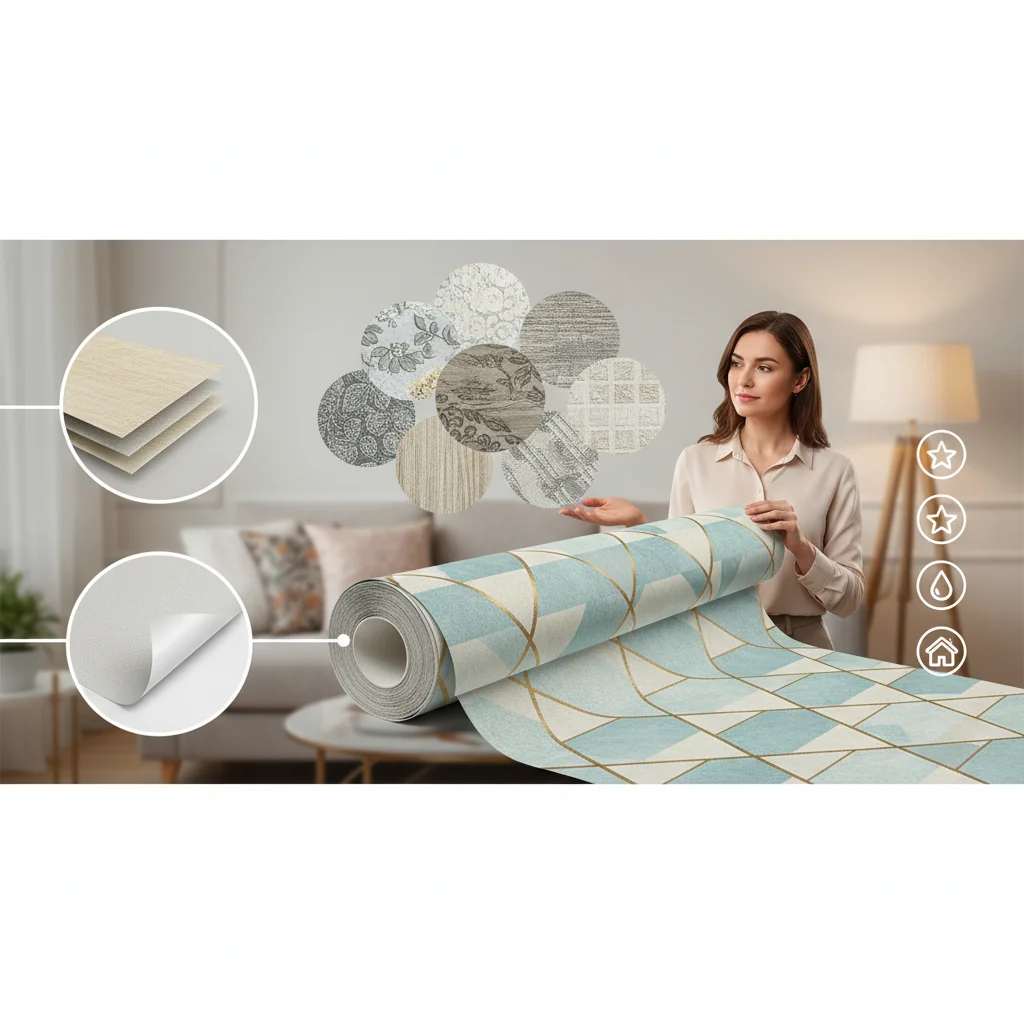
Accurate Sizing and Measuring for Flawless Peel and Stick Wallpaper Installation
Precise sizing and meticulous measuring are paramount for a seamless and professional peel and stick wallpaper installation, ensuring adequate material coverage, minimizing waste, and achieving a visually perfect outcome. Skipping or rushing this crucial step can lead to insufficient material, misaligned patterns, or visible seams, compromising the entire project’s integrity. An exact approach guarantees a polished finish.
Step-by-Step Measuring Guide
Follow these detailed steps to accurately measure your walls and determine the quantity of peel and stick wallpaper required.
- Measure Wall Height: Using a steel tape measure, measure the height of the wall from the baseboard to the ceiling. Take measurements at several points across the wall (e.g., left, center, right) to account for any inconsistencies. Record the tallest measurement.
- Measure Wall Width: Measure the width of the wall from corner to corner, again taking multiple measurements and recording the widest. For walls with doors or windows, measure the total width of the wall section as if these features were not present; you will cut around them later.
- Add a Buffer: It is crucial to add an extra 2 to 4 inches to both your height and width measurements. This buffer provides leeway for trimming, ensuring straight edges and accommodating slight wall imperfections or pattern shifts. For instance, if your wall is 8 feet high, plan for 8 feet 4 inches of material per strip.
- Account for Pattern Repeat: High-quality wallpapers, especially those with intricate designs, have a pattern repeat. This is the vertical distance between two identical points in the pattern. You must factor this into your calculations. For each strip of wallpaper, ensure you have enough material to align the pattern from the previous strip. If a pattern repeats every 24 inches, and your wall is 8 feet (96 inches) tall, you’ll need 4 full repeats (96/24 = 4). However, if your first strip starts mid-pattern, your subsequent strips may require you to cut higher on the roll to find the matching point, resulting in more waste. It is always safer to round up to the next full pattern repeat for each strip’s height calculation.
- Calculate Number of Strips: Divide the total width of your wall (including the buffer) by the width of one roll of wallpaper. For example, if your wall is 120 inches wide and the wallpaper roll is 20.5 inches wide, you will need 120 / 20.5 ≈ 5.85 strips. Always round up to the nearest whole number, so you would need 6 strips.
- Determine Total Roll Quantity: Multiply the number of strips needed by the adjusted height per strip (including the pattern repeat and buffer). This gives you the total linear feet of wallpaper required. Divide this total by the length of one roll (e.g., 15 feet or 18 feet) to determine the total number of rolls. Always round up to the nearest whole roll.
- Order All at Once: To ensure color consistency, order all the wallpaper you need at the same time. Wallpaper is produced in dye lots, and slight color variations can occur between different production batches. Ordering from the same dye lot guarantees a uniform color match across your entire project.
Example Calculation
Let’s assume a wall is 10 feet (120 inches) wide and 8 feet (96 inches) high. The chosen wallpaper roll is 20.5 inches wide and 18 feet (216 inches) long, with a pattern repeat of 24 inches.
- Wall Height (with buffer): 96 inches (8 ft) + 4 inches buffer = 100 inches.
- Height per strip (with pattern repeat): Since the pattern repeat is 24 inches, and 100 inches / 24 inches = 4.16, you will need 5 full pattern repeats for each strip to ensure alignment. So, 5 repeats * 24 inches/repeat = 120 inches (10 feet) per cut strip. This accounts for the buffer and pattern matching.
- Wall Width (with buffer): 120 inches (10 ft) + 4 inches buffer = 124 inches.
- Number of Strips: 124 inches (total width) / 20.5 inches (roll width) = 6.04 strips. Round up to 7 strips.
- Total Linear Inches Needed: 7 strips * 120 inches/strip = 840 inches.
- Total Rolls Needed: One roll is 216 inches long. 840 inches / 216 inches/roll = 3.88 rolls. Round up to 4 rolls.
In this example, you would need to order 4 rolls of wallpaper to cover the wall accurately. This detailed calculation prevents unexpected shortages and ensures a smooth installation process.
Comparison Table: Peel and Stick Wallpaper Material Attributes
Understanding the distinct characteristics of different high-quality peel and stick wallpaper materials is essential for choosing the best option for your specific project. This table provides a concise overview of their primary attributes.
| Material Type | Key Durability | Ideal Use Cases | Approx. Price Range (per roll, conceptual) | Texture/Finish |
|---|---|---|---|---|
| Vinyl | High; moisture, stain, and tear-resistant. | Kitchens, bathrooms, high-traffic areas, children’s rooms. | $$ | Smooth, often with a slight sheen or textured finish (faux wood, marble). |
| Fabric (Textile) | Medium; tear-resistant, less moisture-resistant than vinyl. | Bedrooms, living rooms, dining rooms, accent walls. | $$$ | Soft, woven, matte, luxurious feel. |
| Non-Woven | Medium-High; breathable, tear-resistant, easy to remove. | Living rooms, bedrooms, offices, temporary installations. | $$ | Smooth, matte, often with a subtle fibrous texture. |
Note: Price ranges are conceptual for comparison purposes and do not reflect actual Starhouse pricing.
Installation Best Practices for High-Quality Peel and Stick Wallpaper
Achieving a professional and lasting finish with high-quality peel and stick wallpaper hinges on meticulous surface preparation, precise alignment, and careful application techniques. While the peel and stick format simplifies the process, adhering to established best practices is crucial to prevent common issues like bubbles, misalignment, and premature peeling. A methodical approach ensures a stunning and durable result.
1. Essential Surface Preparation
Proper wall preparation is the most critical step for successful peel and stick wallpaper installation, directly impacting adhesion and longevity.
- Clean the Walls Thoroughly: Ensure walls are free of dust, dirt, grease, and grime. Use a mild all-purpose cleaner and a damp cloth, then rinse with clean water. Allow the walls to dry completely, typically 24-48 hours, before proceeding.
- Smooth the Surface: Any bumps, holes, or imperfections on the wall will show through the wallpaper. Fill holes with spackle, sand down rough patches, and ensure the surface is as smooth as possible. Wipe away any sanding dust.
- Prime the Walls: While some peel and stick wallpapers claim to adhere to unprimed walls, applying a high-quality, water-based primer (such as a primer-sealer or an acrylic latex primer) is highly recommended. Primer creates a uniform, slightly porous surface that enhances adhesion, prevents absorption of adhesive into porous drywall, and ensures clean removal without paint damage. Allow primer to cure fully according to manufacturer instructions, usually 2-3 days.
- Ensure Paint is Cured: If walls have been recently painted, allow the paint to cure fully for at least 3-4 weeks (or according to paint manufacturer guidelines) before applying wallpaper. Applying wallpaper to uncured paint can lead to peeling or damage upon removal.
2. Gather the Right Tools
Having the correct tools readily available streamlines the installation process and helps achieve a professional finish.
- Measuring Tape: For accurate wall and wallpaper measurements.
- Level or Plumb Line: Essential for drawing a perfectly straight vertical starting line.
- Utility Knife or Snap-Off Blade Cutter: For precise trimming of excess wallpaper. Ensure blades are sharp.
- Smoothing Tool (Squeegee): A felt-edged or plastic squeegee is crucial for pressing out air bubbles and ensuring firm adhesion.
- Scissors: For initial cuts and rough trimming.
- Soft Cloth: For wiping down the wallpaper surface.
- Pencil: For marking starting lines and measurements.
3. Step-by-Step Application Technique
Follow these steps for a methodical and effective application of each wallpaper strip.
- Establish a Starting Line: Do not rely on the corner of your wall being perfectly straight. Measure the width of your wallpaper roll, subtract about 1/2 inch, and use a level or plumb line to draw a perfectly vertical line from ceiling to baseboard at that distance from the corner. This line will guide the edge of your first strip.
- Cut Your First Strip: Measure the height of your wall (plus buffer) and cut your first strip of wallpaper. If there’s a pattern, ensure you start at the correct point on the roll to align with subsequent strips.
- Start at the Top: Align the top edge of the wallpaper strip with the ceiling line, allowing the buffer to extend past. Press the top few inches firmly onto the wall, aligning one vertical edge precisely with your plumb line.
- Peel and Smooth Gradually: Slowly peel a few inches of the backing paper away from the top, pressing the wallpaper onto the wall as you go. Work downwards in small sections (e.g., 6-12 inches at a time), continuously smoothing out any air bubbles with your squeegee, working from the center outwards to the edges.
- Trim Excess: Once the entire strip is applied, use your utility knife and a straight edge (like a ruler or the squeegee itself) to carefully trim the excess wallpaper at the ceiling and baseboard. Change blades frequently for clean cuts.
- Apply Subsequent Strips: For the next strip, align it to the previous one, carefully matching the pattern. High-quality peel and stick wallpapers are designed for precise pattern matching. Overlap seams slightly if recommended by the manufacturer, or butt edges together for a seamless look. Repeat the peel, smooth, and trim process.
- Work Around Obstacles: For outlets or switches, apply the wallpaper over them, then carefully cut an X from corner to corner over the opening with your utility knife. Trim around the fixture plate, then remove the plate and trim the wallpaper precisely to the edge of the box before replacing the plate.
4. Post-Installation Care
After installation, gently run your hand over all seams and edges to ensure firm adhesion. If any bubbles appear after a few hours or days, you can often smooth them out again with your squeegee. For stubborn small bubbles, a fine needle can be used to prick the center, allowing the air to escape, then press down.
By adhering to these best practices, you ensure your high-quality peel and stick wallpaper project results in a durable, beautiful, and professionally installed finish that will enhance your home for years to come.
Maintaining and Caring for Your Premium Peel and Stick Wallpaper
Proper maintenance and gentle care are essential for preserving the aesthetic integrity, vibrant colors, and extended lifespan of high-quality peel and stick wallpaper. While these materials are designed for durability, consistent and appropriate cleaning practices prevent premature wear, fading, and damage, ensuring your investment continues to enhance your space beautifully. Adhering to specific care guidelines is key to long-term satisfaction.
Routine Cleaning for Longevity
Regular, light cleaning is sufficient for most premium peel and stick wallpapers and helps prevent the buildup of dust and grime.
- Dusting: For everyday maintenance, simply dust the wallpaper surface with a soft, dry cloth or a feather duster. This prevents dust accumulation that can dull the appearance over time.
- Gentle Wiping: For more persistent dust or light smudges, use a clean, damp (not wet) microfiber cloth. Avoid excessive moisture, as it can compromise the adhesive or the wallpaper material, especially for fabric-based options. Always test a small, inconspicuous area first to ensure no adverse reaction.
Addressing Stains and Spills
Prompt action is crucial when dealing with spills or stains to prevent them from setting into the wallpaper material.
- Mild Soap Solution: For most non-greasy stains, mix a small amount of mild dish soap (e.g., a few drops) with warm water. Dampen a clean, soft cloth with this solution, wring it out thoroughly, and gently blot the stained area. Avoid rubbing vigorously, as this can damage the print or texture.
- Rinse and Dry: After cleaning, use a separate cloth dampened with plain water to wipe away any soap residue. Immediately follow with a dry cloth to blot the area dry.
- Avoid Harsh Chemicals: Never use abrasive cleaners, bleach, ammonia-based products, or solvent-based cleaners on your peel and stick wallpaper. These chemicals can strip the color, damage the material, or degrade the adhesive, leading to discoloration or peeling.
- Grease Stains: For grease, a small amount of rubbing alcohol on a cotton ball can sometimes lift the stain, but test in an inconspicuous area first. For vinyl wallpapers, a very dilute degreaser might be used, but extreme caution and patch testing are essential.
Specific Material Care Considerations
Different wallpaper materials may have slightly varied care requirements.
- Vinyl Wallpaper: Due to its durable and often water-resistant nature, vinyl is the most forgiving material for cleaning. It can generally withstand more rigorous wiping and is highly resistant to moisture, making it ideal for kitchens and bathrooms.
- Fabric and Non-Woven Wallpaper: These materials are typically more delicate. Avoid oversaturating them with water. Blotting is preferred over rubbing. While some non-wovens are quite durable, they may not be as resistant to heavy scrubbing as vinyl. Always check manufacturer recommendations for specific cleaning instructions.
Protecting Against Damage
Proactive measures can help prevent common types of damage to your wallpaper.
- Sunlight Exposure: While high-quality peel and stick wallpapers are designed with colorfastness in mind, prolonged direct exposure to intense sunlight can still lead to gradual fading over many years. Consider sheer curtains or blinds in exceptionally sunny rooms to protect your investment.
- Physical Damage: Be mindful of furniture placement, moving objects, and pets that could scratch or tear the wallpaper. Small tears can sometimes be carefully mended with a tiny amount of clear adhesive, or by cutting a matching patch from leftover material.
- Peeling Edges: If edges begin to lift over time (often due to improper surface prep or environmental factors), a small amount of wallpaper adhesive (sold separately, often in a tube) can be carefully applied with a fine brush or cotton swab to re-secure the edge. Press firmly until dry.
By integrating these routine maintenance and care practices, your premium peel and stick wallpaper will retain its fresh, vibrant appearance and structural integrity for its maximum intended lifespan, continuing to elevate your home’s aesthetic with minimal effort.
Styling and Pairing High-Quality Peel and Stick Wallpaper with Décor
High-quality peel and stick wallpaper serves as a powerful and versatile design element, and its impact is maximized when thoughtfully paired with complementary furnishings, textiles, lighting, and accessories. Effective styling goes beyond mere application; it involves creating a cohesive visual narrative where the wallpaper accentuates and integrates with the overall décor. This strategic pairing transforms a room from merely decorated to truly designed.
Defining Your Design Goal: Accent Wall vs. Full Room
Before selecting a design, determine the scope of your wallpaper application.
- Accent Wall: An accent wall is a single wall covered in a bold or intricate pattern, serving as a focal point. This approach is ideal for introducing a dramatic design without overwhelming the space. It works particularly well behind a bed, a sofa, or in an entryway. For accent walls, consider patterns with high visual impact, such as large-scale botanicals, geometric murals, or realistic faux textures like brick or marble.
- Full Room Application: Covering an entire room in wallpaper creates an immersive and cohesive environment. This approach often benefits from more subtle patterns, tone-on-tone designs, or delicate textures that provide a rich backdrop without competing with furniture and art. Lighter colors and smaller patterns can make a full room feel expansive, while darker, richer tones can create a cozy, sophisticated ambiance.
Harmonizing with Furnishings
The furniture in a room should either complement the wallpaper’s style or create an intentional, harmonious contrast.
- Match Style and Era: Pair a traditional damask wallpaper with classic upholstered furniture and antique wood pieces. A mid-century modern geometric pattern will naturally align with sleek, minimalist furniture designs from the same era.
- Color Integration: Pick out a secondary or tertiary color from your wallpaper pattern and echo it in your furniture choices. For example, if your wallpaper has subtle hints of deep green, select throw pillows or an accent chair in a similar shade.
- Texture Play: If your wallpaper features a smooth, graphic pattern, introduce tactile richness with textured furniture fabrics like velvet, linen, or boucle. Conversely, if your wallpaper is a faux texture (e.g., grasscloth or wood grain), balance it with smooth, refined furniture surfaces.
Integrating Textiles and Soft Goods
Textiles—curtains, rugs, throw pillows, and blankets—are essential for layering texture and color, softening lines, and enhancing the wallpaper’s impact.
- Curtains: Choose curtains that complement the wallpaper’s palette. Solid-colored curtains in a fabric that picks up a subtle hue from the wallpaper provide a sophisticated balance. If the wallpaper is busy, opt for simple, unpatterned drapes. For a more layered look, patterned curtains can be used with a subtly textured or solid-colored wallpaper, ensuring the patterns are of different scales to avoid visual clutter.
- Rugs: A rug grounds the space and can tie together disparate elements. Select a rug that introduces a new texture or reinforces the color scheme established by the wallpaper and furniture. A neutral rug can provide a calming counterpoint to a bold wallpaper.
- Throw Pillows and Blankets: These are excellent for injecting pops of color, additional patterns, or luxurious textures. Use them to reiterate colors from the wallpaper or to introduce a complementary accent color.
Strategic Lighting and Accessories
Lighting and accessories are the finishing touches that can truly make your wallpaper shine.
- Lighting: Thoughtful lighting can highlight the wallpaper’s texture and color. Wall sconces can graze a textured wallpaper, emphasizing its depth. Recessed lighting can evenly illuminate a mural, while a statement chandelier can complement a formal wallpaper pattern. Ensure light sources do not create harsh shadows that detract from the design.
- Artwork and Mirrors: When hanging art over wallpaper, consider the scale and complexity of both. A busy wallpaper might call for simpler, larger pieces of art or a striking mirror to break up the pattern. Conversely, a subtle wallpaper can serve as a perfect gallery wall backdrop for multiple pieces of varying sizes. Choose frames that complement the wallpaper’s style—e.g., ornate gold for traditional, sleek black for modern.
- Decorative Objects: Vases, sculptures, and other decorative elements should harmonize with the wallpaper’s overall tone. Natural materials like wood, ceramic, or metal can add organic contrast or industrial edge, depending on the wallpaper’s design.
- Greenery: Indoor plants add life and freshness. Their organic forms and vibrant greens provide a beautiful contrast to patterned wallpaper, especially botanical or geometric designs.
By carefully considering these elements, you can create a cohesive and visually compelling interior where your high-quality peel and stick wallpaper becomes an integral and celebrated part of your home’s unique design story.
Common Mistakes to Avoid When Working with Peel and Stick Wallpaper
Avoiding common pitfalls during the selection and installation phases ensures a successful and aesthetically pleasing outcome with high-quality peel and stick wallpaper, preventing frustration and costly rework. Many issues arise from overlooking seemingly minor details, but attention to these specifics guarantees a professional and durable finish. Recognizing and proactively addressing these errors is paramount for any wallpaper project.
1. Inadequate Wall Preparation
This is the single most frequent cause of peel and stick wallpaper failure.
- Dirty or Dusty Walls: Applying wallpaper to walls with dust, dirt, or grease significantly compromises the adhesive’s ability to bond properly, leading to premature peeling. Always clean walls thoroughly and allow them to dry completely.
- Textured Walls: Peel and stick wallpaper is designed for smooth, flat surfaces. Applying it to textured walls (e.g., orange peel, knockdown) will result in air bubbles, visible texture showing through, and greatly reduced adhesion. For best results, skim coat and sand textured walls smooth before priming.
- Unprimed Walls: While some products claim primer isn’t necessary, a high-quality water-based primer creates an ideal surface for adhesion. It seals porous surfaces, prevents paint from peeling off with the wallpaper, and provides a slightly “grabby” surface that helps the wallpaper stick better.
- Uncured Paint: Applying wallpaper over freshly painted walls (less than 3-4 weeks cured) can cause the paint to lift when the wallpaper is applied or removed. Always allow paint to fully cure.
2. Underestimating Material Needed
Miscalculating the required amount of wallpaper is a common and frustrating error.
- Forgetting the Buffer: Always add 2-4 inches to both the height and width measurements of your walls to account for trimming and minor misalignments.
- Ignoring Pattern Repeat: For patterned wallpapers, failing to factor in the pattern repeat leads to insufficient material for proper alignment between strips, resulting in wasted cuts and potential shortages. Always round up to the next full pattern repeat for each strip’s height.
- Not Ordering Extra Rolls: It is always prudent to order at least one extra roll beyond your calculated needs. This provides a contingency for mistakes, future repairs, or unexpected pattern matching challenges.
- Not Ordering from the Same Dye Lot: Wallpaper colors can vary slightly between production batches (dye lots). Ordering all your rolls at once from the same dye lot ensures consistent color across your entire project.
3. Rushing the Installation Process
Impatience during installation often leads to visible imperfections.
- Not Using a Plumb Line: Starting the first strip without a perfectly vertical plumb line will cause all subsequent strips to be misaligned, resulting in crooked patterns and uneven seams.
- Peeling All Backing at Once: Attempting to apply a full strip of wallpaper by peeling off all the backing at once almost guarantees bubbles, creases, and misalignment. Peel and smooth gradually, in small sections (e.g., 6-12 inches) at a time.
- Skipping the Smoothing Tool: Not using a squeegee or smoothing tool to firmly press out air bubbles as you go will leave trapped air pockets that detract from the finish and can lead to peeling.
- Dull Utility Knife Blades: Using a dull blade for trimming results in jagged edges and tears. Change your utility knife blade frequently for clean, precise cuts.
4. Neglecting Samples
Failing to order samples can lead to significant disappointment with the final aesthetic.
- Color and Pattern Misjudgment: Colors and patterns can look drastically different on a screen compared to how they appear in your home’s actual lighting conditions. Samples allow you to assess the true color, scale, and texture.
- Adhesion Test: Samples allow you to test the wallpaper’s adhesion to your specific wall surface and paint type, ensuring it sticks properly and removes cleanly without damage.
By consciously avoiding these common errors, you set yourself up for a highly successful and satisfying peel and stick wallpaper project, achieving a durable and visually stunning transformation of your space.
Sources
Frequently Asked Questions (FAQ)
Is high-quality peel and stick wallpaper truly removable without damage?
Yes, high-quality peel and stick wallpaper is specifically engineered with a specialized repositionable adhesive that allows for clean, residue-free removal without damaging properly prepared walls. This means the underlying paint or drywall remains intact, making it ideal for renters or those who enjoy frequent design changes.
Can I use peel and stick wallpaper in bathrooms or kitchens?
Yes, you can use peel and stick wallpaper in bathrooms and kitchens, provided you select a high-quality vinyl-based option. Vinyl materials offer superior moisture resistance and are easily wipeable, making them suitable for areas with humidity and splashes. Proper wall preparation and ventilation are still crucial for optimal performance.
How long does high-quality peel and stick wallpaper last?
High-quality peel and stick wallpaper typically lasts between 3 to 10 years, depending on the material, environmental conditions, and proper installation and care. Vinyl options tend to be the most durable and long-lasting, especially in high-traffic areas, while fabric or non-woven types may have a slightly shorter lifespan but still offer years of aesthetic enjoyment.
What surfaces can I apply peel and stick wallpaper to?
High-quality peel and stick wallpaper adheres best to smooth, clean, dry, and properly primed surfaces. This includes painted drywall, smooth plaster, and even certain furniture or cabinet surfaces. It is not recommended for highly textured walls (like orange peel or stucco), unpainted drywall, or surfaces with significant imperfections, as these can compromise adhesion and show through the material.
Do I need to prime my walls before applying peel and stick wallpaper?
Yes, priming your walls before applying peel and stick wallpaper is highly recommended, even if the product claims it’s unnecessary. A high-quality, water-based primer creates a uniform, slightly porous surface that enhances the wallpaper’s adhesion, prevents the adhesive from absorbing into the drywall, and ensures a cleaner, damage-free removal process in the future.
Can I reuse peel and stick wallpaper?
Some high-quality peel and stick wallpapers are designed to be repositionable during installation, and a select few explicitly state they are reusable. However, the reusability often depends on the specific product, the surface it was applied to, and how carefully it was removed and stored. While repositioning during initial application is common, multiple re-applications or moving it to a different location often diminish the adhesive’s effectiveness and are not guaranteed.
What’s the difference between peel and stick and traditional wallpaper?
The primary difference between peel and stick and traditional wallpaper lies in their application method. Traditional wallpaper requires the application of a separate adhesive (paste) to the back of the paper or the wall, which can be messy and permanent. Peel and stick wallpaper features a pre-applied, self-adhesive backing that is simply peeled away, allowing for direct application, easy repositioning, and clean removal without paste or residue, making it a more user-friendly and versatile option.
Elevate Your Home with Confidence
High-quality peel and stick wallpaper stands as a testament to modern design innovation, offering an unparalleled combination of aesthetic versatility, practical convenience, and enduring performance. From the robust durability of vinyl to the sophisticated texture of fabric, and the eco-conscious breathability of non-woven materials, the options are as diverse as your design aspirations. By understanding the nuances of material science, embracing meticulous measurement, and adhering to professional installation practices, you unlock the full potential of this transformative wallcovering. It empowers you to curate spaces that reflect your unique style with confidence, knowing that your chosen design will remain vibrant and impactful for years to come, yet can be updated with ease when inspiration strikes anew.
At Starhouse, we are dedicated to curating a collection that embodies these principles of quality, design excellence, and ease of use. We believe that every element in your home should inspire and delight, reflecting a thoughtful approach to living. As we meticulously build our premier collection of wall décor, furnishings, textiles, lighting, and accessories, we are eager to understand what truly resonates with your vision for a beautiful home.
We invite you to be part of our journey as we prepare to launch our curated selection. Share your design desires and tell us what you’re looking for to help us tailor our offerings, and gain early access to our forthcoming collection. Visit starhouseusa.online to tell us what you’re looking for and unlock exclusive insights and early access opportunities. Your dream home is within reach, and Starhouse is here to help you bring it to life.