Wallpaper isn’t just for accent walls anymore. For a dining room, it can set the entire mood for meals and gatherings. Think about the atmosphere you want to create: formal and elegant, or casual and vibrant? The right wallpaper can achieve either.
Selecting the right dining room wallpaper
When choosing wallpaper for your dining room, consider the overall style of your home and the specific ambiance you wish to create. Do you lean towards a traditional, modern, or eclectic look? The scale of the pattern also plays a crucial role. A large-scale pattern can make a small dining room feel more intimate, while a smaller, more delicate pattern might suit a larger space without overwhelming it. Consider the lighting in your dining room too; a darker, richer pattern can absorb light, while lighter, metallic, or textured wallpapers can reflect it, making the space feel brighter.
The material of the wallpaper is another important factor. Vinyl wallpaper is durable and washable, making it a practical choice for dining rooms where spills might occur. Non-woven (or ‘paste-the-wall’) wallpapers are easier to hang and remove, which is a significant advantage. Natural fiber wallpapers, like grasscloth or silk, offer a luxurious texture but are more delicate and require professional installation and careful cleaning.
Don’t forget the impact of color and pattern. Bold patterns can be a focal point, while subtle textures can add depth and sophistication. Consider how the wallpaper will interact with your furniture, artwork, and other decor. For a cohesive look, try to choose a wallpaper that complements, rather than competes with, your existing elements. For instance, if you have a lot of intricate furniture, a simpler wallpaper might be best. Conversely, if your furniture is quite plain, a striking wallpaper can add the necessary visual interest.
Modern dining room wallpaper ideas
Modern dining room wallpaper often embraces clean lines, geometric patterns, and a sophisticated color palette. Think abstract designs, subtle textures that mimic natural materials like concrete or wood grain, or bold graphic prints. Metallics, such as gold, silver, or copper accents, can add a touch of luxury and catch the light, making your dining room feel more dynamic. Black and white or monochromatic schemes are also popular for a contemporary feel.
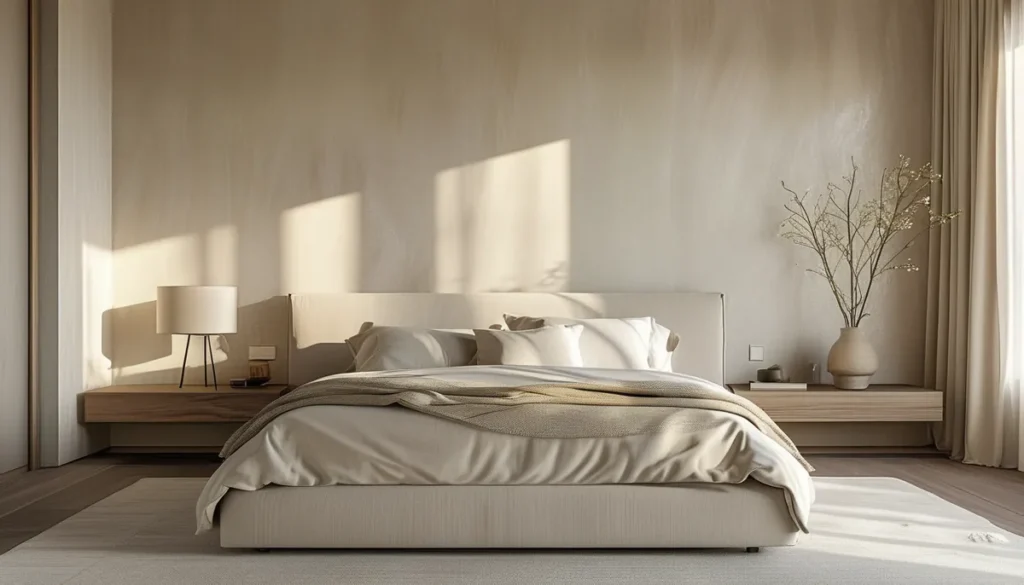
Consider wallpapers with a matte finish for a minimalist look, or a slight sheen for a bit more drama. Geometric patterns, like chevrons, hexagons, or art deco-inspired designs, can add a structured and stylish element. For a more subtle modern approach, look for textured wallpapers that offer visual interest without a busy pattern. These can range from faux finishes that mimic plaster or linen to embossed designs that create a tactile experience. Don’t shy away from color, even in modern designs. Jewel tones like emerald green or sapphire blue, or even muted pastels, can work well if paired with minimalist furniture and decor.
A popular trend in modern dining rooms is the use of large-scale murals. These can depict anything from abstract landscapes to cityscapes or artistic renderings. A well-chosen mural can serve as a stunning focal point, creating a unique and personalized atmosphere. When selecting a mural, ensure it aligns with the overall mood you want to achieve. For example, a serene nature scene can create a calming environment, while a bold, abstract mural can inject energy into the space.
Elegant dining room wallpaper ideas
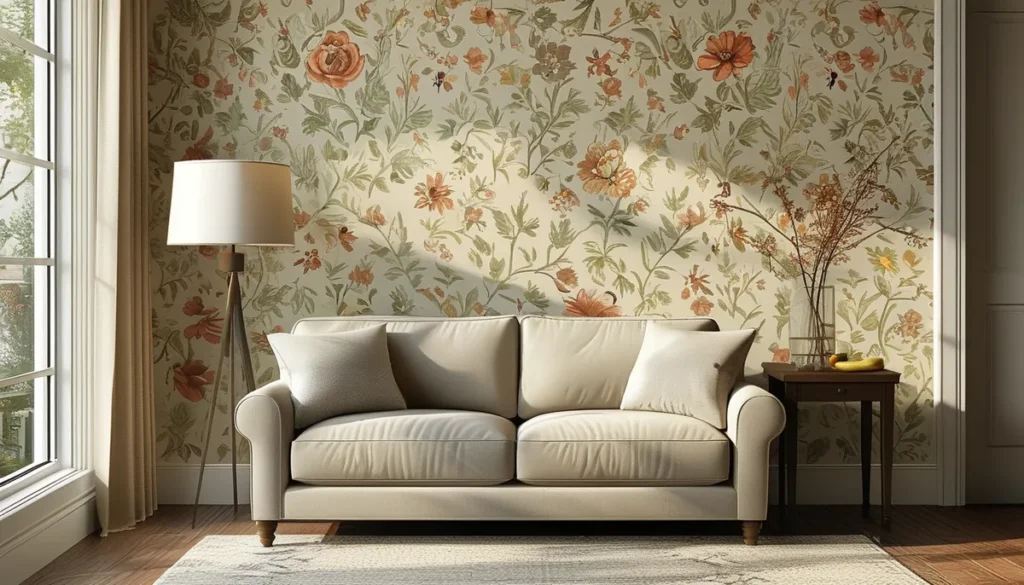
Elegance in a dining room often translates to rich textures, classic motifs, and a refined color palette. Think damask, floral, or toile patterns in sophisticated hues like deep blues, emerald greens, burgundy, or classic creams and golds. Subtle metallic threads woven into the design can add a beautiful shimmer under ambient light, enhancing the luxurious feel.
Consider damask wallpapers for a timeless, opulent look. These patterns, characterized by their intricate, symmetrical designs, have been a staple in elegant interiors for centuries. Floral wallpapers, ranging from delicate botanicals to lush, oversized blooms, can also bring a sense of romance and sophistication. For a more traditional yet chic option, consider a subtle stripe or a grasscloth wallpaper, which offers natural texture and understated luxury. Silk or silk-effect wallpapers provide a lustrous finish that reflects light beautifully, adding to the room’s opulence.
When aiming for elegance, pay attention to the finish. A high-sheen wallpaper can reflect light and make the room feel more grand, while a matte finish can offer a more subdued, sophisticated look. Combining a classic pattern with a modern color palette can also create an elegant yet fresh feel. For instance, a traditional damask pattern in a contemporary grey or teal can be striking. Don’t overlook the importance of scale; a large, elaborate pattern can make a grand statement in a spacious dining room, while a more intricate, smaller-scale design might be better suited for a more intimate setting.
Large-scale patterns and dining room murals
Large-scale patterns and dining room mural wallpaper can be powerful tools for creating a dramatic and memorable dining space. A large-scale pattern can fill a room with impact, drawing the eye and establishing a distinct personality. Consider bold florals, oversized geometrics, or abstract designs. The key is to ensure the pattern doesn’t overwhelm the room. If your dining room is on the smaller side, a large pattern might be best used on a single accent wall to avoid making the space feel cramped.
Dining room murals offer an even more immersive experience. These are essentially large-scale artworks designed to cover an entire wall or even multiple walls. They can transport your guests to another place, whether it’s a lush jungle, a serene landscape, a bustling city, or an abstract artistic creation. Murals are excellent for expressing personal style and creating a unique conversation starter. When selecting a mural, consider the existing color scheme and furniture in your dining room to ensure it integrates harmoniously.
When using a large-scale pattern or a mural, it’s often wise to keep the rest of your decor relatively simple. Let the wallpaper be the star of the show. Solid-colored tablecloths, neutral upholstery, and minimal wall art will allow the wallpaper’s impact to shine through. For calculations on how much wallpaper you might need for your space, you can refer to guides on [how much wallpaper do I need for a 12×12 room](https://starhouseusa.online/how-much-wallpaper-do-i-need-for-a-12×12-room/).
Textured wallpaper for added depth
Textured wallpaper can introduce a tactile dimension to your dining room, adding warmth, depth, and sophistication. These wallpapers go beyond visual appeal, offering a sensory experience. Options range from natural textures like grasscloth, cork, or bamboo to man-made textures such as embossed vinyl, linen-look, or fabric-backed papers.
Grasscloth wallpaper, made from natural plant fibers, provides a unique, organic texture that adds warmth and an earthy feel. It’s a great choice for creating a relaxed yet sophisticated dining atmosphere. Embossed wallpapers, often found in vinyl or paper, feature raised patterns that add visual and tactile interest. These can mimic traditional designs like damask or modern geometric shapes. Linen-look wallpapers offer the elegant texture of natural linen without the high cost or delicate maintenance, making them a practical choice for busy dining areas.
When incorporating textured wallpaper, consider its durability and cleanability. Some natural textures might be more susceptible to staining or damage. Vinyl-backed textured wallpapers tend to be more forgiving and easier to wipe clean, which is beneficial in a dining setting. The direction of the texture can also influence the perception of the room’s height and space. Vertical textures can make ceilings appear higher, while horizontal textures can make a room feel wider.
Peel-and-stick wallpaper for easy updates
For those who love to change their decor frequently or are looking for a less permanent solution, peel-and-stick wallpaper is an excellent option. This type of wallpaper is applied like a large sticker, with a self-adhesive backing that eliminates the need for traditional wallpaper paste. It’s a DIY-friendly choice that can be applied and removed relatively easily, making it ideal for renters or anyone who enjoys redecorating.
Peel-and-stick wallpapers come in a vast array of designs, patterns, and textures, rivaling traditional wallpaper. You can find everything from subtle textures to bold graphic prints and realistic faux finishes. The application process typically involves peeling off the backing and smoothing the paper onto the wall, working from top to bottom. Careful alignment of seams is crucial for a seamless look.
While peel-and-stick wallpaper is convenient, it’s important to ensure your walls are properly prepared. The surface should be clean, dry, and smooth. Avoid applying it over heavily textured walls or surfaces that are peeling or damaged, as this can affect adhesion and the final appearance. Removal is usually straightforward, but it’s always a good idea to test a small, inconspicuous area first, especially on delicate surfaces or fresh paint, to ensure it doesn’t damage the underlying wall.
Wallpapering other rooms for a cohesive look
While this guide focuses on the dining room, the principles of choosing and installing wallpaper can extend to other areas of your home. A cohesive design scheme throughout your house can create a sense of flow and harmony. For instance, you might use a complementary pattern in your living room or a more playful design in a less formal space like a powder room.
Consider continuing a theme or color palette from your dining room into an adjacent hallway or living area. This doesn’t mean using the exact same wallpaper, but rather selecting patterns that share a common element. For example, if your dining room features a deep green botanical print, your living room might incorporate a lighter green textured wallpaper or a pattern with similar floral motifs in a different colorway.
For areas like bathrooms, where moisture is a concern, choose wallpapers specifically designed for high-humidity environments. Many vinyl or specialized moisture-resistant wallpapers are suitable. You can explore [quirky bathroom wallpaper that makes a statement](https://starhouseusa.online/quirky-bathroom-wallpaper/) for inspiration in these spaces. Similarly, bedrooms can benefit from softer, more calming patterns. For example, [pastel bedroom wallpaper](https://starhouseusa.online/pastel-bedroom-wallpaper/) can create a serene retreat, while an accent wall in the master bedroom might use a bolder design, as discussed in guides on [master bedroom wallpaper accent wall](https://starhouseusa.online/master-bedroom-wallpaper-accent-wall/). Remember that prepasted wallpaper options are also available, offering a convenient alternative for certain applications, such as in [prepasted wallpaper for bathrooms](https://starhouseusa.online/prepasted-wallpaper-for-bathrooms/).
Installation tips for your dining room wallpaper
Proper installation is key to achieving a professional and lasting finish for your dining room wallpaper. Start by ensuring your walls are clean, dry, and smooth. Fill any holes, sand down imperfections, and prime the walls if necessary. This prep work is crucial and often overlooked, but it makes a significant difference in the final result.
Measure your walls carefully and calculate how much wallpaper you’ll need, accounting for pattern repeat. It’s always better to have a little extra than to run short. For detailed guidance on this, check out the article on [how much wallpaper do I need for a 12×12 room](https://starhouseusa.online/how-much-wallpaper-do-i-need-for-a-12×12-room/).
When applying the wallpaper, work in manageable sections. If you’re using traditional paste-the-wall wallpaper, apply the paste evenly to the wall or the paper (depending on the type) and allow it to book (sit for a few minutes) if required. For paste-the-wall types, apply the paper directly to the wall, smoothing it out with a brush or roller to remove air bubbles and wrinkles. Use a sharp blade for trimming edges and corners. Take your time aligning patterns at the seams to ensure a continuous design.
If you’re new to wallpapering or dealing with a particularly intricate pattern or delicate material, consider hiring a professional. While peel-and-stick options are more forgiving, traditional wallpapers can be challenging for beginners. The cost of professional installation can prevent costly mistakes and ensure a flawless finish that enhances your dining room’s aesthetic.
Common wallpapering mistakes to avoid
Several common mistakes can lead to a less-than-perfect wallpaper installation. One of the most frequent is inadequate wall preparation. Painting over old wallpaper, not cleaning the walls thoroughly, or failing to repair cracks and holes will result in a poor finish, with bubbles, peeling, or an uneven appearance. Always start with a clean, smooth, and sound surface.
Another mistake is not accounting for the pattern repeat. If you don’t factor in the pattern repeat when calculating how much wallpaper to buy, you might find yourself with mismatched patterns at the seams, which can be very noticeable and detract from the overall look. Always check the pattern repeat information on the wallpaper roll.
Rushing the process is also a common pitfall. Wallpapering requires patience and precision. Trying to rush through the application, especially when aligning patterns or smoothing out bubbles, will likely lead to errors. Take your time, work methodically, and if you’re feeling overwhelmed, don’t hesitate to seek professional help. Ensure you have the right tools on hand, including a sharp blade, a smoothing brush, a seam roller, and a measuring tape.
Finally, choosing the wrong type of wallpaper for the environment is a mistake. For example, using a non-washable paper in a high-traffic area like a dining room, or a standard paper in a bathroom, can lead to premature wear and tear or damage due to moisture. Always select a wallpaper that is suitable for the specific room and its conditions.