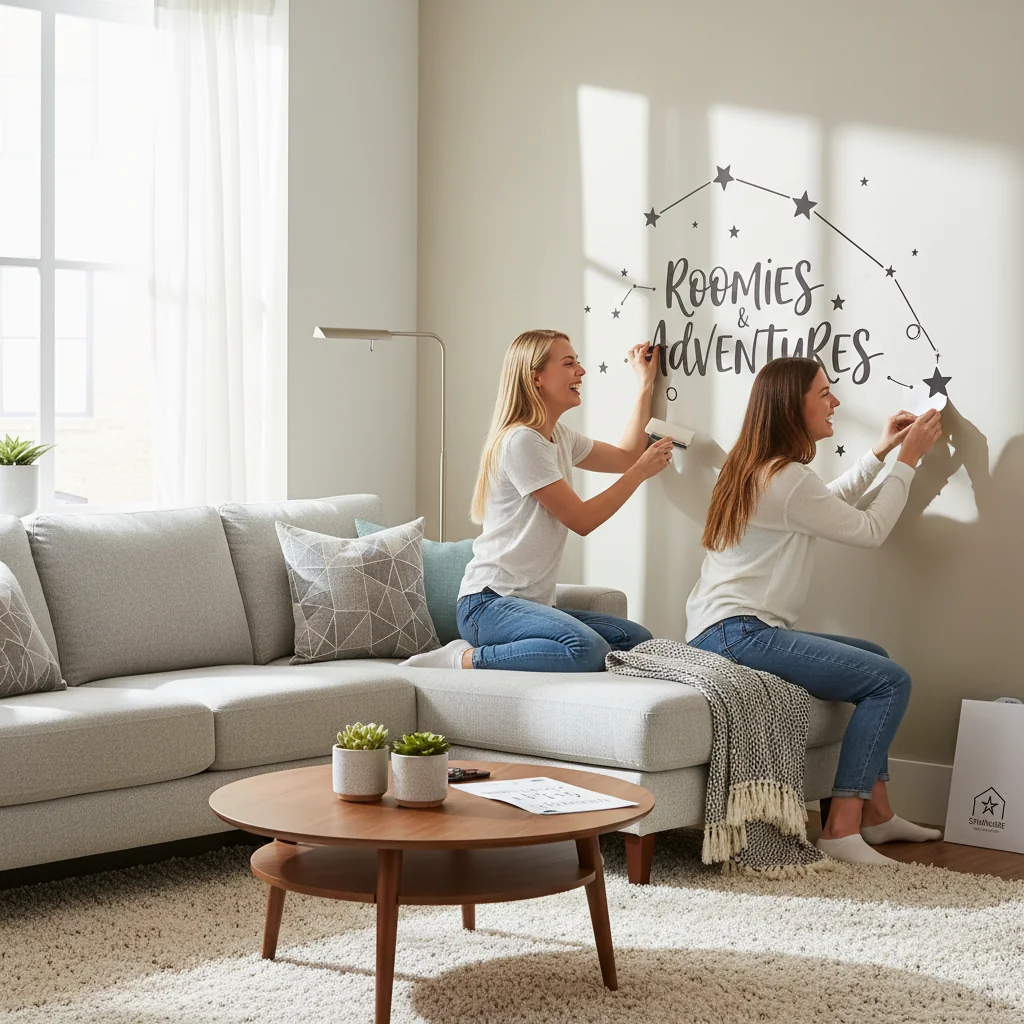
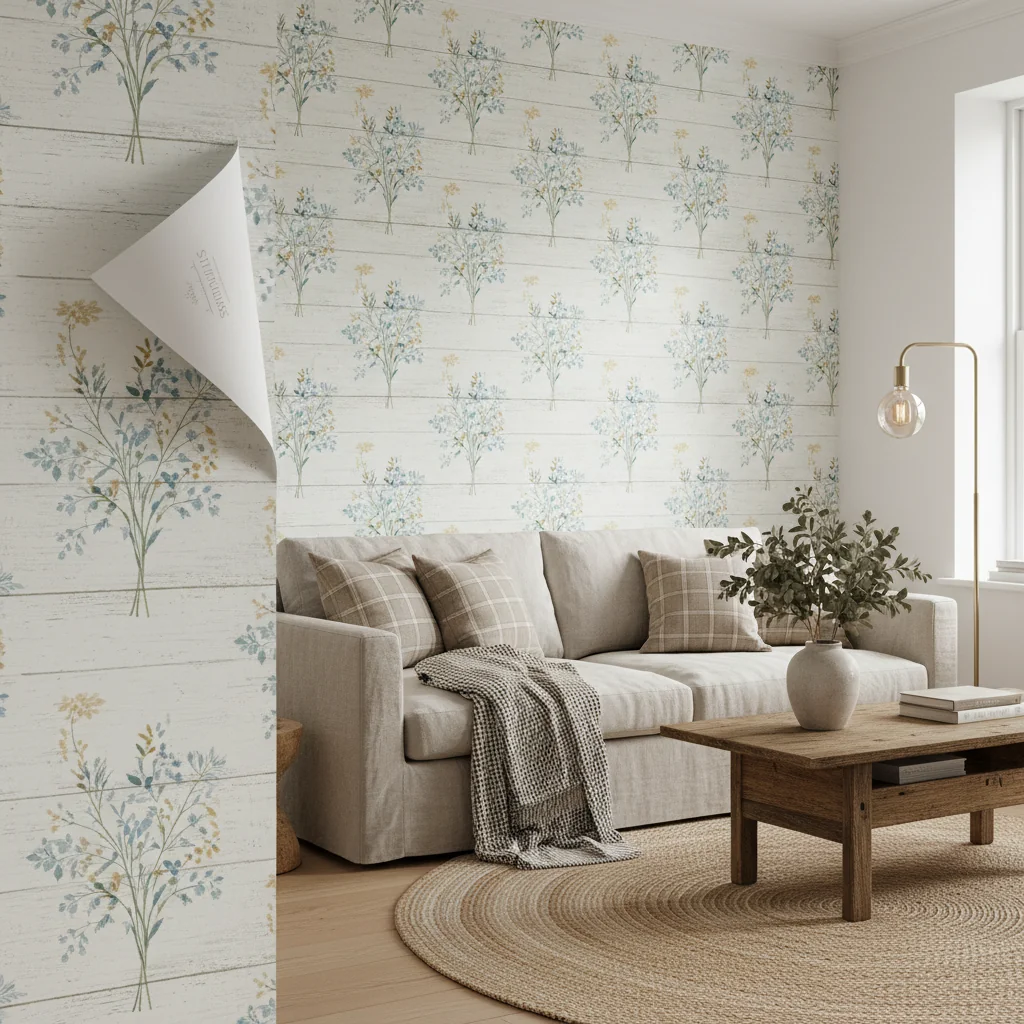
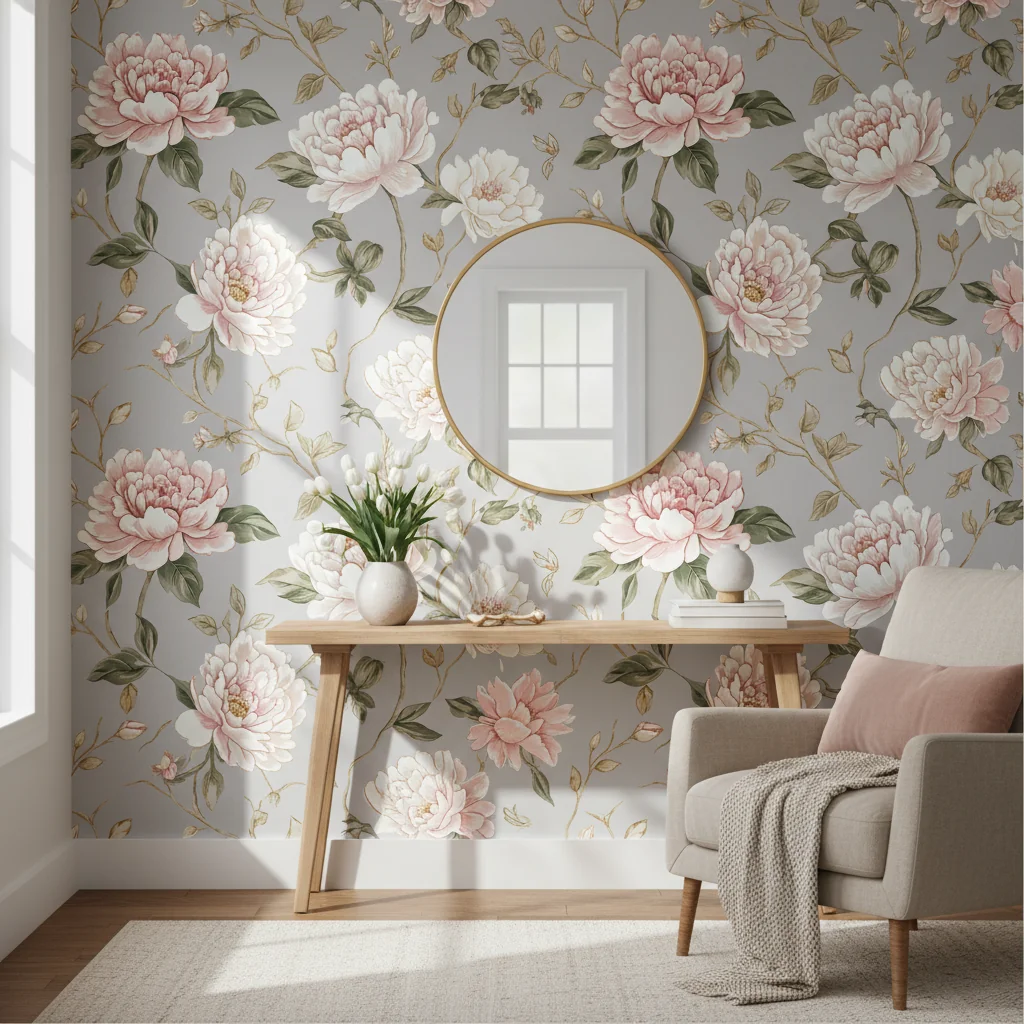
Floral wallpaper, a timeless design element, transforms interiors by introducing the beauty and vitality of nature into any space. It encompasses a vast array of patterns, from delicate botanical prints to bold, large-scale blooms, offering unparalleled versatility to elevate aesthetics and define the mood of a room. At Starhouse, we understand that selecting the perfect floral wallpaper is an art, requiring careful consideration of pattern, scale, material, and installation method to create a truly cohesive and impactful design statement. This comprehensive guide navigates the intricate world of floral wallpaper, providing precise insights into its types, styles, materials, and expert guidance on selection, measurement, care, and styling, ensuring your design vision blossoms into reality.
Key takeaways
- Floral wallpaper offers immense versatility, ranging from subtle botanical prints to dramatic large-scale murals, suitable for diverse design aesthetics.
- Choosing the right type (peel-and-stick, pre-pasted, unpasted) and material (vinyl, non-woven, paper) dictates durability, ease of installation, and maintenance requirements.
- Accurate measurement and consideration of pattern repeat are crucial for calculating the precise number of rolls needed, minimizing waste and ensuring a seamless finish.
- Styling floral wallpaper involves balancing its visual impact with complementary furnishings, textiles, and lighting to achieve a harmonious and sophisticated interior.
- Current trends favor maximalist patterns, dark botanicals, large-scale murals, and sustainable, low-VOC options, aligning with both bold expression and environmental consciousness.
- Proper care, tailored to the wallpaper’s material, is essential for preserving its vibrancy and extending its lifespan, protecting your design investment.
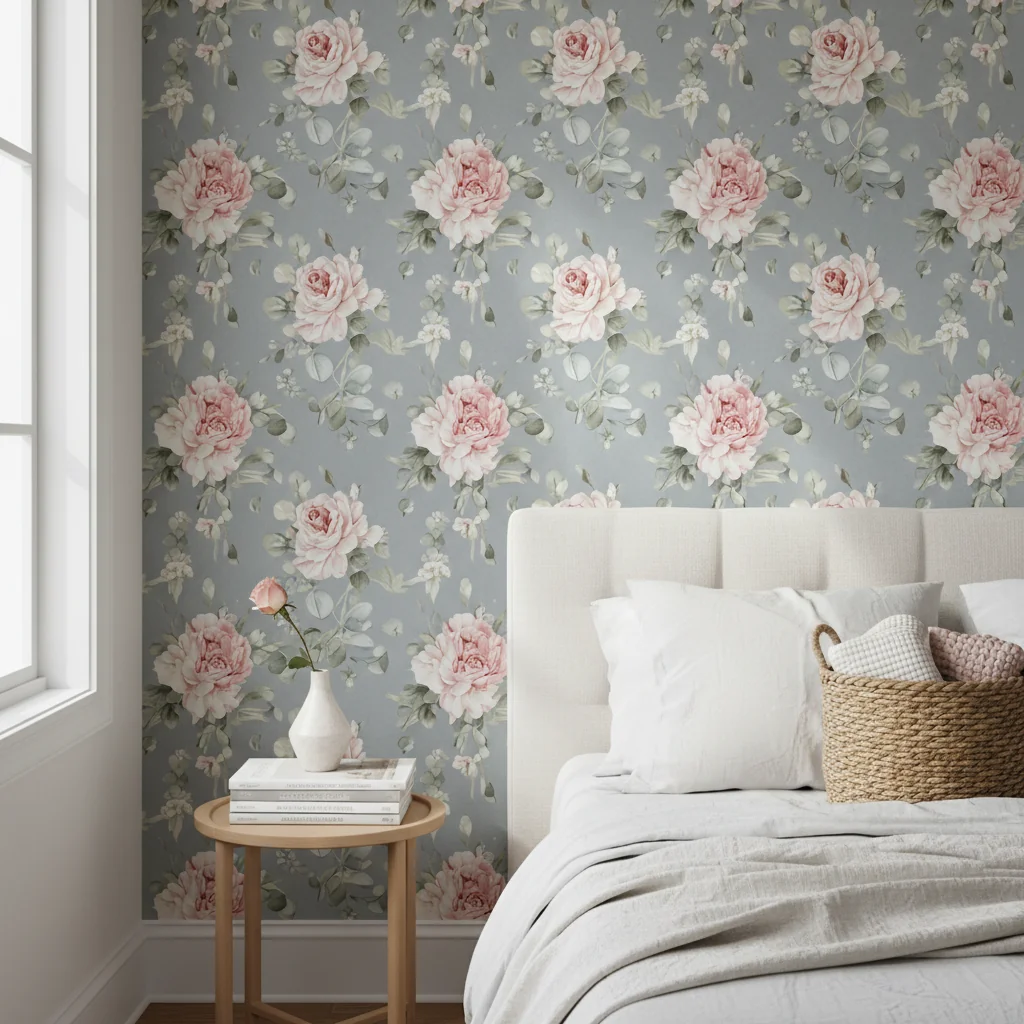
The Enduring Appeal of Floral Wallpaper
Floral wallpaper offers a profound and enduring appeal in interior design, consistently bringing an element of natural beauty, vibrancy, and sophisticated artistry into homes. Its timeless charm stems from its ability to evoke a sense of tranquility, nostalgia, or exuberant energy, adapting seamlessly to a myriad of design aesthetics from classic to contemporary.
The historical significance of floral patterns in décor underscores their perpetual relevance. From the intricate tapestries of medieval Europe to the opulent damasks of the Renaissance, floral motifs have consistently adorned interiors. The advent of wallpaper in the 17th and 18th centuries popularized these patterns, making elaborate designs accessible. The U.S. National Park Service highlights the preservation of floral design, noting its role in creating “simple elegance and vibrant art” in significant historical spaces like the Texas White House, demonstrating its enduring cultural and aesthetic value (U.S. National Park Service). This rich lineage firmly establishes floral wallpaper as a classic choice, continuously reinterpreted to meet modern sensibilities.
Beyond historical context, floral wallpaper holds intrinsic psychological benefits. Introducing natural elements, even through patterns, can promote a sense of well-being and reduce stress, a concept known as biophilic design. The organic lines and varied colors found in floral patterns provide visual interest without overwhelming, creating a dynamic yet harmonious backdrop for daily life.
Moreover, the sheer diversity within floral designs ensures its longevity. Designers continually innovate, presenting fresh interpretations of botanical themes. Whether you seek the delicate charm of a wildflower meadow, the bold drama of oversized tropical leaves, or the refined elegance of a traditional rose pattern, floral wallpaper provides an expansive palette for personal expression. It can serve as a subtle accent, a vibrant focal point, or a unifying element that ties an entire room’s design together, making it an indispensable tool for interior designers and homeowners alike.
The versatility extends to its application, transforming spaces from grand living rooms to intimate powder rooms. It injects personality, depth, and a unique narrative into walls, far beyond what a solid paint color can achieve. This ability to tell a story and set a distinctive mood is a core reason floral wallpaper remains a cherished and powerful design choice.
Understanding the Types of Floral Wallpaper
Floral wallpapers are primarily categorized by their application method and material composition, dictating their ease of installation, durability, and removability. Selecting the correct type is paramount for a successful project, ensuring alignment with your skill level, the room’s conditions, and your long-term design flexibility.
Peel-and-Stick Wallpaper (Removable)
Peel-and-stick wallpaper, also known as self-adhesive or removable wallpaper, features an adhesive backing that is protected by a liner. To install, you simply peel off the liner and press the wallpaper onto the wall. This type is a popular choice for renters, DIY enthusiasts, and those who enjoy frequent design updates, as it typically removes cleanly without damaging the underlying paint or surface.
- **Pros:** Extremely easy to install and remove, ideal for temporary applications or experimental designs, leaves no residue, often repositionable during installation.
- **Cons:** May not adhere well to heavily textured walls, generally less durable than traditional wallpaper, can be more expensive per square foot.
- **Ideal Use:** Apartments, nurseries, accent walls, furniture upcycling, temporary décor, low-humidity areas.
Pre-Pasted Wallpaper
Pre-pasted wallpaper comes with a dry adhesive applied to its backing by the manufacturer. To activate the adhesive, you submerge the cut strips in water, often using a water tray, for a specified amount of time (usually 30-60 seconds), a process known as “booking.” Once activated, the paste becomes tacky, allowing the paper to be applied to the wall.
- **Pros:** Easier to install than unpasted wallpaper as no separate paste is required, generally good adhesion, often strippable for easier removal.
- **Cons:** Can be messy due to water activation, requires precise timing for booking, removal can sometimes be challenging depending on the adhesive quality.
- **Ideal Use:** Bedrooms, living rooms, dining rooms, areas where a more permanent but still manageable solution is desired.
Unpasted Wallpaper (Traditional)
Unpasted wallpaper, the most traditional form, requires the application of a separate adhesive paste to its backing before installation. This paste is typically applied with a roller or brush directly to the back of the wallpaper or sometimes directly to the wall (known as “paste-the-wall” method, common with non-woven materials). This method provides the strongest bond and is often favored by professional installers for its durability and precise control during application.
- **Pros:** Offers the most durable and long-lasting bond, allows for precise pattern matching and adjustment, wide variety of patterns and materials available.
- **Cons:** Requires additional supplies (paste, paste brush/roller), more time-consuming and skill-intensive to install, generally more difficult to remove without professional tools.
- **Ideal Use:** High-traffic areas, bathrooms (with appropriate material), commercial spaces, long-term installations, or when hiring a professional.
Liquid/Fabric-Backed Wallpaper
Liquid wallpaper, also known as fabric-backed or textile wallpaper, is a more specialized category. It typically consists of natural fibers (like cotton, linen, silk) or synthetic textiles adhered to a backing. It is usually installed using the unpasted method, requiring a heavy-duty adhesive. These wallpapers offer unique textures and a luxurious feel, often with subtle floral patterns woven into the fabric itself.
- **Pros:** High-end aesthetic, unique tactile quality, often excellent sound absorption, durable.
- **Cons:** Expensive, requires professional installation, can be difficult to clean, limited pattern options compared to printed wallpapers.
- **Ideal Use:** Luxury living rooms, formal dining rooms, bedrooms, spaces where tactile richness is paramount.
Wall Murals (Non-Repeating Patterns)
While often categorized under other types (like peel-and-stick or unpasted), wall murals are distinct in their design. A floral wall mural features a single, large-scale image or scene that covers an entire wall, rather than a repeating pattern. These are printed in panels that align to form a complete picture, often depicting lush gardens, oversized blooms, or panoramic botanical landscapes. Murals create a dramatic focal point and immersive experience.
- **Pros:** Creates a striking, unique statement, transforms a room into an artistic experience, customized to wall dimensions.
- **Cons:** Requires precise installation to align panels perfectly, less forgiving of errors, can be visually overwhelming in small spaces if not chosen carefully.
- **Ideal Use:** Accent walls, large living rooms, commercial lobbies, creative spaces.
Exploring the Diverse Styles of Floral Wallpaper
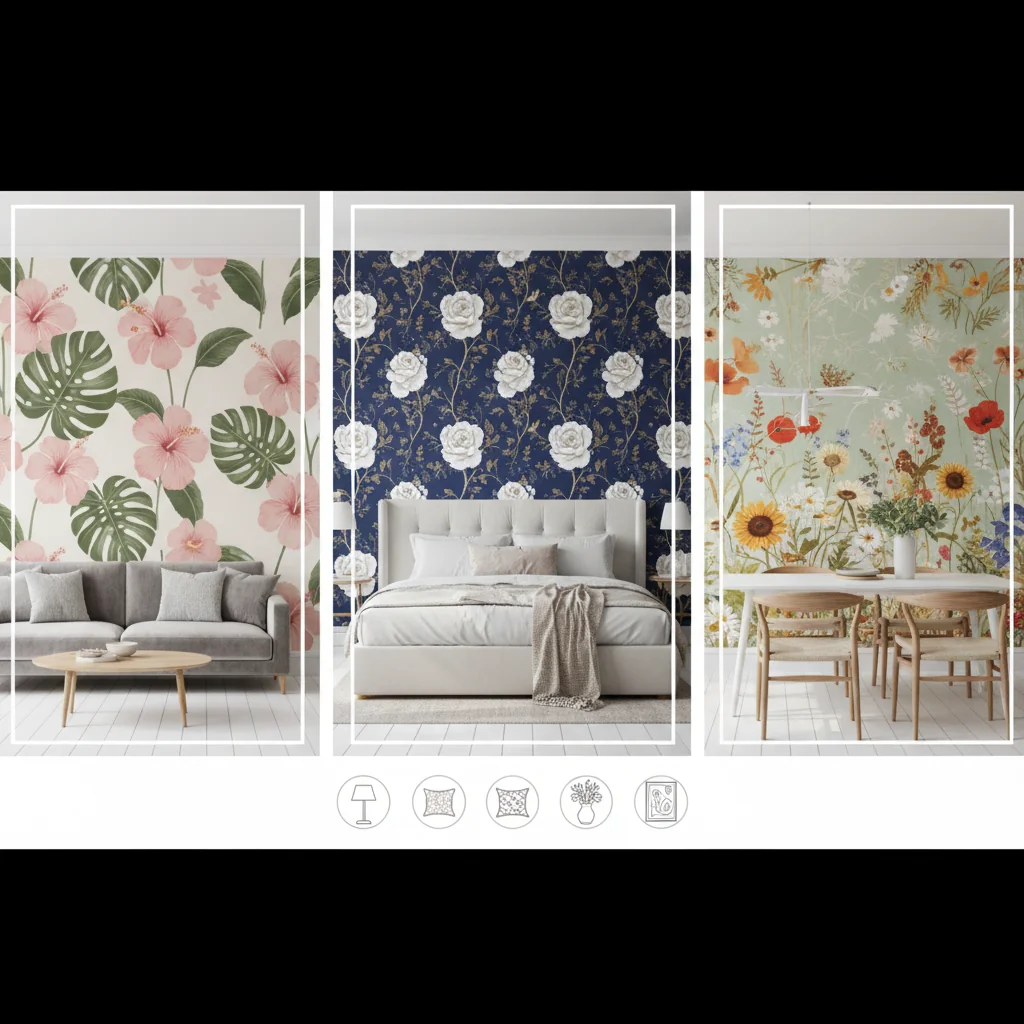
Floral wallpaper styles encompass a vast spectrum, from historical motifs and realistic botanical illustrations to cutting-edge contemporary and abstract designs, offering an expressive avenue for every aesthetic preference. The chosen style significantly influences the mood and character of a room, ranging from serene and understated to bold and dramatic.
Vintage & Traditional Floral Wallpaper
Vintage and traditional floral wallpapers draw inspiration from historical design periods, characterized by intricate details, classic color palettes, and often a sense of grandeur. These styles evoke a timeless elegance and sophistication.
- **Damask:** While not exclusively floral, many damask patterns incorporate stylized floral motifs in a symmetrical, often monochromatic, repeating design. It exudes formality and luxury.
- **Chinoiserie:** This style features delicate, often hand-painted, scenes inspired by Chinese art, including exotic birds, pagodas, and flowing floral branches like cherry blossoms or peonies. It offers an elegant, artistic, and often whimsical touch.
- **Victorian:** Characterized by dense, elaborate patterns with rich, deep colors, Victorian florals often depict roses, lilies, and other garden flowers in lush, intertwined arrangements. This style creates a maximalist, opulent atmosphere.
- **Arts & Crafts:** Emphasizing natural forms, craftsmanship, and often stylized interpretations of native flora and fauna, this style (think William Morris) features organic lines and muted, earthy color schemes, promoting harmony with nature.
Botanical & Nature-Inspired Floral Wallpaper
Botanical and nature-inspired florals focus on realistic or scientifically accurate depictions of plants, flowers, and foliage, bringing the tranquility and beauty of the natural world indoors. These designs often feature lighter, more naturalistic color palettes.
- **Realistic Botanicals:** These patterns showcase detailed illustrations of specific plant species, often with scientific precision. They are ideal for creating a calm, educational, or cottage-core aesthetic.
- **Wildflower & Meadow:** Featuring a looser, more organic arrangement of diverse wildflowers, grasses, and leaves, these patterns create an airy, informal, and cheerful atmosphere, reminiscent of an open field.
- **Herbarium Style:** Mimicking pressed plant specimens, these designs often feature individual flowers or leaves arranged as if in a botanical collection, frequently against a light background. They offer a refined, scholarly, and serene feel.
Modern & Abstract Floral Wallpaper
Modern and abstract floral wallpapers reimagine botanical forms with a contemporary sensibility, often employing simplified shapes, bold colors, and unconventional compositions. These styles suit minimalist, mid-century, or avant-garde interiors.
- **Stylized Florals:** Flowers are simplified into graphic shapes, often with clean lines and a limited color palette. This creates a contemporary, sophisticated, and less overtly “floral” look.
- **Geometric Florals:** Incorporating geometric elements with floral motifs, these patterns offer a structured yet organic feel. They can be bold and graphic, adding a dynamic energy to a space.
- **Large-Scale & Oversized:** Featuring flowers or leaves magnified to dramatic proportions, these designs create a powerful visual statement. They are particularly effective in murals or on accent walls, transforming the perception of space.
- **Minimalist Florals:** These patterns use sparse floral elements, often single stems or outlines, against a plain background, emphasizing negative space and clean aesthetics. They offer a serene, uncluttered elegance.
Tropical & Exotic Floral Wallpaper
Tropical and exotic floral wallpapers transport you to lush, vibrant landscapes, featuring bold foliage, exotic blooms, and often bright, saturated colors. These designs are perfect for creating a lively, vacation-inspired atmosphere.
- **Lush Foliage:** Dominated by large leaves like palms, monstera, or banana leaves, these patterns create a dense, verdant backdrop.
- **Vibrant Blooms:** Incorporating hibiscus, bird of paradise, or orchids, these designs add pops of intense color and a sense of playful exuberance.
Watercolor & Artistic Floral Wallpaper
Watercolor and artistic floral wallpapers have a painterly quality, often featuring soft, blended colors and fluid lines that mimic hand-painted artwork. They introduce a delicate, artistic, and often ethereal touch to interiors.
- **Soft Blends:** Characterized by gentle color transitions and a translucent appearance, these patterns create a serene and artistic ambiance.
- **Impressionistic:** Looser brushstrokes and less defined forms give an impression of flowers rather than precise depictions, offering a sophisticated, artistic feel.
Dark & Dramatic Floral Wallpaper
Dark and dramatic floral wallpapers feature rich, deep backgrounds (think charcoal, navy, emerald green) adorned with vibrant or subtly contrasting floral patterns. This style creates a moody, luxurious, and intimate atmosphere, perfect for making a bold design statement.
- **Gothic Botanicals:** Often featuring dark, intricate floral patterns on an equally dark ground, evoking a sense of old-world charm and mystery.
- **Maximalist Florals on Dark Backgrounds:** Combining oversized, colorful blooms with a deep backdrop for a contemporary, opulent, and immersive effect.
Each style offers a unique narrative and aesthetic, allowing you to tailor your floral wallpaper choice precisely to the desired ambiance of your home.
Materials and Construction: What Your Wallpaper Is Made Of
The material composition of floral wallpaper directly influences its durability, texture, ease of installation, and maintenance requirements, making it a critical factor in your selection process. Understanding these material differences ensures you choose a product that performs optimally for its intended application and longevity.
Vinyl Wallpaper
Vinyl wallpaper is one of the most common and versatile types, known for its durability and ease of maintenance. It consists of a paper or fabric backing coated with a layer of polyvinyl chloride (PVC).
- **Solid Vinyl:** This type has a thicker vinyl layer, making it extremely durable and scrubbable. It is highly resistant to moisture, stains, and grease.
- **Vinyl Coated:** Features a paper backing with a liquid vinyl coating applied over the printed pattern. It is less durable than solid vinyl but still offers good cleanability and moisture resistance.
- **Pros:** Highly durable, washable, resistant to moisture and staining, good for high-traffic areas and bathrooms, relatively easy to install and remove (especially strippable varieties).
- **Cons:** Can sometimes look less luxurious than natural materials, may not be as breathable, some older vinyl products may contain higher levels of Volatile Organic Compounds (VOCs).
- **Definition:** **Volatile Organic Compounds (VOCs) are organic chemicals that have a high vapor pressure at ordinary room temperature, which can lead to off-gassing into the air.** These compounds can contribute to indoor air pollution, and regulations exist to limit their emission in consumer products (EPA). Starhouse prioritizes offering products that comply with these standards, such as those detailed in 40 CFR Part 59 Subpart C.
Non-Woven Wallpaper
Non-woven wallpaper is made from a blend of natural and synthetic fibers, similar to a tea bag or coffee filter. It is a highly popular modern choice due to its strength and user-friendly characteristics.
- **Pros:** Extremely durable, breathable (prevents mold and mildew), easy to install (often “paste-the-wall”), completely dry-strippable for easy removal without damage, environmentally friendlier options often available, excellent dimensional stability.
- **Cons:** Can be slightly more expensive than basic paper or vinyl options.
- **Ideal Use:** Almost any room, including kitchens and bathrooms (ensure proper ventilation), high-traffic areas, and for those who desire easy future removal.
Paper Wallpaper
Traditional paper wallpaper consists of a paper base onto which the design is printed. It offers a classic look and feel, often with a matte finish, and is known for its ability to beautifully showcase intricate details and subtle colors.
- **Pros:** Economical, excellent for reproducing fine details and textures, breathable, traditional aesthetic.
- **Cons:** Less durable than vinyl or non-woven, susceptible to moisture damage and tearing, generally not washable, can be difficult to remove.
- **Ideal Use:** Low-traffic areas like bedrooms, dining rooms, and formal living rooms where durability is not the primary concern.
Fabric/Textile Wallpaper
Fabric wallpaper features a textile surface (e.g., silk, linen, cotton, velvet) bonded to a paper or non-woven backing. These wallpapers offer a luxurious, tactile experience and are often used in high-end design projects.
- **Pros:** Unique texture and depth, luxurious appearance, can offer some sound insulation, highly distinctive.
- **Cons:** Expensive, requires professional installation, difficult to clean (often only vacuumable or spot cleanable), susceptible to moisture and humidity.
- **Ideal Use:** Formal living rooms, master bedrooms, dining rooms, or accent walls where a high-end, tactile finish is desired.
Grasscloth Wallpaper
Grasscloth wallpaper is a natural wallcovering made from woven natural fibers like sisal, jute, hemp, or reeds, typically adhered to a paper backing. It offers unique texture, warmth, and an organic aesthetic.
- **Pros:** Adds natural texture and warmth, unique and sophisticated appearance, environmentally friendly.
- **Cons:** Expensive, delicate and easily damaged, difficult to clean (cannot be scrubbed or wet), visible seams are inherent to the product, susceptible to moisture.
- **Ideal Use:** Low-traffic areas, accent walls, studies, bedrooms, or formal spaces where its delicate beauty can be appreciated.
When selecting your floral wallpaper, always consider the material’s properties in relation to the room’s function and your lifestyle. For instance, a washable vinyl or non-woven is ideal for a kitchen or bathroom, while a delicate paper or grasscloth might be reserved for a formal dining room or bedroom.
How to Choose the Perfect Floral Wallpaper for Your Space
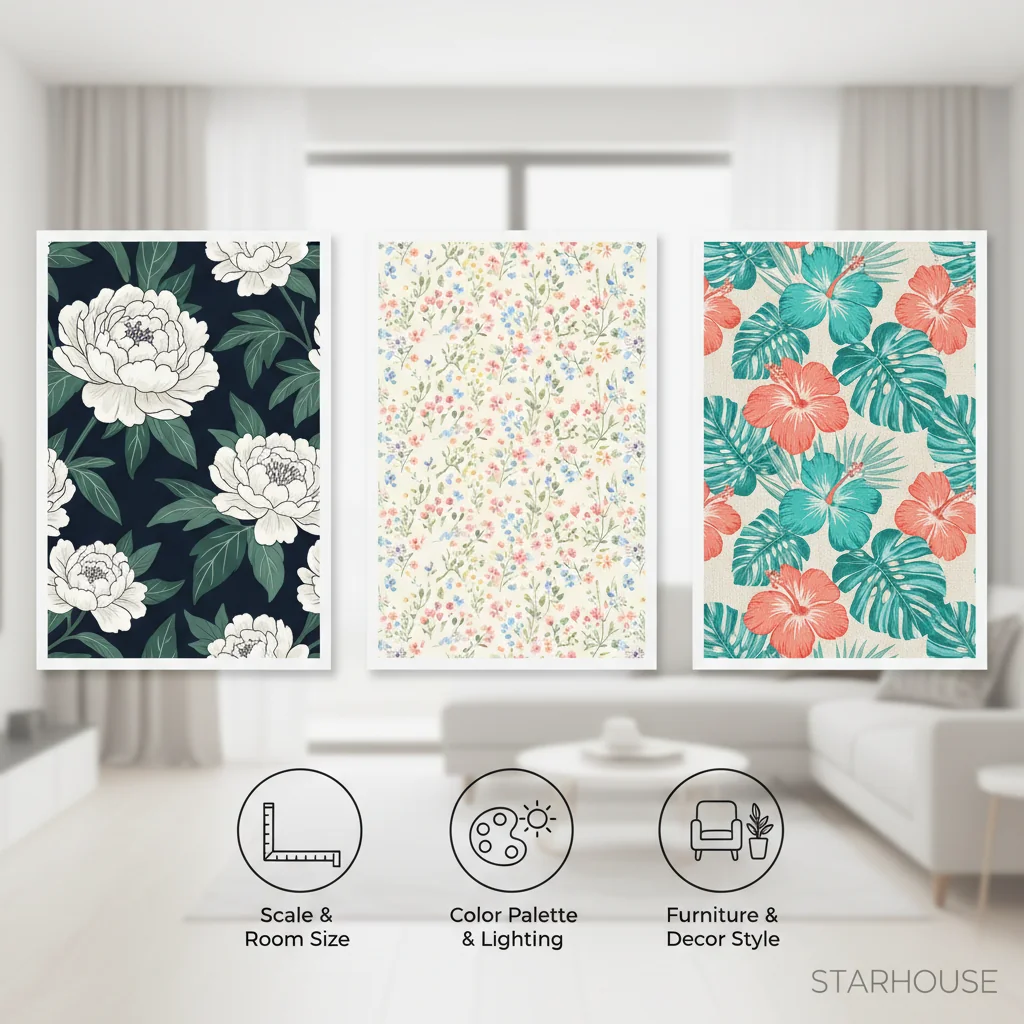
Selecting the ideal floral wallpaper involves a thoughtful consideration of room function, existing décor, desired aesthetic, and practical factors to ensure a harmonious and impactful design outcome. The right choice enhances your home’s character and creates a space that reflects your personal style.
Consider Room Function and Traffic
The purpose and traffic level of a room significantly influence the appropriate wallpaper material and pattern durability.
- **High-Traffic Areas (Hallways, Kids’ Rooms):** Opt for durable, washable materials like solid vinyl or non-woven wallpaper. These can withstand bumps, scuffs, and frequent cleaning. Patterns with a slight texture or darker background can also help camouflage minor imperfections.
- **Moisture-Prone Areas (Bathrooms, Kitchens):** Vinyl and non-woven wallpapers are best here due to their moisture resistance and breathability, which helps prevent mold and mildew. Ensure adequate ventilation. Avoid delicate paper or grasscloth.
- **Low-Traffic/Formal Areas (Bedrooms, Dining Rooms, Living Rooms):** You have more flexibility here. Delicate paper, luxurious fabric, or textured grasscloth can be used to add sophistication and warmth. Durability is less of a concern, allowing for more artistic choices.
Harmonize with Your Existing Color Palette and Mood
The color and intensity of your floral wallpaper should complement your current furnishings, paint colors, and the desired mood of the room.
- **Mood Creation:**
- **Serene & Calm:** Choose soft, muted floral patterns with a limited color palette, or botanical prints with a light background.
- **Vibrant & Energetic:** Opt for bold, colorful florals, large-scale prints, or tropical motifs.
- **Sophisticated & Elegant:** Consider traditional damasks, Chinoiserie, or dark, dramatic florals with metallic accents.
- **Color Coordination:** Pull colors from existing textiles, artwork, or furniture. The wallpaper doesn’t need to perfectly match but should belong to the same color family or provide a harmonious contrast. For example, a floral pattern with subtle green leaves can tie into existing green accents.
Evaluate Scale and Pattern Repeat
The size of the floral motif and its repeat pattern have a profound effect on the perception of space.
- **Small-Scale Patterns:** Tiny florals or delicate repeating motifs can make a small room feel larger and add subtle texture without overwhelming. They work well in powder rooms or as a backdrop for busy furniture.
- **Large-Scale Patterns:** Oversized blooms or expansive botanical murals make a dramatic statement and can make a large room feel more intimate. In smaller rooms, use them sparingly, perhaps on a single accent wall, to avoid feeling visually crowded.
- **Definition:** **Pattern repeat is the vertical distance between one point in a pattern and the identical point directly above or below it, indicating where the design repeats.** This is crucial for calculating the correct amount of wallpaper needed and for achieving a seamless look.
Assess Light Exposure
Natural and artificial light interact with wallpaper colors and textures, altering their appearance throughout the day.
- **North-Facing Rooms:** Tend to have cooler, dimmer light. Choose warmer floral patterns (yellows, reds, oranges) or those with metallic accents to add brightness and warmth.
- **South-Facing Rooms:** Receive abundant, warm light. Almost any color works, but bold, cool tones can help balance the warmth.
- **East-Facing Rooms:** Get bright morning light. Patterns that appear vibrant in morning light can be considered.
- **West-Facing Rooms:** Enjoy warm afternoon light. Deep, rich colors can look stunning as the sun sets.
Consider Existing Furnishings and Style
Your wallpaper should complement your furniture, art, and overall interior design style, rather than competing with it.
- **Traditional Interiors:** Pair with classic floral patterns like damask, Chinoiserie, or Victorian designs.
- **Modern Interiors:** Opt for stylized, abstract, or large-scale minimalist florals.
- **Bohemian/Eclectic:** Experiment with vibrant, global-inspired florals or botanical prints.
- **Farmhouse/Cottage:** Choose delicate wildflower patterns, subtle botanicals, or vintage-inspired florals.
Test with Samples
Always obtain physical samples of your preferred floral wallpapers. Tape them to your wall and observe them throughout the day and night to see how they look in different lighting conditions and against your existing décor. This crucial step prevents costly mistakes.
Comparison Table: Wallpaper Types at a Glance
| Type | Durability | Installation | Removal | Best Use Case | Approx. Price Range (per single roll) |
|---|---|---|---|---|---|
| Peel-and-Stick | Moderate (easily scuffed) | Easiest (peel & stick) | Easiest (dry-strippable) | Rentals, accent walls, DIY projects, temporary decor | $30 – $100+ |
| Pre-Pasted | Good (washable) | Moderate (water activation) | Good (strippable) | Bedrooms, living rooms, moderate traffic areas | $25 – $80+ |
| Unpasted (Paper-backed) | Moderate (delicate, not washable) | Difficult (separate paste) | Difficult (may require steaming) | Formal rooms, low-traffic areas, traditional aesthetics | $20 – $70+ |
| Non-Woven | Excellent (washable, breathable) | Moderate (paste-the-wall) | Excellent (dry-strippable) | High-traffic areas, kitchens, bathrooms, long-term installations | $40 – $150+ |
| Vinyl (Solid/Coated) | Excellent (scrubbable, moisture-resistant) | Moderate (paste required or pre-pasted) | Good (often strippable) | High-traffic areas, kitchens, bathrooms, commercial use | $30 – $100+ |
| Fabric/Textile | High (luxurious, but delicate for cleaning) | Difficult (professional recommended) | Difficult (professional recommended) | Luxury living rooms, formal dining, sound absorption | $100 – $500+ |
| Grasscloth | Moderate (delicate, easily damaged) | Difficult (professional recommended) | Difficult (professional recommended) | Accent walls, low-traffic formal spaces, natural aesthetic | $80 – $300+ |
By carefully evaluating these factors, you can confidently select a floral wallpaper that not only enhances your home’s beauty but also aligns with its practical requirements and your personal design aspirations. Starhouse curates a diverse collection to meet these varied needs, ensuring you find the perfect match for your space.
Accurate Sizing and Measurement for Flawless Installation
Precise measurement of your walls is paramount to ensure you purchase the correct amount of floral wallpaper and achieve a seamless, professional-looking installation. Underestimating can lead to costly delays and pattern mismatch, while overestimating results in unnecessary expense.
Measuring Wall Dimensions
Begin by accurately measuring the height and width of each wall you intend to wallpaper. Use a steel tape measure for accuracy, not a cloth one.
- **Measure Height:** Measure from the ceiling line to the baseboard at several points across the wall. Use the tallest measurement for calculation, as walls are rarely perfectly uniform.
- **Measure Width:** Measure the width of the wall from corner to corner.
- **Account for Obstructions:** For windows and doors, measure their height and width separately. You will subtract these areas from the total square footage later, but it’s crucial to have the full wall measurements first.
- **Repeat for All Walls:** Apply this process to every wall you plan to cover.
Calculating Rolls Needed
Wallpaper is typically sold in single or double rolls, but calculations are usually based on double rolls for simplicity. Manufacturers often provide coverage estimates, but it’s essential to perform your own calculations, especially considering pattern repeat.
- **Calculate Total Wall Area:** Multiply the total height by the total width for each wall, then sum these to get the total square footage. For example, a wall 8 feet high and 12 feet wide is 96 square feet.
- **Subtract Obstructions:** Calculate the square footage of windows, doors, and other large openings. Subtract this from your total wall area.
- **Factor in Pattern Repeat:** This is a critical step for floral wallpaper. The pattern repeat length (e.g., 21 inches, 27 inches) must be added to each strip’s length to ensure proper alignment.
- **Formula:** (Wall Height + Pattern Repeat) / 27 inches (average strip width) = Number of Strips per roll.
- **Example:** For a 9-foot (108-inch) wall with a 21-inch repeat: (108 + 21) = 129 inches per strip.
- **Note:** Standard U.S. wallpaper rolls are typically 20.5 or 27 inches wide and approximately 33 feet (396 inches) long for a single roll, or 66 feet (792 inches) for a double roll.
- **Determine Number of Strips per Roll:** Divide the total length of a roll (e.g., 792 inches for a double roll) by the adjusted strip length (e.g., 129 inches). This gives you the number of full strips you can get from one roll.
- **Calculate Total Strips Needed:** Divide the total width of your walls by the width of one wallpaper strip (e.g., 20.5 or 27 inches).
- **Calculate Total Rolls:** Divide the total strips needed by the number of strips per roll. Always round up to the nearest whole number to ensure you have enough.
Accounting for Waste
Always purchase an extra roll beyond your calculated minimum. This serves as a buffer for several reasons:
- **Pattern Matching:** Intricate floral patterns, especially those with large repeats, generate more waste as you align motifs across strips.
- **Installation Errors:** Mistakes happen – a miscut, a tear, or an adhesive mishap. An extra roll prevents halting your project.
- **Future Repairs:** Having an unopened roll from the same dye lot ensures a perfect match if a section needs repair years down the line. Dye lots can vary slightly, making matching difficult later.
Professional vs. DIY Installation
While peel-and-stick options are generally DIY-friendly, traditional unpasted or fabric-backed floral wallpapers with complex patterns often benefit from professional installation. Professionals possess the tools, experience, and precision to handle intricate pattern repeats, tricky corners, and delicate materials, ensuring a flawless finish that justifies the investment.
By following these meticulous measurement and calculation steps, you set the foundation for a stunning and enduring floral wallpaper installation, transforming your space with confidence and precision.
Current Trends in Floral Wallpaper Design
Contemporary floral wallpaper trends blend historical reverence with modern interpretation, focusing on sustainability, bold expression, and personalized aesthetics. These trends reflect a desire for nature-inspired interiors that are both visually striking and environmentally conscious.
Maximalist Florals
The maximalist design movement embraces abundance, and floral wallpaper is at its forefront. This trend features dense, layered, and often vibrant floral patterns that cover entire walls, creating an immersive, jewel-box effect. It’s about celebrating rich textures, bold colors, and an “more is more” philosophy, often pairing different floral scales or patterns within a single room.
Dark & Moody Botanicals
Moving away from light and airy aesthetics, dark and moody botanicals present floral patterns against deep, saturated backgrounds like charcoal, navy, forest green, or even black. These designs evoke a sense of drama, intimacy, and sophisticated luxury, often featuring heirloom blooms or exotic foliage in rich, jewel-toned hues. This trend is particularly popular in bedrooms, dining rooms, and powder rooms where a cozy, enveloping atmosphere is desired.
Chinoiserie Revival
Chinoiserie, a European interpretation of traditional Chinese art, is experiencing a resurgence. Modern iterations often feature delicate, hand-painted-style floral branches, exotic birds, and scenic landscapes, frequently on soft, pastel or metallic backgrounds. This trend offers a refined, elegant, and artistic touch, lending a timeless sophistication to contemporary interiors.
Large-Scale Murals
Floral wall murals, which depict a single, expansive image rather than a repeating pattern, are increasingly popular for creating powerful focal points. These can range from a panoramic view of a lush garden to a single, oversized bloom that spans an entire wall. Murals transform a room, offering an artistic statement and an immersive experience, often customized to fit specific wall dimensions.
Abstract & Impressionistic Florals
For those seeking a more contemporary or artistic interpretation, abstract and impressionistic floral patterns are gaining traction. These designs feature painterly brushstrokes, blurred forms, and simplified botanical shapes, often in unexpected color combinations. They offer the beauty of florals without being overtly traditional, blending art and nature in a sophisticated, modern way.
Biophilic Design Integration
The concept of biophilic design, which seeks to connect occupants with nature, heavily influences current floral wallpaper trends. This includes realistic botanical prints, patterns inspired by forest floors, and designs that mimic the organic flow of natural elements. The goal is to create calming, restorative environments. The U.S. National Park Service emphasizes the historical role of floral design in creating vibrant and elegant spaces, underscoring this enduring connection between interiors and the natural world (U.S. National Park Service). Modern biophilic florals extend this principle with updated aesthetics.
Sustainable and Low-VOC Options
With a growing awareness of environmental impact and indoor air quality, there’s a strong trend towards sustainable and low-VOC (Volatile Organic Compound) floral wallpapers. Manufacturers are increasingly offering products made from recycled materials, responsibly sourced paper, or those printed with water-based inks. These options align with health-conscious living and environmental stewardship, ensuring that beauty does not come at the expense of well-being. Starhouse prioritizes curating collections that meet these evolving standards, reflecting the importance of responsible design. Understanding the regulations around VOCs, such as those outlined by the EPA and 40 CFR Part 59 Subpart C, is crucial for both manufacturers and consumers.
These trends highlight the dynamic evolution of floral wallpaper, ensuring there’s a style to match every contemporary home and design philosophy. They offer opportunities to infuse personality and natural beauty into spaces in innovative and responsible ways.
Care and Maintenance for Lasting Beauty
Proper care and maintenance are essential to preserve the vibrancy, integrity, and overall beauty of your floral wallpaper for years to come. The specific cleaning methods depend heavily on the wallpaper’s material, so always refer to the manufacturer’s guidelines for your specific product.
General Cleaning Guidelines
Regardless of the material, follow these general principles to prevent damage and maintain cleanliness:
- **Regular Dusting:** Use a soft, dry cloth, a feather duster, or a vacuum cleaner with a brush attachment to gently remove surface dust and cobwebs. This prevents dirt buildup that can become harder to remove over time. Perform this weekly or bi-weekly.
- **Spot Cleaning Promptly:** Address spills or marks immediately. The longer a stain sits, the more difficult it becomes to remove.
- **Test in an Inconspicuous Area:** Before applying any cleaning solution to a visible part of your wallpaper, always test it on a small, hidden area (e.g., behind furniture or near a baseboard). This ensures the solution will not cause discoloration or damage.
- **Avoid Harsh Chemicals:** Never use abrasive cleaners, strong detergents, or solvents unless specifically recommended by the manufacturer. These can strip finishes, fade colors, or damage the material.
- **Work from Bottom to Top (for wet cleaning):** When wet-cleaning a wall, start from the bottom and work your way up. This prevents dirty water streaks from running down a clean wall.
Specific Material Care
Different wallpaper materials require tailored cleaning approaches:
- **Vinyl Wallpaper (Solid Vinyl, Vinyl Coated):**
- **Cleaning:** These are typically very durable and washable. Use a soft sponge or cloth dampened with a mild, non-abrasive soap solution (e.g., dish soap diluted in water). Gently wipe the surface, then rinse with a clean, damp cloth. Dry immediately with a soft, dry towel to prevent water spots.
- **Stains:** For tougher stains, a stronger, diluted household cleaner might be used, but always test first.
- **Non-Woven Wallpaper:**
- **Cleaning:** Many non-woven wallpapers are washable or scrubbable. Follow the same procedure as vinyl: mild soap and water, wipe, rinse, and dry. Their breathability also makes them less prone to mold, but immediate drying is still recommended.
- **Paper Wallpaper:**
- **Cleaning:** This is the most delicate type. Paper wallpaper is generally NOT washable. Only dry dusting is recommended. For minor marks, you might very gently use a clean, dry art gum eraser. Any moisture can cause damage, discoloration, or lifting.
- **Fabric/Textile Wallpaper:**
- **Cleaning:** These are typically delicate and often not washable. Regular, gentle vacuuming with a brush attachment is the primary method for removing dust. For stains, professional cleaning is often required, or very careful spot cleaning with a specialized textile cleaner (always test first). Avoid excessive moisture.
- **Grasscloth Wallpaper:**
- **Cleaning:** Grasscloth is extremely delicate and absorbent. It is NOT washable. Use a dry, soft cloth or a vacuum cleaner with a soft brush attachment for dusting. Any liquid will likely stain or damage the fibers permanently.
Repairing Minor Damage
Small tears or bubbles can often be repaired to extend the life of your wallpaper:
- **Bubbles:** For small air bubbles, use a utility knife to make a small slit in the center of the bubble. Gently squeeze out the air, then use a small amount of wallpaper adhesive (applied with a syringe or fine brush) to re-adhere the paper, smoothing it with a wallpaper roller.
- **Small Tears:** For minor tears, carefully apply a small amount of clear wallpaper adhesive to the edges of the tear with a toothpick. Press the edges together and smooth with a clean, damp cloth or roller.
- **Seam Separation:** If a seam starts to lift, use seam adhesive to re-bond the edges, pressing firmly with a seam roller.
Humidity Control
Excessive humidity can cause wallpaper to peel or bubble, especially in bathrooms or kitchens. Ensure these areas are well-ventilated, using exhaust fans during and after showering or cooking. Maintaining a consistent indoor humidity level helps preserve the wallpaper’s adhesion and structural integrity.
By adhering to these care and maintenance guidelines, your floral wallpaper will continue to be a vibrant and cherished element of your home’s design for many years.
Styling and Pairing Floral Wallpaper in Your Home
Integrating floral wallpaper into your interior design requires careful consideration of complementary furnishings, textiles, and accessories to create a cohesive and inviting space. The goal is to balance the wallpaper’s visual impact with other elements, ensuring harmony rather than chaos.
Accent Wall vs. Whole Room Application
The extent of your floral wallpaper application significantly impacts the room’s overall feel.
- **Accent Wall:** Applying floral wallpaper to a single wall creates a striking focal point without overwhelming the space. This is ideal for bold, large-scale, or highly detailed patterns. Position the accent wall where it draws immediate attention, such as behind a bed, a sofa, or in a dining area. The remaining walls can be painted in a complementary solid color, often pulled from a subtle hue within the wallpaper pattern.
- **Whole Room Application:** Covering all four walls with floral wallpaper creates an immersive, enveloping experience. This approach works best with smaller, more delicate patterns, or with designs that have a soft, muted color palette. In larger rooms, a grand, repeating floral can create a luxurious and traditional atmosphere. For smaller rooms, ensure the pattern isn’t too busy to avoid making the space feel cramped.
Furniture Coordination
The style and scale of your furniture should complement, not compete with, your floral wallpaper.
- **Balance Bold Patterns with Simplicity:** If your floral wallpaper is bold and colorful, opt for simpler, solid-colored furniture pieces. Neutral upholstery in linen, velvet, or leather allows the wallpaper to shine as the room’s star.
- **Complementary Styles:**
- **Traditional Florals:** Pair with classic furniture styles like Chippendale, Queen Anne, or upholstered pieces with elegant curves.
- **Modern/Abstract Florals:** Combine with contemporary, minimalist, or mid-century modern furniture with clean lines and geometric forms.
- **Tropical Florals:** Enhance with rattan, bamboo, or light-wood furniture, perhaps with a touch of brass or gold.
- **Scale:** Ensure furniture scale is appropriate. Large, ornate furniture might clash with a delicate, small-scale floral. Conversely, too many small pieces can get lost against an expansive floral mural.
Textiles & Soft Furnishings
Textiles, including curtains, rugs, pillows, and throws, are crucial for tying the room together and adding layers of comfort.
- **Pull Colors:** Select textile colors directly from the floral wallpaper pattern. This creates instant harmony.
- **Mix Patterns Strategically:**
- **Rule of Three:** Combine three different patterns of varying scales: one large (the wallpaper), one medium (e.g., a geometric rug), and one small (e.g., a striped pillow).
- **Vary Texture, Not Just Pattern:** Introduce solid-colored textiles with interesting textures (velvet, boucle, chunky knits) to add depth without competing visually.
- **Avoid Overlapping Florals:** Generally, avoid pairing a floral wallpaper with another dominant floral pattern in textiles unless they are distinctly different in scale and style and intentionally layered.
- **Curtains:** Choose solid curtains in a color found in the wallpaper, or a subtle texture. Sheer curtains can soften the look of a bold floral.
Lighting Choices
Lighting can highlight the beauty of your floral wallpaper and influence the room’s atmosphere.
- **Accent Lighting:** Use sconces or picture lights to illuminate specific sections of a mural or a particularly beautiful pattern.
- **Overall Ambiance:** Warm lighting (2700K-3000K) enhances the cozy, inviting feel of traditional or dark floral patterns. Cooler lighting (3500K-4000K) can make modern or abstract florals feel crisp and vibrant.
- **Fixtures:** Select light fixtures that complement the wallpaper’s style. A crystal chandelier with a vintage floral, or a sleek, minimalist pendant with an abstract botanical.
Art & Accessories
Thoughtful accessories complete the design, adding personality and refinement.
- **Less is More with Bold Florals:** If your wallpaper is a strong statement, keep wall art minimal or choose pieces with simple frames and ample negative space. Mirrors are excellent as they reflect the pattern without adding another visual layer.
- **Complementary Art:** For subtle floral wallpapers, you can introduce artwork that either echoes the botanical theme or provides a contrasting element (e.g., abstract art against a delicate floral).
- **Greenery:** Incorporate live plants or faux botanicals to reinforce the natural theme and add another layer of biophilic design.
- **Decorative Objects:** Choose vases, sculptures, and decorative boxes in colors and materials that harmonize with the wallpaper and furniture. Metallic accents (gold, brass, silver) often pair beautifully with floral patterns, adding a touch of glamour.
By meticulously considering these styling elements, you can transform a room with floral wallpaper into a beautifully curated and harmonious sanctuary. At Starhouse, we believe in empowering your design choices with precision and inspiration.
Common Mistakes to Avoid When Choosing Floral Wallpaper
Avoiding common pitfalls in floral wallpaper selection ensures a successful and satisfying design outcome for your home, preventing costly errors and achieving a cohesive aesthetic. Thoughtful planning mitigates potential challenges and maximizes the impact of your chosen pattern.
1. Ignoring Scale in Relation to Room Size
One of the most frequent errors is selecting a floral pattern whose scale is mismatched with the room’s dimensions. A large, bold floral pattern can overwhelm a small powder room, making it feel cramped and busy. Conversely, a tiny, delicate floral pattern can get lost in a grand living room, failing to make the desired impact.
- **Correction:** For small rooms (e.g., powder rooms, narrow hallways), consider smaller, more intricate patterns or a large-scale floral on a single accent wall. For larger rooms, embrace grand, oversized florals or murals that command attention.
2. Overlooking Room Function and Durability
Choosing a delicate, non-washable paper wallpaper for a high-traffic area like a child’s playroom or a moisture-prone bathroom is a common mistake that leads to premature wear and damage. Different materials offer varying levels of durability and resistance.
- **Correction:** Always align the wallpaper material with the room’s intended use. Opt for durable, washable vinyl or non-woven options for kitchens, bathrooms, and high-traffic zones. Reserve delicate paper, fabric, or grasscloth for low-traffic, formal areas where they are less likely to be damaged.
3. Neglecting Sample Testing in Your Space
Falling in love with a floral wallpaper online or in a showroom is easy, but its appearance can drastically change under different lighting conditions and against your home’s existing color palette. Skipping the sample phase is a critical misstep.
- **Correction:** Always order samples of your top choices. Tape them to the wall you intend to cover and observe them throughout the day and night. Pay attention to how the colors shift, how the pattern interacts with natural and artificial light, and how it harmonizes with your furniture and textiles.
4. Underestimating Installation Complexity
Some floral wallpapers, particularly those with large, intricate patterns or delicate materials, require significant skill and precision to install correctly. Attempting a complex DIY installation without prior experience can lead to misaligned patterns, bubbles, tears, and wasted materials.
- **Correction:** Be realistic about your DIY skills. For unpasted, fabric-backed, or large-repeat floral patterns, consider hiring a professional wallpaper installer. They possess the tools, expertise, and experience to ensure a flawless finish, saving you time, frustration, and potential rework costs.
5. Forgetting About Pattern Repeat in Calculations
Failing to account for pattern repeat when calculating the number of rolls needed is a common and costly mistake. This oversight leads to purchasing too few rolls, and subsequent rolls from different dye lots may have slight color variations, resulting in a visible mismatch.
- **Correction:** Always factor in the pattern repeat length when calculating your wallpaper needs. Add the repeat length to the height of each strip to determine the working length. Always purchase an extra roll (or two for large, complex patterns) to account for waste, errors, and future repairs, ensuring all rolls come from the same dye lot.
6. Over-Patterning or Clashing Styles
Introducing too many competing patterns or clashing design styles can create a chaotic and visually jarring interior. While mixing patterns can be sophisticated, doing so without a clear strategy often results in a cluttered look.
- **Correction:** If your floral wallpaper is bold, pair it with solid-colored or subtly textured furnishings and textiles. If you wish to mix patterns, ensure they vary significantly in scale (one large, one medium, one small) and share a common color palette to create harmony. Ensure the overall style of the floral wallpaper aligns with your existing décor.
7. Neglecting Wall Preparation
Applying wallpaper to an improperly prepared surface (e.g., dirty, uneven, porous, or peeling paint) significantly compromises adhesion and the final appearance. Bumps, cracks, and old paint can show through, and the wallpaper may not stick properly.
- **Correction:** Thoroughly clean, patch, sand, and prime your walls before installation. Use a high-quality primer specifically designed for wallpaper to create a smooth, consistent surface that allows for proper adhesion and easier future removal.
By diligently avoiding these common mistakes, you can confidently select and install floral wallpaper that enhances your home’s aesthetic, providing lasting beauty and satisfaction.
Sources
Frequently Asked Questions About Floral Wallpaper
Is floral wallpaper still in style?
Yes, floral wallpaper remains a highly fashionable and enduring design choice, continuously reinterpreted through modern aesthetics like maximalist patterns, dark botanicals, and large-scale murals. Contemporary trends focus on personalized expression and sophisticated integration into diverse interior styles.
What types of floral wallpaper are easiest to install?
Peel-and-stick (self-adhesive) floral wallpaper is generally the easiest to install for DIY enthusiasts, as it requires no paste and is often repositionable. Non-woven “paste-the-wall” options are also user-friendly, as the adhesive is applied directly to the wall, simplifying the process.
How do I choose the right scale of floral pattern for my room?
To choose the right scale, consider the room’s size and function. Small, delicate floral patterns work well in intimate spaces like powder rooms or as a subtle backdrop. Large, bold, or oversized floral patterns create a dramatic statement in larger rooms or on a single accent wall, making the space feel more curated and impactful.
Can I use floral wallpaper in a bathroom or kitchen?
Yes, you can use floral wallpaper in bathrooms and kitchens, but it is crucial to select moisture-resistant materials like vinyl or non-woven wallpaper. These materials are durable, washable, and less prone to damage from humidity, ensuring longevity in these high-moisture environments.
How do I clean floral wallpaper?
Cleaning methods depend on the material: vinyl and non-woven wallpapers are typically washable with a soft cloth and mild soap solution. Paper wallpaper is generally not washable and should only be dusted dry. Always test any cleaning method in an inconspicuous area first and refer to the manufacturer’s specific care instructions.
What is pattern repeat, and why is it important for floral wallpaper?
Pattern repeat is the vertical distance between where a design ends and begins again on a wallpaper roll. It is crucial for floral wallpaper because it dictates how much extra material you need to purchase to ensure the pattern aligns seamlessly across multiple strips, preventing visible breaks in the design and minimizing installation errors.
Should I use floral wallpaper on all four walls or just an accent wall?
The choice depends on the pattern’s intensity and your desired aesthetic. A bold, large-scale floral is best suited for an accent wall to create a focal point without overwhelming the room. Smaller, more subtle floral patterns or those with muted colors can be used on all four walls to create an immersive and cohesive design, especially in larger spaces.
Conclusion: Cultivating Your Floral Vision
Floral wallpaper, with its unparalleled diversity and enduring charm, remains a powerful tool in the arsenal of sophisticated interior design. From the delicate whispers of a botanical print to the bold declaration of a large-scale mural, it offers an expressive canvas to infuse personality, warmth, and natural beauty into every corner of your home. We have explored the critical distinctions between types and materials, navigated the vast landscape of styles, and provided precise guidance on selection, measurement, care, and seamless integration into your existing décor.
At Starhouse, we are dedicated to curating a collection that empowers your design journey, offering an exquisite range of wall décor and furnishings that meet our exacting standards of quality and aesthetic appeal. We believe that your home should be a reflection of your unique style and a sanctuary crafted with intention and precision.
As we prepare to launch our curated collection, we are eager to understand what truly inspires you. Your vision helps us refine our offerings to perfectly match the aspirations of discerning homeowners across the United States. We invite you to share your design preferences and become part of our community. Tell us what you’re looking for to receive early access and exclusive insights into our upcoming collections, ensuring your space blossoms with unparalleled elegance and individuality. Visit starhouseusa.online/ to connect with us and share your vision.