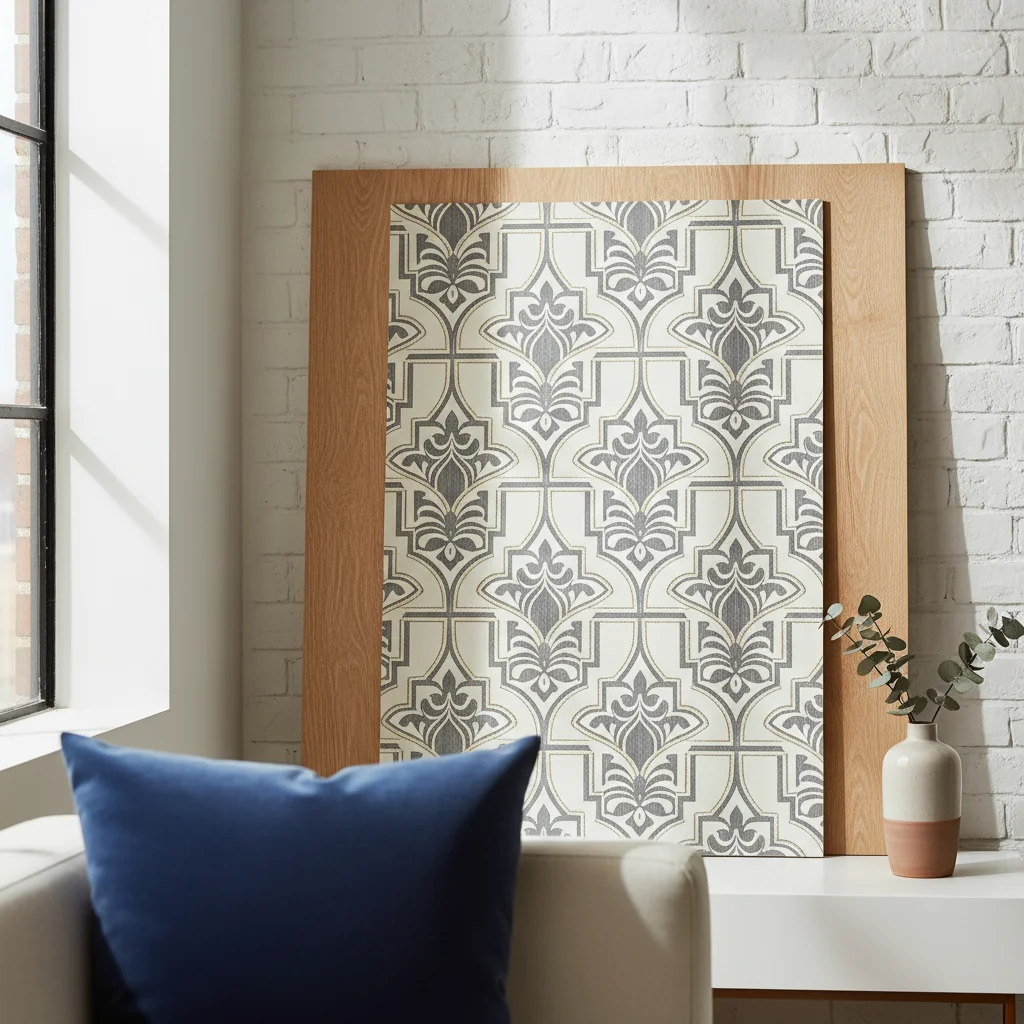
Haunted mansion wallpaper is a distinctive decorative wallcovering characterized by its historical, often ornate, and sometimes subtly macabre aesthetic, designed to evoke the grandeur and mystery of a bygone era. This style typically features intricate patterns, rich color palettes, and motifs that hint at gothic romance, Victorian elegance, or a touch of the supernatural, transforming a room into an immersive, atmospheric experience. It often draws inspiration from classic architectural details, vintage textiles, and narrative elements found in historical estates and fictional haunted locales, providing a dramatic backdrop that transcends mere decoration to become a foundational element of interior storytelling.
Key takeaways
- Haunted mansion wallpaper is defined by its ornate, often historical patterns, rich color palettes, and motifs that evoke mystery and gothic elegance.
- Key styles include Victorian, Gothic Revival, Art Nouveau, and Dark Academia, with patterns like damask, toile, flock, and grotesque featuring prominently.
- Material choice significantly impacts durability and aesthetic, ranging from traditional paper and non-woven to modern vinyl and convenient peel-and-stick options.
- Precise measurement, accounting for pattern repeat, is critical for seamless installation and avoiding material waste.
- Styling involves balancing the wallpaper’s drama with complementary furnishings, lighting, and accessories to create a cohesive, immersive environment.
- Selecting wallpapers with low volatile organic compound (VOC) emissions is essential for maintaining optimal indoor air quality.
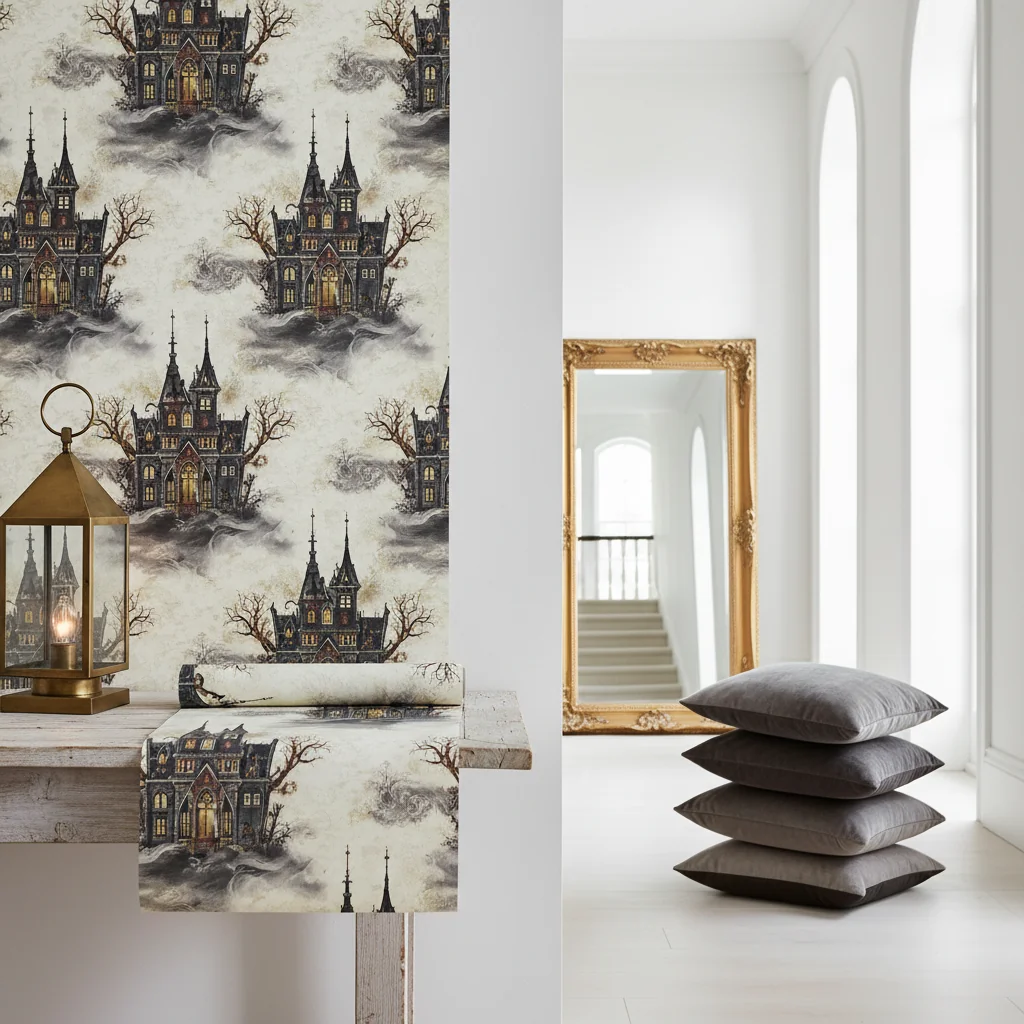
What Exactly Is Haunted Mansion Wallpaper? Exploring Its Types and Allure
Haunted mansion wallpaper is a distinct category of wallcovering that meticulously recreates or interprets the opulent, often brooding, and historically rich aesthetic found in grand, older estates, lending an immediate sense of character and narrative to any room. This style is not merely about replicating a specific pattern; it is about capturing an atmosphere—one of forgotten elegance, intriguing mystery, and a touch of dramatic flair that evokes the sensation of stepping into a cherished, albeit slightly eerie, historical dwelling. Its allure lies in its ability to transport occupants to another time, offering a sophisticated alternative to contemporary minimalism by embracing maximalist principles and intricate design.
The core appeal of haunted mansion wallpaper stems from its ability to imbue a space with a profound sense of history and depth. Unlike minimalist designs that prioritize clean lines and open spaces, this style thrives on visual complexity and narrative suggestion. It invites contemplation and discovery, with each intricate detail contributing to a larger story. This aesthetic often draws from specific historical periods, particularly the Victorian and Gothic Revival eras, known for their elaborate ornamentation and dramatic sensibilities. The psychological impact of these designs is significant; they can transform a mundane room into a personal sanctuary that feels both grand and intimately evocative.
Defining Characteristics
Several key characteristics consistently define haunted mansion wallpaper, differentiating it from other decorative styles:
- Ornate Patterns: Intricate, often symmetrical designs featuring damasks, acanthus leaves, fleurs-de-lis, heraldic motifs, and elaborate scrollwork are hallmarks. These patterns are typically large-scale and commanding, designed to dominate the visual field.
- Rich Color Palettes: Deep, saturated colors are paramount, including charcoal grays, deep burgundies, forest greens, navy blues, muted golds, and antique silvers. These hues contribute to the luxurious and sometimes somber mood.
- Textural Depth: Many authentic designs incorporate flocking, embossing, or metallic accents to add tactile and visual texture, enhancing the perception of age and luxury.
- Subtle Narrative Elements: While not always overtly pictorial, the patterns often carry a narrative suggestion—a sense of secrets, history, or subtle macabre beauty. This can range from hidden figures within a toile pattern to architectural trompe l’oeil effects.
- Historical Authenticity: Many designs are either direct reproductions of historical patterns or are heavily inspired by period-specific aesthetics, ensuring a genuine connection to the past.
Common Types of Haunted Mansion Wallpaper
While the umbrella term “haunted mansion” encompasses a broad range, specific types of wallpaper contribute to this aesthetic:
- Victorian Damask: This is perhaps the most iconic. Damask patterns feature a reversible figure woven into a ground, often in a monochromatic or tone-on-tone scheme, creating a luxurious, textural effect. Victorian damasks are typically large, bold, and highly detailed, frequently seen in deep reds, emeralds, or dark blues.
- Gothic Revival Patterns: Characterized by darker hues, more angular motifs, and sometimes incorporating architectural elements like arches, trefoils, or heraldic shields. These patterns often lean into a more dramatic, almost ecclesiastical feel.
- Flocked Wallpaper: A technique where adhesive is printed onto the paper in a pattern, then fine fibers (flock) are applied, creating a raised, velvety texture. This adds significant tactile and visual depth, enhancing the historical and luxurious feel. Flocked wallpapers are particularly effective in creating the perception of aged, textile-like walls.
- Toile de Jouy (with a twist): While traditional toile depicts pastoral scenes, a “haunted” interpretation might feature darker colors or slightly unsettling imagery within the idyllic landscapes, such as ghostly figures or ruins, maintaining the narrative quality but altering the mood.
- Chiaroscuro/Shadow Play: Wallpapers that utilize stark contrasts between light and dark, creating a dramatic, almost three-dimensional effect. This technique can make patterns appear to recede or advance, adding to the mysterious ambiance.
- Architectural Trompe L’oeil: Designs that mimic architectural features like crumbling plaster, aged brick, or intricate moldings, creating an illusion of depth and historical structure.
- Modern Interpretations (Peel-and-Stick): Contemporary options often replicate classic patterns with modern convenience. For instance, the Disney Haunted Mansion Maroon Peel and Stick Wallpaper offers a user-friendly way to achieve this specific aesthetic, combining iconic imagery with easy application and removal. These innovations make the grand aesthetic accessible for temporary installations or rental properties.
Understanding these types allows for a more nuanced approach to selecting the perfect haunted mansion wallpaper, ensuring the chosen design aligns precisely with the desired historical accuracy and atmospheric impact.
The History and Evolution of Haunted Mansion Wallpaper Styles
The aesthetic of haunted mansion wallpaper is deeply rooted in historical design movements, primarily drawing inspiration from the grandeur and elaborate ornamentation of the Victorian and Gothic Revival periods, which themselves were responses to earlier classical and medieval styles. These historical influences provided the foundational motifs, color palettes, and textural preferences that continue to define this distinctive wallcovering, evolving from hand-printed papers to modern digital reproductions. The evolution reflects not only changes in manufacturing technology but also shifts in cultural perceptions of beauty, mystery, and the domestic environment.
Wallpaper itself has a long and storied history, beginning as early as the 16th century in Europe as an inexpensive alternative to tapestries and carved paneling. By the 18th century, advancements in printing made it more accessible, but it was the 19th century—the Victorian era—that truly saw wallpaper flourish, becoming an indispensable element of interior design. This period, characterized by industrialization, burgeoning wealth, and a fascination with the past, created an environment ripe for the development of the ornate and dramatic styles we now associate with haunted mansions.
Key Historical Influences
- Gothic Revival (Mid-18th to Late 19th Century): This movement was a conscious rejection of neoclassical symmetry, instead embracing the perceived romance and moral integrity of medieval Gothic architecture. Wallpaper designs from this era featured pointed arches, quatrefoils, trefoils, heraldic motifs, and a general emphasis on verticality and intricate detail. Colors were often deep and somber, reflecting the serious tone of the movement.
- Victorian Era (1837-1901): The Victorian period saw an explosion of pattern and color in interiors. Wallpaper was used extensively, often layered with other decorative elements. Designs were frequently complex, featuring botanical motifs (acanthus leaves, lilies, sunflowers), stylized natural forms, geometric patterns, and classical elements. The Aesthetic Movement, a subset of Victorian design, emphasized “art for art’s sake” and contributed to the popularity of highly decorative, often exotic, patterns. Flocking became particularly popular during this time, adding a luxurious, tactile dimension.
- Art Nouveau (Late 19th to Early 20th Century): While often softer and more organic than strict Victorian, Art Nouveau’s flowing lines, natural forms (vines, flowers, insects), and emphasis on craftsmanship can subtly contribute to a haunted mansion aesthetic when rendered in darker, more mysterious tones. Its sinuous curves can evoke a sense of movement and ethereal beauty.
- Chinoiserie and Japonisme: These exotic influences, particularly popular in the 18th and 19th centuries, introduced intricate patterns, fantastical landscapes, and unique color combinations. While not inherently “haunted,” elements like dragons, pagodas, or exotic birds rendered in dark, moody palettes can add an intriguing, mysterious layer.
Evolution of Manufacturing and Accessibility
The evolution of wallpaper manufacturing significantly impacted the prevalence and complexity of these styles:
- Hand-Blocked Printing (Pre-19th Century): Early wallpapers were expensive, produced using hand-carved blocks. This limited patterns to simpler repeats and made them a luxury item.
- Machine Printing (19th Century Onwards): The invention of cylinder printing in the early 19th century revolutionized wallpaper production, making it faster and cheaper. This led to a boom in elaborate Victorian patterns, making them accessible to a wider middle-class market. This era also saw the rise of specialist wallpaper designers like William Morris, whose intricate, nature-inspired patterns remain influential.
- Flocking and Embossing Techniques: As manufacturing advanced, techniques to add texture and depth, such as flocking (applying velvet-like fibers) and embossing (creating raised patterns), became more refined. These tactile qualities were crucial for the opulent, layered look of Victorian interiors.
- Digital Printing (Late 20th Century to Present): Modern digital printing has opened up unprecedented possibilities. It allows for highly complex, photorealistic designs, custom murals, and the precise reproduction of historical patterns with perfect color matching. This technology has also facilitated the development of peel-and-stick wallpapers, making elaborate designs more temporary and renter-friendly. The ability to create large-scale, non-repeating murals has further expanded the scope of immersive design.
The immersive quality of these designs evokes a sense of theatricality, much like the carefully constructed environments of professional haunted attractions designed to transport visitors into a distinct narrative space. This connection underscores the intent behind haunted mansion wallpaper: to transform an ordinary room into an extraordinary experience, rich with narrative potential. The design principles that create a compelling, atmospheric environment in a physical space, as outlined in resources like Safety Measures for Halloween Haunted Houses and Carnivals, share a common goal with this wallpaper style: to establish an overarching mood and narrative through visual and spatial cues.
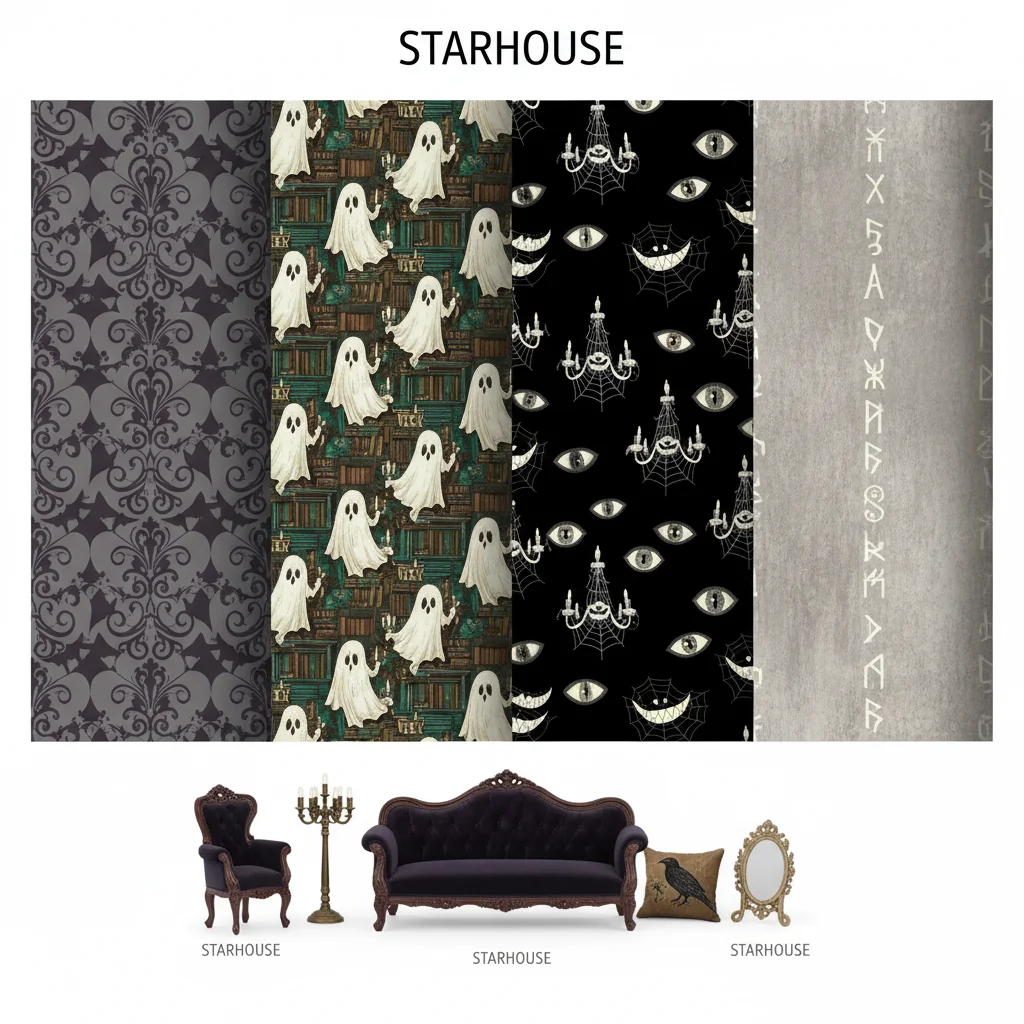
Key Design Elements and Motifs: Unpacking the Aesthetic
The distinctive aesthetic of haunted mansion wallpaper is meticulously constructed from a specific lexicon of design elements and motifs, each contributing to an overarching atmosphere of historical grandeur, mystery, and subtle drama. These elements are not randomly chosen but are carefully selected from historical periods known for their ornate decoration and evocative storytelling, creating a cohesive visual language that is both aspirational and deeply atmospheric. Understanding these individual components is crucial for appreciating the depth and complexity of this design style and for making informed choices when selecting wallpaper for your own space.
The power of these motifs lies in their ability to convey a sense of age, opulence, and narrative without being overtly literal. They often play with symmetry, repetition, and intricate detailing, drawing the eye and inviting closer inspection. The interplay of light and shadow, texture, and color further enhances their impact, transforming a flat surface into a rich, multidimensional canvas.
Core Motifs and Patterns
The following motifs are fundamental to the haunted mansion aesthetic:
- Damask: This is arguably the most recognizable motif. Damask is a reversible figured fabric, or in wallpaper, a pattern that mimics this woven textile, characterized by its elaborate, often large-scale, floral or geometric designs woven into a glossy ground. In wallpaper, the pattern is typically rendered in a single color or in subtle tone-on-tone variations, relying on light and shadow to reveal its intricate details. It exudes classical elegance and historical luxury.
- Acanthus Leaves and Scrollwork: Derived from classical Greek and Roman architecture, the acanthus leaf is a highly stylized, spiky leaf form used in decorative arts for centuries. When combined with elaborate scrollwork and flourishes, it forms intricate borders and repeating patterns that speak to timeless sophistication.
- Fleurs-de-lis and Heraldic Symbols: The fleur-de-lis, a stylized lily or iris, is a classic motif associated with French royalty and aristocracy. Other heraldic symbols, such as crests, shields, and stylized animals, add a sense of ancestral history and regal gravitas, suggesting a lineage of inhabitants.
- Gothic Arches and Trefoils: Drawing directly from medieval architecture, patterns featuring pointed arches, trefoils (three-lobed designs), and quatrefoils (four-lobed designs) infuse a space with a distinctly Gothic Revival sensibility. These elements often appear in darker, more monochromatic schemes, enhancing their dramatic impact.
- Toile de Jouy (Thematic): While traditional toile depicts idyllic pastoral scenes, a “haunted” variation might feature similar detailed vignettes but with a darker narrative. This could include ruins, stormy seas, shadowy figures, or scenes of historical drama, maintaining the intricate storytelling quality of toile but shifting its emotional register.
- Botanical and Floral (Stylized): Unlike bright, contemporary florals, those found in haunted mansion wallpaper are often highly stylized, muted in color, or rendered with a slight decay or melancholic beauty. Think dark roses, wilting vines, or intertwined thistles, often set against a deep, contrasting background.
- Architectural Elements: Patterns that mimic architectural features like wainscoting, intricate molding, crumbling plaster, or aged stone blocks create an illusion of structural depth and historical authenticity. Trompe l’oeil effects are particularly potent in this context.
- Grotesque and Chimerical Figures: In some bolder interpretations, patterns might include subtle grotesque figures, gargoyles, chimeras, or other mythical creatures integrated into the overall design. These are typically understated, appearing as part of a larger, intricate pattern rather than as dominant features, adding a layer of subtle fantasy and intrigue.
Color Palettes and Textural Qualities
The chosen color palette and textural elements are equally vital in defining the haunted mansion aesthetic:
- Deep, Saturated Colors: The primary colors are typically rich and deep—charcoal gray, midnight blue, forest green, deep burgundy, plum, and espresso brown. These colors absorb light, creating a sense of intimacy and drama. Muted golds, antique silvers, and tarnished coppers are often used as accent colors within the patterns, adding a touch of aged opulence.
- Chiaroscuro Effects: Many designs leverage strong contrasts between light and dark to create visual depth and a dramatic, almost painterly effect. This technique, borrowed from classical art, enhances the mystery and grandeur of the patterns.
- Flocking: Flocked wallpaper is a type of wallcovering where a pattern is created by applying fine, velvet-like fibers onto an adhesive design, resulting in a raised, tactile texture. This technique adds significant tactile and visual luxury, mimicking the feel of expensive fabrics and contributing to an aged, opulent look. The velvety texture absorbs light differently, creating subtle shifts in appearance.
- Metallic Accents: Subtle metallic inks or foils are often incorporated into patterns to catch the light, adding a hint of aged glamour without being overly flashy. These elements suggest tarnished gold or oxidized silver, contributing to the antique feel.
- Embossing: Raised patterns created through embossing add physical texture and a three-dimensional quality to the wallpaper, making it feel more substantial and luxurious. This can mimic the look of carved wood, plasterwork, or woven textiles.
By skillfully combining these motifs, colors, and textures, haunted mansion wallpaper achieves its unique ability to transform a room into a sophisticated, story-rich environment that feels both grand and intimately mysterious.
Materials and Construction: Durability, Texture, and Environmental Considerations
The choice of material and construction method for haunted mansion wallpaper profoundly influences its durability, aesthetic appeal, ease of installation, and long-term maintenance, making it a critical consideration beyond just the pattern itself. Modern wallpaper manufacturing offers a diverse range of materials, each with distinct properties that can enhance or detract from the desired historical grandeur and practicality of a haunted mansion aesthetic. Understanding these material differences is essential for ensuring the wallpaper not only looks authentic but also performs effectively in its intended environment, while also considering its environmental impact.
The tactile quality of wallpaper is just as important as its visual appeal in creating an immersive atmosphere. Materials can mimic the richness of textiles, the solidity of plaster, or the subtle sheen of aged metals. Furthermore, contemporary concerns regarding indoor air quality and sustainability have introduced new considerations for material selection, prompting a move towards more environmentally conscious options.
Common Wallpaper Materials and Their Properties
Here’s a breakdown of the primary materials used in wallpaper construction:
-
Traditional Paper (Pulp-Based):
- Description: Made from cellulose fibers, often with a printed design. It is the classic wallpaper material.
- Pros: Excellent breathability, often more environmentally friendly (if sourced responsibly), and can offer a very authentic, matte finish for historical patterns. Generally more affordable.
- Cons: Less durable than other options, prone to tearing, and not washable. It can be challenging to install as it expands when wet and shrinks when dry, requiring careful handling. Not suitable for high-humidity areas.
- Best Use: Low-traffic areas, bedrooms, or formal living rooms where durability is not the primary concern but historical accuracy and a soft finish are desired.
-
Non-Woven Wallpaper:
- Description: A blend of natural and synthetic fibers (polyester, cellulose), bonded together to create a stable, breathable material.
- Pros: Highly durable, tear-resistant, and dimensionally stable (does not expand or contract significantly when wet), making it much easier to install (“paste the wall” method). Often strippable for easy removal. Breathable and good for resisting mold.
- Cons: Typically more expensive than traditional paper.
- Best Use: Versatile for almost any room, including high-traffic areas, due to its durability and ease of installation. Excellent for achieving a high-quality finish with intricate designs.
-
Vinyl Wallpaper:
- Description: Features a paper or fabric backing coated with a layer of polyvinyl chloride (PVC). Can be solid vinyl or vinyl-coated paper.
- Pros: Extremely durable, highly washable, moisture-resistant, and resistant to stains and abrasions. Excellent for high-traffic areas and humid environments like bathrooms and kitchens. Offers a wide range of textures and finishes.
- Cons: Less breathable, can sometimes trap moisture behind it if not installed correctly. Some older vinyl wallpapers may contain higher levels of VOCs (Volatile Organic Compounds), though modern formulations are significantly improved.
- Best Use: Bathrooms, kitchens, hallways, and commercial spaces where durability and easy cleaning are paramount.
-
Fabric-Backed Vinyl Wallpaper:
- Description: Similar to vinyl, but with a fabric (e.g., cotton, polyester) backing instead of paper.
- Pros: Offers superior strength and durability compared to paper-backed vinyl, resisting tears and punctures. Excellent for heavy-duty commercial applications or very high-traffic residential areas.
- Cons: Can be more challenging to install due to its weight and rigidity. Generally the most expensive option.
- Best Use: Commercial settings, or extremely high-traffic residential areas where maximum durability is required.
-
Peel-and-Stick (Self-Adhesive) Wallpaper:
- Description: Typically a vinyl or non-woven material with an adhesive backing, protected by a removable liner.
- Pros: Incredibly easy to install and remove, making it ideal for renters, temporary decor, or those who like to change their decor frequently. No paste required. Often repositionable during installation.
- Cons: May not adhere as permanently as traditional pasted wallpapers over very long periods. Can sometimes be thinner, making wall imperfections more visible.
- Best Use: Rental properties, accent walls, children’s rooms, or for those seeking a low-commitment decorative solution. The Disney Haunted Mansion Maroon Peel and Stick Wallpaper is an excellent example of this modern application.
Texture and Finish Options
Beyond the base material, the finish and texture significantly contribute to the haunted mansion aesthetic:
- Flocked: As previously defined, this adds a raised, velvety texture, mimicking textiles and adding luxurious depth. It is particularly effective for historical patterns.
- Embossed: Creates a raised, three-dimensional pattern, adding tactile interest and visual depth, often mimicking plasterwork or carved wood.
- Metallic: Incorporates metallic inks or foils, providing a subtle shimmer that catches light and adds a sense of aged opulence, often seen in gold, silver, or copper tones.
- Matte: A non-reflective finish that absorbs light, creating a soft, sophisticated look. Ideal for achieving a truly historical, understated elegance.
- Gloss/Satin: A slightly reflective finish that can make colors appear more vibrant and patterns stand out. Less common for the most authentic “haunted” look, but can work for more modernized interpretations.
Environmental and Health Considerations
When selecting wallpaper, particularly for long-term installations, it is crucial to consider the environmental and health impacts of the materials:
- VOCs (Volatile Organic Compounds): Some wallpapers, especially older vinyl types, can off-gas VOCs, which can impact indoor air quality. For those prioritizing indoor air quality, selecting wallpapers certified for low volatile organic compound (VOC) emissions, as regulated by bodies such as the EPA, is crucial. Look for certifications like Greenguard or those indicating compliance with strict indoor air quality standards.
- Sustainability: Opt for wallpapers made from recycled content, sustainably sourced paper (FSC-certified), or natural fibers. Non-woven options often have better environmental profiles than traditional PVC vinyls.
- Adhesives: Consider water-based, low-VOC adhesives for traditional wallpapers to minimize chemical exposure. Peel-and-stick options typically use non-toxic, water-based adhesives.
By carefully evaluating the material, construction, and environmental profile of haunted mansion wallpaper, you can ensure a beautiful, durable, and healthy installation that perfectly captures your desired aesthetic.
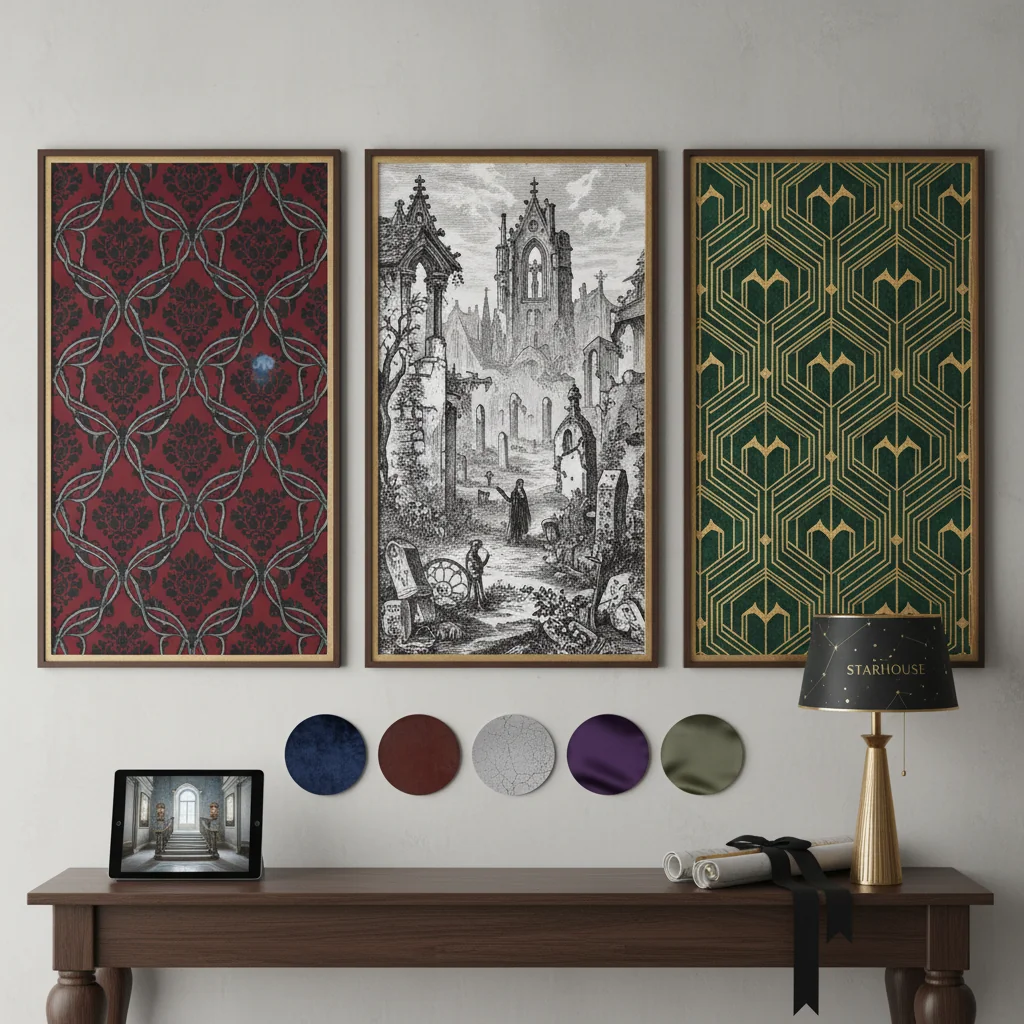
Choosing the Right Haunted Mansion Wallpaper for Your Space
Selecting the ideal haunted mansion wallpaper involves a thoughtful process that extends beyond simply admiring a pattern, requiring careful consideration of the room’s function, existing decor, natural light, and desired atmospheric impact. The right choice will seamlessly integrate into your home’s overall design narrative, enhancing its character and creating a genuinely immersive experience, while a mismatched pattern can overwhelm or detract from the intended effect. This meticulous approach ensures that the grandeur and mystery of the chosen design are fully realized within the specific context of your living space.
The goal is to create a cohesive and evocative environment, not just to apply a decorative surface. Each decision, from color intensity to pattern scale, plays a pivotal role in shaping the room’s mood and perceived size. An authoritative selection process demands an understanding of how these elements interact to achieve the desired outcome.
Factors to Consider for Selection
| Factor | Description | Impact on Haunted Mansion Aesthetic |
|---|---|---|
| Room Function | Consider the primary use of the room (e.g., formal living room, cozy bedroom, high-traffic hallway, humid bathroom). | Determines material durability (e.g., vinyl for bathrooms, non-woven for living areas) and mood (e.g., darker, more dramatic for formal spaces; softer for bedrooms). |
| Room Size & Scale | Evaluate the dimensions of the room and the height of the ceilings. | Large patterns can overwhelm small rooms; smaller, intricate patterns can add detail without crowding. High ceilings can accommodate grander, more vertical designs. |
| Natural Light | Assess the amount and direction of natural light the room receives throughout the day. | Darker wallpapers can make dimly lit rooms feel smaller or more dramatic. Lighter patterns or those with metallic accents can brighten spaces or add subtle shimmer. |
| Existing Decor & Furnishings | Examine current furniture styles, color palettes, textiles, and architectural features. | Choose a wallpaper that complements, rather than clashes with, existing elements. Match historical periods (e.g., Victorian wallpaper with antique furniture) or create intentional contrast (e.g., modern furniture with vintage patterns). |
| Desired Mood & Atmosphere | Define the specific feeling you want to evoke (e.g., opulent, eerie, cozy, dramatic, intellectual). | Darker, more intricate patterns create intimacy and drama. Lighter, more subtle patterns can feel sophisticated and less imposing. Flocking adds luxury; architectural motifs add gravitas. |
| Pattern Repeat & Direction | Understand how frequently the pattern repeats and if it has a distinct vertical or horizontal orientation. | Large repeats require more wallpaper. Directional patterns can draw the eye up or across. Flocking or embossing can enhance pattern depth. |
| Color Palette | Evaluate the specific hues within the wallpaper pattern and how they interact. | Deep burgundies, forest greens, charcoals, and navies are classic. Consider how these colors will affect the room’s perceived warmth and light. |
| Maintenance Requirements | Consider how easily the wallpaper can be cleaned and its resistance to wear and tear. | Vinyl is washable and durable for high-traffic areas. Non-woven is generally wipeable. Traditional paper is more delicate. |
Practical Steps for Selection
- Define Your Vision: Before browsing, clearly articulate the specific “haunted mansion” aesthetic you envision. Is it opulent Victorian, gothic romance, dark academia, or a subtle nod to historical grandeur? This clarity will narrow your options.
- Sample, Sample, Sample: Never commit to a full roll without first obtaining large samples. Apply these samples to different walls in your chosen room and observe them throughout the day under varying light conditions. This is the most reliable way to assess how the pattern, color, and texture will truly appear in your space.
- Consider the “Fifth Wall”: Don’t overlook the ceiling. While often painted, a subtle patterned wallpaper on the ceiling can dramatically enhance the immersive, historical feel of a room, creating a sense of being enveloped in design.
- Balance with Other Elements: If the wallpaper is highly patterned and dramatic, consider balancing it with simpler, perhaps more contemporary, furnishings and textiles to avoid overwhelming the space. Conversely, if your furniture is very ornate, a more subdued, tone-on-tone wallpaper might be appropriate.
- Professional Consultation: For complex projects or if you’re unsure, consulting with an interior designer or a wallpaper specialist can provide invaluable guidance on pattern scale, color matching, and material suitability. They can help translate your vision into a practical, stunning reality.
By meticulously evaluating these factors, you can confidently select a haunted mansion wallpaper that not only meets your aesthetic desires but also performs optimally within your home, transforming your space into an authentically grand and mysterious sanctuary.
Sizing, Measuring, and Installation: A Precise Guide
Accurate sizing and meticulous measuring are the foundational steps for any successful wallpaper installation, particularly with the intricate patterns characteristic of haunted mansion designs, as they directly impact material cost, pattern alignment, and the overall aesthetic outcome. Imprecise measurements can lead to costly material waste, visible seams, or a disjointed pattern that undermines the grandeur of the design. A precise approach to these initial stages ensures a seamless, professional finish that fully realizes the dramatic potential of your chosen wallcovering.
The complexity of haunted mansion patterns, often featuring large repeats and specific directional motifs, necessitates an even higher degree of precision than simpler designs. Proper preparation and understanding of the material are paramount to achieving a flawless installation that evokes historical authenticity and visual depth.
Essential Tools and Supplies
Before beginning, gather all necessary tools:
- Measuring tape (metal is preferred for accuracy)
- Pencil
- Level or plumb bob
- Straightedge or long ruler
- Wallpaper paste (if not peel-and-stick; specific type depends on wallpaper material)
- Paste brush or roller (for traditional wallpaper)
- Smoothing brush or plastic smoother
- Utility knife with plenty of fresh blades
- Seam roller
- Bucket and sponge for clean-up
- Drop cloths
- Stepladder or scaffolding
Step-by-Step Measuring Guide
Follow these steps for accurate calculations:
- Measure Wall Height: Measure the height of each wall from baseboard to ceiling. If the height varies, use the tallest measurement for calculation. For rooms with crown molding or chair rails, decide if the wallpaper will extend above or below these features and measure accordingly.
- Measure Wall Width: Measure the total width of each wall. Add these widths together to get the total perimeter of the room (excluding doors and windows for now, but account for these later).
- Calculate Total Square Footage: Multiply the total perimeter (in feet) by the tallest wall height (in feet) to get the total square footage to be covered.
- Determine Wallpaper Roll Coverage: Check the label of your chosen wallpaper. It will specify the width and length of the roll, and its total square footage coverage. Standard U.S. rolls are typically 20.5 inches or 27 inches wide and 33 feet long, covering approximately 56 to 74 square feet.
-
Account for Pattern Repeat: This is critical for patterned wallpaper. Pattern repeat refers to the vertical distance on a wallpaper roll before the design begins to repeat itself, ensuring seamless alignment of motifs across adjacent strips.
- Add the pattern repeat measurement to each strip’s required length. For example, if your wall is 8 feet high and the pattern repeat is 24 inches (2 feet), each strip needs to be cut to 10 feet to allow for matching.
- The larger the pattern repeat, the more waste you will incur, and thus, more rolls you will need.
- Calculate Number of Strips per Roll: Divide the total usable length of a roll (after accounting for pattern repeat waste) by the cut length of each strip. For example, a 33-foot roll might yield 3 strips of 10 feet each, with 3 feet of waste.
-
Calculate Number of Rolls Needed:
- Divide the total perimeter of the room (in inches) by the width of one wallpaper strip (in inches) to determine the total number of strips required.
- Divide the total number of strips required by the number of strips you can get from one roll to find the total number of rolls.
- Add an Overage: Always purchase at least one extra roll, or 15-20% extra, to account for errors, pattern matching, future repairs, or unexpected damage. This is particularly important with large-scale or intricate patterns where a precise match is essential.
Pre-Installation Preparation
Thorough wall preparation is non-negotiable:
- Clean Walls: Ensure walls are clean, dry, and free of dust, grease, or mildew. Wash with a mild detergent solution if necessary, then rinse and allow to dry completely.
- Repair Imperfections: Fill any holes or cracks with spackle, sand smooth, and prime. Wallpaper will highlight, not hide, wall imperfections.
- Prime Walls: Apply a high-quality wallpaper primer (often called a “sizing” or “wall prep”) to create a uniform, slightly absorbent surface. This promotes better adhesion, allows for easier repositioning during installation, and facilitates easier removal in the future. For dark, dramatic wallpapers, consider a primer tinted to a similar color to prevent light wall color from showing through seams.
- Remove Obstacles: Take off switch plates, outlet covers, and light fixtures. Turn off power to these outlets at the breaker box for safety.
Installation Tips for Haunted Mansion Wallpaper
- Start in an Inconspicuous Corner: Begin wallpapering in a corner that is less visible, such as behind a door, as this is where pattern mismatch will be least noticeable.
- Draw a Plumb Line: Use a level or plumb bob to draw a perfectly vertical line on the wall for your first strip. This ensures all subsequent strips are straight.
- Paste Application:
- For pre-pasted wallpaper, activate the paste by soaking it according to manufacturer instructions.
- For unpasted wallpaper, apply an even layer of paste to the back of the wallpaper strip (booking method) or directly to the wall (paste-the-wall method, common for non-woven).
- Hanging Strips: Carefully align each strip with the previous one, ensuring the pattern matches perfectly at the seams. Use your smoothing tool to press out air bubbles, working from the center outwards.
- Trimming: Use a sharp utility knife and a straightedge to trim excess wallpaper at the ceiling, baseboard, and around windows or doors. Change blades frequently to ensure clean cuts.
- Seams: Gently roll seams with a seam roller to ensure they are firmly adhered and lie flat. Avoid pressing too hard, which can squeeze out paste.
- Clean-Up: Immediately wipe off any excess paste from the wallpaper surface or adjacent walls with a clean, damp sponge to prevent staining.
By adhering to these precise measuring and installation guidelines, you will achieve a professional, durable finish that allows your haunted mansion wallpaper to truly transform your space into a masterpiece of historical design.
Curating your home’s distinct character is a journey, and Starhouse is here to guide you. If you’re envisioning the perfect haunted mansion wallpaper or other unique elements for your space, tell us what you’re looking for. Share your aspirations, and get early access to our meticulously curated collection designed for discerning tastes.
Styling and Pairing: Creating a Cohesive, Immersive Interior
Successfully integrating haunted mansion wallpaper into an interior design scheme requires a thoughtful approach to styling and pairing with furnishings, lighting, and accessories, ensuring the wallpaper acts as a foundational element rather than an overwhelming backdrop. The goal is to create a cohesive, immersive environment that balances the wallpaper’s inherent drama with complementary pieces, achieving an effect that is both grand and inviting. This careful curation prevents the space from feeling cluttered or thematically disjointed, instead allowing the historical elegance to truly shine.
The wallpaper sets the tone, but the surrounding elements complete the narrative. Each piece of furniture, every light fixture, and even the smallest accessory must contribute to the overall haunted mansion aesthetic, whether by echoing its historical period, contrasting its intensity, or adding layers of texture and interest. The precision in selection ensures that the room feels intentionally designed and richly detailed.
Furnishings: Echoing Historical Grandeur
The choice of furniture is paramount in reinforcing the haunted mansion aesthetic:
- Period-Appropriate Antiques: Opt for pieces from the Victorian, Edwardian, or Gothic Revival periods. Think dark, rich woods like mahogany or walnut, intricately carved details, and robust silhouettes. Examples include Chesterfield sofas, velvet upholstered armchairs, heavy wooden sideboards, and four-poster beds.
- Upholstery: Select fabrics that exude luxury and depth. Velvet, brocade, damask, and jacquard in deep jewel tones (emerald, sapphire, ruby) or muted neutrals (charcoal, antique gold) are ideal. Leather, especially aged or tufted, also works exceptionally well.
- Scale: Given the often large-scale patterns of haunted mansion wallpaper, choose furniture with a substantial presence. Petite, minimalist pieces can get lost or feel out of place against such a dramatic backdrop.
- Mix and Match: While period pieces are key, a purely antique room can feel like a museum. Integrate a few modern pieces with clean lines but in complementary materials (e.g., a contemporary glass-top coffee table with a wrought iron base) to create an eclectic, curated look that feels lived-in and current.
Lighting: Crafting Atmosphere and Intrigue
Lighting is crucial for enhancing the mood and highlighting the wallpaper’s details:
- Chandeliers: A grand chandelier, whether crystal, wrought iron, or antique brass, is a quintessential element, providing central illumination and a focal point. Its sparkling or dramatic presence immediately elevates the room.
- Sconces and Wall Lights: Install wall sconces with dimmers to provide soft, ambient light that washes over the wallpaper, highlighting its texture and pattern without harsh glare. Choose styles that match the historical aesthetic.
- Table and Floor Lamps: Utilize lamps with ornate bases (e.g., carved wood, bronze, ceramic) and fabric shades (velvet, silk, or pleated) to create pools of warm light, adding intimacy and depth. Consider lamps with a vintage aesthetic, perhaps with fringed or beaded shades for a touch of bohemian gothic.
- Dimmers: Implement dimmers on all light sources to allow for flexible mood control, from brightly lit for tasks to softly illuminated for dramatic effect.
- Candlelight: Incorporate actual candles or LED flickering candles in candelabras or ornate holders for an authentic, flickering ambiance that truly evokes the “haunted” feel.
Textiles: Adding Layers of Comfort and Opulence
Textiles provide warmth, texture, and additional layers of color:
- Rugs: Large, ornate area rugs in Persian, Oriental, or Aubusson styles can anchor the room, define zones, and introduce complementary patterns and colors. Choose rugs with a slightly worn or faded appearance for an authentic antique feel.
- Curtains and Drapes: Heavy, floor-length drapes in luxurious fabrics like velvet, brocade, or silk are essential. Opt for rich, deep colors that either match or subtly contrast the wallpaper. Consider adding tie-backs with tassels or ornate finials for added drama.
- Throw Pillows and Blankets: Use an assortment of throw pillows in varying textures (velvet, faux fur, embroidered) and patterns (damask, floral, geometric) to add comfort and visual interest to sofas and chairs. Drape a luxurious throw blanket over an armchair for an inviting touch.
Accessories and Art: The Finishing Touches
Accessories are where the personality and unique narrative of your haunted mansion truly come alive:
- Mirrors: Large, ornate mirrors with gilded or dark wood frames not only reflect light but also add a sense of grandeur and can visually expand the space. Consider antique mirrors with slight foxing for an authentic aged look.
- Art: Display art that complements the mood—dark landscape paintings, gothic portraits, antique maps, or botanical prints. Frame them in heavy, ornate frames. Consider a gallery wall to tell a visual story.
- Collectibles and Curiosities: Showcase antique books, globes, taxidermy (faux or real), vintage cameras, scientific instruments, or other unusual artifacts. Group them on shelves, mantelpieces, or in glass display cases to create a “cabinet of curiosities.”
- Vases and Urns: Use ceramic, metal, or glass vases in classic shapes, filled with dried botanicals, dark flowers, or dramatic branches.
- Candlesticks and Candelabras: Essential for adding atmospheric lighting and a touch of gothic romance.
- Architectural Salvage: Integrate reclaimed architectural elements like corbels, decorative moldings, or even an antique fireplace mantel to enhance the historical authenticity.
By meticulously selecting and pairing these elements, you can transform a room with haunted mansion wallpaper into a sophisticated, cohesive, and deeply immersive interior that tells a compelling story.
Care and Maintenance: Preserving Your Wallpaper’s Grandeur
Proper care and routine maintenance are essential for preserving the intricate beauty and longevity of haunted mansion wallpaper, ensuring its dramatic aesthetic remains vibrant and unblemished for years to come. Neglecting these crucial steps can lead to premature wear, discoloration, or damage, significantly detracting from the sophisticated ambiance you have meticulously created. An authoritative approach to upkeep is not merely about cleaning; it is about protecting a significant design investment and maintaining the integrity of your interior narrative.
Different wallpaper materials demand specific care routines, and understanding these distinctions is critical. The delicate nature of some historical patterns or the unique textures like flocking require particular attention to avoid damage during cleaning. Always refer to the manufacturer’s specific instructions, as these provide the most accurate guidance for your particular wallpaper type.
General Care Guidelines for All Wallpaper Types
- Dust Regularly: The simplest and most effective maintenance is regular dusting. Use a soft, dry cloth, a feather duster, or a vacuum cleaner with a soft brush attachment on a low setting. This prevents dust and cobwebs from accumulating and dulling the surface.
- Avoid Direct Sunlight: Prolonged exposure to direct sunlight can cause wallpaper to fade, particularly darker or more vibrant colors. Use curtains, blinds, or UV-filtering window films to protect your wallpaper from harsh rays.
- Address Stains Promptly: The quicker a stain is addressed, the higher the chance of successful removal. Always test any cleaning solution on an inconspicuous area first to ensure it does not damage or discolor the wallpaper.
- Maintain Stable Humidity: Extreme fluctuations in humidity can cause wallpaper to peel, bubble, or crack. Use humidifiers in dry climates and dehumidifiers in humid ones to maintain a stable indoor environment, ideally between 40-50% relative humidity.
Material-Specific Cleaning Instructions
The cleaning method depends entirely on the wallpaper material:
-
Traditional Paper Wallpaper (Non-Washable):
- Cleaning: These are the most delicate. Use only a very soft, dry cloth or a clean, white art gum eraser to gently lift light smudges. Avoid any liquids, as they can cause watermarks, discoloration, or damage to the paper.
- Stains: For tougher, dry stains, professional cleaning might be the only option, but success is not guaranteed.
-
Non-Woven Wallpaper (Wipeable/Slightly Washable):
- Cleaning: Most non-woven wallpapers can be gently wiped with a slightly damp, soft sponge or cloth. Use plain water or a very mild, non-abrasive soap solution (like a drop of dish soap in water).
- Stains: Dab, do not rub, stains gently. Rinse the area with a clean, damp cloth and pat dry immediately to prevent water spots.
-
Vinyl Wallpaper (Washable/Scrubbable):
- Cleaning: Vinyl is highly durable and easy to clean. Use a soft sponge or cloth with a mild soap solution. For tougher grime, a gentle scrubbing brush can be used, but always test an area first.
- Stains: Most stains can be removed with a mild detergent. For stubborn marks, specialized wallpaper cleaners designed for vinyl can be used, following product instructions carefully. Always rinse thoroughly with clean water and dry.
-
Flocked Wallpaper:
- Cleaning: Flocked wallpaper is sensitive due to its raised, velvety texture. It is generally not washable.
- Dusting: Use a soft, dry cloth or a vacuum cleaner with a very soft brush attachment on the lowest setting. Gently blot, do not rub, to remove dust.
- Stains: For any liquid spills, blot immediately with a clean, dry cloth. Avoid rubbing, which can damage the flocking. For dry stains, a professional cleaner experienced with delicate textiles may be able to assist.
-
Peel-and-Stick Wallpaper:
- Cleaning: The cleanability of peel-and-stick depends on its top layer, which is typically vinyl or a durable non-woven. Most are wipeable or washable.
- Instructions: Follow the cleaning instructions for vinyl or non-woven wallpaper, depending on the specific product.
Addressing Common Issues
- Peeling Seams: If seams begin to lift, reapply them using a seam adhesive. Apply a small amount to the underside of the peeling edge, press firmly, and wipe away excess.
- Bubbles: For small bubbles, you can often re-smooth them with a wallpaper smoother. For larger, persistent bubbles, a small incision with a sharp utility knife and the injection of adhesive (using a syringe) followed by smoothing can resolve the issue.
- Tears: For small tears, a carefully cut patch from leftover wallpaper can be applied. Align the pattern precisely, apply adhesive to the patch, and press it into place.
By consistently applying these care and maintenance practices, your haunted mansion wallpaper will retain its captivating allure and structural integrity, continuing to serve as a stunning focal point in your home for many years.
Common Mistakes to Avoid When Designing with Haunted Mansion Wallpaper
Designing with haunted mansion wallpaper presents a unique opportunity to create a truly distinctive and atmospheric interior, but it also carries the risk of several common pitfalls that can detract from its intended grandeur and sophistication. Avoiding these mistakes is crucial for ensuring the wallpaper elevates your space into a cohesive and authentically styled sanctuary, rather than appearing overwhelming or poorly executed. A precise understanding of these potential missteps allows for more informed design decisions and a more successful final outcome.
The dramatic nature of this wallpaper style demands careful planning and a nuanced eye. Overlooking seemingly minor details can significantly impact the overall aesthetic and functionality of the room. This section highlights the most frequent errors and provides clear guidance on how to prevent them, reinforcing an authoritative approach to interior design.
Key Mistakes and How to Avoid Them
-
Overwhelming a Small Space with a Large Pattern:
- Mistake: Using a very large, busy, or dark pattern in a small room can make it feel cramped, claustrophobic, and visually overwhelming.
- Avoid: In smaller rooms, opt for patterns with a smaller repeat, a lighter background, or a tone-on-tone damask that offers texture without heavy visual weight. Consider using the dramatic wallpaper on a single accent wall, paired with complementary paint colors on the other walls, to achieve impact without sacrificing perceived space.
-
Ignoring Natural Light Conditions:
- Mistake: Applying dark, light-absorbing wallpaper to a room with minimal natural light can make the space feel perpetually dim and gloomy, rather than mysterious.
- Avoid: In dimly lit rooms, choose wallpapers with metallic accents, a lighter background, or a subtle sheen to help reflect light. Supplement with ample artificial lighting, including layered sources like chandeliers, sconces, and lamps, to ensure the room is adequately illuminated and the wallpaper’s details are visible.
-
Clashing with Existing Decor or Architectural Style:
- Mistake: Installing a highly ornate Victorian damask in a minimalist, mid-century modern home without any transitional elements can create a jarring and disjointed aesthetic.
- Avoid: Ensure the wallpaper’s style and period align with, or are intentionally contrasted by, your existing furniture and architectural features. If mixing styles, introduce transitional pieces that bridge the gap, such as antique furniture with clean-lined upholstery, or modern art in ornate frames. The goal is intentional eclecticism, not accidental chaos.
-
Neglecting Wall Preparation:
- Mistake: Applying wallpaper directly over uneven surfaces, unprimed walls, or walls with existing imperfections (holes, cracks, old paint marks).
- Avoid: Thorough wall preparation is non-negotiable. Fill all holes and cracks, sand smooth, clean walls thoroughly, and apply a high-quality wallpaper primer. This ensures proper adhesion, prevents seams from lifting, and creates a flawless surface that allows the wallpaper to lie perfectly flat.
-
Underestimating Pattern Repeat and Overage Needs:
- Mistake: Not accounting for the pattern repeat when calculating the number of rolls, leading to insufficient material and visible pattern mismatches at seams.
- Avoid: Always factor in the pattern repeat when determining how many strips you can get from a roll. Purchase at least 15-20% extra wallpaper (or at least one extra roll) beyond your calculated needs to cover errors, pattern matching, and future repairs. Running out of a specific dye lot can be a significant and costly problem.
-
Poor Installation Techniques:
- Mistake: Rushing installation, leading to crooked strips, visible seams, air bubbles, or damaged edges.
- Avoid: Take your time. Use a plumb line for your first strip, smooth out all air bubbles, ensure precise pattern matching at seams, and use a sharp utility knife for clean cuts. If unsure, consider hiring a professional wallpaper installer, especially for complex or expensive papers. The investment in professional installation often pays for itself in the quality of the finish.
-
Over-accessorizing or Under-accessorizing:
- Mistake: Over-accessorizing can make a room with dramatic wallpaper feel cluttered and busy. Under-accessorizing can leave the room feeling unfinished or cold, despite the bold walls.
- Avoid: Strike a balance. Let the wallpaper be the star, but complement it with carefully chosen, substantial pieces that enhance the theme. Use rich textiles, layered lighting, and a curated selection of period-appropriate art and curiosities. Ensure each accessory contributes to the narrative without competing with the main feature.
By diligently avoiding these common errors, you can confidently create a haunted mansion interior that is both breathtakingly beautiful and impeccably designed, truly reflecting the sophisticated vision you hold for your home.
Sources
- Safety Measures for Halloween Haunted Houses and Carnivals | pwcva.gov
- York Wallcoverings. RMWS1221 – Disney Haunted Mansion Maroon Peel and Stick Wallpaper – by RoomMates | yorkwallcoverings.com
- epa.gov
Frequently Asked Questions About Haunted Mansion Wallpaper
What defines “haunted mansion” style wallpaper?
“Haunted mansion” style wallpaper is defined by its ornate, often large-scale patterns, rich and deep color palettes, and motifs that evoke historical grandeur, mystery, and a touch of the dramatic or gothic. It typically draws inspiration from Victorian, Gothic Revival, and Art Nouveau aesthetics, featuring elements like damask, acanthus leaves, architectural details, and sometimes subtle narrative imagery.
Can I use haunted mansion wallpaper in a modern home?
Yes, haunted mansion wallpaper can be effectively integrated into a modern home by creating an intentional contrast or an eclectic design. Pairing ornate wallpaper with contemporary, clean-lined furniture and minimalist accessories can create a sophisticated and visually compelling juxtaposition, adding depth and character without sacrificing modernity. The key is balance and thoughtful curation.
Is peel-and-stick an option for haunted mansion wallpaper?
Yes, peel-and-stick wallpaper is a widely available option for haunted mansion designs, offering significant advantages in ease of installation and removal. Modern peel-and-stick options, such as the Disney Haunted Mansion Maroon Peel and Stick Wallpaper, replicate intricate patterns and textures with contemporary convenience, making them ideal for temporary decor, renters, or DIY enthusiasts seeking a low-commitment solution.
How do I choose the right color palette for this style?
The right color palette for haunted mansion wallpaper typically involves deep, saturated hues such as charcoal gray, midnight blue, forest green, deep burgundy, and plum. These colors create an intimate and dramatic atmosphere. Muted golds, antique silvers, or tarnished coppers are often incorporated as accent colors within the patterns to add a touch of aged opulence and catch the light.
How much wallpaper should I buy to account for pattern repeat?
When calculating wallpaper needs, you must add the pattern repeat measurement to the required length of each strip to ensure seamless pattern alignment. Always purchase at least one extra roll, or approximately 15-20% more than your initial calculation, to account for waste due to pattern matching, installation errors, and potential future repairs. A larger pattern repeat will necessitate more overage.
What are the best materials for haunted mansion wallpaper durability?
For superior durability, non-woven and vinyl wallpapers are the best choices for haunted mansion designs. Non-woven options are tear-resistant, dimensionally stable, and breathable, making them easy to install and remove. Vinyl wallpapers are highly washable, moisture-resistant, and ideal for high-traffic or humid areas, offering excellent longevity and robust performance.
Are there environmental considerations when choosing haunted mansion wallpaper?
Yes, environmental considerations are important, particularly regarding Volatile Organic Compounds (VOCs) and sustainable sourcing. Opt for wallpapers certified for low VOC emissions, as regulated by bodies such as the EPA, to ensure optimal indoor air quality. Additionally, consider wallpapers made from sustainably sourced paper (FSC-certified) or recycled content, and use water-based, low-VOC adhesives for traditional installations.
Embracing the Grandeur: Your Journey to a Haunted Mansion Interior
The journey to transform a space with haunted mansion wallpaper is one of intentional design, meticulous planning, and a deep appreciation for historical grandeur and atmospheric storytelling. From selecting the perfect ornate pattern and rich color palette to understanding the nuances of material durability and precise installation, every decision contributes to creating an interior that transcends mere decoration to become a truly immersive experience. This comprehensive guide has provided the authoritative insights necessary to navigate these choices, empowering you to craft a home that reflects a sophisticated, aspirational aesthetic—a sanctuary of mystery and elegance that feels both timeless and uniquely yours.
At Starhouse, we understand the profound impact that thoughtfully curated elements have on transforming a house into a cherished home. Our mission is to bring you the finest selections that embody precision, confidence, and unparalleled taste. As we meticulously curate our inaugural collection, we invite you to be an integral part of this exciting journey.
Your vision helps shape our offerings. If you are dreaming of a specific haunted mansion wallpaper, a particular furnishing, or any other distinctive element that will bring your aspirational home to life, we want to hear from you. Share your desires and design inspirations, and gain exclusive early access to the Starhouse collection—a meticulously assembled array of home and décor items designed for discerning individuals like you.