Light yellow wallpaper is a sophisticated design choice that imbues any interior with a sense of warmth, optimism, and spaciousness, acting as a versatile canvas that brightens rooms and complements diverse aesthetic palettes. Unlike stark whites or bold primary yellows, the subtle, luminous quality of light yellow creates an inviting atmosphere, reflecting natural and artificial light to enhance perceived room size and elevate mood without overwhelming the senses. Its enduring appeal lies in its ability to blend classic elegance with contemporary freshness, offering a foundation for both serene retreats and vibrant, energetic spaces, while technical advancements in materials like non-woven backings ensure ease of installation and long-term durability against wear and tear.
Key Takeaways
- Light yellow wallpaper offers significant versatility, brightening spaces and complementing a wide range of interior design styles from minimalist to maximalist.
- Selecting the right hue involves understanding undertones (green, orange, gray) to ensure harmony with existing décor and desired mood.
- Material choice, including vinyl, non-woven, and peel-and-stick options, dictates durability, ease of installation, and maintenance requirements.
- Accurate measurement and understanding of pattern repeat are critical for a seamless installation and minimizing material waste.
- Strategic styling with complementary colors (grays, blues, greens), natural textures, and appropriate lighting maximizes the aesthetic impact of light yellow.
- Proper care, tailored to the wallpaper’s material, ensures its longevity and preserves its vibrant appearance over time.
Understanding the Allure of Light Yellow Wallpaper: Types and Textures
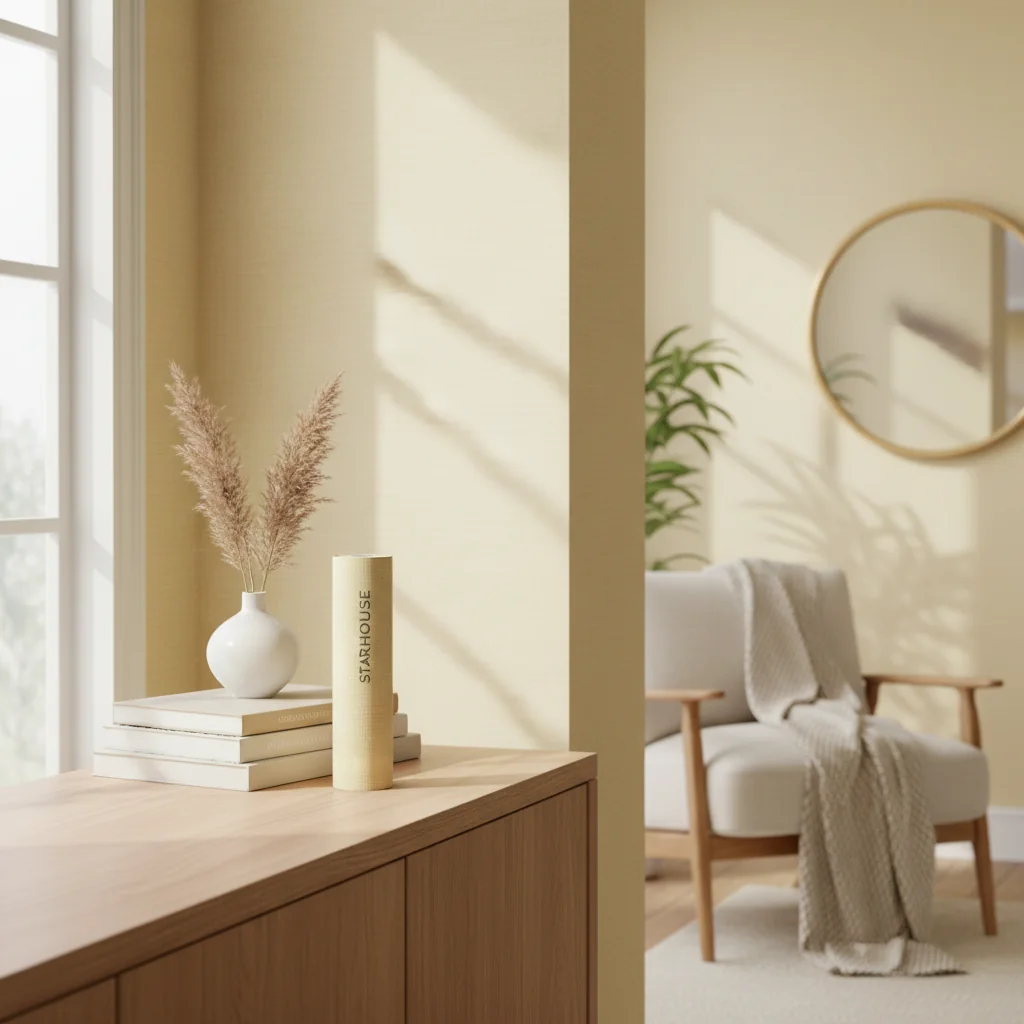
Light yellow wallpaper possesses an inherent ability to infuse any space with a gentle radiance and uplifting energy, making it a perennially popular choice for interior designers and homeowners seeking to cultivate an atmosphere of warmth and welcome. This versatile color family, spanning from creamy buttercup to pale lemon, offers a sophisticated alternative to stark neutrals, providing a subtle yet impactful backdrop that enhances natural light and expands perceived room dimensions. The allure stems from its psychological association with happiness, clarity, and optimism, translating these positive attributes directly into the living environment, while the myriad of available types, patterns, and textures ensures that a perfect match exists for every design vision.
The inherent versatility of light yellow wallpaper allows it to adapt seamlessly to a broad spectrum of design aesthetics, from the minimalist modern to the richly traditional. Its subtle vibrancy can serve as a soft, comforting neutral in a contemporary setting or as a bright, airy foundation in a classic or cottage-style home. Unlike more assertive hues, light yellow rarely dominates a space; instead, it acts as a supportive element, reflecting light and creating an open, expansive feel. This characteristic is particularly beneficial in smaller rooms or areas with limited natural illumination, where it can effectively mimic the presence of sunlight, banishing shadows and creating an illusion of greater spaciousness. The understated elegance of light yellow also makes it an excellent choice for transitional spaces, such as hallways or landings, where it can provide a consistent thread of warmth throughout the home.
Types of Light Yellow Wallpaper: Patterns and Visual Dynamics
The aesthetic impact of light yellow wallpaper is significantly shaped by its pattern, which can introduce visual interest, define a room’s character, and even influence its perceived dimensions. Pattern selection is a critical step in harnessing the full potential of this luminous color.
Solid and Textured Light Yellow Wallpaper
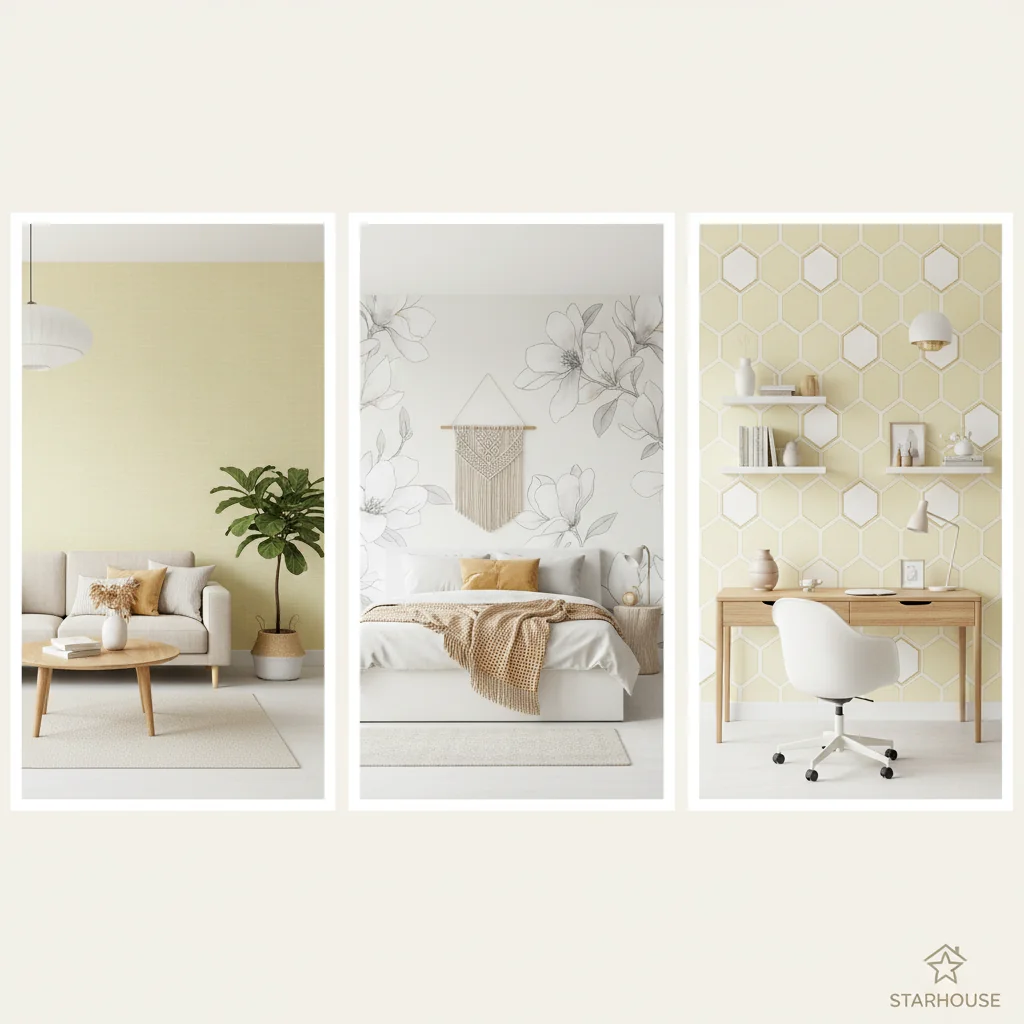
Solid light yellow wallpaper, without an overt pattern, offers a clean and expansive backdrop, ideal for minimalist designs or as a grounding element in rooms with abundant artwork or intricate furnishings. The appeal here lies in the purity of the color, allowing the space itself to breathe. However, “solid” does not necessarily mean flat; many plain light yellow wallpapers incorporate subtle textures that add depth and tactile appeal. These textures can range from linen-like weaves, which impart a natural, organic feel, to fine striae or grasscloth imitations that introduce a sophisticated, understated dimension. A definition: Textured wallpaper is a type of wallcovering designed with a raised surface or tactile finish that adds depth and visual interest beyond a flat printed pattern. These textural elements catch light in unique ways, creating nuanced shadows and highlights that prevent the wall from appearing monolithic, adding a layer of refinement without introducing competing motifs. They are particularly effective in rooms where a serene, calming atmosphere is desired, such as bedrooms or home offices, providing a soft embrace of color without visual clutter.
Striped Light Yellow Wallpaper
Stripes are a classic and versatile pattern that can dramatically alter the perception of a room’s proportions. Vertical stripes in light yellow can make a ceiling appear higher, drawing the eye upward and creating an illusion of grandeur. This effect is particularly potent when the stripes are subtle, perhaps a tone-on-tone light yellow or a delicate pairing with a cream or white. Horizontal stripes, conversely, can make a room feel wider and more expansive, an excellent strategy for narrow hallways or compact living areas. The width and spacing of the stripes also play a crucial role: broad, widely spaced stripes tend to create a more contemporary, bold statement, while fine, closely spaced stripes offer a more traditional or refined aesthetic. Light yellow stripes can range from crisp, defined lines to softer, watercolor-like bands, each offering a distinct mood and contributing to the overall design narrative.
Floral and Botanical Light Yellow Wallpaper
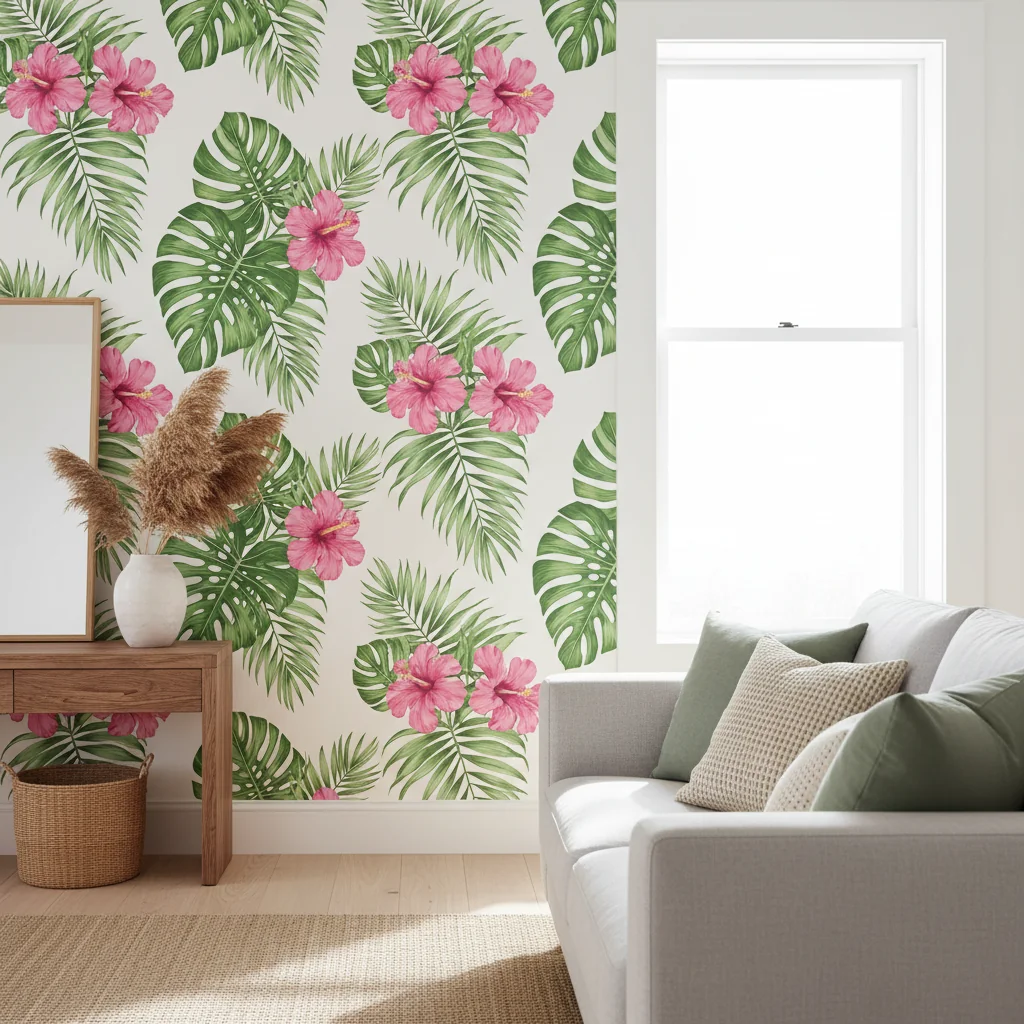
Floral and botanical patterns introduce an element of nature’s beauty and often a touch of romance or whimsy to a space. In light yellow, these patterns can range from delicate, ethereal blossoms to vibrant, stylized botanicals. A light yellow background with white or soft green floral motifs can evoke a fresh, spring-like garden, perfect for a sunroom, nursery, or a cheerful bedroom. Larger-scale floral patterns can create a dramatic focal point, while smaller, repeating motifs offer a more subtle, enveloping charm. The choice of flower (e.g., roses, lilies, abstract leaves) and its rendering style (e.g., vintage etchings, modern watercolors) will further define the room’s character. Light yellow provides an ideal canvas for these patterns, allowing the botanical elements to bloom with a soft, inviting glow.
Geometric and Abstract Light Yellow Wallpaper
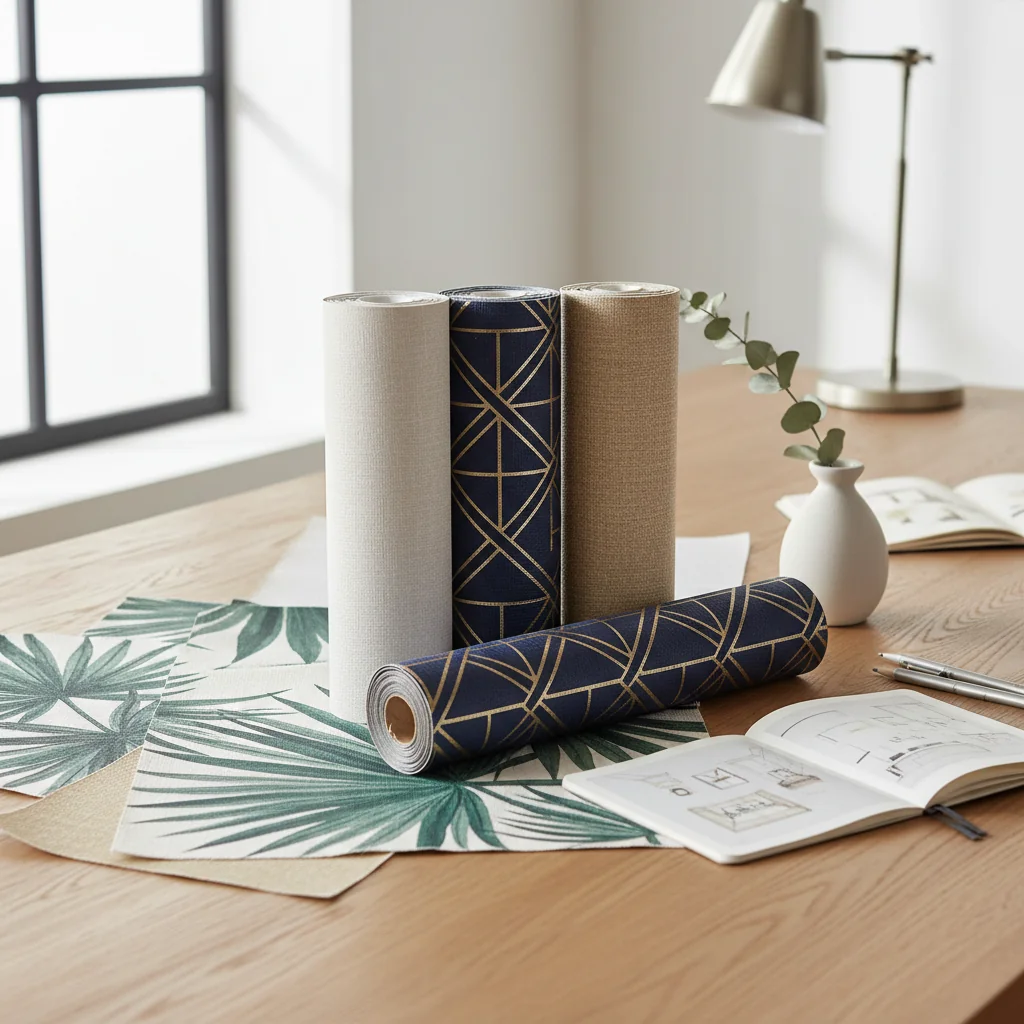
Geometric patterns introduce a sense of order, rhythm, and contemporary flair. In light yellow, geometric designs can range from subtle trellises and sophisticated quatrefoils to bold, abstract shapes. A light yellow wallpaper with a white or metallic gold geometric overlay can add a touch of modern elegance and visual structure to a living room or dining area. These patterns can be particularly effective in spaces that benefit from a clean, architectural line, such as a home office or a contemporary kitchen. Abstract patterns, on the other hand, offer a more artistic and free-flowing aesthetic. They can introduce dynamic movement and visual intrigue without adhering to strict repetitions, making them suitable for creating unique accent walls or injecting personality into a creative space. The interplay of light yellow with contrasting or tonal abstract elements can create a captivating visual experience.
Damask and Toile Light Yellow Wallpaper
For those seeking a more traditional or classic aesthetic, damask and toile patterns in light yellow offer timeless elegance. Damask, characterized by its elaborate, often symmetrical, floral or ornamental motifs, typically features a subtle sheen that enhances its luxurious appeal. In light yellow, a damask pattern can create a regal yet understated atmosphere, perfect for formal dining rooms, master bedrooms, or grand entryways. Toile de Jouy, or simply toile, depicts pastoral scenes, historical events, or intricate narratives, often in a single color against a lighter background. A light yellow toile wallpaper can evoke a charming, antique sensibility, ideal for a country-style bedroom, a quaint powder room, or a sophisticated study. Both damask and toile patterns in light yellow maintain their classic charm while benefiting from the color’s inherent lightness and warmth, preventing them from feeling overly heavy or dated.
The selection of a light yellow wallpaper pattern is a deeply personal decision that should reflect the desired mood, the architectural style of the home, and the existing furnishings. By carefully considering the interplay of color, pattern, and texture, homeowners can harness the full decorative potential of light yellow wallpaper to create spaces that are both beautiful and genuinely inviting.
Selecting the Perfect Hue: Navigating Shades and Undertones of Light Yellow
Choosing the ideal light yellow wallpaper transcends merely selecting a color; it requires a nuanced understanding of its various shades and, more importantly, its underlying undertones, which profoundly influence the room’s overall ambiance and how it harmonizes with other elements. Light yellow is not a singular color but rather a spectrum ranging from almost-white creams to soft pastels, each carrying subtle hints of other colors that dictate its character—be it warm, cool, or neutral. Identifying these undertones is paramount to ensuring the chosen wallpaper complements existing décor, lighting conditions, and the desired emotional response within the space, preventing clashes and fostering a cohesive design.
The impact of light yellow wallpaper in a room is highly dependent on its specific hue and the subtle colors it contains. A light yellow with a green undertone, for instance, will present as a fresh, almost chartreuse-like yellow, imparting a crisp, contemporary feel. Conversely, a light yellow with an orange or red undertone will lean towards a warmer, buttery, or golden yellow, creating a cozy and inviting atmosphere. Gray undertones can mute the yellow, making it appear more sophisticated and less overtly cheerful, while pure, bright light yellows offer an unadulterated sense of sunshine and energy. Understanding these nuances is crucial because a yellow that looks perfect in a showroom under artificial light might appear entirely different in your home under natural light or alongside your specific furniture and textiles. Therefore, testing samples in the actual space is an indispensable step in the selection process.
Warm Light Yellows: Cultivating Comfort and Radiance
Warm light yellows are characterized by their orange or red undertones, which imbue them with a sun-kissed, inviting quality. These hues include shades like butter yellow, creamy vanilla, goldenrod, and soft daffodil. They are excellent choices for creating spaces that feel inherently cozy, cheerful, and welcoming. Warm light yellows are particularly effective in rooms that receive less natural light, as they can visually compensate by radiating their own warmth and brightness. They pair beautifully with other warm tones like terracotta, deep reds, and rich browns, fostering a sense of rustic charm or traditional elegance. For a more contemporary feel, they can be contrasted with crisp whites or deep charcoals, allowing their warmth to truly pop. In a living room, a warm light yellow wallpaper can create a comforting backdrop for family gatherings, while in a bedroom, it can evoke a serene, sunlit morning. These yellows often have a higher chroma, meaning they appear more saturated, even in their lighter forms, contributing to their radiant effect.
Cool Light Yellows: Introducing Freshness and Serenity
Cool light yellows carry subtle green or gray undertones, lending them a crisp, refreshing, and often more sophisticated character. Think of hues like pale lemon, celadon yellow, or a very light lime-yellow. These yellows are ideal for spaces where a sense of calm, clarity, and understated elegance is desired. They perform exceptionally well in rooms with abundant natural light, where their coolness can prevent the space from feeling overly bright or saccharine. Cool light yellows harmonize beautifully with blues, greens, and cool grays, creating a serene and balanced palette reminiscent of nature. They are often favored in modern minimalist designs or coastal-inspired interiors, where their clean lines and subtle vibrancy can enhance a sense of spaciousness and tranquility. A cool light yellow in a bathroom can create a spa-like retreat, while in a kitchen, it can evoke a clean, invigorating atmosphere. Their lower chroma compared to warm yellows often makes them feel more subdued and refined.
Neutral Light Yellows: The Balancing Act
Neutral light yellows are those that possess a balanced mix of warm and cool undertones, or perhaps a subtle graying effect that mutes their intensity without fully leaning into either extreme. These versatile shades, often described as flax, straw, or very pale parchment, act as excellent transitional colors. They offer the brightness of yellow without the overt warmth or coolness, making them incredibly adaptable to a wide range of existing color schemes and design preferences. A definition: Neutral light yellow wallpaper is a wallcovering in a pale yellow hue that lacks strong warm (red/orange) or cool (green/blue) undertones, offering versatile compatibility with diverse color palettes. They are particularly useful when you want to introduce the uplifting quality of yellow without committing to a dominant warm or cool theme. Neutral light yellows can seamlessly bridge different areas of a home, providing continuity and a sense of calm. They pair well with virtually any color, from soft pastels to bold jewel tones, making them a safe yet stylish choice for almost any room. Their understated elegance allows other design elements, such as furniture, artwork, or textiles, to take center stage, while the wallpaper provides a quiet, luminous backdrop.
When selecting your light yellow wallpaper, it is imperative to procure samples and observe them in the room where they will be installed. Lighting conditions—both natural and artificial—can dramatically alter a color’s appearance. A shade that appears perfectly neutral in a brightly lit store might take on an unexpected green cast in a north-facing room or a golden glow in a south-facing one. Consider the existing fixed elements in your room, such as flooring, trim, and large furniture pieces, and how the yellow undertones will interact with them. By carefully evaluating these factors, you can confidently choose a light yellow wallpaper that not only brightens your space but also perfectly articulates your desired design aesthetic and emotional atmosphere.
Material Matters: A Deep Dive into Light Yellow Wallpaper Durability and Composition
The material composition of light yellow wallpaper significantly dictates its durability, ease of installation, maintenance requirements, and overall aesthetic longevity, making it a critical consideration beyond mere color and pattern. Different materials offer distinct advantages and disadvantages, ranging from the robust resilience of vinyl to the breathable qualities of non-woven fabric and the convenience of peel-and-stick options. Understanding these material properties ensures that the chosen wallpaper not only looks beautiful but also performs optimally in its intended environment, standing up to the demands of daily life and maintaining its pristine appearance for years to come.
The substrate and surface finish of a wallpaper determine its suitability for various applications. For instance, a highly durable vinyl wallpaper is an excellent choice for high-traffic areas like hallways or children’s rooms due to its washability and resistance to wear. Conversely, a delicate paper-backed wallpaper might be reserved for a low-traffic bedroom or a formal living room where its intricate texture can be appreciated without risk of damage. The composition also affects how easily the wallpaper can be installed and removed, impacting both the initial project and future redecorations. Furthermore, some materials are more environmentally friendly or offer specific health benefits, such as breathability to prevent mold growth. At Starhouse, we understand that an informed choice about wallpaper material is fundamental to a successful and satisfying home décor project.
Common Wallpaper Materials and Their Characteristics
| Material Type | Key Characteristics | Durability & Washability | Installation Method | Ideal Use Areas | Approx. Price Range (per single roll, USD) |
|---|---|---|---|---|---|
| Paper-Backed Vinyl | Vinyl top layer on a paper backing. Highly durable, moisture-resistant, and often textured. Can mimic other materials. | High durability. Highly washable (scrubbable). Resists stains and moisture. | Paste required (pre-pasted or non-pasted). Strippable. | Kitchens, bathrooms, hallways, high-traffic areas, kids’ rooms. | $30 – $80 |
| Solid Vinyl | 100% vinyl construction. Extremely durable and waterproof. | Very high durability. Fully washable (scrubbable). Excellent moisture resistance. | Paste required (pre-pasted or non-pasted). Peelable. | Commercial settings, high-moisture bathrooms, laundries, basements. | $40 – $100+ |
| Non-Woven | Made from natural and synthetic fibers. Breathable, strong, and tear-resistant. Environmentally friendly. | Good durability. Washable (wipeable). Resists mildew. | Paste the wall (non-pasted). Easily strippable dry. | Bedrooms, living rooms, dining rooms, nurseries, low-to-medium traffic areas. | $50 – $150+ |
| Traditional Paper (Uncoated/Coated) | Paper base, may have a protective coating. Breathable, classic look, wide range of designs. | Low to medium durability. Not highly washable (wipeable with care if coated). | Paste required (pre-pasted or non-pasted). Difficult to remove. | Low-traffic areas, formal living rooms, bedrooms, ceilings. | $20 – $70 |
| Fabric-Backed Vinyl | Vinyl top layer on a fabric (e.g., cotton or polyester) backing. Commercial-grade durability. | Exceptional durability. Highly washable (scrubbable). Resists tearing. | Paste required (non-pasted, heavy-duty adhesive). Professional installation often recommended. | Commercial spaces, very high-traffic residential areas. | $70 – $200+ |
| Peel-and-Stick (Removable) | Self-adhesive vinyl or fabric-based material. Easy to install and remove. | Medium durability (varies by product). Wipeable. Not ideal for high-moisture. | Self-adhesive. Fully removable and repositionable. | Rentals, temporary décor, accent walls, DIY projects, dorm rooms. | $40 – $100 |
Vinyl Wallpaper (Paper-Backed Vinyl & Solid Vinyl)
Vinyl wallpaper is a highly popular choice due to its exceptional durability and practical advantages. A definition: Vinyl wallpaper is a type of wallcovering featuring a PVC (polyvinyl chloride) plastic layer on its surface, providing enhanced durability, washability, and moisture resistance. It typically consists of a decorative vinyl surface laminated to a paper or fabric backing. This construction makes it incredibly resilient to wear and tear, stains, and moisture, making it an excellent option for high-traffic areas such as hallways, kitchens, and bathrooms. Most vinyl wallpapers are washable, meaning they can be wiped clean with a damp cloth and mild detergent, a significant benefit for busy households or homes with children and pets. Solid vinyl wallpapers, composed entirely of vinyl, offer even greater moisture resistance and are often used in commercial settings or very humid residential areas. While highly practical, some vinyl wallpapers may not be as breathable as other options, which can be a consideration in certain environments. However, advancements in manufacturing have led to more eco-friendly vinyl options.
Non-Woven Wallpaper
Non-woven wallpaper represents a significant advancement in wallcovering technology, offering a blend of durability, ease of use, and environmental consciousness. Made from a blend of natural and synthetic fibers, non-woven materials are breathable, tear-resistant, and dimensionally stable, meaning they won’t expand or contract when wet. This stability makes them incredibly easy to install using the “paste the wall” method, where adhesive is applied directly to the wall rather than the wallpaper, simplifying the process and reducing mess. Non-woven wallpapers are also celebrated for their strippable nature; they can be removed dry in full sheets without damaging the underlying wall, making future redecorations much less arduous. They are generally washable and resistant to mildew, making them suitable for a variety of rooms, including bedrooms, living rooms, and even well-ventilated bathrooms. Their breathable quality also helps prevent moisture buildup behind the paper, contributing to a healthier indoor environment. According to York Wallcoverings, non-woven wallpapers are often considered a premium choice for their blend of performance and ease of handling.
Traditional Paper Wallpaper
Traditional paper wallpaper, often uncoated or lightly coated, offers a classic aesthetic and a vast array of intricate patterns and delicate textures that are sometimes difficult to replicate in other materials. It is breathable and can create a very soft, sophisticated look. However, paper wallpaper is generally less durable than vinyl or non-woven options. It is not typically washable and can be susceptible to tears, scuffs, and moisture damage, making it best suited for low-traffic areas like formal dining rooms, master bedrooms, or ceilings. Installation can be more challenging as paper tends to expand when wet with paste and contract as it dries, requiring careful handling to prevent bubbles or seams. Removal can also be more labor-intensive, often requiring steaming or soaking to strip it from the wall. Despite these challenges, the unique feel and traditional charm of paper wallpaper remain highly valued in specific design contexts.
Fabric-Backed Vinyl Wallpaper
Fabric-backed vinyl wallpaper combines the robust durability of a vinyl surface with the strength and stability of a fabric backing, typically cotton or polyester. This material is exceptionally strong, tear-resistant, and highly washable, making it a preferred choice for commercial installations and residential areas that experience very heavy traffic or require maximum resilience. The fabric backing provides excellent dimensional stability and helps prevent bubbling during installation. While it offers superior performance, fabric-backed vinyl often requires a stronger adhesive and can be more challenging to install for DIY enthusiasts, often warranting professional application. Its robust nature makes it a long-lasting investment for demanding environments, ensuring that a light yellow pattern retains its vibrancy and integrity under rigorous conditions.
Peel-and-Stick (Removable) Wallpaper
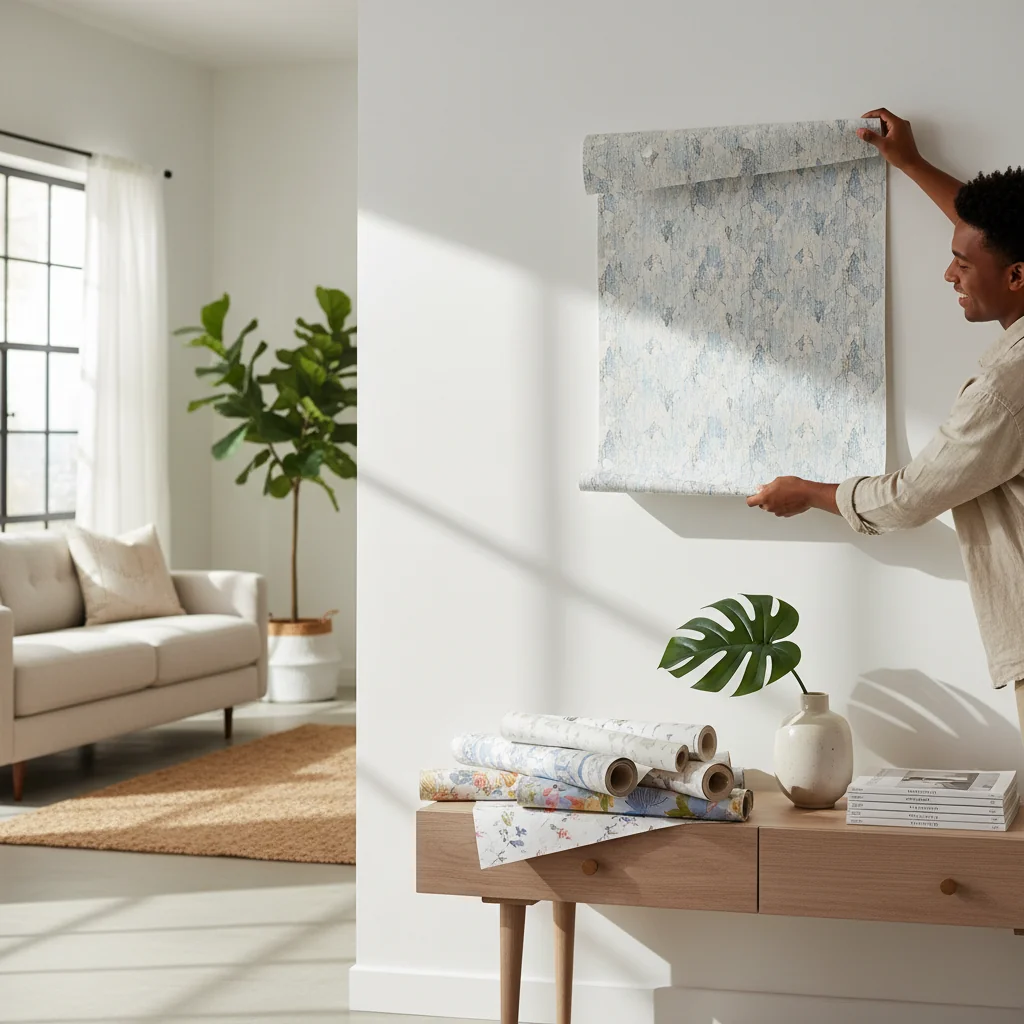
Peel-and-stick wallpaper, also known as removable wallpaper, has revolutionized the DIY décor market, offering an incredibly user-friendly solution for temporary updates, renters, or those who enjoy frequent design changes. A definition: Peel-and-stick wallpaper is a self-adhesive wallcovering that features a pre-applied adhesive backing, protected by a liner, allowing for easy installation and removal without the need for additional paste. It typically consists of a vinyl or fabric-based material with an adhesive backing that is activated by removing a protective liner. This means no messy paste is required, and the wallpaper can often be repositioned during installation, simplifying the process significantly. While generally durable enough for light use and wipeable for cleaning, its long-term resilience may not match that of traditional pasted wallpapers, especially in high-moisture or high-traffic areas. However, its primary advantage lies in its complete removability without damaging the wall surface, making it perfect for accent walls, furniture facelifts, or spaces where a long-term commitment is not desired. Light yellow peel-and-stick options provide an accessible way to introduce warmth and cheer without the permanence of traditional wallcoverings.
In summary, the choice of wallpaper material is as crucial as the design itself. Each material offers a unique set of properties that should be carefully weighed against the specific needs of your project, including the room’s function, traffic levels, moisture exposure, and your comfort level with installation and maintenance. By aligning your material choice with these practical considerations, you ensure that your light yellow wallpaper not only enhances your home’s beauty but also stands the test of time.
Mastering Installation: From Measurement to Application for Light Yellow Wallpaper
Successful light yellow wallpaper installation hinges on meticulous preparation and precise execution, beginning long before the first strip adheres to the wall, ensuring a flawless, professional-grade finish. Accurate measurement, proper surface preparation, and understanding the specific requirements of your chosen wallpaper material are foundational steps that prevent common pitfalls and guarantee a seamless, long-lasting application. Whether opting for a classic paste-the-paper method or the convenience of peel-and-stick, adherence to best practices for each stage of the process is critical for achieving an elevated aesthetic that truly transforms your space.
The journey from a roll of light yellow wallpaper to a beautifully adorned wall involves several distinct phases, each requiring attention to detail. Skipping steps or underestimating the importance of preparation can lead to frustrating issues such as visible seams, bubbles, or premature peeling. The goal is not just to cover the wall but to create a smooth, continuous surface that showcases the wallpaper’s pattern and color without distraction. This requires a systematic approach, from calculating the correct amount of material to ensuring the wall surface is perfectly primed for adhesion. Even the most exquisite light yellow design can be undermined by poor installation, making this stage as important as the selection process itself.
Step 1: Accurate Measurement and Material Calculation
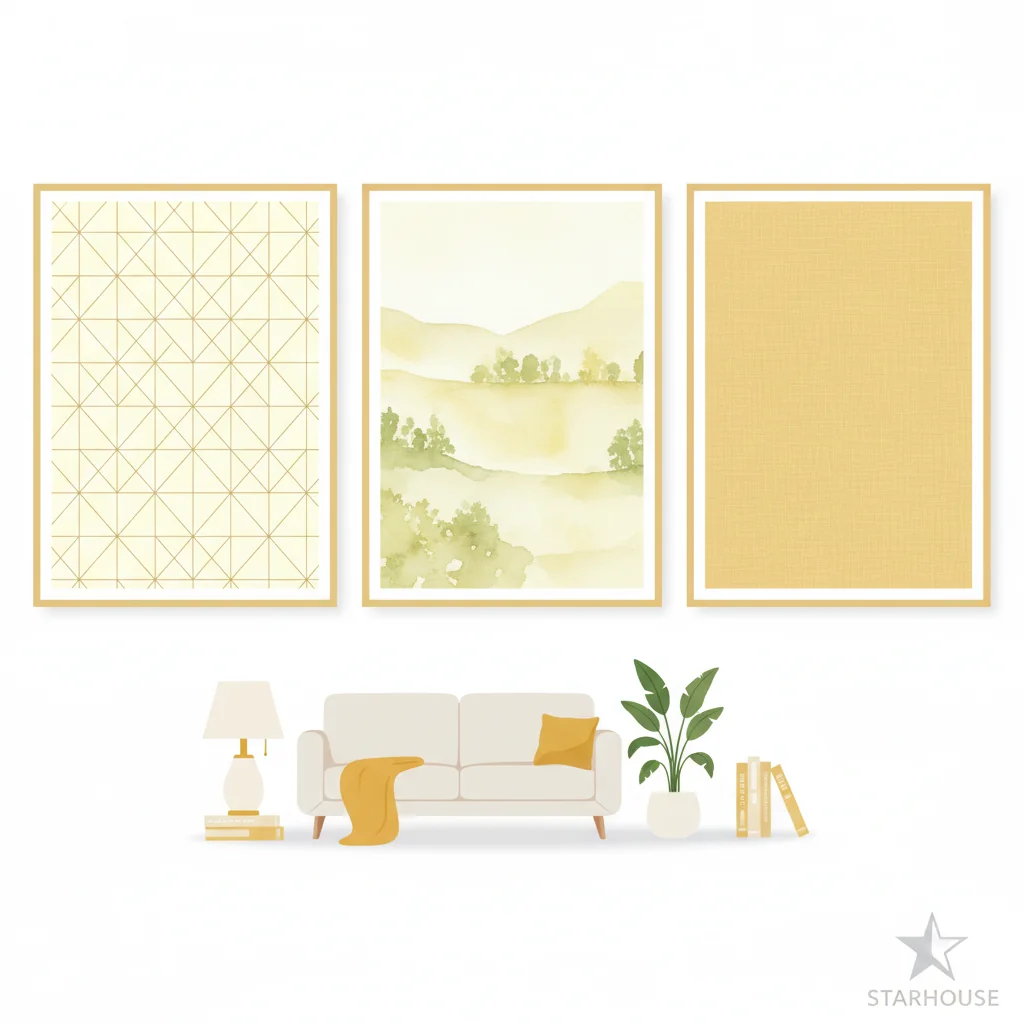
Accurate measurement is the cornerstone of any successful wallpaper project, preventing both costly over-ordering and frustrating under-ordering. To determine the quantity of light yellow wallpaper needed, begin by measuring the height and width of each wall you intend to cover in feet. Multiply the height by the width for each wall to calculate its square footage, then sum these values for the total square footage of the room. Do not subtract for doors or windows at this stage; it is always better to have a slight excess for pattern matching and trimming. Most wallpaper rolls are sold in single or double rolls, with dimensions typically around 20.5 inches wide by 33 feet long (approximately 56 square feet per single roll, or 112 square feet per double roll). However, always check the specific dimensions on your chosen wallpaper’s packaging. Divide your total wall square footage by the square footage of a single roll to estimate the number of rolls required. It is crucial to factor in the “pattern repeat” for patterned wallpapers. A definition: Pattern repeat is the vertical distance on a wallpaper roll before the design begins to repeat itself, requiring extra material for matching adjacent strips. For large pattern repeats (e.g., 20-25 inches or more), add approximately 15-20% to your roll count to account for waste during matching. When in doubt, round up to the next full roll. Always purchase rolls from the same dye lot to ensure color consistency across all strips.
Step 2: Wall Preparation for Optimal Adhesion
Proper wall preparation is non-negotiable for a professional wallpaper finish, ensuring maximum adhesion and a smooth, blemish-free surface for your light yellow wallpaper.
- Clean the Walls: Thoroughly wash walls with a mild detergent solution (e.g., TSP substitute) and warm water to remove dirt, grease, and grime. Rinse completely with clean water and allow to dry fully.
- Repair Imperfections: Fill any holes, cracks, or dents with spackle or joint compound. Sand smooth once dry, ensuring the surface is perfectly flat. Even minor imperfections can show through wallpaper, especially lighter colors.
- Prime the Walls: Apply a high-quality wallpaper primer, often called a “sizing” or “wall-prep” product. This step is critical as it seals porous surfaces, promotes better adhesion, and makes future removal easier. For drywall, priming prevents the paste from soaking in too quickly, allowing for repositioning. For painted walls, it provides a consistent, slightly textured surface for the adhesive to grip. Allow the primer to dry completely according to manufacturer instructions, typically 24 hours.
- Remove Obstacles: Turn off power to the room at the circuit breaker. Remove switch plates, outlet covers, and any wall-mounted fixtures.
Step 3: Cutting and Pasting (for Traditional Wallpaper)
For traditional light yellow wallpapers requiring paste, precise cutting and consistent paste application are key.
- Measure and Cut Strips: Measure the wall height from ceiling to baseboard, adding an extra 4-6 inches to each strip for trimming at the top and bottom. Cut your first strip. For patterned wallpaper, align subsequent strips to match the pattern repeat, ensuring you have enough excess for trimming. Number the back of each strip in the order it will be hung.
- Apply Paste: Lay the first strip face down on a clean, flat surface (a pasting table is ideal). Apply an even, generous layer of wallpaper paste from the center outwards, covering all edges. For pre-pasted wallpaper, activate the adhesive by submerging the rolled strip in a water tray for the time specified by the manufacturer.
- Book the Wallpaper: Fold the pasted strip, adhesive side to adhesive side, without creasing. This “booking” process allows the paste to fully activate and the paper to relax, preventing bubbling and making it easier to handle. Allow the strip to book for the recommended time (usually 5-10 minutes).
Step 4: Hanging the First Strip (The Foundation)
The first strip of light yellow wallpaper sets the alignment for the entire room, so accuracy is paramount.
- Draw a Plumb Line: Do not rely on the ceiling or corner as a straight guide. Measure out from a corner approximately 1/2 inch less than the width of your wallpaper roll. Use a level to draw a perfectly vertical plumb line from ceiling to baseboard. This line will guide the edge of your first strip.
- Hang the Strip: Carefully carry your booked strip to the wall. Align the edge of the strip with your plumb line, starting from the top with a 2-3 inch overlap onto the ceiling. Smooth the wallpaper onto the wall using a wallpaper smoothing tool or a soft brush, working from the center outwards to remove any air bubbles.
- Trim Excess: Once smoothed, use a sharp utility knife and a straightedge (like a 6-inch putty knife or metal ruler) to carefully trim the excess wallpaper at the ceiling and baseboard. Change your blade frequently for clean cuts.
Step 5: Hanging Subsequent Strips and Pattern Matching
Continue hanging strips, meticulously aligning patterns and ensuring tight seams.
- Match Pattern: For patterned light yellow wallpaper, align the pattern of the next strip precisely with the edge of the previously hung strip before smoothing it onto the wall. This often means adjusting the strip up or down slightly.
- Butt Seams: Push the edges of the wallpaper strips together so they “butt” up against each other without overlapping. Overlapping can create visible ridges. Use a seam roller to gently press down the seams, but avoid pressing too hard, especially on raised textures, as this can flatten them.
- Remove Excess Paste: Immediately wipe away any excess paste that squeezes out from the seams or gets onto the wallpaper surface with a clean, damp sponge. Allow the wallpaper to dry thoroughly, typically 24-48 hours, before replacing switch plates or other fixtures.
Installation for Peel-and-Stick Wallpaper
Peel-and-stick light yellow wallpaper simplifies the process but still requires careful attention.
- Prepare Wall: Ensure the wall is clean, smooth, dry, and primed. Peel-and-stick adheres best to smooth, eggshell or satin finishes, not textured or matte walls.
- Draw Plumb Line: Just like traditional wallpaper, use a plumb line for your first strip.
- Peel and Stick: Peel back only a few inches of the backing paper from the top of the first strip. Align the top edge with the ceiling and the side edge with your plumb line. Slowly press the wallpaper onto the wall, gradually peeling away more of the backing as you work your way down.
- Smooth and Reposition: Use a smoothing tool to press out air bubbles, working from the center outwards. The beauty of peel-and-stick is its repositionability; if you make a mistake, gently peel it back and reapply.
- Trim and Repeat: Trim excess at the ceiling and baseboard with a sharp utility knife. Repeat for subsequent strips, carefully aligning patterns and butting seams.
Mastering the installation of light yellow wallpaper demands patience and precision, but the reward is a beautifully transformed space. By dedicating time to preparation, understanding your material, and executing each step carefully, you can achieve a professional-quality finish that enhances the aesthetic appeal and value of your home.
Styling with Confidence: Pairing Light Yellow Wallpaper for Harmonious Interiors
Styling light yellow wallpaper effectively involves a thoughtful interplay of complementary colors, furniture, textures, and lighting to create a cohesive and inviting interior that maximizes the wallpaper’s inherent warmth and luminosity. Far from being a standalone element, light yellow wallpaper serves as a foundational backdrop, its versatility allowing it to harmonize with a broad spectrum of design elements, from minimalist modern to richly layered traditional. The key is to leverage its subtle vibrancy to enhance the overall aesthetic, ensuring that every pairing contributes to a balanced, sophisticated, and authentically styled space.
The gentle nature of light yellow makes it an exceptional partner for a diverse array of interior design choices. It can act as a soft neutral, allowing bolder furniture pieces or artwork to stand out, or it can be the star, providing a consistent glow that unifies a room. The success of styling lies in understanding how light yellow interacts with other colors and materials. For instance, pairing it with cool tones like blues and grays can create a refreshing contrast, while combining it with other warm hues can deepen the sense of comfort and coziness. Texture, too, plays a crucial role; smooth, sleek finishes will emphasize a modern aesthetic, while natural fibers and distressed wood can lean into a more rustic or bohemian vibe. Ultimately, the goal is to curate a space where the light yellow wallpaper feels integrated and intentional, reflecting the homeowner’s personal style with confidence and elegance.
Complementary Color Palettes for Light Yellow Wallpaper
The choice of companion colors can dramatically alter the mood and style of a room featuring light yellow wallpaper.
- Grays and Charcoal: Pairing light yellow with various shades of gray, from soft dove gray to deep charcoal, creates a sophisticated and contemporary contrast. The coolness of gray balances the warmth of yellow, resulting in a balanced and elegant palette. This combination is particularly effective in modern living rooms or bedrooms, where it can feel both fresh and grounded.
- Blues (Navy, Sky, Teal): Blue is a natural complement to yellow on the color wheel, and when paired with light yellow, it evokes a serene and refreshing atmosphere. Navy blue accents (e.g., upholstery, throw pillows) against a light yellow wall can feel classic and nautical, while sky blue or teal can introduce a playful, airy, or coastal vibe, ideal for bathrooms, nurseries, or sunrooms.
- Greens (Mint, Sage, Emerald): Drawing inspiration from nature, the combination of light yellow and green creates a harmonious, organic, and calming environment. Mint or sage green offers a soft, botanical feel, perfect for a tranquil bedroom or a kitchen. Deeper emerald greens can add a touch of luxury and drama while maintaining a connection to the natural world.
- Whites and Creams: For a bright, airy, and minimalist aesthetic, pairing light yellow wallpaper with crisp whites and creamy off-whites is an excellent strategy. This combination maximizes light reflection, making spaces feel larger and more open. It’s a timeless choice for creating a clean, serene backdrop that allows textures and subtle design elements to shine.
- Pinks and Corals: For a softer, more whimsical, or romantic feel, light yellow can be beautifully paired with blush pinks or soft corals. This combination is often found in nurseries, children’s rooms, or feminine-inspired spaces, creating a gentle and inviting ambiance that feels cheerful and delicate.
- Neutrals (Beige, Tan, Wood Tones): To create a warm, earthy, and grounded interior, combine light yellow wallpaper with other natural neutrals like beige, tan, and various wood tones. This palette offers a sense of comfort and stability, perfect for creating a cozy living room or a rustic-inspired dining area.
Furniture and Material Pairing with Light Yellow Wallpaper
The materials and finishes of furniture and accessories play a significant role in defining the overall style alongside light yellow wallpaper.
- Light Wood Tones: Natural light woods such as maple, birch, ash, or pale oak complement light yellow wallpaper beautifully, reinforcing its airy and organic qualities. This pairing creates a Scandinavian-inspired, fresh, and modern look.
- White or Cream Furniture: White or cream-colored furniture, whether upholstered or painted, enhances the brightness of light yellow, contributing to a clean, crisp, and expansive feel. This is ideal for a classic, cottage, or contemporary aesthetic.
- Metallic Accents (Gold, Brass, Chrome): Gold or brass accents introduce a touch of warmth and luxury, echoing the yellow’s inherent glow. Chrome or brushed nickel, conversely, can add a modern, sleek contrast. The choice of metal can steer the room towards traditional opulence or contemporary chic.
- Natural Textures: Incorporating natural textures like jute rugs, linen drapes, rattan furniture, or woven baskets adds depth and an organic touch that harmonizes with light yellow. These textures introduce visual interest and warmth without competing with the wallpaper’s color.
- Darker Wood Tones or Black Accents: For a more dramatic or grounded look, introducing darker wood furniture (e.g., walnut, mahogany) or black accents (e.g., picture frames, lamp bases) can create a striking contrast against the light yellow, adding sophistication and visual weight.
Optimizing Lighting and Accessories
Lighting and carefully chosen accessories are the final touches that bring a light yellow wallpapered room to life.
- Natural Light Maximization: Light yellow wallpaper inherently brightens a room by reflecting natural light. Keep window treatments minimal and light (e.g., sheer curtains, light linen drapes) to allow as much daylight as possible to enter and interact with the walls.
- Layered Artificial Lighting: Implement a layered lighting scheme using ambient (general overhead), task (reading lamps), and accent (spotlights on artwork) lighting. Warm-toned LED bulbs (2700K-3000K) will enhance the cozy glow of light yellow, while cooler tones (3500K-4000K) can make it appear crisper.
- Mirrors: Strategically placed mirrors can amplify the effect of light yellow wallpaper by reflecting both the color and any available light, making the room feel even more spacious and radiant.
- Artwork and Wall Decor: Choose artwork that either complements the light yellow with harmonious colors or provides a striking contrast. Large-scale art can serve as a focal point, while gallery walls can add personality. Consider frames that match your metallic accents or furniture finishes.
- Textiles and Soft Furnishings: Introduce throw pillows, blankets, and rugs in your chosen complementary colors and textures. These elements add comfort, warmth, and visual softness, tying the entire room together.
- Greenery: Live plants bring life, freshness, and a natural connection to any space. The vibrant green of foliage against light yellow wallpaper creates an uplifting and serene botanical aesthetic.
By thoughtfully considering these styling elements—from color palettes and furniture choices to lighting and accessories—you can confidently create an interior that not only showcases your light yellow wallpaper but also reflects a sophisticated, harmonious, and truly personal sense of style. The inherent versatility of light yellow provides an exceptional foundation for design creativity, inviting warmth and elegance into every corner of your home.
At Starhouse, we believe your home should be a reflection of your unique style and aspirations. As we curate our collection of exquisite home décor, we invite you to share what elements you envision for your ideal space. Tell us what you’re looking for, and get early access to our upcoming launch by visiting Starhouse USA Online.
Transforming Spaces: Ideal Applications for Light Yellow Wallpaper in Every Room
Light yellow wallpaper possesses a remarkable ability to transform diverse spaces, infusing each room with a unique blend of warmth, brightness, and character, making it an exceptionally versatile design element for any home. Its gentle luminosity can expand perceived dimensions, uplift moods, and provide a sophisticated backdrop that adapts to various functions, from energizing kitchens to serene bedrooms. Understanding the specific benefits and aesthetic impacts of light yellow in different areas allows homeowners to strategically apply this cheerful hue to optimize both the function and feel of their living environments.
The strategic deployment of light yellow wallpaper can significantly influence the atmospheric quality of a room. In areas prone to feeling dim or confined, it acts as a visual expander and a source of implied sunlight, brightening corners and making ceilings feel higher. In more expansive rooms, it can temper vastness with a welcoming warmth, preventing the space from feeling cold or impersonal. Its adaptability means it can be used as an all-over wallcovering for a fully immersive experience or as an accent wall to create a focal point without overwhelming the senses. The key is to consider the room’s primary purpose, its natural light exposure, and the desired emotional response, then select a light yellow shade and pattern that aligns perfectly with these objectives.
Living Rooms: Cultivating a Welcoming and Uplifting Hub
In a living room, light yellow wallpaper creates an immediately welcoming and uplifting atmosphere, serving as a bright and cheerful backdrop for social gatherings and relaxation. A solid, textured light yellow can provide a sophisticated neutral canvas that allows furniture and artwork to pop, while a subtle damask or striped pattern can add a layer of classic elegance. In smaller living rooms, a pale lemon or buttercup yellow can significantly enhance the sense of space and natural light, making the room feel larger and more open. For larger living spaces, a slightly deeper, warmer light yellow can introduce an enveloping coziness without sacrificing brightness. Pairing it with cool grays, deep blues, or natural wood tones balances its warmth, creating a refined yet comfortable environment. The inherent cheerfulness of light yellow makes the living room an inviting hub for family and guests alike.
Bedrooms: Designing a Serene and Sunny Retreat
Light yellow wallpaper is an excellent choice for bedrooms, where it can foster a serene, restful, and subtly optimistic environment. Opt for very pale, muted light yellows, perhaps with a hint of gray or green undertone, to create a tranquil sleep sanctuary that still feels bright and airy. A delicate floral or a soft, abstract pattern can introduce a gentle romanticism or contemporary calm. In a bedroom with limited natural light, a warm light yellow can mimic the glow of morning sun, making it easier to wake up feeling refreshed. Paired with crisp white linens, soft blues, or sage greens, light yellow wallpaper in the bedroom promotes relaxation and a sense of peaceful warmth, creating a personal retreat that feels both cozy and expansive.
Kitchens and Dining Areas: Injecting Energy and Appetite
Light yellow wallpaper brings a vibrant, energetic, and appetite-stimulating quality to kitchens and dining areas, making these spaces feel clean, fresh, and inviting. A durable, washable vinyl light yellow wallpaper is a practical choice here, capable of withstanding splashes and steam. In the kitchen, a cheerful lemon yellow can invigorate the space, complementing white cabinetry or stainless steel appliances. A geometric or small-scale pattern can add visual interest without overwhelming the functional aspects of the room. In dining areas, a sophisticated light yellow with a subtle texture or a classic stripe can create an elegant backdrop for meals, making the space feel festive yet refined. Paired with natural wood tables, white chairs, or touches of green foliage, light yellow wallpaper enhances the convivial atmosphere, making every meal feel like a special occasion.
Nurseries and Children’s Rooms: A Gentle and Stimulating Environment
For nurseries and children’s rooms, light yellow wallpaper offers a gentle, stimulating, and gender-neutral option that promotes happiness and creativity. A soft, creamy light yellow creates a calming backdrop for infants, while a brighter, more playful shade can energize a toddler’s room. Patterns featuring whimsical animals, stars, or simple dots in light yellow can spark imagination without being overstimulating. Its ability to reflect light is particularly beneficial in children’s spaces, ensuring they feel bright and cheerful even on cloudy days. Paired with pastels like mint green, baby blue, or blush pink, light yellow creates a sweet and nurturing environment that grows with the child, providing a foundation for years of joyful memories.
Bathrooms: Brightening and Expanding Compact Spaces
Light yellow wallpaper is an excellent choice for bathrooms, especially smaller powder rooms or those lacking natural light, as it immediately brightens and visually expands the space. A moisture-resistant vinyl light yellow wallpaper is crucial here for longevity. A crisp, pale lemon can make a small bathroom feel fresh and spa-like, while a warmer buttercup can add a cozy, comforting touch. A subtle stripe or a small-scale geometric pattern can add sophistication. Paired with white fixtures, chrome accents, and perhaps some vibrant green plants, light yellow wallpaper transforms a utilitarian space into a cheerful and inviting sanctuary. Its reflective qualities are particularly advantageous in creating an illusion of greater spaciousness and cleanliness.
Hallways and Entryways: A Warm Welcome Home
Hallways and entryways are often narrow and lack natural light, making them ideal candidates for light yellow wallpaper. It instantly brightens these transitional spaces, creating a warm and welcoming first impression. A simple, solid light yellow can make a narrow hallway feel wider and more open, guiding the eye through the home. A subtle vertical stripe can make ceilings appear higher in a cramped entryway. Durability is a key consideration here, so a robust non-woven or vinyl material is recommended to withstand daily traffic. Paired with a dark console table, a large mirror, and some strategic accent lighting, light yellow wallpaper can turn an otherwise overlooked area into a vibrant and inviting passage, setting a positive tone for the entire home.
Home Offices and Studies: Fostering Focus and Optimism
In home offices and studies, light yellow wallpaper can foster an environment of focus, creativity, and optimism. A muted, sophisticated light yellow, perhaps with a slight gray undertone, can provide a calm and inspiring backdrop without being distracting. It promotes mental clarity and a positive outlook, which can be beneficial for productivity. Paired with dark wood furniture, crisp white trim, or subtle metallic accents, light yellow creates a professional yet inviting workspace. It reflects light, reducing the need for excessive artificial lighting during the day and contributing to a more comfortable and visually stimulating environment for work or study.
By thoughtfully considering the specific needs and desired ambiance of each room, light yellow wallpaper can be strategically applied to create spaces that are not only aesthetically pleasing but also profoundly functional and emotionally resonant. Its inherent ability to bring light and warmth makes it a truly transformative element in any home décor project.
Maintaining Your Investment: Care and Longevity of Light Yellow Wallpaper
Proper care and maintenance are essential for preserving the pristine appearance and extending the longevity of light yellow wallpaper, protecting your investment and ensuring its continued contribution to your home’s aesthetic. The specific cleaning and repair methods required are largely dictated by the wallpaper’s material composition, from the robust scrubbability of vinyl to the delicate handling needed for traditional paper. Adhering to manufacturer guidelines and employing appropriate techniques will prevent damage, maintain color vibrancy, and keep your walls looking freshly adorned for years to come.
Neglecting proper maintenance can lead to premature fading, staining, or damage, diminishing the visual impact of even the most beautiful light yellow wallpaper. Dust and grime accumulate over time, dulling the surface and potentially becoming harder to remove if left unattended. Accidental spills or marks, if not addressed promptly and correctly, can leave permanent blemishes. Furthermore, environmental factors like direct sunlight can cause colors to fade, while excessive humidity can lead to peeling or mold growth. By understanding the unique care requirements of your specific wallpaper type and implementing a regular maintenance routine, you can effectively mitigate these risks, ensuring your light yellow walls remain a source of cheer and elegance in your home.
General Care Guidelines for All Wallpaper Types
While specific cleaning methods vary by material, some general practices apply to all light yellow wallpapers:
- Regular Dusting: Dust your wallpaper regularly using a soft, dry cloth, a feather duster, or a vacuum cleaner with a brush attachment. This prevents dust buildup that can dull the color and become harder to remove later.
- Address Spills Immediately: For any liquid spills, blot gently with a clean, dry cloth or paper towel as soon as possible. Avoid rubbing, as this can spread the stain or damage the wallpaper surface.
- Test Cleaning Solutions: Before applying any cleaning solution to a visible area, always test it on an inconspicuous spot (e.g., behind furniture, inside a closet) to ensure it does not cause discoloration or damage.
- Avoid Harsh Chemicals: Never use abrasive cleaners, strong solvents, or stiff brushes, regardless of wallpaper type, as these can strip finishes, fade colors, or scratch surfaces.
- Control Humidity: Maintain consistent indoor humidity levels, ideally between 30-50%. Excessive humidity can cause wallpaper to peel or foster mold growth, particularly in bathrooms and kitchens. Use exhaust fans or dehumidifiers as needed.
- Protect from Direct Sunlight: Prolonged exposure to direct sunlight can cause light yellow wallpaper to fade over time. Use curtains, blinds, or UV-filtering window films to protect your walls, especially in south-facing rooms.
Material-Specific Cleaning and Repair
Vinyl and Fabric-Backed Vinyl Wallpaper
These are the most durable and easiest to clean, making them ideal for high-traffic or high-moisture areas.
- Cleaning: Vinyl wallpapers are typically “scrubbable” or “washable.” Use a soft sponge or cloth dampened with warm water and a small amount of mild, non-abrasive detergent (e.g., dish soap). Gently wipe the soiled area, then rinse with a clean, damp cloth to remove any soap residue. Pat dry with a clean towel.
- Stain Removal: For tougher stains, a diluted solution of white vinegar and water (1:1 ratio) can be effective. Apply sparingly and rinse thoroughly. For grease marks, a paste of baking soda and water can be gently applied, left for a few minutes, then wiped away.
- Repairs: Small tears or lifted seams can often be repaired with a high-quality vinyl-specific wallpaper adhesive. Apply a small amount to the underside of the lifted edge or tear, press firmly, and wipe away excess.
Non-Woven Wallpaper
Non-woven wallpapers are durable and generally “wipeable” or “washable,” offering good resistance to moisture.
- Cleaning: Use a soft, damp cloth with plain water or a very mild detergent solution. Gently wipe the surface to remove dirt or light stains. Avoid harsh scrubbing. Rinse with a clean, damp cloth and allow to air dry.
- Stain Removal: For light pencil marks or smudges, a white art eraser can be gently used. For other stains, test a mild detergent solution or a specialized wallpaper cleaner on an inconspicuous area first.
- Repairs: The tear-resistant nature of non-woven makes small repairs relatively straightforward. Use a non-woven wallpaper adhesive to re-adhere lifted seams or small tears. Its dimensional stability means it’s less prone to bubbling or shrinking.
Traditional Paper Wallpaper (Uncoated/Coated)
Paper wallpaper is the most delicate and requires the most careful handling.
- Cleaning (Uncoated): Uncoated paper wallpaper is generally not washable. Only dry cleaning methods should be used. Gently dust with a soft cloth or a clean, dry sponge (like a “wallpaper dough” or “dry sponge” cleaner). For very light, dry smudges, a white art eraser can be used with extreme caution. Avoid any moisture.
- Cleaning (Coated): Lightly coated paper wallpaper may be “wipeable.” Use a barely damp, soft cloth with plain water, wiping very gently and immediately patting dry. Avoid any scrubbing or excessive moisture.
- Stain Removal: For any stain on paper wallpaper, professional cleaning is often recommended. DIY attempts can easily damage the paper.
- Repairs: Small tears or lifted seams on paper wallpaper can be repaired with a clear, water-based wallpaper adhesive. Apply very sparingly to avoid saturating the paper, press gently, and blot any excess. For larger damage, it may be necessary to patch with a piece from a remnant roll, carefully cutting to match the pattern.
Peel-and-Stick (Removable) Wallpaper
While designed for ease of removal, peel-and-stick still benefits from gentle cleaning.
- Cleaning: Most peel-and-stick wallpapers are vinyl or fabric-based and are “wipeable.” Use a soft, damp cloth with plain water or a very mild, diluted dish soap solution. Wipe gently and pat dry immediately. Avoid excessive moisture, especially near edges, as it can compromise the adhesive.
- Stain Removal: For light marks, a gentle wipe with a damp cloth is usually sufficient. For tougher stains, test a mild cleaner in an inconspicuous area.
- Repairs: The primary advantage of peel-and-stick is its repositionability. For lifted edges or bubbles, gently peel back the section and reapply, smoothing it down. For small tears, a clear adhesive or a carefully cut patch from a remnant can be used, though seamless repair can be challenging.
By understanding and applying these material-specific care instructions, your light yellow wallpaper will continue to radiate warmth and style, maintaining its beautiful appearance and enhancing your home’s ambiance for many years to come. Diligence in maintenance is a small effort for a significant return on your design investment.
Avoiding Common Pitfalls: Ensuring a Flawless Light Yellow Wallpaper Experience
Achieving a flawless light yellow wallpaper installation and a lasting, beautiful aesthetic requires vigilance against common pitfalls that can undermine even the most carefully chosen design. These mistakes often stem from inadequate preparation, misjudging color interactions, or overlooking practical considerations like material suitability and maintenance. By proactively identifying and avoiding these errors, homeowners can ensure their light yellow wallpaper not only looks stunning upon installation but also maintains its pristine appeal and functional integrity for years, contributing positively to the overall harmony and value of their home.
The journey from selecting light yellow wallpaper to enjoying its transformative effect is fraught with potential missteps that can range from minor annoyances to significant aesthetic and financial setbacks. For instance, choosing a shade that clashes with existing elements or failing to properly prepare walls can result in a visually discordant space or a short-lived installation. Overlooking the impact of lighting on color perception or neglecting crucial measurements can lead to disappointment and wasted resources. Recognizing these common errors before embarking on your project empowers you to make informed decisions, ensuring that your light yellow wallpaper truly enhances your interior with confidence and precision, rather than becoming a source of frustration.
Mistake 1: Underestimating the Impact of Undertones and Lighting
One of the most frequent mistakes is failing to accurately assess the undertones of light yellow wallpaper and how they interact with a room’s specific lighting conditions. A light yellow that appears perfectly neutral or warm in a brightly lit showroom can take on an unexpected green or gray cast in a north-facing room with cool natural light, or conversely, become overly saturated in a south-facing room.
- Avoidance: Always obtain multiple samples of your chosen light yellow wallpaper and tape them to different walls in the room. Observe them throughout the day and evening, under both natural and artificial light. This allows you to see how the yellow’s undertones (e.g., green, orange, gray) shift and interact with the room’s unique light, ensuring a harmonious match with your existing décor and desired mood.
Mistake 2: Neglecting Proper Wall Preparation
Skipping or skimping on wall preparation is a recipe for disaster, leading to poor adhesion, visible imperfections, and premature peeling. Wallpaper, especially lighter shades, will highlight every bump, hole, or uneven texture on the wall beneath it.
- Avoidance: Thoroughly clean, patch, sand smooth, and prime all walls before installation. A high-quality primer (sizing) is non-negotiable; it seals porous surfaces, creates a consistent base for adhesion, and facilitates easier future removal. Do not apply wallpaper over glossy paint or unprimed drywall.
Mistake 3: Inaccurate Measurement and Insufficient Material
Underestimating the amount of wallpaper needed or failing to account for pattern repeat can lead to delays, color inconsistencies (if rolls are from different dye lots), and a frustrating halt to your project.
- Avoidance: Measure carefully, calculating the total square footage of the walls. Always add an extra 15-20% for pattern matching, trimming, and potential mistakes, especially for designs with large repeats. Purchase all rolls from the same dye lot number, which is printed on the label, to guarantee uniform color.
Mistake 4: Ignoring Material Suitability for the Room
Choosing a wallpaper material that is not appropriate for the room’s function and traffic level can lead to rapid wear and dissatisfaction. For instance, using delicate paper wallpaper in a high-moisture bathroom or a busy hallway is a common error.
- Avoidance: Select your light yellow wallpaper material based on the room’s specific needs. For kitchens, bathrooms, or high-traffic areas, opt for durable, washable vinyl or non-woven options. For low-traffic areas like formal living rooms or bedrooms, more delicate paper or fabric-backed options may be suitable.
Mistake 5: Overlooking Pattern Repeat During Installation
For patterned light yellow wallpapers, failing to correctly match the pattern from one strip to the next will result in a disjointed, unprofessional appearance.
- Avoidance: Before cutting, lay out your strips and align the pattern repeat. When hanging, carefully butt the seams and slide strips until the pattern aligns perfectly. Take your time; precision here is paramount for a seamless look.
Mistake 6: Improper Seam Management
Visible seams can detract significantly from the beauty of light yellow wallpaper. This often happens due to overlapping strips, insufficient paste at edges, or improper smoothing.
- Avoidance: Always “butt” wallpaper strips edge-to-edge; never overlap. Use a seam roller gently to ensure edges are firmly adhered without flattening textured patterns. Immediately wipe away any excess paste that squeezes out with a clean, damp sponge to prevent residue from drying on the surface.
Mistake 7: Rushing the Installation Process
Attempting to complete the wallpaper installation too quickly can lead to errors such as bubbles, misalignments, or damage to the wallpaper.
- Avoidance: Allocate ample time for the project, especially if you are a novice. Take breaks, work systematically, and prioritize precision over speed. Patience is a virtue in wallpapering, leading to a much more satisfying and professional result.
Mistake 8: Neglecting Post-Installation Care
Believing that wallpaper requires no further attention after installation is a misconception. Lack of proper cleaning and protection can lead to fading, staining, and reduced lifespan.
- Avoidance: Implement a regular dusting routine. Clean spills immediately according to the wallpaper’s material type. Protect light yellow wallpaper from prolonged direct sunlight with window treatments to prevent fading. Maintain appropriate indoor humidity levels to prevent peeling or mold.
By being mindful of these common mistakes, homeowners can confidently approach their light yellow wallpaper project, ensuring a beautiful, durable, and truly transformative result that enhances their living space for years to come. A well-executed wallpaper installation is a testament to careful planning and precise execution, elevating the overall aesthetic of any room.
Sources
Frequently Asked Questions About Light Yellow Wallpaper
Is light yellow wallpaper suitable for small rooms?
Yes, light yellow wallpaper is exceptionally well-suited for small rooms because its reflective quality enhances natural and artificial light, creating an illusion of greater space and openness. Pale, muted shades of light yellow can make a compact room feel significantly larger and brighter, preventing any sense of confinement.
What colors pair best with light yellow wallpaper?
Light yellow wallpaper pairs exceptionally well with a variety of colors, including cool grays, navy blue, sage green, crisp white, and cream, to create balanced and harmonious interiors. These complementary colors provide contrast and depth, enhancing the yellow’s warmth and luminosity without overwhelming the space.
Can light yellow wallpaper be used in bathrooms or kitchens?
Yes, light yellow wallpaper can be effectively used in bathrooms and kitchens, provided you select a durable, moisture-resistant material like vinyl or a high-quality non-woven wallpaper. These materials are designed to withstand humidity and are washable, making them practical choices for these high-moisture and high-traffic environments, ensuring longevity and ease of maintenance.
How do I prevent my light yellow wallpaper from fading?
To prevent light yellow wallpaper from fading, it is crucial to minimize its exposure to direct, prolonged sunlight, as UV rays are the primary cause of color degradation. Install curtains, blinds, or UV-filtering window films on windows that receive intense direct sun, particularly in south-facing rooms, to protect the wallpaper’s vibrancy.
Is peel-and-stick light yellow wallpaper a good option for renters?
Yes, peel-and-stick light yellow wallpaper is an excellent option for renters because it is designed for easy, temporary application and clean removal without damaging the underlying wall surface. Its self-adhesive backing eliminates the need for messy paste, making it a convenient and landlord-friendly choice for personalizing a rental space.
How do I clean light yellow wallpaper?
The cleaning method for light yellow wallpaper depends entirely on its material; vinyl and non-woven types are generally washable with a damp cloth and mild detergent, while traditional paper may only be dry-dusted or very gently wiped. Always test any cleaning solution on an inconspicuous area first, and avoid abrasive cleaners to preserve the wallpaper’s finish and color.
Does light yellow wallpaper make a room feel warm or cool?
Light yellow wallpaper can make a room feel either warm or cool depending on its specific undertones; those with orange or red undertones (e.g., butter yellow) create a cozy, warm ambiance, while those with green or gray undertones (e.g., pale lemon) contribute to a fresher, cooler feel. The room’s natural light and complementary colors also significantly influence this perception, so testing samples in situ is recommended.
Conclusion: Illuminating Your Home with Light Yellow Wallpaper
Light yellow wallpaper is far more than a mere decorative choice; it is a sophisticated design statement that promises to infuse any interior with an enduring sense of warmth, optimism, and refined elegance. Its unparalleled versatility allows it to adapt seamlessly across diverse aesthetic preferences, from minimalist sanctuaries to richly layered traditional homes, always delivering a refreshing luminosity that uplifts and expands. By understanding the nuances of its shades and undertones, selecting materials tailored to specific room requirements, and applying meticulous installation and care, homeowners can harness the full transformative power of this radiant hue to create spaces that are not only visually stunning but also deeply inviting and reflective of a confident design sensibility.
The journey through the world of light yellow wallpaper reveals its capacity to brighten dim corners, expand perceived dimensions, and foster an atmosphere of serene cheerfulness. Whether adorning a bustling kitchen, a tranquil bedroom, or a welcoming entryway, the right light yellow wallpaper acts as a foundational element, enhancing natural light and harmonizing with a spectrum of furnishings and accessories. It stands as a testament to the idea that color, when chosen and applied with precision, can profoundly influence the mood and functionality of a home, turning walls into canvases of light and life. At Starhouse, we are dedicated to curating collections that inspire and empower you to create such spaces.
As you envision your next home transformation, consider the profound impact light yellow wallpaper can have. Its ability to marry classic charm with contemporary appeal makes it an exceptional choice for those seeking to cultivate an environment that is both aspirational and deeply personal. We are currently curating our exquisite collection of home décor, and we invite you to be part of our journey. Share what elements you envision for your ideal space and gain early access to our offerings. Tell us what you’re looking for and sign up for exclusive updates by visiting Starhouse USA Online.