Magnolia wallpaper is a distinguished wallcovering characterized by its elegant botanical motifs, predominantly featuring the large, often white or pink, fragrant blossoms of the magnolia tree, bringing a timeless sense of natural beauty and sophisticated charm to any interior space. This classic design elevates rooms with its organic patterns and often delicate color palettes, making it a versatile choice for a range of aesthetic preferences, from traditional to contemporary.
Key Takeaways
- Magnolia wallpaper offers a timeless aesthetic, integrating natural elegance and sophisticated charm into diverse interior design schemes.
- Available in various types, including traditional, peel-and-stick, and non-woven options, each offering distinct installation and durability benefits.
- Selecting the ideal magnolia wallpaper involves considering pattern scale, color palette, room function, and material properties like VOC emissions for health and sustainability.
- Accurate measurement and appropriate installation techniques are crucial for a flawless finish, with options ranging from DIY-friendly peel-and-stick to professional-grade traditional methods.
- Proper care, including gentle cleaning and protection from direct sunlight, ensures the longevity and enduring beauty of your magnolia wallpaper.
- Styling with magnolia wallpaper requires thoughtful integration with furnishings, textiles, and lighting to create a cohesive and harmonious design narrative.
Understanding Magnolia Wallpaper: A Timeless Aesthetic
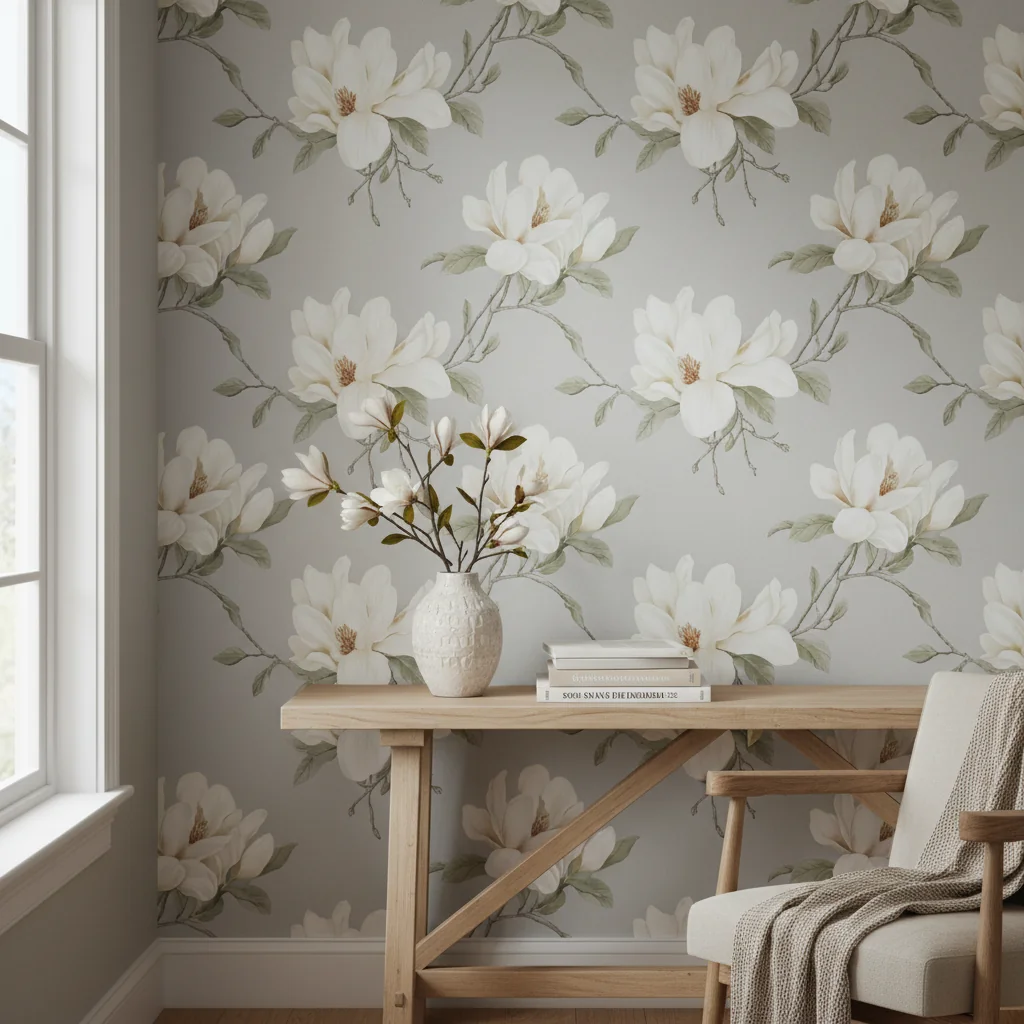
Magnolia wallpaper represents a design motif that transcends fleeting trends, offering an aesthetic rooted in classical botanical art and natural elegance. Its enduring appeal stems from the inherent beauty of the magnolia blossom itself—large, often pristine, and symbolic of dignity and perseverance—translated onto a wallcovering to create a serene and sophisticated atmosphere within any home. This design choice imparts a feeling of tranquility and connection to nature, making it a favored option for those seeking both visual impact and a sense of calm.
The motif typically features lush magnolia flowers, sometimes accompanied by their distinctive glossy leaves and branches, rendered in various artistic interpretations. From detailed botanical illustrations to stylized, abstract forms, magnolia wallpaper captures the essence of this magnificent flower in a way that can complement a multitude of interior design styles. Its versatility is a key attribute; it can serve as a bold statement piece in a grand foyer or a subtle, textural backdrop in a cozy bedroom.
Historically, botanical motifs have been a staple in interior design, reflecting a human desire to bring the beauty of the outdoors inside. Magnolia, with its distinct form and often soft color palette, rose to prominence in various periods, including the Arts and Crafts movement and Chinoiserie designs, solidifying its place as a classic. Today, designers and homeowners continue to gravitate towards magnolia patterns for their ability to evoke a sense of heritage, luxury, and organic grace.
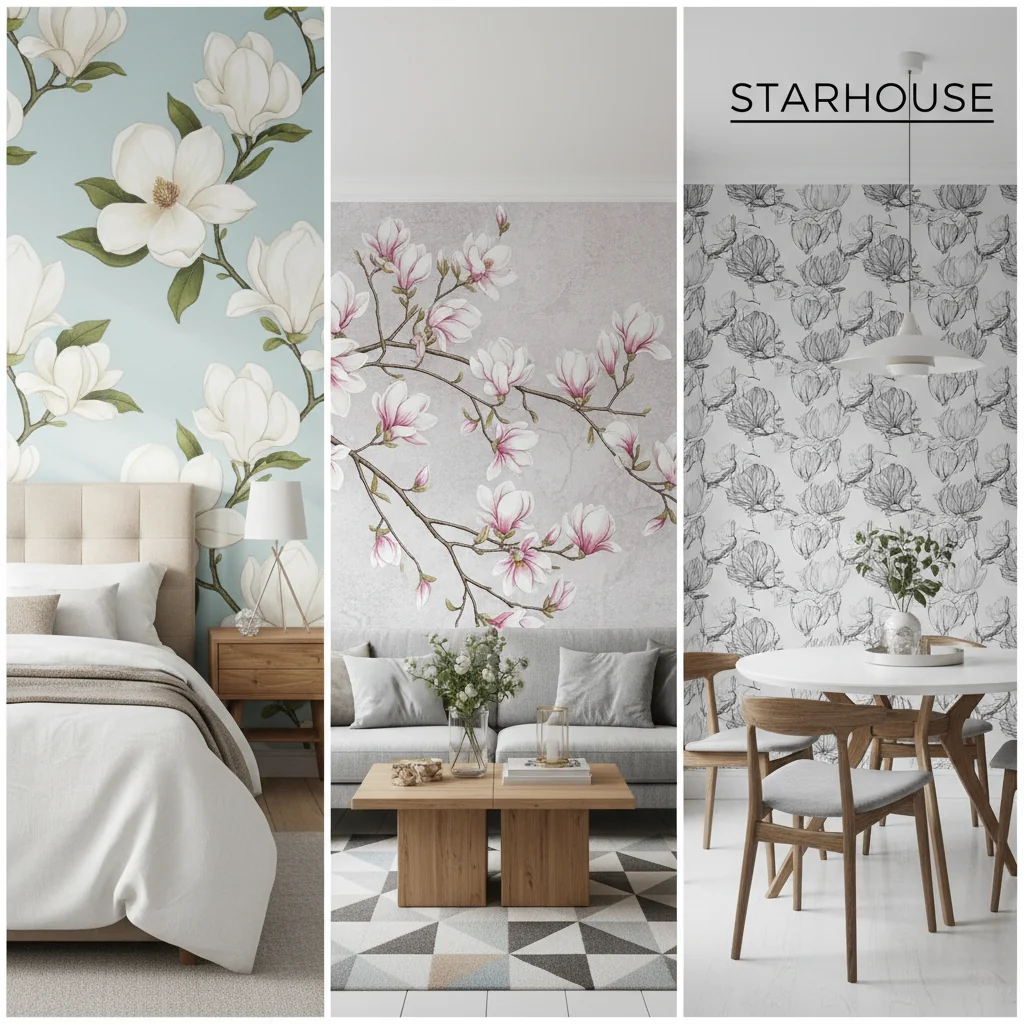
The visual impact of magnolia wallpaper can transform a room, providing depth, texture, and a focal point that draws the eye. When selecting a magnolia pattern, consider the scale of the blossoms and the overall density of the design. A large, open pattern can make a small room feel expansive, while a denser, more intricate design can create a cozy, enveloping atmosphere in a larger space. The color story is equally important, ranging from crisp whites and creams against muted backgrounds to vibrant pinks and greens that inject energy and life.
Starhouse curates wallcoverings that embody this timeless elegance, ensuring that each magnolia design offers both aesthetic distinction and quality craftsmanship. We believe that a home should reflect personal style and provide a sanctuary, and magnolia wallpaper is an exceptional tool for achieving such an environment. It is more than just a decorative element; it is an artistic statement that enhances the architectural integrity and emotional resonance of a space.
Exploring the Diverse Types of Magnolia Wallpaper
Magnolia wallpaper encompasses a broad spectrum of designs and material compositions, offering homeowners a rich selection to match specific aesthetic preferences and functional requirements. These variations ensure that whether you seek a subtle backdrop or a dramatic focal point, a magnolia pattern exists to fulfill that vision, available in a range of styles from classic botanical to modern abstract, and in practical formats such as peel-and-stick or traditional paste-the-wall options.
Pattern Styles and Interpretations
The magnolia motif itself is interpreted in numerous artistic ways, each lending a distinct character to a room.
- Classic Botanical Illustrations: These designs often feature highly detailed, realistic renderings of magnolia blossoms, leaves, and branches, mimicking scientific botanical plates or traditional art. They typically utilize a naturalistic color palette of whites, creams, soft pinks, and various greens, providing a sophisticated and elegant feel reminiscent of a grand estate or a refined garden.
- Chinoiserie Magnolia: A distinct style that blends European rococo elements with East Asian artistic traditions, Chinoiserie magnolia wallpaper often depicts large, flowing magnolia branches with birds or other flora, set against a rich, often metallic or silk-like background. This style is known for its intricate details, vibrant colors, and luxurious, hand-painted appearance, adding an opulent and exotic touch.
- Vintage & Retro Magnolia: Drawing inspiration from mid-century designs or earlier periods, these patterns might feature more stylized or graphic magnolia flowers, sometimes with bolder outlines or a simplified color scheme. They can evoke a nostalgic charm, perfect for spaces with a retro or eclectic aesthetic.
- Abstract & Modern Magnolia: Contemporary interpretations often distill the magnolia form into abstract shapes, impressionistic brushstrokes, or geometric patterns. Color palettes can be more experimental, incorporating unexpected hues or monochromatic schemes. These designs offer a fresh, artistic take on the classic motif, suitable for modern or minimalist interiors.
- Watercolor Magnolia: Characterized by soft, blended colors and fluid lines, watercolor magnolia patterns create a serene and ethereal effect. The translucent quality of watercolor lends itself to a dreamy, delicate aesthetic, making it ideal for bedrooms, nurseries, or tranquil living spaces.
Material Types and Their Characteristics
Beyond aesthetics, the material composition of magnolia wallpaper significantly impacts its durability, ease of installation, and maintenance. Understanding these types is crucial for making an informed decision for your home.
Definition: Non-woven wallpaper is a modern wallcovering material composed of a blend of natural and synthetic fibers, making it exceptionally durable, breathable, and easy to install and remove without damaging the wall.
Here’s a breakdown of common material types:
- Traditional Paper Wallpaper: Made from paper, this type is often the most affordable and offers a wide range of finishes, from matte to slightly textured. It requires paste application to the back of the paper and can be more challenging to install and remove compared to modern alternatives. Paper wallpaper is breathable but generally less durable than vinyl or non-woven options.
- Non-Woven Wallpaper: Celebrated for its ease of installation and removal, non-woven wallpaper is a popular choice. It is applied using a “paste-the-wall” method, which simplifies the process and reduces mess. Non-woven materials are tear-resistant, breathable (reducing mold and mildew risk), and dimensionally stable, meaning they won’t expand or contract when wet. This makes them highly durable and ideal for high-traffic areas or environments where future redecoration is anticipated.
-
Vinyl Wallpaper: This category includes various types, all featuring a vinyl layer for enhanced durability and washability.
- Paper-Backed Vinyl: A paper layer laminated with a decorative vinyl surface. It offers good durability and is often washable, making it suitable for kitchens and bathrooms.
- Solid Sheet Vinyl: Made entirely of vinyl, this is the most durable and washable option, highly resistant to moisture and stains. It is excellent for high-humidity areas like bathrooms or high-traffic zones, but its non-breathable nature can sometimes trap moisture if not installed correctly.
- Fabric-Backed Vinyl: Features a fabric substrate laminated with a solid vinyl decorative surface. This type is extremely tough and often used in commercial settings due to its superior durability and resistance to tearing and abrasion. It is also highly washable.
- Peel-and-Stick Wallpaper (Self-Adhesive): This type features an adhesive backing protected by a removable liner, allowing for easy application and repositioning without the need for additional paste. Peel-and-stick magnolia wallpaper is an excellent option for renters, DIY enthusiasts, or those who enjoy frequently changing their decor. It is typically made from vinyl or a synthetic fabric, offering varying degrees of durability and washability. While convenient, meticulous surface preparation is essential for optimal adhesion and a smooth finish.
- Grasscloth and Natural Fiber Wallpaper: While less common for detailed botanical prints, some magnolia patterns might be printed on or incorporate natural fibers like grasscloth, jute, or sisal. These materials offer unique texture and depth, providing an organic, handcrafted feel. They are generally more delicate and require specialized installation and care, often being less washable than vinyl options.
- Mural Wallpaper: Magnolia patterns are also available as large-scale murals, designed to cover an entire wall with a single, continuous image. These often feature dramatic, oversized blossoms or expansive garden scenes, creating a breathtaking focal point. Murals can come in various material types, including non-woven and vinyl, offering flexibility in installation and durability.
Starhouse prioritizes offering magnolia wallpaper in materials that balance aesthetic appeal with practical considerations. We ensure our collections include options that are not only beautiful but also suitable for the demands of modern living, providing detailed specifications for each material type to assist in your selection process.
Choosing the Right Magnolia Wallpaper for Your Space
Selecting the perfect magnolia wallpaper involves a thoughtful consideration of your room’s specific characteristics, your personal design preferences, and the practical demands of the space to ensure a harmonious and lasting aesthetic. The ideal choice will seamlessly integrate with your existing decor, complement the room’s function, and reflect your unique style, creating an inviting and visually cohesive environment.
Assess Room Function and Traffic
- High-Traffic Areas (Hallways, Entryways, Family Rooms): For areas that see frequent activity and potential for scuffs or spills, we recommend highly durable and washable materials such as solid sheet vinyl or fabric-backed vinyl. These materials withstand regular cleaning and offer superior resistance to wear and tear, maintaining their beauty over time.
- Moisture-Prone Areas (Bathrooms, Kitchens): In spaces with elevated humidity or splash potential, select vinyl-based wallpapers, particularly solid sheet vinyl. These options are water-resistant and easy to wipe clean, preventing moisture damage and mildew growth. Ensure proper ventilation is also in place.
- Low-Traffic Areas (Bedrooms, Formal Living Rooms, Dining Rooms): For these more intimate and less-used spaces, you have greater flexibility. Non-woven or traditional paper-backed vinyl options are excellent choices, offering a wide range of exquisite designs without the need for extreme durability. Peel-and-stick options are also suitable here for easy updates.
- Nurseries and Children’s Rooms: Prioritize non-toxic, low-VOC (Volatile Organic Compound) options. Non-woven wallpapers are often a good choice due to their breathability and lack of harmful chemicals, ensuring a healthier indoor air quality for sensitive occupants.
Consider Pattern Scale and Room Size
The scale of the magnolia pattern profoundly influences the perception of space.
- Small Rooms (e.g., Powder Rooms, Alcoves): In compact spaces, a large-scale, open magnolia pattern can paradoxically make the room feel more expansive and less cluttered. Conversely, a very small, busy pattern can overwhelm and shrink the space. A single, dramatic magnolia mural on one wall can create an impactful focal point without making the room feel enclosed.
- Large Rooms (e.g., Master Bedrooms, Living Rooms): Larger rooms can accommodate a wider range of pattern scales. Both grand, oversized magnolia motifs and intricate, dense patterns can work beautifully. Consider using a large-scale pattern to define zones or create a feature wall, while a more subtle, repetitive pattern can provide a continuous flow of elegance.
- Rooms with Low Ceilings: Vertical magnolia patterns, or designs with elements that draw the eye upward (like climbing branches), can visually elongate walls and make ceilings appear higher.
Harmonize with Color Palette and Lighting
Color is a powerful design tool, and your magnolia wallpaper should complement the room’s existing or planned color scheme.
- Existing Decor: Identify the dominant colors in your furniture, textiles, and artwork. Choose a magnolia wallpaper that incorporates these hues or offers a complementary contrast. For instance, if your room features warm neutrals, a magnolia pattern with soft cream blossoms and muted green leaves will create cohesion.
-
Light Conditions:
- North-Facing Rooms: These rooms tend to receive cooler, indirect light. Opt for magnolia wallpapers with warmer undertones, such as creamy whites, soft pinks, or patterns with hints of gold or yellow, to counteract the cool light and make the room feel more inviting.
- South-Facing Rooms: Abundant in warm, bright light, these rooms can handle cooler color palettes. Magnolia patterns with crisp whites, cool blues, or deeper greens will thrive, preventing the room from feeling overheated.
- Rooms with Limited Natural Light: Light-colored magnolia wallpapers with reflective finishes (e.g., subtle metallic accents) can help bounce light around the room, making it feel brighter and more open. Avoid overly dark or dense patterns that can absorb light and make the space feel smaller.
- Desired Mood: A magnolia pattern with soft, muted colors (e.g., gray-green leaves, off-white blossoms) creates a serene and calming ambiance, ideal for bedrooms. Bolder, more vibrant colors (e.g., deep fuchsia blossoms, emerald green leaves) can inject energy and drama, suitable for a dining room or accent wall.
Consider Your Personal Style
Ultimately, your magnolia wallpaper should resonate with your personal aesthetic.
- Traditional/Classic: Look for botanical illustrations, Chinoiserie styles, or patterns with a rich, detailed appearance.
- Modern/Contemporary: Explore abstract, stylized, or minimalist magnolia designs, perhaps with monochromatic palettes or unexpected color combinations.
- Farmhouse/Rustic: Opt for designs with a hand-drawn quality, softer textures, or patterns that appear slightly faded, evoking a sense of heritage and comfort.
- Bohemian/Eclectic: Consider patterns with vibrant colors, intricate details, or those that combine magnolia with other natural elements, allowing for a layered and expressive look.
By carefully evaluating these factors, you can confidently select a magnolia wallpaper that not only enhances the beauty of your home but also perfectly suits your lifestyle and design vision. Starhouse provides comprehensive product details and design advice to guide you through this important decision, ensuring your choice is both aesthetically pleasing and functionally appropriate.
Sizing, Measuring, and Installation Considerations
Accurate sizing, precise measuring, and understanding the appropriate installation method are foundational steps to achieving a professional and enduring finish when applying magnolia wallpaper. Errors in these initial stages can lead to wasted materials, uneven patterns, and a less-than-perfect result, making meticulous planning and execution indispensable for a successful wallcovering project.
Understanding Wallpaper Roll Dimensions
Wallpaper is typically sold in rolls, but their dimensions can vary significantly. Standard North American double rolls often measure about 20.5 inches to 27 inches wide and approximately 33 feet long, covering about 56 to 74 square feet per roll. European rolls may have different standard widths and lengths. Always check the specific dimensions of the wallpaper you intend to purchase, as these will dictate how many rolls are required for your project.
Consider the pattern repeat.
Definition: Pattern repeat refers to the vertical distance between one point on a pattern and the identical point on the next repetition of the same pattern, which dictates how much extra wallpaper is needed for matching during installation. A larger pattern repeat means you will need to purchase more wallpaper to ensure seamless pattern alignment across seams.
Precise Measuring for Optimal Coverage
To determine the correct quantity of magnolia wallpaper, follow these steps meticulously:
- Measure Wall Height: Measure the height of each wall from baseboard to ceiling. If your ceilings vary slightly, use the tallest measurement for consistency. Add 4-6 inches to this measurement for trimming at the top and bottom of each strip.
- Measure Wall Width: Measure the total width of all walls you intend to cover.
- Calculate Total Square Footage: Multiply the total width by the average height of your walls to get the total square footage.
- Account for Doors and Windows: While you won’t wallpaper over these, it is generally recommended to measure the entire wall area first. You can then subtract about half the square footage of large openings (like standard doors or windows) from your total, but never subtract the full amount, as you’ll still need wallpaper for cuts around these features and for pattern matching. For very small windows or doors, it’s often simpler not to subtract at all.
- Factor in Pattern Repeat: This is critical. For patterns with a large repeat (e.g., 20+ inches), you will need to add extra material to each strip to ensure the pattern aligns perfectly at the seams. A common rule of thumb is to add one full pattern repeat length per strip for every three strips cut. When in doubt, it is always safer to round up and purchase an extra roll. Most manufacturers recommend purchasing 10-15% more than your initial calculation to account for waste, pattern matching, and future repairs.
- Consult Manufacturer’s Chart: Many wallpaper manufacturers provide coverage charts or online calculators based on their specific roll dimensions and pattern repeats. Always cross-reference your measurements with these resources for the most accurate estimate.
Installation Methods: A Comparative Overview
The installation method depends largely on the type of magnolia wallpaper selected. Each method has specific requirements and considerations.
| Method | Wallpaper Type | Preparation | Application | Durability/Permanence | Ease of Removal | Ideal Use |
|---|---|---|---|---|---|---|
| Paste-the-Paper | Traditional Paper, Paper-Backed Vinyl | Apply paste to wallpaper back; book (fold) to soften. | Hang pasted strips directly onto wall; align. | Good; long-lasting with proper adhesive. | Can be challenging; often requires steaming/soaking. | Formal living spaces, traditional decor, long-term installations. |
| Paste-the-Wall | Non-Woven, Some Fabric-Backed Vinyl | Apply paste directly to the wall surface. | Hang dry wallpaper strips onto pasted wall; align. | Excellent; very durable, dimensionally stable. | Generally easy; often dry-strippable in full sheets. | High-traffic areas, bedrooms, DIY-friendly, future redecoration likely. |
| Peel-and-Stick | Self-Adhesive Vinyl, Fabric | Peel off backing liner from pre-pasted strip. | Press adhesive side onto clean wall; smooth out. | Moderate to Good; depends on material and adhesive quality. | Very easy; typically removable and repositionable without damage. | Rentals, temporary decor, DIY projects, accent walls, low-humidity areas. |
| Pre-Pasted | Paper-Backed, Non-Woven | Activate pre-applied adhesive by dipping in water. | Hang moistened strips onto wall; smooth out. | Good; convenient if adhesive is strong. | Varies by material; often strippable or peelable. | DIY projects, moderate durability needs, general residential use. |
Essential Installation Tips for Magnolia Wallpaper
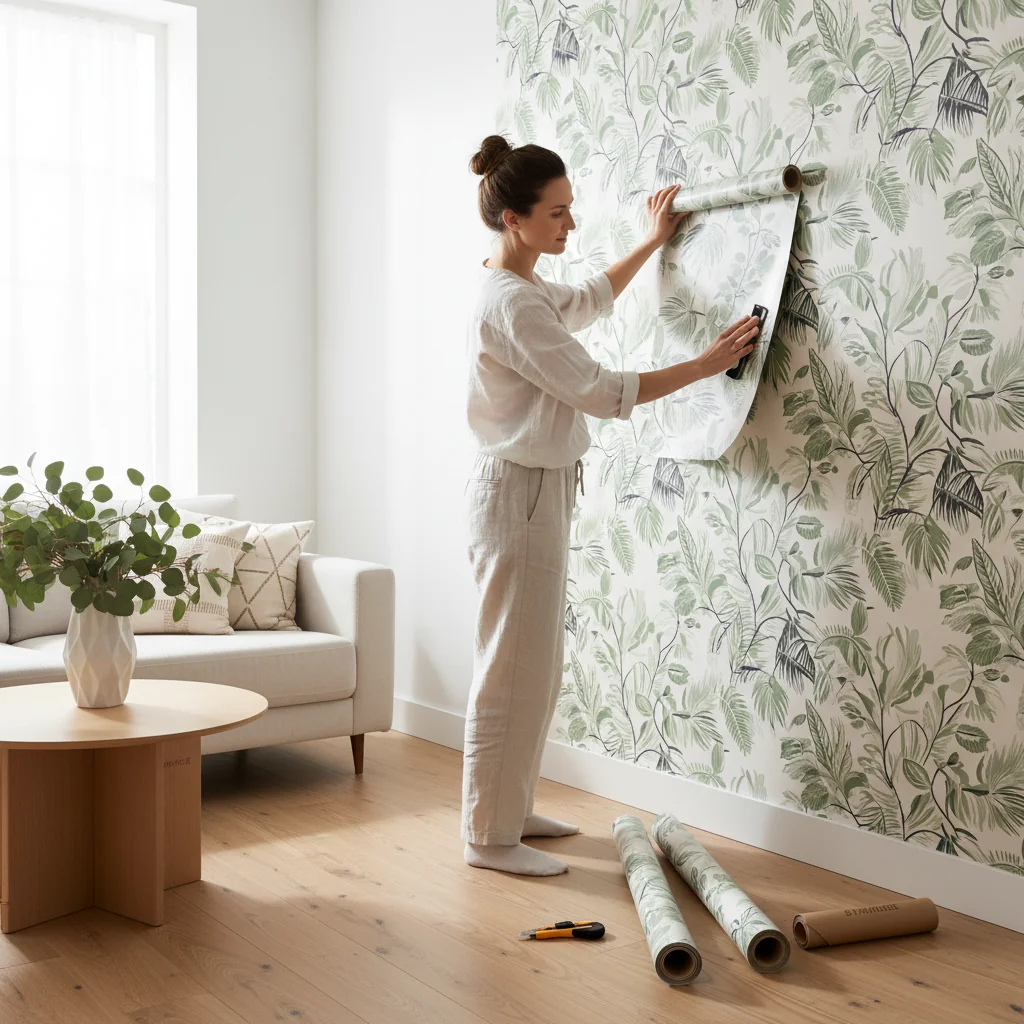
- Wall Preparation is Paramount: Regardless of the method, ensure walls are clean, smooth, dry, and primed. Any imperfections (holes, bumps, uneven paint) will show through the wallpaper. Use a high-quality primer specifically designed for wallpaper to ensure proper adhesion and easier future removal.
- Start with a Plumb Line: Never rely on the ceiling or corner as a true vertical guide. Use a level to draw a plumb line for your first strip, typically about an inch or two from a corner or door frame, ensuring all subsequent strips are perfectly vertical.
- Consistency in Adhesive: If using paste, apply it evenly and consistently. Too little paste leads to poor adhesion; too much can cause bubbling or squeeze-out.
- Smooth Out Bubbles: Use a wallpaper smoothing tool or a clean, soft brush to gently work out air bubbles from the center of the strip outwards.
- Trim Precisely: Use a sharp utility knife and a straightedge to trim excess wallpaper at the ceiling, baseboards, and around openings. Change blades frequently for clean cuts.
- Pattern Matching: Pay close attention to aligning the magnolia pattern at each seam. Dry-fit strips before applying them to ensure you understand the repeat.
- Work in Sections: Especially with larger magnolia murals, work section by section, ensuring each piece is perfectly aligned before moving to the next.
- Professional Installation: For complex patterns, delicate materials like grasscloth, or if you lack experience, hiring a professional wallpaper installer is a worthwhile investment. They possess the expertise and tools to ensure a flawless, long-lasting finish.
Starhouse recommends thoroughly reviewing manufacturer instructions for your specific magnolia wallpaper and considering professional assistance for optimal results. Proper planning and careful execution in these stages are essential for transforming your space with the timeless beauty of magnolia.
Materials Matter: Durability, Sustainability, and Health
The material composition of magnolia wallpaper is a critical factor influencing its durability, environmental impact, and indoor air quality, directly affecting both the longevity of your design and the well-being of your home’s occupants. Understanding the specific properties of different wallpaper substrates and their associated manufacturing processes allows for a conscious choice that aligns with both aesthetic goals and personal values regarding health and sustainability.
Durability and Performance
Different wallpaper materials offer varying levels of resistance to wear, moisture, and staining:
- Non-Woven Wallpaper: Highly durable, tear-resistant, and dimensionally stable. Its breathable nature helps prevent mold and mildew growth, making it a robust choice for most residential applications. It is also generally washable with a damp cloth.
- Vinyl Wallpaper (Paper-Backed, Solid Sheet, Fabric-Backed): Vinyl is renowned for its superior durability, washability, and resistance to moisture and stains. Solid sheet and fabric-backed vinyl are particularly robust, making them ideal for high-traffic areas, kitchens, and bathrooms. They are highly resistant to abrasion and can be scrubbed clean.
- Traditional Paper Wallpaper: While offering a beautiful aesthetic, paper wallpaper is generally less durable than non-woven or vinyl. It is more susceptible to tearing, moisture damage, and staining, and typically requires gentle cleaning.
- Peel-and-Stick Wallpaper: Durability varies widely depending on the specific vinyl or fabric composition. While convenient for temporary applications, some lower-quality peel-and-stick options may show wear more quickly in high-traffic areas compared to permanently installed, robust materials.
- Natural Fiber Wallpaper (e.g., Grasscloth): Offers unique texture and breathability but is generally less durable and harder to clean than synthetic options. It can be susceptible to moisture damage and staining and requires careful handling during installation and maintenance.
Environmental Impact and Sustainability
The environmental footprint of wallpaper is determined by its raw materials, manufacturing process, and end-of-life disposal.
- Recycled Content: Some wallpapers incorporate recycled paper or post-consumer materials, reducing demand for virgin resources.
- Sustainably Sourced Materials: Look for wallpapers made from sustainably harvested wood pulp (FSC-certified) or natural fibers.
- Manufacturing Processes: Environmentally conscious manufacturers employ processes that minimize water and energy consumption and reduce waste.
- Longevity: A highly durable wallpaper that lasts for many years inherently has a lower environmental impact than a less durable product that needs frequent replacement. Investing in quality materials contributes to sustainability.
At Starhouse, we are committed to sourcing products that meet stringent quality and environmental standards, offering transparent information about material compositions.
Indoor Air Quality and Health Considerations (VOCs)
Volatile Organic Compounds (VOCs) are gases emitted from certain solids or liquids, including some building materials and home furnishings, which can have short- and long-term adverse health effects. The presence of VOCs in wallpaper and adhesives is a significant health consideration.
Definition: Volatile Organic Compounds (VOCs) are organic chemicals that have a high vapor pressure at ordinary room temperature, causing them to readily evaporate into the air and potentially contribute to indoor air pollution.
-
Wallpaper Materials:
- Vinyl Wallpaper: Historically, vinyl wallpapers, particularly older formulations, could off-gas VOCs, including phthalates, which are plasticizers used to make vinyl flexible. However, modern manufacturing has made significant strides in reducing or eliminating harmful phthalates and other VOCs from vinyl products. Many contemporary vinyl wallpapers are now produced to meet low-VOC standards.
- Non-Woven Wallpaper: Generally considered a low-VOC option. Non-woven materials are breathable and often made with natural and synthetic fibers that have minimal off-gassing. This makes them a preferred choice for health-conscious consumers, especially in sensitive environments like nurseries.
- Paper Wallpaper: Typically low in VOCs from the paper itself, but the inks used for printing can be a source. Water-based inks are preferable.
-
Adhesives: The adhesive used for wallpaper installation is another primary source of VOCs. Traditional glues can contain significant levels of VOCs.
- Low-VOC Adhesives: Always choose water-based, low-VOC, or zero-VOC wallpaper pastes. These products significantly reduce chemical emissions into your home. Many modern adhesives are specifically formulated to be environmentally friendly and health-safe.
- Peel-and-Stick Adhesives: The adhesives on peel-and-stick wallpapers are typically acrylic-based and can also vary in their VOC content. Look for products certified as low-VOC.
- Regulatory Standards: In the U.S., regulations are in place to limit VOC emissions from consumer and commercial products. For instance, the EPA sets national standards for various products, and the Code of Federal Regulations (CFR) outlines specific limits. The EPA provides guidance on indoor air quality, emphasizing the importance of choosing low-emission products. Additionally, 40 CFR Part 59 details National Volatile Organic Compound Emission Standards for Consumer and Commercial Products, which includes regulations relevant to adhesives and coatings used in wallcovering applications. When selecting wallpaper and adhesives, prioritize products that explicitly state compliance with these standards or carry certifications from recognized third-party organizations (e.g., GREENGUARD, SCS Global Services) for low chemical emissions.
To ensure optimal indoor air quality, we recommend the following:
- Look for Certifications: Prioritize wallpapers and adhesives with certifications for low VOC emissions.
- Ventilate During and After Installation: Ensure good ventilation during wallpaper installation and for several days afterward to help dissipate any remaining off-gassing.
- Read Product Labels: Always review product specifications and safety data sheets (SDS) for information on VOC content and recommended handling.
By making informed choices about the materials and adhesives for your magnolia wallpaper, you contribute to a healthier indoor environment and a more sustainable home. Starhouse is committed to offering options that meet these discerning criteria, ensuring beauty does not come at the expense of well-being.
Current Trends and Enduring Styles in Magnolia Wallpaper
Magnolia wallpaper, while inherently classic, continually evolves with contemporary design trends, offering fresh interpretations that keep this botanical motif relevant and appealing across various aesthetic preferences. The current landscape sees a dynamic interplay between traditional elegance and modern minimalism, with designers reinterpreting the iconic magnolia blossom through new color palettes, scales, and artistic techniques to suit diverse interiors.
Contemporary Interpretations and Emerging Trends
- Oversized and Statement Magnolia Murals: A significant trend involves grand, large-scale magnolia murals that cover an entire wall, transforming it into a dramatic focal point. These murals often feature hyper-realistic or impressionistic renderings of blossoms and branches, creating an immersive, art-like experience. The scale makes a bold statement, ideal for feature walls in living rooms, dining areas, or master bedrooms.
- Monochromatic and Tonal Magnolia Patterns: Moving away from traditional vibrant colors, many contemporary magnolia designs utilize sophisticated monochromatic or tonal palettes. Soft grays, muted blues, pale greens, or subtle creams create a serene and understated elegance. This approach allows the intricate texture and form of the magnolia to stand out, providing depth without overwhelming the space, perfect for minimalist or Scandinavian-inspired interiors.
- Dark and Moody Backdrops: A growing trend features magnolia blossoms set against deep, rich backgrounds such as charcoal gray, navy blue, forest green, or even black. This dramatic contrast makes the lighter magnolia flowers pop, creating a luxurious, enigmatic, and sophisticated atmosphere, particularly effective in powder rooms, studies, or formal dining rooms.
- Abstract and Impressionistic Magnolia: Designers are increasingly interpreting magnolia through abstract forms, watercolor washes, or painterly strokes, moving away from hyper-realistic depictions. These artistic renditions offer a softer, more modern feel, blending the botanical motif with contemporary art aesthetics. They can introduce a sense of fluidity and artistic expression.
- Metallic Accents and Textural Finishes: Incorporating subtle metallic sheens (gold, silver, copper) into magnolia patterns adds a touch of glamour and sophistication. These metallic details catch the light, adding dimension and a luxurious feel. Textural finishes, such as subtle linen weaves or embossed patterns, also enhance the tactile quality of the wallpaper, adding depth and interest.
- Chinoiserie Revival with a Modern Twist: While Chinoiserie is a classic, its current revival sees it paired with more contemporary furniture and cleaner lines. Magnolia Chinoiserie patterns are often rendered in slightly muted or unexpected color combinations, bringing an antique charm into modern settings without feeling dated.
Enduring Styles and Their Timeless Appeal
Despite evolving trends, certain magnolia wallpaper styles remain perennially popular due to their inherent beauty and versatility.
- Classic Botanical Illustrations: The detailed, accurate depictions of magnolia flowers and foliage never go out of style. These designs evoke a sense of heritage, natural beauty, and refined taste. They are particularly well-suited for traditional, transitional, and even some eclectic interiors, providing a sense of timeless elegance.
- Soft Pastel Palettes: Magnolia patterns in gentle pinks, creams, and light greens maintain their appeal for creating serene, romantic, and inviting spaces. These palettes are ideal for bedrooms, nurseries, and living areas where a calm and comforting atmosphere is desired.
- Traditional Chinoiserie: With its intricate details, elegant birds, and flowing branches, classic Chinoiserie magnolia wallpaper continues to be a symbol of luxury and exoticism. It is a powerful statement piece that adds character and a sense of history to any room, often used in formal dining rooms, grand entryways, or as an accent in a refined living space. York Wallcoverings, for example, offers various Magnolia Home wallpaper collections that exemplify a blend of traditional charm and modern sensibility, often featuring these timeless botanical and Chinoiserie-inspired designs.
- Subtle Texture and Embossed Designs: Magnolia patterns that incorporate subtle textures or embossing add tactile interest without overwhelming the visual space. These designs offer a sophisticated backdrop that can layer well with other decorative elements, providing depth and luxury in a restrained manner.
The enduring appeal of magnolia wallpaper lies in its ability to adapt. Whether you lean towards a bold, contemporary statement or a soft, classic backdrop, the versatility of the magnolia motif ensures a design option exists to perfectly articulate your vision. Starhouse continually updates its collections to reflect these evolving trends while honoring the timeless beauty that defines magnolia wallpaper, ensuring our customers have access to both classic and cutting-edge designs.
Caring for Your Magnolia Wallpaper: Maintenance and Longevity
Proper care and consistent maintenance are essential to preserving the beauty and extending the lifespan of your magnolia wallpaper, ensuring it remains a vibrant and integral part of your home’s design for years to come. The specific cleaning and maintenance regimen will depend on the wallpaper’s material, but general principles of gentle handling and prompt attention to spills are universal for all types.
General Maintenance Guidelines
- Regular Dusting: Dust accumulates on wallpaper just as it does on other surfaces. Use a soft, clean cloth, a feather duster, or the brush attachment of your vacuum cleaner on a low setting to gently remove dust and cobwebs on a regular basis (e.g., monthly). This prevents dirt buildup that can become harder to remove later.
- Avoid Harsh Chemicals: Never use abrasive cleaners, strong detergents, or solvents on your wallpaper, regardless of its material. These can strip colors, damage finishes, or compromise the integrity of the material. Stick to mild, pH-neutral solutions.
- Test in an Inconspicuous Area: Before applying any cleaning solution to a visible area, always test it on a small, hidden spot (e.g., behind furniture, in a closet) to ensure it does not cause discoloration or damage.
- Prompt Spill Cleanup: Address spills and marks immediately. The longer a stain sits, the harder it will be to remove.
Cleaning Specific Wallpaper Materials
The washability of your magnolia wallpaper is determined by its material type. Manufacturers typically label wallpaper as “washable,” “scrubbable,” or “non-washable.”
-
Non-Woven and Paper-Backed Vinyl Wallpaper (Washable):
These types can generally be cleaned with a damp sponge or cloth. Prepare a solution of mild dish soap and warm water. Lightly dampen a soft sponge (do not saturate) and gently wipe the affected area. Rinse the sponge frequently with clean water and wipe down the area again to remove any soap residue. Finish by gently drying the area with a clean, soft towel to prevent water spots.
-
Solid Sheet Vinyl and Fabric-Backed Vinyl (Scrubbable):
These highly durable options can withstand more vigorous cleaning. You can use a soft brush or sponge with a mild soap solution. Gently scrub the stained area, then rinse thoroughly with a clean, damp cloth. Always dry the area completely afterward. These materials are excellent for kitchens and bathrooms due to their robust nature.
-
Traditional Paper Wallpaper (Non-Washable/Delicate):
Paper wallpaper is the most delicate and typically cannot be wet-cleaned. For dust, use a dry, soft cloth or a vacuum brush. For light marks, a kneaded eraser or a dry art gum eraser can sometimes gently lift surface dirt without damaging the paper. Avoid rubbing too hard. Liquid spills on paper wallpaper should be blotted immediately with a dry cloth, without rubbing, to absorb as much moisture as possible.
-
Peel-and-Stick Wallpaper:
Most peel-and-stick options are made of vinyl or a coated fabric and are generally washable. Follow the instructions for non-woven or vinyl wallpaper, using a damp cloth with mild soap. Be gentle around seams and edges to avoid lifting the adhesive.
-
Natural Fiber Wallpaper (e.g., Grasscloth):
These are typically very delicate and not washable. Use a dry, soft cloth or vacuum brush for dusting. For stains, consult a professional wallpaper cleaner, as water can damage or discolor natural fibers. Prompt, gentle blotting for spills is crucial.
Addressing Specific Issues
- Grease Stains: For washable wallpapers, a mild degreaser (like a diluted dish soap solution) can be effective. For non-washable types, try sprinkling cornstarch or talcum powder on the stain to absorb the grease, let it sit for several hours, then gently brush off. Repeat if necessary.
- Mold and Mildew: If mold or mildew appears (often due to excessive moisture), it indicates a larger humidity issue that must be addressed. For washable wallpapers, a diluted solution of white vinegar and water can help. For delicate papers, professional remediation is advisable. Ensure adequate ventilation to prevent recurrence.
- Tears and Seam Lifts: Small tears can often be repaired with a specialized wallpaper repair adhesive. Apply a tiny amount to the underside of the tear and carefully press it back into place. For lifting seams, use a seam roller and wallpaper paste to re-adhere the edge. Always have a small amount of leftover wallpaper for patch repairs if needed.
Protection from Environmental Factors
- Sunlight Exposure: Direct and prolonged exposure to sunlight can cause wallpaper colors to fade over time, especially in patterns with vibrant hues. Consider using UV-protective window films, curtains, or blinds on windows that receive intense direct sunlight to minimize fading and preserve the vibrancy of your magnolia design.
- Humidity Control: Maintain consistent humidity levels in your home. Excessive humidity can lead to wallpaper lifting, bubbling, or the growth of mold and mildew. Low humidity can cause seams to shrink and pull apart. Use dehumidifiers or humidifiers as needed to keep indoor humidity within a healthy range (typically 30-50%).
By adhering to these care guidelines, you ensure that your magnolia wallpaper remains a source of beauty and elegance in your home for many years. Starhouse provides specific care instructions for each wallpaper product, empowering you to maintain your investment with confidence.
Styling Magnolia Wallpaper: Integrating It Seamlessly into Your Design
Styling magnolia wallpaper effectively involves integrating its inherent elegance with your room’s furnishings, textiles, lighting, and accessories to create a cohesive and harmonious design narrative. The key lies in balancing the wallpaper’s visual impact with other elements, allowing it to either serve as a subtle, sophisticated backdrop or emerge as a commanding focal point, depending on your desired aesthetic. This thoughtful approach ensures the magnolia motif enhances, rather than overwhelms, the overall ambiance of your space.
Creating a Cohesive Color Palette
The colors within your magnolia wallpaper should inform the broader color scheme of the room.
- Extract Colors: Identify the dominant and accent colors present in the magnolia pattern. For instance, if your wallpaper features cream blossoms, sage green leaves, and a soft gray background, incorporate these colors into your furniture, throw pillows, rugs, and artwork.
- Complementary Hues: Introduce complementary colors to add depth and interest. For a magnolia pattern with warm undertones, consider rich browns, ochre yellows, or even soft blush pinks. For cooler palettes, think about deep blues, emerald greens, or charcoal grays.
- Neutral Grounding: Balance bolder magnolia patterns with neutral furniture pieces (e.g., a cream sofa, a natural wood table) to prevent the room from feeling too busy. Neutrals provide a visual resting place and allow the wallpaper to shine.
Pairing with Furniture and Layout
The style and scale of your furniture should complement the magnolia wallpaper.
- Traditional Elegance: With classic botanical or Chinoiserie magnolia wallpaper, opt for antique or reproduction furniture pieces with graceful lines, rich wood tones, and upholstered fabrics like velvet or linen. A grand four-poster bed or a sophisticated chaise lounge can perfectly align with the wallpaper’s timeless appeal.
- Modern Minimalism: For abstract or monochromatic magnolia patterns, select clean-lined, contemporary furniture in solid colors. Think sleek sofas, minimalist coffee tables, and chairs with simple silhouettes. This creates a striking contrast that highlights the artistic nature of the wallpaper.
- Farmhouse/Rustic Charm: Pair magnolia wallpaper with distressed wood furniture, wicker accents, and comfortable, slipcovered seating. Look for magnolia designs that have a slightly faded or hand-drawn quality to enhance the rustic aesthetic.
- Layout Considerations: If using a large-scale magnolia mural on one wall, arrange furniture to face or highlight that wall, making it the room’s undeniable focal point. For all-over patterns, ensure furniture placement does not obscure key elements of the design.
Integrating Textiles and Soft Furnishings
Textiles add warmth, texture, and another layer of color to a room.
- Curtains and Drapes: Choose curtains that either match a background color in the wallpaper for a seamless look or introduce a complementary solid color. Avoid overly patterned curtains if your magnolia wallpaper is intricate, as this can create visual clutter. Linen, silk, or velvet drapes can enhance the wallpaper’s luxurious feel.
- Rugs: Select a rug that grounds the space and ties into the overall color scheme. A large, neutral rug can provide a calm base for a busy magnolia pattern, while a rug with subtle geometric patterns or a solid color that matches an accent in the wallpaper can add depth.
- Throw Pillows and Blankets: These are excellent for introducing accent colors from the wallpaper or adding contrasting textures. Mix solid-colored pillows with subtly textured ones, or choose pillows with a very small, repeating pattern that doesn’t compete with the magnolia.
Lighting and Accessories
Lighting and accessories are the finishing touches that complete the styled look.
-
Lighting:
- Ambient Lighting: Ensure adequate ambient light to showcase the wallpaper’s colors and details. Recessed lighting or a central chandelier can achieve this.
- Accent Lighting: Use wall sconces or picture lights to highlight specific areas of a magnolia mural or a particularly beautiful section of the pattern.
- Table/Floor Lamps: Choose lamps with bases and shades that complement the room’s style. Ceramic bases, metallic finishes, or natural wood can all work, depending on the overall aesthetic.
-
Artwork and Mirrors:
- Artwork: If your magnolia wallpaper is a feature, consider minimalist artwork that doesn’t compete. Abstract pieces with colors drawn from the wallpaper can work well. Alternatively, lean large, framed artwork against the wall rather than hanging it, allowing the wallpaper to peek through.
- Mirrors: A large, ornate mirror can add depth and bounce light, while also breaking up a wallpapered wall without detracting from the pattern. Choose a frame style that complements the wallpaper’s aesthetic (e.g., a gilded frame for Chinoiserie, a sleek metal frame for modern).
- Decorative Objects: Display objects that echo the natural theme (e.g., ceramic vases, botanical prints in other forms, fresh flowers) or introduce contrasting textures (e.g., glass, metal, stone). Avoid clutter, allowing the magnolia wallpaper to breathe and be appreciated.
Starhouse believes that thoughtful styling elevates magnolia wallpaper from a mere wallcovering to a cornerstone of your interior design. By considering each element in harmony, you can craft a space that feels both luxurious and uniquely yours.
As Starhouse curates its collection, we are eager to understand your unique vision for your home. We invite you to tell us what you’re looking for, sharing your design aspirations to help us tailor our offerings to your precise needs.
Common Mistakes to Avoid When Working with Magnolia Wallpaper
Achieving a flawless and enduring installation of magnolia wallpaper requires careful attention to detail and a proactive approach to potential pitfalls. Avoiding common mistakes during selection, preparation, and application stages is crucial for ensuring a professional finish, preventing costly errors, and maximizing the aesthetic impact of your chosen design.
-
Underestimating Wall Preparation: This is arguably the most frequent and impactful mistake. Applying wallpaper directly over dirty, uneven, or unprimed walls will result in imperfections showing through, poor adhesion, and potential bubbling or peeling.
- Correction: Always clean walls thoroughly, fill any holes or cracks, sand smooth, and apply a high-quality, oil-based or acrylic-latex primer specifically designed for wallpaper. Primer seals the surface, promotes adhesion, and makes future removal easier.
-
Inaccurate Measuring and Under-ordering: Running out of wallpaper mid-project, especially with a specific dye lot, can be a significant setback. Underestimating waste from pattern matching is a common oversight.
- Correction: Measure meticulously (height and width of all walls), factor in window/door cutouts, and account for pattern repeat. Always purchase an extra roll (typically 10-15% more than calculated) to cover mistakes, pattern matching, and for future repairs. Ensure all rolls come from the same dye lot to prevent color discrepancies.
-
Ignoring Pattern Repeat and Direction: Failing to align the magnolia pattern correctly at seams or installing strips upside down can ruin the visual flow and aesthetic.
- Correction: Carefully read the manufacturer’s instructions regarding pattern repeat and direction. Dry-lay strips on the floor first to understand the pattern flow and mark the top of each strip. Always cut strips with the pattern repeat in mind, adding extra length for matching.
-
Using the Wrong Adhesive: The type of adhesive must be compatible with your specific wallpaper material. Using the wrong paste can lead to poor adhesion, staining, or difficulty in removal.
- Correction: Consult the wallpaper manufacturer’s recommendations for adhesive type. Use a high-quality, pre-mixed, low-VOC wallpaper paste appropriate for your wallpaper (e.g., heavy-duty paste for vinyl, clear paste for delicate papers).
-
Improper Tool Usage: Using dull blades, incorrect smoothing tools, or applying excessive pressure can damage the wallpaper or create an uneven finish.
- Correction: Invest in proper wallpaper tools: a sharp utility knife with plenty of snap-off blades, a smoothing brush or plastic smoother, a seam roller (for non-vinyl papers), a level, and a plumb bob. Change blades frequently for crisp cuts.
-
Over-Wetting or Under-Wetting Pre-Pasted/Paste-the-Paper Wallpaper: Incorrect moisture levels can cause paper to tear, stretch excessively, or fail to adhere properly.
- Correction: Follow manufacturer instructions precisely for soaking times (for pre-pasted) or booking times (for paste-the-paper). Consistency is key.
-
Not Using a Plumb Line: Starting wallpaper installation without a true vertical guide will inevitably lead to crooked strips and misaligned patterns.
- Correction: Always draw a plumb line with a level and pencil a few inches from your starting corner. This ensures your first strip is perfectly vertical, and all subsequent strips will follow suit.
-
Ignoring Environmental Conditions: Extreme temperatures or humidity during installation can affect drying times and adhesion.
- Correction: Ensure the room temperature is moderate (around 65-70°F) and humidity is controlled. Avoid drafts during the drying period.
-
Choosing the Wrong Scale or Style for the Room: A beautiful magnolia pattern can look out of place if its scale or style clashes with the room’s size or existing decor.
- Correction: Carefully consider the room’s dimensions, light, and existing furnishings. Use samples to visualize how the pattern will look in your space. A large pattern in a small room can be dramatic but must be balanced, while a tiny, busy pattern in a large room might get lost.
-
Rushing the Process: Wallpaper installation requires patience and precision. Rushing can lead to preventable errors.
- Correction: Allocate ample time for the project, including preparation. Work methodically, taking breaks when needed. Patience ensures a superior finish.
By being aware of these common pitfalls and implementing the recommended corrections, you significantly increase the likelihood of a successful and satisfying magnolia wallpaper project. Starhouse advocates for thorough planning and careful execution to bring your design vision to life.
Sources
Frequently Asked Questions About Magnolia Wallpaper
What are the primary benefits of choosing magnolia wallpaper?
The primary benefits of choosing magnolia wallpaper include its timeless aesthetic appeal, which adds sophistication and natural elegance to any room, and its versatility across various design styles, from traditional to modern. It creates a focal point, adds texture, and can significantly enhance a room’s perceived depth and character.
Is magnolia wallpaper suitable for high-humidity areas like bathrooms?
Yes, magnolia wallpaper can be suitable for high-humidity areas like bathrooms, provided you select a vinyl-based material, such as solid sheet vinyl or fabric-backed vinyl. These materials are highly water-resistant and washable, making them ideal for environments prone to moisture. Ensure proper ventilation is also in place to prevent moisture buildup.
How do I accurately measure for magnolia wallpaper to avoid wastage?
To accurately measure for magnolia wallpaper, calculate the total square footage of your walls (height x width), then account for the pattern repeat by adding extra length to each strip and typically purchasing an additional 10-15% of the calculated amount. Always use the tallest wall height for consistency and consult the manufacturer’s specific roll dimensions and coverage charts.
What are VOCs, and how do they relate to wallpaper safety?
VOCs, or Volatile Organic Compounds, are gases emitted from certain materials, including some wallpapers and adhesives, which can contribute to indoor air pollution and potentially impact health. To ensure safety, select magnolia wallpaper and adhesives that are labeled low-VOC or zero-VOC, and look for certifications from reputable organizations. Good ventilation during and after installation is also recommended.
Can I install magnolia wallpaper myself, or should I hire a professional?
Whether you can install magnolia wallpaper yourself depends on your experience level and the wallpaper type. Peel-and-stick and paste-the-wall (non-woven) wallpapers are generally more DIY-friendly. However, for complex patterns, delicate materials, or if you desire a truly flawless finish, hiring a professional wallpaper installer is recommended. Professionals possess the expertise and tools to ensure precise pattern matching and lasting results.
How do I care for and clean my magnolia wallpaper to ensure its longevity?
To care for your magnolia wallpaper, regularly dust it with a soft cloth or vacuum brush. For washable types (non-woven, vinyl), gently clean with a damp sponge and mild soap solution, then dry thoroughly. For delicate paper wallpapers, use a dry art gum eraser for marks. Always test cleaning solutions in an inconspicuous area, promptly blot spills, and protect against direct sunlight to prevent fading.
How can I integrate magnolia wallpaper into a modern design aesthetic?
To integrate magnolia wallpaper into a modern design aesthetic, opt for abstract, monochromatic, or large-scale, impressionistic magnolia patterns. Pair these with clean-lined, contemporary furniture, minimalist accessories, and a balanced color palette that draws from the wallpaper’s hues. Dark, moody backgrounds with contrasting blossoms also create a striking modern look. Focus on balance and allowing the wallpaper to act as a sophisticated art piece.
Conclusion: Embrace the Enduring Elegance of Magnolia Wallpaper
Magnolia wallpaper stands as a testament to timeless design, offering an unparalleled blend of natural beauty, refined elegance, and versatile aesthetic appeal that can transform any space into a sanctuary of sophisticated charm. From its diverse array of patterns, encompassing classic botanical illustrations to contemporary abstract interpretations, to its varied material compositions that promise durability and ease of maintenance, magnolia wallpaper presents a compelling option for homeowners seeking to imbue their interiors with character and grace. The careful consideration of pattern scale, color palette, material properties, and precise installation techniques ensures that your chosen design not only looks stunning but also performs flawlessly for years to come.
At Starhouse, we understand that selecting the perfect wallcovering is a pivotal decision in crafting a home that truly reflects your personal style and meets your functional needs. Our commitment to curating exceptional home & décor elements means we prioritize both aesthetic distinction and practical excellence. We believe that a well-chosen magnolia wallpaper can elevate a room, creating a focal point that is both aspirational and deeply personal.
As we continue to build our curated collection, we are dedicated to bringing you the finest selections that embody quality, style, and innovation. We invite you to be a part of this exciting journey by sharing your design inspirations and preferences. Your input helps us refine our offerings and ensures we provide exactly what you need to create your dream home.
We are curating our collection with you in mind. Tell us what you’re looking for and get early access to our exquisite range of wall décor, furnishings, textiles, lighting, and accessories. Discover how the enduring elegance of magnolia wallpaper, and Starhouse’s commitment to exceptional design, can bring your vision to life.
Updated: June 2026