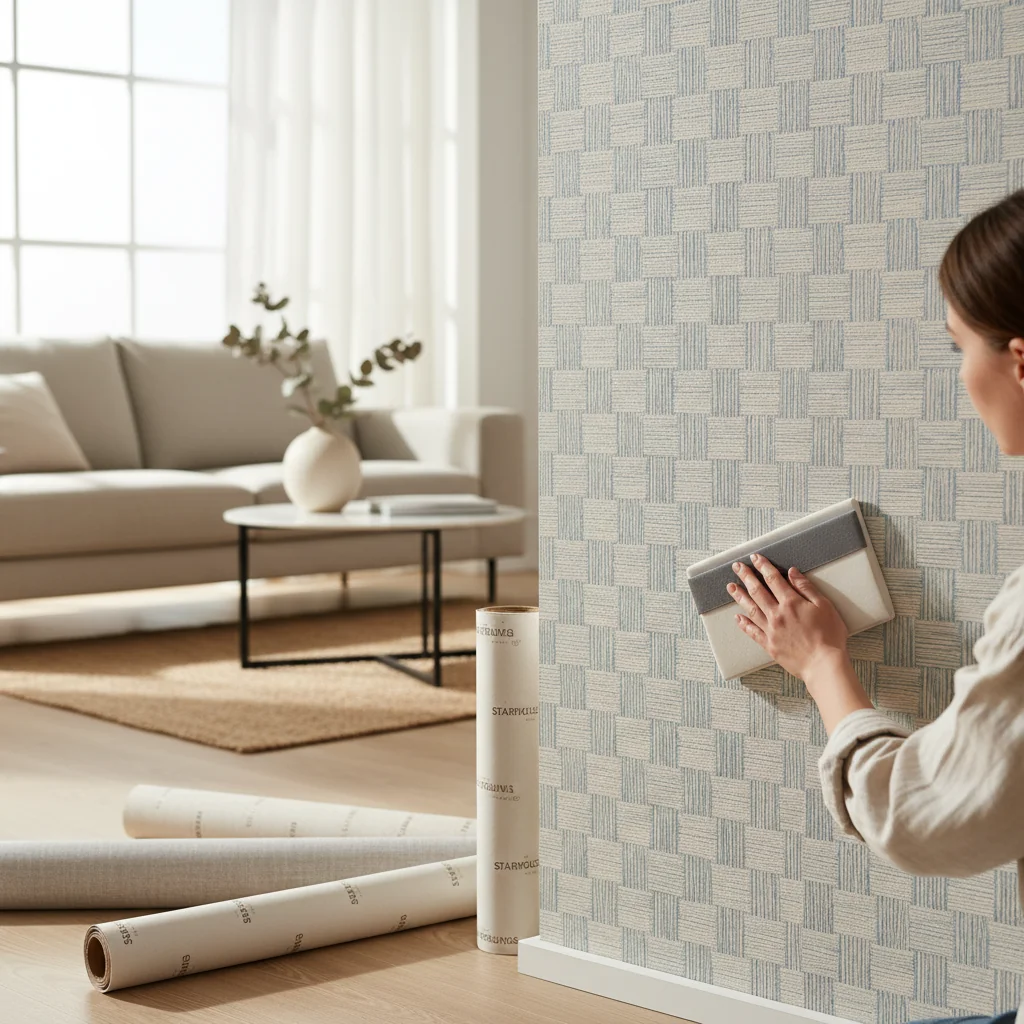
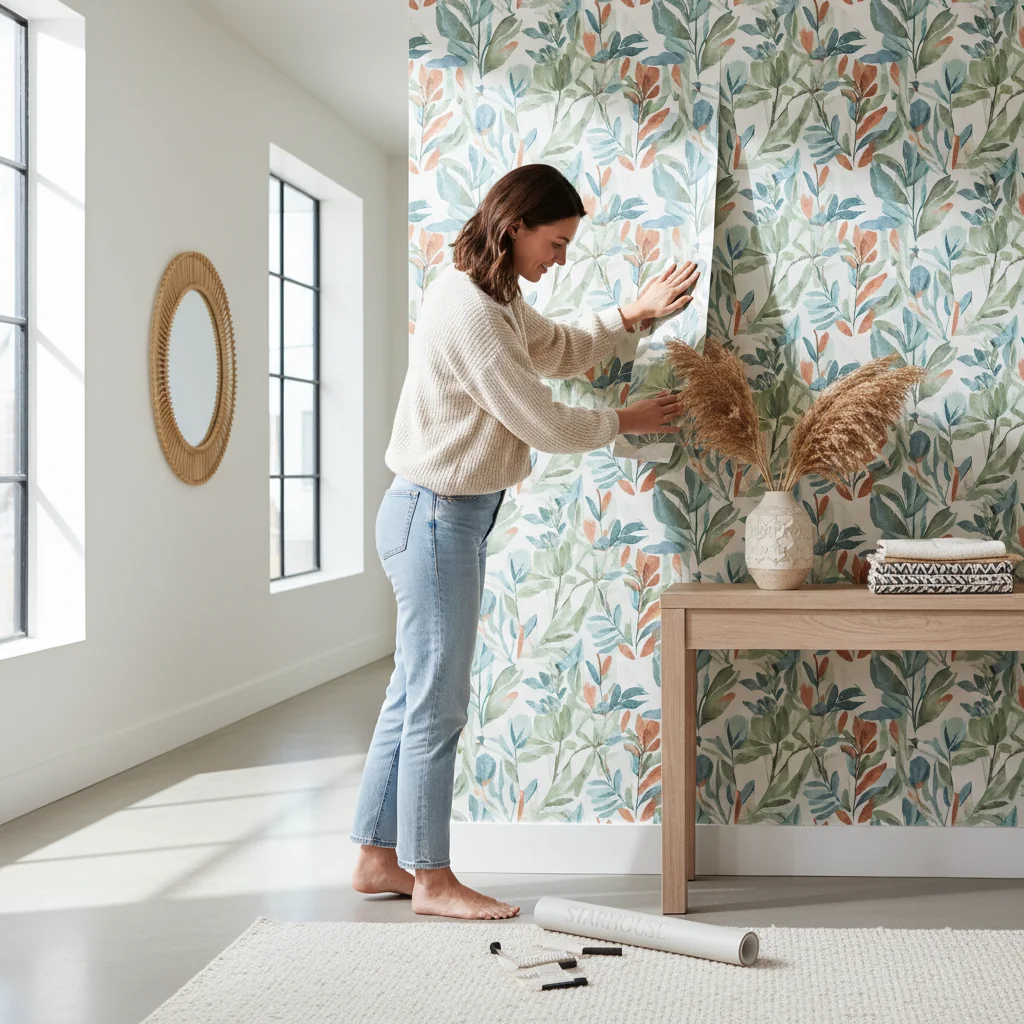
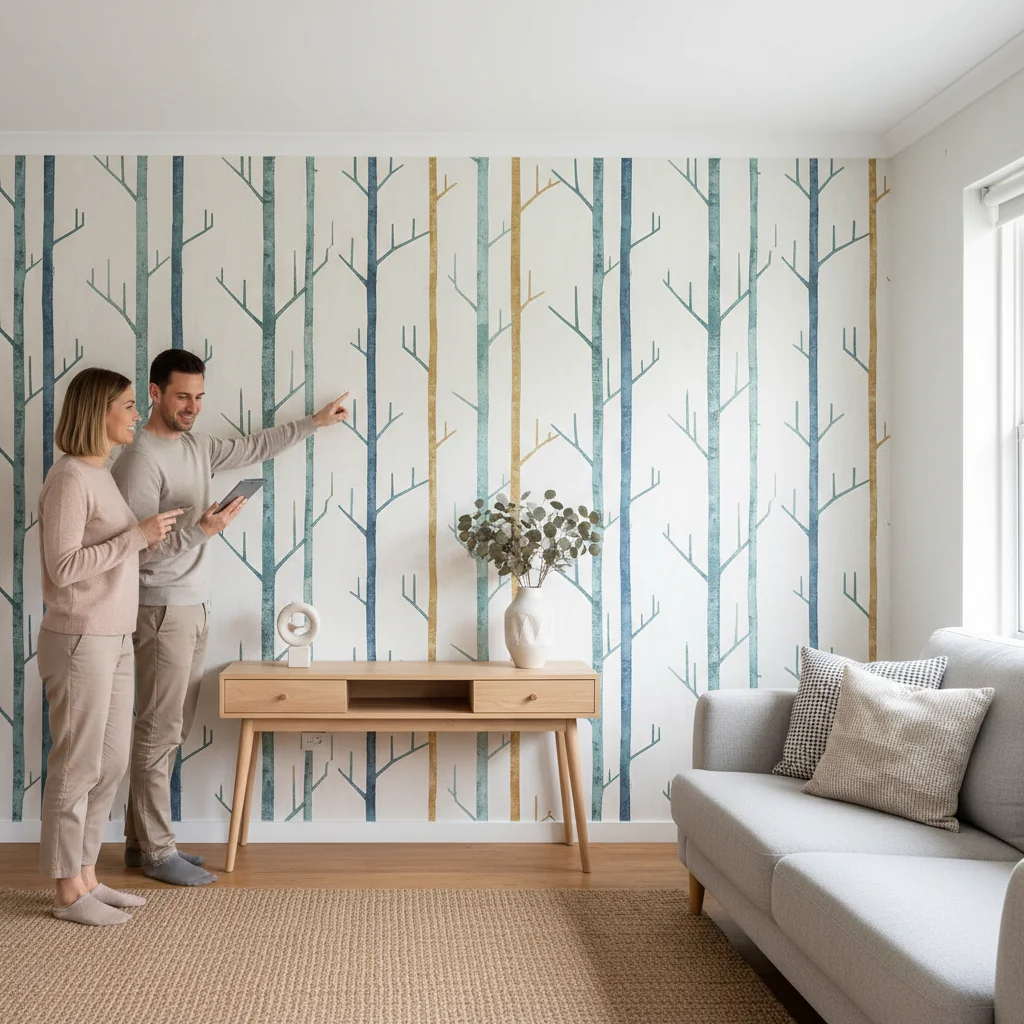
Mediterranean wallpaper offers an immersive journey into the sun-drenched landscapes and rich cultural heritage of the Mediterranean region, transforming interior spaces with its distinctive patterns, vibrant colors, and organic textures. This versatile wallcovering solution encompasses a wide array of designs, from intricate geometric tiles reminiscent of ancient Moorish architecture to serene botanical motifs inspired by olive groves and coastal flora, providing a sophisticated backdrop that evokes warmth, tranquility, and timeless elegance. Manufactured using advanced techniques, modern Mediterranean wallpapers, including high-performance substrates like those found on York Wallcoverings’ Sure Strip™, ensure both aesthetic appeal and practical durability, making them an excellent choice for creating a cohesive and inviting atmosphere in any home across the United States.
Key Takeaways
- Mediterranean wallpaper encompasses diverse styles, from geometric tiles and intricate arabesques to botanical motifs and coastal landscapes, all rooted in the region’s rich cultural and natural beauty.
- Material choices, including vinyl, non-woven, paper, and peel-and-stick options, dictate durability, ease of installation, and maintenance requirements, influencing suitability for different rooms and lifestyles.
- Selecting the ideal Mediterranean wallpaper requires careful consideration of the room’s function, existing décor, scale of pattern, light exposure, and desired aesthetic impact to ensure a harmonious design.
- Precise measurement and understanding pattern repeat are critical for accurate ordering and seamless installation, whether opting for professional application or a DIY approach.
- Current trends favor modern interpretations of classic motifs, sustainable materials, and large-scale murals, while enduring styles like classic blue and white patterns remain perennially popular.
- Proper care, including gentle cleaning and prompt repair, is essential for maintaining the aesthetic integrity and extending the lifespan of Mediterranean wallpaper.
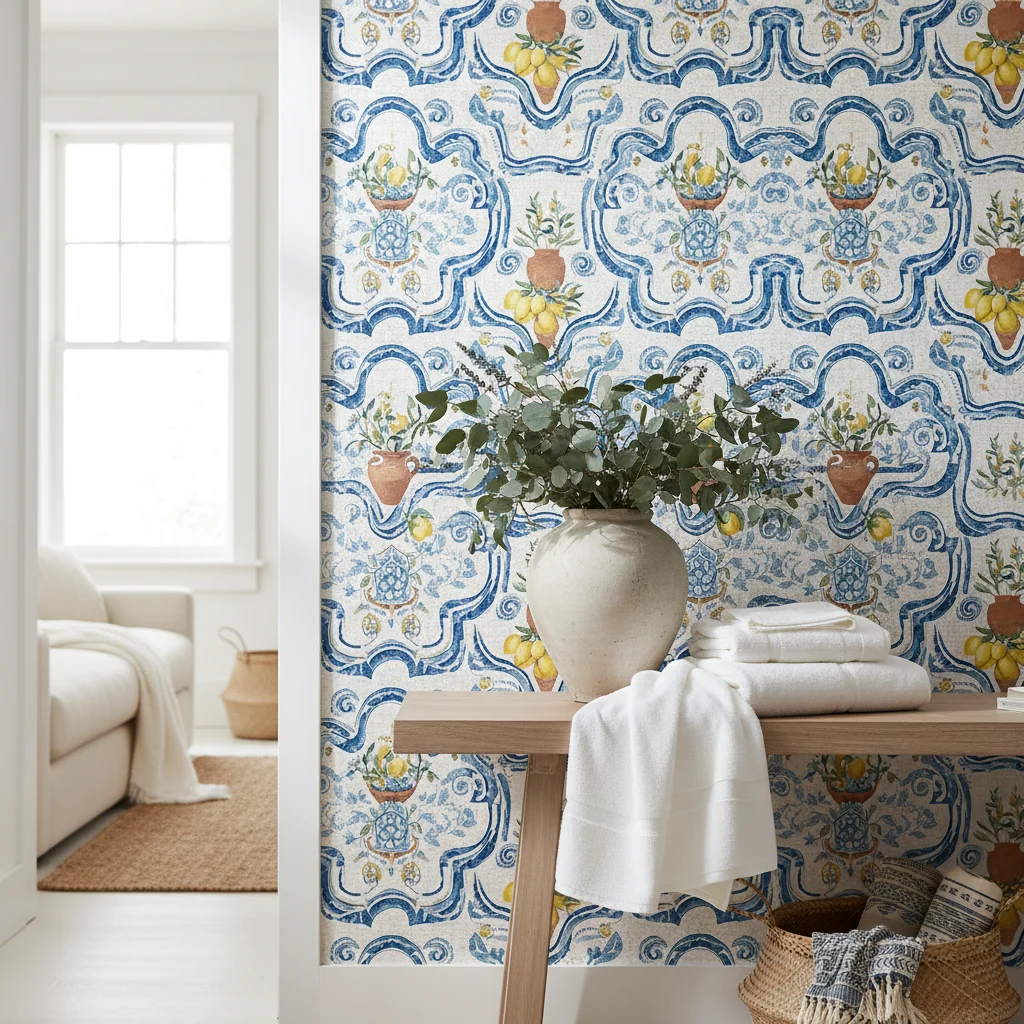
What is Mediterranean Wallpaper?
Mediterranean wallpaper is a distinct category of wallcovering characterized by designs and motifs inspired by the cultural, architectural, and natural elements of the Mediterranean Basin, encompassing regions like Spain, Italy, Greece, Morocco, and parts of the Middle East. It serves to imbue interior spaces with the warmth, light, and relaxed elegance synonymous with Mediterranean living, creating an atmosphere that is both inviting and sophisticated. These wallpapers draw heavily from centuries of artistic tradition, from intricate tilework to sun-drenched landscapes.
At its core, Mediterranean design celebrates organic textures, earthy color palettes, and patterns that reflect both human craftsmanship and the natural world. This style often features elements such as terracotta hues, azure blues, olive greens, and warm yellows, combined with patterns that evoke ancient mosaics, sun-baked stucco, or traditional textiles. The overarching goal of Mediterranean wallpaper is to transport the homeowner to a serene, sun-kissed haven, fostering a sense of peace and enduring beauty within their personal space.
Historically, the Mediterranean region has been a melting pot of cultures, each contributing unique artistic expressions that collectively define this aesthetic. From the geometric precision of Islamic art found in Andalusian palaces to the rustic charm of Italian farmhouses and the classical elegance of Greek villas, Mediterranean wallpaper distills these diverse influences into cohesive design statements. These wallcoverings are not merely decorative; they are narrative elements, telling a story of history, craft, and a deep connection to nature.
Modern manufacturing techniques allow these rich historical aesthetics to be translated into durable and accessible wallcoverings. Advancements in printing technology ensure that intricate details and subtle color variations are rendered with exceptional clarity and depth. Furthermore, the development of various substrates, such as non-woven materials and peel-and-stick options, enhances both the beauty and the practicality of Mediterranean wallpaper for contemporary homes.
Mediterranean wallpaper is a decorative wallcovering category inspired by the diverse cultures, architecture, and natural landscapes of the Mediterranean region, typically featuring motifs like geometric tiles, botanical patterns, and natural textures in a warm, earthy, or coastal color palette. Its appeal lies in its ability to create a serene, sophisticated, and inviting atmosphere that evokes the sun-drenched beauty and timeless elegance of the Mediterranean lifestyle.
Exploring the Diverse Types and Styles of Mediterranean Wallpaper
Mediterranean wallpaper encompasses a rich tapestry of designs, each reflecting a specific facet of the region’s varied cultures and natural beauty. Understanding these distinct types and styles is crucial for selecting a pattern that authentically captures the desired aesthetic for your home. From intricate geometric patterns to serene natural landscapes, the range is extensive and deeply evocative.
Geometric Tile Patterns
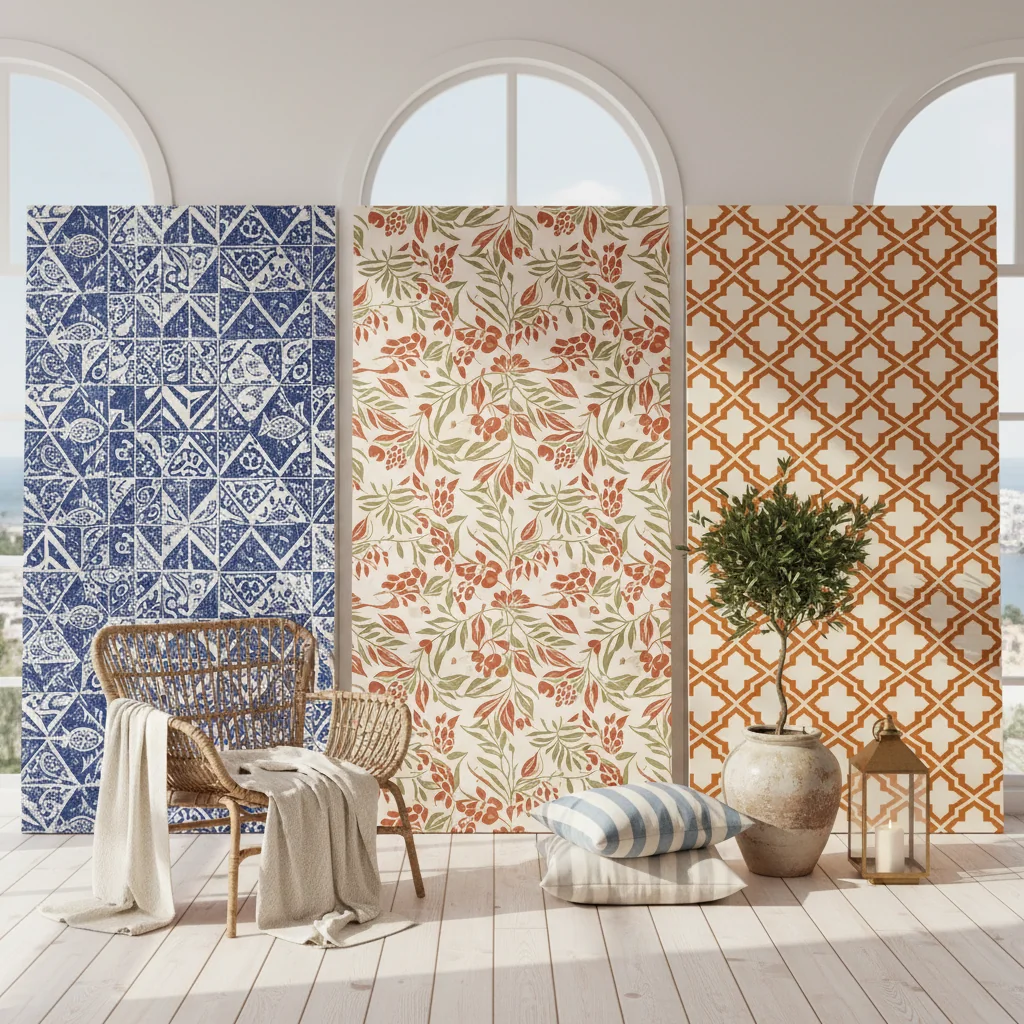
Geometric tile patterns are perhaps one of the most recognizable forms of Mediterranean wallpaper, drawing direct inspiration from the intricate mosaics and ceramic tiles found in Spanish, Portuguese, and Moorish architecture. These designs often feature repeating patterns of stars, interlocking polygons, and stylized floral motifs, typically rendered in vibrant blues, greens, yellows, and terracotta. They create a sense of depth and historical grandeur, perfect for accent walls or areas where a bold, architectural statement is desired. The precision of these patterns demands careful alignment during installation to maintain their visual integrity.
Botanical and Floral Motifs
The lush landscapes of the Mediterranean, with their olive groves, citrus orchards, and vibrant wildflowers, provide abundant inspiration for botanical wallpapers. These designs often feature illustrations of olive branches, lemon trees, grapevines, or delicate floral sprays. The color palettes tend to be softer and more organic, incorporating shades of green, gold, and muted blues. Botanical Mediterranean wallpapers infuse a space with natural serenity and a connection to the outdoors, ideal for creating a tranquil retreat in bedrooms, sunrooms, or dining areas. They offer a softer, more romantic interpretation of the Mediterranean aesthetic.
Coastal and Nautical Themes
Given the extensive coastlines of the Mediterranean, it is natural for coastal themes to emerge as a prominent style. These wallpapers often feature subtle patterns reminiscent of crashing waves, abstract interpretations of sea glass, or delicate renderings of seashells and coral. The dominant colors are typically shades of azure, cerulean, and deep navy, often paired with crisp whites and sandy beiges. Coastal Mediterranean wallpaper is perfect for bathrooms, sunrooms, or any space where a refreshing, airy, and light-filled ambiance is desired, evoking the calming influence of the sea.
Textural and Stucco Effects
Many Mediterranean homes are characterized by their natural, often rustic, building materials, including stucco and plaster. Wallpaper designed to mimic these textures offers a sophisticated way to achieve a similar aesthetic without the structural implications. These designs feature subtle variations in tone and surface, creating the illusion of aged plaster, rough-hewn stone, or sun-baked clay. The color palette is typically earthy—creams, beiges, terracotta, and warm grays—providing a neutral yet rich backdrop. Textural Mediterranean wallpapers are excellent for creating a foundational layer of warmth and authenticity, allowing other design elements to stand out.
Scenic Murals and Landscapes
For those seeking a truly immersive experience, Mediterranean scenic murals transport the viewer directly to iconic vistas. These large-format wallcoverings depict sprawling olive groves, picturesque coastal towns clinging to cliffs, ancient ruins against a cerulean sky, or serene vineyard scenes. Murals are powerful focal points, transforming an entire wall into a window to the Mediterranean. They require careful planning regarding scale and placement to ensure the scene complements the room’s proportions and existing furnishings. The detail and depth of these murals can be breathtaking, offering an unparalleled sense of escape.
Damask and Arabesque Patterns
Drawing heavily from the rich textile traditions and architectural ornamentation of the Eastern Mediterranean and North Africa, damask and arabesque patterns offer a more opulent and intricate aesthetic. These designs feature elaborate, often symmetrical, motifs that intertwine and repeat, creating a sense of luxury and historical depth. While traditional damasks might be more formal, Mediterranean interpretations often incorporate softer colors and organic curves, making them feel more approachable. They are well-suited for formal dining rooms, elegant living spaces, or bedrooms where a touch of refined exoticism is desired.
Here is a concise overview of popular styles:
- **Geometric Tile:** Intricate, repeating patterns inspired by ceramic tiles and mosaics from Spain, Portugal, and North Africa, often in vibrant blues, yellows, and terracotta.
- **Botanical & Floral:** Designs featuring olive branches, lemon trees, grapevines, and wildflowers, reflecting the region’s flora, typically in organic greens, golds, and muted blues.
- **Coastal & Nautical:** Patterns evoking the sea, such as waves, seashells, and abstract water textures, dominated by azure, navy, and white to create an airy, refreshing feel.
- **Textural & Stucco:** Wallpapers mimicking the appearance of natural building materials like aged plaster, rough stone, or sun-baked stucco, using earthy tones like creams, beiges, and warm grays.
- **Scenic Murals:** Large-format wallcoverings depicting expansive Mediterranean landscapes, coastal towns, or historical sites, designed to create a dramatic focal point.
- **Damask & Arabesque:** Elaborate, often symmetrical, patterns inspired by historical textiles and architectural ornamentation, offering a touch of refined luxury and intricate detail.
Materials and Construction: Understanding Your Options
The material and construction of Mediterranean wallpaper significantly impact its durability, ease of installation, maintenance requirements, and overall aesthetic. Understanding these differences is essential for making an informed decision that aligns with both your design vision and practical needs. Each type offers distinct advantages, catering to various environments and levels of expected wear.
Vinyl Wallpaper
Vinyl wallpaper is one of the most popular and practical choices for its exceptional durability and washability. It consists of a paper or fabric backing coated with a layer of polyvinyl chloride (PVC). This construction makes it highly resistant to moisture, stains, and abrasions, rendering it ideal for high-traffic areas such as kitchens, bathrooms, hallways, and children’s rooms. Vinyl wallpapers are easy to clean with a damp cloth, making them a low-maintenance option. They are also excellent at mimicking textures, from stucco to tile, with remarkable realism, which is a significant advantage for achieving authentic Mediterranean aesthetics. While highly durable, some vinyl wallpapers may not be as breathable as other options.
Non-Woven Wallpaper
Non-woven wallpaper is celebrated for its ease of installation and removal, making it a favorite among DIY enthusiasts and those who anticipate changing their décor periodically. This material is made from a blend of natural and synthetic fibers, giving it a breathable, tear-resistant, and dimensionally stable quality. Unlike traditional paper-backed wallpapers, non-woven options do not expand when wet or shrink when dry, which minimizes seams and makes application smoother. It is also often “paste-the-wall,” meaning adhesive is applied directly to the wall rather than the paper, simplifying the process. Non-woven wallpapers are generally washable and environmentally friendlier than some vinyl options, as they are often PVC-free. They offer a luxurious feel and excellent print quality for intricate Mediterranean designs.
Paper Wallpaper
Traditional paper wallpaper offers a classic, breathable surface that can provide a sophisticated, matte finish. It is typically made from pulp paper and may or may not be coated for durability. While offering beautiful print quality and a wide range of designs, paper wallpaper is generally less durable and less washable than vinyl or non-woven alternatives. It is more susceptible to moisture damage and tearing during installation. Consequently, it is best suited for low-traffic areas like formal living rooms, dining rooms, or bedrooms where its delicate texture and aesthetic can be appreciated without constant exposure to wear and tear. Proper wall preparation is paramount to avoid bubbling or creasing.
Peel-and-Stick Wallpaper
Peel-and-stick wallpaper is a self-adhesive wallcovering that eliminates the need for messy glues or pastes, making it a highly convenient and removable option for temporary décor or renters. This innovative solution, often made from vinyl or non-woven material, features an adhesive backing protected by a removable liner. Installation involves simply peeling off the backing and sticking the wallpaper to the wall, making it exceptionally user-friendly. It is ideal for accent walls, furniture makeovers, or spaces where flexibility is desired, such as apartments or dorm rooms. While generally less permanent than traditional pasted wallpapers, modern peel-and-stick options are increasingly durable and offer a vast array of Mediterranean designs, including intricate tile patterns and subtle textures.
Fabric-Backed Wallpaper
Fabric-backed wallpaper, also known as textile wallpaper, features a fabric substrate (like cotton, linen, or synthetic fibers) laminated to a paper or non-woven backing. This construction results in a luxurious, tactile finish that adds depth and warmth to a room. Fabric-backed options are generally durable and can help insulate a room both thermally and acoustically. However, they are often more expensive and require professional installation due to their weight and delicate nature. They are less washable than vinyl and best suited for areas where their sophisticated texture can be appreciated without heavy exposure to moisture or grime, such as master bedrooms or formal living spaces.
Here’s a comparison of common wallpaper materials:
| Material Type | Key Characteristics | Durability | Ease of Installation | Maintenance | Ideal Use Cases |
|---|---|---|---|---|---|
| Vinyl | PVC-coated, often textured, excellent moisture resistance. | High (Resistant to moisture, stains, abrasion). | Moderate (Requires paste, can be heavy). | Very Easy (Washable with damp cloth). | Kitchens, bathrooms, hallways, high-traffic areas. |
| Non-Woven | Breathable blend of fibers, dimensionally stable, often PVC-free. | High (Tear-resistant, durable). | Easy (Paste-the-wall, easy removal). | Easy (Washable, generally more breathable). | Bedrooms, living rooms, dining rooms, versatile. |
| Paper | Traditional pulp paper, breathable, matte finish. | Moderate (Less resistant to moisture/tears). | Moderate (Requires paste, careful handling). | Delicate (Wipeable or non-washable). | Low-traffic areas, formal spaces, bedrooms. |
| Peel-and-Stick | Self-adhesive backing, often vinyl or non-woven. | Moderate to High (Depends on base material). | Very Easy (Removable liner, no paste). | Easy (Wipeable, temporary by design). | Accent walls, renters, DIY projects, furniture. |
| Fabric-Backed | Textile surface (cotton, linen), luxurious, tactile. | High (Durable, can insulate). | Difficult (Heavy, requires professional skill). | Delicate (Spot clean only, not washable). | Formal living rooms, master bedrooms, luxurious spaces. |
How to Choose the Perfect Mediterranean Wallpaper for Your Space
Selecting the ideal Mediterranean wallpaper involves a thoughtful process that considers both aesthetic preferences and practical room requirements. The right choice will enhance your home’s ambiance, reflect your personal style, and endure beautifully over time. A holistic approach ensures the wallpaper integrates seamlessly with your existing décor and architectural features.
Assess Room Function and Traffic
The primary function and traffic level of the room dictate the most suitable wallpaper material and pattern durability. For high-traffic areas like entryways, kitchens, or children’s playrooms, a durable, washable vinyl or robust non-woven wallpaper is essential. These materials withstand frequent cleaning and resist scuffs, ensuring longevity. In contrast, for low-traffic areas such as a formal dining room or a guest bedroom, a more delicate paper or fabric-backed option might be appropriate, allowing for intricate designs and luxurious textures that prioritize aesthetics over ruggedness.
Consider Existing Décor and Color Palette
Mediterranean wallpaper should complement, not compete with, your existing furnishings, textiles, and overall color scheme. If your space already features warm wood tones, earthy ceramics, or wrought iron accents, a wallpaper with terracotta, olive green, or muted gold tones will create a cohesive look. For a coastal Mediterranean feel, pair azure blue or crisp white patterns with natural linen and light wood furniture. Bring samples home to see how they interact with your current paint colors and furniture under varying light conditions. The goal is to achieve harmony, not discord.
Evaluate Pattern Scale and Room Size
The scale of the wallpaper pattern is critical for visual balance. In smaller rooms or those with lower ceilings, opt for smaller, more delicate patterns or subtle textures to avoid overwhelming the space. Large-scale motifs, such as expansive botanical prints or grand scenic murals, are best reserved for larger rooms or accent walls where they can be fully appreciated without making the room feel cramped. A general rule of thumb is that the pattern should be proportionate to the wall it covers and the room’s overall dimensions. Overly busy patterns in small spaces can create visual clutter, while tiny patterns in vast rooms can get lost.
Account for Natural and Artificial Lighting
Lighting profoundly affects how wallpaper colors and patterns appear throughout the day. Rooms with abundant natural light can handle darker, richer Mediterranean hues and bolder patterns, as the light will prevent them from feeling too heavy. In dimly lit rooms, lighter colors and patterns with subtle metallic accents can help reflect light and brighten the space. Always observe wallpaper samples in the intended room at different times of day to see how the light transforms the design. Artificial lighting, such as warm incandescent or cool LED, also plays a role in the perceived color temperature of the wallpaper.
Reflect Your Personal Style and Desired Ambiance
Ultimately, the wallpaper you choose should resonate with your personal aesthetic and the mood you wish to create. Do you envision a rustic Italian farmhouse kitchen, a serene Greek island bedroom, or a vibrant Moroccan living room? Each Mediterranean sub-style offers distinct patterns and color palettes. For a tranquil retreat, consider soft botanical prints or subtle stucco textures. For a lively, exotic feel, explore bold geometric tiles or rich damask patterns. Your wallpaper is an extension of your personality and should contribute to an environment where you feel most comfortable and inspired.
Consider Durability and Maintenance
Beyond aesthetics, consider how much maintenance you are willing to undertake. Vinyl and non-woven wallpapers are generally easy to clean and maintain, making them practical for active households. More delicate materials like traditional paper or fabric-backed options require more careful handling and are less forgiving of spills or scuffs. Factor in the long-term commitment and choose a material that aligns with your lifestyle and cleaning habits. A high-quality wallpaper, though a greater initial investment, often provides superior durability and ease of care in the long run.
Precision Matters: Sizing, Measuring, and Installation Considerations
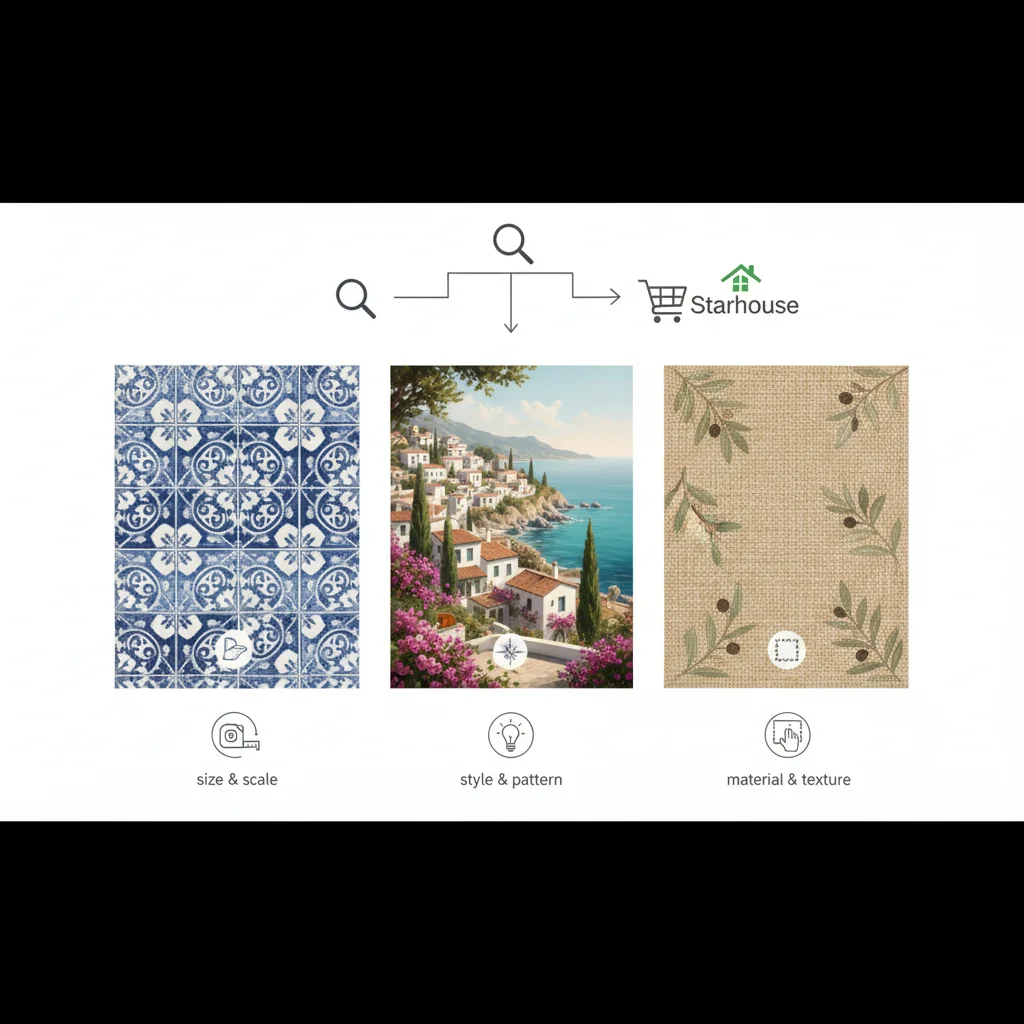
Accurate sizing, precise measuring, and meticulous installation are paramount to achieving a flawless and professional finish with Mediterranean wallpaper. These technical aspects ensure that you purchase the correct quantity of material and that the chosen pattern is applied seamlessly, maximizing its visual impact. Rushing these steps can lead to costly errors and an unsatisfactory result.
Understanding Wallpaper Roll Dimensions
Wallpaper is typically sold in rolls, but the dimensions can vary significantly by manufacturer and region. Standard U.S. rolls often measure approximately 20.5 inches wide by 33 feet long, yielding about 56 square feet of coverage. However, wider rolls (e.g., 27 inches) and longer rolls (e.g., 40 feet) are also common, especially for commercial-grade or designer papers. Always verify the exact width and length of the rolls you intend to purchase. This information is crucial for calculating the total quantity needed and for planning your cuts to minimize waste. European rolls, for instance, often adhere to metric measurements, which can differ.
Calculating the Number of Rolls Needed
To accurately determine the number of rolls required, begin by measuring the total perimeter of the room and the height of your walls from baseboard to ceiling. Multiply the perimeter by the height to get the total square footage of the walls. Subtract the square footage of any large openings (doors, windows). Divide this adjusted square footage by the coverage area of a single roll (e.g., 56 sq ft). Always round up to the nearest whole number. Additionally, factor in the “pattern repeat” for patterned wallpapers. A larger pattern repeat means more waste per strip, so it’s advisable to add an extra 15-20% to your calculated roll count for patterned papers to account for matching and potential errors. For instance, if your walls are 8 feet high and the pattern repeat is 24 inches, you’ll need to cut each strip to at least 10 feet to ensure proper alignment, effectively reducing the yield of each roll.
Understanding Pattern Repeat and Match
Pattern repeat refers to the vertical distance on a wallpaper roll before the pattern begins to repeat itself, ensuring a continuous design when strips are hung side-by-side. There are several types of pattern matches:
- **Random Match:** The pattern matches no matter how the strips are aligned, resulting in minimal waste.
- **Straight Match:** The pattern matches across the seams at the same height on adjacent strips.
- **Drop Match:** The pattern matches across the seams, but each subsequent strip is dropped (offset) by a specific distance (e.g., half the pattern repeat). Drop matches typically result in the most waste.
Always check the pattern repeat and match information provided by the manufacturer. This detail is crucial for both ordering enough material and for ensuring a seamless visual flow during installation. Failing to account for pattern repeat will lead to visible misalignments and potential frustration.
Wall Preparation is Key
Proper wall preparation is the most critical step for successful wallpaper installation. Walls must be clean, smooth, dry, and free of any loose paint or debris. Fill any holes or cracks, and sand down rough patches. For best results, prime the walls with a high-quality wallpaper primer (often referred to as “sizing”). Primer creates a consistent, slightly absorbent surface that allows the wallpaper adhesive to bond effectively and facilitates easier removal in the future. Skipping this step can lead to bubbling, peeling, or difficulty in repositioning the paper during installation. For dark walls, a tinted primer matching the wallpaper’s background color can prevent the old color from showing through lighter papers.
Professional vs. DIY Installation
Deciding between professional and DIY installation depends on several factors: your experience level, the complexity of the wallpaper pattern, the type of material, and the architectural features of your room.
- **DIY Installation:** Peel-and-stick wallpapers and non-woven (paste-the-wall) options are generally more forgiving for DIYers. They are easier to reposition and less prone to tearing. For simple patterns and straight walls, a confident homeowner can achieve excellent results. Ensure you have the right tools: a utility knife with fresh blades, a smoothing tool, a plumb bob or level, and a tape measure.
- **Professional Installation:** For traditional pasted papers, complex patterns (especially drop matches), delicate materials like fabric-backed wallpaper, or rooms with irregular walls, numerous windows, or intricate trim, hiring a professional installer is highly recommended. Professionals possess the experience, specialized tools, and techniques to ensure precise pattern matching, seamless seams, and a durable finish, ultimately saving time and preventing costly mistakes. Their expertise is invaluable for achieving a truly high-end look that justifies the investment.
Regardless of the method, always read the manufacturer’s specific installation instructions thoroughly before beginning.
Current Trends and Enduring Classics in Mediterranean Wallpaper Design
Mediterranean wallpaper design continues to evolve, blending timeless appeal with contemporary sensibilities. While certain motifs remain perennially popular, new trends emerge, offering fresh interpretations that cater to modern aesthetics and sustainable practices. Understanding both the enduring classics and the latest innovations allows for a well-informed choice that remains stylish for years to come.
Enduring Classics: The Pillars of Mediterranean Style
Certain Mediterranean wallpaper styles have stood the test of time, proving their versatility and lasting appeal. These classics form the bedrock of the aesthetic:
- **Blue and White Tile Patterns:** Inspired by Portuguese azulejos and Greek island architecture, these patterns evoke a sense of crisp cleanliness and coastal charm. They are timeless for kitchens, bathrooms, and sunrooms, offering a refreshing and inviting atmosphere.
- **Terracotta and Earth Tones:** Wallpapers mimicking sun-baked stucco, clay tiles, or rustic stone in shades of terracotta, ochre, beige, and warm gray provide an authentic, grounded feel. These are foundational for creating a warm, inviting, and inherently Mediterranean ambiance in living areas and dining rooms.
- **Olive and Citrus Motifs:** Delicate illustrations of olive branches, lemon trees, and other Mediterranean flora remain popular for their organic elegance and connection to nature. They bring a subtle botanical touch that is both sophisticated and serene, ideal for bedrooms and quiet reading nooks.
- **Abstracted Geometric Motifs:** While specific tile patterns might fluctuate, the underlying principle of geometric repetition in a balanced, often symmetrical, form remains a classic. These designs, whether subtle or bold, add architectural interest and a sense of order without being overly ornate.
These classic styles offer a reliable foundation for creating a Mediterranean-inspired home, providing a sense of comfort and familiarity that transcends fleeting trends.
Current Trends: Modern Interpretations and Innovations
Contemporary Mediterranean wallpaper trends build upon these classics, incorporating modern design principles and technological advancements:
- **Large-Scale Botanicals and Murals:** Moving beyond small repeating prints, current trends lean towards oversized botanical illustrations or full-wall murals depicting expansive Mediterranean landscapes. These create dramatic focal points and an immersive experience, often featuring lush olive groves, dramatic coastal scenes, or vibrant citrus orchards.
- **Subtle Textures and Minimalist Patterns:** There’s a growing appreciation for understated elegance. Wallpapers mimicking plaster, linen, or raw concrete textures in muted, monochromatic Mediterranean tones (soft whites, warm grays, pale blues) are gaining popularity. These create a serene backdrop that allows furniture and accessories to shine, offering a contemporary take on rustic charm.
- **Artisanal and Hand-Painted Effects:** Designs that appear hand-painted or block-printed, with slight imperfections and a visible brushstroke quality, are highly sought after. These wallpapers celebrate craftsmanship and individuality, adding an authentic, bespoke feel to a space, often featuring abstract patterns or stylized natural elements.
- **Sustainable and Eco-Friendly Materials:** With an increased focus on environmental responsibility, wallpapers made from recycled content, FSC-certified paper, or natural fibers are trending. These options often use water-based inks and are free from harmful VOCs, aligning with a holistic approach to home design. Non-woven materials are particularly popular in this category due to their durability and often PVC-free composition.
- **Global Fusion Patterns:** While rooted in the Mediterranean, contemporary designs often incorporate elements from neighboring cultures, creating “Med-fusion” patterns. This might include subtle Moroccan zellige influences, Turkish Iznik motifs, or even subtle Scandinavian minimalism, resulting in a unique and eclectic aesthetic that is both global and refined.
These trends demonstrate a desire for both authenticity and innovation, allowing homeowners to create spaces that are deeply connected to the Mediterranean spirit while feeling fresh and current. At Starhouse, we understand the desire for both timeless elegance and contemporary flair, and we are curating a collection that reflects this balance. We invite you to tell us what you’re looking for in Mediterranean designs to help us shape our offerings and gain early access to our upcoming selections.
Caring for Your Mediterranean Wallpaper: Maintenance and Longevity
Proper care and regular maintenance are essential for preserving the beauty and extending the lifespan of your Mediterranean wallpaper. Different wallpaper materials require specific cleaning methods, and understanding these distinctions will ensure your investment remains pristine for years. Neglecting routine care can lead to premature wear, discoloration, or damage.
Identify Your Wallpaper Material
The first step in proper care is to identify the type of wallpaper material installed. As discussed, vinyl and non-woven wallpapers are generally more durable and washable than traditional paper or fabric-backed options. Always refer to the manufacturer’s care instructions, which are typically provided with the roll or on the product’s website. This information will specify whether the wallpaper is washable, scrubbable, or delicate.
General Dusting and Light Cleaning
For most wallpaper types, regular dusting is the simplest and most effective form of maintenance. Use a soft, dry cloth, a feather duster, or a vacuum cleaner with a brush attachment to gently remove surface dust and cobwebs. This prevents dirt buildup that can become harder to remove over time. Perform this task every few weeks or as needed. Always work from top to bottom to ensure dust falls to the floor, where it can be easily vacuumed.
Spot Cleaning for Stains
Address spills and stains promptly to prevent them from setting.
- **For washable or scrubbable wallpapers (vinyl, non-woven):** Use a clean, soft sponge or cloth dampened with a mild, non-abrasive soap solution (e.g., dish soap diluted in water). Gently dab the stained area, avoiding vigorous scrubbing which can damage the surface or push the stain deeper. Rinse the area with a clean, damp cloth to remove soap residue, then pat dry. Always test the cleaning solution on an inconspicuous area first to ensure it doesn’t cause discoloration.
- **For delicate wallpapers (paper, fabric-backed):** These require much more cautious treatment. For light smudges, a clean, dry art gum eraser can sometimes lift marks. For more significant stains, professional cleaning is often recommended to avoid damage. Avoid water-based cleaners entirely unless explicitly stated by the manufacturer, as they can cause watermarks or damage the paper’s integrity.
Never use harsh chemicals, abrasive cleaners, or stiff brushes on any wallpaper, as these can strip finishes, fade colors, or tear the material.
Humidity and Environmental Control
Excessive humidity can cause wallpaper seams to lift, encourage mold growth, or lead to bubbling, especially in bathrooms and kitchens. Ensure these areas are well-ventilated, using exhaust fans during and after showers or cooking. In drier climates or during winter, very low humidity can sometimes cause wallpaper to shrink slightly. Maintaining a consistent indoor humidity level, ideally between 30-50%, is beneficial for wallpaper longevity and overall home comfort. A dehumidifier or humidifier can help regulate these levels.
Repairing Minor Damage
Small issues, if addressed promptly, can prevent larger problems:
- **Lifting Seams:** For minor seam lifting, apply a small amount of wallpaper seam adhesive directly under the lifted edge using a fine-tipped applicator or brush. Gently press the seam back into place with a seam roller or clean cloth, wiping away any excess adhesive immediately.
- **Bubbles:** Small bubbles can sometimes be resolved by gently pushing the air out towards the nearest edge with a smoothing tool. For persistent bubbles, a tiny slit can be made with a utility knife, allowing air to escape, then adhesive can be injected and the area pressed flat.
- **Tears:** For small tears, carefully align the torn edges and apply a clear, quick-drying wallpaper adhesive. For larger or more visible tears, a patch from a leftover piece of wallpaper (cut to match the pattern) may be necessary. This requires precision and a very sharp blade to make the patch blend seamlessly.
Always keep a leftover roll or scraps of your Mediterranean wallpaper for future repairs, as dye lots can vary over time, making it difficult to find an exact match later.
Styling and Pairing: Integrating Mediterranean Wallpaper into Your Home
Integrating Mediterranean wallpaper effectively into your home requires a thoughtful approach to styling and pairing with other décor elements. The goal is to create a cohesive, inviting, and authentic Mediterranean aesthetic that feels both curated and comfortable. Harmonizing the wallpaper with furniture, textiles, lighting, and accessories will elevate the entire space.
Complementary Furniture Choices
Mediterranean design favors natural materials and sturdy, often rustic, forms. When pairing furniture with your wallpaper, consider:
- **Wood:** Opt for furniture made from distressed or natural wood, such as olive wood, reclaimed oak, or dark walnut. These finishes complement the earthy tones and organic feel of many Mediterranean patterns.
- **Wrought Iron:** Ornate or simple wrought iron pieces, like coffee tables, chairs, or bed frames, add a touch of classic Mediterranean elegance and contrast beautifully with softer wallpaper textures.
- **Rattan and Wicker:** For a lighter, more coastal Mediterranean vibe, incorporate rattan or wicker chairs, side tables, or decorative accents. These natural fibers enhance the airy, relaxed atmosphere.
- **Upholstery:** Choose upholstery in natural fabrics like linen, cotton, or canvas in neutral tones (cream, beige, white) or colors that echo the wallpaper’s palette (e.g., deep blues, olive greens).
Avoid overly modern, sleek, or highly polished furniture that might clash with the rustic charm and historical depth of Mediterranean wallpaper.
Textiles: Adding Layers of Comfort and Color
Textiles are crucial for softening a space and introducing warmth and texture.
- **Curtains and Drapes:** Select light, airy fabrics like linen or sheer cotton for windows, allowing natural light to filter through. Colors should either match a subtle tone in the wallpaper or be a neutral white/cream to prevent overwhelming the space.
- **Rugs:** Jute, sisal, or natural fiber rugs provide an organic foundation. For a pop of color, consider flat-weave kilims or patterned dhurries with geometric or tribal motifs that align with Mediterranean aesthetics.
- **Throw Pillows and Blankets:** Use throw pillows in varying textures (embroidered, woven, tasseled) and colors that draw from the wallpaper. Introduce patterns like subtle stripes, small geometrics, or abstract designs. Cotton or linen throws in solid colors or with simple patterns add comfort and visual interest.
The key is layering without clutter, creating a sense of lived-in comfort.
Lighting: Enhancing Ambiance and Highlighting Features
Lighting plays a vital role in creating the desired Mediterranean ambiance.
- **Natural Light:** Maximize natural light wherever possible, as it is a hallmark of Mediterranean interiors. Keep windows unobstructed and use light window treatments.
- **Warm Artificial Light:** Choose lighting fixtures that emit a warm, inviting glow. Wrought iron chandeliers, lanterns with frosted glass, ceramic table lamps, or sconces with a rustic finish are excellent choices.
- **Dimmer Switches:** Install dimmer switches to control the intensity of light, allowing you to adjust the mood from bright and airy during the day to cozy and intimate in the evening.
- **Highlighting:** Use accent lighting to highlight specific areas of the wallpaper or architectural features, drawing attention to intricate patterns or textures.
Avoid harsh, fluorescent lighting, which can detract from the warmth and natural feel of the Mediterranean aesthetic.
Accessories and Decorative Accents
Thoughtfully chosen accessories complete the Mediterranean look.
- **Ceramics and Pottery:** Display handcrafted terracotta pots, glazed ceramic bowls, or decorative plates with traditional Mediterranean patterns.
- **Botanicals:** Bring in live plants like olive trees (potted), fig trees, or fragrant herbs (rosemary, lavender) to reinforce the connection to nature. Fresh flowers in simple vases also work beautifully.
- **Mirrors:** Large, arched mirrors with distressed wood or wrought iron frames can expand a space and reflect light, reminiscent of ancient windows.
- **Art and Wall Decor:** Complement the wallpaper with framed botanical prints, abstract art in earthy tones, or small tapestries. Avoid competing patterns; if the wallpaper is bold, choose subtle art.
- **Natural Elements:** Incorporate elements like seashells, driftwood, or decorative stones for a coastal touch.
The aim is to create a collected, authentic feel rather than a stark, minimalist one. Each accessory should tell a story or evoke a memory of the Mediterranean.
Here are some quick styling tips for Mediterranean wallpaper:
- **Embrace Natural Materials:** Pair your wallpaper with furniture made from distressed wood, wrought iron, rattan, or natural stone.
- **Layer with Textiles:** Use linen or cotton curtains, jute rugs, and textured throw pillows in complementary colors to add depth and comfort.
- **Warm Lighting:** Opt for lighting fixtures that cast a soft, warm glow, such as wrought iron chandeliers or ceramic lamps, and utilize dimmer switches.
- **Incorporate Greenery:** Introduce potted olive trees, lemon trees, or fragrant herbs to bring the outdoors in and enhance the natural aesthetic.
- **Curate Accessories:** Select handcrafted ceramics, pottery, and decorative mirrors with rustic frames to complete the authentic Mediterranean look.
- **Balance Patterns:** If your wallpaper features a bold pattern, choose simpler, solid-colored textiles and furniture to maintain visual harmony.
Common Mistakes to Avoid When Selecting and Installing Mediterranean Wallpaper
Even with the most beautiful Mediterranean wallpaper, certain missteps in selection or installation can undermine the desired aesthetic and lead to frustration. Being aware of these common pitfalls can help ensure a successful and satisfying transformation of your space. Avoiding these errors ensures your design vision is realized without compromise.
Underestimating Pattern Scale and Room Size
A frequent mistake is choosing a wallpaper pattern that is either too large for a small room or too small to make an impact in a grand space. A sprawling botanical print or large geometric tile pattern in a compact powder room can feel overwhelming and make the room appear even smaller. Conversely, a tiny, intricate pattern can get lost on a vast wall in a spacious living room, failing to create the intended visual interest. Always consider the proportions of your room and the wall you intend to cover; bring home samples and tape them to the wall to visualize the scale before committing to a purchase.
Ignoring Wall Preparation
Skipping proper wall preparation is a critical error that can lead to a host of problems, including bubbling, peeling, visible seams, and an uneven finish. Walls must be clean, dry, smooth, and primed. Applying wallpaper over old paint, uneven surfaces, or unprimed drywall will likely result in adhesion issues and a less-than-professional appearance. Invest the time in filling holes, sanding rough spots, and applying a quality wallpaper primer; this foundational step is non-negotiable for a lasting and beautiful result.
Failing to Account for Pattern Repeat
For patterned wallpapers, overlooking the pattern repeat leads to ordering insufficient material and visible misalignments during installation. Many homeowners mistakenly calculate rolls based solely on square footage without adding extra for matching the pattern across strips. This oversight can result in running out of wallpaper mid-project or having to make do with mismatched seams, which significantly detracts from the overall aesthetic. Always purchase an additional roll, especially for large pattern repeats or complex drop matches, to ensure you have enough material and a consistent dye lot.
Overlooking Lighting Conditions
The way light interacts with wallpaper can dramatically alter its appearance. Choosing a dark, heavily patterned Mediterranean wallpaper for a room with minimal natural light can make the space feel dim, cramped, and oppressive. Conversely, a very light, reflective wallpaper might wash out in a room with excessive direct sunlight, losing its subtle details. Always view wallpaper samples in the actual room at different times of day to see how natural and artificial light affects the color, texture, and overall mood before making a final decision.
Clashing with Existing Décor
Introducing a Mediterranean wallpaper without considering the room’s existing furniture, textiles, and color palette can create a disjointed and unharmonious space. A bold, vibrant tile pattern might clash with contemporary minimalist furniture, or a rustic stucco texture might feel out of place with overly formal, opulent furnishings. Strive for cohesion; the wallpaper should complement, not compete with, the other elements in the room. Bring samples to compare with your existing items, ensuring colors, textures, and styles work together to create a unified aesthetic.
Improper Installation Techniques
Even with the right wallpaper and proper wall prep, poor installation techniques can ruin the outcome. Common installation mistakes include:
- **Incorrect Adhesive Application:** Too much or too little paste, or uneven application, can lead to bubbles, peeling, or visible seams.
- **Crooked Hanging:** Not using a plumb line or level for the first strip can result in all subsequent strips being off-kilter.
- **Poor Seam Matching:** Failing to carefully align patterns at the seams creates noticeable breaks in the design.
- **Dull Blades:** Using dull utility knife blades can tear the paper, especially around trim and edges, resulting in ragged cuts.
- **Overworking the Paper:** Excessive smoothing or repositioning, particularly with delicate paper types, can stretch or damage the material.
For complex installations or if you lack experience, consider hiring a professional. The investment in expert installation often pays for itself in terms of a superior, long-lasting finish.
Sources
Frequently Asked Questions
What colors are typical for Mediterranean wallpaper?
Typical colors for Mediterranean wallpaper include a range of earthy tones such as terracotta, ochre, warm beige, and olive green, alongside vibrant blues (azure, cerulean, navy) and crisp whites, reflecting the region’s natural landscapes and coastal influences.
Can Mediterranean wallpaper be used in bathrooms and kitchens?
Yes, Mediterranean wallpaper can be used in bathrooms and kitchens, provided you choose a durable and washable material like vinyl or high-performance non-woven wallpaper, which are resistant to moisture and easy to clean. Adequate ventilation is also crucial in these high-humidity areas.
Is peel-and-stick Mediterranean wallpaper a good option?
Peel-and-stick Mediterranean wallpaper is an excellent option for temporary décor, renters, accent walls, or DIY projects due to its ease of installation and removability, often made from durable vinyl or non-woven materials that are also wipeable.
How do I measure for Mediterranean wallpaper with a pattern repeat?
To measure for Mediterranean wallpaper with a pattern repeat, calculate the total square footage of your walls (perimeter x height minus openings), then divide by the roll’s coverage area. Crucially, add an extra 15-20% to your roll count to account for pattern matching and waste, especially for larger pattern repeats.
What kind of furniture pairs well with Mediterranean wallpaper?
Furniture made from natural materials such as distressed wood (olive, reclaimed oak), wrought iron, rattan, and wicker pairs exceptionally well with Mediterranean wallpaper, creating a cohesive and authentic aesthetic. Upholstery in natural fabrics like linen or cotton in neutral or complementary colors is also ideal.
How do I clean Mediterranean wallpaper?
To clean Mediterranean wallpaper, first identify its material. For washable vinyl or non-woven types, gently wipe with a soft cloth dampened with mild soap and water, then rinse and pat dry. For delicate paper or fabric-backed wallpaper, use a dry, soft cloth for dusting and avoid liquid cleaners, opting for professional cleaning for stains.
Are Mediterranean wallpaper murals a good choice for small rooms?
Mediterranean wallpaper murals are generally best suited for larger rooms or accent walls where their expansive scenes can be fully appreciated. In very small rooms, a large mural can feel overwhelming and make the space appear more confined, so consider a smaller-scale pattern or subtle texture instead.
Conclusion: Crafting Your Mediterranean Sanctuary
Mediterranean wallpaper offers an unparalleled opportunity to infuse your home with the timeless elegance, warmth, and serene beauty of the Mediterranean region. From the intricate geometry of ancient tiles to the tranquil allure of sun-drenched landscapes and botanical motifs, this versatile wallcovering category provides a rich palette for personal expression and sophisticated design. By carefully considering the diverse types, understanding material properties, and thoughtfully planning for installation and styling, you can transform any room into a captivating sanctuary that reflects the relaxed luxury and cultural depth of this iconic style.
The journey to creating your ideal Mediterranean-inspired space is one of thoughtful curation and attention to detail. Whether you envision a vibrant, patterned kitchen, a serene, textural bedroom, or a dramatic, mural-adorned living area, the right Mediterranean wallpaper serves as the foundational element, setting the tone for the entire room. It’s an investment in ambiance, comfort, and a design narrative that resonates with history and natural splendor.
At Starhouse, we are dedicated to curating a collection of home décor that embodies sophisticated design and exceptional quality. As we prepare to launch our full catalog, we are actively seeking to understand the unique desires and aspirations of homeowners across the United States. We invite you to join our community and help us shape our offerings to perfectly match your vision for a Mediterranean-inspired home. Share your preferences, tell us what you’re looking for, and gain early access to our exclusive selections designed to elevate your living spaces. Visit us at starhouseusa.online to connect and embark on your design journey with Starhouse.