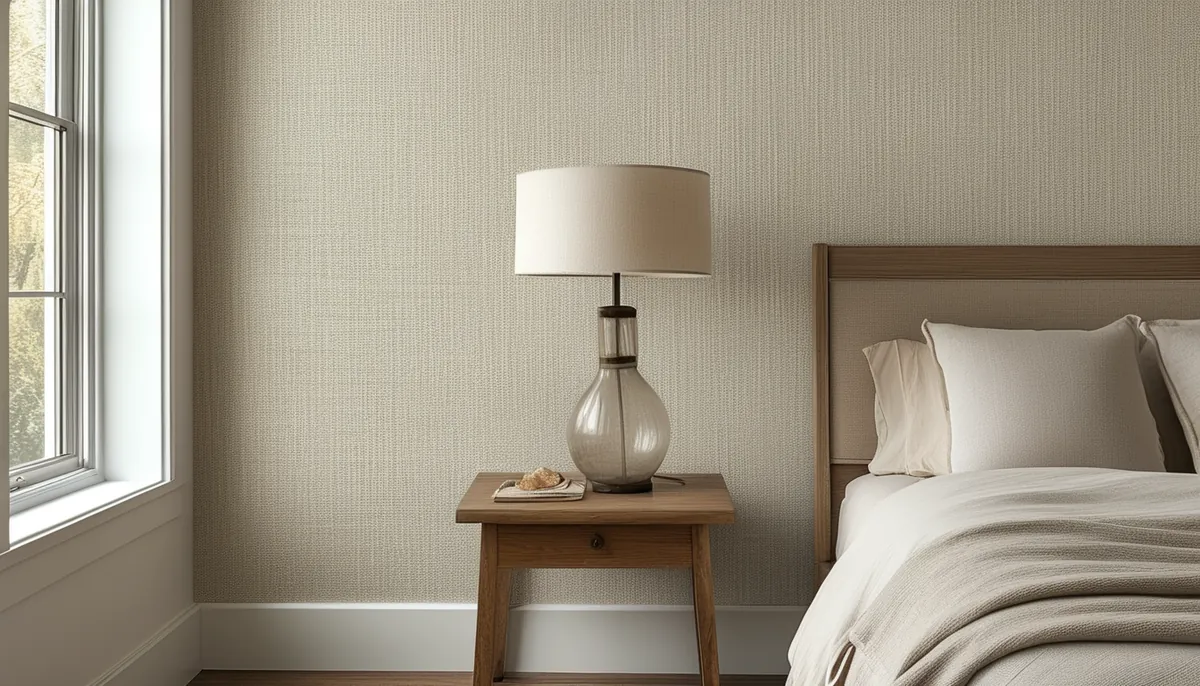
When you’re hanging non-woven wallpaper, the paste you choose directly impacts how well it adheres and how long it lasts. Unlike traditional paper-backed wallpapers, non-woven varieties have a synthetic backing that requires a specific type of adhesive for optimal results. Not all pastes are created equal, and using the wrong one can lead to bubbles, peeling, or even damage to your walls.
Understanding non woven wallpaper paste
Non-woven wallpaper is made with a blend of natural and synthetic fibers, giving it durability and breathability. This construction means it’s generally easier to hang and remove than older types of wallpaper. The paste designed for it, often referred to as ‘clear strippable paste’ or ‘heavy-duty wallpaper paste,’ is formulated to work with this material. It typically contains a higher solid content and specific binders to ensure strong adhesion without damaging the wallpaper’s fibers or the wall surface underneath.
You’ll most commonly find non-woven wallpaper paste in a powdered form that you mix with water yourself. This allows for a consistent, lump-free application. The mixing instructions are usually straightforward, but getting the water-to-powder ratio exactly right is critical. Too much water makes the paste too thin, reducing its adhesive power. Too little water results in a paste that’s too thick and difficult to spread evenly.
Types of wallpaper paste and their uses
While the primary goal is adhesion, different pastes cater to specific needs:
- All-purpose clear strippable paste: This is the go-to for most non-woven wallpapers. It’s designed to provide a strong bond that is also easy to strip off when you’re ready for a change, leaving minimal residue. Look for formulas specifically mentioning ‘non-woven’ or ‘heavy-duty.’
- Vinyl wallpaper paste: Some non-woven wallpapers have a vinyl coating on top. While clear strippable paste often works, a dedicated vinyl paste might offer enhanced adhesion for these heavier, more robust materials. These pastes are typically formulated to adhere to the vinyl surface without causing it to bubble or lift.
- Extra-heavy-duty paste: For very textured or heavy non-woven wallpapers, or in areas with high humidity like bathrooms or kitchens, an extra-heavy-duty formulation might be necessary. These pastes contain higher concentrations of binders for maximum grip.
Always check the wallpaper manufacturer’s recommendations. They will specify the type of paste that is compatible with their product. Using a paste they recommend is your best bet for a successful installation and to maintain any warranties.
When to use pre-mixed paste
While powdered pastes are the most common and often preferred for their freshness and customizability, pre-mixed pastes are available. These come in tubs and are ready to use straight out of the container. They offer convenience, eliminating the mixing step. However, they can be more expensive, and their shelf life once opened is shorter. Pre-mixed pastes are best suited for small projects where you don’t want to deal with measuring and mixing powders, or for touch-ups.
How to mix non woven wallpaper paste
The process of mixing powdered paste is crucial for its performance. Follow these steps:
- Read the instructions: Different brands have slightly different ratios and mixing times.
- Use a clean container: A 5-gallon bucket is ideal.
- Measure the water: Use the amount specified on the packaging. Cold, clean water is usually recommended.
- Add the powder slowly: While whisking constantly, gradually add the powder to the water. This prevents clumping.
- Whisk thoroughly: Continue whisking until the paste is smooth and free of lumps. A paint whisk attachment on a drill can make this much easier and faster.
- Let it rest: Most pastes require a ‘slaking’ or resting period (usually 5-10 minutes) for the ingredients to fully hydrate. Whisk again after resting.
- Check consistency: The paste should be smooth, with the consistency of pancake batter or a thin cream. It should spread easily without being watery.
Proper mixing ensures an even application and prevents issues like paste drying too quickly or not providing enough tack.
Application tips for a smooth install
Applying the paste correctly is as important as choosing the right type.
- Protect your workspace: Lay down drop cloths to protect floors and cover furniture.
- Prepare the walls: Ensure walls are clean, dry, and free of dust, grease, and old wallpaper residue. Minor imperfections should be smoothed out. If you’re hanging wallpaper over a previously painted surface, ensure the paint is well-adhered. For best results, use a primer designed for wallpaper application.
- Apply paste evenly: Using a pasting brush or roller, apply a generous, even coat of paste to the back of the wallpaper strip. Ensure you cover the edges thoroughly, as these are prone to lifting. For some types of non-woven wallpaper, you might paste the wall directly; always check the wallpaper instructions.
- Book the wallpaper: After pasting, ‘book’ the wallpaper by folding the pasted sides together, paste-to-paste, without creasing. Let it sit for the time recommended by the manufacturer (usually 5-10 minutes). This allows the paste to penetrate the fibers and activate fully.
- Hang the strip: Unfold one half of the booked wallpaper and align the top edge with the ceiling or the previous strip’s edge. Smooth the wallpaper onto the wall, working from the center outwards to eliminate air bubbles and wrinkles. Use a wallpaper brush or a plastic smoother.
- Trim excess: Use a sharp utility knife and a straight edge to trim any excess wallpaper at the ceiling, baseboard, and around windows or doors.
- Clean up: Wipe away any excess paste immediately with a damp sponge or cloth. Dried paste can be difficult to remove and may stain the wallpaper.
Taking your time and following these steps will contribute to a professional-looking finish. If you’re working with delicate patterns or high-end papers, consider exploring options like beautiful Rifle Paper Co. wallpaper, which requires careful handling during installation.
Troubleshooting common issues
Even with the best preparation, you might encounter problems. Knowing how to fix them saves your project:
- Bubbles: Small bubbles can sometimes be smoothed out with a wallpaper brush or smoother. Larger or persistent bubbles might indicate uneven pasting or air trapped during hanging. You may need to lift the edge of the wallpaper and re-smooth.
- Peeling edges: This is often due to insufficient paste applied to the edges, or the paste drying out too quickly. Apply a little more paste to the edge and press it back onto the wall. If it’s a recurring issue, consider using a heavier-duty paste or addressing drafts that might be drying the paste prematurely.
- Paste showing through: If paste seeps through seams or is visible on the face of the wallpaper, it’s usually a sign of over-pasting or using a paste that is too thin. Clean it up immediately with a damp sponge.
- Wallpaper not sticking: This could be due to an incompatible paste, insufficient paste, walls that weren’t properly prepared (e.g., dusty, glossy paint), or the paste not being allowed to ‘book’ long enough. Ensure you’re using the correct paste for non-woven materials and that wall preparation was thorough.
For any wallpaper project, especially those with intricate designs like flowers on wallpaper or stunning Yellowstone Wallpaper patterns, proper paste selection and application are paramount.
Maintaining your wallpaper
Once your non-woven wallpaper is up and the paste is dry, proper care will ensure it stays looking great. Most non-woven wallpapers are washable or scrubbable, meaning you can gently clean them with a damp cloth and mild soap if needed. Always test cleaning methods in an inconspicuous area first. Avoid harsh chemicals or abrasive cleaners, which can damage the wallpaper surface or the paste bond.
If you’re considering a change in the future, remember that the strippable nature of non-woven wallpaper, when hung with the correct paste, makes removal significantly easier. This is a major advantage over older wallpaper types. For those who prefer a quicker, less permanent solution, exploring easy peel and stick wallpaper guides can also be a great option.
Choosing the right non-woven wallpaper paste is a foundational step for a successful and beautiful wall covering project. By understanding the types available, mixing it correctly, and applying it with care, you ensure a durable and attractive finish that enhances your home.