Peel and stick wallpaper is a self-adhesive wallcovering solution featuring a backing that peels away to expose an adhesive layer, allowing for easy application and removal without the need for traditional paste. This innovative material has revolutionized home décor, offering a versatile and accessible way to transform interior spaces with minimal commitment and professional tools. Its design flexibility and renter-friendly nature make it a premier choice for homeowners and renters across the United States seeking to refresh their environments.
At Starhouse, we understand the profound impact that thoughtful design elements have on creating a home that truly reflects your style and enhances your daily living. As senior editorial writer, I am delighted to guide you through the comprehensive world of peel and stick wallpaper. This guide, updated in June 2026, delves into everything from its diverse types and materials to precise sizing, expert installation, and sophisticated styling techniques. Our aim is to provide you with the authoritative insights needed to confidently select and apply peel and stick wallpaper, ensuring a flawless finish and a space you adore.
Key takeaways
- Peel and stick wallpaper offers unparalleled versatility and ease of application, making it ideal for both temporary and long-term design changes.
- Successful application hinges on meticulous surface preparation, accurate measurement, and a methodical installation process.
- Materials range from durable vinyl to luxurious fabric and textured options, each offering distinct aesthetic and functional properties.
- Choosing the right type involves considering factors such as room environment, desired durability, and the overall design aesthetic of your space.
- Proper care, typically involving gentle cleaning, significantly extends the lifespan and maintains the pristine appearance of your wallpaper.
- Strategic styling and pairing with other décor elements can elevate peel and stick wallpaper from a simple wallcovering to a foundational design statement.
What is Peel and Stick Wallpaper?
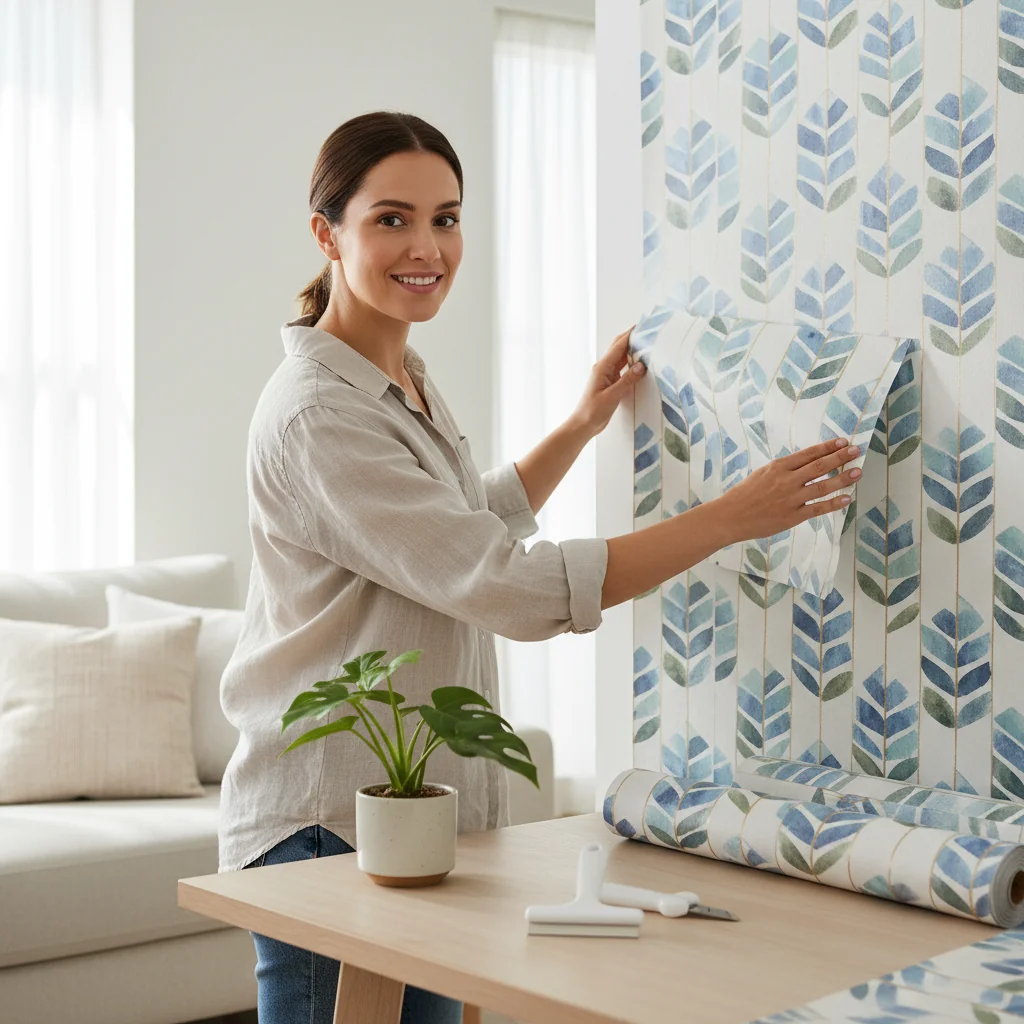
Peel and stick wallpaper is a modern, self-adhesive wallcovering that eliminates the need for traditional wallpaper paste, making it an accessible and convenient option for interior design projects. It functions much like a large, decorative sticker, featuring a printed design layer bonded to a removable adhesive backing. This innovative construction allows users to simply peel off the backing and press the wallpaper onto a prepared surface, adhering it securely without permanent commitment.
This type of wallpaper is engineered for both ease of application and removal, typically without damaging the underlying wall surface or leaving behind sticky residue. Its primary appeal lies in its versatility and user-friendliness, enabling quick room transformations, accent walls, or temporary décor updates. The adhesive technology is designed to be strong enough for reliable adhesion but gentle enough for clean removal, making it a favorite for renters, DIY enthusiasts, and anyone seeking flexible design solutions.
A key technical detail: the adhesive used in most quality peel and stick wallpapers is a low-tack, pressure-sensitive acrylic or rubber-based formula, which activates upon application pressure and cures over a short period, typically 24-48 hours, to achieve optimal bond strength. This specific adhesive composition is crucial for its repositionable and removable properties.
The Evolution and Benefits of Peel and Stick Wallpaper
Peel and stick wallpaper has evolved significantly from its early iterations, transitioning from basic, often less durable options to sophisticated, high-performance materials that rival traditional wallpaper in aesthetic quality and longevity. Initially perceived as a temporary or budget-friendly alternative, today’s peel and stick offerings boast advanced printing techniques, diverse textures, and superior adhesive formulations, establishing them as a prominent and respected category within the home décor industry. This evolution has been driven by consumer demand for flexible, DIY-friendly, and stylish wallcovering solutions.
The modern advancements in manufacturing have led to wallpapers that are more resistant to fading, moisture, and wear, suitable for a wider range of environments, from high-traffic living rooms to moisture-prone bathrooms. The development of specialized coatings and substrates has enhanced both the tactile feel and visual depth of these products, allowing for highly realistic interpretations of natural textures like wood, stone, and fabric. This continuous innovation ensures that peel and stick wallpaper remains at the forefront of contemporary interior design trends.
The core benefits of choosing peel and stick wallpaper are substantial and address many common concerns associated with traditional wallpapering.
- Ease of Application: Installation requires no messy paste, water trays, or specialized tools beyond a utility knife and a smoothing tool. This significantly reduces installation time and complexity.
- Removability: It can be removed cleanly, often without damaging the wall surface or leaving residue, making it ideal for renters or those who frequently update their décor.
- Versatility: Suitable for a wide array of smooth, clean surfaces beyond just walls, including furniture, stair risers, cabinet doors, and even ceilings, enabling creative applications.
- Cost-Effectiveness: While initial costs can vary, the elimination of professional installation fees and the potential for DIY application often result in overall savings compared to traditional wallpaper.
- Design Flexibility: The sheer breadth of patterns, colors, and textures available allows for endless design possibilities, from subtle accents to bold statements.
- Durability: Many modern formulations are highly durable, resistant to scuffs, and easy to clean, making them practical for everyday living.
- Repositionability: During installation, many types allow for minor adjustments and repositioning, which helps achieve perfect alignment and reduces waste.
Understanding the Types and Materials of Peel and Stick Wallpaper
Peel and stick wallpaper is available in several distinct types and materials, each offering unique aesthetic qualities, tactile experiences, and functional benefits suitable for various applications and design preferences. The choice of material significantly impacts the durability, texture, and visual effect of the installed wallpaper, making it a critical consideration for any project. Understanding these differences ensures you select a product that not only looks exceptional but also performs effectively in its intended environment.
The underlying substrate, or the material onto which the design is printed, largely defines the wallpaper’s characteristics. These substrates are engineered to balance adhesion strength with removability, and to provide a stable, receptive surface for printing vibrant, long-lasting designs. Advancements in material science continue to expand the possibilities, offering increasingly sophisticated options for homeowners.
Common Material Types:
- Vinyl (PVC-based): This is the most prevalent and often the most budget-friendly type of peel and stick wallpaper. Vinyl is highly durable, water-resistant, and easy to clean, making it an excellent choice for high-traffic areas like kitchens, bathrooms, and children’s rooms. It typically has a smooth finish, which can be matte, satin, or glossy, and is very resistant to tears and scuffs. However, some vinyl options may have a slight plastic sheen, and while generally safe, the manufacturing process can be less environmentally friendly than other options.
- Fabric (Polyester or Textile-based): Fabric peel and stick wallpaper offers a more luxurious, soft, and tactile feel compared to vinyl. It often has a subtle texture, resembling woven cloth, which adds depth and warmth to a room. This type is generally breathable, more environmentally friendly in some formulations, and often easier to reposition during installation due to its inherent flexibility. Fabric options are less prone to glare and can create a more sophisticated, upscale look. While durable, they may not be as water-resistant as vinyl, making them better suited for living rooms, bedrooms, and offices.
- Textured Vinyl or Fabric: These wallpapers incorporate embossed patterns or woven structures directly into the material, creating a three-dimensional effect that adds significant visual interest and tactile appeal. Examples include faux grasscloth, linen, stucco, or subtle geometric textures. Textured options are excellent for adding depth to a room, concealing minor wall imperfections, and creating a more dynamic surface. They combine the durability of vinyl or the softness of fabric with an enhanced sensory experience.
- Metallic/Foil-backed: Designed to catch and reflect light, metallic or foil-backed peel and stick wallpapers introduce a sense of glamour and sophistication. These often feature subtle shimmers, bold metallics, or iridescent finishes that can make a room feel more expansive and luxurious. They are typically made with a vinyl base and a metallic top layer. While stunning, they can sometimes highlight wall imperfections due to their reflective nature, requiring a very smooth surface for optimal results.
- Non-Woven (Cellulose and Polyester Blend): While less common in the peel and stick format (more often found in traditional pasted wallpapers), some advanced peel and stick options utilize non-woven blends. Non-woven materials are breathable, tear-resistant, and often more eco-friendly. They offer a refined matte finish and are known for their stability, meaning they resist shrinking or expanding, contributing to seamless installations.
Comparison of Common Peel and Stick Wallpaper Materials
| Material Type | Key Characteristics | Durability & Care | Approx. Price Range (per sq ft) | Ideal Use Cases |
|---|---|---|---|---|
| Vinyl (PVC) | Smooth finish (matte to glossy), vibrant print clarity, slight plastic feel. | High durability, water-resistant, easy to wipe clean. Resists tearing and scuffs. | $1.50 – $4.00 | Kitchens, bathrooms, laundry rooms, children’s rooms, high-traffic areas. |
| Fabric (Polyester) | Soft, tactile, woven texture, matte finish, breathable. | Medium to high durability, generally easy to clean (spot clean), less water-resistant than vinyl. | $3.00 – $7.00 | Bedrooms, living rooms, dining rooms, offices, low-moisture areas. |
| Textured (Vinyl/Fabric) | Embossed patterns (e.g., grasscloth, linen), adds depth, conceals minor imperfections. | High durability (vinyl base), moderate (fabric base). Cleaning depends on texture depth. | $4.00 – $9.00 | Accent walls, areas needing visual interest, concealing minor wall flaws. |
| Metallic/Foil | Reflective, shimmering, introduces glamour, can make spaces feel larger. | High durability (vinyl base), easy to clean, can show imperfections on wall. | $5.00 – $12.00 | Glamorous spaces, accent walls, dining rooms, powder rooms. |
When selecting a material, consider the environment of the room, the level of traffic, exposure to moisture, and your desired aesthetic. For instance, a durable, washable vinyl is the practical choice for a bathroom, while a soft, breathable fabric option might be preferred for a serene bedroom.
Exploring Styles and Designs in Peel and Stick Wallpaper
Peel and stick wallpaper offers an expansive and diverse range of styles and designs, ensuring there is an option to complement virtually any interior aesthetic, from minimalist and contemporary to traditional and eclectic. The variety available allows designers and homeowners to express personal taste, create specific moods, and define distinct zones within a space. This breadth of design choices is one of the most compelling aspects of modern peel and stick wallpaper, making it a powerful tool for personalization.
The technological advancements in digital printing have enabled manufacturers to reproduce intricate patterns, photorealistic murals, and subtle textures with exceptional clarity and color fidelity. This means that highly detailed botanical prints, realistic wood grains, or complex geometric patterns are now readily available in a peel and stick format, previously only achievable with more labor-intensive or permanent wallcoverings.
Popular Style Categories:
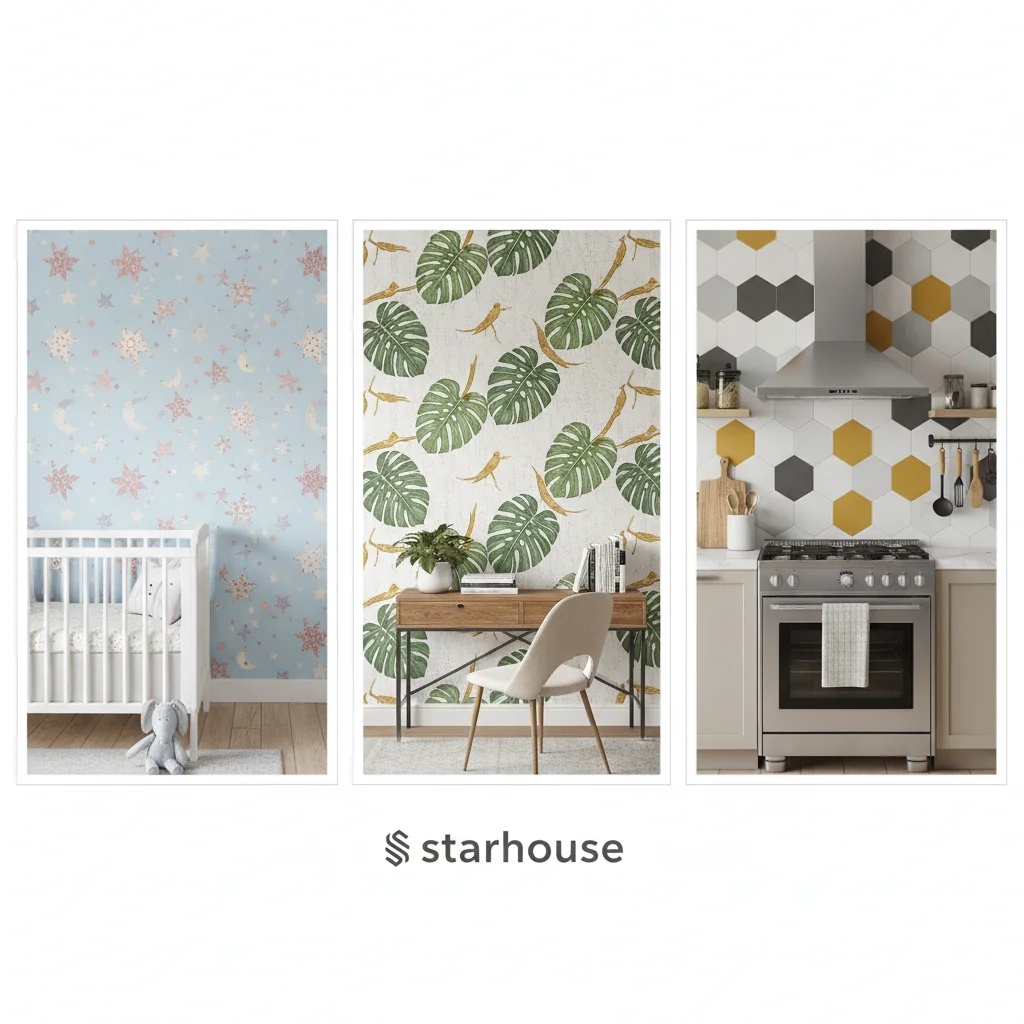
- Geometric: Characterized by repeating patterns of shapes such as hexagons, stripes, chevrons, diamonds, and abstract forms. Geometric wallpapers can introduce a sense of order, modernity, or playful dynamism. They are particularly effective in contemporary or mid-century modern spaces, creating a strong focal point or adding subtle architectural interest.
- Floral and Botanical: Ranging from delicate, vintage-inspired blooms to bold, oversized tropical leaves, floral and botanical designs bring the beauty of nature indoors. These styles can evoke feelings of serenity, romance, or vibrant energy. They are versatile, fitting well in traditional, farmhouse, bohemian, or even modern eclectic interiors, depending on the scale and color palette.
- Abstract: Featuring non-representational designs, abstract wallpapers utilize colors, shapes, and lines to create artistic and often thought-provoking patterns. These can range from watercolor washes and expressive brushstrokes to avant-garde compositions. Abstract designs are excellent for adding a unique, artistic touch to contemporary spaces and can serve as a powerful conversation starter.
- Textural/Faux Finishes: These designs mimic the look and feel of natural materials such as wood planks, exposed brick, concrete, marble, grasscloth, or woven linen. Faux finishes offer the aesthetic appeal of these materials without the cost, weight, or complex installation. They are perfect for adding rustic charm, industrial edge, or sophisticated warmth to a room.
- Murals: Unlike repeating patterns, murals feature a single, large-scale image or scene that covers an entire wall or a significant portion of it. These can depict landscapes, cityscapes, abstract art, or custom photography, transforming a wall into a dramatic focal point or an immersive environment. Murals are ideal for creating a sense of depth, storytelling, or a grand artistic statement.
- Children’s & Nursery: Designed specifically for younger occupants, these wallpapers feature playful patterns, whimsical characters, educational themes, or soft, soothing motifs. They are often colorful and imaginative, creating an inspiring and comforting environment for children. The removability of peel and stick is a significant advantage here, allowing for easy updates as children grow.
- Solid Colors & Subtle Textures: For those seeking a minimalist approach or a backdrop that allows other décor elements to shine, solid color peel and stick options provide a clean, uniform look. Many also incorporate subtle textures, like linen or plaster, to add depth without overwhelming the space. These are excellent for creating a serene atmosphere or for complementing bold furniture and artwork.
When selecting a style, consider the existing architecture of your home, the furniture and accessories you plan to incorporate, and the overall mood you wish to create. A bold, large-scale pattern can make a small room feel grand, while a subtle texture can add sophistication without visual clutter.
Starhouse is curating a collection that marries these diverse styles with exceptional quality. If you have specific design aesthetics or patterns you wish to see, we invite you to tell us what you’re looking for in your ideal peel and stick wallpaper. Your input helps us build a collection that truly resonates with your unique taste.

Choosing the Right Peel and Stick Wallpaper for Your Space
Selecting the ideal peel and stick wallpaper requires a thoughtful consideration of several key factors, ensuring the chosen design not only enhances your aesthetic vision but also functions effectively within the specific environment of your room. A successful choice harmonizes with existing décor, complements the room’s purpose, and stands up to the demands of daily life. This deliberate approach guarantees satisfaction and a cohesive design outcome.
The process involves more than just liking a pattern; it requires an understanding of how light interacts with colors, how patterns influence spatial perception, and how material properties align with practical needs. By systematically evaluating these elements, you can confidently narrow down the vast array of options to find the perfect match for your home.
Key Considerations for Selection:
-
Room Function and Environment:
- High-Traffic Areas (e.g., hallways, kids’ rooms): Opt for durable, washable vinyl options that can withstand frequent contact and cleaning.
- Moisture-Prone Areas (e.g., bathrooms, kitchens): Water-resistant vinyl is essential to prevent warping or peeling from humidity and splashes. Ensure proper ventilation.
- Low-Traffic Areas (e.g., bedrooms, dining rooms, offices): Fabric or textured options can introduce softness and luxury, as they are less exposed to wear and tear.
-
Existing Décor and Color Palette:
Evaluate your current furniture, textiles, and paint colors. The wallpaper should complement, not clash with, these elements. Use a color wheel to identify complementary or analogous colors. Consider whether you want the wallpaper to be a bold focal point or a subtle backdrop. For example, if your furniture is brightly colored, a neutral or subtly patterned wallpaper might create balance.
-
Room Size and Natural Light:
- Small Rooms: Lighter colors and smaller, delicate patterns can make a room feel more expansive. Vertical stripes can visually heighten a ceiling.
- Large Rooms: Larger patterns, darker colors, or bold murals can add drama and intimacy without overwhelming the space.
- Low Light: Reflective surfaces like metallic wallpapers or lighter colors can bounce light around, brightening the room. Avoid dark, heavy patterns that can absorb light.
- Abundant Light: You have more flexibility with darker shades and richer textures, as natural light will prevent the room from feeling too enclosed.
-
Desired Mood and Aesthetic:
- Calm and Serene: Soft, muted colors, subtle textures, or delicate botanical prints.
- Energetic and Playful: Bright colors, bold geometric patterns, or whimsical designs.
- Sophisticated and Elegant: Metallic accents, rich textures, or classic damask patterns.
- Modern and Minimalist: Clean lines, abstract designs, or solid colors with subtle textural variations.
-
Wall Surface Condition:
Peel and stick wallpaper adheres best to smooth, clean, and properly primed surfaces. Highly textured walls (e.g., orange peel, knockdown) are generally unsuitable as the adhesive cannot make full contact, leading to poor adhesion and visible texture through the paper. Freshly painted walls require a minimum of 3-4 weeks to fully cure before wallpaper application to prevent bubbling or adhesion issues.
-
Pattern Repeat and Scale:
Understand the pattern repeat, which is the vertical distance before a pattern repeats itself. A larger repeat means more waste during installation as you align panels. The scale of the pattern should also be appropriate for the room size; large patterns in small rooms can be overwhelming, while tiny patterns in vast spaces might get lost.
-
Sample Testing:
Always order samples and test them on your wall for at least 24-48 hours. This allows you to observe the color in different lighting conditions throughout the day and assess adhesion on your specific wall surface. It is a critical step to avoid costly mistakes.
By meticulously evaluating these factors, you can make an informed decision that elevates your space with the perfect peel and stick wallpaper, ensuring both visual appeal and practical functionality.
Precise Sizing and Measurement for Flawless Application
Accurate sizing and meticulous measurement are the foundational steps for a successful peel and stick wallpaper installation, directly impacting the aesthetic outcome and minimizing material waste. Precise calculations ensure that you purchase the correct amount of wallpaper and that each panel aligns seamlessly, creating a professional and polished finish. Skipping this critical stage can lead to frustrating misalignment, visible seams, or insufficient material.
This process involves more than just measuring wall dimensions; it requires accounting for pattern repeats, potential waste for trimming, and understanding the specific dimensions of the wallpaper rolls. Approaching measurement with care and attention to detail guarantees a smooth and efficient installation.
Essential Tools for Measurement:
- Measuring Tape: A retractable metal tape measure, at least 25 feet long, provides accuracy and ease of use for large surfaces.
- Pencil: For marking measurements lightly on walls or the wallpaper backing.
- Ladder or Step Stool: To safely reach the full height of your walls.
- Calculator: For performing area and quantity calculations.
Step-by-Step Measurement Guide:
Follow these steps to accurately measure your space:
-
Measure Wall Height:
Measure the height of the wall from the baseboard to the ceiling. Take measurements at several points across the wall (e.g., left, center, right) as walls are rarely perfectly uniform. Use the tallest measurement for your calculations to ensure full coverage. Add 4-6 inches (2-3 inches at the top and 2-3 inches at the bottom) to this height for trimming allowance. This buffer is crucial for achieving straight lines and accommodating minor wall irregularities.
-
Measure Wall Width:
Measure the total width of the wall from corner to corner. Again, take multiple measurements to account for any bowing. If wallpapering multiple walls, measure each wall separately.
-
Calculate Total Square Footage:
Multiply the measured wall height (including the trimming allowance) by the total wall width to get the total square footage. If you have multiple walls, calculate the square footage for each wall and sum them up.
(Wall Height + Trimming Allowance) x Wall Width = Total Square Footage -
Account for Doors and Windows (Optional but Recommended):
For walls with large openings like doors and windows, you can subtract their square footage from the total. Measure the height and width of each opening and multiply to find its square footage. Subtract this from your total. However, for smaller openings or if you prefer to have extra material, you can skip this subtraction. When in doubt, it is always better to have a little extra than not enough.
-
Determine Wallpaper Roll Coverage:
Find the square footage coverage per roll of your chosen peel and stick wallpaper. This information is typically provided by the manufacturer on the product page or packaging.
-
Calculate Number of Rolls Needed:
Divide your total required square footage by the square footage coverage per roll.
Total Square Footage / Roll Coverage = Number of Rolls -
Factor in Pattern Repeat (Crucial for Patterned Wallpaper):
If your wallpaper has a repeating pattern, you must account for the pattern repeat to ensure proper alignment between panels. The pattern repeat measurement (e.g., 24 inches) indicates how much extra material you might need per panel to match the design.
For each strip of wallpaper you cut, you will need to add one full pattern repeat length to the wall’s height (plus trimming allowance).
A simpler approach for pattern matching is to add an additional 15-20% to your total calculated roll quantity to compensate for waste. For very large or complex patterns, consider adding up to 25%. This buffer is essential for achieving seamless pattern alignment across panels. -
Round Up:
Always round up to the nearest whole number of rolls. It is far better to have a small amount of leftover wallpaper for future repairs or mistakes than to run out mid-project. Manufacturers often produce rolls in dye lots, meaning colors can vary slightly between batches. Purchasing all rolls from the same dye lot at once ensures color consistency.
Example Calculation:
Let’s assume a wall is 8 feet (96 inches) high and 12 feet (144 inches) wide. The wallpaper roll is 20.5 inches wide and 18 feet (216 inches) long, covering approximately 30.75 sq ft per roll, with a pattern repeat of 24 inches.
- Wall Height with Allowance: 96 inches + 6 inches (trimming) = 102 inches.
- Number of Panels Across Wall: 144 inches (wall width) / 20.5 inches (wallpaper width) = 7.02 panels. Round up to 8 panels.
- Length per Panel with Pattern Repeat: 102 inches (height) + 24 inches (pattern repeat) = 126 inches.
- Total Wallpaper Length Needed: 8 panels * 126 inches/panel = 1008 inches.
- Number of Rolls: 1008 inches / 216 inches (roll length) = 4.66 rolls. Round up to 5 rolls.
For this example, you would need 5 rolls of wallpaper. This method provides a more precise quantity than just calculating total square footage and adding a percentage.
Installation: A Step-by-Step Guide to Perfection
Successful installation of peel and stick wallpaper is a methodical process that prioritizes meticulous preparation and precise execution, ensuring a smooth, bubble-free, and long-lasting finish. While inherently designed for DIY accessibility, achieving professional-grade results requires attention to detail at every stage, from initial wall preparation to the final trimming. Rushing or neglecting any step can compromise adhesion, appearance, and durability.
The key to a flawless application lies in creating an optimal surface for adhesion and carefully handling the material to prevent stretching or creasing. Following a structured approach will significantly enhance the quality of your installation and the overall aesthetic impact of your chosen wallpaper.
Tools and Materials You Will Need:
- Peel and stick wallpaper rolls
- Measuring tape
- Pencil
- Level or plumb bob
- Utility knife with fresh blades
- Smoothing tool (squeegee with a felt edge)
- Clean sponge or cloth
- Mild soap and water (for cleaning walls)
- Primer (optional, but recommended for certain surfaces)
- Scissors
Step-by-Step Installation Process:
-
Prepare the Wall Surface:
The wall must be clean, dry, smooth, and free of dust, grease, and debris. Wash walls with a mild soap and water solution, rinse thoroughly, and allow to dry completely (at least 24 hours). Patch any holes or cracks with spackle, sand smooth, and clean away dust. For freshly painted walls, allow at least 3-4 weeks for the paint to fully cure. A semi-gloss or eggshell finish is ideal; matte or flat paints can be too porous and may benefit from a primer.
Primer is a preparatory coating applied to surfaces before painting or wallpapering to improve adhesion, provide a uniform surface, and seal porous materials. For peel and stick wallpaper, a water-based, clear acrylic primer (like a “wallpaper primer” or “sizing”) can enhance adhesion and make future removal easier, especially over flat paints or drywall.
-
Measure and Cut Your First Panel:
Measure the height of your wall from ceiling to baseboard. Add 4-6 inches (2-3 inches top, 2-3 inches bottom) for trimming. Unroll your wallpaper and carefully cut the first panel to this length using a utility knife and a straightedge. If your wallpaper has a pattern, ensure you start at a consistent point for all panels to maintain pattern continuity.
-
Draw a Vertical Plumb Line:
Do not assume your walls are perfectly straight. Starting from the left side of your wall (or the most inconspicuous corner if working around a room), measure out from the corner the width of your wallpaper panel minus about 0.5 inch. Use a level or plumb bob to draw a perfectly straight vertical line down the wall at this point. This line will serve as your guide for aligning the first panel, ensuring it is perfectly vertical.
-
Apply the First Panel:
- Peel back about 6-12 inches of the backing paper from the top of your first cut panel.
- Align the exposed edge of the wallpaper with your plumb line, ensuring about 2-3 inches of excess wallpaper extends above the ceiling line.
- Carefully press the top edge of the wallpaper onto the wall, starting from the center and smoothing outwards with your hand or a smoothing tool.
- Slowly peel away more of the backing paper, working downwards in small sections (6-12 inches at a time). As you peel, use your smoothing tool to firmly press the wallpaper onto the wall, working from the center outwards to push out any air bubbles. Overlap the smoothing strokes slightly.
- If you encounter a bubble, gently lift the wallpaper back to that point and re-apply, smoothing it out. Most quality peel and stick wallpapers are repositionable during initial application.
-
Trim Excess:
Once the entire first panel is applied, use your utility knife and a straightedge (like a metal ruler or the smoothing tool) to carefully trim the excess wallpaper at the ceiling and baseboard. Keep the knife blade sharp for clean cuts.
-
Apply Subsequent Panels (Matching Pattern):
- For the second panel, measure and cut it, paying close attention to matching the pattern with the first panel. Lay the second panel next to the first (or even on top) to find the exact match before cutting.
- Apply the second panel using the same technique as the first, aligning its edge precisely with the edge of the previous panel. Most peel and stick wallpapers are designed for a butt joint (edges meet without overlap). Some manufacturers might recommend a slight overlap, typically 1/16 to 1/8 inch, check product instructions.
- Overlap in wallpaper installation refers to a small section where one panel slightly extends over the edge of an adjacent panel, often used to prevent gaps from appearing as wallpaper dries or shifts.
- Work your way across the wall, ensuring each panel is perfectly aligned both vertically and horizontally with the pattern. Use your smoothing tool to press down seams firmly.
-
Working Around Obstacles (Windows, Doors, Outlets):
- Outlets/Switches: Turn off power at the breaker. Apply the wallpaper over the outlet, then carefully cut an “X” shape over the opening. Trim around the edges of the outlet box, ensuring the cut is slightly smaller than the cover plate. Replace the cover plate.
- Windows/Doors: Apply the wallpaper over the opening. Once adhered, make relief cuts from the center of the opening outwards to the corners. Trim the excess paper using a utility knife against the frame.
-
Final Smoothing:
After all panels are installed, go over the entire surface with your smoothing tool, paying extra attention to seams and edges, to ensure maximum adhesion and remove any remaining small bubbles. For stubborn bubbles, a small pinprick can release the air, then smooth it down.
-
Curing Time:
Allow the wallpaper to cure for at least 24-48 hours. During this time, avoid touching or cleaning the wallpaper to allow the adhesive to fully bond.
With careful preparation and a systematic approach, you can achieve a stunning, professional-looking wall transformation with peel and stick wallpaper.
Caring for Your Peel and Stick Wallpaper
Proper care and maintenance are essential for preserving the beauty and extending the lifespan of your peel and stick wallpaper, ensuring it continues to enhance your space for years to come. While designed for durability, these wallcoverings still benefit from gentle, regular attention to prevent damage and maintain their pristine appearance. Neglecting basic care can lead to premature wear, discoloration, or a diminished aesthetic.
The care routine for peel and stick wallpaper is generally straightforward and less intensive than for some traditional wallcoverings. Understanding the specific material of your wallpaper will guide the most appropriate cleaning methods, preventing accidental damage to the finish or adhesive.
General Care Guidelines:
-
Regular Dusting:
Dust accumulates on all surfaces, including wallpaper. Use a soft, dry cloth, a feather duster, or a vacuum cleaner with a brush attachment on a low setting to gently remove dust and cobwebs on a weekly or bi-weekly basis. This prevents dirt from building up and becoming harder to remove later.
-
Spot Cleaning for Stains:
Address spills and stains immediately. The longer a stain sits, the harder it is to remove.
- For most vinyl wallpapers: Use a soft cloth or sponge dampened with lukewarm water and a very mild soap (like dish soap). Gently wipe the stained area, then immediately wipe with a clean, damp cloth to remove any soap residue. Finish by drying with a clean, dry cloth to prevent water spots. Avoid abrasive cleaners or scrubbing brushes, which can damage the surface or remove the print.
- For fabric or textured wallpapers: These are generally less water-resistant. Blot spills immediately with a clean, dry cloth. For tougher stains, use a very lightly dampened cloth with water only, or a specialized fabric cleaner if recommended by the manufacturer. Test in an inconspicuous area first. Avoid saturating the material, as excessive moisture can affect the adhesive or cause discoloration.
- Grease Stains: For vinyl, a small amount of rubbing alcohol on a cotton ball can sometimes lift grease, but test first. For fabric, a dry-cleaning solvent may be an option, but professional advice is best.
-
Avoid Harsh Chemicals and Abrasives:
Never use harsh chemical cleaners, ammonia-based products, bleach, or abrasive sponges/scourers on peel and stick wallpaper. These can strip the color, damage the finish, degrade the adhesive, or cause irreparable marks. Stick to mild soap and water or manufacturer-recommended cleaners.
-
Protect from Direct Sunlight:
Prolonged exposure to direct sunlight can cause colors to fade over time, especially in vibrant or dark patterns. Consider using UV-filtering window treatments (blinds, shades, curtains) in rooms with significant sun exposure to protect your wallpaper and other décor elements.
-
Monitor Humidity and Temperature:
Extreme fluctuations in temperature and humidity can sometimes affect the adhesive, leading to minor lifting at seams or edges. Maintaining a stable indoor environment, especially in areas like bathrooms, can help prolong adhesion. Ensure good ventilation in high-humidity rooms.
-
Handle Edges and Seams Gently:
Avoid picking or rubbing aggressively at the edges or seams of the wallpaper, as this can cause them to lift or fray over time. If a small section begins to lift, you can often re-adhere it by gently pressing it back down with a clean, dry smoothing tool or applying a small amount of wallpaper seam adhesive if necessary (ensure it’s compatible with peel and stick).
-
Child and Pet Considerations:
In areas frequented by children or pets, choose highly durable and washable vinyl wallpapers. Be mindful of potential scratches or marks from toys or claws. Consider installing chair rails or wainscoting in high-risk areas to protect the lower portion of the wall.
By integrating these simple care practices into your routine, your peel and stick wallpaper will remain a vibrant and appealing feature of your home for many years.
Styling and Pairing for Cohesive Design
Styling and pairing peel and stick wallpaper effectively transforms a mere wallcovering into a powerful design element that unifies a room’s aesthetic and expresses a distinct personality. Beyond simply covering a surface, strategic use of wallpaper can create focal points, define zones, introduce texture, and complement furniture and accessories, ultimately crafting a cohesive and aspirational interior. The goal is to integrate the wallpaper seamlessly with other décor elements, ensuring every piece contributes to a harmonious whole.
A well-styled space tells a story, and wallpaper can be a crucial narrator. It acts as a backdrop, a protagonist, or a subtle supporting character, depending on its pattern, color, and placement. Thoughtful pairing with furniture, lighting, textiles, and art elevates the design from functional to truly inspiring.
Strategic Styling Techniques:
-
The Accent Wall:
This is perhaps the most popular way to use peel and stick wallpaper. Select one wall in a room to feature a bold pattern, vibrant color, or a captivating mural. This wall becomes the focal point, drawing the eye and adding immediate drama without overwhelming the entire space. It works particularly well behind a bed, a sofa, or in a dining area. Ensure the accent wall directly faces the room’s entrance or highlights a key architectural feature.
-
Defining Zones in Open Concepts:
In open-plan living areas, wallpaper can visually delineate different functional zones. Use a distinct pattern on the wall of a dining nook to separate it from a living room, or apply a subtle textured wallpaper in a home office corner to create a sense of enclosure and purpose. This technique adds structure and warmth to expansive spaces.
-
Ceiling Statement:
Often called the “fifth wall,” the ceiling presents an unexpected opportunity for design impact. A subtle geometric pattern, a faux tin tile, or a delicate floral print on the ceiling can add architectural interest, create a cozy ambiance, or introduce a unique element of surprise. Keep the walls neutral when wallpapering the ceiling to maintain balance.
-
Small Spaces and Powder Rooms:
Small rooms, like powder rooms or entryways, are perfect for experimenting with bold or whimsical patterns that might be too much in a larger area. These spaces can handle high-impact designs, transforming them into jewel boxes of personality. Large-scale patterns can surprisingly make a small room feel grand.
-
Furniture and Cabinet Upcycling:
Peel and stick wallpaper is excellent for giving new life to old furniture. Apply it to the back of bookshelves, the front of dresser drawers, cabinet panels, or even tabletops for a customized, high-end look. This adds a unique decorative touch and ties the furniture into the room’s overall design scheme.
-
Beyond Walls: Stair Risers and Backsplashes:
Consider applying wallpaper to stair risers for a creative, unexpected touch. In kitchens or laundry rooms, certain water-resistant vinyl peel and stick options can serve as a stylish and temporary backsplash, offering an immediate visual upgrade.
Pairing with Other Décor Elements:
-
Furniture:
If your wallpaper is bold, opt for simpler, complementary furniture pieces in solid colors or natural wood tones to allow the wallpaper to shine. If the wallpaper is subtle, choose statement furniture pieces with interesting shapes, textures, or colors. Ensure the scale of furniture aligns with the scale of the wallpaper pattern; delicate patterns pair well with lighter furniture, while robust patterns can anchor heavier pieces.
-
Lighting:
Lighting can dramatically alter how wallpaper appears. Highlight textured wallpapers with wall sconces that cast shadows, revealing depth. Use task lighting to illuminate a workspace against a patterned wall. Consider how the finish of light fixtures (e.g., brass, matte black, chrome) complements the tones and style of the wallpaper. Reflective metallic wallpapers will amplify light, creating a brighter effect.
-
Textiles (Curtains, Rugs, Pillows):
Textiles are crucial for layering and adding comfort. Pull colors directly from your wallpaper pattern for throw pillows or accent rugs to create a cohesive palette. For patterned wallpaper, select solid-colored or subtly textured textiles. Conversely, if your wallpaper is subtle, introduce patterned textiles to add visual interest. Consider the texture of textiles—velvet, linen, cotton—to add sensory richness that complements the wallpaper’s material.
-
Art and Mirrors:
Art can either stand out against a patterned wall or integrate with it. For busy patterns, use art with simple frames and ample white space, or choose pieces that echo the wallpaper’s color palette. Large mirrors can break up a patterned wall, reflect light, and make a room feel larger, especially when positioned strategically. Ensure the frame style of your art and mirrors complements the wallpaper’s aesthetic.
-
Paint Colors:
When using an accent wall, choose a paint color for the remaining walls that appears in the wallpaper pattern. This creates a harmonious flow and makes the space feel intentionally designed. Test paint samples on the wall next to the wallpaper to see how they interact under different lighting conditions.
By thoughtfully combining peel and stick wallpaper with your existing or new décor, you can create a truly personalized and inspiring environment that resonates with your unique style.
Common Mistakes to Avoid with Peel and Stick Wallpaper
While peel and stick wallpaper offers remarkable ease and flexibility, several common mistakes can undermine the quality of the installation and the overall aesthetic outcome. Awareness of these pitfalls and implementing preventative measures are crucial for achieving a professional, long-lasting finish. Many issues arise from inadequate preparation or a rushed application process, which can lead to frustration and wasted material.
By understanding and consciously avoiding these frequent errors, you can ensure a smoother installation experience and a more satisfying result. Precision, patience, and adherence to manufacturer guidelines are your best allies in this endeavor.
Mistakes to Avoid:
-
Inadequate Wall Preparation:
This is arguably the most critical and common mistake. Applying wallpaper to dirty, dusty, greasy, or uneven walls will result in poor adhesion, bubbles, and visible imperfections.
Solution: Thoroughly clean walls, patch any holes, sand smooth, and ensure the surface is completely dry. For porous or flat-painted walls, apply a primer designed for wallpaper to improve adhesion and make future removal easier. -
Not Curing Fresh Paint:
Applying peel and stick wallpaper to freshly painted walls before the paint has fully cured (typically 3-4 weeks) can cause the wallpaper to bubble, peel, or even pull off paint upon removal.
Solution: Always wait the recommended curing time for your specific paint type. When in doubt, wait longer. -
Ignoring Wall Texture:
Peel and stick wallpaper performs best on smooth surfaces. Applying it to highly textured walls (e.g., orange peel, knockdown, stucco) will result in poor adhesion, visible texture showing through the paper, and an uneven finish.
Solution: For textured walls, consider alternatives like painting, or professionally skim-coating and sanding the wall smooth before wallpaper application. -
Inaccurate Measurement and Insufficient Material:
Underestimating the amount of wallpaper needed, especially for patterned designs requiring repeat matching, leads to running out of material mid-project. Different dye lots can also result in slight color variations.
Solution: Measure meticulously, account for trimming and pattern repeats, and add an extra 15-20% buffer. Always purchase all rolls from the same dye lot. -
Not Using a Plumb Line:
Assuming walls are perfectly straight and starting application directly from a corner without a guide often results in crooked panels that become more noticeable as you progress across the wall.
Solution: Always draw a perfectly vertical plumb line using a level or plumb bob for your first panel. This sets the foundation for all subsequent panels. -
Rushing the Application:
Hasty application often leads to air bubbles, creases, misalignment, and stretching of the material.
Solution: Work slowly and methodically. Peel only a small section of the backing at a time (6-12 inches), pressing firmly with a smoothing tool from the center outwards to remove air bubbles. Reposition gently if needed. -
Improper Trimming:
Using a dull utility knife or freehand cutting results in jagged edges, which detract from a professional finish.
Solution: Always use a sharp utility knife with a fresh blade and a straightedge (like a metal ruler) for clean, precise cuts along ceilings, baseboards, and around obstacles. Change blades frequently. -
Overstretching the Material:
Applying too much tension while smoothing can stretch the wallpaper, causing patterns to distort or panels to shrink back after application, creating visible gaps at the seams.
Solution: Apply with gentle, even pressure. Allow the wallpaper to lay naturally on the wall rather than pulling it taut. -
Not Testing Samples:
Colors can appear differently online or in various lighting conditions. Skipping sample testing can lead to disappointment with the final look.
Solution: Order samples and adhere them to your wall for at least 24-48 hours to observe how the color and pattern interact with your room’s lighting and existing décor. -
Ignoring Manufacturer Instructions:
Each wallpaper product may have specific instructions regarding surface preparation, application techniques, or care. Disregarding these can lead to suboptimal results.
Solution: Always read and follow the manufacturer’s guidelines for your specific peel and stick wallpaper.
By being mindful of these common mistakes, you can significantly enhance your peel and stick wallpaper project, ensuring a beautiful and enduring transformation of your space.
Frequently Asked Questions About Peel and Stick Wallpaper
Is peel and stick wallpaper truly removable without damaging walls?
Yes, high-quality peel and stick wallpaper is designed to be removable without damaging properly prepared walls, provided the surface was clean, smooth, and cured paint (at least 3-4 weeks old) or primed. It typically leaves no sticky residue upon removal.
Can I install peel and stick wallpaper on textured walls?
No, peel and stick wallpaper adheres best to smooth, flat surfaces. Highly textured walls, such as those with orange peel or knockdown finishes, will prevent the adhesive from making full contact, leading to poor adhesion, visible texture showing through, and the wallpaper potentially peeling off.
How long does peel and stick wallpaper typically last?
With proper installation and care on a suitable surface, high-quality peel and stick wallpaper can last anywhere from 3 to 10 years or even longer. Factors like direct sunlight exposure, humidity levels, and cleaning frequency can influence its longevity.
Is peel and stick wallpaper suitable for bathrooms and kitchens?
Yes, water-resistant vinyl peel and stick wallpapers are suitable for bathrooms and kitchens, especially in areas not directly exposed to water. Ensure the room has good ventilation to manage humidity, and promptly wipe away any splashes to maintain adhesion and appearance.
How do I clean peel and stick wallpaper?
Most peel and stick wallpapers can be gently cleaned with a soft, damp cloth and a very mild soap solution. Immediately wipe away any soap residue with a clean, damp cloth and then dry thoroughly. Avoid abrasive cleaners, harsh chemicals, or excessive scrubbing, as these can damage the finish or adhesive.
Can I reuse peel and stick wallpaper?
Generally, peel and stick wallpaper is not designed for reuse after being fully applied and removed from a wall. While some highly repositionable options might allow for minor adjustments during initial installation, the adhesive typically loses its efficacy once removed, making a second application unreliable.
Do I need to prime my walls before applying peel and stick wallpaper?
While not always strictly required, priming your walls with a water-based, clear acrylic primer (often called “wallpaper primer” or “sizing”) is highly recommended. Primer creates a uniform surface, improves adhesion, prevents paint from peeling off during removal, and can make the wallpaper easier to reposition during installation, especially over flat or porous paints.
Conclusion: Your Design Journey with Starhouse
Peel and stick wallpaper stands as a testament to innovation in home décor, offering an accessible, versatile, and stylish solution for transforming any space with confidence and creative freedom. From its diverse material compositions and expansive design repertoire to its straightforward installation and easy maintenance, this modern wallcovering empowers homeowners and renters alike to embark on ambitious design projects without the commitment or complexity of traditional methods. We have explored the critical aspects, from precise measurement and expert application techniques to thoughtful styling, ensuring you possess the authoritative knowledge to achieve a truly polished and personalized interior.
At Starhouse, we are dedicated to curating exceptional home décor elements that inspire and elevate your living environment. Our mission is to bring you sophisticated, high-quality pieces that reflect your unique taste and enhance the beauty of your home. As we meticulously build our collection of wall décor, furnishings, textiles, lighting, and accessories, we are deeply invested in understanding your aspirations and needs.
Your vision is paramount to us. We invite you to be an integral part of our journey as we shape the Starhouse catalog. Share your design preferences, the styles you adore, and the specific items you dream of for your space. By doing so, you’ll gain early access to our curated collections and help us ensure that Starhouse truly resonates with your home décor desires.
Join the Starhouse community and tell us what you’re looking for. Let’s create beautiful homes together, starting with the perfect foundation of style and quality.