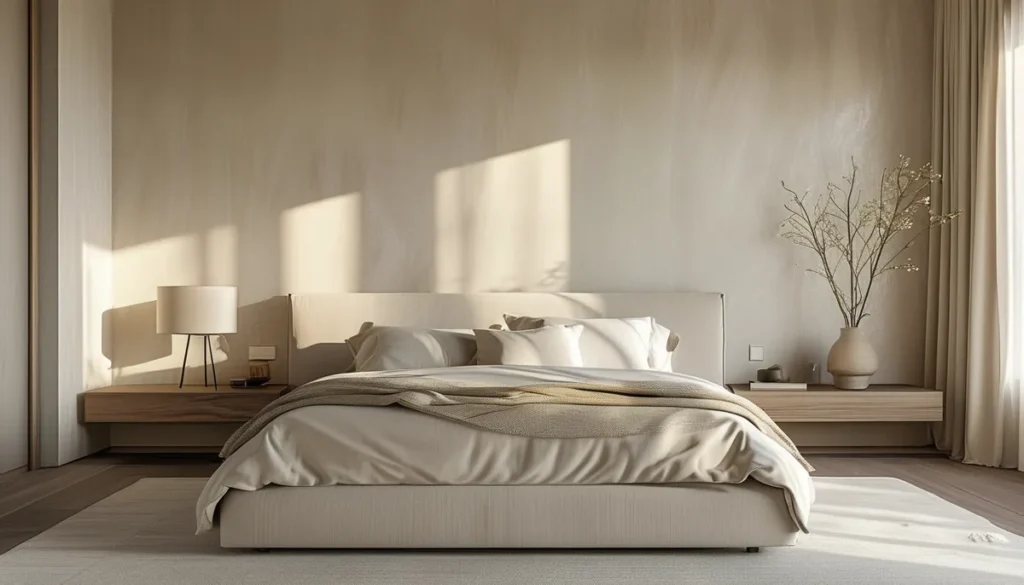
Red accent pillows are a bold choice, but they offer an incredible opportunity to energize a space and create a focal point without a major renovation. Think of them as jewelry for your sofa, armchair, or bed. The key is understanding how to deploy them strategically.
Choosing the right shade of red
Red isn’t just red. The spectrum ranges from vibrant, almost-orange fire-engine reds to deep, sophisticated burgundy, and muted, earthy rusts. Your choice of red dramatically impacts the mood of the room.
Bright reds (cherry, crimson, scarlet): These are energetic and attention-grabbing. They work well in rooms aiming for a lively, modern, or even playful vibe. Use them sparingly if you want a subtle pop, or more generously if you’re aiming for a strong, vibrant statement. Be mindful of clashing with other bright colors; these reds demand attention and can overpower softer palettes.
Deep reds (burgundy, maroon, wine): These shades are luxurious, classic, and add a sense of warmth and depth. They pair beautifully with neutrals like beige, cream, and gray, as well as richer tones like navy blue or forest green. They are excellent for creating a cozy, sophisticated atmosphere, particularly in living rooms or bedrooms.
Muted reds (rust, terracotta, brick): These earthy tones bring warmth and a natural, grounded feel. They are incredibly versatile and can complement bohemian, rustic, or transitional decor styles. They offer a softer approach to red, making them a good option if you’re hesitant about brighter shades but still want color.
Size and shape matter
The dimensions and form of your red accent pillows should complement the furniture they’re placed on and the overall scale of the room. Standard throw pillows are typically 18×18 inches or 20×20 inches. Lumbar pillows, often around 12×20 inches, are great for providing back support and adding a different shape to your arrangement.
For sofas: A standard sofa often looks best with two to three pillows. You might opt for a pair of larger square pillows (20×20 inches) or mix a couple of square pillows with a lumbar pillow in the center. Avoid overcrowding; too many pillows can make a sofa look messy and unusable.
For armchairs: One well-chosen red accent pillow is usually sufficient for an armchair. A smaller square pillow (16×16 or 18×18 inches) or a lumbar pillow can add comfort and style without overwhelming the chair.
For beds: On a king or queen-size bed, you can use larger pillows, often placed in front of standard sleeping pillows. Consider Euro shams (typically 26×26 inches) in a rich red or a collection of smaller decorative pillows. Layering different sizes and shapes is key here to create a plush, inviting look.
Material and texture add depth
The fabric of your red accent pillows contributes significantly to the room’s feel and the pillow’s durability. Consider the following:
Cotton: Breathable, soft, and generally durable. Cotton pillows are easy to care for and come in various weaves, from smooth to textured. They are a safe and versatile choice for most living spaces.
Linen: Offers a more relaxed, slightly textured look. Linen is breathable and develops a lovely softness over time. It can wrinkle more easily than cotton, giving it a casual elegance.
Velvet: Adds a touch of luxury and richness. Velvet has a soft sheen and a plush feel that can make a red pillow look incredibly sumptuous. It’s ideal for creating a sophisticated or cozy atmosphere, but may require more careful cleaning.
Wool: Provides warmth and a cozy, natural texture. Wool pillows are excellent for cooler months and can add a rustic or bohemian flair. They are generally durable but might require dry cleaning.
Synthetic blends (polyester, acrylic): Often more affordable and durable, especially for outdoor use or high-traffic areas. Many synthetic blends are designed to mimic natural fibers and can be very resilient to stains and fading.
Placement strategies for maximum impact
Where you put your red accent pillows can make or break the look. Think about creating balance and drawing the eye.
As a focal point: Place a vibrant red pillow on a neutral-colored sofa (gray, beige, white) or armchair. The contrast will immediately draw attention to that seating area.
To tie a room together: If you have smaller red elements elsewhere in the room (like a vase, a piece of art, or a throw blanket), repeating that red in your accent pillows helps create a cohesive design. Distribute the color visually.
Adding warmth to cool palettes: In a room with cool tones (blues, grays, whites), a warm red pillow can introduce a much-needed splash of energy and coziness, preventing the space from feeling sterile.
Layering with patterns: If you’re feeling bold, pair a solid red pillow with patterned pillows that incorporate red. Ensure the scale of the patterns is varied to avoid a chaotic look. A small-scale geometric on a sofa might work well with a larger floral that includes red.
Common mistakes to avoid
Even with a versatile color like red, there are pitfalls:
Overdoing it: Too many red pillows can make a room feel overwhelming or even aggressive. Stick to one or two key seating areas for your red accents.
Ignoring scale: Using tiny pillows on a large sectional or huge pillows on a dainty chair will look out of proportion.
Clashing with existing decor: While red is bold, ensure it harmonizes with your existing color scheme and style. A bright cherry red might not work with a predominantly muted, earthy palette, for example.
Poor quality fabric: Cheap-looking fabric can cheapen the entire look of your room. Invest in good quality materials that feel and look substantial.
Forgetting the back: If the back of your sofa or chair is visible, ensure the pillows look good from all angles. Sometimes, a pattern on the front means a solid on the back, which might not be ideal for all viewing perspectives.
By carefully considering the shade, size, material, and placement of your red accent pillows, you can effectively enhance your home’s aesthetic, creating inviting and visually appealing spaces that reflect your personal style.