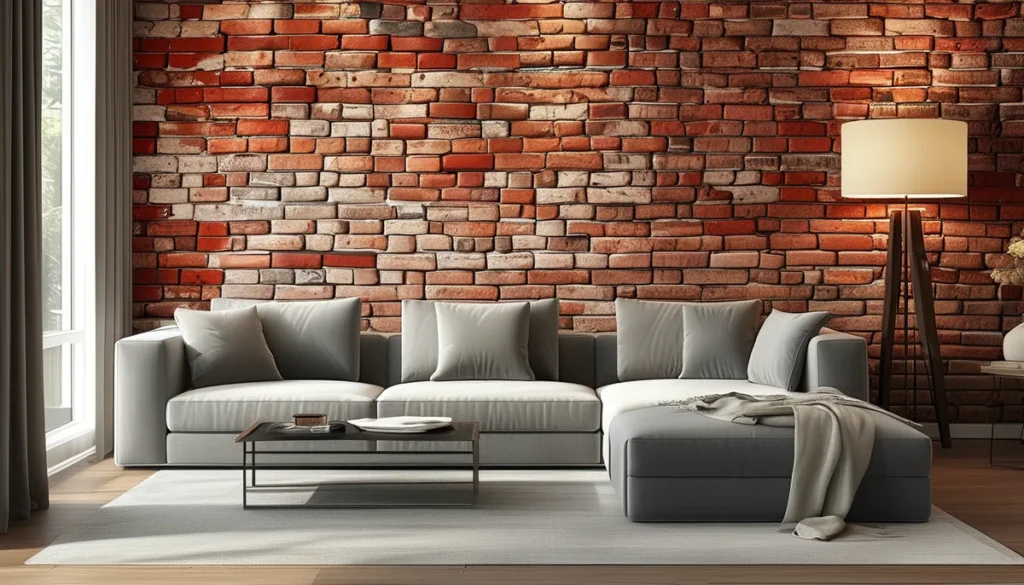
When you’re looking at removable wallpaper murals, the first thing to decide is the material. Most are made from vinyl or a vinyl-coated paper, offering durability and moisture resistance, which is crucial for kitchens or bathrooms. Some higher-end options use fabric-backed vinyl, which adds texture and a more luxurious feel. Always check the manufacturer’s specifications for intended use and cleaning instructions.
Understanding wallpaper mural materials
The vast majority of removable wallpaper murals you’ll encounter are PVC-based. PVC (polyvinyl chloride) is a common plastic known for its durability, water resistance, and affordability. This makes it a practical choice for most home applications. However, not all PVC is created equal. Some murals use a thinner, more flexible PVC, while others are thicker and more rigid.
A key consideration with PVC murals is their adhesive. Removable adhesives are designed to stick firmly but also to peel off cleanly without damaging your walls. Look for terms like ‘peel and stick’ or ‘removable adhesive.’ The quality of this adhesive can vary significantly between manufacturers. Cheaper options might leave residue or even pull off paint, especially if the paint is old or not properly sealed.
Beyond standard PVC, you might find murals made from non-woven materials. These are a blend of synthetic and natural fibers. They offer a matte finish and can be more breathable than pure PVC. The adhesive on non-woven murals is often water-activated or a repositionable adhesive, allowing for adjustments during installation. They tend to be a bit pricier but can offer a more sophisticated look.
For a more textured, fabric-like appearance, some murals are made from fabric-backed vinyl. This combines the durability of vinyl with the aesthetic appeal of fabric. These are generally thicker and can hide minor wall imperfections better than thinner vinyl options. They are often more expensive but can provide a high-end finish.
When evaluating materials, consider the environment where the mural will be installed. For high-traffic areas like a living room or a child’s playroom, a thicker, more durable PVC or fabric-backed vinyl is a good choice. For a powder room or a guest bedroom where the mural won’t be subjected to much wear and tear, a thinner non-woven option might suffice.
How to measure your wall for a mural
Accurate measurements are non-negotiable when ordering a removable wallpaper mural. You need to measure the width and height of the wall section where the mural will be placed. Use a metal measuring tape for precision. Measure from the baseboard to the ceiling for height, and from corner to corner for width.
It’s crucial to account for any architectural features such as windows, doors, built-in shelving, or outlets. Measure these elements within the mural area as well. You’ll need this information if the mural needs to be custom-cut or if you need to plan how the design will be placed around them. Always measure twice, and then measure again.
Most standard murals come in set dimensions, but many companies offer custom sizing. If your wall doesn’t match standard dimensions, custom sizing is your best bet for a seamless look. Don’t try to force a standard-size mural onto a wall where it clearly won’t fit without significant, visible adjustments. This will look amateurish.
When measuring, it’s often recommended to add a small buffer to your measurements, typically 2 to 4 inches (5-10 cm) on both the width and height. This extra material, known as ‘bleed,’ allows for trimming on-site during installation, ensuring perfect alignment and a clean edge, especially if your walls aren’t perfectly square. Many manufacturers will automatically include this bleed on custom orders, but it’s good to confirm.
For very large walls or complex installations, consider dividing the wall into sections and measuring each one. This can help when ordering, especially if the mural design can be printed in panels. Some companies provide templates or guides based on your measurements to help you visualize the final result.
Calculating the amount of wallpaper needed
For standard, repeatable wallpaper patterns, you’d calculate square footage and add a percentage for waste. However, with murals, it’s different. Murals are designed to be a single, cohesive image. Therefore, you typically order the mural in the exact size specified by the manufacturer or in a custom size that matches your wall dimensions precisely.
If you’re ordering a pre-sized mural, ensure its dimensions cover your entire intended wall area, including any bleed you might need. For example, if your wall is 10 feet wide by 8 feet high (approx. 3m x 2.4m), and you order a 10’x8′ mural, you’re set. If you order a slightly smaller mural, say 9’x7′, you’ll have un-papered borders around the edges, which may or may not be the look you want.
For custom-sized murals, the calculation is straightforward: enter your wall’s width and height into the online ordering tool. The system will then tell you the price and confirm the panel breakdown if it’s printed in sections. Always double-check the final dimensions before placing your order.
It’s rare that you’ll need to