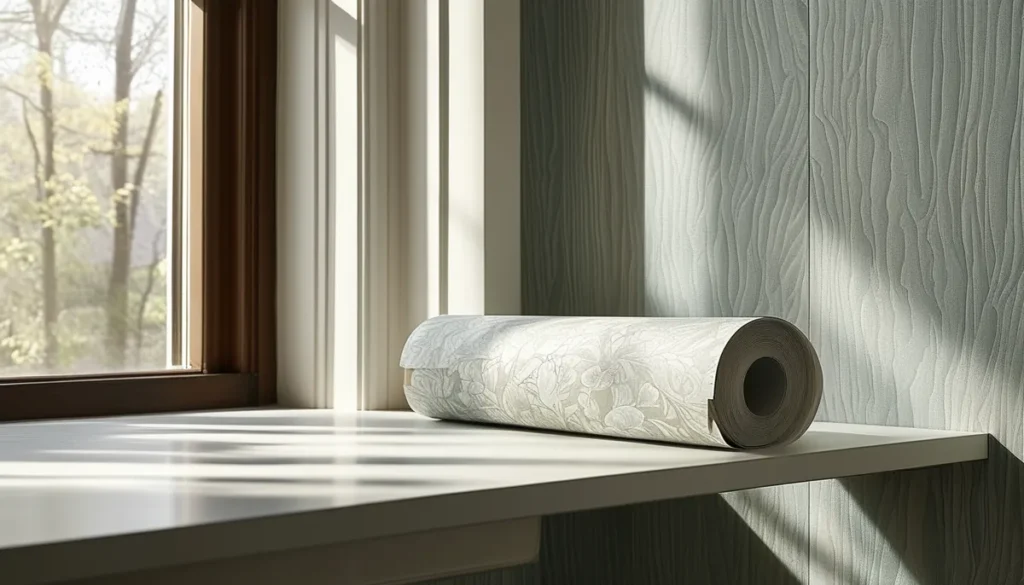
Adding retro tropical wallpaper to your walls is a direct route to an energetic, vacation-inspired atmosphere. Think of the bold, saturated colors and stylized motifs that defined mid-century travel posters and mid-century modern design. This isn’t just wallpaper; it’s a statement piece that can redefine a room’s entire personality.
Understanding retro tropical patterns
Retro tropical designs often feature exaggerated botanical elements – oversized palm leaves, vibrant hibiscus flowers, and stylized parrots or toucans. The color palettes can range from muted, earthy tones reminiscent of vintage travel brochures to electric blues, fiery oranges, and deep emerald greens that pop. Unlike contemporary tropical prints that might lean towards realism, retro versions often employ a more graphic, simplified aesthetic. This makes them incredibly versatile, capable of adding a playful yet sophisticated touch to various interior styles, from bohemian to mid-century modern.
Choosing the right material for your retro tropical wallpaper
The material of your wallpaper directly impacts its durability, ease of installation, and final look. For retro tropical designs, which often feature bold patterns, consider these options:
- Peel and stick vinyl: This is a DIY-friendly choice. It’s moisture-resistant, making it suitable for kitchens and bathrooms (though check specific manufacturer ratings for high-moisture areas). The adhesive backing means no paste is required, and it can be repositioned during installation. However, it might not always offer the same textured depth as traditional papers.
- Traditional non-woven (paste-the-wall): This is a popular choice for its durability and ease of use. The paste is applied directly to the wall, making it less messy than traditional paste-the-paper types. Non-woven papers are breathable and can hide minor wall imperfections. They offer a matte finish that can enhance the vintage feel of the patterns.
- Textured vinyl or embossed paper: For a truly immersive retro feel, look for wallpapers with a slight texture or embossing. This can mimic the feel of vintage wallpapers and add a tactile dimension to your tropical theme. These are often more durable and can be scrubbed clean.
When selecting, always check the wallpaper’s weight and thickness. Heavier papers generally offer better coverage for imperfect walls and a more luxurious feel. For bathrooms, specifically look for wallpapers designed for high humidity environments. You can explore tropical bathroom wallpaper options to ensure suitability.
Where to install retro tropical wallpaper
The bold nature of retro tropical wallpaper means it can be used in various ways:
- Accent wall: This is the most common approach. Choose a wall that serves as a focal point, like behind a sofa, a bed, or a fireplace. The pattern will draw the eye without overwhelming the entire space.
- Full room coverage: For a truly immersive experience, cover all walls. This works best in rooms where you want to create a strong theme, such as a sunroom, a powder room, or a home office dedicated to creative inspiration.
- Ceilings: Inverting the typical application, a retro tropical pattern on the ceiling can create a surprising and delightful effect, especially in smaller rooms or powder rooms.
- Creative applications: Consider using it inside a bookshelf, on the back of a closet door, or even as a backsplash in a powder room (ensure it’s washable and protected if needed).
The scale of the pattern should also be considered relative to the room size. Larger, bolder prints can work well in spacious rooms, while smaller, more intricate patterns might be better suited for smaller areas to avoid feeling too busy.
Key elements of retro tropical design
To truly capture the retro tropical aesthetic, look for wallpapers that incorporate specific elements:
- Stylized Flora: Think simplified, graphic representations of palm fronds, monstera leaves, banana leaves, and exotic flowers like hibiscus, orchids, and birds of paradise. They are often rendered in flat colors or with minimal shading.
- Fauna: Parrots, toucans, flamingos, and monkeys are common motifs, usually depicted in a playful, illustrative style rather than photorealistically.
- Color Palette: Mid-century modern influences often bring in teal, avocado green, mustard yellow, burnt orange, and deep blues. These are often contrasted with black or white for a graphic punch.
- Geometric undertones: Sometimes, retro tropical patterns incorporate subtle geometric shapes or lines that anchor the organic elements and give them a more structured, modern-retro feel.
When selecting your design, think about how it complements your existing furniture and decor. For a truly cohesive look, you might want to explore retro vintage wallpaper options that share a similar color scheme or graphic style.
Installation tips for a flawless finish
Proper installation is crucial for the longevity and aesthetic appeal of your retro tropical wallpaper. Here are some key steps and considerations:
- Prepare the walls: Ensure your walls are clean, dry, and smooth. Fill any holes, sand down bumps, and remove old wallpaper or paint that is peeling. A well-primed surface is essential for adhesion, especially with vinyl-backed papers.
- Measure and cut: Carefully measure your wall and cut the wallpaper panels, allowing for a slight overlap (usually 2-4 inches) at the ceiling and baseboard. Numbering the back of each panel can help keep track of the pattern repeat.
- Apply paste (if necessary): For non-woven papers, apply the paste evenly to the wall. For older types, apply to the back of the paper.
- Hang the first strip: Start in a corner or a visually prominent area. Use a level or plumb line to ensure the first strip is perfectly vertical. This is critical, as subsequent strips will align with it.
- Smooth out bubbles: Use a wallpaper smoothing tool or a clean brush to gently push out any air bubbles as you hang each strip. Work from the center outwards.
- Trim excess: Once a strip is in place, carefully trim the excess at the ceiling and baseboard using a sharp utility knife and a straight edge.
- Pattern repeat: Pay close attention to the pattern repeat. Ensure that the design flows seamlessly from one strip to the next. This is where numbering your panels can be a lifesaver.
Mistakes during installation, especially with the first strip’s alignment or dealing with pattern repeats, can be costly and time-consuming to fix. Take your time and consider purchasing an extra roll to account for errors or future repairs.
Maintaining your retro tropical walls
The maintenance required will depend on the type of wallpaper you choose. Vinyl and scrubbable non-woven wallpapers are the easiest to care for. Regularly dust the walls with a soft brush or a vacuum cleaner brush attachment. For minor marks or smudges, a damp cloth (not wet) can often be used. Always test any cleaning method on an inconspicuous area first. Avoid harsh chemicals, as they can damage the print or the material.
If you’re looking to create a lush, exotic oasis within your home, transforming your space with vibrant tropical wallpaper is an excellent way to achieve it. Retro tropical designs offer a unique blend of nostalgia and vibrancy that can make any room feel special and alive.
Consider the longevity and style of your chosen design. For a timeless appeal that blends the past with exotic flair, exploring different tropical botanical wallpaper options is also a great way to find patterns that resonate with your personal style.