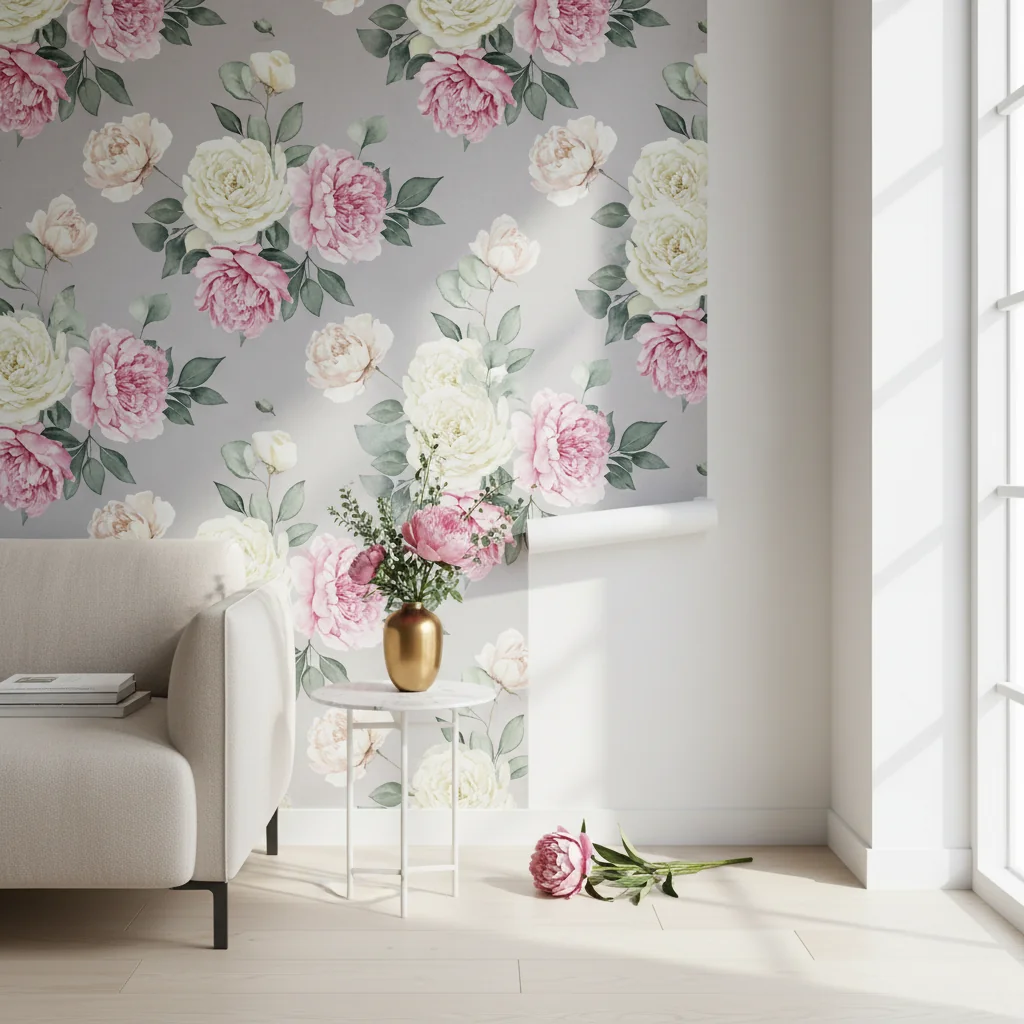
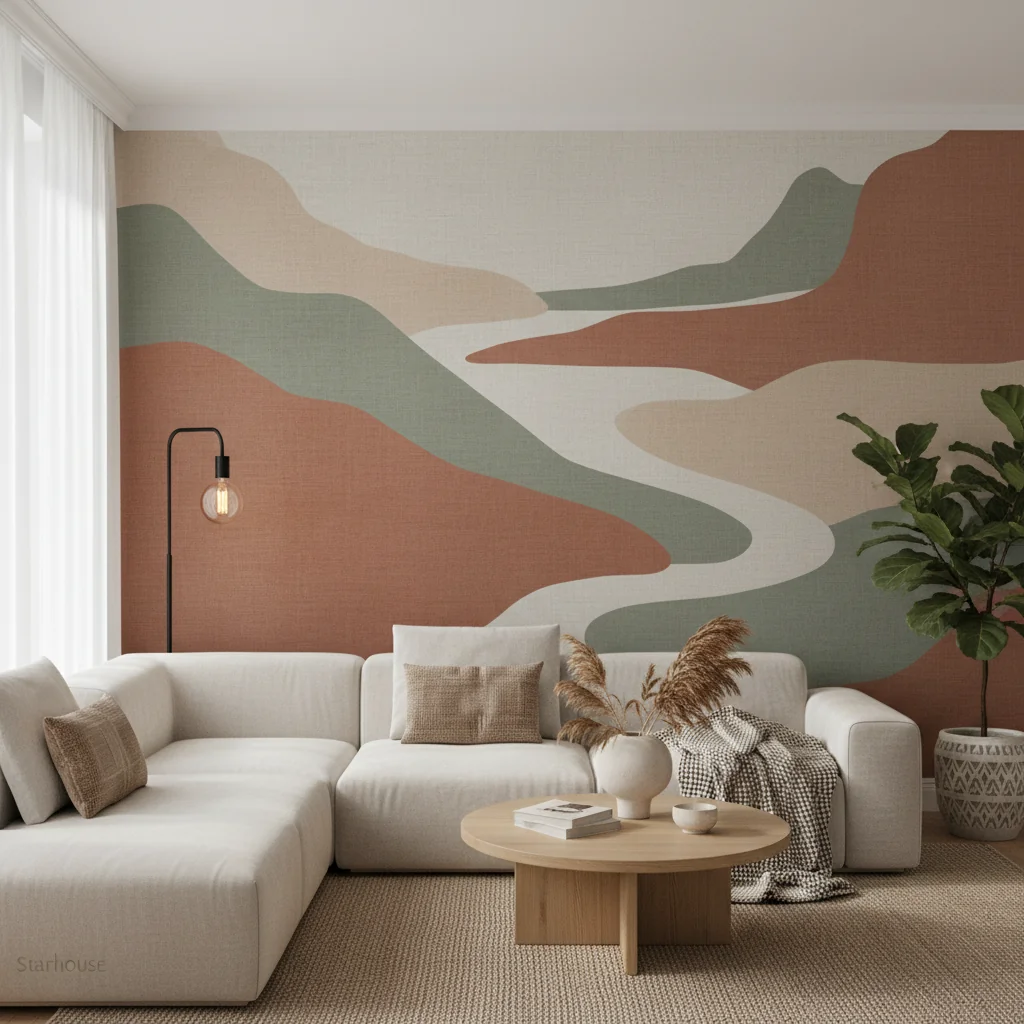
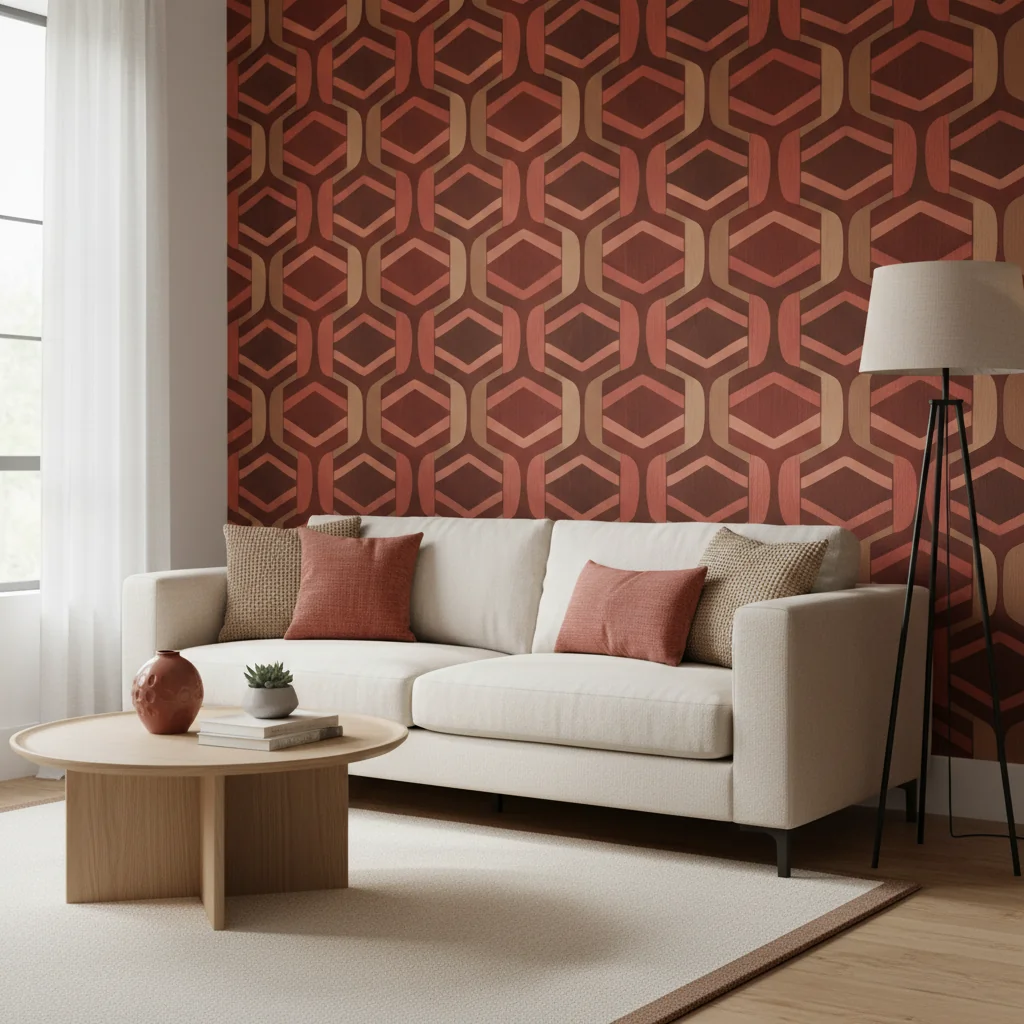
Stick and peel wallpaper, also known as peel and stick or removable wallpaper, offers a transformative yet temporary solution for refreshing interior spaces with unparalleled ease and versatility. This innovative wall covering features a self-adhesive backing, eliminating the need for traditional paste, and allowing for simple application and removal without damaging underlying surfaces, making it an ideal choice for renters, commitment-phobes, and design enthusiasts alike. Its composition typically involves a durable face material, often vinyl or fabric-based, paired with a low-tack adhesive and a protective liner, ensuring both aesthetic appeal and practical functionality for a wide array of home décor projects.
Key Takeaways
- Stick and peel wallpaper is a self-adhesive, removable wall covering that requires no messy paste, simplifying application and removal.
- It offers extensive design versatility, available in various materials like vinyl, fabric, and non-woven, alongside diverse patterns, textures, and colors to match any aesthetic.
- Precise measurement and meticulous surface preparation are critical steps for achieving a flawless, long-lasting installation.
- This type of wallpaper is ideal for temporary décor updates, renters, accent walls, and DIY projects due to its damage-free removal.
- Proper care, typically gentle cleaning with a damp cloth, extends the lifespan and maintains the aesthetic integrity of the wallpaper.
- When selecting, consider the room’s function, lighting, existing décor, and the wallpaper’s material properties for optimal results.
What is Stick and Peel Wallpaper? An Essential Definition
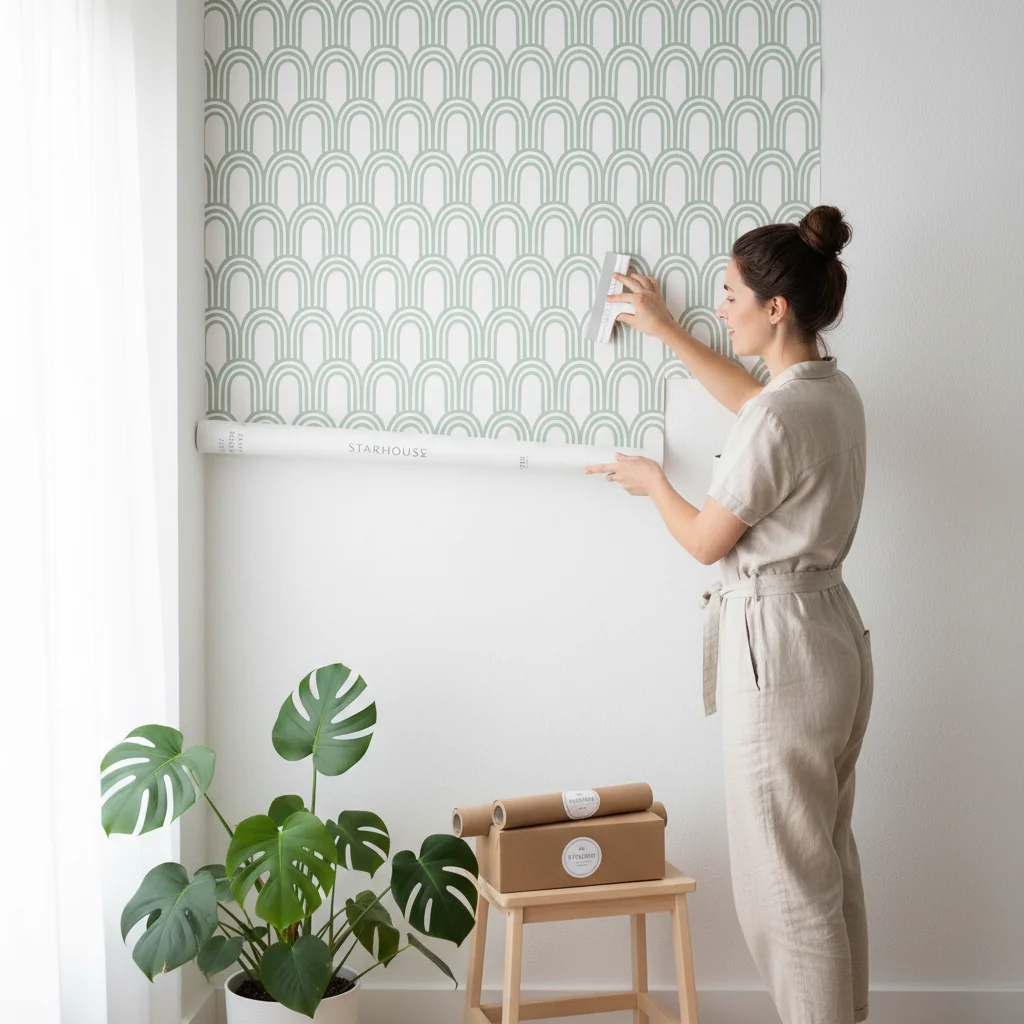
Stick and peel wallpaper is a modern, self-adhesive wall covering designed for straightforward application and clean removal, providing a flexible alternative to traditional wallpaper. This innovative product integrates the adhesive directly onto the back of the wallpaper material, protected by a removable liner, which eliminates the need for external glues or pastes that can often be messy and challenging to work with. Its primary appeal lies in its ease of use, allowing homeowners and renters to update their interiors without the permanent commitment or professional installation typically associated with conventional wall coverings.
The core construction of stick and peel wallpaper involves three distinct layers. The outermost layer is the decorative face material, which can be made from various substrates such as vinyl, fabric, or non-woven paper, offering a vast array of textures, patterns, and finishes. Beneath this decorative layer is a specialized low-tack, pressure-sensitive adhesive. This adhesive is engineered to bond securely to a prepared surface during application but to release cleanly and without residue or damage when the wallpaper is removed. The final layer is a protective backing paper, or liner, which is peeled away during installation to expose the adhesive. This thoughtful design ensures that the product is both user-friendly and surface-friendly, preserving the integrity of walls and other surfaces.
The evolution of stick and peel technology has significantly broadened its application beyond just walls. It is now widely used for furniture facelifts, shelf liners, stair risers, and even temporary art installations, offering a truly versatile design tool. This adaptability makes it a favored choice for dynamic living spaces where design preferences may evolve, or for those who appreciate the ability to frequently refresh their home’s aesthetic without extensive effort or expense.
A key advantage of stick and peel wallpaper is its ability to transform a space quickly and efficiently. A typical installation can often be completed in a single afternoon, depending on the scale of the project, requiring only basic tools such as a utility knife, a smoothing tool, and a measuring tape. This accessibility has democratized interior design, empowering individuals to undertake significant decorative changes themselves, fostering a sense of accomplishment and personal expression within their living environments.
The Diverse World of Stick and Peel Wallpaper Types and Materials
Stick and peel wallpaper is available in a wide array of materials and types, each offering distinct aesthetic qualities, durability, and practical advantages to suit various design needs and environmental conditions. Understanding these differences is crucial for selecting the optimal product for your specific project, ensuring both visual appeal and long-term satisfaction. The primary material categories include vinyl, fabric, and non-woven options, each with unique performance characteristics.
Vinyl Stick and Peel Wallpaper
Vinyl stick and peel wallpaper is exceptionally durable and moisture-resistant, making it a highly practical choice for high-traffic areas and rooms prone to humidity. This material is typically composed of a vinyl top layer laminated to a paper or fabric backing. Its robust nature means it can withstand regular cleaning with a damp cloth, making it suitable for kitchens, bathrooms, and children’s rooms where spills and splashes are common. Vinyl options often feature a smooth, sometimes slightly textured, finish and are available in an extensive range of patterns, from subtle solids to intricate faux textures like wood grain, brick, or marble. The thickness of vinyl wallpaper can vary, with thicker gauges offering enhanced durability and better concealment of minor wall imperfections.
Fabric Stick and Peel Wallpaper
Fabric-based stick and peel wallpaper, often made from polyester or a blend of synthetic fibers, offers a softer, more tactile finish compared to vinyl. This material type typically provides a more luxurious and sophisticated aesthetic, with a matte or subtly textured surface that can mimic linen, canvas, or even velvet. Fabric wallpapers are breathable and generally more forgiving during installation, as they can be repositioned more easily without stretching or tearing. While generally durable, they may not be as moisture-resistant as vinyl, making them better suited for living rooms, bedrooms, and dining areas where a refined look is prioritized over extreme moisture exposure. The inherent texture of fabric wallpaper also adds depth and warmth to a space, enhancing acoustic properties slightly.
Non-Woven Stick and Peel Wallpaper
Non-woven stick and peel wallpaper is constructed from a blend of natural and synthetic fibers, offering a balance of durability, breathability, and ease of use. This material is renowned for its stability, meaning it resists expansion and contraction when exposed to moisture, which contributes to a smoother, more seamless application. Non-woven wallpapers are often favored for their tear-resistant qualities and their ability to hide minor wall imperfections effectively. They are also considered an eco-friendlier option in many cases, as they are often PVC-free and can be made from sustainably sourced materials. They are versatile in application, suitable for most rooms, and provide a refined finish that can range from smooth to subtly textured, making them a popular choice for contemporary and traditional designs alike.
Specialty Finishes and Textures
Beyond the primary material categories, stick and peel wallpaper also encompasses various specialty finishes and textures that significantly enhance its decorative potential:
- Metallic Accents: These wallpapers incorporate metallic inks or foils to create shimmering, reflective surfaces. Gold, silver, copper, and bronze finishes can add a touch of glamour and sophistication, reflecting light and making a room feel more expansive and luminous.
- Textured Effects: Some designs feature embossed or raised textures that mimic natural materials such as grasscloth, stucco, or woven textiles. These tactile surfaces add depth and dimension to walls, creating visual interest that cannot be achieved with flat prints.
- Faux Materials: Highly realistic prints of natural wood panels, exposed brick, concrete, marble, or tile are popular for creating architectural interest without the cost or complexity of real materials. These are particularly effective for accent walls or for adding an industrial or rustic touch.
- Mural Designs: Large-scale stick and peel murals offer breathtaking panoramic scenes, abstract art, or oversized patterns that cover an entire wall, creating a dramatic focal point. These are often printed on fabric or non-woven substrates for optimal clarity and ease of installation.
When evaluating these options, consider the specific demands of your space. For instance, a high-humidity bathroom benefits from vinyl’s moisture resistance, while a serene bedroom might be enhanced by the soft drape and texture of a fabric-based option. Starhouse curates a selection that balances aesthetic innovation with material integrity, ensuring that each type of stick and peel wallpaper meets rigorous standards for both beauty and performance.
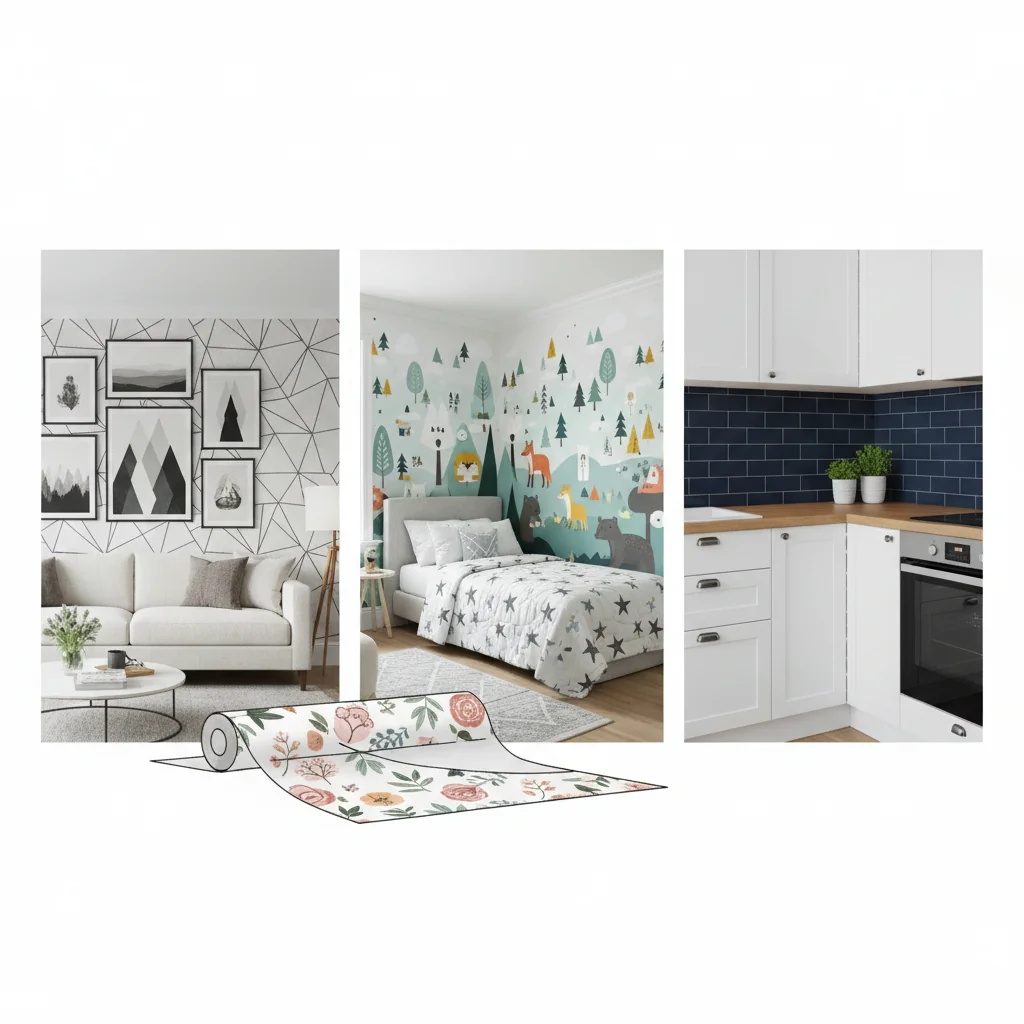
Exploring Aesthetic Styles and Design Motifs
Stick and peel wallpaper is a powerful tool for defining and enhancing specific aesthetic styles within a home, offering an unparalleled range of patterns, colors, and motifs to suit any design sensibility. From the clean lines of modernism to the intricate details of traditional decor, the right wallpaper can instantly transform a room’s character and create a cohesive design narrative. Starhouse understands the nuances of interior aesthetics, offering options that resonate with diverse design philosophies.
Modern and Minimalist
For modern and minimalist interiors, stick and peel wallpaper often features geometric patterns, abstract designs, or subtle textures in a restricted color palette. Think clean lines, monochromatic schemes, and understated elegance. Large-scale, simple geometric shapes like grids, stripes, or irregular polygons can add visual interest without overwhelming the space. Subtle faux concrete or plaster textures in neutral tones like cool grays, crisp whites, or muted beiges provide a sophisticated backdrop that complements minimalist furnishings and emphasizes open space. The focus here is on refinement and visual quietude, allowing other design elements to shine.
Bohemian and Eclectic
Bohemian and eclectic styles thrive on rich textures, vibrant colors, and global-inspired patterns. Stick and peel wallpaper in this category often includes intricate mandalas, botanical prints with lush foliage, Moroccan-inspired tiles, or ethnic patterns. Earthy tones, deep jewel hues, and a mix of natural textures like faux grasscloth or woven rattan are common. The goal is to create a layered, collected look that feels well-traveled and personal. These wallpapers can serve as a bold backdrop for a mix of vintage furniture, handcrafted accessories, and diverse textiles, fostering a relaxed yet spirited atmosphere.
Traditional and Classic
Traditional and classic interiors benefit from stick and peel wallpaper that evokes timeless elegance and historical charm. Floral damasks, toile patterns, classic stripes, botanical illustrations, or subtle chintz designs are hallmarks of this style. Color palettes often feature muted blues, soft greens, rich burgundies, and warm creams. These wallpapers are typically chosen to create a sense of heritage and formality, pairing beautifully with antique furniture, ornate mirrors, and classic drapery. They provide a sophisticated foundation that speaks to enduring design principles.
Transitional and Contemporary
Transitional design strikes a balance between traditional and modern, creating a look that is both classic and current. Stick and peel wallpaper for this style often features updated interpretations of traditional patterns, such as simplified florals, abstract damasks, or subtle metallic geometrics. Neutral color palettes are frequently used, allowing for pops of color through accessories. Contemporary designs often lean into bolder graphics, large-scale abstract art, or innovative textures. These wallpapers offer flexibility, allowing them to adapt to evolving tastes while maintaining a sophisticated and cohesive aesthetic.
Rustic and Farmhouse
To achieve a rustic or farmhouse aesthetic, stick and peel wallpaper can convincingly mimic natural materials. Faux shiplap, reclaimed wood panels, exposed brick, or distressed concrete patterns are excellent choices. These designs bring a sense of warmth, authenticity, and connection to nature indoors. Color palettes typically include whites, grays, browns, and muted natural tones. Such wallpapers are perfect for creating an accent wall that grounds the space, complementing natural wood furniture, cozy textiles, and vintage-inspired decor.
Glam and Art Deco
For a glamorous or Art Deco-inspired space, stick and peel wallpaper often incorporates bold geometric patterns, metallic accents, and rich, jewel-toned colors. Fan motifs, chevrons, and sunburst designs are characteristic, often rendered in gold, silver, or deep emerald and sapphire hues. These wallpapers are designed to make a statement, adding opulence and a sense of luxury. They pair beautifully with mirrored furniture, velvet upholstery, and crystal accents, creating an environment that feels both sophisticated and dramatic.
Biophilic and Nature-Inspired
Biophilic design, which seeks to connect occupants with nature, is a growing trend. Stick and peel wallpaper in this category features lush botanical prints, tropical foliage, delicate floral patterns, or realistic landscape murals. Greenery, earthy tones, and natural light are emphasized. These wallpapers bring the calming and invigorating elements of the outdoors inside, fostering a serene and healthy living environment. They complement natural materials like wood, stone, and rattan, and pair well with abundant houseplants.
When exploring these styles, consider the overall architectural style of your home, your existing furniture, and the mood you wish to create in each room. Stick and peel wallpaper provides the flexibility to experiment with these aesthetics, allowing you to confidently define your personal design narrative.
Strategic Selection: How to Choose the Right Stick and Peel Wallpaper for Your Space
Choosing the right stick and peel wallpaper involves a thoughtful consideration of various factors, ensuring the selected design not only enhances your space aesthetically but also functions effectively within its environment. A strategic approach considers the room’s purpose, its inherent lighting, existing décor elements, and the desired atmosphere, culminating in a selection that feels both intentional and harmonious. Starhouse emphasizes a holistic view of design, guiding you toward choices that elevate your home.
Assess the Room’s Function and Traffic
The primary function of a room significantly influences the appropriate wallpaper choice. For high-traffic areas like entryways, hallways, or children’s playrooms, prioritize durability and ease of cleaning. Vinyl stick and peel wallpaper is an excellent choice here due to its robust, wipeable surface that can withstand frequent contact and potential scuffs. In contrast, for low-traffic areas such as bedrooms, formal living rooms, or home offices, you have greater flexibility to explore more delicate materials like fabric-based options or intricate textures that prioritize aesthetic appeal and tactile quality over extreme resilience. Bathrooms and kitchens, with their higher humidity levels and potential for splashes, also benefit from moisture-resistant vinyl, which helps prevent peeling and mildew.
Evaluate Natural and Artificial Lighting
Lighting plays a critical role in how wallpaper appears in a space. Rooms with abundant natural light can often handle bolder patterns and darker colors without feeling oppressive. Conversely, rooms with limited natural light may benefit from lighter-colored wallpapers with reflective properties, such as those with metallic accents or a slight sheen, which can help brighten the space and make it feel more expansive. Consider the direction of natural light: north-facing rooms often have cooler light, benefiting from warm-toned wallpapers, while south-facing rooms receive warmer light, allowing for cooler palettes. Artificial lighting, whether warm (incandescent) or cool (LED), also impacts color perception, so it is advisable to view samples in your home under various lighting conditions throughout the day and night.
Harmonize with Existing Décor and Furnishings
The chosen stick and peel wallpaper must integrate seamlessly with your existing furniture, textiles, and decorative accessories. Consider the dominant colors, patterns, and textures already present in the room. If your furniture is bold and patterned, a more subdued, textured, or solid-colored wallpaper might create balance. If your furnishings are neutral, a vibrant or intricately patterned wallpaper can serve as a striking focal point. Ensure that the scale of the wallpaper pattern complements the scale of the room and its contents; a large, expansive pattern can overwhelm a small room, while a tiny, intricate pattern might get lost in a grand space. The goal is to achieve a cohesive look where all elements feel intentionally curated.
Determine the Desired Mood and Atmosphere
Wallpaper is a powerful tool for setting the mood of a room. Bold, dramatic patterns and deep colors can create an intimate, sophisticated, or energetic atmosphere, ideal for dining rooms or accent walls. Soft, muted patterns and light colors evoke a sense of calm, serenity, and spaciousness, perfect for bedrooms or meditation spaces. Biophilic designs featuring natural elements like leaves or subtle textures can promote a sense of well-being and connection to nature. Before committing, visualize how the pattern and color will make you feel when you enter the room. Samples are invaluable for this process, allowing you to live with the potential choice for a few days to gauge its emotional impact.
Consider Pattern Scale and Repeat
The scale of a pattern refers to the size of its individual design elements, while the pattern repeat is the distance before the design repeats itself. In smaller rooms, smaller, more delicate patterns can make the space feel larger and more intricate. In contrast, larger, bolder patterns or murals can make a dramatic statement in spacious rooms or on an accent wall, drawing the eye and creating a focal point. Understanding the pattern repeat is crucial for installation, especially for designs that require precise alignment; a larger repeat means more waste during cutting, which should be factored into your material calculations.
Material Properties and Durability
Different materials offer varying levels of durability and aesthetics. As House Beautiful highlights in their guide to removable wallpaper, “Vinyl options are typically the most durable and easiest to clean, making them a wise choice for high-traffic areas or spaces prone to moisture.” 8 Best Removable Wallpaper, Tested and Reviewed | housebeautiful.com. Fabric-based wallpapers, while offering a softer, more luxurious feel, might be less resistant to moisture and staining. Non-woven options often provide a good balance of durability, breathability, and ease of handling. Always check the manufacturer’s specifications for care instructions and recommended environments to ensure the wallpaper will perform as expected in your chosen application.
Budget Considerations
While stick and peel wallpaper is generally more affordable and DIY-friendly than traditional wallpaper requiring professional installation, prices can vary significantly based on material, brand, and design complexity. Establish a budget for your project early on, and consider not just the cost per roll but also any additional tools you might need. Investing in high-quality wallpaper often pays off in terms of easier installation, better durability, and a more refined finished look. Starhouse is committed to curating a collection that offers exceptional value across a range of price points, ensuring quality and style are accessible.
| Material Type | Key Characteristics | Durability | Ideal Use Cases | Maintenance |
|---|---|---|---|---|
| Vinyl | Smooth or subtle texture, often with a slight sheen. Highly water-resistant and durable. | Excellent; resistant to tears, scuffs, and moisture. | Kitchens, bathrooms, children’s rooms, high-traffic areas, commercial spaces. | Wipe clean with a damp cloth and mild soap. |
| Fabric (e.g., Polyester) | Soft, matte finish, tactile feel. Breathable and often repositionable. | Good; tear-resistant, but less moisture-resistant than vinyl. | Bedrooms, living rooms, dining rooms, home offices, low-humidity spaces. | Gently wipe with a dry or slightly damp cloth; avoid harsh scrubbing. |
| Non-Woven | Blend of natural and synthetic fibers. Stable, breathable, often PVC-free. | Very Good; tear-resistant, dimensionally stable, generally durable. | Living rooms, bedrooms, hallways, general residential use. | Wipe clean with a damp cloth. |
By systematically addressing these factors, you can confidently select stick and peel wallpaper that not only meets your aesthetic desires but also performs optimally, creating a space that truly reflects your personal style and enhances your daily living.
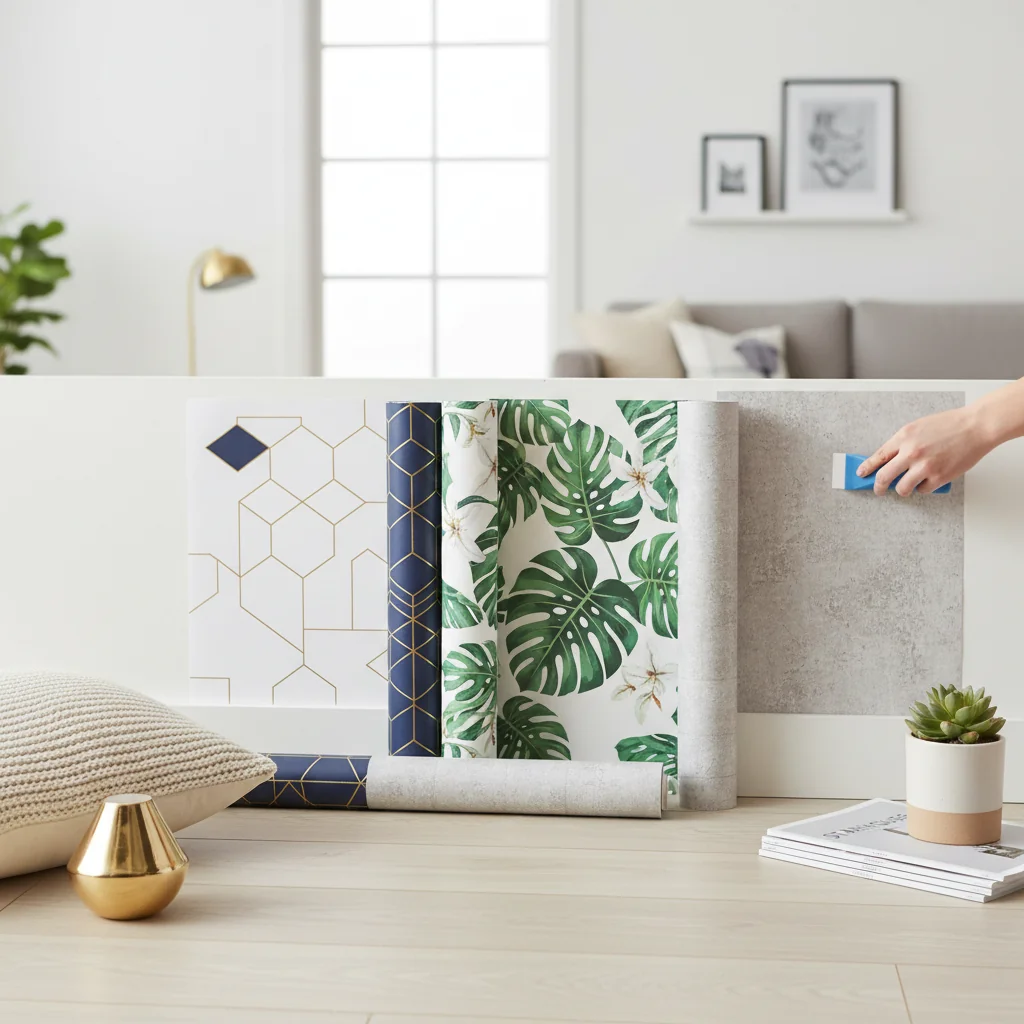
Precision Matters: Sizing, Measuring, and Ordering Guidelines
Accurate sizing and meticulous measuring are fundamental to a successful stick and peel wallpaper installation, preventing costly errors, material shortages, and unsightly seams. Precise calculations ensure you order the correct quantity of wallpaper rolls, minimizing waste and guaranteeing a seamless visual flow across your walls. Starhouse emphasizes the importance of these initial steps for achieving a professional and satisfying result.
Essential Tools for Measuring
Before you begin, gather the necessary tools for accurate measurement:
- Measuring Tape: A retractable metal tape measure, at least 25 feet long, is essential for measuring walls.
- Pencil: For marking measurements directly on the wall or on a notepad.
- Level: A 2-foot or 4-foot level ensures your measurements are consistently horizontal or vertical.
- Step Ladder: For reaching the top of walls safely.
- Notepad and Calculator: To record measurements and perform calculations.
Step-by-Step Measuring Process
Follow these steps to accurately measure your walls for stick and peel wallpaper:
- Measure Wall Height: Measure the height of each wall from the baseboard to the ceiling. Take at least three measurements across the width of the wall (left, center, right) as walls are rarely perfectly uniform. Use the tallest measurement for your calculations to ensure you have enough material for the entire height.
- Measure Wall Width: Measure the width of each wall from corner to corner. Again, take measurements at the top, middle, and bottom, using the widest measurement.
- Account for Doors and Windows: Do not subtract the area of doors and windows from your total square footage. It is generally recommended to treat these as if they are solid wall space. This ensures you have enough material for pattern matching around these architectural features and provides a buffer for trimming.
- Calculate Total Square Footage: For each wall, multiply the maximum height by the maximum width to get the square footage. Add the square footage of all walls you plan to wallpaper to get your total required area.
- Factor in Pattern Repeat (Crucial for Patterned Wallpaper): If your chosen wallpaper has a pattern repeat, you must account for it. The pattern repeat is the vertical distance at which the pattern repeats itself. Add one full pattern repeat to the height measurement for each strip of wallpaper you will cut. This extra length allows for precise pattern alignment between adjacent strips. For example, if your wall is 8 feet high and the pattern repeat is 24 inches (2 feet), each strip should be cut to 10 feet (8 feet + 2 feet).
- Add a Waste Factor: Always add a minimum of 10-15% to your total calculated square footage to account for trimming, pattern matching, mistakes, and future repairs. For complex patterns or unusually shaped rooms, consider adding up to 20%. It is always better to have a little extra than not enough, as dye lots can vary between batches, making it difficult to match later.
Understanding Wallpaper Roll Dimensions
Stick and peel wallpaper is typically sold in rolls, and each brand or design may have slightly different dimensions. Common roll widths range from 18 inches to 27 inches, and lengths can vary significantly, often from 18 feet to 30 feet or more. Always check the specific dimensions of the rolls you intend to purchase. The packaging or product description will clearly state the square footage covered by a single roll.
Calculating the Number of Rolls Needed
Once you have your total required square footage (including pattern repeat and waste factor), divide this number by the square footage covered by one roll of your chosen wallpaper. Round up to the nearest whole number to determine the total number of rolls you need. For example, if your adjusted total wall area is 450 sq ft and each roll covers 50 sq ft, you would need 450 / 50 = 9 rolls. If the calculation results in a decimal, always round up (e.g., 8.2 rolls means you need 9 rolls).
Tips for Complex Spaces
- Slanted Walls or Ceilings: For angled surfaces, measure the longest point of the slope for your height calculation and add extra allowance for trimming at the angle.
- Multiple Walls with Different Heights: Calculate each wall section separately and then sum the totals.
- Accent Walls: If you are only wallpapering one accent wall, measure that wall precisely following the steps above, then calculate rolls based on that specific area.
- Ordering from the Same Dye Lot: When ordering multiple rolls, ensure they are all from the same dye lot. Slight color variations can occur between different production batches. Most reputable manufacturers will include a dye lot number on the packaging.
By investing time in accurate measurements and calculations, you set the foundation for a flawless and satisfying stick and peel wallpaper installation, transforming your space with confidence and precision.
Installation Excellence: A Step-by-Step Guide for Flawless Application
Achieving a flawless stick and peel wallpaper installation is a straightforward process that relies on meticulous surface preparation, careful measurement, and a methodical approach, ensuring a professional-looking finish without air bubbles or misalignments. While the self-adhesive nature simplifies the task, attention to detail at each stage is paramount for a durable and aesthetically pleasing result. Starhouse empowers you with the knowledge to undertake this transformation confidently.
Essential Tools for Installation
Gathering the right tools before you begin streamlines the installation process:
- Soft Cloth or Sponge: For cleaning walls.
- Measuring Tape: For precise cutting.
- Pencil: For marking guidelines.
- Level or Plumb Bob: Crucial for ensuring the first strip is perfectly straight.
- Utility Knife with Fresh Blades: For clean, sharp cuts. Always use fresh blades to prevent tearing.
- Smoothing Tool (Squeegee): A felt-edged or plastic squeegee for pressing out air bubbles and ensuring adhesion.
- Scissors: For pre-cutting wallpaper strips.
- Step Stool or Ladder: For safe access to higher areas.
- Damp Cloth: For wiping away excess adhesive or marks.
Step-by-Step Installation Process
Follow these detailed steps for a successful stick and peel wallpaper application:
- Prepare Your Surface: This is the most critical step. Ensure your walls are clean, dry, smooth, and free of dust, grease, or peeling paint. Wash walls with a mild detergent and water, rinse thoroughly, and allow them to dry completely (at least 24 hours). Patch any holes or cracks with spackle, sand smooth, and prime. A smooth, matte, light-colored primer is recommended, especially for dark or heavily patterned walls, to provide an optimal surface for adhesion and prevent show-through. Wait at least 72 hours after priming before applying wallpaper.
- Measure and Pre-Cut Strips: Measure the height of your wall from baseboard to ceiling. Add 2-4 inches to this measurement for both the top and bottom for trimming. If your wallpaper has a pattern repeat, add one full pattern repeat to each strip’s length to ensure proper alignment. Cut your first strip, then use it as a template for subsequent strips, ensuring pattern alignment if applicable. Label the back of each strip with its sequence (e.g., “1 of 5”) and an arrow indicating the top.
- Draw a Plumb Line: Do not rely on your ceiling or corner as a straight guide, as walls are rarely perfectly plumb. Using a level or plumb bob, draw a light vertical pencil line on the wall, approximately 1/2 inch less than the width of your wallpaper strip, from the corner where you plan to start. This line will guide your first strip, ensuring it is perfectly straight.
- Apply the First Strip:
- Peel back about 6-12 inches of the backing paper from the top of your first strip.
- Align the exposed edge of the wallpaper with your plumb line, leaving the 2-4 inches excess at the top to be trimmed later.
- Press the top portion onto the wall, working from the center outwards to smooth it.
- Slowly peel down more of the backing paper (in 6-12 inch increments) while simultaneously smoothing the wallpaper onto the wall using your smoothing tool. Work from the center of the strip towards the edges to push out any air bubbles.
- Avoid stretching the wallpaper, as this can distort the pattern and make alignment difficult.
- Trim Excess: Once the first strip is fully applied, use your utility knife and a straightedge (like your smoothing tool or a ruler) to carefully trim the excess wallpaper at the ceiling and baseboard. Use a fresh blade for each cut to ensure clean edges.
- Apply Subsequent Strips (Pattern Matching):
- For the second strip, peel back the top 6-12 inches of backing.
- Align the edge of the second strip with the edge of the first, carefully matching the pattern.
- Overlap the strips slightly (usually 1/16 to 1/8 inch, check manufacturer instructions) or butt them tightly together, depending on the wallpaper type.
- Once the pattern is perfectly aligned, apply the strip as you did the first, smoothing it down in sections while peeling the backing.
- Repeat this process for all subsequent strips, ensuring each piece is plumb and the pattern is continuous.
- Working Around Obstacles (Outlets, Switches, Windows):
- Outlets/Switches: Turn off power at the breaker. Loosely apply the wallpaper over the outlet. Using your utility knife, carefully cut an “X” from corner to corner over the opening. Trim the excess paper around the edges of the box. Replace the cover plate after installation.
- Windows/Doors: Apply the wallpaper over the opening. Make a diagonal cut from the corner of the opening towards the wallpaper’s edge. Then, carefully trim the excess paper along the frame.
- Final Smoothing and Inspection: After all strips are applied, go over the entire surface with your smoothing tool to ensure maximum adhesion and to eliminate any remaining air bubbles. Gently wipe down the wallpaper with a clean, damp cloth to remove any pencil marks or adhesive residue. Stand back and admire your transformed space.
Patience and precision are your best allies during this process. Take your time, especially with the first strip and pattern matching, as these set the stage for the entire project. With careful execution, your stick and peel wallpaper will look professionally installed and provide lasting enjoyment.
Longevity and Luster: Care and Maintenance for Your Stick and Peel Wallpaper
Proper care and maintenance are essential for preserving the beauty and extending the lifespan of your stick and peel wallpaper, ensuring it remains vibrant and adheres flawlessly for years to come. While removable wallpaper is designed for durability, understanding its specific care requirements based on material type will help you avoid damage and maintain its pristine condition. Starhouse advocates for mindful upkeep to protect your design investment.
General Cleaning Guidelines
Most stick and peel wallpapers are relatively easy to clean, but the method depends significantly on the material. Always consult the manufacturer’s specific care instructions, which are usually provided with the product or on the brand’s website. As a general rule:
- Regular Dusting: Dust your wallpaper regularly with a soft, dry cloth or a feather duster. This prevents dust accumulation, which can dull the appearance over time and make more intensive cleaning less effective.
- Spot Cleaning: For small marks or smudges, act quickly. Use a soft, clean, damp cloth (microfiber is ideal) to gently wipe the affected area. Avoid rubbing vigorously, as this can damage the surface or push the stain deeper.
- Mild Soap Solution (for Vinyl and Non-Woven): For more stubborn dirt or grime on vinyl or non-woven wallpapers, mix a very small amount of mild, non-abrasive dish soap with water. Dampen a soft cloth with this solution, wring it out thoroughly so it’s not dripping, and gently wipe the soiled area. Follow immediately with a clean, damp cloth rinsed in plain water to remove any soap residue, then gently pat dry with another clean, dry cloth.
- Avoid Harsh Chemicals: Never use abrasive cleaners, scouring pads, bleach, ammonia-based products, or strong chemical solvents on any type of stick and peel wallpaper. These can strip the color, damage the finish, or degrade the adhesive, leading to peeling or discoloration.
- Fabric Wallpaper Caution: Fabric-based stick and peel wallpapers are typically more delicate. For these, stick to dry dusting and spot cleaning with a barely damp cloth. Avoid saturating the fabric, as it can be prone to watermarks or stretching. Professional cleaning may be required for significant stains.
Environmental Considerations for Longevity
The environment in which your wallpaper is installed also plays a role in its longevity:
- Humidity: While many stick and peel wallpapers (especially vinyl) are moisture-resistant, prolonged exposure to excessive humidity can eventually affect the adhesive. Ensure proper ventilation in bathrooms and kitchens. If you notice edges lifting in humid environments, you can often gently press them back down.
- Direct Sunlight: Prolonged exposure to direct sunlight can cause wallpaper colors to fade over time, especially for darker or more vibrant hues. Consider using curtains, blinds, or UV-protective window films in rooms that receive intense, direct sun exposure to minimize fading.
- Temperature Fluctuations: Extreme temperature changes can cause walls to expand and contract, potentially affecting the wallpaper’s adhesion. Maintaining a consistent indoor temperature helps preserve the integrity of the adhesive bond.
Addressing Common Issues
- Lifting Edges: If edges begin to lift, it’s often due to insufficient initial adhesion or environmental factors. Gently press the edge back down with your smoothing tool. For persistent lifting, a tiny dab of wallpaper adhesive paste specifically designed for seams (applied with a fine brush) can offer a more permanent solution, though this compromises the “removable” aspect in that specific spot.
- Bubbles: Small bubbles that appear after installation can often be smoothed out with a squeegee or by carefully pricking them with a fine needle and gently pressing the air out.
- Stains: For stains that don’t come out with gentle cleaning, consider if the wallpaper is in a high-risk area for stains. Sometimes, replacement of a single strip is the most effective solution if you have extra material.
By adhering to these care and maintenance guidelines, your stick and peel wallpaper will continue to be a stunning feature in your home, providing lasting aesthetic appeal and maintaining its ease of removal when you’re ready for a new design evolution. Starhouse designs its curated collection with ease of maintenance in mind, ensuring beauty is always practical.
Elevating Your Interiors: Styling and Pairing with Stick and Peel Wallpaper
Stick and peel wallpaper is an exceptionally versatile design element that can dramatically elevate an interior, acting as a focal point, a subtle backdrop, or a textural layer when skillfully styled and paired with other décor components. Its temporary nature encourages experimentation, allowing homeowners to confidently explore various design schemes and personal expressions. Starhouse champions a holistic approach to home décor, illustrating how wallpaper can integrate seamlessly with furnishings, textiles, and lighting to create a cohesive and aspirational living space.
Defining an Accent Wall
The most common and impactful use of stick and peel wallpaper is to create an accent wall. This strategy involves wallpapering a single wall in a room, drawing the eye and establishing a clear focal point. Choose a wall that naturally commands attention, such as the wall behind a bed, a sofa, or a dining table. A bold pattern, a vibrant color, or a large-scale mural works exceptionally well here, transforming an otherwise plain room into a dynamic and personalized sanctuary. When selecting an accent wallpaper, ensure its design complements the existing color palette and style of the room, providing a striking contrast without clashing.
Wallpapering an Entire Room
For a more immersive experience, wallpapering an entire room with stick and peel can create a truly transformative effect. This approach is particularly effective with subtle textures, smaller patterns, or muted colors that add depth and character without overwhelming the space. Consider faux grasscloth for a serene, natural feel in a living room, or a delicate floral pattern for a romantic bedroom. Ensure the pattern scale is appropriate for the room’s size; a busy, large-scale pattern can make a small room feel claustrophobic, while a too-small pattern can get lost in a grand space. This full-room treatment offers a cohesive design statement, wrapping the space in a chosen aesthetic.
Beyond Walls: Creative Applications
The adhesive nature and flexibility of stick and peel wallpaper allow for creative applications beyond traditional wall coverings:
- Furniture Facelift: Revamp old dressers, bookshelves, or tabletops by applying wallpaper to panels, drawer fronts, or the entire surface. This is an excellent way to introduce pattern or texture to furniture pieces, giving them a custom, high-end look.
- Shelf Liners: Line the back of open shelving or the inside of cabinets to add a pop of color or pattern, creating an unexpected visual delight.
- Stair Risers: Apply wallpaper to the vertical risers of a staircase for a playful, artistic, or elegant touch that greets you with every step.
- Ceiling Treatment: For a truly unique design statement, consider applying a subtle pattern or texture to the ceiling. This “fifth wall” can add architectural interest and draw the eye upward, making a room feel grander.
- Temporary Art: Cut wallpaper into interesting shapes or frame small sections of a captivating pattern to create custom, removable wall art.
Pairing with Furnishings and Textiles
Successful styling involves harmonizing your wallpaper with your furniture and textiles:
- Color Coordination: Pick out a secondary color from your wallpaper pattern and use it as an accent color for throw pillows, blankets, or decorative objects. Alternatively, choose complementary colors for a dynamic look or analogous colors for a serene effect.
- Pattern Mixing: If your wallpaper has a bold pattern, opt for solid-colored or subtly textured upholstery and textiles. If your wallpaper is understated, you can introduce more patterns through cushions, rugs, or drapes, ensuring the patterns vary in scale and style to avoid a chaotic look.
- Texture Play: Use the wallpaper to introduce a new texture (e.g., faux grasscloth, metallic finish) and echo it with actual textures in the room, such as a chunky knit throw, a velvet sofa, or a wooden coffee table. This layering of textures adds depth and sensory appeal.
Integrating with Lighting and Accessories
Lighting and accessories are the finishing touches that bring a wallpapered room to life:
- Lighting: Wallpapers with metallic accents will shimmer and reflect light, enhancing the luminosity of a room. Consider how sconces or picture lights can highlight textured or patterned wallpaper, creating dramatic shadows and visual interest.
- Mirrors and Art: Mirrors placed on a wallpapered wall can reflect the pattern, doubling its impact and making the room feel larger. When hanging artwork, ensure the frame style and matting complement the wallpaper without competing with its design. For busy patterns, simpler frames often work best.
- Greenery: Houseplants and fresh flowers provide a natural contrast to patterned wallpaper, adding organic texture and a touch of life to any scheme. They are particularly effective with botanical or biophilic wallpaper designs.
The beauty of stick and peel wallpaper lies in its ability to facilitate bold design statements with minimal risk. It encourages creative freedom, allowing you to curate a space that is truly reflective of your personal aesthetic. Starhouse inspires you to explore these possibilities and craft an environment that feels both sophisticated and uniquely yours.
Starhouse is curating its collection to bring you the finest in home décor. We invite you to share your vision and tell us what you’re looking for in your ideal space. Discover how our upcoming selection can inspire your next design project and gain early access to our launch at starhouseusa.online.
Current Trends and Future Outlook in Removable Wallpaper
The world of stick and peel wallpaper is continually evolving, driven by innovations in material science, digital printing, and a growing consumer demand for flexible, sustainable, and personalized home décor solutions. Current trends reflect a shift towards more sophisticated aesthetics, environmental consciousness, and designs that foster well-being, while the future promises even greater customization and technological integration. Starhouse remains at the forefront of these developments, ensuring our curated offerings align with cutting-edge design principles.
Dominant Current Trends
- Biophilic Design: A strong emphasis on connecting interiors with nature continues to dominate. This trend manifests in stick and peel wallpaper through lush botanical prints, oversized floral motifs, tropical foliage, and serene landscape murals. Earthy color palettes, natural textures like faux grasscloth, and designs that evoke a sense of calm and well-being are highly sought after. This trend extends to abstract patterns inspired by natural elements, such as water ripples or rock formations.
- Large-Scale Murals and Oversized Patterns: Moving beyond repeating patterns, full-wall murals and wallpaper with exceptionally large-scale, non-repeating designs are gaining immense popularity. These create dramatic focal points, turning an entire wall into a piece of art. Abstract art, panoramic cityscapes, and sprawling natural scenes are common, offering an immersive design experience.
- Textural Illusions: Advancements in printing technology allow for incredibly realistic textural effects. Faux finishes that mimic natural materials like distressed concrete, raw plaster, limewash, natural wood panels (e.g., shiplap, reclaimed wood), exposed brick, and woven textiles are highly fashionable. These wallpapers add depth and dimension to walls, creating visual interest without the cost or complexity of real materials.
- Metallic Accents and Iridescent Finishes: Gold, silver, copper, and bronze details are being integrated into patterns, adding a touch of glamour and sophistication. Iridescent or pearlescent finishes create subtle shimmer and play with light, making spaces feel more luxurious and dynamic. These are often seen in geometric patterns, abstract designs, or as subtle highlights in botanical prints.
- Geometric Revival: While always a classic, geometric patterns are seeing a resurgence with updated twists. Think bold, graphic shapes, often in two-tone or monochromatic schemes, or intricate Art Deco-inspired motifs. These patterns bring a sense of order, rhythm, and modern elegance to a space.
- Sustainable and Eco-Friendly Options: Consumers are increasingly prioritizing environmentally conscious products. This has led to a rise in stick and peel wallpapers made from PVC-free materials, recycled content, or sustainably sourced fibers. Water-based inks and manufacturing processes with reduced environmental impact are also key features.
- Abstract and Artistic Expression: Wallpaper is increasingly viewed as a form of art. Abstract brushstrokes, watercolor effects, and painterly designs are popular, allowing homeowners to inject personal artistic flair into their interiors. These patterns often feature a diverse color palette and fluid forms, creating a unique and dynamic wall treatment.
Future Outlook and Innovations
The future of stick and peel wallpaper is poised for even greater innovation, focusing on enhanced user experience, advanced functionality, and personalized design:
- Hyper-Realistic Textures: Expect even more convincing tactile textures that go beyond visual illusion. New printing techniques may allow for actual raised textures that truly mimic natural materials, offering a multi-sensory experience.
- Smart Wallpaper Integration: The potential for “smart” wallpaper is emerging, with conductive inks or embedded sensors allowing for subtle integration of lighting, sound, or even touch-sensitive controls directly into the wall covering. This could lead to interactive wall surfaces that respond to ambient conditions or user input.
- Augmented Reality (AR) Previews: While some apps exist, expect more sophisticated AR tools that allow users to accurately visualize how specific stick and peel wallpapers will look in their own homes before purchase, minimizing guesswork and improving confidence in selection.
- Advanced Adhesives: Research into even more forgiving and durable adhesives will continue, offering greater repositionability during installation, stronger long-term hold, and even cleaner, residue-free removal, even after many years.
- Customization and Personalization: The trend towards bespoke interiors will drive further advancements in on-demand printing, allowing customers to easily upload their own designs, photos, or custom color palettes to create truly unique stick and peel wallpapers tailored precisely to their vision.
- Health and Wellness Focus: Beyond sustainable materials, future wallpapers may incorporate features that actively contribute to indoor air quality, such as materials that absorb VOCs or naturally resist mold and mildew more effectively.
As a leading home & décor brand, Starhouse continuously monitors these trends and innovations. Our commitment is to curate a collection that not only reflects the best of current design but also anticipates the future needs and desires of our discerning customers, ensuring your home remains a stylish and comfortable sanctuary.
Avoiding Common Pitfalls: Ensuring a Successful Stick and Peel Project
While stick and peel wallpaper is celebrated for its ease of use and forgiving nature, certain common mistakes can undermine the success of an installation, leading to frustration and a less-than-perfect finish. Recognizing and actively avoiding these pitfalls is crucial for achieving a professional, long-lasting, and aesthetically pleasing result. Starhouse shares expert insights to help you navigate your project with confidence and precision.
1. Inadequate Surface Preparation
The Pitfall: Applying stick and peel wallpaper to dirty, dusty, textured, or improperly primed walls. This is arguably the most common and detrimental mistake. The adhesive cannot bond effectively to an uneven or contaminated surface, leading to air bubbles, lifting edges, and poor overall adhesion.
The Solution: Thoroughly clean your walls with a mild detergent and water, then rinse and allow to dry completely (at least 24 hours). Patch any holes or cracks with spackle and sand smooth. For optimal adhesion and to prevent show-through, especially with darker walls or lighter wallpaper, apply a high-quality, matte, light-colored primer. Wait at least 72 hours for the primer to fully cure before installation. Ensure the surface is smooth and free of any debris.
2. Incorrect Measurements and Insufficient Material
The Pitfall: Underestimating the amount of wallpaper needed due to inaccurate measurements, forgetting to account for pattern repeat, or neglecting to add a waste factor. This results in running out of wallpaper mid-project, potentially leading to delays and mismatched dye lots if reordering.
The Solution: Measure your walls meticulously, taking multiple height and width measurements for each wall. Always use the largest measurements. Factor in the pattern repeat for each strip if your design requires it. Add an additional 10-20% to your total square footage for trimming, pattern matching, and potential errors. When ordering, ensure all rolls are from the same dye lot to avoid color discrepancies.
3. Neglecting to Draw a Plumb Line
The Pitfall: Starting the first strip of wallpaper directly from a corner or ceiling line, assuming it is perfectly straight. Walls and ceilings are rarely perfectly plumb or level, and a crooked first strip will compound errors with every subsequent strip, resulting in misaligned patterns and uneven edges.
The Solution: Always use a level or a plumb bob to draw a light, vertical pencil line on the wall before applying your first strip. This line should be positioned slightly less than the width of your wallpaper from your starting corner. This ensures your initial strip is perfectly straight, providing a true vertical guide for the entire installation.
4. Rushing the Installation Process
The Pitfall: Attempting to apply the wallpaper too quickly, leading to air bubbles, wrinkles, stretching, or misalignment. Impatience can compromise the final finish and make corrections more difficult.
The Solution: Take your time. Work slowly and methodically, especially when peeling the backing and smoothing the wallpaper. Peel only 6-12 inches of the backing at a time, and use your smoothing tool to press out air bubbles as you go, working from the center outwards. If you make a mistake, gently peel back the section and reposition it. The repositionable nature of stick and peel wallpaper is a key advantage; use it.
5. Overlapping Too Much or Not Enough
The Pitfall: Improperly overlapping strips of wallpaper. Too much overlap can create visible seams and ridges, while not enough overlap can lead to gaps where the wall shows through, especially as the material settles.
The Solution: Follow the manufacturer’s recommendations for overlapping. Many stick and peel wallpapers are designed for a slight overlap (e.g., 1/16 to 1/8 inch) to ensure a seamless look as the material settles. Some are designed for butt-joining. Practice with a small piece if unsure, and ensure consistent overlap across all strips.
6. Using Dull Blades for Trimming
The Pitfall: Trimming excess wallpaper with a dull utility knife blade. This can tear the wallpaper, create jagged edges, and leave a messy, unprofessional finish.
The Solution: Always use a sharp utility knife with fresh blades. Replace the blade frequently, ideally after every few cuts, to ensure clean, crisp edges at the ceiling, baseboards, and around obstacles. A clean cut is essential for a polished look.
7. Ignoring Environmental Factors
The Pitfall: Applying wallpaper in environments with extreme temperatures or humidity, or neglecting to consider prolonged direct sunlight exposure. These factors can affect the adhesive’s performance and the wallpaper’s longevity.
The Solution: Ensure the room temperature is moderate (between 65-75°F or 18-24°C) and humidity is low during installation and for the initial curing period. For high-humidity areas like bathrooms, choose moisture-resistant vinyl options and ensure adequate ventilation. In rooms with strong direct sunlight, consider curtains or blinds to protect the wallpaper from fading over time.
By being aware of these common pitfalls and implementing the recommended solutions, you can significantly increase the likelihood of a successful and satisfying stick and peel wallpaper project, transforming your space with a beautiful and durable finish.
Sources
Frequently Asked Questions About Stick and Peel Wallpaper
Is stick and peel wallpaper truly removable without damage?
Yes, stick and peel wallpaper is specifically engineered with a low-tack, pressure-sensitive adhesive that allows for clean removal without damaging the underlying wall surface, provided the surface was properly prepared (clean, smooth, primed, and cured paint) prior to installation.
Can stick and peel wallpaper be used in bathrooms?
Yes, stick and peel wallpaper can be used in bathrooms, especially vinyl options, which are highly resistant to moisture and humidity, making them suitable for such environments. Proper ventilation is still recommended to prevent excessive moisture buildup.
How long does stick and peel wallpaper last?
The lifespan of stick and peel wallpaper typically ranges from 3 to 10 years, depending on the quality of the material, proper installation, and environmental factors such as humidity levels and exposure to direct sunlight.
What surfaces are suitable for stick and peel wallpaper?
Stick and peel wallpaper adheres best to smooth, clean, dry, and properly primed surfaces painted with an eggshell, satin, or semi-gloss finish. It is generally not recommended for highly textured walls (like stucco or orange peel), unpainted drywall, or surfaces with matte or flat paint, as these can hinder adhesion and removal.
Can I reuse stick and peel wallpaper?
While some brands market their stick and peel wallpaper as “repositionable,” meaning it can be adjusted during initial installation, very few are designed for true reuse on different walls or in new locations. Reusability depends heavily on the adhesive strength, material durability, and how carefully it is removed and stored.
What is the difference between peel and stick and traditional wallpaper?
The primary difference is the adhesive: peel and stick wallpaper has a self-adhesive backing and requires no external paste, making it easy to apply and remove without damage. Traditional wallpaper requires separate wallpaper paste for application and is typically a more permanent installation that can be challenging to remove.
How do I clean stick and peel wallpaper?
Most stick and peel wallpaper, especially vinyl and non-woven types, can be gently cleaned with a soft, damp cloth and a mild soap solution. Avoid abrasive cleaners or harsh chemicals, which can damage the finish or adhesive. Fabric-based options should typically only be dry-dusted or very lightly spot-cleaned.
Conclusion: Redefining Your Space with Confidence and Style
Stick and peel wallpaper has irrevocably transformed the landscape of interior design, offering an accessible, flexible, and utterly transformative solution for homeowners and renters across the United States. Its inherent ease of application and damage-free removal liberates individuals from the constraints of permanent design choices, fostering an environment where creative expression and evolving aesthetics are not just possible but encouraged. From defining a dramatic accent wall to infusing an entire room with sophisticated texture, this innovative wall covering stands as a testament to modern design ingenuity, blending practicality with unparalleled style.
At Starhouse, we understand that a home is a deeply personal reflection of its inhabitants. Our commitment is to curate a collection of stick and peel wallpaper that embodies the highest standards of design, material quality, and environmental consciousness. We believe that every design decision, no matter how temporary, should contribute to a cohesive and aspirational living environment. By providing a comprehensive guide to understanding types, selecting styles, mastering installation, and ensuring proper care, we empower you to confidently embark on your next design adventure, knowing that precision and beauty can coexist effortlessly.
The journey of transforming a space is an exciting one, full of possibilities. As you envision the perfect backdrop for your life, remember that the right stick and peel wallpaper can be the cornerstone of a truly exceptional interior. It offers the freedom to experiment, to refresh, and to continuously redefine your sanctuary with confidence and sophisticated flair.
Starhouse is meticulously curating its collection to inspire and equip you with the finest home décor elements. We invite you to be part of our journey by sharing your design aspirations and telling us what you’re looking for in your ideal space. Gain early access to our exclusive launch and discover how our thoughtfully selected offerings can bring your vision to life. Visit us at starhouseusa.online to connect with us and explore the future of home design.