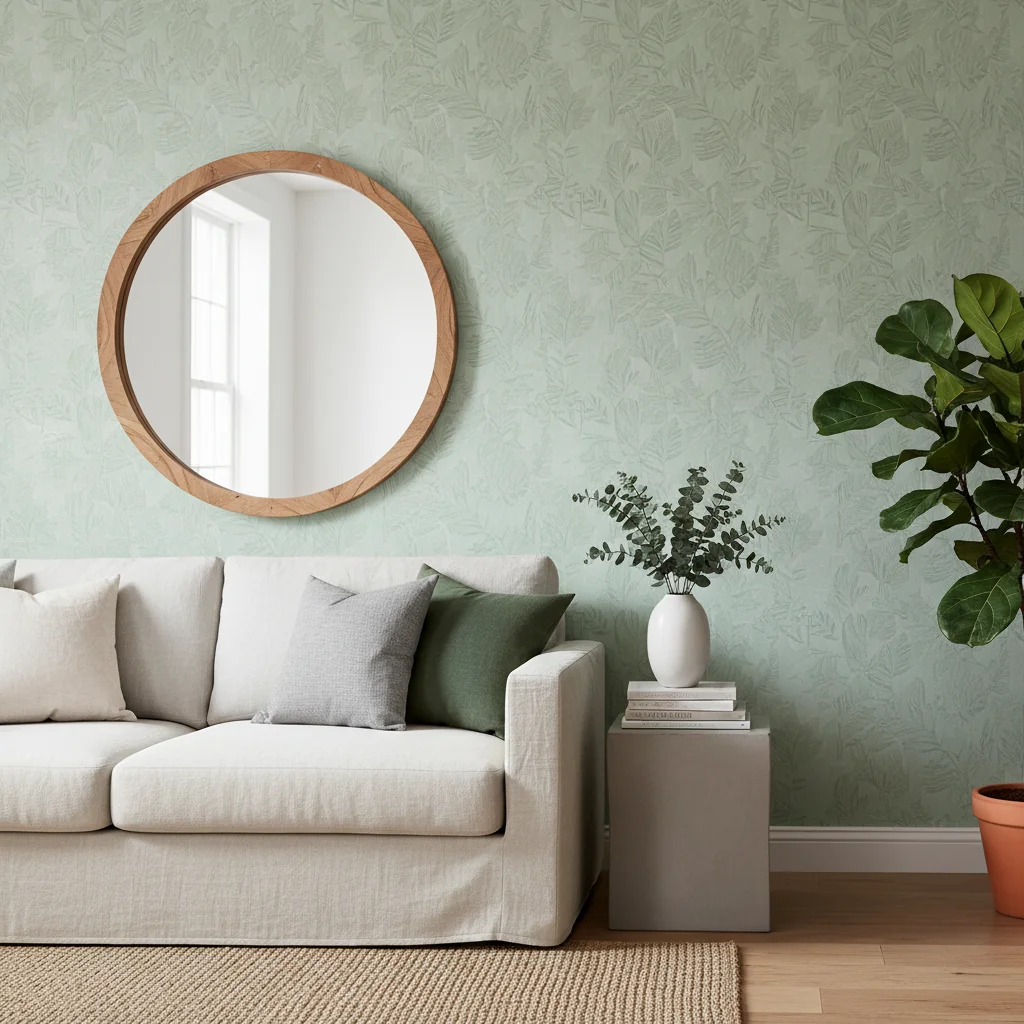
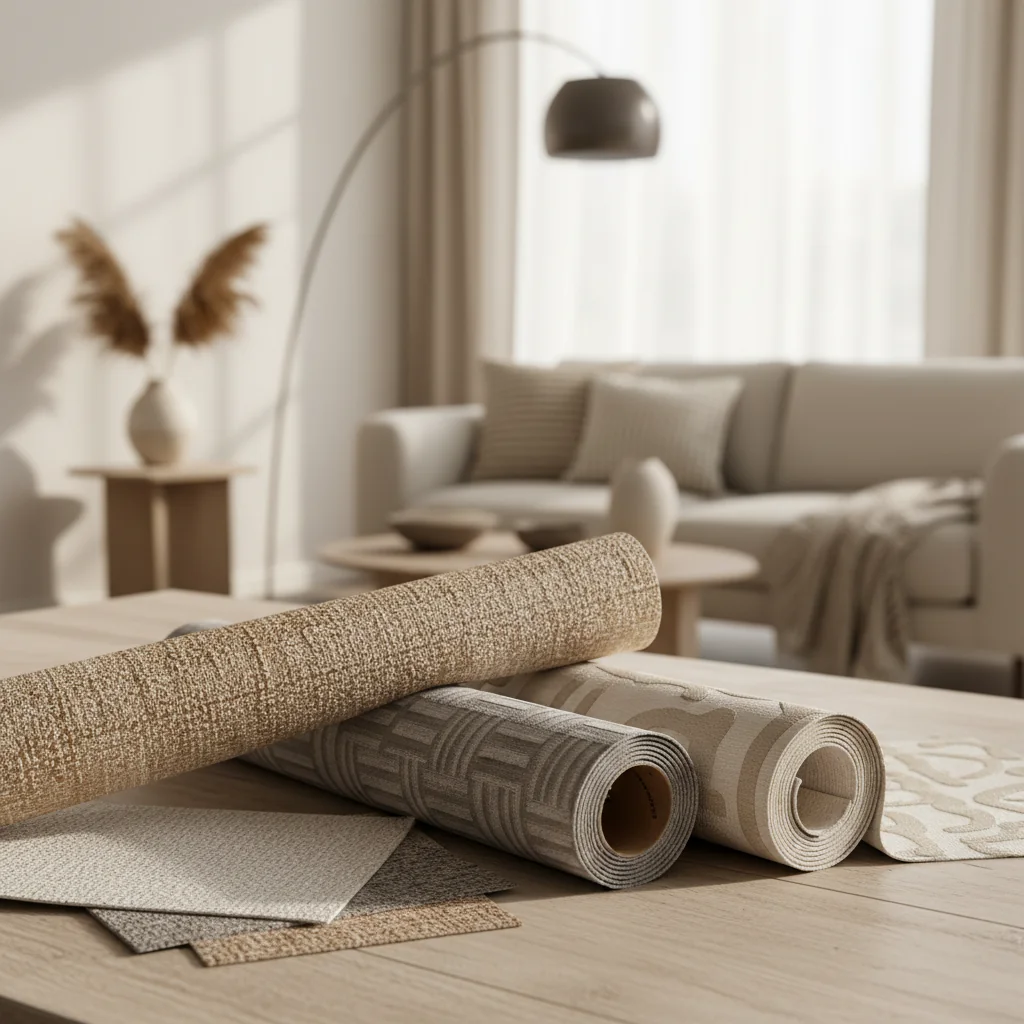
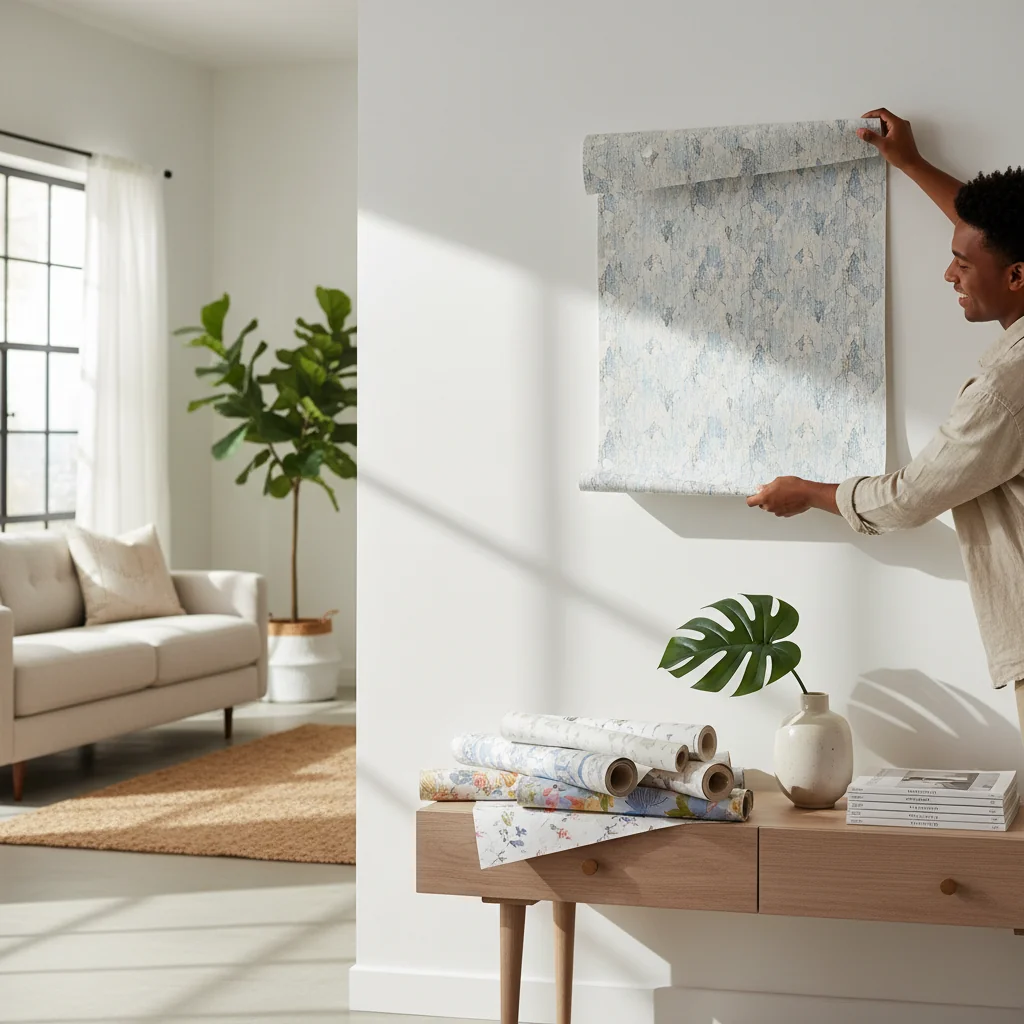
Textured wallpaper is a sophisticated design element that introduces tactile depth and visual interest to interior spaces, moving beyond flat patterns to create a multi-dimensional aesthetic. It achieves this by featuring raised surfaces, embedded natural fibers, or unique material compositions that engage both sight and touch, effectively transforming a room’s ambiance without relying on bold colors or intricate motifs. This design choice offers a powerful way to add character, warmth, and a sense of luxury, making walls feel more substantial and inviting.
Key Takeaways
- Textured wallpaper adds significant tactile and visual depth, enhancing a room’s character and sophistication without relying on flat patterns.
- Types range from classic embossed vinyl and natural grasscloth to modern mica and cork, each offering distinct aesthetics and functional benefits.
- Choosing the right texture involves considering room purpose, lighting conditions, desired mood, durability requirements, and installation method (peel-and-stick vs. traditional paste).
- Precise measurement is crucial for accurate material estimation, typically involving wall height and width, with an added buffer for pattern matching and waste.
- Proper care, specific to the material, ensures longevity, with most textured wallpapers requiring gentle cleaning and avoiding harsh chemicals.
- Styling with textured wallpaper allows for versatile design, from creating a subtle backdrop to serving as a dramatic focal point, complementing various furniture and lighting schemes.
What is Textured Wallpaper?
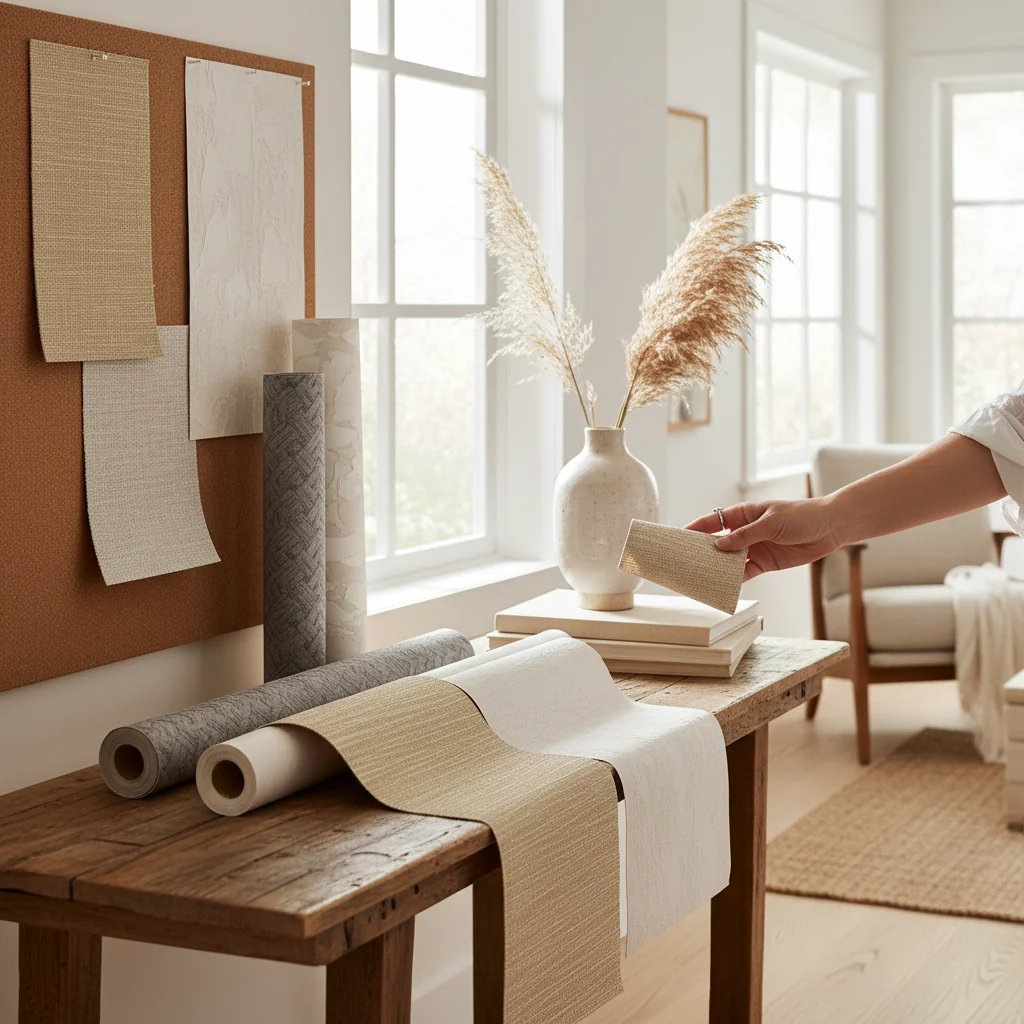
Textured wallpaper is a wallcovering designed to add tactile depth and visual interest to a surface through its physical structure rather than solely through printed patterns or colors. It achieves this dimensionality through various manufacturing processes, such as embossing, flocking, or incorporating natural fibers, resulting in a three-dimensional effect that can mimic materials like fabric, stone, wood, or even abstract designs. This inherent texture provides a subtle yet impactful way to introduce character and warmth to a room, enhancing its perceived size and comfort.
Unlike flat wallpapers that rely on printed motifs, textured wallpaper’s primary characteristic is its raised surface, which interacts dynamically with light. Shadows and highlights play across its contours, creating a continuous visual flow that changes throughout the day. This dynamic quality adds a layer of sophistication, making walls feel more substantial and less static. It can serve as a foundational element in design, offering a rich backdrop that complements a wide range of furnishings and decorative styles.
The construction of textured wallpaper often involves a base layer, typically paper or non-woven material, onto which various textures are applied or formed. For instance, embossed wallpapers use dies to press a pattern into the material, creating raised areas. Flocked wallpapers feature tiny fibers adhered to the surface, giving a velvet-like feel. Natural fiber wallpapers, such as grasscloth, incorporate actual plant materials woven onto a backing. Each method contributes to a distinct aesthetic and tactile experience, allowing for immense versatility in interior design.
Textured wallpaper is a wallcovering characterized by its three-dimensional surface, which adds physical depth and tactile interest to a wall, distinguishing it from flat, printed designs. Its unique ability to add dimension without overwhelming a space makes it a favored choice for designers seeking to create refined and inviting interiors. The subtle play of light and shadow on its surface can also help to disguise minor wall imperfections, offering a practical benefit alongside its aesthetic appeal.
The Enduring Appeal of Texture in Interior Design
Texture plays a pivotal role in interior design by engaging our sense of touch and sight, adding a crucial layer of depth and comfort that flat surfaces alone cannot provide. It creates a multi-sensory experience within a space, contributing significantly to its overall ambiance and perceived warmth. The strategic incorporation of texture can transform a room from merely functional to profoundly inviting and visually rich, making it a cornerstone of sophisticated design.
The human brain is naturally drawn to variation and complexity, and texture delivers this in spades. When we encounter a textured surface, our eyes perceive not just color and pattern, but also the interplay of light and shadow, which adds a dynamic quality to the environment. This visual depth makes a room feel more layered and thoughtfully designed. Furthermore, the tactile quality of texture evokes a sense of comfort and authenticity, grounding a space and making it feel more lived-in and welcoming.
In design, texture serves several key functions:
- Adds Visual Interest: Even in monochromatic schemes, texture provides variety and prevents a space from feeling flat or sterile. A smooth, reflective surface next to a coarse, matte one creates a compelling contrast.
- Enhances Perceived Warmth: Materials like grasscloth, cork, or flocked wallpaper inherently add a sense of coziness and softness, making a room feel more comfortable and less austere.
- Defines Space and Zones: Using different textures can subtly delineate areas within an open-plan layout or highlight architectural features, guiding the eye without the need for physical barriers.
- Masks Imperfections: The uneven surface of textured wallpaper is remarkably effective at camouflaging minor wall blemishes, cracks, or uneven plaster, offering a practical solution for less-than-perfect walls.
- Creates a Foundation for Other Elements: A subtle textured wallcovering can act as a sophisticated backdrop, allowing furniture, artwork, and accessories to stand out without competing for attention. It provides a quiet richness that elevates the entire decor.
The enduring appeal of texture lies in its ability to add personality and depth without overwhelming the space. It is a nuanced design tool that speaks to our innate desire for tactile engagement and visual complexity, making it an indispensable element in crafting truly exceptional interiors.
Types of Textured Wallpaper: A Comprehensive Guide
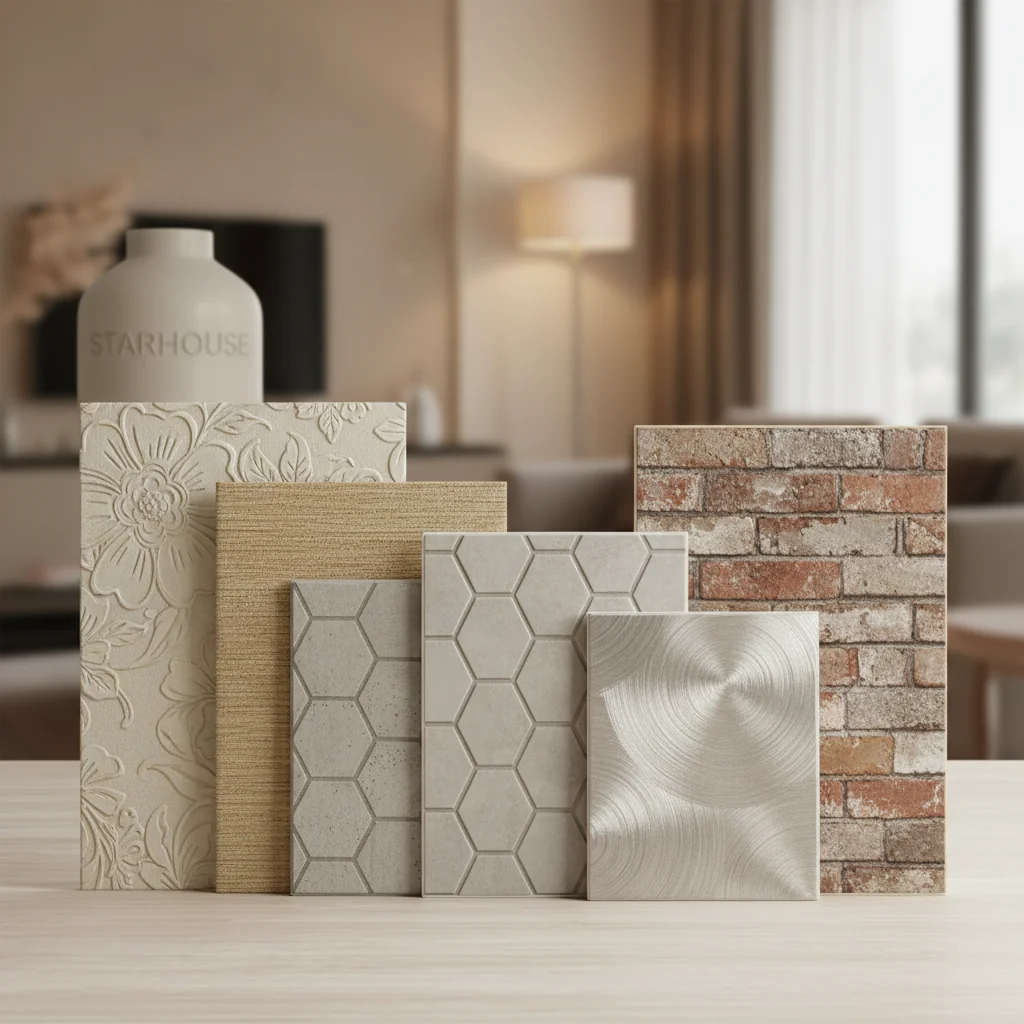
Textured wallpaper encompasses a diverse array of materials and manufacturing techniques, each offering a unique aesthetic and functional profile suitable for various design intentions and practical requirements. Understanding these different types is crucial for selecting a wallcovering that not only looks appealing but also performs optimally in its intended environment. From subtle embossed patterns to boldly organic natural fibers, the options provide extensive creative freedom.
Embossed Wallpaper
Embossed wallpaper features raised patterns pressed into the paper or vinyl during manufacturing, creating a three-dimensional surface that adds depth and visual interest without relying on printed color or intricate motifs. This technique is one of the most common forms of textured wallpaper, offering a wide range of designs from subtle stipples and linen effects to more pronounced geometric or floral reliefs.
- Characteristics: The raised patterns create shadows and highlights, adding depth. Often paintable, allowing for customization of color while retaining the texture.
- Materials: Typically made from paper or vinyl. Vinyl options are generally more durable and washable.
- Ideal Use: Excellent for disguising minor wall imperfections. Suitable for almost any room, including high-traffic areas if vinyl-based. Popular in traditional and contemporary settings.
Anaglypta and Lincrusta
These are specialized forms of embossed wallpaper known for their exceptional durability and deep, intricate relief patterns.
- Anaglypta: Made from paper pulp, often reinforced with cotton, it creates deep, often historical or architectural patterns. It is designed to be painted after installation, allowing for personalized color schemes. Highly durable and excellent for masking significant wall imperfections.
- Lincrusta: A much heavier and more rigid wallcovering made from gelled linseed oil, wood flour, and other natural materials. It offers extraordinarily deep, sculptural patterns that resemble carved wood or plasterwork. Lincrusta is incredibly long-lasting, often considered a permanent architectural feature, and is also designed to be painted.
- Ideal Use: Both are perfect for period homes, grand hallways, dining rooms, or areas where a robust, highly decorative, and paintable surface is desired. Lincrusta is particularly well-suited for high-impact areas due to its extreme resilience.
Grasscloth and Natural Fiber Wallcoverings
Grasscloth is a natural wallcovering made from woven plant fibers, such as jute, sisal, bamboo, or arrowroot, adhered to a paper backing, renowned for its organic texture and subtle variations in color and weave. These materials bring an unparalleled sense of nature, warmth, and artisanal craftsmanship to interiors.
- Characteristics: Each roll is unique due to natural variations in the fibers, creating seams that are often visible and part of its charm. Provides excellent sound absorption. Non-washable and delicate, susceptible to moisture.
- Materials: Jute, sisal, arrowroot, bamboo, seagrass, hemp, and even fine woods.
- Ideal Use: Living rooms, bedrooms, studies, or dining rooms where a sophisticated, organic, and serene atmosphere is desired. Best in low-traffic areas away from moisture.
Fabric-Backed Vinyl Wallpaper
This type consists of a solid or expanded vinyl surface layer bonded to a fabric backing (usually cotton or polyester).
- Characteristics: Extremely durable, scrubbable, and resistant to moisture and staining. Often features embossed textures mimicking fabrics, leather, or other materials. Excellent for high-traffic areas.
- Materials: Vinyl surface, fabric backing.
- Ideal Use: Commercial spaces, kitchens, bathrooms, hallways, and children’s rooms where durability and ease of cleaning are paramount.
Flock Wallpaper
Flock wallpaper features a pattern created by adhering tiny fibers (often rayon or nylon) to the surface of the paper, creating a soft, velvety, raised texture.
- Characteristics: Luxurious and tactile feel, reminiscent of velvet or suede. Adds a sense of opulence and warmth. Can be delicate and is not typically washable.
- Materials: Paper or non-woven backing with synthetic fibers.
- Ideal Use: Formal living rooms, master bedrooms, dining rooms, or powder rooms where a rich, elegant, and intimate ambiance is desired.
Bead Wallpaper
This wallcovering incorporates small glass beads onto the surface, creating a sparkling, often iridescent texture.
- Characteristics: Highly reflective, catching and refracting light to create a shimmering effect. Delicate and not suitable for high-traffic or moist areas.
- Materials: Paper or non-woven backing with glued glass beads.
- Ideal Use: Accent walls, powder rooms, or behind headboards where a touch of glamour and sparkle is desired.
Mica Wallpaper
Mica wallpaper features crushed mica chips embedded into the surface, creating a subtle, shimmering, and mineral-like texture.
- Characteristics: Offers a sophisticated, often metallic sheen that interacts beautifully with light. Adds a subtle layer of luxury and depth. Generally durable but can be delicate.
- Materials: Mica chips on paper or non-woven backing.
- Ideal Use: Modern living rooms, elegant bedrooms, or upscale commercial settings.
Cork Wallpaper
Thin sheets of natural cork are adhered to a paper or non-woven backing, providing an organic, rustic, and warm texture.
- Characteristics: Excellent sound absorption and insulation properties. Naturally antimicrobial. Each piece is unique. Generally durable but can be fragile during installation.
- Materials: Natural cork veneer on a backing.
- Ideal Use: Studies, home offices, bedrooms, or living rooms where warmth, sound dampening, and a connection to nature are desired.
Wood Veneer Wallpaper
Consists of very thin slices of real wood adhered to a flexible backing, allowing for the natural grain and texture of wood to be applied to walls.
- Characteristics: Provides an authentic wood aesthetic with natural variations. Can be stained or finished. Requires careful handling during installation.
- Materials: Real wood veneer on paper or non-woven backing.
- Ideal Use: Feature walls, studies, or areas where the warmth and sophisticated look of wood paneling are desired without the bulk.
Textile/Fabric Wallpaper
Actual fabrics (like silk, linen, grasscloth, felt, or even velvet) are laminated onto a paper or non-woven backing.
- Characteristics: Offers a soft, luxurious, and tactile surface. Provides excellent sound absorption. Often delicate and not washable.
- Materials: Various fabrics on a backing.
- Ideal Use: Bedrooms, formal living areas, dining rooms, or anywhere a soft, opulent, and acoustically enhanced environment is desired.
Non-Woven Wallpaper with Embossed Textures
While non-woven refers to the backing material (a blend of synthetic and natural fibers), many non-woven wallpapers feature embossed textures.
- Characteristics: Extremely easy to install (paste the wall) and remove (strips dry). Durable, breathable, and often washable. Offers a stable base for various textures.
- Materials: Non-woven backing with various surface finishes, often embossed.
- Ideal Use: Highly versatile for any room, especially popular for DIY enthusiasts due to ease of handling. Suitable for both decorative and functional purposes.
This comprehensive understanding of textured wallpaper types empowers designers and homeowners to make informed decisions that align with both their aesthetic vision and practical needs, ensuring a beautiful and enduring result.
Choosing the Right Textured Wallpaper for Your Space
Selecting the ideal textured wallpaper involves a thoughtful consideration of several key factors, including the room’s function, existing decor, lighting conditions, desired ambiance, and practical considerations like durability and maintenance. A strategic approach ensures the chosen texture enhances the space harmoniously and meets the demands of daily living. Each element plays a critical role in guiding the selection process towards a successful outcome.
1. Consider the Room’s Function and Traffic Level
The purpose of the room dictates the required durability and washability of the wallpaper.
- High-Traffic Areas (Hallways, Kids’ Rooms, Kitchens): Opt for highly durable, scrubbable, and moisture-resistant options like fabric-backed vinyl or heavy-duty embossed vinyl. These materials can withstand frequent cleaning and resist scuffs and impacts.
- Moderate-Traffic Areas (Living Rooms, Dining Rooms, Bedrooms): Non-woven embossed wallpapers, cork, or mica options offer a good balance of durability and aesthetic appeal. They are generally more forgiving than delicate natural fibers.
- Low-Traffic/Formal Areas (Master Bedrooms, Studies, Powder Rooms): This is where you can explore more delicate and luxurious textures such as grasscloth, silk, flock, or bead wallpaper. These materials require less frequent cleaning and are less prone to damage.
2. Evaluate Existing Decor and Style
The wallpaper should complement, not compete with, your current furniture, textiles, and overall aesthetic.
- Modern/Minimalist: Look for subtle, linear textures like fine linen weaves, smooth embossed patterns, or concrete-effect textures. Neutral colors will maintain the clean aesthetic.
- Traditional/Classic: Anaglypta, Lincrusta, or flock wallpapers with damask or historical patterns can enhance a sense of timeless elegance. Grasscloth also works well for adding warmth.
- Bohemian/Organic: Natural fiber wallpapers like grasscloth, cork, or wood veneer perfectly align with an earthy, relaxed, and eclectic style.
- Glamorous/Luxurious: Mica, bead, or silk wallpapers with a subtle sheen or rich tactile quality will elevate the opulence.
3. Assess Lighting Conditions
How light interacts with the texture significantly impacts its appearance and the room’s mood.
- Rooms with Abundant Natural Light: Almost any texture will perform well. Reflective textures like mica or bead will sparkle, while deep embossed patterns will showcase dramatic shadows.
- Rooms with Limited Natural Light: Opt for lighter-colored textures that reflect light, such as subtle linen textures or light-colored embossed patterns. Avoid very dark or overly dense textures, which can make the room feel smaller and heavier.
- Artificial Lighting: Consider how lamps and overhead fixtures will highlight the texture. Uplighting can emphasize relief patterns, while diffused light can soften them.
4. Determine Desired Mood and Scale
Texture can profoundly influence the emotional atmosphere of a space.
- Cozy and Intimate: Darker, richer textures like deep grasscloth, cork, or flock wallpaper can create a snug, enveloping feel.
- Spacious and Airy: Lighter, subtle textures with a slight sheen or fine linear patterns can contribute to an open and expansive atmosphere.
- Dramatic and Bold: Large-scale embossed patterns, highly sculptural Lincrusta, or intensely woven natural fibers can serve as a powerful focal point.
- Subtle and Serene: Fine, understated textures that mimic plaster, raw silk, or delicate weaves provide a calming backdrop.
5. Consider Installation and Budget
Practicalities are just as important as aesthetics.
- DIY-Friendly: Peel-and-stick textured options or non-woven paste-the-wall types are generally easier for homeowners to install.
- Professional Installation: More delicate or complex materials like grasscloth, Lincrusta, or wood veneer often benefit from professional installation to ensure a flawless finish.
- Budget: Prices vary significantly. Embossed vinyls are often more budget-friendly, while natural fibers, Lincrusta, and high-end textile wallpapers represent a greater investment. Factor in installation costs if hiring a professional.
By systematically evaluating these factors, you can confidently select a textured wallpaper that not only transforms your walls but also perfectly aligns with your design vision and lifestyle needs.
At Starhouse, we understand that selecting the perfect textured wallpaper is a deeply personal journey, reflecting your unique style and vision for your home. We are curating a collection that speaks to diverse tastes and needs, from the subtly elegant to the boldly dramatic. We invite you to tell us what you’re looking for in your space, and get early access to our collection tailored to your preferences.
Understanding Materials and Construction
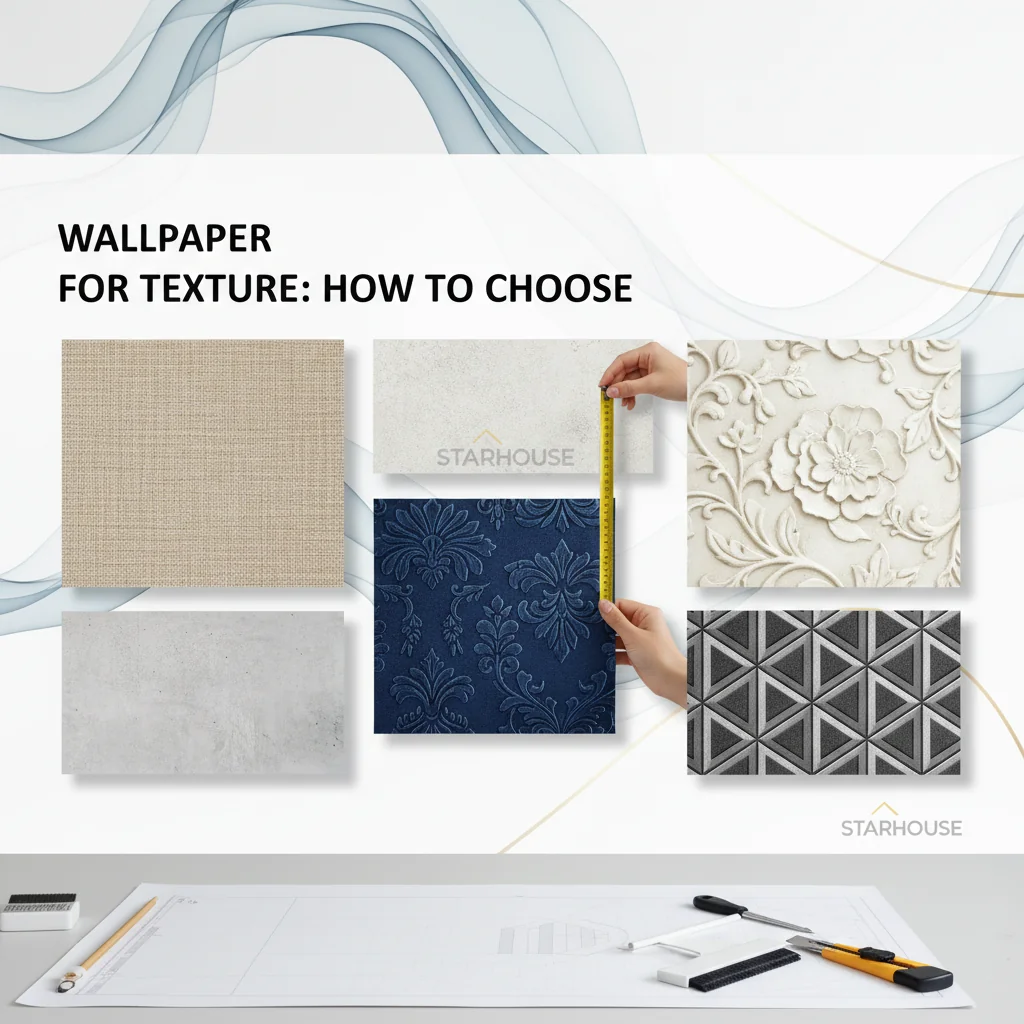
The material composition and construction method of textured wallpaper are fundamental to its appearance, durability, and suitability for different environments. These aspects dictate everything from how the wallpaper interacts with moisture and light to its ease of installation and long-term maintenance. A thorough understanding of these technical details empowers consumers to make informed choices that align with both their aesthetic preferences and practical requirements.
Base Materials
The foundation of most wallpapers is either paper or a non-woven material, each with distinct properties.
-
Paper-Backed: Traditional wallpaper often uses a paper backing.
- Pros: Can be more affordable, offers a classic aesthetic, good for breathability.
- Cons: More prone to expansion/contraction when wet, making installation more challenging (requires booking time). Can be difficult to remove without damage. Less durable and washable than non-woven or vinyl.
-
Non-Woven Backing: A blend of natural and synthetic fibers (like cellulose and polyester) that provides superior strength and stability.
- Pros: Dimensionally stable (doesn’t expand/contract significantly), making it much easier to install (paste the wall method). Highly breathable, preventing mold and mildew. Strips dry from the wall easily for removal. More durable and often washable.
- Cons: Generally higher cost than paper-backed options.
Surface Materials and Texturing Processes
The top layer and how the texture is created define the visual and tactile characteristics.
-
Vinyl (Solid Sheet Vinyl, Expanded Vinyl, Fabric-Backed Vinyl):
- Solid Sheet Vinyl: A solid layer of vinyl is laminated to a paper or fabric backing. Extremely durable, washable, and moisture-resistant. Often embossed to create textures.
- Expanded Vinyl: Vinyl is printed and then heated, causing certain inks to expand and create a raised, foamy texture. Offers soft, often cushioned textures. Good for hiding imperfections.
- Fabric-Backed Vinyl: A heavy vinyl layer laminated to a fabric (e.g., cotton, polyester) backing. Offers maximum durability, scrubbability, and tear resistance. Ideal for high-traffic commercial and residential areas.
- Overall Vinyl Pros: Excellent durability, water resistance, easy to clean, good for high-traffic areas, hides imperfections well.
- Overall Vinyl Cons: Can be less breathable (though some modern vinyls are micro-perforated), some older types may off-gas VOCs (Volatile Organic Compounds), though newer formulations are much safer.
-
Natural Fibers (Grasscloth, Jute, Sisal, Cork, Wood Veneer):
- Construction: Woven plant fibers or thin natural materials are adhered to a paper or non-woven backing.
- Pros: Unique, organic, and authentic textures. Adds warmth, depth, and a connection to nature. Often biodegradable and sustainable. Can offer sound absorption.
- Cons: Generally more delicate, not washable, sensitive to moisture and humidity, can fade in direct sunlight. Visible seams are characteristic. Higher cost and more challenging installation.
-
Textile/Fabric:
- Construction: Actual fabric (silk, linen, velvet, rayon, felt) laminated to a paper or non-woven backing.
- Pros: Luxurious, soft, and highly tactile. Excellent sound absorption. Creates a rich, opulent feel.
- Cons: Very delicate, not washable, prone to staining and damage. High cost. Requires professional installation.
-
Flock:
- Construction: Tiny fibers (rayon, nylon) are electrostatically applied to a pre-printed adhesive pattern on a paper or non-woven backing, creating a raised, velvety texture.
- Pros: Distinctive, luxurious feel. Adds depth and a vintage or opulent aesthetic.
- Cons: Delicate, not washable, can attract dust, difficult to clean.
-
Mica/Bead:
- Construction: Crushed mica chips or small glass beads are adhered to a paper or non-woven backing.
- Pros: Creates a shimmering, reflective, and glamorous effect. Adds sparkle and unique visual interest.
- Cons: Can be delicate, not always washable, prone to shedding beads or chips if not properly installed or cared for.
Peel-and-Stick vs. Traditional Paste
The adhesive method is another critical construction factor.
-
Peel-and-Stick (Self-Adhesive): Features an adhesive backing protected by a removable liner.
- Pros: Easiest for DIY installation, repositionable, temporary (good for renters), no messy paste.
- Cons: Adhesion might weaken over time in high humidity, limited texture options compared to traditional, often thinner material, may not adhere well to highly textured or poorly prepped walls.
-
Traditional Paste (Pre-Pasted, Unpasted, Paste-the-Wall):
- Pre-Pasted: Has dried adhesive on the back that is activated by water.
- Unpasted: Requires separate adhesive application (either to the wallpaper or the wall).
- Paste-the-Wall: Designed for non-woven backings where the adhesive is applied directly to the wall.
- Pros: Wider range of materials and textures, often more durable and long-lasting adhesion, generally higher quality materials.
- Cons: More involved and potentially messier installation process, may require professional help.
Understanding these material and construction nuances is essential for selecting a textured wallpaper that not only fulfills aesthetic desires but also performs reliably and endures beautifully in its intended application.
Sizing, Measuring, and Installation Considerations
Accurate sizing and meticulous preparation are paramount for a successful textured wallpaper installation, ensuring a seamless finish and minimizing material waste. Proper measurement techniques and an understanding of installation methods are crucial steps that directly impact the final aesthetic and longevity of your wallcovering. Even the most exquisite textured wallpaper will fall short without precise execution in these foundational stages.
1. Accurate Measuring for Material Estimation
Begin by precisely measuring each wall you intend to cover.
- Measure Wall Height: Measure from the top of the baseboard to the ceiling line. For walls with varying heights (e.g., sloped ceilings), measure the highest point.
- Measure Wall Width: Measure the total width of each wall.
- Calculate Square Footage: Multiply the height by the width for each wall, then sum these totals for the room’s total square footage.
- Account for Openings: While some suggest subtracting windows and doors, it’s generally safer to include them in your initial calculation, especially for textured wallpapers with pattern repeats, as you’ll need to cut around them. This acts as a built-in buffer.
- Determine Roll Coverage: Wallpaper rolls come in standard widths (e.g., 20.5 inches, 27 inches, 36 inches) and lengths (e.g., 16.5 feet, 33 feet). Check the specific coverage for your chosen wallpaper, usually listed in square feet per roll (e.g., 56 sq ft).
-
Calculate Number of Rolls: Divide your total wall square footage by the roll coverage.
Example: If your room is 10 ft high and 40 ft wide (total 400 sq ft) and a roll covers 56 sq ft, you’d need 400 / 56 ≈ 7.14 rolls.
-
Add for Waste and Pattern Repeat: This is a critical step for textured wallpapers, especially those with a repeating pattern or natural variations like grasscloth where seams are inherent.
- General Rule: Add 15-20% extra to your roll count to account for trimming, matching patterns, and potential mistakes. For large pattern repeats (over 20 inches), you may need to add even more.
- Pattern Repeat Consideration: A larger pattern repeat means more waste per strip to align the design seamlessly. Always consult the manufacturer’s recommendations for specific pattern repeat allowances.
- Natural Textures (Grasscloth, Cork): Even without a pattern repeat, these materials require careful alignment and trimming, and natural variations mean some pieces may need to be discarded. A 10-15% buffer is still advisable.
- Round Up: Always round up to the next full roll. It’s better to have a little extra for future repairs or mistakes than to run short.
For example, if you need 7.14 rolls and add 20% for waste, you’d calculate 7.14 * 1.20 = 8.568, rounding up to 9 rolls.
2. Wall Preparation
Proper wall preparation is non-negotiable for a professional-looking and long-lasting installation.
- Clean Walls: Wash walls with a mild detergent and rinse thoroughly. Allow to dry completely.
- Repair Imperfections: Fill any holes or cracks with spackle, sand smooth, and prime. Textured wallpaper can hide minor flaws, but major ones will still show through.
- Remove Old Wallpaper: Completely remove any existing wallpaper. Do not wallpaper over old layers, especially with textured options, as it can lead to bubbling, peeling, and an uneven finish.
- Prime Walls: Apply a high-quality wallpaper primer (often called “sizing”). This seals the wall, promotes adhesion, and makes future removal easier. For dark walls under light wallpaper, use a tinted primer to prevent bleed-through. For peel-and-stick, use a primer specifically designed for temporary wallcoverings to ensure good adhesion without damage upon removal.
- Ensure Smoothness: For very thin or delicate textured wallpapers (like certain natural fibers), an ultra-smooth wall surface is crucial, as any bumps or grit will be visible.
3. Installation Methods: Peel-and-Stick vs. Traditional Paste
The type of wallpaper dictates the installation method.
| Feature | Peel-and-Stick (Self-Adhesive) | Traditional Paste (Unpasted/Pre-Pasted/Paste-the-Wall) |
|---|---|---|
| Adhesion | Built-in adhesive backing, just peel and apply. | Requires separate paste application to wall or paper, or water activation for pre-pasted. |
| Difficulty | Generally easier for DIYers, repositionable. | More involved, requires precision and often booking time; professional help is common. |
| Mess Level | Minimal mess, no paste required. | Can be messy with paste, requires drop cloths and clean-up. |
| Durability/Longevity | Good for temporary use, may lift over time in high humidity. | Strong, long-lasting adhesion; suitable for permanent installations. |
| Material Range | Limited range of textures, often thinner vinyl or non-woven. | Vast range of materials (natural fibers, heavy vinyl, textiles, Lincrusta). |
| Wall Prep | Clean, smooth, primed walls are essential for good adhesion and clean removal. | Clean, smooth, primed walls are essential for optimal adhesion and finish. |
| Removal | Designed for easy, clean removal without wall damage (if prepped correctly). | Removal can vary; non-woven strips dry, paper-backed may require steaming/soaking. |
For complex or high-value textured wallpapers, especially natural fibers or heavy Lincrusta, hiring a professional wallpaper installer is highly recommended. Their expertise ensures precise pattern matching, seamless joins, and proper adhesion, guaranteeing a flawless and durable result that justifies the investment. York Wallcoverings, a leading manufacturer, emphasizes the importance of proper wall preparation and adherence to manufacturer instructions for optimal results with any wallcovering product yorkwallcoverings.com.
Styling with Textured Wallpaper: Elevating Every Room
Styling with textured wallpaper offers immense versatility in interior design, allowing for the creation of nuanced atmospheres ranging from understated elegance to bold drama. The key lies in understanding how different textures interact with other design elements, such as furniture, lighting, and complementary wall treatments, to achieve a cohesive and sophisticated aesthetic. It can serve as a subtle backdrop or a striking focal point, depending on the chosen texture and its application.
1. Accent Wall vs. Full Room Application
The extent of wallpaper application significantly impacts the overall design effect.
- Accent Wall: Applying a textured wallpaper to a single wall creates a focal point, drawing the eye and adding depth without overwhelming the space. This approach is ideal for showcasing a particularly bold or luxurious texture, such as a rich grasscloth behind a bed, a shimmering mica wall in a dining room, or a dramatic embossed pattern behind a console table in a living room. It’s a cost-effective way to introduce texture and can be easily changed if tastes evolve.
- Full Room Application: Covering all four walls with a textured wallpaper creates an immersive and enveloping experience. This works best with subtle, monochromatic textures that add warmth and softness without visual clutter, such as a fine linen-look embossed vinyl or a muted cork. In smaller rooms like powder rooms or studies, even a more pronounced texture can create an intimate, jewel-box effect. The goal here is to build a rich, layered foundation for the room’s design.
2. Pairing with Furniture and Textiles
The interplay between textured walls and furnishings is crucial for a harmonious interior.
- Contrast is Key: If your wallpaper has a strong, rough texture (e.g., coarse grasscloth, deeply embossed patterns), balance it with smoother, softer furniture fabrics like velvet, silk, or polished wood. Conversely, a subtle, refined wall texture can be paired with more tactile furniture, such as bouclé chairs, chunky knit throws, or rustic wooden tables.
- Complementary Colors: Choose furniture and textile colors that either match the undertones of the wallpaper or provide a pleasing contrast. For example, a warm beige grasscloth pairs beautifully with creams, soft greens, or even deep blues.
- Scale and Proportion: Ensure the scale of the furniture suits the texture. A large-scale textured pattern might overpower delicate furniture, while a subtle texture could get lost behind very heavy pieces.
- Layering Textures: Don’t stop at the walls. Continue the textural story with throw pillows, area rugs, curtains, and upholstery to create a rich, layered environment. For instance, a wall with a subtle plaster texture could be complemented by a chunky wool rug, linen drapes, and a leather sofa.
3. Enhancing with Lighting
Lighting is perhaps the most powerful tool for highlighting and transforming textured wallpaper.
- Grazing Light: Position wall sconces, picture lights, or floor lamps close to the wall to create a grazing effect. This emphasizes the three-dimensional quality of the texture, casting dramatic shadows and highlights that accentuate its depth. This technique is particularly effective for embossed, Anaglypta, or deeply woven textures.
- Uplighting/Downlighting: Recessed lighting or floor lamps directed upwards or downwards along a textured wall can create a soft wash of light that enhances the texture without harsh shadows, suitable for more subtle finishes like mica or fine textile wallpapers.
- Natural Light: Observe how natural light changes throughout the day. A textured wall near a window will look different in morning light compared to afternoon sun, adding a dynamic element to the room.
4. Integrating with Other Wall Treatments and Artwork
Textured wallpaper can coexist beautifully with other wall finishes and artwork.
- Mixing Wall Finishes: Combine a textured wallpaper accent wall with painted walls in a complementary color. This creates visual interest and breaks up monotony.
- Artwork Placement: For subtle textures, artwork can be hung directly over the wallpaper. For more pronounced textures, consider simpler, perhaps framed, artwork that doesn’t compete with the wall itself. Alternatively, let the textured wall be the artwork, opting for minimal decor.
- Architectural Details: Textured wallpaper can highlight architectural features like fireplace surrounds, built-in shelving, or niches, turning them into points of interest.
5. Creating Specific Moods
Different textures evoke different feelings:
- Serene and Calm: Soft, muted textures like subtle linen weaves, light grasscloth, or fine cork in neutral tones.
- Dramatic and Luxurious: Deeply embossed patterns, flock, mica, or rich textile wallpapers in jewel tones or dark neutrals.
- Rustic and Organic: Coarse grasscloth, cork, wood veneer, or woven jute textures.
- Modern and Sophisticated: Geometric embossed patterns, metallic textures, or smooth concrete-effect vinyl.
By thoughtfully combining these elements, textured wallpaper becomes a powerful design tool, capable of transforming any room into a space of refined beauty and distinct character.
Current Trends in Textured Wallpaper Design
Current trends in textured wallpaper design reflect a growing appreciation for organic aesthetics, sustainable materials, and the desire for subtle sophistication over overt patterns. Designers and homeowners are increasingly drawn to textures that evoke a sense of calm, authenticity, and connection to nature, while also embracing innovative techniques that push the boundaries of dimensional design. These trends emphasize tactile experiences and visual depth, creating spaces that feel both refined and inviting.
1. Biophilic and Organic Textures
There is a strong movement towards bringing the outdoors in, with textured wallpapers mimicking natural elements.
- Grasscloth and Natural Fibers: Always a classic, but experiencing a resurgence. Jute, sisal, cork, and bamboo wallpapers are popular for their inherent variations, warmth, and eco-friendly appeal. They create a serene, grounded atmosphere.
- Wood and Stone Effects: Realistic embossed vinyls that replicate the grain of natural wood, the rough-hewn look of stone, or the subtle imperfections of concrete are highly sought after. These offer the aesthetic of natural materials with the practicality of wallpaper.
- Botanical Embossings: Subtle embossed patterns that feature leaves, delicate branches, or organic flowing lines, often in tone-on-tone colors, provide a gentle nod to nature without being overtly floral.
2. Subtle Metallics and Mineral Shimmers
A refined approach to glamour, moving away from high-gloss to more understated luminosity.
- Mica and Mineral Textures: Wallpapers embedded with crushed mica, quartz, or other minerals create a sophisticated, soft shimmer that catches light beautifully. These add a luxurious touch without being ostentatious.
- Brushed Metals: Textures that mimic brushed gold, silver, bronze, or copper, often with a subtle linear or hammered effect, provide an industrial-chic or understated glamorous feel. These work well in modern and contemporary settings.
3. Artisanal and Handcrafted Looks
A desire for authenticity and the unique touch of human craftsmanship.
- Woven Textures: Beyond traditional grasscloth, there’s interest in wallpapers that replicate the look of hand-woven textiles, chunky knits, or even basket weaves. These textures add warmth and a sense of bespoke quality.
- Plaster and Limewash Effects: Embossed or expanded vinyls that convincingly mimic the imperfect, chalky finish of Venetian plaster or limewash walls are trending. They offer a sophisticated, aged look that adds architectural interest.
- Abstract and Irregular Textures: Textures that don’t conform to a perfect pattern, offering an organic, almost painterly feel, are gaining popularity for their unique character.
4. Focus on Wellness and Sensory Experience
Design is increasingly about creating spaces that promote well-being, and texture plays a significant role.
- Soft and Tactile Textures: Velvety flock, soft felt, or plush textile wallpapers are chosen for their comforting touch and ability to absorb sound, contributing to a more serene environment.
- Sound-Absorbing Textures: Cork, heavy textiles, and some thick embossed wallpapers are valued not just for their look but also for their functional benefit in improving acoustics in a room.
5. Innovative Materials and Sustainable Options
Advancements in manufacturing allow for new textural possibilities while addressing environmental concerns.
- Recycled Content: Wallpapers made from recycled paper, plastic, or even upcycled textiles are becoming more available, offering textured options with a reduced environmental footprint.
- Water-Based Inks and VOC-Free: A preference for wallpapers produced with environmentally friendly inks and free from harmful volatile organic compounds, ensuring healthier indoor air quality.
- Peel-and-Stick Textures: The convenience of peel-and-stick is now available in a wider array of textured finishes, making temporary or DIY applications more accessible.
These trends highlight a shift towards textures that are not only visually appealing but also contribute to the overall feel and function of a space, emphasizing natural beauty, craftsmanship, and mindful living.
Care and Maintenance for Lasting Beauty
Proper care and regular maintenance are essential for preserving the beauty and extending the lifespan of textured wallpaper, ensuring it remains a striking feature in your home for years to come. The specific cleaning regimen depends heavily on the wallpaper’s material and its washability rating, making it crucial to understand the manufacturer’s guidelines. Neglecting these instructions can lead to damage, discoloration, or premature deterioration of the delicate textures.
Understanding Washability Ratings
Before attempting any cleaning, always consult the manufacturer’s label or product specifications for the wallpaper’s washability rating. These symbols provide critical guidance:
- Spongeable: Can be lightly wiped with a damp sponge or cloth. Suitable for very light dirt.
- Washable: Can withstand more thorough wiping with a damp cloth and mild soap solution.
- Scrubbable: Highly durable, can be gently scrubbed with a brush and a mild cleaning solution for tougher stains. Typically applies to vinyl and heavy-duty non-woven.
- Extra Scrubbable: Designed for extreme durability and can withstand vigorous scrubbing. Often found in commercial-grade vinyls.
- Non-Washable: Cannot be cleaned with water. Requires dry cleaning methods only. This often applies to delicate natural fibers (grasscloth), flock, and certain textile wallpapers.
General Cleaning Guidelines
Regardless of the washability rating, always start with the gentlest method and test in an inconspicuous area first.
- Regular Dusting: For all types of textured wallpaper, regular dusting is the first line of defense. Use a soft, dry cloth, a feather duster, or a vacuum cleaner with a brush attachment on a low setting. This prevents dust and cobwebs from accumulating in the textured crevices.
-
Spot Cleaning (Washable/Scrubbable):
- Prepare a solution of mild dish soap and warm water.
- Dampen a clean, soft sponge or microfiber cloth with the solution, then wring it out thoroughly so it’s barely damp. Excessive moisture can damage the wallpaper or glue.
- Gently blot or wipe the soiled area. Avoid aggressive rubbing, especially on embossed textures, as this can flatten the relief.
- Rinse the area with a clean, damp cloth (water only) to remove any soap residue.
- Immediately dry the area with a clean, dry cloth to prevent water spots or moisture damage.
-
Dry Cleaning (Non-Washable):
- For natural fibers (grasscloth, cork), flock, or delicate textiles, avoid water entirely.
- Use a dry magic eraser (white polymer sponge) or a kneaded eraser to gently lift superficial marks. Test first.
- A piece of white bread (crust removed) can also be used to gently blot oil-based stains from some non-washable wallpapers.
- For deeper stains on delicate materials, professional cleaning may be the only option, or replacement of the affected panel if possible.
Specific Material Considerations
- Grasscloth/Natural Fibers: Extremely sensitive to moisture. Even a drop of water can leave a permanent stain. Strictly dry clean only. Use a vacuum with a brush attachment for dust. Avoid direct sunlight to prevent fading.
- Flock Wallpaper: Very delicate. Dry dust only. Avoid any moisture. If a stain occurs, a very gentle dry blot with a clean cloth might help, but often replacement is necessary.
- Mica/Bead Wallpaper: Dust gently with a soft, dry brush or feather duster. Avoid rubbing or aggressive cleaning, as beads or mica chips can dislodge. Spot clean with an extremely lightly damp cloth if absolutely necessary, and dry immediately.
- Anaglypta/Lincrusta (Painted): Once painted, care depends on the paint finish. Generally, they are very durable. Use a damp cloth with mild soap, similar to painted walls.
- Cork/Wood Veneer: Dust regularly. For minor marks, a lightly damp cloth followed by immediate drying. Avoid harsh chemicals.
Repair Tips
- Small Tears/Bubbles: For small tears, use a wallpaper repair adhesive to carefully glue the piece back. For small bubbles, use a syringe to inject a tiny amount of adhesive, then smooth out with a roller.
- Loose Seams: Apply a small amount of seam adhesive behind the lifting edge and press firmly with a seam roller.
- Matching Rolls: Always keep any leftover rolls or scraps from the original batch. This is invaluable for repairs, as dye lots can vary slightly, making new rolls a poor match.
By following these guidelines, your textured wallpaper will continue to provide rich visual and tactile appeal, maintaining its integrity and enhancing your home’s aesthetic for many years.
Common Mistakes to Avoid When Using Textured Wallpaper
Successfully incorporating textured wallpaper into your home requires careful planning and execution, as certain pitfalls can diminish its intended impact or lead to costly frustrations. Avoiding common mistakes, from improper material selection to inadequate wall preparation, is crucial for achieving a professional, long-lasting, and aesthetically pleasing result. These errors often stem from overlooking key details that significantly influence both the installation process and the final look.
1. Inadequate Wall Preparation
This is arguably the most critical mistake, leading to a compromised finish regardless of wallpaper quality.
- Failing to Clean and Repair: Dust, grime, or uneven surfaces will prevent proper adhesion and show through the wallpaper, especially with thinner textures. All holes, cracks, and bumps must be patched and sanded smooth.
- Skipping Primer (Sizing): Primer is essential. It seals porous walls, creates a consistent surface for adhesion, allows for easier repositioning during installation, and makes future removal much simpler. Without it, wallpaper can bond too strongly (damaging walls upon removal) or not strongly enough (leading to peeling).
- Wallpapering Over Old Wallpaper: This almost always results in a poor finish. The old layers can bubble, peel, or show through, creating an uneven and unsightly surface. Always remove old wallpaper completely.
2. Choosing the Wrong Texture for the Room’s Function
Selecting a texture that doesn’t align with the practical demands of the space can lead to premature wear and difficult maintenance.
- Delicate Textures in High-Traffic Areas: Using non-washable grasscloth or delicate flock wallpaper in a busy hallway, kitchen, or bathroom is a recipe for disaster. These areas require durable, scrubbable, and moisture-resistant options like vinyl.
- Overly Bold Textures in Small Spaces: While an accent wall can be impactful, covering all walls in a small room with a very busy or deep texture can make the space feel claustrophobic and overwhelming. Opt for subtle, lighter textures to expand small rooms.
3. Neglecting Lighting
How light interacts with texture is fundamental to its aesthetic appeal.
- Ignoring Natural Light: A texture that looks stunning under direct natural light might appear flat or dull in a darker corner. Consider how the texture will appear at different times of day.
- Poor Artificial Lighting: Incorrect lighting can cast unflattering shadows or fail to highlight the texture’s dimensionality. Use grazing light (sconces, picture lights) to emphasize relief, and avoid harsh overhead lights that flatten the effect.
4. Underestimating Material Needs and Pattern Repeat
Running out of wallpaper mid-project or having noticeable mismatched seams is a common and frustrating mistake.
- Inaccurate Measurements: Always measure meticulously and double-check calculations.
- Forgetting Waste Allowance: Never order the exact calculated amount. Always add 15-20% extra for trimming, mistakes, and especially for pattern repeats. Large pattern repeats require significantly more material to ensure seamless alignment.
- Ignoring Dye Lots: If you need to order additional rolls, ensure they come from the same dye lot as your initial purchase. Variations in color or texture between different dye lots can be noticeable.
5. Overlooking Installation Difficulty
Some textured wallpapers are significantly more challenging to install than others.
- DIY-ing Complex Materials: Attempting to install delicate grasscloth, heavy Lincrusta, or intricate patterns without prior experience can lead to ruined material and a messy finish. For these, professional installation is a wise investment.
- Not Booking Time: Even peel-and-stick requires patience and precision. Traditional methods, especially with booking time for paste, require more time than anticipated. Rushing leads to mistakes.
6. Inconsistent Application of Adhesive
Uneven adhesive application can cause bubbles, wrinkles, and peeling.
- Too Little or Too Much Paste: Insufficient paste leads to edges lifting, while excessive paste can squeeze out, stain the surface (especially non-washable types), or create air pockets.
- Inconsistent Coverage: Ensure the paste is spread evenly from edge to edge and top to bottom.
7. Neglecting Future Maintenance
Failing to consider the long-term care requirements of the chosen wallpaper.
- Ignoring Washability Ratings: Attempting to wet-clean a non-washable material will cause permanent damage.
- Using Harsh Cleaners: Always use mild, non-abrasive cleaners, even on scrubbable surfaces, to avoid discoloration or damage to the texture.
By being aware of these common pitfalls and planning accordingly, you can ensure your textured wallpaper project is a resounding success, adding lasting beauty and character to your home.
Sources
Frequently Asked Questions
What is the main benefit of using textured wallpaper over flat wallpaper?
The main benefit of using textured wallpaper is its ability to add significant tactile depth and visual interest to a wall, creating a multi-dimensional aesthetic that cannot be achieved with flat, printed designs. This physical dimension interacts dynamically with light, casting shadows and highlights that enhance a room’s character and perceived warmth.
Can textured wallpaper hide wall imperfections?
Yes, textured wallpaper is highly effective at hiding minor wall imperfections such as small cracks, bumps, or uneven plaster, due to its raised and uneven surface. Deeply embossed wallpapers like Anaglypta or Lincrusta are particularly adept at camouflaging more significant flaws, providing a smoother visual effect than flat wallpaper.
Is textured wallpaper difficult to install?
The difficulty of installing textured wallpaper varies significantly by material and type. Peel-and-stick textured options and non-woven paste-the-wall types are generally considered easier for DIY enthusiasts. However, delicate natural fibers like grasscloth, heavy materials like Lincrusta, or wallpapers with complex patterns often require professional installation to ensure a flawless and durable finish.
How do I clean textured wallpaper?
Cleaning textured wallpaper depends entirely on its washability rating, which is typically indicated by the manufacturer. “Spongeable” or “washable” vinyl textures can be gently wiped with a damp cloth and mild soap, while delicate “non-washable” materials like grasscloth or flock require dry dusting or very careful dry spot cleaning to avoid permanent damage. Always test any cleaning method in an inconspicuous area first.
What types of textured wallpaper are best for bathrooms or kitchens?
For bathrooms and kitchens, which are high-moisture and high-traffic areas, the best types of textured wallpaper are highly durable, scrubbable, and moisture-resistant options. Fabric-backed vinyl or heavy-duty embossed vinyl wallpapers are ideal choices as they can withstand humidity, resist stains, and are easy to clean, ensuring longevity in demanding environments.
Can I paint over textured wallpaper?
Yes, certain types of textured wallpaper, specifically Anaglypta and Lincrusta, are explicitly designed to be painted after installation. Many embossed vinyl wallpapers can also be painted. This allows for complete customization of color while retaining the inherent three-dimensional pattern and texture of the wallcovering, offering immense design flexibility.
Are there eco-friendly textured wallpaper options?
Yes, there are several eco-friendly textured wallpaper options available. These include natural fiber wallcoverings like grasscloth, cork, and bamboo, which are made from rapidly renewable resources. Additionally, some manufacturers offer textured wallpapers made from recycled content, or those produced with water-based inks and free from volatile organic compounds (VOCs) for improved indoor air quality.
Conclusion
Textured wallpaper stands as a testament to the power of subtle design, offering a sophisticated and impactful way to infuse depth, character, and warmth into any interior space. From the organic allure of grasscloth to the enduring elegance of embossed vinyl, the diverse range of materials and finishes provides unparalleled opportunities for personalized expression. By carefully considering the practicalities of installation and maintenance alongside your aesthetic vision, you can select a wallcovering that not only transforms your walls but elevates the entire ambiance of your home. The nuanced interplay of light and shadow on these dimensional surfaces creates a living backdrop, constantly evolving and enriching your environment.
At Starhouse, we are passionately curating a collection of exquisite textured wallpapers and complementary home décor elements designed to inspire and delight. We believe that every surface in your home holds the potential for beauty and individuality. As we prepare to launch our full catalog, we are eager to understand what truly resonates with you.
We invite you to join our community and tell us what you’re looking for in your dream space. Share your design aspirations, and get early access to our meticulously selected offerings, crafted to bring your vision to life. Let Starhouse be your guide in discovering the perfect textures that speak to your style and transform your house into a truly remarkable home.