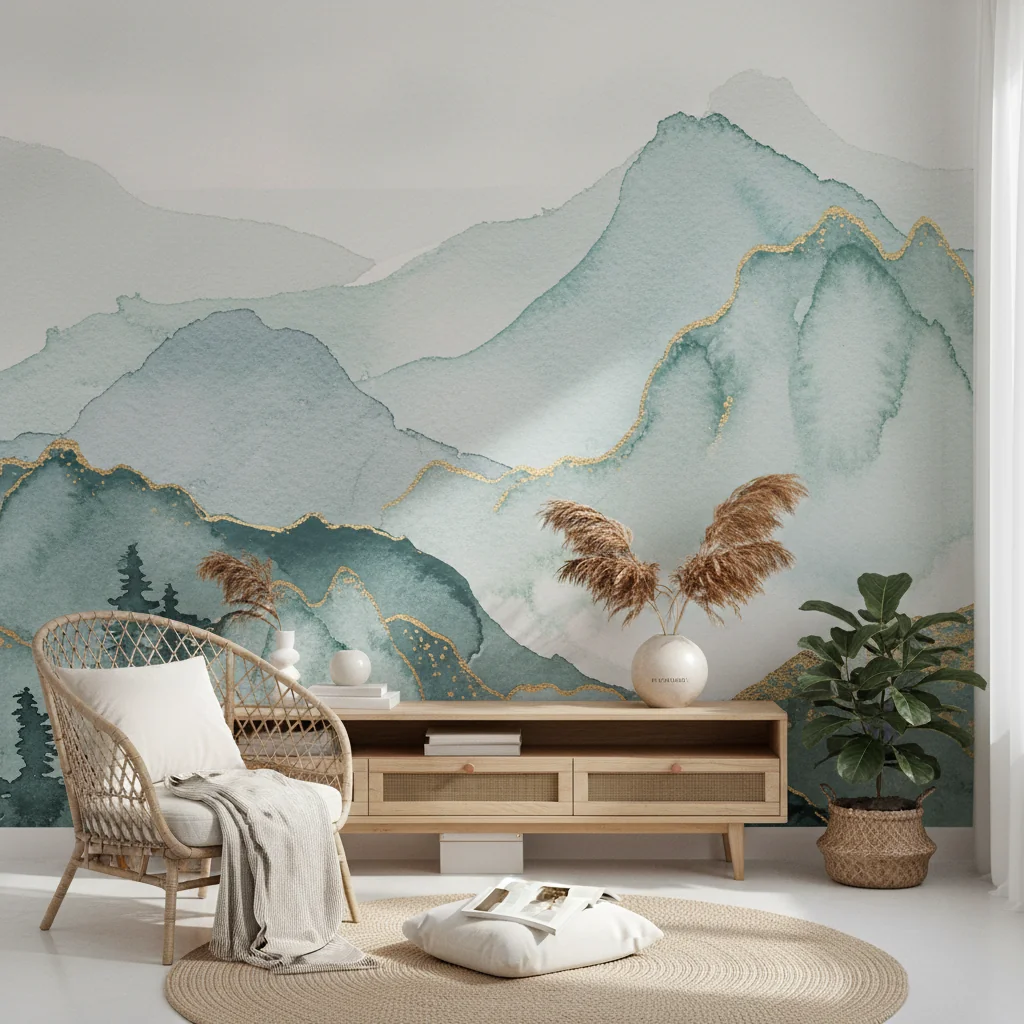
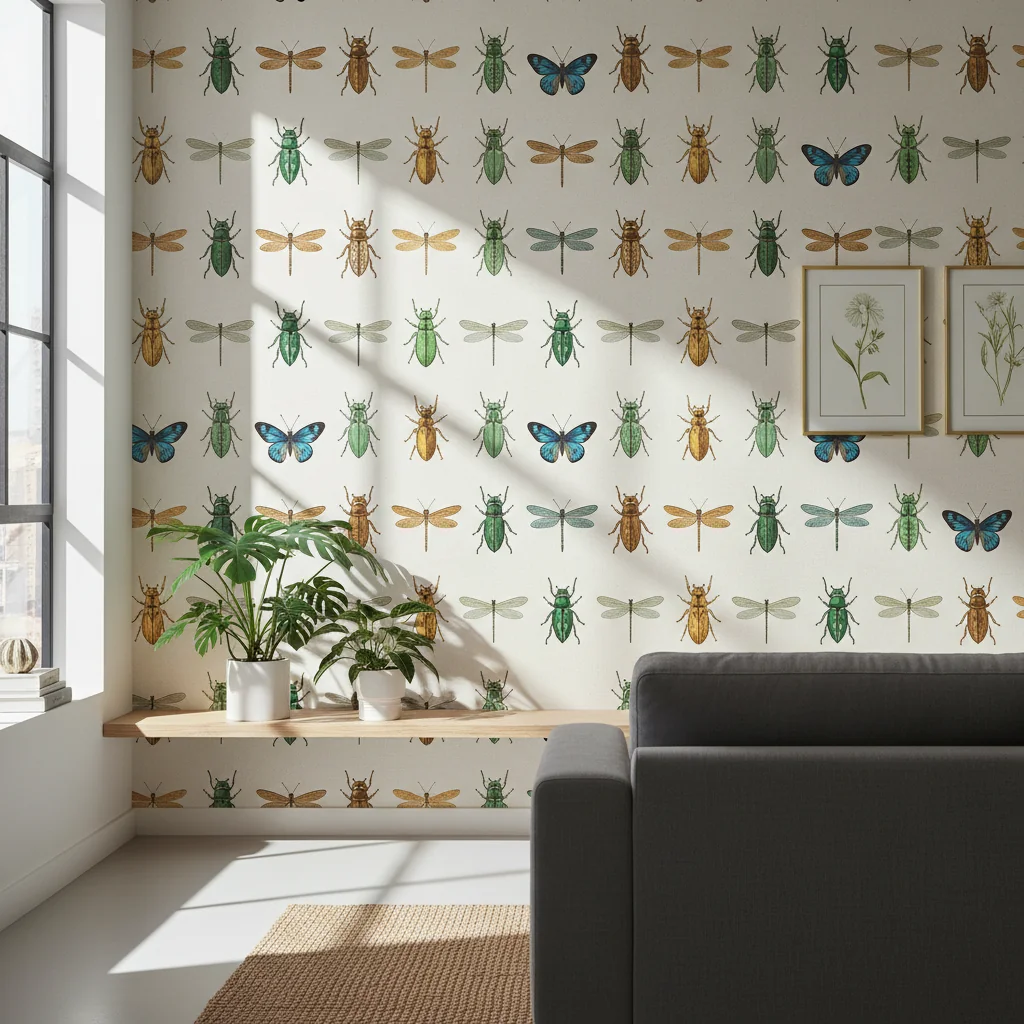
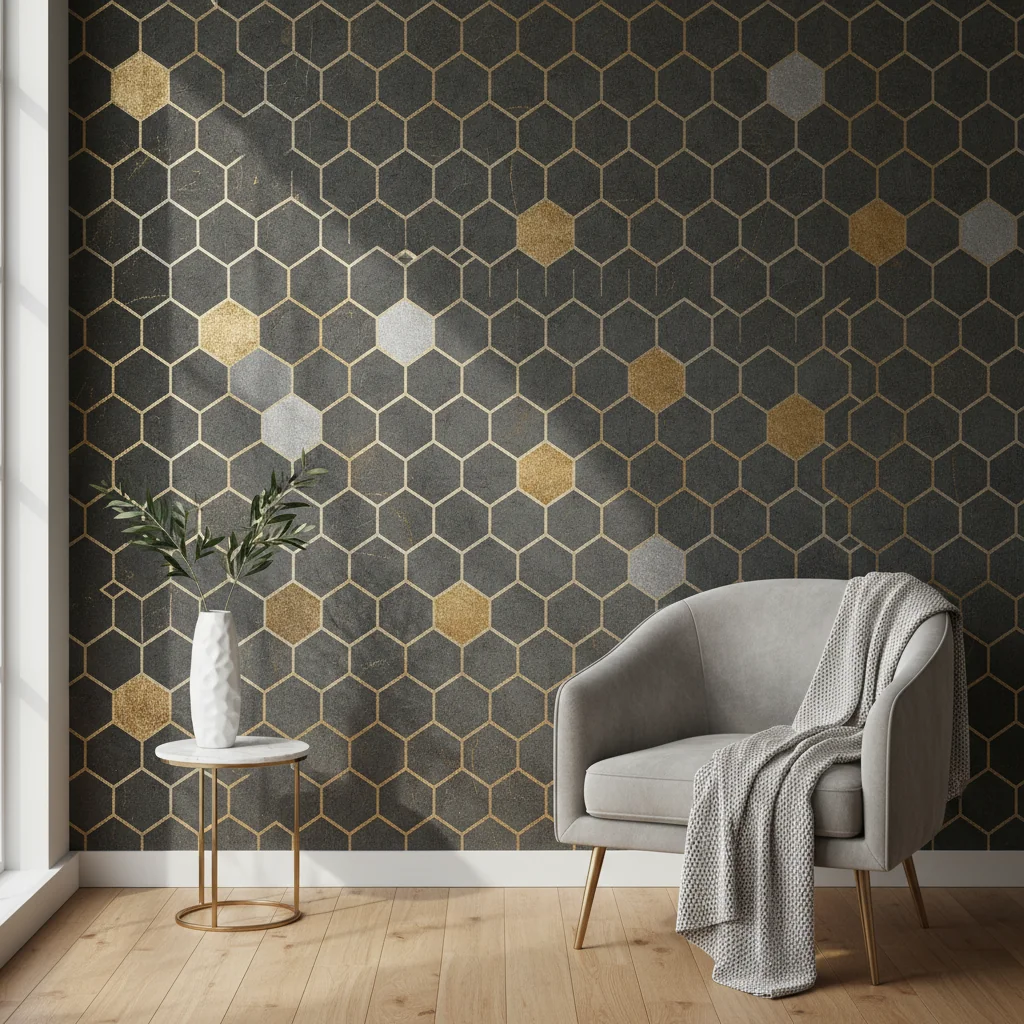
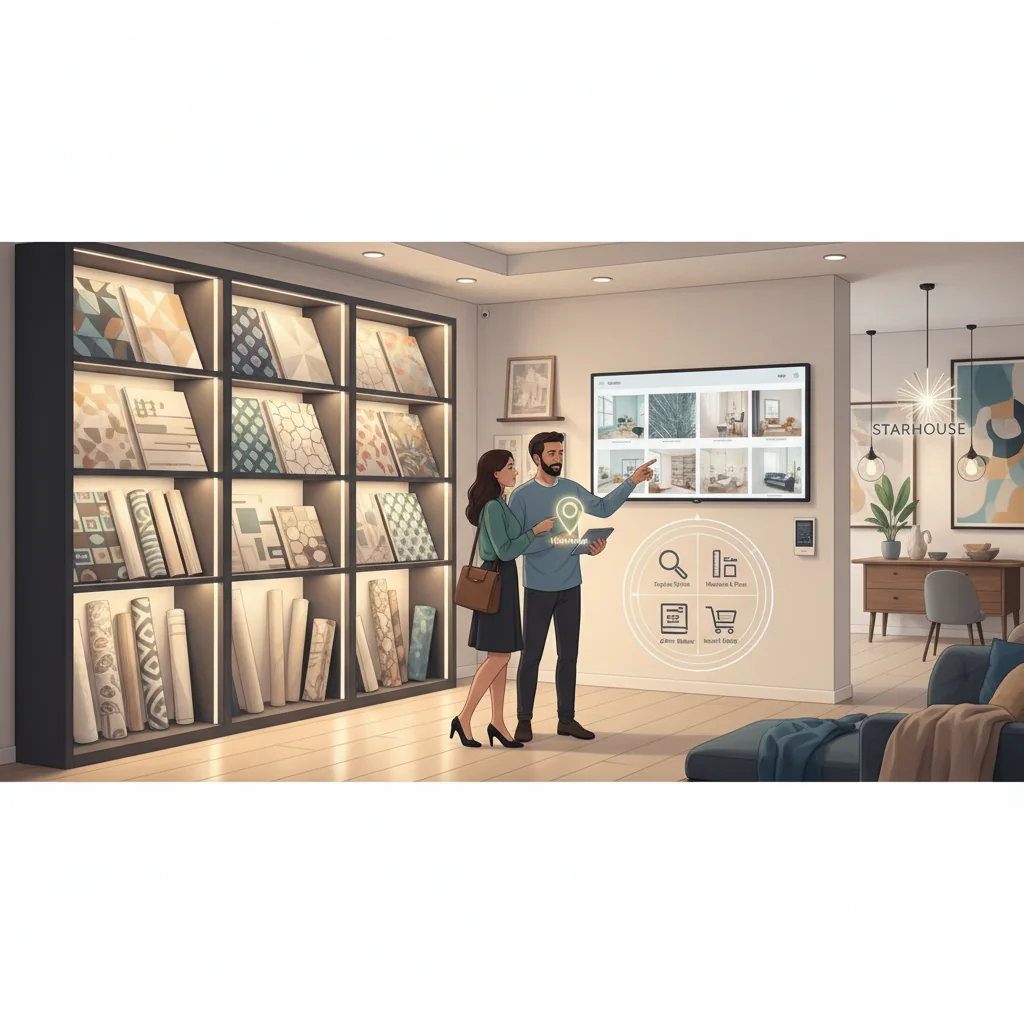
Finding the perfect wallpaper store near you is the essential first step in transforming your home with distinctive wallcoverings, providing access to a curated selection of materials, patterns, and expert guidance that extends far beyond a simple product purchase. These specialized retailers offer everything from traditional paper-backed vinyl to innovative peel-and-stick options and bespoke digital murals, ensuring every design aspiration can be met with precision and quality. At Starhouse, we understand that a wallcovering is not merely a decorative element; it is a foundational layer that defines the character and ambiance of a space, influencing everything from perceived room dimensions to emotional resonance. Our approach centers on curating exceptional design, guiding you through the technical specifications, and helping you visualize the transformative power of the right wallpaper.
Key takeaways
- Dedicated wallpaper stores offer a superior selection and expert advice compared to general home improvement retailers, covering diverse types from traditional to peel-and-stick.
- Choosing the correct wallpaper involves assessing the room’s function, desired durability, light exposure, and pattern scale, all of which impact the final aesthetic and practicality.
- Accurate measurement, including factoring in pattern repeat and accounting for waste, is critical for a seamless installation and avoiding material shortages.
- Modern wallpaper trends prioritize sustainability, biophilic designs, sophisticated textures, and custom digital murals, offering both aesthetic appeal and environmental responsibility.
- Proper surface preparation and adherence to specific installation guidelines are paramount for a durable, professional-looking finish, regardless of the wallpaper type.
- Consulting with specialists at a dedicated wallpaper store ensures access to comprehensive product knowledge, precise sizing tools, and professional installation recommendations.
What Exactly is a Wallpaper Store?
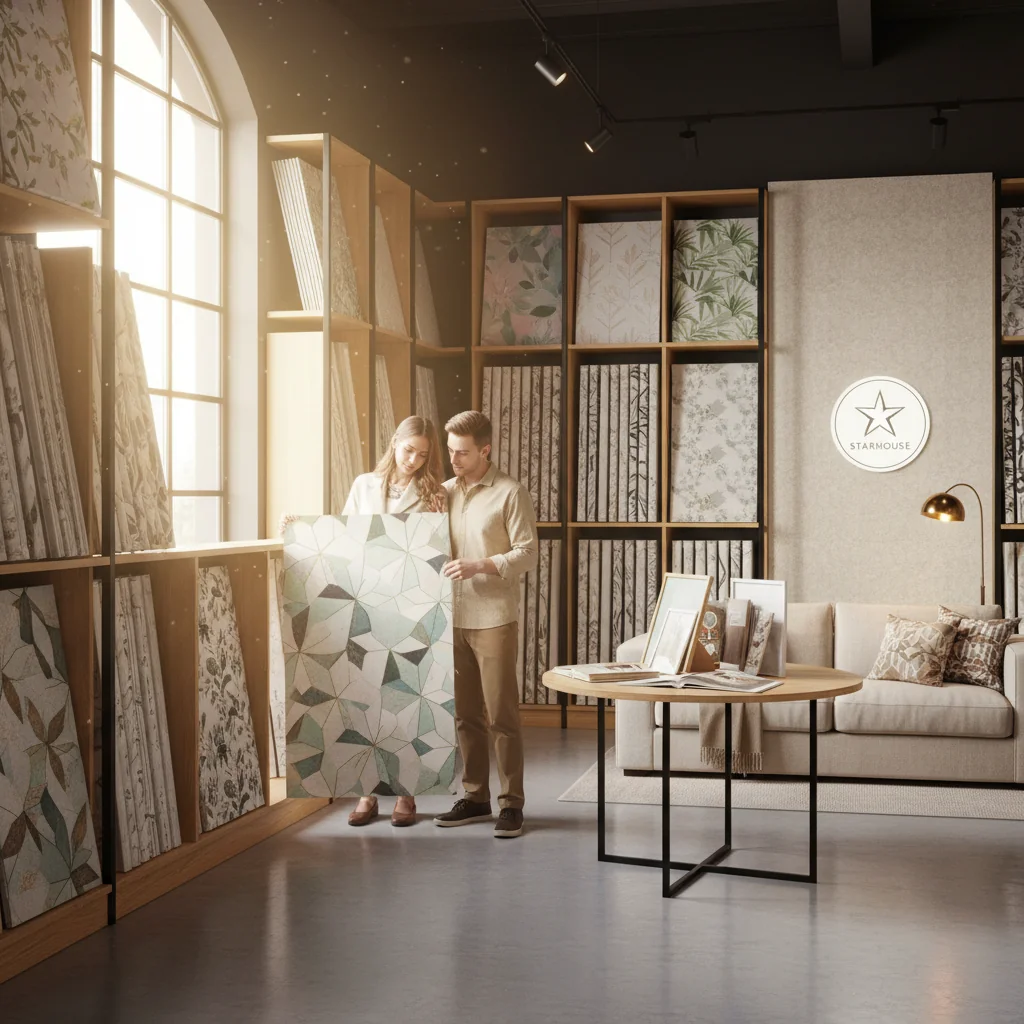
A wallpaper store is a specialized retail establishment dedicated exclusively to providing a comprehensive range of wallcoverings, installation tools, and expert consultation services, serving as a vital resource for both professional designers and homeowners. Unlike general home improvement centers, these stores curate extensive collections from various manufacturers, offering a depth of selection in terms of materials, patterns, and textures that is unparalleled. They are characterized by their specialized inventory, knowledgeable staff, and an acute understanding of design principles as they apply to vertical surfaces.
Dedicated wallpaper stores prioritize the customer’s design journey, offering tangible samples that allow for tactile evaluation and color matching within the actual space. Their inventory typically includes traditional rolled wallpaper, innovative peel-and-stick options, custom digital murals, and specialty wallcoverings like grasscloth or textile variants. Beyond the products themselves, these establishments often provide essential accessories such as primers, adhesives, smoothing tools, and cutting implements, ensuring that a project can be completed from start to finish with the correct supplies.
The expertise found within a wallpaper store extends to practical advice on substrate preparation, appropriate adhesive selection for different wallcovering types, and guidance on pattern matching and repeat calculations. Staff members are typically well-versed in the technical specifications of various products, including their durability ratings, washability, and suitability for different environments (e.g., high-humidity bathrooms versus low-traffic bedrooms). This specialized knowledge is invaluable for navigating the complexities of wallpaper selection and ensuring a successful, long-lasting installation.
Furthermore, many wallpaper stores maintain relationships with professional installers, offering recommendations for skilled tradespeople who can guarantee a flawless application. This holistic approach, from initial selection to final installation, distinguishes a dedicated wallpaper store as a premier destination for anyone serious about enhancing their interiors with wallcoverings. Starhouse embraces this philosophy, curating a collection that marries aesthetic excellence with practical performance, ensuring every selection is a confident investment in your home’s design integrity.
Types of Wallpaper and Wallcoverings
Wallpapers and wallcoverings encompass a diverse range of materials and application methods, each offering distinct aesthetic and functional properties suitable for various environments, making informed selection crucial for both visual impact and long-term performance. Understanding these distinctions is fundamental to choosing a product that not only aligns with your design vision but also withstands the demands of its intended space.
Traditional Wallpapers
Traditional wallpapers require a separate adhesive for application and are generally characterized by their durable construction and wide variety of finishes. These types are often more robust and can offer greater longevity than their self-adhesive counterparts when properly installed.
- Non-Woven Wallpaper: Non-woven wallpaper is a durable and breathable wallcovering manufactured from a blend of natural and synthetic fibers, known for its ease of installation (paste-the-wall method) and clean removability. This composition makes it resistant to tearing and allows walls to breathe, preventing mold and mildew in humid conditions. It is an excellent choice for DIY enthusiasts due to its forgiving nature during installation and its capacity for easy stripping when redecorating.
- Paper-Backed Vinyl: This type features a decorative vinyl surface laminated to a paper backing. It offers good durability and washability, making it suitable for medium-traffic areas like living rooms and dining rooms. The vinyl surface provides resistance to moisture and stains, making cleaning straightforward.
- Fabric-Backed Vinyl: Comprising a solid vinyl surface adhered to a woven fabric backing, this is one of the most durable wallcovering types. It is highly resistant to tearing, abrasion, and moisture, making it ideal for high-traffic residential areas, commercial spaces, and kitchens or bathrooms. Its robust nature makes it more challenging to install due to its weight and rigidity.
- Solid Vinyl: Constructed entirely of vinyl, this wallpaper is exceptionally durable and washable, making it perfect for bathrooms, kitchens, and children’s rooms where moisture and frequent cleaning are concerns. It is highly resistant to grease, stains, and humidity.
Specialty Wallcoverings
Beyond traditional rolls, specialty wallcoverings introduce unique textures, materials, and application methods that create distinct visual and tactile experiences.
- Peel-and-Stick Wallpaper: Peel-and-stick wallpaper is a self-adhesive wallcovering designed for easy application and removal, featuring a backing that peels away to expose the sticky surface. This innovation has democratized wallpaper installation, making it accessible for renters and those seeking temporary or frequently changeable décor. It is typically made from vinyl or fabric, offering various patterns and textures without the need for additional paste.
- Grasscloth: Made from natural fibers like jute, sisal, or bamboo woven onto a paper backing, grasscloth offers unparalleled texture and organic warmth. Each roll is unique, showcasing natural variations in color and weave. It is delicate and requires specialized installation, often showing seams, which contributes to its artisanal charm. Grasscloth is not washable and is best suited for low-traffic areas.
- Mylar: Mylar wallpaper features a metallic, reflective surface, often with a plastic film, that creates a shimmering or mirrored effect. It is excellent for adding glamour, light, and a sense of expanded space to a room. Mylar can highlight imperfections on walls, requiring meticulous surface preparation.
- Flock Wallpaper: This type features a pattern created by applying tiny fibers (flock) onto a paper or fabric backing, giving it a luxurious, velvety, three-dimensional texture. Flock wallpapers are often associated with classic, opulent designs and require careful handling and cleaning.
- Digital Murals: Digital murals are large-format images or designs custom-printed onto various wallcovering substrates, offering bespoke artistic expressions that can span an entire wall. They provide highly personalized and immersive visual experiences, from scenic landscapes to abstract art, tailored to exact wall dimensions.
- Textile Wallcoverings: These wallcoverings are made from woven fabrics like silk, linen, or cotton, often backed with paper or non-woven material. They impart a luxurious, soft, and warm feel to a room, offering rich texture and acoustic benefits. Textile wallcoverings are delicate and typically require professional installation and specialized care.
Choosing among these types depends on the desired aesthetic, the functional requirements of the space, and the budget. Each type presents a distinct set of advantages and considerations for installation and maintenance.

Understanding Wallpaper Styles and Designs
Wallpaper styles and designs span a vast spectrum, allowing homeowners to express personal aesthetics through patterns ranging from classic florals to contemporary geometrics, and textures that add depth and character, fundamentally shaping a room’s atmosphere. The visual language of wallpaper is diverse, encompassing historical motifs, artistic movements, and modern interpretations, each capable of evoking distinct moods and narratives within an interior space.
Classic and Traditional Styles
Classic and traditional wallpapers draw inspiration from historical periods, often featuring intricate patterns, rich color palettes, and a sense of enduring elegance. These styles are ideal for creating sophisticated, timeless interiors.
- Damask: Characterized by ornate, symmetrical patterns, often in two-tone or tone-on-tone color schemes, damask designs evoke a sense of grandeur and historical luxury. They are frequently used in formal living rooms, dining rooms, or master bedrooms.
- Toile de Jouy: Known as Toile, this style features pastoral scenes, landscapes, or mythological figures depicted in a single color (typically blue, red, or black) on a light background. Toile brings a romantic, rustic, and distinctly French country charm to spaces.
- Floral and Botanical: Ranging from delicate chintz patterns to bold, oversized blooms, floral and botanical designs bring nature indoors. Traditional florals often feature intricate details and realistic depictions, while modern interpretations can be more abstract or stylized.
- Stripes: A timeless choice, stripes offer versatility from subtle pinstripes to wide bands. Vertical stripes can visually heighten a ceiling, while horizontal stripes can make a room feel wider. They provide a clean, structured look that can be traditional or contemporary depending on color and width.
Modern and Contemporary Styles
Modern and contemporary wallpapers emphasize clean lines, abstract forms, and often minimalist aesthetics, reflecting current design sensibilities and forward-thinking artistry. They are perfect for creating sleek, sophisticated, and up-to-date environments.
- Geometric: Geometric patterns feature repeating shapes such as chevrons, hexagons, circles, or abstract tessellations. They introduce a sense of order, rhythm, and graphic interest, fitting perfectly into modern, mid-century, or eclectic décor.
- Abstract: Abstract wallpapers showcase non-representational forms, expressive brushstrokes, or fluid compositions. They offer artistic flair and can serve as a focal point, creating a dynamic and often sophisticated backdrop without depicting specific objects.
- Textural/Faux Finishes: These designs mimic the appearance of natural materials like wood grain, concrete, brick, marble, or fabric. They add depth and tactile interest without the weight or cost of the actual materials, offering a sophisticated, understated elegance.
- Metallics: Incorporating metallic elements like gold, silver, copper, or bronze, these wallpapers add shimmer and luxury. They can be found in geometric patterns, abstract designs, or as subtle accents within traditional motifs, enhancing light and creating a glamorous effect.
Eclectic and Narrative Styles
These styles transcend strict categories, often combining elements or telling a story, offering unique personality and a sense of curated individuality.
- Scenic and Mural: Going beyond repeating patterns, scenic wallpapers and murals depict expansive landscapes, cityscapes, or custom artworks that cover an entire wall, creating an immersive, large-scale visual statement. They are powerful focal points that can transport a viewer to another place.
- Chinoiserie: An artistic style reflecting European interpretations of Chinese art, characterized by exotic birds, pagodas, intricate floral motifs, and whimsical scenes. Chinoiserie brings a sense of delicate artistry and historical charm, often in vibrant colors.
- Art Deco: Inspired by the 1920s and 30s, Art Deco wallpapers feature bold geometric shapes, sunbursts, fan motifs, and metallic accents. They evoke glamour, sophistication, and a sense of architectural structure, perfect for a luxurious, vintage-inspired interior.
The selection of a wallpaper style should align with the overall architectural style of the home, the existing furnishings, and the desired mood of the room. A well-chosen design acts as a powerful design tool, capable of transforming a space’s perceived size, light, and character.
Key Considerations When Choosing Wallpaper
Selecting the right wallpaper requires careful consideration of several factors, including the room’s function, existing décor, light exposure, and the desired level of durability and maintenance, all of which critically influence both aesthetic appeal and practical longevity. A thoughtful approach ensures that the chosen wallcovering not only enhances the visual harmony of your space but also performs optimally under its specific conditions.
Room Function and Traffic
The primary function of a room dictates the practical requirements of your wallpaper. For high-traffic areas like entryways, hallways, or children’s playrooms, prioritize durability, scrubbability, and tear resistance. Fabric-backed vinyl or solid vinyl wallpapers are excellent choices here due to their robustness. In contrast, low-traffic areas like formal dining rooms, guest bedrooms, or studies can accommodate more delicate options such as grasscloth or flock wallpaper, where tactile texture and intricate patterns can be appreciated without constant wear.
Durability and Washability
Wallpaper is classified by its durability and how it can be cleaned. Terms like “washable,” “scrubbable,” and “peelable” indicate the level of care a wallcovering can withstand. Washable wallpapers can be gently wiped with a damp cloth, while scrubbable options tolerate more rigorous cleaning with mild detergents, making them suitable for kitchens and bathrooms. Understanding these classifications, often found on the product’s label or specifications from manufacturers like York Wallcoverings, is essential for long-term satisfaction and maintenance.
Light Exposure and Color
The amount of natural and artificial light a room receives profoundly impacts how wallpaper colors and patterns appear. In rooms with abundant natural light, darker or bolder patterns can be used without overwhelming the space. Conversely, in dimly lit rooms, lighter colors and reflective surfaces (like mylar or metallic accents) can help brighten and expand the space. Patterns with a subtle sheen can also reflect light, adding luminosity. Always view samples in the actual room at different times of day to assess how light interacts with the chosen design.
Pattern Scale and Repeat
Pattern scale refers to the size of the design elements, while pattern repeat is the vertical distance before the pattern repeats itself. A large-scale pattern can be dramatic and impactful in a spacious room but might overwhelm a smaller area. Conversely, small, intricate patterns can add detail without being too busy in a compact space. Pattern repeat is crucial for installation; a larger repeat means more waste during cutting to ensure proper alignment between strips. Consider how the pattern will look across an entire wall, not just on a small sample.
Pattern repeat: is the vertical distance between one point on a pattern and the identical point on the next iteration of the same pattern, crucial for aligning multiple wallpaper strips seamlessly.
Budget Considerations
Wallpaper prices vary significantly based on material, brand, and design complexity. Traditional paper-backed vinyls are generally more economical, while natural fiber grasscloths, bespoke digital murals, or designer textile wallcoverings represent a higher investment. Remember to factor in not just the cost per roll but also potential installation costs if hiring a professional, as well as the price of primers, adhesives, and tools. A higher upfront cost for a quality, durable wallpaper can often translate to better longevity and aesthetic satisfaction, reducing the need for frequent redecoration.
Installation Type: DIY vs. Professional
Your comfort level with DIY projects should influence your wallpaper choice. Peel-and-stick options are highly user-friendly for beginners, offering repositionability and mess-free application. Traditional paste-the-wall or paste-the-paper wallpapers require more skill, precision, and specialized tools. For intricate patterns, delicate materials like grasscloth, or large-scale murals, professional installation is often recommended to ensure a flawless finish and avoid costly mistakes. Assess the complexity of the pattern and the material before deciding whether to undertake the project yourself or engage an expert.
At Starhouse, we believe the perfect wallcovering transforms a house into a home. We are curating an exquisite collection of wallpapers that balance cutting-edge design with timeless appeal. We invite you to tell us what you’re looking for, share your design aspirations, and get early access to our upcoming catalog. Visit https://starhouseusa.online/ to share your vision and be among the first to explore our curated selections.
Accurate Sizing and Measuring for Wallpaper
Accurate sizing and measuring are critical steps in any wallpaper project, ensuring sufficient material is purchased and minimizing waste, typically involving calculating the total square footage of the walls and accounting for pattern repeats and necessary overage. Precision in these initial stages directly impacts the success and cost-efficiency of your installation, preventing frustrating delays and additional expenses.
Step-by-Step Measuring Guide
Follow these precise steps to determine the correct amount of wallpaper needed for your project:
- Measure Wall Height and Width: Using a reliable tape measure, determine the height and width of each wall you intend to cover. Measure from the baseboard to the ceiling for height, and across the entire wall for width. Record these measurements accurately in feet and inches. For walls that are not perfectly uniform, measure at several points and use the largest measurement for safety. The National Institute of Standards and Technology (nist.gov) emphasizes the importance of using calibrated and consistent measuring tools for precise results, which is crucial in wallpaper estimation.
- Calculate Total Square Footage: For each wall, multiply the height by the width to get the square footage. Sum the square footage of all walls to get your total area. For example, a wall 10 feet high and 12 feet wide is 120 sq ft. If you have four such walls, your total area is 480 sq ft.
- Account for Openings: Subtract the square footage of any large openings such as windows and doors from your total. For instance, a standard door (approximately 7 ft x 3 ft = 21 sq ft) or a window (e.g., 4 ft x 5 ft = 20 sq ft) should be deducted. However, do not subtract for small features like light switches or electrical outlets, as these areas will still require wallpaper.
- Factor in Pattern Repeat: This is a crucial step for wallpapers with repeating patterns. The pattern repeat, typically indicated on the wallpaper label in inches, dictates how much extra material you will need per strip to align the design seamlessly. A larger pattern repeat means more waste. Divide the height of your wall by the pattern repeat length to see how many repeats fit vertically. If the pattern repeat is, for example, 24 inches (2 feet), and your wall is 8 feet high, you will need 4 full repeats per strip. Ensure you have enough length on each roll to accommodate these repeats.
- Add Overage: Always purchase an additional 15-20% beyond your calculated requirement. This overage accounts for trimming, pattern matching, mistakes during installation, and provides extra material for future repairs or patch-ups. It is far more cost-effective to have a little extra than to run short and risk color or dye-lot discrepancies from a new batch.
Understanding Wallpaper Roll Dimensions
Wallpaper typically comes in standard roll sizes, but these can vary between manufacturers and regions. In the U.S., common dimensions for “single rolls” are often around 27 inches wide by 13.5 feet long, covering approximately 30 square feet. However, wallpaper is frequently sold in “double rolls” or “bolts” which are effectively two single rolls packaged together, measuring approximately 27 inches wide by 27 feet long, covering about 60 square feet. Always verify the specific dimensions and coverage area indicated on the product label before purchasing.
Calculating Number of Rolls
Once you have your adjusted total square footage (after subtracting openings and adding overage) and know the coverage of a single or double roll, you can determine the number of rolls needed. Divide your total adjusted square footage by the coverage area of one roll. Round up to the nearest whole number. For instance, if you need 550 sq ft and a double roll covers 60 sq ft, you would need 550 / 60 = 9.16, rounded up to 10 double rolls.
Consulting with staff at a specialized wallpaper store is highly recommended for complex patterns or unusual room dimensions. They often have software or experience to precisely calculate requirements, minimizing waste and ensuring a successful project.
Wallpaper Trends and Innovations in 2026
The wallpaper industry in 2026 is characterized by a strong emphasis on sustainable materials, biophilic designs, sophisticated textures, and the continued evolution of high-definition digital printing for bespoke murals, reflecting a broader consumer desire for personalized, environmentally conscious, and visually engaging interiors. These trends merge aesthetic appeal with functional innovation, pushing the boundaries of what wallcoverings can achieve in modern homes.
Sustainable Materials and Practices
Sustainability is no longer a niche concern but a core driver in wallpaper manufacturing. In 2026, we see a surge in wallcoverings made from recycled content, FSC-certified papers, and natural fibers like bamboo, jute, and cork. Manufacturers are also prioritizing non-toxic inks, VOC-free adhesives, and closed-loop production processes to minimize environmental impact. Consumers are actively seeking out brands that offer transparency in their sourcing and production, making eco-conscious choices a significant market differentiator.
Biophilic Designs
Biophilic design, which connects occupants with nature, remains a dominant trend. Wallpaper in 2026 frequently features intricate botanical illustrations, lush jungle motifs, tranquil forest scenes, and abstract patterns inspired by natural elements like water, stone, and clouds. These designs aim to create calming, restorative environments, blurring the lines between indoor and outdoor spaces and promoting well-being within the home. Expect richer color palettes that mimic natural hues, from deep forest greens to earthy terracotta and sky blues.
Sophisticated Textural Wallcoverings
Beyond visual patterns, texture plays an increasingly vital role in contemporary wallpaper design. Materials that offer tactile experiences, such as woven grasscloth, embossed vinyls mimicking linen or silk, and wallpapers with subtle three-dimensional effects, are highly sought after. These textured wallcoverings add depth and warmth to a room, creating a luxurious and inviting atmosphere even in monochromatic schemes. Faux finishes that realistically replicate concrete, plaster, or aged wood also continue to evolve, offering sophisticated alternatives to actual material applications.
Digital Murals and Customization
The advancement of digital printing technology allows for unprecedented levels of customization and detail in wallcoverings. Digital murals, once a niche product, are now mainstream, enabling homeowners to commission bespoke artwork, expansive landscapes, or personalized patterns that perfectly fit their wall dimensions. This trend empowers consumers to create truly unique and immersive spaces, transforming entire rooms into artistic statements or personalized narratives. High-definition printing ensures vibrant colors and crisp details, making these murals indistinguishable from hand-painted art.
Dark Academia and Maximalism
Contrasting with minimalist trends, Dark Academia and Maximalism are gaining traction, particularly in spaces intended for introspection or bold expression. Dark Academia wallpapers feature rich, moody color palettes (deep greens, burgundies, navies), often with patterns inspired by classical libraries, scientific illustrations, or vintage maps. Maximalist designs embrace bold patterns, clashing colors, and layered textures, often combining various historical or cultural motifs to create visually rich and highly personal spaces. These trends reflect a desire for personality, storytelling, and an escape from overly sanitized interiors.
Metallic Accents and Shimmer
Metallic elements continue to add a touch of glamour and sophistication to wallpaper designs. From subtle gold or silver flecks woven into a pattern to full-on metallic foils, these accents catch and reflect light, adding luminosity and a sense of luxury to a room. They are often integrated into geometric patterns, abstract designs, or as highlights in botanical motifs, creating dynamic surfaces that shift with the changing light throughout the day. This trend enhances perceived depth and adds an opulent touch without overwhelming the space.
These trends collectively indicate a future where wallpaper is seen not just as a decorative covering but as an integral element of interior architecture, capable of defining mood, expressing individuality, and contributing to the overall well-being and sustainability of a home.
Installation Best Practices and Maintenance
Proper installation practices are fundamental to achieving a flawless and durable wallpaper finish, while consistent maintenance ensures its longevity and preserves its aesthetic appeal, protecting your investment and maintaining the integrity of your interior design. Adhering to these guidelines prevents common issues such as bubbling, peeling, and premature wear, ensuring your wallcovering looks impeccable for years to come.
Surface Preparation
Thorough wall preparation is the most critical step, impacting adhesion and the final appearance. Walls must be clean, dry, smooth, and structurally sound. Remove any old wallpaper, loose paint, or flaky plaster. Fill all holes and cracks with spackle, sand smooth, and wipe away dust. Apply a high-quality wallpaper primer (such as a pigmented acrylic primer or “sizing”) specifically designed to seal the wall, provide a consistent surface for adhesion, and aid in future removal. This step prevents the wall from absorbing too much adhesive and ensures a strong bond. For dark walls under light wallpaper, a tinted primer can prevent show-through.
Adhesive Application
The type of adhesive depends on the wallpaper material. Non-woven wallpapers often use the “paste-the-wall” method, where adhesive is applied directly to the wall. Traditional paper-backed wallpapers require “paste-the-paper,” where adhesive is applied to the back of the wallpaper, then allowed to “book” (fold in on itself for a few minutes) to let the paste soak in. Always use the adhesive recommended by the wallpaper manufacturer, as specified on the product label. Apply adhesive evenly to avoid lumps or dry spots, which can lead to bubbles or poor adhesion.
Hanging Techniques
Start hanging wallpaper from a plumb line (a perfectly vertical line) drawn on the wall, typically beginning near a corner or a dominant focal point like a window or door frame. Ensure the first strip is perfectly straight, as it sets the alignment for subsequent strips. Carefully unroll and position each strip, aligning patterns meticulously. Use a wallpaper brush or smoother to gently press the paper onto the wall, working from the center outwards to remove air bubbles. Overlap edges slightly for double-cutting (if applicable) or butt seams tightly for a seamless finish, depending on the wallpaper type.
Trimming and Smoothing
Once a strip is hung and smoothed, use a sharp utility knife and a straightedge (like a 6-inch broadknife or metal ruler) to trim excess paper at the ceiling, baseboards, and around windows or doors. Change blades frequently to ensure clean cuts and prevent tearing. For butt seams, ensure they are tightly pressed together with a seam roller, but avoid excessive pressure on raised patterns or delicate materials. Immediately wipe away any excess adhesive from the wallpaper surface and seams with a clean, damp sponge to prevent staining or residue buildup.
Cleaning and Care
Maintenance varies greatly by wallpaper type. For most vinyl and washable wallpapers, a soft cloth dampened with mild soap and water is sufficient for cleaning. Always test in an inconspicuous area first. For scrubbable wallpapers, a non-abrasive sponge and a gentle household cleaner can be used. Delicate materials like grasscloth, silk, or flock wallpaper are typically not washable and require dry cleaning or gentle dusting with a soft brush or vacuum attachment. Avoid harsh chemicals, abrasive cleaners, or excessive moisture, which can damage the wallpaper’s surface or adhesive bond. Promptly address any stains to prevent them from setting.
| Wallpaper Type | Durability Rating | Washability | Ideal Use | Approx. Maintenance |
|---|---|---|---|---|
| Non-Woven | Good | Washable | Living rooms, bedrooms, offices | Regular dusting, occasional gentle wipe |
| Paper-Backed Vinyl | Very Good | Washable/Scrubbable | Living rooms, dining rooms, medium-traffic areas | Regular dusting, damp cloth cleaning |
| Fabric-Backed Vinyl | Excellent | Scrubbable | High-traffic areas, kitchens, bathrooms, commercial | Frequent wiping with mild detergent |
| Peel-and-Stick | Moderate | Washable | Rentals, temporary decor, low-traffic areas | Gentle wiping, easy to replace |
| Grasscloth | Delicate | Not Washable | Formal living rooms, bedrooms, studies | Dry dusting, gentle vacuuming |
| Mylar/Metallics | Good | Washable | Accent walls, glamorous spaces | Gentle wiping, avoid abrasive cleaners |
| Textile | Moderate | Not Washable (typically) | Bedrooms, formal areas, acoustic treatment | Professional dry cleaning, gentle vacuuming |
Common Mistakes to Avoid When Buying and Installing Wallpaper
Avoiding common pitfalls when selecting and installing wallpaper is essential for a successful project, preventing issues such as insufficient material, mismatched patterns, or inadequate surface preparation that can lead to disappointing results and wasted effort. Awareness of these frequent errors can save significant time, money, and frustration.
- Underestimating Material Quantity: A pervasive error is not purchasing enough wallpaper. This often stems from failing to account for pattern repeat, trimming waste, or simply not adding the recommended 15-20% overage. Running short can lead to delays, difficulty finding the exact dye lot match, and a disjointed final appearance. Always double-check measurements and calculations, and err on the side of caution with an extra roll.
- Skipping Wall Preparation: Rushing or neglecting proper wall preparation is a primary cause of installation failure. Applying wallpaper over dirty, uneven, or unprimed surfaces leads to poor adhesion, visible imperfections, and potential issues like mold growth or peeling. Walls must be clean, smooth, dry, and primed with an appropriate wallpaper primer to create a stable, consistent surface for the adhesive.
- Ignoring Pattern Match and Repeat: For patterned wallpapers, failing to understand and account for the pattern repeat during cutting and hanging results in misaligned designs and a visually jarring finish. This requires careful pre-planning, often dry-laying strips to visualize the match and ensure continuity across the wall. A larger pattern repeat inherently means more waste, which must be factored into material calculations.
- Using the Wrong Adhesive or Tools: Not all adhesives are created equal, and using a general-purpose paste for a specialty wallcovering can lead to adhesion failure. Similarly, attempting installation without essential tools like a plumb bob, smoother, sharp utility knife, and seam roller complicates the process and compromises the finish. Always consult the wallpaper manufacturer’s recommendations for adhesive and ensure you have the correct tools before starting.
- Overlooking Dye Lot Numbers: Wallpaper is produced in batches, and slight color variations can occur between different production runs (dye lots). Mixing rolls from different dye lots on the same wall will result in noticeable color discrepancies. Always ensure all rolls purchased for a single project have the same dye lot number, typically printed on the label. If you need to purchase additional rolls, try to find a match or use the new rolls in an inconspicuous area.
- Improper Smoothing and Trimming: Air bubbles trapped beneath the surface or poorly trimmed edges detract significantly from a professional finish. Smoothing should be done systematically from the center outwards to push out air. Trimming requires a very sharp blade and a steady hand; dull blades tear the paper, creating jagged edges. Taking the time to execute these steps carefully yields a far superior result.
Sources
What is the difference between traditional wallpaper and peel-and-stick?
Traditional wallpaper requires a separate adhesive applied to the wall or the paper itself, offering a more permanent bond and a wider range of materials and textures. Peel-and-stick wallpaper, conversely, has a pre-applied adhesive backing protected by a liner, making it self-adhesive, repositionable, and generally easier for DIY installation and removal, often ideal for temporary decor or renters.
How do I calculate how many rolls of wallpaper I need?
To calculate rolls, first measure the total square footage of your walls (height × width for each wall, then sum). Subtract the square footage of large openings like doors and windows. Then, add a 15-20% overage for pattern matching and waste. Divide this total adjusted square footage by the square footage coverage of a single roll (found on the product label), and always round up to the nearest whole roll. Account for pattern repeat, which will increase waste.
Can I install wallpaper in a bathroom or kitchen?
Yes, you can install wallpaper in bathrooms and kitchens, but it is crucial to choose wallcoverings specifically designed for high-humidity and high-traffic environments. Fabric-backed vinyl or solid vinyl wallpapers are highly recommended due to their superior durability, scrubbability, and moisture resistance, preventing issues like peeling or mold growth in these demanding areas.
What is a pattern repeat in wallpaper?
Pattern repeat is the vertical distance, typically measured in inches, between one point on a wallpaper pattern and the exact same point where the pattern begins to repeat again. Understanding the pattern repeat is essential for aligning subsequent strips of wallpaper seamlessly, ensuring the design flows continuously across your wall and impacting the total amount of material you need to purchase.
Is professional installation necessary for wallpaper?
Professional installation is not always necessary, especially for simple peel-and-stick wallpapers or those with minimal pattern repeats, which are suitable for skilled DIYers. However, for complex patterns, delicate materials like grasscloth, large-scale murals, or high-end wallcoverings, professional installation is strongly recommended to ensure a flawless finish, precise pattern matching, and optimal longevity, preventing costly mistakes and achieving superior results.
How do I clean and maintain wallpaper?
Cleaning and maintenance depend on the wallpaper type. Most vinyl and washable wallpapers can be gently wiped with a damp cloth and mild soap. Scrubbable varieties tolerate more robust cleaning. Delicate materials like grasscloth or flock are typically not washable and require dry dusting or gentle vacuuming. Always consult the manufacturer’s care instructions and test any cleaning method in an inconspicuous area first to prevent damage.
What are the benefits of non-woven wallpaper?
Non-woven wallpaper offers several benefits, including exceptional durability, breathability (which helps prevent mold and mildew), and ease of installation due to the “paste-the-wall” method. It is also known for being easy to remove cleanly without damaging the wall, making it a popular choice for those who anticipate redecorating in the future or prefer a more forgiving installation process.
Conclusion: Your Journey to Transformed Interiors Begins Here
Navigating the diverse world of wallpaper and wallcoverings can seem daunting, but with the right knowledge and resources, selecting and installing the perfect design becomes an exciting journey of transformation. From understanding the nuanced differences between traditional and peel-and-stick options to mastering the art of accurate measurement and embracing the latest design trends of 2026, every decision contributes to the unique character and ambiance of your home. A dedicated wallpaper store serves as your essential partner, offering not just an extensive selection but also the invaluable expertise that elevates a project from mere decoration to a statement of sophisticated design.
At Starhouse, we are committed to curating an unparalleled collection of wall décor, furnishings, and accessories that empower you to create spaces that truly resonate with your personal style and functional needs. We believe that every wall has a story to tell, and the right wallcovering is the beginning of that narrative. Our forthcoming catalog will embody this philosophy, presenting selections that are aspirational, tasteful, and meticulously chosen for their quality and design integrity.
As we finalize our curated collection, we invite you to become an integral part of our journey. Share your vision, tell us what you’re looking for in your ideal space, and gain early access to our exclusive offerings. Your insights will help shape our collection, ensuring we bring you the very best in home décor. Visit https://starhouseusa.online/ to tell us what you’re looking for and unlock early access to Starhouse’s premier collection.