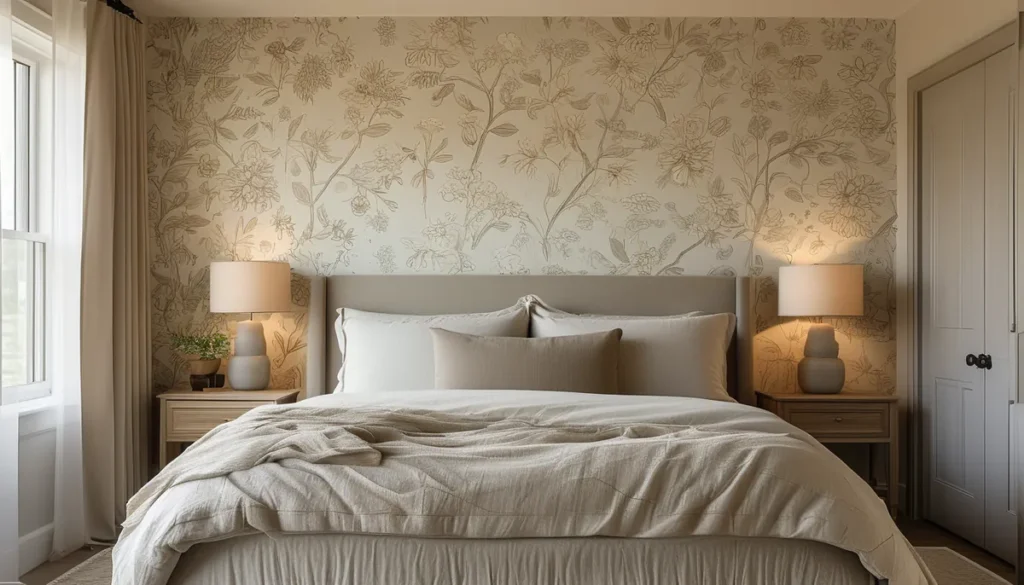
Which wall should be an accent wall?
The ideal accent wall is the one that naturally draws the eye upon entering a room, often a wall with architectural interest, a significant feature like a fireplace, or the wall behind the primary furniture piece like a bed or sofa. Consider sightlines and the room’s layout to make the most impactful choice.
Selecting the right wall for an accent is crucial for achieving a desired aesthetic and creating a focal point. The best accent wall is typically the first one you see when you enter a room. This is the wall that naturally captures your attention and guides your eye. Think about the room’s layout and how you move through it. The wall that presents itself as you walk in is often the strongest candidate.
Architectural features are prime candidates. A wall with a fireplace, built-in shelving, a unique window, or a distinct structural element can inherently command attention. Emphasizing these features with an accent treatment amplifies their impact and integrates them as the room’s centerpiece. If your room lacks prominent architectural features, consider the main furniture arrangement. The wall behind your sofa in a living room or the wall behind the headboard in a bedroom is a common and effective choice. This anchors the room’s design and provides a backdrop for your main seating or sleeping area.
Consider sightlines from doorways and other entry points. Which wall is most visible from these vantage points? The goal is to create a deliberate focal point that enhances the room’s overall design, rather than an accent that feels out of place or is easily overlooked. Avoid accenting walls that are partially obscured by large furniture or are too narrow to make a significant visual statement. The wall’s size and proportion relative to the room also matter; a large, blank wall often serves better than a small section broken up by doorways or windows.
The function of the room also plays a role. In a dining room, the wall behind the buffet or artwork might be ideal. In a home office, the wall behind your desk can create a professional and inspiring backdrop. Ultimately, the best accent wall is one that complements the room’s layout, furniture, and intended use, drawing the eye to a deliberate and aesthetically pleasing feature.
How to choose the best wall for an accent
To identify the best wall for an accent, first stand at the entrance of the room and note which wall you naturally look at. This is often the wall that is most prominent and unobstructed. If multiple walls compete for attention, consider the room’s primary function and furniture placement. The wall behind the main seating area in a living room or the headboard wall in a bedroom is a classic choice because it anchors the room’s layout and design.
Look for existing architectural interest. Walls with fireplaces, built-in bookshelves, striking windows, or unique structural elements are natural focal points. Applying an accent treatment to these features can enhance their impact and create a cohesive design. If your room is relatively plain, consider the wall that offers the best opportunity to showcase a specific design element, such as a large piece of art, a bold wallpaper pattern, or a unique paint color. The accent should serve to highlight, not compete with, the room’s overall flow and existing features.
Measure the wall in question. Ensure it’s large enough to make an impact but not so overwhelming that it dominates the entire space. A wall that is too small might feel insignificant, while an excessively large wall might require a bolder design to carry it. Consider the traffic flow within the room. You don’t want your accent wall to obstruct pathways or feel cramped. The accent should enhance the visual experience of the room, creating depth and interest without hindering usability.
Accent wall placement considerations
When deciding where to place an accent wall, think about the primary function of the room. In a bedroom, the wall behind the headboard is typically the most strategic location. It serves as a natural backdrop for your bed, which is usually the largest piece of furniture and the focal point of the room. This choice allows you to create a serene or dramatic atmosphere without overwhelming the entire space.
For living rooms, the wall featuring the fireplace or the main entertainment center is often a strong contender. If neither exists, the wall behind the sofa is a common and effective choice. This helps to define the seating area and adds visual interest to the primary gathering space. Ensure the wall is visible from the main entry points to maximize its impact. Avoid placing an accent on a wall that is heavily broken up by doors and windows, as this can fragment the design and reduce its effectiveness.
In dining rooms, the wall behind a significant piece of furniture like a buffet or a large artwork is a good option. This can create a sophisticated backdrop for meals and entertaining. For hallways or entryways, consider the wall that is most visible as someone enters the home or moves through the space. This can set the tone for the rest of the interior design.
Regardless of the room, always consider the natural light and sightlines. An accent wall should be well-lit and easily viewed from most positions within the room. Avoid accenting walls that are consistently obscured by furniture or are in areas that receive very little natural light, as this can diminish the intended effect.
Walls that are generally not good for accents
Walls that are heavily broken up by doors, windows, or multiple entry points are generally poor choices for accent walls. These features interrupt the visual flow and can make it difficult to create a cohesive and impactful design. An accent treatment on such a wall will appear fragmented and busy, detracting from the intended focal point.
Walls that are constantly obstructed by large furniture, such as tall bookshelves or bulky entertainment units, are also not ideal. The accent will be hidden, negating its purpose. If the wall’s primary role is to serve as a backdrop for functional furniture, it’s usually better to choose a different wall for your accent.
Very small or narrow walls, especially those found in tight hallways or alcoves, may not have the scale to support an accent treatment effectively. The impact will be minimal, and it might even make the space feel smaller or more confined. The accent needs sufficient visual real estate to make a statement.
Walls that are not visible from the main entry points of the room are also less effective. The point of an accent wall is to draw attention and create a focal point upon entering or moving through a space. If the wall is hidden in a corner or only visible from a specific, less-trafficked angle, its impact will be significantly reduced.
Accent Wall Suitability by Room Type
| Room Type | Best Wall for Accent | Who It Suits Best | Why It Works |
|---|---|---|---|
| Bedroom | Wall behind the headboard | Individuals seeking a cozy, defined sleeping space; those who appreciate a strong visual anchor for their primary furniture. | Anchors the bed, creating a natural focal point and a sense of enclosure. Allows for dramatic or calming feature walls without overpowering the room. |
| Living Room | Wall with fireplace or entertainment center; wall behind the sofa | Families, entertainers, and those who want to define a primary seating or gathering area. | Highlights a key architectural feature or the main social hub. Establishes a clear visual center for relaxation and conversation. |
| Dining Room | Wall behind a buffet or large artwork | Hosts who entertain frequently and want to create a sophisticated atmosphere for dining. | Adds depth and visual interest to the space where meals are served. Creates an elegant backdrop for formal or casual dining. |
| Home Office | Wall behind the desk | Remote workers, freelancers, and anyone seeking a professional or inspiring backdrop for video calls and focused work. | Provides a polished and intentional look for virtual meetings. Can inspire creativity or create a sense of order during work hours. |
| Hallway | The longest, most visible wall upon entry | Homeowners looking to create a strong first impression or guide guests through the space. | Sets the tone for the home’s interior design from the moment someone enters. Adds character and visual appeal to often-overlooked transitional spaces. |
FAQ
Which wall should be the accent wall in a bedroom?
The most common and effective wall for an accent in a bedroom is the one behind the headboard. This wall naturally frames the bed, which is the room’s focal point, and helps to ground the space. It allows you to add personality and style without overwhelming the room, creating a cozy or dramatic retreat.
Which wall should be an accent wall in a bathroom?
In a bathroom, the accent wall is often the one behind the vanity or the primary visual focus, such as a freestanding tub. This draws attention to the main functional area and can add a luxurious or spa-like feel. Consider the wall opposite the door for maximum impact upon entry.
Which wall is best for an accent in a dining room?
The wall behind your dining room buffet or a significant piece of art is typically the best choice for an accent. This area often serves as a visual anchor and complements the function of the room, enhancing the dining experience without overwhelming the space.
Which wall should be the accent wall in a living room?
In a living room, the wall featuring a fireplace or entertainment center is usually the prime candidate for an accent wall. If those aren’t present, the wall behind the main sofa is a common and effective choice for defining the seating area and creating a focal point.