York Wallcoverings stands as a venerable institution in the realm of interior design, renowned for manufacturing wallpaper that transforms spaces with unparalleled artistry and enduring quality. For over a century, from its historic factory in Pennsylvania’s picturesque Susquehanna Valley, York has consistently delivered wallcoverings that define elegance, craftsmanship, and innovation, making it the oldest and largest producer in the United States. This guide from Starhouse, a brand dedicated to curating the finest in home décor, delves into the world of York Wallcoverings, offering an authoritative overview of its diverse offerings, technical specifications, and the nuanced considerations for integrating these exceptional products into your design vision.
Key takeaways
- York Wallcoverings is the oldest and largest wallcovering producer in the U.S., manufacturing high-quality products from its Pennsylvania factory for over a century.
- Their diverse portfolio includes vinyl, non-woven, paper, and natural fiber wallcoverings, each offering distinct aesthetic and performance characteristics.
- Selecting the right York wallcovering involves careful consideration of material type, pattern scale, color palette, and the specific functional requirements of a room.
- Accurate measurement and estimation, accounting for pattern repeat and standard U.S. roll dimensions, are crucial for a successful installation.
- Proper care and maintenance, guided by material-specific instructions, are essential to preserve the beauty and longevity of York wallcoverings.
- York’s commitment to quality is evident in its adherence to rigorous manufacturing standards and material specifications, ensuring products meet high performance and aesthetic benchmarks.
Understanding York Wallcoverings: A Legacy of Craftsmanship
York Wallcoverings is a distinguished American manufacturer with a profound legacy, having produced wallpaper for over 125 years from its original factory in York, Pennsylvania. This enduring presence in the industry establishes York as the oldest and largest wallcovering producer in the United States, a testament to its unwavering commitment to quality, innovation, and design excellence. The company’s rich history is intertwined with the evolution of interior design, consistently setting benchmarks for both aesthetic appeal and material performance.
The foundation of York Wallcoverings’ reputation lies in its meticulous manufacturing processes. Operating from the same historic location in the Susquehanna Valley, York combines time-honored techniques with cutting-edge technology to produce a vast array of wallcoverings. This blend ensures that each product not only meets contemporary design demands but also upholds the stringent quality standards that have defined the brand for generations. Their dedication to craftsmanship is evident in every roll, from the precision of print registration to the durability of the substrates.
York’s commitment extends beyond manufacturing to encompass a holistic approach to design. They collaborate with acclaimed artists and designers, continually introducing collections that reflect both classic sensibilities and emerging trends. This strategic partnership ensures their portfolio remains fresh, relevant, and capable of inspiring diverse interior schemes, from the most traditional to the avant-garde. The brand’s influence is global, with products distributed across 85 countries, underscoring its international recognition as a leader in the wallcovering sector.
The brand’s identity is synonymous with reliability and aesthetic versatility. Homeowners, designers, and commercial specifiers consistently turn to York for solutions that offer both visual impact and long-term performance. Their extensive range includes options suitable for every room and every lifestyle, from high-traffic commercial spaces to intimate residential settings. This breadth of choice, coupled with a deep-seated heritage of American manufacturing, solidifies York Wallcoverings’ position as a cornerstone of sophisticated interior design.
At Starhouse, we recognize that true luxury in home décor is characterized by both beauty and integrity. York Wallcoverings embodies this principle, offering products that are not merely decorative but are integral components of a thoughtfully designed space. Their sustained success is a direct result of their commitment to producing wallcoverings that are not only visually captivating but also technically superior, providing lasting value and inspiration to homes across the nation and beyond.
Exploring the Diverse Types of Wallcoverings from York
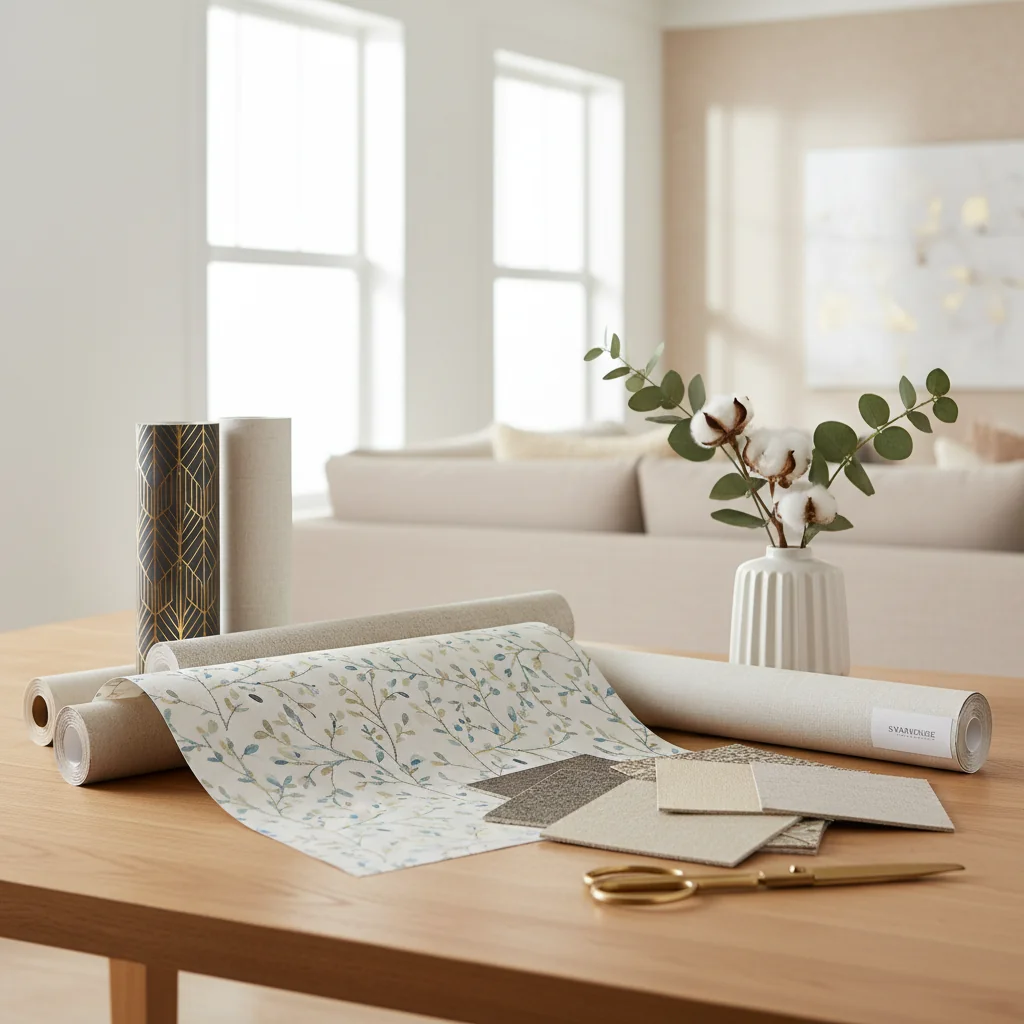
York Wallcoverings offers a comprehensive array of wallcovering types, each engineered with specific material compositions and performance characteristics to suit diverse aesthetic preferences and functional requirements. Understanding these distinctions is fundamental to selecting the ideal product for any given space. The primary categories include vinyl, non-woven, paper, and natural fiber options, alongside specialized textures and finishes.
Vinyl Wallcoverings: Vinyl wallcoverings are a highly popular and practical choice due to their exceptional durability and ease of maintenance. These products typically consist of a vinyl surface layer laminated to a paper or fabric backing. York offers several types of vinyl wallcoverings:
- Solid Sheet Vinyl: This type features a continuous sheet of vinyl, making it extremely robust and resistant to moisture, stains, and abrasion. It is often scrubbable and washable, ideal for high-traffic areas like kitchens, bathrooms, and commercial spaces.
- Fabric-Backed Vinyl: Comprising a vinyl surface adhered to a woven fabric backing, this construction offers enhanced tear resistance and dimensional stability. It is often heavier and more durable, frequently used in commercial applications but also suitable for residential areas requiring superior performance.
- Paper-Backed Vinyl: With a vinyl layer fused to a paper backing, this option provides good durability and washability, often at a more accessible price point than solid sheet or fabric-backed vinyl. It balances resilience with a softer hand.
Non-Woven Wallcoverings: Non-woven wallcoverings represent a modern advancement in the industry, crafted from a blend of natural and synthetic fibers. A non-woven wallcovering is a breathable, tear-resistant, and dimensionally stable material that is often easier to install and remove than traditional paper-backed options. They are known for their “paste-the-wall” application, where adhesive is applied directly to the wall, simplifying the hanging process. Non-wovens are also highly breathable, which helps prevent mold and mildew growth, making them suitable for various environments. Their ease of stripping without damage to the underlying wall is a significant advantage for those who anticipate future design changes.
Paper Wallcoverings: Traditional paper wallcoverings are crafted from printed paper, offering a classic aesthetic and a wide range of intricate designs. While generally less durable and washable than vinyl or non-woven options, paper wallcoverings excel in their ability to render fine details and delicate textures. They are best suited for low-traffic areas such where their inherent elegance can be preserved. York’s paper collections often feature archival patterns and sophisticated artistic expressions.
Natural Fiber Wallcoverings: These luxurious wallcoverings are made from organic materials such as grasscloth, jute, sisal, or linen woven onto a paper backing. Natural fiber wallcovering is a textile-based wallcovering crafted from woven plant fibers, offering unique textures, organic appeal, and acoustic benefits. They introduce unparalleled texture and an earthy, sophisticated warmth to a space, often with subtle variations in color and weave that create a truly bespoke look. Natural fibers are generally more delicate and require careful handling during installation and specific cleaning methods. They are ideal for creating a focal point or adding a layer of organic luxury in living rooms, dining rooms, or bedrooms.
Specialty Wallcoverings: York also produces specialty wallcoverings that incorporate unique finishes and embellishments. These can include:
- Flocked Wallcoverings: Featuring raised, velvet-like patterns, flocked designs add a tactile dimension and opulent feel.
- Metallic Wallcoverings: Incorporating metallic inks or foils, these wallcoverings reflect light, adding shimmer and glamour.
- Textural Wallcoverings: Designed to mimic materials like plaster, concrete, or raw silk through embossing and printing techniques, offering depth without the weight or cost of actual materials.
- Peel-and-Stick Wallcoverings: While not a traditional York offering in the same vein as their main lines, the broader market includes peel-and-stick options that prioritize ease of application and removal. These typically feature an adhesive backing that activates upon contact, making them popular for temporary décor or DIY projects. York does offer certain designs in this format or through licensed collections that cater to this growing demand, blending their renowned aesthetics with modern convenience.
Each type of York wallcovering presents distinct advantages in terms of aesthetics, durability, and maintenance. Selecting the appropriate type requires a thoughtful evaluation of the room’s function, desired ambiance, and the level of care you are prepared to provide, ensuring your investment enhances your home for years to come.
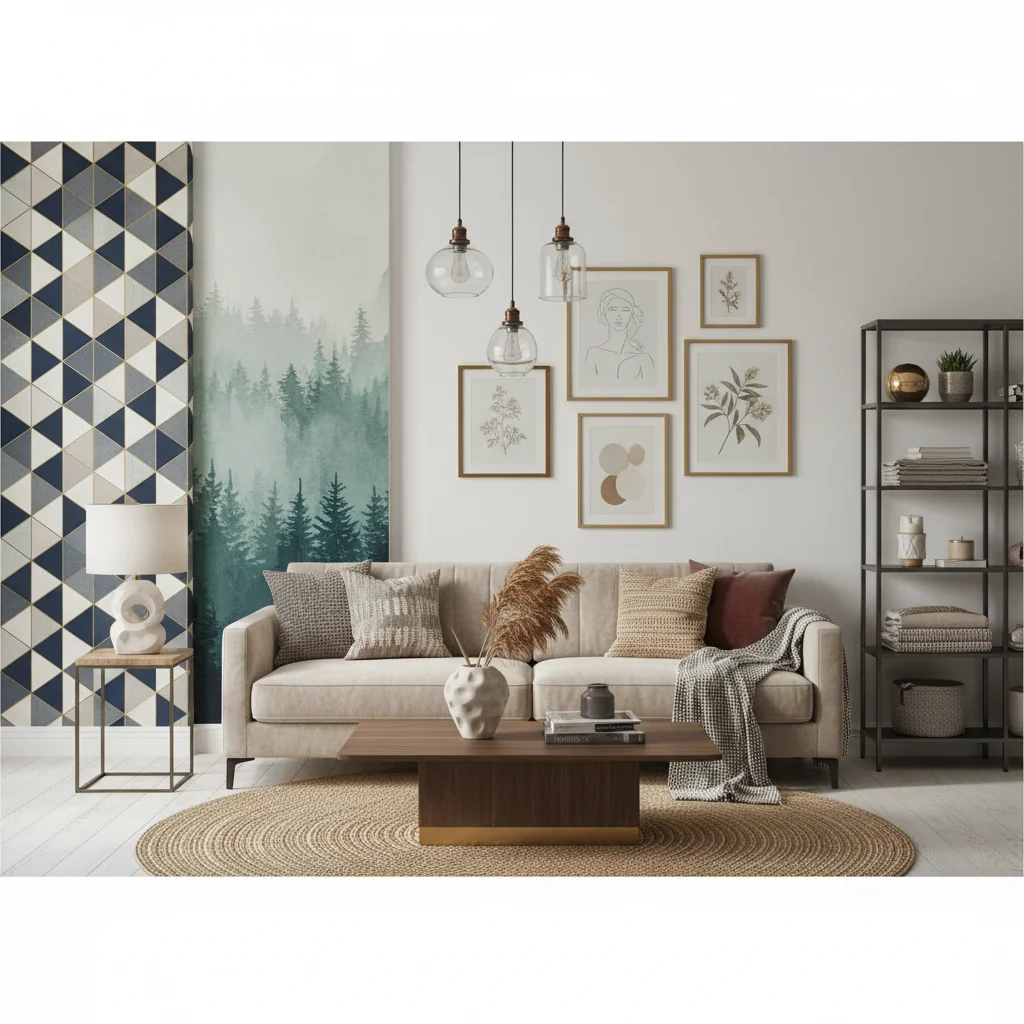
Materials and Construction: Durability Meets Design
The selection of materials and the methods of construction are paramount to the performance and longevity of any wallcovering, directly influencing its durability, maintenance requirements, and aesthetic qualities. York Wallcoverings prides itself on utilizing high-quality materials and advanced manufacturing techniques to produce products that not only look exceptional but also withstand the test of time. Understanding these technical specifications is essential for making an informed choice.
York’s commitment to material excellence is evident across its diverse product lines. For instance, many of their commercial and high-traffic residential wallcoverings feature robust vinyl constructions. These vinyl materials are engineered for superior resistance to wear, tear, and moisture. The technical data provided by manufacturers, such as those detailed on York Wallcoverings’ technical specifications page, often includes metrics like scrubbability and washability.
- Scrubbability: This rating indicates how well a wallcovering can withstand vigorous cleaning without damage. Highly scrubbable vinyls are ideal for kitchens, bathrooms, and children’s rooms, where frequent cleaning is necessary.
- Washability: A washability rating denotes the ability to clean the surface with a damp sponge and mild detergent. Most vinyl and non-woven wallcoverings offer excellent washability, ensuring easy maintenance.
- Lightfastness: This property measures a material’s resistance to fading when exposed to light. York specifies lightfastness ratings to ensure that patterns and colors retain their vibrancy even in sun-drenched rooms. Good lightfastness is crucial for preserving the aesthetic integrity of the wallcovering over many years.
- Tear Resistance: Particularly important for installation and long-term durability, tear resistance refers to the material’s ability to resist tearing, especially at seams or corners. Fabric-backed vinyls and non-wovens typically offer superior tear resistance.
Beyond performance, material choices significantly impact the environmental footprint of wallcoverings. York addresses environmental considerations through various initiatives, including the use of water-based inks and sustainable sourcing practices where possible. Many modern wallcoverings, especially non-wovens, are designed to be breathable, which helps to prevent moisture buildup behind the wallcovering, thereby reducing the risk of mold and mildew. This breathability is a key factor in promoting healthier indoor air quality.
Substrate: The backing material to which the decorative surface is adhered is known as the substrate, and it plays a critical role in the wallcovering’s stability, ease of installation, and removal. Common substrates include paper, non-woven fibers, and woven fabrics. A non-woven substrate, for instance, provides exceptional dimensional stability, meaning it resists shrinking or expanding when wet, leading to smoother seams and easier pattern matching.
The rigorous standards upheld by manufacturers like York ensure that products not only meet aesthetic demands but also comply with various industry specifications. This commitment to quality extends to adherence to rigorous material standards and trade regulations, reflecting a broader industry expectation for domestically produced goods. Such adherence is part of the comprehensive framework governing manufacturing and trade, which aims to ensure product integrity and instill consumer confidence. These types of regulatory frameworks are often detailed in documents like those found on regulations.gov, highlighting the importance of compliance in maintaining high-quality standards across various industries, including home decor.
When selecting a York wallcovering, consider the specific demands of your space. For high-traffic areas or environments prone to moisture, prioritize vinyl or highly washable non-woven options. For areas where intricate patterns and delicate textures are paramount, traditional paper or natural fiber wallcoverings may be more appropriate, provided their specific care instructions can be met. By understanding the interplay of materials, construction, and technical specifications, you can choose a York wallcovering that offers both enduring beauty and optimal performance for your home.
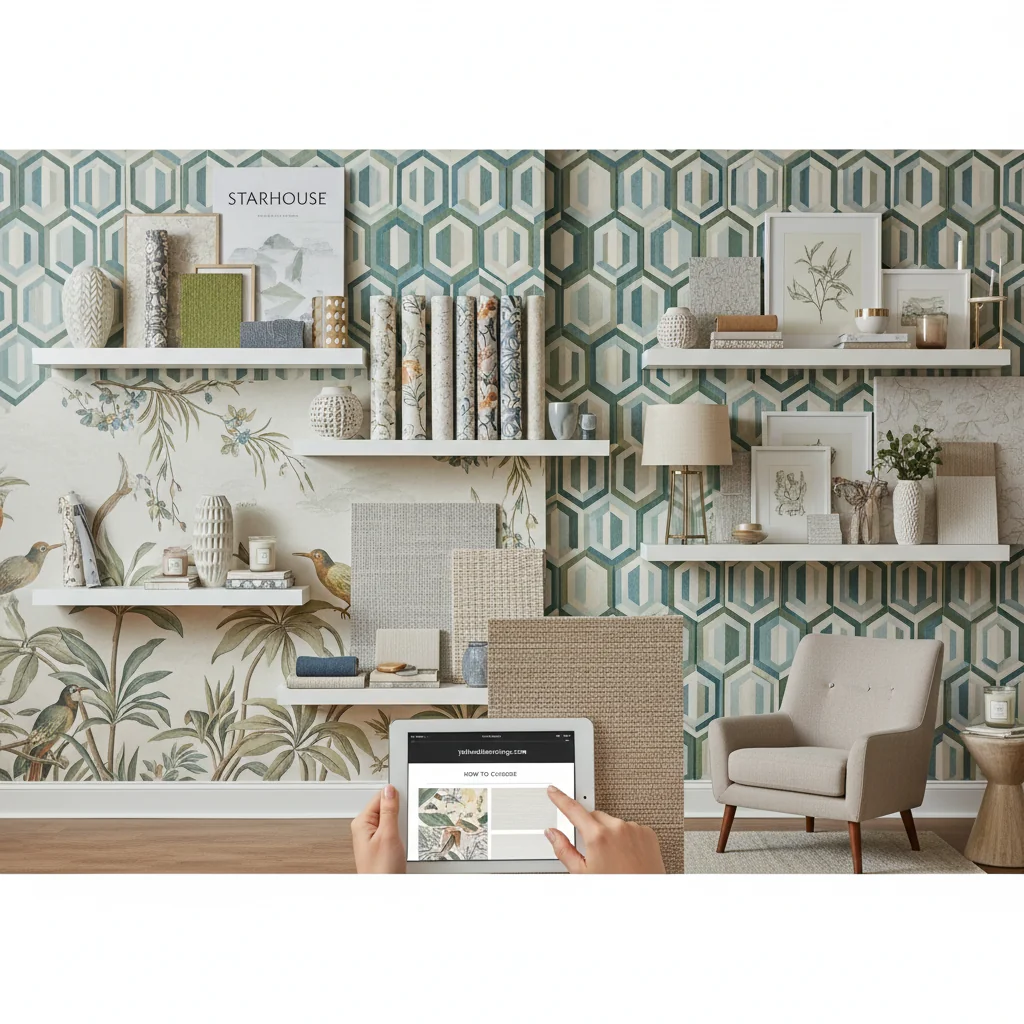
Precision in Planning: Sizing, Measuring, and Estimation
Accurate sizing, meticulous measuring, and precise estimation are non-negotiable steps to ensure a successful and cost-effective wallcovering installation. Underestimating the amount of material needed can lead to delays and potential color batch discrepancies, while overestimating results in unnecessary expense. York Wallcoverings, like most high-quality brands, adheres to standard roll dimensions, making these calculations predictable with careful planning.
The first step is to gather your tools: a steel tape measure, a pencil, a notepad, and a step stool or ladder. Always measure in feet and inches for accuracy.
Step-by-Step Measuring Guide:
- Measure Wall Height: Measure the height of each wall from the baseboard to the ceiling. If there are variations, use the highest measurement for consistency. Add an extra 4-6 inches to this height for trimming at the top and bottom of each strip.
- Measure Wall Width: Measure the total width of each wall. Sum these widths to get the total perimeter of the room (excluding walls that won’t be covered).
- Calculate Square Footage: Multiply the total linear width of the walls to be covered by the average wall height. This provides the total square footage. For example, a room with a perimeter of 40 feet and a height of 8 feet has 320 sq ft of wall space.
- Account for Openings: Subtract the square footage of significant openings like windows and doors. Measure each window and door (height x width) and deduct this area from your total. Do not subtract small openings like light switches or outlets, as these will be cut out of the wallcovering strips.
- Determine Repeat Pattern: This is a critical step for patterned wallcoverings. The pattern repeat is the vertical distance between where the pattern exactly repeats itself. York Wallcoverings will specify this in inches. For patterns with a large repeat, you will need more material to ensure proper alignment across strips.
-
Calculate Strips per Roll: Standard U.S. double rolls of wallpaper typically cover approximately 56 square feet. However, due to pattern repeat and trimming, this coverage is reduced. To calculate usable strips per roll:
- Take the standard length of a double roll (e.g., 33 feet or 396 inches).
- Divide this length by the cut length of each strip (wall height + pattern repeat). Round down to the nearest whole number to find the number of full strips you can get from one roll.
- For example, if your wall height is 96 inches and the pattern repeat is 24 inches, each strip needs to be 96+4 (trim allowance) = 100 inches long. If the pattern repeat is 24 inches, you effectively need to cut strips in multiples of (strip length + pattern repeat adjustment). A more practical approach: divide the roll length (396 inches) by (wall height + pattern repeat + trim allowance, e.g., 96 + 24 + 4 = 124 inches) and round down. This is an oversimplification; a professional calculator or experience is better.
- A simpler, rule-of-thumb method for pattern matching is to add 15-20% to your total square footage for waste, especially with large repeats.
- Calculate Total Rolls Needed: Divide the total number of strips required (total wall width divided by the width of one strip of wallpaper) by the number of usable strips per roll. Always round up to the nearest whole number of rolls.
- Order an Extra Roll: It is always prudent to order one extra roll, especially for patterned wallcoverings. This accounts for unexpected damage, installation errors, or future repairs, ensuring color consistency from the same dye lot.
While DIY installation is possible, particularly with non-woven or peel-and-stick options, complex patterns or delicate materials like natural fibers often benefit significantly from professional installation. A professional installer possesses the expertise to handle intricate pattern matching, manage large-scale installations, and ensure a flawless, long-lasting finish, saving time and preventing costly errors.
By adhering to these detailed measuring and estimation guidelines, you can approach your York Wallcoverings project with confidence, ensuring a precise fit and a stunning transformation of your space.
Current Trends in Wallcovering Design: What’s New from York
The world of interior design is in constant evolution, and wallcoverings are at the forefront of this dynamic shift, offering some of the most impactful ways to update and personalize a space. York Wallcoverings, as a leader in the industry, consistently introduces collections that not only reflect but often define the prevailing trends, blending timeless appeal with contemporary innovation. Staying abreast of these trends ensures your home remains current, stylish, and reflective of modern design sensibilities.
One dominant trend is the resurgence of Biophilic Design, which seeks to connect inhabitants with nature. York responds to this with wallcoverings featuring botanical prints, lush foliage, abstract natural textures, and serene landscapes. These designs often incorporate organic color palettes—greens, earthy browns, soft blues—creating calming and rejuvenating environments that blur the lines between indoor and outdoor spaces. Think large-scale tropical leaves, delicate floral motifs, or subtle grasscloth textures that bring a sense of the natural world indoors.
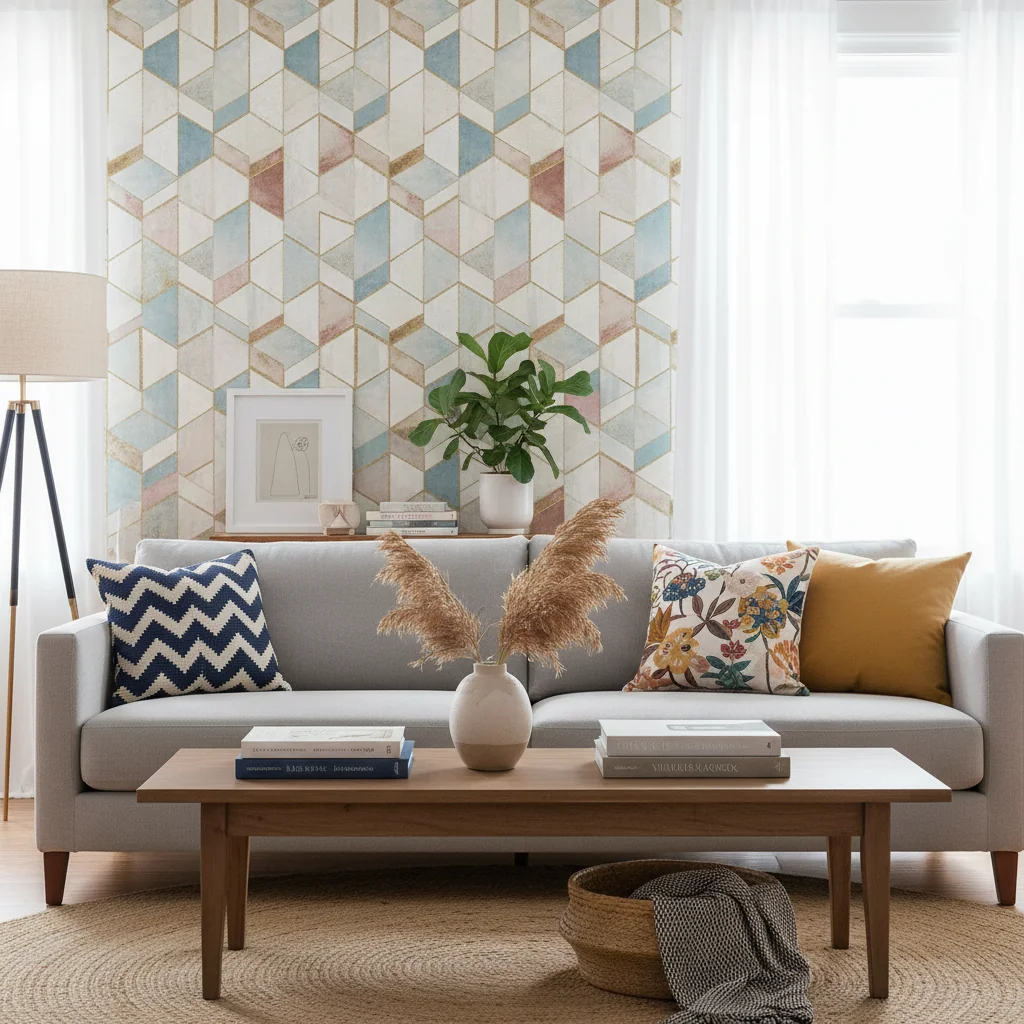
Geometric Patterns continue to hold sway, evolving from rigid mid-century modern designs to more fluid, art-inspired forms. York’s geometric offerings range from intricate Art Deco-inspired motifs to bold, abstract shapes and interlocking lines that create a sense of movement and contemporary sophistication. These patterns are particularly effective in making a statement in entryways, dining rooms, or accent walls, often utilizing metallic accents or contrasting textures for added depth.
The movement towards Maximalism in interiors encourages bold expression and a layered approach to design. Wallcoverings are central to this trend, with York offering vibrant, rich patterns, often featuring intricate details, exotic birds, or elaborate chinoiserie. These designs celebrate color, texture, and pattern mixing, inviting homeowners to embrace abundance and personality. When applied in a maximalist scheme, wallcoverings become a primary artistic element, complemented by diverse furnishings and accessories.
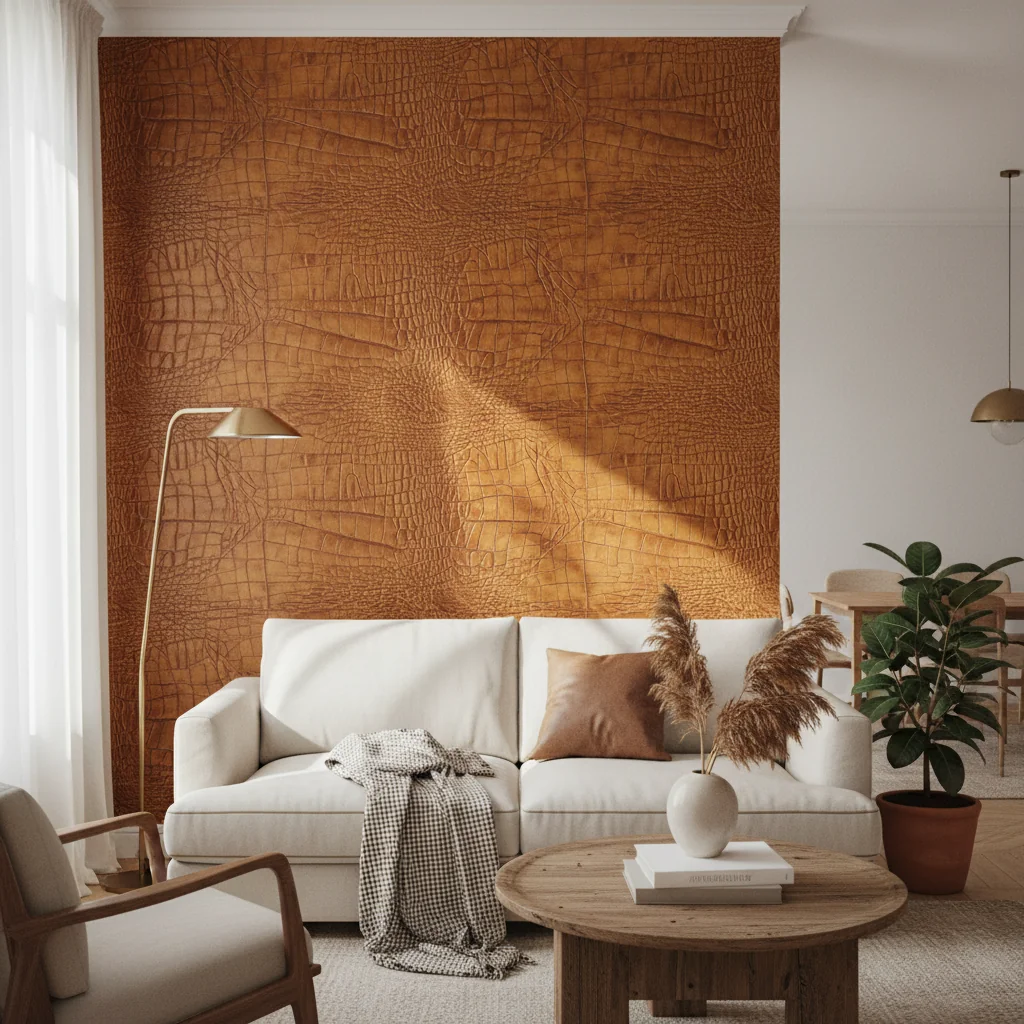
Textured Neutrals remain a timeless choice, but current trends emphasize depth and subtlety. York excels in creating wallcoverings that mimic natural materials like linen, raw silk, concrete, or plaster through sophisticated embossing and printing techniques. These textured neutrals provide a sophisticated backdrop, adding warmth and tactile interest without overpowering other design elements. They are ideal for creating serene bedrooms, elegant living spaces, or minimalist environments that still crave a touch of organic richness.
Heritage Patterns with a Modern Twist are also prominent. York, with its extensive archive, frequently reinterprets classic designs—damasks, stripes, toile—with updated colorways, metallic finishes, or contemporary scale adjustments. This trend allows for the incorporation of historical elegance into modern settings, offering a connection to tradition while feeling fresh and relevant. These designs often feature unexpected color pairings or subtle metallic sheens that catch the light beautifully.
The allure of Metallics and Iridescence continues to captivate. Wallcoverings with gold, silver, copper, or pearlescent finishes add a touch of glamour and sophistication, reflecting light to create dynamic visual effects. These can range from subtle metallic threads woven into a texture to bold geometric patterns outlined in shimmering inks, perfect for accent walls or spaces designed for entertaining.
In terms of color palettes, while serene neutrals and earthy tones continue to dominate for their versatility, there’s a growing embrace of richer, saturated hues. Deep teals, emerald greens, warm terracotta, and sophisticated plums are making their way into wallcovering designs, often used to create dramatic, enveloping spaces.
These trends demonstrate York Wallcoverings’ dedication to providing options that cater to every aesthetic inclination, from the subtly textural to the boldly expressive. By incorporating these contemporary designs, you can infuse your home with a sense of curated style that feels both personal and perfectly on-trend.
Installation Insights: Ensuring a Flawless Finish
Achieving a flawless wallcovering installation with York products requires meticulous preparation, the right tools, and an understanding of specific techniques. While some wallcoverings, particularly peel-and-stick or paste-the-wall non-wovens, are more amenable to DIY, complex patterns, delicate materials, or large-scale projects often benefit immensely from professional expertise. Regardless of the installer, adherence to best practices is crucial for durability and aesthetic appeal.
Surface Preparation: This is arguably the most critical step for any successful wallcovering application. The wall surface must be clean, dry, smooth, and structurally sound.
- Cleaning: Wash walls with a mild detergent solution to remove dirt, grease, and grime. Rinse thoroughly and allow to dry completely.
- Repairing: Fill any holes, cracks, or imperfections with spackle or joint compound. Sand smooth once dry. Any unevenness on the wall will show through the wallcovering.
- Priming: Apply a high-quality wallcovering primer (often referred to as a “sizing” or “wallcovering primer”) to all surfaces. Primer creates a uniform, absorbent surface, enhances adhesion, and makes future removal easier without damaging the drywall. Do not skip this step, especially on new drywall or painted surfaces.
- Removing Old Wallcovering: If existing wallcovering is present, it must be completely removed. Residual adhesive or loose paper can compromise the new installation. Use a wallcovering stripper and scraper for effective removal.
Adhesives: The type of adhesive depends on the wallcovering material. York Wallcoverings will specify the recommended adhesive for each product.
- Clear Adhesives: Often used for lighter-weight wallcoverings, non-wovens, and those with delicate colors to prevent staining.
- Clay-Based Adhesives: Stronger and more forgiving, suitable for heavier vinyls and commercial-grade wallcoverings.
- Pre-Pasted: Some wallcoverings come with a dry adhesive backing that is activated by water.
- Peel-and-Stick: These have a pressure-sensitive adhesive backing, eliminating the need for separate glues.
Always use the specific adhesive recommended by York for your chosen product to ensure optimal adhesion and performance.
Essential Tools Required:
- Steel tape measure
- Utility knife with plenty of fresh blades
- Straightedge or metal ruler
- Smoothing tool (plastic smoother or wallpaper brush)
- Seam roller (for specific types of wallcovering)
- Level or plumb bob
- Bucket and sponge
- Clean cloths
- Drop cloths
- Step ladder
Installation Techniques:
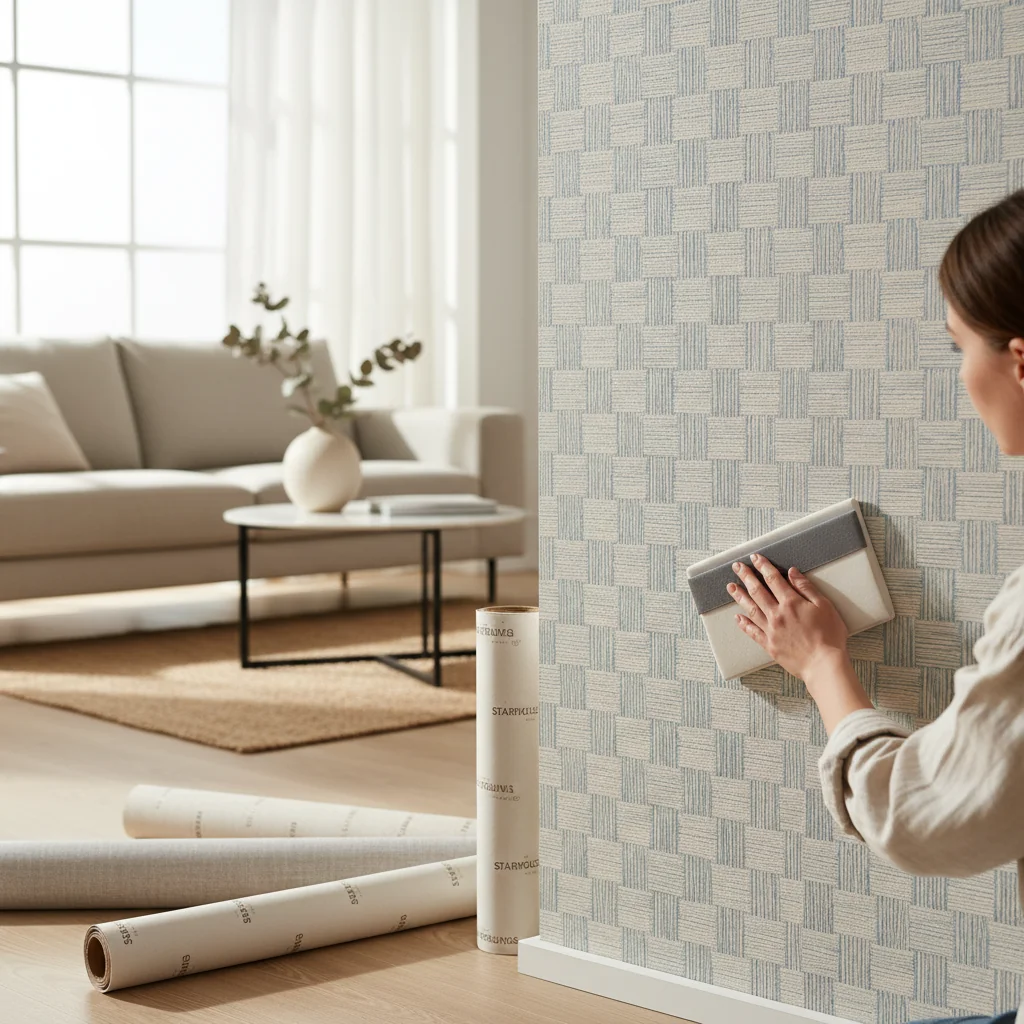
- Paste-the-Wall: This method is typically used for non-woven wallcoverings. The adhesive is applied directly to the wall surface, then the dry wallcovering strip is hung. This method is generally cleaner and easier, as there’s no need to “book” (fold) the pasted paper.
- Paste-the-Paper: For traditional paper-backed or solid sheet vinyl wallcoverings, adhesive is applied to the back of the wallcovering strip. The strip is then “booked” (folded pasted-side to pasted-side) and allowed to “relax” for a few minutes before hanging. This allows the paper to expand before application, preventing bubbling and buckling.
- Peel-and-Stick: The easiest method, simply peel off the backing and apply to the wall, smoothing out air bubbles as you go. This is best for smooth, well-primed surfaces.
Professional Installation Benefits: For intricate patterns, delicate materials like grasscloth, or large-scale projects, professional installation is a worthwhile investment. Experienced installers possess:
- Expertise in Pattern Matching: Ensuring seamless transitions and invisible repeats, especially with complex designs.
- Precision Cutting: Achieving clean cuts around windows, doors, and architectural features.
- Problem-Solving Skills: Addressing unexpected wall imperfections or installation challenges.
- Specialized Tools: Access to professional-grade tools for optimal results.
- Efficiency: Completing the job quickly and flawlessly, minimizing disruption.
A properly installed York Wallcovering will elevate your space for years. By prioritizing preparation and selecting the appropriate installation method, whether DIY or professional, you ensure that your investment in quality design yields a truly stunning and lasting outcome.
Care and Maintenance: Preserving the Beauty of Your Investment
Proper care and maintenance are indispensable for preserving the pristine appearance and extending the lifespan of your York Wallcoverings. Different wallcovering materials demand specific cleaning regimens, and understanding these distinctions is crucial to avoid damage and ensure your investment remains vibrant and beautiful for years. Always refer to the manufacturer’s specific cleaning instructions provided with your chosen product.
For most York Wallcoverings, particularly those with vinyl or non-woven surfaces, routine cleaning is relatively straightforward. These materials are generally designed for durability and ease of maintenance.
- Regular Dusting: Dust accumulation can dull the appearance of any wallcovering. Use a soft, dry cloth or a duster with a long handle to gently remove dust from the surface on a regular basis. For textured wallcoverings, a soft brush attachment on a vacuum cleaner can be effective.
-
General Cleaning (Washable/Scrubbable): For wallcoverings designated as “washable” or “scrubbable” (typically vinyls and some non-wovens), a damp sponge or soft cloth with a mild, non-abrasive detergent solution is appropriate.
- Mix a small amount of dish soap or a specialized wallcovering cleaner with warm water.
- Wring out the sponge or cloth thoroughly so it is damp, not dripping wet.
- Gently wipe the wallcovering from bottom to top to prevent dirty water from streaking.
- Rinse the area with a clean, damp cloth, removing all soap residue.
- Immediately dry the wallcovering with a soft, clean towel to prevent water spots or moisture damage.
Always test any cleaning solution on an inconspicuous area first to ensure it does not cause discoloration or damage.
-
Stain Removal: Address spills and stains immediately. Fresh stains are much easier to remove than dried-on ones.
- For most household stains on washable surfaces, the mild detergent solution described above is usually effective.
- For grease stains, a small amount of non-abrasive household cleaner designed for grease removal might be needed, again, tested first.
- Avoid harsh chemicals, abrasive cleaners, or stiff brushes, as these can damage the surface, remove finishes, or cause permanent discoloration.
-
Delicate Materials (Natural Fibers, Traditional Paper): Wallcoverings made from natural fibers (like grasscloth) or traditional paper require a more delicate approach.
- Natural Fibers: These are generally not washable. Dusting with a soft, dry cloth or a vacuum with a brush attachment is the primary cleaning method. For spills, blot immediately with a clean, dry cloth. Avoid rubbing, as this can embed the stain or damage the fibers. Water-based stains can be particularly challenging and may require professional cleaning if severe.
- Traditional Paper: These are typically not washable and are prone to water damage. Dry dusting is the safest method. For light marks, a clean art gum eraser may be used very gently. Avoid any liquid cleaners.
Longevity Tips:
- Control Humidity: High humidity can cause wallcoverings to lift or promote mold growth. Ensure proper ventilation in bathrooms and kitchens.
- Protect from Direct Sunlight: While York Wallcoverings have good lightfastness, prolonged exposure to intense, direct sunlight can still cause fading over many years. Use window treatments to filter harsh UV rays in particularly sunny rooms.
- Avoid Abrasion: Protect wallcoverings from furniture rubbing against them or from sharp objects that could scratch or tear the surface.
- Address Damage Promptly: Minor tears or lifted seams should be repaired quickly with the appropriate adhesive to prevent them from worsening.
By adhering to these care and maintenance guidelines, tailored to the specific type of York Wallcovering you have chosen, you can ensure that your walls remain a stunning and well-preserved feature of your home for many years, reflecting the enduring quality of your investment.
Styling and Pairing: Integrating Wallcoverings into Your Design Scheme
Integrating York Wallcoverings into your overall design scheme is an art that transforms a room from merely functional to exquisitely curated. Wallcoverings are powerful design tools that can serve as a room’s focal point, a subtle backdrop, or a unifying element, and their successful pairing with furnishings, textiles, lighting, and accessories is key to achieving a cohesive and sophisticated aesthetic.
When using wallcoverings as a focal point, select a bold pattern, a vibrant color, or a highly textured design from York’s collections. This might be a dramatic floral mural in a dining room, a striking geometric in an entryway, or a luxurious metallic pattern on an accent wall in a living area. When the wallcovering is the star, choose furnishings and textiles that complement its palette and style without competing. Solid-colored upholstery, simpler furniture silhouettes, and understated accessories allow the wallcovering to truly shine. For instance, a bold botanical print pairs beautifully with natural wood furniture, linen upholstery, and simple ceramic vases.
Conversely, if the wallcovering is intended as a subtle backdrop, opt for textured neutrals, tone-on-tone patterns, or understated small-scale motifs. Grasscloth, faux linen, or a delicate stripe from York can add depth and warmth to a room without dictating the entire design. This approach allows other elements—such as a vibrant sofa, an intricate rug, or a collection of art—to take center stage. The wallcovering provides a quiet elegance, enhancing the overall ambiance rather than dominating it.
Pairing with Furnishings: Consider the style of your furniture. Traditional wallcoverings, like damasks or toile, naturally complement classic wooden pieces, upholstered chairs with rolled arms, and antique side tables. Modern wallcoverings with clean lines or abstract designs pair well with contemporary furniture featuring sleek profiles, metal accents, and minimalist forms. The goal is harmony, not necessarily matching. A rustic wallcovering can be elegantly contrasted with a few contemporary pieces to create a transitional, layered look.
Integrating Textiles: Textiles—curtains, rugs, throw pillows, upholstery—are essential for adding softness, color, and pattern. If your York wallcovering features a busy pattern, choose solid or subtly textured fabrics for your textiles. If the wallcovering is understated, you have more freedom to introduce patterned rugs or cushions. Pull colors from the wallcovering’s palette into your textiles to create a cohesive flow. For example, a wallcovering with hints of sage green can be echoed in throw pillows or a velvet armchair.
Lighting Considerations: Lighting plays a crucial role in how a wallcovering appears. Wallcoverings with metallic accents or textured surfaces will react differently to various light sources. Natural light enhances the true colors and textures, while artificial lighting can create dramatic effects. Consider how sconces or picture lights might highlight a specific pattern or how a chandelier might cast interesting shadows on a textured surface. The reflectivity of the wallcovering should also be considered; a high-sheen finish will brighten a room, while a matte finish absorbs light, creating a more intimate atmosphere.
Accessories and Art: Accessories and art pieces should either complement or subtly contrast with the wallcovering. If the wallcovering is visually busy, opt for simple, framed art or sculptural pieces that don’t compete. If the wallcovering is neutral, it provides an excellent gallery-like backdrop for more elaborate artwork or a curated collection of decorative objects. A cohesive design scheme is an interior design approach where all elements—furniture, textiles, colors, and wallcoverings—are thoughtfully chosen to create a unified and harmonious aesthetic.
Room-Specific Applications:
- Living Room: A large-scale floral or a sophisticated geometric can create a dramatic feature wall, while a subtle textured wallcovering can provide a luxurious backdrop for art and conversation.
- Bedroom: Soft, calming patterns like delicate botanicals, subtle stripes, or textured neutrals promote relaxation. Consider a wallcovering behind the headboard for an elegant focal point.
- Bathroom/Powder Room: These smaller spaces are ideal for bold, unexpected patterns or luxurious metallics. Vinyl wallcoverings are recommended for their moisture resistance.
- Dining Room: Rich damasks, elegant chinoiserie, or classic stripes can elevate the formality and warmth of a dining space, fostering an inviting atmosphere for entertaining.
By thoughtfully considering how your chosen York Wallcovering interacts with every other element in your room, you can craft a space that is not only beautiful but also deeply personal and reflective of refined taste.
Common Mistakes to Avoid When Choosing and Installing Wallcoverings
Even with the highest quality products like those from York Wallcoverings, certain missteps in selection and installation can diminish the final outcome. Avoiding these common mistakes ensures a smoother project, a more satisfying result, and the longevity of your investment. Precision and foresight are paramount in wallcovering projects.
1. Underestimating Quantity: A frequent and costly error is failing to order enough wallcovering. This often occurs by not adequately accounting for pattern repeat, trimming waste, or mismeasuring the walls. Always add 15-20% extra to your calculated square footage, especially for large pattern repeats. Furthermore, ensure all rolls are from the same dye lot to prevent noticeable color variations, which can occur between different production batches. Once a wallcovering is installed, it is often impossible to find an exact match from a different lot number.
2. Neglecting Surface Preparation: The quality of the underlying wall directly impacts the final appearance of the wallcovering. Installing over dirty, uneven, or unprimed walls will result in visible imperfections, poor adhesion, and potential bubbling or peeling. Every bump, hole, or residue of old adhesive will telegraph through the new material. Thoroughly clean, spackle, sand, and prime all walls before beginning installation. Skipping primer is a particularly critical mistake, as it affects both adhesion and future removal.
3. Ignoring Pattern Repeat: For patterned wallcoverings, the pattern repeat dictates how much extra material is needed to align the design seamlessly across strips. Failing to factor this into your calculations will lead to insufficient material and a disjointed, unprofessional look. Always identify the pattern repeat measurement provided by York and adjust your strip lengths accordingly, adding the repeat to each cut.
4. Misjudging Pattern Scale in a Room: A beautiful pattern in a small sample can appear overwhelming or underwhelming when applied to an entire wall. Large-scale patterns can make small rooms feel even smaller if not used judiciously, perhaps better suited for an accent wall. Conversely, a tiny, intricate pattern might get lost in a vast room. Consider the room’s dimensions and the visual impact you desire. Use online visualization tools or order large samples to see how the pattern scale translates to your space.
5. Overlooking Material-Specific Care Instructions: Not all wallcoverings are created equal when it comes to cleaning. Attempting to scrub a delicate natural fiber wallcovering like grasscloth, which is often dry-clean only, can cause irreparable damage. Always read and adhere to York’s specific care and maintenance guidelines for your chosen product. Using harsh chemicals or abrasive tools on washable vinyl can also strip its protective coating or fade its colors.
6. Improper Adhesive Selection: Using the wrong type of adhesive can lead to poor adhesion, bubbling, staining, or difficulty in future removal. York specifies the correct adhesive for each of its products. For instance, heavy vinyls require a stronger clay-based adhesive, while delicate papers might need a clear, non-staining paste. Never substitute with a generic adhesive unless explicitly stated as compatible.
7. Rushing the Installation Process: Wallcovering installation requires patience and precision. Rushing can lead to misaligned seams, air bubbles, tears, or crooked strips. Take your time with each step, from measuring and cutting to pasting and smoothing. If you are inexperienced, consider hiring a professional installer, especially for intricate patterns or delicate materials, to ensure a high-quality, lasting finish.
By being mindful of these common pitfalls, you can navigate your wallcovering project with confidence, ensuring that your chosen York Wallcoverings enhance your home with enduring beauty and flawless execution.
Sources
Frequently Asked Questions About York Wallcoverings
What makes York Wallcoverings different from other brands?
York Wallcoverings distinguishes itself through over a century of American manufacturing heritage, producing high-quality wallcoverings from its original factory in Pennsylvania. This legacy is coupled with a commitment to diverse design, technical innovation, and adherence to rigorous quality standards, making them the oldest and largest producer in the U.S.
Are York Wallcoverings easy to install for a DIY enthusiast?
The ease of installation for York Wallcoverings varies by type. Non-woven “paste-the-wall” options and peel-and-stick products are generally more DIY-friendly due to their simpler application and removal. Traditional paper or delicate natural fiber wallcoverings, especially those with large pattern repeats, often benefit from professional installation to ensure a flawless finish.
How do I clean and maintain York Wallcoverings?
Cleaning and maintenance depend on the specific material. Most vinyl and non-woven York wallcoverings are washable or scrubbable, allowing for cleaning with a damp sponge and mild detergent. Delicate materials like natural fibers or traditional paper require dry dusting and careful spot treatment, as they are not typically washable. Always consult the product’s specific care instructions.
Can I use York Wallcoverings in bathrooms or high-humidity areas?
Yes, many York Wallcoverings are suitable for bathrooms and high-humidity areas, particularly their vinyl wallcoverings. Vinyl options are highly moisture-resistant and durable, making them an excellent choice for these environments. Ensure proper ventilation is maintained to prevent excessive moisture buildup, regardless of the wallcovering type.
How do I accurately measure for York Wallcoverings to avoid ordering too much or too little?
To accurately measure, calculate the total square footage of your walls, subtracting large openings like doors and windows. Crucially, account for the pattern repeat by adding 15-20% extra to your total square footage for waste and pattern matching. Always order an additional roll from the same dye lot to cover any unforeseen issues or future repairs.
Do York Wallcoverings offer sustainable or eco-friendly options?
York Wallcoverings incorporates sustainable practices, such as using water-based inks and exploring responsible material sourcing. Many of their non-woven wallcoverings are breathable, contributing to healthier indoor air quality, and designed for easier removal, minimizing wall damage and waste. Specific product lines may highlight additional eco-friendly attributes.
Are York Wallcoverings suitable for commercial use?
Yes, York Wallcoverings produces a wide range of commercial-grade wallcoverings designed for high-traffic environments. These often include heavier vinyl constructions with enhanced durability, scrubbability, and fire-safety ratings, making them ideal for hospitality, healthcare, office, and retail spaces.
Conclusion: Elevating Your Home with York Wallcoverings
York Wallcoverings stands as a beacon of quality and design in the home décor industry, offering an unparalleled selection that caters to every aesthetic and functional need. From their century-old commitment to American craftsmanship to their continuous innovation in materials and design, York provides solutions that are both visually stunning and enduringly practical. As we have explored, understanding the diverse types, styles, and technical specifications of York Wallcoverings empowers you to make informed decisions that will profoundly impact the ambiance and character of your home.
At Starhouse, we are dedicated to curating collections that embody sophisticated design and exceptional quality, and York Wallcoverings exemplifies these values. Whether you seek the classic elegance of a traditional damask, the modern appeal of a geometric print, or the organic texture of a natural fiber, York offers a canvas for your personal style. By approaching your wallcovering project with precision in planning, careful consideration of materials, and a commitment to proper installation and care, you ensure that your chosen design not only transforms your space but also reflects a timeless investment in beauty.
As Starhouse continues to build its curated collection of the finest home furnishings and décor, we invite you to be part of our journey. Your vision helps us shape our offerings. Share what you envision for your ideal living space and gain early access to our exclusive selections. We are building a collection designed to inspire, and we want to hear from you.
Tell us what you’re looking for.