York Wallcoverings represents a cornerstone of American interior design, renowned for its extensive collection of high-quality wallcoverings that blend historical artistry with contemporary innovation. As the oldest and largest wallcovering producer in the United States, York Wallcoverings has established a legacy of manufacturing residential wallpaper, commercial wallcoverings, and wall decals that are distributed globally. Their commitment to craftsmanship and design diversity positions them as a leading choice for homeowners and designers seeking to elevate spaces with distinctive wall décor.
This comprehensive guide delves into the world of York Wallcoverings, exploring their diverse types, signature styles, superior materials, and the precise considerations for selection, measurement, and installation. We provide authoritative insights into current design trends, essential care practices, and expert styling advice, ensuring you possess the knowledge to integrate these exceptional wallcoverings seamlessly into your home. Discover how York Wallcoverings can transform your interiors, offering both aesthetic beauty and enduring quality.
Key Takeaways
- York Wallcoverings is the oldest and largest wallcovering producer in the United States, offering a vast array of residential and commercial products.
- Their portfolio encompasses diverse types, including traditional unpasted, pre-pasted, peel-and-stick, grasscloth, and digitally printed murals, catering to varied installation preferences and design needs.
- York prioritizes sustainable manufacturing, utilizing water-based inks and environmentally conscious materials as detailed in their Environmental Promise.
- Precise measurement is critical, requiring consideration of wall dimensions, pattern repeat, and a 15-20% buffer to ensure adequate material for a flawless installation.
- Choosing the right wallcovering involves assessing room function, aesthetic preferences, pattern scale, color palette, and texture to achieve a cohesive and impactful design.
- Proper care, tailored to the wallcovering material, extends its lifespan and preserves its visual integrity, ranging from gentle dusting to specific cleaning for vinyl or natural fibers.
What are York Wallcoverings? A Legacy of Design and Craftsmanship
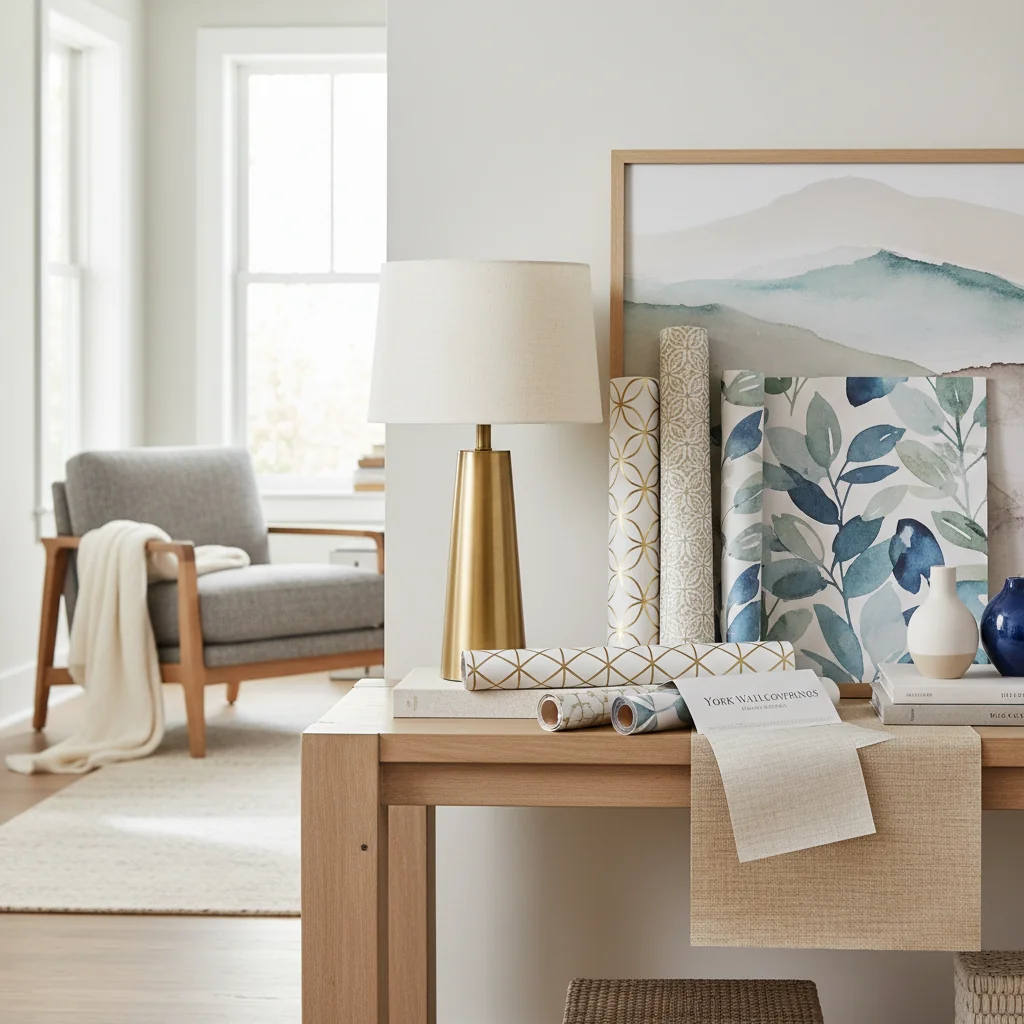
York Wallcoverings is a distinguished American manufacturer celebrated for producing high-quality and aesthetically diverse wallcoverings that enhance interior spaces across the globe. Founded in 1895 in York, Pennsylvania, the company holds the distinction of being the oldest and largest wallcovering producer in the United States, a testament to its enduring commitment to design innovation and manufacturing excellence. York Wallcoverings offers a comprehensive range of products, including residential wallpaper, commercial wallcoverings, and decorative wall decals, catering to a broad spectrum of design preferences and functional requirements.
Their extensive catalog features thousands of patterns, textures, and colorways, spanning from historically inspired motifs to cutting-edge contemporary designs. This vast selection ensures that whether a project demands a classic damask, a modern geometric, a tactile grasscloth, or a whimsical pattern for a child’s room, York provides an option that meets precise specifications. The brand’s reputation is built on its meticulous attention to detail, the use of advanced printing technologies, and a deep understanding of decorative trends, making their products a preferred choice for interior designers and discerning homeowners alike.
A wallcovering is a material used to cover and decorate the interior walls of homes and other buildings. It typically comes in rolls and is applied to walls using adhesive, offering aesthetic enhancement, texture, and protection to surfaces. York Wallcoverings’ products are designed not only for visual appeal but also for durability and ease of maintenance, providing a long-lasting solution for interior design. Their global presence, spanning over 85 countries, underscores their status as an international leader in the wall décor industry, bringing American craftsmanship to a worldwide audience.
The company’s heritage is deeply intertwined with American design history, continuously adapting and innovating while preserving traditional techniques. This blend of tradition and modernity allows York to offer collections that resonate with timeless elegance and contemporary flair. Their design team consistently researches global trends, collaborates with renowned artists and designers, and develops proprietary techniques to ensure their offerings remain fresh, relevant, and at the forefront of interior fashion.
York Wallcoverings also maintains a strong commitment to environmental stewardship. Their manufacturing processes incorporate sustainable practices, such as using water-based inks and recycled materials, and adhering to strict environmental standards. This dedication is outlined in their Environmental Promise, demonstrating their responsibility towards both their customers and the planet. This holistic approach — from design inception to production and environmental impact — solidifies York Wallcoverings’ position as an industry benchmark.
Exploring the Diverse Types of York Wallcoverings
York Wallcoverings produces a wide array of wallcovering types, each designed to meet specific aesthetic preferences, functional needs, and installation requirements, ensuring a suitable option for virtually any space. Understanding these distinctions is crucial for selecting the ideal product that aligns with your design vision and practical considerations. The primary categories include traditional unpasted, pre-pasted, peel-and-stick, natural fiber, and specialized commercial-grade options.
Choosing the appropriate type of wallcovering is as important as selecting the pattern itself, as it dictates the installation process, durability, and long-term maintenance. Starhouse curates a selection that emphasizes both beauty and functionality, recognizing that the right foundation is key to a successful design.
Traditional Unpasted Wallpaper
Traditional unpasted wallpaper requires the application of a separate adhesive (paste) to the back of the paper before installation, offering robust adhesion and professional-grade results. This type typically provides the broadest range of designs, materials, and textures, including luxury options like solid vinyl, fabric-backed vinyl, and heavy-duty paper-backed vinyl. Unpasted papers are highly durable and offer excellent longevity, often lasting for decades when properly installed. They are particularly favored by professional installers due to the flexibility in positioning and the strength of the bond.
Pre-pasted Wallpaper
Pre-pasted wallpaper comes with a dry adhesive already applied to its back, which is activated by dipping the paper in water, simplifying the installation process. This type is a popular choice for DIY enthusiasts due to its convenience and reduced mess compared to traditional unpasted options. While generally easier to install, the adhesive bond may not be as robust as a professionally applied paste, making it ideal for residential applications where ease of use is a priority. York offers a vast selection of pre-pasted designs, providing both style and practicality.
Peel-and-Stick Wallpaper
Peel-and-stick wallpaper, also known as self-adhesive or removable wallpaper, features an adhesive backing protected by a removable liner, allowing for easy application and repositioning without the need for water or paste. This highly versatile option is particularly popular for temporary installations, renters, or those who enjoy frequently updating their décor, as it removes cleanly without damaging walls. York’s peel-and-stick collections are primarily made from high-quality vinyl, offering durability, washability, and a wide array of patterns, from subtle textures to bold graphics.
Grasscloth and Natural Fiber Wallcoverings
Grasscloth wallcoverings are handcrafted from natural fibers such as jute, sisal, seagrass, and bamboo, woven onto a paper backing, providing unparalleled texture and organic warmth. These premium options introduce a distinct tactile dimension and a sophisticated, earthy aesthetic to any room. Each roll of grasscloth is unique, showcasing subtle variations in color and texture inherent to natural materials, which adds to its bespoke charm. Due to their delicate nature, grasscloth wallcoverings require specialized installation and care, as they are generally not washable and can be susceptible to moisture damage. They are perfect for creating an accent wall or adding understated luxury to living rooms, dining rooms, or bedrooms.
Fabric-Backed Wallcoverings
Fabric-backed wallcoverings consist of a durable fabric (like cotton or polyester) laminated onto a vinyl surface, offering superior strength, scrubbability, and tear resistance. These are often used in high-traffic residential areas or light commercial settings where enhanced durability is necessary. The fabric backing provides stability and allows for easier removal compared to purely vinyl-backed products. They combine the luxurious feel of fabric with the practical benefits of vinyl.
Commercial-Grade Wallcoverings
York Wallcoverings also produces commercial-grade wallcoverings, which are engineered for exceptional durability and performance in high-traffic environments such as hotels, hospitals, and offices. These are typically heavier, thicker vinyl products, often fabric-backed, designed to withstand rigorous cleaning and resist scuffs and tears. They come in various classifications (Type I, Type II) based on their weight and durability standards. While primarily for commercial use, some homeowners opt for these in very high-traffic areas for maximum resilience.
Murals and Digital Prints
York’s expertise extends to large-format murals and digitally printed wallcoverings, allowing for custom designs, photographic images, or large-scale artistic representations to transform an entire wall into a focal point. These are often printed on non-woven or vinyl substrates, offering flexibility in size and intricate detail. Murals create dramatic visual impact and can be tailored to specific dimensions, offering a truly bespoke design solution.
Here is a summary of the diverse types of York Wallcoverings:
- Traditional Unpasted Wallpaper: Requires separate adhesive, offers maximum durability and design variety, favored by professionals.
- Pre-pasted Wallpaper: Adhesive activated by water, convenient for DIY, good for residential use.
- Peel-and-Stick Wallpaper: Self-adhesive, removable, ideal for temporary décor or renters, primarily vinyl.
- Grasscloth and Natural Fiber Wallcoverings: Handcrafted from natural materials, provides unique texture and organic aesthetic, requires delicate care.
- Fabric-Backed Wallcoverings: Vinyl surface with fabric backing, highly durable, scrubbable, suitable for high-traffic residential areas.
- Commercial-Grade Wallcoverings: Engineered for extreme durability in commercial settings, heavy vinyl, often fabric-backed.
- Murals and Digital Prints: Large-format custom designs or photographic images, creates dramatic focal points, typically on non-woven or vinyl.
Decoding York Wallcoverings’ Signature Styles and Collections
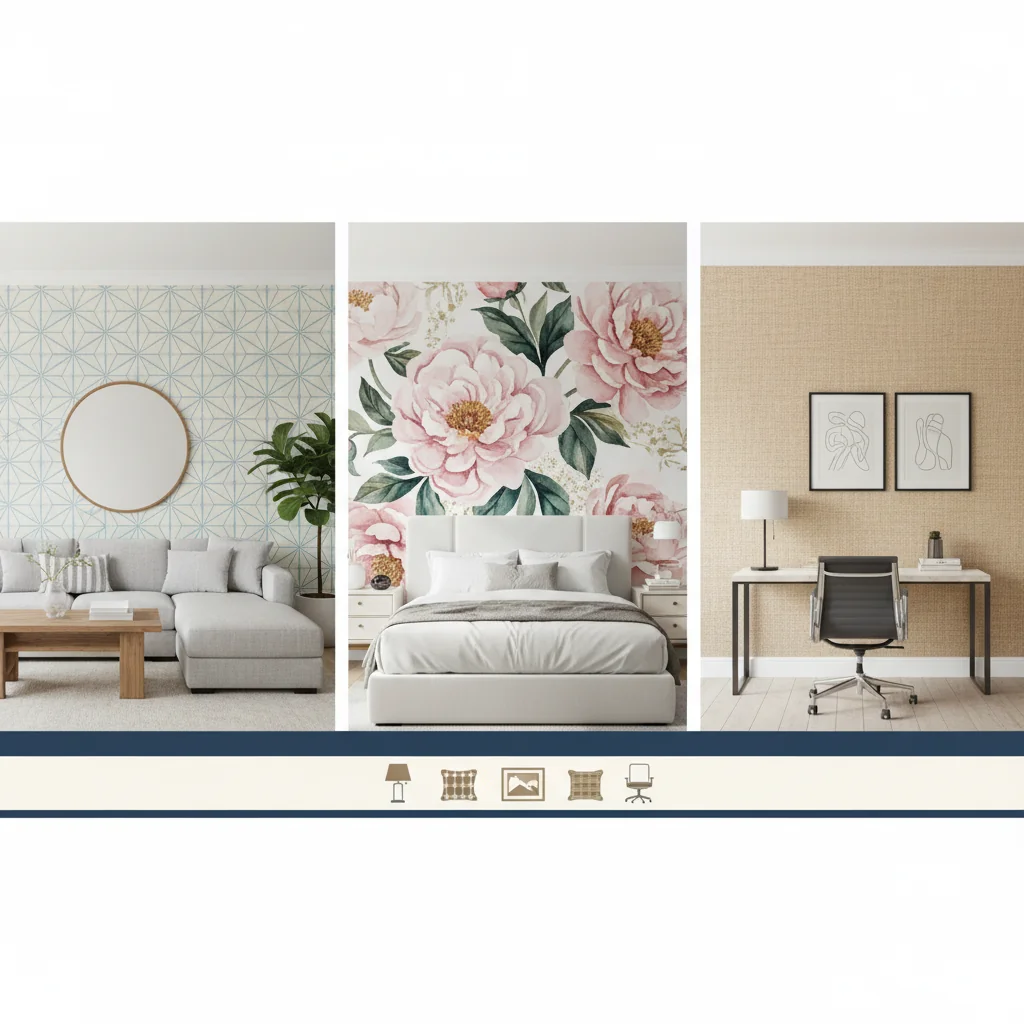
York Wallcoverings offers an unparalleled breadth of styles and collections, enabling designers and homeowners to find the perfect aesthetic complement for any interior, from historical reverence to avant-garde modernity. Their design philosophy centers on curating patterns that resonate with diverse tastes, ensuring every space can achieve its unique character and mood. York’s extensive range is meticulously categorized, simplifying the selection process and allowing for precise alignment with specific design visions.
The brand is known for embracing both enduring classics and emerging trends, often collaborating with renowned designers and brands to bring exclusive collections to market. This commitment to stylistic diversity is evident in their offerings, which span traditional, contemporary, farmhouse, artisan, and specialized themes. As noted by Sherwin-Williams, York’s designs draw inspiration from both contemporary and classic themes, featuring everything from “farmhouse to artisan, from damask to grasscloth,” providing options for every style and occasion.
Classic & Traditional
York’s classic and traditional collections pay homage to enduring design motifs that have graced elegant interiors for centuries. These styles are characterized by intricate details, balanced symmetry, and a sense of refined heritage.
- Damask: Featuring elaborate, reversible patterns, often floral or geometric, damask wallcoverings exude formality and luxury, ideal for dining rooms, formal living spaces, or master bedrooms.
- Toile: Originating in 18th-century France, toile patterns depict pastoral scenes, historical events, or floral motifs, typically in a single color on a contrasting background. They bring a romantic, narrative quality to bedrooms, powder rooms, or studies.
- Florals: From delicate chintz to bold botanical prints, York’s floral designs range from vintage-inspired to contemporary interpretations, adding natural beauty and softness to any room.
- Stripes: A timeless choice, stripes offer versatility in design, from subtle pinstripes to wide regimental bands. They can visually alter room dimensions, adding height or width, and provide a clean, architectural backdrop.
- Medallions and Scrolls: These intricate, often symmetrical patterns evoke a sense of grandeur and historical elegance, suitable for creating a sophisticated focal point.
Contemporary & Modern
For those seeking a more current aesthetic, York’s contemporary and modern collections feature clean lines, abstract forms, and innovative textures that reflect current design sensibilities. These styles often prioritize simplicity, functionality, and a sophisticated edge.
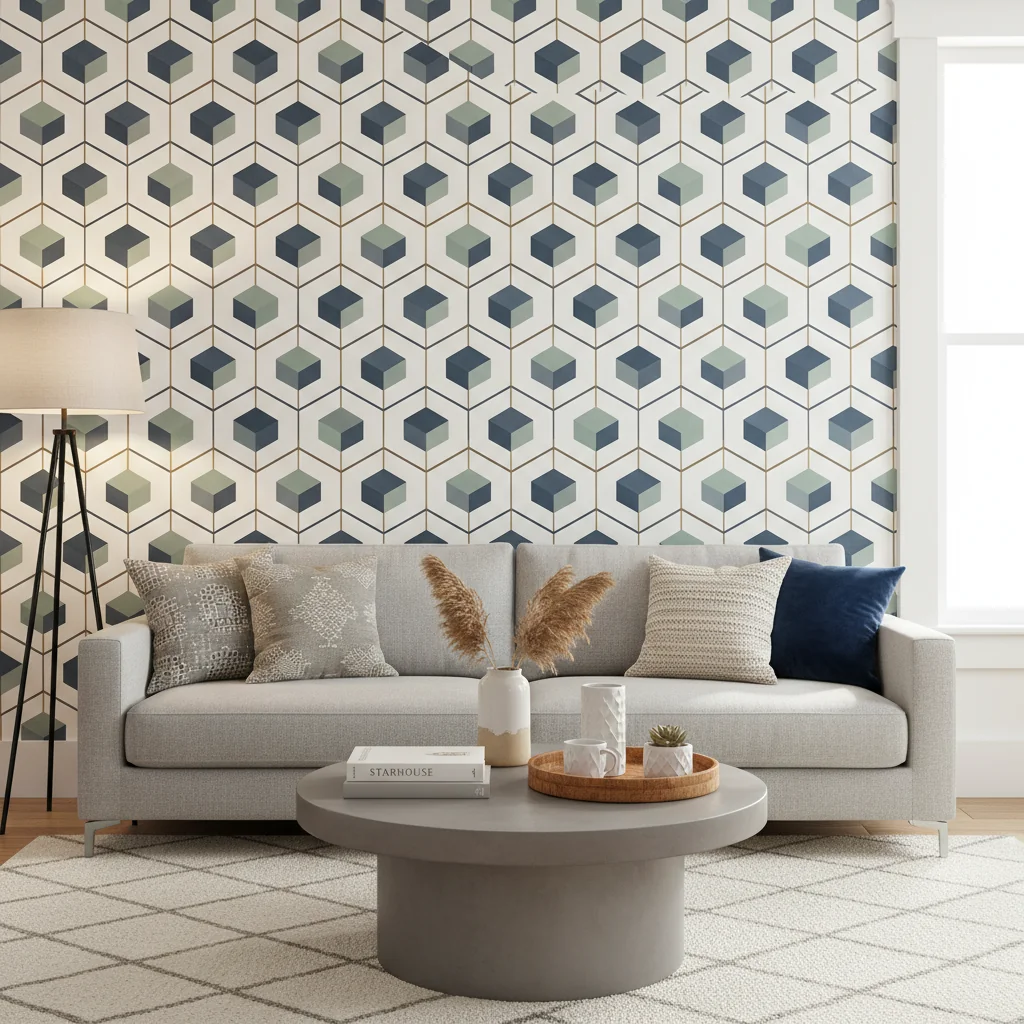
- Geometric Patterns: Bold and graphic, geometric wallcoverings include hexagons, chevrons, trellises, and abstract shapes. They introduce a dynamic energy and modern structure, perfect for accent walls in living rooms, offices, or entryways.
- Abstract Designs: Featuring fluid shapes, brushstroke effects, or painterly motifs, abstract wallcoverings create an artistic statement, adding depth and visual interest without literal representation.
- Minimalist Textures: Subtle textures, such as linen weaves, concrete effects, or understated metallics, provide sophisticated backdrops that enhance a minimalist décor scheme without overwhelming the space.
- Art Deco Revival: Inspired by the glamour of the 1920s and 30s, these patterns incorporate metallic accents, fan motifs, and streamlined geometries, offering a luxurious and sophisticated vintage-modern appeal.
Farmhouse & Rustic
Capturing the charm of rural living and natural elements, York’s farmhouse and rustic collections bring warmth, comfort, and authenticity to interiors. These styles often feature distressed finishes, organic textures, and understated patterns.
- Shiplap and Wood Plank Effects: Realistic interpretations of shiplap or weathered wood planks create a cozy, rustic atmosphere without the need for actual wood installation.
- Distressed Textures: Wallcoverings with a worn, aged appearance, such as faux brick, concrete, or plaster effects, add character and an industrial-chic or country aesthetic.
- Natural Motifs: Patterns featuring leaves, branches, subtle botanicals, or animal prints (such as buffalo check) often appear in these collections, reinforcing the connection to nature.
Artisan & Handcrafted
The artisan collections celebrate the beauty of handcrafted techniques and natural materials, offering unique textures and a bespoke feel. These wallcoverings often become the focal point of a room due to their distinctive tactile qualities.
- Grasscloth and Woven Textures: As mentioned, grasscloth is a prime example, providing unparalleled natural texture. Other woven effects simulate linen, burlap, or raw silk, adding depth and organic sophistication.
- Specialty Finishes: Embossed patterns, raised inks, or metallic accents create a three-dimensional effect, adding a luxurious and tactile dimension to the walls.
- Mica and Mineral Effects: Wallcoverings incorporating mica flakes or mineral dust create a subtle shimmer and sophisticated texture, often used in contemporary or transitional settings.
Children’s & Playful
York understands the need for imaginative and durable designs in children’s spaces. Their playful collections feature whimsical patterns, vibrant colors, and often washable materials suitable for nurseries, playrooms, and kids’ bedrooms.
- Whimsical Patterns: Designs featuring animals, fairy tales, outer space, or playful characters stimulate imagination and create a joyful environment.
- Educational Themes: Maps, alphabets, or numbers can be incorporated into designs, offering both decoration and learning opportunities.
- Soft & Soothing: For nurseries, gentle patterns with pastel colors provide a calming backdrop.
Designer Collaborations
York Wallcoverings frequently partners with celebrated interior designers, artists, and brands to create exclusive collections that push the boundaries of design. These collaborations introduce unique perspectives and signature styles, offering customers access to high-fashion wall décor. These partnerships ensure a continuous influx of fresh, trend-setting designs that maintain York’s position at the forefront of the industry.
The sheer breadth of York’s stylistic offerings ensures that whether a project calls for the grandeur of a historic estate, the sleekness of a modern loft, or the charm of a country farmhouse, there is a meticulously crafted wallcovering to perfectly articulate that vision. Starhouse identifies these diverse collections as essential for truly personalized home environments.
Materials and Manufacturing Excellence
York Wallcoverings’ reputation for quality and durability stems directly from its meticulous selection of raw materials and its advanced manufacturing processes, ensuring each product meets stringent aesthetic and performance standards. The company employs a variety of substrates, inks, and finishing techniques to produce wallcoverings that are not only visually stunning but also resilient and environmentally responsible. This commitment to excellence in materials and production is a hallmark of their century-long legacy.
Understanding the materials used in York Wallcoverings is crucial for appreciating their functionality, longevity, and specific care requirements. Their manufacturing facility in York, Pennsylvania, combines traditional craftsmanship with cutting-edge technology, allowing for the creation of diverse products from delicate grasscloth to heavy-duty vinyl.
Substrates: The Foundation of Quality
The substrate refers to the base material onto which the design is printed or the decorative surface is applied. York utilizes several primary substrates, each offering distinct advantages:
- Non-Woven: A premium, breathable blend of natural and synthetic fibers, non-woven wallcoverings are highly durable, tear-resistant, and dimensionally stable. They are known for “paste the wall” application, making installation easier, and are often strippable when dry, meaning they remove in full sheets without damaging the wall. This makes them an excellent choice for longevity and future redecoration. A non-woven wallcovering is a type of wallpaper made from a blend of natural and synthetic fibers, known for its breathability, durability, and ease of installation and removal.
- Paper: Traditional paper-backed wallcoverings are made from cellulose fibers. While offering a classic feel and excellent print quality, they are generally less durable and tear-resistant than non-wovens or vinyl. They require careful handling during installation and are usually permanent.
- Vinyl: Vinyl wallcoverings are highly durable, washable, and resistant to moisture and stains, making them ideal for high-traffic areas like kitchens, bathrooms, and hallways. They consist of a decorative surface layer of vinyl laminated to a paper or fabric backing. York produces various vinyl types, including solid vinyl (100% vinyl for maximum durability) and vinyl-coated paper (paper with a liquid vinyl coating for enhanced washability).
- Fabric: Used primarily for natural fiber wallcoverings like grasscloth, fabric substrates (e.g., woven jute, sisal) are laminated onto a paper backing. These offer unparalleled texture and a luxurious, organic aesthetic but require specialized care due to their natural composition.
Printing Techniques: Artistry in Detail
York Wallcoverings employs a range of sophisticated printing techniques to achieve the intricate detail, rich colors, and varied textures seen in their collections:
- Surface Printing: This traditional method uses raised rollers to apply ink, creating a distinctive, hand-printed look with rich, layered colors and a slightly textured feel. It is ideal for classic and vintage-inspired designs.
- Gravure Printing: An intaglio process where designs are etched into copper cylinders, gravure printing produces exceptionally fine detail, smooth gradations, and photographic quality. It is often used for realistic textures and complex patterns.
- Flexographic Printing: Similar to gravure but using flexible relief plates, flexographic printing is efficient for large runs and provides vibrant, consistent color.
- Digital Printing: For custom murals, large-scale graphics, and intricate, multi-color designs, digital printing offers unparalleled flexibility and precision. It allows for limitless color palettes and on-demand production.
- Embossing: This technique creates a raised, three-dimensional effect, adding tactile depth and enhancing the visual texture of the wallcovering, often mimicking fabrics, stucco, or other surfaces.
Inks and Finishes: Color, Durability, and Safety
The choice of inks and finishes significantly impacts the wallcovering’s appearance, durability, and environmental footprint:
- Water-Based Inks: York Wallcoverings primarily uses water-based inks, which are low in VOCs (Volatile Organic Compounds), making them a more environmentally friendly and healthier choice for indoor air quality. This aligns with their commitment to sustainability.
- Metallic Inks and Foils: Used to add shimmer, gleam, and a touch of luxury, metallic inks and foils can highlight specific elements of a design, creating dynamic visual effects as light reflects off the surface.
- Matte and Gloss Finishes: The final finish affects how light interacts with the wallcovering. Matte finishes absorb light, creating a softer, more subtle look, while gloss finishes reflect light, adding vibrancy and often making colors appear richer.
Durability, Washability, and Breathability
York’s manufacturing excellence also focuses on enhancing the functional attributes of their wallcoverings:
- Durability: Achieved through robust substrates (especially vinyl and non-woven) and protective coatings, York wallcoverings are designed to withstand daily wear and tear, making them suitable for various residential and commercial applications.
- Washability and Scrubbability: Many York vinyl and vinyl-coated wallcoverings are classified as washable or scrubbable. Washable means they can be gently cleaned with a damp cloth and mild soap, while scrubbable indicates they can withstand more rigorous cleaning without damage, ideal for kitchens and bathrooms.
- Breathability: Non-woven wallcoverings are inherently breathable, allowing moisture vapor to pass through the wallcovering. This property helps to prevent mold and mildew growth, particularly in areas with fluctuating humidity, contributing to a healthier indoor environment.
York Wallcoverings’ dedication to utilizing high-quality materials and employing sophisticated manufacturing techniques ensures that their products deliver both exceptional beauty and long-lasting performance. This commitment to material integrity and production precision allows Starhouse to confidently recommend their wallcoverings for enduring style and practical resilience.
How to Choose the Perfect York Wallcovering for Your Space
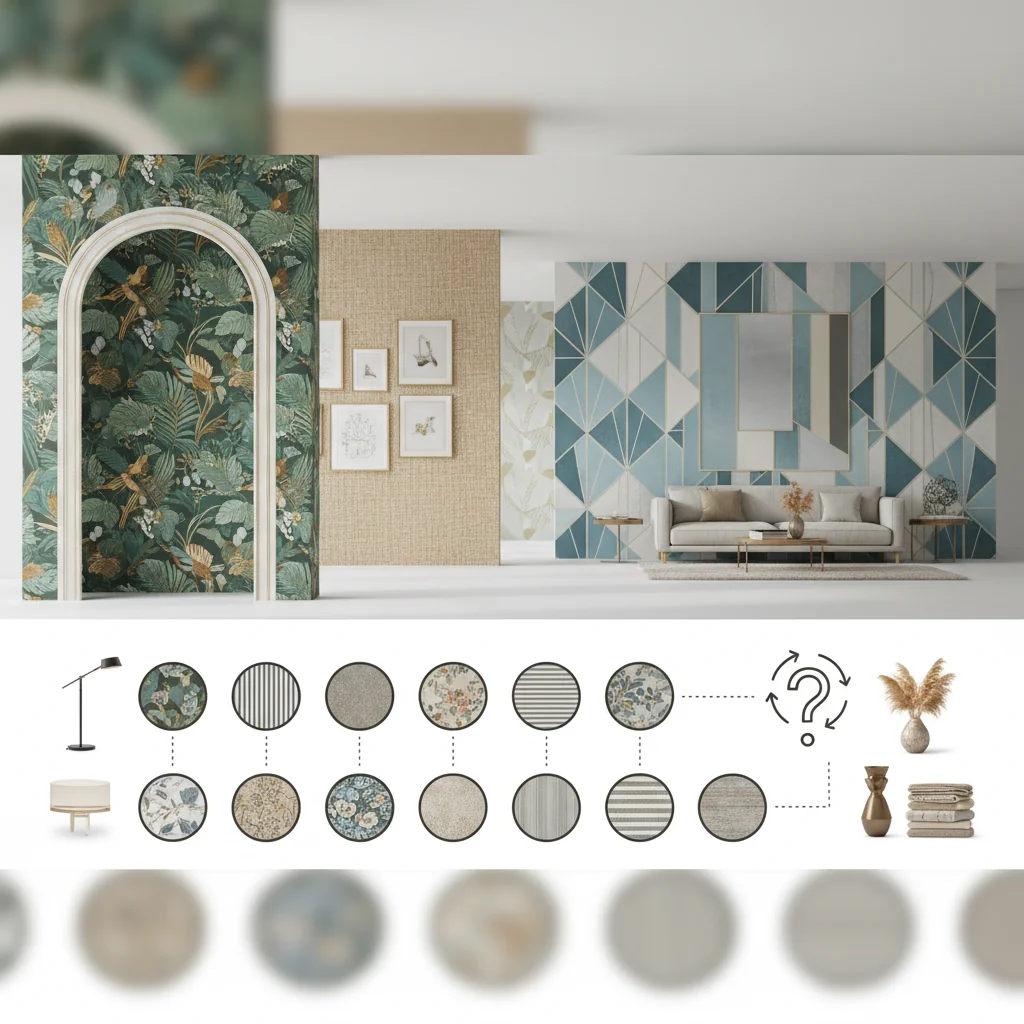
Selecting the ideal York Wallcovering for your home involves a thoughtful process that balances aesthetic appeal with practical considerations, ensuring the chosen design enhances the space both visually and functionally. The perfect wallcovering seamlessly integrates with your existing décor, reflects your personal style, and performs optimally in its intended environment. This decision-making process requires careful assessment of room function, design aesthetic, pattern characteristics, and material properties.
A well-chosen wallcovering can dramatically alter the mood, perceived size, and overall sophistication of a room. Starhouse emphasizes a holistic approach to selection, guiding you through each critical factor to guarantee a harmonious and enduring design.
Consider Room Function and Traffic
The primary use of a room dictates the required durability and washability of the wallcovering.
- High-Traffic Areas (Hallways, Entryways, Kids’ Rooms): Opt for highly durable and scrubbable vinyl or fabric-backed vinyl wallcoverings. These materials resist scuffs, stains, and can withstand frequent cleaning, maintaining their appearance over time.
- Moisture-Prone Areas (Kitchens, Bathrooms, Laundry Rooms): Vinyl wallcoverings are essential here due to their moisture resistance and ability to be cleaned vigorously. Avoid natural fibers like grasscloth, which can be damaged by humidity and water. Non-woven options can also be suitable if properly protected and ventilation is adequate.
- Low-Traffic Areas (Bedrooms, Formal Living Rooms, Dining Rooms): These spaces allow for greater flexibility in material choice, including more delicate options like traditional paper or luxurious grasscloth, where durability is less of a concern than aesthetic impact.
- Nurseries and Playrooms: Prioritize washable and durable materials, often peel-and-stick vinyl for ease of removal and cleaning. Look for patterns that are engaging and child-friendly.
Define Your Aesthetic and Design Vision
The wallcovering should complement or establish the overall style of your home.
- Match Existing Décor: If you have existing furniture, textiles, and art, choose a wallcovering that harmonizes with their style, color palette, and scale.
- Create a New Mood: Wallcoverings are powerful tools for transforming a space. A bold geometric can introduce modern energy, while a subtle botanical can evoke tranquility. Consider the feeling you want to create.
- Personal Style: Your home should reflect you. Whether your style is minimalist, bohemian, grandmillennial, or industrial, York offers collections across all aesthetics.
Assess Pattern Scale and Repeat
The size and repetition of a pattern significantly impact how it appears in a room.
- Small Rooms: Generally benefit from smaller, more delicate patterns or subtle textures to avoid overwhelming the space. Large, bold patterns can make a small room feel even smaller, though a single dramatic accent wall can work.
- Large Rooms: Can comfortably accommodate larger, more intricate patterns and bold designs without feeling crowded. Large-scale patterns can add grandeur and visual interest.
- Pattern Repeat: Understand the vertical repeat of the pattern. A larger repeat means more waste during installation to align the pattern across strips, which directly impacts the number of rolls you need.
Select Your Color Palette
Color profoundly influences mood, perceived space, and how light interacts with the room.
- Light Colors: Expand a room, making it feel brighter and more open.
- Dark Colors: Create intimacy, drama, and a sense of coziness.
- Warm Colors (Reds, Oranges, Yellows): Energize a space and can make a room feel more inviting.
- Cool Colors (Blues, Greens, Purples): Promote calm and serenity.
- Neutral Anchors: Often, the wallcovering’s background color or a subtle tone within the pattern can serve as a neutral anchor for the rest of the room’s décor.
- Consider Undertones: Ensure the undertones of the wallcovering colors complement the undertones of your existing finishes and furnishings.
Embrace Texture
Texture adds depth, warmth, and sophistication to walls, even in monochromatic schemes.
- Natural Fibers (Grasscloth): Introduce organic texture and a luxurious, earthy feel.
- Embossed Patterns: Create a three-dimensional effect, adding tactile interest and visual richness.
- Faux Finishes: Wallcoverings mimicking linen, concrete, brick, or wood add texture without the cost or complexity of the real material.
Evaluate Lighting Conditions
How natural and artificial light interacts with the wallcovering is critical.
- North-Facing Rooms: Often cooler, benefit from warmer tones and patterns that reflect light.
- South-Facing Rooms: Receive abundant warm light, can handle cooler tones and darker patterns.
- Metallic or Shimmering Finishes: Can create stunning effects, especially under direct or accent lighting, adding glamour and movement.
- Matte Finishes: Absorb light, creating a softer, more muted appearance.
Always Order Samples
This is arguably the most critical step. A small online image or swatch can never fully convey the true color, texture, and scale of a wallcovering.
- Live with It: Order several samples of your top choices and tape them to your walls in different areas of the room. Observe them throughout the day and night under various lighting conditions.
- Compare: See how the samples interact with your furniture, flooring, and existing paint colors.
- Feel the Texture: Physical samples allow you to appreciate the tactile quality and true finish.
As you navigate the vast and inspiring world of York Wallcoverings, remember that Starhouse is dedicated to curating the finest selections for your home. We understand that finding the perfect wallcovering is a deeply personal journey, reflecting your unique style and vision.
We invite you to tell us what you’re looking for in your next home décor project. Share your aspirations, your challenges, and your dream aesthetics with us. By doing so, you’ll gain early access to our meticulously curated collection, ensuring your space perfectly embodies your individuality.
By systematically considering these factors—room function, aesthetic, pattern, color, texture, lighting, and always sampling—you can confidently choose a York Wallcovering that not only looks exquisite but also performs beautifully for years to come. This deliberate approach ensures your investment in wall décor truly elevates your home.
| Wallcovering Type | Durability & Washability | Ideal Use Cases | Installation Ease | Aesthetic Qualities |
|---|---|---|---|---|
| Traditional Unpasted | High durability, often scrubbable (especially vinyl options). Very long-lasting. | High-traffic areas, formal rooms, commercial settings. When professional installation is preferred. | Professional (requires separate paste). More complex for DIY. | Broadest range of designs, textures, and luxury finishes. |
| Pre-pasted | Moderate to high durability, often washable. Good for residential use. | Bedrooms, living rooms, dining rooms, hallways. Popular for DIY projects. | Easy for DIY (water-activated adhesive). | Wide variety of patterns and colors, good balance of style and convenience. |
| Peel-and-Stick | Moderate durability, generally washable (vinyl). Easily removable. | Rentals, temporary décor, accent walls, kids’ rooms. Low commitment. | Very easy for DIY (self-adhesive, repositionable). | Modern, playful, often geometric or graphic patterns. Good for quick updates. |
| Grasscloth / Natural Fiber | Low durability, not washable (delicate). Can fray or stain easily. | Low-traffic areas, accent walls, formal living rooms, bedrooms, studies. | Professional recommended (delicate material, visible seams). | Organic, textured, sophisticated, natural warmth, unique variations. |
| Fabric-Backed Vinyl | Very high durability, scrubbable, tear-resistant. | High-traffic residential areas, light commercial settings, kitchens, bathrooms. | Professional or experienced DIY (heavier material). | Combines luxurious feel of fabric with practical benefits of vinyl. Wide range of textures. |
Precise Sizing and Measuring for Flawless Installation
Accurate sizing and precise measurement are foundational steps for a successful wallcovering installation, preventing costly errors, material shortages, and unsightly seams. York Wallcoverings, like all quality wallcoverings, requires careful planning to ensure you purchase the correct quantity and achieve a seamless, professional finish. Underestimating these calculations can lead to significant frustration and additional expenses.
Starhouse emphasizes that meticulous measurement is not merely about calculating square footage, but also about accounting for pattern repeats, waste, and the specific dimensions of the wallcovering rolls. This detailed approach guarantees that your design vision translates flawlessly onto your walls.
Step-by-Step Measuring Process
Follow these systematic steps to accurately measure your space for York Wallcoverings:
- Measure Wall Height: Measure the height of each wall from the baseboard to the ceiling. If the height varies, use the tallest measurement for calculation. For walls with sloped ceilings, measure the highest point of each section.
- Measure Wall Width: Measure the total width of each wall. Add these widths together to get the total perimeter of the room if you are covering all walls.
-
Calculate Total Square Footage: Multiply the total height (from step 1) by the total width (from step 2) to get the approximate square footage of the area to be covered.
Example: A room with four walls, each 10 feet high. Two walls are 12 feet wide, and two are 15 feet wide.
Total width = (12 ft + 12 ft + 15 ft + 15 ft) = 54 ft.
Total square footage = 10 ft (height) x 54 ft (width) = 540 sq ft. - Account for Openings (Windows and Doors): Measure the height and width of all windows and doors. Calculate their individual square footage and sum them up. While you will subtract this from the total wall area for a rough estimate, it’s crucial to remember that you still need to cut around these openings, and often, the pattern repeat means you can’t reuse the cut-out pieces easily. For simplicity in ordering, many professionals advise *not* subtracting small openings and only subtracting very large ones, to ensure enough material for pattern matching and trimming.
- Determine Pattern Repeat: This is a critical factor. The pattern repeat is the vertical distance on a roll of wallcovering before the design begins to repeat itself, requiring extra material to align patterns across adjacent strips. York Wallcoverings will specify the pattern repeat (e.g., 20.5 inches, 25.25 inches) on the product details. A larger pattern repeat means more waste.
-
Calculate Usable Strips Per Roll: York Wallcoverings typically come in standard U.S. roll sizes, such as 20.5 inches wide by 33 feet long, covering approximately 56 square feet. However, the usable coverage is reduced by the pattern repeat.
Divide the length of one roll (e.g., 33 feet or 396 inches) by the sum of your wall height plus the pattern repeat. This gives you the number of full strips you can get from one roll.
Example: Wall height = 10 ft (120 inches). Pattern repeat = 20.5 inches.
Length needed per strip = 120 inches + 20.5 inches = 140.5 inches.
Strips per roll = 396 inches / 140.5 inches ≈ 2.8 strips. Always round down to the nearest whole number, so 2 usable strips per roll. -
Calculate Number of Strips Needed: Divide the total width of your walls (in inches) by the width of one roll (e.g., 20.5 inches).
Example: Total wall width = 54 feet = 648 inches. Roll width = 20.5 inches.
Number of strips = 648 inches / 20.5 inches ≈ 31.6 strips. Round up to 32 strips. -
Calculate Total Rolls Needed: Divide the total number of strips needed (from step 7) by the number of usable strips per roll (from step 6).
Example: 32 strips / 2 usable strips per roll = 16 rolls. -
Add a Buffer for Waste and Future Repairs: Always add an extra 15% to 20% to your final roll count. This accounts for trimming, pattern matching errors, unforeseen damage during installation, or future repairs. It is far better to have a leftover roll than to run short and potentially face dye lot differences if you need to reorder.
Example: 16 rolls + 20% buffer (3.2 rolls) = 19.2 rolls. Round up to 20 rolls.
Important Considerations
- Dye Lots: Wallcoverings are manufactured in batches, and subtle color variations can occur between different “dye lots.” Always order all the rolls you need for a single project at once to ensure they come from the same dye lot, preventing noticeable color discrepancies on your walls.
- Roll Dimensions: While 20.5 inches x 33 feet (56 sq ft) is a common U.S. residential roll size, York also offers larger rolls, especially for commercial or wide-format designs. Always check the specific dimensions of the product you are ordering.
- Accent Walls: If you are only covering an accent wall, measure only that specific wall’s dimensions and follow the same calculation steps.
- Professional Consultation: For complex rooms, very large pattern repeats, or if you feel unsure, consulting a professional wallcovering installer for measurements is highly recommended. Their expertise can save time and money by accurately estimating materials and ensuring a flawless finish.
By adhering to these precise measuring and calculation methods, you will ensure a smooth installation process and a stunning, perfectly executed finish with your chosen York Wallcoverings. Starhouse advocates for this meticulous planning as the cornerstone of any successful design project.
Current Trends in York Wallcoverings
York Wallcoverings consistently leads the industry by incorporating and often pioneering the latest interior design trends, ensuring their collections remain fresh, relevant, and inspiring. Their extensive research and collaborations allow them to offer designs that resonate with contemporary aesthetics while maintaining their signature quality. Current trends emphasize a deeper connection to nature, a celebration of texture, bold self-expression, and a continued focus on sustainable practices.
These trends reflect a broader shift in how homeowners approach their living spaces, prioritizing comfort, personal narrative, and environmental consciousness. Starhouse observes these shifts closely, curating selections that align with both timeless elegance and modern sensibilities.
Biophilic Design: Nature’s Embrace
Biophilic design, which integrates natural elements and patterns into interiors, continues to be a dominant trend. York Wallcoverings excels in this area with an abundance of nature-inspired patterns.
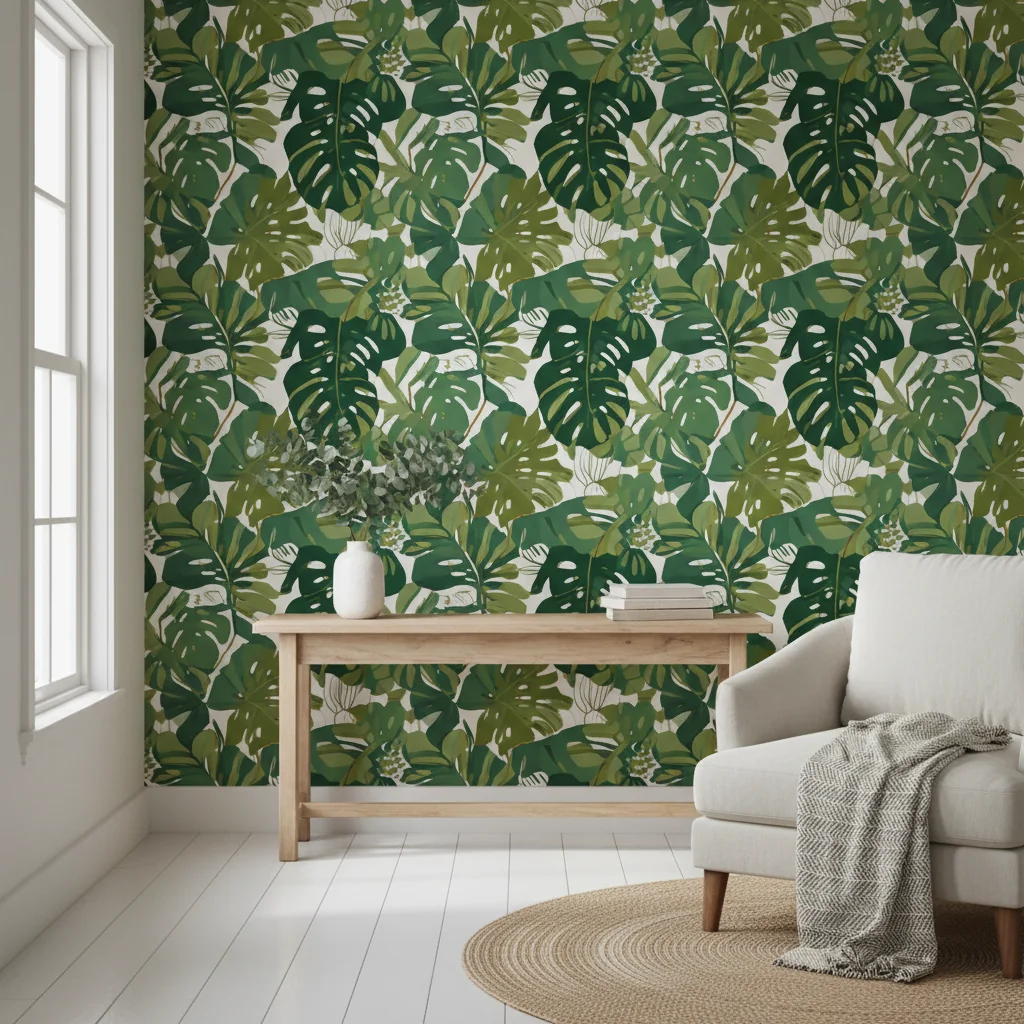
- Botanicals and Florals: From lush tropical foliage to delicate wildflowers, oversized botanical prints, and intricate floral motifs bring the outdoors in, fostering a sense of calm and rejuvenation.
- Organic Textures: Wallcoverings mimicking natural materials like wood grain, stone, marble, or cork, as well as actual grasscloth and woven fibers, add tactile depth and an earthy authenticity.
- Landscape Murals: Large-scale murals depicting serene forests, mountain ranges, or seascapes create immersive environments and dramatic focal points.
Maximalism and Expressive Patterns
Moving beyond minimalist restraint, maximalism celebrates bold patterns, rich colors, and layered designs, allowing for greater personal expression and a sense of curated abundance.
- Bold Geometrics: Large-scale geometric patterns, often with metallic accents or contrasting colors, create dynamic energy and a modern, artful statement.
- Chinoiserie and Grandmillennial: Traditional patterns with a modern twist, such as updated chinoiserie or classic toile in vibrant new colorways, appeal to those who appreciate heritage with a fresh perspective.
- Animal Prints: Subtle or overt animal-inspired patterns, from leopard spots to faux shagreen, add an exotic and luxurious touch.
- Eclectic Mixes: Layering different patterns (florals with stripes, geometrics with textures) in a harmonious color palette creates a sophisticated, well-traveled look.
Textural Richness and Tactile Experiences
The desire for tactile engagement in interiors is driving the popularity of wallcoverings that offer more than just visual appeal.
- Grasscloth and Woven Effects: These remain highly sought after for their organic texture, subtle variations, and ability to add warmth and sophistication.
- Embossed and Raised Inks: Techniques that create a three-dimensional surface, mimicking plasterwork, fabric weaves, or intricate details, add depth and a luxurious feel.
- Faux Finishes: Realistic interpretations of raw materials like concrete, distressed plaster, or exposed brick provide texture and character without the structural implications of the real thing.
Sophisticated Neutrals and Earth Tones
While bold colors are trending, sophisticated neutrals and a palette of rich earth tones provide a calming and versatile backdrop, often with subtle textural interest.
- Warm Greys and Greiges: These versatile shades continue to be popular, offering a soft, contemporary alternative to stark white, especially when paired with textured finishes.
- Terracotta, Sage, and Ochre: These grounding earth tones, often seen in matte finishes, evoke a sense of warmth, stability, and connection to the natural world.
- Layered Neutrals: Combining different shades and textures of beige, cream, and taupe creates a serene and elegant monochromatic scheme.
Statement Walls and Zoned Spaces
Wallcoverings are increasingly used to define specific areas within open-plan living spaces or to create dramatic focal points.
- Accent Walls: A single wall covered in a bold pattern or unique texture can transform a room, drawing the eye and establishing a design anchor.
- Ceiling Décor: Applying wallcoverings to ceilings adds an unexpected element of design, creating a “fifth wall” effect that enhances intimacy and luxury.
- Zoning: In open-concept homes, wallcoverings can visually delineate areas like a dining nook, home office, or reading corner without physical barriers.
Sustainable and Health-Conscious Choices
As environmental awareness grows, consumers are increasingly seeking products with sustainable attributes.
- Eco-Friendly Materials: Demand for wallcoverings made from recycled content, natural fibers, or sustainably sourced paper is on the rise.
- Low VOC Inks: Wallcoverings printed with water-based, low VOC inks contribute to healthier indoor air quality, a key concern for modern homeowners. York’s commitment to these practices is evident in their production.
York Wallcoverings consistently delivers collections that capture these prevailing trends, offering innovative designs that are both beautiful and align with contemporary lifestyle values. Their ability to fuse artistic expression with practical innovation ensures that Starhouse can offer products that are truly at the forefront of home décor.
Care and Maintenance for Lasting Beauty
Proper care and maintenance are essential for preserving the beauty and extending the lifespan of your York Wallcoverings, ensuring they remain a stunning feature in your home for years to come. The specific cleaning regimen depends heavily on the material and finish of the wallcovering, as different types respond uniquely to moisture and cleaning agents. Understanding these distinctions is critical to avoid damage and maintain the wallcovering’s original appearance.
Starhouse advises a proactive approach to maintenance, emphasizing gentle methods and immediate attention to spills or marks. This careful stewardship protects your investment and keeps your walls looking pristine.
General Cleaning Guidelines
For most York Wallcoverings, routine dusting and gentle cleaning are sufficient to keep them looking fresh.
- Regular Dusting: Use a soft, dry cloth, a feather duster, or a vacuum cleaner with a soft brush attachment to gently remove dust and cobwebs from the wallcovering surface. This prevents dust buildup that can dull the pattern over time.
- Avoid Harsh Chemicals: Never use abrasive cleaners, scouring pads, or strong chemical solvents, as these can damage the surface, fade colors, or compromise the integrity of the material.
- Test in an Inconspicuous Area: Before applying any cleaning solution to a visible area, always test it on a small, hidden spot (e.g., behind a door, inside a closet) to ensure it does not cause discoloration or damage.
Specific Material Care
Care instructions vary significantly based on the wallcovering material:
-
Vinyl and Vinyl-Coated Wallcoverings (Washable/Scrubbable):
- These are the most durable and easiest to clean.
- For general cleaning, wipe gently with a damp sponge or soft cloth moistened with warm water and a mild, non-abrasive household detergent (e.g., dish soap).
- For tougher stains, scrubbable vinyl can withstand more pressure and a slightly stronger solution, but always test first.
- Rinse the area with a clean, damp cloth to remove any soap residue, and then dry immediately with a soft, dry towel to prevent water spots.
-
Non-Woven Wallcoverings:
- Many non-woven wallcoverings are washable, but always check the product specifications.
- Clean with a soft, damp cloth and a very mild soap solution. Blot gently rather than rubbing vigorously.
- Avoid excessive moisture, as non-wovens, while durable, are not as water-resistant as vinyl.
-
Traditional Paper Wallcoverings:
- These are generally the most delicate and are often not washable.
- Dust regularly with a dry, soft cloth or duster.
- For light marks, a soft art gum eraser can sometimes be used very gently.
- Avoid any liquid cleaners, as they can cause watermarks, damage the paper, or lift the adhesive.
-
Grasscloth and Natural Fiber Wallcoverings:
- These are extremely delicate and are NOT washable. Water will stain and damage natural fibers.
- Dust regularly with a soft, dry cloth or a vacuum cleaner with a brush attachment on low suction.
- For minor dry debris, a very light touch with a dry cloth is acceptable.
- Avoid all liquid cleaners, excessive moisture, and direct sunlight, which can fade the natural dyes.
- Any spills should be blotted immediately with a dry, clean cloth, but water stains are often permanent.
-
Embossed or Textured Wallcoverings:
- Dust regularly to prevent accumulation in crevices.
- For washable embossed surfaces, use a soft brush or sponge to clean into the textures.
Addressing Common Issues
- Spot Cleaning: Address spills and marks immediately. The longer a stain sits, the harder it is to remove. Blot (do not rub) liquids with a clean, dry cloth.
- Seam Lifting: Over time, seams may occasionally lift. Use a high-quality seam adhesive (available at hardware stores) and a seam roller to re-secure the edges. Clean off any excess adhesive immediately with a damp cloth.
- Small Tears or Bubbles: For small tears, a clear wallpaper repair adhesive can be applied carefully. Small bubbles can sometimes be smoothed out with a wallpaper brush or roller, or by injecting adhesive with a syringe and pressing flat.
- Fading: Direct and prolonged exposure to sunlight can cause colors to fade, especially in non-vinyl or darker patterns. Consider UV-protective window treatments in rooms with intense sunlight.
By following these specific care guidelines tailored to your York Wallcovering type, you can ensure its beauty endures, contributing to a consistently elegant and well-maintained home environment. Starhouse encourages these diligent practices to maximize the longevity and aesthetic appeal of your chosen wall décor.
Styling and Pairing York Wallcoverings with Your Home Décor
Styling York Wallcoverings effectively involves thoughtful pairing with furnishings, textiles, lighting, and accessories to create a cohesive, harmonious, and visually engaging interior. A wallcovering is not merely a backdrop; it is an integral design element that dictates mood, defines style, and ties together the various components of a room. Successful pairing ensures that the wallcovering enhances the overall aesthetic rather than clashing with it.
Starhouse’s design philosophy centers on creating curated spaces where every element works in concert. We provide expert guidance to help you integrate your chosen York Wallcovering into a truly exceptional home environment.
Complementary Furnishings and Furniture
The style and scale of your furniture should harmonize with the wallcovering.
- Match Style: If your wallcovering is traditional (e.g., damask), opt for classic furniture pieces with ornate details or rich wood tones. For modern wallcoverings (e.g., geometrics), sleek, contemporary furniture with clean lines and minimalist profiles will complement best.
- Consider Scale: A large-scale pattern on the wall can be balanced by simpler, less visually heavy furniture. Conversely, a subtle wallcovering allows for more elaborate or statement furniture pieces to take center stage.
- Color Coordination: Choose furniture upholstery or wood finishes that pick up on a subtle color within the wallcovering, or opt for neutral furniture to allow a bold wallcovering to be the star.
Color Harmony and Palette Integration
Color is the most powerful tool for creating a unified look.
- Pick a Key Color: Identify a dominant or accent color within your wallcovering pattern and repeat it in other elements like throw pillows, artwork, or decorative objects.
- Use a Neutral Anchor: If your wallcovering is vibrant or busy, ground the room with neutral furniture, flooring, or window treatments to prevent visual overload.
- Monochromatic Schemes: Use a wallcovering with subtle texture or a tone-on-tone pattern in a monochromatic room to add depth and sophistication without introducing new colors.
- Complementary Colors: For a more dynamic look, introduce accessories in colors opposite your wallcovering’s dominant hue on the color wheel, but use them sparingly for accent.
Layering Textures for Depth
Texture adds tactile interest and visual richness, making a room feel more inviting and luxurious.
- Balance with Textiles: If you have a smooth, sleek wallcovering, introduce plush rugs, velvet cushions, or textured throws. For a textured wallcovering like grasscloth, pair it with smooth fabrics like silk or crisp linen to create contrast.
- Natural Materials: Wood furniture, woven baskets, ceramic pottery, and metallic accents all contribute to a layered textural experience that complements the wallcovering.
- Reflective Surfaces: Mirrors, glass tabletops, and polished metal accents can provide a counterpoint to matte or textured wallcoverings, adding sparkle and light.
Lighting Considerations
Lighting dramatically affects how your wallcovering appears and interacts with the room.
- Highlighting Patterns: Strategically placed sconces, picture lights, or recessed lighting can highlight the texture or pattern of a wallcovering, creating dramatic shadows and visual interest.
- Ambient Light: Ensure sufficient ambient lighting to showcase the wallcovering’s true colors and details, especially in rooms with darker patterns.
- Natural Light: Observe how natural light changes the wallcovering throughout the day. Metallic or shimmering wallcoverings will sparkle more in direct sunlight.
Art and Mirrors Placement
Art and mirrors should enhance, not compete with, your wallcovering.
- Scale and Proportion: Ensure artwork or mirrors are appropriately sized for the wall and the scale of the wallcovering pattern. A large, complex pattern might call for simpler, larger pieces of art, while a subtle wallcovering can support a gallery wall.
- Framing: Choose frames that complement both the art and the wallcovering. A metallic frame might enhance a geometric pattern, while a rustic wood frame suits a botanical or farmhouse design.
- Contrast: Sometimes, a strong contrast works best. A modern, abstract piece of art can look stunning against a traditional damask wallcovering, creating an eclectic and curated feel.
Mixing Patterns Successfully
Mixing patterns can be sophisticated but requires a discerning eye.
- Vary Scale: Combine one large-scale pattern (e.g., your wallcovering) with medium and small-scale patterns in textiles (rugs, pillows) for visual interest without overwhelm.
- Common Color Palette: Ensure all patterns share at least one common color to tie them together.
- Use Solids as Breathers: Introduce solid-colored elements (sofas, chairs, curtains) to provide visual resting points between patterns.
- Different Types of Patterns: Mix different types of patterns (e.g., geometric wallcovering with a floral rug and a striped pillow) for a dynamic yet harmonious effect.
Creating Zones and Defining Areas
Wallcoverings can be used strategically to delineate functional areas within an open-concept space or to create a focal point.
- Accent Walls: Highlight a specific architectural feature, headboard wall, or a wall behind a console table with a striking wallcovering to draw attention.
- Defining Nooks: Apply a unique wallcovering to a reading nook, a bar area, or a small office space to give it a distinct identity within a larger room.
- Powder Rooms: These small spaces are perfect for bold, dramatic wallcoverings, allowing you to experiment with patterns and colors you might shy away from in larger rooms.
By carefully considering these styling and pairing principles, your York Wallcoverings will not just adorn your walls but will become an integral part of a thoughtfully designed and beautifully cohesive home. Starhouse believes that true design artistry lies in these nuanced integrations.
Common Mistakes to Avoid When Working with Wallcoverings
Even with the highest quality York Wallcoverings, certain common mistakes can undermine the success of your project, leading to frustration, wasted material, and a less-than-perfect finish. Being aware of these pitfalls allows for proactive prevention, ensuring a smooth installation and a stunning result. Avoiding these errors is as crucial as selecting the right design itself.
Starhouse, drawing on extensive industry expertise, highlights these frequently encountered issues to guide you toward a flawless wallcovering experience. Precision and preparation are paramount.
1. Underestimating Pattern Repeat and Roll Quantity
This is perhaps the most frequent and costly mistake. Failing to account for the pattern repeat when calculating the number of rolls needed often results in running out of material mid-project. A larger pattern repeat means more waste per strip to align the design seamlessly.
- Prevention: Always use the detailed measurement guide (like the one provided earlier) and add a minimum 15-20% buffer for waste, trimming, and potential future repairs. Double-check the pattern repeat on the product specifications.
2. Insufficient Surface Preparation
The quality of the wall surface directly impacts the final appearance and longevity of the wallcovering. Applying wallcovering over uneven, dirty, or improperly primed walls leads to bubbles, visible imperfections, and poor adhesion.
- Prevention:
- Clean walls thoroughly to remove dust, grease, and grime.
- Patch all holes and cracks, then sand smooth.
- Ensure walls are dry and free of mildew.
- Apply a high-quality, oil-based or acrylic wallpaper primer (not just paint primer). This seals the wall, promotes adhesion, and makes future removal easier.
- For dark walls under light wallcovering, consider a tinted primer to prevent the underlying color from showing through.
3. Incorrect Adhesive Choice or Application
Using the wrong type of adhesive or applying it improperly can cause seams to lift, bubbles to form, or the wallcovering to not adhere securely. Pre-pasted papers also require proper activation.
- Prevention:
- Always use the adhesive recommended by York Wallcoverings for your specific product type (e.g., heavy-duty for unpasted vinyl, specific paste for grasscloth).
- Apply adhesive evenly and consistently to the back of the wallcovering (for unpasted) or to the wall (for “paste the wall” non-wovens). Avoid excessive globs or thin spots.
- For pre-pasted, ensure the paper is fully immersed in water for the recommended time to activate the adhesive properly.
4. Ignoring Dye Lots
Wallcoverings are produced in batches, and subtle color variations can occur between different production runs (dye lots). Mixing rolls from different dye lots on the same wall can result in noticeable color discrepancies.
- Prevention: Always order all the rolls needed for a single project at the same time to ensure they come from the same dye lot. Check the dye lot number on each roll before installation.
5. Rushing the Installation Process
Wallcovering installation requires patience and precision. Rushing can lead to misaligned patterns, bubbles, tears, and crooked strips.
- Prevention:
- Allocate ample time for the project, especially if you are a DIY beginner.
- Read all instructions thoroughly before starting.
- Take breaks when needed to maintain focus.
- Work slowly and deliberately, ensuring each strip is plumb, aligned, and smoothed correctly.
6. Not Using the Right Tools
Attempting installation with inadequate or incorrect tools makes the job harder and increases the likelihood of errors and a poor finish.
- Prevention: Invest in essential tools: a good quality smoothing brush or plastic smoother, a seam roller, a sharp utility knife with plenty of fresh blades, a plumb bob or laser level, a measuring tape, and a bucket for water/paste.
7. Neglecting Samples
Deciding on a wallcovering based solely on an online image or a small swatch is a recipe for disappointment. Colors and textures can appear vastly different in your home’s unique lighting conditions.
- Prevention: Always order samples of your top choices. Tape them to your walls and observe them throughout the day and night under various lighting conditions. See how they interact with your existing furnishings and colors.
8. Overlooking Room Conditions
Ignoring environmental factors like humidity or temperature during installation can affect adhesion and drying.
- Prevention: Ensure the room temperature is moderate (around 65-75°F or 18-24°C) and humidity levels are stable during installation and drying. Avoid extreme heat or cold, which can cause the wallcovering to dry too quickly or too slowly.
By diligently avoiding these common mistakes, you will significantly improve the outcome of your wallcovering project, resulting in a beautifully finished space that showcases the quality and design of your chosen York Wallcoverings. Starhouse champions meticulous planning and execution for every home décor endeavor.
Sources
Frequently Asked Questions About York Wallcoverings
What makes York Wallcoverings a leading brand in the industry?
York Wallcoverings is a leading brand due to its status as the oldest and largest wallcovering producer in the United States, offering an extensive range of high-quality, diverse designs, a strong commitment to manufacturing excellence, and a global distribution network across 85 countries.
Are York Wallcoverings suitable for high-humidity areas like bathrooms?
Yes, many York Wallcoverings are suitable for high-humidity areas. Specifically, their vinyl and fabric-backed vinyl options are highly durable, moisture-resistant, and scrubbable, making them ideal for bathrooms and kitchens. Natural fiber wallcoverings like grasscloth are generally not recommended for such areas.
Can I install York Wallcoverings myself, or should I hire a professional?
The feasibility of DIY installation depends on the type of wallcovering and your experience level. Peel-and-stick and pre-pasted options are generally DIY-friendly. However, traditional unpasted, grasscloth, or complex patterns often benefit from professional installation to ensure precise pattern matching, proper adhesion, and a flawless finish.
How do I clean my York Wallcoverings?
Cleaning methods vary by material. Vinyl and vinyl-coated wallcoverings are typically washable or scrubbable with a damp cloth and mild soap. Non-woven types can often be gently wiped. Natural fiber wallcoverings like grasscloth are delicate and should only be dusted or very gently blotted dry, as water can cause permanent staining.
What is a “dye lot” and why is it important when ordering wallcoverings?
A “dye lot” refers to a specific batch of wallcovering manufactured at the same time, ensuring consistent color and texture. It is crucial to order all the rolls needed for a project from the same dye lot to avoid noticeable color variations on your walls, as different dye lots can have subtle but distinct differences.
How much extra wallcovering should I order for waste and future repairs?
It is recommended to order an additional 15% to 20% beyond your calculated requirement. This buffer accounts for pattern matching, trimming waste, potential installation errors, and provides extra material for future repairs, ensuring you have matching rolls from the same dye lot if needed.
Are York Wallcoverings environmentally friendly?
Yes, York Wallcoverings demonstrates a strong commitment to environmental stewardship. They utilize water-based inks, which are low in VOCs, and incorporate recycled materials in some products. Their manufacturing processes adhere to strict environmental standards, as detailed in their Environmental Promise.
Conclusion: Elevating Your Home with York Wallcoverings
York Wallcoverings stands as an undisputed leader in the realm of interior design, offering an expansive and meticulously crafted collection that caters to every conceivable aesthetic and functional demand. From their rich heritage as the oldest and largest U.S. wallcovering producer to their unwavering commitment to innovation, quality, and environmental responsibility, York provides solutions that transcend mere decoration, transforming walls into statements of enduring style and personal expression.
Throughout this guide, we have explored the diverse types, signature styles, and superior materials that define York’s offerings. We have illuminated the critical steps for choosing the perfect design, mastering precise measurements, understanding current trends, and ensuring proper care for lasting beauty. By embracing these expert insights, you are equipped to make informed decisions that will elevate your home with confidence and sophistication.
At Starhouse, we believe that your home should be a reflection of your unique story and aspirations. We are diligently curating a collection that embodies the quality, design excellence, and innovation synonymous with brands like York Wallcoverings, ensuring that every piece helps you craft the environment of your dreams.
As you embark on your next design project, consider the transformative power of a thoughtfully chosen wallcovering. We invite you to be part of our journey as we build our exceptional catalog. Share your vision, your preferences, and tell us what you’re looking for in your ideal home décor. By connecting with us, you’ll gain early access to our curated selections, designed to inspire and fulfill your highest design expectations. Let Starhouse help you unlock the full potential of your living spaces.