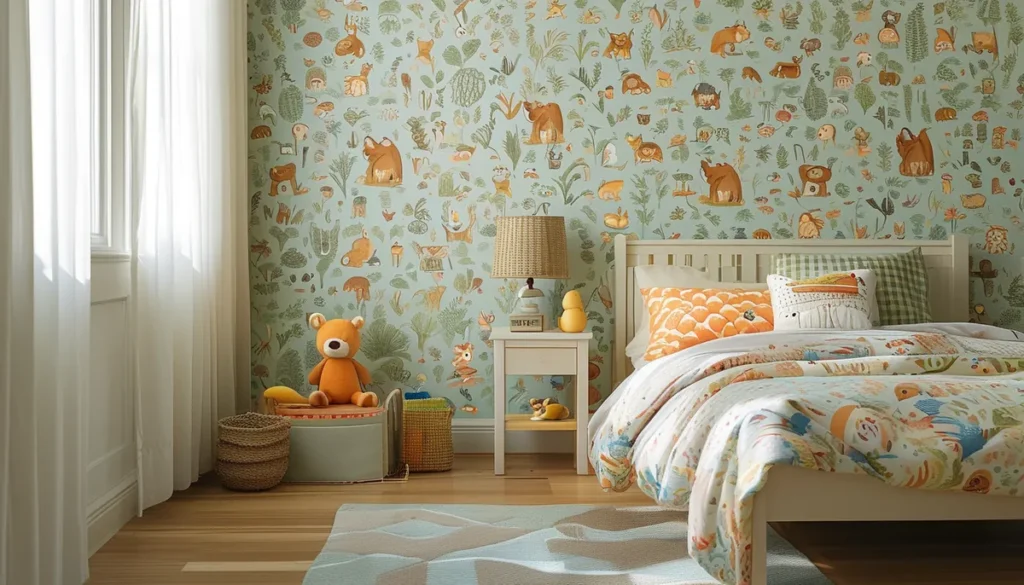
Tapestry fabric isn’t just for wall hangings; its intricate designs and sturdy weave make it a popular choice for upholstery. When selecting tapestry material for upholstery, focus on the fabric’s composition, weave density, and intended use to ensure it stands up to wear and tear.
Understanding tapestry fabric types
Tapestry is a woven fabric, meaning the design is created by interlacing warp and weft threads. Unlike printed fabrics, the pattern is an integral part of the material itself. The most common types you’ll encounter for upholstery are:
- Cotton tapestry: Offers vibrant colors and detailed patterns. It’s relatively soft and breathable but can be prone to fading and wrinkling. Cotton is best for accent pieces or furniture that doesn’t see heavy daily use.
- Polyester tapestry: Highly durable and resistant to fading, staining, and wrinkling. Polyester blends often mimic the look of natural fibers while offering superior performance, making them ideal for high-traffic areas.
- Linen or linen blends: Provide a more natural, slightly textured look. Linen is strong but can wrinkle easily and may not hold intricate patterns as sharply as cotton or synthetics. Blends with polyester or cotton can improve durability and reduce wrinkling.
- Rayon or viscose tapestry: Can offer a silky sheen and excellent drape, making it suitable for decorative upholstery. However, rayon can be less durable and more susceptible to water spots and damage from abrasion.
- Wool tapestry: Extremely durable and naturally resistant to stains and fire. Wool has a warm, classic feel but can be more expensive and may require professional cleaning.
What to look for in tapestry upholstery material
Beyond the fiber content, several factors determine a tapestry fabric’s suitability for upholstery:
Weave density and durability
A tighter weave generally means a more durable fabric. Look for fabrics with a high thread count per inch. For upholstery, a common measure of durability is the Martindale or Wyzenbeek abrasion test. While specific numbers vary by intended use (e.g., residential vs. commercial), for home use, aim for fabrics that have passed a reasonable number of rubs, indicating good resistance to wear.
Pattern complexity and scale
Tapestry fabrics are renowned for their complex, often pictorial, designs. Consider the scale of the pattern in relation to the furniture piece. A very large, intricate pattern might overwhelm a small chair but look stunning on a sofa or headboard. Conversely, a smaller, more subtle pattern can work well on various furniture sizes.
Colorfastness
Especially if the furniture will be placed in direct sunlight, colorfastness is crucial. Fabrics treated for UV resistance or made with solution-dyed synthetic fibers will resist fading better than natural fibers or fabrics with fugitive dyes.
Care and maintenance
Check the manufacturer’s care instructions. Many tapestry fabrics require professional cleaning (dry cleaning recommended) to maintain their integrity and appearance. If you need a fabric that’s easier to clean, look for synthetic blends or fabrics with a specific stain-resistant treatment. Spot cleaning can be effective for some spills, but always test on an inconspicuous area first.
Installation considerations for tapestry upholstery
Upholstering with tapestry fabric requires a bit more care than with simpler materials due to the intricate patterns.
Pattern matching
This is arguably the most critical aspect of working with patterned tapestry. You’ll need to ensure that the pattern aligns seamlessly across seams, around corners, and on different sections of the furniture. This often requires purchasing significantly more fabric than you would for a plain material, as you’ll need to cut and position pieces strategically to match the design. If a pattern has a distinct top or bottom, pay close attention to orientation.
Fabric direction
Like many woven fabrics, tapestry can have a ‘nap’ or a subtle directionality to the weave. Ensure all pieces are cut with the fabric oriented in the same direction to avoid a visual mismatch in sheen or color. Run your hand over the fabric; you’ll feel a difference in texture depending on which way you move.
Handling delicate areas
While durable, some tapestry weaves can be prone to snagging or pulling, especially if they contain delicate threads or have a looser weave. Use appropriate upholstery tools, and avoid excessive force when stretching or stapling the fabric. Consider using a fabric protector spray after upholstery to add an extra layer of defense against spills and wear.
Backing and support
For certain applications, especially on pieces with exposed upholstery on the back or underside, you might consider a backing fabric. This can provide a cleaner finish and protect the tapestry’s reverse side from dust and abrasion. Ensure the backing material is compatible with the tapestry and the upholstery process.
When to choose tapestry upholstery material
Tapestry upholstery is best suited for furniture pieces where you want to make a statement. It’s ideal for:
- Accent chairs: A single tapestry chair can become a focal point in a living room or bedroom.
- Headboards: Adds a luxurious and decorative touch to your bedroom.
- Ottomans and poufs: Can bring pattern and color to a space without overwhelming it.
- Cushions and throw pillows: A more accessible way to incorporate tapestry into your decor.
- Sofa or armchair upholstery: For those who love bold design and want their primary seating to be a conversation piece.
Avoid using tapestry in areas prone to heavy wear and tear, like family room sofas that get daily, intensive use, unless you opt for a very high-quality, durable synthetic blend specifically designed for such purposes. Also, consider the overall room style; tapestry often complements traditional, eclectic, or maximalist decor but can be used to add warmth and texture to modern spaces when chosen carefully.