Updated: June 2026
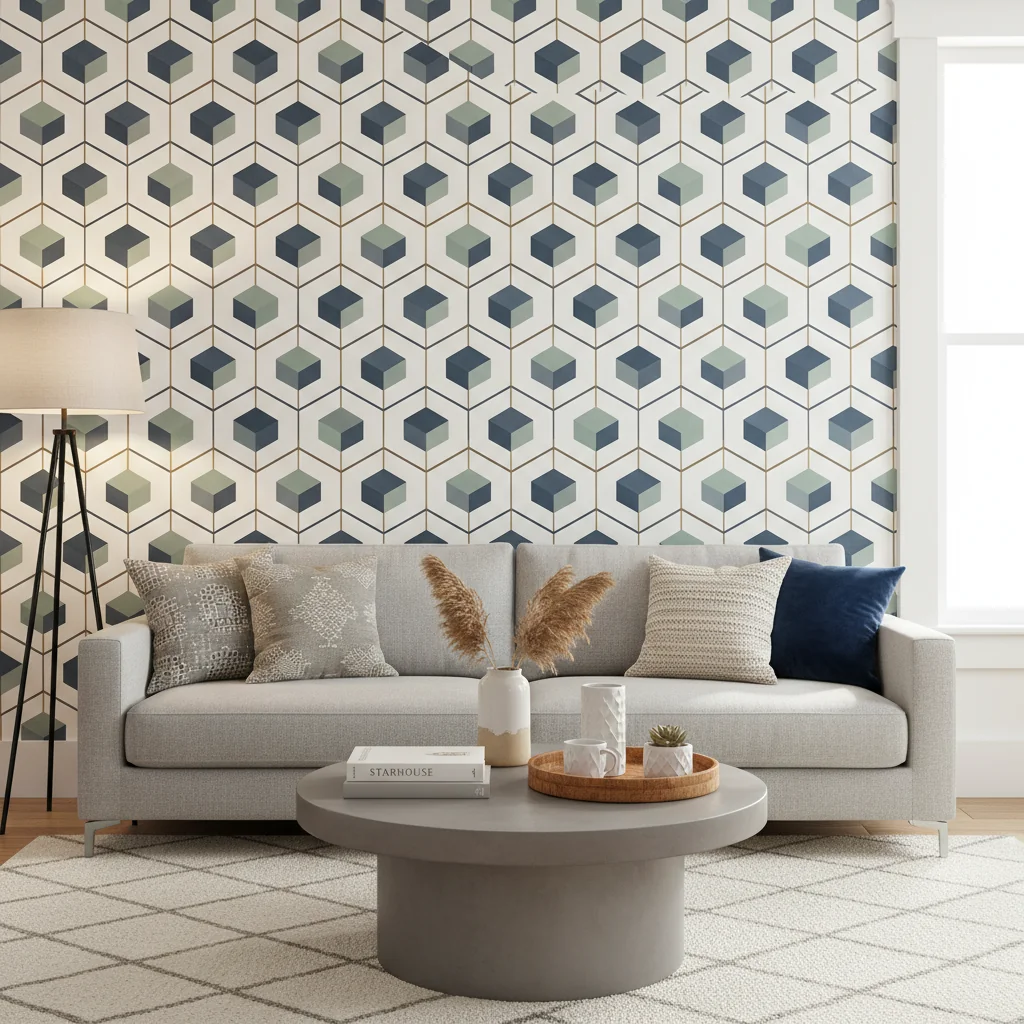
Textured wallpaper transforms an ordinary wall into a dynamic focal point, introducing depth, character, and tactile interest that paint alone cannot achieve. This versatile wallcovering is defined by its raised patterns or inherent material irregularities, offering a sensory experience that elevates interior design beyond mere color to encompass touch and dimension. At Starhouse, we understand that selecting the right textured wallpaper is a pivotal decision, influencing the ambiance, perceived size, and overall sophistication of any room. It is a strategic design element that can conceal minor wall imperfections, enhance acoustic properties, and imbue a space with a bespoke, curated feel, making it an indispensable tool for sophisticated home décor.
Key Takeaways
- Textured wallpaper adds significant depth, character, and tactile interest to interior spaces, distinguishing itself from flat painted surfaces.
- Key types include embossed (Anaglypta, Lincrusta), natural fibers (grasscloth, cork), flocked, and fabric-backed vinyl, each offering distinct aesthetics and performance.
- Material composition dictates durability, maintenance, and suitability for specific environments, from high-traffic areas to moisture-prone bathrooms.
- Accurate measurement is crucial, involving calculating total square footage with a 15-20% overage for pattern matching and trimming.
- Current trends favor natural textures, geometric embossments, and metallic accents, alongside the enduring appeal of classic, subtle patterns.
- Proper care, specific to the wallpaper’s material, ensures longevity and preserves its aesthetic integrity.
- Strategic styling allows textured wallpaper to serve as a feature wall, an accent, or a full room treatment, enhancing furniture and décor.
Understanding Textured Wallpaper: An Introduction
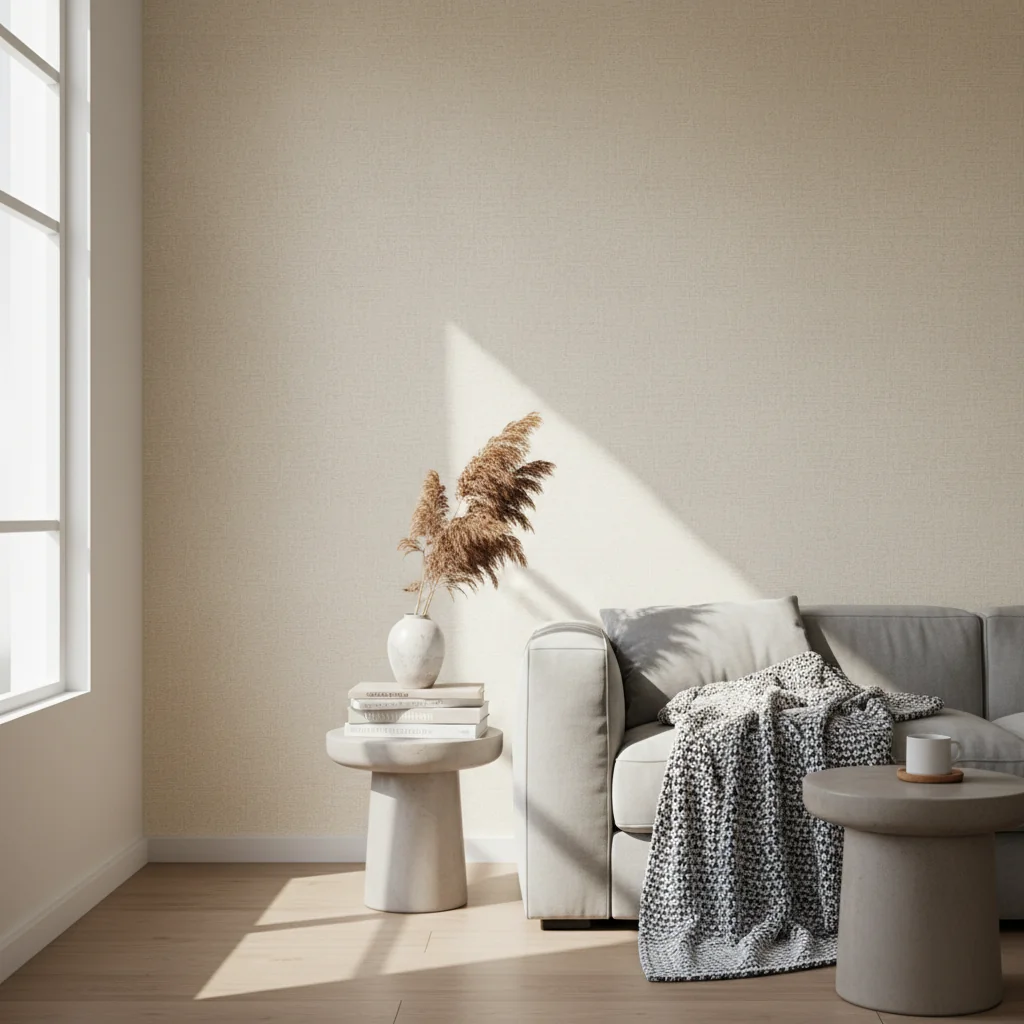
Textured wallpaper is a wallcovering characterized by a physical, three-dimensional surface that can be felt by touch, extending beyond the visual perception of pattern or color. This tactile quality is achieved through various manufacturing processes, including embossing, flocking, or by incorporating natural fibers directly into the material. Unlike flat wallpapers or painted surfaces, textured options introduce architectural interest and a sense of depth, making walls more dynamic and engaging. Its primary function is to enhance the aesthetic appeal of a room by adding dimension, but it also offers practical benefits such as concealing minor wall imperfections and improving a room’s acoustic properties by absorbing sound waves more effectively than smooth surfaces.
The appeal of textured wallpaper lies in its unique ability to transform a space, offering a sophisticated alternative to traditional wall treatments. It can evoke a wide range of moods and styles, from rustic warmth with grasscloth to opulent grandeur with flocked velvet, or contemporary minimalism with subtle embossed geometrics. The inherent texture interacts with light, creating subtle shadows and highlights that shift throughout the day, adding an evolving visual interest. This dynamic interplay of light and shadow contributes significantly to the perceived depth and richness of a room, making it feel more luxurious and thoughtfully designed. Starhouse curates textured wallpapers that exemplify this blend of aesthetic beauty and functional advantage, providing homeowners with versatile options to define their personal style.
Historically, textured wallpapers have evolved from early embossed leathers and fabrics to modern vinyls and natural fiber composites, reflecting advancements in manufacturing and shifts in design sensibilities. Today’s offerings are more diverse and durable than ever, with options suitable for every room and lifestyle. From heavy-duty vinyls designed for high-traffic commercial spaces to delicate, hand-woven natural materials for serene residential settings, the technological progress has expanded the possibilities for integrating texture into interior design. This evolution ensures that textured wallpaper remains a relevant and powerful tool for designers and homeowners seeking to create distinct, memorable interiors.
Choosing textured wallpaper allows for a departure from purely visual patterns, engaging the sense of touch and adding an additional layer of sensory experience to a space. It contributes to a multi-dimensional design scheme, where every surface plays a role in creating a cohesive and inviting environment. Whether the goal is to introduce subtle elegance, dramatic flair, or a cozy, organic feel, textured wallpaper provides an unparalleled medium for expressing design intent with precision and authority. We encourage exploration of the myriad textures available, as each offers a unique narrative for your walls.
A key advantage of textured wallpaper is its capacity to mask minor surface irregularities. Walls that might not be perfectly smooth or have hairline cracks can be significantly improved by the inherent depth and pattern of a textured covering. The raised elements of the wallpaper distract the eye from minor imperfections, creating a visually uniform and polished surface. This practical benefit often makes textured wallpaper a more forgiving option than flat paint, particularly in older homes or spaces where extensive wall preparation is not feasible. The additional material thickness also provides a slight insulating quality, contributing to both thermal and acoustic comfort within the room.
Furthermore, the application of textured wallpaper is often perceived as a more luxurious and custom finish than standard paint. It instantly elevates the perceived value and sophistication of a room, creating an immediate impact that resonates with discerning homeowners. The curated selection at Starhouse emphasizes this transformative potential, offering textures that range from the understated elegance of linen weaves to the bold statement of geometric relief patterns. Each option is chosen for its ability to provide lasting beauty and contribute positively to the overall design narrative of a home, ensuring a refined and distinctive aesthetic. The longevity and durability of many textured wallpapers also represent a sound investment in a home’s interior, maintaining their appearance for years with proper care.
The Distinct Types of Textured Wallpaper
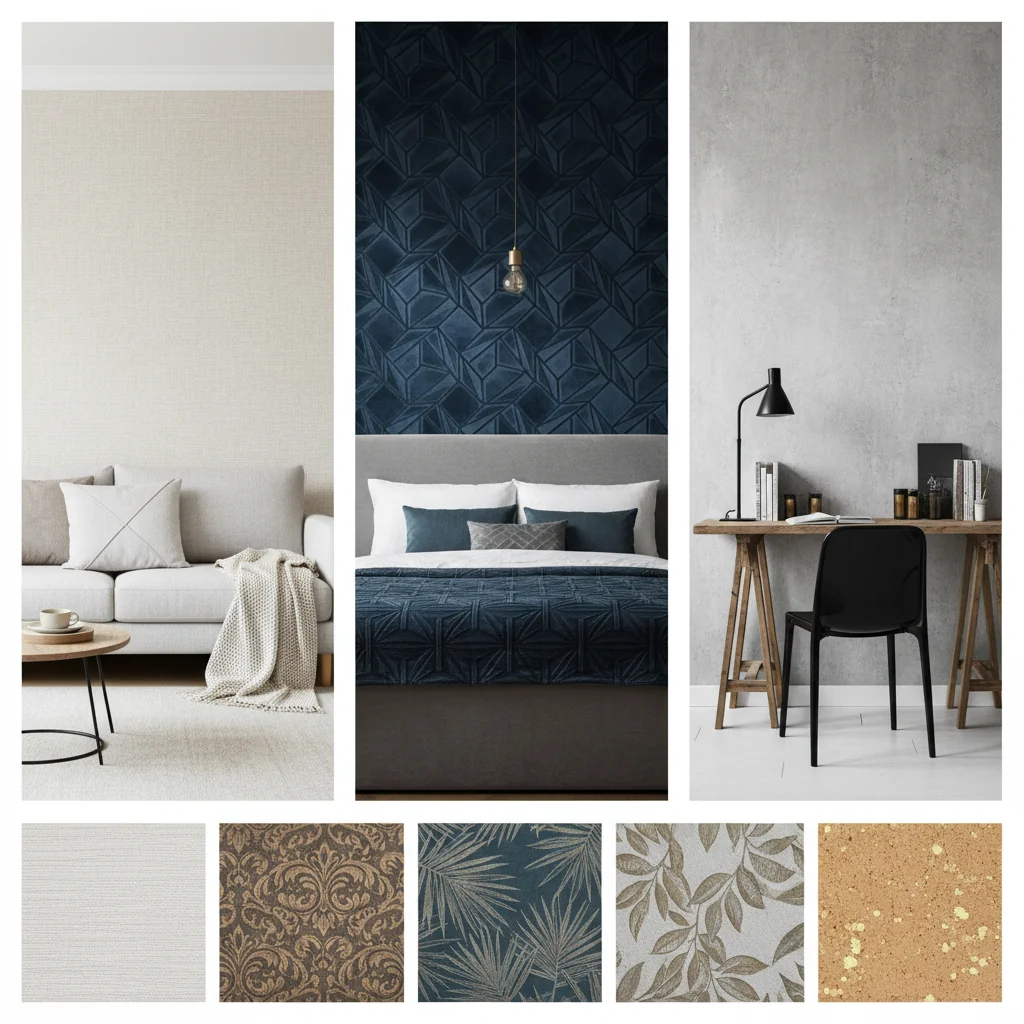
Textured wallpaper encompasses a broad category of wallcoverings, each distinguished by its specific manufacturing process, material composition, and the resulting tactile surface. Understanding these distinct types is essential for selecting a wallpaper that aligns with both your aesthetic vision and the functional requirements of your space. The primary categories include embossed wallpapers like Anaglypta and Lincrusta, natural fiber options such as grasscloth and cork, flocked wallpaper, fabric-backed vinyls, and various textile-based coverings. Each type offers a unique combination of visual appeal, durability, and maintenance characteristics, allowing for precise design application.
Embossed Wallpaper: Embossed wallpaper features patterns that are pressed into the paper or vinyl substrate, creating a raised, three-dimensional effect. This process allows for intricate designs that add architectural detail and depth without relying solely on color. The two most prominent forms are Anaglypta and Lincrusta.
-
Anaglypta: Anaglypta is an embossed wallpaper made from paper pulp, typically uncolored, designed to be painted after installation. It is characterized by its deep, often Victorian-inspired patterns, which can range from ornate damasks to simpler geometric motifs.
Anaglypta is highly durable and excellent for concealing surface imperfections, making it a practical choice for older homes or walls with minor flaws. Its paintable surface offers immense versatility, allowing homeowners to customize its color to match any décor scheme and refresh the look without re-papering. This flexibility ensures that Anaglypta remains a timeless and adaptable option for adding classic architectural detail.
-
Lincrusta: Lincrusta is a much heavier, more rigid form of embossed wallcovering, crafted from a gelled linseed oil and wood flour mixture pressed onto a paper base. It features exceptionally deep, sculptural patterns that often mimic carved wood or plasterwork.
Lincrusta is renowned for its extraordinary durability and longevity, capable of lasting for decades with proper care. Like Anaglypta, it is paintable, enabling a personalized finish that can be periodically updated. Lincrusta excels in creating a sense of historic grandeur and robust elegance, ideal for formal living areas, dining rooms, or commercial spaces where a significant visual statement is desired. Its substantial nature also provides excellent insulation and sound-dampening qualities.
Natural Fiber Wallpaper: These wallpapers incorporate organic materials, bringing an authentic, earthy texture to interiors. They are celebrated for their unique irregularities and sustainable appeal.
-
Grasscloth: Grasscloth is a natural wallcovering made from woven plant fibers such as jute, sisal, bamboo, or arrowroot, typically backed with paper. Its distinctive texture comes from the visible knots, varying fiber thicknesses, and subtle color variations inherent in the natural materials.
Grasscloth imparts a serene, organic, and sophisticated aesthetic, often associated with high-end design. It is prized for its ability to add warmth and depth to a room while maintaining an understated elegance. Due to its natural composition, grasscloth is generally not washable and requires careful handling during installation and cleaning. It is best suited for low-traffic areas like bedrooms, studies, or dining rooms where its delicate beauty can be preserved. The inherent variations in grasscloth are not flaws but rather hallmarks of its natural origin, contributing to its unique character.
-
Cork Wallpaper: Cork wallpaper features thin sheets of natural cork laminated onto a paper or non-woven backing. The texture is unmistakably natural, with the characteristic granular surface and often flecks of different tones.
Cork wallpaper offers excellent sound absorption and thermal insulation properties, making it an ideal choice for studies, media rooms, or bedrooms where acoustic comfort is desired. It is naturally antimicrobial and relatively durable, though it can be susceptible to damage from sharp objects. Its natural aesthetic provides a warm, inviting, and contemporary feel, aligning with biophilic design principles. The natural resilience of cork also makes it a practical option for areas needing a touch of organic texture.
Flocked Wallpaper: Flocked wallpaper features a pattern created by applying tiny fibers (flock) onto a surface, typically a vinyl or paper backing, to create a raised, velvet-like texture. This process results in a soft, fuzzy, and luxurious tactile experience.
Flocked wallpaper is synonymous with opulence and classic elegance, often featuring damask, floral, or geometric patterns that stand out against a contrasting background. It is primarily used in formal living rooms, dining areas, or master bedrooms to create a sense of grandeur and sophistication. While visually stunning, flocked wallpaper can be more delicate to clean than vinyl options, often requiring gentle vacuuming or dry wiping. Its unique texture absorbs light, contributing to a rich, subdued atmosphere and a truly distinctive aesthetic.
Fabric-Backed Vinyl Wallpaper: This type consists of a solid vinyl surface laminated to a fabric backing, offering exceptional durability and washability. The texture is often embossed to mimic natural materials like linen, silk, leather, or even subtle geometric patterns.
Fabric-backed vinyl wallpaper is highly resistant to moisture, stains, and abrasions, making it an excellent choice for high-traffic areas such as hallways, kitchens, bathrooms, and commercial spaces. Its robust construction ensures long-term performance and easy maintenance, as it can typically be scrubbed clean. The range of textures available, from subtle woven effects to bold industrial patterns, allows it to blend seamlessly into diverse design schemes while providing superior functionality and resilience. This category is particularly valued for its practical advantages combined with a sophisticated visual finish.
Textile Wallpaper: Textile wallpapers are made from actual woven fabrics like silk, linen, cotton, or synthetic blends, often backed with paper for stability. The texture is the inherent weave of the fabric itself.
Textile wallpaper offers unparalleled softness, warmth, and a luxurious feel, adding a layer of sophisticated elegance to any room. It is particularly effective in creating a cozy and inviting atmosphere in bedrooms, living rooms, or studies. Due to its fabric nature, it can be more delicate than vinyl options and may require professional installation and specialized cleaning. The subtle sheen of silk or the rustic charm of linen can dramatically alter a room’s character, providing a truly bespoke finish. The rich texture and material depth of textile wallpapers contribute to a premium aesthetic.
Mica and Glass Bead Wallpaper: These specialty wallpapers incorporate small, reflective particles—either mica flakes or tiny glass beads—onto a non-woven or paper backing. The texture is a shimmering, granular surface that catches and reflects light.
Mica and glass bead wallpapers are designed to add sparkle, glamour, and a unique luminous quality to a space. They are often used as accent walls in living rooms, powder rooms, or dining areas to create a dramatic and sophisticated effect. The reflective nature of these materials can make a room feel brighter and more expansive. While visually striking, these wallpapers require careful installation to ensure even light reflection and are generally best suited for areas where they won’t be subject to heavy contact, as the beads or flakes can be delicate. Their captivating play with light makes them a distinctive choice for adding a touch of luxury.
Key Materials and Their Characteristics
The material composition of textured wallpaper fundamentally dictates its appearance, durability, maintenance requirements, and suitability for specific environments within a home. Understanding the inherent characteristics of these materials is paramount for making an informed selection that ensures both aesthetic satisfaction and practical longevity. Common base materials include paper, non-woven fabric, vinyl, and natural fibers, each offering a distinct set of advantages and considerations for homeowners. The choice of material directly impacts how the wallpaper performs under various conditions, from moisture exposure to physical abrasion.
Paper-Based Textured Wallpaper
Paper-based textured wallpapers, such as Anaglypta, are primarily composed of cellulose fibers, offering a classic and environmentally conscious option. They are often embossed to create their distinctive texture.
Characteristics:
- Breathability: Paper allows walls to breathe, which can be beneficial in certain older homes.
- Paintable: Many paper-based textured wallpapers are designed to be painted, offering unparalleled color customization and the ability to refresh the look without re-papering.
- Eco-Friendly: Often made from sustainable resources and can be recyclable.
- Durability: Generally less durable than vinyl options, susceptible to moisture damage and tearing if not handled carefully. Not suitable for high-humidity areas.
- Installation: Requires paste application; can be more challenging to install for beginners due to potential for stretching when wet.
- Maintenance: Typically wipeable with a damp cloth, but not scrubbable. Avoid harsh cleaning agents.
Paper-based options are ideal for bedrooms, living rooms, and dining areas where a traditional aesthetic and paintability are valued. Their ability to conceal minor wall imperfections while providing a rich, tactile surface makes them a perennial favorite for historic renovations or classic interiors.
Non-Woven Textured Wallpaper
Non-woven textured wallpapers are manufactured from a blend of natural and synthetic fibers, creating a material that is dimensionally stable and tear-resistant. This advanced composition makes them a superior choice for many applications.
Characteristics:
- Durability: Highly durable and resistant to tearing, making them easier to handle during installation and more resilient in daily use.
- Dimensional Stability: They do not expand when wet or shrink when dry, ensuring seams remain tightly closed.
- Easy to Install (Paste the Wall): Many non-woven wallpapers are “paste the wall” products, meaning the adhesive is applied directly to the wall, not the paper. This simplifies installation significantly.
- Strippable: Designed to be easily removed in full sheets without damaging the wall underneath, simplifying future redecorating.
- Breathability: While more durable than pure paper, they still offer good breathability.
- Maintenance: Generally washable and some are scrubbable, depending on the surface finish.
Non-woven textured wallpapers are exceptionally versatile, suitable for almost any room, including high-traffic areas and moderately humid environments like powder rooms. Their ease of installation and removal makes them popular among DIY enthusiasts and those who anticipate changing their décor periodically. Starhouse highly recommends non-woven options for their balanced blend of performance and aesthetic appeal.
Vinyl Textured Wallpaper
Vinyl textured wallpapers consist of a paper or fabric backing coated with a layer of PVC (polyvinyl chloride), which is then embossed to create texture. This construction provides exceptional resilience.
Characteristics:
- Durability: Extremely durable, resistant to scratches, scuffs, and impact. Ideal for high-traffic residential and commercial spaces.
- Washability: Highly washable and often scrubbable, allowing for easy cleaning of spills and marks. This makes them perfect for kitchens, bathrooms, and children’s rooms.
- Moisture Resistance: Excellent resistance to humidity and moisture, preventing mold and mildew growth in damp environments.
- Concealing Imperfections: The thickness and texture of vinyl wallpaper are highly effective at masking minor wall imperfections.
- Variety: Available in an extensive range of textures and patterns, often mimicking natural materials like wood, stone, or fabric.
- Installation: Can be heavier and stiffer than paper, potentially requiring more effort during installation, though many are pre-pasted or peel-and-stick.
- Environmental Considerations: PVC production can have environmental impacts; however, advancements are being made in eco-friendlier vinyl alternatives.
Vinyl textured wallpapers are the workhorses of wallcoverings, offering maximum performance and minimal maintenance. They are the preferred choice for areas demanding high hygiene and resilience, such as kitchens, bathrooms, utility rooms, and busy family areas. Their robust nature ensures long-term beauty even in the most demanding settings.
Natural Fiber Textured Wallpaper
Natural fiber wallpapers, including grasscloth and cork, are crafted from organic plant materials, bringing an authentic and earthy texture to interiors. They are typically laminated onto a paper backing.
Characteristics:
- Unique Aesthetic: Offers unparalleled natural beauty, with variations in color and texture that are inherent to the organic materials.
- Breathability: Excellent breathability, promoting a healthier indoor environment.
- Eco-Friendly: Made from renewable resources, appealing to those seeking sustainable décor options.
- Sound Absorption: Provides good acoustic dampening, enhancing sound quality in a room.
- Durability: Generally more delicate than vinyl; susceptible to moisture, staining, and physical damage. Not scrubbable.
- Installation: Can be challenging due to the delicate nature and tendency for natural fibers to fray or show seams if not installed precisely. Requires specific adhesives.
- Maintenance: Requires gentle care; typically dry wiping or light vacuuming. Avoid water and harsh cleaners.
Natural fiber textured wallpapers are ideal for creating serene, sophisticated, and organic spaces like bedrooms, formal living rooms, studies, and dining areas. Their unique tactile and visual qualities make them a statement choice for homeowners who prioritize natural aesthetics and a tranquil ambiance. The irregularities in these materials are considered part of their charm, reflecting their authentic origin.
Textile Textured Wallpaper
Textile wallpapers are made from woven fabrics such as silk, linen, cotton, or synthetic blends, providing a soft, luxurious, and warm texture. They are often backed with paper or non-woven material for stability.
Characteristics:
- Luxurious Feel: Offers a soft, warm, and tactile surface that exudes sophistication and comfort.
- Rich Visual Depth: The inherent weave of the fabric creates a subtle, complex texture that interacts beautifully with light.
- Acoustic Properties: Excellent for sound absorption, contributing to a quieter and more intimate atmosphere.
- Breathability: Generally breathable, promoting good air circulation.
- Durability: Can be delicate; susceptible to staining, moisture, and snagging. Not suitable for high-traffic or high-humidity areas.
- Installation: Often requires professional installation due to the delicate nature of the fabric and the potential for fraying or stretching.
- Maintenance: Requires specialized cleaning, often dry cleaning or gentle vacuuming. Avoid water and harsh chemicals.
Textile textured wallpapers are best suited for formal living rooms, master bedrooms, and studies where their inherent elegance and acoustic benefits can be fully appreciated. They create an unparalleled sense of luxury and bespoke design, transforming a room into a plush, inviting sanctuary. The selection at Starhouse includes a range of textile options that evoke a refined and tailored aesthetic.
Selecting the Ideal Textured Wallpaper for Your Home
Choosing the ideal textured wallpaper for your home involves a careful consideration of several interconnected factors, including the room’s function, existing décor, desired aesthetic, and practical considerations like durability and maintenance. A precise assessment of these elements ensures that the selected wallpaper not only enhances the visual appeal but also performs optimally within its environment. We recommend a systematic approach to narrow down the myriad options and identify the perfect fit for your unique space and lifestyle.
Assess the Room’s Function and Traffic
The primary function and traffic level of a room are critical determinants for wallpaper selection. High-traffic areas demand materials that can withstand frequent contact and are easy to clean, while low-traffic areas allow for more delicate, luxurious options.
- High-Traffic Areas (Hallways, Entryways, Kids’ Rooms): For these demanding spaces, we unequivocally recommend durable and washable options such as fabric-backed vinyl or heavy-duty embossed vinyl. These materials resist scuffs, stains, and can be scrubbed clean, ensuring longevity and maintaining a pristine appearance despite daily wear and tear.
- Moisture-Prone Areas (Kitchens, Bathrooms, Laundry Rooms): In environments with high humidity and potential for splashes, moisture-resistant materials are essential. Solid vinyl or certain specialized non-woven wallpapers with water-resistant coatings are the optimal choices. They prevent moisture penetration, inhibit mold growth, and are easily wiped down. Natural fibers and paper-based options should be avoided in these areas.
- Low-Traffic & Formal Areas (Bedrooms, Dining Rooms, Formal Living Rooms, Studies): These spaces offer the flexibility to select more delicate and aesthetically focused materials. Grasscloth, silk, cork, flocked wallpaper, or fine paper-based embossed designs like Anaglypta are excellent choices. Their luxurious textures and intricate patterns can create a sophisticated and intimate atmosphere without concerns about heavy wear.
Consider Your Desired Aesthetic and Existing Décor
The textured wallpaper should seamlessly integrate with your home’s overall design scheme and the specific mood you wish to create in the room. It should complement existing furniture, textiles, and architectural elements.
- Modern & Contemporary: Opt for subtle geometric embossments, sleek metallic textures, or fine linen-look vinyls. Colors often lean towards neutrals, grays, or muted tones.
- Traditional & Classic: Anaglypta or Lincrusta with ornate patterns, flocked damasks, or rich textile wallpapers like silk or velvet are ideal. These choices evoke a sense of timeless elegance and historical charm.
- Organic & Natural: Grasscloth, cork, or wallpapers with woven natural fiber effects bring warmth and an earthy, biophilic touch. These are perfect for creating serene and grounding spaces.
- Glamorous & Luxurious: Mica or glass bead wallpapers, highly reflective metallic textures, or plush flocked designs add sparkle and sophistication. These are statement pieces designed to catch the light and eye.
- Industrial & Urban: Textured wallpapers mimicking concrete, brick, or distressed metal can create an edgy, contemporary feel. Vinyl options often replicate these textures convincingly.
When assessing your existing décor, consider the scale of patterns already present in the room. If you have large-patterned rugs or upholstery, a more subtle texture on the walls might be appropriate to avoid visual clutter. Conversely, if your furniture is minimalist, a bold textured wallpaper can serve as the room’s primary artistic expression.
Evaluate Color and Light Interaction
The color and texture of wallpaper interact dynamically with the natural and artificial light in a room, significantly impacting its perceived size and ambiance. A precise understanding of this interaction is crucial for optimal results.
- Light Colors and Subtle Textures: Light-colored textured wallpapers with fine, delicate patterns can make a room feel more expansive and brighter. They reflect light, creating an airy and open atmosphere. These are excellent for smaller rooms or spaces with limited natural light.
- Dark Colors and Bold Textures: Darker hues combined with pronounced textures can create a dramatic, intimate, and cozy ambiance. While they absorb light and can make a room feel smaller, they also add significant depth and sophistication. These are often best suited for larger rooms, accent walls, or spaces where a moody atmosphere is desired.
- Reflective Textures (Metallic, Mica, Glass Bead): These materials actively interact with light, producing shimmering effects and adding luminosity. They can brighten a room and introduce a sense of glamour, especially under direct or accent lighting.
- Matte Textures (Grasscloth, Cork): Matte textures absorb light, creating a softer, more subdued look. They contribute to a feeling of warmth and natural serenity, often highlighting the tactile quality over reflective properties.
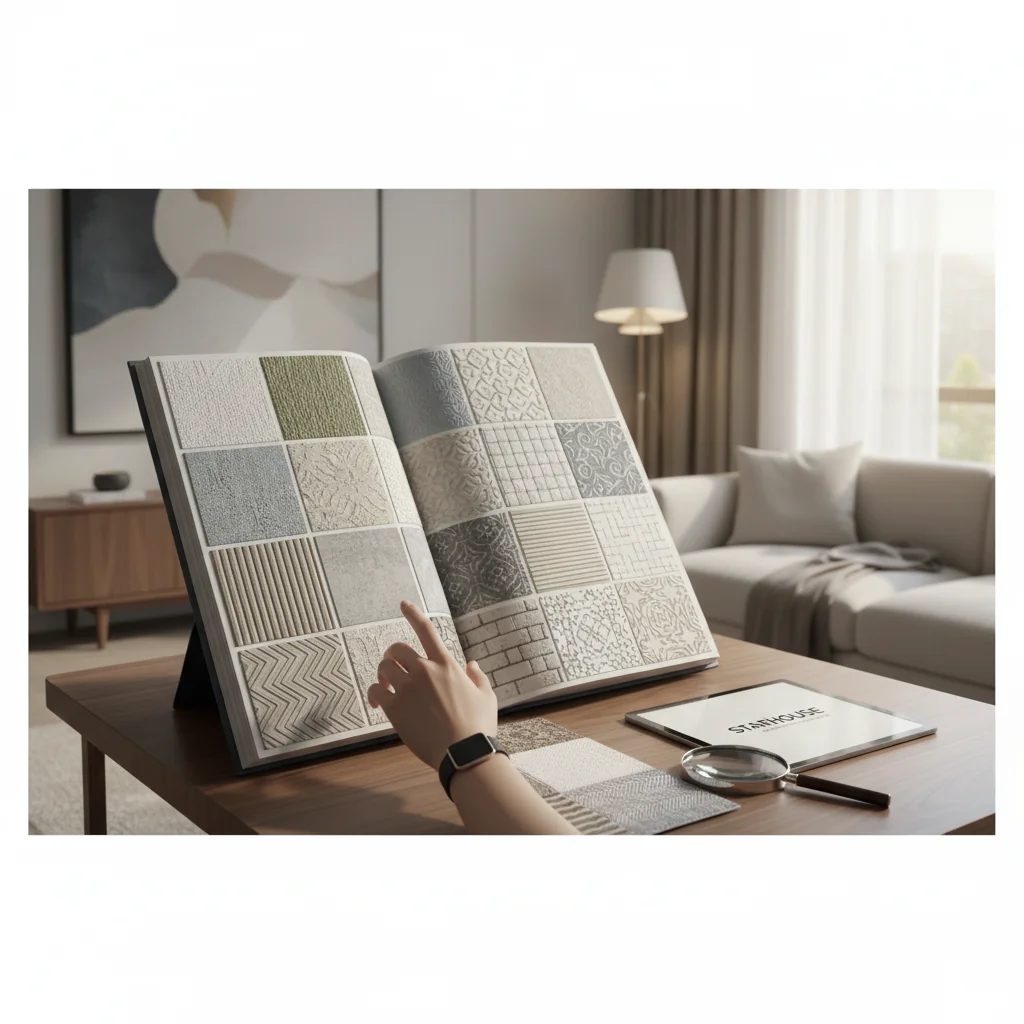
Always obtain samples and view them in the actual room under various lighting conditions—daylight, evening artificial light—before making a final decision. This step is indispensable for accurately assessing how the texture and color will appear in your specific environment.
Consider Durability and Maintenance
The material of the textured wallpaper directly correlates with its durability and the level of maintenance required, which are practical considerations for long-term satisfaction.
- High Durability & Easy Care: Vinyl and heavy-duty non-woven wallpapers are the champions of durability and ease of maintenance. They are typically washable, scrubbable, and resistant to wear and tear, making them ideal for active households.
- Moderate Durability & Specific Care: Paper-backed embossed wallpapers (like Anaglypta) offer good durability but require more gentle cleaning, usually damp wiping. They are paintable, which extends their life and aesthetic relevance.
- Delicate & Specialized Care: Natural fibers (grasscloth, cork) and textile wallpapers are generally more delicate. They are susceptible to moisture and staining and often require dry cleaning, light vacuuming, or professional cleaning. These are best reserved for areas with minimal contact and low humidity.
Ensure that the chosen wallpaper’s care instructions align with your lifestyle and willingness to maintain it. A wallpaper that is difficult to clean in a high-spill area will inevitably lead to dissatisfaction.
Budget and Installation Complexity
Textured wallpapers vary significantly in price and installation requirements, impacting the overall project cost.
- Budget: Prices range from economical paper-backed embossed options to premium natural fibers and specialty textiles. Establish a realistic budget, factoring in not just the wallpaper cost but also adhesive, tools, and potential professional installation fees.
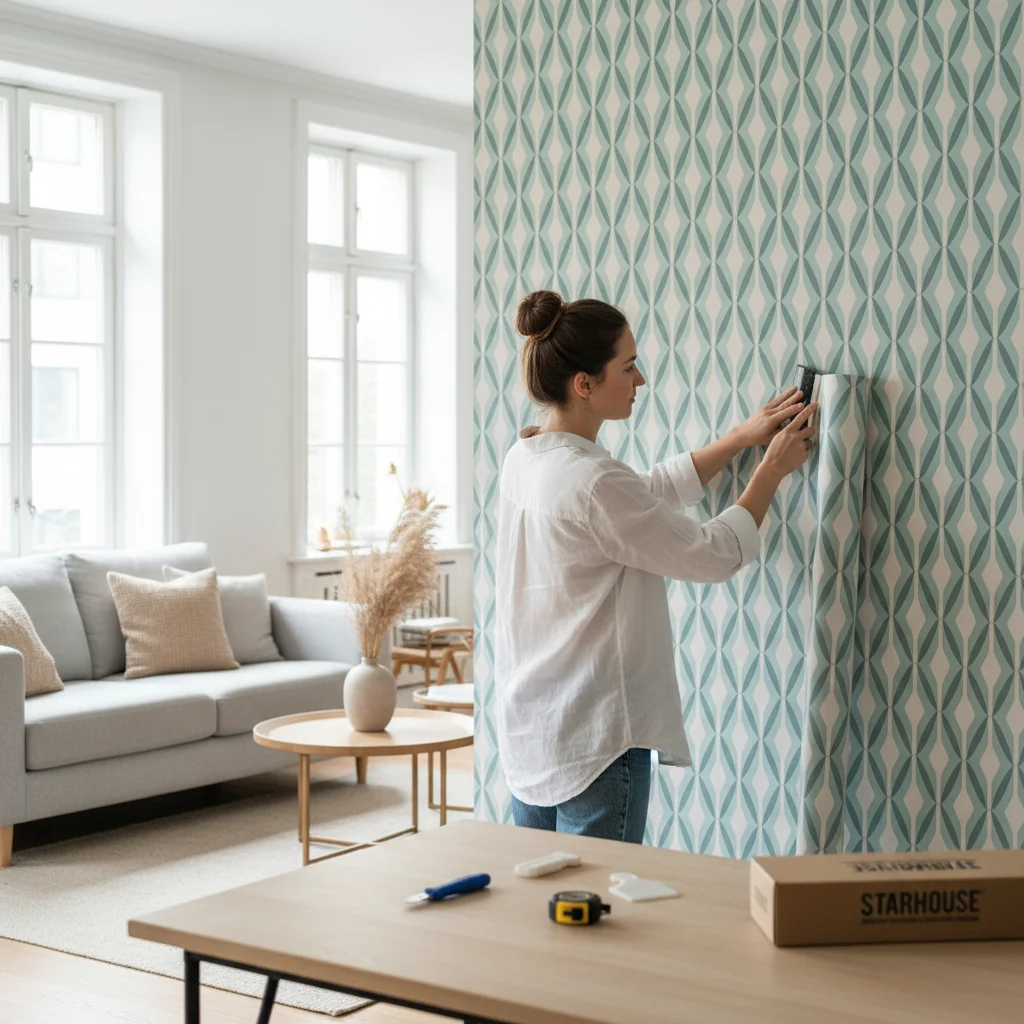
- Installation: Peel-and-stick textured wallpapers are the most DIY-friendly. Non-woven “paste the wall” options are also relatively straightforward. Traditional paper-backed and delicate natural fiber wallpapers often benefit from professional installation to ensure a flawless finish and prevent damage. Consider your comfort level with DIY projects and the complexity of the chosen material.
By systematically addressing these factors, you can confidently select a textured wallpaper that not only fulfills your design aspirations but also stands the test of time and usage in your home. Starhouse is dedicated to providing options that meet these diverse needs, ensuring every choice is a precise and valuable enhancement to your living space.
Starhouse is curating its collection to bring you the finest in textured wallpapers and home décor. We invite you to share what you’re looking for in your ideal space and get early access to our exclusive offerings. Tell us what you’re looking for.
Precise Measurement and Installation Considerations
Accurate measurement is the foundational step for any successful wallpaper installation, ensuring that you purchase the correct quantity and minimize waste. An overage of 15-20% is typically recommended to account for pattern matching, trimming, and potential errors. While professional installation is often advisable for complex patterns or delicate materials, understanding the measurement process empowers homeowners to plan effectively and communicate precisely with their installer. Precise measurement prevents costly reorders and delays, ensuring a seamless project execution.
Step-by-Step Measurement Guide
- Measure Wall Height: Measure the height of each wall from the baseboard to the ceiling. If there are variations, use the greatest height for calculations. For walls with architectural features like windows or doors, treat the wall as a solid rectangle for initial calculations, then adjust for openings later.