Green wallpaper is a dynamic and versatile design element that introduces tranquility, vitality, and a sophisticated connection to nature into any interior space, offering a broad spectrum of shades and patterns to suit diverse aesthetic preferences and functional requirements. From the calming depths of forest green to the refreshing brightness of mint, green wallpaper can transform a room’s atmosphere, enhance its perceived size, and serve as a powerful focal point or a subtle backdrop. This comprehensive guide, updated in June 2026, delves into every facet of selecting, installing, and styling green wallpaper, ensuring your design choices are both beautiful and enduring.
Key Takeaways
- Green wallpaper offers extensive versatility, ranging from tranquil to invigorating shades, suitable for diverse design aesthetics and room functions.
- Selecting the right green wallpaper involves considering material type (e.g., vinyl, non-woven, grasscloth), pattern scale, room lighting, existing décor, and desired mood.
- Accurate measurement and surface preparation are critical for successful wallpaper installation, preventing issues like pattern misalignment or adhesion problems.
- Sustainability is a growing consideration, with options like FSC-certified paper and low-VOC inks contributing to healthier indoor environments.
- Styling green wallpaper effectively requires thoughtful pairing with complementary colors, furniture, and textures to create a cohesive and harmonious design scheme.
- Proper care, tailored to the wallpaper’s material, extends its lifespan and preserves its aesthetic appeal, protecting your investment.
Introduction to Green Wallpaper
Green wallpaper, in its myriad forms and finishes, serves as a cornerstone for creating interiors that resonate with both vibrancy and calm, establishing a profound connection to the natural world within your home. Its unique ability to evoke feelings of renewal, growth, and balance makes it an unparalleled choice for designers aiming to cultivate specific moods and aesthetic narratives. The evolution of wallpaper technology, particularly the advent of durable, easy-to-install options like peel-and-stick, has democratized its use, making sophisticated design accessible for every homeowner.
Historically, green has been revered for its association with fertility and prosperity, transitioning into a symbol of environmental consciousness and well-being in contemporary design. Modern manufacturing techniques allow for an extraordinary range of green hues, from subdued olive and sage to vibrant emerald and lime, each carrying its own distinct character. Furthermore, innovations in material science have introduced wallpapers with enhanced durability, washability, and even eco-friendly compositions, ensuring that green wallpaper is not only visually appealing but also a practical and sustainable choice for today’s discerning homeowner.
At Starhouse, we recognize that wallpaper is more than just a decorative covering; it is a fundamental design element that defines the character and ambiance of a space. Our curated selection of green wallpapers reflects this philosophy, offering options that cater to every design vision, from minimalist serenity to maximalist grandeur. We prioritize quality materials, precise pattern registration, and a diverse palette to ensure that every choice from our collection contributes to a home that is both beautiful and uniquely yours.
The Psychology and Power of Green in Design
Green, positioned centrally on the color wheel, is universally recognized for its profound psychological impact, evoking sensations of balance, harmony, and renewal, making it a powerful choice for interior design. This color is deeply ingrained in our perception of nature, signaling growth, health, and tranquility, which directly translates into a sense of calm and well-being within a built environment. Incorporating green wallpaper can significantly influence the mood and functionality of a room, fostering an atmosphere conducive to relaxation, concentration, or rejuvenation.
The specific shade of green dictates its psychological effect. Lighter, softer greens like mint or sage promote a sense of freshness and calm, often used in bedrooms or bathrooms to create serene retreats. These hues can make a space feel more open and airy, reflecting natural light beautifully. Conversely, deeper greens such as forest or emerald convey richness, stability, and sophistication, ideal for studies, dining rooms, or accent walls where a sense of gravitas and luxury is desired. These darker tones can also create a cozy, enveloping atmosphere, perfect for intimate settings.
Green also possesses a unique ability to reduce eye strain and promote focus, earning it a place in environments demanding mental clarity, such as home offices or creative studios. Its association with sustainability and eco-friendliness further enhances its appeal, aligning with contemporary values of conscious living. By integrating green wallpaper, designers can tap into these inherent positive associations, crafting spaces that not only look appealing but also genuinely contribute to the occupants’ emotional and mental comfort. The versatility of green allows it to pair seamlessly with a multitude of other colors, acting as a grounding neutral or a vibrant accent, depending on its specific tone and application.
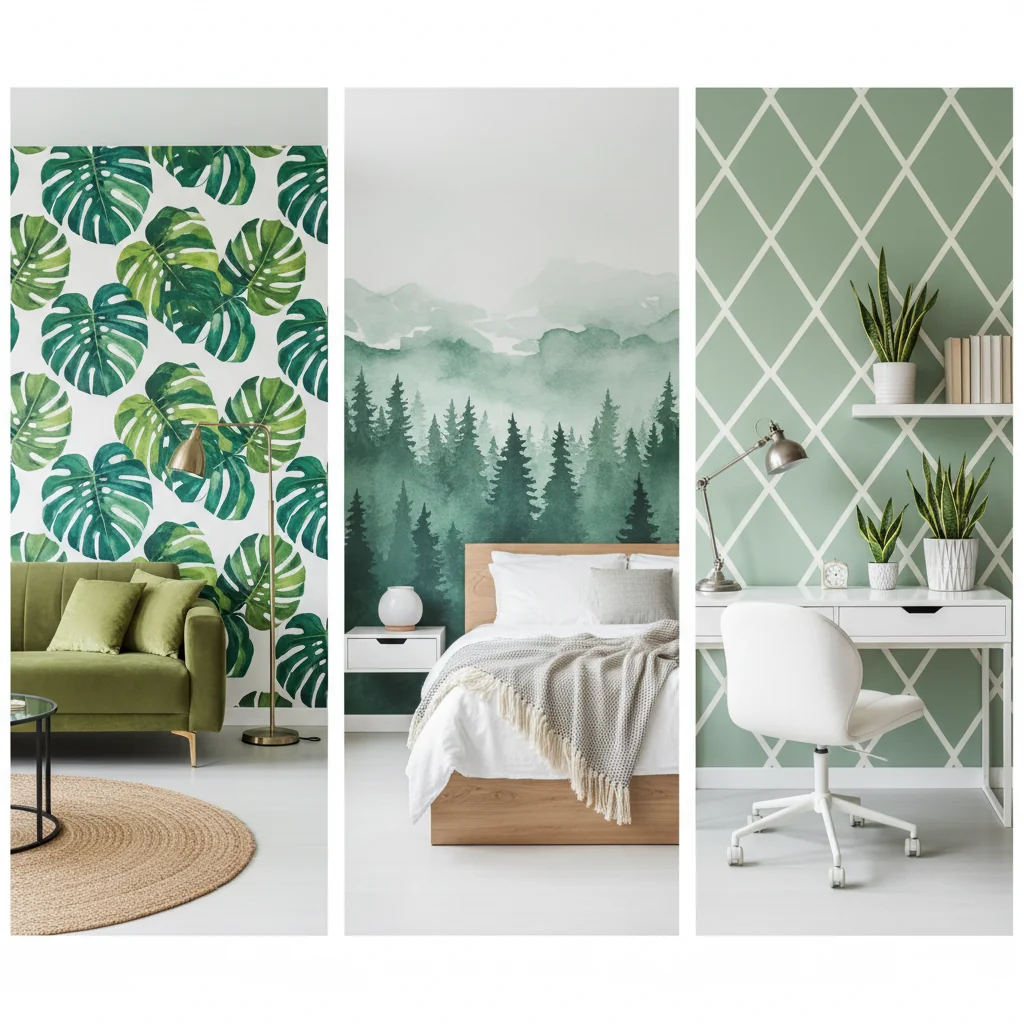
Types of Green Wallpaper Materials
Green wallpaper is available in a diverse array of materials, each offering distinct aesthetic qualities, installation methods, durability, and maintenance requirements, making the material choice as crucial as the pattern itself. Understanding these differences is essential for selecting a wallpaper that not only achieves the desired visual effect but also performs optimally in its intended environment.
Peel-and-Stick Wallpaper
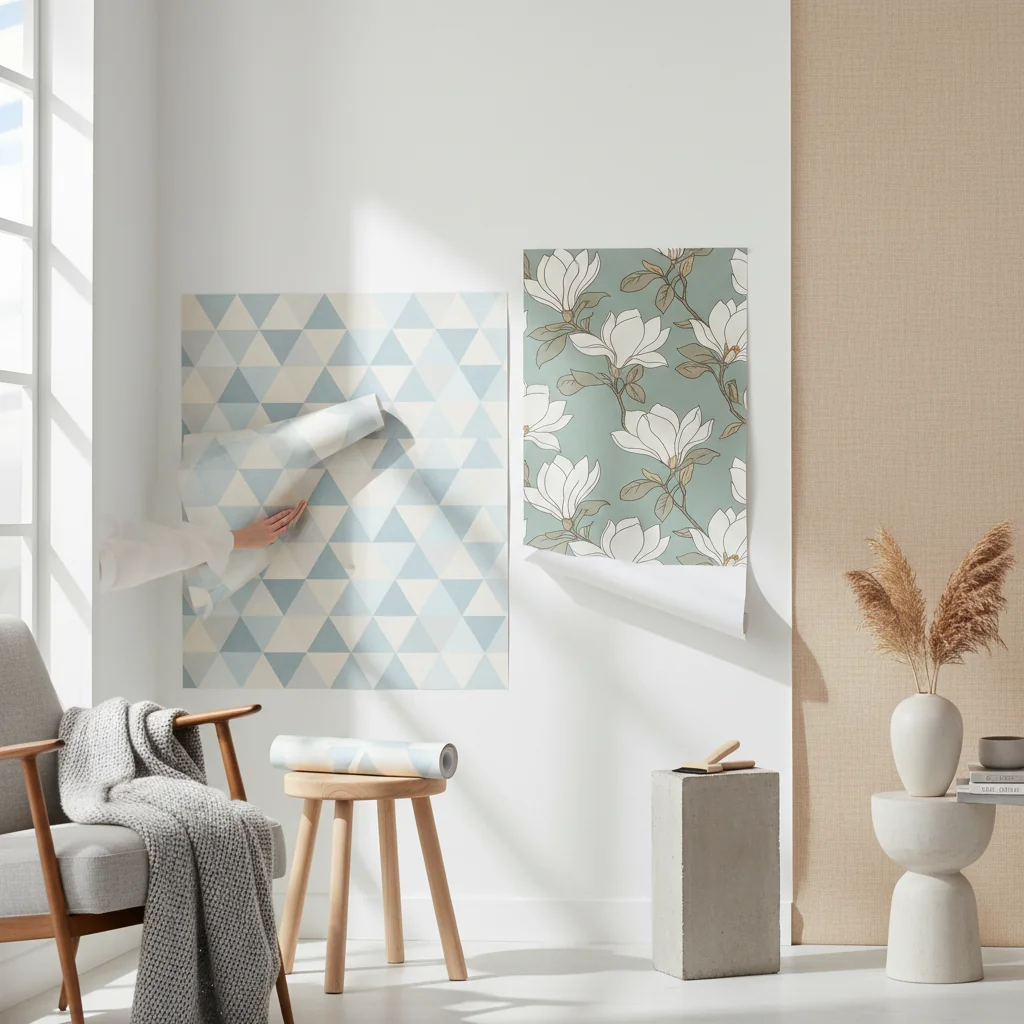
Peel-and-stick wallpaper, also known as self-adhesive or removable wallpaper, features an adhesive backing protected by a removable liner, making it exceptionally user-friendly for temporary applications or DIY enthusiasts. This type is typically made from vinyl or non-woven fabric, offering excellent versatility and ease of repositioning during installation. It is ideal for renters, accent walls, or those who enjoy frequently updating their décor, as it removes cleanly without damaging walls. Peel-and-stick options are often moisture-resistant, making them suitable for bathrooms and kitchens, though direct water exposure should still be minimized.
Traditional (Non-Pasted) Wallpaper
Traditional wallpaper requires the application of a separate adhesive paste to its back before hanging, offering a durable and long-lasting finish that is generally more permanent than peel-and-stick. These wallpapers often come in a wider range of materials, including paper, non-woven, and fabric-backed vinyl, and are known for their robust quality and ability to hide minor wall imperfections. Installation can be more involved, often requiring professional assistance, but the result is a seamless, high-end finish that can last for decades.
Pre-Pasted Wallpaper
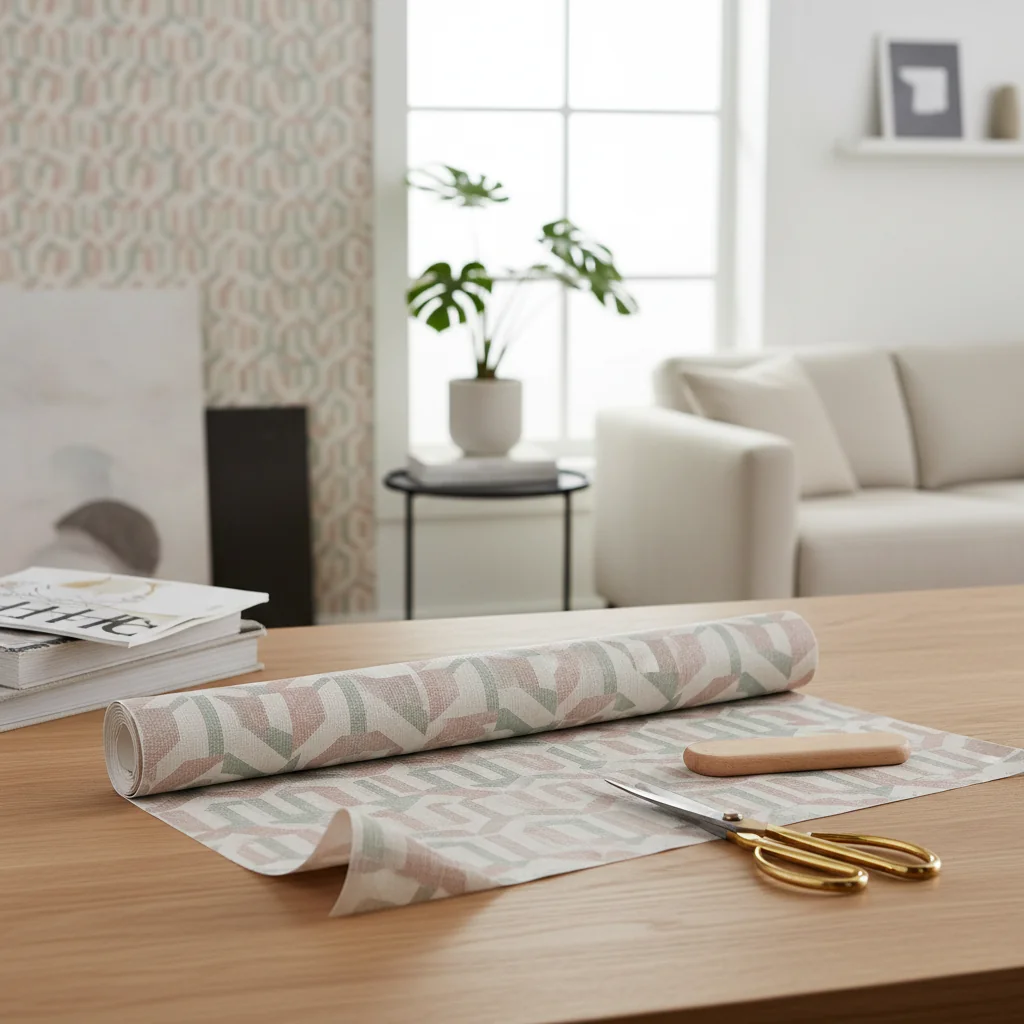
Pre-pasted wallpaper comes with a dry adhesive applied to its backing that is activated by wetting the paper, streamlining the installation process compared to traditional unpasted options. This type bridges the gap between the ease of peel-and-stick and the permanence of traditional wallpaper, offering a good balance of convenience and durability. It is typically made from non-woven or paper materials and is a popular choice for homeowners seeking a simpler DIY installation without compromising on quality or longevity.
Non-Woven Wallpaper
Non-woven wallpaper is composed of a blend of natural and synthetic fibers, making it one of the most durable, breathable, and environmentally friendly options available. This material is highly resistant to tearing and shrinking, offers excellent dimensional stability, and is often strippable (meaning it removes in full sheets without residue), simplifying future redecoration. Non-woven wallpapers are also breathable, which helps prevent mold and mildew growth, making them suitable for humid environments like bathrooms.
Vinyl Wallpaper
Vinyl wallpaper features a paper or fabric backing coated with a layer of vinyl, providing exceptional durability, washability, and moisture resistance, making it an ideal choice for high-traffic areas and humid environments. This material is particularly robust against scuffs and stains, offering longevity and easy maintenance. Vinyl wallpapers are available in various thicknesses and textures, from smooth to embossed, and are often used in kitchens, bathrooms, and commercial settings due to their practical advantages.
Fabric-Backed Vinyl Wallpaper
Fabric-backed vinyl wallpaper combines the strength and washability of vinyl with a woven fabric backing, resulting in an extremely durable and stable wallcovering often preferred for commercial use or very high-traffic residential areas. The fabric backing adds an extra layer of protection and makes the material more resistant to tearing during installation and over time. It provides a luxurious feel and can effectively conceal wall imperfections.
Grasscloth and Natural Fiber Wallpaper
Grasscloth wallpaper is crafted from woven natural fibers such as jute, sisal, or bamboo, offering unparalleled texture, depth, and an organic aesthetic that brings warmth and sophistication to a space. Each roll is unique due to the natural variations in the fibers, creating a bespoke look. Grasscloth is typically unpasted and requires careful installation, often with a clear adhesive, and is generally more delicate than synthetic options, requiring specific cleaning methods. It is not recommended for high-moisture areas.
Paper Wallpaper
Traditional paper wallpaper is made entirely from paper, offering a vast array of prints, finishes, and artistic designs, often prized for its classic aesthetic and breathability. While generally less durable and washable than vinyl or non-woven options, paper wallpaper provides a refined, matte finish that absorbs light beautifully. It requires careful handling during installation and is best suited for low-traffic areas where it is less likely to be exposed to moisture or physical abrasion.
Mural Wallpaper
Mural wallpaper features a single, large-scale image or design that covers an entire wall, transforming it into a captivating focal point or an immersive scene. Unlike repeating patterns, murals create a continuous visual narrative, ranging from lush botanical landscapes to abstract art. Murals are available in various materials, including peel-and-stick, non-woven, and traditional paper, allowing for flexibility in installation and durability to match the desired application. They offer a dramatic impact, making a significant statement in any room.
Sustainable and Eco-Friendly Options
Sustainable green wallpaper options prioritize environmental responsibility, utilizing materials and manufacturing processes that minimize ecological impact, appealing to eco-conscious consumers. These include wallpapers made from recycled content, FSC-certified paper, bamboo, or natural linen, often printed with water-based or low-VOC (volatile organic compound) inks. Such choices contribute to improved indoor air quality and support responsible forestry practices. When seeking eco-friendly options, look for certifications such as the Forest Stewardship Council (FSC) label, which ensures paper products come from responsibly managed forests. The U.S. Environmental Protection Agency (EPA) provides guidance on identifying greener paper products, emphasizing factors like recycled content and responsible sourcing. Furthermore, the Federal Trade Commission’s Green Guides help consumers and businesses understand environmental marketing claims, ensuring transparency and preventing greenwashing.
What is “VOC”?
VOC stands for Volatile Organic Compound, which are chemicals emitted as gases from certain solids or liquids, potentially having adverse health effects. Low-VOC products contain significantly reduced levels of these compounds.
Choosing sustainable wallpaper aligns with a holistic approach to home design that values both aesthetics and environmental stewardship, ensuring your beautiful green walls contribute to a healthier planet and home.
Exploring Green Wallpaper Styles and Patterns
Green wallpaper encompasses an extraordinary range of styles and patterns, offering a design solution for virtually every aesthetic, from the subdued elegance of classic motifs to the bold statements of contemporary art. The specific pattern, scale, and texture of a green wallpaper profoundly influence the character and perceived dimensions of a room, allowing for highly personalized interior narratives.
Botanical and Tropical Patterns
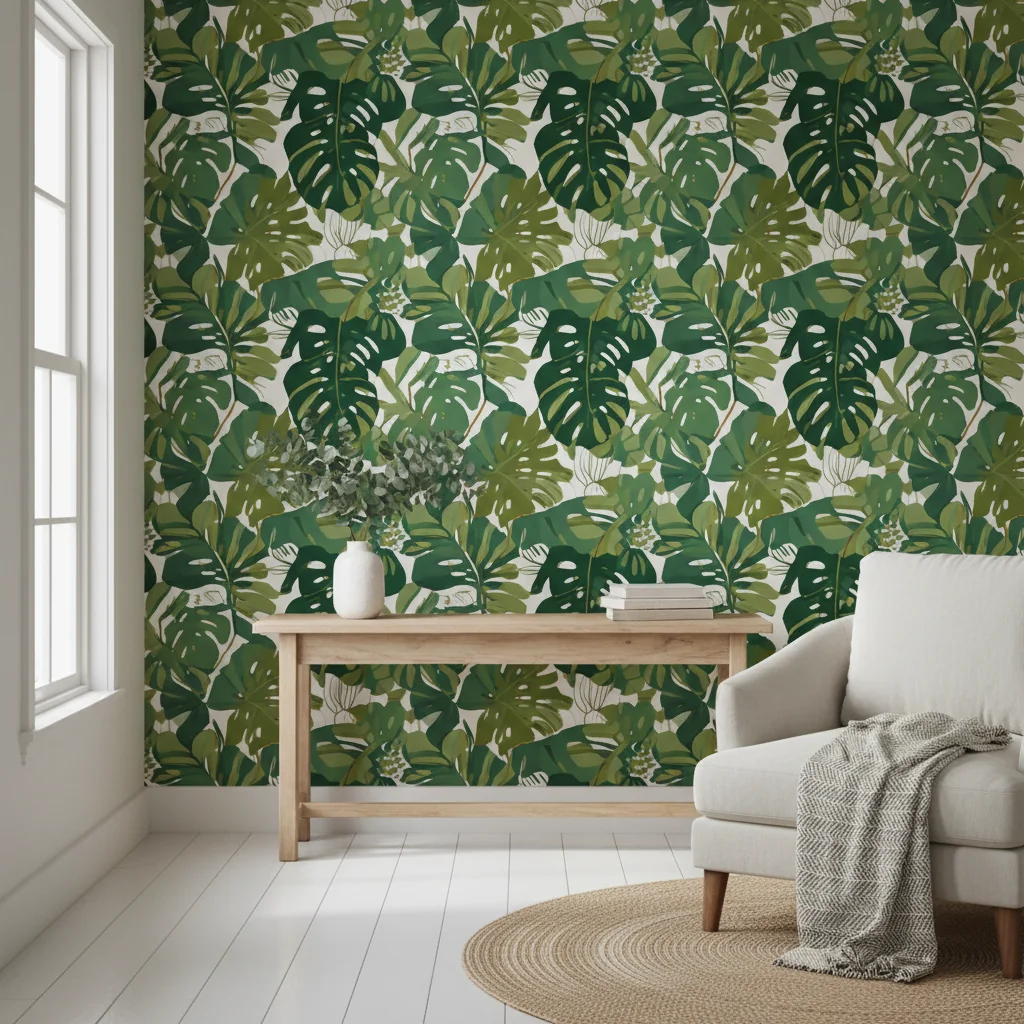
Botanical and tropical green wallpapers celebrate the lushness of nature, featuring motifs such as oversized leaves, exotic flowers, swaying palms, and vibrant jungle scenes. These patterns are perfect for creating an invigorating, biophilic environment, bringing the outdoors in. They are particularly effective in sunrooms, bathrooms, or bedrooms where a sense of escape and freshness is desired. The scale of the pattern matters: large-scale botanicals make a dramatic statement in spacious rooms, while smaller, more intricate designs can add charm to cozier nooks.
Geometric Patterns
Geometric green wallpapers introduce structure, rhythm, and a contemporary edge to interiors, featuring precise shapes, lines, and repeating forms. From subtle trellises and chevrons to bold tessellations and Art Deco-inspired fan patterns, geometric designs can add a sense of order and sophistication. These patterns work well in modern, minimalist, or mid-century spaces, providing visual interest without overwhelming the senses. The choice of pattern scale and line thickness will dictate whether the effect is understated or dynamic.
Abstract and Artistic Designs
Abstract green wallpapers move beyond literal representation, offering interpretive designs that evoke mood and emotion through color, form, and texture. These can range from watercolor washes and brushstroke effects to impressionistic landscapes or non-representational art. Abstract patterns are excellent for creating a unique, artistic focal point in a living room, study, or gallery wall, inviting contemplation and personal interpretation. They offer flexibility in pairing with diverse furniture styles due to their non-specific nature.
Solid Textures and Grasscloth
Solid green wallpapers with subtle textures or natural materials like grasscloth provide depth and tactile interest without relying on overt patterns, offering a sophisticated and calming backdrop. These options are ideal for creating a serene, understated elegance, allowing other design elements like furniture or artwork to take center stage. Grasscloth, with its visible woven fibers, introduces an organic, textural quality that adds warmth and a handcrafted feel. Textured solids are versatile, suitable for almost any room where a cohesive, enveloping color is desired.
Damask and Traditional Motifs
Damask and traditional green wallpapers exude classic elegance and historical charm, featuring intricate, often symmetrical, patterns that recall opulent textiles and architectural details. These designs typically incorporate scrolling motifs, fleur-de-lis, or ornate medallions, often in tone-on-tone greens or contrasting shades for a more dramatic effect. They are perfectly suited for formal dining rooms, grand entryways, or traditional bedrooms, lending an air of timeless sophistication and luxury.
Stripes and Grids
Striped and grid green wallpapers offer a clean, classic, and often nautical or preppy aesthetic, providing visual elongation or expansion depending on their orientation. Vertical stripes can make ceilings appear higher, while horizontal stripes can make a room feel wider. Grids introduce a subtle geometric order. These patterns are highly versatile, suitable for children’s rooms, bathrooms, or even more formal spaces when executed in refined shades and finishes.
Chinoiserie and Scenic Panels
Chinoiserie and scenic green wallpapers transport viewers to idyllic, often exotic, landscapes and narratives, featuring hand-painted-style designs of birds, trees, pagodas, and lush gardens. These intricate and often large-scale patterns are highly decorative and create a sense of bespoke artistry. They are frequently used to create luxurious, immersive environments in dining rooms, master bedrooms, or powder rooms, serving as a magnificent focal point.
Mid-Century Modern and Retro Designs
Mid-century modern and retro green wallpapers draw inspiration from the design sensibilities of the mid-20th century, characterized by organic shapes, atomic motifs, and bold, often abstract, patterns. These designs often feature greens like avocado or olive, paired with other period-appropriate colors. They are perfect for spaces aiming for a vintage-inspired yet timeless aesthetic, adding character and a playful sophistication.
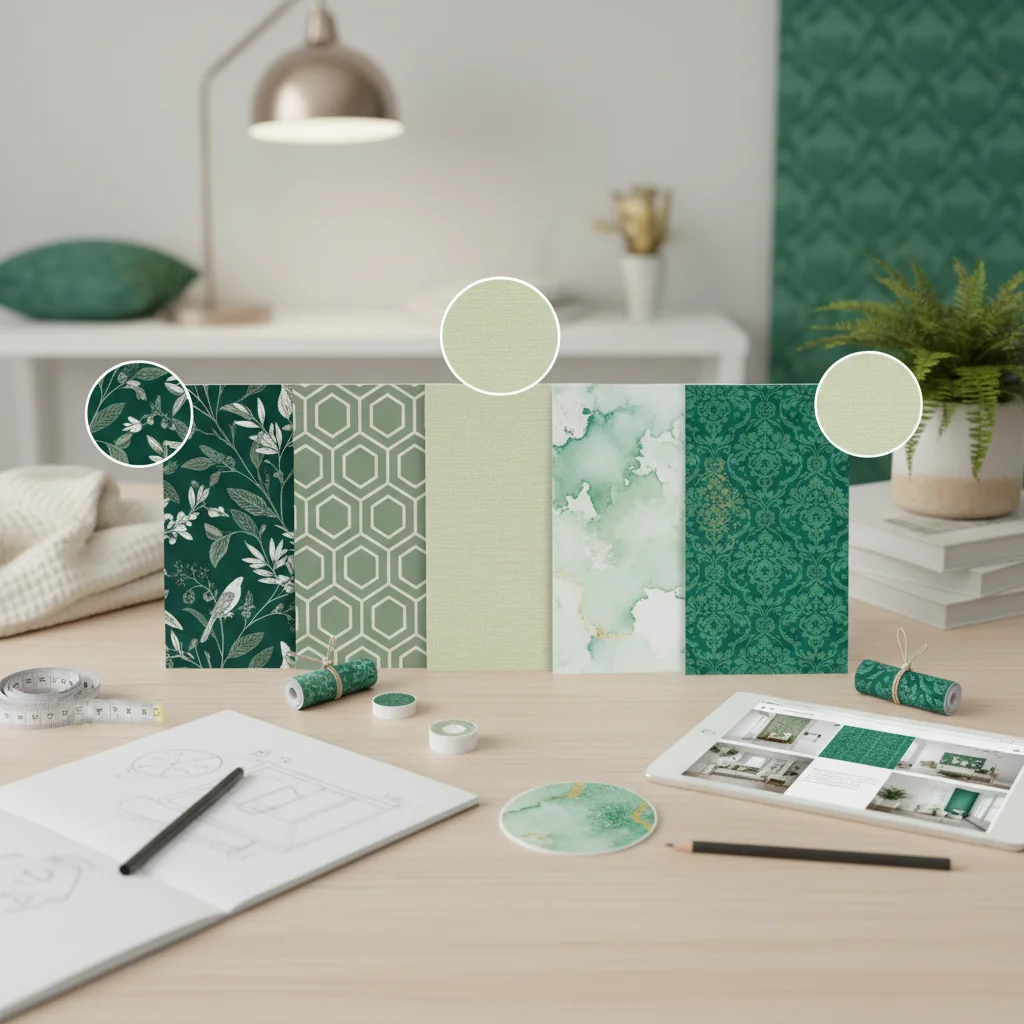
Choosing the Perfect Green Wallpaper for Your Space
Selecting the ideal green wallpaper for your home requires a thoughtful consideration of various factors, including the room’s function, existing décor, natural light, and your personal aesthetic preferences, ensuring a harmonious and impactful design outcome. A systematic approach to this decision-making process helps narrow down the vast array of options and leads to a choice that truly enhances your living environment.
Evaluate the Room’s Function and Mood
The primary function of a room dictates the most suitable shade and pattern of green wallpaper. For a tranquil bedroom or a calming bathroom, softer greens like sage, mint, or celadon promote relaxation and serenity. In a vibrant living room or a creative home office, a more energetic emerald, lime, or forest green can stimulate and inspire. Consider the desired mood: do you want a cozy, enveloping feel (darker greens, textured patterns) or an airy, expansive atmosphere (lighter greens, subtle patterns)?
Assess Natural Light and Room Size
Natural light significantly impacts how a green wallpaper appears throughout the day. Rooms with abundant natural light can handle deeper, richer greens without feeling oppressive, as the light will prevent the color from appearing too dark. In contrast, dimly lit or smaller rooms benefit from lighter, brighter green hues or patterns with reflective elements (like metallic accents) to help brighten and expand the space. Large, bold patterns can overwhelm small rooms, while subtle textures or small-scale prints are more appropriate. In spacious rooms, large-scale botanicals or murals can make a dramatic, sophisticated statement.
Consider Existing Décor and Color Palette
The chosen green wallpaper must harmonize with your existing furniture, flooring, and accessories. Identify the dominant colors and undertones in your current décor. If your space features warm wood tones, an olive or moss green with warm undertones will blend beautifully. For cooler palettes with grays or blues, a cooler mint or emerald green might be more appropriate. Green is a versatile color, often acting as a neutral, but careful consideration of its specific shade ensures cohesion rather than conflict.
Pattern Scale and Visual Impact
The scale of the wallpaper pattern is critical. Large, intricate patterns demand attention and can make a bold statement, ideally suited for accent walls or larger rooms where they won’t feel cramped. Smaller, repeating patterns or subtle textures are less intrusive and work well in smaller spaces or as a backdrop for artwork and furniture. Consider the visual “busyness” of the pattern; if you have a lot of patterned textiles or furniture, a simpler green wallpaper might be best. Conversely, a minimalist room can benefit from a more intricate design.
Material and Durability Needs
Different materials offer varying levels of durability and ease of maintenance. For high-traffic areas like hallways, kitchens, or children’s rooms, opt for washable and durable materials like vinyl or non-woven wallpaper. In humid environments such as bathrooms, look for moisture-resistant options. For low-traffic areas like formal living rooms or bedrooms, more delicate materials like grasscloth or traditional paper can be considered for their unique aesthetic qualities.
Installation Method Preference
Your comfort level with DIY projects or budget for professional installation will guide your choice of wallpaper type. Peel-and-stick options are excellent for beginners and temporary applications due to their ease of removal and repositioning. Pre-pasted wallpapers offer a moderately easy DIY experience, while traditional unpasted wallpapers typically require more skill and preparation, often warranting professional installation for optimal results.
Sustainability Considerations
For environmentally conscious choices, prioritize green wallpapers made from sustainable materials like FSC-certified paper, recycled content, or natural fibers, and those printed with low-VOC inks. These options contribute to healthier indoor air quality and reduce environmental impact.
By systematically addressing these points, you can confidently select a green wallpaper that not only transforms your space aesthetically but also aligns with its functional needs and your personal values.
Starhouse is dedicated to helping you create interiors that reflect your unique style and needs. We are actively curating our collection to bring you the finest in home décor. We invite you to tell us what you’re looking for in green wallpaper or other home furnishings, and get early access to our upcoming selections.
Measuring and Sizing for Green Wallpaper Installation
Accurate measurement and precise sizing are fundamental steps in wallpaper installation, ensuring a seamless finish, minimizing waste, and preventing common errors such as pattern misalignment or insufficient material. Proper preparation in this phase is critical, as it directly impacts both the aesthetic outcome and the efficiency of the project.
Step-by-Step Measurement Guide
- Measure Wall Height and Width: Begin by measuring the height of each wall from the baseboard to the ceiling, taking multiple measurements across the wall to account for any variations. Record the longest height. Then, measure the total width of each wall. For walls with windows or doors, measure the width of the wall sections on either side of the openings, as well as above and below.
- Calculate Total Square Footage: Multiply the total height (in feet) by the total width (in feet) of all walls to determine the total square footage requiring coverage. For example, a wall 8 feet high and 10 feet wide is 80 sq ft.
- Account for Doors and Windows: While you will cut around these features during installation, it is generally recommended to include their square footage in your initial calculation. This provides a buffer for pattern matching and trimming. However, for large openings, you can subtract approximately half of their area.
- Determine Wallpaper Roll Coverage: Wallpaper rolls are sold in standard dimensions, often around 20.5 inches or 27 inches wide, and typically 33 feet long (a single roll). A “double roll” is usually 33 feet long but twice the width, or 66 feet long at the standard width. Consult the product specifications for the exact square footage coverage per roll. For example, a standard single roll (20.5 inches x 33 feet) covers approximately 56 sq ft.
-
Factor in Pattern Repeat: This is a crucial step for wallpapers with repeating patterns. The “pattern repeat” is the distance between one point in a design and the identical point in the next repetition.
- If your wallpaper has a large pattern repeat (e.g., 20-25 inches or more), you must add extra length to each strip to ensure the pattern aligns across seams.
- For every strip you cut, add one full pattern repeat to the height measurement. For example, if your wall is 8 feet high (96 inches) and the pattern repeat is 21 inches, each strip should be cut to 96 + 21 = 117 inches.
- This extra length allows for precise matching and trimming at the top and bottom.
- Calculate Number of Strips per Roll: Divide the total length of the roll (e.g., 33 feet or 396 inches) by the length of each cut strip (wall height + pattern repeat). This gives you the number of full strips you can get from one roll.
- Calculate Total Number of Strips Needed: Divide the total width of your walls (in inches) by the width of the wallpaper roll (in inches). This tells you how many strips are needed to cover the entire area.
- Determine Total Rolls Required: Divide the total number of strips needed by the number of strips you can get from one roll. Always round up to the next whole number.
- Add a Buffer: Always purchase at least one extra roll (or 15-20% more than your calculated requirement) to account for mistakes, pattern matching complexities, future repairs, or inconsistencies in dye lots. This buffer is essential for a smooth project.
Example Calculation:
Room Dimensions: Wall height = 9 feet (108 inches), Wall width = 12 feet (144 inches).
Wallpaper Specifications: Roll width = 27 inches, Roll length = 33 feet (396 inches), Pattern repeat = 24 inches.
- Length per strip: 108 inches (wall height) + 24 inches (pattern repeat) = 132 inches.
- Strips per roll: 396 inches (roll length) / 132 inches (strip length) = 3 strips per roll.
- Total strips needed: 144 inches (wall width) / 27 inches (roll width) = 5.33, rounded up to 6 strips.
- Total rolls needed: 6 strips (total needed) / 3 strips (per roll) = 2 rolls.
- With buffer: Purchase 3 rolls (2 rolls + 1 extra for safety).
Always double-check your measurements and calculations. When working with professional installers, they will typically handle these calculations, but understanding the process provides valuable insight and ensures you can verify quantities.
Current Trends and Timeless Elegance in Green Wallpaper
Green wallpaper continuously evolves with design trends while simultaneously holding a steadfast position as a timeless choice, offering both ephemeral style and enduring sophistication. Understanding the prevailing trends alongside classic applications allows for informed decisions that can keep a space feeling fresh and relevant for years.
Emerging Green Wallpaper Trends (Updated June 2026)
As of June 2026, several key trends are shaping the use of green wallpaper in contemporary interiors:
- Biophilic Maximalism: This trend embraces large-scale, immersive botanical murals and dense jungle prints in rich emeralds and deep forest greens. It’s about creating a full sensory experience that blurs the lines between indoor and outdoor, often paired with natural wood tones, live plants, and textured fabrics.
- Sage and Olive Serenity: Softer, muted greens like sage, olive, and moss continue to dominate, reflecting a desire for calm, comfort, and connection to nature without overwhelming the senses. These shades are frequently applied in textured wallpapers (e.g., linen-look, subtle grasscloth imitations) or tone-on-tone patterns for a sophisticated, understated elegance in bedrooms, bathrooms, and living areas.
- Geometric Revival in Earthy Greens: While geometric patterns are timeless, the current trend favors softer, organic interpretations of traditional geometrics, often in earthy greens. Think tessellated leaf patterns, subtle Art Deco curves, or abstract shapes in muted sage or deep olive, providing structure without harshness.
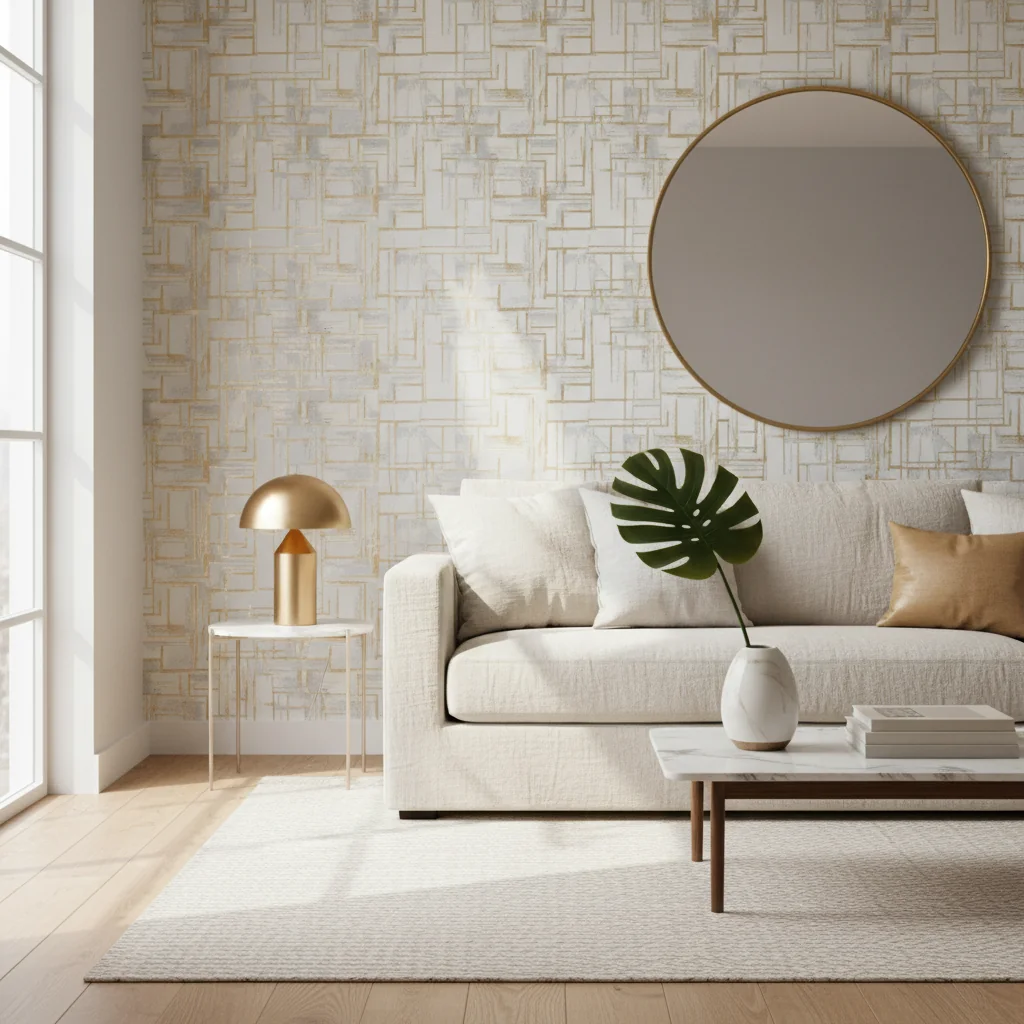
- Metallic Accents with Deep Greens: Rich greens like emerald or hunter are being elevated with subtle metallic accents—gold, brass, or even copper—integrated into patterns. This adds a touch of luxury and glamor, catching the light and introducing an element of sophistication, particularly in dining rooms or powder baths.
- Textural Emphasis: Beyond visual patterns, there’s a strong lean towards tactile green wallpapers. Grasscloth, woven textures, faux linen, or even subtle embossed patterns in green shades add depth and warmth, creating a sensory experience that goes beyond flat color.
- “Quiet Luxury” in Green: Aligned with the broader “quiet luxury” movement, green wallpapers in sophisticated, often muted, shades with subtle patterns or rich textures are chosen for their understated elegance and quality feel. These are not about overt statements but about creating a sense of refined comfort and enduring style.
Timeless Green Wallpaper Applications
Despite evolving trends, certain applications of green wallpaper remain perennially stylish due to their inherent beauty and versatility:
- Classic Damasks and Toiles: Traditional patterns in muted greens offer a timeless elegance, perfect for formal living spaces, dining rooms, or master bedrooms. They evoke a sense of heritage and sophistication.
- Solid Green with Subtle Texture: A solid green wallpaper, particularly in a rich forest or a calming sage, with a subtle texture (like a linen weave or faux grasscloth), provides a sophisticated and enveloping backdrop that never goes out of style. It allows furniture and art to pop while adding depth to the walls.
- Small-Scale Botanical Prints: Delicate, repeating botanical patterns in soft greens, reminiscent of English country gardens, offer a charming and enduring aesthetic for bedrooms, nurseries, or powder rooms. They bring nature indoors in a gentle, classic way.
- Stripes in Classic Green Hues: Vertical or horizontal stripes in shades of green (e.g., hunter green and cream, or sage and white) offer a clean, crisp, and timeless look that can create visual height or width, suitable for almost any room.
- Chinoiserie Panels: Hand-painted or digitally printed scenic panels depicting lush green landscapes with birds and flora are a luxurious, timeless choice that creates an immersive, artistic statement wall, often seen in high-end traditional interiors.
Whether leaning into the latest trends or embracing classic elegance, green wallpaper offers an enduring appeal that can transform any space into a sophisticated and inviting sanctuary.
Caring for Your Green Wallpaper
Proper care and maintenance are essential for preserving the beauty and extending the lifespan of your green wallpaper, ensuring its vibrant appearance remains intact for years. The specific cleaning methods depend heavily on the wallpaper’s material and finish, making it crucial to understand its characteristics before undertaking any cleaning regimen.
General Care Guidelines
- Dust Regularly: Use a soft, dry cloth, a feather duster, or a vacuum cleaner with a brush attachment on a low setting to gently remove dust and cobwebs. Regular dusting prevents buildup that can dull the wallpaper’s appearance over time.
- Avoid Harsh Chemicals: Never use abrasive cleaners, scouring pads, or harsh chemical solvents, as these can damage the wallpaper’s surface, fade colors, or dissolve adhesives. Stick to gentle, pH-neutral cleaners specifically designed for wallpaper, if necessary.
- Test in an Inconspicuous Area: Before applying any cleaning solution to a visible area, always test it on a small, hidden section of the wallpaper (e.g., behind furniture or near a baseboard) to ensure it does not cause discoloration or damage.
- Address Spills Immediately: Blot spills gently with a clean, dry cloth as soon as they occur. Do not rub, as this can spread the stain or push it deeper into the material.
Material-Specific Cleaning Instructions
Washable & Scrubbable Wallpapers (Vinyl, Non-Woven, Fabric-Backed Vinyl)
These are the most durable and easiest to clean.
- Light Cleaning: Wipe down with a damp sponge or soft cloth moistened with warm water.
- Stubborn Stains: For more persistent marks, add a small amount of mild, non-abrasive soap (like dish soap) to the water. Gently wipe the affected area, then rinse with a clean, damp cloth to remove any soap residue. Pat dry with a soft towel.
What is “washable” wallpaper?
“Washable” wallpaper can be gently cleaned with a damp cloth or sponge using plain water, suitable for light soil and dust.
What is “scrubbable” wallpaper?
“Scrubbable” wallpaper is highly durable and can withstand cleaning with a mild detergent and a soft-bristled brush or sponge to remove more stubborn stains.
Delicate Wallpapers (Paper, Grasscloth, Natural Fibers)
These materials require a much gentler approach.
- Paper Wallpaper: Generally, paper wallpaper is not washable. For dust, use a dry, soft cloth or a very light vacuum. For minor marks, a clean art gum eraser can sometimes gently lift smudges, but proceed with extreme caution. Avoid all moisture.
- Grasscloth & Natural Fibers: These are highly sensitive to moisture and can stain or warp if wet. Only use a dry, soft cloth or a vacuum with a brush attachment for dusting. For specific stains, consult a professional wallpaper cleaner. Never use water or liquid cleaners.
Peel-and-Stick Wallpaper
Most peel-and-stick wallpapers are made from vinyl or non-woven materials and are generally washable.
- Cleaning: Use a damp cloth with water, or a very mild soap solution for tougher spots, similar to washable vinyl. Avoid excessive scrubbing or harsh chemicals, which can compromise the adhesive or the print.
Addressing Specific Issues
- Mold or Mildew: If mold or mildew appears, it indicates excessive moisture. This needs to be addressed immediately by fixing the underlying moisture problem. For mold on washable wallpaper, a solution of diluted bleach (1 part bleach to 10 parts water) can be used, but always test first and ensure good ventilation. For delicate wallpapers, professional remediation is necessary.
- Fading: Prolonged exposure to direct sunlight can cause wallpaper colors to fade, especially with darker or vibrant greens. Consider window treatments like UV-filtering blinds or curtains in rooms with intense sun exposure to protect your investment.
- Lifting Seams: If seams begin to lift, a small amount of wallpaper seam adhesive can be carefully applied with a fine brush underneath the lifting edge. Press firmly and wipe away any excess.
By adhering to these care guidelines, your green wallpaper will continue to be a stunning and enduring feature in your home.
Styling and Pairing Green Wallpaper
Styling green wallpaper effectively involves thoughtful consideration of complementary colors, furniture, lighting, and accessories, creating a cohesive and harmonious design scheme that maximizes its visual impact. Green’s inherent connection to nature makes it an incredibly versatile color, capable of pairing with a wide spectrum of hues and textures to evoke diverse moods and aesthetics.
Complementary Color Palettes for Green Wallpaper
The choice of complementary colors significantly influences the overall feel of a room with green wallpaper.
| Green Shade | Complementary Colors | Overall Mood/Style | Ideal Rooms |
|---|---|---|---|
| Sage/Mint Green | Soft Pinks, Creams, Light Grays, Warm Whites, Pale Golds | Serene, Tranquil, Modern Farmhouse, Scandinavian, Cottagecore | Bedrooms, Bathrooms, Nurseries, Living Rooms |
| Emerald/Forest Green | Deep Blues, Gold, Brass, Rich Browns, Cream, Black, Burgundy | Luxurious, Sophisticated, Dramatic, Art Deco, Traditional, Glamorous | Dining Rooms, Studies, Master Bedrooms, Powder Rooms, Accent Walls |
| Olive/Moss Green | Terracotta, Rust, Cream, Tan, Dark Wood Tones, Burnt Orange | Earthy, Organic, Bohemian, Mid-Century Modern, Industrial | Living Rooms, Kitchens, Home Offices, Entryways |
| Lime/Chartreuse Green | Bright Whites, Charcoal Gray, Navy Blue, Hot Pink (accents), Yellow | Energetic, Playful, Contemporary, Eclectic, Youthful | Children’s Rooms, Playrooms, Creative Studios, Modern Kitchens (accents) |
| Teal/Deep Sea Green | Coral, Copper, Gold, Cream, Deep Plum, Navy Blue | Coastal, Bohemian, Eclectic, Sophisticated, Relaxing | Living Rooms, Bathrooms, Dining Rooms, Coastal Retreats |
Furniture Selection
The style and material of your furniture should align with the green wallpaper’s aesthetic.
- Light Woods: Oak, maple, or birch furniture pairs beautifully with lighter greens (sage, mint) for a Scandinavian, airy, or modern farmhouse feel.
- Dark Woods: Walnut, mahogany, or ebony furniture enhances the richness of deep emerald or forest greens, creating a luxurious, traditional, or Art Deco ambiance.
- Metallics: Gold and brass accents complement warm greens and add opulence, while silver and chrome can provide a sleek, contemporary contrast with cooler greens.
- Upholstered Pieces: Consider furniture upholstered in neutral tones (cream, beige, gray) to allow the green wallpaper to be the star, or opt for complementary colors from your palette (e.g., a navy sofa with emerald green walls).
Lighting Considerations
Lighting plays a crucial role in how green wallpaper is perceived.
- Natural Light: Maximize natural light to showcase the wallpaper’s true colors and patterns. Sheer curtains or blinds can soften direct sunlight without obscuring the view.
- Artificial Lighting: Use a combination of ambient, task, and accent lighting. Warm-toned bulbs (around 2700K-3000K) tend to enhance the richness of green, while cooler tones (above 4000K) can make greens appear crisper or more vibrant. Dimmers are invaluable for adjusting the mood.
- Fixtures: Choose light fixtures that complement the wallpaper’s style—a brass chandelier for a luxurious emerald, or a minimalist pendant for a modern sage.
Textiles and Accessories
Layering with textiles and accessories adds depth and personality.
- Cushions and Throws: Introduce cushions and throws in complementary colors or patterns that echo the wallpaper. For example, a floral green wallpaper could be paired with solid-colored cushions in blush pink or deep blue.
- Rugs: An area rug can anchor the space and tie the color scheme together. A neutral rug allows the wallpaper to stand out, while a patterned rug can introduce another layer of visual interest.
- Artwork: Choose artwork that either complements the green tones or provides a striking contrast. Botanical prints or abstract art with pops of gold or warm colors can work beautifully. Frame artwork in materials that match your furniture or metallic accents.
- Plants: Live plants enhance the biophilic connection established by green wallpaper, adding natural texture and freshness. Choose pots and planters in materials like terracotta, ceramic, or woven baskets.
- Mirrors: Mirrors with decorative frames (gold, black, or natural wood) can reflect light, open up a space, and highlight the wallpaper’s design.
Creating Different Design Aesthetics with Green Wallpaper
- Modern & Minimalist: Use a subtle, textured sage green wallpaper on one wall, paired with clean-lined furniture, minimalist artwork, and a neutral color palette of whites, grays, and light wood.
- Bohemian & Eclectic: Combine an olive green botanical or abstract wallpaper with rattan furniture, patterned textiles, global-inspired accessories, and a mix of warm wood tones and earthy colors like terracotta and mustard.
- Luxurious & Traditional: Opt for a deep emerald or forest green damask wallpaper, paired with dark wood furniture, velvet upholstery, gold accents, and crystal lighting fixtures for a grand, opulent feel.
- Coastal & Relaxed: A soft seafoam or aqua green wallpaper with a subtle stripe or wave pattern, combined with whitewashed furniture, natural fibers, and accents of coral or sand tones, creates a breezy, coastal retreat.
By carefully orchestrating these elements, your green wallpaper will not only stand out as a beautiful feature but will also contribute to a cohesive, inviting, and truly personalized interior.
Common Mistakes to Avoid with Green Wallpaper
Avoiding common pitfalls during the selection and installation of green wallpaper is crucial for achieving a professional, long-lasting, and aesthetically pleasing result. Many errors stem from inadequate planning or overlooking critical details, leading to wasted time, materials, and potential dissatisfaction with the final outcome.
1. Incorrect Measurement and Under-ordering
One of the most frequent mistakes is miscalculating the amount of wallpaper needed, often leading to under-ordering. This can result in delays, difficulty matching dye lots if reordering, and uneven color across the walls.
Solution: Always meticulously measure wall height and width, accounting for all windows, doors, and especially pattern repeats. Add at least 15-20% extra to your final calculation as a buffer for cuts, mistakes, and future repairs.
2. Neglecting Wall Preparation
Applying wallpaper directly over unprepared walls is a recipe for disaster. Imperfections like cracks, holes, uneven surfaces, or glossy paint will show through, and the wallpaper may not adhere properly.
Solution: Ensure walls are clean, dry, smooth, and free of debris. Fill any holes or cracks, sand rough spots, and prime the walls with a high-quality, oil-based primer or a wallpaper-specific primer. This creates a uniform surface for optimal adhesion and easier removal in the future.
3. Ignoring Pattern Repeat During Cutting
For patterned wallpapers, failing to account for the pattern repeat when cutting strips will lead to mismatched seams and a disjointed look.
Solution: Before cutting, lay out multiple rolls and identify the pattern repeat. Always cut strips sequentially from the roll and add the pattern repeat length to each strip’s height to allow for proper alignment across panels. Number the back of each strip to maintain order.
4. Poor Lighting Consideration
Choosing a green wallpaper without considering the room’s natural and artificial lighting can result in a color that appears drastically different from expectations. A deep forest green might feel oppressive in a dimly lit room, while a pale mint might wash out in bright sunlight.
Solution: Obtain a sample of your chosen green wallpaper and observe it on your wall at different times of day and under various lighting conditions. This allows you to see how the color and pattern interact with your specific environment.
5. Overlooking the Room’s Scale and Purpose
Using an oversized, busy green pattern in a small room can make it feel even more cramped and overwhelming. Conversely, a tiny, subtle pattern might get lost in a very large space.
Solution: Match the scale of the pattern to the size and function of the room. Small-scale patterns or subtle textures work best in compact areas or as a backdrop. Large-scale patterns and murals make a statement in spacious rooms or on accent walls.
6. Inadequate Adhesive for Traditional Wallpaper
Using the wrong type or insufficient amount of adhesive for traditional (unpasted) wallpaper can lead to bubbling, peeling seams, or the wallpaper falling off the wall entirely.
Solution: Always use the adhesive recommended by the wallpaper manufacturer. Ensure even and thorough application of paste to the wallpaper backing, paying special attention to the edges.
7. Not Testing Peel-and-Stick on Your Walls
While peel-and-stick wallpaper is designed for easy removal, some wall finishes or paint types can be damaged upon removal, or the adhesive might not stick well to certain surfaces.
Solution: Before applying the entire roll, test a small, inconspicuous piece of peel-and-stick wallpaper on your wall for a few days to ensure it adheres properly and removes cleanly without paint damage.
8. Ignoring the Dye Lot Number
Wallpaper rolls are produced in batches, and slight color variations can occur between different “dye lots.” Mixing rolls from different dye lots on the same wall can result in visible color discrepancies.
Solution: Always check that all rolls have the same dye lot number before starting installation. If you need to reorder, specify the dye lot number to your supplier.
9. Forgetting to Plumb the First Strip
The first strip of wallpaper sets the alignment for the entire wall. If it’s not perfectly vertical, all subsequent strips will be off, resulting in a crooked appearance.
Solution: Use a plumb bob or a laser level to draw a perfectly vertical line on the wall where the edge of your first strip will lie. Align the first strip precisely with this line.
10. Overlooking Care and Maintenance Guidelines
Not understanding the specific care requirements for your green wallpaper material can lead to accidental damage during cleaning.
Solution: Always check the manufacturer’s care instructions. Understand if your wallpaper is washable, scrubbable, or delicate, and use only recommended cleaning methods and products.
By being mindful of these common mistakes, you can ensure a smoother installation process and a more satisfying, enduring result for your green wallpaper project.
Sources
Frequently Asked Questions About Green Wallpaper
Is green wallpaper a good choice for small rooms?
Yes, green wallpaper can be an excellent choice for small rooms, particularly lighter shades like mint or sage, or subtle patterns, as these can make a space feel more open and serene. Avoid overly dark or large, busy patterns which can overwhelm a small area.
Can green wallpaper be used in bathrooms or kitchens?
Yes, green wallpaper is suitable for bathrooms and kitchens, provided you select a material specifically designed for high-moisture environments, such as vinyl or non-woven wallpaper. These materials are washable and resistant to humidity, preventing mold and mildew.
How do I clean green wallpaper without damaging it?
To clean green wallpaper, first identify its material type. Washable and scrubbable wallpapers (e.g., vinyl, non-woven) can be gently wiped with a damp cloth and mild soap. Delicate materials like paper or grasscloth should only be dusted with a dry, soft cloth or vacuum attachment, avoiding all moisture.
What colors pair well with green wallpaper?
Green wallpaper pairs well with a wide range of colors depending on the shade of green. Soft greens (sage, mint) complement blush pinks, creams, and light grays. Deep greens (emerald, forest) pair beautifully with gold, rich blues, and dark browns. Earthy greens (olive, moss) harmonize with terracotta, rust, and warm wood tones.
Is peel-and-stick green wallpaper a good option for renters?
Yes, peel-and-stick green wallpaper is an excellent option for renters because it is designed for easy, clean removal without damaging walls or leaving residue, making it a temporary and versatile decorating solution.
How much extra wallpaper should I buy for pattern matching?
For wallpapers with a repeating pattern, you should typically purchase at least one extra roll or add 15-20% to your calculated total to account for pattern matching, trimming, and potential errors during installation. This ensures you have enough material from the same dye lot.
What types of green wallpaper are considered eco-friendly?
Eco-friendly green wallpaper options include those made from FSC-certified paper, recycled materials, natural fibers like bamboo or jute, and wallpapers printed with water-based or low-VOC (Volatile Organic Compound) inks. These choices minimize environmental impact and improve indoor air quality.
Conclusion
Green wallpaper offers an unparalleled opportunity to infuse your home with vitality, tranquility, and sophisticated style, serving as a powerful design tool that connects interiors to the natural world. From the serene whispers of sage to the luxurious depths of emerald, the versatility of green allows for an extraordinary range of aesthetic expressions, adaptable to every room and design philosophy. By understanding the nuances of material types, pattern scales, installation techniques, and complementary styling, you empower yourself to make informed decisions that result in a truly transformative space.
At Starhouse, we believe that your home should be a reflection of your aspirations and a sanctuary tailored to your unique lifestyle. Our commitment is to curate a collection of home décor that embodies quality, design excellence, and enduring appeal. The journey to creating your ideal living environment is deeply personal, and we are here to support you at every step.
As we meticulously curate our forthcoming collection, we are eager to understand what truly resonates with your vision for home décor. Share your desires, design preferences, and the elements you dream of incorporating into your space.
We invite you to tell us what you’re looking for and gain early access to our curated selection of green wallpapers and other exquisite home furnishings. Let us help you bring your design dreams to life.