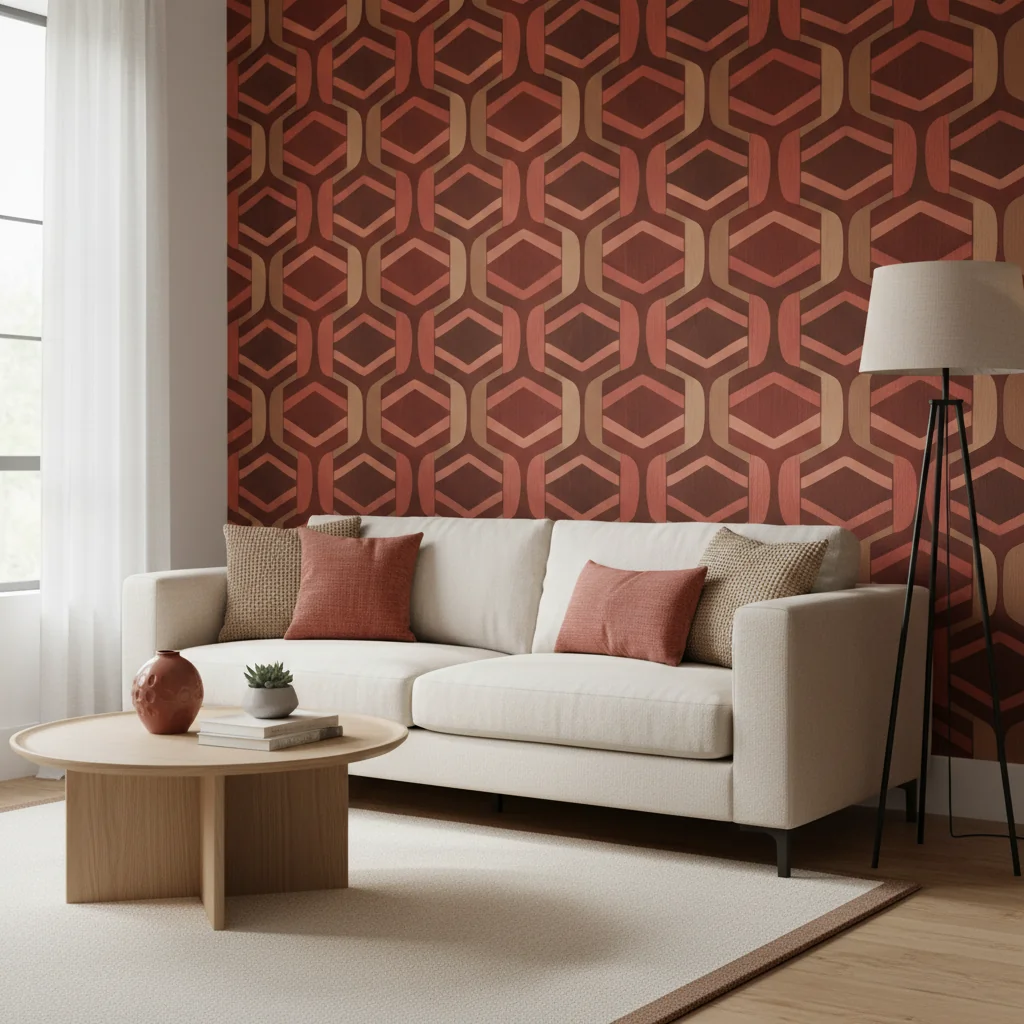
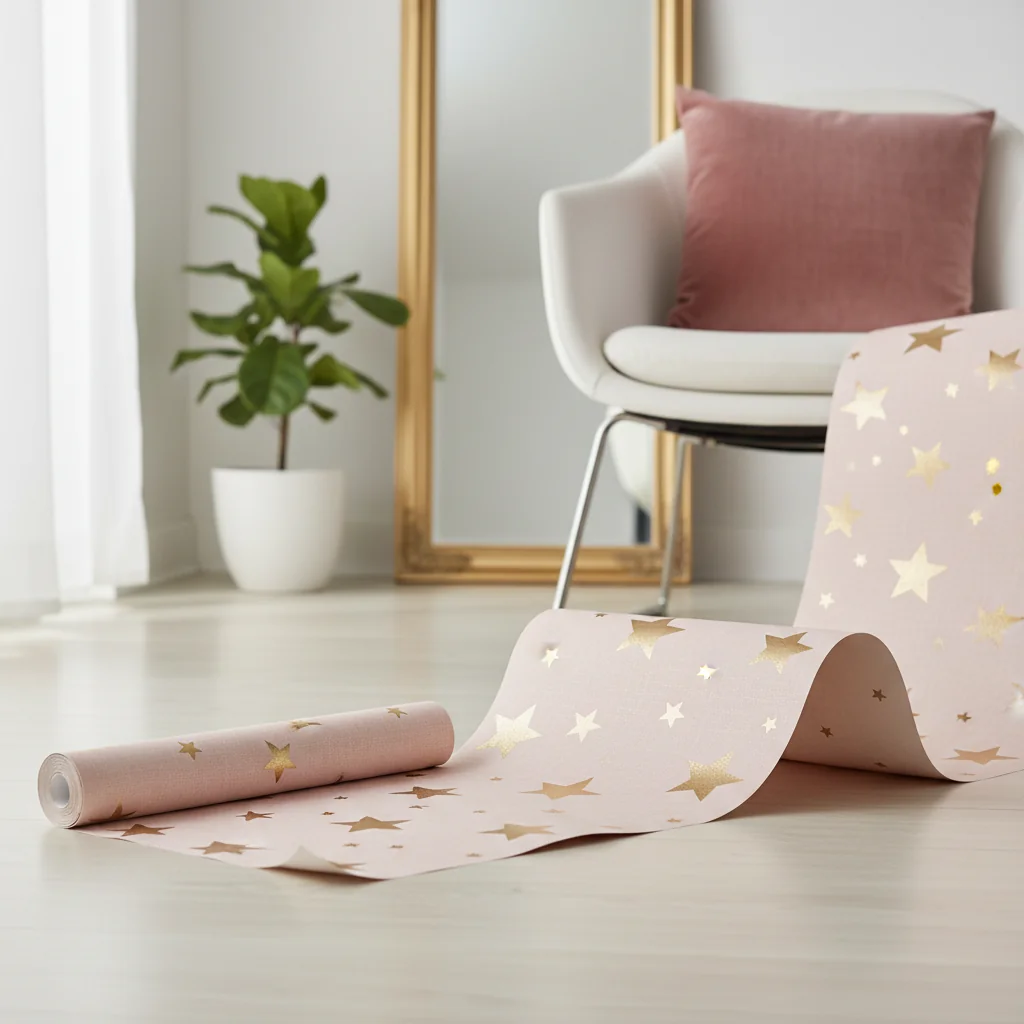
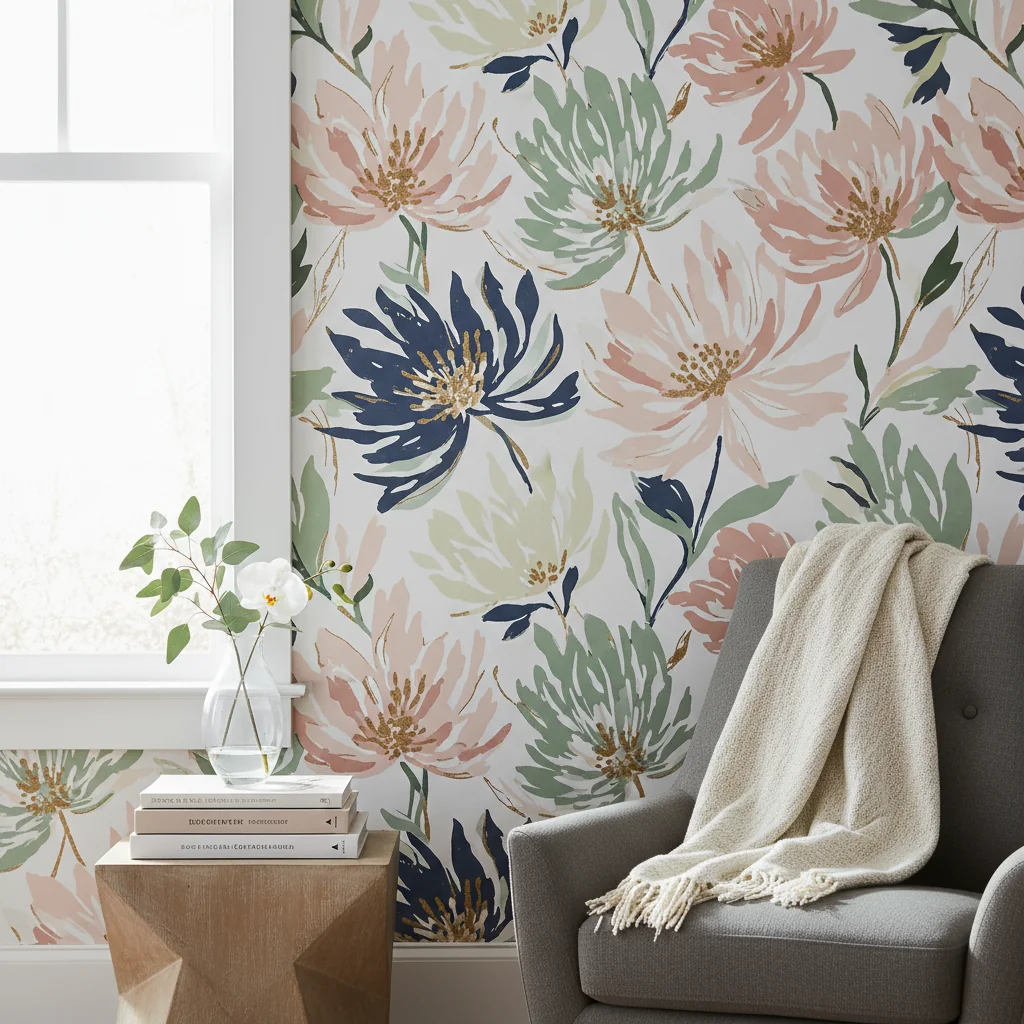
A wall cover transforms the fundamental character of any interior space, serving as a pivotal design element that extends far beyond mere paint. It encompasses a vast array of materials and applications, from intricate wallpapers and robust wall paneling to sophisticated fabric treatments and decorative plaster, each designed to imbue walls with texture, color, and depth. Selecting the appropriate wall cover requires a precise understanding of its functional properties, aesthetic impact, and long-term maintenance considerations, ensuring a cohesive and enduring design statement.
Key Takeaways
- Wall covers are diverse: They include wallpapers, wall paneling, fabric, decorative plaster, and various other materials, each offering unique aesthetic and functional benefits.
- Selection is strategic: Choosing the right wall cover depends on the room’s function, desired aesthetic, durability needs, and maintenance considerations.
- Precision in measurement is critical: Accurate measurements are essential for minimizing waste and ensuring a seamless installation, regardless of the material chosen.
- Material dictates care: Each type of wall cover requires specific cleaning and maintenance routines to preserve its appearance and longevity.
- Trends emphasize texture and sustainability: Current design trends favor natural textures, geometric patterns, and eco-friendly materials, enhancing both visual appeal and environmental responsibility.
- Professional installation often recommended: While some wall covers are DIY-friendly, complex patterns, delicate materials, or large-scale projects often benefit from expert application for optimal results.
Introduction to Wall Covers
A wall cover is any material applied to a wall’s surface to enhance its aesthetic appeal, provide protection, or introduce specific functional benefits such as insulation or sound absorption. These coverings are fundamental to interior design, offering a transformative power that paint alone cannot achieve, from adding intricate patterns and rich textures to creating dramatic focal points. The selection of a wall cover profoundly influences a room’s atmosphere, defining its style and contributing significantly to the overall sensory experience of a space.
The evolution of wall coverings reflects centuries of design innovation, from hand-painted tapestries and carved wood panels to the sophisticated, digitally printed wallpapers and advanced composite panels available today. Modern wall covers are engineered for durability, ease of installation, and specific performance attributes, making them versatile solutions for residential and commercial environments alike. Understanding the breadth of options and their inherent characteristics is crucial for making informed design decisions that align with both aesthetic aspirations and practical requirements.
At Starhouse, we understand that your walls are a canvas awaiting expression. We curate a diverse range of wall covers that exemplify both timeless elegance and contemporary flair, ensuring that every selection elevates the home. Our focus is on providing materials that not only look exceptional but also perform reliably, reflecting a commitment to quality and enduring style for every customer across the United States.
Types of Wall Covers and Their Distinctive Characteristics
Wall covers encompass a broad category of materials designed to adorn and protect interior surfaces, each possessing unique aesthetic qualities, installation requirements, and functional attributes. The primary types include wallpaper, wall paneling, fabric wall coverings, decorative plaster, and specialized finishes, offering solutions for virtually any design vision or performance need. Understanding these distinctions is critical for selecting the most appropriate covering for a specific space and desired outcome.
Wallpaper and Wallcoverings
Wallpaper, often used interchangeably with wallcoverings, is a decorative material applied to walls using adhesive, available in an extensive range of patterns, colors, and textures. It is one of the most versatile and impactful options for transforming a room’s aesthetic.
- Traditional Wallpaper: This type requires a separate adhesive application to the wall or the back of the paper. It offers the widest variety of designs, from classic damasks to modern geometrics, and is typically made from paper, non-woven materials, or vinyl. Traditional wallpaper provides a durable and long-lasting finish when properly installed.
- Peel-and-Stick Wallpaper: Also known as removable wallpaper, this innovation features an adhesive backing that is activated by simply peeling off a liner. It is highly favored for its ease of installation and removal, making it an excellent choice for renters, temporary design updates, or DIY enthusiasts. While generally less durable than traditional vinyl wallpapers, its flexibility makes it ideal for low-traffic areas and accent walls.
- Wallpaper Murals: These are large-format images or designs printed on wallpaper panels that combine to form a single, expansive image across a wall. Murals create dramatic focal points, often depicting landscapes, abstract art, or custom graphics, and are available in both traditional and peel-and-stick formats. They are designed to make a grand statement and immerse a space in a unique visual narrative.
- Grasscloth Wallpaper: A natural wall covering made from woven fibers such as jute, sisal, or arrowroot, grasscloth introduces organic texture and subtle variations in color. It is highly valued for its artisanal appearance and ability to add warmth and depth to a room, though it requires delicate handling during installation and is not suitable for high-moisture areas.
- Fabric-Backed Vinyl Wallpaper: Engineered for durability and washability, this type features a solid vinyl surface laminated to a fabric backing. It is exceptionally resistant to moisture, stains, and abrasion, making it an optimal choice for high-traffic areas like hallways, kitchens, and bathrooms, as well as commercial settings.
Wall Paneling
Wall paneling involves applying rigid sheets or individual planks of material to a wall, offering structural integrity, insulation, and a distinct architectural aesthetic. It provides a more tactile and robust finish compared to wallpaper.
- Wood Paneling: Classic and enduring, wood paneling can range from rustic shiplap and sophisticated beadboard to elegant raised panels. It adds natural warmth, sound dampening, and a timeless appeal. Available in various wood species, finishes, and profiles, wood paneling requires careful installation and maintenance but offers significant long-term value.
- MDF (Medium-Density Fiberboard) Paneling: An engineered wood product, MDF paneling offers a cost-effective alternative to solid wood. It is smooth, consistent, and ideal for painting, making it versatile for achieving various design styles from modern to traditional. MDF is dimensionally stable and resists warping, but it is susceptible to moisture damage if not properly sealed.
- PVC (Polyvinyl Chloride) Paneling: Lightweight, waterproof, and highly durable, PVC paneling is an excellent choice for moisture-prone areas like bathrooms, basements, and utility rooms. It is easy to clean, resistant to mold and mildew, and available in a range of finishes that can mimic wood, tile, or stone.
- Stone Veneer Paneling: This type features thin slices of natural stone or manufactured stone composites applied to a backing, creating the authentic look and feel of solid stone without the weight or cost. Stone veneer adds significant texture and a luxurious, organic aesthetic, ideal for feature walls, fireplaces, or exterior-inspired interior elements.
- Acoustic Paneling: Designed to improve sound quality by absorbing echoes and reducing noise, acoustic panels are typically made from dense fiberglass, foam, or felt. They are essential in home theaters, offices, or large open-plan spaces where sound control is paramount, often featuring decorative fabric finishes.
Fabric Wall Coverings
Fabric wall coverings involve applying textile materials directly to walls, offering unparalleled softness, luxurious texture, and excellent acoustic properties. They are often associated with high-end interior design.
- Upholstered Walls: This technique involves padding the wall surface and then covering it with fabric, creating a deeply luxurious and sound-absorbing effect. It is a premium option, often custom-made, providing significant insulation and a sophisticated, tactile finish.
- Textile Wallpapers: These are wallpapers with a textile surface, such as silk, linen, or synthetic fibers, often backed with paper or non-woven material. They combine the decorative appeal of fabric with the relative ease of wallpaper installation, offering rich textures and subtle sheen.
Decorative Plaster and Architectural Finishes
These finishes are applied directly to the wall surface, creating unique textures, colors, and often a handcrafted, artisanal look.
- Venetian Plaster: A traditional lime-based plaster applied in multiple thin layers and then burnished to create a smooth, highly polished, stone-like finish with subtle depth and movement. It is durable, breathable, and offers a luxurious, classic aesthetic.
- Textured Plaster: Various plaster techniques can create distinct textures, from subtle sand finishes to dramatic, sculptural effects. These finishes add tactile interest and can disguise minor wall imperfections.
- Concrete Finishes: Modern applications of micro-cement or polished concrete can create a raw, industrial, yet refined aesthetic. These finishes are highly durable and offer a minimalist, contemporary look.
Specialized Wall Covers
- Mirror and Glass Panels: Used to expand small spaces, reflect light, and add a touch of glamour. They can be installed as full wall panels or decorative accents.
- 3D Wall Panels: Made from materials like PVC, MDF, or plant fibers, these panels feature raised, sculptural patterns that create dynamic shadow and light effects, adding architectural interest and a contemporary flair.
- Whiteboard/Chalkboard Wall Covers: Functional wall coverings that transform a surface into a writable or drawable area, ideal for offices, children’s rooms, or creative spaces.
Each type of wall cover offers a distinct set of advantages, from the decorative versatility of wallpaper to the robust protection of wall paneling and the luxurious feel of fabric. The choice ultimately depends on the desired aesthetic, functional requirements, budget, and the specific environment in which it will be installed.
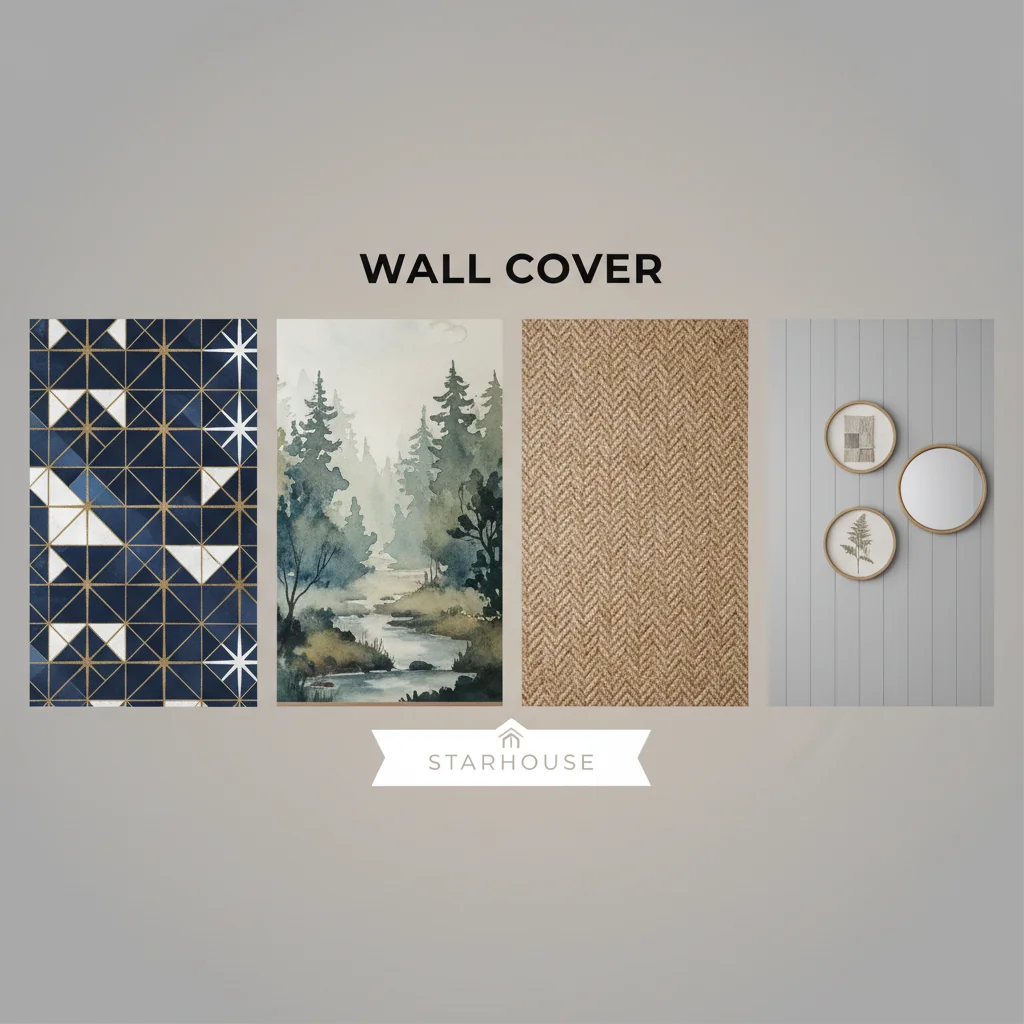
Selecting the Ideal Wall Cover for Your Space
Choosing the ideal wall cover requires a strategic assessment of several key factors, including the room’s function, existing design aesthetic, durability requirements, and budget constraints, ensuring the selected material harmonizes with the environment and meets practical needs. A thoughtful approach prevents costly mistakes and guarantees a result that enhances both the beauty and utility of your home. It involves considering both the visual impact and the long-term performance of the chosen material.
Assess the Room’s Function and Traffic
The primary purpose of a room heavily dictates the most suitable wall cover. For instance, high-traffic areas like hallways, entryways, and children’s rooms demand materials that are highly durable, scuff-resistant, and easily washable. Vinyl wallpapers or robust PVC paneling are excellent choices for these zones due to their resilience and low maintenance. Conversely, a formal dining room or a master bedroom might benefit from more delicate, luxurious options like grasscloth wallpaper or fabric wall coverings, where durability is less of a concern than aesthetic impact.
In moisture-prone environments such as bathrooms, kitchens, and laundry rooms, water resistance is paramount. Materials like PVC paneling, waterproof vinyl wallpapers, or even tile are recommended to prevent mold, mildew, and structural damage. The U.S. Department of Housing and Urban Development (HUD) emphasizes the importance of selecting wall coverings that can withstand the specific conditions of their environment, noting that proper selection contributes to the longevity and maintainability of residential interiors. For areas subject to grease and cooking splatters, such as kitchen backsplashes, easily wipeable and non-porous surfaces are essential.
Consider the Existing Design Aesthetic and Color Palette
The wall cover must integrate seamlessly with your home’s overall design style and existing furnishings. A modern minimalist interior might benefit from geometric patterns, concrete finishes, or sleek wood panels, while a traditional space could be enhanced by classic damask wallpapers, beadboard, or Venetian plaster. The color palette of the wall cover should complement or subtly contrast with furniture, textiles, and other decorative elements.
For smaller rooms, lighter colors and subtle patterns can create an illusion of spaciousness, reflecting light and preventing the space from feeling overwhelmed. In contrast, larger rooms can accommodate bolder patterns, darker hues, or textural wall covers without feeling cramped. Consider the natural light exposure of the room; a north-facing room might benefit from warm tones and reflective surfaces to brighten it, while a south-facing room can handle cooler tones or richer textures.
Evaluate Durability and Maintenance Requirements
Different wall covers have varying levels of durability and require specific maintenance routines.
- High Durability, Low Maintenance: Vinyl wallpapers, PVC panels, and ceramic tiles are highly resistant to wear, moisture, and stains, requiring only routine wiping with a damp cloth. These are ideal for active households and commercial spaces.
- Moderate Durability, Moderate Maintenance: Non-woven wallpapers and painted MDF panels offer good durability but may require more careful cleaning or occasional touch-ups.
- Delicate, High Maintenance: Grasscloth, silk wallpapers, and fabric wall coverings are exquisite but prone to damage from moisture, stains, and scuffs. They often require professional cleaning or specialized care and are best reserved for low-traffic, formal areas.
Understanding these requirements upfront ensures that your chosen wall cover remains beautiful and functional for years to come without becoming a burden.
Budget Considerations
Wall covers span a wide price range, from budget-friendly peel-and-stick options to high-end custom fabric installations. It’s crucial to establish a realistic budget that accounts for both the material cost and installation expenses, which can vary significantly depending on the complexity of the chosen product and whether professional help is required.
While some DIY-friendly options like peel-and-stick wallpaper or simple MDF panels can save on labor costs, complex installations such as intricate wood paneling, large-format murals, or delicate fabric wall coverings often necessitate professional expertise for a flawless finish. Investing in a higher-quality, more durable material upfront can reduce long-term maintenance and replacement costs, offering better value over time.
Sample and Visualize
Always obtain samples of your preferred wall covers. Observe them in the actual room under different lighting conditions throughout the day. This step is invaluable for assessing how colors and textures will truly appear in your space. Many suppliers offer large samples or even small rolls for this purpose. Visualizing the material in situ helps confirm that your selection aligns with your expectations and the room’s unique characteristics.
For a truly personalized touch, Starhouse is curating a collection of wall covers designed to inspire and transform. We invite you to tell us what you’re looking for in your next design project and gain early access to our exclusive offerings. Your vision helps us shape our collection.
Materials and Their Properties: A Deep Dive
The material composition of a wall cover fundamentally determines its aesthetic, durability, installation method, and suitability for various environments, making a thorough understanding of these properties essential for informed selection. Each material brings a distinct set of advantages and limitations, impacting everything from acoustic performance to moisture resistance and overall longevity. A comprehensive review of common materials reveals why certain options excel in specific applications while others are better suited for different design objectives.
Paper-Based Wallpapers
Paper wallpapers are among the oldest forms of wall coverings, offering a vast array of patterns and colors. They are typically made from printed paper, sometimes with a protective coating.
- Properties: Breathable, eco-friendly options available, wide design versatility. Less durable than vinyl, can tear easily, and generally not washable.
- Best Use: Low-traffic areas like bedrooms, dining rooms, or formal living spaces where aesthetic appeal is prioritized over extreme durability.
- Installation: Requires paste application; can be challenging for beginners due to stretching and tearing.
Vinyl Wallpapers
Vinyl wallpapers consist of a paper or fabric backing coated with a layer of PVC (polyvinyl chloride). This construction makes them highly functional.
- Properties: Exceptionally durable, washable, resistant to moisture, stains, and abrasion. Excellent for high-traffic areas and humid environments. Can be less breathable than paper.
- Best Use: Kitchens, bathrooms, hallways, children’s rooms, and commercial settings where resilience and easy cleaning are paramount.
- Installation: Generally easier to install than paper, as vinyl is more stable and less prone to tearing. Paste-the-wall or pre-pasted options exist.
Non-Woven Wallpapers
Non-woven wallpapers are made from a blend of natural and synthetic fibers, offering a balance of durability and breathability.
- Properties: Highly breathable, tear-resistant, dimensionally stable (does not expand or contract when wet), and often strippable for easier removal. Many are washable.
- Best Use: Versatile for most rooms, especially beneficial in areas where breathability is important, or for those who anticipate future design changes due to ease of removal.
- Installation: Typically ‘paste-the-wall’ application, which simplifies the process and makes it popular for DIY projects.
Natural Fiber Wallpapers (e.g., Grasscloth)
These wall coverings are crafted from natural materials like grass, jute, sisal, or bamboo woven onto a paper backing.
- Properties: Offers unique texture, depth, and an organic aesthetic. Provides subtle sound absorption. Variations in color and weave are inherent and desired. Not washable, susceptible to moisture and staining, and can be delicate.
- Best Use: Living rooms, dining rooms, bedrooms, or studies where a sophisticated, natural texture is desired and moisture exposure is minimal.
- Installation: Requires specialized adhesive and careful handling; seams are typically visible and part of its charm. Professional installation is often recommended.
Wood and Engineered Wood Panels (MDF, Plywood)
Wood and engineered wood panels provide structural interest, warmth, and sound dampening.
-
Properties:
- Solid Wood: Highly durable, natural grain and color variations, can be stained, painted, or left natural. Susceptible to expansion/contraction with humidity changes.
- MDF (Medium-Density Fiberboard): Smooth surface, stable, takes paint well, cost-effective. Less resistant to impact than solid wood, susceptible to water damage if unsealed. The U.S. Environmental Protection Agency (EPA) includes fiberboard among common materials used in interior wall construction, noting its role in various building applications.
- Plywood: Strong, stable, available in various grades. Can be stained or painted. Edges may require finishing.
- Best Use: Accent walls, wainscoting, entire rooms for a rustic or traditional look, sound dampening in home offices or theaters. MDF is excellent for painted finishes like shiplap or beadboard.
- Installation: Requires precise cutting, fastening (nails/screws/adhesive), and often finishing (sanding, painting/staining).
PVC Panels
Made from polyvinyl chloride, these panels are designed for areas demanding high resistance to elements.
- Properties: 100% waterproof, lightweight, easy to clean, resistant to mold, mildew, and bacteria. Available in various finishes mimicking tile, stone, or wood. Less structural than wood.
- Best Use: Bathrooms, showers, basements, utility rooms, commercial kitchens, or any area with high humidity or water exposure.
- Installation: Can be glued directly to existing walls, often featuring tongue-and-groove systems for seamless joins.
Stone Veneer
Stone veneer consists of thin layers of natural or manufactured stone, offering the aesthetic of solid stone without the weight.
- Properties: Highly durable, natural texture, non-combustible. Adds significant architectural interest. Can be heavy and requires strong adhesive.
- Best Use: Fireplace surrounds, accent walls, exterior-inspired interior features, adding a rustic or luxurious feel.
- Installation: Requires specialized adhesive, mortar, and often professional expertise due to weight and cutting requirements.
Fabric Wall Coverings
From upholstered walls to textile wallpapers, these materials introduce softness and acoustic benefits.
- Properties: Excellent sound absorption, luxurious tactile quality, insulative. Can be delicate, susceptible to staining, and difficult to clean.
- Best Use: Bedrooms, home theaters, formal living rooms, or spaces where acoustic comfort and a high-end, soft aesthetic are desired.
- Installation: Upholstered walls are complex and typically professional. Textile wallpapers require careful handling, similar to natural fiber wallpapers.
Decorative Plaster
Applied directly to the wall, decorative plasters create seamless, textural finishes.
- Properties: Durable, breathable, seamless, can create unique textures and finishes (e.g., polished, matte, rough). Offers a handcrafted, artisanal look.
- Best Use: High-end residential and commercial spaces, accent walls, areas desiring a unique, bespoke finish.
- Installation: Highly specialized, labor-intensive, and requires skilled applicators for optimal results.
The choice of wall cover material is a critical determinant of a project’s success, influencing not only the visual and tactile experience but also the long-term performance and maintenance of the space. Careful consideration of each material’s inherent properties ensures alignment with both design aspirations and practical demands.
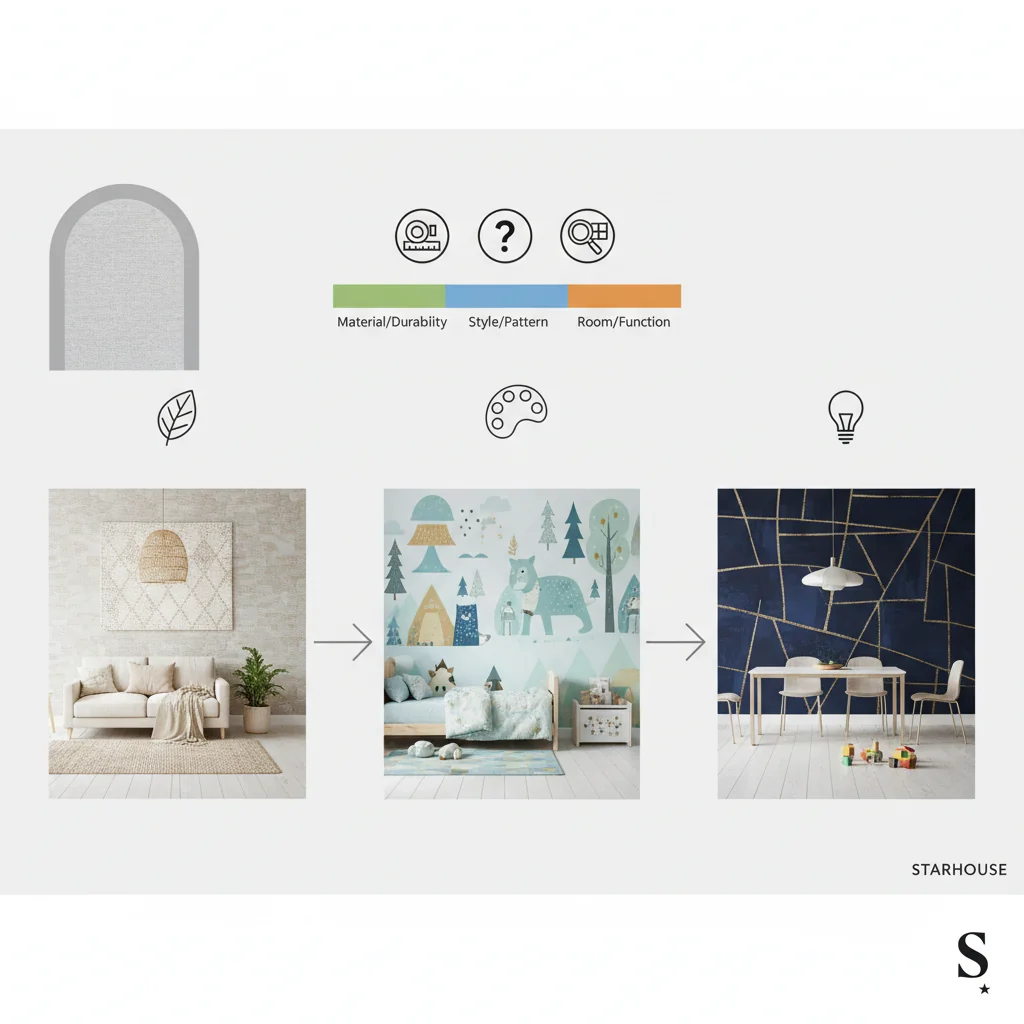
Mastering Sizing and Measuring for Flawless Application
Accurate sizing and meticulous measurement are the foundational steps for any successful wall cover installation, directly impacting material efficiency, aesthetic continuity, and overall project cost. Underestimating or inaccurately calculating dimensions can lead to unsightly seams, mismatched patterns, and significant material waste, making precision an absolute necessity. This stage demands careful attention to detail to ensure a seamless and professional finish, regardless of the chosen wall cover material.
Essential Tools for Measurement
Before beginning, gather the necessary tools to ensure accuracy:
- Steel Tape Measure: A retractable tape measure, preferably 25 feet or longer, is essential for measuring wall dimensions. Ensure it is rigid enough to extend across walls without bending.
- Level: A long level (4-6 feet) or a laser level is crucial for marking plumb lines and ensuring vertical alignment, especially for patterned wall covers or paneling.
- Pencil: For marking measurements lightly on walls or the back of the material.
- Calculator: For performing area calculations and determining material quantities.
- Step Ladder or Scaffold: For safe and accurate measurement of taller walls.
Step-by-Step Measurement Process
1. Measure Wall Height
Measure the height of each wall from the baseboard to the ceiling. Take at least three measurements across the width of the wall (left, center, right), as walls are rarely perfectly uniform. Use the tallest measurement for your calculations to ensure sufficient material. For wallpaper, add an extra 4-6 inches to this height for trimming at the top and bottom. For panels, measure precisely to the desired top and bottom edges.
2. Measure Wall Width
Measure the width of each wall from corner to corner. Again, take multiple measurements (top, middle, bottom) and use the widest dimension.
3. Calculate Total Surface Area
For each wall, multiply its measured height by its measured width to get the square footage. Sum the square footage of all walls to be covered to determine the total area.
Example: A room with four walls, each 10 feet high. Two walls are 12 feet wide, and two are 15 feet wide.
Wall 1: 10 ft * 12 ft = 120 sq ft
Wall 2: 10 ft * 12 ft = 120 sq ft
Wall 3: 10 ft * 15 ft = 150 sq ft
Wall 4: 10 ft * 15 ft = 150 sq ft
Total Area = 120 + 120 + 150 + 150 = 540 sq ft
4. Account for Openings (Windows and Doors)
Measure the height and width of all windows and doors within the walls to be covered. Calculate their individual square footage.
Example: A window 4 ft high * 3 ft wide = 12 sq ft. A door 7 ft high * 3 ft wide = 21 sq ft.
Subtract the area of large openings from the total wall area. However, for wallpaper, it is generally recommended to subtract only half the area of openings or none at all, especially with patterned papers, as the cut-outs still require material surrounding them for pattern matching. For paneling, more accurate subtraction is possible.
5. Determine Material Quantity (Wallpaper)
Wallpaper is typically sold in rolls of specific dimensions (e.g., 20.5 inches wide by 33 feet long, covering approximately 56 sq ft).
-
Calculate strips per roll: Divide the roll length by the wall height (plus trim allowance).
Example: Roll length 33 ft (396 inches). Wall height 10 ft (120 inches) + 6 inches trim = 126 inches.
396 inches / 126 inches = 3.14 strips. Round down to 3 usable strips per roll. -
Calculate total strips needed: Divide the total wall width by the wallpaper width.
Example: Total wall width 54 ft (648 inches). Wallpaper width 20.5 inches.
648 inches / 20.5 inches = 31.6 strips. Round up to 32 strips needed. -
Calculate total rolls needed: Divide total strips needed by strips per roll.
Example: 32 strips / 3 strips per roll = 10.67 rolls. Round up to 11 rolls.
6. Account for Pattern Repeat (Wallpaper)
If your wallpaper has a pattern repeat (a specific distance before the pattern repeats itself vertically), you must factor this into your calculations. For each strip after the first, you may need to cut off excess to align the pattern.
- Add one full pattern repeat length to each strip length for patterned papers.
- This means your “strips per roll” calculation will likely yield fewer usable strips.
- Always consult the manufacturer’s recommendations for pattern repeat waste.
7. Add Waste Factor
It is imperative to add a waste factor to your final material quantity. For wallpaper, this is typically 10-20% extra to account for pattern matching, trimming, mistakes, or future repairs. For paneling, a 5-10% waste factor is generally sufficient, depending on the complexity of cuts.
Example: 11 rolls wallpaper + 15% waste (11 * 0.15 = 1.65) = ~13 rolls. Always round up to the nearest full roll/panel.
8. Paneling-Specific Considerations
- Panel Dimensions: Paneling comes in various sizes (e.g., 4×8 ft sheets, individual planks). Calculate how many panels or planks are needed to cover the total square footage, accounting for the specific dimensions of the product.
- Cuts and Seams: Plan your panel layout to minimize visible seams and optimize material use. Consider where cuts will fall around windows, doors, and corners.
- Trim and Molding: Don’t forget to measure for any accompanying trim, baseboards, crown molding, or chair rails that will be installed with the paneling. Measure the linear feet of these elements and add a 10-15% waste factor.
By meticulously following these measurement guidelines, you ensure that you order the correct amount of material, minimize waste, and achieve a professional, aesthetically pleasing wall cover installation.
| Wall Cover Type | Primary Material | Durability | Maintenance | Aesthetic Impact | Typical Application |
|---|---|---|---|---|---|
| Peel-and-Stick Wallpaper | Vinyl/Non-woven with adhesive | Moderate (removable) | Low (wipe clean) | Versatile, temporary | Accent walls, rentals, DIY projects |
| Traditional Vinyl Wallpaper | PVC on paper/fabric backing | High | Low (washable) | Wide range of patterns | High-traffic areas, kitchens, bathrooms |
| Grasscloth Wallpaper | Natural fibers (jute, sisal) | Low (delicate) | High (spot clean only) | Organic, textured, luxurious | Bedrooms, living rooms, formal spaces |
| Wood Paneling (MDF) | Medium-Density Fiberboard | Moderate (paintable) | Moderate (wipe, occasional paint touch-up) | Architectural, classic, modern | Wainscoting, accent walls, bedrooms |
| PVC Paneling | Polyvinyl Chloride | Very High (waterproof) | Very Low (wipe clean) | Modern, utilitarian, mimics other materials | Bathrooms, basements, utility rooms |
| Stone Veneer | Natural/Manufactured Stone | Very High | Low (dust, occasional wipe) | Rustic, luxurious, architectural | Fireplace surrounds, feature walls |
Current Trends and Emerging Innovations in Wall Coverings
The landscape of wall coverings is constantly evolving, driven by advancements in materials science, digital printing technologies, and a renewed focus on sustainability and personalized design. Staying abreast of current trends and emerging innovations allows designers and homeowners to create spaces that are not only aesthetically captivating but also functional, healthy, and reflective of contemporary values. These trends often blend traditional craftsmanship with modern technology, pushing the boundaries of what is possible for interior surfaces.
Embracing Texture and Tactility
Texture is a dominant theme in contemporary wall covering trends, moving beyond flat surfaces to introduce depth and sensory engagement.
- 3D Wall Panels: Sculptural panels made from wood, MDF, PVC, or plant fibers create dynamic shadow play and architectural interest. These panels can transform a flat wall into a focal point with geometric, abstract, or organic patterns.
- Textured Wallpapers: Beyond traditional embossed patterns, new wallpapers feature highly tactile surfaces that mimic natural materials like linen, raw silk, concrete, or even woven textiles. These add a subtle yet rich layer of sophistication.
- Natural Materials: Grasscloth, cork, and woven wood veneers continue to be popular, offering authentic, organic textures and a connection to nature. Their inherent variations and imperfections are celebrated.
Biophilic Design and Nature-Inspired Motifs
The integration of biophilic design principles is strongly influencing wall covering choices, bringing the calming and restorative qualities of nature indoors.
- Botanical and Floral Prints: Large-scale, lush botanical prints, often in rich, moody colors, are trending. These range from delicate floral patterns to dramatic jungle motifs and abstract foliage.
- Landscape Murals: Wall murals depicting serene landscapes, misty forests, or abstract natural scenes create immersive environments, blurring the lines between indoor and outdoor spaces.
- Earthy Tones and Organic Patterns: Colors inspired by nature—deep greens, terracotta, muted blues, and warm neutrals—are prevalent. Patterns often draw from geological formations, water movements, or tree bark.
Sustainable and Eco-Friendly Options
As environmental consciousness grows, there is a significant demand for wall covers that are responsibly sourced, manufactured, and recyclable.
- Recycled Content: Wallpapers and panels made from recycled paper, plastics, or reclaimed wood are gaining traction.
- Low-VOC and Non-Toxic Materials: Manufacturers are increasingly offering wall covers free from harmful volatile organic compounds (VOCs) and other toxins, contributing to healthier indoor air quality.
- Natural and Renewable Resources: Materials like bamboo, cork, natural grasscloth, and even hemp-based wallpapers are favored for their renewable nature and biodegradability. The U.S. Environmental Protection Agency (EPA) provides guidance on greener products, including materials like fiberboard and gypsum panels, encouraging sustainable choices in construction and decor.
Artistic Expression and Bespoke Designs
Wall covers are increasingly seen as opportunities for artistic expression, moving towards custom and unique installations.
- Digital Murals and Custom Prints: Advances in digital printing allow for highly detailed, custom murals from personal photographs, artistic designs, or abstract patterns, offering unparalleled personalization.
- Hand-Painted and Artisanal Finishes: Decorative plaster techniques, hand-painted wallpapers, and bespoke fabric installations provide unique, handcrafted looks that add a sense of luxury and exclusivity.
- Geometric and Abstract Patterns: Bold geometric shapes, abstract brushstrokes, and contemporary art-inspired patterns are popular for creating dynamic and modern feature walls.
Functional Wall Covers
Beyond aesthetics, wall covers are incorporating enhanced functionality.
- Acoustic Panels: Designed to absorb sound, these panels are becoming more aesthetically integrated, available in decorative fabrics, wood veneers, or even custom prints, essential for open-plan living and home offices.
- Magnetic and Whiteboard Wallpapers: These functional wall covers transform surfaces into interactive spaces for notes, creative expression, or organization.
- Insulating Wall Covers: Materials with thermal insulation properties are gaining interest for energy efficiency, offering both aesthetic appeal and practical benefits.
These trends highlight a shift towards wall covers that offer more than just surface decoration; they are integral to creating immersive, healthy, and personalized living spaces that reflect both individual style and a commitment to thoughtful design. Starhouse remains at the forefront of these innovations, curating a selection that embodies these forward-thinking principles.
Care and Maintenance: Ensuring Longevity and Beauty
Proper care and routine maintenance are paramount for preserving the aesthetic appeal, structural integrity, and longevity of any wall cover, directly impacting its performance and your investment. Different materials demand specific cleaning protocols and protective measures, making a generalized approach ineffective and potentially damaging. Adhering to manufacturer guidelines and understanding the unique needs of your chosen wall cover ensures it remains pristine for years, resisting wear, fading, and deterioration.
General Principles for All Wall Covers
- Regular Dusting: Dust accumulation can dull the appearance of any wall cover. Regularly use a soft, dry cloth, a microfiber duster, or the brush attachment of a vacuum cleaner to gently remove surface dust.
- Address Spills Immediately: For any liquid spills or stains, prompt action is crucial. Blot (do not rub) the affected area with a clean, dry cloth to absorb as much liquid as possible before it sets.
- Avoid Harsh Chemicals: Never use abrasive cleaners, scouring pads, or harsh chemical solvents unless explicitly recommended by the manufacturer. These can damage the finish, fade colors, or compromise the material’s integrity.
- Test in an Inconspicuous Area: Before applying any cleaning solution to a visible part of your wall cover, always test it on a hidden section (e.g., behind furniture, near a corner) to ensure it does not cause discoloration or damage.
- Control Humidity: High humidity can cause wallpaper to peel, fabric to mildew, and wood panels to warp. Maintain consistent indoor humidity levels, ideally between 30-50%, using dehumidifiers or proper ventilation.
Specific Care for Different Wall Cover Types
Wallpaper (Vinyl, Non-Woven, Paper)
- Vinyl Wallpaper: Vinyl wallpaper is a highly durable and washable wall covering made with a PVC surface. It is the easiest to clean. Use a soft sponge or cloth dampened with warm water and a mild, non-abrasive soap. Gently wipe the surface, then rinse with a clean, damp cloth. Dry immediately with a soft towel to prevent water spots.
- Non-Woven Wallpaper: Many non-woven wallpapers are washable or scrubbable. Follow the same procedure as vinyl wallpaper, but be gentler. Check the product’s specific care symbols (often found on the roll label).
- Paper Wallpaper: Paper wallpaper is a decorative wall covering made primarily from paper, often featuring printed designs. Most paper wallpapers are not washable and should only be dusted gently. For minor marks, a dry artist’s eraser might carefully lift the stain. Avoid any moisture.
- Peel-and-Stick Wallpaper: Typically made of vinyl or coated paper, most peel-and-stick options are wipeable with a damp cloth and mild soap. Avoid excessive scrubbing or harsh chemicals, which can compromise the adhesive or print.
Natural Fiber Wallpapers (Grasscloth, Cork)
- Cleaning: These materials are delicate and generally not washable. Use a soft, dry cloth or a vacuum cleaner with a brush attachment to remove dust and loose debris.
- Stains: For any stains, professional cleaning is often recommended. Attempting to clean with water can cause discoloration, unraveling, or watermarks. Blot spills immediately with a dry cloth.
- Protection: Consider applying a clear, non-yellowing protective sealant specifically designed for natural fibers, but always test first and ensure it does not alter the texture or appearance.
Wood Paneling (Solid Wood, MDF, Plywood)
- Dusting: Regular dusting with a soft cloth or duster is essential.
- Cleaning: For solid wood, use a wood-specific cleaner sparingly, following the product instructions. For painted MDF or plywood, a damp cloth with mild soap is usually sufficient. Avoid excessive moisture, which can cause swelling or warping, especially with MDF.
- Protection: For solid wood, periodic waxing or oiling can maintain its luster and protect the finish. For painted panels, touch up scratches or chips as needed to prevent moisture ingress.
- Inspection: Regularly inspect panels for signs of warping, cracking, or pest infestation, especially in older installations. The U.S. Department of Housing and Urban Development (HUDUSER.gov) provides guidelines for residential building systems, including inspection for signs of deterioration in wall finishes, emphasizing the importance of timely maintenance.
PVC Paneling
- Cleaning: PVC paneling is a lightweight, waterproof wall covering made from polyvinyl chloride, often used in wet areas. This is one of the most low-maintenance options. Simply wipe with a damp cloth and a mild household cleaner. It is resistant to most cleaning agents, mold, and mildew.
- Avoid Abrasives: While durable, avoid abrasive scrubbers or harsh solvents that could scratch the surface or dull the finish.
Stone Veneer
- Dusting: Use a soft brush or vacuum with a brush attachment to remove dust from textured surfaces.
- Cleaning: For most natural or manufactured stone veneers, a damp cloth with plain water is sufficient. For stubborn dirt, a mild, pH-neutral stone cleaner can be used. Avoid acidic or alkaline cleaners, which can etch the stone.
- Sealing: Many stone veneers benefit from periodic sealing to protect against stains and moisture penetration. Consult the manufacturer for specific recommendations on sealant type and application frequency.
Fabric Wall Coverings
- Dusting: Regular vacuuming with an upholstery attachment is crucial to prevent dust buildup.
- Spot Cleaning: For stains, blot immediately. Use a clean, white cloth and a gentle fabric cleaner, testing first in an inconspicuous area. Avoid saturating the fabric.
- Professional Cleaning: For deep cleaning or significant stains, professional upholstery or fabric wall covering cleaners are highly recommended to prevent damage or watermarks.
By adhering to these specific care instructions, you can significantly extend the lifespan and maintain the pristine appearance of your chosen wall covers, ensuring they continue to enhance your home’s aesthetic for many years.
Styling and Pairing: Integrating Wall Covers into Your Decor
Integrating wall covers effectively into your existing decor involves a nuanced understanding of color, pattern, texture, and scale, ensuring that the chosen material enhances rather than detracts from the room’s overall harmony. A thoughtfully selected wall cover acts as a powerful design tool, capable of defining zones, creating focal points, and establishing a cohesive aesthetic narrative. Successful styling requires considering the interplay between walls, furnishings, lighting, and accessories to achieve a balanced and intentional space.
Defining Focal Points and Zones
Wall covers are exceptional for highlighting specific areas or creating distinct zones within an open-concept layout.
- Accent Walls: A single wall adorned with a bold wallpaper, textured paneling, or a dramatic mural immediately draws the eye and anchors the space. In a living room, this might be the wall behind the sofa or media console. In a bedroom, the wall behind the headboard is a classic choice for an accent.
- Defining Areas: In a large living-dining area, a different wall cover on the dining zone wall can subtly separate it from the living area without needing physical dividers. For example, a subtle grasscloth in the dining nook contrasting with painted walls in the living space.
- Architectural Interest: Use wall paneling (like wainscoting or full-height panels) to add architectural detail to a plain room, creating a sense of history or modern structure. This works particularly well in entryways, dining rooms, or home offices.
Harmonizing with Furniture and Textiles
The wall cover should complement the style, color, and texture of your furniture and soft furnishings.
-
Color Coordination:
- Complementary: Choose a wall cover that features colors present in your furniture or textiles (e.g., a wallpaper with a subtle blue to match blue throw pillows).
- Contrast: A contrasting wall cover can make furniture pop. For example, a dark, moody floral wallpaper can highlight light-colored upholstery.
- Neutral Base: If your furniture is bold, opt for a neutral, textured wall cover (like a plain grasscloth or a subtle linen-look wallpaper) to provide a calming backdrop.
-
Pattern Play:
- Vary Scale: If your furniture features a large-scale pattern, choose a small-scale pattern or a solid texture for your walls. Conversely, a bold wall pattern can be balanced by solid-colored furniture.
- Mix and Match: Don’t shy away from mixing patterns, but ensure there’s a unifying element, such as a shared color palette or a consistent style (e.g., all geometric or all organic).
-
Texture Integration:
- Pair smooth, sleek furniture (e.g., lacquered wood, metal) with textured wall covers (e.g., grasscloth, 3D panels) to add warmth and depth.
- If your furniture is heavily textured (e.g., boucle fabric, distressed wood), a smoother, more refined wall cover can provide balance.
Enhancing with Lighting and Accessories
Lighting and accessories are crucial for completing the look and bringing out the best in your wall cover.
-
Lighting:
- Highlight Texture: Up-lighting or down-lighting can dramatically enhance textured wall covers, emphasizing their three-dimensional qualities and creating intriguing shadows.
- Amplify Shine: For wallpapers with metallic accents or a subtle sheen, strategic lighting can make them sparkle and reflect light, brightening the room.
- Accentuate Murals: Picture lights or recessed ceiling lights can illuminate a wall mural, ensuring it is a vibrant focal point.
-
Wall Art and Mirrors:
- Layering: Don’t be afraid to hang artwork over wallpaper or paneling. Choose pieces that contrast in style or color to create visual interest. For instance, a modern abstract piece can look striking against a classic floral wallpaper.
- Mirrors: Large mirrors can amplify the effect of a beautiful wall cover, reflecting its pattern or texture and making the room feel larger and brighter.
-
Decorative Objects:
- Display shelves, console tables, or built-ins against a wall cover, using curated objects to tie the wall’s aesthetic into the room’s narrative.
- Consider how the wall cover’s background color might serve as a canvas for displaying pottery, sculptures, or plants.
Considering Room Scale and Ceiling Height
The dimensions of your room play a significant role in how patterns and textures will appear.
- Small Rooms: Opt for smaller patterns or subtle textures to avoid overwhelming the space. Lighter colors can make a room feel more expansive. Vertical stripes can visually increase ceiling height.
- Large Rooms: Can handle bolder, larger-scale patterns and richer textures without feeling cramped. Darker colors or dramatic murals can create intimacy in expansive areas.
- Ceiling Height: Vertical patterns (stripes, tall botanicals) can make ceilings appear higher. Horizontal patterns can make a room feel wider.
By thoughtfully applying these styling and pairing principles, you can ensure that your chosen wall cover becomes an integral and harmonious component of your home’s design, reflecting a sophisticated and cohesive aesthetic. Starhouse curates an array of wall covers designed to integrate seamlessly into diverse interior styles, offering the perfect foundation for your personalized decor.
Common Mistakes to Avoid in Wall Cover Selection and Application
Avoiding common pitfalls in wall cover selection and application is crucial for achieving a professional, durable, and aesthetically pleasing result, preventing costly rework and disappointment. Many issues arise from inadequate preparation, incorrect material choice, or a lack of understanding regarding installation specifics. By being aware of these frequent errors, homeowners and designers can approach their projects with greater confidence and precision, ensuring a successful transformation of their walls.
1. Inadequate Wall Preparation
This is arguably the most common and detrimental mistake. Walls must be clean, smooth, dry, and primed before any wall cover is applied.
- Ignoring Imperfections: Bumps, holes, cracks, or uneven surfaces will show through wallpaper or thin paneling, compromising the finish. Fill holes, sand rough patches, and ensure walls are perfectly smooth.
- Skipping Cleaning: Dust, grease, and grime prevent adhesive from bonding properly, leading to peeling. Thoroughly wash walls with a mild detergent, rinse, and allow to dry completely.
- Forgetting Primer: Primer seals porous surfaces, promotes adhesion, and prevents stains from bleeding through. It also makes future removal easier, especially for wallpaper. Different primers are needed for different wall types (e.g., oil-based for glossy paint, specific wallpaper primers).
- Not Removing Old Wall Coverings: Applying new wallpaper over old wallpaper is a recipe for disaster. The old layers can peel, bubble, or cause adhesion issues. Always remove existing wall coverings completely.
2. Incorrect Material Selection for the Environment
Choosing a wall cover that is unsuitable for the room’s conditions leads to rapid deterioration and dissatisfaction.
- Using Non-Washable Wallpaper in High-Traffic Areas: Delicate paper or natural fiber wallpapers will quickly stain and degrade in kitchens, bathrooms, or busy hallways. Opt for durable, washable vinyl or PVC panels in these zones.
- Applying Moisture-Sensitive Materials in Humid Areas: Grasscloth or non-vinyl wallpapers are prone to mold, mildew, and peeling in bathrooms or basements. Waterproof PVC panels or marine-grade vinyl wallpapers are necessary here.
- Underestimating Durability Needs: In homes with children or pets, choose highly scuff-resistant and easily cleanable options over delicate ones.
3. Inaccurate Measurement and Ordering
As detailed previously, precise measurement is non-negotiable.
- Insufficient Material: Not ordering enough material (especially without accounting for pattern repeat or waste factor) means you might run out mid-project. Subsequent batches might have slight color variations (dye lots), leading to visible discrepancies. Always over-order by 10-20%.
- Ignoring Pattern Repeat: For patterned wallpapers, failing to account for the pattern repeat in calculations results in insufficient material and mismatched seams.
- Inaccurate Wall Dimensions: Assuming walls are perfectly square or uniform can lead to miscut panels or wallpaper strips that don’t fit. Always measure multiple points.
4. Poor Installation Techniques
Even with the right materials and preparation, poor installation can ruin the outcome.
- Lack of a Plumb Line: Starting without a perfectly vertical plumb line leads to crooked wallpaper strips or misaligned panels, which becomes increasingly noticeable across the wall.
- Improper Adhesive: Using the wrong type or amount of adhesive for wallpaper can cause bubbling, peeling, or difficulty in removal. Always match the adhesive to the wallpaper type.
- Visible Seams: Overlapping wallpaper (unless specified for certain types) or poorly butted seams are common errors. For paneling, ensuring tight, level joins is crucial.
- Bubbles and Wrinkles: Not properly smoothing out wallpaper during application leads to unsightly bubbles and creases. Use a smoothing tool from the center outwards.
- Rushing the Process: Wall cover installation requires patience. Rushing leads to mistakes. Allow proper drying time between steps, especially for wallpaper paste.
5. Neglecting Lighting and Scale
Overlooking how light interacts with the wall cover and how patterns relate to room size can create an imbalanced space.
- Ignoring Natural Light: A highly textured wall cover might look fantastic in a well-lit showroom but appear dull or cast harsh shadows in a dimly lit room. Always view samples in situ.
- Mismatched Scale: A very large, bold pattern in a small room can feel overwhelming and make the space appear smaller. Conversely, a tiny pattern in a vast room might get lost. Match the scale of the pattern to the scale of the room.
6. Forgetting Future Removal or Changes
While not a mistake during application, failing to consider future changes can lead to frustration.
- Not Using Strippable Wallpaper/Primer: If you anticipate redecorating frequently, choose strippable or peel-and-stick wallpapers and use a primer designed for easier removal.
- Permanent Choices for Trendy Designs: Be cautious about investing in highly permanent or expensive wall covers for very trendy designs that might quickly go out of style.
By diligently avoiding these common mistakes, you can ensure your wall cover project is a success, resulting in a beautiful, long-lasting, and perfectly integrated addition to your home.
Sources
- U.S. Department of Housing and Urban Development (HUD) | NSPIRE Standards for Wall Covering and Finish Interior
- U.S. Department of Housing and Urban Development (HUDUSER.gov) | Rehabilitation Guidelines for Residential Building Systems Inspection
- U.S. Environmental Protection Agency (EPA) | Sustainable Marketplace: Greener Products and Services – Fiberboard, Gypsum Panels, and Wallboard
Frequently Asked Questions
What is the difference between wallpaper and wall paneling?
Wallpaper is a flexible, decorative paper or vinyl material applied with adhesive, primarily for aesthetic enhancement and pattern introduction. Wall paneling, conversely, consists of rigid sheets or planks of material like wood, MDF, or PVC, offering structural interest, enhanced durability, and often a more tactile, architectural finish.
How do I choose the right wall cover for a high-moisture area like a bathroom?
For high-moisture areas such as bathrooms, select wall covers that are explicitly waterproof or highly moisture-resistant, such as PVC paneling, solid vinyl wallpaper, or ceramic/porcelain tiles. These materials prevent water absorption, inhibit mold and mildew growth, and are easy to clean, ensuring longevity in humid environments.
Is peel-and-stick wallpaper truly easy to remove without damaging walls?
Yes, peel-and-stick wallpaper is generally designed for easy and residue-free removal without damaging properly prepared walls, making it ideal for renters or temporary decor updates. Its adhesive is less aggressive than traditional wallpaper paste, allowing it to be peeled off cleanly when desired.
What is pattern repeat, and why is it important when buying wallpaper?
Pattern repeat is the vertical distance on a wallpaper roll before a pattern begins to repeat itself, measured in inches or centimeters. It is crucial because you must align the pattern from one strip to the next, often requiring extra material to achieve this match, which directly impacts the total number of rolls you need to purchase.
Can I install wall paneling over existing wallpaper?
While technically possible, it is generally not recommended to install wall paneling directly over existing wallpaper. The wallpaper can compromise the adhesion of the paneling and may peel or bubble over time, leading to an unstable and unprofessional finish. For optimal results, remove existing wallpaper and ensure the wall surface is clean, dry, and smooth before installing panels.
How do I clean grasscloth wallpaper?
Grasscloth wallpaper is delicate and not washable; it should only be cleaned with a soft, dry cloth or a vacuum cleaner with a brush attachment to remove dust and loose debris. Any liquid or aggressive cleaning can cause discoloration, watermarks, or damage to the natural fibers. For serious stains, professional cleaning is often required.
What are the benefits of acoustic wall panels?
Acoustic wall panels significantly improve a room’s sound quality by absorbing echoes, reducing reverberation, and mitigating noise transmission between spaces. Beyond their functional benefits, they are increasingly available in decorative finishes, contributing to both the aesthetic and acoustic comfort of home theaters, offices, and open-plan living areas.
Conclusion: Your Walls, Reimagined by Starhouse
The transformative power of a thoughtfully chosen wall cover is undeniable, elevating ordinary surfaces into extraordinary design statements that reflect personal style and enhance daily living. From the intricate artistry of wallpaper to the architectural depth of paneling and the luxurious texture of fabric, each material offers a unique opportunity to define atmosphere, express individuality, and optimize functionality within your home. The journey of selecting, measuring, and caring for these essential elements is an investment in the enduring beauty and comfort of your space.
At Starhouse, we are dedicated to curating a collection that embodies sophistication, quality, and innovative design, ensuring that every piece helps you craft a home that truly resonates with your vision. We believe that your walls are more than just boundaries; they are canvases awaiting their masterpiece. As we meticulously build our premier collection, we are eager to understand what truly inspires you.
We invite you to tell us what you’re looking for in your next home décor project and gain exclusive early access to our carefully selected range of wall covers and other exceptional home furnishings. Share your aspirations with us, and let Starhouse help you reimagine your walls and transform your entire home.
“`html
A wall cover transforms the fundamental character of any interior space, serving as a pivotal design element that extends far beyond mere paint. It encompasses a vast array of materials and applications, from intricate wallpapers and robust wall paneling to sophisticated fabric treatments and decorative plaster, each designed to imbue walls with texture, color, and depth. Selecting the appropriate wall cover requires a precise understanding of its functional properties, aesthetic impact, and long-term maintenance considerations, ensuring a cohesive and enduring design statement.
Key Takeaways
- Wall covers are diverse: They include wallpapers, wall paneling, fabric, decorative plaster, and various other materials, each offering unique aesthetic and functional benefits.
- Selection is strategic: Choosing the right wall cover depends on the room’s function, desired aesthetic, durability needs, and maintenance considerations.
- Precision in measurement is critical: Accurate measurements are essential for minimizing waste and ensuring a seamless installation, regardless of the material chosen.
- Material dictates care: Each type of wall cover requires specific cleaning and maintenance routines to preserve its appearance and longevity.
- Trends emphasize texture and sustainability: Current design trends favor natural textures, geometric patterns, and eco-friendly materials, enhancing both visual appeal and environmental responsibility.
- Professional installation often recommended: While some wall covers are DIY-friendly, complex patterns, delicate materials, or large-scale projects often benefit from expert application for optimal results.
Introduction to Wall Covers
A wall cover is any material applied to a wall’s surface to enhance its aesthetic appeal, provide protection, or introduce specific functional benefits such as insulation or sound absorption. These coverings are fundamental to interior design, offering a transformative power that paint alone cannot achieve, from adding intricate patterns and rich textures to creating dramatic focal points. The selection of a wall cover profoundly influences a room’s atmosphere, defining its style and contributing significantly to the overall sensory experience of a space.
The evolution of wall coverings reflects centuries of design innovation, from hand-painted tapestries and carved wood panels to the sophisticated, digitally printed wallpapers and advanced composite panels available today. Modern wall covers are engineered for durability, ease of installation, and specific performance attributes, making them versatile solutions for residential and commercial environments alike. Understanding the breadth of options and their inherent characteristics is crucial for making informed design decisions that align with both aesthetic aspirations and practical requirements.
At Starhouse, we understand that your walls are a canvas awaiting expression. We curate a diverse range of wall covers that exemplify both timeless elegance and contemporary flair, ensuring that every selection elevates the home. Our focus is on providing materials that not only look exceptional but also perform reliably, reflecting a commitment to quality and enduring style for every customer across the United States.
Types of Wall Covers and Their Distinctive Characteristics
Wall covers encompass a broad category of materials designed to adorn and protect interior surfaces, each possessing unique aesthetic qualities, installation requirements, and functional attributes. The primary types include wallpaper, wall paneling, fabric wall coverings, decorative plaster, and specialized finishes, offering solutions for virtually any design vision or performance need. Understanding these distinctions is critical for selecting the most appropriate covering for a specific space and desired outcome.
Wallpaper and Wallcoverings
Wallpaper, often used interchangeably with wallcoverings, is a decorative material applied to walls using adhesive, available in an extensive range of patterns, colors, and textures. It is one of the most versatile and impactful options for transforming a room’s aesthetic.
- Traditional Wallpaper: This type requires a separate adhesive application to the wall or the back of the paper. It offers the widest variety of designs, from classic damasks to modern geometrics, and is typically made from paper, non-woven materials, or vinyl. Traditional wallpaper provides a durable and long-lasting finish when properly installed.
- Peel-and-Stick Wallpaper: Also known as removable wallpaper, this innovation features an adhesive backing that is activated by simply peeling off a liner. It is highly favored for its ease of installation and removal, making it an excellent choice for renters, temporary design updates, or DIY enthusiasts. While generally less durable than traditional vinyl wallpapers, its flexibility makes it ideal for low-traffic areas and accent walls.
- Wallpaper Murals: These are large-format images or designs printed on wallpaper panels that combine to form a single, expansive image across a wall. Murals create dramatic focal points, often depicting landscapes, abstract art, or custom graphics, and are available in both traditional and peel-and-stick formats. They are designed to make a grand statement and immerse a space in a unique visual narrative.
- Grasscloth Wallpaper: A natural wall covering made from woven fibers such as jute, sisal, or arrowroot, grasscloth introduces organic texture and subtle variations in color. It is highly valued for its artisanal appearance and ability to add warmth and depth to a room, though it requires delicate handling during installation and is not suitable for high-moisture areas.
- Fabric-Backed Vinyl Wallpaper: Engineered for durability and washability, this type features a solid vinyl surface laminated to a fabric backing. It is exceptionally resistant to moisture, stains, and abrasion, making it an optimal choice for high-traffic areas like hallways, kitchens, and bathrooms, as well as commercial settings.
Wall Paneling
Wall paneling involves applying rigid sheets or individual planks of material to a wall, offering structural integrity, insulation, and a distinct architectural aesthetic. It provides a more tactile and robust finish compared to wallpaper.
- Wood Paneling: Classic and enduring, wood paneling can range from rustic shiplap and sophisticated beadboard to elegant raised panels. It adds natural warmth, sound dampening, and a timeless appeal. Available in various wood species, finishes, and profiles, wood paneling requires careful installation and maintenance but offers significant long-term value.
- MDF (Medium-Density Fiberboard) Paneling: An engineered wood product, MDF paneling offers a cost-effective alternative to solid wood. It is smooth, consistent, and ideal for painting, making it versatile for achieving various design styles from modern to traditional. MDF is dimensionally stable and resists warping, but it is susceptible to moisture damage if not properly sealed.
- PVC (Polyvinyl Chloride) Paneling: Lightweight, waterproof, and highly durable, PVC paneling is an excellent choice for moisture-prone areas like bathrooms, basements, and utility rooms. It is easy to clean, resistant to mold and mildew, and available in a range of finishes that can mimic wood, tile, or stone.
- Stone Veneer Paneling: This type features thin slices of natural stone or manufactured stone composites applied to a backing, creating the authentic look and feel of solid stone without the weight or cost. Stone veneer adds significant texture and a luxurious, organic aesthetic, ideal for feature walls, fireplaces, or exterior-inspired interior elements.
- Acoustic Paneling: Designed to improve sound quality by absorbing echoes and reducing noise, acoustic panels are typically made from dense fiberglass, foam, or felt. They are essential in home theaters, offices, or large open-plan spaces where sound control is paramount, often featuring decorative fabric finishes.
Fabric Wall Coverings
Fabric wall coverings involve applying textile materials directly to walls, offering unparalleled softness, luxurious texture, and excellent acoustic properties. They are often associated with high-end interior design.
- Upholstered Walls: This technique involves padding the wall surface and then covering it with fabric, creating a deeply luxurious and sound-absorbing effect. It is a premium option, often custom-made, providing significant insulation and a sophisticated, tactile finish.
- Textile Wallpapers: These are wallpapers with a textile surface, such as silk, linen, or synthetic fibers, often backed with paper or non-woven material. They combine the decorative appeal of fabric with the relative ease of wallpaper installation, offering rich textures and subtle sheen.
Decorative Plaster and Architectural Finishes
These finishes are applied directly to the wall surface, creating unique textures, colors, and often a handcrafted, artisanal look.
- Venetian Plaster: A traditional lime-based plaster applied in multiple thin layers and then burnished to create a smooth, highly polished, stone-like finish with subtle depth and movement. It is durable, breathable, and offers a luxurious, classic aesthetic.
- Textured Plaster: Various plaster techniques can create distinct textures, from subtle sand finishes to dramatic, sculptural effects. These finishes add tactile interest and can disguise minor wall imperfections.
- Concrete Finishes: Modern applications of micro-cement or polished concrete can create a raw, industrial, yet refined aesthetic. These finishes are highly durable and offer a minimalist, contemporary look.
Specialized Wall Covers
- Mirror and Glass Panels: Used to expand small spaces, reflect light, and add a touch of glamour. They can be installed as full wall panels or decorative accents.
- 3D Wall Panels: Made from materials like PVC, MDF, or plant fibers, these panels feature raised, sculptural patterns that create dynamic shadow and light effects, adding architectural interest and a contemporary flair.
- Whiteboard/Chalkboard Wall Covers: Functional wall coverings that transform a surface into a writable or drawable area, ideal for offices, children’s rooms, or creative spaces.
Each type of wall cover offers a distinct set of advantages, from the decorative versatility of wallpaper to the robust protection of wall paneling and the luxurious feel of fabric. The choice ultimately depends on the desired aesthetic, functional requirements, budget, and the specific environment in which it will be installed.
Selecting the Ideal Wall Cover for Your Space
Choosing the ideal wall cover requires a strategic assessment of several key factors, including the room’s function, existing design aesthetic, durability requirements, and budget constraints, ensuring the selected material harmonizes with the environment and meets practical needs. A thoughtful approach prevents costly mistakes and guarantees a result that enhances both the beauty and utility of your home. It involves considering both the visual impact and the long-term performance of the chosen material.
Assess the Room’s Function and Traffic
The primary purpose of a room heavily dictates the most suitable wall cover. For instance, high-traffic areas like hallways, entryways, and children’s rooms demand materials that are highly durable, scuff-resistant, and easily washable. Vinyl wallpapers or robust PVC paneling are excellent choices for these zones due to their resilience and low maintenance. Conversely, a formal dining room or a master bedroom might benefit from more delicate, luxurious options like grasscloth wallpaper or fabric wall coverings, where durability is less of a concern than aesthetic impact.
In moisture-prone environments such as bathrooms, kitchens, and laundry rooms, water resistance is paramount. Materials like PVC paneling, waterproof vinyl wallpapers, or even tile are recommended to prevent mold, mildew, and structural damage. The U.S. Department of Housing and Urban Development (HUD) emphasizes the importance of selecting wall coverings that can withstand the specific conditions of their environment, noting that proper selection contributes to the longevity and maintainability of residential interiors. For areas subject to grease and cooking splatters, such as kitchen backsplashes, easily wipeable and non-porous surfaces are essential.
Consider the Existing Design Aesthetic and Color Palette
The wall cover must integrate seamlessly with your home’s overall design style and existing furnishings. A modern minimalist interior might benefit from geometric patterns, concrete finishes, or sleek wood panels, while a traditional space could be enhanced by classic damask wallpapers, beadboard, or Venetian plaster. The color palette of the wall cover should complement or subtly contrast with furniture, textiles, and other decorative elements.
For smaller rooms, lighter colors and subtle patterns can create an illusion of spaciousness, reflecting light and preventing the space from feeling overwhelmed. In contrast, larger rooms can accommodate bolder patterns, darker hues, or textural wall covers without feeling cramped. Consider the natural light exposure of the room; a north-facing room might benefit from warm tones and reflective surfaces to brighten it, while a south-facing room can handle cooler tones or richer textures.
Evaluate Durability and Maintenance Requirements
Different wall covers have varying levels of durability and require specific maintenance routines.
- High Durability, Low Maintenance: Vinyl wallpapers, PVC panels, and ceramic tiles are highly resistant to wear, moisture, and stains, requiring only routine wiping with a damp cloth. These are ideal for active households and commercial spaces.
- Moderate Durability, Moderate Maintenance: Non-woven wallpapers and painted MDF panels offer good durability but may require more careful cleaning or occasional touch-ups.
- Delicate, High Maintenance: Grasscloth, silk wallpapers, and fabric wall coverings are exquisite but prone to damage from moisture, stains, and scuffs. They often require professional cleaning or specialized care and are best reserved for low-traffic, formal areas.
Understanding these requirements upfront ensures that your chosen wall cover remains beautiful and functional for years to come without becoming a burden.
Budget Considerations
Wall covers span a wide price range, from budget-friendly peel-and-stick options to high-end custom fabric installations. It’s crucial to establish a realistic budget that accounts for both the material cost and installation expenses, which can vary significantly depending on the complexity of the chosen product and whether professional help is required.
While some DIY-friendly options like peel-and-stick wallpaper or simple MDF panels can save on labor costs, complex installations such as intricate wood paneling, large-format murals, or delicate fabric wall coverings often necessitate professional expertise for a flawless finish. Investing in a higher-quality, more durable material upfront can reduce long-term maintenance and replacement costs, offering better value over time.
Sample and Visualize
Always obtain samples of your preferred wall covers. Observe them in the actual room under different lighting conditions throughout the day. This step is invaluable for assessing how colors and textures will truly appear in your space. Many suppliers offer large samples or even small rolls for this purpose. Visualizing the material in situ helps confirm that your selection aligns with your expectations and the room’s unique characteristics.
For a truly personalized touch, Starhouse is curating a collection of wall covers designed to inspire and transform. We invite you to tell us what you’re looking for in your next design project and gain early access to our exclusive offerings. Your vision helps us shape our collection.
Materials and Their Properties: A Deep Dive
The material composition of a wall cover fundamentally determines its aesthetic, durability, installation method, and suitability for various environments, making a thorough understanding of these properties essential for informed selection. Each material brings a distinct set of advantages and limitations, impacting everything from acoustic performance to moisture resistance and overall longevity. A comprehensive review of common materials reveals why certain options excel in specific applications while others are better suited for different design objectives.
Paper-Based Wallpapers
Paper wallpapers are among the oldest forms of wall coverings, offering a vast array of patterns and colors. They are typically made from printed paper, sometimes with a protective coating.
- Properties: Breathable, eco-friendly options available, wide design versatility. Less durable than vinyl, can tear easily, and generally not washable.
- Best Use: Low-traffic areas like bedrooms, dining rooms, or formal living spaces where aesthetic appeal is prioritized over extreme durability.
- Installation: Requires paste application; can be challenging for beginners due to stretching and tearing.
Vinyl Wallpapers
Vinyl wallpapers consist of a paper or fabric backing coated with a layer of PVC (polyvinyl chloride). This construction makes them highly functional.
- Properties: Exceptionally durable, washable, resistant to moisture, stains, and abrasion. Excellent for high-traffic areas and humid environments. Can be less breathable than paper.
- Best Use: Kitchens, bathrooms, hallways, children’s rooms, and commercial settings where resilience and easy cleaning are paramount.
- Installation: Generally easier to install than paper, as vinyl is more stable and less prone to tearing. Paste-the-wall or pre-pasted options exist.
Non-Woven Wallpapers
Non-woven wallpapers are made from a blend of natural and synthetic fibers, offering a balance of durability and breathability.
- Properties: Highly breathable, tear-resistant, dimensionally stable (does not expand or contract when wet), and often strippable for easier removal. Many are washable.
- Best Use: Versatile for most rooms, especially beneficial in areas where breathability is important, or for those who anticipate future design changes due to ease of removal.
- Installation: Typically ‘paste-the-wall’ application, which simplifies the process and makes it popular for DIY projects.
Natural Fiber Wallpapers (e.g., Grasscloth)
These wall coverings are crafted from natural materials like grass, jute, sisal, or bamboo woven onto a paper backing.
- Properties: Offers unique texture, depth, and an organic aesthetic. Provides subtle sound absorption. Variations in color and weave are inherent and desired. Not washable, susceptible to moisture and staining, and can be delicate.
- Best Use: Living rooms, dining rooms, bedrooms, or studies where a sophisticated, natural texture is desired and moisture exposure is minimal.
- Installation: Requires specialized adhesive and careful handling; seams are typically visible and part of its charm. Professional installation is often recommended.
Wood and Engineered Wood Panels (MDF, Plywood)
Wood and engineered wood panels provide structural interest, warmth, and sound dampening.
-
Properties:
- Solid Wood: Highly durable, natural grain and color variations, can be stained, painted, or left natural. Susceptible to expansion/contraction with humidity changes.
- MDF (Medium-Density Fiberboard): Smooth surface, stable, takes paint well, cost-effective. Less resistant to impact than solid wood, susceptible to water damage if unsealed. The U.S. Environmental Protection Agency (EPA) includes fiberboard among common materials used in interior wall construction, noting its role in various building applications.
- Plywood: Strong, stable, available in various grades. Can be stained or painted. Edges may require finishing.
- Best Use: Accent walls, wainscoting, entire rooms for a rustic or traditional look, sound dampening in home offices or theaters. MDF is excellent for painted finishes like shiplap or beadboard.
- Installation: Requires precise cutting, fastening (nails/screws/adhesive), and often finishing (sanding, painting/staining).
PVC Panels
Made from polyvinyl chloride, these panels are designed for areas demanding high resistance to elements.
- Properties: 100% waterproof, lightweight, easy to clean, resistant to mold, mildew, and bacteria. Available in various finishes mimicking tile, stone, or wood. Less structural than wood.
- Best Use: Bathrooms, showers, basements, utility rooms, commercial kitchens, or any area with high humidity or water exposure.
- Installation: Can be glued directly to existing walls, often featuring tongue-and-groove systems for seamless joins.
Stone Veneer
Stone veneer consists of thin layers of natural or manufactured stone, offering the aesthetic of solid stone without the weight.
- Properties: Highly durable, natural texture, non-combustible. Adds significant architectural interest. Can be heavy and requires strong adhesive.
- Best Use: Fireplace surrounds, accent walls, exterior-inspired interior features, adding a rustic or luxurious feel.
- Installation: Requires specialized adhesive, mortar, and often professional expertise due to weight and cutting requirements.
Fabric Wall Coverings
From upholstered walls to textile wallpapers, these materials introduce softness and acoustic benefits.
- Properties: Excellent sound absorption, luxurious tactile quality, insulative. Can be delicate, susceptible to staining, and difficult to clean.
- Best Use: Bedrooms, home theaters, formal living rooms, or spaces where acoustic comfort and a high-end, soft aesthetic are desired.
- Installation: Upholstered walls are complex and typically professional. Textile wallpapers require careful handling, similar to natural fiber wallpapers.
Decorative Plaster
Applied directly to the wall, decorative plasters create seamless, textural finishes.
- Properties: Durable, breathable, seamless, can create unique textures and finishes (e.g., polished, matte, rough). Offers a handcrafted, artisanal look.
- Best Use: High-end residential and commercial spaces, accent walls, areas desiring a unique, bespoke finish.
- Installation: Highly specialized, labor-intensive, and requires skilled applicators for optimal results.
The choice of wall cover material is a critical determinant of a project’s success, influencing not only the visual and tactile experience but also the long-term performance and maintenance of the space. Careful consideration of each material’s inherent properties ensures alignment with both design aspirations and practical demands.
Mastering Sizing and Measuring for Flawless Application
Accurate sizing and meticulous measurement are the foundational steps for any successful wall cover installation, directly impacting material efficiency, aesthetic continuity, and overall project cost. Underestimating or inaccurately calculating dimensions can lead to unsightly seams, mismatched patterns, and significant material waste, making precision an absolute necessity. This stage demands careful attention to detail to ensure a seamless and professional finish, regardless of the chosen wall cover material.
Essential Tools for Measurement
Before beginning, gather the necessary tools to ensure accuracy:
- Steel Tape Measure: A retractable tape measure, preferably 25 feet or longer, is essential for measuring wall dimensions. Ensure it is rigid enough to extend across walls without bending.
- Level: A long level (4-6 feet) or a laser level is crucial for marking plumb lines and ensuring vertical alignment, especially for patterned wall covers or paneling.
- Pencil: For marking measurements lightly on walls or the back of the material.
- Calculator: For performing area calculations and determining material quantities.
- Step Ladder or Scaffold: For safe and accurate measurement of taller walls.
Step-by-Step Measurement Process
1. Measure Wall Height
Measure the height of each wall from the baseboard to the ceiling. Take at least three measurements across the width of the wall