Grasscloth wallpaper is a sophisticated natural wallcovering crafted from woven plant fibers, renowned for its distinct organic texture, subtle visual depth, and inherent ability to impart warmth and elegance to any interior space. Unlike synthetic options, authentic grasscloth exhibits natural variations in fiber thickness and color, contributing to a truly bespoke aesthetic that evolves with ambient light. This premium material is a cornerstone for designers seeking to introduce natural elements and understated luxury into residential and commercial environments across the United States.
Key Takeaways
- Grasscloth wallpaper is a natural wallcovering made from woven plant fibers like jute, sisal, and seagrass, offering unparalleled texture and organic warmth.
- Its unique aesthetic comes from inherent variations in fiber and weave, creating a sophisticated, tactile surface that absorbs sound and adds depth.
- Proper installation requires meticulous surface preparation, a specific heavy-duty adhesive, and often professional expertise due to the material’s delicate nature and susceptibility to staining.
- Care involves dry dusting and avoiding moisture, as natural fibers are prone to water damage and discoloration; it is not suitable for high-humidity areas.
- Grasscloth is highly versatile, complementing diverse design styles from modern minimalist to traditional, serving as an elegant backdrop or a statement accent wall.
- Accurate measurement, accounting for standard roll sizes and a waste factor, is crucial for minimizing material costs and ensuring a seamless application.
What is Grasscloth Wallpaper? A Deep Dive into its Natural Allure
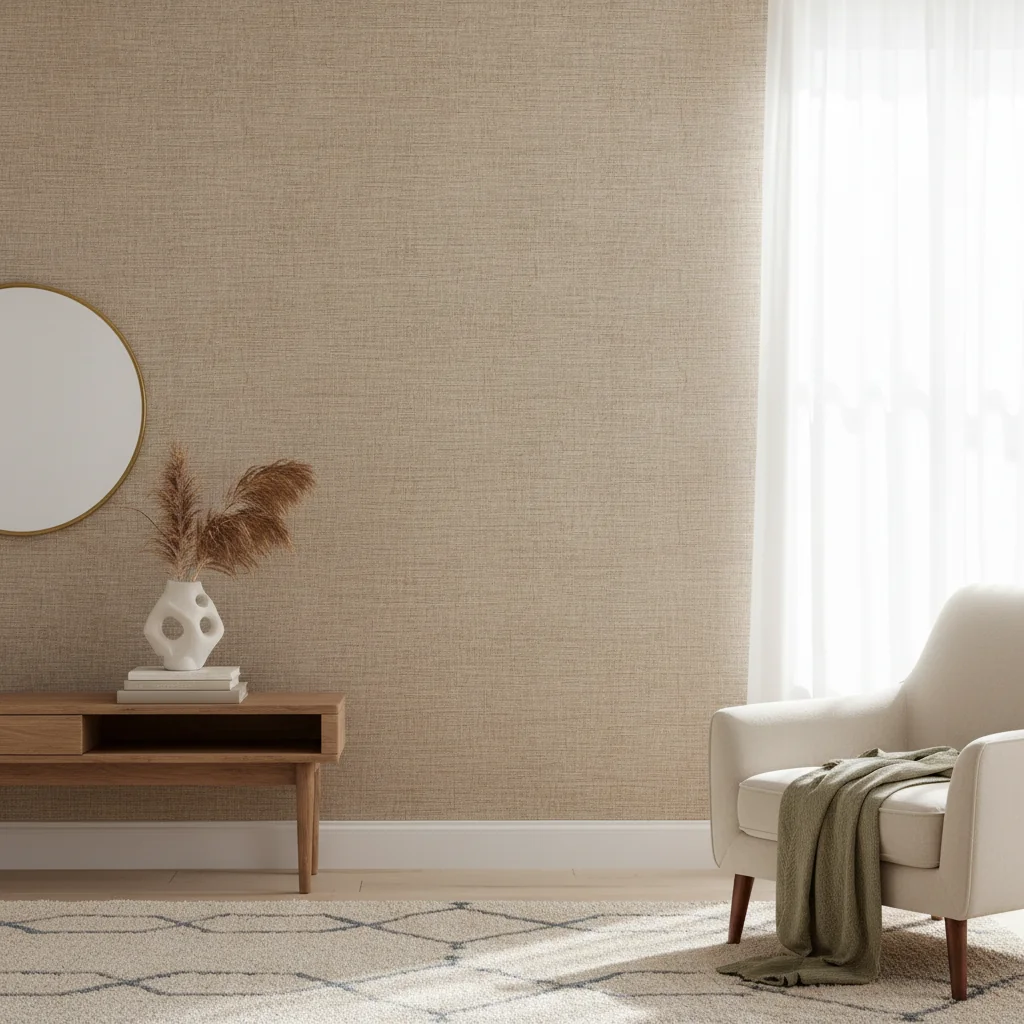
Grasscloth wallpaper is a natural wallcovering made from woven plant fibers, offering unique texture, depth, and an organic aesthetic to interiors. Its distinct characteristics stem from its handcrafted nature and inherent variations in fiber thickness and color, providing a sophisticated alternative to traditional printed wallpapers. This material introduces an unparalleled sense of warmth, tactility, and understated luxury to any space.
At its core, grasscloth wallpaper is defined by its composition: natural fibers, meticulously harvested and woven onto a paper backing. These fibers, sourced from renewable resources, include a diverse range of plant materials such as jute, sisal, seagrass, bamboo, arrowroot, hemp, and raffia. Each fiber type contributes its own unique characteristics, influencing the texture, sheen, and overall visual appeal of the finished product. The process of creating grasscloth is largely artisanal, involving skilled craftspeople who sort, dye, and weave the fibers by hand, ensuring that no two rolls are exactly identical. This handcrafted quality is a significant part of its appeal, as it introduces a subtle, organic imperfection that synthetic materials cannot replicate.
The aesthetic impact of grasscloth is profound. It provides a tactile surface that engages more than just the visual sense, inviting touch and adding a rich, layered dimension to walls. The natural variations in the fibers, combined with the weaving process, create a subtle striation and depth that changes with the light throughout the day, imparting a dynamic and living quality to the room. This ability to capture and refract light differently from a flat painted surface is one of its most celebrated attributes.
Benefits of Choosing Grasscloth Wallpaper
- Unrivaled Texture and Depth: Grasscloth instantly adds a rich, three-dimensional quality to walls, transforming flat surfaces into engaging focal points. The natural variations in the weave create visual interest that is both subtle and profound.
- Organic Warmth and Serenity: The natural fibers bring an inherent warmth and connection to nature, fostering a sense of calm and tranquility within a space. This makes it ideal for bedrooms, living rooms, and studies where comfort is paramount.
- Sound Absorption Properties: The fibrous, woven structure of grasscloth acts as a natural sound dampener, helping to absorb ambient noise and improve the acoustics of a room. This can be particularly beneficial in larger spaces or apartments.
- Eco-Friendly and Sustainable: As it is derived from rapidly renewable plant resources, authentic grasscloth is an environmentally conscious choice. Many manufacturers prioritize sustainable harvesting and production practices.
- Understated Elegance: Grasscloth exudes a sophisticated, timeless elegance that transcends fleeting trends. Its natural beauty provides a refined backdrop that complements a wide range of interior design styles, from minimalist to traditional.
- Hides Wall Imperfections: The textured surface of grasscloth can subtly mask minor wall imperfections, such as hairline cracks or uneven plaster, more effectively than flat paint or smooth wallpaper.
Potential Drawbacks and Considerations
While grasscloth offers numerous advantages, it also presents specific considerations due to its natural composition. Its porous nature makes it susceptible to moisture, staining, and fading from direct sunlight. Installation is often more delicate and labor-intensive than with vinyl or non-woven wallpapers, typically requiring professional expertise to ensure a flawless finish and to manage the visibility of seams, which are inherent to the product. Furthermore, grasscloth is generally a premium product, reflecting its natural materials and artisanal production, which translates to a higher initial cost compared to many synthetic alternatives. However, for those prioritizing natural beauty, tactile luxury, and environmental consciousness, these considerations are often outweighed by its unique aesthetic contributions.
The Diverse World of Grasscloth: Types and Materials
Grasscloth wallpaper encompasses a variety of natural fibers, each contributing distinct textures, sheens, and durability characteristics to the finished wallcovering. Understanding these material differences is crucial for selecting the appropriate grasscloth for specific design objectives and environmental conditions, as each fiber offers a unique aesthetic and functional profile.
The term “grasscloth” is often used broadly, but it truly represents a family of natural fiber wallcoverings. The specific plant material used dictates the look, feel, and performance of the wallpaper. Here, we explore the most common types of natural fibers woven into these exquisite wallcoverings:
| Fiber Type | Key Characteristics | Texture & Sheen | Ideal Use | Approx. Price Range (per single roll) |
|---|---|---|---|---|
| Jute | Soft, thick, and highly textural; biodegradable. | Prominent, often chunky texture; matte finish. | Low-traffic areas, bedrooms, feature walls, creating cozy ambiance. | $80 – $200 USD |
| Sisal | Strong, durable, and finer than jute; often used for rugs. | Fine, uniform weave; subtle, slightly lustrous sheen. | Moderate-traffic areas, living rooms, dining rooms, studies. | $100 – $250 USD |
| Seagrass | Flat, smooth, often wider strands; resilient and moisture-resistant (relative to other grasscloths). | Smooth, often braided or woven in wider patterns; slight natural sheen. | Moderate-traffic areas, coastal-inspired designs, areas with slightly higher humidity (e.g., powder rooms, not full baths). | $90 – $220 USD |
| Bamboo | Sturdy, smooth, often cut into thin strips or woven in distinct patterns. | Smooth, often linear or geometric patterns; can be lacquered for a polished look. | Feature walls, Asian-inspired designs, contemporary spaces, areas needing durability. | $120 – $300 USD |
| Arrowroot | Delicate, fine fibers; often yields intricate or subtle patterns. | Very fine, delicate texture; often a soft, understated sheen. | Formal spaces, elegant dining rooms, accent walls where intricate detail is desired. | $150 – $400 USD |
| Hemp | Durable, coarse fibers; known for strength and natural variations. | Coarse, robust texture; typically a matte, earthy finish. | High-traffic areas (relative to other grasscloths), rustic or organic modern designs. | $100 – $280 USD |
| Raffia | Derived from palm leaves; often braided or woven into complex patterns. | Varied, often intricate or basket-weave patterns; can have a soft sheen. | Exotic, bohemian, or tropical-inspired designs, accent walls. | $130 – $350 USD |
Beyond these primary natural fibers, some manufacturers also offer blends or incorporate other plant materials to achieve unique textures and visual effects. The backing material, typically rice paper or non-woven paper, also plays a role in the stability and ease of installation.
Faux Grasscloth: A Synthetic Alternative
While this guide focuses on authentic natural grasscloth, it is worth acknowledging the existence of “faux grasscloth” or “vinyl grasscloth.” These are synthetic wallpapers designed to mimic the look and texture of natural grasscloth but are made from vinyl or other man-made materials. They offer advantages in terms of washability, durability, and lower cost, making them suitable for high-moisture areas like full bathrooms or kitchens where natural grasscloth is not recommended. However, they lack the authentic tactile feel, subtle variations, and inherent eco-friendliness of true natural fiber wallcoverings. For those prioritizing the genuine article, the unique qualities of natural grasscloth remain unparalleled.
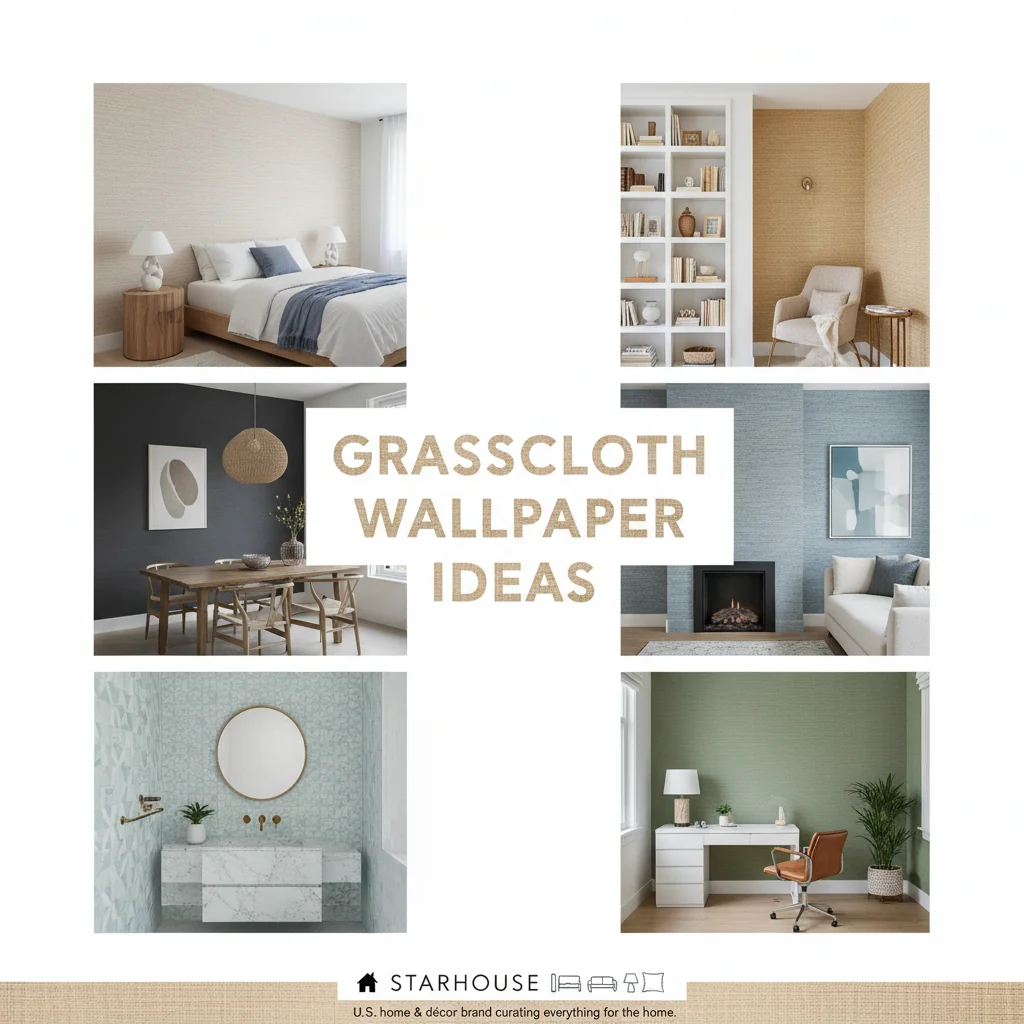
Stylistic Versatility: Integrating Grasscloth into Any Design Aesthetic
Grasscloth wallpaper’s inherent organic texture and subtle visual depth allow it to seamlessly integrate into a wide spectrum of interior design styles, from minimalist contemporary to rustic farmhouse, providing an unparalleled sense of warmth and sophistication. Its natural origins and diverse fiber types make it a highly adaptable material that can either ground a room or act as a sophisticated accent.
The beauty of grasscloth lies in its ability to be both a statement piece and a neutral backdrop. Its textural quality adds visual interest without overwhelming a space, making it a favorite among designers for creating layered, sophisticated interiors.
Grasscloth Across Design Styles:
- Modern and Contemporary: In sleek, minimalist environments, grasscloth provides a crucial organic counterpoint to crisp lines, polished surfaces, and monochromatic palettes. A charcoal or deep navy grasscloth can add unexpected depth and warmth to an otherwise stark contemporary living room, preventing it from feeling cold or sterile.
- Transitional: This style, which gracefully blends traditional and modern elements, finds a perfect partner in grasscloth. It bridges the gap between classic furnishings and contemporary art, offering a textured neutrality that allows diverse pieces to coexist harmoniously. A subtle sisal or jute in a muted tone can elevate a transitional dining room.
- Bohemian and Eclectic: Grasscloth’s natural, earthy origins make it a natural fit for bohemian and eclectic interiors. It enhances the global-inspired textiles, handcrafted furniture, and abundant plant life often found in these spaces, reinforcing a connection to nature and artisan craftsmanship. Raffia or a more loosely woven jute can amplify this aesthetic.
- Coastal and Nautical: Evoking sandy shores and natural elements, grasscloth—especially seagrass or lighter-toned jute—is ideal for coastal and nautical themes. It provides a relaxed, airy backdrop that pairs beautifully with weathered wood, linen fabrics, and ocean-inspired decor, creating a serene, beach-house feel.
- Mid-Century Modern: For mid-century modern enthusiasts, grasscloth offers an authentic period-appropriate texture. It complements the iconic clean lines and organic shapes of furniture from this era, providing a sophisticated, natural backdrop that highlights the craftsmanship of pieces like Danish teak credenzas or Eames chairs.
- Traditional and Classic: Far from being exclusively contemporary, grasscloth lends an understated elegance to traditional and classic interiors. A finely woven arrowroot or a silk-infused grasscloth in a rich jewel tone can add depth and quiet luxury to a formal study, library, or master bedroom, working seamlessly with antique furniture and ornate moldings.
- Farmhouse and Rustic: In farmhouse or rustic settings, grasscloth complements natural wood finishes, distressed furniture, and industrial accents. Its raw, organic texture reinforces the connection to natural materials and a simpler, handcrafted aesthetic, adding warmth and authenticity without feeling overly country.
- Asian-Inspired: Bamboo grasscloth, with its distinct linear patterns and smooth texture, is a cornerstone of Asian-inspired design. It creates a serene, balanced environment, often paired with dark wood, minimalist decor, and natural stone elements.
Color Palettes and Interaction:
While many grasscloth varieties are celebrated for their natural, earthy tones—beiges, creams, and grays—the range extends much further. Deep jewel tones like emerald green, sapphire blue, or ruby red grasscloth can create dramatic, luxurious spaces. Muted pastels offer a softer, more ethereal ambiance. The key is how grasscloth interacts with light; its textured surface causes light to play across the fibers, creating subtle shifts in color and shadow that add dynamic interest. A neutral grasscloth can ground vibrant furniture, while a richly colored grasscloth can become a focal point, drawing the eye and adding a layer of sophistication that paint cannot achieve.
Ultimately, grasscloth is a material that speaks to authenticity and enduring style. Its ability to adapt to and enhance diverse design aesthetics makes it a truly invaluable tool for creating interiors that are not only beautiful but also deeply personal and inviting.
Choosing Your Ideal Grasscloth: Key Considerations for Selection
Selecting the ideal grasscloth wallpaper requires careful consideration of the room’s function, existing décor, desired aesthetic, and practical factors like durability and maintenance, ensuring the chosen material aligns perfectly with both design vision and lifestyle needs. This deliberate approach prevents costly mistakes and ensures long-term satisfaction with your investment.
The decision-making process for grasscloth goes beyond mere aesthetics; it involves a thoughtful evaluation of how the material will perform and integrate into your specific environment.
Factors to Evaluate When Choosing Grasscloth:
-
Room Function and Traffic Level:
Consider how the room will be used. For bedrooms, a softer, more delicate jute or arrowroot grasscloth might be ideal, contributing to a cozy and serene atmosphere. In a living room or dining room, where visual impact and a touch of elegance are desired, a sisal or seagrass can provide both beauty and a degree of resilience. For high-traffic areas like hallways or entryways, a more robust fiber like hemp or a tightly woven sisal is preferable, though grasscloth generally performs best in areas with minimal direct contact or abrasion. It is critical to remember that natural grasscloth is generally not recommended for high-moisture environments such as full bathrooms, kitchens, or laundry rooms, as humidity and splashes can cause warping, staining, or mold growth.
-
Desired Aesthetic and Existing Décor:
Evaluate the overall design style of your home and the specific room. Do you seek a rustic, bohemian, contemporary, or traditional look? The texture, color, and weave of the grasscloth will significantly influence the final aesthetic. A coarse jute might complement a farmhouse style, while a smooth bamboo could enhance a modern or Asian-inspired space. Consider how the grasscloth will harmonize with existing furniture, flooring, window treatments, and artwork. It should act as a cohesive element, either blending seamlessly or providing a deliberate, complementary contrast.
-
Color, Tone, and Light Interaction:
Grasscloth comes in a vast array of colors, from natural beiges and grays to rich jewel tones and subtle pastels. Obtain samples and observe them in the actual room under various lighting conditions—natural daylight, evening ambient light, and task lighting. The textured surface of grasscloth causes light to interact with it uniquely, creating subtle shifts in color and shadow throughout the day. A lighter shade can brighten a small space, while a darker hue can add drama and intimacy to a larger room. Ensure the chosen color complements your existing palette and desired mood.
-
Texture and Weave Pattern:
Each fiber type offers a distinct texture, from the soft, chunky feel of jute to the smooth, refined surface of bamboo. Consider the tactile experience you desire. Some grasscloths feature visible knots and irregularities, which are part of their natural charm, while others have a more uniform, subtle weave. The weave pattern itself can vary from simple horizontal strands to intricate basketweaves or herringbone designs, adding another layer of visual interest.
-
Durability and Maintenance Expectations:
Natural grasscloth is a delicate material. While some fibers like sisal or hemp offer greater resilience than jute or arrowroot, all natural grasscloths require careful handling and specific maintenance. They are not washable and are prone to staining from liquids. If your lifestyle involves young children, pets, or frequent spills, you must weigh the aesthetic benefits against the practicalities of upkeep. For areas requiring high durability and easy cleaning, a faux grasscloth might be a more practical alternative, though it lacks the authentic natural appeal.
-
Budget Considerations:
Grasscloth wallpaper is a premium product, reflecting its natural materials, artisanal production, and often intricate weaving processes. Prices can vary significantly based on the fiber type, complexity of the weave, and brand. Establish a realistic budget per square foot or per roll, and factor in the cost of professional installation, which is highly recommended for this material. Remember that investing in high-quality grasscloth can significantly elevate the perceived value and sophistication of your interior.
-
Sustainability and Sourcing:
For environmentally conscious consumers, inquire about the sourcing and production practices of the grasscloth. Many reputable brands prioritize sustainably harvested fibers and eco-friendly manufacturing processes. Choosing authentic natural grasscloth contributes to a healthier indoor environment by introducing natural materials free from synthetic chemicals often found in vinyl wallpapers.
By meticulously evaluating these considerations, you can confidently select a grasscloth wallpaper that not only fulfills your aesthetic aspirations but also performs beautifully within your home for years to come.
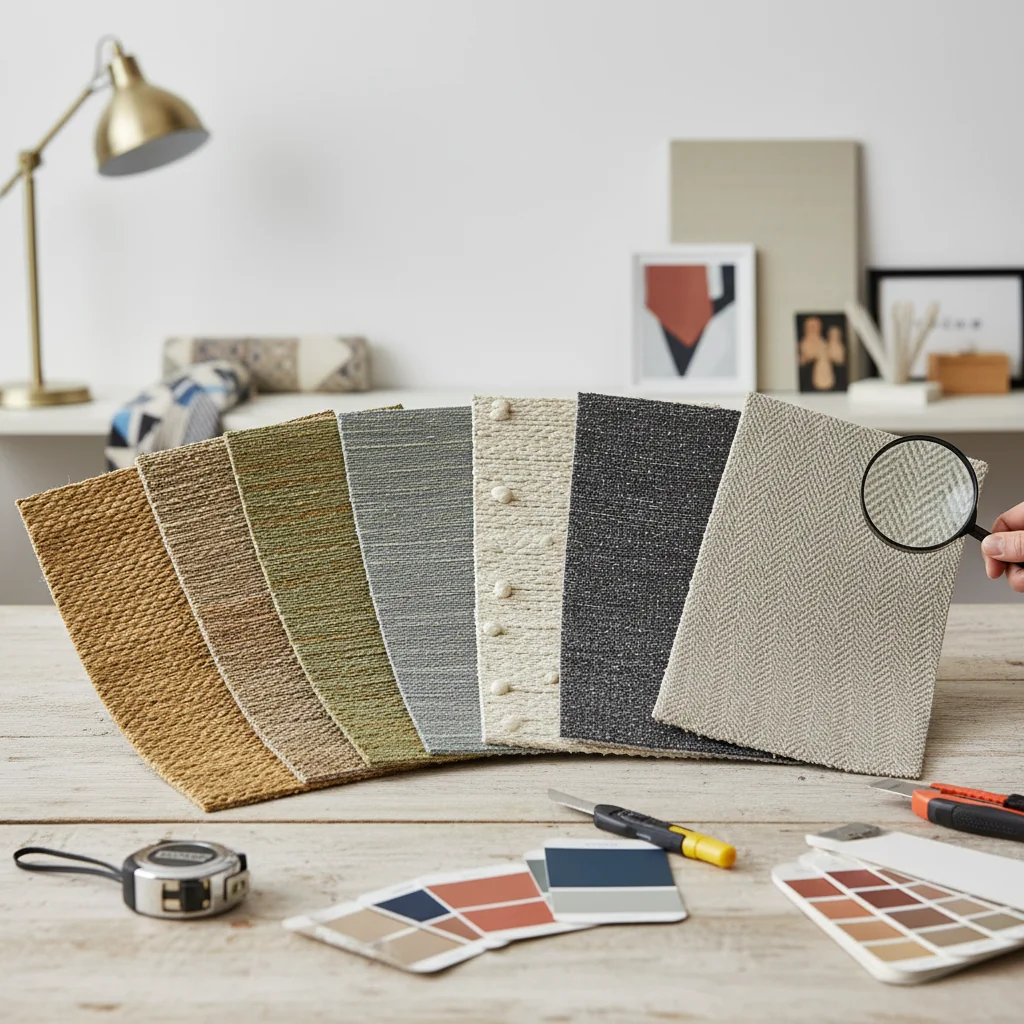
Precision Matters: Sizing, Measuring, and Estimating Grasscloth Wallpaper
Accurate sizing and meticulous measurement are paramount for a successful grasscloth wallpaper installation, minimizing waste and ensuring a seamless, professional finish that enhances the room’s aesthetic. Given the premium nature and delicate handling requirements of grasscloth, precise calculations are essential to avoid costly errors and ensure you have enough material from the same dye lot.
Unlike mass-produced wallpapers with standard pattern repeats, grasscloth often has subtle variations and typically features a non-repeating or very minimal pattern, simplifying some aspects of estimation but demanding careful attention to panel alignment and waste.
Understanding Standard Roll Sizes
Grasscloth wallpaper is typically sold in single or double rolls. It is crucial to understand the difference, as manufacturers often quote prices for a single roll, but the actual physical product you receive may be a double roll.
- Width: Most grasscloth rolls are produced in widths of 36 inches (3 feet). Some specialized or imported varieties may come in widths of 28 inches, 30 inches, or occasionally wider. Always verify the exact width specified by the manufacturer.
- Length:
- Single Roll: A standard single roll of grasscloth is typically 24 feet long. Therefore, a 36-inch wide single roll covers approximately 72 square feet (3 feet x 24 feet = 72 sq ft).
- Double Roll: A double roll combines two single rolls into one continuous length, usually 48 feet long. A 36-inch wide double roll covers approximately 144 square feet (3 feet x 48 feet = 144 sq ft).
- Usable Square Footage: While a single roll may technically be 72 sq ft, the “usable” square footage is always less due to trimming, waste, and minor imperfections. A conservative estimate for usable coverage per single roll is often closer to 60-65 square feet, especially when accounting for ceiling height.
Always check the manufacturer’s specifications for the exact dimensions and stated coverage of their rolls, as these can vary.
Step-by-Step Measuring and Estimation Guide
Follow these steps to accurately measure your walls and estimate the number of grasscloth rolls needed:
-
Measure Wall Height and Width:
- Measure the height of each wall from the baseboard to the ceiling. Take measurements at several points across the wall, as heights can vary slightly. Use the tallest measurement for your calculations.
- Measure the total width of all walls you intend to cover.
-
Calculate Total Square Footage:
Multiply the total measured width (in feet) by the tallest measured height (in feet) to get the total square footage of the area to be covered.
Example: (Total Wall Width in feet) x (Tallest Wall Height in feet) = Total Square Footage. -
Account for Openings:
Measure the width and height of any windows, doors, or large built-ins within the area. Calculate their square footage and subtract it from the total wall square footage. For smaller openings, like a standard window, some installers prefer not to subtract, as the waste from cutting around it often balances out the material saved. For larger openings, subtracting is more accurate.
-
Determine Number of Panels Per Roll:
Divide the total length of a single roll (e.g., 24 feet) by your wall height (e.g., 8 feet). This tells you how many full panels you can get from one single roll.
Example: 24 feet (roll length) / 8 feet (wall height) = 3 panels per single roll.Keep in mind that you need to add an extra 4-6 inches per panel for trimming at the top and bottom. So, if your wall is 8 feet high, you should cut panels at 8 feet 6 inches (102 inches) to allow for proper trimming.
Revised Example: 24 feet (288 inches) / 102 inches (panel length) = 2.82 panels. This means you only get 2 full panels from a single roll, with significant waste. A double roll (48 feet or 576 inches) would yield 5 full panels (576 / 102 = 5.64). -
Calculate Total Number of Panels Needed:
Divide the total width of the walls (in inches) by the width of one roll (e.g., 36 inches). This gives you the total number of vertical panels required to cover the space.
Example: If your total wall width is 240 inches, and your roll is 36 inches wide: 240 inches / 36 inches = 6.67 panels. You will need 7 full panels. -
Factor in Waste:
Always add a waste factor of 10-15% to your total square footage or panel count. This accounts for:
- Trimming at the top and bottom of each panel.
- Minor errors or damage during installation.
- Any small areas that need patching or re-cutting.
- Accounting for any slight pattern “match” if applicable (though less common with grasscloth).
-
Convert to Rolls:
Once you have your total estimated square footage (including waste), divide it by the usable square footage of a single or double roll (e.g., 65 sq ft for a single roll, or 130 sq ft for a double roll). Round up to the nearest whole number.
Example: If you need 500 sq ft (including waste), and double rolls cover 130 usable sq ft: 500 / 130 = 3.85. You would need to order 4 double rolls.Alternatively, using the panel method: If you determined you need 7 panels and can get 5 panels from a double roll, then 7 panels / 5 panels per double roll = 1.4. You would need to order 2 double rolls.
The Importance of Dye Lots and Over-Ordering
Natural grasscloth, especially those with subtle coloring, can have slight variations between different production batches, known as “dye lots” or “run numbers.” These variations, though often minimal, can become noticeable once installed side-by-side on a wall.
We strongly recommend ordering all rolls required for a single project from the same dye lot. When placing your order, explicitly request that all rolls originate from the same batch. Furthermore, it is always prudent to order one extra roll beyond your calculated estimate. This “attic stock” serves several critical purposes:
- Contingency for Errors: Provides material for correcting installation mistakes or unforeseen damage.
- Future Repairs: Allows for seamless repairs if a section of the wallpaper is damaged years down the line, ensuring a perfect color match.
- Dye Lot Consistency: Eliminates the risk of having to order a single replacement roll later that might come from a different dye lot, resulting in a noticeable color discrepancy.
Precise measurement and careful estimation are not just about saving money; they are about achieving a truly professional, cohesive, and enduring finish for your grasscloth investment.
Installation Insights: Preparing for a Flawless Grasscloth Application
Proper surface preparation and a methodical approach are critical for installing grasscloth wallpaper, a delicate material that demands precision and specific techniques to achieve a smooth, long-lasting finish. Due to its natural fibers and susceptibility to damage, grasscloth installation is often more complex than standard wallpaper and is frequently best left to experienced professionals.
The unique characteristics of grasscloth—its texture, natural variations, and delicate nature—require careful handling at every stage, from wall preparation to the final smoothing of each panel.
Essential Pre-Installation Steps:
-
Thorough Wall Preparation:
The wall surface must be impeccably clean, dry, smooth, and structurally sound. Any existing wallpaper must be completely removed, and all adhesive residue scrubbed off. Patch any holes or cracks with spackling compound, sand smooth, and wipe away dust. Uneven surfaces or textures will telegraph through the grasscloth, compromising its sophisticated appearance. A perfectly smooth substrate is non-negotiable for a premium finish.
-
Priming is Non-Negotiable:
Applying a high-quality, clear, acrylic-based wallpaper primer/sealer is an absolute necessity. This step serves multiple critical functions:
- Promotes Adhesion: Creates an ideal surface for the wallpaper adhesive to bond evenly and securely.
- Ensures Strippability: Makes future removal easier, protecting the drywall surface.
- Prevents Staining: Seals the wall, preventing any existing stains or impurities from bleeding through the grasscloth. More importantly, it creates a barrier that prevents the delicate natural fibers from absorbing moisture unevenly from the wall or adhesive, which can lead to discoloration or “spotting.”
- Equalizes Porosity: Ensures the wall absorbs the adhesive uniformly, preventing patchy drying or adhesion issues.
Allow the primer to dry completely according to manufacturer instructions, typically 24-48 hours, before proceeding.
-
Selecting the Correct Adhesive:
Use a clear, non-staining, heavy-duty pre-mixed adhesive specifically formulated for natural fiber wallcoverings. Wheat-based or cellulose pastes are generally not suitable as they can cause staining or mildew. The adhesive must be strong enough to hold the heavier grasscloth but clear-drying to prevent discoloration. Always follow the adhesive manufacturer’s instructions carefully.
-
Gathering Essential Tools:
Having the right tools on hand streamlines the process and minimizes errors. Key tools include:
- Measuring tape and plumb line (or laser level) for accurate vertical alignment.
- Sharp utility knife with plenty of fresh blades for clean cuts.
- Smooth, firm wallpaper smoother (plastic or felt-edged) to press out air bubbles.
- Seam roller (soft, non-marring) for gently securing seams.
- Clean, damp sponge (for adhesive cleanup, used with extreme caution on grasscloth).
- Large pasting brush or roller for applying adhesive.
- Work table or clean, flat surface for cutting.
- Drop cloths to protect flooring.
Key Aspects of the Installation Process:
While a full DIY guide is beyond the scope here, understanding the critical steps highlights why professional installation is often recommended:
- Cutting Panels: Measure and pre-cut panels, adding 4-6 inches to the wall height for trimming. Ensure all cuts are straight.
- Applying Adhesive: For most grasscloths, the adhesive is applied to the wall (the “paste-the-wall” method) rather than the paper. This prevents the delicate fibers from becoming overly saturated and difficult to handle. Apply an even, generous coat, slightly wider than your wallpaper panel.
- Hanging Plumb Lines: Establish a perfectly vertical plumb line for your first panel. This sets the alignment for the entire room and is critical for ensuring straight seams.
- Positioning and Smoothing: Carefully align the first panel with the plumb line, pressing it onto the pasted wall. Use your smoother to gently work out air bubbles, starting from the center and moving outwards. Avoid excessive pressure, which can damage the fibers or push adhesive through.
- Butt Seams, Not Overlap: Grasscloth is designed for butt seams, meaning each panel should be placed directly adjacent to the previous one, with edges touching but not overlapping. Due to the natural variations, seams will be visible; this is an inherent characteristic and part of grasscloth’s charm, not a flaw. Attempting to hide seams by overlapping can create unsightly ridges and uneven texture.
- Trimming: Use a very sharp utility knife and a straight edge (like a metal ruler) to carefully trim excess material at the ceiling and baseboard. Change blades frequently to ensure clean cuts and prevent tearing.
- Adhesive Cleanup: Immediately and very gently wipe away any excess adhesive that squeezes out at the seams with a barely damp, clean sponge. Excessive moisture on the grasscloth can cause permanent staining or discoloration. Act swiftly and sparingly.
The Case for Professional Installation
Given the investment in grasscloth and its delicate nature, Starhouse strongly recommends engaging a professional wallpaper installer experienced with natural fiber wallcoverings. Their expertise ensures:
- Flawless Wall Preparation: Professionals understand the precise requirements for a perfectly smooth, primed surface.
- Correct Adhesive Application: They use the appropriate adhesive and apply it uniformly, preventing common issues like bubbling or peeling.
- Precise Alignment and Seam Management: Their skill minimizes visible seams and ensures panels are hung straight and level.
- Damage Prevention: They have the experience to handle the delicate material without tearing, creasing, or staining.
- Efficiency: Professionals can complete the job more quickly and efficiently, saving you time and potential frustration.
The additional cost of professional installation is a wise investment that protects the beauty and longevity of your grasscloth wallpaper.
Care and Maintenance: Preserving the Beauty of Your Grasscloth
Proper care and maintenance are essential for preserving the inherent beauty and longevity of grasscloth wallpaper, which, due to its natural fibers, requires specific cleaning techniques and protection from moisture and direct sunlight. Its delicate composition means that conventional cleaning methods are unsuitable and can cause irreversible damage.
Understanding the unique properties of natural fibers is key to ensuring your grasscloth retains its exquisite appearance for years. Unlike vinyl wallpapers, grasscloth is not washable and demands a gentle, dry approach to upkeep.
Regular Cleaning and Dusting
- Dry Dusting: The primary method for routine maintenance is gentle dry dusting. Use a soft, clean, dry cloth, a feather duster, or a vacuum cleaner with a soft brush attachment. Work from top to bottom to remove accumulated dust and cobwebs. Perform this regularly, perhaps once a month, to prevent heavy build-up.
- Avoid Moisture: Under no circumstances should you use water, liquid cleaners, or even a damp cloth on grasscloth wallpaper. Natural fibers are highly absorbent and will soak up moisture, leading to:
- Staining and Discoloration: Water can leave permanent rings, spots, or cause the natural dyes to bleed.
- Warping and Shrinkage: Fibers can swell and then shrink as they dry, leading to warping, peeling, or visible seams.
- Mold and Mildew Growth: In damp conditions, natural fibers are susceptible to mold and mildew, which can cause health issues and irreparable damage. The EPA highlights the importance of controlling moisture in indoor environments to prevent issues like mold growth, a concern particularly relevant for natural fiber wallcoverings like grasscloth, which can absorb humidity and liquids.
- Spot Cleaning (Extreme Caution): For minor, dry marks or smudges, a dry gum eraser (like those used for pencil marks) can sometimes be effective. Gently rub the eraser over the mark. Always test this method in an inconspicuous area first to ensure it does not damage or lighten the fibers. Never rub aggressively. For oil-based stains, professional restoration may be the only option, but success is not guaranteed.
Protection from Environmental Factors
- Direct Sunlight: Natural grasscloth is susceptible to fading when exposed to prolonged direct sunlight. If your grasscloth is in a sun-drenched room, consider using UV-protective window treatments like blinds, shades, or sheer curtains to filter harsh light and protect the integrity of the fibers and their color.
- Humidity Control: Maintain consistent indoor humidity levels. High humidity can cause the fibers to expand and potentially loosen from the wall, while overly dry conditions can make them brittle. A relative humidity range of 30-50% is generally ideal for interior environments and beneficial for grasscloth.
- Physical Contact: Protect grasscloth from excessive physical contact or abrasion, which can fray the fibers. Avoid placing furniture directly against grasscloth walls if it will be frequently moved or rubbed. In dining areas, be mindful of chair backs scraping the wall.
- Splashes and Spills: As previously noted, grasscloth is not suitable for areas prone to splashes, such as behind sinks or in full bathrooms. In dining rooms, be cautious of food and drink spills.
Repairing Minor Damage
Small tears or frayed edges can sometimes be carefully repaired. For a small tear, a tiny amount of clear, heavy-duty wallpaper adhesive can be applied to the underside of the loose fiber with a toothpick, then gently pressed back into place. For frayed edges, a very sharp pair of small scissors can be used to carefully trim away loose threads, but this should be done sparingly to avoid creating a noticeable bare spot. Always approach repairs with extreme delicacy.
Clear Sealants: A Note of Caution
Some sources may suggest applying a clear acrylic sealant to grasscloth for added protection. While this can offer a degree of moisture resistance, it is crucial to understand the implications:
- Altered Appearance: A sealant will inevitably change the natural look and feel of the grasscloth, often imparting a sheen or making the texture appear less natural.
- Breathability: It can reduce the natural breathability of the material.
- Manufacturer Approval: Only consider this option if explicitly recommended by the grasscloth manufacturer, and always test it on an inconspicuous scrap piece first. For most authentic grasscloth, the beauty lies in its unaltered, natural state, and sealing is generally advised against.
By adhering to these specific care and maintenance guidelines, you ensure that your grasscloth wallpaper remains a stunning, long-lasting feature in your home, providing timeless texture and elegance.
Styling with Grasscloth: Elevating Your Interiors with Texture
Styling with grasscloth wallpaper involves leveraging its unique texture and organic aesthetic to create sophisticated and inviting interiors, harmonizing it with furniture, lighting, and accessories to achieve a cohesive and elevated design. Its inherent ability to add depth and warmth makes it an exceptional tool for transforming a room from ordinary to extraordinary.
The key to successful integration lies in understanding how grasscloth interacts with other elements in a space, allowing its natural beauty to enhance, rather than compete with, your chosen décor.
Pairing Grasscloth with Interior Elements:
-
Furniture:
Grasscloth provides a versatile backdrop for almost any type of furniture. It beautifully complements natural wood tones (oak, walnut, teak), enhancing their warmth and grain. Against sleek metal or glass furniture, grasscloth introduces a softening, organic contrast. For upholstered pieces, it pairs well with a wide range of fabrics, from crisp linens and textured bouclés to luxurious velvets and silks, creating a rich interplay of textures. A light-colored grasscloth can highlight dark, dramatic furniture, while a deeper hue can make lighter pieces pop.
-
Lighting:
The textured surface of grasscloth interacts dynamically with light. Up-lighting or down-lighting can dramatically emphasize its woven structure, creating captivating shadows and highlights that add architectural interest. Ambient lighting softens its appearance, while direct light can reveal the intricate details of the fibers. Consider how natural light enters the room throughout the day and how artificial lighting will be used in the evenings. A well-placed sconce or picture light can turn a grasscloth-covered wall into a work of art.
-
Textiles:
Juxtaposition is key when pairing grasscloth with textiles. Combine the earthy texture of grasscloth with smooth, flowing fabrics like silk drapes or satin throw pillows for a luxurious contrast. Alternatively, layer it with other natural textures such as chunky wool rugs, linen upholstery, or woven baskets to reinforce an organic, layered aesthetic. The subtle variations in grasscloth provide a grounding element that allows patterned fabrics to stand out without overwhelming the space.
-
Art and Mirrors:
Grasscloth serves as an exceptional backdrop for artwork and mirrors. Its textured surface adds depth and character, making framed pieces appear more substantial and intentional. A gallery wall against grasscloth feels more curated and sophisticated. For mirrors, the grasscloth reflects light and texture, creating an expansive yet warm effect. Choose art with complementary colors or contrasting frames (e.g., a sleek black frame against a natural grasscloth) to maximize visual impact.
-
Architectural Elements:
Grasscloth can highlight and enhance architectural details. Use it within recessed panels, behind open shelving, or above wainscoting to add an unexpected layer of texture. It can define a fireplace wall, making it a more prominent focal point, or wrap a column, adding a soft, tactile element to an otherwise hard architectural feature.
Room-Specific Styling Ideas:
- Bedroom: Create a serene sanctuary by applying grasscloth to the wall behind the headboard, defining a luxurious feature wall. This adds warmth, texture, and a sense of enclosure, enhancing relaxation. Pair it with soft lighting, plush bedding, and natural wood nightstands.
- Living Room: Use grasscloth on a full wall or within an alcove to add sophisticated texture and depth. It can anchor a seating arrangement or provide a rich backdrop for a fireplace. A deep charcoal or navy grasscloth can make a bold statement, while a lighter tone maintains an airy feel.
- Dining Room: Grasscloth creates an intimate and elegant atmosphere, perfect for formal dining. It adds a layer of refinement that complements fine china and polished silverware. Consider a subtle metallic weave for added glamour.
- Entryway/Hallway: Introduce immediate warmth and sophistication to your home’s first impression. Grasscloth in an entryway makes a welcoming statement, offering texture and interest in often overlooked transitional spaces.
- Home Office/Study: The sound-absorbing qualities of grasscloth make it an excellent choice for a home office, contributing to a quieter, more focused environment. Its refined aesthetic also promotes a sense of professionalism and calm.
A feature wall (or accent wall) is a single wall within a room that is treated differently from the others, often with a distinct color, texture, or material like grasscloth wallpaper, to create a focal point and add visual interest. Grasscloth is particularly effective for this purpose, as its unique texture naturally draws the eye without overwhelming the space.
The versatility of grasscloth allows it to be the quiet hero of a room, providing texture and depth that grounds the entire design. By thoughtfully integrating it with your existing and new décor elements, you can achieve an interior that feels both aspirational and profoundly inviting.
Current Trends in Grasscloth Wallpaper Design
Contemporary trends in grasscloth wallpaper design emphasize innovative weaving patterns, sophisticated color palettes beyond traditional neutrals, and the integration of subtle metallic accents, reflecting a desire for both organic authenticity and refined modern aesthetics. Designers are increasingly exploring grasscloth’s potential to marry natural elements with cutting-edge design, pushing its boundaries beyond classic applications.
While the timeless appeal of natural, unadorned grasscloth endures, current trends showcase an evolution in how this material is conceived and utilized, responding to broader shifts in interior design.
Key Trends Shaping Grasscloth Wallpaper:
-
Expanded Color Palettes:
While traditional beige, cream, and natural brown grasscloth remain popular, there’s a strong trend towards more adventurous and saturated colors. We are seeing deep jewel tones like emerald green, sapphire blue, and amethyst purple, which add drama and luxury. Muted greens, dusty blues, charcoal grays, and even soft terra-cotta hues are gaining traction, providing sophisticated alternatives to conventional neutrals while maintaining an organic feel.
-
Innovative Weave Variations:
The classic horizontal weave is being complemented by a variety of new patterns. Trends include:
- Herringbone and Basketweave: These intricate patterns add a geometric dimension while retaining the natural texture, offering a more dynamic visual interest.
- Larger, More Irregular Weaves: Some designs feature thicker, more substantial fibers woven in looser or more organic patterns, creating a bolder, more tactile statement that embraces the raw beauty of the material.
- Vertical Weaves: While less common, vertical grasscloth patterns offer a unique visual, drawing the eye upwards and enhancing ceiling height.
-
Subtle Metallic Accents:
A significant trend involves the incorporation of delicate metallic threads (gold, silver, bronze) woven subtly into the natural fibers. This adds a touch of glamour and sophistication, allowing the grasscloth to catch and reflect light in unexpected ways, making it suitable for more opulent or transitional spaces without losing its organic charm.
-
Overprinted and Patterned Grasscloth:
Designers are layering patterns onto grasscloth. This involves printing subtle geometric motifs, delicate botanicals, or abstract designs directly onto the textured grasscloth surface. This fusion combines the depth of natural fiber with the visual interest of a printed pattern, offering a unique hybrid aesthetic that is both refined and dynamic.
-
Integration with Paneling and Millwork:
Grasscloth is increasingly used in conjunction with architectural elements like wainscoting, board and batten, or framed wall panels. Applying grasscloth within these defined sections adds a layer of bespoke luxury and texture, elevating traditional millwork and creating a highly custom look. This approach allows for smaller applications of grasscloth, making it accessible for accent areas.
-
Focus on Sustainability and Artisan Craftsmanship:
As consumers become more environmentally conscious, there is a growing demand for grasscloth that is not only natural but also ethically sourced and produced. Brands emphasizing transparent supply chains, sustainable harvesting practices, and fair labor for artisans are gaining prominence. This trend reinforces grasscloth’s inherent connection to nature and handcrafted quality.
-
Monochromatic and Tonal Schemes:
While bold colors are trending, so too is the use of grasscloth in monochromatic or tonal schemes. Applying grasscloth in a shade very close to the surrounding paint color or other elements creates a sophisticated, layered look where texture becomes the primary visual interest, offering subtle depth rather than stark contrast.
These trends indicate that grasscloth wallpaper is far from a static design element. It is evolving to meet contemporary demands for texture, color, and sustainability, solidifying its position as a versatile and enduring choice for elevated interiors.
At Starhouse, we are curating an exceptional collection of home and décor elements, including the finest grasscloth wallpapers, designed to transform your living spaces. We invite you to be part of our journey as we build a collection that truly resonates with discerning homeowners. Tell us what you’re looking for and gain early access to our exclusive offerings.
Common Mistakes to Avoid When Working with Grasscloth
Avoiding common pitfalls is crucial for a successful grasscloth wallpaper project, as errors in preparation, installation, or maintenance can compromise its delicate beauty and lead to costly rectifications. Due to its unique characteristics, grasscloth requires particular attention to detail that differs significantly from synthetic wallpaper applications.
Many issues arise from treating grasscloth like standard vinyl wallpaper, which it emphatically is not. Understanding and sidestepping these common mistakes will ensure a more beautiful and enduring result.
Critical Errors to Prevent:
-
Not Priming the Walls Properly:
Mistake: Skipping primer or using an unsuitable primer.
Consequence: Leads to poor adhesion, making the grasscloth peel or bubble. It also allows wall imperfections or old stains to bleed through, and, critically, the wall can absorb moisture from the adhesive unevenly, causing discoloration (spotting) or shrinkage of the delicate fibers. It also makes future removal extremely difficult and damaging to the drywall.
Correction: Always use a high-quality, clear, acrylic-based wallpaper primer/sealer. Apply two coats if the wall is particularly porous or has varying textures, and allow it to dry completely for at least 24-48 hours. -
Using the Wrong Adhesive:
Mistake: Using standard all-purpose wallpaper paste, wheat paste, or a non-clear adhesive.
Consequence: These adhesives can cause permanent staining, bleeding, or yellowing of the natural fibers. They may also not provide sufficient bond strength for the heavier grasscloth, leading to peeling.
Correction: Only use a clear, non-staining, heavy-duty pre-mixed adhesive specifically formulated for natural fiber wallcoverings. Follow the adhesive manufacturer’s instructions precisely. -
Insufficient Measurement and Not Accounting for Waste/Dye Lots:
Mistake: Underestimating the amount of material needed, not adding a waste factor, or failing to order all rolls from the same dye lot.
Consequence: Running out of paper mid-project, forcing you to order more that may come from a different dye lot, resulting in noticeable color discrepancies. Insufficient waste factor means you have no material for mistakes or future repairs.
Correction: Measure meticulously, add 10-15% for waste, and always order an extra roll (attic stock) from the same dye lot to ensure color consistency and provide for future repairs. -
Expecting Seamless Perfection:
Mistake: Believing grasscloth will have invisible seams like some smooth vinyl wallpapers.
Consequence: Disappointment with the finished look, as visible seams are an inherent characteristic of natural grasscloth due to variations in fiber thickness and color.
Correction: Understand that butt seams, where panels meet edge-to-edge, will be visible. This is part of the material’s charm and authenticity, not a flaw. Embrace the subtle, natural striations and variations. -
Over-Wetting or Incorrect Cleaning:
Mistake: Using water, liquid cleaners, or even a damp cloth to clean grasscloth.
Consequence: Permanent staining, discoloration, watermarks, shrinkage, warping, or encouraging mold and mildew growth.
Correction: Only dry dust grasscloth with a soft cloth or vacuum attachment. Avoid all liquids. For dry marks, use a dry gum eraser with extreme caution and test in an inconspicuous area. -
Attempting DIY Installation Without Experience:
Mistake: Underestimating the difficulty and delicate nature of grasscloth installation, especially for DIY novices.
Consequence: Torn paper, visible adhesive stains, misaligned panels, bubbling, peeling, or an overall unprofessional finish, leading to costly re-dos.
Correction: For such a premium and delicate material, Starhouse strongly recommends hiring a professional wallpaper installer with specific experience in natural fiber wallcoverings. Their expertise is invaluable. -
Placing Grasscloth in High-Moisture Areas:
Mistake: Installing grasscloth in full bathrooms, kitchens, laundry rooms, or any area with consistent high humidity or direct water splashes.
Consequence: The natural fibers will absorb moisture, leading to warping, peeling, buckling, staining, and significant mold or mildew development, quickly ruining the wallpaper.
Correction: Reserve grasscloth for low-moisture environments like bedrooms, living rooms, dining rooms, studies, and powder rooms (provided there’s excellent ventilation and no direct splashing). For high-moisture areas, consider faux grasscloth alternatives. -
Ignoring Wall Imperfections:
Mistake: Applying grasscloth over uneven, textured, or poorly prepared walls.
Consequence: The texture of grasscloth, while thick, will still “telegraph” or show through significant wall imperfections. Bumps, dents, or rough textures will be visible, detracting from the smooth, sophisticated finish.
Correction: Ensure walls are perfectly smooth, clean, and dry. Patch all holes and cracks, sand thoroughly, and prime effectively before installation.
By being aware of these common mistakes and actively working to prevent them, you can ensure your grasscloth wallpaper project achieves the stunning, long-lasting results you envision.
Sources
Frequently Asked Questions About Grasscloth Wallpaper
Is grasscloth wallpaper durable?
Grasscloth wallpaper is considered moderately durable, primarily resistant to tearing and scuffing under normal conditions, but it is delicate in terms of moisture and staining. Fibers like sisal and hemp offer greater resilience than jute, but all natural grasscloths require careful handling and are not washable.
Can grasscloth be used in bathrooms?
Natural grasscloth wallpaper is generally not recommended for full bathrooms or any high-moisture environments, as its natural fibers are highly absorbent and susceptible to water damage, staining, warping, and mold growth. It can be suitable for a well-ventilated powder room where direct splashing is unlikely.
How do you clean grasscloth wallpaper?
Grasscloth wallpaper should only be cleaned using dry methods. Gently dust it regularly with a soft, dry cloth, a feather duster, or a vacuum cleaner with a brush attachment. Avoid all liquids, including water and chemical cleaners, as they can cause permanent stains, discoloration, or damage to the natural fibers.
What kind of adhesive is best for grasscloth?
The best adhesive for grasscloth wallpaper is a clear, non-staining, heavy-duty pre-mixed adhesive specifically formulated for natural fiber wallcoverings. This type of adhesive provides a strong bond while preventing discoloration and bleeding through the delicate fibers, ensuring a clean and lasting installation.
Does grasscloth wallpaper show seams?
Yes, grasscloth wallpaper inherently shows seams due to the natural variations in its fibers and its handcrafted weaving process. Visible butt seams, where the edges of adjacent panels meet, are a characteristic feature of authentic grasscloth and are considered part of its unique, organic charm rather than a flaw.
Is grasscloth wallpaper expensive?
Grasscloth wallpaper is considered a premium wallcovering, and its cost is generally higher than most synthetic wallpapers due to its natural materials, artisanal production, and often intricate weaving. Prices typically range from $80 to $400 USD or more per single roll, not including installation costs.
Can you paint over grasscloth wallpaper?
Painting over grasscloth wallpaper is generally not recommended, as the paint will fill in and obscure the unique texture that defines grasscloth, essentially eliminating its primary aesthetic appeal. Additionally, the natural fibers may absorb paint unevenly, leading to an inconsistent finish, and the paint can make future removal more difficult.
Conclusion: Embrace the Enduring Elegance of Grasscloth
Grasscloth wallpaper stands as a testament to the enduring appeal of natural materials in interior design, offering a unique blend of organic texture, sophisticated depth, and timeless elegance that synthetic alternatives simply cannot replicate. From the rustic charm of jute to the refined sheen of sisal, each fiber tells a story, transforming walls into tactile canvases that resonate with warmth and authenticity. While it demands careful consideration in installation and maintenance, the unparalleled aesthetic reward makes grasscloth a cherished choice for discerning homeowners and designers alike.
By understanding its diverse types, mastering the nuances of its application, and committing to its specific care requirements, you unlock the full potential of grasscloth to elevate any interior. It is a material that not only adorns a space but enriches it, fostering a connection to nature and imparting a quiet luxury that speaks volumes.
Starhouse is dedicated to curating the finest elements for sophisticated living, and our upcoming collection will feature exquisite grasscloth wallpapers alongside other exceptional home décor. We believe your home should be a reflection of your unique style and aspirations. We invite you to share your design vision with us as we finalize our offerings. Tell us what you’re looking for in your space, and be among the first to receive early access to our meticulously selected collection.