Tropical wallpaper transforms any interior into a vibrant, immersive oasis, offering a dynamic and sophisticated way to infuse natural beauty and exotic allure into residential and commercial spaces across the United States. This decorative wallcovering is characterized by its patterns inspired by rainforests, lush foliage, exotic flora, and fauna, or coastal landscapes, providing a powerful visual statement that can dramatically alter a room’s ambiance and perceived dimensions.
From the subtle whisper of palm fronds to the bold declaration of vibrant hibiscus blooms, tropical wallpaper is a versatile design tool. It allows homeowners and designers to create spaces that feel both escapist and refined, moving beyond mere decoration to craft environments that evoke serenity, energy, or a luxurious sense of adventure. Its growing popularity reflects a desire to reconnect with nature and introduce biophilic design principles into everyday living, fostering a sense of well-being and visual intrigue.
Key Takeaways
- Tropical wallpaper is a versatile design element, available in various types like peel-and-stick, traditional, murals, and textured options, each offering distinct installation and durability characteristics.
- Choosing the right tropical pattern involves considering the room’s function, lighting, scale, and existing decor, ensuring the design harmonizes with the overall aesthetic.
- Materials such as non-woven, vinyl, and fabric-backed wallpapers provide different levels of durability, washability, and texture, influencing both aesthetics and maintenance.
- Accurate measurement and understanding pattern repeat are critical for a seamless installation, regardless of whether you opt for DIY or professional application.
- Effective styling of tropical wallpaper involves pairing it thoughtfully with furnishings, textiles, and lighting to create a cohesive and aspirational interior design narrative.
- Maintaining tropical wallpaper typically involves gentle cleaning with mild solutions, ensuring its longevity and preserving its vibrant appearance.
- Current trends favor both maximalist, lush botanicals and more understated, sophisticated tropical motifs, often incorporating sustainable materials and artistic interpretations.
The Enduring Appeal of Tropical Wallpaper
The enduring appeal of tropical wallpaper lies in its unique ability to transport occupants to a serene, exotic, or vibrant destination, transforming mundane walls into captivating narratives of nature and distant lands. This category of wallcovering offers more than just decoration; it provides an immersive experience that can evoke feelings of relaxation, invigoration, or sophisticated escapism, making it a powerful tool in interior design.
Tropical patterns are inherently dynamic, drawing inspiration from the rich biodiversity of rainforests, the tranquility of island beaches, and the lushness of botanical gardens. They introduce organic shapes, vibrant colors, and intricate details that are often absent in urban or conventional settings. This connection to nature, known as biophilic design, is increasingly sought after for its proven benefits in reducing stress and enhancing well-being.
Moreover, tropical wallpaper possesses a remarkable versatility that allows it to adapt to various design aesthetics. It can be the focal point of a maximalist room, a subtle accent in a minimalist setting, or a sophisticated backdrop for a traditional space. Its patterns range from bold, large-scale motifs that demand attention to delicate, intricate designs that create a sense of depth and texture without overwhelming the space.
The visual impact of tropical wallpaper is profound. It can expand a small room by drawing the eye outward, create a sense of intimacy in a large area, or simply inject a much-needed burst of color and personality. For homeowners across the U.S., it represents an accessible way to infuse their living spaces with a sense of adventure, luxury, and connection to the natural world, regardless of their geographical location.
This category also thrives on its ability to evoke specific moods. A soft, watercolor palm print might create a tranquil bedroom retreat, while a bold, graphic banana leaf pattern could energize a contemporary living room. The choice of pattern, color, and texture ultimately dictates the emotional response and the overall success of the design, making tropical wallpaper a considered and impactful design decision.
Exploring the Diverse Types of Tropical Wallpaper
Tropical wallpaper is available in several distinct types, each offering unique installation methods, durability characteristics, and aesthetic qualities suitable for various applications and design preferences. Understanding these differences is crucial for selecting the best option for your specific project and ensuring both a beautiful and lasting result.
The primary types include peel-and-stick, traditional paste-the-wall, wall murals, and textured wallcoverings, each catering to different levels of commitment, DIY skill, and desired finish.
Peel-and-Stick Tropical Wallpaper
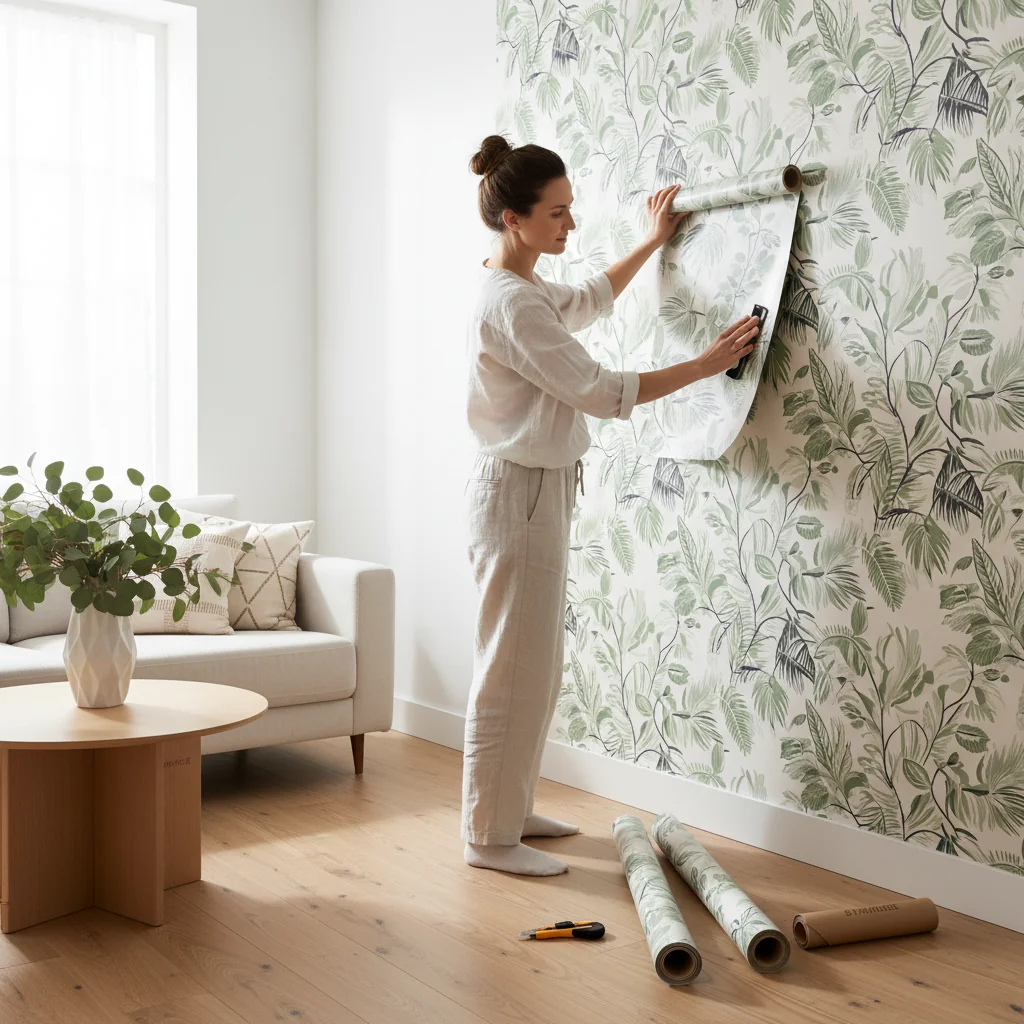
Peel-and-stick tropical wallpaper, also known as self-adhesive wallpaper, features an adhesive backing that is activated by simply peeling off a protective layer and pressing the material onto the wall. This type is highly popular for its ease of installation and removal, making it an excellent choice for renters, temporary decor updates, or those who enjoy frequently changing their interiors.
Peel-and-stick wallpaper is a removable wallcovering that comes with an adhesive backing, allowing for easy application and repositioning without the need for additional paste or tools. It typically utilizes a vinyl or non-woven material base, offering good durability and washability. While generally simpler to install than traditional wallpaper, precise alignment is still necessary to achieve a professional finish, especially with large-scale tropical patterns.
Its temporary nature does not compromise its aesthetic impact; Starhouse curates peel-and-stick options that feature intricate botanical prints, vibrant exotic birds, and serene coastal scenes, providing all the visual drama of traditional wallpaper without the long-term commitment. This type is particularly well-suited for accent walls, furniture revamps, or adding a tropical flair to a child’s room.
Traditional Paste-the-Wall Tropical Wallpaper
Traditional paste-the-wall tropical wallpaper requires the application of a separate adhesive to the wall before hanging the wallpaper panels, resulting in a durable and often more luxurious finish. This method provides superior adhesion and longevity, making it ideal for permanent installations in high-traffic areas or spaces where a truly integrated look is desired.
This category encompasses a wide range of materials, including non-woven, vinyl, and fabric-backed options, each contributing to the overall look and feel. The process, while more involved than peel-and-stick, allows for greater precision during installation as panels can be slid into place before the paste fully sets. Starhouse’s traditional tropical wallpapers often feature rich textures, intricate details, and a depth of color that is difficult to achieve with other types.
Professional installation is often recommended for traditional wallpaper, particularly for large or complex tropical patterns, to ensure perfect seams and pattern alignment. The investment in traditional wallpaper typically yields a more robust and sophisticated aesthetic that can withstand years of use.
Tropical Wall Murals
Tropical wall murals are large-format images or designs printed on several panels that, when assembled, create a single, continuous, and often breathtaking tropical scene that spans an entire wall. Unlike repetitive patterns, murals offer a unique, expansive visual narrative, transforming a wall into a window to a tropical paradise.
Murals are designed to be immersive, featuring detailed landscapes, panoramic views of dense rainforests, dramatic ocean sunsets, or oversized botanical illustrations. They are typically available in both peel-and-stick and traditional paste-the-wall formats, offering flexibility in installation. The scale of a mural makes it an undeniable focal point in any room, capable of defining the entire space’s character.
When selecting a tropical mural, consider the room’s dimensions and the viewing distance. A mural with intricate details may be lost in a very large room or if viewed from too far away. Conversely, a mural with too much detail in a small room can feel overwhelming. Starhouse curates murals that are designed to impress, offering both serene escapism and vibrant energy.
Textured Tropical Wallcoverings
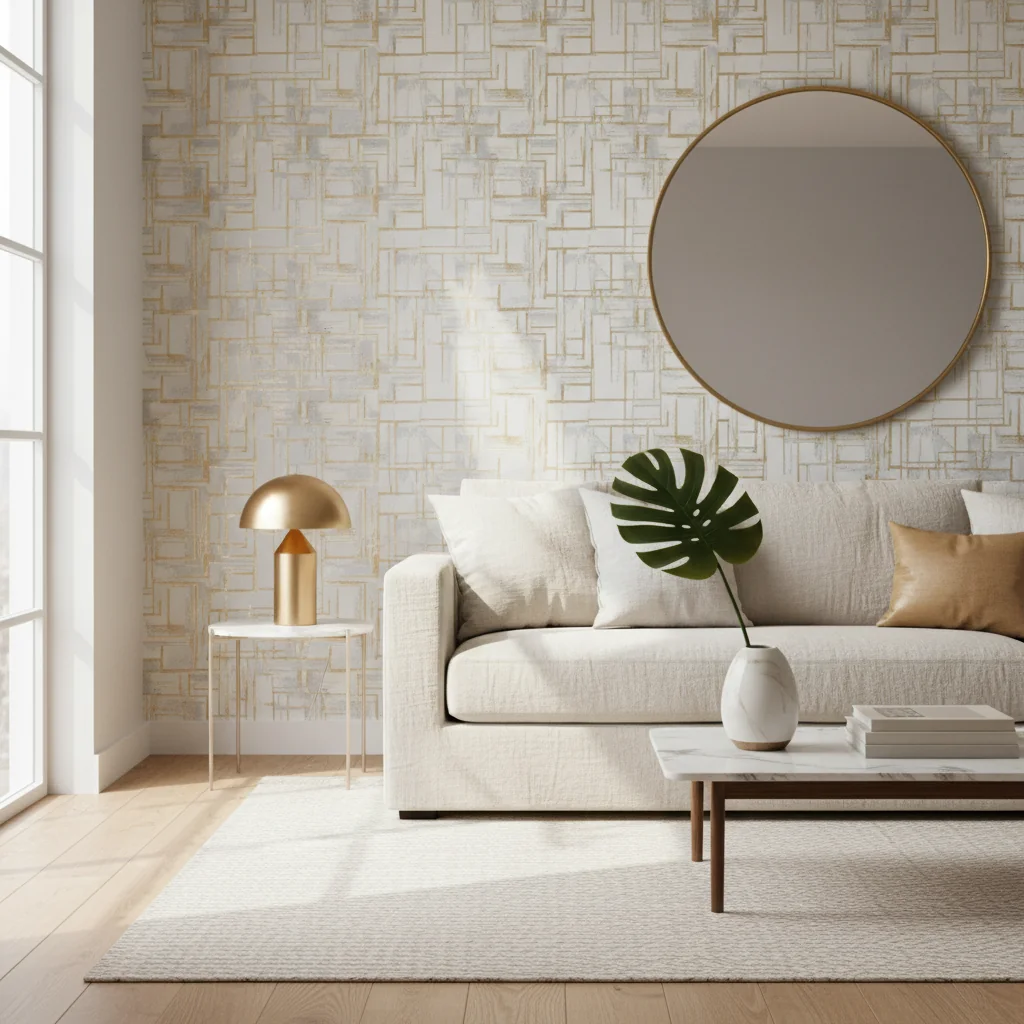
Textured tropical wallcoverings incorporate tactile elements into their design, adding depth, dimension, and a sensory experience beyond visual appeal. These wallcoverings can mimic natural fibers, woven patterns, or embossed designs that enhance the tropical motif, creating a more sophisticated and layered aesthetic.
Common textures include subtle linen weaves, embossed faux grasscloth, or patterns that simulate the veins of a palm leaf or the rough bark of a tree. These textures catch light in unique ways, adding subtle variations and a feeling of luxury. They often come in more muted color palettes, allowing the texture itself to be the primary design element, though vibrant textured options are also available.
Textured wallcoverings are typically more durable and can help conceal minor wall imperfections due to their inherent dimension. They are usually installed using the traditional paste-the-wall method. Starhouse offers textured tropical wallcoverings that provide a refined backdrop, perfect for spaces seeking understated elegance with a natural touch, such as a high-end spa bathroom or a serene bedroom.
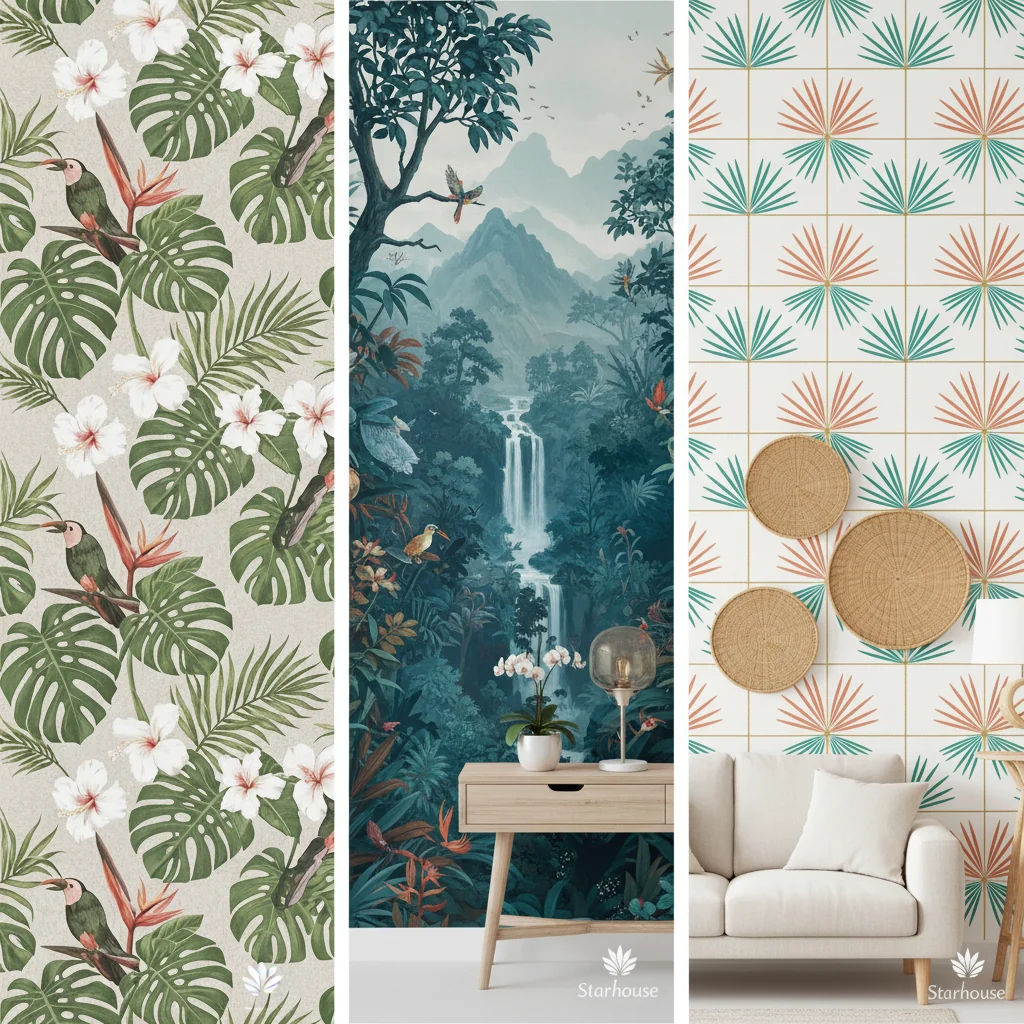
Popular Styles and Motifs in Tropical Wallpaper
Popular styles and motifs in tropical wallpaper encompass a rich tapestry of natural elements, each designed to evoke a distinct mood and aesthetic, ranging from serene botanical escapes to bold, exotic declarations. These motifs draw inspiration from the diverse ecosystems of tropical regions, providing endless possibilities for personal expression in home decor.
Understanding these styles helps in selecting a design that not only aligns with your personal taste but also complements the architectural and functional aspects of your space.
Lush Botanical and Foliage Patterns
Lush botanical and foliage patterns are the quintessential representation of tropical wallpaper, characterized by dense arrangements of leaves, fronds, and plant life, often presented in varying shades of green. These designs aim to create an enveloping sense of nature, bringing the tranquility and richness of a rainforest canopy directly into a room.
Common motifs include oversized banana leaves, delicate palm fronds, intricate monstera leaves, and a myriad of other broad-leafed plants. The scale of these patterns can vary significantly, from small, repeating motifs that create a subtle texture to large-scale, dramatic illustrations that dominate a wall. The color palette typically centers on verdant greens, often accented with touches of white, cream, or earthy browns.
This style is particularly effective in creating a calming and refreshing atmosphere in living rooms, bedrooms, or bathrooms. It pairs beautifully with natural materials like rattan, bamboo, and light wood, enhancing the organic feel of the space. Starhouse curates botanical designs that range from photographic realism to stylized, illustrative interpretations.
Exotic Flora and Fauna Designs
Exotic flora and fauna designs introduce a vibrant and often whimsical element to tropical wallpaper, featuring colorful birds, insects, and blooming flowers alongside lush greenery. These patterns celebrate the biodiversity of tropical regions, bringing a sense of life, energy, and playful elegance to interiors.
Motifs frequently include flamboyant parrots, elegant flamingos, delicate hummingbirds, intricate butterflies, and monkeys peeking through dense foliage. These animal figures are often depicted amidst vibrant hibiscus, orchids, bromeliads, and other exotic flowers, creating a visually stimulating and narrative-rich wallcovering. The color schemes are typically bolder and more saturated than pure botanical patterns, incorporating bright reds, blues, pinks, and yellows.
This style is excellent for creating a focal point in a dining room, adding personality to a powder room, or inspiring creativity in a home office. It can be paired with both contemporary and traditional furnishings, depending on the art style of the illustration. Starhouse offers a selection of these designs that are both sophisticated and enchanting, perfect for those who wish to make a statement.
Coastal and Ocean-Inspired Tropics
Coastal and ocean-inspired tropical patterns blend the lushness of tropical landscapes with the serene elements of beach and marine environments, offering a refreshing and airy aesthetic. These designs evoke the feeling of a seaside escape, combining the tranquility of the ocean with the vibrancy of tropical flora.
Key motifs include stylized coral, seashells, gentle waves, and sea turtles, often integrated with subtle palm trees or beachside foliage. The color palette typically leans towards blues, teals, aquas, sandy beiges, and crisp whites, creating a light and expansive feel. These patterns often feature softer lines and a more subdued overall intensity compared to dense jungle motifs.
This style is ideal for bathrooms, sunrooms, or any space where a bright, calming, and open atmosphere is desired. It pairs well with whitewashed furniture, natural linen textiles, and nautical accents, creating a cohesive coastal tropical theme. Starhouse offers designs that capture the breezy elegance of a beachfront villa or a secluded island getaway.
Abstract and Artistic Tropical Interpretations
Abstract and artistic tropical interpretations move beyond literal depictions, using color, form, and texture to evoke the essence of tropical themes in a more contemporary and sophisticated manner. These designs appeal to those who appreciate modern art and desire a refined, less literal connection to nature.
Instead of realistic leaves or animals, these patterns might feature painterly brushstrokes suggesting foliage, blurred botanical forms, geometric abstractions of tropical elements, or color gradients inspired by sunsets over the ocean. The designs can range from minimalist, monochromatic patterns that hint at tropical forms to vibrant, multi-colored compositions that capture the energy without being overtly representational.
This style is particularly suited for modern homes, minimalist interiors, or spaces where a unique artistic statement is desired. It allows for greater flexibility in pairing with contemporary furniture and art. Starhouse curates abstract tropical wallpapers that offer a fresh, artistic perspective on classic tropical motifs, blending natural inspiration with modern design sensibilities.
Vintage and Retro Tropical Aesthetics
Vintage and retro tropical aesthetics draw inspiration from design eras like the 1940s, 50s, and 60s, featuring classic tropical motifs reinterpreted with a nostalgic charm and often a distinct color palette. These patterns evoke a sense of timeless glamour, reminiscent of old Hollywood or mid-century Hawaiian resorts.
Motifs often include stylized large-scale palms, exotic birds with a more illustrative, less realistic rendering, or classic tiki-inspired patterns. The color schemes frequently incorporate muted pastels, faded brights, or bold, earthy tones combined with unexpected pops of color, reflecting the printing techniques and popular palettes of those eras. Think sepia tones, dusty pinks, and teal blues.
This style is perfect for creating a unique, character-filled space, especially in a living room, bar area, or a themed powder room. It pairs exceptionally well with mid-century modern furniture, vintage decor, and warm wood tones. Starhouse offers retro tropical designs that capture the sophisticated whimsy and enduring appeal of these iconic eras, providing a distinct personality to any room.
Materials and Durability: Choosing the Right Foundation
Choosing the right material for tropical wallpaper is paramount as it dictates not only the aesthetic finish but also the durability, washability, and ease of installation and removal. Each material type offers distinct advantages and disadvantages, making it essential to consider the intended application, traffic level, and environmental conditions of the space.
The foundation material significantly impacts how the wallpaper performs over time, how it cleans, and its resistance to wear and tear. At Starhouse, we understand that the quality of the substrate is as important as the beauty of the design.
Non-Woven Backing
Non-woven wallpaper is a high-quality, breathable, and tear-resistant material made from a blend of natural and synthetic fibers. This material is highly regarded for its stability, making it easier to install and remove compared to traditional paper-backed wallpapers.
Non-woven wallpaper is a durable and breathable wallcovering material composed of natural and synthetic fibers, known for its ease of installation (paste-the-wall method) and clean removability without damaging walls. It offers excellent dimensional stability, meaning it resists shrinking or expanding when wet, which prevents unsightly seam gaps. This type is also often washable and resistant to mildew, making it suitable for various rooms including bathrooms and kitchens.
Starhouse frequently utilizes non-woven backings for its tropical collections due to their superior performance and eco-friendliness. They are often PVC-free and printed with water-based inks, appealing to environmentally conscious consumers. Non-woven wallpaper is an excellent choice for those seeking a durable, easy-to-manage, and beautiful tropical design.
Vinyl Wallpaper
Vinyl wallpaper is a highly durable and moisture-resistant option, making it exceptionally practical for high-traffic areas, kitchens, and bathrooms where cleanliness and longevity are priorities. It consists of a printed design layer applied to a paper or fabric backing, then coated with a layer of vinyl (PVC).
The vinyl coating provides a robust, scrubbable surface that can withstand splashes, stains, and frequent cleaning, making it ideal for families or commercial settings. While some older vinyl wallpapers had a plastic-like appearance, modern advancements have allowed for sophisticated textures and matte finishes that mimic natural materials or intricate patterns without sacrificing durability. They are also highly resistant to fading and general wear.
Starhouse offers vinyl tropical wallpapers that combine vibrant, detailed designs with practical resilience. While vinyl is less breathable than non-woven, proper wall preparation and ventilation can mitigate potential moisture issues. It is important to note that vinyl wallpapers are generally more challenging to remove than non-woven types, often requiring steaming or specialized removers.
Fabric-Backed Wallpaper
Fabric-backed wallpaper, often composed of natural fibers like linen, silk, or cotton laminated to a paper or non-woven backing, offers a luxurious, tactile finish that adds significant depth and warmth to a space. This material is known for its exquisite texture and upscale appearance, making it a premium choice for sophisticated interiors.
The textile surface can range from subtle weaves to pronounced textures, enhancing the organic feel of tropical patterns. While offering a high-end aesthetic, fabric-backed wallpapers typically require professional installation due to their weight and delicate nature. They are generally less washable than vinyl and non-woven options and are best suited for lower-traffic areas where their beauty can be preserved.
Starhouse curates fabric-backed tropical wallcoverings for clients seeking an elevated design statement, where the texture itself contributes significantly to the tropical ambiance, perhaps mimicking woven grass or the soft drape of botanical leaves. These are often chosen for formal living rooms, master bedrooms, or elegant dining areas.
Natural Fiber Wallcoverings
Natural fiber wallcoverings, such as grasscloth, jute, or sisal, bring unparalleled organic texture and warmth to a room, offering a subtle yet impactful way to introduce tropical elements. These materials are inherently unique, with variations in weave and color that provide a handcrafted, artisanal feel.
Unlike printed wallpapers, the tropical ‘pattern’ in natural fiber wallcoverings comes from the inherent texture and weave of the material itself, or from subtle, integrated botanical elements. They create a sophisticated, understated backdrop that complements other tropical decor without overwhelming the space. They are typically unpasted and require a heavy-duty adhesive and careful installation.
While beautiful, natural fiber wallcoverings are generally less durable than vinyl and can be sensitive to moisture and direct sunlight. They are also not typically washable and are best suited for low-traffic areas or accent walls. Starhouse features natural fiber options for those who desire authentic, sustainable textures that evoke the raw beauty of tropical landscapes.
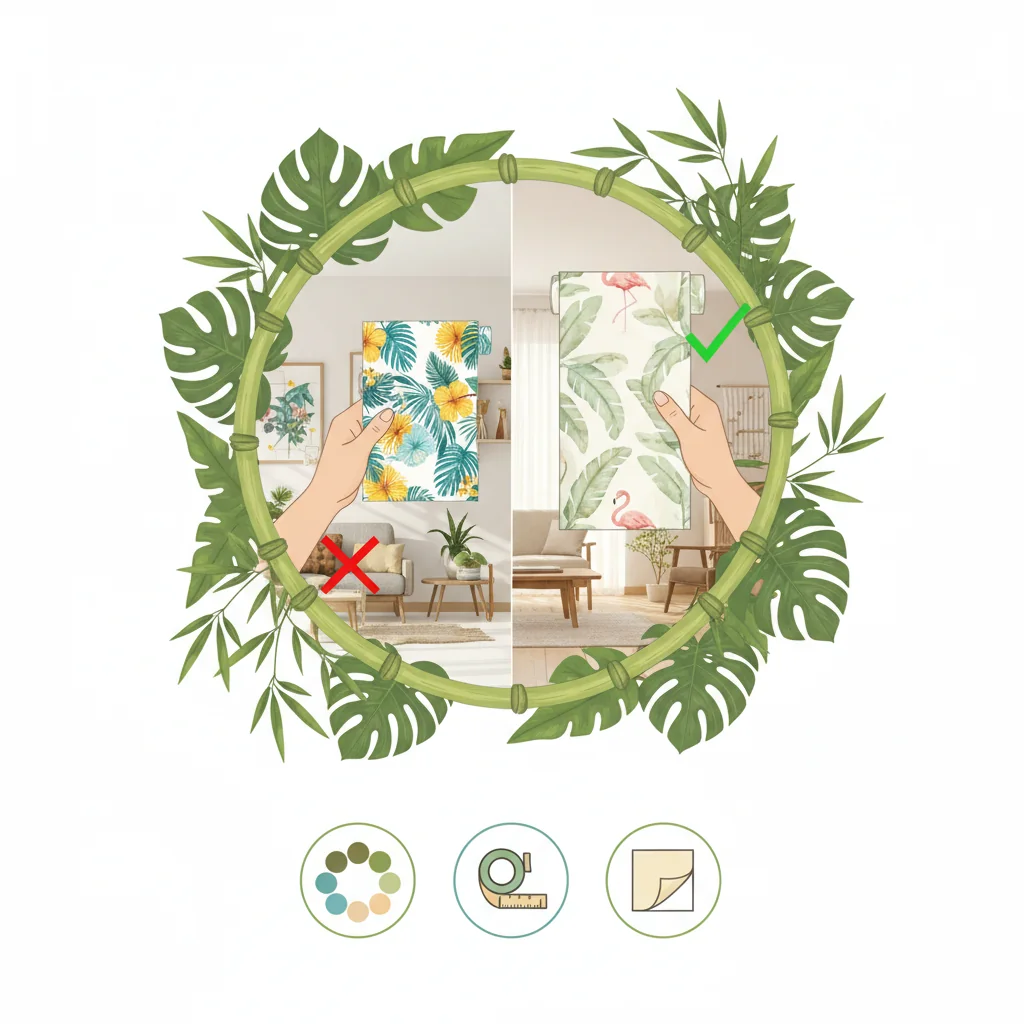
Comparison Table: Wallpaper Material Properties
| Material Type | Durability | Washability | Installation Difficulty | Ideal Use Cases | Approx. Price Range (per single roll) |
|---|---|---|---|---|---|
| Peel-and-Stick (Vinyl/Non-Woven) | Moderate to High | High (Wipeable) | Easy (DIY Friendly) | Rentals, temporary decor, accent walls, furniture | $40 – $100 |
| Non-Woven (Paste-the-Wall) | High | High (Washable) | Moderate (DIY possible) | Living rooms, bedrooms, dining rooms, hallways | $60 – $150 |
| Vinyl (Paste-the-Wall) | Very High | Very High (Scrubbable) | Moderate (Can be heavy) | Kitchens, bathrooms, high-traffic areas, commercial | $50 – $120 |
| Fabric-Backed | Moderate | Low (Spot Clean Only) | High (Professional Recommended) | Formal living rooms, master bedrooms, dining rooms | $100 – $300+ |
| Natural Fiber (Grasscloth, Jute) | Moderate | Very Low (Vacuum/Dry Cloth) | High (Professional Recommended) | Accent walls, low-traffic areas, formal spaces | $80 – $250+ |
How to Choose the Perfect Tropical Wallpaper for Your Space
Choosing the perfect tropical wallpaper for your space involves a meticulous evaluation of various design elements, functional requirements, and personal preferences to ensure a harmonious and impactful result. A thoughtful selection process prevents common design pitfalls and guarantees the wallpaper enhances, rather than detracts from, your interior aesthetic.
This process includes assessing the room’s inherent characteristics, the scale of the pattern, existing decor, and the desired mood, culminating in a choice that feels both personal and professionally curated.
Consider Your Room’s Function and Lighting
The function of a room and its natural and artificial lighting conditions are critical factors in selecting tropical wallpaper. A pattern that looks stunning in a brightly lit showroom might appear entirely different in a dimly lit north-facing room or a bustling kitchen.
- Function: For high-moisture areas like bathrooms or kitchens, opt for durable, washable vinyl wallpaper. In bedrooms or living rooms, a non-woven or even a delicate fabric-backed option might be suitable. Consider the traffic level; a vibrant, busy pattern can hide imperfections in a hallway, while a serene design is better for a relaxation space.
- Lighting: Rooms with abundant natural light can handle bolder, darker tropical patterns without feeling enclosed. Conversely, smaller rooms or those with limited natural light benefit from lighter backgrounds, reflective surfaces, or patterns with more white space to enhance brightness and openness. Artificial lighting also plays a role; warm lights can soften colors, while cool lights can intensify blues and greens. Always test samples in situ under various lighting conditions throughout the day.
Evaluate Scale and Pattern Density
The scale of the tropical pattern and its density significantly influence how a room feels and how effectively the design communicates its intended message. Misjudging scale can make a room feel either overwhelming or underwhelming.
- Large-Scale Patterns: Oversized banana leaves, large exotic birds, or expansive floral motifs are best suited for larger rooms or accent walls. They create a dramatic focal point and can make a grand statement without feeling cluttered if the room has sufficient space for the pattern to unfold. In smaller rooms, a large pattern might be cut off awkwardly, losing its impact.
- Small-Scale and Dense Patterns: Intricate botanical repeats or smaller, tightly packed foliage designs work well in smaller spaces like powder rooms or as a subtle backdrop in a larger room. They add texture and visual interest without dominating. However, in very large rooms, a small, dense pattern might appear busy or lose its distinct tropical identity from a distance.
- Open vs. Dense Designs: Patterns with more negative space (open designs) can make a room feel airier and more expansive. Densely packed patterns, while rich and immersive, can make a room feel cozier or even smaller.
Harmonize with Existing Décor and Color Palette
The chosen tropical wallpaper must seamlessly integrate with your existing furnishings, textiles, and overall color palette to create a cohesive and sophisticated interior. It should act as an enhancement, not a competition, to your current style.
Consider the dominant colors already present in your room. If you have a neutral base, a vibrant tropical wallpaper can introduce a pop of color. If your room is already colorful, choose a wallpaper with a more subdued palette or one that incorporates existing accent colors to tie everything together. For example, if your sofa is emerald green, a tropical pattern with subtle green undertones would create harmony.
Also, evaluate the style of your furniture. Mid-century modern pieces pair well with retro tropical designs, while contemporary minimalist furniture might benefit from abstract tropical interpretations or subtle botanical prints. A traditional space could be elevated by a classic toile-style tropical motif or a rich, fabric-backed design.
Define Your Desired Mood and Ambiance
Before selecting a tropical wallpaper, clearly define the mood and ambiance you wish to create in the room. The visual language of tropical patterns is incredibly diverse, capable of evoking a wide range of emotions.
- Serene and Relaxing: Opt for patterns with soft, muted greens, blues, or sandy tones. Think watercolor palm fronds, gentle coastal scenes, or understated botanical prints with ample white space. These are ideal for bedrooms, meditation spaces, or quiet reading nooks.
- Vibrant and Energetic: Choose bold, saturated colors and dynamic motifs like large-scale exotic flowers, playful monkeys, or colorful parrots. These patterns inject energy and personality, perfect for living rooms, dining rooms, or children’s play areas.
- Luxurious and Sophisticated: Look for designs with intricate detailing, metallic accents, deep jewel tones, or textured finishes like faux grasscloth. Vintage-inspired patterns or artful abstractions also contribute to an elevated aesthetic, suitable for formal dining rooms or elegant master suites.
- Whimsical and Playful: Cartoonish animals, simplified illustrations, or bright, cheerful color palettes are excellent for children’s rooms, nurseries, or creative spaces.
Test Samples Before Committing
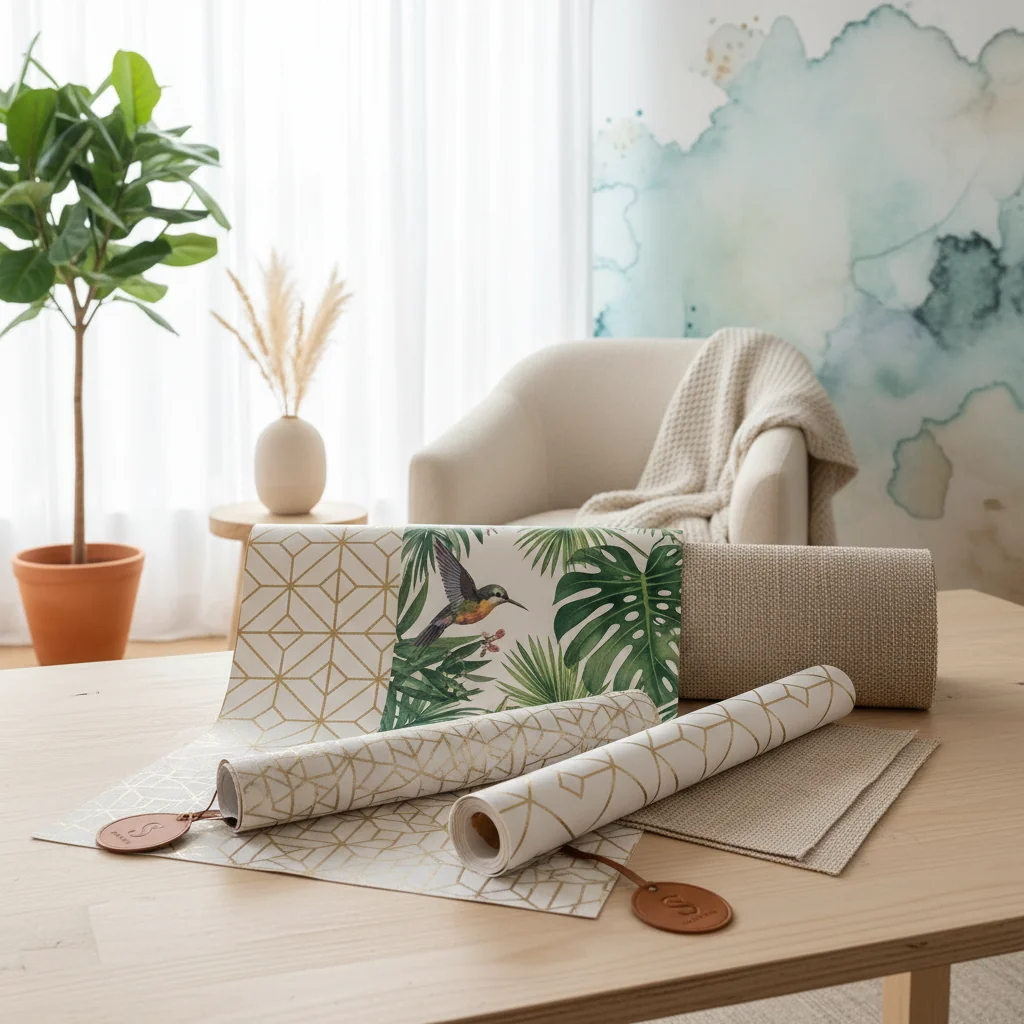
Testing physical samples of your chosen tropical wallpaper in the actual space is the single most critical step in the selection process. Online images can be deceptive, and a small swatch can look very different when expanded across an entire wall.
Order several samples of your preferred patterns and tape them to different walls in the room. Observe them throughout the day, under various natural and artificial lighting conditions. Pay attention to how the colors shift, how the pattern interacts with the room’s architecture, and how it feels in relation to your existing furniture and decor. This step helps confirm your choice and prevents costly mistakes, ensuring the tropical wallpaper truly fulfills your vision.
At Starhouse, we advocate for this hands-on approach, as it empowers you to make a confident and informed decision that you will cherish for years to come.
Sizing and Measuring for a Seamless Installation
Accurate sizing and meticulous measurement are indispensable steps for a seamless tropical wallpaper installation, ensuring you purchase the correct quantity of rolls and minimize waste. Precise measurements prevent unsightly gaps, misaligned patterns, and unexpected additional costs, laying the foundation for a professional-looking finish.
Understanding your wall dimensions, wallpaper roll specifications, and pattern repeat is crucial before placing an order.
Accurate Wall Measurement Techniques
To accurately measure your walls, you will need a reliable tape measure, a pencil, and a notepad. Do not estimate; precise measurements are key.
- Measure Height: Measure the height of each wall from the baseboard to the ceiling. If your ceiling height varies, measure in several spots and use the tallest measurement for that wall. For walls with architectural features like windows or doors, measure the height of the wall sections above and below these features separately, but always use the maximum height for calculating wallpaper strips.
- Measure Width: Measure the width of each wall. Sum these widths to get the total perimeter of the room, or measure each wall individually if you are only wallpapering specific sections. For walls with windows or doors, measure the width of the wallpaperable sections around them.
- Account for Irregularities: If your room has sloped ceilings, alcoves, or other architectural irregularities, measure these sections individually and carefully. It is often advisable to add a few extra inches to each measurement to account for trimming and pattern matching.
Always round up to the nearest full foot for both height and width to provide a small buffer. For example, a wall that is 8 feet 6 inches tall should be treated as 9 feet for calculation purposes.
Understanding Roll Dimensions and Coverage
Wallpaper rolls come in standard dimensions, but these can vary between manufacturers and types of wallpaper. Always check the specific dimensions provided by Starhouse for your chosen tropical wallpaper.
- Single Roll vs. Double Roll: Wallpaper is often sold in “single rolls,” but many manufacturers package it as “double rolls” (which are effectively two single rolls packaged together). The listed square footage often refers to a double roll. Be sure to confirm whether the price and dimensions are for a single or double roll to avoid confusion. A common double roll might be 20.5 inches wide by 33 feet long, covering approximately 56 square feet.
- Usable Coverage: The stated square footage is the theoretical maximum. In practice, you will lose some material due to pattern repeat and trimming. Therefore, the “usable coverage” will always be slightly less than the advertised square footage.
Accounting for Pattern Repeat
Pattern repeat is the vertical distance on a wallpaper roll before the design repeats itself, a crucial measurement for ensuring the pattern aligns seamlessly across multiple strips. This measurement dictates how much extra material you will need per strip for proper alignment.
A straight match means the pattern aligns horizontally at the same height on adjacent strips. A drop match (or half-drop match) means the pattern aligns diagonally, and the second strip needs to be dropped a certain distance to match the first. Free match wallpapers have no pattern repeat, making them the easiest to install with minimal waste.
For patterns with a large repeat (e.g., 20 inches or more), you will need to purchase additional rolls. A general rule of thumb is to add one full pattern repeat to the height of each strip you cut, especially for the first few strips. The larger the pattern repeat, the more waste you will generate, and thus, more rolls you will need.
Calculating the Number of Rolls Needed
Follow these steps to calculate the number of tropical wallpaper rolls required:
- Calculate Total Wall Surface Area (in square feet): Multiply the total width of the walls you plan to wallpaper by their maximum height. (e.g., 40 feet wide x 9 feet high = 360 sq ft).
- Estimate Usable Roll Coverage: Take the stated square footage of a single (or double) roll and subtract 15-20% for waste due to pattern repeat and trimming. For very large or complex tropical patterns, or those with significant drop matches, you might subtract up to 25-30%. (e.g., a 56 sq ft double roll becomes approximately 45-48 sq ft usable).
- Divide Total Wall Area by Usable Roll Coverage: Divide the total square footage of your walls by the usable square footage per roll. Round up to the nearest whole number. (e.g., 360 sq ft / 45 sq ft per roll = 8 rolls).
- Add a Buffer: Always purchase at least one extra roll beyond your calculation. This accounts for unexpected errors, future repairs, or miscuts. It is far better to have an extra roll from the same dye lot than to run short and potentially face color variations or discontinued patterns.
If you are unsure, consult with a professional installer or a Starhouse design consultant. They can assist with precise calculations, especially for rooms with complex layouts or very large pattern repeats, ensuring you have ample material for a flawless tropical transformation.
Installation Best Practices: A Professional Finish
Achieving a professional finish when installing tropical wallpaper relies on meticulous preparation, the right tools, and a methodical approach, whether you choose to undertake the project yourself or hire an expert. Proper installation ensures the longevity of the wallpaper and maximizes its visual impact, turning your chosen tropical design into a true work of art.
Even with peel-and-stick options, attention to detail is paramount for a flawless result.
Surface Preparation is Paramount
Thorough wall preparation is the most critical step, directly impacting the adhesion, appearance, and durability of your tropical wallpaper. Skipping this stage almost guarantees a subpar result.
- Clean the Walls: All walls must be clean, dry, and free of dust, dirt, grease, and mildew. Use a mild detergent solution (like sugar soap or TSP substitute) and rinse thoroughly. Allow ample drying time, typically 24 hours.
- Repair Imperfections: Fill any holes, cracks, or dents with spackle or joint compound. Sand these areas smooth once dry, ensuring the surface is perfectly flat. Wallpaper, especially thinner types, will highlight any imperfections underneath.
- Remove Old Wallpaper: If there’s existing wallpaper, it must be completely removed. Residual adhesive or uneven surfaces will compromise the new wallpaper’s adhesion and appearance.
- Prime the Walls: Apply a high-quality wallpaper primer (also known as a “sizing” or “wall-covering primer”). This step is crucial for both traditional and peel-and-stick wallpapers. Primer seals porous surfaces, promotes better adhesion, allows for easier repositioning during installation, and facilitates easier removal in the future. For dark walls, consider a tinted primer to prevent the underlying color from showing through light-colored tropical patterns.
- Ensure Smoothness: The surface must be as smooth as possible. Even minor bumps can create shadows or prevent the wallpaper from adhering evenly, especially with patterns that have a glossy finish or fine details.
Tools and Equipment for Success
Having the right tools readily available will streamline the installation process and contribute to a cleaner, more professional outcome. Do not attempt to improvise with inadequate equipment.
- Measuring Tape and Pencil: For accurate measurements and marking.
- Level and Plumb Bob (or Laser Level): Essential for drawing perfectly straight vertical lines to guide your first strip, ensuring all subsequent strips are plumb.
- Utility Knife with Snap-Off Blades: A sharp blade is crucial for clean cuts along edges and trim. Dull blades will tear the paper.
- Smoothing Tool (Smoother/Squeegee): To press out air bubbles and ensure firm adhesion.
- Seam Roller: For traditional wallpaper, to flatten seams without damaging the surface.
- Wallpaper Paste (for unpasted wallpaper): A high-quality, pre-mixed adhesive suitable for your wallpaper type.
- Paste Brush or Roller: For applying paste evenly to the wall or wallpaper back.
- Large Work Surface: A clean, flat table for cutting and pasting.
- Bucket of Clean Water and Sponge/Cloth: For wiping off excess paste and cleaning tools.
- Step Ladder: For reaching high areas safely.
Step-by-Step Installation Guide (General)
While specific instructions vary by wallpaper type, these general steps provide a foundational approach to installing tropical wallpaper.
- Prepare Your Space: Clear the room, cover floors, and ensure walls are prepped as described above.
- Measure and Cut First Strip: Measure your wall height and add 4-6 inches for trimming at the top and bottom. Cut your first strip of wallpaper. For patterns, align it with the ceiling or a consistent reference point.
- Draw Plumb Line: Use a level and plumb bob to draw a perfectly straight vertical line on your wall, starting about 20 inches (or slightly less than your roll width) from a corner. This line guides your first strip.
- Apply Paste (Traditional) or Peel Backing (Peel-and-Stick):
- Traditional: Apply an even layer of paste directly to the wall for “paste-the-wall” types, or to the back of the wallpaper for “paste-the-paper” types. Book the paper (fold ends to the middle, adhesive side in) and let it rest for the recommended time.
- Peel-and-Stick: Peel back a few inches of the protective backing from the top of your first strip.
- Hang the First Strip: Align the edge of the strip with your plumb line, starting from the top. Smooth it down gently from the center outwards, working your way down the wall. Use your smoothing tool to remove air bubbles.
- Trim Excess: Once the strip is firmly in place, use a sharp utility knife and a straight edge (like a ruler or broad knife) to trim the excess wallpaper at the ceiling and baseboard.
- Hang Subsequent Strips: For each subsequent strip, align the pattern carefully with the previous strip. For traditional wallpaper, butt the edges together tightly without overlapping. For peel-and-stick, some slight overlap might be recommended, check manufacturer instructions. Smooth and trim as before.
- Clean Up: Wipe off any excess paste immediately with a damp sponge. Ensure all seams are flat.
When to Hire a Professional Installer
Hiring a professional wallpaper installer is a wise decision for several scenarios, ensuring a flawless and long-lasting finish, especially with complex tropical designs or challenging room layouts.
- Complex Patterns: Large-scale tropical murals, intricate drop-match patterns, or designs with delicate details require expert precision for seamless alignment.
- Expensive Materials: If you’ve invested in high-end fabric-backed, natural fiber, or specialty tropical wallcoverings, a professional ensures they are handled correctly to prevent damage and waste.
- Challenging Rooms: Rooms with many windows, doors, angled walls, high ceilings, or architectural features (like crown molding or built-ins) are difficult for DIYers to navigate without experience.
- Time Constraints: Professional installers can complete the job efficiently and often faster than a DIY approach, minimizing disruption to your home.
- Guaranteed Results: Most reputable installers offer a guarantee on their work, providing peace of mind that the job will be done correctly.
While DIY installation of peel-and-stick tropical wallpaper is achievable for many, traditional methods or complex designs often benefit significantly from professional expertise. Starhouse recommends considering a professional for optimal results, especially for your focal point walls.
Styling and Pairing Tropical Wallpaper in Every Room
Styling and pairing tropical wallpaper effectively involves a thoughtful integration with existing furnishings, textiles, lighting, and accessories to create a cohesive and aspirational interior design narrative. The goal is to ensure the wallpaper acts as a foundational element that enhances the room’s overall aesthetic, rather than overwhelming it.
By carefully considering color palettes, textures, and furniture styles, you can transform any room into a captivating tropical retreat tailored to its specific function and desired mood.
Living Room: A Verdant Retreat
In the living room, tropical wallpaper can establish a verdant retreat, inviting relaxation and conversation. For a sophisticated look, consider a large-scale botanical print on an accent wall behind a sofa or entertainment unit.
Pair lush green foliage patterns with natural wood furniture (teak, bamboo, rattan) and neutral upholstery in linen or cotton. Introduce pops of color through throw pillows in shades of coral, deep teal, or mustard yellow, echoing subtle hues in the wallpaper. Metallic accents in brass or gold can add a touch of luxury. For lighting, consider woven pendant lights or floor lamps with organic shapes to enhance the natural theme. A large area rug in a natural fiber like jute or sisal will ground the space and add texture.
Bedroom: Serene Sanctuary
Transforming a bedroom into a serene tropical sanctuary calls for softer patterns and a calming color palette. A wallpaper featuring delicate palm fronds, subtle watercolor botanicals, or a gentle coastal scene behind the bed creates a tranquil focal point.
Opt for lighter shades of green, blue, or sandy beige in the wallpaper. Complement this with crisp white or cream bedding, perhaps with subtle embroidery or texture. Introduce soft textiles like linen curtains and throw blankets. Furniture in light wood tones or painted white will maintain an airy feel. Minimalist decor, diffused lighting, and perhaps a few live plants (like a snake plant or parlor palm) will complete the peaceful tropical ambiance.
Bathroom: Spa-Like Oasis
A bathroom is an ideal space for bold tropical wallpaper, turning it into a spa-like oasis. Given the typically smaller size and presence of moisture, vinyl or highly washable non-woven options are recommended.
Consider a vibrant banana leaf print, an exotic bird motif, or a dramatic floral design. Pair with clean, modern fixtures in chrome or matte black. White or light-colored tiles and sanitary ware will provide a fresh contrast to the bold wallpaper. Add natural elements like bamboo bath mats, wooden shelving, and lush green plants (ferns, orchids). Mirrors with simple frames or frameless designs will reflect the pattern and expand the perceived space.
Dining Room: Exotic Elegance
The dining room can exude exotic elegance with a well-chosen tropical wallpaper, setting a sophisticated backdrop for entertaining. A vintage-inspired tropical pattern or an abstract interpretation can create a unique atmosphere.
Choose a wallpaper with rich jewel tones (deep greens, blues, purples) or a dramatic black-and-white botanical. Pair with a substantial dining table in dark wood or a sleek modern design. Upholstered dining chairs in a complementary solid color or a subtle texture will add comfort and refinement. A statement chandelier or pendant lights with natural materials (like capiz shell or rattan) will enhance the exotic feel. Minimal table decor, such as a simple floral arrangement or sculptural centerpiece, allows the wallpaper to shine.
Home Office: Inspiring Escape
For a home office, tropical wallpaper can create an inspiring escape, fostering creativity and reducing stress. Opt for patterns that are visually engaging but not overly distracting.
A subtle geometric tropical print, a stylized nature scene, or a calming botanical mural can work wonders. Pair with functional, minimalist furniture to keep the workspace uncluttered. Introduce elements like a comfortable desk chair, organized shelving, and perhaps a small indoor plant. The color palette can lean towards calming greens, blues, or even a sophisticated monochrome. Good task lighting is essential, and a small, framed piece of art that complements the wallpaper can tie the look together.
Children’s Rooms: Playful Paradise
Tropical wallpaper can transform a child’s room into a playful paradise, sparking imagination and a love for nature. Choose designs that are cheerful, colorful, and age-appropriate.
Consider patterns featuring friendly jungle animals, simplified botanical illustrations, or vibrant, whimsical tropical scenes. Peel-and-stick options are particularly practical here, allowing for easy updates as the child grows. Pair with bright, colorful furniture and playful textiles. Incorporate storage solutions that are easily accessible for toys and books. The tropical theme can extend to bedding, rugs, and wall art, creating a cohesive and enchanting environment for play and rest.
For any room, remember that the key is balance. If your tropical wallpaper is bold, keep other elements more subdued. If the wallpaper is subtle, you can introduce more vibrant accents elsewhere. The goal is a curated space that feels inviting, stylish, and uniquely yours.
As Starhouse curates its collection of exquisite wallcoverings and home furnishings, we invite you to be part of our journey. Tell us what you’re looking for in tropical wallpaper and beyond, and get early access to our upcoming launch.
Maintaining Your Tropical Wallpaper: Care and Longevity
Proper maintenance of your tropical wallpaper is essential for preserving its vibrant beauty and ensuring its longevity, protecting your investment and keeping your interiors looking fresh. Different wallpaper materials require specific care routines, and understanding these distinctions prevents damage and maintains the integrity of the design.
Regular, gentle cleaning, coupled with preventative measures, can significantly extend the life of your wallcoverings.
General Cleaning Guidelines
Most tropical wallpapers, especially those made from non-woven or vinyl materials, are designed for relatively easy cleaning. Always refer to the manufacturer’s specific care instructions, which are often provided with the roll or on the product’s packaging.
- Dust Regularly: Use a soft, dry cloth, a feather duster, or a vacuum cleaner with a soft brush attachment to gently remove dust and cobwebs from the wallpaper surface. This prevents dust buildup that can dull the pattern over time.
- Spot Clean Promptly: For small marks or smudges, address them as quickly as possible. Use a clean, damp (not wet) sponge or soft cloth with a mild, non-abrasive soap solution (e.g., a few drops of dish soap in warm water). Dab the stain gently; do not rub vigorously, as this can damage the surface or spread the stain.
- Test in an Inconspicuous Area: Before cleaning a visible area, always test your cleaning solution and method on a hidden spot, such as behind furniture or in a closet. This ensures the cleaner will not cause discoloration or damage to the wallpaper.
- Wipe from Bottom Up: When cleaning larger sections, start wiping from the bottom of the wall and work your way up. This prevents dirty water streaks from running down and staining dry areas.
- Rinse and Dry: After cleaning, wipe the area with a clean, damp cloth (water only) to remove any soap residue. Then, immediately dry the cleaned section with a soft, clean towel to prevent water spots or moisture damage.
For natural fiber wallcoverings like grasscloth, avoid water entirely. Instead, use a dry, soft cloth or a vacuum cleaner with a brush attachment to gently remove dust and debris. Any liquid spill on these materials should be blotted immediately with a dry cloth.
Addressing Specific Stains
Different types of stains require specific approaches to prevent further damage to your tropical wallpaper:
- Grease/Oil Stains: For washable wallpapers, gently dab with a cloth moistened with a mild degreasing agent or a small amount of rubbing alcohol (test first). For non-washable types, carefully blot with a dry absorbent material like cornstarch or talcum powder, letting it sit to absorb the oil before gently brushing it off.
- Ink Stains: These are notoriously difficult. For washable vinyl, a small amount of rubbing alcohol on a cotton swab might work (test thoroughly). For other types, professional cleaning may be necessary, or the stain might be permanent.
- Mold/Mildew: If mold or mildew appears, it indicates a moisture problem that needs to be addressed immediately. For washable wallpaper, clean with a diluted bleach solution (1 part bleach to 10 parts water) or a commercial mildew cleaner. Wear gloves and ensure good ventilation. If mold persists or is extensive, it may indicate a deeper issue behind the wall.
- Scuffs/Marks: For light scuffs on durable vinyl, a magic eraser (used very gently and tested first) might remove them. For most other types, a gentle rub with a pencil eraser might work.
Always exercise caution and gentleness. Aggressive scrubbing can damage the printed surface, fade colors, or compromise the material’s integrity.
Preventative Measures for Durability
Proactive steps can significantly enhance the durability and appearance of your tropical wallpaper over time.
- Control Humidity: In bathrooms or kitchens, ensure adequate ventilation to prevent excessive moisture buildup, which can lead to peeling or mold growth. Use exhaust fans and consider a dehumidifier in humid climates.
- Avoid Direct Sunlight: Prolonged exposure to direct sunlight can cause wallpaper colors to fade over time. Use blinds, curtains, or UV-protective window films on windows facing direct sun to protect your investment.
- Protect High-Traffic Areas: In hallways or areas where furniture might rub against walls, consider installing chair rails or clear protective guards to prevent scuffs and tears.
- Proper Installation: As previously discussed, a professional and meticulous installation is the first and most crucial step in ensuring longevity. Well-adhered wallpaper is far more resistant to damage.
- Regular Inspection: Periodically inspect your wallpaper for small issues like lifting seams or minor damage. Addressing these promptly can prevent them from worsening and becoming more costly to repair.
By adhering to these care and maintenance guidelines, your tropical wallpaper from Starhouse will continue to be a stunning and vibrant feature in your home for many years, providing a beautiful backdrop to your daily life.
Current Trends in Tropical Wallpaper Design
Current trends in tropical wallpaper design reflect a dynamic evolution, moving beyond traditional motifs to embrace more sophisticated interpretations, sustainable practices, and artistic expressions. Designers and homeowners are seeking ways to integrate natural elements with contemporary aesthetics, resulting in diverse and captivating offerings.
These trends emphasize both bold statements and subtle elegance, catering to a wide range of personal styles and design philosophies.
Maximalist Botanicals
Maximalist botanicals are a dominant trend, characterized by lush, dense, and often oversized tropical foliage and floral patterns that create an immersive, all-encompassing natural experience. This style embraces abundance and richness, transforming walls into vibrant, living canvases.
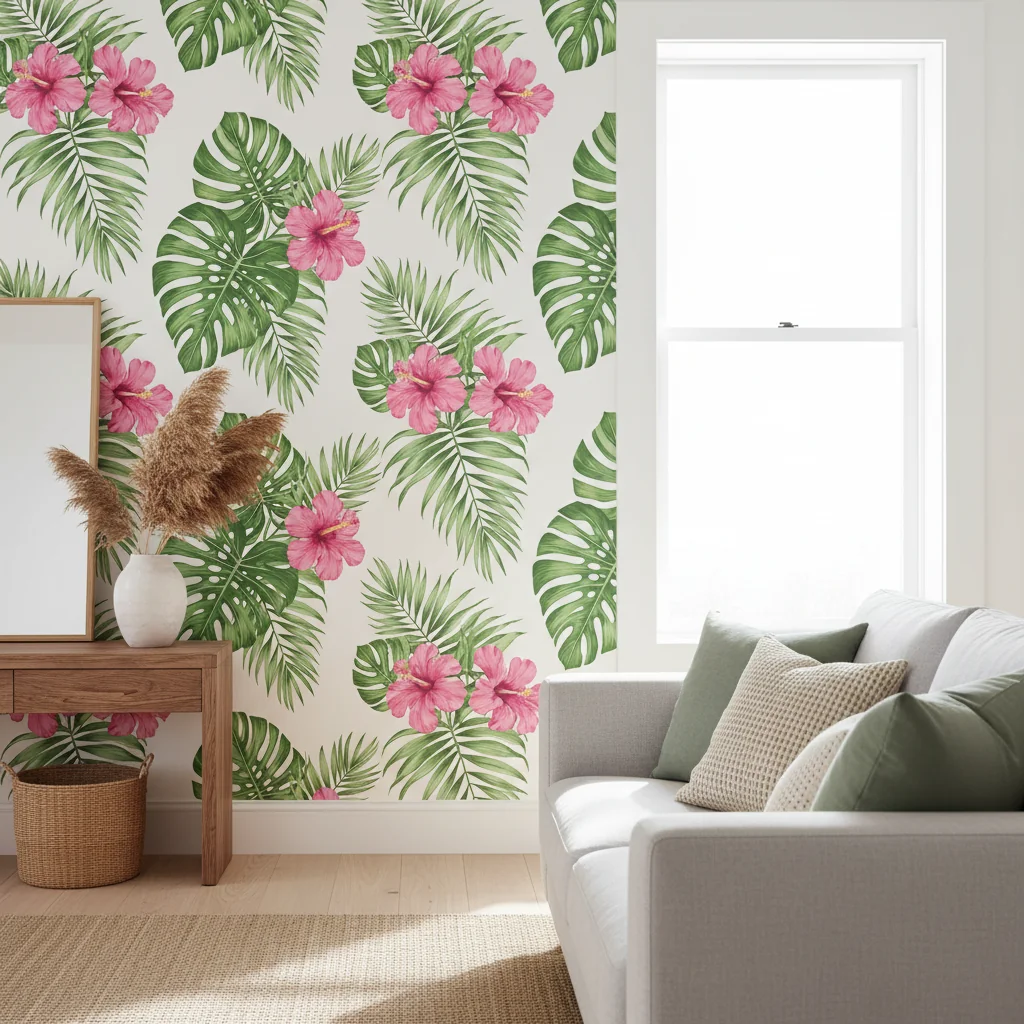
Expect to see patterns with layers of different leaves (monstera, banana, palm), exotic flowers (hibiscus, orchids, birds of paradise), and sometimes even hidden animals, all rendered in rich, saturated greens, deep blues, and pops of vibrant color. The scale is often grand, with elements extending across multiple panels to create a continuous, dramatic landscape. This trend is about creating a “more is more” aesthetic that is both luxurious and adventurous, perfect for making a bold statement in a living room, dining area, or even a powder room. It pairs well with eclectic decor and rich textures.
Subtle and Sophisticated Tropics
In contrast to maximalism, subtle and sophisticated tropical designs offer a more understated approach, using refined patterns, muted color palettes, and delicate illustrations to evoke a sense of calm elegance. This trend appeals to those who desire a connection to nature without overwhelming their space.
Look for designs featuring delicate, line-drawn palm fronds, soft watercolor botanicals with plenty of white space, or abstract interpretations of tropical elements in monochromatic or soft pastel hues. Grasscloth wallpapers with a subtle tropical weave also fall into this category, providing texture over overt pattern. These designs are ideal for creating a serene backdrop in bedrooms, home offices, or living rooms where tranquility is paramount. They pair beautifully with minimalist furniture, natural materials, and a curated selection of art.
Artistic Renderings and Illustrations
The trend of artistic renderings and illustrations in tropical wallpaper elevates the design to a fine art form, moving away from purely photographic or realistic depictions. These patterns often feature hand-painted styles, intricate linework, or graphic, stylized interpretations of tropical flora and fauna.
This includes designs that mimic charcoal sketches of palm trees, impressionistic paintings of jungle scenes, or bold, graphic illustrations of exotic birds. The artistry itself becomes a key feature, adding a unique, bespoke quality to the wallcovering. Color palettes can range from classic black and white to vibrant, painterly hues. This trend is perfect for those who appreciate unique artistic expression and want their walls to reflect a curated, gallery-like aesthetic, suitable for contemporary or art-centric interiors.
Sustainable and Eco-Friendly Options
The growing emphasis on sustainability has significantly impacted tropical wallpaper design, leading to an increased demand for eco-friendly materials and manufacturing processes. Consumers are increasingly seeking products that align with their environmental values.
This trend focuses on wallpapers made from recycled content, FSC-certified papers, non-PVC materials (like non-woven), and those printed with water-based, VOC-free inks. Brands are also exploring natural fiber alternatives that are responsibly sourced. While the aesthetic can span all tropical styles, the underlying commitment to environmental responsibility is paramount. These options not only contribute to a healthier indoor environment but also resonate with a broader ethical consumer base, proving that beautiful design can also be responsible design. Starhouse is committed to curating options that meet these evolving standards.
Common Mistakes to Avoid When Using Tropical Wallpaper
Avoiding common mistakes when selecting and installing tropical wallpaper is crucial for achieving a sophisticated and successful interior design. Overlooking key considerations can lead to a result that feels cluttered, disproportionate, or simply not aligned with your vision, ultimately diminishing the intended impact.
By being aware of these pitfalls, you can navigate your tropical wallpaper project with confidence and precision.
Overlooking Room Scale
One of the most frequent mistakes is misjudging the scale of the tropical pattern in relation to the size of the room. A large, bold banana leaf print, while striking in a spacious living room, can overwhelm a small powder room, making it feel even more confined.
Conversely, a tiny, intricate botanical pattern might get lost in a grand, expansive space, failing to make the desired statement. Always consider the dimensions of your room and the amount of wall space available. For smaller rooms, opt for patterns with more negative space, smaller motifs, or a more subtle, delicate design. In larger rooms, you have the freedom to embrace grander, more dramatic prints.
Ignoring Lighting Conditions
The amount and type of natural and artificial light a room receives dramatically affect how tropical wallpaper appears. A pattern that looks bright and vibrant under direct sunlight might appear muted or even dull in a dimly lit space.
Darker, densely patterned wallpapers can absorb light, making a poorly lit room feel smaller and more enclosed. Lighter backgrounds and patterns with reflective elements can help brighten a dark room. Always test wallpaper samples on different walls and observe them throughout the day and under various lighting conditions to see how the colors and patterns truly render.
Skipping Sample Testing
Failing to order and test wallpaper samples in your actual space is a critical oversight. What appears appealing online or on a small swatch can look entirely different when applied to a large wall area. The texture, color rendition, and pattern repeat are best evaluated in situ.
Samples allow you to see how the tropical design interacts with your existing furniture, flooring, and lighting. They help confirm that the scale is appropriate and that the colors harmonize with your established palette. This small investment in time and cost can prevent a costly and disappointing full-room installation.
Underestimating Installation Complexity
Many homeowners underestimate the skill and patience required for wallpaper installation, especially for traditional paste-the-wall types or patterns with large, intricate repeats. Misaligned seams, air bubbles, or damaged strips can quickly turn a DIY project into a frustrating and unsightly endeavor.
While peel-and-stick options are more forgiving, precise alignment is still necessary for a professional finish. For complex patterns, expensive materials, or rooms with challenging architectural features, hiring a professional installer is a wise investment that guarantees a flawless result and saves time and potential headaches.
Neglecting Wall Preparation
Improper wall preparation is a leading cause of wallpaper failure. Applying tropical wallpaper over dirty, uneven, or unprimed walls will lead to poor adhesion, visible imperfections, and premature peeling or bubbling.
Ensure walls are clean, dry, smooth, and properly primed. Repair any holes or cracks, sand rough patches, and remove all traces of old wallpaper or adhesive. A high-quality primer creates a consistent surface for adhesion and makes future removal easier. This foundational step is non-negotiable for a professional and lasting finish.
Failing to Coordinate with Existing Elements
Introducing tropical wallpaper without considering how it integrates with your room’s existing furniture, textiles, and accessories can result in a disjointed and visually chaotic space. The wallpaper should complement, not compete with, your current decor.
Evaluate your current color scheme and furniture style. If the wallpaper is bold, consider pairing it with more neutral or solid-colored furnishings. If the wallpaper is subtle, you can introduce more vibrant accents elsewhere. The goal is to create a harmonious environment where all elements work together to tell a cohesive design story, allowing the tropical wallpaper to elevate the space rather than overpower it.
Sources
Frequently Asked Questions
Can tropical wallpaper work in a minimalist home?
Yes, tropical wallpaper can absolutely work in a minimalist home by selecting designs with subtle patterns, monochromatic color schemes, or abstract interpretations of tropical motifs. Opt for wallpapers with ample negative space, delicate line drawings, or muted greens and grays to introduce a touch of nature without disrupting a clean, uncluttered aesthetic.
Is tropical wallpaper difficult to remove?
The difficulty of removing tropical wallpaper depends largely on its material and how it was installed. Peel-and-stick wallpapers are generally the easiest to remove, often peeling off in full sheets without damaging the wall. Non-woven wallpapers are also typically “strippable,” meaning they come off in dry strips. Traditional vinyl or paper-backed wallpapers, especially if not properly primed, may require steaming or chemical removers for effective removal.
What colors pair best with tropical wallpaper?
Colors that best pair with tropical wallpaper typically include natural tones such as crisp whites, creamy off-whites, sandy beiges, and earthy browns, which provide a neutral backdrop. Additionally, accent colors like deep teal, coral, mustard yellow, and various shades of green (from emerald to sage) can complement the patterns, drawing out specific hues from the wallpaper for a cohesive look.
Can I use tropical wallpaper in a bathroom?
Yes, you can use tropical wallpaper in a bathroom, provided you select a material specifically designed for high-moisture environments. Vinyl wallpaper is the most suitable choice due to its superior water resistance and scrubbable surface, making it ideal for resisting humidity and splashes. Ensure adequate ventilation in the bathroom to prevent moisture buildup, which can compromise even the most durable wallpaper over time.
How do I choose the right scale of tropical pattern for my room?
How do I choose the right scale of tropical pattern for my room?
To choose the right scale of tropical pattern, consider the room’s size and the amount of unobstructed wall space. Large-scale patterns (e.g., oversized banana leaves) are best for spacious rooms or as a single accent wall, making a dramatic statement. Smaller, more intricate patterns work well in compact spaces like powder rooms or as a subtle texture in larger rooms, preventing the design from feeling overwhelming. Always test samples on your wall to visualize the scale accurately.
Is tropical wallpaper a timeless design choice or just a trend?
Tropical wallpaper, particularly classic botanical and foliage patterns, has proven to be a remarkably timeless design choice rather than a fleeting trend, having maintained popularity since the mid-20th century. While specific interpretations and color palettes may evolve with current trends (e.g., maximalist vs. subtle), the core appeal of bringing nature indoors remains enduring, ensuring its consistent presence in interior design.
What is the difference between a tropical wallpaper and a mural?
The primary difference is that tropical wallpaper typically features a repeating pattern that covers a wall, while a tropical mural is a single, large-format image or scene designed to cover an entire wall without repetition. Wallpaper creates a consistent backdrop, whereas a mural tells a unique visual story, often providing an expansive, immersive landscape or a detailed, non-repeating illustration.
Conclusion
Tropical wallpaper offers an unparalleled opportunity to infuse your home with vibrant energy, serene tranquility, or sophisticated escapism, transforming ordinary walls into extraordinary design statements. From the ease of peel-and-stick applications to the luxurious depth of traditional wallcoverings and expansive murals, the options are as diverse as the tropical landscapes they depict. By understanding the nuances of types, styles, materials, and installation best practices, you are empowered to make informed choices that reflect your personal aesthetic and enhance your living environment.
Whether you envision a maximalist jungle retreat or a subtle, sophisticated botanical haven, the right tropical wallpaper can profoundly elevate your space, creating an immersive experience that resonates with beauty and comfort. Remember to consider your room’s function, lighting, and existing decor, and always validate your choices with samples to ensure a truly harmonious result. The journey to a beautifully adorned home begins with thoughtful selection and precise execution.
At Starhouse, we are dedicated to curating exceptional home décor elements that inspire and delight. As we prepare to launch our full collection, we are eager to understand what truly speaks to your design aspirations. Tell us what you’re looking for in wall décor and furnishings, and join our community for early access and exclusive insights into our forthcoming offerings. Let us help you bring your vision of a tropical paradise home.
Updated: June 2026