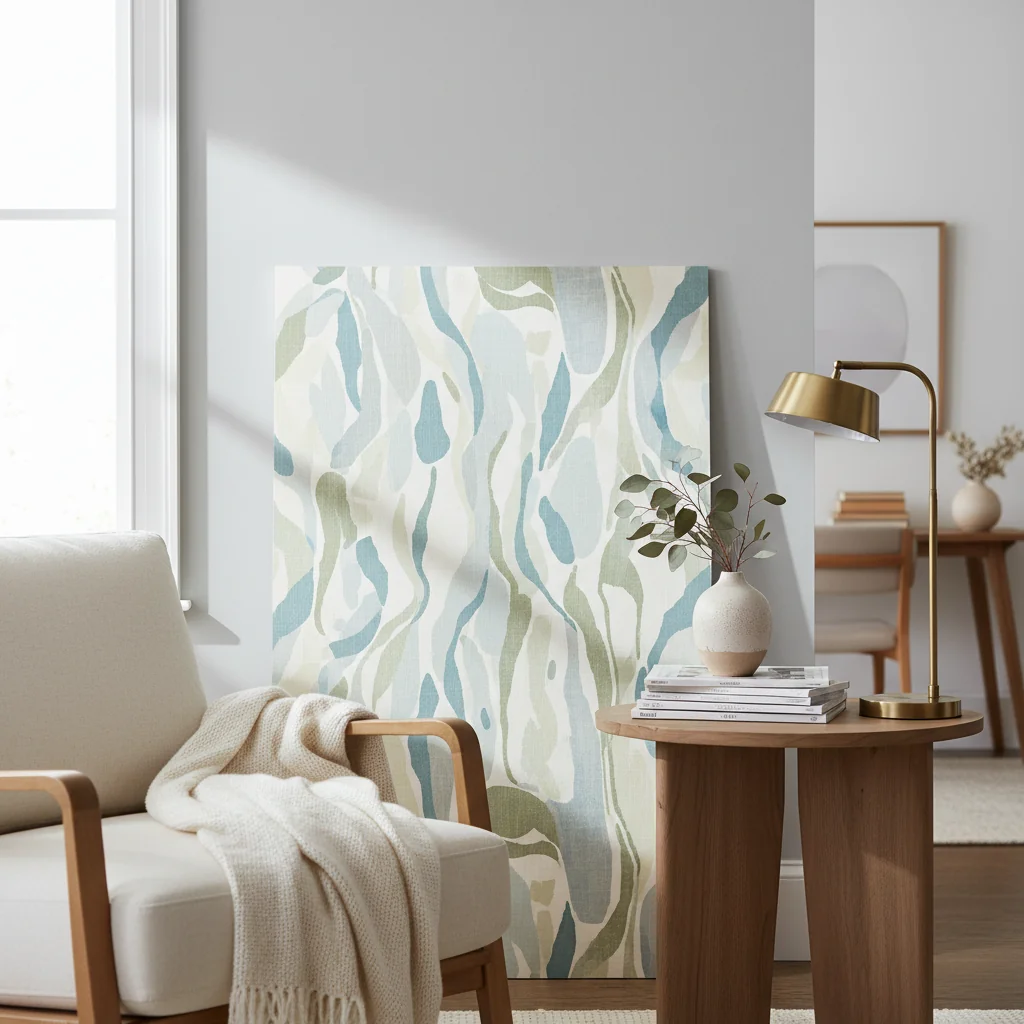
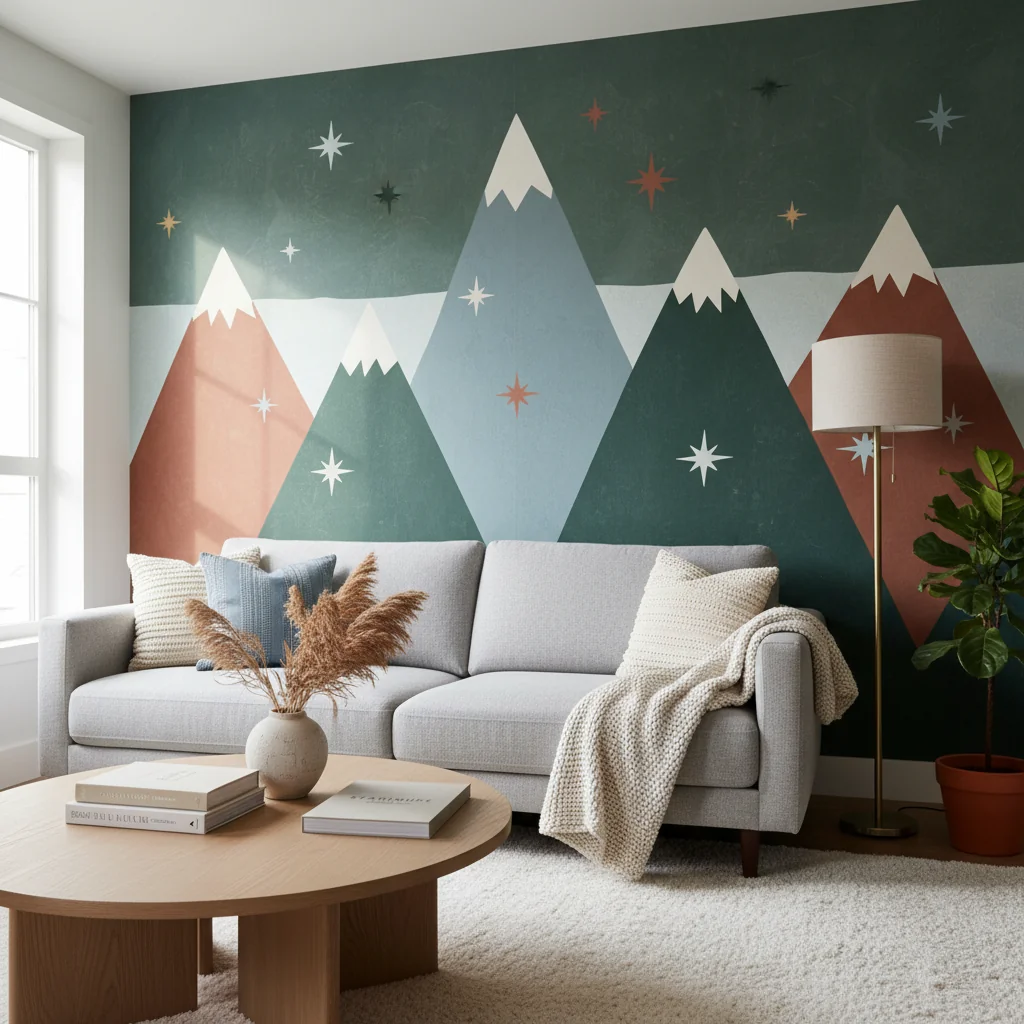
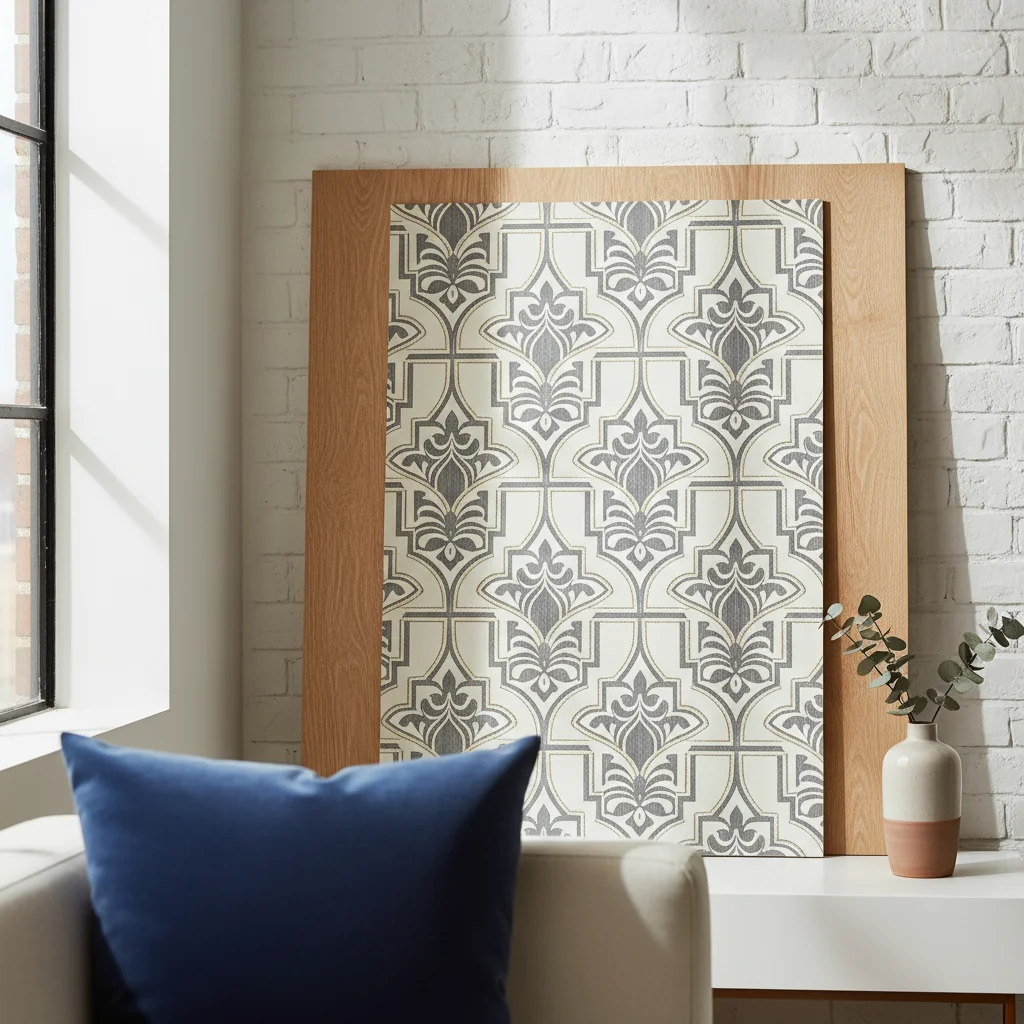
Wall covering, a foundational element in interior design, encompasses any material applied to interior walls for both decorative enhancement and practical protection, transforming a room’s aesthetic and defining its character. From traditional wallpapers to modern architectural panels, these versatile materials offer an unparalleled opportunity to introduce color, pattern, texture, and depth into any space, making them indispensable for creating truly distinctive environments. At Starhouse, we understand that selecting the right wall covering is a pivotal decision, influencing not only the visual appeal but also the functionality and ambiance of your home.
This comprehensive guide delves into the intricate world of wall coverings, providing an authoritative resource for homeowners, designers, and enthusiasts alike. We explore the diverse types, materials, and styles available, offering precise insights into how to choose, measure, install, and maintain these transformative elements. Our aim is to equip you with the knowledge to confidently navigate options, ensuring your selections reflect both your personal style and the practical demands of your living spaces, ultimately elevating your home’s design.
Key Takeaways
- Wall coverings encompass a broad range of materials, including wallpaper, murals, textile coverings, and architectural panels, each offering distinct aesthetic and functional benefits.
- Selecting the ideal wall covering requires careful consideration of the room’s purpose, desired style, durability needs, maintenance requirements, and the existing wall surface condition.
- Accurate measurement, including accounting for pattern repeat and waste, is critical for successful installation and to avoid material shortages or excess.
- Modern trends in wall coverings emphasize natural textures, biophilic designs, bold patterns, and sustainable materials, reflecting a shift towards personalized and environmentally conscious interiors.
- Proper care, tailored to the specific material and its washability rating, significantly extends the lifespan and preserves the appearance of your wall covering investment.
- Wall coverings are a powerful tool for defining focal points, adding architectural interest, and harmonizing with furniture and lighting to create cohesive, sophisticated interior designs.
What is Wall Covering? (Types and Categories)
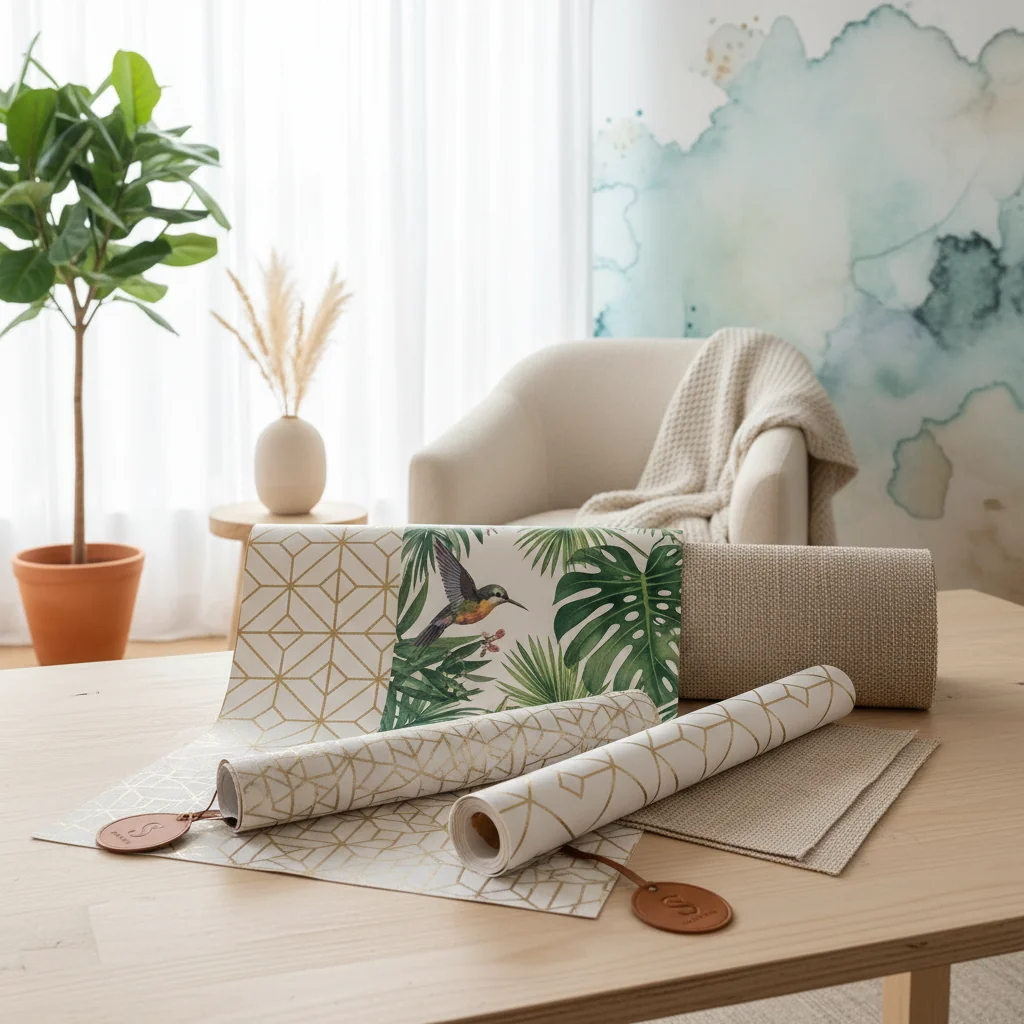
Wall covering is a broad term describing any material applied to an interior wall’s surface for decorative, protective, or functional purposes, extending far beyond traditional paint to offer enhanced texture, pattern, and durability. These materials fundamentally alter the perception of a room, contributing significantly to its overall design narrative and atmosphere. Historically, wall coverings have evolved from simple painted canvases and tapestries to today’s highly engineered and aesthetically diverse options.
The primary function of a wall covering is to enhance the aesthetic appeal of a space, introducing visual interest through color, pattern, and texture that paint alone cannot achieve. Beyond aesthetics, many wall coverings offer practical benefits such as increased durability, moisture resistance, sound absorption, and insulation. Understanding the various types is crucial for making informed design decisions.
Defining “Wall Covering”
Wall covering is any material, typically sold in rolls, sheets, or panels, that is affixed to a wall’s interior surface to provide decoration, protection, and sometimes additional functional properties like insulation or sound dampening. This term encompasses a wide array of products, from flexible papers and textiles to rigid panels.
Primary Categories of Wall Coverings
1. Wallpaper (Traditional)
Traditional wallpaper refers to a decorative paper or non-woven material that requires adhesive for application. It has been a staple in interior design for centuries, offering an expansive range of patterns, colors, and finishes.
- Paper-Backed Vinyl: A paper substrate with a liquid vinyl coating, making it more durable and washable than plain paper. It offers good value and a wide array of designs.
- Solid Vinyl: Composed entirely of vinyl, this type is exceptionally durable, highly resistant to moisture, and scrubbable. It is ideal for high-traffic areas like kitchens, bathrooms, and commercial spaces.
- Fabric-Backed Vinyl: A woven fabric substrate (like cotton or polyester) laminated with a solid vinyl surface. This construction provides superior strength and durability, often used in commercial settings due to its tear resistance and cleanability.
- Non-Woven Wallpaper: Made from a blend of natural and synthetic fibers, non-woven wallpaper is breathable, dimensionally stable, and exceptionally easy to install (paste-the-wall) and remove (strippable without damage). It is an environmentally friendly option.
- Grasscloth & Natural Fibers: Crafted from woven natural materials like jute, sisal, grass, or hemp, these wallpapers offer unique textures, organic beauty, and a subtle, sophisticated aesthetic. They are delicate and typically not washable.
- Mylar/Foil: Featuring a metallic surface, these wallpapers are highly reflective, adding shimmer and glamour to a space. They can highlight wall imperfections if not installed perfectly.
- Flocked Wallpaper: Characterized by raised patterns created with small fibers, giving a velvet-like texture. It adds a luxurious, tactile dimension but requires careful handling and cleaning.
- Anaglypta & Lincrusta: These are embossed wallpapers designed to be painted. Anaglypta is paper-based, while Lincrusta is made from a gelled linseed oil and wood flour mixture, offering deep, durable, and highly textured patterns that mimic plasterwork or carved wood.
2. Peel-and-Stick Wallpaper
Peel-and-stick wallpaper, also known as self-adhesive wallpaper, is a revolutionary option featuring a pre-applied adhesive backing protected by a removable liner. This type of wall covering is celebrated for its ease of installation and removal, making it an excellent choice for DIY enthusiasts, renters, or those who frequently update their decor. It is typically made from vinyl or non-woven materials, offering various patterns and textures without the commitment of traditional paste.
3. Wall Murals
Wall murals are large-format images or designs printed on multiple panels of wallpaper material, designed to cover an entire wall or a significant portion of it, creating a singular, impactful visual statement. They can depict anything from landscapes and cityscapes to abstract art or custom photography, transforming a wall into a focal point or an immersive experience. Murals are available in both traditional paste-required and peel-and-stick formats.
4. Textile Wall Coverings
Textile wall coverings are made from woven fabrics such as silk, linen, cotton, jute, or synthetic blends. They impart exceptional softness, warmth, and a luxurious feel to a room, often enhancing acoustic properties. These are generally more delicate and require professional installation and specialized cleaning.
5. Architectural Wall Panels
Architectural wall panels are rigid or semi-rigid materials installed in sheets or tiles to create a distinct architectural feature. They offer significant textural and dimensional interest, often providing durability and sound dampening.
- Wood Panels: Ranging from traditional wainscoting and beadboard to modern slat walls and reclaimed wood planks, these add warmth, texture, and a natural element.
- MDF (Medium-Density Fiberboard) Panels: Versatile and paintable, MDF panels can be routed to create various profiles, offering a cost-effective way to achieve custom architectural details.
- PVC Panels: Lightweight, waterproof, and durable, PVC panels are excellent for high-moisture areas like bathrooms or for creating textured 3D effects.
- Stone Veneer: Thin slices of natural stone or manufactured stone composites applied to walls, providing the look and feel of solid stone without the weight or cost.
- Acoustic Panels: Designed to absorb sound, these panels are often made from felt, fabric-wrapped fiberglass, or specialized foam. They are crucial in home theaters, offices, or open-plan living areas to improve sound quality.
6. Specialty Finishes
While technically not traditional “coverings,” some specialty finishes are designed to mimic the effect of wall coverings. Liquid wallpaper, for instance, is a paste-like material applied with a trowel, offering seamless textured finishes. Textured paints can also create subtle patterns or tactile surfaces.
Choosing the Right Wall Covering: Factors to Consider
Selecting the appropriate wall covering requires evaluating several key factors, including the room’s function, existing surface condition, desired aesthetic, and practical considerations like durability and maintenance, ensuring the chosen material performs optimally and aligns with your design vision. A systematic approach to these considerations prevents costly mistakes and guarantees long-term satisfaction.
The vast array of options can be overwhelming, but by prioritizing your needs and preferences, you can narrow down the choices effectively. Consider how the space will be used, who will use it, and the overall mood you wish to create.
1. Room Function and Traffic Level
The purpose of the room is paramount in determining the required durability and moisture resistance of a wall covering.
- High-Traffic Areas (Hallways, Entryways, Kids’ Rooms): These spaces demand highly durable, scrubbable, and impact-resistant options. Solid vinyl or fabric-backed vinyl wall coverings are excellent choices due to their robust nature and ease of cleaning. Architectural panels, such as wood or PVC, also offer significant protection against wear and tear.
- High-Moisture Areas (Bathrooms, Kitchens, Laundry Rooms): Moisture and humidity necessitate materials that are waterproof or highly water-resistant and mold-resistant. Solid vinyl, PVC panels, or specifically designed moisture-resistant wallpapers are essential here. Ensure proper ventilation to prevent issues.
- Low-Traffic & Formal Areas (Bedrooms, Dining Rooms, Formal Living Rooms): These spaces allow for more delicate and luxurious materials such as grasscloth, silk, or other textile wall coverings. Aesthetic appeal and tactile qualities can take precedence over extreme durability.
- Home Offices & Studies: Consider acoustic wall panels to minimize distractions and create a more focused environment. Durable, yet sophisticated, patterns or textures work well.
2. Desired Aesthetic and Style
The wall covering is a dominant visual element that sets the tone for the entire room.
- Color Palette: Decide if the wall covering will complement existing colors or introduce a new dominant hue. Lighter colors expand a space, while darker tones create intimacy.
- Pattern Scale and Type: Large-scale patterns make a bold statement and work well in larger rooms or on accent walls. Smaller, intricate patterns can add subtle detail and are suitable for smaller spaces or an all-over application. Geometric, floral, abstract, or organic patterns each evoke different styles (modern, traditional, eclectic).
- Texture: Texture adds depth and visual interest. Grasscloth provides organic warmth, flocked wallpaper offers tactile luxury, and embossed papers create architectural detail. Consider how the texture interacts with light.
- Overall Style: Ensure the wall covering aligns with your desired interior design style—be it minimalist, maximalist, farmhouse, industrial, mid-century modern, or classic traditional.
3. Durability and Longevity
Wall coverings come with varying levels of durability, which directly impacts their lifespan and suitability for different environments.
- Washability/Scrubbability: This rating indicates how resistant the material is to cleaning. Non-washable (delicate, dry dusting only), washable (can be gently wiped with a damp cloth), scrubbable (can withstand mild detergents and soft brushing), and highly scrubbable (can handle stronger cleaning agents).
- Impact Resistance: Important for areas prone to bumps and scrapes, such as hallways. Fabric-backed vinyl and architectural panels offer superior impact resistance.
- Fade Resistance: Consider UV resistance, especially for walls exposed to direct sunlight, to prevent colors from fading over time.
4. Maintenance Requirements
The ease of cleaning and ongoing care should influence your choice, aligning with your lifestyle.
- Easy-Care Options: Vinyl wall coverings are generally the easiest to maintain, often requiring only a wipe-down with a damp cloth and mild soap.
- Delicate Materials: Natural fibers like grasscloth or delicate textiles require more careful maintenance, typically vacuuming or dry dusting, and are not suitable for wet cleaning.
5. Surface Preparation
The condition of your existing walls dictates how much preparation is needed and can influence the best type of covering.
- Smooth Walls: Ideal for most wall coverings, especially those with a sheen (e.g., Mylar) which can highlight imperfections.
- Slightly Textured Walls: Non-woven or thicker vinyl wallpapers can sometimes bridge minor imperfections. Embossed wallpapers (Anaglypta) are designed to hide surface flaws.
- Heavily Textured Walls: May require skimming with joint compound to create a smooth surface, or you may opt for architectural panels that cover the texture entirely.
- Old Paint or Lead Paint: Before any wall covering application, especially in older homes, it is crucial to address potential hazards. If lead-based paint is present, proper encapsulation or abatement procedures must be followed in accordance with federal guidelines to ensure safety during and after renovation. The U.S. Environmental Protection Agency (EPA) provides regulations and guidance on lead-based paint activities, which are often referenced by state and local agencies (reginfo.gov).
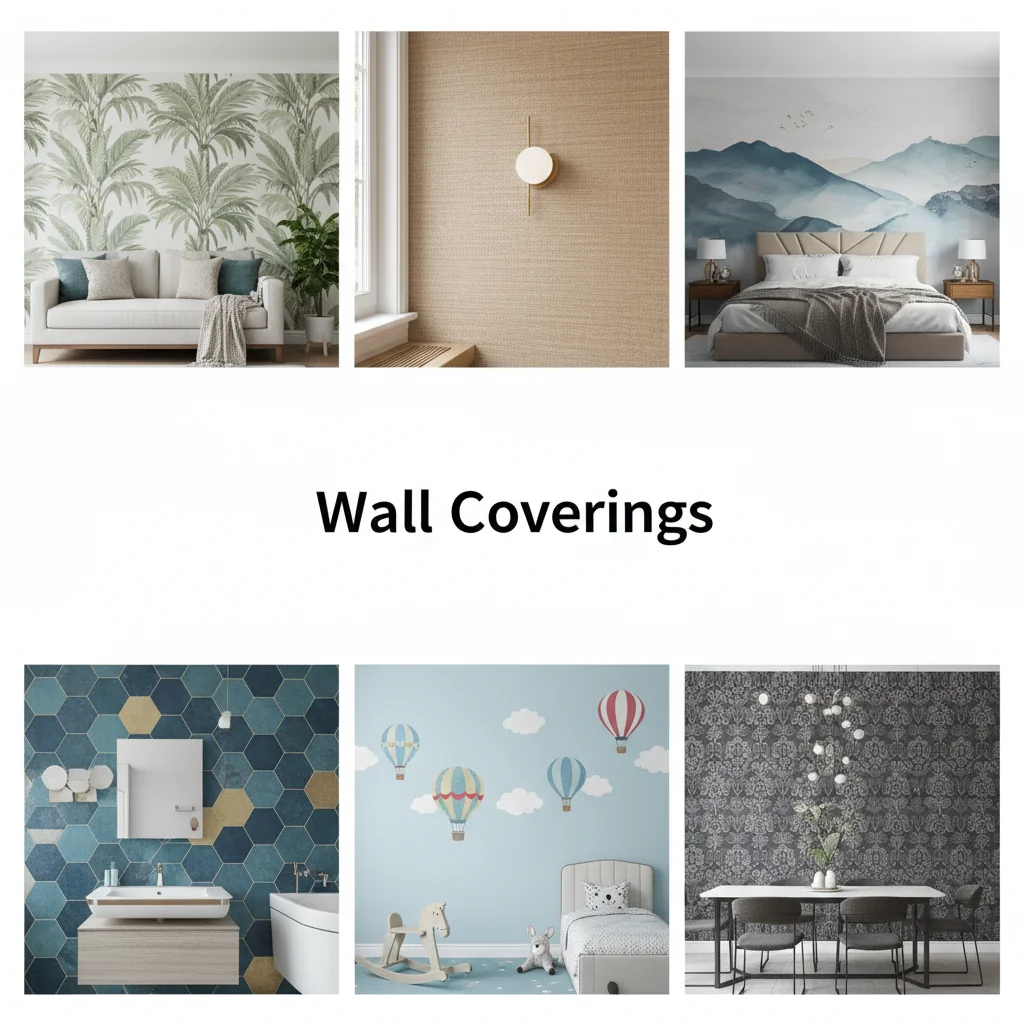
6. Installation Complexity
Consider whether you plan a DIY project or intend to hire a professional.
- DIY-Friendly: Peel-and-stick wallpaper is the easiest to install and remove, making it perfect for beginners. Pre-pasted wallpapers also simplify the process.
- Professional Installation Recommended: Traditional unpasted wallpapers, delicate textiles, large-scale murals with intricate pattern repeats, and architectural panels often benefit from professional installation to ensure a flawless finish and prevent costly mistakes.
7. Budget
Wall coverings vary widely in price, from budget-friendly options to high-end luxury materials.
- Cost per Square Foot: Factor in the material cost, which can range from $1-$5 per square foot for basic vinyl or peel-and-stick, to $10-$50+ per square foot for premium textiles, grasscloth, or architectural panels.
- Installation Costs: If hiring a professional, include labor costs, which can range from $2-$7 per square foot, depending on the complexity of the material and pattern.
- Preparation Costs: Account for primers, patching compounds, and tools.
8. Environmental Considerations
For eco-conscious consumers, material composition and manufacturing processes are important.
- VOC-Free: Look for low-VOC (volatile organic compound) or VOC-free options to ensure better indoor air quality.
- Sustainable Materials: Consider wallpapers made from recycled content, natural fibers, or those certified by organizations promoting responsible forestry (e.g., FSC-certified). Non-woven materials are generally more environmentally friendly due to their natural fiber content and ease of removal.
Materials and Their Characteristics
Wall coverings are manufactured from a diverse range of materials, each offering distinct aesthetic, tactile, and functional properties that dictate their suitability for various applications and contribute uniquely to a room’s atmosphere. Understanding these material characteristics is fundamental to making an informed choice that aligns with both design aspirations and practical requirements.
The substrate, surface layer, and manufacturing process all contribute to the final look, feel, durability, and maintenance needs of a wall covering. This section details the most common materials and their key attributes.
1. Paper-Based Wall Coverings
These are the most traditional form of wallpaper, made primarily from paper pulp.
- Characteristics: Breathable, often eco-friendly, and available in a vast array of prints and designs. They offer a classic, matte finish.
- Durability: Generally less durable than other types, susceptible to tearing and moisture damage. Not washable, typically requiring dry dusting.
- Ideal Use: Low-traffic areas like bedrooms, studies, or formal living rooms where delicate aesthetics are prioritized over heavy-duty performance.
- Cost: Typically among the most affordable options, ranging from $1-$3 per square foot.
2. Vinyl Wall Coverings
Vinyl wall covering is a highly durable and versatile material consisting of a vinyl surface layer laminated to a paper or fabric backing, offering superior resistance to moisture, stains, and wear. It is one of the most popular choices for residential and commercial applications.
- Characteristics: Extremely durable, highly washable (scrubbable), moisture-resistant, and often resistant to mildew. Available in a wide range of textures, patterns, and finishes, including those mimicking natural materials.
-
Types:
- Paper-backed Vinyl: A thin vinyl film on a paper backing. Good durability and cleanability.
- Solid Vinyl: A thicker, more robust vinyl layer. Highly durable, excellent for high-traffic and high-moisture areas.
- Fabric-backed Vinyl: A vinyl surface on a woven fabric (e.g., polyester, cotton) backing. Provides superior tear strength and dimensional stability, often used in commercial settings.
- Durability: High to very high. Can withstand rigorous cleaning and significant wear.
- Ideal Use: Kitchens, bathrooms, laundry rooms, hallways, kids’ rooms, commercial spaces, and any area requiring maximum durability and ease of maintenance.
- Cost: Mid-range, typically $2-$7 per square foot for residential grade, higher for commercial.
3. Non-Woven Wall Coverings
Made from a blend of natural and synthetic fibers, non-woven materials are breathable, dimensionally stable, and known for their ease of installation and removal.
- Characteristics: Tear-resistant, breathable (reduces mold risk), and dimensionally stable (doesn’t expand or contract with paste). Often “paste-the-wall” for easier application and fully strippable when dry, leaving no residue.
- Durability: Medium to high. Generally washable and quite robust.
- Ideal Use: Versatile for most rooms, especially appealing for DIY projects or temporary decor due to easy removal. Good for bedrooms, living rooms, and low-moisture bathrooms.
- Cost: Mid-range, typically $3-$8 per square foot.
4. Textile (Fabric) Wall Coverings
These coverings feature a fabric face, often backed with paper or non-woven material for stability.
- Characteristics: Offer unparalleled softness, warmth, and luxurious texture. Can significantly improve a room’s acoustics. Materials include silk, linen, cotton, jute, and synthetic blends.
- Durability: Low to medium. Can be delicate, prone to snagging, and generally not washable. Requires careful handling and professional installation.
- Ideal Use: Formal living rooms, master bedrooms, dining rooms, or home theaters where a sophisticated, intimate, or acoustically controlled environment is desired.
- Cost: High, often $5-$20+ per square foot.
5. Natural Fiber Wall Coverings (e.g., Grasscloth)
Woven from natural materials like grass, jute, sisal, or hemp, these coverings offer distinctive organic textures.
- Characteristics: Unique, tactile texture with subtle variations in color and weave, creating a warm, earthy aesthetic. Often unpasted and requires specialized adhesive. Visible seams are a characteristic feature.
- Durability: Low to medium. Delicate, susceptible to moisture damage, and typically not washable. Requires dry cleaning (vacuuming or dry cloth).
- Ideal Use: Accent walls, bedrooms, living rooms, or any space where a serene, natural, and sophisticated look is desired. Avoid high-moisture areas.
- Cost: High, typically $5-$20 per square foot.
6. Mylar/Foil Wall Coverings
These feature a reflective metallic surface, often on a paper or non-woven backing.
- Characteristics: Highly reflective, adding shimmer, glamour, and light to a room. Can create a sense of expanded space. Shows wall imperfections easily.
- Durability: Medium. Can be washable depending on the coating, but prone to creasing during installation.
- Ideal Use: Accent walls, powder rooms, or spaces where a dramatic, luxurious, or contemporary statement is desired. Requires meticulously smooth walls.
- Cost: Mid-to-high, typically $4-$15 per square foot.
7. Architectural Panels (Wood, MDF, PVC, Stone Veneer)
Rigid or semi-rigid panels that add significant texture, dimension, and structural interest.
-
Characteristics:
- Wood: Natural warmth, sound absorption, durability. Can be stained, painted, or left natural.
- MDF: Versatile, paintable, can be routed into various patterns (e.g., wainscoting).
- PVC: Lightweight, waterproof, resistant to mold and mildew, often used for 3D textured panels.
- Stone Veneer: Authentic stone look and feel, highly durable, adds gravitas.
- Durability: Very high. Resistant to impact and often moisture (especially PVC).
- Ideal Use: Feature walls, wainscoting, high-traffic areas, bathrooms (PVC), outdoor living spaces (some types), or where significant architectural interest is desired.
- Cost: High, typically $10-$50+ per square foot, depending on material and complexity.
Comparison of Common Wall Covering Types
This table provides a quick overview of the characteristics of popular wall covering types to aid in your selection process.
| Type | Durability & Washability | Approx. Price per sq ft (USD) | Ideal Use & Aesthetics |
|---|---|---|---|
| Traditional Paper Wallpaper | Low durability, non-washable (dry dusting only). | $1 – $3 | Low-traffic areas (bedrooms, studies); classic, delicate aesthetics. |
| Peel-and-Stick Wallpaper | Medium durability, often washable. Easy removal. | $2 – $7 | DIY projects, renters, temporary decor, accent walls; versatile styles. |
| Non-Woven Wallpaper | Medium-High durability, washable, breathable. Easy to install/remove. | $3 – $8 | Most rooms, including low-moisture bathrooms; versatile, eco-friendly. |
| Vinyl Wall Covering (Solid/Fabric-backed) | High to Very High durability, highly scrubbable, moisture-resistant. | $2 – $10 | High-traffic areas (hallways, kitchens, bathrooms); robust, practical. |
| Grasscloth & Natural Fibers | Low durability, not washable (dry clean only), delicate. | $5 – $20 | Accent walls, formal living rooms, bedrooms; organic, textured, luxurious. |
| Architectural Panels (Wood, MDF, PVC) | Very High durability, varies by material (e.g., PVC is waterproof). | $10 – $50+ | Feature walls, high-impact areas, bathrooms (PVC); architectural, dimensional. |
Sizing, Measuring, and Estimation
Accurate sizing and precise measurement are fundamental for successful wall covering installation, preventing material waste and ensuring a seamless, professional finish. Incorrect measurements are a common source of frustration and additional cost, making this preparatory step as crucial as the installation itself.
Understanding how to correctly measure your walls and estimate the required material is essential, particularly when dealing with patterned wall coverings that necessitate matching repeats. This section provides a methodical approach to ensure your project begins on solid ground.
Essential Tools for Measurement
- A reliable tape measure (at least 25 feet long)
- Pencil and notepad
- Calculator
- A sturdy step ladder or stepladder for reaching high points
Basic Measurement Principles
The general principle involves calculating the total square footage of the walls you intend to cover.
- Measure Wall Height: Measure from the baseboard to the ceiling line. Take measurements at several points across the wall to account for any variations. Use the tallest measurement.
- Measure Wall Width: Measure the width of each wall from corner to corner. Again, take multiple measurements and use the widest.
- Calculate Area per Wall: Multiply the height by the width for each individual wall (Height x Width = Square Footage).
- Total Wall Area: Add the square footage of all walls to be covered.
Accounting for Doors and Windows
While some guides suggest subtracting the area of doors and windows, it is generally recommended to subtract only very large openings (e.g., a large patio door or a wall of windows) to be safe. For typical doors and windows, it is often best to include their area in your total. This accounts for necessary trimming, pattern matching around openings, and provides a small buffer. If you do subtract, calculate the area of each opening (Height x Width) and subtract it from the total wall area.
Understanding Pattern Repeat
Pattern repeat refers to the vertical distance on a wall covering roll before a pattern begins to repeat itself, a critical measurement for ensuring continuous and aligned designs across multiple strips. This is perhaps the most important factor in preventing material shortage for patterned wall coverings.
- No Match/Random Match: The pattern can be hung without regard to matching, offering minimal waste.
- Straight Match: The design matches at the same height on adjacent strips.
- Drop Match (Half-Drop or Multiple Drop): The design matches on adjacent strips, but the pattern drops down by a specific distance (e.g., half the pattern repeat) on every other strip. This creates more waste but offers a more complex, staggered look.
Always check the pattern repeat measurement provided by the manufacturer on the roll label.
Adding a Waste Factor
It is imperative to add a waste factor to your calculations to account for trimming, pattern matching, miscuts, or future repairs.
- General Rule: Add 10% to 20% to your total square footage. For complex patterns (especially drop matches) or irregularly shaped rooms, lean towards 15-20%. For plain or random-match patterns, 10% is usually sufficient.
- Specific to Roll Goods: Many professionals recommend purchasing an extra single roll for every 5-6 double rolls for patterned wall coverings.
Understanding Roll Coverage
Wall coverings are sold in various formats, most commonly in single or double rolls. However, manufacturers typically list the coverage in “double rolls” for consistency.
- Standard Double Roll: In the U.S., a standard double roll of wallpaper is typically 20.5 inches wide by 33 feet long, covering approximately 56 square feet.
- European/Metric Rolls: May differ in width (e.g., 21 inches or 27 inches) and length, so always check the manufacturer’s specifications.
Calculating Rolls Needed (Step-by-Step)
Follow these steps for accurate estimation:
- Measure Total Wall Area: Calculate (Total Height of Walls x Total Width of Walls) in feet. Let’s say this is X sq ft.
- Adjust for Pattern Repeat: For patterned wallpaper, add the pattern repeat length to your wall height for each strip. For example, if your wall is 8 feet high and the pattern repeat is 21 inches (1.75 feet), each strip needs to be 8 feet + 1.75 feet = 9.75 feet long.
- Calculate Number of Strips per Roll: Divide the length of a roll (e.g., 33 feet for a double roll) by the adjusted strip length (e.g., 9.75 feet). Round down to the nearest whole number. (33 feet / 9.75 feet per strip = 3.38, so 3 full strips per double roll).
- Calculate Total Number of Strips Needed: Divide the total width of your walls (in inches) by the width of the wallpaper (e.g., 20.5 inches). Round up to the nearest whole number. (Total Wall Width / Wallpaper Width = Total Strips).
- Calculate Total Rolls: Divide the Total Number of Strips Needed by the Number of Strips per Roll. Round up to the next whole number. This gives you the number of double rolls.
- Add Waste Factor: Multiply the total rolls by 1.10 to 1.20 (10-20% waste) and round up to the nearest whole roll.
Example:
Room: 10 ft high x 12 ft wide (for one wall) = 120 sq ft.
Total walls (assuming 4 walls, no doors/windows): 4 x 120 sq ft = 480 sq ft.
Wallpaper: 20.5 inches wide, 33 feet per double roll, 21-inch pattern repeat.
1. Total Wall Area: 480 sq ft.
2. Adjusted Strip Length: 10 ft (wall height) + 1.75 ft (21-inch repeat) = 11.75 ft per strip.
3. Strips per Double Roll: 33 ft / 11.75 ft = 2.8, so 2 full strips per double roll.
4. Total Wall Width: 4 walls x 12 ft/wall = 48 ft = 576 inches.
5. Total Strips Needed: 576 inches / 20.5 inches/strip = 28.1 strips, so 29 strips.
6. Total Double Rolls: 29 strips / 2 strips/roll = 14.5 rolls, so 15 double rolls.
7. With 15% waste: 15 rolls * 1.15 = 17.25 rolls, so 18 double rolls.
Estimating for Architectural Panels
For architectural panels, the process is simpler as pattern repeat is usually not a factor unless you are creating a specific design.
- Measure Total Wall Area: Calculate Height x Width for each wall, then sum them.
- Panel Coverage: Determine the square footage covered by a single panel (e.g., 4 ft x 8 ft = 32 sq ft).
- Calculate Panels Needed: Divide the total wall area by the panel coverage. Round up.
- Add Waste Factor: Add 10-15% for cuts, mistakes, and future repairs.
Always double-check your measurements and calculations, and when in doubt, it is always better to slightly over-order than to under-order. Dye lots can vary between batches, so purchasing all material from the same dye lot at once ensures color consistency.
Installation Techniques: From DIY to Professional
Wall covering installation methods vary significantly based on the material type, ranging from straightforward peel-and-stick applications suitable for DIY enthusiasts to complex traditional techniques that often require professional expertise for optimal results. Proper preparation and adherence to specific steps are universally critical, regardless of the chosen method.
A successful installation ensures durability, aesthetic appeal, and longevity. This section outlines the general steps and specific considerations for different wall covering types.
1. Essential Surface Preparation (Universal Step)
This is the most crucial step for any wall covering project, directly impacting adhesion and the final appearance.
- Clean Walls: Remove all dirt, grease, and grime. Wash walls with a mild detergent solution, rinse thoroughly, and allow to dry completely (24-48 hours).
- Repair Imperfections: Fill any holes, cracks, or dents with spackle or joint compound. Sand smooth once dry. Even minor imperfections can show through thinner wall coverings, especially those with a sheen.
- Remove Old Wall Coverings: Strip existing wallpaper completely. Layering new over old can lead to adhesion issues and an uneven finish.
- Prime Walls: Apply a high-quality primer specifically designed for wall covering installation. This seals the wall, promotes adhesion, and allows for easier future removal. For darker wall coverings, a tinted primer matching the background color can help hide seams. For walls painted with oil-based paint, use an oil-based primer.
- Address Lead Paint Concerns: In older homes (built before 1978), existing paint may contain lead. If disturbing painted surfaces, ensure proper safety protocols are followed. It is safer to encapsulate lead paint with a primer and new wall covering rather than disturbing it. Consult EPA guidelines or a certified professional for lead-safe practices (reginfo.gov).
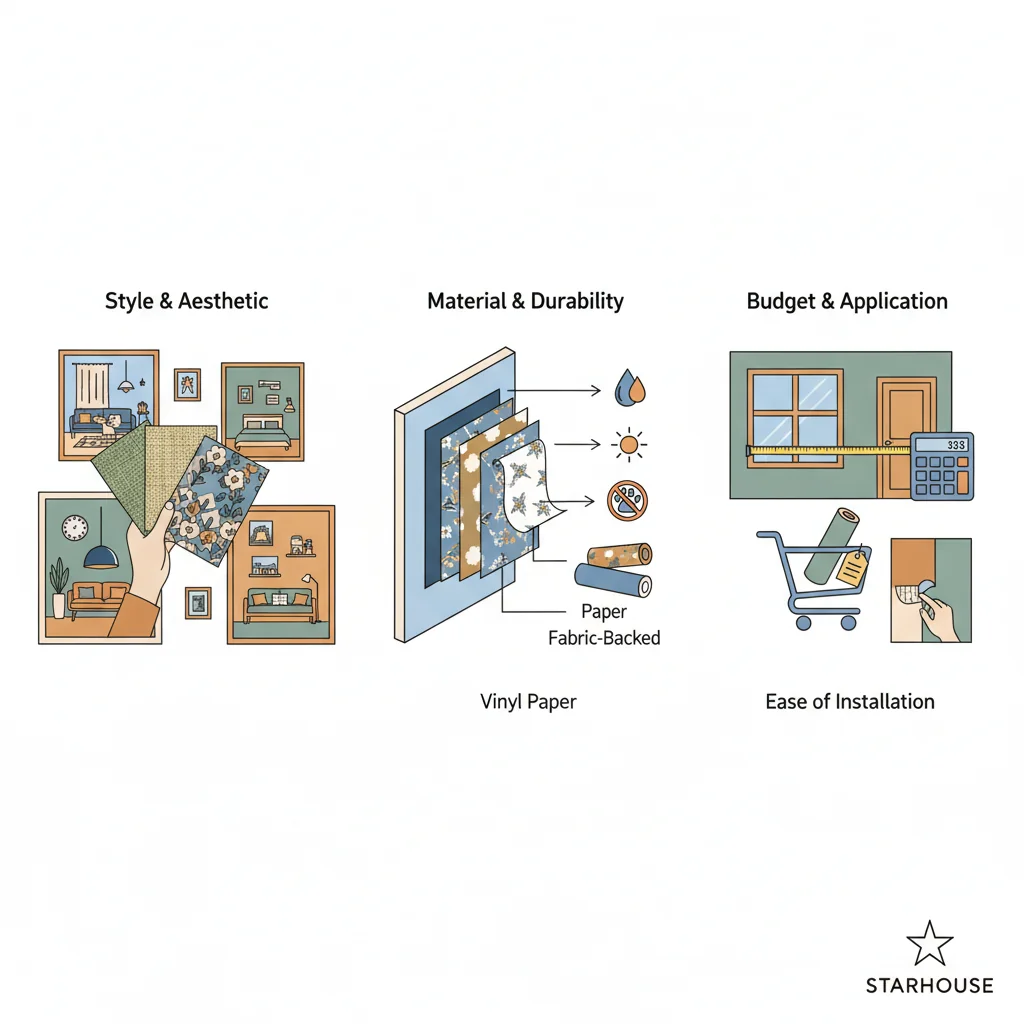
2. Peel-and-Stick Wallpaper Installation
This method is known for its simplicity and flexibility.
- Measure and Cut: Measure wall height, adding 2-4 inches for trimming at the top and bottom. Cut strips to size.
- Start Point: Begin in an inconspicuous corner or near a door frame. Draw a plumb line (a vertical guide using a level) from ceiling to baseboard to ensure the first strip is perfectly straight.
- Apply: Peel back a few inches of the liner from the top. Align the strip with your plumb line and the ceiling. Slowly press the wallpaper onto the wall, working downwards while gradually peeling off the backing paper.
- Smooth: Use a smoothing tool (squeegee or plastic smoother) to press out air bubbles and ensure firm adhesion, working from the center outwards.
- Trim: Use a sharp utility knife and a straightedge to trim excess at the ceiling and baseboard.
- Match Pattern (if applicable): For subsequent strips, align the pattern carefully before adhering. Overlap seams slightly if recommended by the manufacturer, or butt seams for a seamless look.
3. Traditional Unpasted Wallpaper Installation
This method requires separate adhesive and is often preferred by professionals for its durable finish.
- Cut Strips: Measure and cut strips, adding 4-6 inches for trimming at the top and bottom, and accounting for pattern repeat. Number the back of each strip in hanging order.
- Prepare Paste: Mix wallpaper paste according to manufacturer instructions.
-
Apply Paste (“Pasting”):
- Paste-the-Paper: Lay a strip face down on a clean pasting table. Apply an even layer of paste to the back. “Book” the paper (fold each end towards the middle, paste-to-paste, without creasing) and let it rest for the recommended “booking time” (usually 5-10 minutes) to allow the paper to relax.
- Paste-the-Wall: For non-woven wallpapers, apply paste directly to the wall section where the first strip will hang, using a roller or brush.
- Hang First Strip: Draw a plumb line. Carry the booked strip to the wall. Align the top of the strip with the ceiling line and the side with the plumb line. Unfold the top half and press it onto the wall. Unfold the bottom half and press it onto the wall.
- Smooth and Trim: Use a smoothing brush or plastic smoother to remove air bubbles, working from the center outwards and top to bottom. Trim excess at the ceiling and baseboard with a utility knife and straightedge.
- Hang Subsequent Strips: Align the next strip’s pattern precisely with the previous one. Butt seams tightly together, ensuring no overlap unless specified. Use a seam roller gently on seams for a secure bond. Wipe away any excess paste immediately with a damp sponge.
4. Pre-Pasted Wallpaper Installation
This type has adhesive activated by water.
- Cut Strips: Similar to unpasted, adding trim allowance and accounting for pattern repeat.
- Activate Adhesive: Roll each strip, adhesive side out, and submerge it in a water tray for the recommended time (usually 30-60 seconds).
- Book and Hang: Gently lift the strip from the tray, book it, and let it rest for a few minutes. Then, hang it following the same method as traditional wallpaper, smoothing and trimming.
5. Wall Murals and Architectural Panels
These often require specialized approaches.
- Murals: Typically come numbered in panels. Follow the manufacturer’s specific instructions for panel order and overlap. Precise alignment is crucial for a cohesive image. Often, a professional installer is recommended for complex murals.
- Architectural Panels: Installation varies greatly by material. Wood panels might be attached with nails or screws into studs or furring strips. PVC panels often use construction adhesive or specific clips. Stone veneer panels require mortar or specific adhesives. Always follow the manufacturer’s detailed installation guide.
6. Safety Considerations During Installation
Prioritizing safety during any home renovation project is non-negotiable.
- Ladder Safety: Always use a stable ladder or step stool. Ensure it is placed on a flat, even surface and is rated for your weight. Do not overreach; reposition the ladder as needed.
- Ventilation: Ensure adequate ventilation, especially when using adhesives, primers, or paints, to disperse fumes and promote drying. Open windows and use fans.
- Sharp Tools: Handle utility knives and other sharp tools with extreme care. Always use a fresh blade for clean cuts and dispose of old blades safely.
- Electrical Outlets: Turn off power to the room at the circuit breaker before removing outlet covers or working near electrical boxes.
- General Site Safety: Maintain a clear work area to prevent trips and falls. Be aware of your surroundings, especially when moving ladders or long strips of material. General construction safety guidelines, such as those emphasizing clear walkways and safe equipment use, are applicable even for residential projects (policies.unc.edu).
- Protective Gear: Wear gloves to protect hands from adhesives and cutting tools. Safety glasses are advisable, especially when cutting or working overhead.
While many homeowners successfully install peel-and-stick or pre-pasted wallpapers, complex patterns, delicate materials like grasscloth, or large-scale installations often benefit significantly from the precision and experience of a professional installer. For a flawless, long-lasting finish, especially on high-value materials, professional installation is a worthwhile investment.
Current Trends and Future Outlook in Wall Coverings
The wall covering market is dynamically evolving, with current trends emphasizing natural textures, biophilic designs, bold patterns, and sustainable materials, reflecting a broader shift towards personalized and environmentally conscious interiors. These trends are not merely fleeting fads but rather represent a deeper integration of wellness, individuality, and environmental responsibility into home design.
As technology advances and consumer preferences shift, wall coverings continue to innovate, offering increasingly sophisticated and versatile options for every aesthetic. Starhouse curates options that reflect these forward-looking directions.
1. Biophilic Design and Nature-Inspired Motifs
Connecting interiors with the natural world remains a dominant trend.
- Botanical Prints: Large-scale florals, lush foliage, tropical leaves, and delicate wildflowers continue to be popular, bringing the tranquility of the outdoors in.
- Landscape Murals: Scenic vistas, abstract interpretations of nature, and serene forest scenes transform walls into immersive natural environments.
- Organic Textures: Wall coverings mimicking raw concrete, exposed brick, natural wood grains, and woven grasscloth underscore a desire for authenticity and connection to natural materials.
2. Textural Richness and Tactile Experiences
Beyond visual appeal, wall coverings are increasingly valued for their tactile qualities, adding depth and sensory engagement to a space.
- Grasscloth and Jute: These natural fiber coverings continue to be highly sought after for their inherent warmth, subtle variations, and artisanal feel.
- Embossed and Raised Patterns: Wallpapers with three-dimensional effects, such as deeply embossed geometric patterns or textured vinyl that mimics fabric or plaster, create architectural interest and play with light and shadow.
- Fabric and Felt Wall Coverings: Offering unparalleled softness and sound-absorbing qualities, these are gaining popularity for creating cozy, acoustically comfortable spaces.
3. Bold Patterns and Statement Walls
Homeowners are embracing more adventurous designs to create impactful focal points.
- Large-Scale Geometrics: Oversized patterns, often in contrasting colors, make a dramatic statement in contemporary settings.
- Abstract Artistry: Wallpapers that resemble modern art paintings, with fluid lines, brushstrokes, and painterly effects, offer unique and sophisticated visual interest.
- Maximalist Decor: Embracing a “more is more” philosophy, layered patterns, rich colors, and intricate designs are used to create highly personalized and visually dense spaces.
4. Metallics and Iridescence
Subtle shimmer and reflective qualities continue to add a touch of glamour and sophistication.
- Glimmering Accents: Wallpapers with metallic inks, subtle glitter, or foil elements catch the light, adding a luxurious sheen without being overtly flashy.
- Mylar and Metallic Grasscloth: These materials provide a reflective surface that can brighten a room and create a sense of expansive elegance.
5. Sustainable and Eco-Friendly Options
Environmental consciousness is driving demand for responsible material choices.
- Recycled Content: Wall coverings made from post-consumer recycled materials, such as recycled paper or plastic bottles.
- Natural and Renewable Fibers: Options like bamboo, cork, and organic cotton are valued for their renewable nature and biodegradability.
- Low-VOC and PVC-Free: A growing focus on indoor air quality means a preference for wall coverings that emit minimal or no volatile organic compounds. PVC-free vinyl alternatives are also gaining traction.
- Water-Based Inks: Manufacturers are increasingly using water-based, non-toxic inks for printing.
6. Digital Printing and Customization
Advancements in printing technology allow for unprecedented personalization.
- Custom Murals: Digital printing enables the creation of bespoke murals from personal photographs or custom artwork, offering unique design solutions tailored to specific spaces.
- Print-on-Demand: This technology reduces waste and allows for a broader range of designs to be available without large production runs.
7. Removable and Repositionable Wall Coverings
The desire for flexibility and less commitment continues to fuel the popularity of peel-and-stick options.
- DIY-Friendly: These products empower homeowners and renters to easily update their spaces without professional help or fear of damage upon removal.
- Temporary Decor: Ideal for nurseries, kids’ rooms, or seasonal updates, offering design freedom and adaptability.
8. Performance and Functional Wall Coverings
Beyond aesthetics, wall coverings are increasingly integrating practical benefits.
- Acoustic Panels: Designed to absorb sound, these are becoming more common in residential settings for home offices, media rooms, and open-plan living areas.
- Thermal Insulation: Some specialized wall coverings offer minor thermal insulation properties, contributing to energy efficiency.
- Antimicrobial Properties: Especially relevant for healthcare settings but also finding their way into residential kitchens and bathrooms, these wall coverings inhibit the growth of bacteria and mold.
The future of wall coverings promises even greater innovation, with a continued emphasis on smart materials, enhanced performance, and highly personalized aesthetics, further solidifying their role as essential elements in sophisticated interior design.
Care, Maintenance, and Longevity
Proper care and routine maintenance are essential for preserving the aesthetic appeal and extending the lifespan of any wall covering, with specific cleaning methods tailored to the material’s durability and washability ratings. Neglecting these practices can lead to premature wear, discoloration, and damage, diminishing the investment in your home’s design.
Understanding the specific requirements for different types of wall coverings is crucial. Always consult the manufacturer’s care instructions, usually provided on the roll label or product website, as general guidelines may not apply to all materials.
Understanding Washability Ratings
Wall coverings are classified by their resistance to cleaning, indicating the appropriate methods to use:
- Non-Washable: Extremely delicate. Only dry dusting with a soft cloth or vacuuming with a brush attachment is recommended. Avoid any moisture. (e.g., some delicate paper, flocked, or natural fiber wallpapers).
- Washable: Can be gently wiped with a damp sponge or cloth using clean water. Avoid harsh detergents or scrubbing. Blot, do not rub. (e.g., some non-woven, paper-backed vinyl).
- Scrubbable: Can withstand cleaning with a mild soap solution and a soft brush or sponge. Rinse thoroughly with clean water. (e.g., most vinyl wallpapers).
- Highly Scrubbable: Designed for heavy-duty cleaning, capable of handling stronger detergents and more vigorous scrubbing. Ideal for commercial settings or high-traffic residential areas. (e.g., heavy-duty solid vinyl or fabric-backed vinyl).
General Cleaning Tips (for washable/scrubbable types)
- Dust Regularly: Use a soft, dry cloth, a feather duster, or a vacuum cleaner with a brush attachment to remove loose dust and cobwebs. This prevents dirt from building up and becoming harder to remove.
- Test in an Inconspicuous Area: Before applying any cleaning solution, always test it on a small, hidden section of the wall covering (e.g., behind furniture or in a closet) to ensure it does not cause discoloration or damage.
- Use Mild Solutions: For washable wall coverings, a solution of warm water and a few drops of mild dish soap is usually sufficient. Avoid abrasive cleaners, bleach, or solvent-based products, as these can damage the material or fade colors.
- Wipe Gently: Use a soft sponge or cloth, dampened (not soaking wet) with the cleaning solution. Work from the bottom up to prevent streaks.
- Rinse Thoroughly: Wipe down the cleaned area with a clean cloth dampened with plain water to remove any soap residue.
- Dry Immediately: Gently blot the area dry with a clean, dry cloth to prevent water spots or moisture damage.
Specific Material Care
- Vinyl Wall Coverings: Highly durable and generally easy to clean. Use a solution of warm water and mild dish soap. For tougher stains, a soft brush can be used on scrubbable vinyl. Rinse and dry thoroughly.
- Non-Woven Wallpapers: Most are washable. Wipe gently with a damp cloth and mild soap. They are less prone to tearing when wet than paper-backed options.
- Grasscloth and Natural Fibers: These are delicate and highly susceptible to moisture damage and staining. They are typically non-washable. Only dry cleaning is recommended, using a vacuum cleaner with a soft brush attachment or a dry, soft cloth. Avoid rubbing or using any liquids.
- Textile Wall Coverings: Similar to grasscloth, these are generally delicate. Vacuuming with an upholstery attachment is the preferred method. For stains, professional textile cleaning may be required. Never use water unless specifically advised by the manufacturer.
- Paper-Based Wallpapers: Most are non-washable. Dry dust only. For minor marks, a clean art gum eraser can sometimes be used very gently.
-
Architectural Panels:
- Wood Panels: Dust regularly. For deeper cleaning, use a wood-specific cleaner or a damp cloth followed by immediate drying. Avoid excessive moisture.
- PVC Panels: Extremely durable and waterproof. Can be cleaned with a damp cloth and mild household cleaners.
- MDF Panels (Painted): Clean as you would painted walls, using a damp cloth with mild soap.
Stain Removal
Act quickly when a spill or stain occurs.
- Blot, Don’t Rub: For liquid spills, blot immediately with a clean, dry cloth to absorb as much as possible. Rubbing can spread the stain or damage the wall covering.
- Start Mild: Always begin with the mildest cleaning agent (e.g., plain water) and escalate only if necessary, testing each step in an inconspicuous area.
- Specific Stains: For grease, a cornstarch paste can sometimes absorb the oil. For ink, specific ink removers for wall coverings might be available, but extreme caution is advised.
Repairing Minor Damage
- Loose Seams: For traditional wallpapers, use a seam adhesive applicator to reapply paste to lifting seams. Press down firmly with a seam roller or clean cloth.
- Small Tears/Bubbles: For small tears, carefully apply a thin layer of wallpaper adhesive under the tear and press flat. For bubbles, a small incision with a sharp blade, followed by injecting adhesive and smoothing, can work.
- Damaged Sections: If you have leftover wall covering from the original installation, you can patch damaged sections. Cut a piece slightly larger than the damaged area, align the pattern, and cut through both layers with a sharp knife to create a perfect match.
Preventative Measures for Longevity
- Control Humidity: Excessive humidity can cause wall coverings to peel or develop mold. Use dehumidifiers in damp areas. Dry climates can cause some materials to shrink or crack.
- Avoid Direct Sunlight: Prolonged exposure to direct sunlight can cause colors to fade. Use UV-filtering window treatments (blinds, curtains, or films) to protect your wall coverings.
- Protect from Wear: In high-traffic areas, consider adding chair rails or protective panels to prevent scuffs and damage.
- Proper Ventilation: Ensure good airflow in kitchens and bathrooms to minimize moisture buildup.
Consistent, gentle care is the cornerstone of maintaining beautiful wall coverings for years to come. By adhering to these guidelines, your chosen wall coverings will continue to enhance your home’s aesthetic with enduring vibrancy and texture.
Styling and Pairing Wall Coverings with Your Decor
Effectively styling and pairing wall coverings involves harmonizing their patterns, colors, and textures with existing furnishings, lighting, and architectural elements to create a cohesive and visually appealing interior. A thoughtfully chosen wall covering acts as a powerful design tool, capable of defining a room’s personality, creating focal points, and enhancing the overall decorative scheme.
The goal is to achieve balance and flow, ensuring the wall covering complements rather than competes with other design elements. This requires a keen eye for proportion, color theory, and material interplay.
1. Complementing Furniture and Textiles
The wall covering should feel like an extension of your existing decor, not an afterthought.
- Color Harmony: Choose colors in your wall covering that either match, complement, or subtly contrast with your furniture upholstery, throw pillows, rugs, and curtains. Use a color wheel to identify harmonious palettes (e.g., analogous, complementary, monochromatic).
- Pattern Play: If your furniture or textiles feature bold patterns, opt for a more subtle, textured, or small-scale pattern on the walls. Conversely, a plain sofa can be dramatically enhanced by a large-scale, intricate wall covering. Mix different scales of patterns for visual interest without overwhelming the eye.
- Textural Balance: Pair smooth, sleek furniture with textured wall coverings like grasscloth or embossed vinyl to add depth. Conversely, highly textured furniture (e.g., velvet, bouclé) might be best complemented by a smoother, less visually busy wall.
2. Working with Lighting
Lighting profoundly impacts how a wall covering appears, influencing its color, sheen, and texture.
- Natural Light: Consider how much natural light the room receives. Lighter, reflective wall coverings (e.g., Mylar, those with metallic accents) can amplify natural light, making a room feel brighter and more expansive. Darker, matte finishes absorb light, creating a cozier, more intimate atmosphere.
- Artificial Lighting: Different light temperatures (warm vs. cool) can alter perceived colors. Test samples under your home’s actual lighting conditions. Wall coverings with texture or sheen will create interesting shadows and highlights under direct or angled artificial light (e.g., sconces, spotlights), adding dynamic visual interest.
3. Creating Focal Points and Architectural Interest
Wall coverings are ideal for drawing attention to specific areas or adding character.
- Feature Walls: Apply a bold pattern, a rich texture, or a dramatic mural to a single wall to create an immediate focal point. This is particularly effective behind a bed, a sofa, or in a dining area. Ensure the feature wall is visually balanced by simpler walls and complementary decor.
- Defining Zones: In open-plan living spaces, a change in wall covering can subtly delineate different functional zones (e.g., a patterned wall in the dining nook, a textured wall in the living area).
- Adding Architectural Detail: Embossed wallpapers can mimic the look of plasterwork, tin ceilings, or carved wood, adding historical or classical charm. Architectural panels (wainscoting, slat walls) inherently introduce structural interest and depth.
4. Balancing Patterns and Scale
A common challenge is combining multiple patterns without creating visual chaos.
- Vary Scale: If you use a large-scale pattern on your walls, choose smaller, more subtle patterns for textiles or vice versa. Avoid using too many patterns of the same scale.
- Introduce Solids: Balance busy patterns with solid-colored furnishings, rugs, or accessories to provide visual resting points.
- Color Link: Ensure that all patterns, even if different in scale or style, share at least one common color to tie them together.
5. Using Wall Coverings in Different Rooms
The function and mood of each room should guide your wall covering choices.
- Living Room: A statement wall with a sophisticated pattern or a rich texture can create an inviting and elegant atmosphere. Consider grasscloth for warmth or a bold geometric for modern flair.
- Bedroom: Opt for serene, calming patterns or textures. Soft botanicals, subtle metallics, or a luxurious textile wall covering can enhance relaxation and personal style.
- Dining Room: This is an excellent space for dramatic and elegant choices. Deep colors, large-scale murals, or luxurious flocked wallpapers can create a sophisticated backdrop for entertaining.
- Bathroom/Powder Room: A small space where you can be bold. Durable, moisture-resistant vinyl or PVC panels are ideal. Experiment with vibrant patterns, reflective surfaces, or unexpected textures.
- Entryway/Hallway: Make a strong first impression. Durable, scrubbable options are key. A striking pattern or texture here can set the tone for the entire home.
- Kids’ Rooms/Nurseries: Removable peel-and-stick options are fantastic for these spaces, allowing for easy updates as children grow. Playful patterns, animals, or whimsical murals are popular.
By considering these styling principles, wall coverings become more than just wall decor; they become integral components of a well-designed, harmonious, and highly personalized interior. Experiment with samples, trust your instincts, and envision how each option contributes to the overall story of your home.
As Starhouse curates its collection, we are eager to understand what design elements truly resonate with you. Share your vision, your preferences, and what you envision for your ideal living spaces. Tell us what you’re looking for, and gain early access to our meticulously selected offerings designed to inspire and elevate.
Common Mistakes to Avoid
Even with careful planning, certain pitfalls can derail a wall covering project, leading to frustration, wasted material, and a less-than-perfect finish. Recognizing and actively avoiding these common mistakes is crucial for a successful and satisfying outcome, ensuring your investment in design yields the desired results.
From inadequate preparation to misjudging the material, these errors are frequently encountered but entirely preventable with forethought and precision.
1. Inadequate Surface Preparation
This is arguably the most common and detrimental mistake. Failing to properly clean, patch, sand, and prime walls will compromise adhesion and highlight every imperfection. Bumps, old glue residue, or unsealed drywall will show through, especially with thinner or shiny wall coverings, leading to bubbling, peeling, or an uneven finish. Always dedicate sufficient time to meticulous wall prep.
2. Ignoring Pattern Repeat During Measurement and Cutting
For patterned wall coverings, neglecting to account for the pattern repeat will result in misaligned designs, a disjointed appearance, and a significant shortage of material. Always add the pattern repeat length to your strip measurements and factor in the additional waste when calculating the number of rolls needed. This ensures seamless visual continuity.
3. Underestimating Material Needs
Running out of wall covering mid-project is a major setback. Not only does it halt progress, but ordering additional rolls later risks receiving a different dye lot, leading to noticeable color variations. Always over-order by 10-20% to account for waste, errors, and future repairs, especially for patterned or high-value materials.
4. Choosing the Wrong Type of Wall Covering for the Room’s Function
Selecting a delicate, non-washable paper for a high-traffic hallway or a moisture-sensitive grasscloth for a bathroom guarantees rapid deterioration. Always match the wall covering’s durability, washability, and environmental resistance to the specific demands of the room. Vinyls are for moisture; natural fibers are for low-traffic, dry areas.
5. Poor Ventilation During Installation
Working with adhesives and primers in a poorly ventilated space can lead to a buildup of fumes, posing health risks and slowing down drying times. Ensure windows are open and fans are running to maintain good airflow, dispersing VOCs and promoting proper curing of adhesives.
6. Using Dull Cutting Blades
A dull utility knife blade will tear and snag the wall covering, leading to jagged edges and an unprofessional finish, particularly at seams, ceilings, and baseboards. Always use a fresh, sharp blade for every cut and change blades frequently to ensure clean, precise lines.
7. Rushing the Process
Wall covering installation, especially for traditional types, requires patience and precision at every step. Rushing through surface preparation, booking times, or smoothing can lead to bubbles, wrinkles, misalignments, and peeling seams. Take your time, follow instructions meticulously, and don’t be afraid to take breaks.
8. Neglecting to Practice
If you are new to wall covering installation, especially with traditional paste methods, practicing with a small, inexpensive roll or even plain lining paper in an inconspicuous area (like inside a closet) can build confidence and identify potential challenges before tackling your main walls.
9. Forgetting About Electrical Outlets and Switches
Failing to turn off power to the room at the circuit breaker before removing outlet and switch plate covers can be dangerous. Always ensure electricity is off before working around these areas, and trim the wall covering neatly around the openings before reinstalling the covers.
10. Overlooking Dye Lots
When purchasing multiple rolls, always check that all rolls have the same “dye lot” or “batch number” printed on the label. Different dye lots can have subtle but noticeable color variations, which will be apparent once installed side-by-side on the wall.
By being mindful of these common pitfalls, you can significantly increase the likelihood of a smooth installation and a stunning, long-lasting wall covering that beautifully enhances your home.
Sources
- reginfo.gov | Information Collection Request for the Lead-Based Paint Activities Program
- policies.unc.edu | Industrial Maintenance and Construction Support Services Safety Manual – Guarding, Floor and Wall Openings
Frequently Asked Questions
What is the difference between wallpaper and wall covering?
Wall covering is a broad, overarching term that includes all materials applied to interior walls for decorative or protective purposes, whereas wallpaper is a specific type of wall covering primarily made from paper or non-woven materials, typically sold in rolls with printed patterns. All wallpapers are wall coverings, but not all wall coverings are wallpapers; the latter can include textile panels, architectural panels, and other rigid materials.
Can I install wall covering myself?
Yes, many types of wall coverings, especially peel-and-stick wallpaper and pre-pasted options, are designed for DIY installation by homeowners. However, traditional unpasted wallpapers, delicate natural fibers like grasscloth, complex patterns requiring precise matching, or large-scale murals often benefit significantly from professional installation due to the specialized skills and tools required for a flawless finish.
How do I clean wall coverings?
Cleaning methods for wall coverings depend entirely on their washability rating and material. Non-washable types (like delicate paper or grasscloth) require only dry dusting or vacuuming with a soft brush. Washable wall coverings can be gently wiped with a damp cloth and plain water, while scrubbable vinyl options tolerate mild soap solutions and light scrubbing. Always test any cleaning method in an inconspicuous area first and refer to the manufacturer’s specific care instructions.
Is peel-and-stick wallpaper truly removable without damage?
Yes, high-quality peel-and-stick wallpaper is generally designed to be fully removable without damaging properly prepared walls, making it ideal for renters or temporary decor. It adheres to a smooth, primed surface and can be peeled off cleanly. However, poor surface preparation (e.g., unprimed drywall, textured surfaces) or low-quality products can sometimes lead to paint peeling or adhesive residue upon removal.
How do I calculate how much wall covering I need?
To calculate wall covering needs, measure the height and width of each wall to get the total square footage. For patterned wall coverings, add the pattern repeat length to your wall height for each strip, which increases material usage. Divide your total required square footage (adjusted for pattern repeat) by the square footage covered by one roll (typically 56 sq ft for a standard U.S. double roll), then add a 10-20% waste factor for trimming and errors. Always round up to the nearest full roll and ensure all rolls are from the same dye lot.
Are wall coverings durable?
The durability of wall coverings varies significantly by material. Vinyl wall coverings, especially solid or fabric-backed types, are exceptionally durable, highly resistant to moisture, and scrubbable, making them ideal for high-traffic and high-moisture areas. Natural fibers and delicate paper-based options are less durable and require gentle care, while architectural panels offer very high impact resistance and longevity. Always check the product’s specifications for its durability rating.
Can wall covering hide imperfections?
Some wall coverings can effectively hide minor wall imperfections, but it largely depends on their thickness and texture. Thicker materials like embossed wallpapers (e.g., Anaglypta), textured vinyl, or architectural panels are good at camouflaging small cracks or unevenness. However, thin, smooth, or highly reflective wall coverings (like Mylar or foil) will often highlight even the slightest flaw, necessitating meticulous surface preparation for a perfect finish.
Conclusion
Wall coverings are unequivocally one of the most impactful elements in defining the character and sophistication of a home. From the tactile luxury of grasscloth to the vibrant energy of a statement mural, these materials offer an unparalleled opportunity to infuse your spaces with personality, depth, and enduring style. The journey through types, materials, installation, and care underscores that a well-chosen wall covering is not merely decor but a transformative investment in your living environment.
At Starhouse, we are dedicated to curating a collection that embodies exceptional design, quality, and functionality for every room. We believe that your home should be a true reflection of your aspirations and lifestyle. As we prepare to launch our comprehensive catalog, your unique vision is invaluable to us. We invite you to share your design dreams and preferences, helping us shape an offering that truly resonates with your needs. Tell us what you’re looking for, and be among the first to explore the curated world of Starhouse.