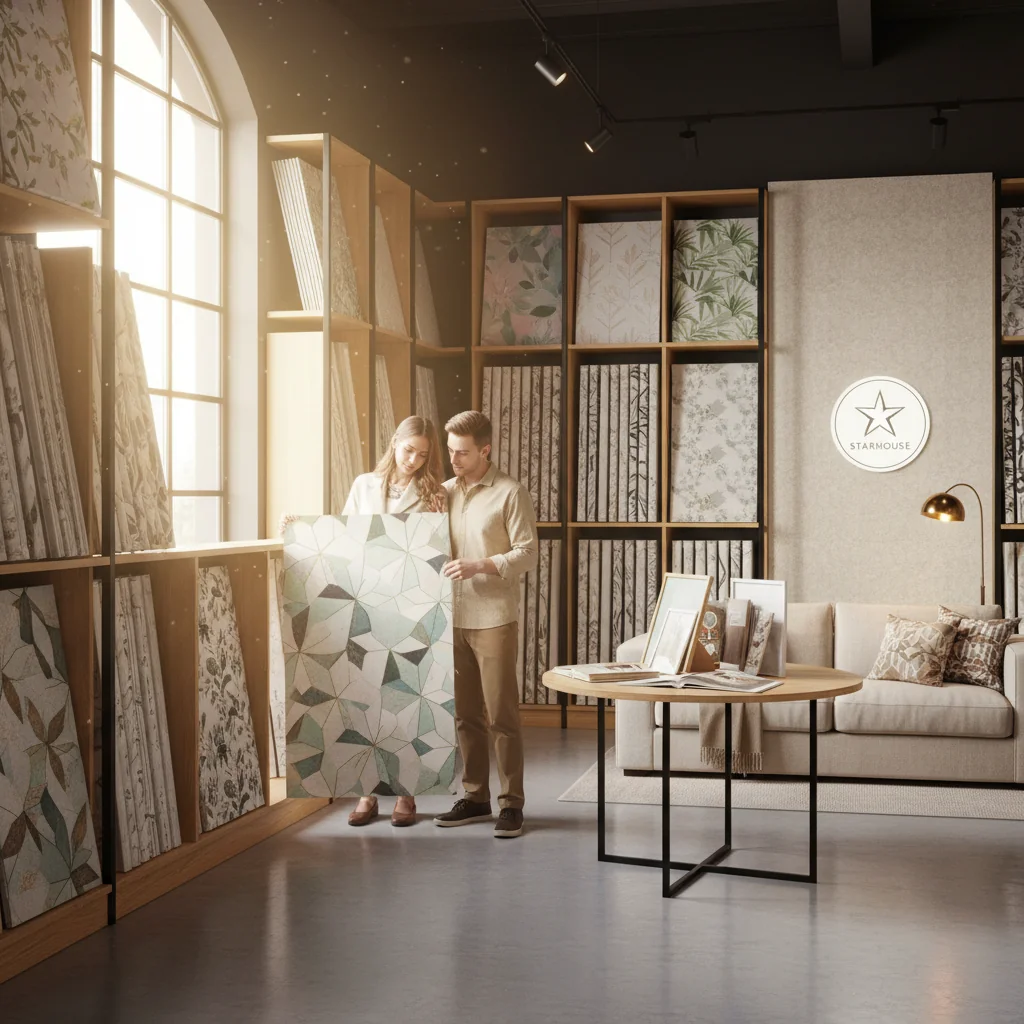
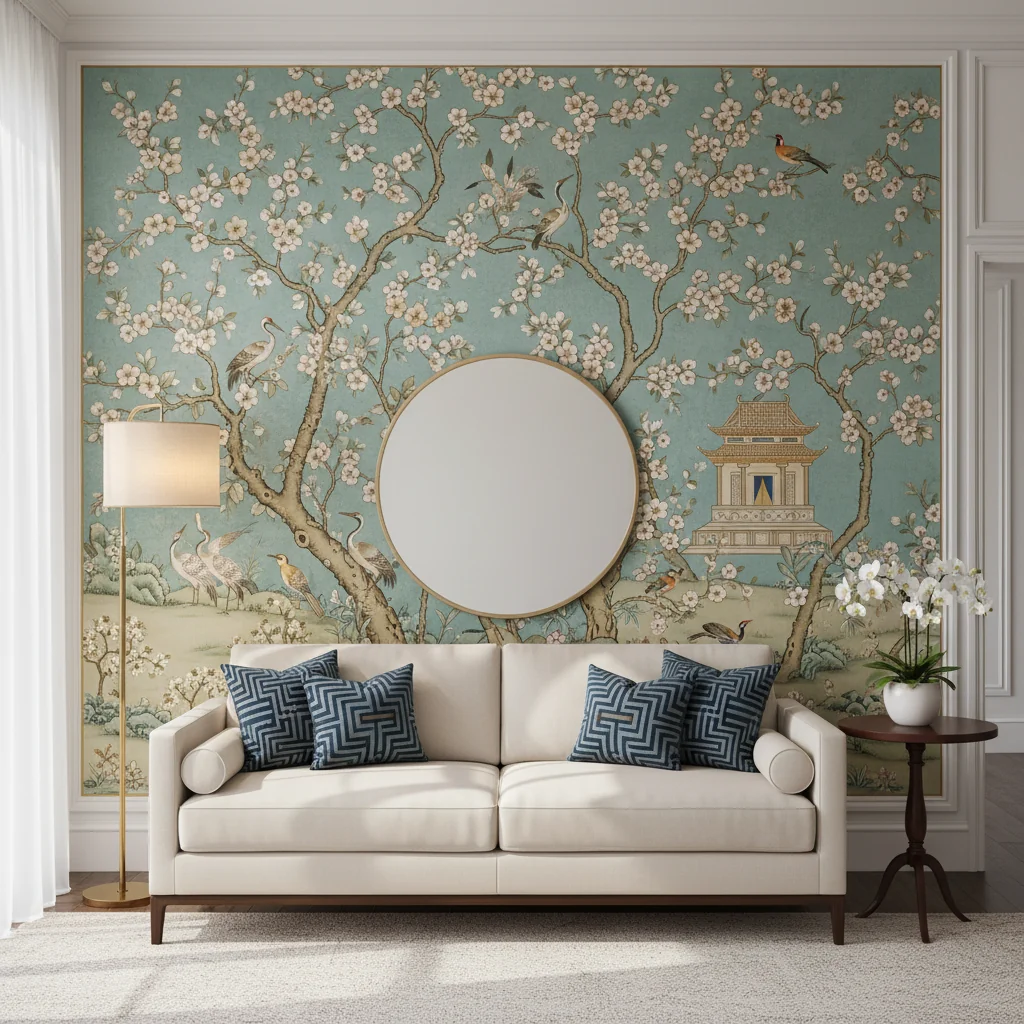
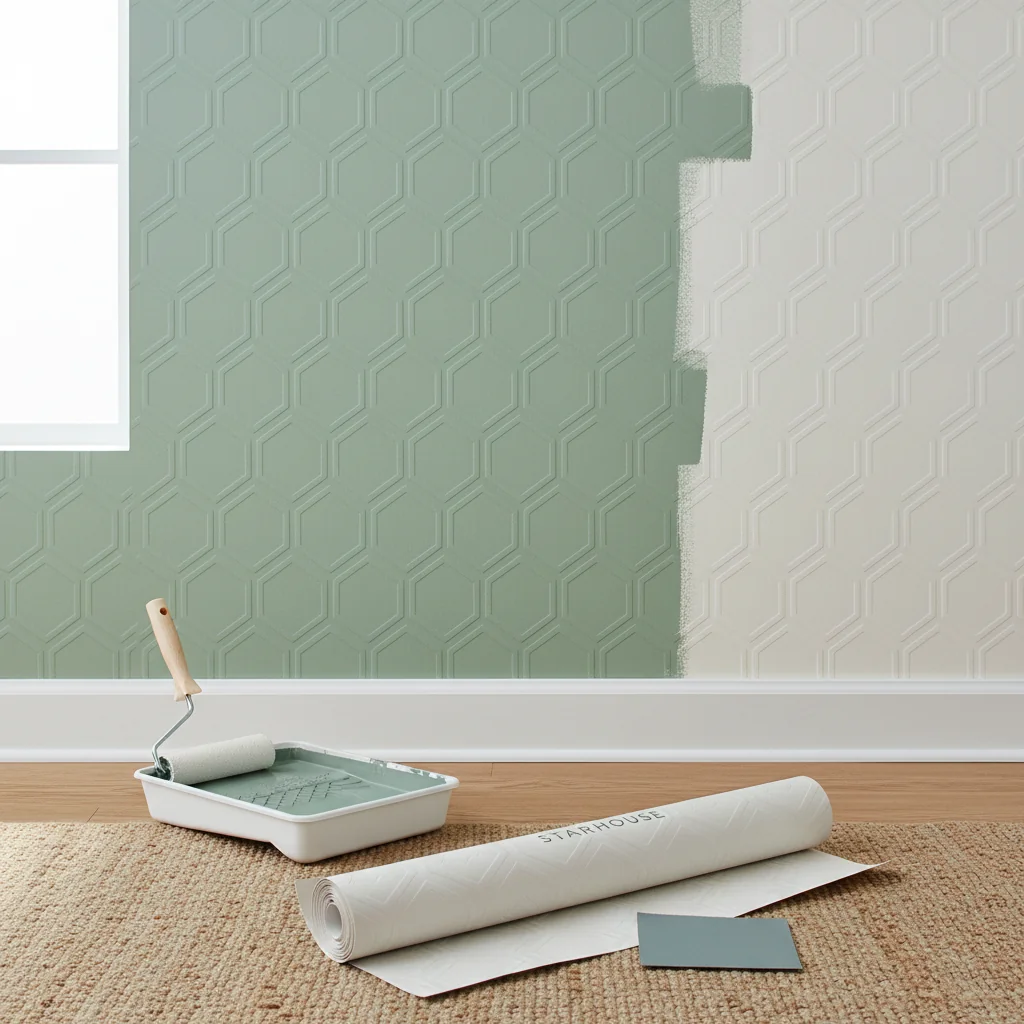
Blue and white wallpaper offers a timeless and universally appealing aesthetic, delivering a powerful yet serene design statement that transcends fleeting trends and enriches any interior with depth and character. This classic color combination, rooted in centuries of design tradition, provides unparalleled versatility, capable of evoking moods from tranquil coastal retreats to sophisticated urban dwellings, while a precisely selected non-woven material ensures both durability and ease of application for a lasting impact.
Key Takeaways
- Blue and white wallpaper provides a timeless, versatile aesthetic, suitable for diverse design styles from traditional to contemporary.
- Wallpaper types like peel-and-stick, pre-pasted, and unpasted offer distinct installation methods and durability profiles.
- Material choices such as vinyl, non-woven, and paper impact texture, washability, and suitability for specific environments.
- Accurate wall measurement, including accounting for pattern repeat, is essential to prevent waste and ensure a seamless application.
- Current trends favor large-scale botanicals, subtle textures, and grandmillennial patterns in blue and white palettes.
- Proper care, dictated by the wallpaper’s washability rating, is crucial for maintaining its appearance and longevity.
- Thoughtful styling, considering complementary colors, furniture, and lighting, enhances the overall impact of blue and white wallpaper.
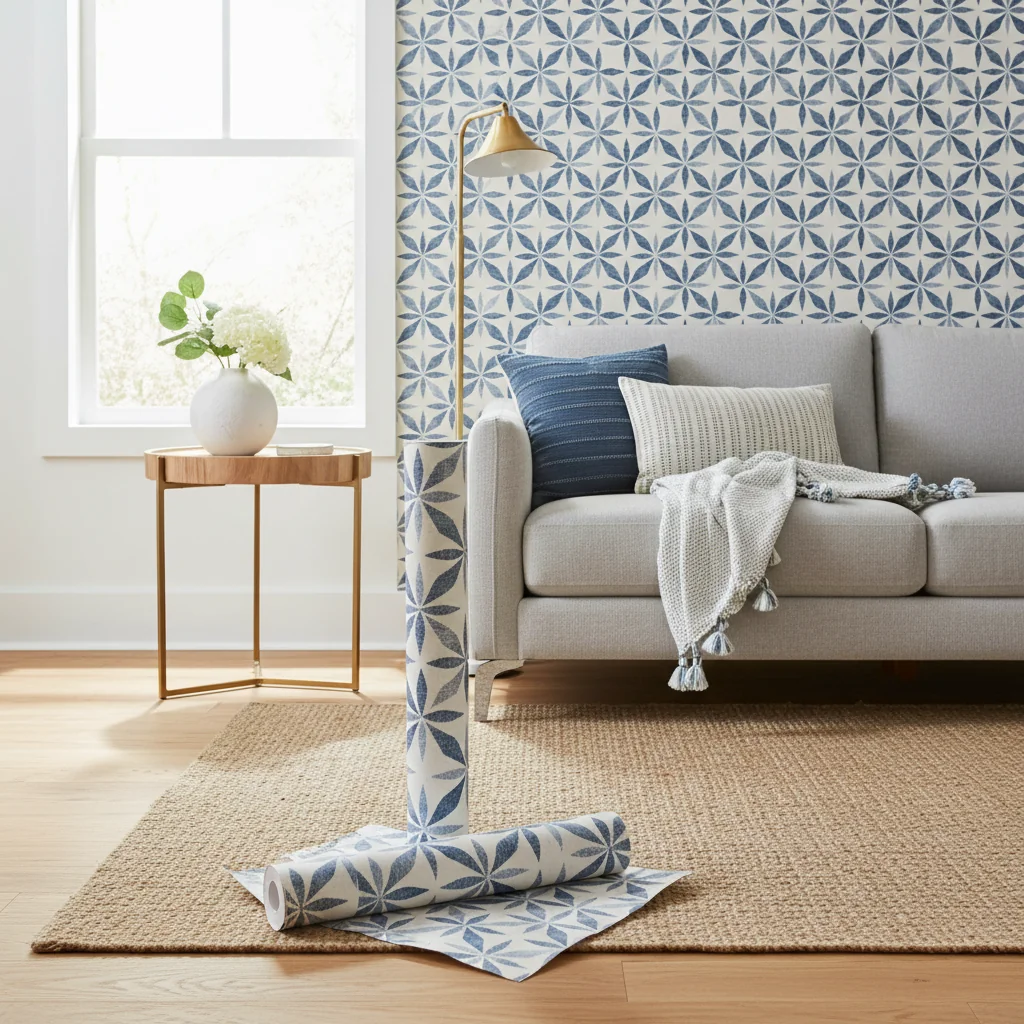
The Enduring Appeal of Blue and White Wallpaper
Blue and white wallpaper offers a timeless and universally appealing aesthetic, delivering a powerful yet serene design statement that transcends fleeting trends and enriches any interior with depth and character. This classic combination possesses a unique capacity to evoke a range of moods and styles, from crisp and contemporary to deeply historical and romantic, making it a perennial favorite in interior design.
The enduring appeal of blue and white lies in its inherent balance. Blue, a color frequently associated with tranquility, stability, and depth, provides a calming foundation. White, conversely, represents purity, cleanliness, and spaciousness, offering a crisp counterpoint that amplifies light and creates visual breathing room. Together, these colors establish a sophisticated dialogue, forming a palette that feels both grounded and expansive.
Historically, the combination of blue and white has been celebrated across diverse cultures and art forms, from the iconic Delft pottery of the Netherlands and the intricate porcelain of China to the classic toile de Jouy patterns of France. These historical precedents have imbued the blue and white palette with a sense of heritage and refined elegance that continues to resonate in contemporary design. It is a color pairing that feels both familiar and endlessly fresh, capable of adapting to new interpretations while retaining its classic charm.
Moreover, the versatility of blue and white wallpaper is unmatched. It can serve as a bold focal point or a subtle backdrop, depending on the chosen pattern and saturation. A deep navy and crisp white can convey a dramatic, luxurious feel, while a soft sky blue and off-white evoke a breezy, coastal calm. This adaptability ensures that blue and white wallpaper integrates seamlessly into various design schemes, from the most traditional to the avant-garde, making it a reliable choice for homeowners and designers seeking lasting style.
The psychological impact of blue and white also contributes to its popularity. Blue is widely recognized for its ability to reduce stress and promote relaxation, making it an ideal color for bedrooms and living areas. White enhances these qualities by introducing a sense of order and clarity. In combination, they create an environment that feels both inviting and intellectually stimulating, encouraging both repose and productivity. This harmonious blend of calming and refreshing qualities makes blue and white wallpaper a powerful tool for shaping the mood and functionality of a space.
For Starhouse, curating blue and white wallpaper means acknowledging this rich history and broad appeal. We recognize that our customers seek pieces that are not only beautiful but also resonate with a sense of quality and enduring style. The precision in pattern, the quality of materials, and the thoughtful execution of design all contribute to wallpaper that stands the test of time, both aesthetically and functionally. This commitment to excellence ensures that every blue and white wallpaper selection offers significant value and transforms a house into a home with a distinct and sophisticated personality.
The intricate interplay of shades, from soft powder blues to vibrant indigos, paired with various whites—creamy, stark, or off-white—allows for nuanced expressions. This spectrum of possibilities ensures that whether a homeowner desires a vibrant, energetic space or a tranquil, meditative retreat, a blue and white wallpaper exists to fulfill that vision. It is this depth of choice within a seemingly simple palette that truly cements blue and white as an interior design staple.
Furthermore, the inherent cleanliness of the blue and white palette makes it an excellent choice for spaces where a fresh, crisp appearance is paramount, such as kitchens, bathrooms, and nurseries. The colors naturally suggest hygiene and order, contributing to an overall sense of well-being. This practical benefit, combined with its aesthetic prowess, solidifies blue and white wallpaper’s position as a wise and beautiful investment for any home.
Decoding the Types of Blue and White Wallpaper
Blue and white wallpaper is available in several distinct types, primarily categorized by installation method and construction, each offering unique benefits for durability, ease of application, and long-term maintenance. Understanding these classifications is crucial for selecting the right product for your specific project and ensuring a successful outcome.
The primary distinction often lies in how the wallpaper adheres to the wall. This determines the complexity of installation and the ease of removal, which are significant considerations for homeowners and renters alike. Each type presents a different set of advantages, catering to various skill levels and commitment to a particular design choice.
Peel-and-Stick Wallpaper
Peel-and-stick wallpaper is a self-adhesive material that requires no additional paste, making it an extremely popular choice for DIY enthusiasts and temporary installations. It features a backing that peels away to expose an adhesive layer, allowing for direct application to a clean, smooth wall surface. This type is generally removable and often repositionable, making it ideal for renters, accent walls, or anyone who enjoys frequently updating their decor.
The convenience of peel-and-stick lies in its straightforward application process, which minimizes mess and reduces the need for specialized tools. While it is celebrated for its ease of use, ensuring proper wall preparation—clean, smooth, and primed surfaces—is still critical for optimal adhesion and a professional finish. It is important to note that while generally durable, it may not offer the same longevity or resistance to moisture as some traditional wallpaper types, depending on the specific product formulation. Blue and white patterns in peel-and-stick are particularly popular for nurseries, bathrooms, and creating quick, impactful design statements.
Pre-Pasted Wallpaper
Pre-pasted wallpaper comes with a dry adhesive applied to its backing by the manufacturer. To activate the adhesive, the wallpaper is simply dipped in water or sprayed with water, a process often referred to as “booking.” This method eliminates the need for messy separate paste applications, simplifying the installation process compared to unpasted options.
Pre-pasted wallpapers offer a good balance between ease of installation and durability. They typically provide a stronger, more permanent bond than peel-and-stick, yet are often designed to be strippable or peelable for easier removal when it’s time for a change. This makes them a versatile choice for various rooms, offering a more traditional look with a less labor-intensive application. The quality and type of adhesive can vary, so always consult the manufacturer’s instructions for best results.
Unpasted (Traditional) Wallpaper
Unpasted wallpaper, also known as traditional wallpaper, requires a separate adhesive to be applied to its backing or directly to the wall before hanging. This method offers the most control over the adhesive type and strength, allowing for customization based on the wall surface and desired durability. Professional installers often prefer unpasted wallpaper due to its superior adhesion and ability to seamlessly blend seams.
While the installation of unpasted wallpaper is more involved and requires additional tools and expertise, it typically results in the most durable and long-lasting finish. These wallpapers are often made from high-quality materials and can withstand more wear and tear, making them suitable for high-traffic areas or spaces where a permanent, luxurious finish is desired. Removal can be more challenging than pre-pasted or peel-and-stick, often requiring steaming or chemical solutions, depending on the adhesive used.
Wallpaper Murals
Wallpaper murals are large-format designs that cover an entire wall or a significant portion of it, creating a single, continuous image or scene rather than a repeating pattern. In blue and white, murals can depict expansive landscapes, architectural scenes, abstract art, or oversized botanicals, transforming a wall into a dramatic focal point. Murals are typically available in peel-and-stick, pre-pasted, or unpasted formats, with the installation method depending on the specific product.
The impact of a blue and white mural is profound, capable of making a small room feel larger or adding a distinct narrative element to a space. When choosing a mural, careful consideration of the image scale relative to the room size is paramount. A mural’s success hinges on precise measurement and expert installation to ensure the image aligns perfectly across multiple panels.
Wallcoverings
The term wallcoverings is a broader category that encompasses all types of materials applied to walls for decorative or protective purposes, including traditional wallpaper, fabric-backed vinyl, grasscloth, and textile wallcoverings. While often used interchangeably with “wallpaper,” “wallcoverings” typically implies a wider range of materials beyond paper-based products, often with enhanced durability or unique textures.
Blue and white wallcoverings can include luxurious options like fabric-backed vinyl, which offers exceptional durability and washability, making it suitable for commercial spaces or high-traffic residential areas. Grasscloth, while less common in pure blue and white, can feature subtle blue or white woven elements, providing natural texture. These broader wallcovering options often involve specialized installation techniques and may require professional assistance due to their weight and material characteristics. The choice of a specific wallcovering type will dictate the level of sophistication, resilience, and tactile experience it brings to a blue and white interior.
Starhouse understands that the right type of blue and white wallpaper significantly impacts both the aesthetic outcome and the practical aspects of your design project. We prioritize offering detailed information on each type, ensuring customers can make informed decisions that align with their vision and lifestyle. From the temporary charm of peel-and-stick to the lasting elegance of traditional wallcoverings, each option is curated for its quality and design integrity.
Consider the environment: a high-humidity bathroom benefits from a scrubbable vinyl, while a low-traffic bedroom might accommodate a delicate paper-based design. The choice of wallpaper type is as critical as the pattern itself in achieving a successful and enduring blue and white scheme.
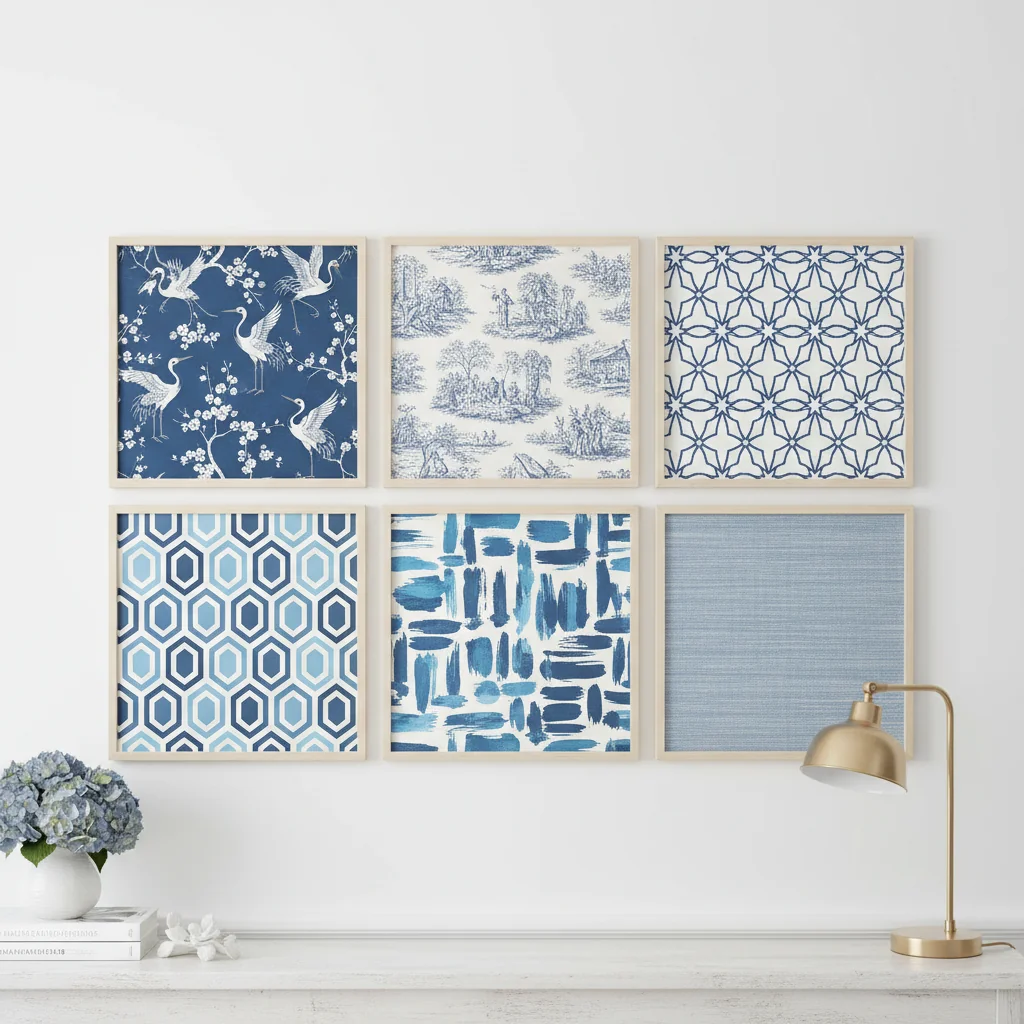
Exploring Materials and Their Characteristics
The material composition of blue and white wallpaper significantly influences its texture, durability, washability, and suitability for different environments, making it a critical factor in the selection process. Each material offers distinct advantages and contributes uniquely to the overall aesthetic and functional performance of the wallcovering.
Understanding the properties of various wallpaper materials is essential for making an informed decision that aligns with the intended use of the space, maintenance expectations, and desired tactile experience. The material dictates not only how the wallpaper looks but also how it feels and performs over time.
Vinyl Wallpaper
Vinyl wallpaper is a highly durable and versatile option, widely appreciated for its washability and resistance to moisture, making it an excellent choice for kitchens, bathrooms, and high-traffic areas. It consists of a printed vinyl surface laminated to a paper or fabric backing. Vinyl wallpapers are available in several forms:
- Solid Vinyl: Features a thick, solid layer of vinyl, offering superior durability, scrubbability, and moisture resistance. It is exceptionally robust and can mimic textures like fabric or plaster.
- Coated Fabric/Paper: A paper or fabric base coated with a layer of liquid vinyl. This offers good durability and washability but may be less robust than solid vinyl.
- Fabric-Backed Vinyl: A vinyl surface laminated onto a fabric backing, providing excellent dimensional stability, tear resistance, and often used in commercial settings due to its extreme durability.
Blue and white vinyl wallpapers are particularly effective for creating crisp, clean lines and vibrant patterns that need to withstand regular cleaning. Their resilience ensures that intricate blue and white designs remain pristine even in demanding environments.
Non-Woven Wallpaper
Non-woven wallpaper is made from a blend of natural and synthetic fibers, making it breathable, tear-resistant, and dimensionally stable. This material is celebrated for its “paste-the-wall” application method, where adhesive is applied directly to the wall rather than the wallpaper, simplifying installation and making it easier to remove in full sheets without damage.
Non-woven wallpapers are typically washable, environmentally friendly, and do not expand or contract when wet, which helps prevent seam gaps. They are an excellent choice for almost any room, offering a balance of durability, ease of use, and a smooth, matte finish that beautifully showcases blue and white patterns. Their breathability also helps prevent mold and mildew growth, especially in moderately humid environments.
Paper Wallpaper
Paper wallpaper is the traditional form of wallcovering, made entirely from paper. While generally less durable and washable than vinyl or non-woven options, modern paper wallpapers often feature protective coatings that enhance their resilience. Paper wallpapers are prized for their authentic feel, ability to absorb color richly, and often feature intricate, delicate blue and white patterns.
This material offers a classic aesthetic and is often chosen for bedrooms, living rooms, and low-traffic areas where a softer, more traditional look is desired. Installation typically requires applying paste to the paper backing. While some paper wallpapers are designed to be strippable, others may require more effort to remove. The delicate nature of paper means it may not be suitable for high-humidity areas or homes with young children and pets.
Grasscloth and Natural Fibers
Grasscloth wallpaper is a natural wallcovering made from woven fibers such as sisal, jute, hemp, or seagrass, typically laminated onto a paper backing. While not always available in pure blue and white, some grasscloth designs incorporate blue or white fibers, or are dyed in subtle blue tones, offering a unique textural dimension. The inherent variations in natural fibers create a rich, organic texture that adds warmth and sophistication to a space.
Grasscloth is generally not washable and can be delicate, making it best suited for low-traffic areas like dining rooms, studies, or master bedrooms. Installation requires a skilled hand due to its delicate nature and tendency for visible seams, which are considered part of its natural charm. The tactile quality of a blue-tinged grasscloth can introduce an element of understated luxury and natural elegance.
Textile/Fabric Wallpaper
Textile or fabric wallpaper features a fabric face (such as silk, linen, cotton, or synthetic blends) laminated to a paper or non-woven backing. These luxurious wallcoverings offer exceptional texture, depth, and a soft, inviting feel. In blue and white, textile wallpapers can range from subtle linen weaves to opulent silk damasks, adding a layer of sophisticated elegance.
Fabric wallpapers are typically non-washable or require specialized cleaning. They are ideal for formal living spaces, master bedrooms, or dining rooms where their luxurious appearance can be fully appreciated without the risk of frequent spills or damage. Due to their delicate nature and often higher cost, professional installation is strongly recommended to ensure a flawless finish. The richness of fabric brings an unparalleled level of warmth and acoustic dampening to a room.
| Material Type | Durability | Washability | Texture | Best Use Case |
|---|---|---|---|---|
| Vinyl (Solid) | Excellent (Scratch, tear-resistant) | Scrubbable | Smooth, can mimic textures | Kitchens, bathrooms, high-traffic areas, commercial |
| Non-Woven | Good (Tear-resistant, dimensionally stable) | Washable | Smooth, matte, sometimes subtly textured | Almost all rooms, easy DIY, bedrooms, living rooms |
| Paper | Moderate (Can tear easily) | Non-washable to Washable (coated) | Smooth, traditional feel | Low-traffic areas, formal spaces, bedrooms |
| Grasscloth | Delicate (Can snag) | Non-washable (Wipe with dry cloth only) | Natural, woven, highly textured | Dining rooms, studies, master bedrooms (low traffic) |
| Textile/Fabric | Moderate to Good (Can be delicate) | Non-washable (Spot clean or professional) | Soft, luxurious, highly textured | Formal living rooms, master suites, dining rooms |
When selecting blue and white wallpaper, Starhouse advises a thorough evaluation of these material properties in conjunction with the desired aesthetic. A high-quality non-woven wallpaper, for example, combines the beauty of intricate blue and white patterns with practical benefits like easy installation and removal, making it a superior choice for many residential applications. Prioritizing the right material ensures the longevity and visual integrity of your chosen design.
A Spectrum of Styles: Blue and White Wallpaper Designs
Blue and white wallpaper encompasses an extraordinary range of design styles, from historical patterns steeped in tradition to contemporary abstracts, ensuring a perfect match for any interior aesthetic and personal preference. The versatility of this color combination allows it to adapt seamlessly across various design narratives, offering endless possibilities for home transformation.
The beauty of blue and white lies not just in its colors, but in the myriad ways these colors are expressed through pattern and motif. Each style category evokes a distinct mood and historical context, providing a rich tapestry from which to choose.
Classic & Traditional
Classic and traditional blue and white wallpaper styles draw heavily from historical design motifs, imbuing spaces with an air of timeless elegance and refined heritage. These patterns often feature intricate details and a sense of formality.
- Chinoiserie: This style features ornate patterns inspired by traditional Chinese art, depicting fantastical landscapes, pagodas, birds, and flora. In blue and white, Chinoiserie wallpaper creates a sophisticated and exotic atmosphere, often seen in formal dining rooms or elegant bedrooms.
- Damask: Characterized by large, elaborate, reversible patterns, typically floral, fruit, or animal motifs, damask wallpaper exudes luxury and grandeur. Blue and white damask offers a regal yet fresh take on this classic, suitable for master bedrooms or formal living areas.
- Toile de Jouy: Originating in 18th-century France, toile de Jouy features pastoral scenes, romantic vignettes, or historical events, usually in a single color (often blue) on a white or off-white background. Blue and white toile creates a charming, nostalgic, and often serene ambiance, perfect for bedrooms, nurseries, or country-style interiors.
- Delft: Inspired by the iconic Dutch pottery, Delft patterns typically showcase intricate floral motifs, windmills, or maritime scenes in a distinctive cobalt blue on a crisp white ground. This style brings a touch of European charm and artisanal history to kitchens, dining nooks, or studies.
- Traditional Floral: Beyond toile, traditional floral patterns in blue and white range from delicate sprigs to lush, botanical bouquets. These designs can feel romantic, fresh, or stately, depending on the scale and intricacy of the blossoms.
Coastal & Nautical
Coastal and nautical blue and white wallpaper styles evoke the refreshing serenity of the ocean, bringing a breezy, relaxed, and often preppy vibe to interiors. These designs are perfect for homes by the sea or for those wishing to inject a vacation-like atmosphere.
- Stripes: Classic horizontal or vertical stripes in varying widths of blue and white are quintessential nautical. They can create an illusion of height or width and bring a crisp, tailored look to any room, from bathrooms to children’s rooms.
- Seashells & Coral: Patterns featuring intricate shell motifs, delicate coral branches, or whimsical starfish bring the beauty of the underwater world indoors. These designs are subtle yet thematic, ideal for bathrooms, sunrooms, or coastal-inspired bedrooms.
- Anchors & Lighthouses: More overtly nautical, designs with anchors, lighthouses, sailboats, or maritime flags are perfect for creating a distinct coastal theme, often seen in children’s rooms, playrooms, or themed accent walls.
- Abstract Ocean: Softer, more abstract patterns that mimic ocean waves, sea foam, or watercolor depictions of water provide a contemporary take on coastal design, offering tranquility without overt imagery.
Geometric & Contemporary
Geometric and contemporary blue and white wallpaper styles embrace clean lines, abstract forms, and modern patterns, offering a sophisticated and often minimalist aesthetic. These designs are ideal for urban environments or spaces seeking a bold, graphic statement.
- Abstract: Non-representational patterns, brushstrokes, or organic shapes in blue and white create a modern art-inspired look, adding visual interest and a sophisticated edge.
- Art Deco: Characterized by bold, symmetrical geometric shapes, sunbursts, and fan motifs, Art Deco blue and white wallpaper brings a sense of glamour and historical luxury from the 1920s and 30s.
- Mid-Century Modern: Featuring atomic-inspired shapes, abstract squiggles, and clean, organic lines, blue and white patterns in this style evoke the optimistic design sensibilities of the mid-20th century.
- Trellis & Lattice: Intersecting lines forming intricate grid-like patterns, often with a subtle metallic sheen, provide a structured yet elegant backdrop that can be both traditional and contemporary.
- Herringbone & Chevron: These dynamic V-shaped patterns add movement and a graphic punch, suitable for accent walls or high-energy spaces.
Botanical & Nature-Inspired
Botanical and nature-inspired blue and white wallpaper designs bring the serenity and beauty of the natural world indoors, ranging from realistic depictions to stylized interpretations. These patterns contribute to a fresh, lively, and often calming atmosphere.
- Large-Scale Florals: Oversized blooms and leaves in blue and white create dramatic focal points, offering a romantic and luxurious feel. These are particularly popular in contemporary botanical trends.
- Tropical: Patterns featuring palm fronds, banana leaves, or exotic birds in blue and white offer a fresh, vibrant, and sometimes whimsical take on nature, perfect for creating a lush, inviting space.
- Woodland & Forest: Designs depicting trees, branches, or subtle woodland creatures can create a serene, ethereal atmosphere, especially in softer blues and whites.
- Abstract Nature: Stylized representations of leaves, water, or clouds provide a more contemporary and artistic interpretation of natural elements.
Transitional
Transitional blue and white wallpaper styles skillfully blend elements from both traditional and contemporary design, creating a balanced aesthetic that is neither too formal nor too casual. These patterns often feature classic motifs reinterpreted with modern scale or simplified lines.
For Starhouse, the breadth of blue and white wallpaper styles means we curate designs that speak to diverse tastes and design philosophies. We emphasize patterns that are not only visually striking but also possess a timeless quality, ensuring they remain relevant and beautiful for years to come. Whether a client seeks the historical charm of a Chinoiserie or the crisp modernity of a geometric, our selection is designed to offer precise, high-quality options.
When exploring styles, consider the overall architectural style of your home and the existing furnishings. A delicate toile might feel out of place in a minimalist loft, just as a bold geometric might overwhelm a Victorian parlor. The key is harmony and balance, allowing the blue and white wallpaper to enhance, rather than dictate, the room’s character.
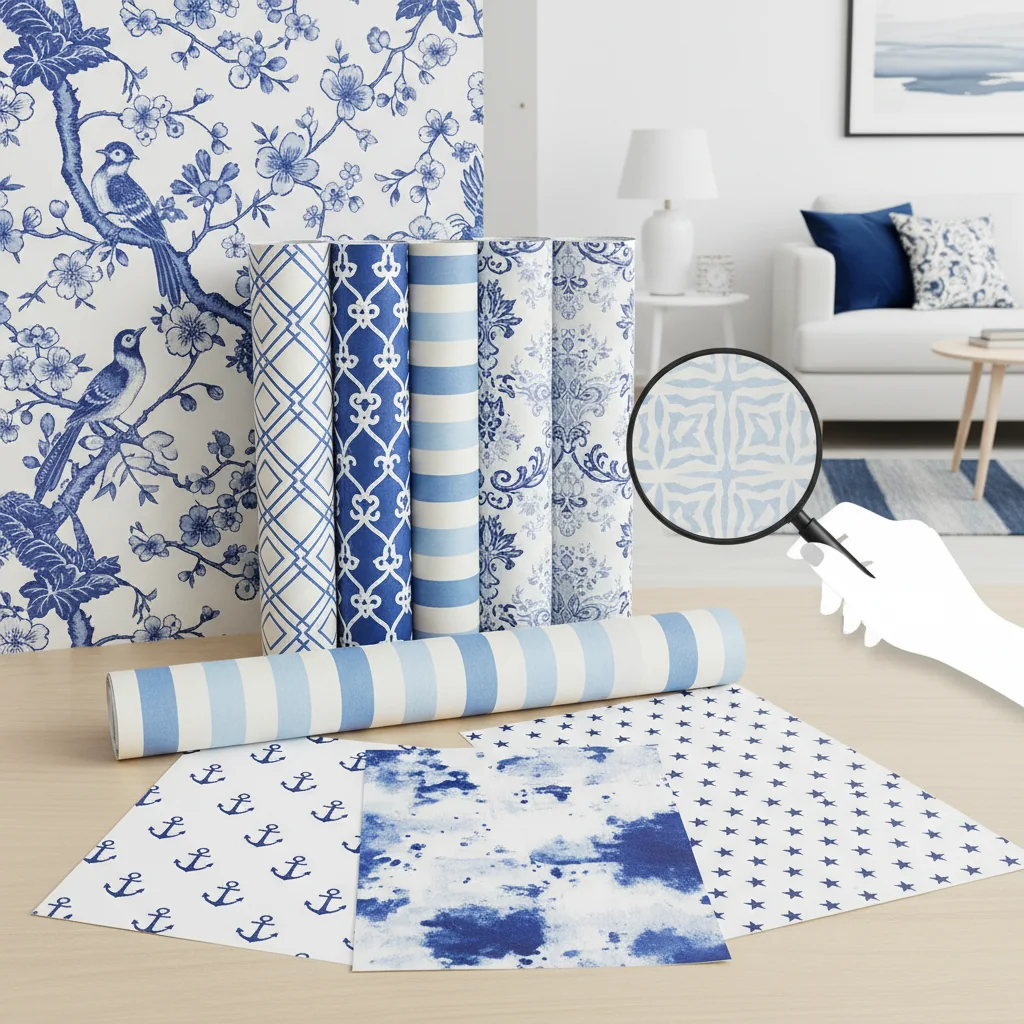
Choosing the Right Blue and White Wallpaper for Your Space
Selecting the ideal blue and white wallpaper requires a thoughtful consideration of room function, existing décor, light conditions, and personal style preferences to ensure a harmonious and effective design outcome. A systematic approach to these factors will guide you toward a choice that enhances your living environment both aesthetically and functionally.
The right wallpaper can transform a room, but the wrong choice can overwhelm or detract. Precision in evaluation is paramount to making a selection that you will love for years.
Consider Room Function
The intended use of a room significantly influences the appropriate blue and white wallpaper choice. Durability, washability, and mood are key considerations:
- Bathroom & Kitchen: These high-humidity, high-traffic areas demand wallpaper that is highly durable, washable, and moisture-resistant. Vinyl or coated non-woven options with scrubbable ratings are essential. Opt for patterns that can withstand splashes and steam, such as crisp coastal motifs or clean geometric designs.
- Bedroom: Bedrooms are sanctuaries, benefiting from patterns that promote relaxation and serenity. Softer blues and whites, delicate florals, toile de Jouy, or subtle textured patterns are excellent choices. Consider the mood you wish to create—a serene retreat or a romantic haven.
- Living Room & Dining Room: These social spaces allow for more dramatic or sophisticated choices. Large-scale botanicals, Chinoiserie, damask, or bold geometric patterns can create a strong focal point. Consider how the pattern interacts with existing furniture and artwork.
- Nursery & Children’s Room: Playful patterns with whimsical motifs, soft animal designs, or simple stripes in cheerful blue and white are ideal. Prioritize durable, washable, and non-toxic materials like non-woven or vinyl.
- Home Office: A home office benefits from patterns that inspire focus and calm. Subtle geometrics, classic stripes, or abstract designs in muted blues and whites can create an environment conducive to productivity without distraction.
Scale and Pattern Repeat
The scale of the pattern and its repeat significantly impact how the wallpaper appears in a room. A large pattern repeat, for example, demands more material and careful alignment.
- Small Rooms: Generally, smaller patterns or subtle textures work best in compact spaces, preventing them from feeling overwhelmed. A small-scale blue and white stripe or a delicate floral can add interest without visually shrinking the room.
- Large Rooms: Larger patterns and bold motifs can make a statement in spacious rooms, providing visual interest without feeling cluttered. A grand Chinoiserie mural or an oversized geometric pattern can fill a large wall effectively.
- Pattern Repeat: This is the vertical distance before the pattern begins to repeat. A larger pattern repeat (e.g., 25 inches or more) means you will need to purchase more wallpaper to ensure proper alignment and account for waste.
Light Conditions
Natural and artificial light drastically affect how blue and white wallpaper appears. A pattern that looks vibrant in bright daylight might appear muted or darker in a dimly lit room.
- North-Facing Rooms: These rooms receive cooler, indirect light. Opt for warmer whites and blues or patterns with a subtle sheen to reflect light and prevent the space from feeling too cold.
- South-Facing Rooms: Abundant, warm light allows for a wider range of blue and white tones. You can confidently choose deeper blues or more intricate patterns as they will be well-illuminated.
- Artificial Light: Consider the color temperature of your light bulbs (warm white vs. cool white) as this will alter the perception of blue and white tones. Always view wallpaper samples under both natural and artificial light conditions that mimic your room.
Impact: Accent Wall vs. Whole Room
Decide whether the blue and white wallpaper will be an accent or cover all walls. A bold, highly patterned design is often best reserved for an accent wall, while more subtle patterns or textures can comfortably cover an entire room.
- Accent Wall: Ideal for showcasing a particularly striking blue and white pattern, creating a focal point behind a bed, sofa, or dining table. This approach allows for a bold choice without overwhelming the entire space.
- Whole Room: For all four walls, opt for patterns that are less visually demanding. Subtle textures, small-scale repeats, or designs with open space in between motifs will create a cohesive, enveloping feel without being too busy.
Color Psychology of Blue and White
The psychological effects of blue and white are powerful and should inform your choice:
- Blue: Universally associated with tranquility, stability, peace, and order. Deeper blues can evoke sophistication and trust, while lighter blues promote calmness and openness.
- White: Represents purity, cleanliness, freshness, and spaciousness. It reflects light, making spaces feel larger and brighter.
In combination, they create an atmosphere that is both serene and crisp, adaptable to fostering relaxation or promoting clarity, depending on the specific shades and patterns chosen. A blue and white wallpaper can therefore intentionally shape the emotional landscape of your home.
Starhouse emphasizes the importance of sampling. We recommend obtaining swatches or small rolls of your preferred blue and white wallpaper to observe how the pattern and colors interact with your room’s unique lighting and existing furnishings throughout the day. This crucial step prevents costly errors and ensures your final selection perfectly aligns with your vision for a beautiful and functional space.
Remember, the goal is to create a space that feels personal and inviting. Trust your intuition but arm it with practical considerations. The right blue and white wallpaper will not only look stunning but will also contribute positively to the daily experience of your home.
We invite you to explore the possibilities and tell us what you’re looking for to help curate your perfect space. Share your vision and get early access to our upcoming collection at Starhouse USA.
Precise Sizing and Measuring for Flawless Application
Accurate measurement of your walls is a critical prerequisite for ordering the correct amount of blue and white wallpaper, preventing costly waste and ensuring a seamless, professional-looking installation. Underestimating or overestimating can lead to significant frustration and additional expenses.
This process requires meticulous attention to detail, as errors in measurement can compromise the entire project. Precision at this stage is non-negotiable for a flawless finish.
Tools Needed for Measurement
Before you begin, gather the necessary tools to ensure accuracy and efficiency:
- Steel Tape Measure: A retractable metal tape measure, at least 25 feet long, is essential for accurate wall dimensions. Fabric tape measures are not suitable as they can stretch.
- Pencil and Notepad: For recording measurements clearly and organizing calculations.
- Step Ladder or Stool: To safely reach the top of your walls for accurate height measurements.
- Level or Laser Level: To ensure your initial measurements for height are consistent across the wall.
- Calculator: For precise area calculations and accounting for pattern repeat.
Measuring Height and Width
Measure each wall section individually, even if they appear to be the same size. Variations in ceiling height or wall angles are common and can affect wallpaper cuts.
- Measure Height: Measure from the top of the baseboard to the ceiling line. Take at least three measurements across the width of each wall section (e.g., left, center, right) and use the tallest measurement for that wall section. This accounts for uneven ceilings or floors.
- Measure Width: Measure the width of each wall section from corner to corner. Again, take multiple measurements (top, middle, bottom) and use the widest measurement for that section.
- Account for Doors and Windows: Do not subtract the area of doors and windows from your initial measurements. Wallpaper is typically cut around these obstructions, and the material removed often contributes to waste or can be used for smaller, intricate areas. Measuring the full wall ensures you have enough material to match patterns seamlessly around these features.
Calculating Square Footage
Once you have your height and width measurements for each wall, calculate the square footage for each section.
- For each wall section: Multiply its maximum height (in feet) by its maximum width (in feet) to get the square footage of that section.
Example: Wall A is 8.5 feet high and 12 feet wide. Square footage = 8.5 ft * 12 ft = 102 sq ft.
- Total Square Footage: Add the square footage of all wall sections together to get the total area you need to cover.
Accounting for Pattern Repeat
This is a crucial step for patterned blue and white wallpaper and is often overlooked, leading to insufficient material. The pattern repeat is the vertical distance before the design begins to repeat itself on a roll.
- Find the Pattern Repeat: This information is always provided by the manufacturer, usually on the product description or packaging, measured in inches.
- Calculate Number of Strips per Roll: Divide the length of one roll (e.g., 33 feet or 396 inches for a standard single roll) by your wall height (in inches). This gives you the theoretical number of strips.
- Adjust for Repeat: For patterned wallpaper, you must add the pattern repeat length (in inches) to your wall height for each strip, then divide the roll length by this adjusted height. This accounts for the material lost when aligning patterns.
Example: Wall height is 96 inches. Pattern repeat is 24 inches. Each cut strip needs to be at least 96 inches + 24 inches (for matching) = 120 inches to ensure a full pattern repeat can be matched at the top of the next strip. So, a 396-inch roll yields 396 / 120 = 3.3 strips. You can only get 3 usable strips per roll.
- Calculate Total Strips Needed: Divide the total width of your walls (in inches) by the width of one wallpaper strip (e.g., 20.5 inches or 27 inches). Round up to the nearest whole number.
- Determine Rolls Needed: Divide the total strips needed by the number of usable strips per roll. Round up to the nearest whole roll.
Manufacturers often provide a coverage area per roll (e.g., 56 sq ft for a standard single roll). While useful for a quick estimate, always perform the pattern repeat calculation for patterned blue and white wallpaper to ensure accuracy.
Adding for Waste/Contingency
Always purchase extra wallpaper beyond your precise calculations. This contingency accounts for:
- Cutting Errors: Mistakes happen during installation.
- Pattern Matching: Significant waste can occur when aligning complex blue and white patterns.
- Future Repairs: Having extra rolls from the same dye lot ensures perfect color matching if a repair is needed years down the line.
- General Recommendation: Add an additional 15-20% to your total calculated roll quantity. For very large or intricate patterns, consider adding up to 25%.
Understanding Roll Dimensions
Wallpaper is typically sold in single, double, or triple rolls. However, it is almost always priced by the single roll, even if packaged as a double or triple roll. A standard U.S. single roll is approximately 20.5 inches wide by 33 feet (about 56 sq ft) or 27 inches wide by 27 feet (about 60.75 sq ft). Always confirm the specific dimensions of the blue and white wallpaper you are purchasing.
Professional Consultation
If you are unsure about your measurements or dealing with complex architectural features, consider consulting a professional wallpaper installer. They can provide precise measurements and often have specific formulas to minimize waste while ensuring an impeccable finish for your blue and white wallpaper project.
Starhouse advocates for meticulous planning in every design project. By following these precise measuring guidelines, you ensure your blue and white wallpaper installation is efficient, cost-effective, and results in the stunning, seamless aesthetic you envision for your home.
Current Trends in Blue and White Wallpaper Design
Current trends in blue and white wallpaper emphasize both timeless elegance and contemporary interpretations, often focusing on sustainable materials, grand-scale patterns, and artisanal textures. These trends reflect a broader desire for interiors that are both visually impactful and deeply personal, blending heritage with modern sensibilities.
The blue and white palette, while classic, continuously evolves, adapting to new design movements and technological advancements in printing and material science. Designers and homeowners are seeking ways to integrate this beloved color scheme in fresh, innovative ways.
Grandmillennial & Heritage Revival
The “Grandmillennial” aesthetic, a playful embrace of traditional decor elements with a fresh, modern twist, heavily features blue and white wallpaper. This trend celebrates classic motifs like Chinoiserie, Toile de Jouy, and delicate florals, but often reinterprets them with bolder scales, unexpected color pairings (though still predominantly blue and white), or in less formal settings. It’s about bringing back the comfort and charm of grandmother’s house, but with a curated, less stuffy feel. Blue and white patterns with a historical provenance are seeing a significant resurgence, often paired with contemporary furniture or art to create a dynamic tension.
Biophilic Designs: Large-Scale Botanicals & Abstract Nature
Biophilic design, which seeks to connect humans with nature within built environments, is a dominant trend. In blue and white wallpaper, this translates to large-scale botanical patterns featuring oversized leaves, lush florals, or stylized trees. These designs create a sense of calm and bring the outdoors in, without being overly literal. Abstract interpretations of natural elements, such as swirling water patterns, cloudscapes, or organic textures, also fall into this category, offering a softer, more contemporary connection to nature.
Subtle Textures & Faux Finishes
Beyond traditional patterns, there is a growing appreciation for blue and white wallpapers that emphasize texture. This includes faux finishes that mimic grasscloth, linen, raw silk, or plaster, adding tactile depth and visual interest without overwhelming the space with a busy pattern. These textured wallpapers provide a sophisticated backdrop, allowing furniture and art to take center stage while still contributing to the room’s overall warmth and elegance. The subtle interplay of light and shadow on textured surfaces enhances the perception of luxury.
Geometric Abstracts with Metallic Accents
Contemporary blue and white designs often feature geometric patterns with an abstract edge, moving beyond strict symmetry to more fluid or irregular forms. These patterns frequently incorporate metallic accents, such as silver, gold, or copper, subtly woven into the design. The metallic elements catch the light, adding a touch of glamour and sophistication, transforming a simple geometric into a statement piece. This trend is particularly popular in modern and transitional interiors, offering a crisp, clean aesthetic with a luxurious shimmer.
Deep Indigo and Navy Pairings
While classic sky blue and crisp white remain popular, there’s a strong trend towards deeper, richer blues, particularly indigo and navy, paired with stark white. These darker blues create a more dramatic, moody, and sophisticated atmosphere. They evoke a sense of depth and luxury, often used in formal living rooms, studies, or master bedrooms. The contrast between deep blue and bright white is striking, lending itself well to bold patterns and creating a powerful visual impact.
Removable/Temporary Options
The demand for flexible and low-commitment decor solutions continues to rise, making peel-and-stick blue and white wallpaper a significant trend. Homeowners and renters alike appreciate the ability to easily update their spaces without the permanence of traditional wallpaper. This trend fuels innovation in peel-and-stick technology, offering an ever-increasing array of sophisticated blue and white patterns and textures that are both easy to apply and remove.
Starhouse closely monitors these evolving trends to ensure our collection of blue and white wallpaper remains at the forefront of design, offering options that are both fashion-forward and enduring. We prioritize designs that resonate with a sense of quality and thoughtful artistry, ensuring that each piece can contribute to a truly aspirational home environment. Our aim is to provide not just a product, but an opportunity to express personal style through refined and relevant design.
When incorporating trends, it is essential to consider how they align with your personal aesthetic and the architectural style of your home. A successful trend integration feels natural and enhances the existing character of your space, rather than feeling forced or temporary. Blue and white, with its inherent versatility, offers a safe yet stylish canvas for exploring these contemporary design directions.
Care and Maintenance for Lasting Beauty
Proper care and maintenance are essential for preserving the pristine appearance and extending the lifespan of your blue and white wallpaper, ensuring its beauty for years to come. The specific cleaning method depends entirely on the wallpaper’s material and its designated washability rating.
Neglecting appropriate care can lead to premature wear, staining, or damage, diminishing the visual impact of your chosen design. Always consult the manufacturer’s care instructions for the most accurate guidance.
Understanding Washability Ratings
Wallpaper manufacturers use specific symbols or terms to indicate how a wallpaper can be cleaned. These ratings are crucial for preventing damage:
- Non-Washable: These wallpapers, often paper-based or delicate textiles, can only be gently dusted or vacuumed. Avoid any liquid cleaners, as they will stain or damage the material.
- Washable: Can be gently wiped with a damp cloth or sponge using mild soap and water. Do not scrub vigorously. This category includes many coated papers and some non-wovens.
- Scrubbable: Designed to withstand more rigorous cleaning with a sponge and mild detergent. This rating is common for vinyl wallpapers and some heavy-duty non-wovens, making them suitable for kitchens and bathrooms.
- Extra Scrubbable: Offers the highest level of durability and resistance to scrubbing, often found in commercial-grade vinyl wallcoverings.
Regular Dusting
For all types of blue and white wallpaper, regular dusting is the most fundamental maintenance step. Use a soft, dry cloth, a feather duster, or a vacuum cleaner with a soft brush attachment to remove accumulated dust and cobwebs. Dusting prevents dirt from building up and becoming ingrained in the material, which can make deeper cleaning more challenging later.
Spot Cleaning Techniques
Address spills or marks immediately to prevent them from setting. The approach to spot cleaning depends on the washability rating:
- For Washable/Scrubbable Wallpaper:
- Blot, do not rub, fresh spills with a clean, dry white cloth to absorb as much liquid as possible.
- Mix a small amount of mild, non-abrasive soap (like dish soap) with lukewarm water.
- Dampen a clean, soft sponge or cloth with the soapy solution, wring out excess water thoroughly so it is only slightly damp.
- Gently wipe the stained area. Avoid saturating the wallpaper.
- Immediately wipe with a clean cloth dampened with plain water to remove soap residue.
- Pat the area dry with a clean, dry towel.
- For Non-Washable Wallpaper:
- For dry marks (e.g., pencil), a white art eraser can be used very gently.
- For greasy marks, a dry cleaning sponge (often called a “chemical sponge”) can sometimes lift surface oil without water.
- For liquid spills, immediate, gentle blotting with a dry cloth is the only option. Avoid rubbing.
Avoiding Harsh Chemicals and Abrasives
Never use abrasive cleaners, scouring pads, bleach, or strong chemical solvents on any type of wallpaper. These products can damage the surface, strip the color, or degrade the material, leading to irreversible damage. Stick to mild soaps and water, or specialized wallpaper cleaners recommended by the manufacturer.
Addressing Seam Issues
Over time, particularly in areas of high humidity or temperature fluctuations, wallpaper seams may begin to lift. Address these promptly to prevent further damage:
- Use a seam roller and a small amount of clear, pre-mixed wallpaper adhesive applied with a fine brush or syringe.
- Carefully lift the loose edge, apply adhesive, and gently press the seam back into place with the seam roller or a clean, soft cloth. Wipe away any excess adhesive immediately.
Environmental Considerations
Protect your blue and white wallpaper from environmental factors:
- Humidity: Excessive humidity can cause wallpaper to peel or bubble. Ensure proper ventilation in bathrooms and kitchens. Use a dehumidifier in highly humid climates.
- Direct Sunlight: Prolonged exposure to direct sunlight, especially for vibrant blue patterns, can cause fading over time. Use blinds, curtains, or UV-protective window films to minimize sun exposure on vulnerable walls.
- Temperature Fluctuations: Extreme changes in temperature can affect the adhesive bond. Maintain a relatively stable indoor temperature.
Starhouse advises that proactive and appropriate care ensures your blue and white wallpaper remains a stunning feature of your home for its intended lifespan. By understanding the specific requirements of your chosen material and adhering to these maintenance guidelines, you protect your investment and preserve the sophisticated aesthetic you have carefully created.
Regular inspection of your wallpaper for any signs of wear or damage allows for early intervention, preventing minor issues from escalating into more significant problems. This diligence is key to maintaining a consistently beautiful interior.
Styling and Pairing Blue and White Wallpaper
Styling blue and white wallpaper involves harmonizing its patterns and hues with furniture, textiles, lighting, and accessories to create a cohesive and inviting interior that reflects a refined design sensibility. The versatility of this classic color scheme allows for a broad spectrum of complementary elements, ensuring a personalized and sophisticated outcome.
The key to successful styling is to create balance and flow, ensuring that the wallpaper enhances the room rather than overwhelming it. Thoughtful choices in complementary elements elevate the entire design.
Complementary Color Palettes
While blue and white are inherently harmonious, introducing other colors thoughtfully can enrich the space:
- Neutrals (Grays, Beiges, Tans): These colors provide a soft, grounding balance to blue and white, creating a serene and sophisticated backdrop. Light gray furniture, natural linen curtains, or beige rugs beautifully complement blue and white wallpaper without competing for attention.
- Metallics (Gold, Silver, Brass): Introducing metallic accents adds a touch of glamour and sophistication. Gold or brass hardware, light fixtures, or decorative objects can warm up cooler blue tones, while silver or chrome maintains a crisp, contemporary feel.
- Pops of Color (Yellow, Coral, Green, Red): For a more vibrant and eclectic look, strategically placed pops of color can add personality. A bold yellow throw pillow, coral artwork, emerald green plants, or a touch of crimson in an accessory can energize a blue and white scheme. Ensure these accent colors are used sparingly to maintain the primary blue and white focus.
- Wood Tones: Natural wood furniture, from light oaks to rich walnuts, provides warmth and organic texture, beautifully contrasting with the cool crispness of blue and white.
Furniture Styles
Blue and white wallpaper can adapt to various furniture styles, creating distinct design narratives:
- Traditional: Pair Chinoiserie or damask wallpaper with classic upholstered furniture, dark wood pieces, and ornate details for a formal, elegant look.
- Modern: Geometric or abstract blue and white patterns complement sleek, minimalist furniture with clean lines, metallic accents, and uncluttered surfaces.
- Coastal: Embrace a relaxed aesthetic with white-washed wood furniture, rattan or wicker accents, and slipcovered sofas alongside nautical or seashell-patterned wallpaper.
- Farmhouse/Cottage: Rustic wood furniture, distressed finishes, and comfortable, casual upholstery work well with softer blue and white patterns like subtle plaids, delicate florals, or toile.
- Eclectic: Blue and white wallpaper provides a unifying backdrop for a curated mix of furniture styles, allowing diverse pieces to coexist harmoniously.
Textiles
Textiles, including curtains, rugs, throw pillows, and upholstery, are crucial for adding texture, warmth, and layering to a blue and white room:
- Pattern Mixing: Combine different blue and white patterns in textiles, ensuring varying scales to avoid visual clutter. For example, pair a large-scale floral wallpaper with a small-scale stripe on throw pillows or a geometric rug.
- Solids and Textures: Balance patterned wallpaper with solid-colored textiles in complementary hues (e.g., a solid navy sofa, white linen curtains, or a textured natural fiber rug). Introduce rich textures like velvet, chunky knits, or silk to add depth.
- Curtains: Choose curtains that either blend seamlessly with the wallpaper (solid white or a subtle blue) or provide a soft contrast. Consider sheer fabrics for a light, airy feel or heavier drapes for added drama and insulation.
Lighting
Lighting plays a pivotal role in showcasing blue and white wallpaper and setting the room’s mood:
- Enhancing Patterns: Proper lighting can highlight the intricate details and textures of the wallpaper. Wall sconces or picture lights can draw attention to a specific mural or a particularly beautiful pattern.
- Creating Mood: Layered lighting (ambient, task, and accent) allows for flexibility. Warm-toned bulbs can soften the coolness of blue, while cooler tones can enhance its crispness. Dimmer switches are invaluable for adjusting the atmosphere.
- Fixtures: Select light fixtures that complement the overall style. Crystal chandeliers for traditional, minimalist pendants for modern, or natural fiber fixtures for coastal.
Accessories
Thoughtfully chosen accessories complete the look and inject personality:
- Art and Mirrors: Choose artwork that complements the blue and white palette or introduces a calculated pop of color. Mirrors with interesting frames can reflect light and expand the perception of space.
- Decorative Objects: Vases, ceramics (especially blue and white porcelain), sculptures, and books can add character. Group objects in odd numbers for visual appeal.
- Greenery: Live plants bring life and a touch of natural color, contrasting beautifully with blue and white.
Flooring Considerations
The flooring choice should harmonize with the blue and white wallpaper. Light wood floors, natural fiber rugs (jute, sisal), or classic white/light-colored tiles provide excellent foundations. Darker wood tones can add gravitas and contrast.
Creating a Focal Point
If your blue and white wallpaper is a bold pattern, consider it the primary focal point and keep other elements simpler. If the wallpaper is subtle, use a piece of statement furniture, a large piece of art, or a striking light fixture to draw the eye.
Starhouse believes that truly exceptional design resides in the details and the thoughtful integration of all elements within a space. Our curated selection of blue and white wallpaper serves as a sophisticated foundation, inviting you to build a cohesive and aspirational interior. By meticulously pairing your chosen wallpaper with the right furnishings, textiles, and accents, you create a home that is both beautiful and uniquely yours.
Experiment with samples and mood boards. Visualizing how different elements interact with your blue and white wallpaper before committing is a practice of precision that ensures a successful and satisfying design outcome.
Common Mistakes to Avoid When Choosing and Installing Blue and White Wallpaper
Avoiding common pitfalls in the selection and installation of blue and white wallpaper ensures a successful project and a professional finish, preventing frustration, unnecessary expense, and disappointment. Many issues arise from a lack of meticulous planning or an underestimation of the process’s technical demands.
Awareness of these common errors allows for proactive measures, guaranteeing a smoother process and a more satisfying final result for your blue and white aesthetic.
1. Underestimating Quantity Needed
One of the most frequent and costly mistakes is not purchasing enough wallpaper. This often stems from failing to accurately measure walls or neglecting to account for pattern repeat and waste. Running out of wallpaper mid-project, especially if the dye lot is no longer available, can lead to visible color discrepancies or significant delays.
Correction: Always measure meticulously, account for pattern repeat, and add an extra 15-20% (or more for large patterns) for waste and future repairs. It is always better to have a leftover roll than to be short.
2. Ignoring Pattern Repeat During Calculation
Forgetting to factor in the pattern repeat when calculating how many rolls are needed is a critical error. A large pattern repeat means more material will be cut off and discarded to ensure the design aligns seamlessly from one strip to the next.
Correction: Explicitly calculate the usable strips per roll based on your wall height PLUS the pattern repeat length. Do not rely solely on the square footage coverage listed by the manufacturer for patterned wallpaper.
3. Neglecting Wall Preparation
Applying blue and white wallpaper to an unprepared wall is a recipe for disaster. Imperfections like cracks, holes, uneven surfaces, or unprimed walls will show through the wallpaper, diminishing its smooth appearance and potentially affecting adhesion.
Correction: Thoroughly clean, repair, and smooth all wall surfaces. Apply a high-quality wallpaper primer (often called a “sizing”) specifically designed for wallpaper installation. Primer creates a consistent surface for adhesion and aids in future removal.
4. Choosing the Wrong Wallpaper Type for the Environment
Selecting a delicate paper-based wallpaper for a high-humidity bathroom or a high-traffic kitchen is a common mistake. Such environments demand materials with specific characteristics to withstand moisture, splashes, and wear.
Correction: Match the wallpaper’s material and washability rating to the room’s function. Use scrubbable vinyl or coated non-woven options for bathrooms and kitchens. Reserve delicate papers for low-traffic, dry areas like bedrooms or formal living rooms.
5. Over-Patterning a Small Space
While a bold blue and white pattern can be striking, using it on all four walls of a small room can make the space feel visually cluttered, smaller, and overwhelming. The pattern dominates rather than enhances.
Correction: In small rooms, opt for smaller-scale patterns, subtle textures, or use a bold pattern only on an accent wall. For full-room coverage, choose patterns with more open space, lighter colors, or a very subtle, non-directional design.
6. Inadequate Lighting Assessment
Failing to consider how natural and artificial light interacts with the blue and white wallpaper in your specific room can lead to unexpected color shifts or a pattern appearing dull. Colors look different under various lighting conditions.
Correction: Always test wallpaper samples on your wall for at least 24-48 hours. Observe how the pattern and colors change throughout the day and night under both natural light and your room’s artificial lighting. This ensures the final result matches your expectations.
7. Rushing Installation
Wallpaper installation, especially with patterned blue and white designs, requires patience and precision. Rushing the process often leads to misaligned patterns, bubbles, visible seams, or damage to the wallpaper.
Correction: Allocate ample time for the project. Read all instructions carefully. Work slowly and methodically, ensuring each strip is perfectly aligned and smoothed. If unsure, consider hiring a professional installer, especially for complex patterns or delicate materials.
8. Not Using the Same Dye Lot
Wallpaper rolls are produced in “dye lots,” which are batches of color. Even slight variations in color can occur between different dye lots, which might be imperceptible on separate rolls but become noticeable when hung side-by-side on a wall.
Correction: Always check that all rolls you purchase have the same dye lot number. If you must order additional rolls, try to get the same dye lot. If not possible, try to use the new dye lot in an inconspicuous area.
9. Ignoring Adhesive Instructions
Using the wrong type of adhesive or failing to follow its specific mixing and application instructions can lead to poor adhesion, bubbling, or difficulty in future removal. Different wallpaper types require different adhesives.
Correction: Always use the adhesive recommended by the wallpaper manufacturer for your specific wallpaper type. Follow the mixing and application instructions precisely. For pre-pasted wallpaper, ensure it is properly “booked” (allowed to relax after wetting) before hanging.
Starhouse provides comprehensive guidance to help our customers navigate the selection and installation process with confidence. By being aware of these common mistakes, you can approach your blue and white wallpaper project with the foresight and precision necessary to achieve a truly stunning and lasting result.
What are the best rooms for blue and white wallpaper?
Blue and white wallpaper is highly versatile and suitable for nearly any room, but it excels in bedrooms for creating a serene retreat, in bathrooms for a crisp and clean aesthetic, and in living or dining rooms for a sophisticated and timeless statement. Its adaptability allows it to enhance the mood and function of diverse spaces.
How do I choose the right shade of blue for my wallpaper?
To choose the right shade of blue, consider the room’s natural light, its size, and the desired mood. Lighter blues (e.g., sky blue, powder blue) enhance spaciousness and serenity, ideal for smaller rooms or north-facing spaces. Deeper blues (e.g., navy, indigo) add drama and sophistication, best for larger rooms or accent walls. Always test samples in your room’s specific lighting conditions.
Is blue and white wallpaper difficult to install?
The difficulty of installing blue and white wallpaper varies significantly by type. Peel-and-stick wallpaper is generally the easiest for DIYers, followed by pre-pasted options. Traditional unpasted wallpaper or complex murals require more skill, specific tools, and often professional installation for a flawless finish, especially with intricate pattern matching.
Can blue and white wallpaper be used in a small space?
Yes, blue and white wallpaper can be effectively used in small spaces. Opt for patterns with a small scale, subtle textures, or designs with ample white space to avoid overwhelming the room. Lighter shades of blue and white can also make a small room feel more expansive and airy. Consider using it on an accent wall to add interest without visual clutter.
How do I clean blue and white wallpaper?
Cleaning blue and white wallpaper depends on its washability rating. Non-washable types should only be gently dusted. Washable wallpapers can be wiped with a damp cloth and mild soap. Scrubbable types tolerate more vigorous cleaning. Always consult the manufacturer’s instructions, avoid harsh chemicals, and blot spills immediately to prevent damage and preserve the design’s integrity.
What kind of furniture pairs well with blue and white wallpaper?
Blue and white wallpaper pairs well with a wide range of furniture styles. White-washed or natural wood furniture enhances coastal or farmhouse aesthetics. Darker wood tones and classic upholstered pieces complement traditional patterns. Sleek, minimalist furniture with metallic accents works with modern geometric designs. The key is to balance the wallpaper’s pattern and scale with the furniture’s style to create a cohesive look.
What is Chinoiserie wallpaper?
Chinoiserie wallpaper is a decorative style featuring ornate patterns inspired by traditional Chinese art, typically depicting fantastical landscapes, pagodas, birds, and flora. In blue and white, Chinoiserie creates a sophisticated, elegant, and often exotic atmosphere, commonly used in formal dining rooms or luxurious bedrooms to evoke a sense of historical grandeur and artistic craftsmanship.
Conclusion
The enduring allure of blue and white wallpaper lies in its unparalleled versatility, timeless elegance, and profound ability to transform any space into a sanctuary of style and serenity. From the intricate narratives of Chinoiserie to the crisp precision of modern geometrics, this classic color combination offers a spectrum of design possibilities that caters to every aesthetic sensibility and functional requirement.
We have explored the critical distinctions between wallpaper types, the tactile and practical implications of various materials, the vast array of available styles, and the meticulous considerations for choosing, measuring, and installing your blue and white selection. Furthermore, we’ve examined current trends that keep this classic palette fresh and relevant, alongside essential care practices and expert styling advice to ensure your design vision is realized with precision and longevity. By understanding these elements, you are empowered to make informed decisions that culminate in a truly aspirational interior.
At Starhouse, we are dedicated to curating a collection that embodies sophistication, quality, and timeless design. We believe that your home should be a reflection of your unique taste, a space that inspires and comforts in equal measure. The right blue and white wallpaper is more than just a decorative element; it is a foundation upon which to build a home that resonates with elegance and personal charm.
As we prepare to launch our exquisite collection, we invite you to be a part of our journey. Share what you envision for your perfect blue and white space, or any other design aspirations you hold. Your insights help us tailor our offerings to precisely what you desire for your home. By joining our community, you’ll also gain early access to our curated selections and exclusive design inspiration.
Tell us what you’re looking for to help curate your perfect space. Share your vision and get early access to our upcoming collection at Starhouse USA.
“`html
Blue and white wallpaper offers a timeless and universally appealing aesthetic, delivering a powerful yet serene design statement that transcends fleeting trends and enriches any interior with depth and character. This classic color combination, rooted in centuries of design tradition, provides unparalleled versatility, capable of evoking moods from tranquil coastal retreats to sophisticated urban dwellings, while a precisely selected non-woven material ensures both durability and ease of application for a lasting impact.
Key Takeaways
- Blue and white wallpaper provides a timeless, versatile aesthetic, suitable for diverse design styles from traditional to contemporary.
- Wallpaper types like peel-and-stick, pre-pasted, and unpasted offer distinct installation methods and durability profiles.
- Material choices such as vinyl, non-woven, and paper impact texture, washability, and suitability for specific environments.
- Accurate wall measurement, including accounting for pattern repeat, is essential to prevent waste and ensure a seamless application.
- Current trends favor large-scale botanicals, subtle textures, and grandmillennial patterns in blue and white palettes.
- Proper care, dictated by the wallpaper’s washability rating, is crucial for maintaining its appearance and longevity.
- Thoughtful styling, considering complementary colors, furniture, and lighting, enhances the overall impact of blue and white wallpaper.
The Enduring Appeal of Blue and White Wallpaper
Blue and white wallpaper offers a timeless and universally appealing aesthetic, delivering a powerful yet serene design statement that transcends fleeting trends and enriches any interior with depth and character. This classic combination possesses a unique capacity to evoke a range of moods and styles, from crisp and contemporary to deeply historical and romantic, making it a perennial favorite in interior design.
The enduring appeal of blue and white lies in its inherent balance. Blue, a color frequently associated with tranquility, stability, and depth, provides a calming foundation. White, conversely, represents purity, cleanliness, and spaciousness, offering a crisp counterpoint that amplifies light and creates visual breathing room. Together, these colors establish a sophisticated dialogue, forming a palette that feels both grounded and expansive.
Historically, the combination of blue and white has been celebrated across diverse cultures and art forms, from the iconic Delft pottery of the Netherlands and the intricate porcelain of China to the classic toile de Jouy patterns of France. These historical precedents have imbued the blue and white palette with a sense of heritage and refined elegance that continues to resonate in contemporary design. It is a color pairing that feels both familiar and endlessly fresh, capable of adapting to new interpretations while retaining its classic charm.
Moreover, the versatility of blue and white wallpaper is unmatched. It can serve as a bold focal point or a subtle backdrop, depending on the chosen pattern and saturation. A deep navy and crisp white can convey a dramatic, luxurious feel, while a soft sky blue and off-white evoke a breezy, coastal calm. This adaptability ensures that blue and white wallpaper integrates seamlessly into various design schemes, from the most traditional to the avant-garde, making it a reliable choice for homeowners and designers seeking lasting style.
The psychological impact of blue and white also contributes to its popularity. Blue is widely recognized for its ability to reduce stress and promote relaxation, making it an ideal color for bedrooms and living areas. White enhances these qualities by introducing a sense of order and clarity. In combination, they create an environment that feels both inviting and intellectually stimulating, encouraging both repose and productivity. This harmonious blend of calming and refreshing qualities makes blue and white wallpaper a powerful tool for shaping the mood and functionality of a space.
For Starhouse, curating blue and white wallpaper means acknowledging this rich history and broad appeal. We recognize that our customers seek pieces that are not only beautiful but also resonate with a sense of quality and enduring style. The precision in pattern, the quality of materials, and the thoughtful execution of design all contribute to wallpaper that stands the test of time, both aesthetically and functionally. This commitment to excellence ensures that every blue and white wallpaper selection offers significant value and transforms a house into a home with a distinct and sophisticated personality.
The intricate interplay of shades, from soft powder blues to vibrant indigos, paired with various whites—creamy, stark, or off-white—allows for nuanced expressions. This spectrum of possibilities ensures that whether a homeowner desires a vibrant, energetic space or a tranquil, meditative retreat, a blue and white wallpaper exists to fulfill that vision. It is this depth of choice within a seemingly simple palette that truly cements blue and white as an interior design staple.
Furthermore, the inherent cleanliness of the blue and white palette makes it an excellent choice for spaces where a fresh, crisp appearance is paramount, such as kitchens, bathrooms, and nurseries. The colors naturally suggest hygiene and order, contributing to an overall sense of well-being. This practical benefit, combined with its aesthetic prowess, solidifies blue and white wallpaper’s position as a wise and beautiful investment for any home.
Decoding the Types of Blue and White Wallpaper
Blue and white wallpaper is available in several distinct types, primarily categorized by installation method and construction, each offering unique benefits for durability, ease of application, and long-term maintenance. Understanding these classifications is crucial for selecting the right product for your specific project and ensuring a successful outcome.
The primary distinction often lies in how the wallpaper adheres to the wall. This determines the complexity of installation and the ease of removal, which are significant considerations for homeowners and renters alike. Each type presents a different set of advantages, catering to various skill levels and commitment to a particular design choice.
Peel-and-Stick Wallpaper
Peel-and-stick wallpaper is a self-adhesive material that requires no additional paste, making it an extremely popular choice for DIY enthusiasts and temporary installations. It features a backing that peels away to expose an adhesive layer, allowing for direct application to a clean, smooth wall surface. This type is generally removable and often repositionable, making it ideal for renters, accent walls, or anyone who enjoys frequently updating their decor.
The convenience of peel-and-stick lies in its straightforward application process, which minimizes mess and reduces the need for specialized tools. While it is celebrated for its ease of use, ensuring proper wall preparation—clean, smooth, and primed surfaces—is still critical for optimal adhesion and a professional finish. It is important to note that while generally durable, it may not offer the same longevity or resistance to moisture as some traditional wallpaper types, depending on the specific product formulation. Blue and white patterns in peel-and-stick are particularly popular for nurseries, bathrooms, and creating quick, impactful design statements.
Pre-Pasted Wallpaper
Pre-pasted wallpaper comes with a dry adhesive applied to its backing by the manufacturer. To activate the adhesive, the wallpaper is simply dipped in water or sprayed with water, a process often referred to as “booking.” This method eliminates the need for messy separate paste applications, simplifying the installation process compared to unpasted options.
Pre-pasted wallpapers offer a good balance between ease of installation and durability. They typically provide a stronger, more permanent bond than peel-and-stick, yet are often designed to be strippable or peelable for easier removal when it’s time for a change. This makes them a versatile choice for various rooms, offering a more traditional look with a less labor-intensive application. The quality and type of adhesive can vary, so always consult the manufacturer’s instructions for best results.
Unpasted (Traditional) Wallpaper
Unpasted wallpaper, also known as traditional wallpaper, requires a separate adhesive to be applied to its backing or directly to the wall before hanging. This method offers the most control over the adhesive type and strength, allowing for customization based on the wall surface and desired durability. Professional installers often prefer unpasted wallpaper due to its superior adhesion and ability to seamlessly blend seams.
While the installation of unpasted wallpaper is more involved and requires additional tools and expertise, it typically results in the most durable and long-lasting finish. These wallpapers are often made from high-quality materials and can withstand more wear and tear, making them suitable for high-traffic areas or spaces where a permanent, luxurious finish is desired. Removal can be more challenging than pre-pasted or peel-and-stick, often requiring steaming or chemical solutions, depending on the adhesive used.
Wallpaper Murals
Wallpaper murals are large-format designs that cover an entire wall or a significant portion of it, creating a single, continuous image or scene rather than a repeating pattern. In blue and white, murals can depict expansive landscapes, architectural scenes, abstract art, or oversized botanicals, transforming a wall into a dramatic focal point. Murals are typically available in peel-and-stick, pre-pasted, or unpasted formats, with the installation method depending on the specific product.
The impact of a blue and white mural is profound, capable of making a small room feel larger or adding a distinct narrative element to a space. When choosing a mural, careful consideration of the image scale relative to the room size is paramount. A mural’s success hinges on precise measurement and expert installation to ensure the image aligns perfectly across multiple panels.
Wallcoverings
The term wallcoverings is a broader category that encompasses all types of materials applied to walls for decorative or protective purposes, including traditional wallpaper, fabric-backed vinyl, grasscloth, and textile wallcoverings. While often used interchangeably with “wallpaper,” “wallcoverings” typically implies a wider range of materials beyond paper-based products, often with enhanced durability or unique textures.
Blue and white wallcoverings can include luxurious options like fabric-backed vinyl, which offers exceptional durability and washability, making it suitable for commercial spaces or high-traffic residential areas. Grasscloth, while less common in pure blue and white, can feature subtle blue or white woven elements, providing natural texture. These broader wallcovering options often involve specialized installation techniques and may require professional assistance due to their weight and material characteristics. The choice of a specific wallcovering type will dictate the level of sophistication, resilience, and tactile experience it brings to a blue and white interior.
Starhouse understands that the right type of blue and white wallpaper significantly impacts both the aesthetic outcome and the practical aspects of your design project. We prioritize offering detailed information on each type, ensuring customers can make informed decisions that align with their vision and lifestyle. From the temporary charm of peel-and-stick to the lasting elegance of traditional wallcoverings, each option is curated for its quality and design integrity.
Consider the environment: a high-humidity bathroom benefits from a scrubbable vinyl, while a low-traffic bedroom might accommodate a delicate paper-based design. The choice of wallpaper type is as critical as the pattern itself in achieving a successful and enduring blue and white scheme.
Exploring Materials and Their Characteristics
The material composition of blue and white wallpaper significantly influences its texture, durability, washability, and suitability for different environments, making it a critical factor in the selection process. Each material offers distinct advantages and contributes uniquely to the overall aesthetic and functional performance of the wallcovering.
Understanding the properties of various wallpaper materials is essential for making an informed decision that aligns with the intended use of the space, maintenance expectations, and desired tactile experience. The material dictates not only how the wallpaper looks but also how it feels and performs over time.
Vinyl Wallpaper
Vinyl wallpaper is a highly durable and versatile option, widely appreciated for its washability and resistance to moisture, making it an excellent choice for kitchens, bathrooms, and high-traffic areas. It consists of a printed vinyl surface laminated to a paper or fabric backing. Vinyl wallpapers are available in several forms:
- Solid Vinyl: Features a thick, solid layer of vinyl, offering superior durability, scrubbability, and moisture resistance. It is exceptionally robust and can mimic textures like fabric or plaster.
- Coated Fabric/Paper: A paper or fabric base coated with a layer of liquid vinyl. This offers good durability and washability but may be less robust than solid vinyl.
- Fabric-Backed Vinyl: A vinyl surface laminated onto a fabric backing, providing excellent dimensional stability, tear resistance, and often used in commercial settings due to its extreme durability.
Blue and white vinyl wallpapers are particularly effective for creating crisp, clean lines and vibrant patterns that need to withstand regular cleaning. Their resilience ensures that intricate blue and white designs remain pristine even in demanding environments.
Non-Woven Wallpaper
Non-woven wallpaper is made from a blend of natural and synthetic fibers, making it breathable, tear-resistant, and dimensionally stable. This material is celebrated for its “paste-the-wall” application method, where adhesive is applied directly to the wall rather than the wallpaper, simplifying installation and making it easier to remove in full sheets without damage.
Non-woven wallpapers are typically washable, environmentally friendly, and do not expand or contract when wet, which helps prevent seam gaps. They are an excellent choice for almost any room, offering a balance of durability, ease of use, and a smooth, matte finish that beautifully showcases blue and white patterns. Their breathability also helps prevent mold and mildew growth, especially in moderately humid environments.
Paper Wallpaper
Paper wallpaper is the traditional form of wallcovering, made entirely from paper. While generally less durable and washable than vinyl or non-woven options, modern paper wallpapers often feature protective coatings that enhance their resilience. Paper wallpapers are prized for their authentic feel, ability to absorb color richly, and often feature intricate, delicate blue and white patterns.
This material offers a classic aesthetic and is often chosen for bedrooms, living rooms, and low-traffic areas where a softer, more traditional look is desired. Installation typically requires applying paste to the paper backing. While some paper wallpapers are designed to be strippable, others may require more effort to remove. The delicate nature of paper means it may not be suitable for high-humidity areas or homes with young children and pets.
Grasscloth and Natural Fibers
Grasscloth wallpaper is a natural wallcovering made from woven fibers such as sisal, jute, hemp, or seagrass, typically laminated onto a paper backing. While not always available in pure blue and white, some grasscloth designs incorporate blue or white fibers, or are dyed in subtle blue tones, offering a unique textural dimension. The inherent variations in natural fibers create a rich, organic texture that adds warmth and sophistication to a space.
Grasscloth is generally not washable and can be delicate, making it best suited for low-traffic areas like dining rooms, studies, or master bedrooms. Installation requires a skilled hand due to its delicate nature and tendency for visible seams, which are considered part of its natural charm. The tactile quality of a blue-tinged grasscloth can introduce an element of understated luxury and natural elegance.
Textile/Fabric Wallpaper
Textile or fabric wallpaper features a fabric face (such as silk, linen, cotton, or synthetic blends) laminated to a paper or non-woven backing. These luxurious wallcoverings offer exceptional texture, depth, and a soft, inviting feel. In blue and white, textile wallpapers can range from subtle linen weaves to opulent silk damasks, adding a layer of sophisticated elegance.
Fabric wallpapers are typically non-washable or require specialized cleaning. They are ideal for formal living spaces, master bedrooms, or dining rooms where their luxurious appearance can be fully appreciated without the risk of frequent spills or damage. Due to their delicate nature and often higher cost, professional installation is strongly recommended to ensure a flawless finish. The richness of fabric brings an unparalleled level of warmth and acoustic dampening to a room.
| Material Type | Durability | Washability | Texture | Best Use Case |
|---|---|---|---|---|
| Vinyl (Solid) | Excellent (Scratch, tear-resistant) | Scrubbable | Smooth, can mimic textures | Kitchens, bathrooms, high-traffic areas, commercial |
| Non-Woven | Good (Tear-resistant, dimensionally stable) | Washable | Smooth, matte, sometimes subtly textured | Almost all rooms, easy DIY, bedrooms, living rooms |
| Paper | Moderate (Can tear easily) | Non-washable to Washable (coated) | Smooth, traditional feel | Low-traffic areas, formal spaces, bedrooms |
| Grasscloth | Delicate (Can snag) | Non-washable (Wipe with dry cloth only) | Natural, woven, highly textured | Dining rooms, studies, master bedrooms (low traffic) |
| Textile/Fabric | Moderate to Good (Can be delicate) | Non-washable (Spot clean or professional) | Soft, luxurious, highly textured | Formal living rooms, master suites, dining rooms |
When selecting blue and white wallpaper, Starhouse advises a thorough evaluation of these material properties in conjunction with the desired aesthetic. A high-quality non-woven wallpaper, for example, combines the beauty of intricate blue and white patterns with practical benefits like easy installation and removal, making it a superior choice for many residential applications. Prioritizing the right material ensures the longevity and visual integrity of your chosen design.
A Spectrum of Styles: Blue and White Wallpaper Designs
Blue and white wallpaper encompasses an extraordinary range of design styles, from historical patterns steeped in tradition to contemporary abstracts, ensuring a perfect match for any interior aesthetic and personal preference. The versatility of this color combination allows it to adapt seamlessly across various design narratives, offering endless possibilities for home transformation.
The beauty of blue and white lies not just in its colors, but in the myriad ways these colors are expressed through pattern and motif. Each style category evokes a distinct mood and historical context, providing a rich tapestry from which to choose.
Classic & Traditional
Classic and traditional blue and white wallpaper styles draw heavily from historical design motifs, imbuing spaces with an air of timeless elegance and refined heritage. These patterns often feature intricate details and a sense of formality.
- Chinoiserie: This style features ornate patterns inspired by traditional Chinese art, depicting fantastical landscapes, pagodas, birds, and flora. In blue and white, Chinoiserie wallpaper creates a sophisticated and exotic atmosphere, often seen in formal dining rooms or elegant bedrooms.
- Damask: Characterized by large, elaborate, reversible patterns, typically floral, fruit, or animal motifs, damask wallpaper exudes luxury and grandeur. Blue and white damask offers a regal yet fresh take on this classic, suitable for master bedrooms or formal living areas.
- Toile de Jouy: Originating in 18th-century France, toile de Jouy features pastoral scenes, romantic vignettes, or historical events, usually in a single color (often blue) on a white or off-white background. Blue and white toile creates a charming, nostalgic, and often serene ambiance, perfect for bedrooms, nurseries, or country-style interiors.
- Delft: Inspired by the iconic Dutch pottery, Delft patterns typically showcase intricate floral motifs, windmills, or maritime scenes in a distinctive cobalt blue on a crisp white ground. This style brings a touch of European charm and artisanal history to kitchens, dining nooks, or studies.
- Traditional Floral: Beyond toile, traditional floral patterns in blue and white range from delicate sprigs to lush, botanical bouquets. These designs can feel romantic, fresh, or stately, depending on the scale and intricacy of the blossoms.
Coastal & Nautical
Coastal and nautical blue and white wallpaper styles evoke the refreshing serenity of the ocean, bringing a breezy, relaxed, and often preppy vibe to interiors. These designs are perfect for homes by the sea or for those wishing to inject a vacation-like atmosphere.
- Stripes: Classic horizontal or vertical stripes in varying widths of blue and white are quintessential nautical. They can create an illusion of height or width and bring a crisp, tailored look to any room, from bathrooms to children’s rooms.
- Seashells & Coral: Patterns featuring intricate shell motifs, delicate coral branches, or whimsical starfish bring the beauty of the underwater world indoors. These designs are subtle yet thematic, ideal for bathrooms, sunrooms, or coastal-inspired bedrooms.
- Anchors & Lighthouses: More overtly nautical, designs with anchors, lighthouses, sailboats, or maritime flags are perfect for creating a distinct coastal theme, often seen in children’s rooms, playrooms, or themed accent walls.
- Abstract Ocean: Softer, more abstract patterns that mimic ocean waves, sea foam, or watercolor depictions of water provide a contemporary take on coastal design, offering tranquility without overt imagery.
Geometric & Contemporary
Geometric and contemporary blue and white wallpaper styles embrace clean lines, abstract forms, and modern patterns, offering a sophisticated and often minimalist aesthetic. These designs are ideal for urban environments or spaces seeking a bold, graphic statement.
- Abstract: Non-representational patterns, brushstrokes, or organic shapes in blue and white create a modern art-inspired look, adding visual interest and a sophisticated edge.
- Art Deco: Characterized by bold, symmetrical geometric shapes, sunbursts, and fan motifs, Art Deco blue and white wallpaper brings a sense of glamour and historical luxury from the 1920s and 30s.
- Mid-Century Modern: Featuring atomic-inspired shapes, abstract squiggles, and clean, organic lines, blue and white patterns in this style evoke the optimistic design sensibilities of the mid-20th century.
- Trellis & Lattice: Intersecting lines forming intricate grid-like patterns, often with a subtle metallic sheen, provide a structured yet elegant backdrop that can be both traditional and contemporary.
- Herringbone & Chevron: These dynamic V-shaped patterns add movement and a graphic punch, suitable for accent walls or high-energy spaces.
Botanical & Nature-Inspired
Botanical and nature-inspired blue and white wallpaper designs bring the serenity and beauty of the natural world indoors, ranging from realistic depictions to stylized interpretations. These patterns contribute to a fresh, lively, and often calming atmosphere.
- Large-Scale Florals: Oversized blooms and leaves in blue and white create dramatic focal points, offering a romantic and luxurious feel. These are particularly popular in contemporary botanical trends.
- Tropical: Patterns featuring palm fronds, banana leaves, or exotic birds in blue and white offer a fresh, vibrant, and sometimes whimsical take on nature, perfect for creating a lush, inviting space.
- Woodland & Forest: Designs depicting trees, branches, or subtle woodland creatures can create a serene, ethereal atmosphere, especially in softer blues and whites.
- Abstract Nature: Stylized representations of leaves, water, or clouds provide a more contemporary and artistic interpretation of natural elements.
Transitional
Transitional blue and white wallpaper styles skillfully blend elements from both traditional and contemporary design, creating a balanced aesthetic that is neither too formal nor too casual. These patterns often feature classic motifs reinterpreted with modern scale or simplified lines.
For Starhouse, the breadth of blue and white wallpaper styles means we curate designs that speak to diverse tastes and design philosophies. We emphasize patterns that are not only visually striking but also possess a timeless quality, ensuring they remain relevant and beautiful for years to come. Whether a client seeks the historical charm of a Chinoiserie or the crisp modernity of a geometric, our selection is designed to offer precise, high-quality options.
When exploring styles, consider the overall architectural style of your home and the existing furnishings. A delicate toile might feel out of place in a minimalist loft, just as a bold geometric might overwhelm a Victorian parlor. The key is harmony and balance, allowing the blue and white wallpaper to enhance, rather than dictate, the room’s character.
Choosing the Right Blue and White Wallpaper for Your Space
Selecting the ideal blue and white wallpaper requires a thoughtful consideration of room function, existing décor, light conditions, and personal style preferences to ensure a harmonious and effective design outcome. A systematic approach to these factors will guide you toward a choice that enhances your living environment both aesthetically and functionally.
The right wallpaper can transform a room, but the wrong choice can overwhelm or detract. Precision in evaluation is paramount to making a selection that you will love for years.
Consider Room Function
The intended use of a room significantly influences the appropriate blue and white wallpaper choice. Durability, washability, and mood are key considerations:
- Bathroom & Kitchen: These high-humidity, high-traffic areas demand wallpaper that is highly durable, washable, and moisture-resistant. Vinyl or coated non-woven options with scrubbable ratings are essential. Opt for patterns that can withstand splashes and steam, such as crisp coastal motifs or clean geometric designs.
- Bedroom: Bedrooms are sanctuaries, benefiting from patterns that promote relaxation and serenity. Softer blues and whites, delicate florals, toile de Jouy, or subtle textured patterns are excellent choices. Consider the mood you wish to create—a serene retreat or a romantic haven.
- Living Room & Dining Room: These social spaces allow for more dramatic or sophisticated choices. Large-scale botanicals, Chinoiserie, damask, or bold geometric patterns can create a strong focal point. Consider how the pattern interacts with existing furniture and artwork.
- Nursery & Children’s Room: Playful patterns with whimsical motifs, soft animal designs, or simple stripes in cheerful blue and white are ideal. Prioritize durable, washable, and non-toxic materials like non-woven or vinyl.
- Home Office: A home office benefits from patterns that inspire focus and calm. Subtle geometrics, classic stripes, or abstract designs in muted blues and whites can create an environment conducive to productivity without distraction.
Scale and Pattern Repeat
The scale of the pattern and its repeat significantly impact how the wallpaper appears in a room. A large pattern repeat, for example, demands more material and careful alignment.
- Small Rooms: Generally, smaller patterns or subtle textures work best in compact spaces, preventing them from feeling overwhelmed. A small-scale blue and white stripe or a delicate floral can add interest without visually shrinking the room.
- Large Rooms: Larger patterns and bold motifs can make a statement in spacious rooms, providing visual interest without feeling cluttered. A grand Chinoiserie mural or an oversized geometric pattern can fill a large wall effectively.
- Pattern Repeat: This is the vertical distance before the pattern begins to repeat. A larger pattern repeat (e.g., 25 inches or more) means you will need to purchase more wallpaper to ensure proper alignment and account for waste.
Light Conditions
Natural and artificial light drastically affect how blue and white wallpaper appears. A pattern that looks vibrant in bright daylight might appear muted or darker in a dimly lit room.
- North-Facing Rooms: These rooms receive cooler, indirect light. Opt for warmer whites and blues or patterns with a subtle sheen to reflect light and prevent the space from feeling too cold.
- South-Facing Rooms: