Floral wallpaper, a design element with enduring appeal, transforms interior spaces by introducing organic beauty, sophisticated texture, and vibrant color palettes. It is a highly versatile decorative choice, available in a vast array of patterns, scales, and materials, from delicate botanical prints to bold, abstract blossoms, each capable of creating distinct moods and design statements within a home. At Starhouse, we understand that selecting the perfect floral wallpaper is an art form, requiring careful consideration of your space’s unique characteristics and your personal aesthetic vision. This comprehensive guide delves into every facet of floral wallpaper, offering precise insights into its types, styles, materials, and the nuanced process of choosing, sizing, and styling it to achieve a breathtaking and cohesive interior.
Key Takeaways
- Floral wallpaper offers unparalleled versatility, ranging from traditional botanical prints to modern abstract designs, fitting diverse aesthetic preferences.
- Understanding wallpaper materials like non-woven, vinyl, and peel-and-stick is crucial for determining durability, ease of installation, and maintenance requirements.
- Accurate measurement, including pattern repeat considerations, is essential for ordering the correct quantity and ensuring a seamless, professional-looking application.
- Styling floral wallpaper effectively involves balancing its visual impact with complementary furnishings, textiles, and accessories to create a harmonious space.
- Contemporary trends in floral wallpaper lean towards oversized motifs, dark dramatic palettes, and sophisticated abstract interpretations, allowing for bold design statements.
- Proper care, dictated by the wallpaper’s material, ensures the longevity and pristine appearance of your chosen floral design.
Types of Floral Wallpaper
The various forms floral wallpaper takes are primarily distinguished by their substrate material and application method, directly impacting their durability, ease of installation, and aesthetic finish. Understanding these distinctions is fundamental to selecting a product that aligns with both your design vision and practical requirements. Starhouse offers a curated selection across these categories, ensuring quality and performance.
Traditional Pre-Pasted Wallpaper
Traditional pre-pasted wallpaper features a dry adhesive on its backing that is activated by water, typically by submerging the cut strips in a water tray. This type is generally made from paper or non-woven materials, offering a classic application experience. It provides a permanent bond once applied, making it a durable choice for long-term installations.
Its primary advantage lies in its reliable adhesion and often more intricate pattern availability. However, installation can be more labor-intensive than peel-and-stick options, requiring precise alignment and careful handling to prevent tearing or stretching when wet. Removal can also be more challenging, often involving steaming or chemical solutions.
Non-Woven Wallpaper
Non-woven wallpaper is a sophisticated composite material made from a blend of natural and synthetic fibers, offering superior durability and breathability compared to traditional paper. It is applied by pasting the wall directly, rather than the paper, which simplifies the process and reduces mess. This construction makes it highly resistant to tearing and shrinking.
Non-woven wallpaper is defined as a breathable, durable, and dimensionally stable wallcovering material composed of natural and synthetic fibers, known for its ease of installation and removal. This material is particularly favored for its “strippable” characteristic, meaning it can often be dry-stripped from the wall in full sheets without damaging the underlying surface. Its resilience makes it suitable for high-traffic areas and humid environments like bathrooms, provided it is specified as washable.
Peel-and-Stick Wallpaper
Peel-and-stick wallpaper, also known as self-adhesive or removable wallpaper, features an adhesive backing protected by a removable liner. Installation involves simply peeling off the liner and pressing the wallpaper onto the wall, making it an ideal choice for DIY enthusiasts and temporary applications. This type is typically made from vinyl or fabric-based materials.
Peel-and-stick wallpaper is defined as a self-adhesive wallcovering that eliminates the need for paste, offering a straightforward installation and clean removal process. Its key benefits include extreme ease of installation, repositionability during application, and clean removal without residue or damage to walls, making it perfect for renters or those who frequently update their decor. While highly convenient, it generally offers less durability than permanent options and may not adhere as reliably to heavily textured surfaces.
Vinyl Wallpaper
Vinyl wallpaper is constructed with a paper or fabric backing coated with a layer of vinyl, providing exceptional durability, washability, and resistance to moisture and stains. This makes it an excellent choice for kitchens, bathrooms, and high-traffic areas where cleanliness and resilience are paramount. Vinyl wallpapers are available in various thicknesses and textures.
Its robust nature ensures a long lifespan, often exceeding 10-15 years with proper care. While highly practical, some vinyl wallpapers may lack the breathability of non-woven options, and lower-quality vinyl can sometimes emit a faint odor initially. Modern advancements have significantly improved the aesthetic quality, offering sophisticated floral designs.
Grasscloth Wallpaper
Grasscloth wallpaper is a natural wallcovering made from woven natural fibers such as jute, sisal, or seagrass, applied to a paper backing. It introduces unparalleled texture, warmth, and an organic aesthetic to any space. The subtle variations in color and weave are inherent to natural materials, creating a unique, handcrafted look.
This type of wallpaper is celebrated for its luxurious feel and ability to add depth and dimension. However, it is generally more delicate than synthetic options, not washable, and susceptible to moisture damage. Installation requires specialized adhesive and expertise, as seams are often visible, which is considered part of its natural charm. Floral patterns on grasscloth are typically embroidered or subtly integrated into the weave.
Fabric-Backed Wallpaper
Fabric-backed wallpaper, often made with a textile such as linen, cotton, or silk laminated to a paper or non-woven backing, offers a luxurious, tactile surface. This type provides exceptional durability and can help insulate a room due to its thickness. It imparts a soft, rich appearance, often seen in high-end residential and commercial projects.
The textile surface lends itself to elegant, sophisticated floral designs, often with a subtle sheen or intricate embroidery. Installation is similar to heavy-duty traditional wallpaper, requiring a strong adhesive and careful handling due to its weight and potential for fraying at edges. It is generally not washable and requires professional cleaning.
Styles of Floral Wallpaper
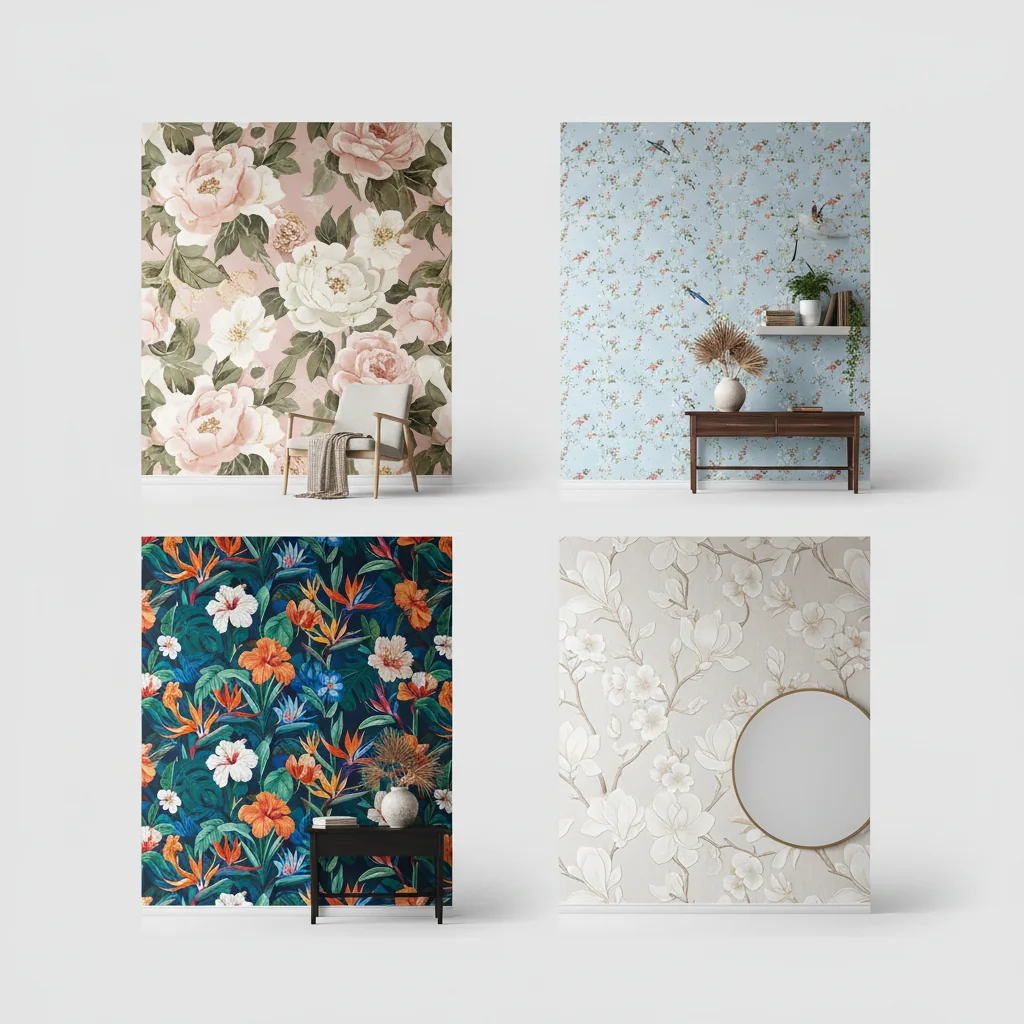
The diverse aesthetic expressions of floral wallpaper span a broad spectrum, ranging from classic chintz and detailed botanical illustrations to bold, abstract interpretations and contemporary graphic designs. Each style conveys a unique mood and can dramatically alter a room’s character, allowing for personalized and impactful design statements. Starhouse curates collections that represent the full breadth of these artistic approaches.
Vintage and Chintz Florals
Vintage and chintz floral wallpapers are characterized by their rich, often densely packed patterns of flowers, leaves, and sometimes birds or other natural elements, typically rendered in a traditional, illustrative style. Chintz, specifically, is known for its glazed finish and often vibrant, multi-colored designs that evoke a sense of timeless elegance and historical charm.
These styles create a warm, inviting, and often romantic atmosphere, reminiscent of English country homes or classic European interiors. They are excellent for adding a touch of nostalgia and sophistication to bedrooms, dining rooms, or cozy reading nooks. Pairing them with antique furniture and plush textiles enhances their traditional appeal.
Botanical Illustrations
Botanical illustration wallpapers feature scientifically accurate or highly detailed depictions of individual plants, flowers, and foliage, often presented against a neutral background. This style emphasizes precision, natural beauty, and a sense of educational elegance, drawing inspiration from historical scientific drawings and herbariums.
They bring a serene, sophisticated, and earthy feel to a space, perfect for creating a focal point or an entire room that celebrates nature’s intricate details. Botanical prints work beautifully in studies, sunrooms, or minimalist living areas, complementing natural wood, linen, and ceramic elements. The scale of these prints can vary from small, repeating motifs to large-scale, singular specimens.
Romantic and Watercolor Florals
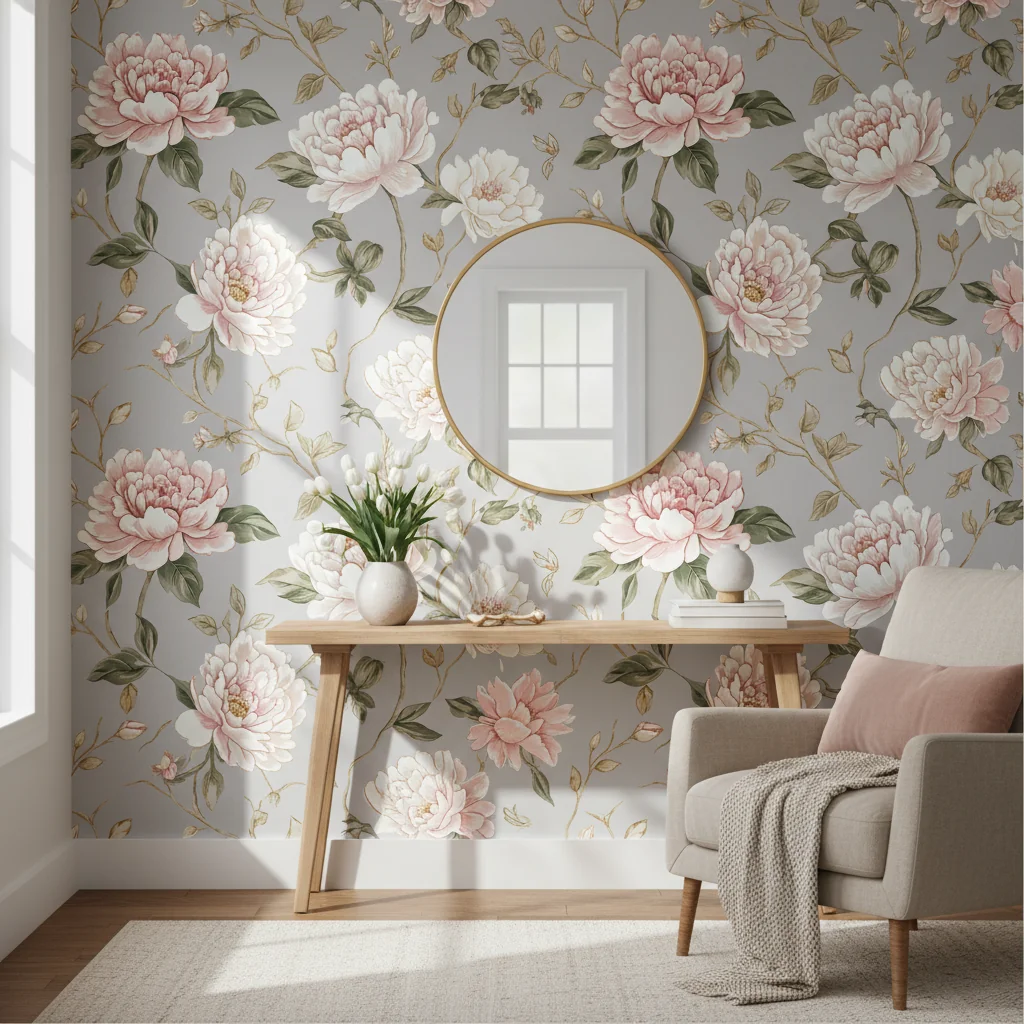
Romantic and watercolor floral wallpapers are defined by their soft, ethereal aesthetics, often featuring blurred edges, delicate washes of color, and flowing compositions that mimic hand-painted artistry. These patterns evoke a sense of dreaminess, tranquility, and understated elegance, often with muted or pastel color palettes.
They are ideal for creating a gentle, calming ambiance in bedrooms, nurseries, or powder rooms. The soft transitions and diffused forms add depth without overwhelming the space, making them versatile for both traditional and contemporary settings. Pairing with light-colored furnishings and sheer fabrics enhances their airy quality.
Tropical and Exotic Florals
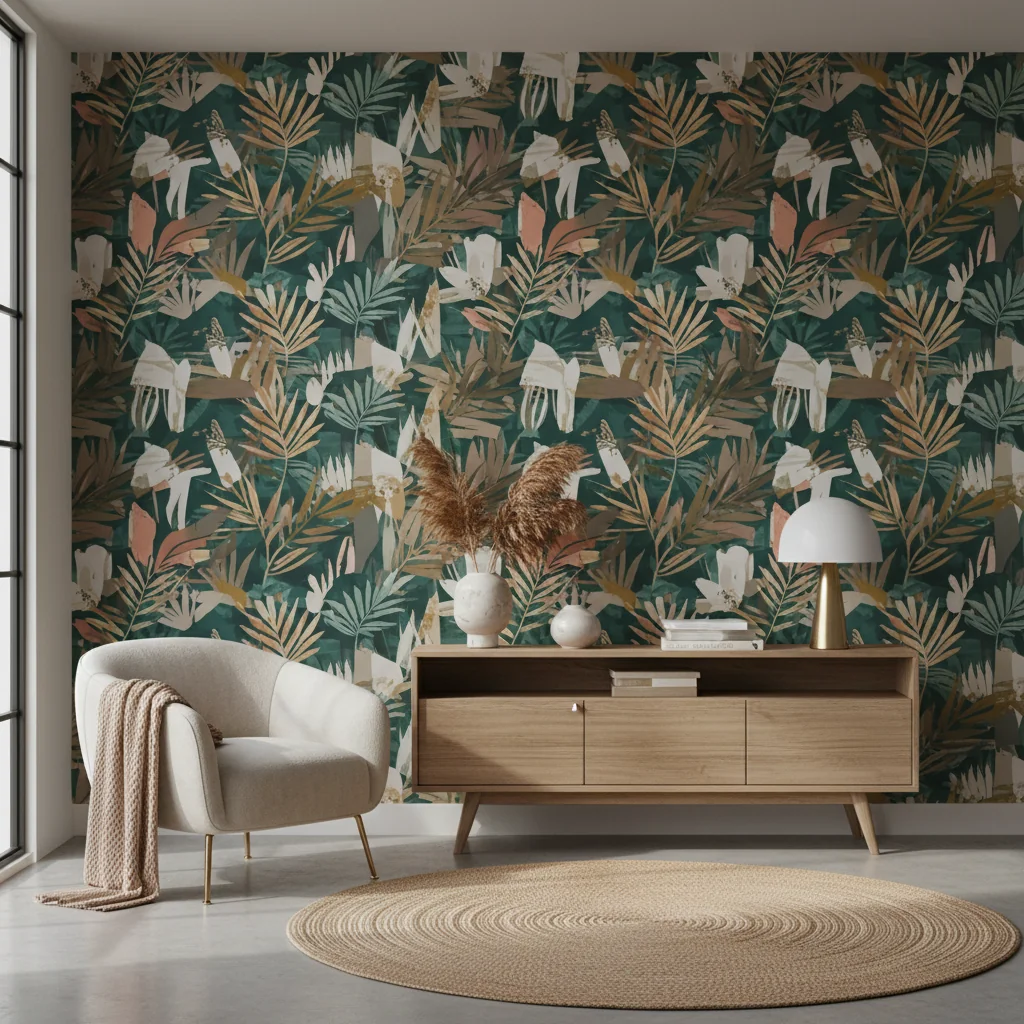
Tropical and exotic floral wallpapers showcase vibrant, often oversized patterns of lush foliage, bold blooms like hibiscus and bird of paradise, and sometimes exotic birds or animals. These designs are characterized by their rich greens, vivid brights, and a sense of exuberant natural abundance, transporting viewers to far-off paradises.
They are perfect for infusing a space with energy, warmth, and a vacation-like atmosphere, suitable for living rooms, sunrooms, or accent walls. Pairing with natural materials like rattan, bamboo, and light woods, alongside bright textiles, amplifies their exotic charm. The scale of these patterns often makes a powerful statement.
Modern and Geometric Florals
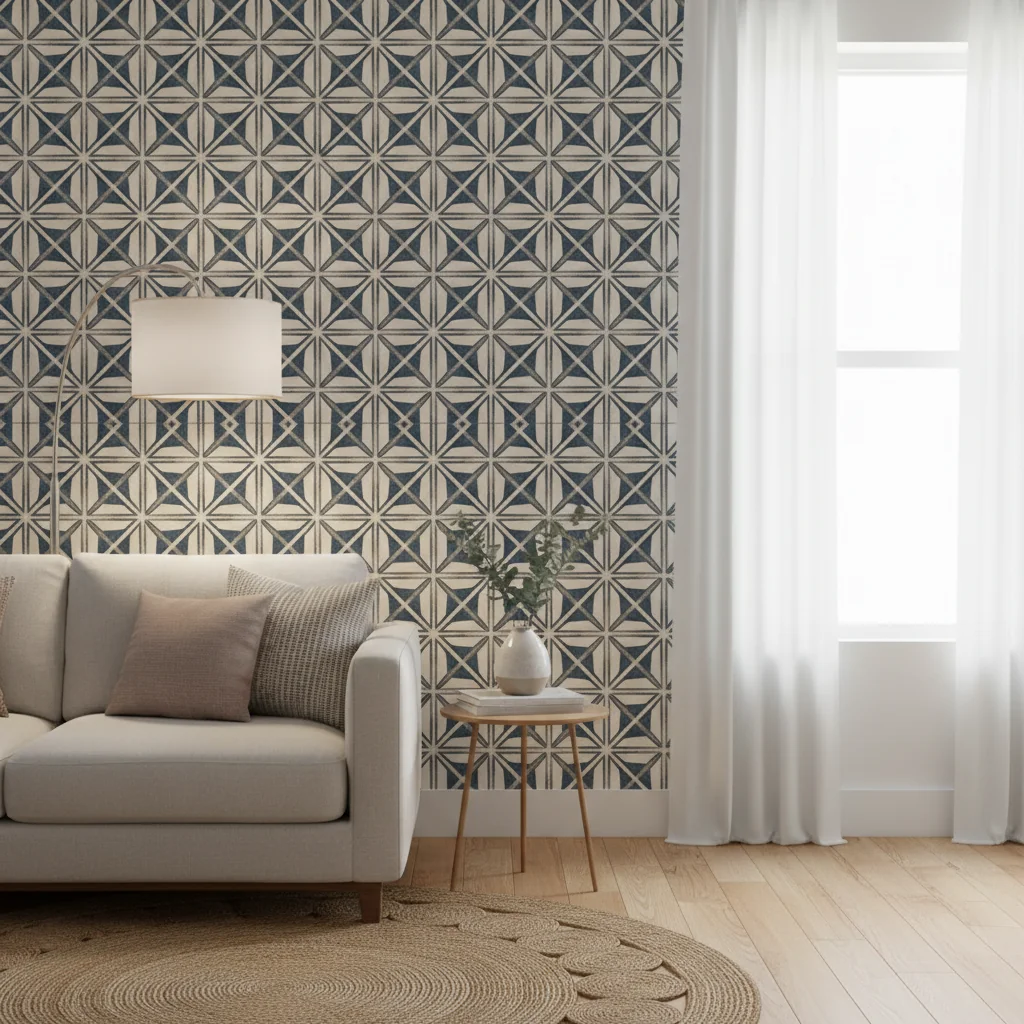
Modern and geometric floral wallpapers merge organic floral motifs with contemporary design principles, often incorporating clean lines, simplified forms, and a structured layout. These designs may feature abstract interpretations of flowers, repeating geometric shapes that form a floral illusion, or stark contrasts in color and negative space.
This style offers a fresh, sophisticated, and often minimalist take on floral patterns, suitable for contemporary or transitional interiors. They are excellent for adding visual interest without appearing overly traditional, working well in urban apartments, modern offices, or as a chic backdrop in a living room. Pairing with sleek furniture and metallic accents highlights their modern edge.
Abstract Florals
Abstract floral wallpapers take inspiration from flowers and botanicals but present them in a non-representational or highly stylized manner, focusing on color, form, and texture rather than literal depiction. These designs often feature fluid brushstrokes, fragmented shapes, or blurred compositions that evoke the essence of a bloom without being explicitly defined.
They create a dynamic, artistic, and contemporary feel, offering a sophisticated alternative to traditional patterns. Abstract florals are ideal for spaces that require a unique focal point or a sense of creative expression, such as art studios, modern dining rooms, or eclectic living areas. They pair well with minimalist furniture and art pieces, allowing the wallpaper to serve as a primary artistic element.
Dark Floral and Moody Botanicals
Dark floral and moody botanical wallpapers feature rich, deep backgrounds—often black, charcoal, or deep indigo—against which vibrant or subtly colored floral motifs emerge. This style creates a dramatic, opulent, and intimate atmosphere, offering a sophisticated twist on traditional floral aesthetics. The contrast enhances the richness of the colors and textures.
These wallpapers are perfect for creating a cozy, luxurious, and impactful statement in bedrooms, dining rooms, or powder rooms. They pair exceptionally well with dark wood furniture, velvet upholstery, and metallic accents, contributing to a maximalist or opulent design scheme. The perceived depth adds grandeur to any space.
Grandmillennial Florals
Grandmillennial floral wallpapers embrace a revival of traditional patterns with a fresh, updated sensibility. This style often features classic chintz, toile, or botanical prints, but reinterpreted with contemporary color palettes, unexpected scales, or paired with modern furnishings. It celebrates comfort, charm, and a layered aesthetic.
This trend is about mixing the old with the new, creating spaces that feel inherited and curated rather than sterile. Grandmillennial florals are suitable for living rooms, bedrooms, and dining areas, where they can be combined with classic furniture, antique finds, and a mix of patterns and textures for a truly personalized look. It’s about embracing a comfortable, lived-in elegance.
Materials and Construction of Floral Wallpaper
The foundational materials and manufacturing processes used in floral wallpaper production dictate its durability, texture, ease of maintenance, and overall aesthetic. Each material offers distinct advantages and considerations, influencing both the visual outcome and the practical longevity of your wallcovering investment. Starhouse selects materials known for their quality and performance.
Choosing the right material is as crucial as selecting the pattern. It affects how the wallpaper performs in different environments, its ease of installation, and how well it withstands the test of time and daily wear.
| Material Type | Durability | Texture | Installation | Removal | Price Range (per single roll) | Best Use Cases |
|---|---|---|---|---|---|---|
| Paper (Traditional) | Moderate; susceptible to tears and moisture. | Smooth to slightly textured; matte or satin finish. | Requires paste; can be challenging for beginners. | Often difficult; may require steaming or scoring. | $25 – $75 | Low-traffic areas, formal living rooms, bedrooms. |
| Non-Woven | High; resistant to tearing, shrinking, and fading. | Smooth to subtly textured; often matte. | Paste-the-wall method; easier for DIY. | Strippable dry; clean removal without damage. | $50 – $150 | Living rooms, bedrooms, dining rooms, hallways. |
| Vinyl (Solid/Coated) | Very High; highly washable, moisture & stain resistant. | Smooth, embossed, or textured; various finishes. | Can be pre-pasted or require paste; relatively easy. | Strippable to peelable depending on backing. | $40 – $120 | Kitchens, bathrooms, nurseries, high-traffic areas. |
| Peel-and-Stick (Removable) | Moderate; less durable than permanent options. | Smooth, often matte; some textured options. | Self-adhesive; very easy for DIY, repositionable. | Cleanly removable; no residue. | $30 – $100 | Rentals, temporary decor, accent walls, DIY projects. |
| Grasscloth | Moderate; delicate, not washable, prone to fraying. | Highly textured, natural, organic feel. | Requires specialized paste and professional skill. | Can be difficult; may tear. | $100 – $300+ | Formal living rooms, dining rooms, studies, accent walls. |
| Fabric-Backed | High; durable, sound-absorbing. | Soft, tactile; linen, silk, or cotton feel. | Requires heavy-duty paste; often professional install. | Can be difficult; may leave residue. | $150 – $400+ | Luxury bedrooms, formal living areas, commercial spaces. |
Paper Wallpaper
Traditional paper wallpaper is the classic choice, offering a wide range of aesthetic possibilities. It typically features a printed design on a paper substrate, which can be uncoated, coated for durability, or embossed for texture. While generally more affordable, paper wallpaper is less durable than other options, being susceptible to moisture and tearing.
Installation requires careful application of paste to the paper itself, which can make it prone to stretching or bubbling if not handled correctly. It is best suited for low-traffic areas and rooms where moisture is not a concern, such as formal living rooms or bedrooms, where its delicate finish can be appreciated without risk of damage.
Solid Vinyl Wallpaper
Solid vinyl wallpaper consists of a solid sheet of vinyl, often with a paper or fabric backing. This construction provides exceptional resistance to moisture, stains, and abrasion, making it highly durable and washable. It is an excellent choice for demanding environments like kitchens, bathrooms, and children’s rooms where frequent cleaning is necessary.
The thickness of solid vinyl also allows for deep embossing, creating realistic textures that mimic fabric, plaster, or other materials, adding a tactile dimension to floral patterns. While highly practical, it can be less breathable than non-woven options, so proper wall preparation is key to prevent mold in damp conditions.
Fabric-Backed Vinyl Wallpaper
Fabric-backed vinyl wallpaper combines a woven fabric substrate with a durable vinyl surface. This hybrid construction offers the best of both worlds: the strength and tear resistance of a fabric backing, coupled with the washability and resilience of vinyl. It is often used in commercial settings due to its extreme durability but is increasingly popular in residential applications.
The fabric backing provides dimensional stability, making it easier to handle during installation and more resistant to shrinking or expanding. It is ideal for high-traffic hallways, busy family rooms, or anywhere a robust yet stylish wallcovering is desired. This material can withstand rigorous cleaning and offers a long service life.
Choosing the Perfect Floral Wallpaper for Your Space
Selecting the ideal floral wallpaper involves a thoughtful process of considering the room’s function, its spatial dimensions, existing décor elements, and the specific aesthetic impact you wish to achieve. A well-chosen pattern can elevate a room, while an ill-suited one can disrupt harmony. Starhouse advocates for a holistic approach to design selection.
Evaluate the Room’s Function
The purpose of the room significantly influences the appropriate wallpaper choice. For a high-traffic area like a hallway or a functional space like a kitchen or bathroom, prioritize durable, washable materials like vinyl or non-woven. In contrast, a bedroom or formal living room allows for more delicate, textured options like paper or grasscloth.
A nursery might benefit from a whimsical, easily removable peel-and-stick floral, while a dining room could showcase a sophisticated, large-scale botanical. Consider the level of moisture, potential for stains, and the need for frequent cleaning when making your material decision.
Consider Room Size and Scale of Pattern
The scale of the floral pattern must harmonize with the size of the room to avoid overwhelming or underwhelming the space. Large-scale, bold florals can make a dramatic statement in spacious rooms or as an accent on a single wall, creating a focal point. In smaller rooms, however, oversized patterns can feel claustrophobic.
Conversely, small, delicate floral prints work beautifully in compact spaces, adding intricate detail without visually shrinking the room. A medium-scale pattern offers versatility, adapting well to various room sizes. Always consider the pattern’s repeat when visualizing its effect on a full wall.
Harmonize with Your Existing Color Palette
Floral wallpaper should complement or enhance your existing color scheme, rather than clash with it. Identify the dominant colors in your furniture, textiles, and accessories. Look for floral patterns that incorporate these hues or introduce complementary shades that will tie the room together.
If your room is largely neutral, a vibrant floral wallpaper can introduce a much-needed pop of color and personality. For rooms with existing color, choose a floral with a background color that matches or a pattern that includes subtle hints of your accent colors. Consider the overall warmth or coolness of your palette.
Integrate with Furniture and Decor Styles
The style of your furniture and existing decor should guide your floral wallpaper selection. A traditional floral, such as a chintz or classic botanical, pairs beautifully with antique or classic furniture, creating a cohesive, timeless look. For modern or minimalist interiors, opt for abstract, geometric, or monochromatic floral designs.
Eclectic spaces offer more freedom, allowing for a mix of styles, but ensure there’s a unifying element, such as a shared color or a consistent level of pattern density. The goal is to create a layered, intentional look where the wallpaper feels like an integral part of the design, not an afterthought.
Account for Natural and Artificial Lighting
Lighting significantly impacts how a floral wallpaper appears. In rooms with abundant natural light, bolder colors and more intricate patterns can shine without feeling heavy. In dimly lit rooms, lighter backgrounds and patterns with reflective elements (like subtle metallic accents) can help brighten and expand the space.
Consider how artificial lighting—lamps, overhead fixtures—will interact with the wallpaper, especially at night. Darker floral patterns can create a cozy, intimate atmosphere in rooms with controlled lighting, while lighter, airier patterns maintain brightness. Always view samples in the actual room under various lighting conditions.
Determine the Desired Mood and Ambiance
Floral wallpaper is a powerful tool for setting a room’s mood. A delicate, romantic watercolor floral evokes tranquility and softness, ideal for a serene bedroom. A vibrant, tropical pattern injects energy and playfulness into a living area. A dark, moody botanical creates a sense of drama and sophistication in a dining room.
Decide whether you want the room to feel calming, energetic, luxurious, whimsical, or elegant. Let this desired ambiance guide your choice of pattern, color, and scale. The wallpaper should be an extension of the emotional experience you wish to cultivate in the space.
- Key Considerations for Selection:
- Match wallpaper material to room function (e.g., vinyl for bathrooms, non-woven for living rooms).
- Select pattern scale that complements room size; large prints for spacious rooms, small prints for compact areas.
- Ensure the color palette of the floral design harmonizes with existing furnishings and decor.
- Consider the prevailing light conditions; lighter patterns for dim rooms, bolder for bright spaces.
- Align the floral style (e.g., vintage, modern, abstract) with your overall interior design aesthetic.
Sizing, Measuring, and Understanding Pattern Repeat for Floral Wallpaper
Precise measurements of your wall dimensions and a clear understanding of the wallpaper’s pattern repeat are essential for accurate ordering and a seamless, professional-looking installation. Inaccurate calculations lead to either insufficient material or excessive waste, impacting both budget and aesthetic outcome. Starhouse emphasizes meticulous preparation to ensure a flawless finish.
How to Measure Your Walls Accurately
Before ordering any wallpaper, accurately measure the height and width of each wall you plan to cover. Use a steel tape measure for precision. Measure the height from the baseboard to the ceiling at several points across the wall, especially if your ceilings are uneven, and use the greatest height measurement.
Measure the total width of all walls to be papered. For walls with doors or windows, measure the total area as if the openings were not there, then subtract the area of the openings only if they are significantly large (e.g., a large picture window or double doors). It is always safer to over-order slightly, as small cutouts often require full strips.
Multiply the height by the width for each wall to get its square footage. Sum these to get your total square footage requirement. Most wallpaper rolls specify the square footage they cover; divide your total by this number to get an approximate roll count. Remember that pattern repeat will increase this number.
Understanding Pattern Repeat
Repeat pattern is defined as the vertical distance between where the design identically repeats itself on a roll of wallpaper, crucial for matching subsequent strips seamlessly. This measurement is typically provided in inches or centimeters on the wallpaper specifications. Ignoring pattern repeat is a common mistake that leads to mismatched designs and wasted material. There are three main types of pattern repeats:
Straight Match
In a straight match, the design elements at the top of each strip align perfectly with the design elements at the top of the next strip, creating a continuous, unbroken pattern horizontally across the wall. This is the simplest type of match to work with, requiring minimal waste compared to drop matches.
When cutting strips for a straight match, simply ensure that each new strip starts at the same point in the pattern as the previous one. This usually means cutting all strips to the same length, plus a few inches for trimming at the top and bottom.
Drop Match
A drop match pattern requires the design on subsequent strips to align by “dropping” down a certain distance, typically half the pattern repeat. This creates a staggered, more intricate pattern that often looks more natural and less repetitive than a straight match. Drop matches can be half-drop or quarter-drop.
This type of match requires more careful planning and results in more waste, as you’ll need to cut strips to align the pattern across the wall. You will often need to cut strips from different points on the roll to achieve the correct alignment, which means buying extra rolls is almost always necessary.
Random Match (Free Match)
A random match, also known as a free match, means there is no specific design repeat to align. Patterns like textures, stripes, or very subtle, non-directional florals fall into this category. Strips can be hung side-by-side without needing to match the pattern.
This is the most forgiving type of wallpaper to install and produces the least amount of waste, as you can often use cutoffs more efficiently. While less common for detailed floral designs, it can be found in subtle, abstract floral textures or grasscloth-style florals.
Calculating Rolls Needed (with Buffer)
Once you have your total square footage and understand the pattern repeat, you can calculate the number of rolls. Most wallpaper manufacturers provide a coverage area per roll (e.g., 56 sq ft per double roll). Divide your total required square footage by the roll coverage.
Crucially, add a buffer for waste, especially with drop matches or complex patterns. For straight matches, add 10-15% extra. For drop matches, add 15-25% extra, or even more for very large repeats. It is always recommended to purchase at least one extra roll, particularly for intricate floral designs, to ensure pattern match and to have on hand for future repairs. Ensure all rolls are from the same dye lot to prevent color variations.
Installation Considerations for Floral Wallpaper
Successful floral wallpaper installation requires meticulous surface preparation, the use of proper tools, and strict adherence to manufacturer instructions, whether you choose a professional installer or opt for a DIY application. Proper technique ensures longevity, a smooth finish, and a visually stunning result. Starhouse recommends prioritizing preparation for any wallcovering project.
Surface Preparation: The Foundation of Success
The condition of your walls is paramount. Walls must be clean, dry, smooth, and free of any dust, grease, or debris. Fill any holes or cracks with spackle, sand them smooth, and wipe away dust. For glossy paints, a light sanding will help the adhesive grip. Old wallpaper must be completely removed, as new wallpaper will not adhere reliably over existing layers.
Apply a high-quality wallpaper primer (also known as a “sizing” agent) to all walls. Primer creates a uniform surface that promotes adhesion, prevents paste from soaking into porous walls, and makes future removal easier. Allow the primer to dry completely according to manufacturer instructions, typically 24 hours, before proceeding.
Essential Tools for Installation
Having the right tools on hand streamlines the installation process and ensures a professional finish. Key tools include:
- Tape Measure: For precise wall and wallpaper strip measurements.
- Utility Knife with Snap-Off Blades: For clean, sharp cuts and trimming.
- Straightedge or Level: To ensure vertical alignment of the first strip.
- Smoothing Tool (Smoother or Brush): To press out air bubbles and ensure adhesion.
- Seam Roller: To secure seams without damaging the paper.
- Water Tray (for pre-pasted): To activate adhesive.
- Paste Brush or Roller (for unpasted): To apply adhesive evenly.
- Bucket and Sponge: For clean-up of excess paste.
- Drop Cloths: To protect flooring and furniture.
- Stepladder: For reaching high areas safely.
Techniques for Hanging Floral Wallpaper
Start by marking a plumb line (a perfectly vertical line) on your wall, typically 18-20 inches from a corner, using a level. This ensures your first strip is perfectly straight, as subsequent strips will follow its lead. Cut your first strip, adding 2-4 inches to the top and bottom for trimming.
For pre-pasted wallpaper, roll the cut strip loosely with the paste side in, submerge it in water for the recommended time, then “book” it (fold pasted side to pasted side) to activate the adhesive. For unpasted wallpaper, apply an even layer of paste to the back of the strip or directly to the wall (for non-woven).
Carefully align the first strip with your plumb line, pressing it onto the wall. Use your smoothing tool to work from the center outwards, pushing out air bubbles. Trim excess at the ceiling and baseboard with a sharp utility knife and straightedge. Repeat for subsequent strips, carefully matching the pattern repeat at the seams.
DIY vs. Professional Installation
Deciding between DIY and professional installation depends on several factors, including your experience level, the complexity of the wallpaper, and the size of the project. Peel-and-stick and non-woven wallpapers are generally more forgiving for DIY enthusiasts, especially for accent walls.
For intricate floral patterns, delicate materials like grasscloth, or large, multi-room projects, hiring a professional installer is highly recommended. Professionals possess the expertise, specialized tools, and experience to handle complex pattern repeats, difficult corners, and ensure a flawless, long-lasting finish, ultimately saving time and preventing costly mistakes.
Specifics for Peel-and-Stick vs. Traditional
Peel-and-stick wallpaper offers the simplest installation. After cleaning and priming, simply peel back a few inches of the backing paper from the top, align the strip, and slowly peel the backing down while smoothing the wallpaper onto the wall. Its repositionable nature allows for adjustments during application, making it very beginner-friendly.
Traditional (pre-pasted or unpasted) wallpaper requires more precision. The booking process for pre-pasted, or precise paste application for unpasted, demands a cleaner working environment and quicker handling. Drying times are also longer for traditional methods, typically 24-48 hours, during which humidity levels should be controlled to prevent shrinking or bubbling.
Current Trends in Floral Wallpaper
Contemporary floral wallpaper trends embrace a dynamic spectrum, from bold, oversized botanicals and dramatic dark palettes to sophisticated abstract interpretations and delicate, hand-painted motifs. These trends reflect a desire for personalization, connection to nature, and the creation of unique, expressive interiors. Starhouse observes these shifts to offer current and timeless designs.
Oversized and Statement Florals
One of the most prominent trends is the use of oversized floral motifs, where individual blooms or clusters of flowers are rendered on a grand scale, often spanning multiple feet. These designs transform a wall into a dramatic art piece, making a powerful statement and becoming the undeniable focal point of a room.
Oversized florals work best in spacious rooms or on a single accent wall, preventing the pattern from overwhelming the space. They are often depicted with a painterly quality, adding a touch of artistic sophistication. This trend is about creating impact and drawing the eye, celebrating the beauty of nature in an exaggerated, luxurious way.
Dark and Moody Botanicals
Moving away from light and airy, dark floral wallpapers feature rich, deep backgrounds—such as charcoal, navy, emerald, or black—against which vibrant or muted floral elements bloom. This trend creates a sense of drama, intimacy, and opulent sophistication, often evoking a mysterious, romantic atmosphere.
Moody botanicals are popular in bedrooms, dining rooms, and powder rooms, where they contribute to a cozy, luxurious ambiance. They pair beautifully with dark wood furniture, metallic accents (gold, brass), and plush fabrics like velvet, embracing a maximalist aesthetic or adding unexpected depth to a minimalist space.
Chinoiserie Revival
Chinoiserie, a European interpretation of Chinese and East Asian artistic traditions, is experiencing a significant revival in floral wallpaper. These designs typically feature intricate, hand-painted-style motifs of birds, blossoms, pagodas, and landscapes, often on a silk or textured background. The aesthetic is one of refined elegance and exotic charm.
Modern chinoiserie patterns often feature updated color palettes or simplified compositions, making them adaptable to both traditional and contemporary interiors. They are perfect for creating a luxurious, bespoke feel in dining rooms, elegant living spaces, or grand entryways, embodying a timeless sense of artistry and heritage.
Abstract Florals
Abstract floral wallpapers take the essence of botanical forms and reinterpret them through artistic abstraction. These designs often feature blurred shapes, expressive brushstrokes, fragmented patterns, or stylized outlines that hint at flowers without literal depiction. The focus is on color, movement, and artistic impression rather than botanical accuracy.
This trend appeals to those seeking a modern, artistic, and less traditional floral aesthetic. Abstract florals are versatile, fitting well into contemporary, minimalist, or eclectic spaces, serving as a dynamic backdrop that evokes creativity and sophisticated design without being overtly thematic.
Micro-Prints and Delicate Florals
At the other end of the scale spectrum, micro-prints and delicate florals are gaining popularity. These patterns feature tiny, often intricate floral motifs that create a subtle texture and visual interest without dominating the space. They offer a refined, understated elegance, often with a vintage or cottagecore appeal.
Micro-prints are ideal for creating a gentle, soothing atmosphere in smaller rooms, nurseries, or as an all-over pattern in a bedroom. They pair well with natural materials, light wood, and soft textiles, contributing to a sense of calm and classic charm without the visual weight of larger patterns.
Maximalism and Layered Florals
The maximalist trend fully embraces layering patterns, colors, and textures, and floral wallpaper is a key component. This approach involves combining different floral scales, mixing florals with other patterns (stripes, geometrics), and pairing them with bold colors and eclectic furnishings. The goal is to create a rich, visually stimulating, and highly personalized environment.
Layered florals are about creating a sense of abundance and visual storytelling. This trend encourages breaking traditional design rules, using floral wallpaper as a foundation for a truly unique and expressive interior that reflects the homeowner’s personality and curated collection of items.
Care and Maintenance for Floral Wallpaper
Proper care and maintenance are indispensable for ensuring the longevity and pristine appearance of floral wallpaper, with specific methods varying based on the material’s durability and washability. Regular cleaning and prompt attention to spills prevent irreversible damage and preserve the aesthetic integrity of your investment. Starhouse advises adherence to manufacturer-specific care instructions for optimal results.
General Cleaning Guidelines
For most floral wallpapers, regular, gentle dusting is the primary form of maintenance. Use a soft, dry cloth, a feather duster, or a vacuum cleaner with a soft brush attachment to remove accumulated dust and cobwebs. Always dust from top to bottom to ensure debris falls away from already cleaned areas.
Avoid abrasive cleaners, harsh chemicals, or scrubbing tools, as these can damage the wallpaper’s surface, fade colors, or compromise its integrity. Even for washable wallpapers, gentle methods are always preferred to prolong their life and maintain their vibrant appearance.
Spot Treatment for Stains
Address spills and stains immediately to prevent them from setting. For most washable wallpapers (vinyl, non-woven), use a soft sponge or cloth lightly dampened with lukewarm water and a mild, non-abrasive soap (like dish soap). Gently blot the stain, working from the outside in to prevent spreading.
Rinse the area with a clean, damp cloth to remove any soap residue, then gently pat dry. For delicate materials like grasscloth or paper, immediate, careful blotting with a dry cloth is essential, but extensive cleaning is generally not possible without professional intervention. Always test any cleaning solution on an inconspicuous area first.
Material-Specific Care
Vinyl Wallpaper
Vinyl wallpaper is highly durable and generally the easiest to clean. It can withstand gentle scrubbing with a soft brush or sponge using mild soap and water. For tougher stains, a diluted all-purpose cleaner may be used, but always test first. Ensure proper ventilation in bathrooms and kitchens to prevent moisture buildup behind the vinyl, which can lead to mold.
Non-Woven Wallpaper
Non-woven wallpaper is typically washable and often scrubbable. It can be cleaned with a damp cloth and mild soap. Its breathability helps prevent mold, but it’s still best to wipe off moisture promptly. Avoid saturating the paper, and never use harsh chemicals or abrasive sponges, as these can damage the fibers or print.
Paper Wallpaper
Most traditional paper wallpapers are not washable and are easily damaged by moisture. For these, dry dusting is the only recommended regular cleaning. For very minor, non-greasy marks, a dry kneaded eraser might be used with extreme caution. Any liquid spills should be blotted immediately with a dry, clean cloth, but staining is often unavoidable.
Grasscloth Wallpaper
Grasscloth is highly delicate and not washable. Dust regularly with a soft brush or vacuum with an upholstery attachment. Any liquid spills must be blotted immediately with a dry, clean cloth; rubbing will damage the fibers. For significant stains, professional cleaning specializing in natural fibers is required. Protect grasscloth from direct sunlight to prevent fading.
Peel-and-Stick Wallpaper
Peel-and-stick wallpaper, often made from vinyl or fabric, is typically wipeable with a damp cloth and mild soap. Its temporary nature means it may not withstand heavy scrubbing. Ensure edges are well-adhered after cleaning to prevent lifting. Avoid strong cleaning agents that could degrade the adhesive.
- Maintenance Best Practices:
- Dust floral wallpaper regularly with a soft cloth or vacuum attachment to prevent buildup.
- Address spills and stains immediately by gently blotting with a clean, damp cloth and mild soap.
- Always test cleaning solutions on an inconspicuous area before applying to visible surfaces.
- Avoid abrasive cleaners, harsh chemicals, and excessive moisture, regardless of wallpaper material.
- Ensure adequate ventilation in rooms with high humidity to protect wallpaper from moisture damage.
- Consult the manufacturer’s specific care instructions, as they offer the most accurate guidance for your product.
Styling and Pairing Floral Wallpaper in Your Home
Effectively styling floral wallpaper involves balancing its visual impact with complementary furnishings, textiles, and accessories to create a cohesive and harmonious interior design. The goal is to integrate the wallpaper seamlessly, allowing it to enhance the room’s overall aesthetic without overwhelming it. Starhouse encourages thoughtful curation to achieve a truly bespoke look.
Styling by Room
Bedroom
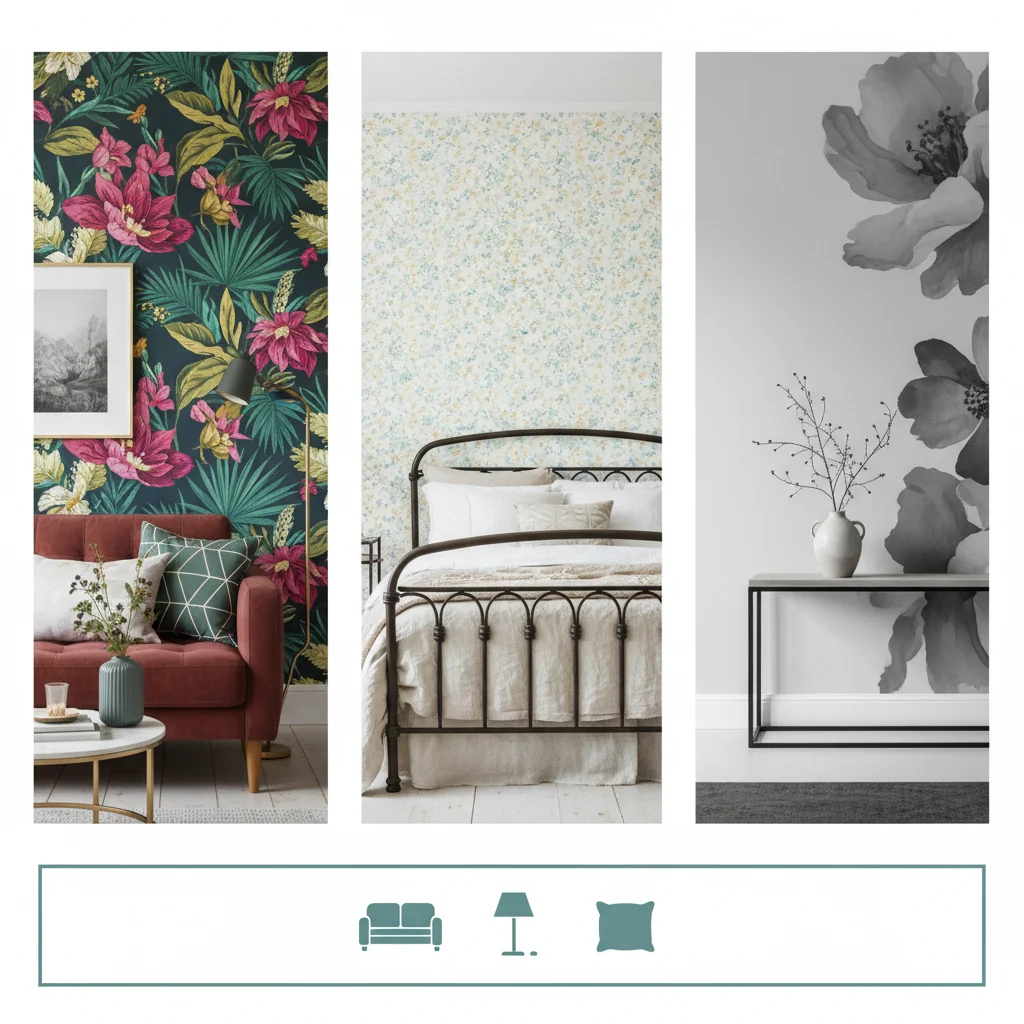
In a bedroom, floral wallpaper can create a serene, romantic, or dramatic backdrop. Opt for soft, watercolor florals or delicate botanical prints for a calming retreat. A dark, moody floral behind the headboard can add a touch of sophisticated drama. Pair with plush textiles, soft lighting, and minimalist furniture to let the wallpaper shine without competing for attention.
Living Room
The living room is an ideal space for making a statement with floral wallpaper. Consider a large-scale, vibrant tropical print on an accent wall to inject energy, or a sophisticated chinoiserie pattern for timeless elegance. Balance bold patterns with solid-colored upholstery and neutral accessories. Introduce natural elements like wood, rattan, or live plants to complement the organic theme.
Dining Room
A dining room benefits from floral wallpaper that fosters a sense of occasion and elegance. Rich, dark florals or intricate botanical murals create an intimate, luxurious atmosphere perfect for entertaining. Pair with classic dining furniture, elegant lighting fixtures, and complementary table linens. The wallpaper can serve as a captivating conversation starter.
Bathroom/Powder Room
Smaller spaces like powder rooms are excellent for experimenting with bold or whimsical floral patterns that might be too much for a larger room. A vibrant tropical print or a charming vintage floral can transform a small bathroom into a jewel box. Ensure the wallpaper material is suitable for high humidity (e.g., vinyl or non-woven) and pair with simple fixtures to avoid clutter.
Nursery or Kids’ Room
For a nursery or child’s room, choose whimsical, soft, or playful floral patterns. Delicate watercolor botanicals, cheerful cartoon-style flowers, or subtle micro-prints can create a comforting and stimulating environment. Peel-and-stick options are ideal here, offering easy changes as the child grows. Pair with light-colored furniture and soft, durable textiles.
Entryway/Hallway
An entryway or hallway sets the tone for your home. A vibrant floral wallpaper can create an immediate welcoming impression, while a classic botanical can convey sophistication. Consider the flow of patterns if the hallway connects multiple rooms. Durable, scrubbable materials are recommended due to high traffic.
Pairing with Furniture Styles
Modern & Minimalist: Pair abstract, geometric, or monochromatic floral wallpapers with sleek, uncluttered furniture, clean lines, and a restrained color palette. The wallpaper adds visual interest without sacrificing the minimalist aesthetic.
Traditional & Classic: Chintz, botanical illustrations, or damask-floral patterns complement antique, upholstered, or dark wood furniture. Maintain a cohesive look with ornate mirrors, classic lighting, and rich textiles.
Eclectic & Bohemian: Almost any floral wallpaper can work in an eclectic space. Mix bold patterns with vintage finds, global textiles, and a variety of textures. The key is to create a curated, layered look that feels personal and unique.
Farmhouse & Rustic: Choose soft, muted floral prints, subtle botanicals, or small-scale patterns. Pair with distressed wood furniture, natural fibers, and a warm, inviting color scheme to enhance the cozy, rustic charm.
Color Palettes and Textiles
When selecting textiles, draw colors from the floral wallpaper. If the wallpaper has a dominant color, use that for larger textile pieces like curtains or rugs in a solid or subtle texture. Pick accent colors from the smaller floral elements for throw pillows, blankets, or decorative accessories.
For a cohesive look, use textiles with solid colors or subtle textures that complement the wallpaper. For a more adventurous, maximalist approach, layer different patterns, ensuring they share at least one common color or a similar scale to prevent visual chaos. Natural fibers like linen, cotton, and velvet often pair beautifully with floral designs.
Mixing Patterns (with Caution)
Mixing floral wallpaper with other patterns requires a discerning eye. A general rule is to vary the scale of the patterns: pair a large-scale floral with a small-scale geometric or stripe. Ensure there’s a unifying element, such as a shared color palette, to tie everything together.
Consider the visual weight of each pattern; a busy floral wallpaper might need to be balanced with more understated patterns on upholstery or cushions. Use solid colors as visual breaks between different patterns to prevent the room from feeling too cluttered.
Accessories and Lighting
Accessories should enhance, not compete with, your floral wallpaper. Choose items that echo the colors or themes of the wallpaper without mimicking them directly. Mirrors with ornate frames can add depth and bounce light, while simple, modern frames allow the wallpaper to be the star.
Lighting plays a crucial role in highlighting the wallpaper. Strategically placed lamps or sconces can illuminate specific details or create a warm glow against a darker floral pattern. Art pieces should be carefully selected; consider minimalist art or pieces that complement the wallpaper’s colors rather than competing for attention.
As you envision how floral wallpaper can transform your home, remember that Starhouse is dedicated to curating a collection that meets your unique design aspirations. Whether you’re seeking a subtle backdrop or a dramatic statement, we are here to help you discover the perfect fit. Tell us what you’re looking for and get early access to our exclusive selections.
Common Mistakes to Avoid When Using Floral Wallpaper
Sidestepping common pitfalls such as miscalculating roll quantities or ignoring room scale ensures a successful and aesthetically pleasing floral wallpaper application. Awareness of these frequent errors allows for more confident decision-making and a superior final result. Starhouse emphasizes careful planning to prevent disappointment.
Overlooking Pattern Repeat
Failing to account for the pattern repeat is one of the most common and costly mistakes. This leads to insufficient wallpaper, visible mismatches at seams, or excessive waste. Always understand whether your chosen floral wallpaper has a straight, drop, or random match, and factor this into your roll calculations. A large drop match can significantly increase the amount of wallpaper needed.
Incorrect Measurement and Under-Ordering
Underestimating the required amount of wallpaper is a frequent error. Always measure carefully, considering all architectural features, and add an extra 10-25% buffer for waste, especially with large pattern repeats. Running out of wallpaper mid-project, particularly if the dye lot is no longer available, can be a major setback. It is always better to have an extra roll than to be short.
Poor Wall Preparation
Applying wallpaper over dirty, uneven, or unprimed walls guarantees a poor outcome. Bumps and imperfections will show through, dust and grease will prevent adhesion, and unprimed walls can absorb paste unevenly, leading to bubbles or peeling. Always clean, spackle, sand, and prime your walls thoroughly before installation.
Ignoring Room Scale and Pattern Size
Selecting a floral pattern that is too large for a small room or too small for a vast space can disrupt visual harmony. An oversized floral in a tiny powder room can feel overwhelming, while a micro-print in a grand living room may disappear. Match the scale of the pattern to the room’s dimensions to create balance and impact.
Clashing with Existing Decor or Color Palette
Introducing a floral wallpaper that clashes with your furniture, textiles, or overall color scheme creates a chaotic and unharmonious environment. Ensure the wallpaper’s colors and style complement or enhance your existing decor. Bring samples home and view them in different lighting conditions next to your furnishings before committing.
Neglecting Lighting Conditions
The amount of natural and artificial light in a room significantly alters how a floral wallpaper appears. Dark, busy patterns can make a dimly lit room feel smaller and heavier, while very light patterns might wash out in intensely bright spaces. Consider how the wallpaper will look at different times of day and night.
Improper Installation Techniques
Attempting DIY installation without proper tools, knowledge, or patience can lead to crooked strips, visible seams, bubbles, or tears. If you are unsure, especially with delicate or expensive floral wallpapers, investing in professional installation is often a wise decision that ensures a flawless finish and saves time and frustration.
Forgetting the Dye Lot
Wallpaper is produced in batches, and slight color variations can occur between different “dye lots.” Always purchase all rolls for a single project from the same dye lot number to ensure consistent color across your walls. This number is typically printed on the label of each roll.
Frequently Asked Questions About Floral Wallpaper
Is floral wallpaper still in style?
Yes, floral wallpaper is definitively still in style and is experiencing a strong resurgence, with contemporary interpretations ranging from bold oversized botanicals to sophisticated abstract prints that adapt to modern design aesthetics. The trend has moved beyond traditional chintz to embrace diverse styles and color palettes.
Can floral wallpaper be used in a small room?
Absolutely, floral wallpaper can be used effectively in a small room; however, the key is to choose the right scale and pattern. Small-scale or delicate floral prints can add intricate detail without overwhelming the space, while a bold, large-scale floral can create a dramatic accent wall without making the room feel claustrophobic.
What types of rooms are best for floral wallpaper?
Floral wallpaper is versatile and suitable for almost any room, including bedrooms, living rooms, dining rooms, nurseries, and powder rooms. The best type of room depends on the specific floral style and material chosen; for example, vinyl florals are ideal for high-humidity bathrooms, while delicate paper florals suit low-traffic bedrooms.
How do I choose the right color floral wallpaper?
Choosing the right color for floral wallpaper involves considering your existing decor, the room’s lighting, and the desired mood. Select a wallpaper that incorporates or complements your room’s dominant colors, and always view samples in your space under various lighting conditions to ensure the colors appear as expected.
Is peel-and-stick floral wallpaper durable?
Peel-and-stick floral wallpaper offers moderate durability, generally less than permanent traditional or vinyl options, but it is suitable for many residential applications. Its primary advantage is ease of installation and clean removal, making it excellent for temporary decor or renters. The durability often depends on the quality of the vinyl or fabric material used.
How much wallpaper should I order to account for pattern repeat?
To account for pattern repeat, you should order an additional 10-15% of wallpaper for a straight match and 15-25% or more for a drop match. This extra material ensures you have enough to align the pattern seamlessly and provides a buffer for mistakes or future repairs. Always purchase all rolls from the same dye lot.
Can I install floral wallpaper myself, or do I need a professional?
DIY installation is feasible for many types of floral wallpaper, especially peel-and-stick or non-woven varieties, which are more forgiving. However, for intricate patterns, delicate materials like grasscloth, or large projects, hiring a professional installer is highly recommended to ensure a flawless finish and prevent costly errors.
Conclusion
Floral wallpaper stands as a testament to timeless design, offering an unparalleled ability to infuse any space with personality, warmth, and sophistication. From the delicate whispers of a watercolor botanical to the bold declaration of an oversized tropical print, the options are as boundless as nature itself. By understanding the nuances of materials, patterns, and proper installation, you are empowered to select and style floral wallpaper that not only complements your home but truly elevates it to an art form. It is a design choice that reflects a deep appreciation for beauty and an unwavering commitment to creating interiors that resonate with comfort, elegance, and individual flair.
At Starhouse, we are curating a distinctive collection of floral wallpapers and complementary home decor elements designed to inspire and transform. We believe your home should be a reflection of your unique story and aspirations. We invite you to be part of our journey as we build a collection tailored for discerning homeowners. Tell us what you’re looking for in your dream space and gain early access to our upcoming launch, ensuring you’re among the first to explore designs that speak directly to your vision.