Designer wallpaper transcends mere wall covering; it is a meticulously crafted artistic statement, often produced by renowned studios or individual creatives, featuring unique patterns, premium materials, and sophisticated printing techniques that elevate interior spaces with unparalleled character and luxury. Unlike mass-produced alternatives, designer wallpaper prioritizes distinctive aesthetics, superior tactile quality, and often, enhanced durability, transforming walls into focal points that reflect refined taste and bespoke design principles. At Starhouse, we understand that selecting the right designer wallpaper is a pivotal decision in defining the ambiance and style of a home, offering a curated selection that marries artistic integrity with practical application.
Key takeaways
- Designer wallpaper offers unparalleled aesthetic distinction and material quality, transforming interiors into unique, curated spaces.
- Selecting the appropriate type—from non-woven to grasscloth—requires evaluating durability, texture, and environmental considerations for optimal performance.
- Precise measurement and pattern repeat understanding are critical for a seamless installation, minimizing waste and ensuring visual continuity.
- Sustainability is an increasing focus, with many designer brands offering eco-friendly materials and low-VOC formulations for healthier indoor environments.
- Successful integration of designer wallpaper involves harmonizing its pattern, color, and texture with existing furnishings and the room’s overall design narrative.
- Proper care, tailored to the specific material, significantly extends the lifespan and preserves the aesthetic integrity of your investment.
What Defines Designer Wallpaper?
Designer wallpaper is distinguished by its bespoke artistry, superior material quality, and often limited production runs, setting it apart from standard, mass-produced options. It represents a significant investment in interior design, offering unique patterns, rich textures, and sophisticated color palettes developed by renowned artists and design houses. This category of wallcovering is characterized by its meticulous attention to detail, innovative techniques, and the ability to transform a space into a highly personalized and refined environment.
The hallmark of designer wallpaper lies in its exclusivity and the narrative it brings to a space. Each collection is typically the result of extensive research, artistic development, and a commitment to aesthetic integrity. Unlike commodity wallpapers, which often prioritize cost-effectiveness and broad appeal, designer options cater to a discerning clientele seeking distinctive visual impact and a luxurious tactile experience. This distinction is evident in everything from the originality of the motifs to the depth of color achieved through specialized printing methods.
The Craftsmanship Behind the Design
The creation of designer wallpaper is a labor-intensive process that often involves artisanal techniques. Many designer brands collaborate with artists to translate original artworks into repeating patterns, ensuring that each roll tells a story. This commitment to craftsmanship means that patterns are not merely printed but are often layered with intricate details, subtle gradations, and sometimes even hand-finished elements. The precision in pattern registration and color matching is paramount, ensuring a flawless visual flow across an entire wall.
Furthermore, the design process for designer wallpaper frequently incorporates specialized printing methods such as surface printing, rotary screen printing, or even digital printing with advanced color management. These techniques allow for a greater complexity in design, richer color saturation, and the ability to replicate fine artistic nuances that would be unattainable with conventional methods. The result is a product that possesses significant visual depth and an almost palpable sense of quality.
Beyond Aesthetics: Material Innovation and Sustainability
While aesthetics are central, designer wallpaper also pushes boundaries in material innovation and sustainability. Brands are increasingly focusing on eco-friendly substrates, low-VOC (Volatile Organic Compound) inks, and production processes that minimize environmental impact. This commitment ensures that the beauty of the wallpaper does not come at the expense of indoor air quality or ecological responsibility.
What is a Volatile Organic Compound (VOC)?
A Volatile Organic Compound (VOC) is a chemical that contains carbon and evaporates readily at room temperature, releasing gases into the air that can be harmful to human health and the environment. Common sources include paints, adhesives, and certain building materials, which can contribute to indoor air pollution. For instance, the EPA provides extensive information on VOCs and their impact on indoor air quality, noting that some VOCs are emitted from a variety of products including glues and adhesives used in wallpaper application (epa.gov).
The integration of advanced materials also contributes to enhanced durability, cleanability, and ease of installation. Many designer wallpapers are engineered to withstand the rigors of daily life, making them suitable for high-traffic areas while retaining their pristine appearance. This combination of artistic excellence and functional superiority solidifies designer wallpaper’s position as a premium choice for sophisticated interiors.
The Spectrum of Designer Wallpaper Types
Designer wallpaper encompasses a diverse range of material compositions, each offering distinct aesthetic qualities, durability characteristics, and installation requirements to suit various interior design needs. Understanding these types is crucial for making an informed decision that aligns with both your design vision and the practical demands of your space. The primary categories often include non-woven, vinyl, grasscloth, silk, and other natural fiber wallcoverings, each bringing a unique texture and performance profile.
Non-Woven Wallpaper
Non-woven wallpaper is a highly popular and versatile choice, manufactured from a blend of natural and synthetic fibers. Its primary advantage lies in its “paste the wall” application, which simplifies installation and removal significantly. This type is breathable, preventing mold and mildew growth, and is generally dimensionally stable, meaning it resists shrinking or expanding. Non-woven wallpapers are also often washable and highly durable, making them suitable for various rooms, including kitchens and bathrooms, provided they are not directly exposed to excessive moisture.
- Pros: Easy to install and remove (often dry-strippable), breathable, washable, durable, eco-friendly options available.
- Cons: Can be slightly more expensive than traditional paper-backed vinyl, delicate patterns may require careful handling during installation.
- Ideal Use: Living rooms, bedrooms, dining rooms, hallways, well-ventilated bathrooms.
Vinyl Wallpaper
Vinyl wallpaper is renowned for its exceptional durability, washability, and resistance to moisture, making it an ideal choice for high-traffic areas and humid environments. It typically consists of a paper or fabric backing coated with a layer of vinyl (PVC). The vinyl layer provides a protective, impermeable surface that can be easily cleaned with a damp cloth. Designer vinyl options often feature embossed textures that mimic natural materials or intricate patterns with a luxurious feel.
While highly practical, it is important to consider the environmental implications of PVC. However, many manufacturers are now offering low-VOC vinyl options and striving for more sustainable production methods. The U.S. Environmental Protection Agency (EPA) and other regulatory bodies monitor the use of certain chemicals, including those in PVC, to ensure safety standards are met, as detailed in various regulatory documents (downloads.regulations.gov).
- Pros: Extremely durable, highly washable, moisture-resistant, excellent for high-traffic areas.
- Cons: Less breathable than non-woven, can be more challenging to remove, potential environmental concerns with traditional PVC.
- Ideal Use: Kitchens, bathrooms, children’s rooms, commercial spaces, high-traffic hallways.
Grasscloth and Natural Fiber Wallcoverings
Grasscloth is a premium, natural wallcovering made from woven fibers such as jute, sisal, bamboo, or arrowroot, applied to a paper backing. It offers unparalleled texture, warmth, and an organic aesthetic that adds depth and sophistication to any room. Each roll is inherently unique, with slight variations in color and weave, contributing to its artisanal appeal. Due to its natural composition, grasscloth typically requires professional installation and is less durable than vinyl, making it best suited for lower-traffic areas.
Other natural fiber wallcoverings include silk, linen, and even cork, each imparting a distinct luxurious feel. Silk wallcoverings, for instance, are exquisitely delicate, offering a subtle sheen and sophisticated texture, perfect for formal living spaces or master bedrooms. These materials are generally less forgiving and require meticulous care and specialized installation.
- Pros: Unique natural texture, organic aesthetic, adds warmth and depth, eco-friendly (for many types).
- Cons: Can be delicate and prone to damage, difficult to clean, often requires professional installation, higher cost.
- Ideal Use: Formal living rooms, dining rooms, master bedrooms, studies, accent walls.
Peel-and-Stick Wallpaper (Removable Wallpaper)
Peel-and-stick wallpaper, also known as removable wallpaper, has surged in popularity for its ease of application and temporary nature. It features an adhesive backing that activates upon removal of a liner, eliminating the need for paste. While traditionally associated with temporary décor or DIY projects, many designer brands now offer high-quality peel-and-stick options with sophisticated patterns and durable materials. This type is excellent for renters, commitment-phobes, or for creating accent walls that can be easily updated.
- Pros: Extremely easy to install and remove, no paste required, ideal for renters or temporary décor, great for DIY.
- Cons: May not adhere well to textured surfaces, can be less durable than traditional pasted wallpapers, limited pattern repeat options for some designs.
- Ideal Use: Nurseries, rental properties, accent walls, experimental design projects.
Fabric-Backed Vinyl (Type II Commercial Wallcovering)
For the ultimate in durability and performance, fabric-backed vinyl, often referred to as Type II commercial wallcovering, is an excellent choice. This type features a woven fabric backing (like cotton or polyester) laminated with a solid vinyl surface. It is exceptionally resistant to tearing, abrasion, and moisture, making it suitable for both residential and commercial applications where longevity is paramount. While typically found in commercial settings, designer versions offer a robust solution for high-traffic residential areas that demand uncompromising resilience.
What is Type II Commercial Wallcovering?
Type II Commercial Wallcovering refers to heavy-duty, fabric-backed vinyl wallcovering designed for high-traffic areas, meeting specific performance standards for durability, scrubbability, stain resistance, and tear strength, making it ideal for both commercial and demanding residential environments.
Comparison of Designer Wallpaper Types
| Type | Primary Material | Durability Rating | Texture | Best Use Cases | Maintenance & Cleaning |
|---|---|---|---|---|---|
| Non-Woven | Natural & Synthetic Fibers | High (Resistant to tearing) | Smooth to subtly textured | Living rooms, bedrooms, dining rooms, hallways, well-ventilated bathrooms. | Washable with damp cloth. |
| Vinyl (Paper-backed) | PVC layer over paper | Very High (Scratch & moisture resistant) | Smooth, embossed, or textured | Kitchens, bathrooms, children’s rooms, utility areas. | Scrubbable, easily cleaned with soap & water. |
| Grasscloth | Woven natural fibers (jute, sisal, etc.) | Moderate (Prone to damage) | Highly textural, organic, visible seams | Formal living rooms, dining rooms, master bedrooms, accent walls, low-traffic areas. | Delicate, typically wipe with dry cloth; difficult to clean stains. |
| Silk/Linen | Woven silk or linen fibers | Low to Moderate (Delicate) | Luxurious, soft, subtle sheen | Formal spaces, master bedrooms, studies where elegance is key. | Very delicate, professional cleaning recommended; avoid moisture. |
| Peel-and-Stick | Self-adhesive vinyl or fabric | Moderate (Surface wear) | Smooth to slightly textured | Rental properties, accent walls, nurseries, temporary decor. | Wipeable with a damp cloth. |
| Fabric-Backed Vinyl (Type II) | PVC layer over woven fabric | Exceptional (Commercial grade) | Highly durable, various textures | High-traffic residential areas, commercial spaces, public areas. | Highly scrubbable, resistant to most cleaners. |
Exploring Aesthetic Styles in Designer Wallpaper
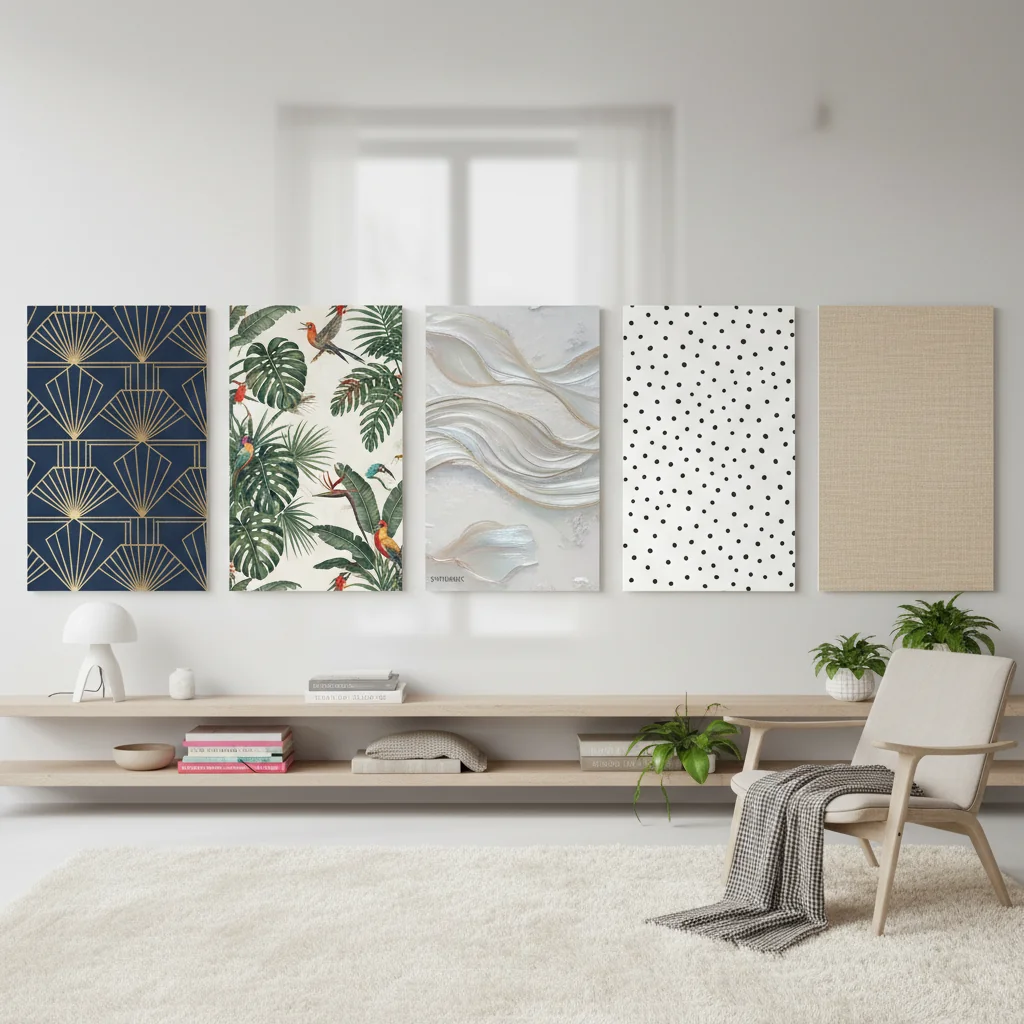
Designer wallpaper offers an expansive palette of aesthetic styles, from classic damasks and intricate botanicals to daring geometrics and abstract expressions, allowing homeowners to precisely articulate their personal design narrative. Each style carries its own historical context, visual language, and emotional resonance, enabling a strategic choice that can profoundly influence the character and mood of a room. Understanding these stylistic categories is key to harnessing the transformative power of designer wallcoverings.
Traditional and Classic Styles
Traditional designer wallpapers draw inspiration from historical periods and enduring design motifs. These often feature intricate patterns, rich color palettes, and a sense of timeless elegance.
- Damask: Characterized by ornate, symmetrical, often floral or leaf patterns, damask wallpaper adds a layer of formal sophistication. Historically, damask patterns were woven into fabrics, and their transition to wallpaper maintains this luxurious heritage.
- Toile de Jouy: Originating in 18th-century France, Toile patterns typically depict monochromatic pastoral scenes, mythological tales, or historical events. They evoke a sense of nostalgic charm and refined country elegance.
- Botanical and Chinoiserie: These styles feature detailed illustrations of flora, fauna, and often exotic landscapes. Chinoiserie, specifically, presents stylized interpretations of East Asian art, with birds, pagodas, and lush gardens, offering a touch of whimsical grandeur.
- Stripes and Plaids: Classic stripes, from subtle pinstripes to bold cabana stripes, offer a versatile way to add structure and rhythm. Plaids, often associated with Scottish heritage, bring warmth and a cozy, traditional feel.
Modern and Contemporary Styles
Modern and contemporary designer wallpapers embrace innovation, clean lines, and often a minimalist approach, reflecting current design sensibilities and forward-thinking aesthetics.
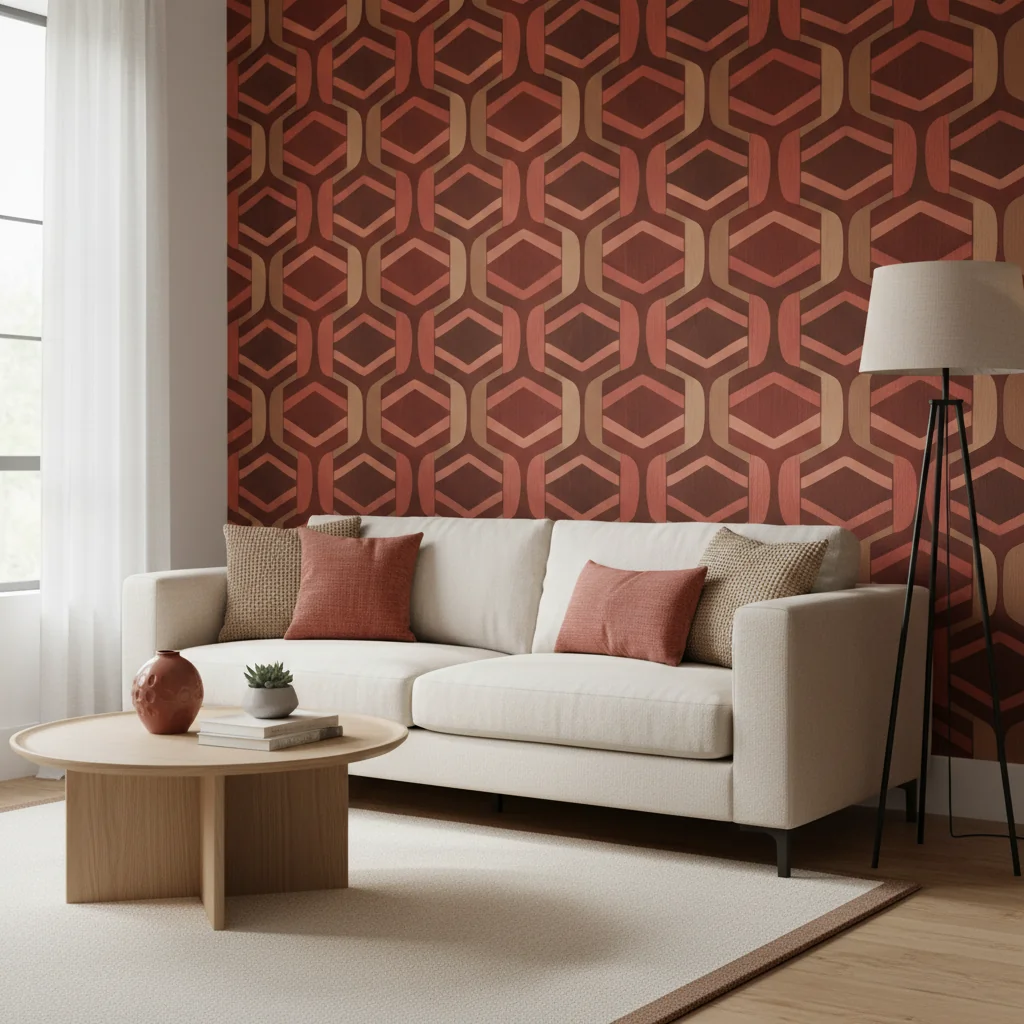
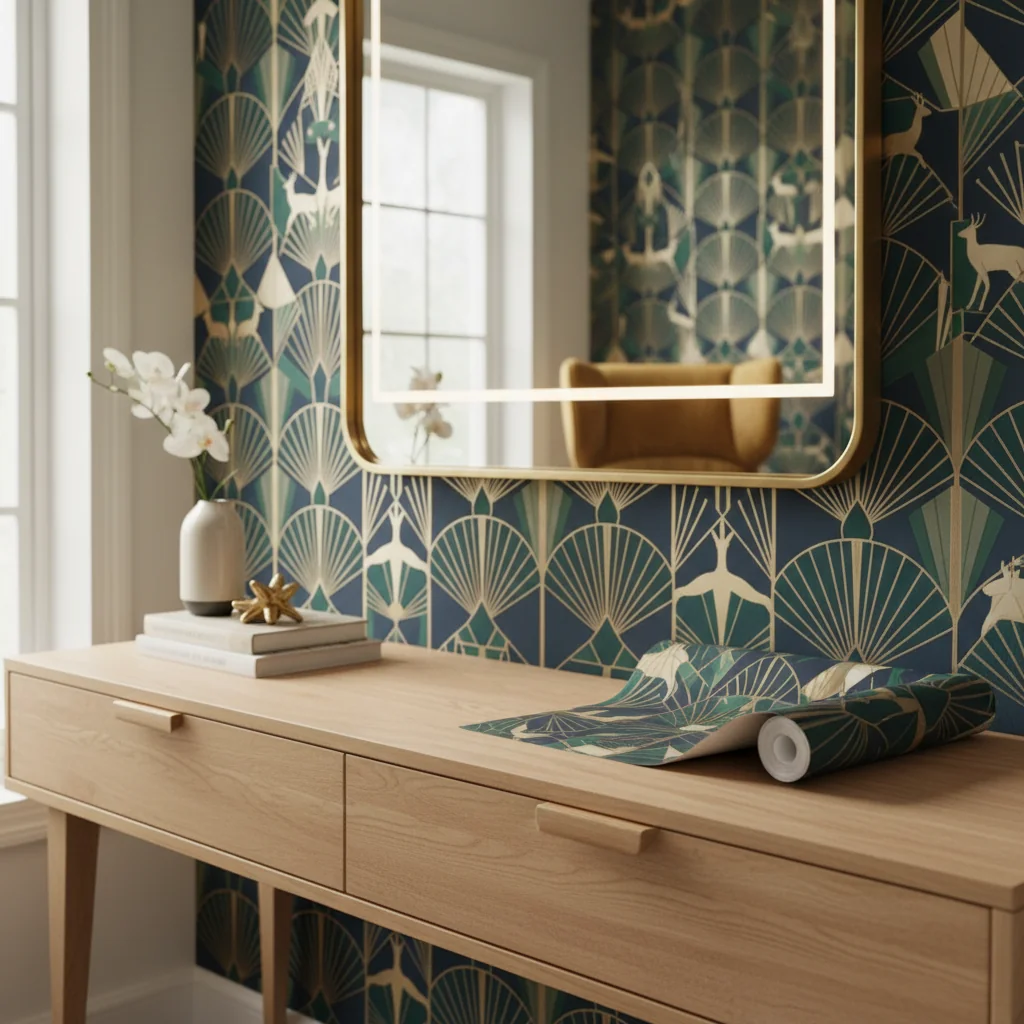
- Geometric: Defined by repeating patterns of shapes like circles, triangles, hexagons, and chevrons. Geometric wallpapers can be subtle or bold, adding dynamic energy and a structured contemporary feel. Art Deco-inspired geometrics, for example, evoke vintage glamour.
- Abstract: These wallpapers move beyond literal representation, focusing on form, color, and texture to create visual interest. Abstract designs can range from painterly brushstrokes to fluid organic shapes, offering a sophisticated and artistic statement.
- Minimalist: Characterized by simplicity, understated elegance, and often monochromatic or muted color schemes. Minimalist designer wallpapers might feature subtle textures, tone-on-tone patterns, or sparse, impactful motifs, contributing to a serene and uncluttered aesthetic.
- Industrial: Mimicking materials like concrete, brick, distressed metal, or aged wood, industrial style wallpapers create an urban, raw, and edgy look. They are perfect for achieving a loft-like ambiance without the structural renovation.
Eclectic and Experiential Styles
Eclectic and experiential wallpapers defy strict categorization, often blending influences or creating immersive environments that tell a unique story.
- Murals and Panoramas: Unlike repeating patterns, murals present a single, large-scale image that covers an entire wall, creating a dramatic focal point. Panoramas extend this concept, wrapping around multiple walls to create an immersive landscape or scene. These are often custom-printed to fit the specific dimensions of a space.
- Textural and Tactile: Beyond visual patterns, many designer wallpapers emphasize texture. Grasscloth, silk, cork, or even flocked wallpapers offer a tactile dimension, adding depth and sensory richness to a room. This focus on material quality is a hallmark of high-end design.
- Novelty and Whimsical: These wallpapers feature playful, often unexpected motifs, from quirky animal prints to fantastical illustrations. They are excellent for injecting personality and a sense of fun into a space, particularly in children’s rooms, powder rooms, or creative studios.
The choice of style is a deeply personal one, guided by the desired mood, the architectural style of the home, and the existing furnishings. A well-chosen designer wallpaper acts as the foundational element that unifies these components, creating a cohesive and compelling interior.
Selecting the Right Designer Wallpaper for Your Space
Choosing the appropriate designer wallpaper involves a thoughtful assessment of several key factors, including the room’s function, lighting conditions, existing décor, and your personal aesthetic preferences. A strategic approach ensures that the chosen wallcovering not only enhances the space visually but also performs optimally under its specific conditions. This decision-making process is critical for achieving a harmonious and enduring design.
Consider the Room’s Function and Traffic
The intended use of a room dictates the practical requirements of the wallpaper. High-traffic areas like hallways, children’s rooms, or kitchens demand durable, washable, and perhaps even scrubbable options, such as vinyl or high-performance non-woven wallpapers. In contrast, low-traffic areas like formal dining rooms, master bedrooms, or studies allow for more delicate and luxurious materials like grasscloth or silk, where the emphasis is on aesthetic richness rather than sheer resilience.
- High-Traffic Areas: Opt for vinyl or highly durable non-woven. Patterns that are busier can also help camouflage minor scuffs.
- Moisture-Prone Areas (Kitchens, Bathrooms): Vinyl is highly recommended due to its moisture resistance and ease of cleaning. Ensure proper ventilation.
- Low-Traffic, Formal Areas: Grasscloth, silk, or intricate paper-backed designer options are ideal for their luxurious feel and visual impact.
- Children’s Rooms: Washable vinyl or durable non-woven with playful, vibrant patterns are practical and engaging.
Evaluate Lighting and Room Size
Lighting, both natural and artificial, profoundly affects how wallpaper appears. Darker rooms can be brightened with wallpapers featuring lighter colors, metallic accents, or subtle sheens that reflect light. Conversely, rooms with abundant natural light can handle bolder patterns and deeper hues without feeling overwhelmed.
The scale of the pattern should also be proportionate to the room’s size. Large, dramatic patterns can make a small room feel even smaller if not used judiciously, perhaps best suited for an accent wall. In spacious rooms, large-scale patterns can create a stunning focal point and prevent the space from feeling cavernous. Small, intricate patterns can add detail without overwhelming a compact area.
Harmonize with Existing Décor and Color Palette
Your chosen designer wallpaper should seamlessly integrate with your existing furniture, textiles, and overall color scheme. Consider the dominant colors in the room and select a wallpaper that either complements them (e.g., analogous colors) or provides a sophisticated contrast (e.g., complementary colors). If your furniture is very ornate, a simpler wallpaper pattern might be best, and vice-versa. The goal is to create a cohesive and balanced interior, not a disjointed one.
Embrace Samples and Visualize
Never commit to a wallpaper without first ordering samples. A small swatch viewed online or in a catalog can look vastly different when applied to a large wall in your specific lighting conditions. Place samples on your walls and observe them at different times of day and night to see how the colors and patterns shift. This crucial step helps prevent costly mistakes and ensures the final choice aligns with your expectations.
Consider Your Personal Style and Long-Term Vision
Ultimately, designer wallpaper is an expression of your personal style. Choose a pattern and texture that genuinely resonates with you and that you anticipate loving for years to come. While trends can be inspiring, a timeless design that reflects your taste will provide lasting satisfaction. Think about the mood you want to create—serene, energetic, elegant, playful—and select a wallpaper that embodies that feeling.
At Starhouse, we empower homeowners to make these informed decisions by offering a curated selection and expert guidance. We believe that the right designer wallpaper transforms a house into a home, reflecting the unique personality of its inhabitants.
Mastering Measurement and Installation for Designer Wallpaper
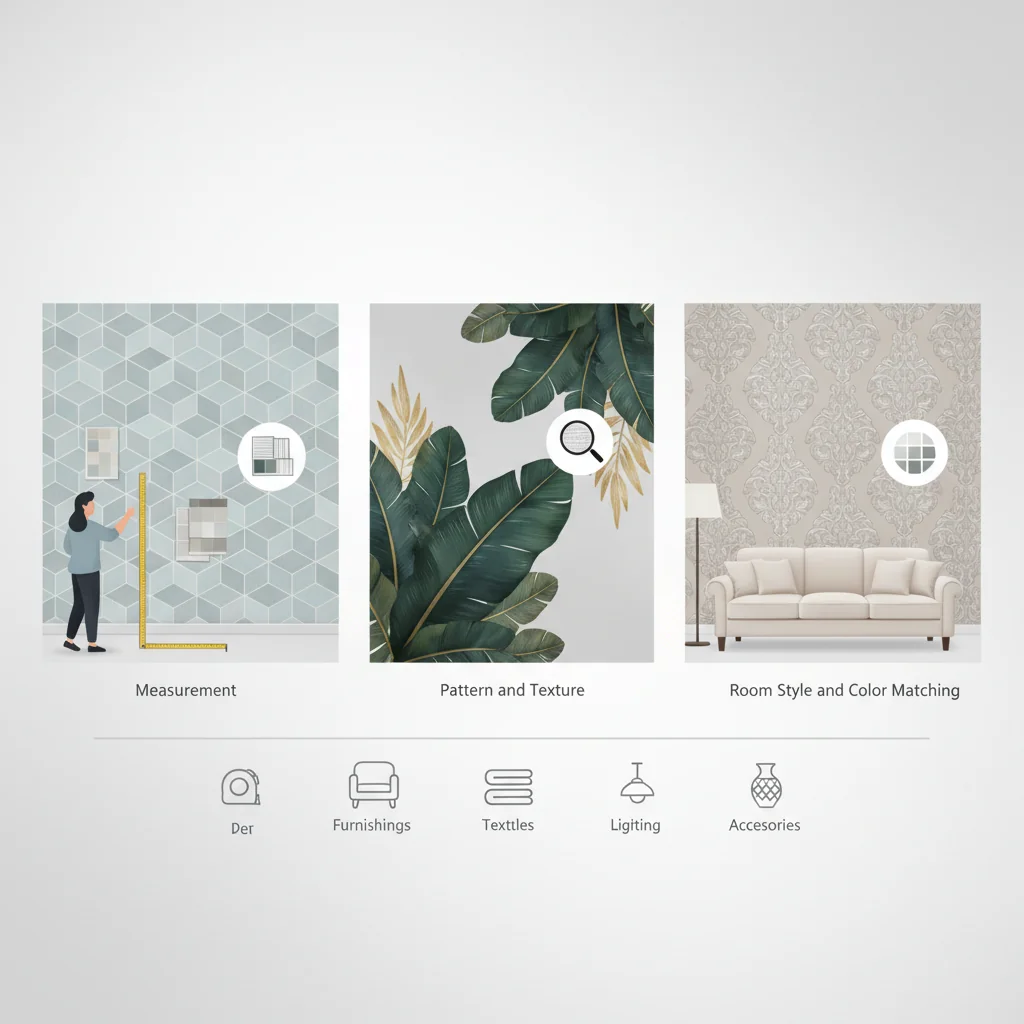
Accurate measurement and meticulous installation are paramount for achieving a professional finish with designer wallpaper, ensuring pattern alignment, minimizing waste, and maximizing the aesthetic impact of your chosen design. While some peel-and-stick options are suitable for skilled DIY enthusiasts, traditional designer wallpapers often benefit significantly from professional installation due to their material sensitivity and intricate pattern repeats. Precise planning and execution are non-negotiable for a flawless result.
Step-by-Step Measurement Guide
Before purchasing any wallpaper, precise measurements are critical to determine the correct number of rolls needed. Undershooting can lead to color discrepancies if a new batch must be ordered, while overshooting results in unnecessary expense.
- Measure Wall Height: Measure the height of each wall from the baseboard to the ceiling. If there are variations, use the greatest height. Add 4-6 inches (approximately 10-15 cm) to this measurement for trimming at the top and bottom.
- Measure Wall Width: Measure the width of each wall.
- Calculate Square Footage: Multiply the total height by the total width for each wall to get its square footage. Sum these for the room’s total square footage.
- Account for Doors and Windows: While you don’t wallpaper over these, it’s generally best to include them in your initial calculation. Subtracting them can lead to insufficient material, especially with complex pattern repeats. You can use the removed portions for smaller areas or as backup.
- Understand Roll Coverage: Designer wallpaper rolls come in various sizes (e.g., single rolls, double rolls). Note the linear yardage or square footage covered by one roll, as specified by the manufacturer.
- Factor in Pattern Repeat: This is the most crucial step for designer wallpaper. The “repeat” is the vertical distance before a pattern begins to repeat itself.
What is a Pattern Repeat in Wallpaper?
A pattern repeat in wallpaper refers to the vertical distance between one point in a design and the identical point directly above or below it, indicating how often the pattern repeats itself and influencing how much extra wallpaper is needed for proper alignment during installation.
For patterns with a large repeat (e.g., 20 inches or more), you will need significantly more material to ensure proper alignment across strips. A common rule of thumb is to add one full pattern repeat to each strip’s length when cutting.
- Add a Buffer: Always add an extra 15-20% to your total calculated quantity to account for trimming, pattern matching, mistakes, and future repairs. This buffer is indispensable for designer wallpapers.
Installation Considerations: DIY vs. Professional
While peel-and-stick options are designed for DIY, traditional pasted designer wallpapers, especially those with delicate materials or large, intricate pattern repeats, often benefit from professional installation.
DIY Installation (for appropriate types):
- Tools: You will need a plumb line, level, measuring tape, sharp utility knife with fresh blades, smoothing tool (smoother or brush), seam roller, wallpaper paste (if not pre-pasted or peel-and-stick), bucket, sponge, and drop cloths.
- Wall Preparation: This is non-negotiable. Walls must be clean, smooth, dry, and primed. Any imperfections will show through the wallpaper. Use a high-quality wallpaper primer (like an acrylic-based primer) to seal the wall and create a consistent surface for adhesion and easier future removal.
- Cutting and Pasting: Cut strips to length, adding the extra for pattern repeat and trim. For non-pasted wallpapers, apply paste evenly to the back of the wallpaper (paste-the-paper method) or directly to the wall (paste-the-wall method, common for non-wovens).
- Hanging: Start in an inconspicuous corner or near a door frame, using a plumb line to ensure the first strip is perfectly vertical. Smooth out bubbles and align patterns meticulously.
- Trimming: Use a sharp utility knife and a straight edge to trim excess at the ceiling, baseboards, and around openings.
Professional Installation:
For high-value designer wallpapers, intricate patterns, or challenging room layouts (e.g., vaulted ceilings, multiple angles), hiring a professional wallpaper hanger is a wise investment.
- Expertise: Professionals possess the experience to handle delicate materials, achieve seamless pattern matches, and navigate complex architectural features. They understand proper wall preparation and adhesive application for various wallpaper types.
- Efficiency: They can complete the job more quickly and efficiently, minimizing disruption to your home.
- Flawless Finish: Their skill ensures a smooth, bubble-free, and perfectly aligned installation, preserving the integrity and beauty of your designer wallpaper.
- Specialized Tools: Professionals use specialized tools and techniques that guarantee a superior result, often including commercial-grade adhesives and precise cutting equipment.
Regardless of who installs it, always ensure the chosen adhesive is compatible with your specific wallpaper type and wall surface. Adherence to manufacturer guidelines for both measurement and installation is crucial for achieving a durable and visually stunning result.
Current Trends and Enduring Classics in Designer Wallpaper
The world of designer wallpaper continuously evolves, introducing innovative patterns, textures, and sustainable materials, yet certain classic styles maintain their timeless appeal, providing a rich tapestry of options for every aesthetic. Understanding both emerging trends and enduring classics allows for informed design choices that are both contemporary and lasting. Starhouse curates collections that reflect this dynamic interplay between the avant-garde and the eternally elegant.
Emerging Trends in Designer Wallpaper (Updated: June 2026)
The current landscape of designer wallpaper is characterized by a strong emphasis on nature, artisanal craftsmanship, and sophisticated use of color and texture.
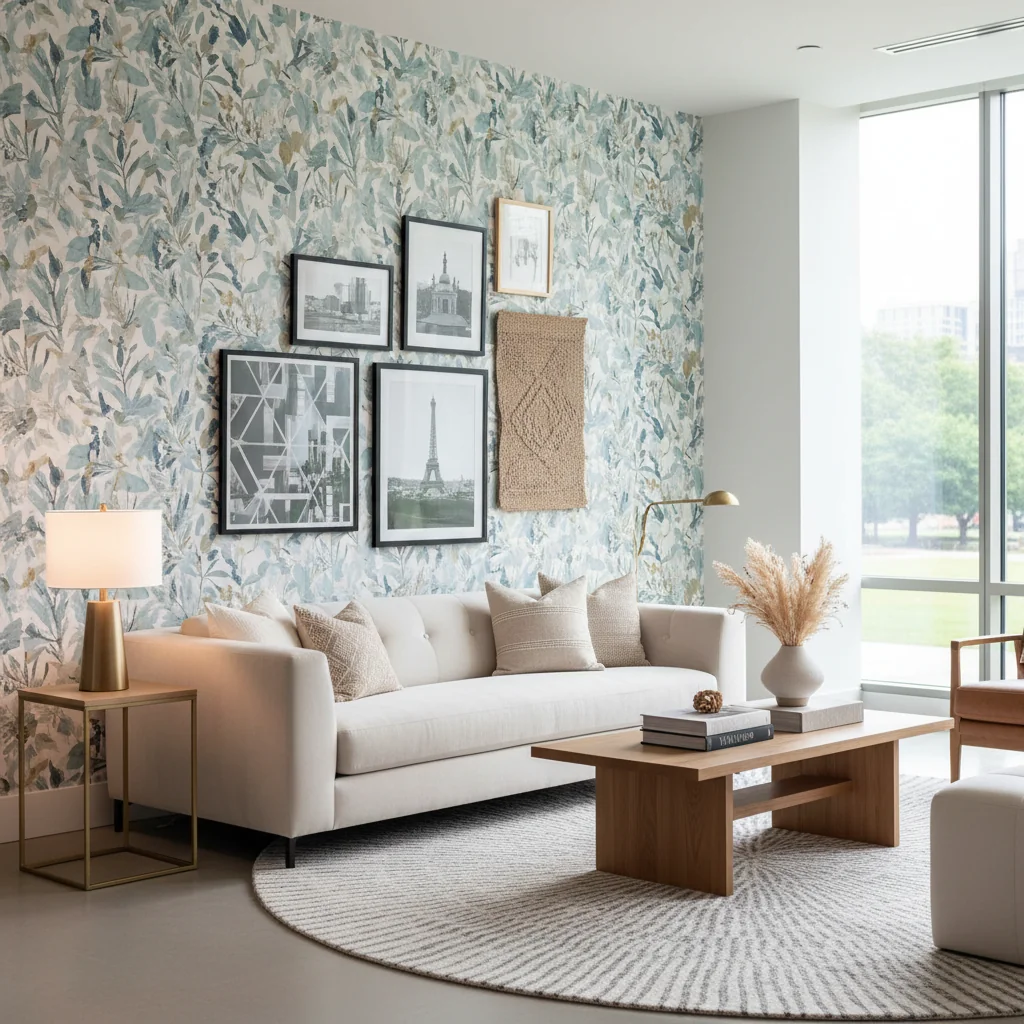
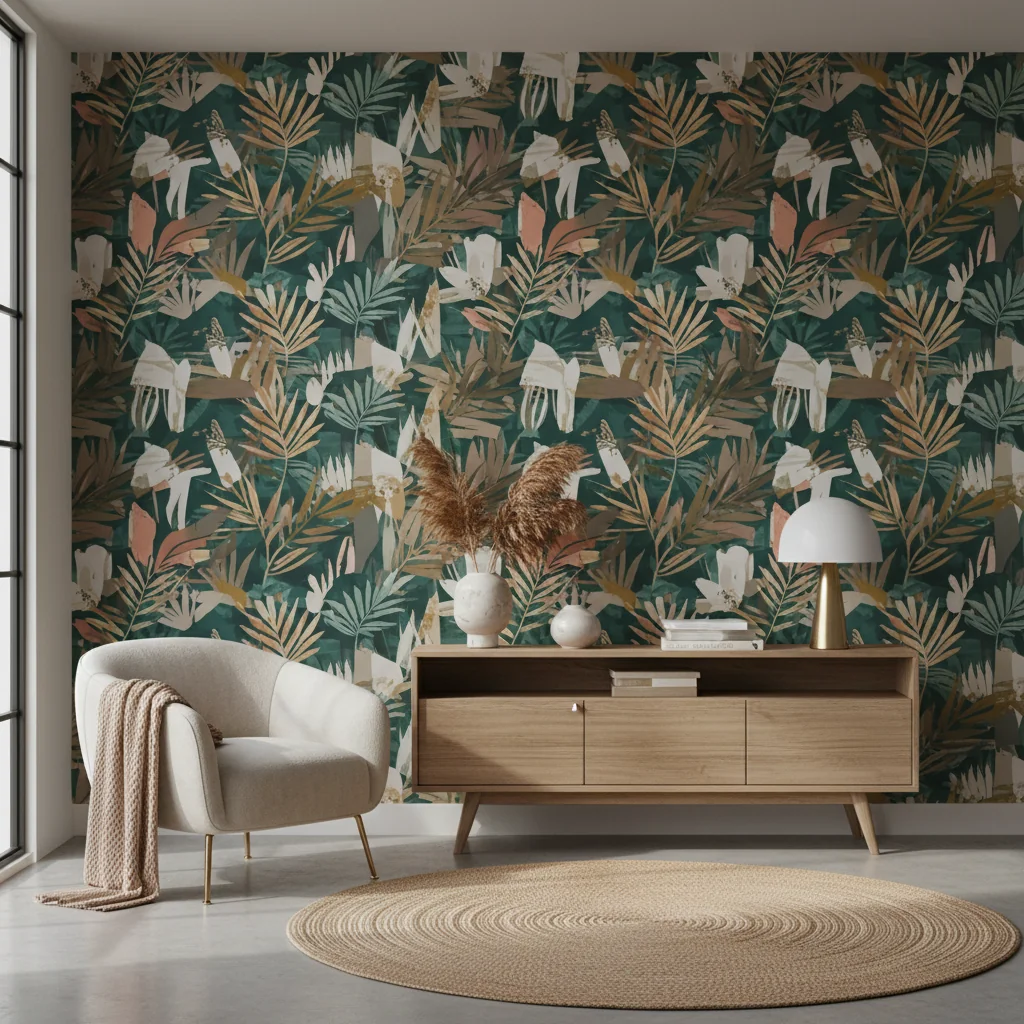
- Biophilic Designs: A significant trend, biophilic designs integrate elements of the natural world into interiors. This includes lush botanical prints, abstract interpretations of landscapes, organic textures, and patterns featuring flora and fauna. These designs aim to create calming, restorative environments by blurring the lines between indoor and outdoor spaces. Think large-scale tropical foliage, subtle forest motifs, and delicate wildflower patterns.
- Textural Maximalism: Moving beyond flat patterns, there’s a growing appreciation for tactile wallcoverings. Grasscloth, woven natural fibers, cork, and even deeply embossed vinyls that mimic plaster or fabric are highly sought after. These textures add depth, warmth, and a sophisticated sensory dimension to walls, making a statement without relying solely on bold colors or prints.
- Artisan and Hand-Painted Effects: Wallpapers that emulate hand-painted murals, watercolor washes, or block-printed patterns are gaining traction. These designs often feature imperfect lines, subtle color variations, and a bespoke quality that speaks to craftsmanship and individuality. They bring an artistic, gallery-like feel to a space.
- Muted Earth Tones and Rich Jewel Hues: While vibrant colors have their place, the dominant palettes lean towards sophisticated, muted earth tones—sage green, terracotta, warm grays, and sandy beiges—which create a serene backdrop. Complementing these are rich jewel tones like emerald, sapphire, and ruby, often used in accent patterns or luxurious textures, adding depth and opulence.
- Abstract Geometrics and Organic Forms: Geometric patterns are reinterpreted with a softer, more organic edge. Instead of rigid lines, we see fluid, curvilinear shapes, often in layered compositions or with a hand-drawn quality. Abstract designs that evoke movement, natural formations, or artistic expression are also prominent, offering a contemporary yet timeless appeal.
Enduring Classics in Designer Wallpaper
While trends come and go, certain designer wallpaper styles have proven their lasting power, remaining perennially popular due to their inherent elegance and versatility.
- Damask: The classic damask pattern, with its ornate and symmetrical motifs, continues to be a symbol of luxury and traditional elegance. Modern interpretations often feature tone-on-tone color schemes or updated metallic finishes, making them relevant for contemporary as well as classic interiors.
- Toile de Jouy: This charming French pattern, depicting idyllic pastoral scenes, retains its allure. It’s perfect for creating a sense of history, romance, and quaint sophistication, often seen in bedrooms, powder rooms, or nurseries.
- Stripes: From crisp pinstripes to bold cabana stripes, this simple yet effective pattern offers endless possibilities. Stripes can visually expand a room, add architectural interest, or create a nautical or tailored feel. Their versatility ensures they never go out of style.
- Subtle Textures: Even without a prominent pattern, wallpapers that offer subtle texture—like linen weaves, grasscloth, or finely embossed papers—remain a foundational classic. They add depth and warmth to a room without overwhelming it, serving as a sophisticated backdrop for artwork and furnishings.
- Small-Scale Prints: Delicate floral sprigs, subtle polka dots, or tiny geometric patterns offer a quiet charm. These prints provide visual interest without dominating a space, making them ideal for entire rooms or for layering with other patterns.
- Chinoiserie: With its exotic birds, intricate florals, and elegant pagodas, Chinoiserie continues to captivate. It brings a sense of whimsical fantasy and global luxury, often used as a statement wall or in grander spaces.
The key to successful design is to balance current trends with enduring classics, creating a space that feels both fresh and timeless. Starhouse believes in offering a range that allows for this sophisticated interplay.
Care and Maintenance for Designer Wallpaper
Proper care and maintenance are essential for preserving the beauty, integrity, and longevity of your designer wallpaper, protecting your investment and ensuring it continues to enhance your home for years. The specific cleaning methods and precautions required vary significantly depending on the wallpaper’s material composition and finish. Adhering to manufacturer guidelines is paramount to avoid damage.
General Care Principles
- Read Manufacturer Instructions: Always consult the care instructions provided by the wallpaper manufacturer. These are tailored to the specific materials and finishes used in your wallpaper and are the most authoritative source of information.
- Dust Regularly: For all types of wallpaper, regular dusting with a soft, dry cloth, a feather duster, or a vacuum cleaner with a soft brush attachment is crucial. This prevents dirt and grime from building up and becoming embedded in the surface.
- Act Quickly on Spills: Address spills and marks immediately. The longer a stain sits, the harder it is to remove, and it may become permanent.
- Test in an Inconspicuous Area: Before applying any cleaning solution to a visible area, always test it on a small, hidden spot (e.g., behind a piece of furniture or where an outlet cover will be placed). This ensures the solution does not discolor or damage the wallpaper.
- Avoid Harsh Chemicals: Never use abrasive cleaners, bleach, or solvents unless specifically instructed by the manufacturer. These can strip colors, damage finishes, or degrade the material.
Specific Care by Wallpaper Type
- Non-Woven Wallpaper:
- Cleaning: Generally “washable.” Use a soft cloth or sponge lightly dampened with plain water. For more stubborn marks, a very mild, diluted soap solution (like dish soap) can be used. Wipe gently, then rinse with a clean, damp cloth and pat dry immediately.
- Precautions: Avoid excessive scrubbing or saturating the paper.
- Vinyl Wallpaper (Paper-backed and Fabric-backed):
- Cleaning: Typically “scrubbable” or “highly scrubbable.” This is the most durable type for cleaning. Use a soft sponge with a mild detergent and warm water. You can apply more pressure than with other types. Rinse thoroughly with clean water and dry with a soft cloth.
- Precautions: While durable, avoid abrasive brushes or harsh chemicals that could scratch the surface or degrade the vinyl.
- Grasscloth and Natural Fiber Wallcoverings (e.g., Silk, Jute):
- Cleaning: Extremely delicate. Generally, these are “non-washable” or “wipeable with a dry cloth.”
- Dusting: Use a dry, soft cloth or a vacuum with a brush attachment.
- Stains: For minor dry marks, try a gum eraser (white, non-abrasive). For liquid spills, blot immediately with a clean, dry cloth. Do NOT rub. Water can cause discoloration, staining, or swelling of natural fibers. Professional cleaning may be required for significant stains.
- Precautions: Absolutely avoid water, harsh chemicals, and excessive rubbing. Humidity can also affect natural fibers, causing expansion or contraction.
- Cleaning: Extremely delicate. Generally, these are “non-washable” or “wipeable with a dry cloth.”
- Peel-and-Stick Wallpaper:
- Cleaning: Most are “washable” or “wipeable.” Use a soft, damp cloth with plain water or a very mild soap solution.
- Precautions: Avoid aggressive scrubbing, especially near seams, as it could lift the adhesive. Do not use abrasive cleaners.
Environmental Factors
Beyond cleaning, environmental conditions play a role in wallpaper longevity.
- Humidity: High humidity can cause wallpaper to peel, bubble, or even foster mold growth, especially in non-breathable types. Ensure adequate ventilation in bathrooms and kitchens. Low humidity can cause some materials to become brittle.
- Direct Sunlight: Prolonged exposure to direct sunlight can cause colors to fade over time, particularly with natural dyes or certain pigment types. Consider UV-protective window treatments in sunny rooms.
- Temperature Fluctuations: Extreme temperature changes can cause wallpaper to expand and contract, potentially leading to seams separating or bubbling. Maintain a stable indoor climate where possible.
By adopting a proactive and material-specific approach to care, your designer wallpaper will retain its aesthetic vibrancy and structural integrity, continuing to be a source of beauty in your home.
Expert Styling: Pairing Designer Wallpaper with Your Décor
Expertly pairing designer wallpaper with your existing décor transforms a room from merely furnished to thoughtfully curated, creating a cohesive and impactful aesthetic statement. This process involves harmonizing the wallpaper’s pattern, color, and texture with furniture, textiles, lighting, and accessories, ensuring each element contributes to a unified design narrative. The goal is to achieve balance and visual interest without overwhelming the space.
Creating a Cohesive Color Palette
The wallpaper often serves as the foundational element for a room’s color scheme.
- Extract Colors: Pull 2-3 key colors directly from your wallpaper pattern. Use these as your primary and secondary colors for furniture, rugs, and decorative accents. For instance, if your wallpaper features a pattern with deep emerald green, soft gold, and cream, incorporate cushions in emerald, a gold-toned mirror, and cream upholstery.
- Complementary or Analogous Schemes: Decide if you want a harmonious (analogous) or contrasting (complementary) palette. An analogous scheme uses colors adjacent on the color wheel, creating a serene flow. A complementary scheme uses colors opposite each other, providing vibrant contrast and energy.
- Vary Intensity: Don’t use all colors at the same intensity. Pair a bold wallpaper with more subdued furniture and vice-versa. Introduce varying shades and tints of your chosen colors to add depth without making the room feel flat.
Harmonizing Patterns and Textures
Mixing patterns effectively is an art that prevents a room from looking chaotic.
- Vary Scale: Combine patterns of different scales. If your wallpaper has a large, bold pattern, opt for smaller, more subtle patterns on textiles (e.g., throw pillows, curtains) or solid textures. Conversely, a small-scale wallpaper can be paired with larger patterns elsewhere.
- Mix Pattern Types: Don’t be afraid to mix florals with geometrics or stripes, but ensure there’s a common thread, usually color. For example, a botanical wallpaper can be paired with a geometric rug if both share a similar color family.
- Embrace Texture: Texture adds tactile richness and visual interest, especially with patterned wallpaper. Pair a smooth, glossy wallpaper with plush velvet upholstery, a rough-hewn wooden table, or a chunky knit throw. Natural fiber wallpapers (like grasscloth) inherently bring texture, allowing for smoother furnishings.
- Solid Counterpoints: Introduce solid-colored furniture or textiles to provide visual breaks and ground the patterned wallpaper. A solid sofa in a color pulled from the wallpaper can anchor the room beautifully.
Balancing Furniture and Wallpaper
The relationship between your furniture and wallpaper is crucial for a balanced design.
- Statement vs. Backdrop: If your designer wallpaper is a bold statement piece, allow it to shine by selecting furniture that complements rather than competes. Simple, clean-lined furniture often works best. If the wallpaper is subtle or textural, more elaborate furniture pieces can take center stage.
- Furniture Placement: Consider how furniture will interact with the wallpaper pattern. Avoid placing large, heavy pieces directly in front of an intricate motif if it will obscure the design. Allow breathing room for the wallpaper to be appreciated.
- Wood Tones and Metals: Match wood tones and metal finishes to the overall mood of the wallpaper. Warm wood tones pair well with rich, traditional patterns, while lighter woods and metallic accents (like brushed brass or matte black) complement modern or geometric designs.
Lighting and Accessories
Lighting and accessories are the finishing touches that tie the room together.
- Highlighting with Light: Use lighting to draw attention to the wallpaper. Wall sconces, picture lights, or strategically placed floor lamps can illuminate intricate details or textural elements, especially in a feature wall.
- Mirror Placement: Mirrors reflect light and can double the visual impact of a beautiful wallpaper, making a room feel larger and brighter.
- Art and Décor: When hanging artwork on wallpaper, ensure the frame and subject matter complement the wallpaper without clashing. Sometimes, a simple, solid-colored mat and frame allow the art to stand out against a patterned background. Choose accessories that echo the colors or themes of the wallpaper, but avoid clutter.
By considering these elements thoughtfully, you can create a space where your designer wallpaper is not just a covering, but a vital component of a sophisticated and harmonious interior design.
As you refine your vision for a space, remember that Starhouse is curating a collection designed to inspire and elevate. We invite you to tell us what you’re looking for in designer wallpapers and home furnishings, and be among the first to explore our upcoming offerings.
Common Mistakes to Avoid When Choosing and Installing Designer Wallpaper
Avoiding common pitfalls in both the selection and installation phases of designer wallpaper is crucial for a successful and satisfying outcome, preventing costly errors and ensuring the longevity of your investment. Even with the highest quality materials, overlooking fundamental considerations can compromise the aesthetic impact and structural integrity of the wallcovering. Awareness of these mistakes empowers homeowners to make informed decisions and achieve a professional finish.
Mistakes in Choosing Designer Wallpaper
- Underestimating the Impact of Scale: A common error is selecting a pattern scale that is disproportionate to the room size. A large, bold pattern can overwhelm a small room, making it feel cramped, while a tiny, intricate pattern can get lost in a vast space, appearing busy rather than detailed. Always visualize the pattern in the context of the entire wall.
- Ignoring Room Functionality: Choosing a delicate silk wallpaper for a bustling hallway or a moisture-sensitive grasscloth for a steamy bathroom is a recipe for premature wear and damage. Match the wallpaper’s durability and cleanability to the practical demands of the space.
- Forgetting to Order Samples: Relying solely on online images or small swatches can lead to disappointment. Colors can appear differently on screens, and textures are impossible to gauge. Always order large samples and view them on your walls in various lighting conditions throughout the day.
- Disregarding Pattern Repeat: Failing to account for the pattern repeat in measurement leads to insufficient material and misaligned designs. A large repeat requires significantly more wallpaper to ensure continuity across seams, making this a critical calculation.
- Clashing with Existing Décor: Selecting a wallpaper that clashes with your furniture, flooring, or architectural style creates a disjointed and uncomfortable space. Ensure the pattern, color, and style harmonize with the room’s existing elements for a cohesive look.
- Overlooking Lighting: The amount of natural and artificial light in a room dramatically affects how wallpaper colors and textures appear. Dark patterns can absorb light, making a dim room feel even darker, while metallic or light-colored papers can brighten a space by reflecting light.
Mistakes in Installing Designer Wallpaper
- Inadequate Wall Preparation: This is arguably the most critical and most overlooked step. Uneven, dirty, porous, or unprimed walls will result in bubbles, poor adhesion, visible imperfections, and difficult removal. Walls must be clean, smooth, dry, and consistently primed with a high-quality wallpaper primer.
- Incorrect Adhesive Choice: Using the wrong type of adhesive for your specific wallpaper material can lead to peeling, staining, or difficulty during future removal. Always use the adhesive recommended by the wallpaper manufacturer.
- Improper Pattern Matching: For patterned wallpapers, meticulous pattern matching is essential. Rushing this step or failing to cut strips correctly can result in noticeable misalignments that detract significantly from the overall aesthetic.
- Not Using a Plumb Line for the First Strip: If the first strip is not hung perfectly straight (plumb), all subsequent strips will be off-kilter, leading to a visibly crooked installation across the room. A level or laser line is indispensable.
- Overstretching or Under-stretching the Wallpaper: Wallpaper, especially certain paper-backed types, can expand when wet with paste. Applying too much tension during hanging can cause it to shrink back and create gaps at the seams. Conversely, not applying enough tension can lead to bubbles or wrinkles.
- Ignoring Air Bubbles and Seams: Failing to properly smooth out air bubbles and press down seams (with a seam roller or soft brush) leads to an amateurish finish. Bubbles can become permanent, and lifted seams can catch dirt or peel further.
- Using Dull Blades for Trimming: A dull utility knife will tear and snag the wallpaper, resulting in ragged, unprofessional edges. Always use a fresh, sharp blade for every few cuts to ensure clean, precise trims at ceilings, baseboards, and around obstacles.
- Insufficient Curing Time: Rushing to move furniture or clean the wallpaper before the adhesive has fully cured can disrupt the bond and lead to peeling or damage. Allow the recommended drying time, usually 24-48 hours.
By being mindful of these common mistakes, homeowners can navigate the process of selecting and installing designer wallpaper with greater confidence, ensuring a stunning and lasting transformation of their living spaces.
Sources
- U.S. Environmental Protection Agency (EPA) – MD Volatile Organic Compounds
- U.S. Environmental Protection Agency (EPA) – Regulations.gov Document on Material Safety
Frequently Asked Questions About Designer Wallpaper
Is designer wallpaper worth the investment?
Designer wallpaper is absolutely worth the investment for homeowners seeking unique aesthetics, superior material quality, enhanced durability, and a highly personalized interior design statement. Its distinctive patterns and textures elevate a space beyond what paint or mass-produced options can achieve, offering significant long-term value in aesthetic appeal and home ambiance.
How do I choose the right designer wallpaper for a small room?
For a small room, choose designer wallpaper with small-scale patterns, subtle textures, or lighter colors to create an illusion of space and avoid overwhelming the area. Alternatively, a bold, large-scale pattern on a single accent wall can add drama without making the room feel too busy, provided the rest of the décor is minimalist.
Can designer wallpaper be used in bathrooms and kitchens?
Yes, designer wallpaper can be used in bathrooms and kitchens, but it is imperative to select moisture-resistant types, such as vinyl or high-performance non-woven options. These materials are specifically engineered to withstand humidity and are washable, ensuring longevity and maintaining aesthetic integrity in these high-moisture environments.
What is the difference between designer wallpaper and a mural?
Designer wallpaper typically features repeating patterns that are applied in strips to cover walls, creating a consistent design across the surface. In contrast, a wallpaper mural is a single, large-scale image or scene that covers an entire wall, acting as a singular piece of art rather than a repeating pattern, often custom-printed to fit specific dimensions.
How do I calculate how many rolls of designer wallpaper I need?
To calculate the number of rolls, first measure the total square footage of the walls, then divide this by the square footage covered by a single roll, as specified by the manufacturer. Crucially, add an extra 15-20% buffer, especially for patterns with large repeats (e.g., over 10 inches), to account for trimming, pattern matching, and potential errors, ensuring you have sufficient material for a seamless installation.
Is it possible to install designer wallpaper myself?
Installing designer wallpaper yourself is possible, especially with peel-and-stick varieties, but traditional pasted wallpapers, particularly those with intricate patterns or delicate materials, often benefit from professional installation. DIY success depends heavily on meticulous wall preparation, precise measurement, and careful pattern matching to achieve a flawless, lasting finish.
How long does designer wallpaper typically last?
Designer wallpaper, when properly installed and maintained, can last anywhere from 10 to 15 years, or even longer. Its longevity is influenced by the material quality (e.g., vinyl is more durable than natural fibers), the quality of installation, and environmental factors such as humidity levels and exposure to direct sunlight, which can cause fading or peeling over time.
Conclusion
Designer wallpaper is more than a decorative element; it is a powerful design tool capable of imbuing a space with unparalleled character, sophistication, and a deeply personal touch. From the tactile luxury of grasscloth to the vibrant artistry of hand-painted murals, each type offers a distinct narrative, transforming ordinary walls into captivating focal points. The journey of selecting and integrating designer wallpaper is one of thoughtful consideration, balancing aesthetic aspirations with practical requirements, ensuring that every choice contributes to a harmonious and enduring interior.
At Starhouse, we are dedicated to curating a collection that embodies these principles—offering wallcoverings that not only meet the highest standards of design and quality but also inspire creativity and reflect the unique vision of each homeowner. We believe that your home should be a true reflection of your style, a sanctuary crafted with intention and beauty.
As we continue to build our exquisite catalog of home furnishings and décor, we invite you to be a part of our journey. Share your design inspirations and tell us what you’re looking for to create your ideal living space. Join our community and gain early access to our curated collections, designed to elevate your home with timeless elegance and modern sophistication.