Blue plaid wallpaper offers a timeless and remarkably versatile design element, capable of transforming any room with its distinctive patterns and soothing color palette. This classic motif, ranging from the intricate weaves of tartan to the crisp squares of gingham, provides a foundational aesthetic that is both comforting and sophisticated, making it a perennial favorite for residential and commercial spaces across the United States. Its inherent structure, often featuring a non-woven backing, ensures ease of installation and removal, contributing to its enduring appeal in modern interior design.
Key Takeaways
- Blue plaid wallpaper is a highly versatile design choice, offering patterns from traditional tartan to modern gingham, suitable for diverse interior styles.
- Understanding wallpaper materials—such as non-woven, vinyl, and peel-and-stick—is crucial for selecting the right option based on durability, ease of installation, and maintenance needs.
- Accurate measurement of your space and careful consideration of pattern repeat are essential steps for a seamless and professional wallpaper application.
- Styling blue plaid involves harmonizing its pattern with furniture, textiles, and lighting, often by balancing its visual activity with solid colors or complementary textures.
- Current trends highlight blue plaid’s use in accent walls, ceilings, and mixed-pattern schemes, demonstrating its adaptability beyond traditional applications.
- Proper care, dictated by the wallpaper’s material, ensures the longevity and pristine appearance of your blue plaid installation.
The Enduring Appeal of Blue Plaid Wallpaper
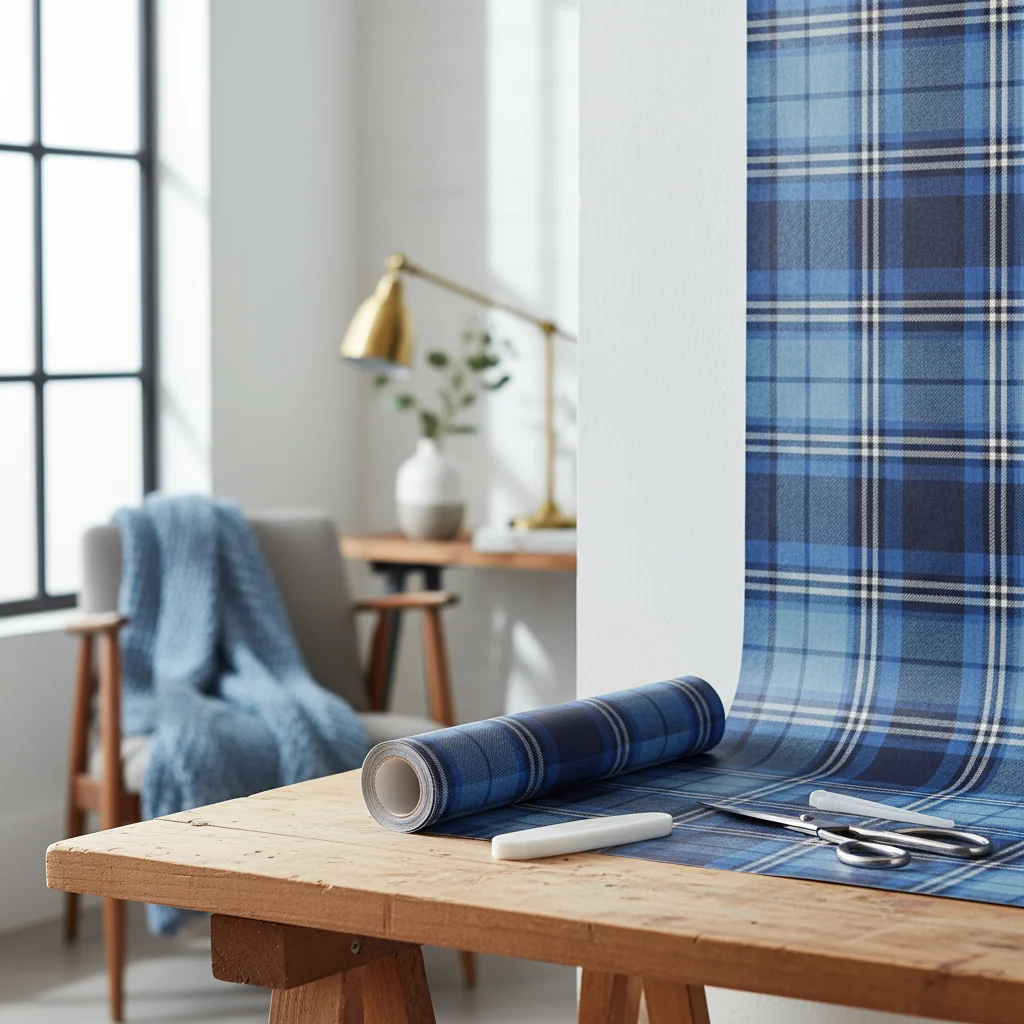
Blue plaid wallpaper remains a design staple due to its timeless aesthetic, remarkable versatility, and the inherent tranquility associated with the color blue. This classic pattern effortlessly bridges traditional and contemporary design sensibilities, offering a visual texture that is both sophisticated and welcoming.
Historically, plaid patterns emerged from woven textiles, particularly associated with Scottish tartans, signifying clan identity and heritage. Over centuries, plaid transcended its origins, evolving into a universally recognized motif that conveys a sense of order, comfort, and understated elegance. When rendered in blue, plaid evokes feelings of calm, stability, and spaciousness, making it an ideal choice for creating serene and inviting environments.
Plaid is defined as a pattern consisting of crisscrossing horizontal and vertical bands in multiple colors, forming squares and rectangles of various sizes. Its structured yet dynamic appearance adds depth and character to walls without overwhelming a space, provided the scale and color saturation are chosen thoughtfully. The inherent geometry of plaid introduces a subtle rhythm to a room, which can either anchor a maximalist design or provide a gentle counterpoint in a minimalist setting.
The psychological impact of blue further enhances plaid’s appeal. Blue is consistently associated with peace, tranquility, and intellectual thought. In interior design, lighter blues can expand a room visually, while deeper navy or indigo shades add a sense of luxury and depth. Combining this calming hue with the structured elegance of plaid creates a powerful design statement that is both visually engaging and emotionally resonant.
For these reasons, blue plaid wallpaper is not merely a decorative choice; it is a strategic design decision that imbues a space with character, history, and a pervasive sense of calm. Its adaptability means it can serve as a bold focal point or a subtle backdrop, adapting to the specific demands of any interior design vision.
Types of Blue Plaid Wallpaper Patterns
A diverse array of blue plaid patterns is available, each offering a distinct aesthetic and historical lineage that can profoundly influence the character of a room. Understanding these variations is crucial for selecting a pattern that aligns perfectly with your design vision and the specific mood you aim to cultivate.
While the term "plaid" is often used broadly, it encompasses numerous distinct patterns. The choice of pattern, coupled with the shade of blue and the scale of the design, dictates the final impact on your interior. Here are some prominent types of blue plaid patterns commonly found in wallpaper:
- Tartan: This is perhaps the most iconic plaid, originating from Scottish Highland dress. Tartan patterns are complex, featuring intersecting horizontal and vertical bands of varying widths and colors, creating a rich, often symmetrical design. In blue, tartan wallpaper can evoke a sense of tradition, heritage, and cozy sophistication, making it ideal for studies, dens, or formal living spaces. Authentic tartan patterns are registered and carry specific names, often associated with clans or districts. York Wallcoverings offers a range of plaid and check wallpapers, often including tartan-inspired designs, highlighting their enduring appeal.
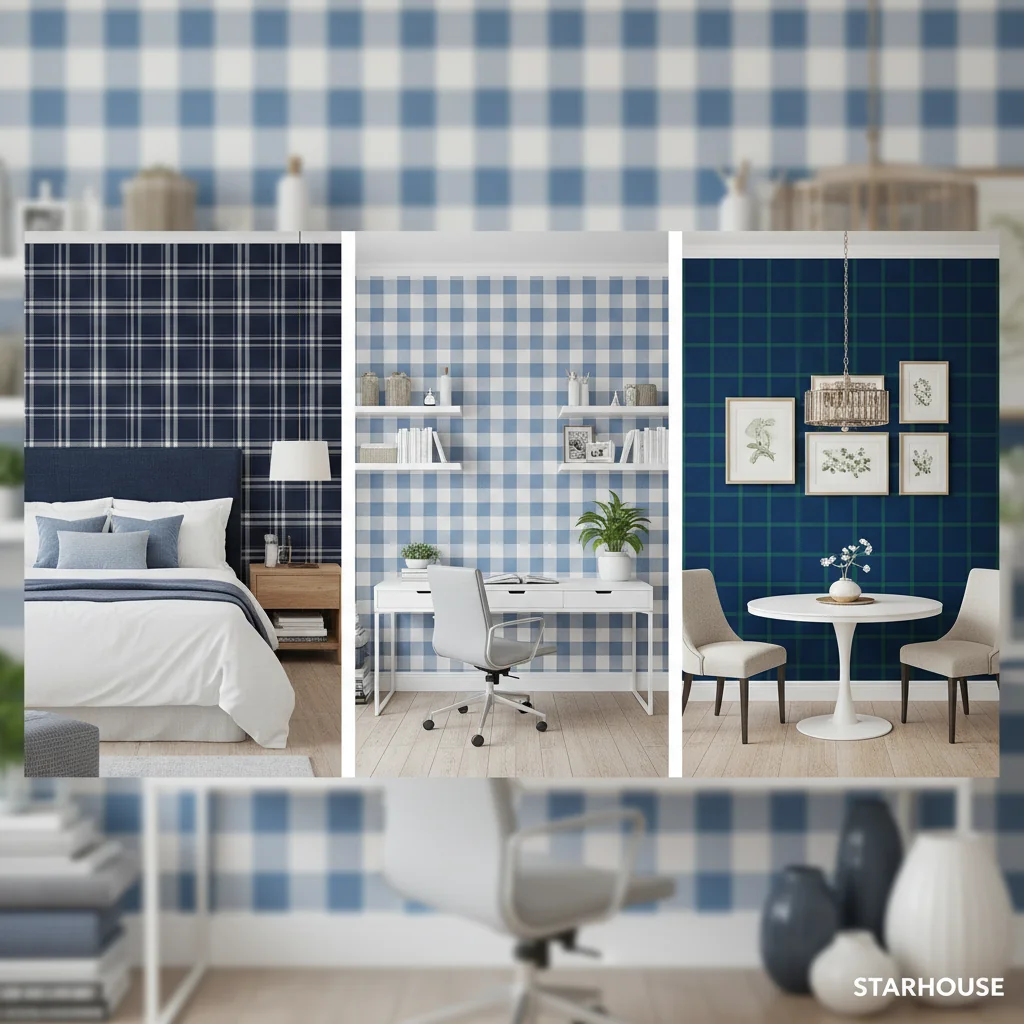
- Gingham: Characterized by its simple, even-sized checks formed by white and a single color (in this case, blue), gingham is a pattern that exudes a cheerful, rustic, and casual charm. The intersecting lines create small squares where the color is more intense. Blue gingham wallpaper is perfect for kitchens, nurseries, children’s rooms, or informal dining areas, bringing a lighthearted and homey feel. Its simplicity makes it remarkably versatile for various design styles, from farmhouse to coastal.
- Buffalo Check (or Buffalo Plaid): A larger, bolder version of gingham, buffalo check features broad, even squares of two colors, typically red and black, but strikingly effective in blue and white or blue and black. This pattern makes a strong statement and is often associated with cabins, lodges, and a rugged, outdoorsy aesthetic. Blue buffalo check wallpaper can add a dramatic yet comforting touch to a family room, a teen’s bedroom, or an accent wall in a rustic-chic interior.
- Glen Plaid (or Prince of Wales Check): A sophisticated and intricate pattern, Glen Plaid typically features a complex weave of small and large checks, often incorporating houndstooth or other micro-patterns within its larger structure. While traditionally seen in suiting fabrics, blue Glen Plaid wallpaper offers a refined, tailored look for more formal spaces like home offices, elegant bedrooms, or sophisticated dining rooms. It conveys a sense of classic elegance and intellectualism.
- Tattersall: This pattern consists of evenly spaced, thin, colored lines (often two contrasting colors) repeated vertically and horizontally on a lighter ground, creating a series of small, uniform checks. Blue Tattersall wallpaper offers a subtle, understated plaid option that is less visually dominant than tartan or buffalo check. It is well-suited for bedrooms, bathrooms, or hallways where a gentle textural pattern is desired without overwhelming the space.
- Windowpane Plaid: Defined by its clean, widely spaced lines that form large, open squares, resembling windowpanes. Blue windowpane plaid wallpaper provides a minimalist and modern take on the classic pattern. Its open design can make a room feel more expansive and airy, making it an excellent choice for contemporary interiors, small spaces, or as a subtle backdrop that allows other décor elements to shine.
- Madras: Originating from India, Madras plaid is characterized by its colorful, often asymmetric, and somewhat irregular patterns, traditionally woven from cotton. While often vibrant, blue Madras wallpaper can offer a more relaxed, bohemian, or preppy feel, particularly when incorporating lighter blues and whites. It is less structured than tartan or gingham, making it suitable for more eclectic or casual settings.
Each of these blue plaid variations brings its own character and historical resonance to an interior. The specific shade of blue—from a soft sky blue to a deep navy—further refines the pattern’s impact, allowing for highly customized design outcomes.
Materials and Construction: Understanding Your Options
The material and construction of blue plaid wallpaper significantly impact its durability, ease of installation, maintenance, and overall aesthetic. Selecting the appropriate material is paramount to ensuring the longevity and performance of your chosen design in a specific environment.
Modern wallpaper technology offers a range of options beyond traditional paper, each with distinct advantages. Understanding these differences allows for an informed decision that aligns with both your design preferences and practical requirements.
Here are the primary types of wallpaper materials and their characteristics:
- Non-Woven Wallpaper: This is a highly popular and technologically advanced material, composed of a blend of natural and synthetic fibers. Non-woven wallpaper is celebrated for its breathability, which helps prevent mold and mildew growth, making it suitable for various rooms, including those with moderate humidity. It is exceptionally durable, tear-resistant, and, crucially, "paste-the-wall" friendly, simplifying installation significantly. When it’s time for a change, non-woven wallpaper is often strippable dry, removing in full sheets without damaging the wall beneath. This material is a premium choice for long-term installations due to its robustness and ease of removal.
-
Vinyl Wallpaper: Vinyl wallpapers are renowned for their exceptional durability, washability, and moisture resistance, making them ideal for high-traffic areas like hallways, bathrooms, and kitchens. There are several sub-types:
- Solid Vinyl: Features a solid vinyl surface laminated to a paper or fabric backing. It is highly resistant to grease, moisture, and stains, offering superior longevity.
- Fabric-Backed Vinyl: A heavy-duty option often used in commercial settings, this type has a durable vinyl surface adhered to a fabric substrate. It provides excellent tear resistance and can withstand rigorous cleaning.
- Vinyl Coated Paper: A more budget-friendly option where a thin layer of vinyl is applied over a paper base. It offers some moisture resistance but is less durable than solid vinyl.
Vinyl wallpapers are generally scrubbable and can be cleaned with mild detergents, ensuring their blue plaid pattern remains vibrant over time.
- Paper Wallpaper: Traditional paper wallpaper consists of a decorative paper layer. While it offers a classic feel and can showcase intricate print details, it is generally less durable and less moisture-resistant than non-woven or vinyl options. Paper wallpaper requires careful installation, typically involving pasting the paper itself, and can be more challenging to remove without damage. It is best suited for low-traffic areas where durability is less of a concern, such as bedrooms or formal living rooms.
-
Peel-and-Stick Wallpaper: Also known as removable wallpaper or self-adhesive wallpaper, this innovative type features an adhesive backing protected by a removable liner.
Peel-and-Stick Wallpaper is defined as a self-adhesive wallcovering that eliminates the need for paste, allowing for easy application and removal, often without damaging the underlying surface.
Blue plaid peel-and-stick wallpaper is a favorite for DIY enthusiasts, renters, or those who enjoy frequently updating their décor. It is typically made from vinyl or a polyester fabric blend, offering varying degrees of durability and washability. Its primary advantage is the ease of installation and, more importantly, removal without leaving residue or damaging walls, making it perfect for temporary décor, accent walls, or children’s rooms. While generally durable, it may not be as robust as traditional pasted vinyl for very high-traffic or high-humidity areas.
- Grasscloth Wallpaper: While not a direct plaid material, grasscloth can be an interesting textural option, and some modern interpretations may feature woven patterns that mimic a plaid effect. Grasscloth is made from natural fibers like jute, sisal, or seagrass woven onto a paper backing. It offers a rich, organic texture and visual depth. However, it is delicate, not washable, and susceptible to moisture, making it unsuitable for high-humidity areas. Its unique aesthetic is best reserved for areas where its natural beauty can be preserved.
The choice of material directly impacts the performance and suitability of your blue plaid wallpaper. For instance, a durable vinyl is excellent for a busy kitchen, while a breathable non-woven is superb for a living room, and a peel-and-stick option provides flexibility for a nursery.
At Starhouse, we are curating a collection of exceptional home décor that embodies timeless design and superior quality. We invite you to share your vision and tell us what you’re looking for in your ideal blue plaid wallpaper and other home furnishings. By doing so, you’ll gain early access to our meticulously selected offerings.
| Material Type | Durability | Installation | Maintenance | Best Use Cases |
|---|---|---|---|---|
| Non-Woven | High (tear-resistant, breathable) | "Paste-the-wall" method, strippable dry | Wipeable, generally washable | Living rooms, bedrooms, dining rooms, moderate humidity areas |
| Vinyl (Solid/Fabric-Backed) | Very High (scrubbable, moisture-resistant) | Paste-the-paper or paste-the-wall, often peelable | Scrubbable, easily cleaned with mild soap | Kitchens, bathrooms, high-traffic areas, commercial spaces |
| Paper | Moderate (can tear, less moisture-resistant) | Paste-the-paper method, more delicate | Gently wipeable, not scrubbable | Low-traffic areas, formal rooms, bedrooms |
| Peel-and-Stick | Moderate to High (depends on vinyl/fabric blend) | Self-adhesive, easy DIY, fully removable | Wipeable, some are washable | Rentals, accent walls, nurseries, temporary décor, DIY projects |
| Grasscloth | Low (delicate, not washable) | Requires specialized adhesive and careful handling | Dust with a soft brush, cannot be washed | Low-traffic, dry areas seeking natural texture, accent walls |
Choosing the Right Blue Plaid for Your Space
Selecting the ideal blue plaid wallpaper requires careful consideration of several factors, including the room’s size and lighting, existing décor, desired mood, and the scale and specific shade of the plaid pattern itself. An informed choice ensures the wallpaper enhances, rather than detracts from, your interior design.
The perfect blue plaid integrates seamlessly with the architectural elements and furnishings of a room, creating a cohesive and visually pleasing environment. Here’s a detailed guide to making the right selection:
1. Assess Room Size and Natural Light
- Small Rooms or Limited Light: In compact spaces like powder rooms, hallways, or rooms with minimal natural light, opt for blue plaid wallpapers with lighter shades of blue and a smaller, more delicate pattern scale. A light blue gingham or a subtle Tattersall can make the room feel more expansive and airy. Avoid large, bold patterns or very dark blues, which can visually shrink the space and make it feel enclosed.
- Large Rooms or Abundant Light: Larger rooms with ample natural light can accommodate bolder, more intricate blue plaid patterns. A rich navy tartan or a prominent buffalo check can create a striking focal point or add a sense of grandeur without overwhelming the space. The generous light will prevent darker colors from feeling heavy, allowing the pattern’s complexity to be appreciated.
- Ceilings: For an unexpected design statement, consider a subtle blue plaid on the ceiling. A light blue windowpane or a small-scale gingham can add architectural interest without making the room feel lower.
2. Harmonize with Existing Décor and Furniture
Your blue plaid wallpaper should complement, not compete with, your current furnishings and design style. Consider the following:
- Style Cohesion: For a traditional or classic interior, a blue tartan or Glen Plaid wallpaper will reinforce the aesthetic. For a farmhouse or rustic look, blue gingham or buffalo check is ideal. A modern or minimalist space might benefit from a crisp windowpane plaid.
- Furniture & Textiles: Evaluate the patterns and textures already present in your furniture, rugs, and curtains. If you have patterned upholstery, choose a blue plaid with a different scale or a more subdued pattern to avoid visual clutter. Solid-colored furniture or subtle textures pair exceptionally well with blue plaid, allowing the wallpaper to be the star.
- Wood Tones: Blue plaid generally pairs beautifully with various wood tones. Lighter blues complement light woods like maple or birch, creating an airy feel. Deeper blues, such as navy or indigo, enhance rich, dark woods like mahogany or walnut, lending a sophisticated ambiance.
3. Define the Desired Mood or Ambiance
The specific shade of blue and the pattern’s scale are powerful tools for setting a room’s mood:
- Calm and Serene: Light to medium blues, such as sky blue, robin’s egg blue, or periwinkle, in a small-to-medium scale gingham or Tattersall, create a peaceful and relaxing atmosphere, perfect for bedrooms or bathrooms.
- Sophisticated and Formal: Deep navy, indigo, or sapphire blues in a classic tartan or Glen Plaid pattern convey elegance and formality, suitable for a study, dining room, or formal living area.
- Cozy and Inviting: Mid-tone blues combined with cream or white in a buffalo check or a softer tartan can evoke warmth and comfort, ideal for family rooms or cabins.
- Playful and Cheerful: Bright blues in a small gingham or a multi-colored Madras plaid can inject energy and fun into children’s rooms, playrooms, or casual dining nooks.
4. Consider the Scale of the Pattern
Pattern scale refers to the size of the individual plaid squares or bands. This is a critical design element:
- Small-Scale Patterns: Patterns like small gingham or fine Tattersall are subtle and can be used on all four walls without overwhelming a room. They add texture and depth without being visually dominant. They are excellent for smaller rooms or where a delicate backdrop is desired.
- Large-Scale Patterns: Patterns like buffalo check or wide windowpane plaid make a bold statement. They are often best used on an accent wall to create a focal point, or in larger rooms where their size can be appreciated without feeling claustrophobic. Using a large-scale plaid on all walls in a small room can be visually jarring.
- Medium-Scale Patterns: Many tartans and some Glen Plaids fall into this category. They offer a good balance, providing visual interest without being too subtle or too dominant. They are versatile for various room sizes, often working well on multiple walls in medium-sized rooms.
5. Select the Perfect Shade of Blue
The vast spectrum of blue offers endless possibilities:
- Light Blues (e.g., Sky Blue, Powder Blue): Fresh, airy, and expansive. Ideal for creating a serene, open feel, particularly in smaller spaces.
- Medium Blues (e.g., Cerulean, Royal Blue): Energetic yet calming. Versatile for many rooms, offering a balanced presence.
- Dark Blues (e.g., Navy, Indigo, Sapphire): Deep, sophisticated, and dramatic. Best for creating a luxurious, cozy, or formal atmosphere, often in larger rooms or as an accent.
- Teal or Aqua Blues: Introduce a hint of green, offering a refreshing and often coastal-inspired feel.
- Gray-Blues: Muted and sophisticated, these shades provide a contemporary and understated elegance, pairing well with modern minimalist designs.
By systematically evaluating these factors, you can confidently choose a blue plaid wallpaper that not only beautifies your space but also reflects your personal style and enhances the functionality of the room. Always obtain samples to see how the color and pattern interact with your room’s specific lighting conditions throughout the day.
Sizing, Measuring, and Installation Considerations
Accurate sizing and precise measurement are fundamental steps for a successful blue plaid wallpaper installation, ensuring a seamless pattern match and minimizing waste. Proper preparation and understanding installation methods are equally critical for achieving a professional finish.
Wallpaper projects demand meticulous planning before any adhesive or panel is applied. Incorrect measurements can lead to insufficient material, mismatched patterns, or visible seams, compromising the entire aesthetic. Similarly, choosing the right installation method for your wallpaper type is essential for both ease of application and long-term adherence.
1. Accurate Measurement of Walls
Before purchasing any wallpaper, precisely measure the dimensions of the walls you intend to cover. This is a non-negotiable step.
- Measure Wall Height: Measure from the baseboard to the ceiling at several points across each wall. Use the tallest measurement for your calculations, as walls are rarely perfectly uniform.
- Measure Wall Width: Measure the total width of each wall. For walls with windows or doors, measure the total width as if the openings were not there, then measure the width of the openings themselves. You will deduct the area of large openings later, but for initial roll calculation, assume full coverage.
- Calculate Total Square Footage: Multiply the total height by the total width for each wall. Sum these figures to get the total square footage of the area to be wallpapered.
-
Account for Pattern Repeat: This is crucial for plaid patterns.
Pattern Repeat is defined as the vertical distance over which a wallpaper pattern is duplicated, dictating how panels must be aligned to create a continuous design.
A larger pattern repeat means you will need more wallpaper to ensure a seamless match between strips. Most wallpaper rolls specify their pattern repeat. You must add the pattern repeat length to each strip’s height calculation, except for the very first strip, to ensure sufficient paper for alignment. For example, if your wall is 8 feet high and the pattern repeat is 24 inches (2 feet), each strip you cut will need to be approximately 10 feet long (8 feet wall height + 2 feet for pattern match) to allow for trimming top and bottom and matching the pattern.
- Add a Buffer: Always add an extra 10-15% to your total calculated square footage to account for trimming, pattern matching, and potential errors. It is always better to have slightly more wallpaper than to run short, especially with plaid patterns where dye lots can vary slightly between batches.
2. Calculating the Number of Rolls
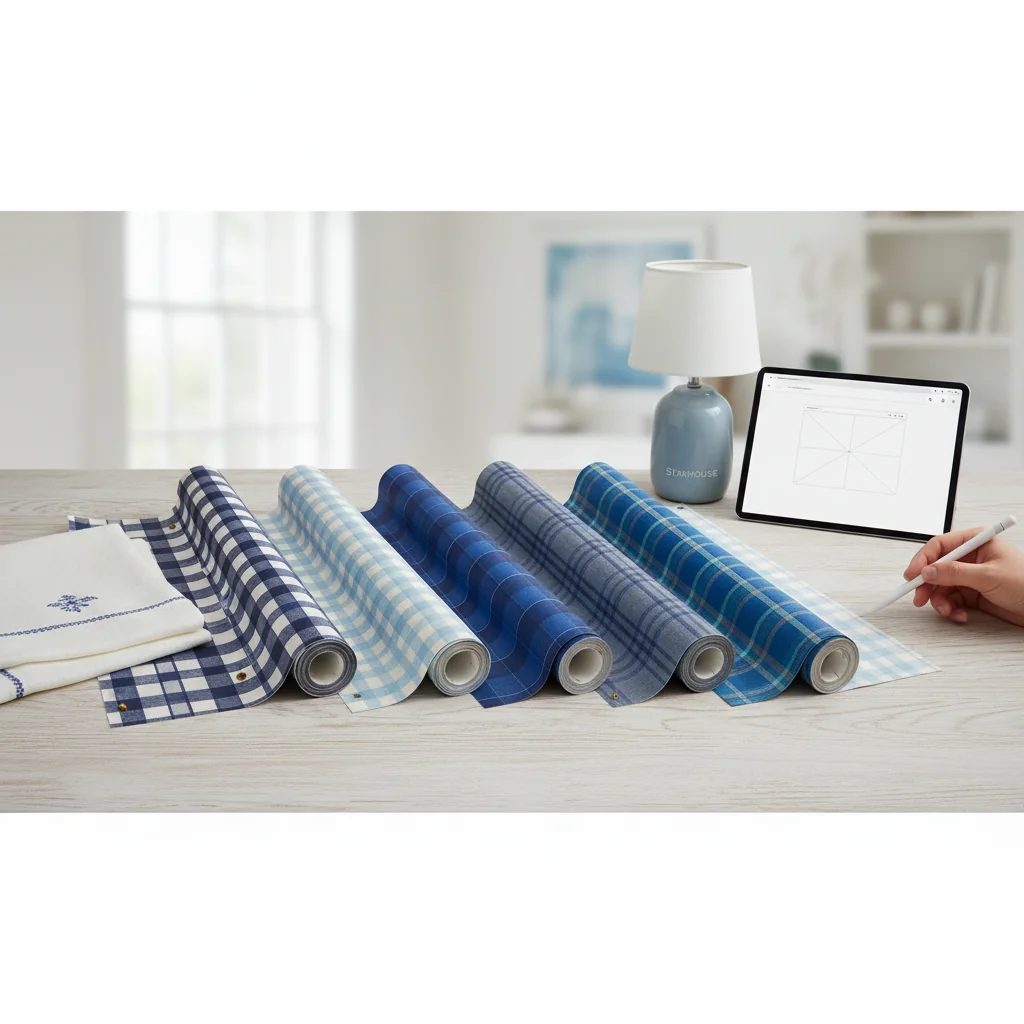
Wallpaper rolls come in standard dimensions (e.g., 20.5 inches wide by 33 feet long, covering approximately 56 square feet). However, the actual usable square footage is less due to pattern repeat and trimming. Use an online wallpaper calculator or consult the manufacturer’s guidelines, inputting your wall dimensions and the pattern repeat. When in doubt, round up the number of rolls needed.
3. Installation Considerations: Professional vs. DIY
The complexity of installing blue plaid wallpaper depends heavily on the material type and the pattern itself. While peel-and-stick options are designed for DIY, traditional pasted wallpapers, especially those with large or intricate plaid repeats, often benefit from professional installation.
DIY Installation (Primarily for Peel-and-Stick)
- Surface Preparation: Ensure walls are clean, smooth, dry, and free of dust, grease, or old wallpaper residue. Patch any holes or cracks, and prime the walls with a high-quality primer, especially if the walls are freshly painted or very porous. For peel-and-stick, a smooth, eggshell finish paint is ideal.
- Tools: You will need a measuring tape, level, utility knife with fresh blades, smoothing tool (squeegee), scissors, and a step stool or ladder.
- Starting Point: For plaid patterns, it is often best to start in the least conspicuous corner of the room or from a central point, like the middle of an accent wall, to ensure symmetry. Use a plumb line to mark a perfectly vertical line for your first strip.
- Application: Carefully align each strip, matching the plaid pattern precisely. Smooth out air bubbles as you go, working from the center outwards. Trim excess at the top and bottom.
Professional Installation (Recommended for Traditional Pasted Wallpaper and Complex Plaids)
- Expertise: Professional wallpaper installers possess the experience and specialized tools to handle complex pattern repeats, awkward corners, and various wallpaper materials. They understand how to properly prepare surfaces and apply adhesives for a flawless finish.
- Time-Saving: Professionals complete the job efficiently, saving you time and effort.
- Flawless Finish: They ensure perfectly matched seams, proper adhesion, and a smooth, bubble-free surface, which is particularly important for structured patterns like plaid.
- Material Specifics: Certain materials, like grasscloth or delicate paper-backed wallpapers, require specific adhesives and techniques best handled by an expert.
Regardless of whether you choose DIY or professional installation, always store wallpaper rolls in their original packaging in a dry, room-temperature environment until ready for use. Inspect all rolls for color consistency and any defects before cutting, as manufacturers typically do not accept returns for cut or installed paper.
Styling Blue Plaid Wallpaper: Complementary Elements
Integrating blue plaid wallpaper into an existing or new design scheme requires careful consideration of complementary elements such as furniture, textiles, lighting, and accessories. The goal is to create a cohesive and harmonious space where the plaid pattern enhances, rather than overwhelms, the overall aesthetic.
Blue plaid, with its inherent structure and calming color, offers a robust foundation for diverse styling approaches. The key is to balance its visual activity with other design components, ensuring a sophisticated and well-curated look.
1. Furniture Pairings
The type of furniture you choose can significantly influence the overall style of a room featuring blue plaid wallpaper.
-
Wood Tones:
- Light Woods (e.g., Birch, Ash, Light Oak): Pair beautifully with lighter blue plaids (sky blue, powder blue) to create an airy, Scandinavian, or coastal aesthetic. This combination feels fresh and contemporary.
- Medium Woods (e.g., Walnut, Cherry, Mid-tone Oak): Complement most shades of blue plaid, offering warmth and balance. This pairing works well for transitional or classic interiors.
- Dark Woods (e.g., Mahogany, Espresso, Dark Walnut): Create a rich, sophisticated contrast with deeper blue plaids (navy, indigo, sapphire). This combination exudes luxury and formality, ideal for traditional or grand spaces.
-
Upholstered Pieces:
- Solid Colors: Opt for solid-colored sofas, armchairs, or headboards in neutral tones (cream, beige, gray, white) or complementary colors (mustard yellow, coral, deep green) to allow the blue plaid wallpaper to be the focal point. This prevents visual clutter.
- Textured Fabrics: Introduce texture through linen, velvet, boucle, or woven fabrics. These textures add depth without competing with the plaid pattern.
- Leather: A classic pairing, leather furniture (especially in brown or tan) provides a rugged yet refined contrast to blue plaid, perfect for a den or a masculine study.
2. Textiles and Soft Furnishings
Textiles, including curtains, rugs, throw pillows, and blankets, are essential for layering and adding comfort. They should either echo the blue plaid’s colors or introduce complementary hues and textures.
-
Curtains and Drapes:
- Solid Colors: Choose solid curtains in a color pulled directly from the plaid pattern (e.g., the lighter background color) or a complementary neutral. White linen or cream velvet drapes offer a clean, elegant look.
- Subtle Patterns: If introducing another pattern, ensure it’s a different scale and texture. For example, a small geometric or a subtle stripe can work with a large-scale plaid. Avoid competing plaids.
-
Rugs:
- Neutral Textures: A jute, sisal, or natural fiber rug provides grounding and texture without overwhelming the space.
- Solid Area Rugs: A rug in a solid color (e.g., a deep blue, cream, or a warm gray) can anchor the room.
- Subtle Geometrics or Abstract Patterns: If the plaid is understated, a rug with a soft, abstract pattern can add artistic flair.
- Throw Pillows and Blankets: These are excellent for injecting accent colors and varied textures. Mix solid pillows, textured knits, or even a subtle floral or geometric pattern if the plaid is simple (like gingham).
3. Lighting
Lighting fixtures should complement the chosen style and the mood created by the blue plaid.
- Traditional/Farmhouse: Consider wrought iron chandeliers, classic sconces, or lamps with ceramic bases.
- Modern/Transitional: Sleek metal fixtures (brass, brushed nickel, matte black), minimalist pendants, or lamps with clean lines.
- Coastal/Casual: Rattan, rope, or whitewashed wood fixtures.
- Layered Lighting: Combine overhead lighting with task lighting (desk lamps, reading lamps) and accent lighting (picture lights, mood lamps) to create depth and warmth.
4. Accessories and Artwork
Accessories are the finishing touches that personalize a space and tie the design together.
- Artwork: Choose artwork that either features blue tones to create harmony or introduces complementary colors for contrast. Framed botanical prints, abstract art with soft curves, or landscape paintings can all work well.
- Decorative Objects: Incorporate ceramics, vases, sculptures, and books that reflect your style. Metallic accents (gold, silver, brass) can add a touch of glamour.
- Greenery: Indoor plants bring life, freshness, and a natural element that contrasts beautifully with the structured plaid.
- Mirrors: Mirrors with decorative frames can enhance light and add visual interest.
5. Complementary Color Palettes
Blue plaid is highly versatile and can be paired with a wide range of colors. Here are some effective palettes:
- Neutrals: White, cream, beige, and various shades of gray create a sophisticated, calming, and timeless look. This allows the blue plaid to stand out without competing.
- Warm Accents: Mustard yellow, burnt orange, terracotta, or coral can add pops of warmth and energy, creating a dynamic contrast with cool blue.
- Earthy Tones: Deep greens (forest green, olive), browns, and camel hues evoke a natural, rustic, or traditional feel, especially with darker blue plaids.
- Monochromatic/Analogous: Different shades of blue, or colors adjacent to blue on the color wheel (greens, purples), create a serene and cohesive scheme.
- Metallic Accents: Gold, brass, copper, and silver can introduce a touch of luxury and sparkle, elevating the blue plaid’s sophistication.
By thoughtfully selecting and arranging these complementary elements, you can create a space that feels both stylish and deeply personal, with your blue plaid wallpaper serving as a distinguished backdrop or a captivating focal point.
Current Trends and Innovative Uses of Blue Plaid
Blue plaid wallpaper, while a classic, continues to evolve within contemporary design, manifesting in innovative uses and aligning with current trends that embrace both nostalgic comfort and fresh modernity. Designers are exploring creative applications that push beyond traditional four-wall coverage, utilizing its versatility to define spaces and add unexpected visual interest.
The enduring appeal of blue plaid means it is constantly reinterpreted. Current trends see it applied in ways that maximize its visual impact, cater to diverse aesthetic preferences, and reflect a desire for personalized, layered interiors.
1. Accent Walls as Statement Pieces
The most prominent trend for blue plaid wallpaper is its use on an accent wall. This approach allows for the introduction of a bold or busy plaid pattern without overwhelming the entire room. A striking navy buffalo check in a living room, a delicate sky blue gingham in a nursery, or a sophisticated Glen Plaid in a home office can define a focal point, drawing the eye and adding architectural interest. This is particularly effective in open-concept spaces where a single wall can delineate a specific zone.
2. Ceilings as the "Fifth Wall"
Treating the ceiling as the "fifth wall" is a growing trend, and blue plaid wallpaper is an excellent candidate for this unexpected application. A subtle blue Tattersall or a small-scale windowpane plaid on the ceiling can add depth and a unique design element, especially in rooms with high ceilings. It creates a cozy, enveloping feeling in bedrooms or a whimsical touch in a child’s room, drawing the eye upward and adding an unexpected layer of pattern.
3. Small Spaces and Nooks
Blue plaid wallpaper is increasingly used to bring personality to small, often overlooked spaces. A powder room, a pantry, the back of a bookshelf, or an entryway closet can be transformed into a charming moment with a bold blue plaid. This allows for a playful design choice without a long-term commitment or significant investment, often utilizing peel-and-stick options for ease of application and removal. The enclosed nature of these spaces can handle more dramatic patterns.
4. Transitional Spaces
Hallways, landings, and stairwells are often functional but lack character. Blue plaid wallpaper can elevate these transitional zones, making them feel like integral parts of the home’s design narrative. A continuous blue plaid pattern can create a cohesive flow between rooms, or a bold plaid on a single wall can guide the eye and add visual interest to an otherwise plain area.
5. Mixing Patterns and Textures
Contemporary design embraces the art of mixing patterns, and blue plaid serves as an excellent foundational pattern. It pairs well with florals, stripes, geometrics, and even animal prints, provided there is a thoughtful balance in scale and color. For example, a large-scale blue plaid wallpaper can be complemented by smaller floral prints in upholstery or throw pillows, or a thin blue windowpane plaid can sit alongside a bold stripe. The key is to vary the scale of the patterns and maintain a consistent color palette to ensure harmony. Incorporating diverse textures, from smooth ceramics to chunky knits, further enhances this layered approach. Brewster Wallcovering showcases how plaid can be a versatile element in a mixed-pattern environment, offering inspiration for creative pairings.
6. Modern Farmhouse and Coastal Aesthetics
Blue plaid wallpaper remains a cornerstone of both modern farmhouse and coastal design styles. For farmhouse, blue gingham or buffalo check in muted tones evokes rustic charm and comfort. For coastal, lighter blues in windowpane or a subtle tartan can mimic the relaxed elegance of seaside living, often paired with natural textures like rattan, linen, and whitewashed wood. These styles leverage blue plaid’s ability to create a sense of heritage and calm.
7. Peel-and-Stick for Flexibility
The widespread availability of blue plaid in peel-and-stick formats has fueled its trendiness, particularly among renters and those who love to redecorate frequently. This accessibility allows for low-commitment experimentation with bold patterns and colors, enabling homeowners to easily update their spaces seasonally or as their tastes evolve. It democratizes the use of wallpaper, making it a flexible design tool.
These trends demonstrate that blue plaid wallpaper is far from a static design choice. It is a dynamic element that, when applied creatively, can inject personality, sophistication, and a sense of timeless style into any contemporary home.
Care and Maintenance for Longevity
Proper care and routine maintenance are essential for preserving the pristine appearance and ensuring the longevity of your blue plaid wallpaper. The specific cleaning methods depend directly on the wallpaper’s material, as different constructions respond uniquely to moisture and cleaning agents.
Ignoring manufacturer guidelines or using inappropriate cleaning techniques can lead to fading, discoloration, damage, or premature wear. Adhering to the correct care regimen will keep your blue plaid looking vibrant and fresh for years.
1. Identify Your Wallpaper Material
The first step in proper care is knowing the material of your blue plaid wallpaper. Refer to the product packaging or manufacturer’s instructions for guidance. Common classifications include:
- Washable/Scrubbable Vinyl: Highly durable, resistant to moisture and stains.
- Wipeable Non-Woven: Can withstand gentle wiping with a damp cloth.
- Delicate Paper/Grasscloth: Very sensitive to moisture; often only dustable.
- Peel-and-Stick (Vinyl/Fabric): Generally wipeable, some are washable.
2. General Cleaning Guidelines
- Regular Dusting: Regardless of material, regular dusting with a soft, dry cloth or a feather duster prevents dust and cobwebs from accumulating and embedding into the surface. This is particularly important for textured wallpapers.
- Immediate Spot Cleaning: Address spills or marks immediately. The longer a stain sits, the harder it is to remove.
- Test in an Inconspicuous Area: Before applying any cleaning solution to a visible area, always test it on a small, hidden spot (e.g., behind furniture, in a closet, or on a leftover scrap). This confirms the solution will not cause discoloration or damage.
3. Material-Specific Cleaning Instructions
For Washable/Scrubbable Vinyl Wallpaper:
This type offers the most robust cleaning capabilities, making it ideal for high-traffic areas or spaces prone to splashes like kitchens and bathrooms.
- Method: Use a soft sponge or cloth dampened with a mild, non-abrasive household cleaner mixed with warm water. Gentle dish soap is often effective.
- Application: Gently wipe the stained area. For more stubborn marks, you may use a soft-bristled brush on scrubbable vinyl, but always use caution.
- Rinsing: After cleaning, wipe the area with a clean cloth dampened with plain water to remove any soap residue.
- Drying: Pat the area dry with a clean, dry cloth to prevent water spots.
- Avoid: Harsh chemicals, abrasive cleaners, or scouring pads, as these can damage the vinyl surface and cause fading.
For Wipeable Non-Woven Wallpaper:
Non-woven wallpapers are more delicate than vinyl but still offer good cleaning properties.
- Method: Use a very lightly dampened soft cloth with plain water or a very diluted, mild soap solution.
- Application: Gently wipe in small sections. Do not rub vigorously.
- Drying: Immediately follow with a clean, dry cloth to absorb excess moisture. Do not allow water to sit on the surface.
- Avoid: Soaking the paper, using harsh chemicals, or abrasive materials.
For Delicate Paper Wallpaper and Grasscloth:
These materials are the most sensitive and require extreme care.
- Method: For paper, use a dry, soft cloth or a specialized wallpaper dough/eraser to gently lift marks. For grasscloth, only dry dusting or a very gentle vacuum with a brush attachment is recommended.
- Stains: For paper, very minor, fresh stains might be carefully blotted with a slightly damp cloth, but this risks damage. For grasscloth, liquid stains are often permanent.
- Avoid: Any liquid cleaning. Moisture will damage these materials, causing warping, staining, or separation.
For Peel-and-Stick Wallpaper:
Care varies depending on whether it’s vinyl or fabric-based. Most are wipeable.
- Method: Typically, a soft, damp cloth with plain water is sufficient. Some vinyl peel-and-stick papers can tolerate a very mild soap solution.
- Application: Gently wipe the surface.
- Drying: Pat dry immediately.
- Avoid: Aggressive scrubbing, harsh chemicals, or excessive moisture, as this can compromise the adhesive or damage the print.
4. Preventing Damage
- Humidity Control: In bathrooms or kitchens, ensure adequate ventilation to minimize prolonged exposure to high humidity, which can affect adhesion and material integrity.
- Sunlight Exposure: Direct, prolonged sunlight can cause fading over time, especially with darker blue hues. Consider UV-filtering window treatments in rooms with intense sun exposure.
- Protect from Abrasion: Position furniture slightly away from walls to prevent scuffing.
By following these specific care and maintenance guidelines tailored to your blue plaid wallpaper’s material, you can ensure its enduring beauty and protect your investment in your home’s design.
Common Mistakes to Avoid When Using Blue Plaid Wallpaper
Achieving a sophisticated and cohesive look with blue plaid wallpaper requires foresight and attention to detail. Several common mistakes can undermine its aesthetic impact, leading to a cluttered, disproportionate, or poorly executed design. Avoiding these pitfalls ensures your blue plaid wallpaper enhances your space beautifully.
The structured nature of plaid, combined with the often-bold presence of blue, means that specific considerations are paramount. Overlooking these can result in a less-than-ideal outcome, diminishing the elegance and comfort that blue plaid is meant to provide.
1. Overwhelming a Small Space with a Large, Busy Plaid
A large-scale, high-contrast blue plaid pattern in a small room can make the space feel cramped, visually chaotic, and smaller than it is. The pattern dominates the view, leaving no visual resting places. Instead, opt for smaller, more subtle plaid patterns (like a fine gingham or Tattersall) in lighter blue tones for compact areas, or reserve bold plaids for an accent wall only.
2. Neglecting Pattern Repeat During Measurement and Installation
Failing to account for the pattern repeat is a critical error, particularly with plaid. If strips are cut without considering the repeat, the pattern will not align seamlessly across the wall, creating jarring visual breaks. This not only wastes material but also results in a unprofessional finish. Always add the pattern repeat length to each strip’s height when cutting, and ensure you purchase enough rolls to accommodate this extra material.
3. Clashing Patterns or Textures
Mixing blue plaid wallpaper with other patterns or textures without careful consideration can lead to visual dissonance. For instance, pairing a bold blue tartan with an equally prominent floral pattern on upholstery, especially if they are of similar scale, can create a chaotic environment. The key is to vary scale, texture, and intensity. If your wallpaper is a dominant plaid, choose solid-colored fabrics or subtle textures for furniture and textiles. If you must mix patterns, ensure they are of vastly different scales or complementary styles, and that a consistent color palette ties them together.
4. Improper Surface Preparation
The success of any wallpaper installation hinges on proper wall preparation. Applying blue plaid wallpaper to dirty, uneven, porous, or improperly primed walls can lead to a host of problems: visible imperfections, poor adhesion (leading to bubbling or peeling), and difficulty in removal later. Always ensure walls are clean, smooth, dry, and primed appropriately for your wallpaper type. For peel-and-stick, a smooth, eggshell-finish paint is essential for proper adhesion and clean removal.
5. Ignoring the Role of Natural and Artificial Light
The shade of blue plaid you choose can look dramatically different under various lighting conditions. A blue that appears vibrant in a well-lit showroom might look dull or too dark in a room with limited natural light. Conversely, a subtle pattern might disappear under intense light. Always view wallpaper samples in your actual room, at different times of day, to understand how the light interacts with the color and pattern before making a final decision.
6. Over-Committing to a Trend Without Considering Longevity
While trends are exciting, avoid choosing an overly specific or fleeting blue plaid pattern if you desire a long-lasting design. Some highly stylized or niche plaid patterns may date quickly. For enduring elegance, opt for classic blue plaid variations like tartan, gingham, or Tattersall, which have proven timeless appeal and adaptability. If you love a bold, trendy plaid, consider using it on an accent wall or in a small, easily changeable space.
7. Underestimating the Visual Weight of Blue
Blue, especially darker shades like navy or indigo, carries significant visual weight. Using a dark blue plaid on all four walls of a smaller room can make it feel heavy and enclosed. While this can create a cozy, den-like atmosphere in larger spaces, it can be oppressive in smaller ones. Balance dark blue plaids with ample white trim, light-colored furnishings, and reflective surfaces to maintain an open and airy feel.
By consciously avoiding these common errors, you ensure that your blue plaid wallpaper installation is not only beautiful but also contributes positively to the overall harmony and functionality of your interior design.
Sources
- York Wallcoverings. Plaids and Checks Wallpaper | York Wallcoverings
- Brewster Wallcovering. Plaid Wallpaper | Tartan Wallpaper | Plaid Wallpapers
Frequently Asked Questions
Is blue plaid wallpaper suitable for a bathroom?
Yes, blue plaid wallpaper is suitable for a bathroom, provided you select a material specifically designed to withstand humidity and moisture, such as solid vinyl or certain types of fabric-backed vinyl. These materials are highly durable, washable, and resistant to mold and mildew, making them ideal for high-humidity environments. Non-woven options can also work in well-ventilated bathrooms, but traditional paper wallpaper is generally not recommended.
Can blue plaid wallpaper be used in a child’s bedroom or nursery?
Absolutely, blue plaid wallpaper is an excellent choice for a child’s bedroom or nursery, offering a charming and comforting aesthetic. Light blue gingham or a playful buffalo check can create a cheerful and classic look. For these rooms, peel-and-stick wallpaper is highly recommended due to its easy installation, removability, and wipeable surface, allowing for updates as the child grows without damaging the walls.
How do I match the blue plaid pattern at the seams?
Matching the blue plaid pattern at the seams requires precise cutting and careful alignment of each wallpaper strip. You must first identify the pattern repeat length specified on the wallpaper roll. When cutting strips, add this repeat length to the wall height for each subsequent strip after the first. During installation, align the printed pattern on the new strip perfectly with the pattern on the previously installed strip before smoothing it onto the wall, ensuring a continuous design.
What colors pair well with blue plaid wallpaper?
Blue plaid wallpaper pairs exceptionally well with a variety of colors, allowing for diverse design schemes. Neutrals like white, cream, beige, and gray provide a sophisticated and calming backdrop. Warm accents such as mustard yellow, terracotta, or coral can introduce vibrant pops of color. Earthy tones like deep green or camel brown create a cozy, traditional feel. Metallic accents in gold or brass also add a touch of luxury, enhancing the blue’s richness.
Is peel-and-stick blue plaid wallpaper durable?
Peel-and-stick blue plaid wallpaper offers good durability, especially when made from high-quality vinyl or a sturdy polyester fabric blend. It is generally wipeable and resistant to minor scuffs, making it suitable for many residential applications. While it may not match the extreme longevity of heavy-duty traditional vinyl wallpapers, it provides excellent performance for accent walls, temporary décor, and medium-traffic areas, often lasting several years with proper care.
Can I install blue plaid wallpaper myself, or should I hire a professional?
The decision to install blue plaid wallpaper yourself or hire a professional depends on the wallpaper type and your comfort level with DIY projects. Peel-and-stick wallpaper is specifically designed for straightforward DIY installation due to its self-adhesive backing. However, traditional pasted wallpapers, especially those with intricate plaid patterns or large pattern repeats, often benefit significantly from professional installation. Professionals ensure precise pattern matching, seamless application, and a flawless finish, saving time and preventing potential errors.
How do I clean blue plaid wallpaper without damaging it?
To clean blue plaid wallpaper without damage, first identify its material. For washable vinyl, use a soft sponge with mild soap and water, then rinse and dry. For wipeable non-woven or peel-and-stick, a lightly dampened cloth with plain water is usually sufficient, followed by immediate drying. For delicate paper or grasscloth, only dry dusting is recommended. Always test any cleaning solution on an inconspicuous area first, and avoid harsh chemicals or abrasive scrubbing.
Conclusion
Blue plaid wallpaper stands as a testament to enduring design, offering a versatile and sophisticated solution for nearly any interior space. From the cozy comfort of a rustic cabin to the tailored elegance of a modern study, its varied patterns and calming blue hues provide a foundational element that can define a room’s character. Understanding the nuances of pattern types, material constructions, precise measurement, and thoughtful styling ensures that your chosen blue plaid will not only be beautiful but also perfectly suited to its environment and your lifestyle.
At Starhouse, we believe in curating home décor that inspires and transforms. We are meticulously building a collection that embodies quality, design integrity, and timeless appeal. As we prepare to launch our full catalog, we invite you to be part of our journey. Share your design aspirations and tell us what you’re looking for in your ideal blue plaid wallpaper and other exquisite home furnishings. By joining our community, you’ll gain exclusive early access to our carefully selected offerings, ensuring your space reflects your unique vision with unparalleled style.