Farmhouse wallpaper is a foundational design element that brings the quintessential warmth, authenticity, and relaxed elegance of rural living into any contemporary home. It is characterized by its ability to evoke a sense of heritage and comfort, often incorporating natural textures, classic motifs, and a serene color palette that grounds a space. From the iconic shiplap to delicate botanicals, farmhouse wallpaper offers a versatile solution for creating an inviting atmosphere that feels both timeless and fresh, transforming walls into integral components of a cohesive design narrative.
Key takeaways
- Farmhouse wallpaper encompasses a broad spectrum of styles, from classic rustic to refined modern, utilizing diverse patterns like shiplap, florals, plaids, and toile.
- Material choice significantly impacts durability, ease of installation, and maintenance, with options including peel-and-stick, traditional, vinyl, and non-woven varieties.
- Accurate measurement and consideration of pattern repeat are critical for seamless installation and minimizing waste, especially for large-scale designs.
- Selecting the right farmhouse wallpaper involves aligning its pattern scale, color palette, and texture with the room’s function, existing décor, and natural light.
- Proper care and maintenance, tailored to the wallpaper’s material, are essential for preserving its aesthetic appeal and longevity.
- Styling farmhouse wallpaper effectively requires thoughtful pairing with complementary furnishings, textiles, lighting, and accessories to create a harmonious and inviting space.
What is Farmhouse Wallpaper? Defining the Aesthetic
Farmhouse wallpaper is a decorative wallcovering that embodies the core principles of farmhouse interior design, prioritizing comfort, practicality, and a connection to nature. It typically features patterns, textures, and color palettes that evoke a sense of history, handcrafted quality, and rustic charm, transforming a room into a welcoming, lived-in sanctuary. This aesthetic is defined by its authenticity and its ability to blend traditional elements with modern sensibilities.
The essence of farmhouse style, and by extension its wallpaper, lies in creating spaces that feel both elegant and approachable. It’s about celebrating simplicity, natural materials, and functional design. Farmhouse wallpaper serves as a powerful tool to introduce these qualities, whether through a subtle texture or a bold, narrative-rich pattern, establishing a foundational layer that informs the entire room’s design.
Key characteristics often include motifs inspired by rural life, such as botanical prints, livestock silhouettes, or pastoral scenes, alongside geometric patterns like stripes, plaids, and checks. The color schemes are generally muted, featuring warm neutrals, soft blues, greens, and grays, with occasional pops of more vibrant, earthy tones. The goal is always to cultivate an atmosphere of relaxed sophistication and enduring appeal.
The Evolution of Farmhouse Style: From Rustic Roots to Refined Interiors
The farmhouse style has evolved significantly from its humble, purely functional origins in agricultural dwellings, transforming into a sophisticated design aesthetic that resonates deeply with contemporary homeowners. Originally, farmhouse interiors were characterized by necessity and resourcefulness, featuring durable, unpretentious materials and furniture built for utility rather than ornamentation. Today, it represents a curated blend of vintage charm and modern comfort, prioritizing warmth, authenticity, and a connection to nature.
Early farmhouse design focused on practicality, utilizing natural wood, simple textiles, and sturdy construction. Walls were often whitewashed or paneled, reflecting a no-fuss approach to interior finishes. As the style gained popularity, particularly with the rise of movements emphasizing handmade goods and a return to simpler times, it began to incorporate decorative elements that retained a sense of history and craftsmanship.
The modern farmhouse aesthetic, popularized in recent decades, refines these rustic roots by integrating clean lines, neutral color palettes, and contemporary fixtures while preserving the essential warmth and character. This evolution has led to a broader interpretation of farmhouse wallpaper, moving beyond simple wood-look designs to include sophisticated patterns, subtle textures, and a more diverse range of materials that complement both traditional and avant-garde interiors. It’s a testament to the style’s adaptability and enduring appeal.
Types of Farmhouse Wallpaper: Exploring Construction and Installation
Farmhouse wallpaper is available in several construction and installation types, each offering distinct advantages in terms of durability, ease of application, and maintenance, making the choice dependent on your project’s specific requirements and your DIY comfort level. Understanding these differences is crucial for selecting the appropriate product that aligns with both your aesthetic vision and practical considerations for your home. These types dictate how the wallpaper adheres to the wall and its overall resilience.
Peel-and-Stick Wallpaper
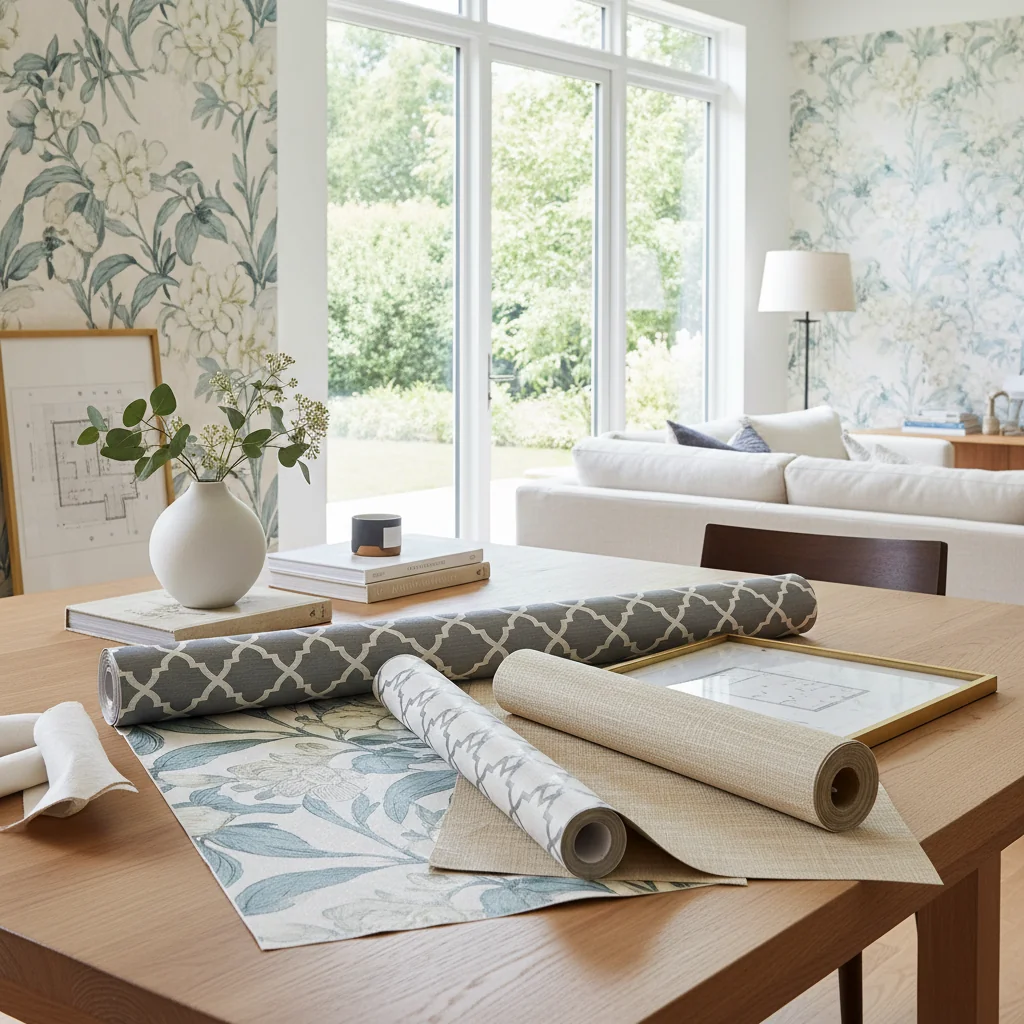
Peel-and-stick wallpaper, also known as temporary or removable wallpaper, features an adhesive backing that allows for easy application and removal without damaging the wall surface. This type is ideal for renters, those who enjoy frequent design updates, or for accent walls where commitment is minimal. Installation involves simply peeling off the backing and smoothing the paper onto a clean, smooth wall. It is generally made from vinyl or non-woven materials, offering durability and often being wipeable for easy cleaning. The primary advantage is its flexibility and non-permanent nature, making it perfect for experimenting with farmhouse patterns like subtle shiplap or delicate botanical prints.
Traditional (Paste-the-Paper) Wallpaper
Traditional wallpaper requires the application of a separate adhesive paste to the back of the paper before installation. This method offers a more permanent and durable finish, often preferred for long-term installations in high-traffic areas. Traditional wallpapers are available in a vast array of materials, including paper, vinyl, and fabric-backed varieties, allowing for intricate patterns and rich textures that elevate a farmhouse design. While installation is more labor-intensive and typically requires more precision, the result is a professional, enduring wallcovering that can last for decades with proper care. It provides a classic, authentic feel often sought in farmhouse interiors.
Pre-Pasted Wallpaper
Pre-pasted wallpaper comes with a dry adhesive already applied to its backing, which is activated by dipping the paper in water. This type offers a convenient middle ground between peel-and-stick and traditional wallpaper, simplifying the installation process by eliminating the need for separate paste application. It provides a strong, lasting bond once dry, making it suitable for most rooms in a farmhouse-style home. Pre-pasted options are often found in non-woven or vinyl materials, combining ease of use with good durability and a wide selection of farmhouse-appropriate designs, such as gingham checks or subtle linen textures.
Non-Woven Wallpaper
Non-woven wallpaper is manufactured from a blend of natural and synthetic fibers, making it exceptionally durable, breathable, and tear-resistant. Its key characteristic is its “paste-the-wall” application method, where adhesive is applied directly to the wall rather than the paper, simplifying installation and making it easier to adjust strips. Non-woven wallpaper is also highly strippable when it’s time for removal, meaning it comes off in full sheets without damaging the wall or leaving residue. This material is an excellent choice for farmhouse interiors due to its ability to mimic natural textures like grasscloth or linen, offering a sophisticated yet resilient finish that can withstand the demands of family life.
Fabric-Backed Vinyl Wallpaper
Fabric-backed vinyl wallpaper combines a durable vinyl surface with a fabric backing, offering superior strength and dimensional stability. This type is particularly robust, making it ideal for high-traffic areas such as hallways, kitchens, or bathrooms where resistance to moisture, stains, and abrasion is paramount. It is often heavier and more rigid than other types, requiring a specialized heavy-duty adhesive for installation. Fabric-backed vinyl can convincingly replicate the look of natural materials like wood planks, brick, or woven textiles, providing a highly authentic farmhouse aesthetic with exceptional longevity and ease of maintenance. Its commercial-grade durability ensures it stands up to rigorous use.
Popular Farmhouse Wallpaper Styles and Patterns: A Curated Selection
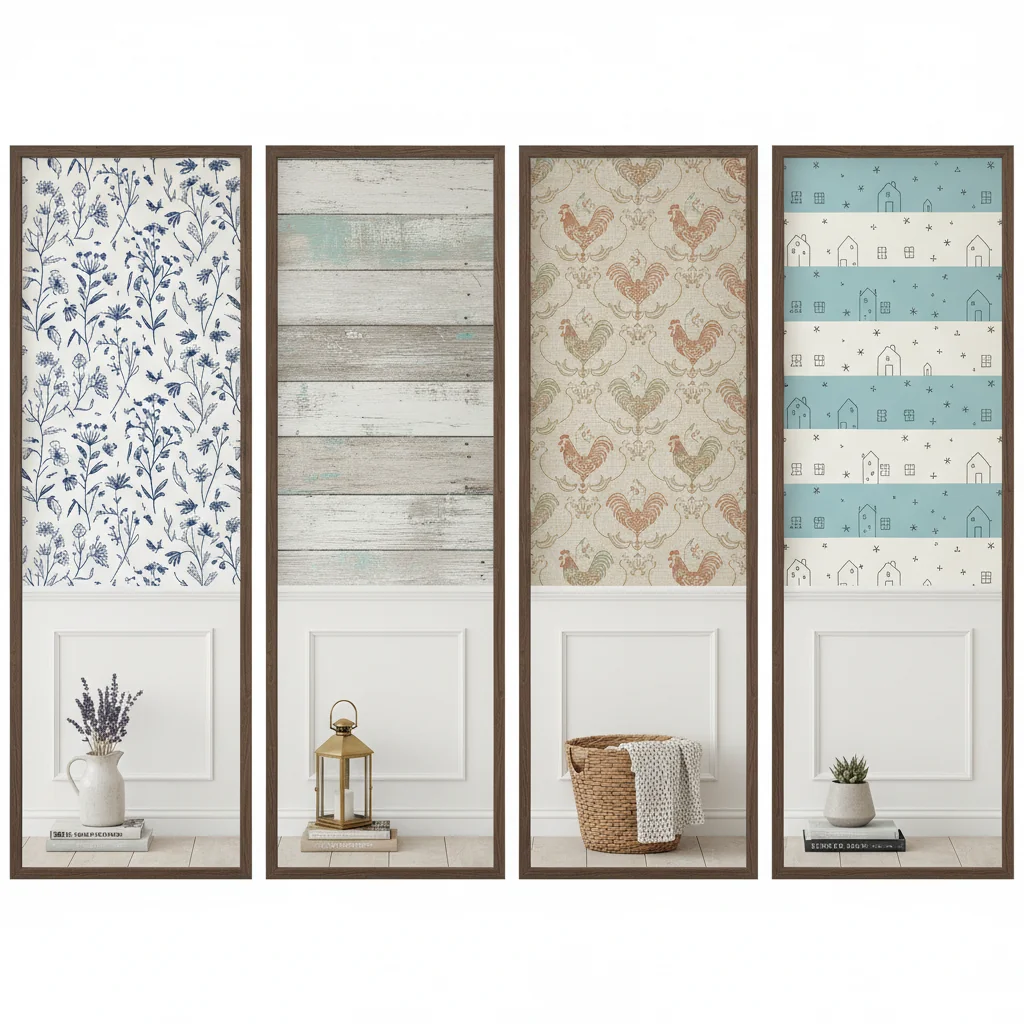
Farmhouse wallpaper is defined by a diverse range of styles and patterns that capture the essence of rural charm, from rustic simplicity to sophisticated country elegance. These patterns are carefully selected to evoke warmth, comfort, and a connection to nature, serving as a cornerstone for creating an authentic farmhouse aesthetic in any room. The right pattern can set the mood, add character, and unify a design scheme.
Shiplap and Wood Plank Designs
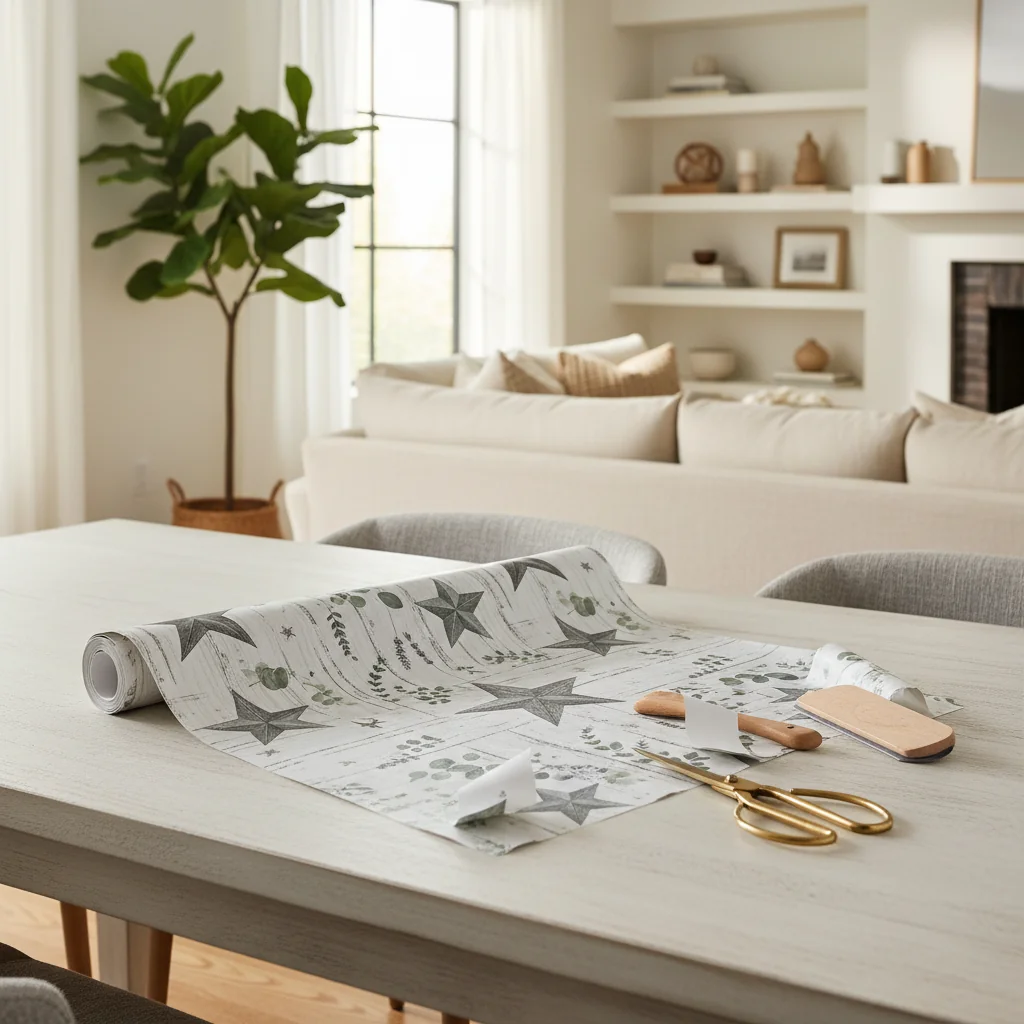
Shiplap wallpaper replicates the iconic horizontal wooden planks that are a hallmark of classic farmhouse interiors. This design instantly adds architectural interest and a sense of rustic authenticity, providing a clean yet textured backdrop. Available in various finishes, from distressed white to natural wood tones, shiplap wallpaper offers the aesthetic appeal of real shiplap without the complex installation. Wood plank designs extend this concept, featuring wider or more varied wood grain patterns that can mimic reclaimed barn wood or weathered timber, adding depth and a cozy, cabin-like feel. These patterns are particularly effective in creating accent walls or bringing a cohesive farmhouse look to an entire room.
Botanical and Floral Prints
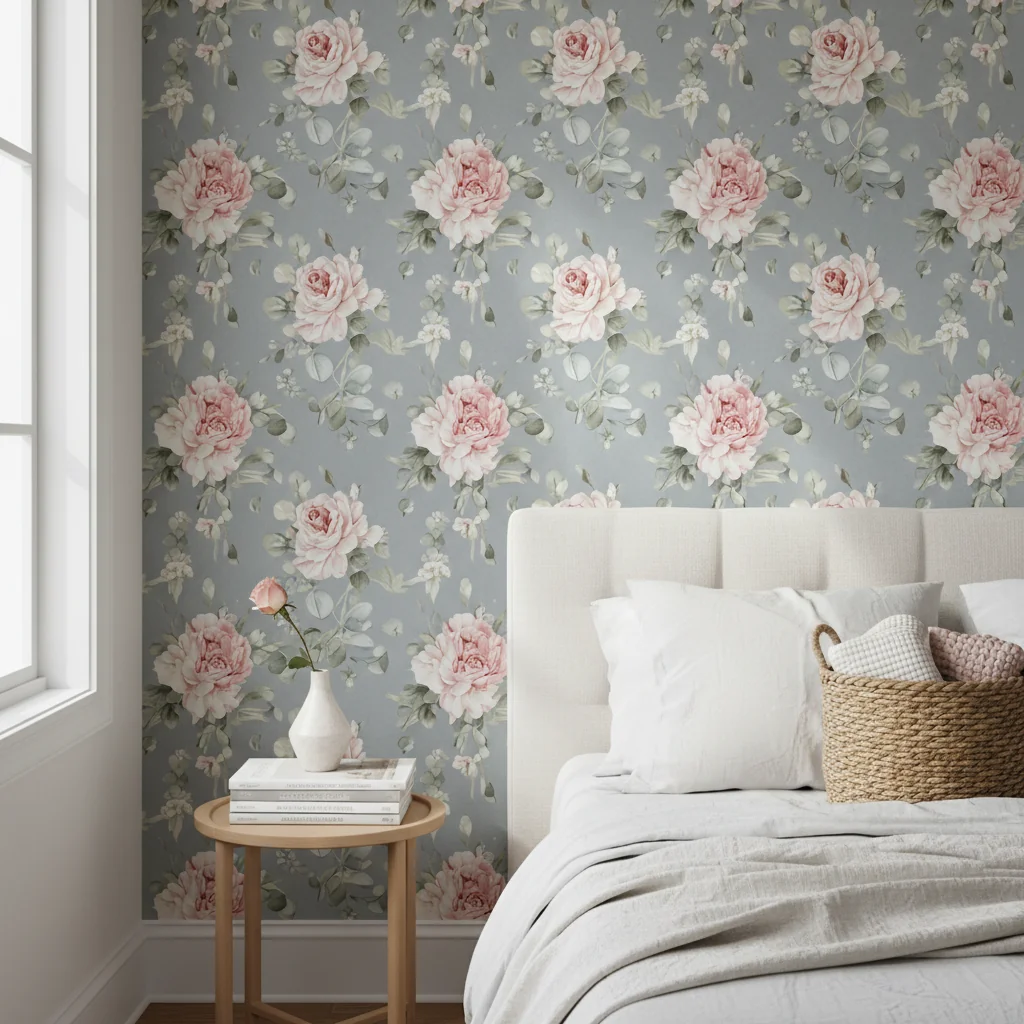
Botanical and floral prints in farmhouse wallpaper celebrate the natural world, bringing an organic, gentle touch to interiors. These patterns often feature delicate wildflowers, sprawling vines, or classic rose motifs, typically rendered in muted, earthy tones or soft pastels. They introduce a sense of tranquility and femininity, balancing the often-sturdier elements of farmhouse decor. From intricate toile patterns depicting pastoral scenes to simple, repeating floral sprigs, these wallpapers infuse a room with a timeless, garden-inspired charm, perfect for bedrooms, dining areas, or powder rooms. They connect the indoor space to the natural beauty of the countryside.
Plaids, Gingham, and Checks
Plaids, gingham, and checks are quintessential patterns for farmhouse wallpaper, embodying a sense of homespun comfort and traditional appeal. Gingham, with its crisp, small-scale squares, offers a cheerful and classic look, often in red and white or blue and white, ideal for kitchens or breakfast nooks. Larger plaids and checks, featuring intersecting lines of varying widths and colors, provide a more robust and cozy feel, reminiscent of flannel blankets and rustic textiles. These geometric patterns introduce order and visual texture, creating a welcoming backdrop that pairs beautifully with natural wood furniture and simple decor. They are versatile and timeless, establishing an immediate sense of warmth.
Faux Brick and Stone Textures
Faux brick and stone texture wallpapers are highly effective in introducing an industrial or rustic edge to the farmhouse aesthetic. These designs convincingly mimic the look and feel of exposed brick walls or natural stone, adding architectural character and a sense of history to a space. Whether it’s a weathered red brick, a whitewashed brick, or a rugged fieldstone pattern, these wallpapers create a focal point that suggests a reclaimed or original structural element. They are particularly impactful in kitchens, living rooms, or mudrooms, where their raw, textural quality contrasts beautifully with softer farmhouse furnishings, bridging the gap between rustic and refined. This adds an authentic, grounded feel.
Subtle Textures and Linen Looks
For those seeking a more understated farmhouse aesthetic, wallpapers with subtle textures or linen looks offer sophisticated charm without overwhelming a space. These designs often feature a tactile quality, mimicking woven fabrics, grasscloth, or finely textured plaster, providing visual depth and warmth through their material imitation rather than bold patterns. A linen-look wallpaper, for instance, introduces the soft, inviting feel of natural fibers, while a subtle crosshatch or stria pattern adds a layer of quiet sophistication. These wallpapers are excellent for creating a serene backdrop that allows furniture and accessories to shine, perfect for bedrooms, offices, or living areas where a calm, refined atmosphere is desired. They establish a foundation of quiet elegance.
Farm Animal and Toile Patterns
Farm animal and toile patterns directly evoke the pastoral idyllic imagery central to the farmhouse theme. Toile de Jouy, or simply toile, is a classic pattern featuring detailed, often monochromatic, scenes of rural life, shepherdesses, or historical events, typically in blue, red, or black on a cream background. This elegant pattern adds a touch of French country sophistication and narrative interest. Similarly, wallpapers featuring silhouettes or illustrations of farm animals like chickens, cows, or sheep offer a playful yet charming nod to agricultural heritage. These patterns are particularly engaging in children’s rooms, mudrooms, or accent walls, infusing the space with character and a whimsical spirit that is distinctly farmhouse.
Materials and Finishes: Durability Meets Design
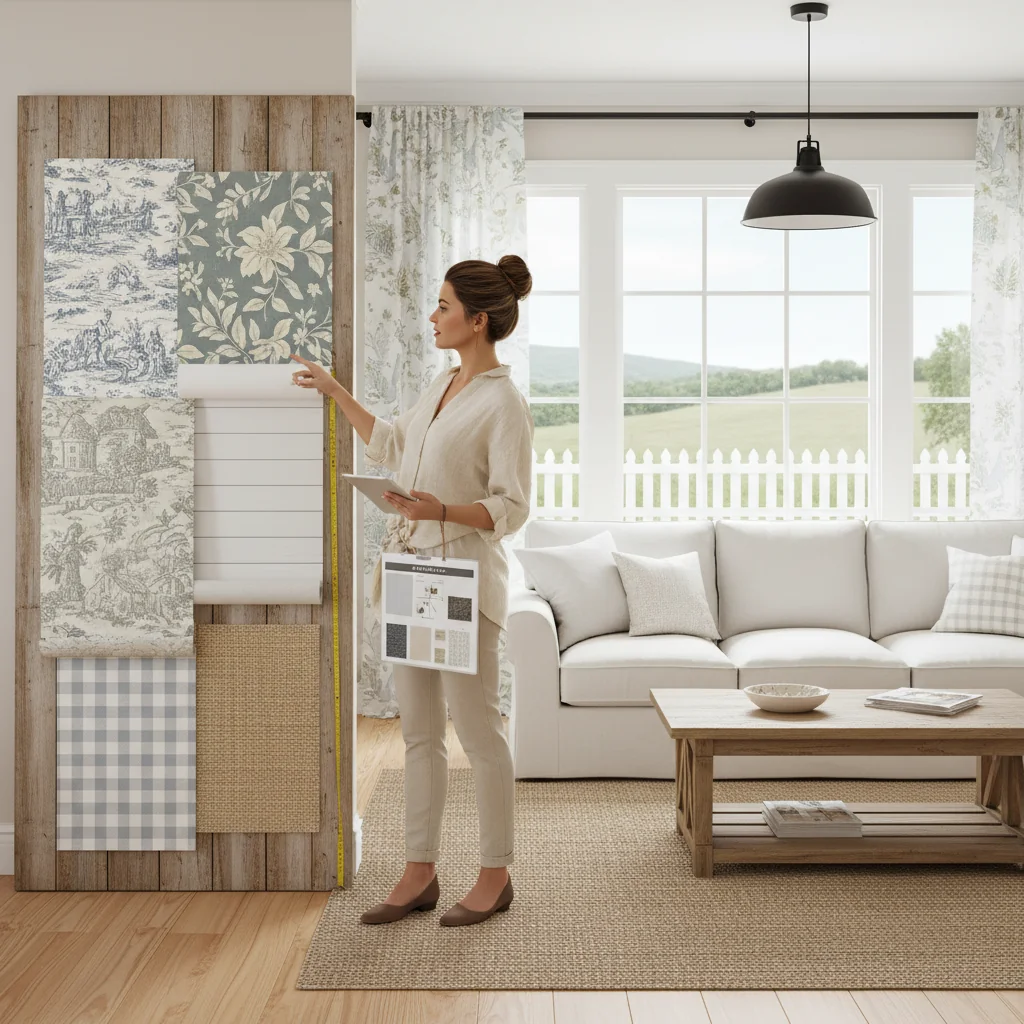
The material and finish of farmhouse wallpaper are critical factors that dictate its durability, ease of maintenance, and overall aesthetic impact in a room. Different materials offer varying levels of resistance to moisture, abrasion, and fading, while finishes can enhance the visual texture and reflectivity of the pattern. Understanding these characteristics ensures you select a wallpaper that not only looks beautiful but also performs optimally in its intended environment. A material’s composition directly influences its longevity and suitability for specific areas of the home.
Vinyl Wallpaper
Vinyl wallpaper is an exceptionally durable and practical choice for farmhouse interiors, especially in high-traffic or moisture-prone areas like kitchens, bathrooms, and mudrooms. Vinyl is a synthetic material renowned for its resistance to water, stains, and scuffs, making it easy to clean with a damp cloth and mild detergent. It is available in a wide range of weights and textures, from solid vinyl to fabric-backed vinyl, allowing it to convincingly mimic natural materials like wood, brick, or stone. The protective vinyl layer ensures longevity and maintains the integrity of farmhouse patterns such as shiplap or rustic textures, making it a reliable option for busy households.
Non-Woven Wallpaper
Non-woven wallpaper is a blend of natural and synthetic fibers, offering a balance of durability, breathability, and eco-friendliness. This material is celebrated for its tear resistance, dimensional stability (it doesn’t expand or contract when wet), and ease of installation and removal. Non-woven wallpapers are often “paste-the-wall” applications, which streamlines the hanging process. They are also breathable, helping to prevent mold and mildew growth, and are typically washable. Their ability to mimic the soft, tactile feel of natural fabrics makes them ideal for farmhouse designs that require a subtle, refined texture, such as linen-look or delicate botanical prints, providing both elegance and practicality.
Paper Wallpaper
Traditional paper wallpaper is crafted from paper pulp, offering a classic and often more breathable option for walls. While generally less durable than vinyl or non-woven types, paper wallpaper excels in its ability to showcase intricate details and vibrant colors, making it suitable for delicate floral patterns, classic toile, or charming farm animal motifs. It is best suited for low-traffic areas like bedrooms, dining rooms, or formal living spaces where it is less likely to encounter moisture or heavy wear. Installation typically requires paste-the-paper methods, and care involves gentle cleaning. Paper wallpaper provides an authentic, traditional feel that aligns well with a vintage farmhouse aesthetic.
Grasscloth and Natural Fiber Wallpaper
Grasscloth and other natural fiber wallpapers, such as those made from jute, sisal, or hemp, bring unparalleled texture and organic warmth to a farmhouse space. These materials are inherently unique, with variations in color and weave that add depth and character. They are often unpasted and require careful installation due to their delicate nature and tendency to show seams. Grasscloth is generally not washable and is best reserved for low-traffic areas where it won’t be exposed to moisture or heavy soiling. Its tactile quality and connection to natural elements make it an exquisite choice for creating a sophisticated, layered farmhouse look, perfect for accent walls or studies, offering a truly bespoke feel.
Finishes: Matte, Satin, and Textured
The finish of a farmhouse wallpaper significantly influences its appearance and how it interacts with light. Matte finishes absorb light, creating a soft, understated look that minimizes imperfections and enhances the tactile quality of textured patterns like faux wood or plaster. This finish is ideal for achieving a rustic, subdued farmhouse aesthetic. Satin or eggshell finishes offer a slight sheen, providing a subtle luminosity that can make colors appear richer and patterns more defined. They are also generally easier to clean than matte finishes. Textured finishes, whether embossed or created through the material itself (like grasscloth), add three-dimensional depth, enhancing the authenticity of patterns like brick, stone, or woven fabrics. The chosen finish should complement the room’s lighting and the desired level of formality.
As you explore the myriad of materials and finishes for your farmhouse wallpaper project, consider the specific needs of your space. At Starhouse, we are curating a collection that balances enduring quality with timeless design. We invite you to tell us what you’re looking for in your dream farmhouse interior and get early access to our exclusive offerings.
Comparison of Wallpaper Materials
| Material Type | Durability | Ease of Installation | Maintenance | Ideal Use in Farmhouse Style |
|---|---|---|---|---|
| **Peel-and-Stick (Vinyl/Non-Woven)** | Moderate to High (depending on base) | Very Easy (removable, repositionable) | Wipeable, low maintenance | Accent walls, temporary designs, rental properties, DIY projects |
| **Traditional Paper** | Low to Moderate | Moderate (requires separate paste, precise alignment) | Gentle wiping, delicate care | Low-traffic areas, bedrooms, formal dining rooms, vintage aesthetic |
| **Non-Woven** | High | Easy (paste-the-wall, strippable) | Washable, breathable, durable | Living rooms, hallways, bedrooms, high-quality finishes |
| **Vinyl (Solid/Fabric-Backed)** | Very High | Moderate (can be heavier to handle, requires strong adhesive) | Highly washable, scrubbable, stain-resistant | Kitchens, bathrooms, mudrooms, high-traffic areas, commercial spaces |
| **Natural Fiber (Grasscloth)** | Low to Moderate (delicate) | Difficult (shows seams, delicate, unpasted) | Dusting, vacuuming (not washable) | Accent walls, studies, formal living areas, unique texture |
How to Choose the Perfect Farmhouse Wallpaper for Your Space
Selecting the perfect farmhouse wallpaper involves a thoughtful assessment of your room’s characteristics, your personal style, and the overall aesthetic you wish to achieve. The right choice will harmonize with existing elements, enhance the room’s functionality, and create a cohesive design narrative. Consider how the wallpaper will interact with light, furniture, and other decor to ensure a balanced and inviting atmosphere. This decision requires careful planning to achieve a truly impactful result.
Consider the Room’s Function and Traffic Level
The function and traffic level of a room are paramount in determining the appropriate wallpaper material and pattern. For high-traffic areas like hallways, kitchens, and bathrooms, opt for durable, washable materials such as vinyl or non-woven wallpaper that can withstand moisture, scuffs, and frequent cleaning. In contrast, low-traffic areas like bedrooms, dining rooms, or home offices allow for more delicate materials like traditional paper or natural fiber grasscloth, where durability is less of a concern. A busy kitchen might benefit from a resilient faux brick pattern, while a serene bedroom could feature a soft botanical print on non-woven paper. The wallpaper must be practical for its environment.
Evaluate Existing Decor and Color Palette
Successful farmhouse wallpaper integration requires careful consideration of your room’s existing decor, furniture, and color palette. The wallpaper should complement, not compete with, these elements. If your room features dominant wood tones or bold upholstery, select a wallpaper with a subtle pattern or a solid texture in a complementary neutral shade. For a more monochromatic scheme, a patterned wallpaper can introduce visual interest and depth. Ensure the wallpaper’s colors align with your existing palette, whether you’re aiming for a warm, inviting feel with creams and soft greens, or a crisp, clean look with whites and grays. Bring home samples to see how they interact with your current furnishings and lighting.
Assess Natural and Artificial Lighting
Lighting significantly impacts how wallpaper appears in a room; a pattern that looks stunning in a bright showroom might appear different in your home. Rooms with abundant natural light can handle darker, more intricate patterns or textured wallpapers without feeling overwhelmed. Conversely, spaces with limited natural light benefit from lighter colors and patterns with reflective finishes, such as a subtle satin sheen, to brighten the area and make it feel more spacious. Always observe wallpaper samples at different times of day and under various lighting conditions – natural daylight, evening lamps, and overhead fixtures – to accurately gauge their effect. This ensures the chosen wallpaper enhances the room’s ambiance.
Determine Pattern Scale and Repeat
The scale of a wallpaper pattern and its repeat length are crucial for visual harmony within a room. Small-scale patterns, like delicate ginghams or tiny floral sprigs, work well in smaller rooms or on all four walls, creating a cozy, intimate feel. Large-scale patterns, such as oversized botanicals or expansive wood planks, make a dramatic statement and are often best reserved for accent walls or larger rooms to avoid overwhelming the space. A definition: **Pattern repeat is the vertical distance between one point on a pattern and the identical point directly above or below it on the next iteration of the pattern.** Understanding the pattern repeat is essential for accurate measuring and installation, ensuring the design flows seamlessly across the wall and minimizing waste. A larger repeat often means more waste but a grander visual effect.
Consider the Desired Mood and Aesthetic
Farmhouse style itself is broad, encompassing rustic, modern, French country, and coastal interpretations. Your chosen wallpaper should align with the specific mood and aesthetic you aim to create. For a classic rustic farmhouse feel, opt for shiplap, plaid, or faux brick. For a modern farmhouse look, consider subtle linen textures or geometric patterns in muted tones. French country leans towards toile or delicate floral prints, while coastal farmhouse might incorporate weathered wood textures or soft blue and white patterns. The wallpaper is a powerful tool to establish the core character of the room, whether you desire a cheerful kitchen, a serene bedroom, or a sophisticated living area. Define your vision first.
Sizing and Measuring for Seamless Installation
Accurate sizing and meticulous measuring are fundamental steps to ensure a seamless and professional wallpaper installation, minimizing waste and guaranteeing a cohesive visual outcome. Underestimating the amount needed or miscalculating pattern repeats can lead to costly delays and an unfinished appearance. This process requires precision and careful attention to detail, as it directly impacts both the aesthetic quality and the budget of your project. Proper preparation is non-negotiable for a successful application.
Step 1: Gather Your Tools
Before you begin measuring, ensure you have the necessary tools: a metal measuring tape (at least 25 feet long), a pencil, a notebook, and a calculator. Having these items readily available will streamline the process and prevent errors. A sturdy step ladder or scaffolding may also be necessary for reaching high ceilings safely. Precision in measurement relies on having the right equipment at hand.
Step 2: Measure Wall Height and Width
Measure the height of each wall from the baseboard to the ceiling. If there are variations in height, use the tallest measurement for calculation. Then, measure the total width of each wall. For walls with doors or windows, measure the entire wall as if they weren’t there, as you will need to cut around these obstacles from full strips. Record all measurements accurately in your notebook. For example, a wall might be 8 feet high and 12 feet wide.
Step 3: Calculate the Number of Strips Needed
Determine the width of your wallpaper roll. Standard roll widths typically range from 20.5 inches to 27 inches. Divide the total width of your wall (in inches) by the width of one wallpaper strip (in inches) to find the number of full strips required for that wall. Always round up to the nearest whole number to ensure full coverage. For example, a 144-inch wide wall (12 feet) divided by a 20.5-inch wide roll means 144 / 20.5 = 7.02, so you need 8 strips for that wall.
Step 4: Account for Pattern Repeat (Critical Step)
If your chosen farmhouse wallpaper has a pattern repeat, you must factor this into your calculations to ensure the design aligns perfectly across strips. **Pattern repeat is defined as the vertical distance on a wallpaper roll before the design begins to repeat itself.** Add one full pattern repeat to the height of each strip you cut. For instance, if your wall is 96 inches high and the pattern repeat is 24 inches, each strip should be cut to 96 + 24 = 120 inches (10 feet) to allow for matching. This extra length ensures you have enough material to align the pattern from one strip to the next seamlessly. A larger pattern repeat often means more wallpaper is needed.
Step 5: Calculate Total Roll Requirements
Most wallpaper rolls are sold in single or double roll lengths. A standard single roll typically yields about 56 square feet of coverage, while a double roll provides approximately 112 square feet. However, actual usable coverage is always less due to pattern repeat and waste. To calculate total rolls:
- Multiply the number of strips per wall by the adjusted strip height (wall height + pattern repeat). This gives you the total linear inches of wallpaper needed for that wall.
- Sum the linear inches for all walls to get your total linear inches for the room.
- Divide the total linear inches by the usable linear inches per roll (e.g., 20.5 inches wide x 33 feet long = 8000 linear inches for a standard single roll, but factor in pattern repeat and trim waste).
- Round up to the nearest whole number of rolls.
It is always advisable to purchase at least one extra roll, especially for complex patterns or if you are a first-time installer, to account for errors or future repairs. This is a common industry recommendation to prevent running short mid-project.
Step 6: Consider Obstacles and Irregularities
Doors, windows, and built-in shelving reduce the surface area to be covered but do not necessarily reduce the amount of wallpaper required. You still need full strips to cut around these features to maintain pattern continuity. For example, a 36-inch wide window on a wall does not mean you can subtract 36 inches from your total width calculation for strips; you still need to hang full strips and trim around the window. Account for these elements in your cutting, ensuring you have enough material for proper pattern alignment around them. Irregularities like sloped ceilings or unique architectural features may also require additional material for careful trimming and matching.
Current Trends in Farmhouse Wallpaper: Modern Adaptations and Enduring Classics
Farmhouse wallpaper trends in June 2026 reflect a dynamic blend of enduring classics and modern adaptations, showcasing a refined evolution of the style that embraces both tradition and contemporary aesthetics. Homeowners are seeking sophisticated yet comfortable wallcoverings that integrate seamlessly into their living spaces, moving beyond purely rustic interpretations to embrace a more nuanced and curated approach. These trends emphasize natural textures, updated color palettes, and versatile patterns that offer longevity and timeless appeal. The focus is on creating spaces that feel authentic, personal, and effortlessly stylish.
Elevated Neutrals and Muted Tones
The dominance of elevated neutrals and muted tones continues to define farmhouse wallpaper trends, providing a sophisticated backdrop that promotes tranquility and versatility. Instead of stark whites or creams, current palettes favor nuanced shades like warm greiges, soft sage greens, dusty blues, and charcoal grays. These colors offer depth and richness without overwhelming a space, allowing other design elements to shine. Patterns in these tones often feature subtle textures, such as linen or grasscloth effects, or understated geometric prints, creating a serene and refined atmosphere. This approach ensures the wallpaper remains a foundational element rather than a fleeting trend, contributing to a calm and inviting home environment.
Textural Emphasis: Beyond Faux Wood
While faux wood and shiplap remain popular, current trends in farmhouse wallpaper place a greater emphasis on a broader range of textures that add tactile interest and depth. Beyond the classic wood plank, designers are incorporating wallpapers that mimic woven fabrics like tweed or burlap, natural fibers such as sisal and jute, and even subtle plaster or concrete effects. These textures provide a sophisticated, layered look, adding warmth and dimension to walls without requiring bold patterns. They are often found in neutral or monochromatic schemes, allowing the inherent texture to become the focal point, creating an understated yet impactful statement that feels organic and inviting. This textural richness enhances the authentic feel of farmhouse design.
Modern Interpretations of Classic Patterns
Classic farmhouse patterns are being reinterpreted with a modern sensibility, offering fresh perspectives on traditional designs. Gingham and plaid, for instance, are appearing in larger scales or in unexpected color combinations, moving beyond traditional red and white to sophisticated black and white or muted blue and cream. Botanical prints are evolving from overtly chintzy to more abstract or minimalist renderings, featuring simplified floral motifs or delicate line drawings in single colors. Toile patterns are also seeing a resurgence, but often with updated subject matter or in contemporary colorways, offering a whimsical yet elegant touch. These modern twists ensure that beloved patterns remain relevant and stylish in today’s farmhouse interiors.
Accent Walls with Bold, Artistic Motifs
While subtlety defines much of the farmhouse aesthetic, there is a growing trend for using bold, artistic motifs on accent walls to create a striking focal point. This includes large-scale mural-style wallpapers depicting pastoral landscapes, abstracted botanical forms, or even oversized farm animal illustrations. These designs are often executed in a painterly style, adding an artistic and bespoke quality to a room. The key is balance: pairing a dramatic accent wall with otherwise understated furnishings and a neutral color scheme to ensure harmony. This trend allows homeowners to express their personality and introduce a unique, curated element that elevates the farmhouse style beyond the conventional. It provides a distinct narrative for the space.
Sustainable and Eco-Friendly Options
As environmental consciousness grows, sustainable and eco-friendly farmhouse wallpaper options are gaining significant traction. Manufacturers are increasingly offering wallpapers made from recycled materials, sustainably sourced paper, or natural fibers, often printed with water-based, non-toxic inks. Non-woven wallpapers, known for their breathability and ease of removal, are also favored for their reduced environmental impact. This trend aligns perfectly with the farmhouse ethos of connection to nature and thoughtful living, allowing homeowners to make environmentally responsible choices without compromising on style or quality. These options deliver both aesthetic appeal and peace of mind, reflecting a deeper commitment to sustainable design practices.
Caring for Your Farmhouse Wallpaper: Maintenance for Lasting Beauty
Proper care and maintenance are essential for preserving the beauty and extending the lifespan of your farmhouse wallpaper, ensuring it remains a vibrant and integral part of your home’s design for years to come. The specific cleaning methods depend entirely on the wallpaper’s material, as different compositions react differently to moisture and cleaning agents. Adhering to manufacturer guidelines is paramount to avoid damage and maintain the wallcovering’s original aesthetic. Regular, gentle upkeep prevents the accumulation of dirt and grime, which can dull patterns and colors over time.
Identify Your Wallpaper Material
Before attempting any cleaning, accurately identify the material of your farmhouse wallpaper. This information is typically found on the product label or manufacturer’s website. Common classifications include “washable,” “scrubbable,” “peelable,” or “strippable,” indicating its resistance to moisture and ease of removal. Vinyl and non-woven wallpapers are generally the most durable and easiest to clean, while traditional paper or natural fiber wallpapers like grasscloth require more delicate care. Misidentifying the material can lead to irreversible damage, such as tearing, discoloration, or adhesive failure. Always confirm the material before proceeding.
General Dusting and Light Cleaning
Regular dusting is the most fundamental step in wallpaper maintenance, preventing the buildup of airborne particles that can dull colors and textures. Use a soft, dry microfiber cloth, a feather duster, or a vacuum cleaner with a soft brush attachment to gently remove dust from the surface of your wallpaper. For washable or scrubbable wallpapers, light smudges or dirt can often be removed with a clean, damp sponge or cloth. Always wring out the sponge thoroughly to avoid oversaturating the paper, and wipe in a gentle, upward motion. For non-washable paper wallpapers, a kneaded eraser can sometimes lift light marks without causing damage. Always test any cleaning method in an inconspicuous area first.
Cleaning Specific Stains and Marks
For more stubborn stains on washable or scrubbable farmhouse wallpapers, a mild solution of warm water and a non-abrasive, pH-neutral soap (like dish soap) can be effective. Apply the solution to a clean sponge or cloth, wring it almost dry, and gently blot the stained area. Avoid rubbing vigorously, as this can damage the surface or spread the stain. Immediately rinse the area with a clean, damp cloth to remove any soap residue, then gently pat dry with a soft towel. For grease stains, a cornstarch paste left to dry and then brushed off can absorb the oil. Always avoid harsh chemicals, abrasive cleaners, or stiff brushes, which can strip the color, damage the finish, or compromise the integrity of the wallpaper material. Act quickly on spills to prevent permanent staining.
Special Care for Delicate Materials
Natural fiber wallpapers, such as grasscloth, require specialized care due to their delicate and absorbent nature. These materials are typically not washable and should never be exposed to water or liquid cleaners, as this can cause staining, shrinking, or delamination. For grasscloth, regular dusting with a dry microfibre cloth or a vacuum with a brush attachment is the primary cleaning method. Any spills should be blotted immediately with a clean, dry cloth, without rubbing. For persistent marks, a dry cleaning sponge may be used with extreme caution in an inconspicuous area. Avoid direct sunlight for extended periods, as natural fibers can fade over time. These materials require a gentle touch and a commitment to dry maintenance.
Protecting Against Environmental Factors
Environmental factors can impact the longevity of your farmhouse wallpaper. Excessive humidity can cause wallpaper to peel or bubble, particularly in bathrooms or kitchens. Ensure adequate ventilation in these areas. Direct and prolonged exposure to sunlight can lead to fading, especially for darker or more vibrant patterns. Consider using UV-blocking window treatments in rooms with strong sun exposure to protect your wallpaper. Consistent room temperature and humidity levels are ideal for maintaining the adhesive bond and preventing material degradation. Addressing these environmental aspects proactively ensures your wallpaper remains pristine.
Styling and Pairing Farmhouse Wallpaper: Creating Cohesive Interiors
Styling and pairing farmhouse wallpaper effectively involves a thoughtful integration with other elements in your space, ensuring a cohesive, harmonious, and inviting interior. The wallpaper serves as a foundational layer that influences the entire room’s aesthetic, so its coordination with furniture, textiles, lighting, and accessories is paramount. The goal is to create a balanced design where each component contributes to the overall farmhouse charm without overwhelming the eye. This holistic approach transforms a room from merely decorated to truly designed.
Complementing with Furniture and Layout
When pairing farmhouse wallpaper with furniture, consider the scale and style of both elements. A busy or large-scale wallpaper pattern often works best with simpler, more understated furniture pieces that have clean lines and a neutral upholstery. Conversely, a subtle textured wallpaper or a classic shiplap design provides an excellent backdrop for more ornate or vintage-inspired farmhouse furniture, allowing these pieces to stand out. Ensure the furniture layout does not obscure key features of the wallpaper pattern. For instance, avoid placing a tall cabinet directly in front of a prominent botanical motif. The furniture should enhance the wallpaper, not hide it, creating a balanced visual weight in the room.
Integrating with Textiles and Soft Furnishings
Textiles and soft furnishings, such as curtains, rugs, throw pillows, and upholstery, are crucial for adding layers of comfort and texture to a farmhouse space with wallpaper. If your wallpaper features a dominant pattern, opt for solid-colored or subtly textured textiles in complementary hues. For a more neutral wallpaper, you can introduce patterned textiles like plaids, stripes, or small-scale florals to add interest. Always consider the overall color palette; ensure the textile colors either echo tones within the wallpaper or provide a harmonious contrast. Natural fabrics like linen, cotton, and wool are ideal for reinforcing the farmhouse aesthetic, contributing to a soft, inviting, and tactile environment that feels inherently cozy.
Harmonizing with Lighting Fixtures
Lighting plays a pivotal role in enhancing the appearance of farmhouse wallpaper and setting the mood of a room. Choose lighting fixtures that align with the farmhouse style, such as vintage-inspired lanterns, industrial-chic pendants, or classic barn lights, to complement the wallcovering. Warm, ambient lighting can soften patterns and highlight textures, creating a cozy and inviting atmosphere. Consider how light falls on the wallpaper; a textured grasscloth, for example, will show off its depth beautifully under directional lighting. Avoid harsh, unflattering light that can wash out colors or create undesirable shadows. The right lighting design ensures the wallpaper’s beauty is consistently showcased throughout the day and evening.
Selecting Appropriate Accessories and Wall Art
Accessories and wall art provide the finishing touches that personalize a farmhouse space. When your walls are adorned with wallpaper, select accessories that either blend harmoniously or offer a thoughtful contrast. For patterned wallpaper, opt for simple, framed art with wide mats or mirrors that reflect light and expand the space without competing visually. Rustic elements like galvanized metal accents, vintage wooden signs, ceramic pottery, or woven baskets reinforce the farmhouse theme. Ensure accessories are strategically placed to avoid clutter, allowing the wallpaper to breathe and contribute to the overall design. A definition: **Farmhouse style is an interior design aesthetic that emphasizes comfort, functionality, and a connection to rural heritage, often characterized by natural materials, vintage elements, and a neutral color palette.** Thoughtful accessorizing strengthens this core definition.
Creating Focal Points and Zoning
Farmhouse wallpaper can be strategically used to create focal points or define zones within an open-concept space. An accent wall featuring a bold shiplap or a striking botanical print can draw the eye and anchor a seating area or a bed. In larger rooms, different wallpaper patterns (used sparingly and thoughtfully) or even varying wallpaper textures can subtly delineate functional areas, such as a dining nook within a larger kitchen. For instance, a subtle plaid wallpaper might define a cozy reading corner, while a complementary textured wallpaper covers the remaining walls. This technique adds depth and interest, making the space feel more curated and intentionally designed without relying on physical barriers.
Common Mistakes to Avoid When Using Farmhouse Wallpaper
Even with the best intentions, several common pitfalls can detract from the desired aesthetic when incorporating farmhouse wallpaper into your home. Avoiding these mistakes is crucial for achieving a polished, cohesive, and enduring design that truly embodies the sophisticated farmhouse style. Careful planning and attention to detail during both selection and installation phases will prevent disappointment and ensure your walls become a celebrated feature, not a regrettable one. These errors often stem from a lack of foresight or an underestimation of the wallpaper’s visual impact.
Over-Patterning a Space
One of the most frequent mistakes is over-patterning a space, where too many competing patterns create a chaotic and overwhelming environment. While farmhouse style embraces layers, it requires balance. Avoid using multiple bold wallpaper patterns in the same room, or pairing a highly patterned wallpaper with heavily patterned textiles or rugs. If your wallpaper features a prominent design, such as large florals or intricate toile, balance it with solid-colored or subtly textured fabrics and furnishings. For a cohesive look, choose one dominant pattern and let other elements complement it in scale and color. This ensures the eye has a place to rest and the room feels harmonious, not cluttered.
Ignoring Pattern Scale in Relation to Room Size
Ignoring the relationship between pattern scale and room size can lead to an unbalanced aesthetic. A large-scale pattern, such as an oversized botanical print or wide faux wood planks, can overwhelm a small room, making it feel even more confined. Conversely, a tiny, intricate pattern might get lost in a vast room, failing to make the intended impact. For smaller spaces, opt for small-scale patterns, delicate textures, or designs that create an illusion of depth, like vertical stripes. In larger rooms, grander patterns can be used to define zones or create a dramatic focal point. Always visualize the pattern in your specific room dimensions to ensure it feels proportionate and appropriate.
Neglecting Wall Preparation
Proper wall preparation is the cornerstone of a successful wallpaper installation, and neglecting it is a critical mistake that leads to visible imperfections and adhesion issues. Walls must be clean, smooth, dry, and free of any dust, grease, or previous adhesive residue. Any bumps, holes, or uneven textures will show through the wallpaper, diminishing its aesthetic quality. For traditional or pre-pasted wallpapers, priming the walls with a quality wallpaper primer is often essential to ensure proper adhesion and easier removal in the future. Skipping this step can result in bubbling, peeling, or a bumpy finish that undermines even the most beautiful farmhouse wallpaper.
Underestimating Pattern Repeat and Waste
Underestimating the pattern repeat and the associated material waste is a common and costly error during the measuring and purchasing phase. Wallpapers with a large pattern repeat require significantly more material to ensure seamless alignment from one strip to the next. Failing to account for this extra length per strip will result in running out of wallpaper mid-project or having noticeable misalignments. Always add at least one full pattern repeat to each strip’s height during your calculations and purchase an extra roll to accommodate for cutting errors, tricky corners, or future repairs. This proactive approach prevents delays and ensures a professional finish without visible seams or mismatched patterns.
Choosing the Wrong Material for the Environment
Selecting a wallpaper material that is unsuitable for the room’s environment is a practical mistake that compromises durability and longevity. Using a delicate paper wallpaper in a high-moisture area like a bathroom or kitchen will inevitably lead to damage, peeling, or mold growth. Similarly, a non-washable material in a child’s room or high-traffic hallway will quickly show wear and be impossible to clean effectively. Always match the wallpaper’s material properties (e.g., washable, scrubbable, breathable) to the room’s function and expected wear. Vinyl or non-woven options are best for demanding areas, while traditional paper or natural fibers are reserved for more protected spaces. This ensures the wallpaper performs as intended and maintains its appeal.
Frequently Asked Questions About Farmhouse Wallpaper
What defines farmhouse wallpaper?
Farmhouse wallpaper is defined by patterns, textures, and color palettes that evoke warmth, comfort, and a connection to rural heritage, often featuring motifs like shiplap, botanicals, plaids, and subtle textures in muted, earthy tones. It prioritizes a lived-in, authentic aesthetic.
Is farmhouse wallpaper still in style in 2026?
Yes, farmhouse wallpaper remains highly in style in 2026, evolving to embrace modern adaptations with elevated neutrals, sophisticated textures, and contemporary interpretations of classic patterns, ensuring its enduring appeal and versatility in various interior design schemes. It has transitioned from purely rustic to a more refined aesthetic.
Can I use peel-and-stick farmhouse wallpaper in a bathroom?
Yes, you can use peel-and-stick farmhouse wallpaper in a bathroom, provided it is specifically designed for high-humidity environments, typically made from durable vinyl materials. Ensure the bathroom has adequate ventilation to prevent moisture buildup, which can compromise the adhesive over time.
How do I calculate how many rolls of farmhouse wallpaper I need?
To calculate wallpaper rolls, measure the total height and width of each wall, then divide the total width by the roll width to find the number of strips. Add one full pattern repeat to the height of each strip. Multiply the number of strips by the adjusted strip height to get total linear inches, then divide by the usable linear inches per roll, always rounding up and purchasing an extra roll for safety.
What’s the best way to clean farmhouse wallpaper?
The best way to clean farmhouse wallpaper depends on its material; for vinyl or non-woven types, use a damp cloth with a mild, pH-neutral soap, while delicate materials like grasscloth require only dry dusting or vacuuming. Always test cleaning methods in an inconspicuous area first and follow manufacturer’s guidelines.
Should all walls in a room have farmhouse wallpaper?
No, not all walls in a room must have farmhouse wallpaper; using it on an accent wall can create a strong focal point, or a subtle texture on all walls can provide a cohesive backdrop. The decision depends on the pattern’s boldness, room size, and desired aesthetic, ensuring balance and avoiding over-patterning.
Can farmhouse wallpaper be removed easily?
The ease of removal for farmhouse wallpaper varies significantly by type: peel-and-stick is designed for easy, damage-free removal, non-woven wallpaper is typically strippable in full sheets, while traditional paper wallpaper often requires steaming or soaking for removal. Proper wall preparation with primer also aids in easier removal for traditional types.
Conclusion: Crafting Your Enduring Farmhouse Aesthetic with Starhouse
Farmhouse wallpaper is far more than a mere decorative covering; it is a transformative design element capable of infusing any space with a profound sense of warmth, authenticity, and sophisticated charm. From the rustic allure of shiplap to the delicate grace of botanical prints, and from the practical resilience of vinyl to the refined texture of grasscloth, the range of options allows for deeply personalized and enduring interiors. By understanding the nuances of types, materials, patterns, and proper installation techniques, you gain the authority to curate a space that genuinely reflects the comforting ethos of modern farmhouse living.
The journey to selecting and installing the perfect farmhouse wallpaper is an investment in your home’s character and your personal comfort. It demands precision in measurement, thoughtful consideration of your room’s unique conditions, and an appreciation for how each design element contributes to the overall narrative. When executed with care, farmhouse wallpaper becomes a foundational layer that elevates your decor, creating an environment that is both aspirational and deeply inviting, a true sanctuary from the everyday.
At Starhouse, we are dedicated to curating a collection that embodies this very essence—products that marry timeless appeal with contemporary quality, designed to help you craft your ideal living space. We believe your home should be a reflection of your unique style and a haven of comfort. We are building our catalog with you in mind, ensuring every piece meets our stringent standards for design and durability. We invite you to join us in this exciting journey. Share your vision, tell us what you dream of for your walls and rooms, and be among the first to explore our meticulously selected offerings. Tell us what you’re looking for and get early access to the Starhouse collection, where your design aspirations find their perfect expression.