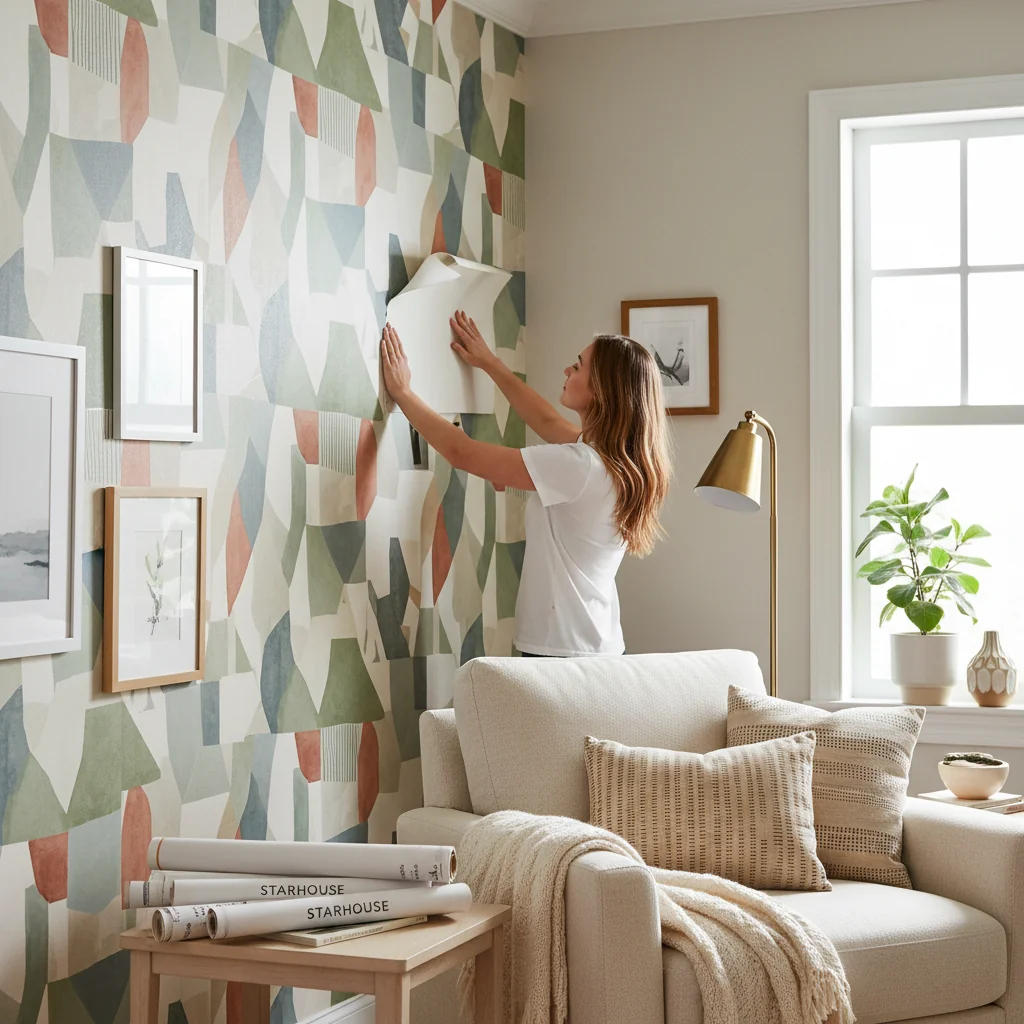
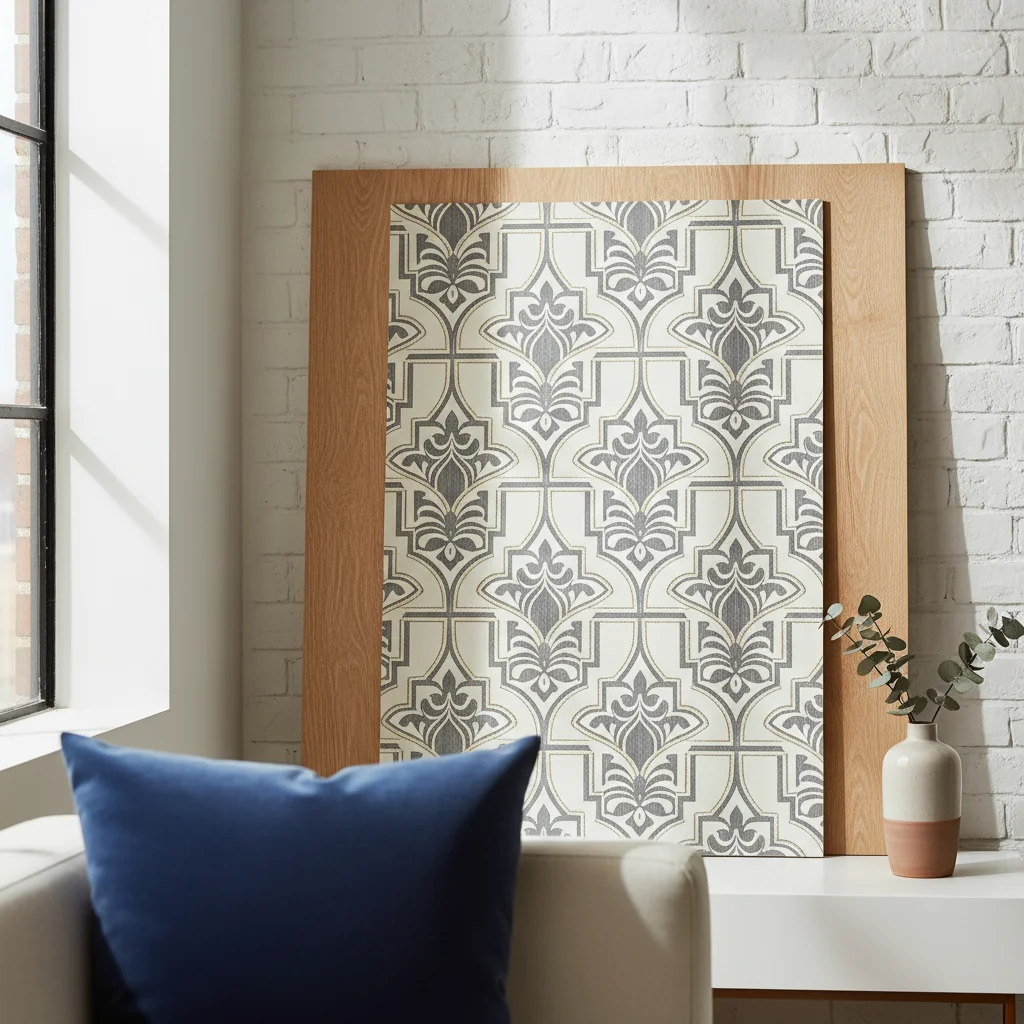
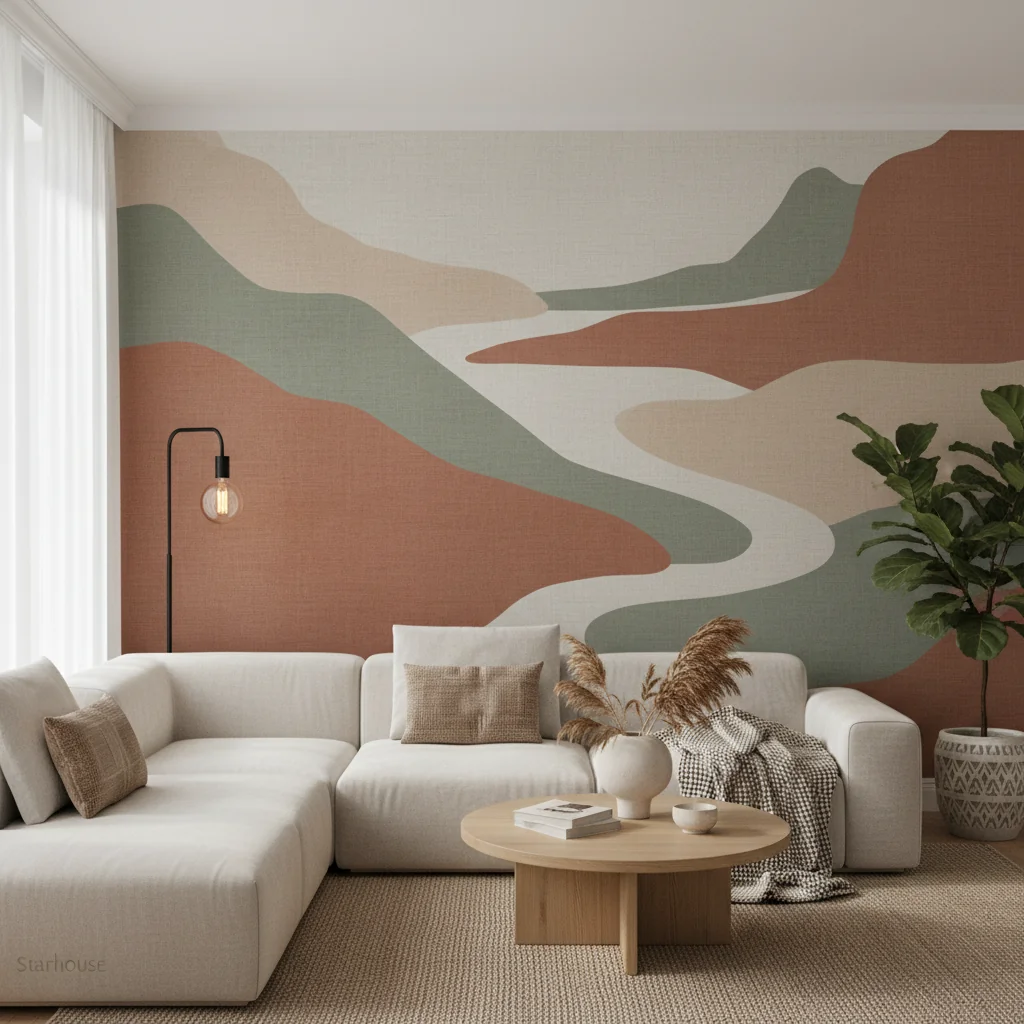
Wallpaper, a decorative material used to cover and adorn the interior walls of homes and commercial buildings, has transcended its historical roots to become a cornerstone of contemporary interior design. This versatile wall treatment, typically sold in rolls and applied to walls using an adhesive, offers an unparalleled ability to transform a space, introducing color, pattern, texture, and visual depth that paint alone cannot achieve. From traditional paper-backed designs to innovative peel-and-stick options, wallpaper provides a powerful means for homeowners and designers alike to express personal style and elevate interior aesthetics with precision and impact.
Key takeaways
- Wallpaper is a highly versatile wall treatment offering diverse aesthetics, from subtle textures to bold murals, capable of profoundly transforming any interior space.
- Modern wallpaper options include traditional paste, pre-pasted, and convenient peel-and-stick varieties, catering to different installation preferences and commitment levels.
- Material choices like vinyl, non-woven, paper, and natural fibers dictate durability, washability, and overall aesthetic, making selection critical for specific room functions and desired ambiance.
- Accurate measurement and surface preparation are paramount for successful wallpaper installation, whether opting for DIY or professional assistance.
- Current trends favor biophilic designs, sophisticated textures, large-scale murals, and sustainable, low-VOC options, reflecting a growing desire for personalized and health-conscious interiors.
- Proper care, tailored to the specific wallpaper material, ensures longevity and preserves the beauty of your wall treatment for years to come.
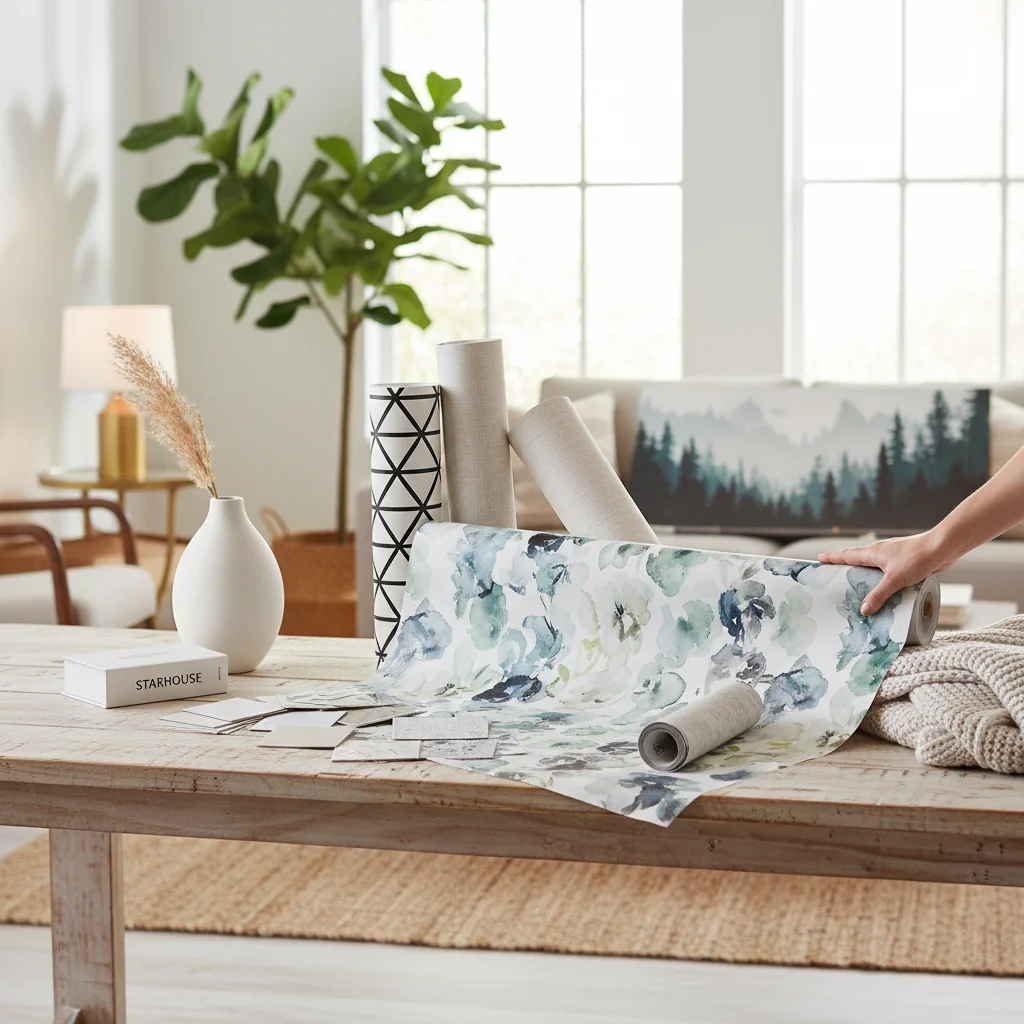
Types of Wallpaper: Exploring the Foundations of Design
Wallpaper comes in several primary types, each defined by its application method and construction, offering distinct advantages for various projects and lifestyles. Understanding these fundamental differences is crucial for selecting the right product that aligns with your design goals, installation preferences, and long-term commitment. We categorize wallpaper primarily by its adhesive mechanism and backing material, which together dictate ease of installation, removability, and overall durability.
At Starhouse, we recognize that the choice of wallpaper type significantly impacts both the aesthetic outcome and the practical aspects of your project. We ensure that our curated selection covers the full spectrum of options, empowering you to make an informed decision for your space. This foundational knowledge allows for a more confident and successful design endeavor.
Traditional Paste (Non-Pasted) Wallpaper
Traditional paste wallpaper requires a separate adhesive, typically applied to the back of the wallpaper itself or directly to the wall. This type of wallpaper is often favored by professionals and experienced DIYers for its robust adhesion and precise pattern matching, offering a classic installation method that has been used for centuries. The separate paste allows for greater flexibility during alignment, as the paper can be slid into position before the adhesive fully sets, ensuring a seamless finish.
- Installation: Involves applying a separate adhesive to the back of the paper or directly to the wall, then hanging the dry paper.
- Durability: Highly durable and long-lasting when installed correctly, making it suitable for permanent design choices.
- Removability: Generally requires soaking and scraping for removal, though modern formulations can be “strippable” or “peelable” for easier removal.
- Ideal Use: Formal living areas, dining rooms, or spaces where a permanent, high-quality finish is desired.
Pre-Pasted Wallpaper
Pre-pasted wallpaper features an adhesive already applied to its backing, which is activated by water, simplifying the installation process considerably. This type eliminates the need for separate paste, making it a popular choice for intermediate DIY enthusiasts seeking a cleaner and more straightforward application. The pre-applied adhesive offers convenience, reducing mess and preparation time.
- Installation: The backing is moistened with water (often by dipping in a water tray or spraying), activating the adhesive, then applied to the wall.
- Durability: Good durability, comparable to traditional paste wallpapers, depending on the face material.
- Removability: Often designed to be strippable or peelable, offering easier removal than many traditional non-pasted options.
- Ideal Use: Bedrooms, home offices, or spaces where a relatively easy-to-install and removable option is preferred without sacrificing durability.
Peel-and-Stick Wallpaper
Peel-and-stick wallpaper, also known as self-adhesive or removable wallpaper, features an adhesive backing protected by a removable liner, much like a giant sticker. This type of wallpaper is celebrated for its exceptional ease of installation and complete removability, making it the top choice for renters, commitment-phobes, and frequent redecorators. Its user-friendly nature has democratized wallpaper application, allowing anyone to experiment with bold designs or subtle textures.
Peel-and-stick wallpaper is a self-adhesive material that adheres to walls by simply peeling off a backing liner and pressing the paper onto the surface. This innovative format eliminates the need for water or paste, providing an instant transformation.
- Installation: Simply peel off the backing liner and press the wallpaper onto a clean, smooth wall surface.
- Durability: Generally durable for typical residential use, though some thinner varieties may be more susceptible to tears.
- Removability: Designed for clean removal without damaging walls or leaving sticky residue, making it ideal for temporary applications or rental properties.
- Ideal Use: Rental homes, nurseries, accent walls, furniture upcycling, or for those who enjoy frequent design changes.
Liquid/Fabric-backed Wallpaper (Wallcoverings)
Liquid and fabric-backed wallpapers, often falling under the broader category of “wallcoverings,” represent more specialized and luxurious options, distinguished by their robust construction and often textile-based composition. These premium choices offer enhanced durability, superior sound absorption, and a distinctly tactile experience. Fabric-backed vinyl, for instance, provides exceptional strength and longevity, while pure fabric wallcoverings impart a soft, rich texture.
- Construction: Often consists of a decorative surface (e.g., vinyl, fabric) laminated to a fabric backing for strength and stability. Liquid wallpaper, also known as “seamless wallcovering” or “silk plaster,” is a blend of natural fibers and binders applied with a trowel.
- Durability: Extremely durable, resistant to tears and abrasions, making them suitable for high-traffic commercial or residential areas. Liquid wallpaper is seamless and can cover minor imperfections.
- Removability: Varies; some fabric-backed vinyls are strippable, while others may require more effort. Liquid wallpaper can often be re-wetted and removed or repaired.
- Ideal Use: Commercial spaces, hallways, children’s rooms, or any area requiring maximum durability and a sophisticated, textured finish.
Grasscloth and Natural Fiber Wallcoverings
Grasscloth wallpaper is a natural wallcovering made from woven natural fibers like jute, sisal, bamboo, or arrowroot, laminated onto a paper backing. These materials bring an organic, textured, and often subtly irregular aesthetic to a space, celebrated for their unique tactile quality and ability to introduce warmth and natural elegance. Each roll offers a distinct, handcrafted feel, making every installation genuinely unique.
- Aesthetic: Provides a rich, textured, and organic look with visible seams that contribute to its natural charm.
- Durability: Generally durable but less washable than vinyl; susceptible to moisture and staining.
- Care: Requires gentle vacuuming or dusting; avoid harsh cleaners or excessive moisture.
- Ideal Use: Living rooms, bedrooms, or dining rooms where a sophisticated, natural, and tactile finish is desired.
Mural Wallpaper
Mural wallpaper is a large-scale, single-image design that covers an entire wall or a significant section, creating a dramatic focal point akin to a custom art installation. Unlike repeating patterns, murals tell a story or depict a scene, ranging from expansive landscapes and cityscapes to abstract art and botanical illustrations. They are designed to create an immersive experience, transforming a wall into a window or a gallery piece.
- Impact: Creates an immediate and powerful visual statement, acting as the room’s central design element.
- Installation: Often comes in several panels that must be carefully aligned to form the complete image; available in paste or peel-and-stick formats.
- Versatility: Suitable for a wide range of themes and aesthetics, from serene natural scenes to vibrant graphic art.
- Ideal Use: Accent walls in living rooms, bedrooms, children’s rooms, or commercial spaces seeking a unique brand identity.
Liner Paper
Liner paper, also known as lining paper, is a plain, unpatterned paper specifically designed to be hung on walls before the final decorative wallpaper. Its primary function is to create a smooth, uniform surface, effectively masking minor wall imperfections such as small cracks, uneven textures, or color variations. This preparatory step is critical for achieving a professional and flawless finish, particularly when working with delicate or light-colored wallpapers.
- Function: Provides a smooth, uniform base for decorative wallpaper, improving adhesion and preventing pattern show-through.
- Installation: Applied like traditional wallpaper, then allowed to dry completely before the top layer of wallpaper is installed.
- Benefits: Extends the life of the decorative wallpaper and ensures a superior final appearance.
- Ideal Use: Walls with minor imperfections, newly plastered walls, or when using delicate or transparent wallpapers.
Styles & Patterns: Curating Your Aesthetic Narrative
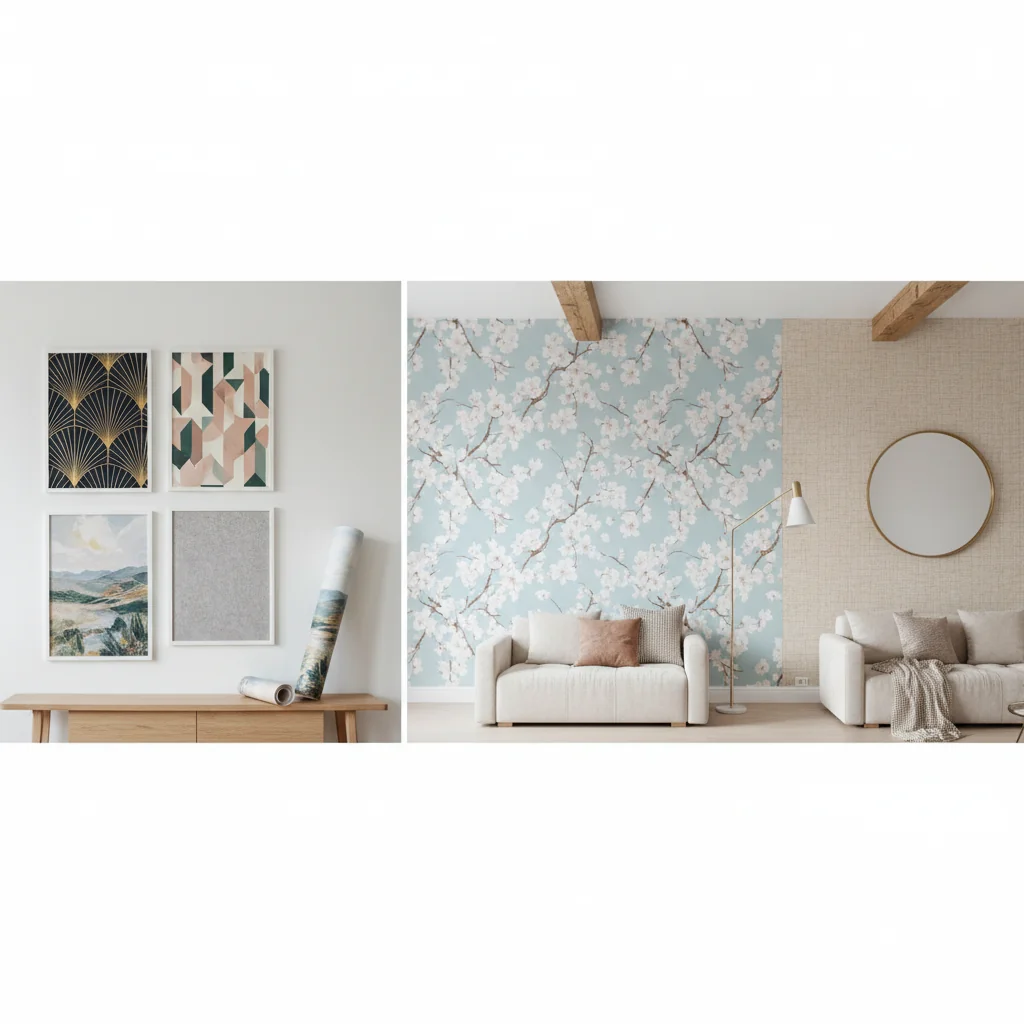
Wallpaper patterns and styles are fundamental to establishing the aesthetic narrative of any room, offering an expansive palette of visual motifs that can evoke specific moods, historical periods, or contemporary design sensibilities. The chosen pattern dictates the visual energy of a space, influencing how light interacts with the walls and how other design elements coalesce. A pattern is a repeating decorative design on a surface, while a style refers to the overall aesthetic character or design movement that a pattern embodies.
From time-honored classics to cutting-edge contemporary designs, selecting the right style and pattern is an art that dictates the room’s character. At Starhouse, we understand the profound impact of these choices and curate a collection that spans the full spectrum of design possibilities, ensuring you find the perfect visual language for your home.
Geometric Patterns
Geometric patterns feature repeating shapes, lines, and angles, creating a sense of order, rhythm, and modern sophistication. These patterns range from subtle, interlocking designs to bold, graphic statements, capable of introducing dynamic energy or serene balance. They are particularly effective in contemporary and minimalist interiors, providing visual interest without overwhelming the space.
- Characteristics: Squares, circles, triangles, hexagons, chevrons, and abstract linear motifs.
- Aesthetic Impact: Conveys a modern, structured, and often minimalist or mid-century modern feel. Can add a sense of movement or stability.
- Ideal Use: Accent walls in living rooms, offices, or bedrooms; hallways to add visual flow; contemporary kitchens or bathrooms.
Floral Patterns
Floral patterns draw inspiration from the natural world, showcasing flowers, leaves, vines, and other botanical elements in a myriad of arrangements and scales. These designs can range from delicate, traditional chintz to large-scale, abstract botanicals, offering versatility that suits various design aesthetics. Floral wallpapers introduce organic softness, color, and a connection to nature, creating inviting and often serene environments.
- Characteristics: Roses, peonies, cherry blossoms, tropical leaves, abstract botanical forms.
- Aesthetic Impact: Evokes romance, nature, freshness, and can be traditional, shabby chic, or strikingly contemporary depending on scale and color.
- Ideal Use: Bedrooms, nurseries, powder rooms, or living spaces where a soft, inviting, or vibrant natural element is desired.
Damask Patterns
Damask patterns are characterized by their intricate, reversible, and often monochromatic designs, typically featuring ornate floral, fruit, or animal motifs woven into a fabric-like texture. Traditionally, damask refers to a weaving technique, but in wallpaper, it signifies a classic, elegant, and often formal aesthetic. These patterns lend an air of timeless sophistication and luxury, often with a subtle sheen that catches the light.
- Characteristics: Large, symmetrical, and elaborate motifs, often in a single color with varying sheens or textures.
- Aesthetic Impact: Imparts a sense of grandeur, formality, and classical elegance, reminiscent of historical European interiors.
- Ideal Use: Formal dining rooms, master bedrooms, elegant living rooms, or grand entryways.
Stripes
Striped patterns feature parallel lines of varying widths, orientations, and colors, offering a straightforward yet highly effective way to manipulate perceived space and introduce visual rhythm. Vertical stripes can visually heighten a ceiling, while horizontal stripes can make a room feel wider or longer. The choice of stripe width and color contrast significantly impacts the overall effect, from subtle sophistication to bold graphic statements.
- Characteristics: Vertical, horizontal, or diagonal lines; varying widths from pinstripes to broad bands.
- Aesthetic Impact: Vertical stripes create an illusion of height; horizontal stripes broaden a space. Provides a clean, classic, or modern look depending on color and scale.
- Ideal Use: Hallways, stairwells, rooms with low ceilings (vertical), or narrow rooms (horizontal) to adjust proportions.
Toile Patterns
Toile de Jouy, commonly shortened to “toile,” is a distinctive pattern featuring a repeating pastoral scene or narrative motif, typically printed in a single color (most often blue, red, green, or black) on a light background. Originating in 18th-century France, toile evokes a sense of antique charm, storytelling, and rustic elegance. These intricate scenes often depict country life, mythological figures, or significant historical events, inviting close inspection and contemplation.
- Characteristics: Detailed pastoral or narrative scenes, often depicting figures, landscapes, and animals, in a single color on a light ground.
- Aesthetic Impact: Creates a classic, romantic, and often whimsical or historical ambiance.
- Ideal Use: Traditional bedrooms, formal dining areas, powder rooms, or for an accent wall with a strong narrative element.
Abstract Patterns
Abstract patterns are non-representational designs that prioritize form, color, and texture over recognizable objects or scenes. These patterns often feature fluid shapes, organic lines, painterly washes, or geometric compositions that defy literal interpretation, offering a modern and artistic sensibility. Abstract wallpapers are excellent for creating a contemporary, gallery-like feel, allowing for personal interpretation and dynamic visual interest.
- Characteristics: Non-representational forms, free-flowing lines, splatters, washes, or geometric shapes without a clear narrative.
- Aesthetic Impact: Modern, artistic, dynamic, and often sophisticated, allowing for individual interpretation and a unique design statement.
- Ideal Use: Contemporary living rooms, art studios, creative offices, or as a bold accent in any modern space.
Textural Patterns (Faux Finishes)
Textural patterns, or faux finishes, are designed to mimic the appearance and sometimes the tactile quality of natural materials or specific textures, such as wood grain, brick, concrete, marble, grasscloth, or woven fabrics. These wallpapers provide the aesthetic appeal of these materials without the cost, weight, or installation complexities of the genuine article. They are particularly effective for introducing depth, warmth, or an industrial edge to a room, offering a convincing illusion of a different surface.
- Characteristics: Replicates the look of wood, brick, stone, concrete, plaster, fabric, or other surfaces.
- Aesthetic Impact: Adds depth, warmth, and an authentic feel of natural or industrial materials, often at a fraction of the cost.
- Ideal Use: Feature walls, industrial-chic interiors, rustic settings, or to add architectural interest without structural changes.
Scenic and Mural Patterns
Scenic and mural patterns are large-format designs that create an immersive visual experience, transforming an entire wall into a landscape, cityscape, abstract composition, or panoramic vista. Unlike repeating patterns, murals are single, expansive images that serve as a dominant focal point, often designed to transport the viewer to another place or mood. They are available in both traditional paste and peel-and-stick formats, making them accessible for various installation preferences.
- Characteristics: Large, non-repeating images that cover a significant wall area, creating a complete scene.
- Aesthetic Impact: Creates a dramatic focal point, adds depth, and can evoke a sense of grandeur, tranquility, or adventure.
- Ideal Use: Accent walls in living rooms, bedrooms, children’s playrooms, or commercial spaces to create a unique atmosphere.
Materials & Durability: The Science Behind the Surface
The material composition of wallpaper fundamentally dictates its durability, washability, texture, and suitability for specific environments, making it a critical consideration in the selection process. Different materials offer varying levels of resistance to moisture, abrasion, and fading, directly impacting the longevity and maintenance requirements of your wall treatment. We prioritize understanding these material properties to ensure the wallpaper you select performs optimally in its intended space.
At Starhouse, we understand that material choice is not merely aesthetic but a practical decision that affects the performance and lifespan of your wallcovering. We guide our customers through the nuances of each material, ensuring they select a product that not only looks exceptional but also withstands the demands of their lifestyle and environment.
Vinyl Wallpaper
Vinyl wallpaper is one of the most popular and versatile types, renowned for its exceptional durability, washability, and resistance to moisture. It consists of a PVC (polyvinyl chloride) layer laminated onto a paper or fabric backing, providing a robust surface that can withstand significant wear and tear. The vinyl surface allows for easy cleaning, making it an ideal choice for high-traffic areas and rooms prone to moisture or spills.
- Solid Sheet Vinyl: Features a solid layer of vinyl, making it highly durable and completely washable. Excellent for kitchens and bathrooms.
- Paper-Backed Vinyl: A vinyl surface laminated to a paper backing. Durable and washable, but the paper backing can be more prone to tearing during removal if not properly prepped.
- Fabric-Backed Vinyl: A vinyl surface laminated to a fabric backing, offering superior strength and tear resistance. Often used in commercial settings due to its extreme durability.
Key Attributes:
- Durability: High, resistant to scratches and impacts.
- Washability: Excellent, can be scrubbed clean with mild soap and water.
- Removability: Varies; some are strippable, others may require more effort.
- Ideal Use: Kitchens, bathrooms, hallways, children’s rooms, commercial spaces.
Non-Woven Wallpaper
Non-woven wallpaper is made from a blend of natural and synthetic fibers, creating a breathable, tear-resistant, and dimensionally stable material. This innovative composition makes it one of the most user-friendly and eco-conscious wallpaper options available today. Its “paste-the-wall” application method significantly simplifies installation, and its clean removability is a major advantage for both homeowners and renters.
Key Attributes:
- Durability: High, very tear-resistant and dimensionally stable, meaning it won’t expand or contract with humidity changes.
- Washability: Good, generally wipeable with a damp cloth.
- Removability: Excellent, often “dry-strippable” in full sheets without damaging the wall, leaving no residue.
- Ideal Use: Bedrooms, living rooms, dining rooms, and anywhere easy installation and clean removal are prioritized. Often a preferred choice for those concerned about indoor air quality due to its breathability.
Paper Wallpaper
Paper wallpaper, the most traditional type, consists of a printed design on a paper base, sometimes with a protective coating. It offers a classic aesthetic and a wide range of decorative possibilities, from intricate patterns to subtle textures. While generally less durable and washable than vinyl or non-woven options, advancements in coatings have improved its resilience. Paper wallpaper is typically the most cost-effective option, making it accessible for various budgets.
Key Attributes:
- Durability: Moderate; susceptible to tears and moisture damage if not coated.
- Washability: Limited; often wipeable with a very lightly damp cloth if coated, otherwise not washable.
- Removability: Varies; older types can be difficult, modern ones may be peelable.
- Ideal Use: Low-traffic areas like bedrooms, studies, or formal living rooms where delicate aesthetics are prioritized over heavy-duty functionality.
Fabric/Textile Wallpaper
Fabric or textile wallpaper incorporates natural or synthetic fibers, such as silk, linen, cotton, or rayon, either woven or adhered to a paper or non-woven backing. These luxurious wallcoverings introduce unparalleled texture, depth, and a soft, opulent feel to a space. They are celebrated for their ability to absorb sound, creating a quieter and more intimate atmosphere. Fabric wallpapers offer a sophisticated, high-end aesthetic that adds warmth and richness.
Key Attributes:
- Durability: Moderate to high, depending on the fiber; can be delicate and prone to snagging or staining.
- Washability: Limited to none; typically spot-cleaned or vacuumed.
- Removability: Varies, often requires professional removal.
- Ideal Use: Master bedrooms, formal living rooms, dining rooms, or home theaters where acoustic properties and a luxurious, tactile finish are desired.
Natural Fiber Wallcoverings (Grasscloth, Jute, Sisal)
Natural fiber wallcoverings, such as grasscloth, jute, sisal, and bamboo, are handcrafted from woven plant materials laminated onto a paper backing. These materials are prized for their unique, organic textures, subtle variations in color, and inherent ability to bring warmth and a connection to nature indoors. Each roll is distinct, showcasing the natural imperfections and beauty of the fibers, creating a truly bespoke look. Visible seams are a characteristic and celebrated feature of these wallcoverings, adding to their artisanal charm.
Key Attributes:
- Durability: Moderate; durable against daily wear but sensitive to moisture, humidity, and direct sunlight, which can cause fading or warping.
- Washability: Very limited; typically only vacuumed or lightly dusted. Spot cleaning is difficult and can leave marks.
- Removability: Can be challenging; often requires careful stripping.
- Ideal Use: Low-traffic areas, living rooms, bedrooms, or studies where a sophisticated, natural, and textured aesthetic is paramount.
Foil/Mylar Wallpaper
Foil or Mylar wallpaper features a metallic surface, often aluminum foil or a polyester film (Mylar), bonded to a paper or non-woven backing. These reflective wallcoverings create a dramatic and glamorous effect, bouncing light around the room and adding a sense of spaciousness and sparkle. They are available in various finishes, from highly polished chrome to brushed gold, offering versatility for both contemporary and luxurious traditional designs.
Key Attributes:
- Durability: High, resistant to moisture and stains. Can show imperfections on the wall surface more readily due to reflection.
- Washability: Good, wipeable with a damp cloth.
- Removability: Varies depending on backing; often strippable.
- Ideal Use: Accent walls, powder rooms, contemporary living spaces, or areas where a bold, reflective statement is desired.
Flocked Wallpaper
Flocked wallpaper features a pattern created by applying tiny fibers (flock) onto the surface, typically in a contrasting color or texture, creating a raised, velvety, and tactile design. This technique adds a luxurious, three-dimensional quality to the wallpaper, reminiscent of historical textiles. Flocked patterns often feature damasks, florals, or geometric motifs, lending an opulent and sophisticated air to any room.
Key Attributes:
- Durability: Moderate; flocking can be delicate and prone to rubbing off in high-traffic areas.
- Washability: Very limited; typically dusted or lightly vacuumed. Avoid rubbing or wet cleaning.
- Removability: Can be challenging, often requires professional removal.
- Ideal Use: Formal living rooms, dining rooms, master bedrooms, or powder rooms where a rich, textural, and luxurious ambiance is desired.
Understanding Indoor Air Quality and VOCs
When selecting wallpaper, particularly for bedrooms or children’s rooms, considering indoor air quality is paramount. Volatile Organic Compounds (VOCs) are gases emitted from certain solids or liquids, and some wallpapers, especially those with certain vinyl compositions or adhesives, can release VOCs into the air. Prolonged exposure to high levels of VOCs can have adverse health effects, as detailed by the U.S. Environmental Protection Agency (EPA). We recommend prioritizing wallpapers labeled as low-VOC or VOC-free, which typically include many non-woven and natural fiber options, to ensure a healthier indoor environment. Always look for certifications or manufacturer statements regarding VOC emissions when making your selection. Additionally, ensure proper ventilation during and after installation to dissipate any residual emissions.
| Material Type | Durability | Washability | Removability | Ideal Use Cases | Special Considerations |
|---|---|---|---|---|---|
| Vinyl (Solid/Fabric-backed) | High (Resistant to tears, scuffs) | Excellent (Scrubbable with mild soap) | Good (Often strippable) | Kitchens, bathrooms, high-traffic areas, commercial spaces | Can be less breathable; some may contain higher VOCs (look for low-VOC options) |
| Non-Woven | High (Tear-resistant, dimensionally stable) | Good (Wipeable with damp cloth) | Excellent (Dry-strippable in full sheets) | Bedrooms, living rooms, general residential, eco-conscious projects | Breathable, often low-VOC; “paste-the-wall” application for easier DIY |
| Paper | Moderate (Prone to tears, moisture damage) | Limited (Lightly wipeable if coated) | Varies (Can be difficult to strip) | Low-traffic areas, formal rooms, traditional aesthetics | Most affordable; requires careful handling; often needs liner paper for best results |
| Fabric/Textile | Moderate (Can snag/stain easily) | Very Limited (Dust/vacuum only, spot clean cautiously) | Challenging (Often professional removal) | Master bedrooms, formal living/dining, home theaters | Adds texture and acoustic properties; luxurious; higher cost; sensitive to moisture |
| Natural Fibers (Grasscloth) | Moderate (Sensitive to moisture, direct sun) | Very Limited (Dust/vacuum only) | Challenging (Requires careful stripping) | Living rooms, bedrooms, studies, accent walls | Unique texture, visible seams are characteristic; higher cost; requires careful handling and installation |
| Peel-and-Stick | Moderate (Durable for typical residential use) | Good (Wipeable with damp cloth) | Excellent (Clean, residue-free removal) | Rentals, temporary decor, accent walls, DIY projects | Requires smooth, well-prepped walls; not always suitable for textured surfaces |
How to Choose Wallpaper: A Strategic Approach to Design
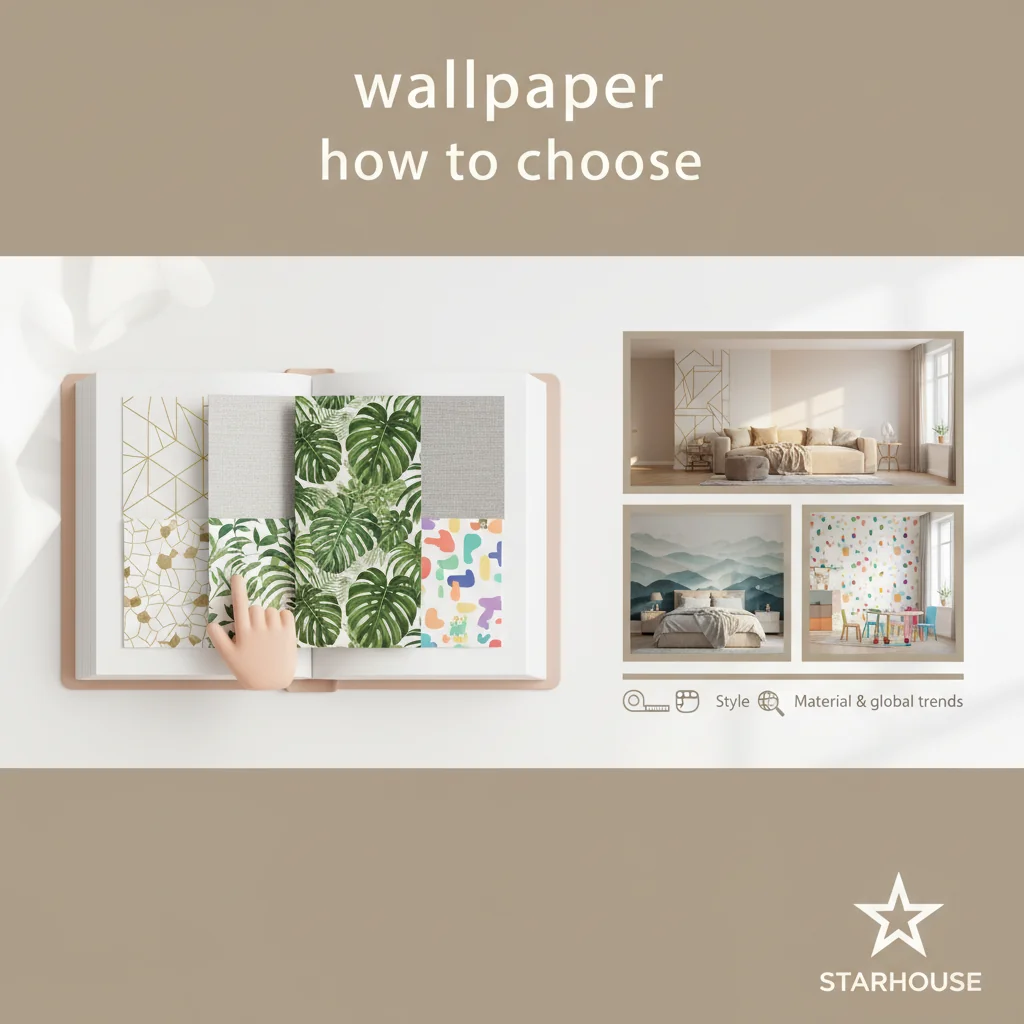
Selecting the ideal wallpaper involves a thoughtful consideration of several interconnected factors, including the room’s function, its existing light conditions, the desired aesthetic, and the practical demands of daily life. This strategic approach ensures that your chosen wallcovering not only enhances the visual appeal of your space but also performs optimally and aligns seamlessly with your lifestyle. We empower our clients to navigate these considerations with confidence, leading to design choices that are both beautiful and functional.
The perfect wallpaper integrates harmoniously with the architectural elements and existing furnishings, creating a cohesive and inviting atmosphere. We recommend a holistic evaluation, moving beyond mere pattern preference to a comprehensive understanding of how the wallpaper will interact with its environment.
Consider the Room’s Function
The primary function of a room dictates the practical requirements for your wallpaper, influencing material choice, durability, and washability. A wallpaper suitable for a quiet bedroom may not withstand the rigors of a busy kitchen or bathroom. We prioritize understanding the demands of each space to recommend the most appropriate and enduring solutions.
- Kitchens & Bathrooms: These high-humidity, high-traffic areas demand wallpapers that are highly durable, washable, and moisture-resistant. Vinyl wallpapers (solid sheet or fabric-backed) are excellent choices due to their ability to withstand splashes, steam, and frequent cleaning without degradation. Peel-and-stick vinyl options also offer practical, easy-to-clean surfaces.
- Living Rooms & Dining Rooms: Often primary entertaining spaces, these rooms can accommodate a wide range of materials. Durability is important but less critical than in utility areas. Fabric-backed vinyl, non-woven, or even delicate paper and natural fiber options can create a sophisticated atmosphere. Consider the level of formality and desired statement.
- Bedrooms & Nurseries: These are typically low-traffic, personal sanctuaries where comfort and aesthetics are paramount. Breathable, low-VOC non-woven or paper wallpapers are excellent choices for creating a serene and healthy environment. Peel-and-stick is ideal for nurseries, allowing for easy updates as children grow.
- Hallways & Entryways: As transition zones, these areas experience significant foot traffic and potential for scuffs. Highly durable and washable options like vinyl or robust non-woven wallpapers are recommended to maintain their appearance over time.
- Home Offices & Studies: These spaces benefit from wallpapers that inspire focus or creativity. Non-woven or paper wallpapers with subtle textures, calming patterns, or even bold geometrics can be effective. Consider patterns that are not overly distracting.
Assess Light Exposure and Room Size
The amount of natural and artificial light a room receives, along with its dimensions, profoundly influences how a wallpaper pattern will appear and how it will affect the perceived size and mood of the space. Strategic pattern and color selection can correct architectural imbalances or enhance desirable features. We guide clients in leveraging these optical illusions to their advantage.
- Light Levels:
- Dark Rooms: Opt for wallpapers with lighter colors, reflective surfaces (like foil or Mylar), or patterns with metallic accents to amplify light and brighten the space. Small, delicate patterns or subtle textures also prevent the room from feeling overwhelmed.
- Bright Rooms: Rooms flooded with natural light can handle bolder colors, larger patterns, and darker shades without feeling oppressive. Embrace dramatic murals or deep-toned geometrics to create a striking impact.
- Room Size:
- Small Rooms: Generally, smaller patterns, lighter colors, and subtle textures are recommended to make a small room feel more expansive and airy. Vertical stripes can add perceived height, while horizontal stripes can widen a narrow space. Avoid overly large or busy patterns, which can make a small room feel cluttered.
- Large Rooms: Large rooms can comfortably accommodate grander designs, including large-scale patterns, bold murals, or deep, rich colors. These choices can prevent a large space from feeling empty and can help to define distinct zones within an open-plan area.
Harmonize with Existing Decor and Color Palette
Wallpaper should complement the existing furnishings, textiles, and overall color scheme of your home, creating a cohesive and aesthetically pleasing environment. Consider whether you want the wallpaper to blend seamlessly or to serve as a striking focal point. We advise on achieving balance and flow within your design narrative.
- Complementary vs. Contrasting: Decide if the wallpaper should subtly enhance your current decor (complementary) or introduce a bold new element (contrasting). A complementary pattern might pick up on a secondary color in your furniture, while a contrasting one could introduce a completely new hue or motif as a statement.
- Color Palette: Bring samples of your existing paint colors, fabric swatches, and furniture finishes when viewing wallpaper options. Ensure the wallpaper’s colors harmonize with your palette, considering both undertones and saturation levels.
- Style Integration: If your home has a specific design style (e.g., farmhouse, modern, bohemian), choose patterns that align with that aesthetic. A modern geometric might clash with a traditional floral, unless intentionally used for an eclectic effect.
Reflect Personal Style and Desired Ambiance
Ultimately, your wallpaper choice should be a reflection of your personal taste and the desired mood you wish to create in each space. Wallpaper is a powerful tool for self-expression, allowing you to imbue your home with character and personality. We encourage clients to explore options that resonate deeply with their individual aesthetic preferences.
- Modern & Contemporary: Look for abstract designs, bold geometrics, or subtle textures in neutral or monochromatic palettes.
- Traditional & Classic: Damask, toile, intricate florals, or classic stripes will convey timeless elegance.
- Eclectic & Bohemian: Mix patterns, vibrant colors, or global-inspired motifs for a unique, collected look.
- Rustic & Farmhouse: Faux wood, brick, or natural grasscloth textures can create a warm, earthy feel.
- Minimalist: Opt for subtle textures, tone-on-tone patterns, or clean, understated geometric designs.
Prioritize Durability Needs
The anticipated wear and tear in a given area directly impacts the required durability of your wallpaper. Investing in a more robust material for high-traffic or utilitarian spaces ensures longevity and reduces the need for premature replacement. We emphasize the importance of matching material resilience to functional demands.
- High-Traffic Areas: Hallways, entryways, and children’s playrooms require highly durable, scrubbable materials like solid vinyl or robust non-woven options.
- Low-Traffic Areas: Bedrooms and formal living rooms can accommodate more delicate materials like paper or natural fibers, where aesthetics are prioritized over heavy-duty resilience.
Sizing, Measuring & Installation: Precision for Perfection
Accurate sizing and meticulous measurement are the bedrock of a successful wallpaper installation, directly influencing both material quantity and the aesthetic outcome. Proper preparation and precise application techniques ensure a flawless finish, transforming a raw wall into a polished design statement. We emphasize that attention to these details is non-negotiable for achieving professional-grade results and avoiding costly errors.
The process of wallpapering, whether undertaken by a professional or as a dedicated DIY project, demands careful planning. From calculating the exact number of rolls needed to ensuring the wall surface is perfectly primed, each step contributes to the overall success and longevity of the application.
Understanding Wallpaper Roll Sizes
Wallpaper is typically sold in rolls, but standard dimensions can vary significantly by region and manufacturer. In the U.S., common roll sizes include “single rolls” and “double rolls,” though often priced and packaged as double rolls. A standard U.S. single roll measures approximately 20.5 inches wide by 16.5 feet long, covering about 28 square feet. A double roll, the more common retail unit, measures 20.5 inches wide by 33 feet long, covering roughly 56 square feet. However, it is imperative to verify the specific dimensions provided by the manufacturer, as European or designer wallpapers may have different widths and lengths, such as 27 inches or even 36 inches wide, and lengths up to 45 feet.
Always check the label for the exact dimensions and square footage coverage. This information is crucial for accurate quantity estimation, especially when dealing with large-scale murals or patterns with significant repeats.
Measuring Your Walls: The Foundation of Accuracy
Precise measurement of your walls is the most critical step in determining how much wallpaper you will need, preventing both under-ordering and excessive waste. We recommend a systematic approach to ensure every dimension is captured accurately. This diligence will save time, money, and frustration during the installation phase.
- Measure Wall Height: Measure the height of each wall from the baseboard to the ceiling. If the height varies, use the tallest measurement for calculation. For walls with architectural features like windows or doors, measure the full height from floor to ceiling, as you will cut around these obstructions.
- Measure Wall Width: Measure the width of each wall. Add all these widths together to get the total perimeter of the room.
- Calculate Total Square Footage: Multiply the total linear width of your walls by the maximum wall height to get the total square footage. For example, if your room is 10 feet wide by 12 feet long, and the ceiling is 8 feet high:
- (10 ft + 12 ft + 10 ft + 12 ft) x 8 ft = 44 ft x 8 ft = 352 sq ft.
- Account for Openings: While you’ll eventually cut around windows and doors, it’s generally recommended to include these areas in your initial square footage calculation when buying rolls. This provides a necessary buffer for pattern matching and potential errors. For very large openings (e.g., an entire wall of sliding glass doors), you can subtract a portion, but always err on the side of caution.
Estimating Wallpaper Rolls: Factoring in Pattern Repeat
Estimating the correct number of rolls requires accounting for the pattern repeat, which is the vertical distance between where the pattern begins to repeat itself. This factor is essential for aligning patterns seamlessly across strips and significantly impacts the amount of material needed. Failure to consider pattern repeat will result in insufficient wallpaper and visible misalignments.
- Determine Pattern Repeat: Locate the pattern repeat information on the wallpaper label. It will be given in inches (e.g., 21 inches). A larger repeat means more waste per strip to align the pattern. Solid colors or random match patterns have a 0-inch repeat, requiring less waste.
- Calculate Number of Strips: Divide the total linear width of your walls (in inches) by the width of one wallpaper strip (in inches). Round up to the nearest whole number to determine the total number of strips required.
- Calculate Length per Strip with Repeat: Add the pattern repeat to your wall height (e.g., 8 feet = 96 inches + 21 inch repeat = 117 inches per strip). This extra length accounts for trimming and pattern alignment.
- Calculate Total Linear Feet Needed: Multiply the number of strips by the length per strip (in feet).
- Divide by Roll Length: Divide the total linear feet needed by the usable length of one roll (e.g., a double roll might have 33 feet, but account for potential waste).
- Add a Buffer: Always add at least one extra roll to your final calculation. This accounts for cutting errors, future repairs, or unexpected pattern matching challenges. It is far better to have an extra roll from the same dye lot than to run short and have to reorder, potentially getting a slightly different shade.
Many online wallpaper calculators can assist with these estimations, but always double-check their results with your own manual calculations, especially for complex rooms or large pattern repeats.
Surface Preparation: The Canvas for Your Design
Proper wall preparation is paramount for successful wallpaper adhesion and a smooth, long-lasting finish. Skipping this step is one of the most common reasons for bubbling, peeling, or visible imperfections. We advocate for thorough preparation as an investment in the longevity and beauty of your wallpaper installation.
- Clean Walls: Ensure walls are free of dirt, dust, grease, and grime. Wash with a mild detergent solution, rinse thoroughly, and allow to dry completely.
- Repair Imperfections: Fill any holes, cracks, or dents with spackle or joint compound. Sand smooth once dry. Even minor imperfections can show through wallpaper, especially thin or reflective types.
- Remove Old Wallpaper: All existing wallpaper must be completely removed. Residual adhesive or paper can prevent new wallpaper from adhering properly.
- Prime Walls: Apply a high-quality wallpaper primer (often called a “sizing” or “wall-prep”) to all surfaces. Primer creates a uniform, slightly textured surface for better adhesion, seals porous walls, and helps with future removal. Do NOT skip this step, especially for new drywall or painted surfaces.
- Allow to Dry: Ensure all repairs, washes, and primer coats are completely dry before beginning installation.
Installation Types: Understanding the Application Process
The method of installation varies depending on the type of wallpaper, each requiring specific techniques and tools. Familiarity with these methods is crucial for efficient and effective application. We provide guidance on the nuances of each, ensuring a smooth process from start to finish.
- Paste-the-Wall: This method is typically used for non-woven wallpapers. Adhesive is applied directly to the wall, not the back of the paper. This is generally cleaner and faster, as you don’t need a pasting table, and the paper is easier to maneuver.
- Paste-the-Paper: Traditional for paper-backed and some vinyl wallpapers. Adhesive is applied to the back of the wallpaper, which then “books” (folded adhesive-to-adhesive) for a specified time to allow the paste to activate and the paper to relax before hanging.
- Peel-and-Stick: The simplest method. The adhesive is pre-applied and covered with a release liner. Simply peel off the backing in sections and smooth the wallpaper onto the wall. Requires careful alignment but is highly forgiving for repositioning.
Professional vs. DIY Installation
Deciding whether to install wallpaper yourself or hire a professional depends on the complexity of the project, your skill level, and the type of wallpaper. We help clients assess their comfort level and the demands of their chosen wallpaper to make an informed decision.
- DIY (Do-It-Yourself): Suitable for peel-and-stick, pre-pasted, or simple paste-the-wall non-woven papers, especially for small areas or accent walls. Requires patience, attention to detail, and basic tools. Watch tutorials, read instructions thoroughly, and consider practicing on a small, inconspicuous area first.
- Professional Installation: Recommended for complex patterns (large repeats, intricate designs), delicate or expensive materials (like grasscloth or silk), rooms with many architectural challenges (sloped ceilings, multiple corners, doorways), or if you simply prefer a guaranteed flawless finish. Professional installers possess the expertise, specialized tools, and experience to handle intricate applications, ensuring precision and longevity.
Essential Tools for Wallpaper Installation
Having the right tools is critical for a smooth and successful wallpaper installation, regardless of whether you choose a DIY approach or hire a professional. We ensure our customers are aware of the necessary equipment to achieve impeccable results.
- Measuring Tape & Ruler: For accurate measurements of walls and wallpaper strips.
- Pencil: For marking plumb lines and cutting guides.
- Level or Plumb Line: Essential for ensuring the first strip is perfectly vertical, setting the foundation for the entire installation.
- Utility Knife with Snap-Off Blades: For precise, clean cuts, especially along edges and trim. Always use fresh, sharp blades.
- Smoothing Tool (Smoother/Squeegee): To press out air bubbles and ensure firm adhesion to the wall.
- Seam Roller: For pressing down seams to ensure they are flat and secure (use gently on delicate papers).
- Water Tray (for pre-pasted): For activating the adhesive on pre-pasted papers.
- Pasting Brush/Roller (for non-pasted): For applying adhesive to the wall or paper.
- Bucket & Sponge: For cleaning up excess paste and wiping down surfaces.
- Stepladder: For reaching high areas safely.
By approaching sizing, measuring, and installation with meticulous care and the right tools, you can achieve a professional-quality finish that elevates your space and showcases the beauty of your chosen wallpaper.
Current Trends in Wallpaper: June 2026 Outlook
As of June 2026, wallpaper trends reflect a dynamic blend of nature-inspired motifs, sophisticated textures, and art-forward expressions, moving beyond simple patterns to create immersive and personalized environments. Consumers are increasingly seeking designs that connect them to the natural world, infuse spaces with warmth, and offer opportunities for unique artistic statements. We observe a strong emphasis on sustainability and ease of application, driven by a desire for both aesthetic excellence and practical convenience.
The marketplace is evolving towards wallpapers that are not just decorative but also contribute to the overall well-being and character of a home. Starhouse curates its collection to align with these prevailing trends, ensuring our offerings are both contemporary and timeless.
Biophilic Designs and Nature-Inspired Motifs
Biophilic design, which emphasizes connection to nature, continues to dominate wallpaper trends. Expect to see an abundance of lush botanical prints, expansive jungle scenes, delicate floral arrangements, and serene landscapes. These designs often feature rich greens, earthy browns, and soft blues, creating calming and restorative atmospheres. Abstract interpretations of natural elements, such as stylized leaves or organic patterns resembling wood grain or stone, are also gaining traction.
- Key Elements: Large-scale botanicals, tropical foliage, delicate wildflowers, forest scenes, abstract organic shapes.
- Impact: Creates a sense of tranquility, brings the outdoors in, promotes well-being.
Textural Wallcoverings and Tactile Experiences
The desire for sensory richness in interiors is driving the popularity of textural wallpapers that add depth and dimension without necessarily introducing bold patterns. Grasscloth, jute, linen, and faux finishes mimicking concrete, plaster, or raw silk are highly sought after. These materials introduce a subtle sophistication and warmth, creating inviting and layered spaces. Flocked wallpapers are also making a comeback, offering a luxurious, velvety touch.
- Key Elements: Grasscloth, sisal, linen, faux concrete, faux plaster, subtle woven patterns, flocked designs.
- Impact: Adds warmth, depth, and a luxurious tactile quality; creates a sophisticated, understated elegance.
Large-Scale Murals and Scenic Panoramas
Wallpaper murals continue to be a powerful trend, transforming entire walls into immersive works of art. From sweeping landscapes and cityscapes to abstract art and whimsical storytelling scenes for children’s rooms, murals offer an unparalleled opportunity for personalization and dramatic impact. These are often used as focal points, creating a sense of expansiveness or transporting the viewer to another place. Peel-and-stick mural options make these grand statements more accessible for DIY enthusiasts.
- Key Elements: Panoramic landscapes, abstract art, historical maps, custom illustrations, grand botanical scenes.
- Impact: Creates a dramatic focal point, adds depth, tells a visual story, makes a room feel larger.
Sophisticated Geometrics with Metallic Accents
Geometric patterns remain a classic, but current trends lean towards more sophisticated and understated designs, often incorporating metallic elements for a touch of glamour. Think subtle gold or silver lines outlining abstract shapes, or tone-on-tone patterns with a shimmering overlay. These designs offer a modern and refined aesthetic, perfect for contemporary and transitional interiors, adding visual interest without overwhelming the space.
- Key Elements: Subtle interlocking shapes, abstract linear designs, art deco-inspired motifs, metallic gold, silver, or copper accents.
- Impact: Adds modern elegance, visual rhythm, and a touch of luxury.
Maximalism in Small Spaces (Especially Powder Rooms)
While minimalism still holds sway in many areas, maximalist wallpaper is thriving in smaller, often overlooked spaces like powder rooms, entryways, and even inside closets. These areas become canvases for bold, vibrant, and highly patterned wallpapers that might feel overwhelming in a larger room. Expect rich colors, intricate patterns, and a playful disregard for restraint, turning these small spaces into delightful design surprises.
- Key Elements: Bold florals, Chinoiserie, vibrant animal prints, rich jewel tones, intricate damasks.
- Impact: Creates a jewel-box effect, adds personality, and makes a strong design statement in a contained area.
Sustainable and Low-VOC Options
With increasing awareness of indoor air quality and environmental impact, there is a significant demand for sustainable and low-VOC (Volatile Organic Compound) wallpapers. Non-woven materials made from recycled content, papers printed with water-based inks, and natural fiber wallcoverings are gaining popularity. Brands are prioritizing transparency in their manufacturing processes and material sourcing, offering healthier and more eco-friendly choices for consumers. This focus aligns with a broader trend towards conscious consumption in home decor.
- Key Elements: Non-woven papers, recycled materials, water-based inks, natural fibers, certifications for low VOCs.
- Impact: Promotes healthier indoor environments, reduces environmental footprint, aligns with conscious living values.
Removable and Peel-and-Stick Innovations
The flexibility and ease of installation offered by peel-and-stick wallpaper continue to make it a dominant trend, particularly among renters, young homeowners, and those who enjoy frequent decor changes. Innovations in adhesive technology mean these wallpapers are more durable and offer a wider range of sophisticated patterns and textures than ever before. This accessibility empowers individuals to experiment with bold designs without long-term commitment.
- Key Elements: Self-adhesive backing, wide variety of patterns and textures, easy to apply and remove.
- Impact: Offers design flexibility, ideal for temporary decor, renters, and DIY enthusiasts.
These trends indicate a shift towards more personalized, tactile, and environmentally conscious wall treatments that transform spaces into reflections of individual style and values. Starhouse is committed to curating a collection that embodies these contemporary directions, offering fresh and inspiring options for every home.
Care & Maintenance: Preserving Your Wall’s Beauty
Proper care and routine maintenance are essential for preserving the beauty and extending the lifespan of your wallpaper, ensuring it remains a pristine backdrop for your home’s design for years to come. The specific cleaning methods required depend entirely on the material composition of your wallpaper, as different types possess varying levels of washability and durability. We provide precise guidelines to help you maintain your investment effectively and avoid common pitfalls that can lead to damage.
Understanding the washability rating of your wallpaper—whether it’s “washable,” “scrubbable,” or “non-washable”—is the first step in developing an appropriate care regimen. This rating, typically found on the wallpaper label, will dictate the intensity of cleaning it can withstand without compromising its integrity or appearance.
General Cleaning Practices for Most Wallpapers
For most wallpaper types, especially those in low-traffic areas, routine dusting is the most effective and safest form of maintenance. This prevents the buildup of airborne particles that can dull the pattern or embed into the texture over time. Regular, gentle cleaning preserves the vibrancy and freshness of your walls.
- Regular Dusting: Use a soft, dry cloth, a feather duster, or a vacuum cleaner with a soft brush attachment to gently remove dust and cobwebs. Work from top to bottom.
- Immediate Attention to Spills: Address spills and marks as quickly as possible. Fresh stains are significantly easier to remove than those that have set.
- Avoid Abrasive Materials: Never use abrasive cleaners, scouring pads, or harsh brushes, as these can scratch, dull, or even remove the pattern from your wallpaper.
Specific Material Care Guidelines
Different wallpaper materials require tailored cleaning approaches to ensure their longevity and appearance. Applying the wrong cleaning method can cause irreversible damage, such as discoloration, peeling, or material degradation. We outline the precise care instructions for each common type of wallpaper.
- Vinyl Wallpaper (Washable/Scrubbable):
- Cleaning: Use a soft sponge or cloth dampened with a mild soap (like dish soap) and warm water solution. Gently wipe the surface to remove dirt and stains. For tougher marks, a soft-bristled brush can be used carefully.
- Rinsing: Wipe down with a clean, damp cloth to remove any soap residue.
- Drying: Pat dry with a clean, soft towel to prevent water spots.
- Non-Woven Wallpaper (Wipeable):
- Cleaning: Wipe gently with a soft, damp cloth. Avoid excessive moisture or scrubbing, which could damage the surface or compromise the ink.
- Stains: For light stains, a very mild, diluted detergent can be used, but test in an inconspicuous area first.
- Paper Wallpaper (Delicate/Non-Washable):
- Cleaning: Primarily dust with a dry, soft cloth or a vacuum with a brush attachment.
- Stains: For very minor, non-greasy marks, a dry art gum eraser can sometimes be used very gently. Avoid all liquids, as they can cause water stains or damage the paper.
- Fabric/Textile Wallpaper:
- Cleaning: Vacuum gently with a brush attachment to remove dust.
- Stains: Consult a professional cleaner for any significant stains. Spot cleaning with water is generally not recommended as it can leave water rings or alter the fabric’s texture.
- Natural Fiber Wallcoverings (Grasscloth, Jute):
- Cleaning: Dust regularly with a dry cloth or vacuum with a soft brush attachment.
- Stains: Extremely sensitive to moisture. Avoid all liquids, as they can cause permanent water stains or unravel the fibers. For spills, blot immediately with a dry cloth without rubbing. Professional cleaning may be an option for severe issues, but success is not guaranteed.
- Flocked Wallpaper:
- Cleaning: Dust very gently with a soft, dry cloth or vacuum with a brush attachment on a low setting.
- Stains: Do NOT rub or use any liquids. The flocking can be easily damaged or removed. Professional cleaning might be an option for specific issues.
Tips for Longevity
Beyond routine cleaning, certain practices can contribute significantly to the extended life and pristine appearance of your wallpaper. These proactive measures help prevent common issues and ensure your walls remain a source of aesthetic pleasure. We advise clients on these practical steps to maximize their wallpaper investment.
- Control Humidity: In high-humidity areas like bathrooms, ensure adequate ventilation to prevent moisture buildup, which can lead to peeling or mold growth, especially with non-vinyl papers.
- Avoid Direct Sunlight: Prolonged exposure to direct sunlight can cause wallpaper colors to fade, particularly for papers with organic dyes or natural fibers. Consider using UV-protective window treatments in sunny rooms.
- Address Damage Promptly: Minor tears or peeling seams should be repaired immediately with an appropriate wallpaper adhesive. Timely repairs prevent small issues from escalating into larger, more noticeable problems.
- Test Cleaning Methods: Always test any cleaning solution or method on an inconspicuous area of your wallpaper (e.g., behind furniture or a door) before applying it to a visible surface. This prevents accidental damage or discoloration.
By adhering to these specific care and maintenance guidelines, you can ensure your wallpaper continues to enhance your home with its beauty and integrity for many years, reflecting the thoughtful design choices you made.
Common Mistakes to Avoid When Choosing and Installing Wallpaper
Successfully integrating wallpaper into your home design requires careful planning and execution; however, several common pitfalls can compromise both the aesthetic outcome and the longevity of the installation. Recognizing and proactively avoiding these mistakes is crucial for achieving a professional, durable, and visually appealing result. We highlight these frequent missteps to empower our customers with the knowledge to navigate their wallpaper projects with confidence and precision.
Even seasoned DIY enthusiasts can overlook subtle yet critical details, leading to frustrations and suboptimal finishes. Our guidance aims to preempt these issues, ensuring your wallpaper project is a source of pride, not regret.
1. Inadequate Wall Preparation
One of the most pervasive and detrimental mistakes is failing to properly prepare the wall surface before installation. The adage “a chain is only as strong as its weakest link” applies perfectly here; a pristine wallpaper cannot hide a flawed foundation. This oversight is a leading cause of bubbling, peeling, and visible imperfections.
- Issue: Applying wallpaper over dirty, uneven, porous, or unprimed walls. Residual old adhesive, paint flakes, or textured surfaces will show through the new wallpaper or prevent it from adhering properly.
- Solution: Thoroughly clean walls, fill all holes and cracks, sand smooth, and apply a high-quality wallpaper primer (sizing). Primer creates a uniform, sealed surface that promotes adhesion and facilitates future removal. This step is non-negotiable for a professional finish.
2. Underestimating Quantity or Forgetting Pattern Repeat
Running out of wallpaper mid-project is a common and frustrating error, especially if the subsequent rolls come from a different dye lot, leading to noticeable color variations. This issue is often compounded by neglecting the pattern repeat.
- Issue: Not accurately measuring walls, failing to account for windows and doors (which still require wallpaper to be cut around), or, critically, forgetting to factor in the pattern repeat when calculating roll requirements. A large pattern repeat can significantly increase the amount of wallpaper needed due to waste from matching.
- Solution: Meticulously measure wall height and width. Use an online calculator or follow a detailed estimation guide, always adding at least one extra roll for mistakes, pattern matching, and future repairs. Always purchase all rolls from the same dye lot to ensure color consistency.
3. Choosing the Wrong Type of Wallpaper for the Room
Selecting a wallpaper that is aesthetically pleasing but functionally unsuitable for a specific environment is a frequent oversight that leads to premature wear and dissatisfaction. A delicate paper in a high-traffic area will not last.
- Issue: Installing non-washable paper in a kitchen or bathroom where moisture and spills are common, or placing delicate natural fibers in a busy hallway.
- Solution: Match the wallpaper material’s durability and washability to the room’s function and traffic level. Opt for vinyl or scrubbable non-woven options in high-moisture or high-traffic areas. Reserve delicate papers or natural fibers for low-traffic, formal spaces.
4. Ignoring Lighting and Room Size
The interplay of natural and artificial light with a wallpaper pattern, along with the room’s dimensions, profoundly impacts the perceived spaciousness and mood. Misjudging these elements can lead to a room feeling cramped, dark, or overwhelming.
- Issue: Using a large, dark, or busy pattern in a small, dimly lit room, which can make it feel even smaller and more enclosed. Conversely, a very small, sparse pattern in a vast room might get lost.
- Solution: For small or dark rooms, choose lighter colors, smaller patterns, or reflective surfaces to make the space feel more expansive and brighter. In large, well-lit rooms, you can confidently use larger patterns, darker hues, or dramatic murals to create a focal point and define the space.
5. Rushing the Installation Process
Impatience during wallpaper installation often leads to visible flaws that are difficult to correct later. Each step, from prep to smoothing, requires deliberate attention.
- Issue: Not allowing primer to fully dry, improperly aligning the first strip, failing to smooth out all air bubbles, or not booking (allowing paste to soak) traditional papers for the correct time.
- Solution: Take your time with each step. Ensure the first strip is perfectly plumb, as it sets the standard for all subsequent strips. Use a smoothing tool to meticulously remove all air bubbles. Follow manufacturer instructions precisely for paste application and booking times. If you’re unsure, consider hiring a professional for complex patterns or delicate materials.
6. Not Testing Samples
Wallpaper can look significantly different in your home environment than it does on a small swatch or online. Light, wall texture, and existing decor can alter its appearance dramatically.
- Issue: Purchasing an entire order based solely on a small sample or online image, only to find the color, scale, or texture doesn’t work in the actual room.
- Solution: Always order samples and tape them to your wall for several days. Observe them in different lighting conditions (daylight, evening, artificial light) and against your existing furniture and decor. This crucial step helps visualize the final effect and prevents costly mistakes.
7. Neglecting Seam Management
Visible or poorly joined seams can detract significantly from an otherwise beautiful wallpaper installation, creating a disjointed and amateurish appearance. Seamless integration is key to a polished finish.
- Issue: Overlapping seams (unless specified by the manufacturer), not applying enough paste at the edges, or using a seam roller too aggressively on delicate papers.
- Solution: Butt seams tightly together (do not overlap unless it’s a specific type of wallpaper designed for it). Ensure edges have sufficient adhesive. Use a seam roller gently, especially on textured or delicate papers, to avoid flattening the pattern or squeezing out too much paste. For natural fiber wallpapers like grasscloth, visible seams are a characteristic feature and should be embraced as part of their charm.
By being aware of these common mistakes and implementing the recommended solutions, you can approach your wallpaper project with greater confidence, ensuring a stunning and lasting transformation for your home.
Sources
Frequently Asked Questions About Wallpaper
What is the difference between wallpaper and wallcovering?
Wallpaper generally refers to decorative paper-based or paper-backed materials used for walls, often with repeating patterns. Wallcovering is a broader term that encompasses all materials designed to cover walls, including wallpaper, fabric-backed vinyl, grasscloth, textile wallcoverings, and other specialized, often more durable, or textured materials. All wallpaper is a type of wallcovering, but not all wallcoverings are traditional wallpaper.
Can I install wallpaper myself, or should I hire a professional?
You can install wallpaper yourself, especially modern peel-and-stick or paste-the-wall non-woven types, which are designed for DIY application. However, for complex patterns, delicate materials like grasscloth, or rooms with many architectural challenges, hiring a professional ensures a flawless finish. Professionals possess specialized tools and experience to handle intricate alignment and prevent common errors, guaranteeing a more durable and aesthetically superior result.
How do I remove old wallpaper?
Removing old wallpaper typically involves scoring the surface to allow penetration, then applying a wallpaper stripper solution or hot water. After soaking for the recommended time, you can scrape off the old paper using a broad knife or scraper. Peel-and-stick wallpapers are designed for clean, dry removal without scoring or chemicals. Always identify the type of wallpaper first, as removability varies significantly by material and adhesive type.
Is wallpaper durable in high-traffic areas?
Yes, certain types of wallpaper are exceptionally durable for high-traffic areas. Vinyl wallpapers, particularly solid sheet vinyl or fabric-backed vinyl, are highly resistant to scuffs, tears, and moisture, making them ideal for hallways, entryways, and children’s rooms. Non-woven wallpapers also offer good durability and tear resistance. It is crucial to select a material with a “scrubbable” or “washable” rating for these demanding environments.
Can wallpaper be used in bathrooms or kitchens?
Yes, wallpaper can be used effectively in bathrooms and kitchens, provided you select the correct type. Vinyl wallpapers are highly recommended for these spaces due to their superior resistance to moisture, humidity, and their washability. They can withstand splashes and steam without damage. Ensure proper ventilation in bathrooms to prevent excessive moisture buildup, which can still affect even vinyl wallpapers over very long periods.
How do I choose the right pattern for a small room?
For a small room, opt for patterns that make the space feel larger and more open. Lighter colors, small-scale patterns, or subtle textures are excellent choices. Vertical stripes can visually increase ceiling height, while horizontal stripes can make a narrow room appear wider. Avoid overly large, dark, or busy patterns, which can overwhelm a small space and make it feel cramped. Reflective wallpapers with metallic accents can also help bounce light and expand the room visually.
What are low-VOC wallpapers?
Low-VOC wallpapers are those manufactured with minimal or no Volatile Organic Compounds, which are gases emitted from certain materials that can negatively impact indoor air quality. These wallpapers often use water-based inks and non-toxic adhesives, and are typically made from breathable materials like non-woven fibers. Choosing low-VOC options, particularly for bedrooms and nurseries, contributes to a healthier indoor environment and aligns with recommendations from organizations like the U.S. Environmental Protection Agency (EPA).
Conclusion: Your Walls, Reimagined
Wallpaper stands as a transformative design element, offering an unparalleled ability to infuse your home with character, depth, and a bespoke aesthetic that paint alone cannot achieve. From the practical resilience of vinyl in bustling kitchens to the serene elegance of grasscloth in a quiet study, the right wallpaper profoundly elevates any space. Understanding the nuances of types, materials, patterns, and installation techniques empowers you to make design choices that are not only visually stunning but also perfectly suited to your lifestyle and the functional demands of each room.
At Starhouse, we believe your walls are more than just boundaries; they are canvases awaiting expression, integral to the overarching narrative of your home. We are meticulously curating a collection that spans the spectrum of design possibilities, from the timeless to the cutting-edge, ensuring every piece meets our exacting standards for quality, beauty, and performance. As you embark on your next design adventure, consider the boundless potential that wallpaper offers to redefine and reimagine your living spaces.
We are building a collection designed for discerning homeowners like you. We invite you to tell us what you’re looking for in your next home transformation and be among the first to explore our curated selection upon launch. Let Starhouse help you craft a home that truly reflects your unique vision and sophisticated style.