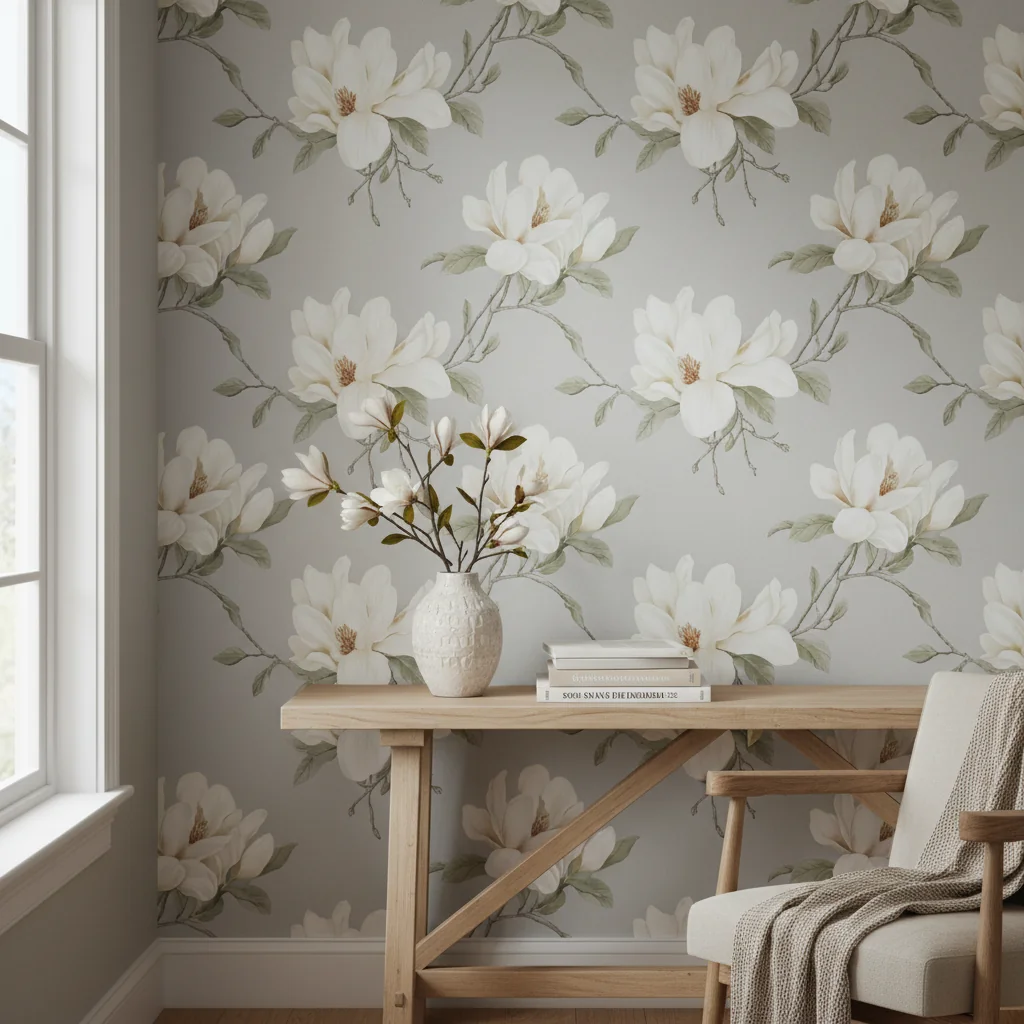
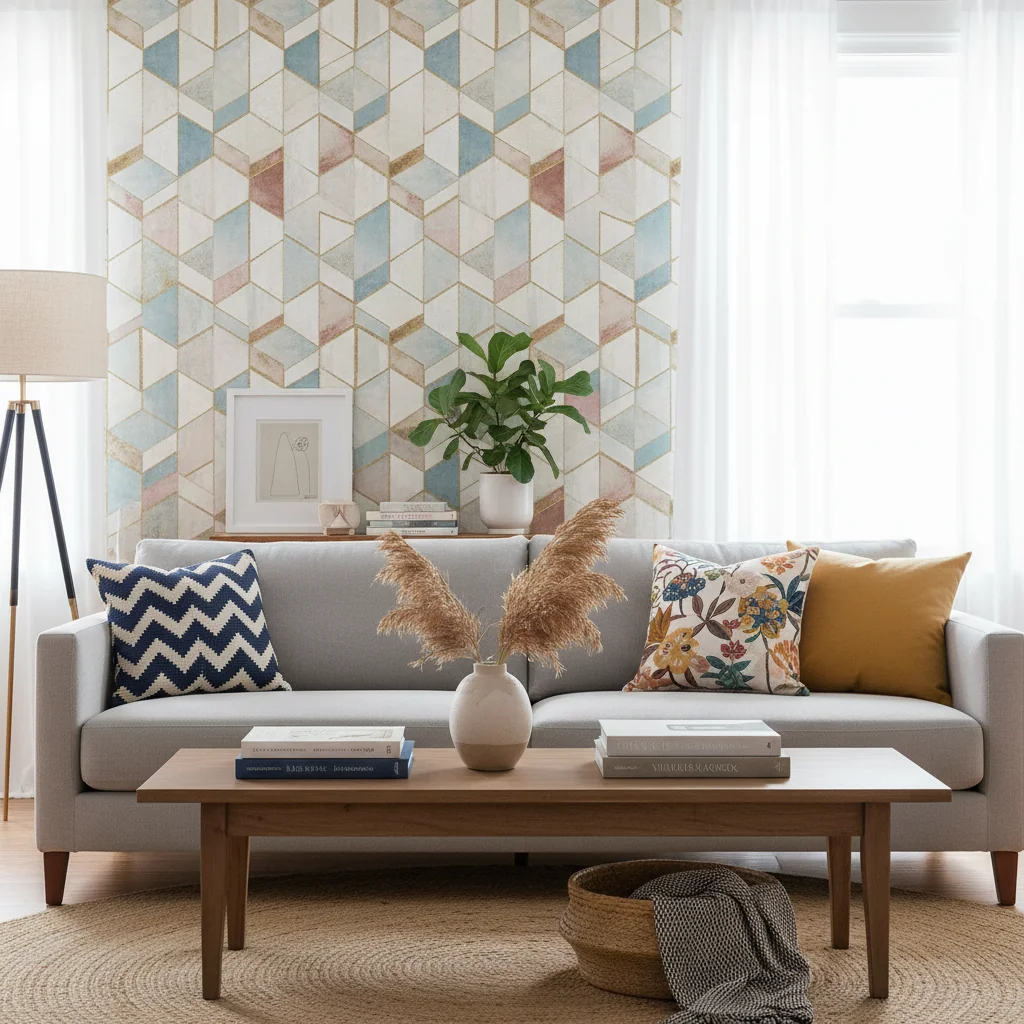
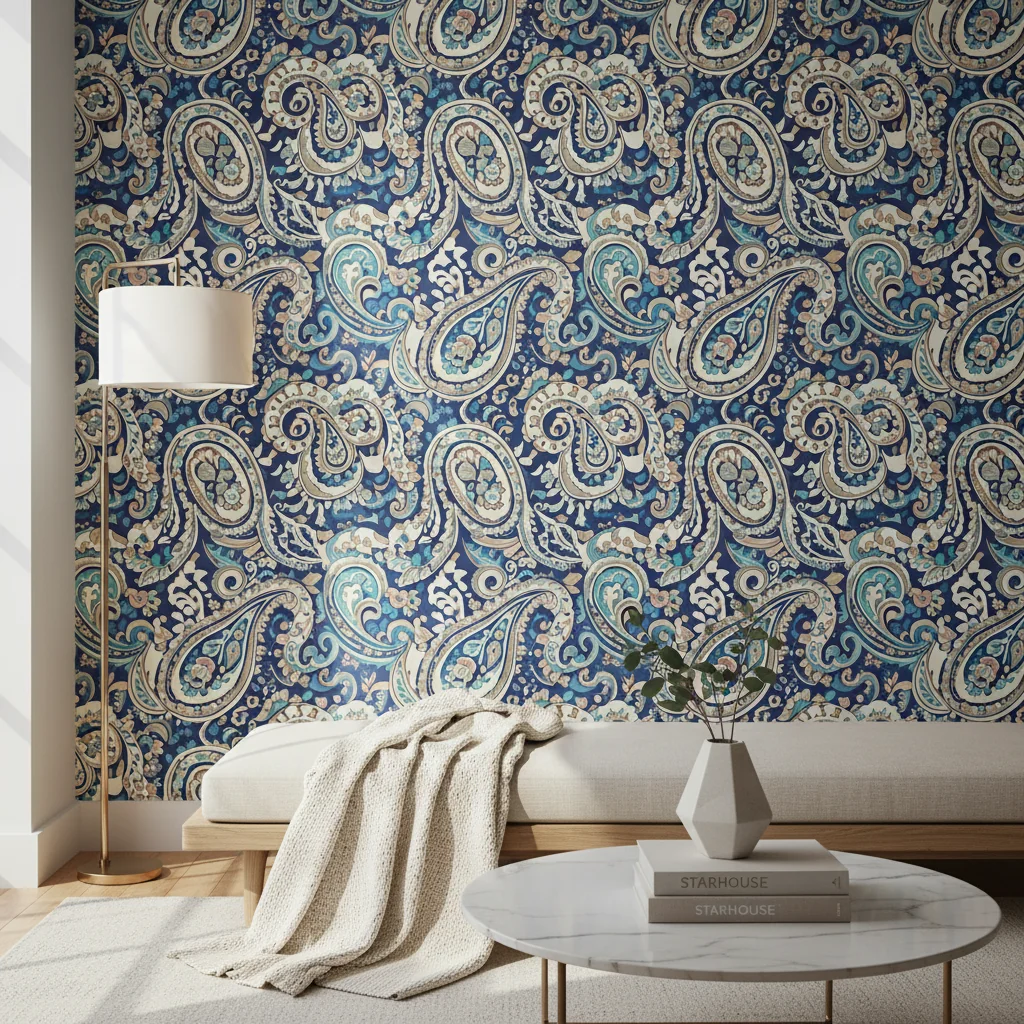
Modern floral wallpaper represents a sophisticated evolution of a timeless design motif, transforming traditional botanical patterns into contemporary statements that anchor and elevate any interior space. This design aesthetic moves beyond quaint, repetitive chintz to embrace bold scales, abstract interpretations, and innovative color palettes, offering a dynamic way to infuse elegance, personality, and a connection to nature into modern homes. At Starhouse, we understand the profound impact a well-chosen wall covering can have, and our curated collection reflects the precision and artistry inherent in this captivating design trend.
Key Takeaways
- Modern floral wallpaper redefines traditional botanical patterns with contemporary aesthetics, featuring bold scales, abstract forms, and diverse color palettes.
- Key design types include large-scale, abstract, geometric, botanical illustration, dark & moody, minimalist, Chinoiserie, and watercolor florals.
- Material choice significantly impacts durability, appearance, and installation, with non-woven, vinyl, grasscloth, and peel-and-stick being prominent options.
- Proper measurement, understanding pattern repeat, and considering room function are critical for successful selection and installation.
- Current trends for 2026 emphasize biophilic integration, bold colors, textural elements, metallic accents, and sustainable materials.
- Styling modern floral wallpaper involves harmonizing with furniture, textiles, lighting, and accessories, balancing maximalism with thoughtful curation.
Understanding Modern Floral Wallpaper: A Definitive Definition
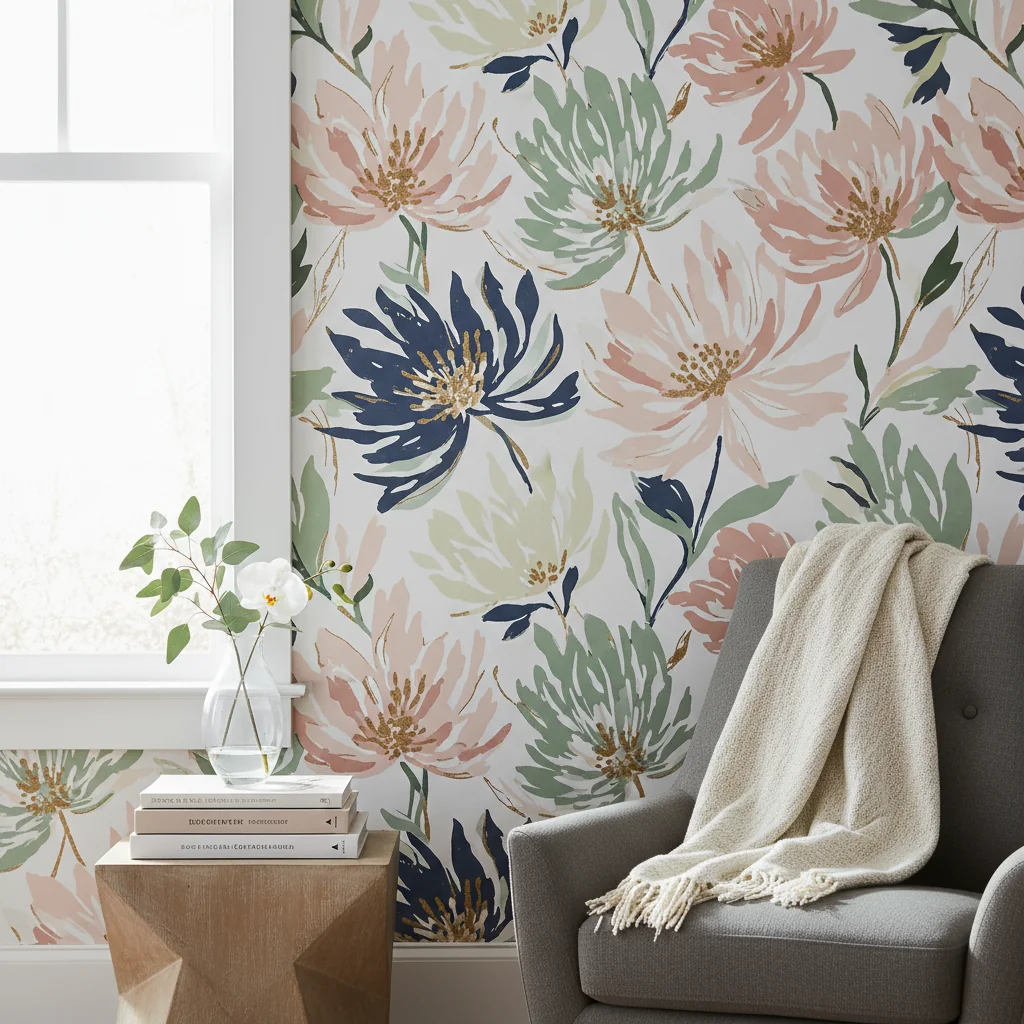
Modern floral wallpaper is a contemporary interpretation of traditional botanical patterns, characterized by designs that often feature larger scales, abstract or stylized motifs, unexpected color combinations, and a sophisticated graphic quality that distinguishes them from historical chintz or overtly romantic patterns. It moves beyond mere decorative background to become a focal point, injecting dynamic energy and refined elegance into an interior. This genre prioritizes artistic expression and a fresh perspective on nature’s beauty, making it a versatile choice for a wide range of design aesthetics.
Unlike its predecessors, which frequently showcased dense, repetitive arrangements of small, realistic flowers, modern floral wallpaper embraces a broader artistic license. Designers frequently utilize digital printing technologies to achieve intricate detailing, vibrant hues, and seamless repeats that were previously unattainable. The result is a diverse array of patterns that can feel both organic and avant-garde, perfectly aligning with contemporary design sensibilities.
A key characteristic of modern floral designs is their adaptability. They can evoke tranquility in a bedroom with soft, muted tones and flowing lines, or create a bold, dramatic statement in a dining room with oversized blooms and contrasting colors. The emphasis is on design impact and a deliberate departure from the purely ornamental, offering homeowners a potent tool for personalizing their living spaces.
The Evolution of Floral: From Victorian to Contemporary
The floral motif has been a perennial favorite in interior design for centuries, undergoing continuous reinvention to reflect prevailing aesthetic tastes and technological advancements. Its journey from the opulent, often symbolic patterns of the Victorian era to the sleek, artistic expressions of today’s modern floral wallpaper showcases a fascinating evolution in design philosophy. Each epoch has left its indelible mark, shaping how we perceive and integrate botanical elements into our homes.
Victorian floral wallpapers, for example, were synonymous with abundance and intricate detail. Characterized by dense, naturalistic depictions of flowers, foliage, and sometimes birds, these patterns often featured rich, deep color palettes and complex layering, reflecting the era’s maximalist tendencies and a desire to bring the lushness of nature indoors. They were typically printed using block-printing methods, which limited scale and color variation compared to modern techniques.
The Art Nouveau movement at the turn of the 20th century introduced a more stylized and organic approach, with sinuous lines and flowing, asymmetrical floral forms. This period marked a shift towards greater artistic interpretation rather than strict realism. Later, mid-century modernism saw a significant paring down of floral motifs, often reducing them to abstract shapes and simplified graphic representations, aligning with the era’s clean lines and functional design principles.
Today, modern floral wallpaper synthesizes these historical influences with contemporary artistry. It embraces the grand scale seen in some historical designs but presents it with a modern edge through abstract forms or minimalist rendering. The advancements in digital printing allow for unprecedented precision in color, texture, and scale, enabling designers to create patterns that are both deeply rooted in nature and boldly forward-looking. This continuous evolution underscores the enduring appeal of floral patterns as a conduit for beauty and expression in interior spaces.
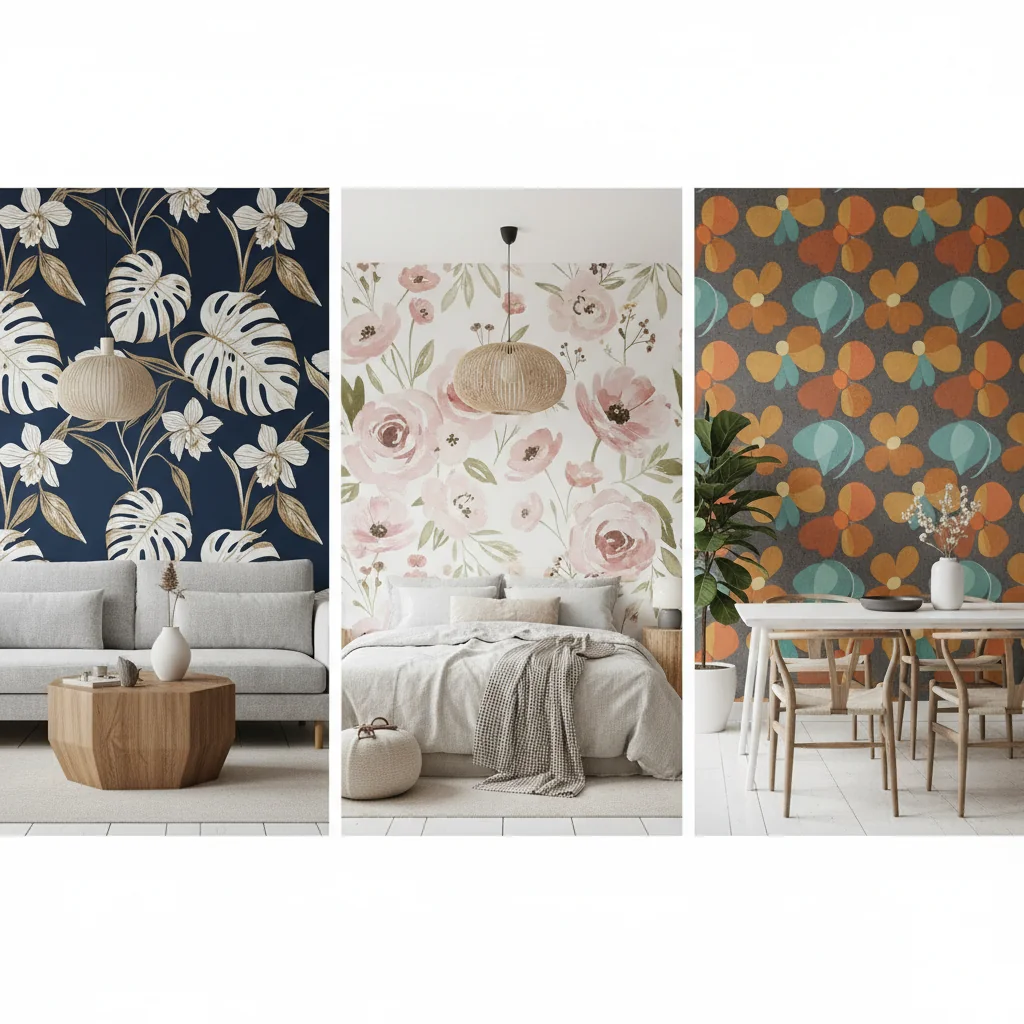
Types of Modern Floral Wallpaper Designs
Modern floral wallpaper encompasses a rich tapestry of design styles, each offering a distinct aesthetic and mood for your space. Understanding these categories is crucial for selecting a pattern that harmonizes with your interior design vision and personal taste. From dramatic oversized blooms to subtle line art, the breadth of options ensures there’s a modern floral expression for every room and preference.
Large-Scale & Oversized Florals
Large-scale and oversized florals feature blooms and foliage rendered at an exaggerated size, often extending across multiple wallpaper panels to create a mural-like effect. This design choice makes a dramatic statement, transforming a wall into a focal point rather than just a background. These patterns are particularly effective in larger rooms or on accent walls where their grandeur can be fully appreciated, preventing them from overwhelming smaller spaces.
The impact of oversized florals lies in their ability to simplify the visual narrative. While the individual elements are large, the overall pattern can feel less busy than a small, repetitive motif. They often employ a limited color palette or striking contrasts to enhance their contemporary appeal. Consider these for living rooms, dining areas, or master bedrooms where you desire a bold and sophisticated artistic presence.
Abstract & Impressionistic Florals
Abstract and impressionistic florals interpret botanical forms through color, texture, and shape rather than literal representation. These designs often feature blurred edges, painterly strokes, and non-traditional color schemes, evoking the essence of flowers without depicting them realistically. The result is a softer, more artistic, and often more serene pattern that can add depth and visual interest without being overly specific.
This style is ideal for those who appreciate art and desire a wall covering that feels unique and sophisticated. It works beautifully in contemporary settings, art studios, or any space where a subtle yet impactful artistic flourish is desired. The fluidity of abstract florals can also create a sense of movement and softness, making them suitable for bedrooms or lounges.
Geometric Floral Patterns
Geometric floral patterns seamlessly merge the organic beauty of flowers with the structured precision of geometric shapes. This innovative fusion results in designs where botanical elements are stylized into polygons, lines, or repeating symmetrical forms, or where floral motifs are subtly integrated within a geometric grid. This style offers a clean, modern aesthetic that appeals to those who appreciate order and contemporary design.
The juxtaposition of natural forms with structured geometry creates a dynamic tension that is both visually engaging and harmonious. These patterns are excellent for adding a refined, architectural touch to a room while still embracing a natural theme. They are particularly well-suited for minimalist interiors, home offices, or any space where a blend of nature and modern sophistication is desired.
Botanical & Scientific Illustrations
Botanical and scientific illustration wallpapers feature highly detailed, often monochromatic or subtly colored renderings of plants, flowers, and sometimes insects, reminiscent of vintage scientific charts or herbarium presses. These designs bring an academic and refined elegance to a space, celebrating the intricate beauty of the natural world with precision and clarity. They often present individual specimens in isolation or in artful arrangements.
This style is perfect for creating a sophisticated, scholarly atmosphere in a study, library, or even a chic powder room. The detailed nature of these patterns encourages closer inspection and offers a subtle yet profound connection to nature. They pair exceptionally well with classic furnishings and natural materials like wood and leather, grounding the space with an intellectual charm.
Dark & Moody Florals
Dark and moody florals are characterized by deep, rich background colors—such as charcoal, navy, emerald green, or deep plum—against which vibrant or subtly contrasting floral motifs emerge. This style creates an atmosphere of dramatic luxury and intimacy, adding depth and sophistication to any room. The interplay of dark backgrounds with luminous florals evokes a sense of mystery and opulence, drawing inspiration from Dutch Master paintings.
These wallpapers are excellent for creating a statement in a formal dining room, a cozy reading nook, or a sophisticated bedroom. They can make a large room feel more intimate or add a surprising layer of elegance to a smaller space. When paired with metallic accents and sumptuous fabrics, dark florals contribute to a truly luxurious and inviting interior.
Minimalist & Line Art Florals
Minimalist and line art florals strip botanical forms down to their essential lines and shapes, often utilizing a limited color palette or simple monochromatic schemes. These designs emphasize negative space and elegant simplicity, offering a subtle yet impactful way to introduce a floral motif without overwhelming a minimalist or contemporary aesthetic. The focus is on clean lines, understated elegance, and thoughtful composition.
This style is ideal for those who prefer a serene and uncluttered environment but still wish to incorporate natural elements. It works beautifully in bedrooms, bathrooms, or offices where a calm and focused atmosphere is desired. Minimalist florals integrate seamlessly with modern furniture and neutral color schemes, adding a touch of organic softness without sacrificing crispness.
Modern Chinoiserie & Eastern-Inspired Florals
Modern Chinoiserie and Eastern-inspired florals blend traditional Asian art motifs with contemporary design sensibilities. These patterns often feature delicate birds, blossoming trees, and exotic flowers rendered with a lighter touch, updated color palettes, or simplified compositions compared to their historical counterparts. The result is an elegant and culturally rich design that feels fresh and relevant for today’s interiors.
This style is perfect for adding an element of refined exoticism and tranquil beauty to a space. It can create a sophisticated backdrop in a living room, bedroom, or powder room, particularly when paired with complementary Asian-inspired furniture or decor. The modern interpretation ensures these patterns feel luxurious and timeless rather than dated, offering a bridge between classic artistry and contemporary taste.
Watercolor & Artistic Florals
Watercolor and artistic florals capture the fluid, ethereal quality of hand-painted watercolor artwork, featuring soft, blended colors and organic forms that appear to wash across the wall. These designs often present flowers and foliage with a delicate transparency and a dreamy aesthetic, creating a serene and artistic atmosphere. The brushstrokes and subtle color transitions add a unique depth and handcrafted feel.
This style is excellent for creating a soft, inviting, and artistic ambiance in a bedroom, nursery, or creative space. The gentle nature of watercolor patterns can soften architectural lines and add a layer of sophisticated charm. They pair well with natural textures, light wood tones, and simple, elegant furnishings, allowing the wallpaper to serve as a primary artistic focal point.
Materials Matter: Choosing the Right Foundation
The material of your modern floral wallpaper is as crucial as its design, directly influencing its durability, appearance, ease of installation, and maintenance requirements. Selecting the appropriate material ensures your investment not only looks stunning but also performs optimally in its intended environment. Each type offers distinct advantages, catering to different needs and preferences.
Non-Woven Wallpaper
Non-woven wallpaper is a high-quality, durable, and breathable wall covering made from a blend of natural and synthetic fibers, making it one of the most popular choices for modern interiors. Its key advantage lies in its “paste-the-wall” application method, where adhesive is applied directly to the wall rather than the paper, simplifying installation and removal. This material is known for its excellent tear resistance, dimensional stability (meaning it won’t shrink or expand), and breathability, which helps prevent mold and mildew growth.
Non-woven wallpapers are also typically washable and strippable, making them a practical choice for various rooms, including living areas, bedrooms, and even light-traffic bathrooms. They offer a smooth, matte finish that beautifully showcases intricate modern floral designs and vibrant colors. For homeowners seeking a balance of luxury, durability, and ease of use, non-woven is a premier option.
Vinyl Wallpaper
Vinyl wallpaper is an exceptionally durable and moisture-resistant wall covering, making it an ideal choice for high-traffic areas and rooms exposed to humidity, such as kitchens, bathrooms, and children’s playrooms. It consists of a paper or fabric backing coated with a layer of vinyl, which provides its robust characteristics. Vinyl wallpapers are highly washable, scrubbable, and resistant to stains, making maintenance straightforward.
There are several types of vinyl wallpaper, including solid vinyl (where the vinyl is solid throughout) and fabric-backed vinyl (known for its superior durability and common in commercial settings). While traditionally associated with a slightly textured or glossy finish, modern vinyl wallpapers are available in a wide range of textures and sheens, including matte options that mimic the look of non-woven papers. For maximum longevity and easy cleaning, vinyl is an unmatched solution.
Grasscloth & Natural Fiber Wallcoverings
Grasscloth and natural fiber wallcoverings are luxurious options crafted from woven natural materials like jute, sisal, seagrass, or bamboo, often backed with paper. These materials bring unparalleled texture, depth, and organic warmth to a space, creating a sophisticated and artisanal feel. While not always featuring printed floral patterns, modern designs sometimes incorporate subtle floral motifs through weaving techniques or delicate embroidery.
The beauty of grasscloth lies in its natural variations in color and texture, which contribute to a unique, handcrafted look. It is important to note that grasscloth is generally more delicate than vinyl or non-woven papers; it is not washable and can be susceptible to damage from moisture and direct sunlight. Installation typically requires a professional due to its delicate nature and the need for precise pattern matching (or lack thereof, as seams are often visible and part of its charm). It is best suited for low-traffic areas like dining rooms, master bedrooms, or formal living spaces where its inherent elegance can be preserved.
Peel-and-Stick Wallpaper
Peel-and-stick wallpaper, also known as removable or self-adhesive wallpaper, is a convenient and versatile option that features an adhesive backing protected by a removable liner. This innovative material allows for straightforward, temporary installation without the need for additional paste, making it an excellent choice for renters, DIY enthusiasts, or those who enjoy frequently updating their decor. It is typically made from vinyl or a synthetic fabric blend.
The primary appeal of peel-and-stick is its ease of removal; it can be peeled off without damaging the underlying wall surface, leaving no residue. Modern peel-and-stick options are available in a vast array of modern floral designs, offering both durability and flexibility. While generally less robust than traditional pasted wallpapers for long-term, high-traffic applications, its convenience and aesthetic versatility make it a compelling choice for accent walls, temporary decor, or experimental design projects.
Peel-and-stick wallpaper is a self-adhesive wall covering that can be easily applied and removed without damaging the wall, ideal for temporary decor or renters.
Traditional Paste-the-Wall/Paper Wallpaper
Traditional paste-the-wall or paste-the-paper wallpapers represent the classic method of wall covering, requiring a separate adhesive to be applied either to the wall or the back of the wallpaper itself. These papers are typically made from cellulose fibers (paper) and offer a wide variety of finishes, from smooth matte to embossed textures. While more involved in installation than peel-and-stick, traditional papers provide a high-quality, long-lasting finish.
Modern traditional papers have evolved significantly, often featuring improved durability and environmental profiles. They are a reliable choice for creating a permanent and polished look. The application process, while more labor-intensive, allows for precise positioning and a seamless finish, especially for intricate modern floral patterns with specific repeats. These are a staple for those seeking enduring elegance and a professional aesthetic.
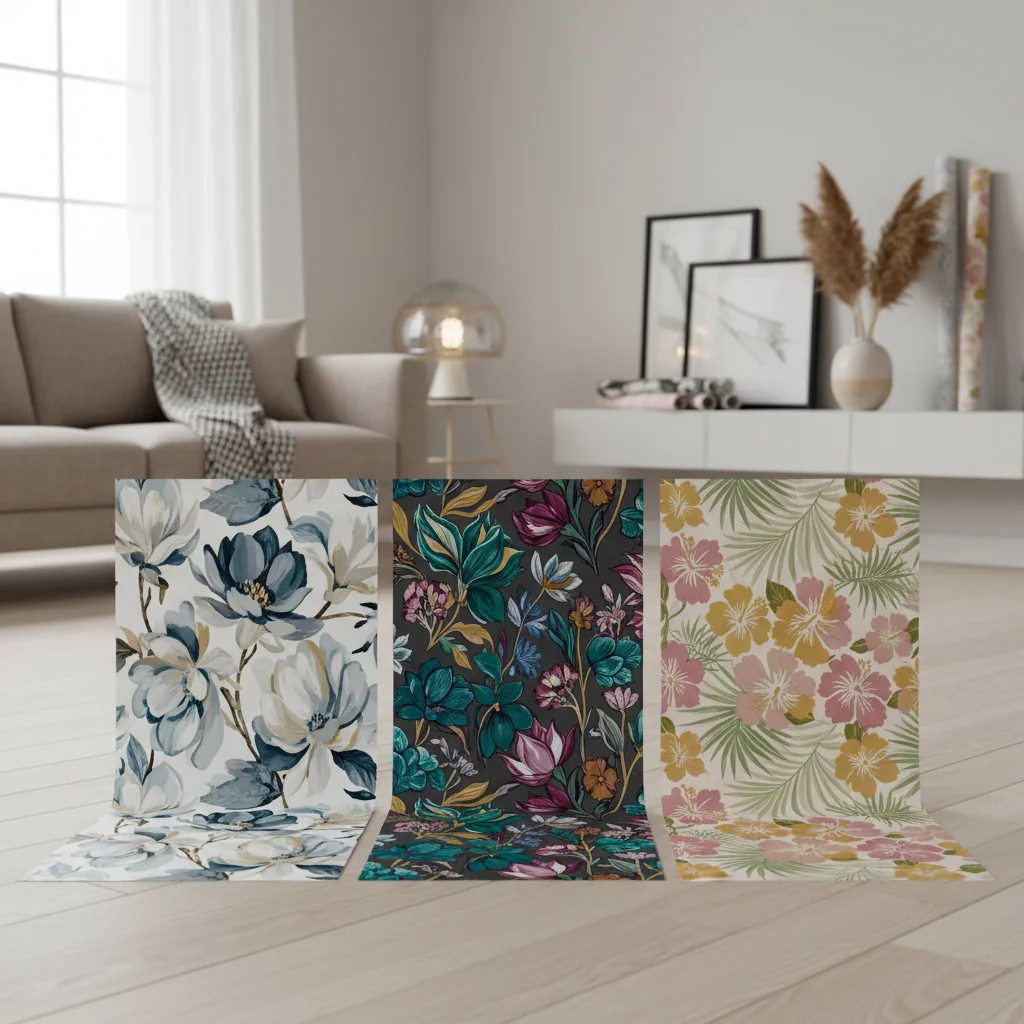
Installation Methods: Peel-and-Stick vs. Traditional
Choosing between peel-and-stick and traditional wallpaper installation methods is a critical decision that impacts not only the application process but also the longevity and potential for future changes in your decor. Each method offers distinct advantages and considerations regarding ease of use, durability, and reversibility. Understanding these differences is essential for making an informed choice that aligns with your project’s scope and your skill level.
Peel-and-stick wallpaper, as its name suggests, comes with an adhesive backing that is simply peeled off before application, requiring no external paste. This method is celebrated for its DIY-friendliness and removability, making it popular for temporary installations, renters, or those who frequently update their interiors. Traditional wallpaper, conversely, requires the application of a separate adhesive to the back of the paper or directly to the wall, a process that typically involves more steps and precision but often results in a more permanent and robust finish.
| Feature | Peel-and-Stick Wallpaper | Traditional Wallpaper (Paste-the-Wall/Paper) |
|---|---|---|
| Adhesive | Pre-applied, self-adhesive backing (liner removed during installation). | Requires separate wallpaper paste applied to the wall or paper. |
| Installation Difficulty | Easier for DIYers; less mess, faster application. | More involved; requires careful paste application, booking time, and precise alignment. Can be messy. |
| Removability | Designed for easy, clean removal without wall damage (ideal for renters). | Generally removable, but may require steaming or soaking; can sometimes leave residue or damage delicate wall surfaces. |
| Durability | Good for temporary or medium-term use; less resistant to heavy wear or moisture than some traditional types. | Excellent for long-term use; highly durable, especially vinyl-coated options. |
| Cost (per roll) | Often comparable to or slightly higher than traditional, but saves on paste costs. | Varies widely, from budget-friendly to luxury; requires additional cost for paste. |
| Ideal Use | Accent walls, temporary decor, rental properties, DIY projects, low-traffic areas. | Permanent installations, high-traffic areas, entire rooms, professional finish. |
| Pattern Matching | Requires careful alignment; repositionable during installation for minor adjustments. | Requires precise alignment and booking time; professional installation often recommended for complex patterns. |
When selecting your modern floral wallpaper, consider not only the aesthetic but also the practicalities of installation. For a quick refresh or a commitment-free design statement, peel-and-stick offers unmatched convenience. For a more enduring, robust, and often luxurious finish that stands the test of time, traditional methods, potentially with professional assistance, remain the gold standard. Starhouse offers a diverse range of options to suit every installation preference and design ambition.
Selecting Your Perfect Modern Floral Wallpaper: A Step-by-Step Guide
Choosing the ideal modern floral wallpaper involves a thoughtful process that extends beyond simply liking a pattern; it requires careful consideration of your room’s characteristics, your existing decor, and your desired aesthetic outcome. A well-chosen wallpaper can dramatically transform a space, making it feel larger, cozier, brighter, or more sophisticated. By systematically evaluating key factors, you can ensure your selection perfectly complements your home’s unique personality and enhances your interior design vision.
The selection process begins with understanding the inherent qualities of your space and then aligning them with the vast array of modern floral designs available. It’s about creating harmony and intentionality in your design choices, leading to a cohesive and visually appealing result. From the practicalities of room function to the nuances of color and scale, each step is crucial in curating your perfect environment.
Consider Room Function & Light
The primary function of a room and the quality of its natural and artificial light sources profoundly influence the suitability of a wallpaper. A busy kitchen or bathroom, for instance, demands a durable, washable material like vinyl, while a formal dining room or bedroom might accommodate more delicate options like grasscloth or non-woven papers. The amount of natural light a room receives also dictates color and pattern choices.
- Low-light rooms: Opt for lighter backgrounds and brighter floral motifs to maximize light reflection and prevent the space from feeling too enclosed. Metallics can also add a reflective quality.
- Bright, sun-filled rooms: Can comfortably handle bolder colors, darker backgrounds, and more intricate patterns without feeling heavy. Consider patterns with UV resistance if direct sunlight is constant.
- High-traffic areas (e.g., hallways, kids’ rooms): Prioritize highly durable and washable materials like vinyl to withstand wear and tear.
- Bedrooms/Living Rooms: Offer more flexibility for aesthetic choices, allowing for softer, more intricate, or luxurious materials.
Color Palette Harmony
The color palette of your modern floral wallpaper must harmonize with existing furnishings, textiles, and paint colors in the room. A cohesive color scheme creates a sense of unity and flow, while clashing colors can lead to visual discord. Consider whether you want the wallpaper to be the dominant color statement or a subtle backdrop.
- Complementary Colors: Choose a wallpaper with colors that complement or subtly contrast with your existing decor. For example, if your sofa is a muted green, a floral wallpaper with hints of blush pink or soft yellow can create a beautiful balance.
- Monochromatic Schemes: Use variations of a single color within the floral pattern to create a sophisticated, calming effect.
- Bold Statements: If the wallpaper is intended to be a focal point, select a pattern with a vibrant, eye-catching color scheme. Ensure other elements in the room are more subdued to allow the wallpaper to shine.
- Background Color: The background color of the wallpaper heavily influences the mood of the room. Light backgrounds create an airy feel, while dark backgrounds add drama and intimacy.
Scale & Pattern Impact
The scale of the floral pattern significantly impacts how the room feels and how busy the design appears. Matching the pattern scale to the room’s size and ceiling height is crucial for achieving a balanced aesthetic.
- Small Rooms: Generally benefit from smaller, more delicate floral patterns or minimalist line art florals. Oversized patterns can overwhelm a small space, making it feel cramped. However, a single, very large, sparse floral motif on an accent wall can surprisingly expand a small room visually.
- Large Rooms: Can accommodate large-scale, bold, and dramatic floral patterns without feeling overwhelmed. These patterns can help fill vast wall spaces and create impactful focal points.
- High Ceilings: Vertical floral patterns or patterns with upward-reaching elements can accentuate height.
- Low Ceilings: Avoid overly busy or dark patterns that can visually lower the ceiling. Opt for lighter backgrounds and patterns with vertical flow.
Pattern repeat is the distance at which a wallpaper pattern repeats vertically or horizontally. This measurement is crucial for calculating the number of rolls needed and for ensuring seamless installation.
Embracing the Starhouse Aesthetic: Curated Choices
At Starhouse, we believe in curating collections that blend aspirational design with practical living. When selecting your modern floral wallpaper, consider how it aligns with our brand’s ethos of sophisticated elegance and timeless appeal. Our selection emphasizes quality, unique artistic vision, and versatility, ensuring that each pattern can be integrated into a variety of contemporary interiors. We encourage you to explore designs that speak to your personal style while upholding a standard of refined taste.
We are constantly seeking to expand our collection with designs that resonate with our discerning customers. If you are envisioning a particular aesthetic or have specific design preferences for your home, we invite you to share them with us. Your input helps us refine our offerings and ensures we continue to provide the very best in home décor. Tell us what you’re looking for, and join our community for early access to new collections and exclusive insights into the world of sophisticated design.
We are actively curating our upcoming collection to meet the discerning tastes of homeowners like you. Your vision for a sophisticated and inviting space is invaluable to us. Tell us what you’re looking for, and be among the first to explore our exclusive selections and gain early access to our full catalog launch.
Sizing & Measuring Your Space for Flawless Application
Accurate measurement of your walls is the cornerstone of a successful wallpaper installation, preventing costly errors, material shortages, or excessive waste. Precise calculations ensure you purchase the correct number of rolls for a seamless and professional finish, particularly important with modern floral patterns that often feature significant pattern repeats. This detailed guide will walk you through the essential steps for measuring your space and calculating your wallpaper needs with confidence.
Underestimating the importance of this step can lead to frustration and additional expenses. Taking the time to measure correctly and understand the nuances of wallpaper roll dimensions and pattern repeats will save you time, money, and effort in the long run. We recommend a meticulous approach to ensure your modern floral wallpaper project is executed flawlessly from start to finish.
How to Measure Your Walls Accurately
Begin by measuring the height and width of each wall you intend to wallpaper. It’s crucial to measure every wall individually, even if they appear to be the same size, as slight variations can occur. Always round up your measurements to the nearest inch for safety.
- Measure Height: Measure from the top of the baseboard to the ceiling line. If you plan to wallpaper above a chair rail, measure from the top of the chair rail to the ceiling. Take this measurement in several places across the wall and use the tallest measurement for your calculations.
- Measure Width: Measure the total width of each wall you plan to cover. Again, measure in several spots and use the widest measurement.
- Calculate Total Square Footage: For each wall, multiply its height (in feet) by its width (in feet) to get the square footage. Add the square footage of all walls together to get the total area to be covered.
- Account for Doors and Windows: While you won’t wallpaper over these, it’s generally recommended to include them in your initial square footage calculation. This accounts for the extra material needed for trimming around openings and for pattern matching, which often requires more paper than the actual wall surface area. Subtracting them can lead to shortages.
Calculating Rolls Needed: The Importance of Pattern Repeat
Wallpaper rolls are sold by the single or double roll, but often priced by the single roll. However, they are typically packaged as double rolls (which are twice the length of a single roll). Always clarify the roll size when purchasing. The most critical factor in calculating how many rolls you need, beyond square footage, is the pattern repeat.
- Determine Vertical Strips per Roll: Divide the length of a double roll (e.g., 33 feet or 396 inches) by your wall height (e.g., 8 feet or 96 inches), adding the pattern repeat to the wall height for each cut. For instance, if your wall height is 96 inches and the pattern repeat is 21 inches, each strip needs to be 96 + 21 = 117 inches long. Then, divide the roll length by this adjusted strip length. (396 inches / 117 inches ≈ 3.38, meaning you get 3 usable strips per double roll).
- Determine Number of Strips per Wall: Divide the total width of your wall (e.g., 144 inches) by the width of one wallpaper strip (e.g., 21 inches for a standard roll). (144 inches / 21 inches ≈ 6.85, meaning you need 7 strips for that wall).
- Calculate Total Rolls: Divide the total number of strips needed for all walls by the number of usable strips per double roll. Round up to the nearest whole number to determine the total double rolls required.
- Add for Waste and Future Repairs: Always add at least one extra double roll to your final calculation. This accounts for trimming waste, mistakes during installation, and provides material for future repairs if any part of the wallpaper gets damaged.
Pattern repeat is the vertical distance on a wallpaper roll where the design perfectly aligns and begins to repeat itself, crucial for seamless installation and material estimation.
Understanding Standard Roll Dimensions
Wallpaper rolls come in various standard widths and lengths, which can affect your calculations. Always check the specific dimensions of the wallpaper you intend to purchase.
- Standard U.S. Roll Widths: Most common widths are 20.5 inches, 21 inches, 27 inches, or 36 inches. Wider rolls mean fewer seams but can be harder to handle.
- Standard U.S. Roll Lengths: A “single roll” typically contains about 33 square feet of usable paper and is approximately 13.5 feet (162 inches) long. A “double roll” is usually 27 feet (324 inches) long, covering about 56 square feet. Some wider rolls may have different lengths. Murals and custom wallcoverings are often sold by the square foot or as full panels, simplifying calculations but requiring precise wall dimensions.
Always verify these dimensions with the manufacturer or retailer before purchasing. When in doubt, it is always safer to over-order by one roll than to under-order, as dye lots can vary slightly between batches, making it difficult to match colors perfectly if you need to buy more later.
Current & Emerging Trends in Modern Floral Wallpaper (2026 Forecast)
The world of interior design is constantly evolving, and modern floral wallpaper is at the forefront of this dynamic shift, embracing innovative aesthetics and sustainable practices. For 2026, we forecast a continuation of biophilic design principles, a resurgence of bold and saturated color palettes, and an increasing emphasis on textural and metallic elements. These trends reflect a collective desire for spaces that are both visually stimulating and deeply connected to nature and personal expression.
As we look ahead, modern floral wallpaper is moving beyond mere decoration to become an integral part of a home’s narrative, telling stories through its patterns, colors, and materials. The emphasis is on creating environments that feel both aspirational and deeply personal, leveraging advanced printing technologies and a renewed appreciation for craftsmanship. Here are the key trends shaping the landscape of modern floral wallcoverings.
Biophilic Design Integration
Biophilic design, which seeks to connect occupants more closely to nature, is a dominant force in modern floral wallpaper. This trend manifests as patterns that aren’t just aesthetically pleasing but also evoke a sense of calm, well-being, and a connection to the natural world. Expect to see designs featuring lush, verdant foliage, botanical scientific illustrations, and abstract forms inspired by organic growth patterns. The palette often includes earthy greens, muted blues, and soft, natural tones.
Biophilic design is a concept that integrates natural elements and processes into built environments to enhance human well-being and connection to nature.
These designs are increasingly being used in home offices, bedrooms, and living spaces to create serene and restorative environments. Murals depicting expansive natural landscapes or intricate forest scenes are gaining traction, blurring the lines between indoor and outdoor spaces and fostering a sense of tranquility.
Bold, Saturated Colors
Moving away from pastels and muted tones, 2026 embraces bold, saturated colors in modern floral wallpaper. Think deep jewel tones like emerald green, sapphire blue, ruby red, and amethyst purple, often set against equally rich or contrasting backgrounds. These vibrant palettes create dramatic focal points and inject personality and energy into a room. The florals themselves might be rendered in equally striking hues or in softer, complementary shades to create depth.
This trend is about making a statement and celebrating color with confidence. It pairs exceptionally well with minimalist furniture and clean lines, allowing the wallpaper to be the star of the show. Expect to see these vivid patterns in dining rooms, powder rooms, and accent walls where their intensity can be fully appreciated without overwhelming the entire space.
Textural Effects & Dimensionality
Modern floral wallpaper is increasingly incorporating textural elements and dimensional effects to add tactile interest and depth. This can be achieved through embossed patterns that create a raised surface, flocked designs that offer a velvety feel, or digitally printed textures that mimic linen, grasscloth, or even brushstrokes. The goal is to engage more than just the visual sense, creating a richer, more immersive experience.
These textural florals add a layer of sophistication and luxury, making walls feel more substantial and inviting. They are particularly effective in rooms where comfort and sensory appeal are prioritized, such as bedrooms or living areas. The interplay of light and shadow on these textured surfaces can also add a dynamic element to the design, constantly shifting throughout the day.
Metallic Accents & Sheen
The integration of metallic accents—such as gold, silver, copper, or bronze—into modern floral wallpaper designs adds a touch of glamour and reflective quality. These metallic elements might highlight certain floral details, form the background, or create shimmering outlines, catching the light and adding a subtle luminosity to the room. The sheen can range from a soft, pearlescent glow to a more pronounced metallic gleam.
Metallic florals are perfect for adding an opulent touch to formal spaces like dining rooms, entryways, or sophisticated powder rooms. They pair beautifully with both classic and contemporary furnishings, enhancing the perceived luxury of the space. This trend allows for a sophisticated interplay of light, adding depth and a sense of refined indulgence.
Maximalism with Restraint
While maximalism embraces abundance and bold expression, the modern floral trend for 2026 leans towards a “maximalism with restraint.” This means utilizing vibrant, multi-layered floral patterns but balancing them with thoughtful curation of furnishings and accessories. The wallpaper may be busy and colorful, but the surrounding elements are carefully chosen to complement rather other than compete, preventing the space from feeling cluttered.
This trend encourages creative expression and a playful approach to design, allowing homeowners to fully embrace their personality. It often involves mixing patterns, textures, and colors in a harmonious way, where the floral wallpaper acts as the unifying thread. The key is intentionality: every element, including the wallpaper, serves a purpose in creating a rich, layered aesthetic.
Sustainable & Eco-Conscious Materials
As environmental awareness grows, sustainable and eco-conscious materials are becoming increasingly important in modern floral wallpaper. Manufacturers are focusing on using recycled content, water-based inks, PVC-free substrates, and responsibly sourced paper. Look for certifications like FSC (Forest Stewardship Council) which indicate sustainable forestry practices. This trend reflects a broader commitment to creating beautiful homes that are also kind to the planet.
These sustainable options not only reduce environmental impact but often contribute to healthier indoor air quality due to lower VOC (Volatile Organic Compound) emissions. For the environmentally conscious homeowner, choosing a beautiful modern floral wallpaper no longer means compromising on ecological values, offering both aesthetic appeal and peace of mind.
Styling & Pairing Modern Floral Wallpaper: Beyond the Wall
Integrating modern floral wallpaper into your home is an art that extends beyond merely hanging it on the wall; it involves a thoughtful orchestration of furniture, textiles, lighting, and accessories to create a cohesive and captivating interior. The goal is to ensure the wallpaper acts as a foundational element that enhances, rather than competes with, the rest of your decor. Successful styling transforms a room with floral wallpaper into a harmonious and inviting sanctuary.
This section provides expert guidance on how to pair your chosen modern floral wallpaper with other design elements, ensuring a balanced, sophisticated, and personalized space. From selecting the right furniture to mastering the art of pattern mixing, these strategies will help you cultivate an interior that feels both aspirational and uniquely yours.
Furniture Selection
When pairing furniture with modern floral wallpaper, aim for balance. If your wallpaper features a bold, intricate pattern, opt for simpler, streamlined furniture pieces in solid colors or subtle textures. This allows the wallpaper to be the room’s undisputed star without creating visual clutter. Conversely, if your floral wallpaper is more understated, such as a minimalist or abstract design, you can introduce furniture with more unique shapes or richer textures.
- Solid Colors: Choose upholstery in solid, neutral tones (grays, whites, creams, beiges) or colors pulled directly from the wallpaper’s palette.
- Clean Lines: Modern or mid-century furniture with clean, uncluttered lines often complements contemporary floral patterns beautifully.
- Natural Wood: Light or dark wood furniture can provide a grounding, organic counterpoint to the vibrancy of floral patterns.
- Metallic Accents: Furniture with metallic frames or hardware (brass, chrome, black iron) can echo metallic elements in the wallpaper or add a touch of modern sophistication.
Textiles & Soft Furnishings
Textiles—including curtains, rugs, throw pillows, and blankets—play a crucial role in softening a space and adding layers of comfort and texture. With modern floral wallpaper, use textiles to either amplify the floral theme or provide a calming contrast.
- Solid Textures: Introduce solid-colored textiles in luxurious textures like velvet, linen, or faux fur. Choose colors that are found within the wallpaper pattern or neutral tones to create a cohesive look.
- Subtle Patterns: If you want to mix patterns, opt for small-scale geometric prints, stripes, or tone-on-tone textures that don’t compete with the floral wallpaper. Ensure the colors are harmonious.
- Curtains: Solid drapes in a color drawn from the wallpaper’s background or a prominent floral element can frame the window beautifully without overwhelming the walls. Sheer curtains can soften the light and allow the wallpaper to remain visible.
- Rugs: A large, neutral-toned rug can ground the space and provide a visual break from the patterned walls, while a rug with a subtle texture adds warmth.
Lighting Fixtures
Lighting is not just functional; it’s a key design element that can enhance the impact of your modern floral wallpaper. The right fixtures can highlight the pattern, add sparkle, or create a specific mood.
- Accent Lighting: Use picture lights or wall sconces to illuminate specific areas of the wallpaper, drawing attention to its intricate details or vibrant colors.
- Statement Fixtures: A contemporary chandelier or a unique pendant light can serve as a sculptural element that complements the wallpaper without clashing. Choose materials like brass, glass, or matte black for a modern feel.
- Soft Ambient Light: Table and floor lamps with diffusers can create a warm, inviting glow that softens the overall effect of a bold floral pattern, making the room feel cozier.
Accessories & Artwork
Accessories and artwork are the finishing touches that personalize your space. With modern floral wallpaper, these elements should either pick up on the wallpaper’s themes or offer a deliberate contrast.
- Minimalist Artwork: If your wallpaper is a bold statement, opt for minimalist artwork with simple frames or abstract pieces that echo the wallpaper’s colors or forms without being overly detailed.
- Mirrors: Large mirrors with simple frames can reflect the wallpaper, making a room feel larger and brighter while also showcasing the pattern.
- Vases & Botanicals: Incorporate fresh flowers or greenery in elegant vases that complement the floral theme. Choose contemporary vases in ceramic, glass, or metallic finishes.
- Curated Objects: Select decorative objects that share a color, texture, or style with the wallpaper, creating a cohesive narrative. Avoid excessive clutter to let the wallpaper breathe.
Mastering Pattern Mixing
Mixing patterns with modern floral wallpaper requires a discerning eye, but when done correctly, it can create a rich, layered, and highly sophisticated interior. The key is to vary scale, type, and color intensity.
- Vary Scale: Pair a large-scale floral wallpaper with a smaller-scale geometric, stripe, or polka dot pattern on textiles or furniture. Avoid mixing two patterns of similar scale, as this can create visual chaos.
- Vary Pattern Type: Combine organic floral shapes with structured geometric patterns or classic stripes. This contrast adds visual interest without overwhelming the eye.
- Color Harmony: Ensure all patterns share at least one common color or belong to the same overarching color palette. This creates a unifying thread throughout the room.
- Introduce Solids: Always incorporate solid-colored elements to provide visual resting points and prevent the space from feeling too busy.
Accent Wall vs. Full Room Application
Deciding whether to wallpaper a single accent wall or an entire room depends on the pattern’s intensity, the room’s size, and your desired impact.
- Accent Wall: Ideal for bold, large-scale, or dark and moody floral patterns that might overwhelm an entire room. An accent wall creates a powerful focal point without dominating the space, perfect for behind a bed, sofa, or in an entryway.
- Full Room Application: Best suited for more subtle, delicate, or light-colored floral patterns, especially those with an abstract or minimalist aesthetic. This creates an immersive, enveloping feel, adding depth and character to the entire space. It can make a small room feel like a jewel box or a large room feel more intimate.
Consider the architecture of your room. A wall with no windows or doors is often the best candidate for an accent wall, allowing the pattern to be uninterrupted. For full room application, ensure there’s enough natural light to prevent the space from feeling too dark, especially with deeper color palettes.
Caring for Your Investment: Maintenance & Longevity
Proper care and maintenance are essential for preserving the beauty and extending the lifespan of your modern floral wallpaper. Different wallpaper materials require specific cleaning methods, and understanding these nuances will ensure your investment remains pristine for years to come. Diligent attention to cleaning and protection from environmental factors will help your walls continue to make a stunning statement.
Neglecting proper care can lead to premature fading, staining, or damage, diminishing the aesthetic appeal of your chosen design. By following these guidelines, you can safeguard the vibrancy and integrity of your modern floral wallpaper, ensuring it remains a focal point of sophistication in your home.
Cleaning Recommendations by Wallpaper Type
Always refer to the manufacturer’s specific cleaning instructions, as recommendations can vary even within the same material category. However, general guidelines apply to most common wallpaper types:
- Non-Woven Wallpaper: Generally washable. Use a soft cloth or sponge lightly dampened with warm water and a mild, non-abrasive detergent (like dish soap). Gently wipe the surface, avoiding excessive scrubbing. Rinse the cloth frequently and wipe dry with a clean, dry cloth.
- Vinyl Wallpaper: Highly washable and scrubbable. For most stains, use a soft cloth or sponge with warm water and a mild detergent. For tougher marks, a soft-bristle brush can be used gently. Always test in an inconspicuous area first. Rinse thoroughly and dry with a clean cloth.
- Peel-and-Stick Wallpaper: Typically washable. Use a damp cloth with mild soap for light cleaning. Avoid harsh chemicals or abrasive cleaners, which can damage the adhesive or print.
- Traditional Paper Wallpaper: Often more delicate and may only be “wipeable” (meaning you can gently wipe with a barely damp cloth, no soap) or “non-washable.” For non-washable papers, use a dry, soft cloth or a vacuum cleaner with a brush attachment to remove dust. For stains, consult a professional wallpaper cleaner.
- Grasscloth & Natural Fiber Wallcoverings: These are generally NOT washable. Dust them regularly with a dry, soft cloth or a vacuum cleaner with a brush attachment. Avoid any moisture, as it can cause staining, shrinking, or discoloration. For spills, blot immediately with a clean, dry cloth and seek professional advice if staining persists.
General Cleaning Tips:
- Always test any cleaning solution on an inconspicuous area first.
- Wipe from bottom to top to prevent drips from staining the dry wallpaper below.
- Address spills or marks immediately to prevent them from setting.
- Avoid excessive moisture, especially near seams, to prevent adhesive weakening.
Protecting from Direct Sunlight
Prolonged exposure to direct sunlight is a primary cause of fading for all types of wallpaper, particularly those with vibrant colors. UV rays can break down pigments over time, leading to a dull or bleached appearance. To protect your modern floral wallpaper:
- Window Treatments: Install curtains, blinds, or shades that can be closed during peak sunlight hours. Sheer curtains can offer some UV protection while still allowing light.
- UV-Blocking Films: Consider applying UV-blocking window films, which can significantly reduce the amount of harmful UV radiation entering the room without noticeably altering light or visibility.
- Strategic Placement: If possible, avoid placing highly colorful or delicate wallpapers on walls that receive intense, direct sunlight for extended periods throughout the day.
Addressing Minor Damage
Minor damage, such as small tears, lifted seams, or bubbles, can often be repaired with a bit of care:
- Lifted Seams: For traditional wallpaper, apply a small amount of seam adhesive (available at hardware stores) with a fine brush underneath the lifted edge. Press firmly with a seam roller. For peel-and-stick, gently lift and re-press, or use a small amount of spray adhesive if the original adhesive has lost tack.
- Bubbles: For traditional wallpaper, use a utility knife to make a small slit in the bubble, then gently squeeze out the air. Inject a small amount of wallpaper paste into the slit and smooth down with a seam roller. For peel-and-stick, carefully peel back the section and re-smooth, or use a pin to release air.
- Small Tears: If you have leftover wallpaper, carefully cut a piece that matches the pattern and is slightly larger than the tear. Apply wallpaper paste to the back of the patch and align it perfectly over the torn area. Smooth gently. For peel-and-stick, a similar patching method can be used.
For extensive damage or if you are unsure about a repair, it is always recommended to consult a professional wallpaper installer or restorer to ensure the integrity of your wall covering.
Common Mistakes to Avoid When Choosing & Installing Modern Floral Wallpaper
While modern floral wallpaper offers immense potential for transforming a space, certain pitfalls can derail even the most carefully planned design project. Being aware of these common mistakes, from selection to installation, can save you time, money, and frustration, ensuring your final result is as stunning and professional as you envision. Avoiding these errors is crucial for achieving a cohesive, elegant, and lasting impact.
A successful wallpaper installation is a blend of aesthetic judgment and technical precision. By understanding where others often go wrong, you can approach your project with greater confidence and achieve a truly polished outcome that reflects the sophisticated Starhouse aesthetic.
- Ignoring Room Scale and Light: One of the most frequent errors is choosing a pattern whose scale is inappropriate for the room. A large, busy floral in a small, dimly lit room can feel overwhelming and claustrophobic, while a tiny, delicate pattern might get lost in a vast, open space. Always consider the room’s dimensions and natural light before committing to a pattern.
- Overlooking Pattern Repeat: Failing to account for the pattern repeat in your calculations can lead to either running out of wallpaper or having excessive waste. The pattern repeat dictates how much extra paper you need for each strip to ensure a seamless match across panels. Always add extra length to each cut for matching, and purchase an additional roll to be safe.
- Poor Wall Preparation: Skipping essential wall preparation steps is a recipe for disaster. Walls must be clean, smooth, dry, and primed. Any imperfections—holes, bumps, peeling paint, or residual adhesive—will show through the wallpaper, diminishing its appearance and potentially affecting its adhesion. Investing time in proper prep is non-negotiable.
- Mismatched Style or Color Palette: Selecting a modern floral wallpaper that clashes with your existing furniture, textiles, or overall design aesthetic can create a disjointed and uncomfortable space. Ensure the wallpaper’s colors and style harmonize with your current decor. Bring samples home and view them in different lighting conditions before making a final decision.
- Underestimating Installation Difficulty: While peel-and-stick wallpaper has simplified DIY installation, traditional wallpapering, especially with complex patterns or large pattern repeats, requires skill, patience, and often a second pair of hands. Underestimating the time and effort involved can lead to a rushed, imperfect job. For intricate designs or large areas, professional installation is often a worthwhile investment.
- Ignoring Material Suitability: Using the wrong type of wallpaper material for a specific room can lead to premature wear and damage. For instance, delicate paper wallpaper in a high-humidity bathroom will likely peel or mold, while a non-washable paper in a child’s playroom will quickly become stained. Always match the material’s properties (durability, washability) to the room’s function.
- Not Buying Enough Wallpaper (or Too Much of the Wrong Dye Lot): Running out of wallpaper mid-project is frustrating, especially if the new rolls are from a different dye lot, leading to noticeable color discrepancies. Always purchase all rolls from the same dye lot number. Over-ordering by one extra roll is a prudent measure for repairs or mistakes.
- Fear of Boldness (or Lack of Restraint): Some homeowners shy away from bold modern floral patterns when they would truly elevate their space. Conversely, others go overboard, wallpapering every wall with an intense pattern and pairing it with equally busy furniture, leading to visual overload. Find the right balance for your home – sometimes a single accent wall is all that’s needed.
Frequently Asked Questions
What distinguishes modern floral wallpaper from traditional floral patterns?
Modern floral wallpaper is characterized by larger scales, abstract or stylized motifs, unexpected color combinations, and a sophisticated graphic quality, moving beyond the dense, realistic, and often repetitive arrangements of traditional floral designs. It prioritizes artistic expression and contemporary aesthetics.
Can modern floral wallpaper be used in small rooms without overwhelming them?
Yes, modern floral wallpaper can be effectively used in small rooms by selecting patterns with a smaller, delicate scale, minimalist line art, or by using a single, oversized, sparse floral motif on an accent wall. Lighter backgrounds and colors also help in preventing the room from feeling overwhelmed.
What are the benefits of peel-and-stick modern floral wallpaper?
Peel-and-stick modern floral wallpaper offers easy, temporary installation without additional paste, is typically removable without damaging walls, and is ideal for renters or those who enjoy frequently updating their decor. It provides flexibility and convenience for DIY enthusiasts.
How do I choose the right color palette for my modern floral wallpaper?
To choose the right color palette, ensure the wallpaper’s colors harmonize with your existing furnishings and decor. You can select complementary colors, opt for a monochromatic scheme, or choose a bold pattern as a focal point, balancing it with more subdued elements in the room.
How do I properly measure for modern floral wallpaper, especially with pattern repeat?
Measure the height and width of each wall, then calculate the total square footage. For pattern repeat, add the repeat length to your wall height for each cut to determine usable strips per roll. Always factor in extra material for waste and purchase at least one additional double roll to ensure sufficient quantity and consistent dye lots.
Are there any sustainable options for modern floral wallpaper?
Yes, many manufacturers now offer sustainable modern floral wallpaper options made from recycled content, PVC-free substrates, water-based inks, and responsibly sourced paper. Look for certifications like FSC (Forest Stewardship Council) to identify eco-conscious choices that contribute to healthier indoor air quality.
What are the key trends for modern floral wallpaper in 2026?
Key trends for 2026 include biophilic design integration, bold and saturated color palettes, textural effects and dimensionality, metallic accents, a refined maximalism, and a strong emphasis on sustainable and eco-conscious materials. These trends reflect a desire for impactful, nature-connected, and personal interiors.
Conclusion: Cultivating Your Modern Floral Sanctuary
Modern floral wallpaper is far more than a fleeting trend; it is a sophisticated design statement that offers endless possibilities for transforming your home into a personalized sanctuary. By embracing its diverse types, understanding the nuances of materials, and applying thoughtful styling techniques, you can curate a space that reflects both contemporary elegance and your unique personality. From the dramatic impact of oversized blooms to the subtle grace of minimalist line art, these designs invite nature indoors with an unparalleled artistic flair.
At Starhouse, we are dedicated to bringing you the finest in home décor, carefully selecting pieces that inspire and elevate. The journey of choosing and installing modern floral wallpaper is an opportunity to infuse your living spaces with beauty, depth, and a touch of the extraordinary. We encourage you to approach this endeavor with confidence, precision, and an open mind, knowing that the right wallpaper can profoundly enhance your everyday environment.
As we continue to curate our exquisite collection of wall décor, furnishings, and accessories, your insights are invaluable. We invite you to be a part of our journey and help shape the future of sophisticated home design. Tell us what you’re looking for, and join our community for exclusive previews and early access to our full catalog launch. Let Starhouse help you cultivate a home that is truly a reflection of your refined taste.