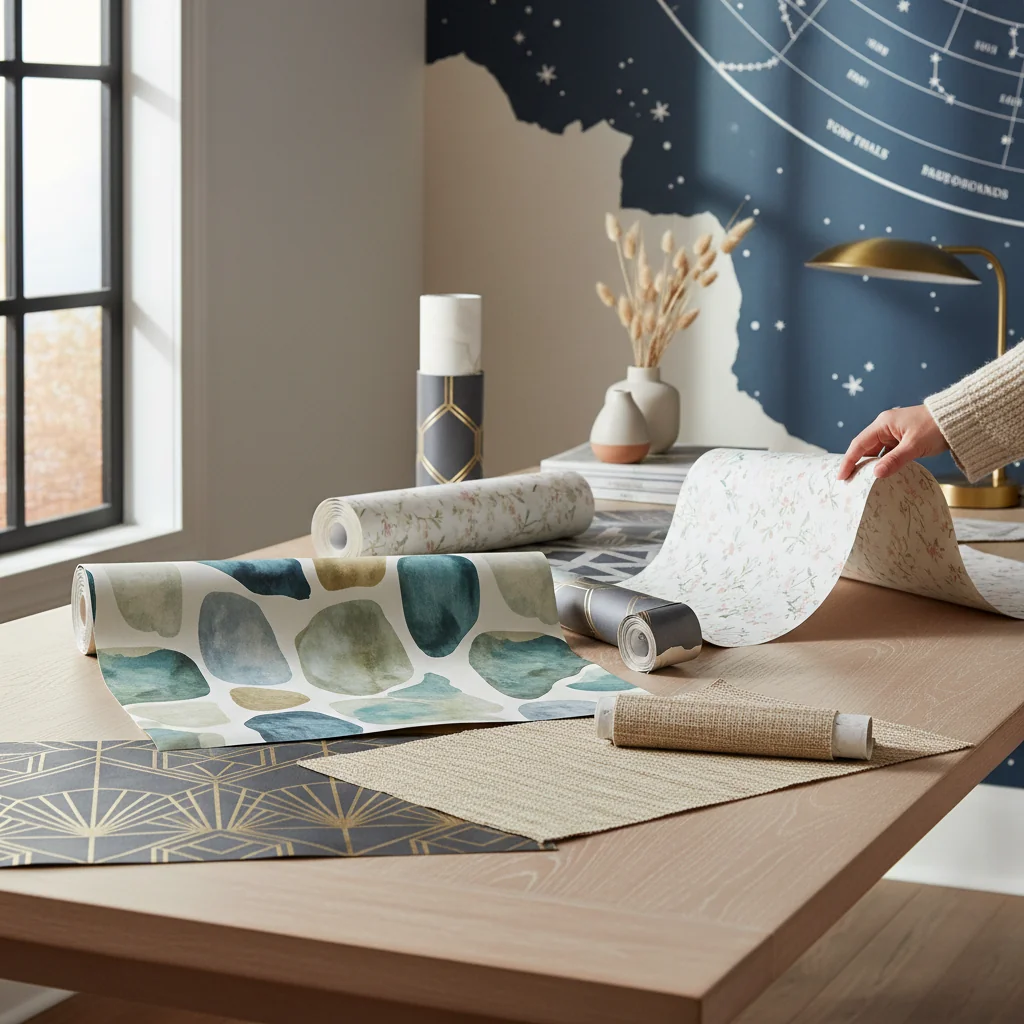
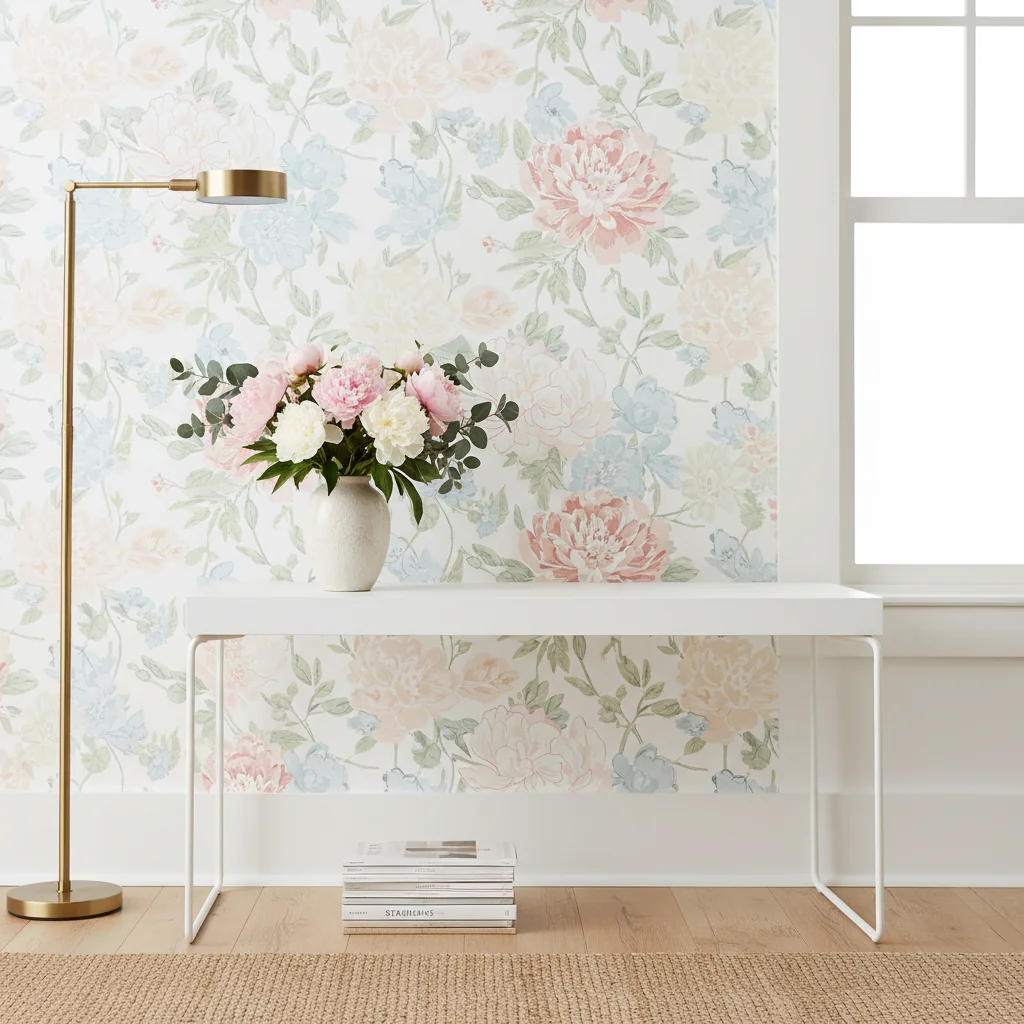
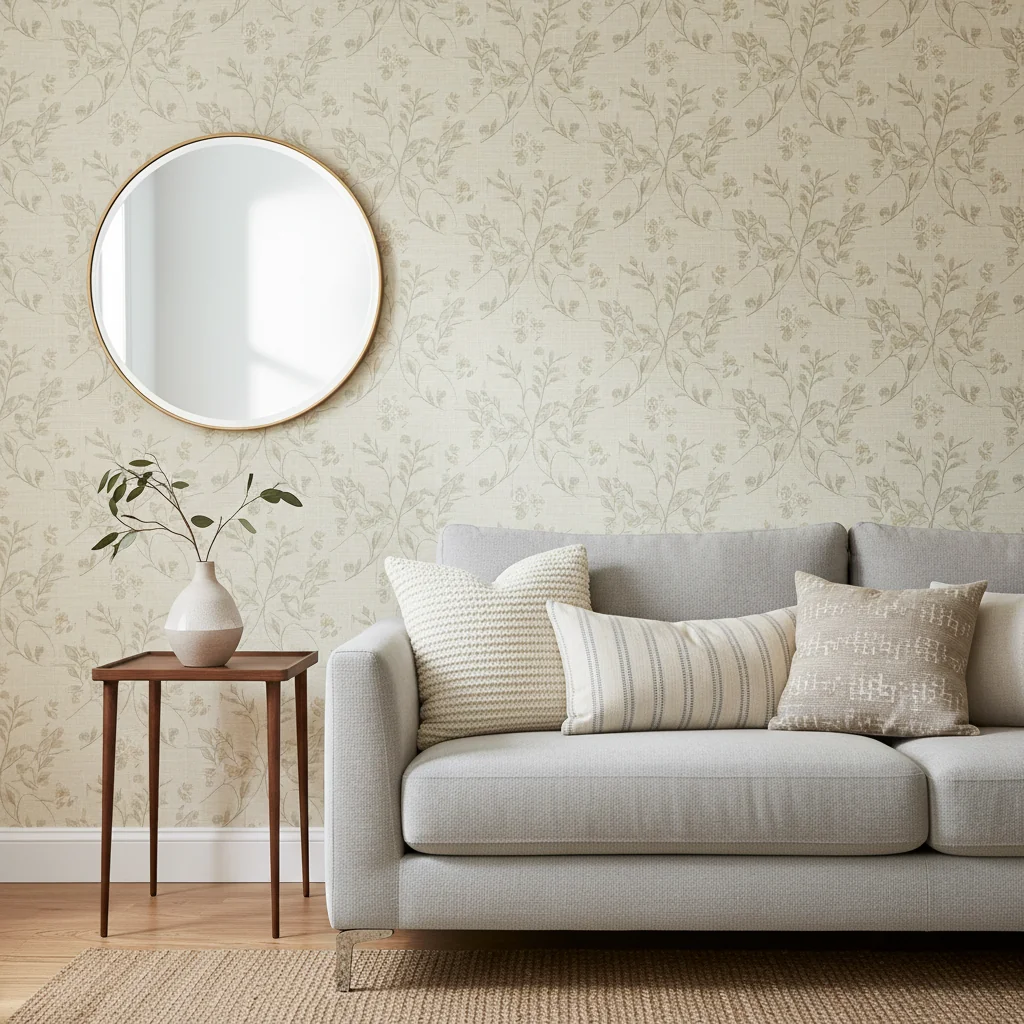
York Wallpaper, a brand synonymous with American craftsmanship in wallcoverings, offers a vast and distinguished collection that transforms interiors with unparalleled depth, texture, and visual interest. As a leading manufacturer, York Wallcoverings produces a diverse array of wallpapers, from classic traditional patterns to cutting-edge contemporary designs, utilizing various materials and printing techniques to ensure durability and aesthetic appeal for every design vision. Starhouse, as a curator of exceptional home décor, recognizes York Wallpaper as a cornerstone for sophisticated interior design, providing solutions that elevate any residential or commercial space. This comprehensive guide, updated in June 2026, delves into every facet of York Wallpaper, empowering you to make informed design decisions for your home.
Key Takeaways
- York Wallpaper is a premier U.S. manufacturer known for its diverse range of high-quality wallcoverings, encompassing traditional and contemporary styles.
- Wallpapers are categorized by material (e.g., non-woven, vinyl, grasscloth) and installation method (pre-pasted, unpasted, peel-and-stick), each offering distinct benefits for durability and ease of application.
- Choosing the right York Wallpaper involves careful consideration of a room’s function, lighting, existing decor, and desired aesthetic, ensuring harmony and longevity.
- Accurate measurement and proper wall preparation are critical for successful installation, including understanding pattern repeat and calculating the correct number of rolls.
- Current trends in York Wallpaper emphasize textural richness, biophilic designs, sophisticated metallics, and bold, large-scale patterns that create impactful focal points.
- Proper care and maintenance, specific to the wallpaper’s material, are essential for preserving its beauty and extending its lifespan over many years.
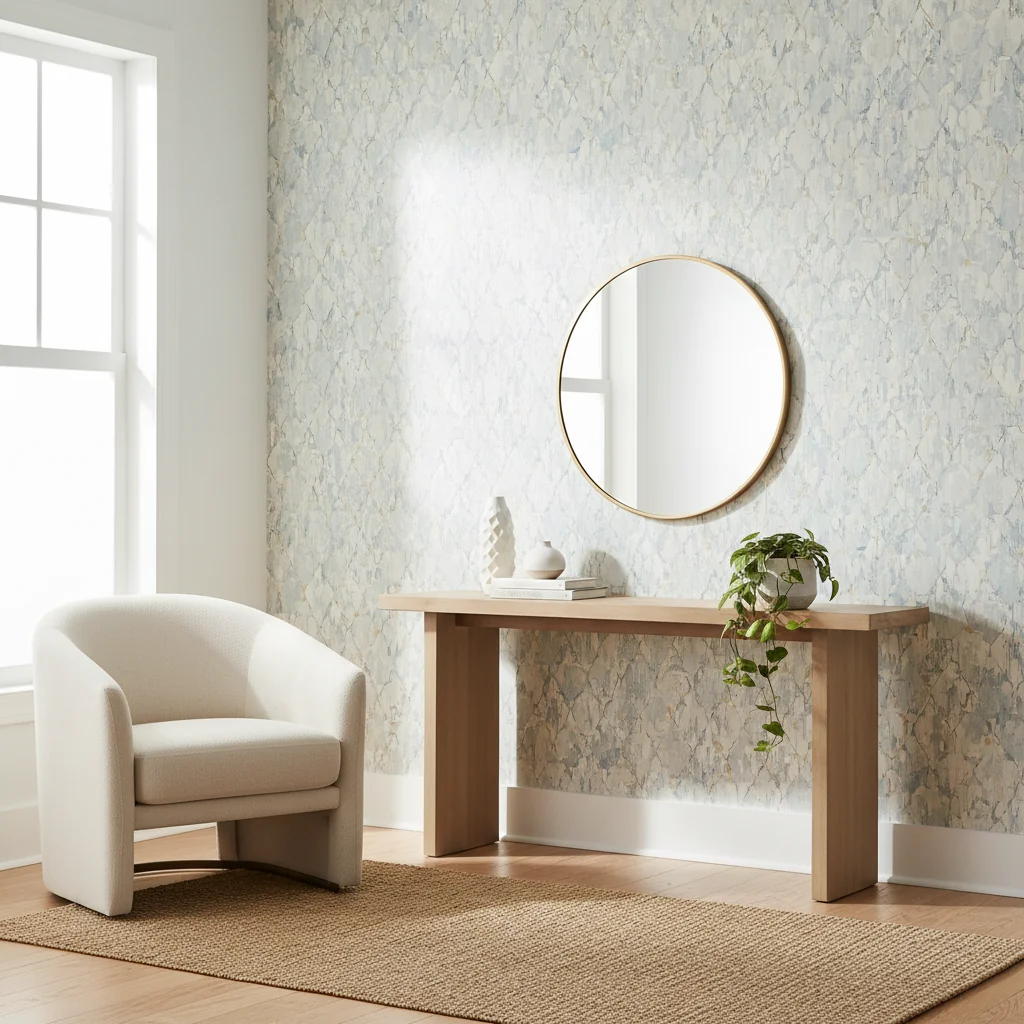
The Distinctive Types of York Wallpaper: Materials and Construction
York Wallpaper offers a rich spectrum of materials and constructions, each engineered for specific aesthetic and functional attributes, ensuring a tailored solution for diverse design needs and environmental demands. Understanding these distinctions is fundamental to selecting a wallcovering that not only looks exceptional but also performs optimally in its intended setting. The material composition directly influences durability, cleanability, texture, and ease of installation, making it a critical factor in your selection process.
The brand’s commitment to quality is evident in its meticulous selection of substrates and printing technologies. From robust vinyls designed for high-traffic areas to delicate natural fibers that introduce organic warmth, York’s range covers the full spectrum of interior design possibilities. Each material type presents unique advantages, from moisture resistance to tactile appeal, allowing for precise application in various rooms and design schemes.
Paper-Based Wallpapers
Paper wallpapers, often referred to simply as “paper,” are the traditional form of wallcovering, featuring a printed design directly on a paper substrate. These wallpapers offer a classic, matte finish that can lend a soft, sophisticated look to a room, excelling in their ability to showcase intricate patterns and fine details. They are generally breathable and environmentally friendly, making them suitable for living rooms, bedrooms, and dining areas where moisture and heavy traffic are not primary concerns. However, paper wallpapers are less durable than vinyl options and are not recommended for high-humidity environments like bathrooms or kitchens due to their susceptibility to moisture damage and difficulty in cleaning.
Non-Woven Wallpapers
Non-woven wallpaper is a modern innovation, manufactured from a blend of natural and synthetic fibers, making it exceptionally durable, breathable, and easy to handle during installation. This material is dimensionally stable, meaning it resists shrinking and expanding when wet, which significantly simplifies the installation and removal process. York Wallcoverings highlights non-woven as a preferred substrate for its “paste the wall” application method, which involves applying adhesive directly to the wall rather than to the wallpaper back, streamlining the process and reducing mess. Non-woven wallpapers are also highly tear-resistant, making them a practical choice for various rooms, including those with moderate traffic. They are often washable and can be dry-stripped from the wall without damage, leaving the wall surface intact for future redecoration.
Vinyl Wallpapers
Vinyl wallpaper is a highly popular and versatile category, known for its exceptional durability, washability, and resistance to moisture. It consists of a printed decorative layer laminated to a solid vinyl film, which is then bonded to a fabric or paper backing.
- Solid Sheet Vinyl: This type features a solid sheet of vinyl with the pattern printed on its surface. It is extremely robust, highly resistant to scratching and tearing, and fully washable, making it ideal for high-traffic areas like hallways, children’s rooms, and commercial spaces. Its impermeability also makes it an excellent choice for bathrooms and kitchens where moisture and splashes are common.
- Fabric-Backed Vinyl: In this construction, a woven fabric (like cotton or polyester) forms the backing, providing additional strength and dimensional stability, while the face is a solid vinyl film. This construction is particularly durable and often used in commercial settings, but its enhanced strength and scrubbability also make it suitable for busy residential areas. It offers superior resistance to impact and abrasion compared to other types.
- Paper-Backed Vinyl: A more economical option, this wallpaper features a vinyl face laminated to a paper backing. While still offering good durability and washability due to its vinyl surface, it is generally less robust than solid sheet or fabric-backed vinyl and may be more susceptible to tearing during installation or removal. It remains a good choice for areas requiring moderate durability and easy cleaning.
Natural Fiber Wallpapers (Grasscloth, Sisal, Jute)
Natural fiber wallpapers, such as grasscloth, sisal, and jute, are crafted from organic materials woven onto a paper backing. These wallcoverings introduce unparalleled texture, warmth, and an organic, tactile dimension to interiors, creating a sophisticated and understated elegance. Each strand is unique, resulting in subtle variations in color and weave that contribute to a handcrafted aesthetic.
Grasscloth wallpaper is a wallcovering made from natural fibers like jute, sisal, or arrowroot, hand-woven and laminated onto a paper backing. It is prized for its exquisite texture, natural variations, and ability to add depth and organic warmth to a space. Due to their delicate nature, natural fiber wallpapers are not washable and require careful handling. They are best suited for low-traffic areas like bedrooms, formal living rooms, or dining rooms where their beauty can be appreciated without constant exposure to moisture or abrasion. Installation typically requires a clear, non-staining adhesive and meticulous attention to detail to ensure seams are discreet, as natural variations mean perfect pattern matching is often not achievable.
Specialty Wallpapers
- Flock Wallpaper: Flock wallpaper features a raised, velvety pattern created by adhering tiny fibers onto the paper or vinyl substrate. This technique produces a luxurious, tactile surface that adds significant depth and a sense of opulence to a room. Historically, flock wallpaper mimicked expensive velvet fabrics and remains a statement choice for formal living rooms, dining rooms, or accent walls. It requires gentle cleaning, typically dusting or very light vacuuming, to maintain its delicate texture.
- Mylar Wallpaper: Mylar wallpaper incorporates a thin, reflective polyester film, often metallized, onto a paper or non-woven backing. This gives it a highly reflective, often metallic sheen that can dramatically brighten a room and create a sense of glamour. Mylar wallpapers are durable and generally washable, making them suitable for various spaces where a bold, reflective statement is desired. Their highly reflective surface means wall imperfections must be meticulously prepared, as they will be magnified.
- Textured/Anaglypta/Lincrusta: These wallpapers are designed to be painted after installation, offering a three-dimensional surface that can replicate architectural details like plasterwork, tin ceilings, or embossed leather. Anaglypta is typically paper-based and paintable, while Lincrusta is a more robust, deeply embossed material made from a gel of linseed oil and wood flour. These options add significant architectural interest and can be customized with paint colors to match any decor. They are exceptionally durable once painted and offer a unique way to introduce texture and historical charm.
- Digital Murals: York also offers large-format digital murals, which are essentially custom-printed wallcoverings designed to cover an entire wall or a significant portion of it with a single, continuous image or graphic. These are often printed on non-woven or vinyl substrates for durability and ease of installation, transforming a wall into a dramatic focal point with landscapes, abstract art, or photographic scenes.
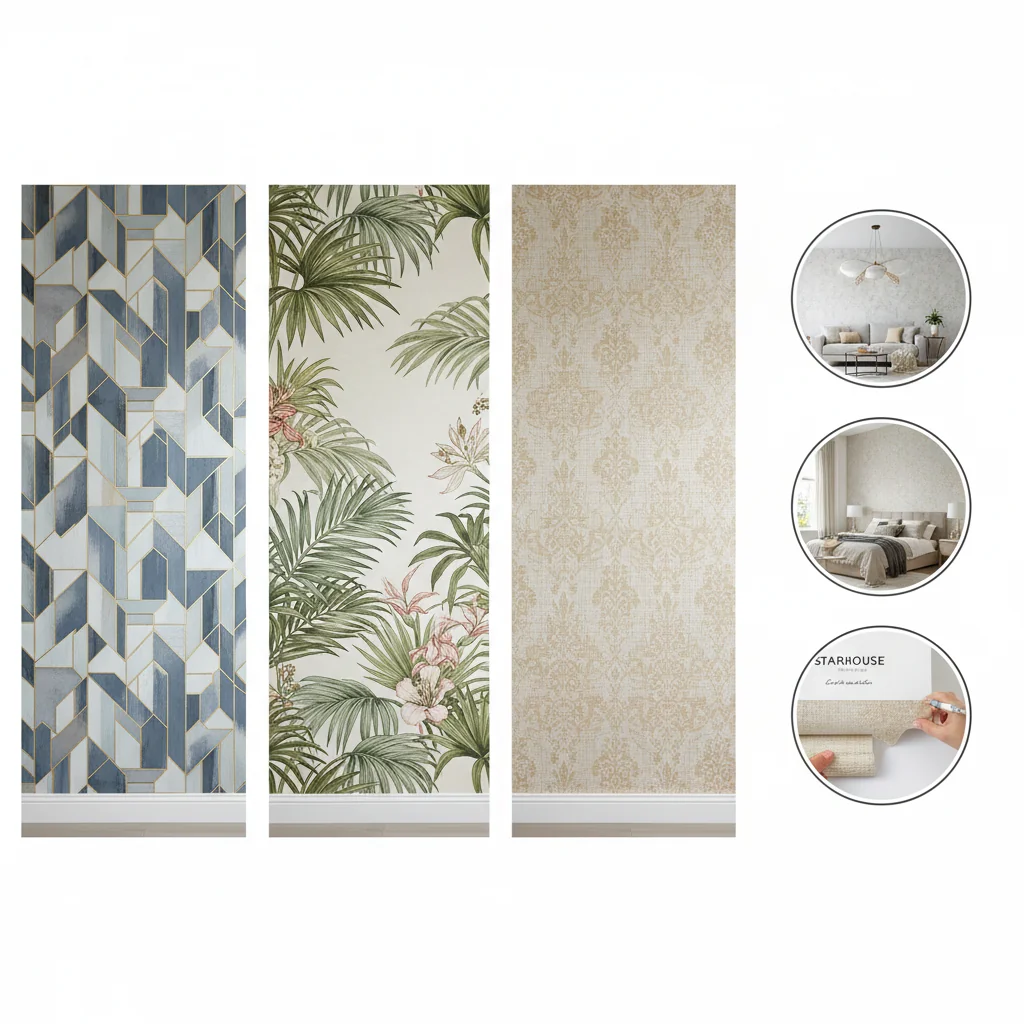
Installation Methodologies: Pre-pasted, Unpasted, and Peel-and-Stick
York Wallpaper offers three primary installation methodologies—pre-pasted, unpasted, and peel-and-stick—each designed to accommodate different levels of DIY expertise and specific project requirements, dictating the preparation and application process. Understanding the distinctions among these methods is crucial for achieving a professional finish and ensuring the longevity of your wallcovering. The choice of installation method directly impacts the tools required, the complexity of the task, and the eventual ease of removal.
The technology behind wallpaper installation has evolved significantly, moving beyond the traditional, often messy, unpasted method to more user-friendly options. Starhouse advocates for selecting the method that best aligns with your comfort level and the specific demands of your project, ensuring a successful and satisfying transformation of your space.
Pre-pasted Wallpaper
Pre-pasted wallpaper comes with a layer of dried adhesive already applied to its backing. To activate this adhesive, the wallpaper simply needs to be moistened, typically by submerging it in a water tray or spraying the back with water. This method eliminates the need for separate paste application, making it a cleaner and often quicker option for installation compared to unpasted varieties.
- Preparation: Walls must be clean, smooth, dry, and primed. A sizing agent or wallpaper primer can enhance adhesion and make future removal easier.
- Activation: Cut strips to length, then “book” them (fold pasted side to pasted side, allowing water to activate the adhesive) for the recommended time, usually 5-10 minutes.
- Application: Hang the moistened strips directly onto the wall, smoothing out bubbles with a wallpaper brush or smoother.
- Advantages: Generally easier and less messy than unpasted, as there’s no need to apply paste to the paper or wall.
- Disadvantages: The booking process can still be somewhat cumbersome, and the paper can become heavy when wet, requiring careful handling.
Unpasted Wallpaper
Unpasted wallpaper, also known as “paste the wall” or “paste the paper,” requires a separate adhesive to be applied during installation. This traditional method offers flexibility in adhesive choice, allowing for specific glues tailored to heavy-duty wallcoverings or particular environmental conditions.
- Preparation: Walls must be meticulously prepared—clean, smooth, dry, and primed. For “paste the wall” applications, the primer should be designed to allow for easy repositioning.
- Adhesive Application:
- Paste the Paper: Adhesive is applied directly to the back of each cut strip of wallpaper. The paper is then “booked” to allow the adhesive to soak in and the paper to relax before hanging. This is the traditional method and requires a pasting table.
- Paste the Wall: Adhesive is applied directly to the wall surface in sections, corresponding to the width of each wallpaper strip. This method is often preferred for non-woven wallpapers as it is cleaner, quicker, and allows for easier repositioning of the dry paper.
- Application: Hang the pasted strips (or dry strips onto a pasted wall), aligning carefully and smoothing out air bubbles.
- Advantages: Offers the most robust adhesion, especially with heavy-duty wallpapers. “Paste the wall” is often considered the easiest method by professionals due to its cleanliness and ease of handling.
- Disadvantages: “Paste the paper” can be messy and requires a dedicated workspace. “Paste the wall” requires precise adhesive application and can be challenging for beginners to get an even coat.
Peel-and-Stick Wallpaper
Peel-and-stick wallpaper, also known as removable or self-adhesive wallpaper, features an adhesive backing protected by a removable liner. This innovative method eliminates the need for water or paste, offering the simplest and most forgiving installation process, making it ideal for renters, DIY beginners, and temporary design updates.
- Preparation: Walls must be clean, smooth, and dry. While peel-and-stick is forgiving, proper wall prep is still essential for optimal adhesion and a smooth finish. A lightly textured wall may show through.
- Application: Peel off a small portion of the backing liner from the top of the strip, align the wallpaper to the wall, and gradually peel away the rest of the liner while smoothing the paper down with a squeegee or soft cloth.
- Repositioning: Most peel-and-stick wallpapers can be repositioned multiple times during installation, allowing for precise alignment and correction of mistakes.
- Removal: Designed for easy removal, peel-and-stick wallpaper can typically be peeled off the wall without damaging the paint or leaving sticky residue, making it excellent for temporary decor or frequent style changes.
- Advantages: Easiest to install for beginners, no paste or water required, fully removable and repositionable, mess-free.
- Disadvantages: May not adhere as strongly or permanently as traditional pasted wallpapers, especially in high-humidity areas. Longevity may be less than traditional options. Not suitable for heavily textured walls.
To ensure the best outcome for any installation method, Starhouse recommends consulting the specific instructions provided with your chosen York Wallpaper and utilizing appropriate tools such as a plumb bob or laser level for straight lines, a utility knife with fresh blades for clean cuts, and a smoother or brush for bubble-free application. Proper preparation, regardless of the method, is the foundation of a successful and enduring wallpaper installation.
Aesthetic Horizons: Exploring York Wallpaper Styles and Patterns
York Wallpaper’s extensive portfolio encompasses an extraordinary range of styles and patterns, offering design solutions for virtually every aesthetic preference, from timeless classical elegance to bold contemporary statements. Their collections are meticulously curated to inspire and transform spaces, demonstrating a deep understanding of design history and current trends. This diversity ensures that whether your vision is a serene retreat or a vibrant focal point, there is a York pattern to bring it to life.
The brand excels in translating intricate artistic concepts into durable, high-quality wallcoverings. Each style category, from the ornate to the minimalist, is executed with precision, leveraging advanced printing techniques and a rich color palette. Starhouse values York’s ability to offer such a broad spectrum, empowering designers and homeowners to craft truly unique and personalized interiors.
Traditional & Classic Styles
Traditional wallpaper styles draw inspiration from historical design periods, characterized by intricate details, balanced compositions, and often a sense of grandeur. York Wallcoverings excels in reproducing these timeless patterns with modern precision.
- Damask: Damask patterns feature large, ornate floral or geometric motifs, typically monochromatic or tone-on-tone, creating a rich, textured appearance. Originating from woven fabrics, damask wallpapers evoke luxury and formality, making them suitable for dining rooms, master bedrooms, or formal living areas.
- Toile de Jouy (Toile): Toile patterns depict pastoral scenes, historical events, or romantic vignettes, usually in a single color (often blue, red, or black) against a cream or white background. Toile adds a charming, rustic, yet elegant touch, perfect for bedrooms, nurseries, or country-style interiors.
- Floral & Botanical: Traditional florals often feature detailed, realistic depictions of flowers, leaves, and vines, arranged in repeating patterns. These can range from delicate chintz designs to bold, Victorian-inspired bouquets, bringing natural beauty and a sense of freshness to any room.
- Stripe & Trellis: Classic stripes, from thin pinstripes to broad bands, offer a clean, structured look that can visually alter room dimensions. Trellis patterns, featuring crisscrossing lines that form geometric shapes, provide a delicate architectural element, often seen in garden-inspired or formal settings.
Contemporary & Modern Styles
Modern wallpaper styles embrace clean lines, abstract forms, and often a minimalist aesthetic, reflecting current design sensibilities. York’s contemporary collections are at the forefront of interior trends.
- Geometric: Geometric patterns utilize repeating shapes like circles, triangles, hexagons, or abstract forms. These designs can be bold and dynamic, creating an energetic backdrop, or subtle and refined, offering a structured texture. They are ideal for creating a focal point or adding a contemporary edge to living rooms, offices, or hallways.
- Abstract: Abstract wallpapers feature non-representational designs, often characterized by fluid lines, organic shapes, or painterly effects. They introduce artistic expression and can evoke emotion or create a sense of movement, perfect for modern art-inspired interiors or creative spaces.
- Metallic & Shimmer: Wallpapers incorporating metallic inks or Mylar offer a reflective quality that adds glamour and sophistication. Gold, silver, copper, or bronze accents catch the light, creating a dynamic surface that can make a room feel larger and more luxurious. These are particularly effective in accent walls, powder rooms, or glamorous living spaces.
- Textural & Faux Finishes: These patterns mimic the appearance and sometimes the feel of other materials, such as grasscloth, brick, concrete, wood grain, marble, or fabric. They provide the visual interest of these materials without the cost or installation complexity, adding depth and tactile appeal to a room.
Scenic & Mural Wallpapers
Scenic wallpapers and murals transform an entire wall into a captivating landscape, cityscape, or artistic composition, creating an immersive experience. York’s digital printing capabilities allow for high-resolution, custom-sized murals. These are perfect for creating dramatic focal points in living rooms, dining rooms, or even large bedrooms, bringing a sense of expansiveness and narrative to a space.
Novelty & Children’s Wallpapers
York offers vibrant and imaginative wallpapers specifically designed for children’s rooms, nurseries, and play areas. These collections feature playful motifs, cartoon characters, whimsical animals, educational themes, and bright color palettes, fostering creativity and a joyful atmosphere. They are often printed on durable, washable substrates to withstand the rigors of active young occupants.
When exploring York’s diverse styles, consider how the pattern’s scale, color, and texture will interact with your room’s dimensions, lighting, and existing furnishings. A large, bold pattern can make a statement in a spacious room, while a smaller, more delicate design might be better suited for a cozy nook or a powder room. The right style not only complements your decor but also enhances the overall mood and functionality of the space.
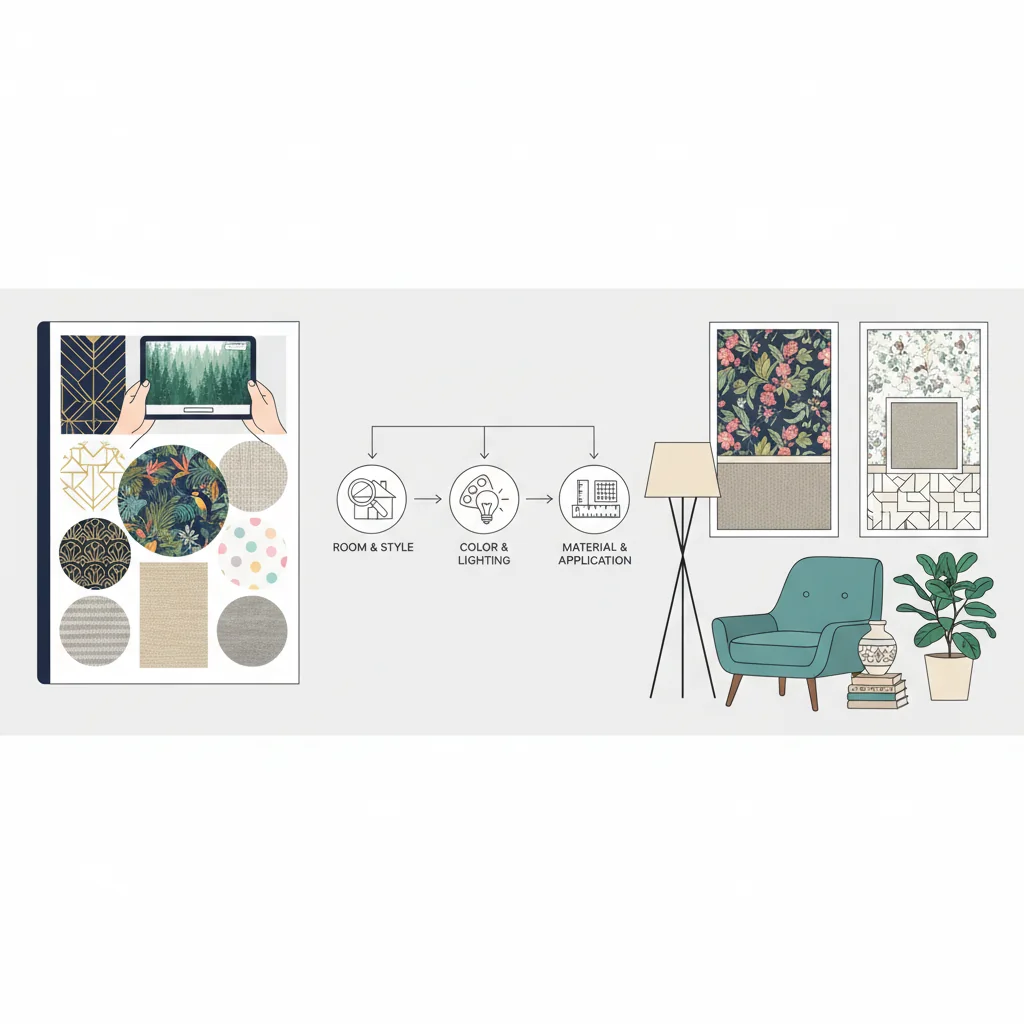
Selecting the Ideal York Wallpaper for Your Space: A Strategic Approach
Choosing the ideal York Wallpaper involves a strategic evaluation of various factors, including the room’s function, available light, existing decor, and your personal aesthetic preferences, ensuring the selected wallcovering enhances both the beauty and utility of the space. A thoughtful selection process prevents costly mistakes and guarantees a harmonious, long-lasting design outcome. The interplay of pattern, color, texture, and material must align with the practical demands and emotional atmosphere you wish to cultivate.
Starhouse emphasizes a holistic approach to wallpaper selection, guiding you through considerations that extend beyond mere visual appeal. The goal is to integrate the wallpaper seamlessly into your home’s narrative, creating a cohesive and personalized environment.
Consider the Room’s Function and Traffic
The primary function of a room is paramount in determining the appropriate wallpaper material and durability.
- High-Traffic Areas (Hallways, Entryways, Kids’ Rooms): These spaces require highly durable, scrubbable, and impact-resistant wallpapers. Vinyl options (solid sheet or fabric-backed) are excellent choices due to their resilience and ease of cleaning. Peel-and-stick can be considered for children’s rooms if frequent changes are anticipated, but ensure it’s a robust quality.
- High-Humidity Areas (Bathrooms, Kitchens, Laundry Rooms): Moisture resistance is key here. Solid sheet vinyl wallpapers are impermeable and can withstand splashes and steam without damage. Avoid delicate paper-based or natural fiber options in these environments. Ensure proper ventilation is in place regardless of wallpaper choice.
- Low-Traffic/Formal Areas (Bedrooms, Dining Rooms, Formal Living Rooms): These rooms allow for a wider range of materials, including more delicate options like paper, flock, or natural fibers such as grasscloth. The focus here can shift more towards aesthetic appeal, texture, and sophisticated finishes, as they are less exposed to wear and tear.
- Home Offices/Studies: Consider wallpapers that promote focus or creativity. Subtle textures, geometric patterns, or classic library-inspired designs can be effective. Durability requirements are usually moderate.
Evaluate Lighting Conditions
The amount and type of light a room receives significantly impact how a wallpaper’s color and pattern appear.
- Rooms with Abundant Natural Light: These spaces can handle bolder colors and larger patterns without feeling overwhelmed. Darker hues or complex designs will still appear vibrant and true to color.
- Rooms with Limited Natural Light: Lighter colors, reflective surfaces (like metallic or Mylar wallpapers), and subtle patterns are ideal for brightening dark rooms and making them feel more expansive. Avoid overly dark or heavy patterns, which can make the room feel smaller and more enclosed.
- Artificial Lighting: Consider how your artificial lighting (warm vs. cool bulbs) will interact with the wallpaper’s colors. Test samples under both natural and artificial light conditions.
Harmonize with Existing Decor and Scale
The wallpaper should complement your existing furniture, textiles, and architectural features, rather than compete with them.
- Color Palette: Select colors that either coordinate with or provide a thoughtful contrast to your current furnishings. Use a color wheel to identify complementary, analogous, or monochromatic schemes.
-
Pattern Scale: The scale of the pattern should be appropriate for the size of the room.
- Large Rooms: Can accommodate large-scale patterns and murals, which create a dramatic statement without overwhelming the space.
- Small Rooms: Generally benefit from smaller, more delicate patterns or subtle textures, which can make the room feel less cluttered and more spacious. Vertical stripes can visually heighten a ceiling, while horizontal stripes can widen a room.
- Existing Patterns: If you have patterned furniture or rugs, choose a wallpaper with a complementary pattern (e.g., a floral with a stripe) or a solid texture to avoid visual chaos. A good rule of thumb is to vary the scale of patterns in a room – one large, one medium, one small.
Determine Your Personal Style and Desired Mood
Ultimately, your wallpaper choice should reflect your personal taste and the mood you wish to create in the room.
- Calm & Serene: Opt for soft, muted colors, subtle textures, or delicate botanical patterns.
- Energetic & Dynamic: Embrace bold geometrics, vibrant colors, or large abstract designs.
- Luxurious & Formal: Consider damasks, flock, or metallic finishes.
- Rustic & Organic: Natural fiber wallpapers like grasscloth or faux wood textures are ideal.
Sample Testing is Crucial
Always order samples of your preferred York Wallpapers. Hang them on different walls in the room and observe them throughout the day under varying light conditions. This allows you to see how the color shifts, how the pattern interacts with the space, and how it feels in person. This step is invaluable for making a confident final decision.
While Starhouse does not offer product links at this time, we are curating an exceptional collection of home décor, including the finest wallcoverings. We invite you to tell us what you’re looking for in your dream space and gain early access to our exclusive offerings. Your input helps us refine our selections to perfectly match your sophisticated taste.
Precision in Planning: Sizing, Measuring, and Preparation for Installation
Accurate sizing, meticulous measuring, and thorough wall preparation are the foundational steps for any successful York Wallpaper installation, directly influencing the aesthetic outcome and longevity of the wallcovering. Skipping these critical planning stages can lead to frustrating mistakes, wasted materials, and a less-than-professional finish. Proper execution ensures seamless application, optimal adhesion, and a visually stunning result that endures for years.
Starhouse emphasizes that the beauty of your chosen York Wallpaper is only as good as its installation. Investing time in precise planning will save both effort and expense in the long run, ensuring your design vision is realized flawlessly.
Step 1: Gather Your Tools
Before you begin measuring or preparing, ensure you have the necessary tools on hand.
- Measuring tape (metal is best for accuracy)
- Pencil
- Notebook or calculator
- Level or plumb bob
- Stepladder
- Sponge and mild detergent for cleaning
- Spackle or joint compound
- Sandpaper (fine-grit)
- Primer/Sealer (specific for wallpaper)
Step 2: Measure Your Walls Accurately
Measure each wall segment separately to account for variations and architectural features.
- Measure Height: Measure the height of the wall from the baseboard to the ceiling. If there’s crown molding or other trim, measure to its edge. Take measurements in at least three places across the width of the wall and use the tallest measurement for calculation.
- Measure Width: Measure the width of each wall segment. Do not assume walls are perfectly square.
- Calculate Total Square Footage: For each wall, multiply its height by its width to get the square footage. Sum the square footage of all walls to get the total area to be covered.
- Account for Openings: Subtract the square footage of large openings like doors and windows. For smaller openings or built-in elements, it’s generally best to measure them as if they were solid wall and trim around them, as the excess paper can be used for cuts or pattern matching.
Example Calculation:
A room with four walls, each 8 feet high.
Wall 1: 8 ft H x 12 ft W = 96 sq ft
Wall 2: 8 ft H x 10 ft W = 80 sq ft (with a 3 ft x 7 ft door = 21 sq ft opening)
Wall 3: 8 ft H x 12 ft W = 96 sq ft
Wall 4: 8 ft H x 10 ft W = 80 sq ft (with a 4 ft x 5 ft window = 20 sq ft opening)
Gross Area: 96 + 80 + 96 + 80 = 352 sq ft
Openings: 21 + 20 = 41 sq ft
Net Area: 352 – 41 = 311 sq ft
Step 3: Understand Pattern Repeat
Pattern repeat is the vertical distance between one point on a pattern and the identical point on the pattern directly below it, dictating how much extra wallpaper is needed for seamless matching across strips.
This is a critical factor for accurate roll calculation. York Wallpaper patterns have varying repeats, which are always indicated on the product label.
When matching patterns, you will need to cut each subsequent strip to align with the pattern of the previous strip, often resulting in waste. The larger the pattern repeat, the more waste you will incur.
- No Match / Random Match: No specific pattern alignment needed. Minimal waste.
- Straight Match: The pattern matches across strips at the same height.
- Drop Match (Half Drop, Quarter Drop): The pattern matches across strips but drops down by a specific amount on alternating strips. This requires more careful planning and generates more waste.
Step 4: Calculate the Number of Rolls Needed
Wallpaper is typically sold in rolls of standard dimensions, but check the specific dimensions of your chosen York Wallpaper, as sizes can vary. Common U.S. double roll dimensions are approximately 20.5 inches wide by 33 feet long (about 56 sq ft per double roll).
Method 1: Square Footage Method (for non-patterned or small repeat patterns)
Divide your total net square footage by the square footage per roll. Then add an additional 15-20% for waste, trimming, and future repairs.
Example: 311 sq ft (net area) / 56 sq ft/roll = 5.55 rolls. Round up to 6 rolls. Add 20% for waste: 6 * 1.20 = 7.2 rolls. Order 8 rolls.
Method 2: Strip Method (more accurate for patterned wallpaper)
This method accounts for pattern repeat more precisely.
-
Determine Strips Per Roll: Divide the length of one roll (e.g., 33 feet or 396 inches) by the height of your wall (e.g., 8 feet or 96 inches) PLUS the pattern repeat (e.g., 21 inches).
Example: 396 inches / (96 inches + 21 inches) = 396 / 117 = 3.38. This means you can get 3 full strips from one roll. -
Determine Total Strips Needed: Divide the total width of your walls (e.g., 12+10+12+10 = 44 feet or 528 inches) by the width of one wallpaper strip (e.g., 20.5 inches).
Example: 528 inches / 20.5 inches = 25.75 strips. Round up to 26 strips. -
Calculate Rolls: Divide the total strips needed by the strips per roll.
Example: 26 strips / 3 strips/roll = 8.66 rolls. Round up to 9 rolls.
Always round up to the nearest whole roll. It is always better to have an extra roll than to run short, as dye lots can vary slightly between production batches, making it difficult to match later.
Step 5: Wall Preparation
Proper wall preparation is the most critical step for ensuring optimal adhesion and a flawless finish.
- Clean Walls: Wash walls thoroughly with a mild detergent solution (like TSP substitute) and rinse with clean water to remove dirt, grease, and grime. Allow to dry completely.
- Repair Imperfections: Fill any holes, cracks, or dents with spackle or joint compound. Sand smooth once dry. Even small imperfections can be noticeable under wallpaper, especially with reflective or thin materials.
- Remove Loose Paint or Wallpaper: Scrape off any peeling paint or residual wallpaper. Sand rough edges smooth.
-
Prime/Size Walls: Apply a high-quality wallpaper primer/sealer (sometimes called “sizing”).
- Purpose: Primer seals porous surfaces, prevents paste from absorbing too quickly, provides a consistent surface for adhesion, and aids in future removal. It also enhances the “slip” of the wallpaper, allowing for easier repositioning during installation.
- Type: Use a primer specifically designed for wallpaper. For dark walls or thin wallpaper, a tinted primer (matching the wallpaper’s background color) can prevent the underlying color from showing through.
- Allow to Dry: Ensure the primer is completely dry according to manufacturer’s instructions before beginning wallpaper installation, typically 24 hours.
By meticulously following these steps, you lay the groundwork for a stunning and enduring York Wallpaper installation that will enhance your home’s aesthetic for years to come.
Current Design Currents: Embracing York Wallpaper Trends for 2026
The world of interior design is perpetually evolving, and York Wallpaper consistently remains at the forefront, translating emerging aesthetic preferences into accessible and sophisticated wallcovering collections. For 2026, key trends emphasize a return to nature, a celebration of texture, bold pattern statements, and a renewed appreciation for classic motifs reimagined for contemporary living. These trends offer exciting opportunities to infuse personality, depth, and a sense of curated artistry into any space.
Starhouse closely monitors these shifts, recognizing that wallpaper is a powerful tool for defining a room’s character. York’s ability to innovate while honoring its heritage makes it a vital resource for designers and homeowners seeking to update their interiors with confidence and style.
| Trend Category | Characteristics | Ideal Use | Design Impact |
|---|---|---|---|
| Biophilic & Botanical | Large-scale, realistic or stylized florals, lush foliage, natural landscapes; often in muted greens, earth tones, or vibrant jewel tones. | Living rooms, bedrooms, dining areas, creating a serene connection to nature. | Calming, expansive, fresh, brings the outdoors in, reduces stress. |
| Textural Richness | Faux grasscloth, woven effects, subtle linen textures, embossed patterns, faux concrete/plaster. Focus on tactile quality and visual depth. | Any room, especially for understated elegance or to add warmth without bold patterns. | Adds sophistication, warmth, visual interest, and a luxurious feel without overwhelming. |
| Sophisticated Metallics | Gold, silver, bronze, or copper accents integrated into patterns, geometric designs, or subtle shimmers on solid textures. | Accent walls, powder rooms, formal dining rooms, glamorous living spaces. | Adds glamour, reflects light, creates a sense of luxury and modernity. |
| Bold Geometrics & Abstracts | Large-scale, repeating geometric shapes, abstract painterly strokes, often in contrasting colors or a limited palette. | Feature walls, modern living rooms, home offices, creative spaces. | Dynamic, energetic, contemporary, creates a strong focal point. |
| Reimagined Classics | Traditional damasks, toile, and chinoiserie patterns presented with updated colorways, metallic details, or simplified layouts. | Formal living rooms, master bedrooms, elegant dining areas, traditional homes with a modern twist. | Timeless elegance, historical charm, refined sophistication. |
| Maximalist Expression | Layered patterns, rich colors, intricate details, often combining multiple motifs within one design or across different walls. | Eclectic living spaces, creative studios, dining rooms, for those who embrace bold personal style. | Vibrant, expressive, highly personalized, creates a sense of abundance and curated chaos. |
Deeper Dive into Key Trends:
Biophilic and Botanical Designs
The enduring appeal of biophilic design—the human inclination to connect with nature—continues to shape wallpaper trends. York offers an abundance of patterns that bring the outdoors in, from lush, large-scale tropical leaves and intricate floral arrangements to serene forest scenes and abstract interpretations of natural elements. These designs often feature rich greens, deep blues, and earthy browns, or vibrant, unexpected jewel tones that make a bold statement. They are particularly effective in creating tranquil bedrooms, inviting living spaces, or dynamic dining areas that feel connected to the natural world, promoting a sense of well-being and calm.
Emphasis on Textural Richness
Beyond visual patterns, the tactile quality of a wallcovering is a significant trend. York excels in producing wallpapers that mimic luxurious textures such as woven grasscloth, raw silk, linen, or even industrial materials like concrete and plaster. These textural wallpapers add immense depth and sophistication to a room without necessarily introducing a bold print. They are versatile, working well in minimalist settings to add subtle interest or as a grounding element in more maximalist schemes. The use of embossed patterns further enhances this tactile appeal, creating a dynamic interplay of light and shadow on the wall surface.
Sophisticated Metallics and Shimmer
Metallic accents continue to be a dominant trend, evolving from overtly glamorous to more refined and integrated applications. York Wallcoverings incorporates subtle shimmers, metallic inks, and foil elements into a wide array of patterns, from delicate geometrics to abstract designs. Gold, silver, copper, and rose gold tones can be found enhancing traditional damasks, outlining contemporary motifs, or providing a luminous backdrop in textured solids. These metallic elements capture and reflect light, making rooms feel brighter and more expansive, while adding an undeniable touch of luxury and modern elegance, especially in powder rooms, entryways, or as an accent wall.
Bold Geometrics and Abstract Expression
For those seeking to make a strong visual statement, bold geometric and abstract patterns are a key trend. York’s collections feature dynamic arrangements of lines, shapes, and forms, often in contrasting color palettes or monochromatic schemes that create a striking visual rhythm. Abstract designs, inspired by modern art, offer painterly effects, fluid movements, and expressive compositions that transform a wall into a piece of art. These patterns are perfect for creating a powerful focal point in a living room, adding energy to a home office, or injecting contemporary flair into a dining area.
Reimagined Classics
Classic patterns never truly go out of style, but they are continuously reinterpreted to suit modern sensibilities. York Wallcoverings excels at taking traditional motifs—like damasks, toile, chinoiserie, and classical motifs—and updating them with fresh color palettes, simplified layouts, or the addition of metallic highlights. This approach allows homeowners to enjoy the timeless elegance of historical patterns while ensuring they feel current and relevant in a contemporary home. These reimagined classics bridge the gap between heritage and innovation, offering sophisticated choices for formal and informal spaces alike.
Maximalist Expression
The maximalist trend, which celebrates abundance, personality, and layered design, finds a perfect medium in wallpaper. York offers patterns rich in detail, color, and storytelling, encouraging homeowners to embrace bold choices. This trend is not about clutter but about thoughtful curation and the fearless combination of patterns, textures, and colors to create a deeply personal and visually stimulating environment. It’s about breaking free from minimalist constraints and allowing walls to become canvases for grand artistic statements, often incorporating elements of biophilia, rich textures, and vibrant hues.
By embracing these current trends, homeowners can leverage York Wallpaper to create interiors that are not only beautiful and functional but also reflective of a sophisticated, contemporary design sensibility. The brand’s commitment to diverse aesthetics ensures that every design preference finds its perfect match.
Ensuring Longevity: Care and Maintenance of Your York Wallpaper
Proper care and routine maintenance are essential for preserving the beauty and extending the lifespan of your York Wallpaper, protecting your investment and ensuring its enduring aesthetic appeal. The specific cleaning methods depend significantly on the wallpaper’s material and finish, as improper techniques can lead to damage, discoloration, or reduced adhesion. Adhering to manufacturer guidelines for care will maintain the integrity of the design and the vibrancy of its colors for many years.
Starhouse understands that the longevity of a wallcovering is as important as its initial installation. By following these precise care instructions, you can keep your York Wallpaper looking pristine, resisting wear and tear, and contributing to a consistently elegant home environment.
General Care Principles
- Read Instructions: Always consult the specific care instructions provided with your York Wallpaper. These are tailored to the material and finish.
- Act Promptly: Address spills or marks immediately to prevent stains from setting.
- Test First: Before applying any cleaning solution to a visible area, test it on an inconspicuous spot (e.g., behind a door or in a closet) to ensure it does not cause discoloration or damage.
- Gentle Approach: Always start with the mildest cleaning method and progress to stronger solutions only if necessary. Avoid abrasive cleaners, harsh chemicals, or stiff brushes.
Cleaning Classifications (often found on wallpaper labels)
York Wallcoverings uses standard symbols to indicate cleanability. Understanding these is crucial:
- Spongeable: Can be lightly wiped with a damp sponge or cloth, typically for non-greasy dirt.
- Washable: Can be cleaned with a damp sponge and a mild soap solution. More resistant to water and light scrubbing.
- Scrubbable: Can withstand more vigorous cleaning with a sponge, mild soap, and a soft brush. Highly durable.
- Extra Scrubbable: Designed for heavy-duty cleaning and high-traffic areas, able to withstand strong scrubbing.
- Dry Strippable: Can be removed from the wall in full sheets without steaming or scraping.
- Wet Removable: Requires wetting the paper to remove it.
Care for Specific Wallpaper Materials
Vinyl Wallpapers (Solid Sheet, Fabric-Backed, Paper-Backed)
Vinyl wallpapers are generally the easiest to clean due to their durable, moisture-resistant surface.
- Routine Cleaning: Dust regularly with a soft cloth or a vacuum cleaner brush attachment.
- Spot Cleaning: For marks or spills, use a damp sponge or soft cloth with a mild, non-abrasive household cleaner (e.g., dish soap diluted in water). Gently wipe the affected area.
- Stubborn Stains: For more persistent marks, a soft-bristle brush can be used with the mild soap solution. Rinse the area with a clean, damp cloth to remove any soap residue. Pat dry with a clean towel.
- Avoid: Harsh chemicals, abrasive scrubbers, or excessive water that could seep behind seams.
Non-Woven Wallpapers
Non-woven wallpapers are also quite durable and often washable or scrubbable.
- Routine Cleaning: Dust with a soft cloth or vacuum.
- Spot Cleaning: Use a damp sponge or soft cloth with a small amount of mild soap. Wipe gently.
- Rinsing: Wipe with a clean, damp cloth to remove soap residue. Pat dry.
- Note: While generally robust, avoid saturating the paper, especially at seams.
Paper-Based Wallpapers
Paper wallpapers are the most delicate and require the gentlest care.
- Routine Cleaning: Dust very lightly with a dry, soft cloth or a feather duster. A vacuum cleaner with a soft brush attachment on a low setting can also be used.
- Spot Cleaning: For very minor, non-greasy marks, a white art gum eraser can sometimes gently lift the mark. For liquid spills, blot immediately with a clean, dry cloth – do not rub. Water can easily stain or damage paper wallpaper.
- Avoid: Any liquid cleaners, scrubbing, or abrasive materials.
Natural Fiber Wallpapers (Grasscloth, Sisal, Jute)
Natural fiber wallpapers are delicate and not washable. Their unique texture makes them prone to damage from moisture.
- Routine Cleaning: Dust regularly with a soft, dry cloth or a vacuum cleaner with a soft brush attachment.
- Spot Cleaning: For solid debris, gently pick or vacuum. For very minor, dry smudges, a white art gum eraser might work, but proceed with extreme caution.
- Avoid: All liquids, excessive rubbing, or harsh cleaning agents. Moisture will likely cause staining and damage the fibers.
Flock Wallpaper
Flock wallpaper’s velvety texture requires delicate handling to prevent crushing or damaging the raised fibers.
- Routine Cleaning: Gently dust with a feather duster or use a vacuum cleaner with a soft brush attachment on the lowest suction setting.
- Spot Cleaning: For dry debris, a gentle blot with a clean, dry cloth. Avoid any liquids.
- Avoid: Rubbing, scrubbing, or using any wet cleaners, which can flatten or damage the flock fibers.
Addressing Common Issues
- Seam Lifting: If seams begin to lift, apply a small amount of wallpaper seam adhesive (available at hardware stores) with a fine brush or syringe. Press the seam firmly back into place with a seam roller or a clean, damp cloth. Wipe away any excess adhesive immediately.
- Bubbles: For small bubbles, use a utility knife to make a tiny slit in the center of the bubble, then gently press out the air. For larger bubbles, carefully inject a small amount of adhesive into the slit using a syringe, then smooth the paper down.
- Fading: While modern York Wallpapers are designed to be fade-resistant, prolonged exposure to direct, intense sunlight can still cause some fading over time, especially with darker colors. Consider UV-protective window treatments in sun-drenched rooms.
- Mold/Mildew: If mold or mildew appears (often due to excessive humidity or moisture behind the wall), it indicates a larger moisture problem that needs to be addressed. For minor surface mold on washable wallpaper, a solution of diluted bleach (1 part bleach to 10 parts water) can be carefully applied and wiped clean, but this is a temporary fix. For paper or natural fibers, professional removal and remediation are often required.
By adhering to these detailed care and maintenance guidelines, your York Wallpaper will continue to be a source of beauty and pride in your home for many years, reflecting the enduring quality and sophisticated design that Starhouse champions.
Harmonizing Your Home: Styling and Pairing York Wallpaper with Decor Elements
Styling and pairing York Wallpaper with your home’s existing decor elements, including furniture, textiles, lighting, and accessories, is an art form that creates a cohesive, balanced, and deeply personalized interior. The wallpaper serves as a foundational layer that can either unify disparate elements or introduce a dynamic contrast, dictating the overall mood and aesthetic of a room. Thoughtful integration ensures that every component of your space works in concert, enhancing both functionality and visual appeal.
Starhouse believes that wallpaper is not merely a background but an active participant in your home’s design narrative. By strategically pairing your chosen York Wallpaper, you can amplify its impact and craft an environment that truly reflects sophisticated living.
Creating a Focal Point
Wallpaper is an exceptional tool for establishing a strong focal point in a room.
- Accent Wall: Use a bold, large-scale pattern, a rich texture, or a dramatic mural on a single wall to draw the eye. This wall is typically behind a key piece of furniture, such as a bed, sofa, or dining table, or features a fireplace or architectural niche.
- Color & Pattern Contrast: If the other walls are painted in a neutral tone, the accent wallpaper can introduce vibrant color or an intricate pattern without overwhelming the entire space.
Pairing with Furniture
The style and scale of your furniture should inform your wallpaper choice and vice-versa.
-
Complementary Styles:
- Traditional Furniture: Pair with classic damasks, florals, or subtle stripes.
- Modern/Mid-Century Furniture: Geometric patterns, abstract designs, or textured solids work beautifully.
- Rustic/Farmhouse Furniture: Grasscloth, faux wood, or simple botanical prints provide a cohesive look.
- Balance of Scale: If you have large, imposing furniture, choose a wallpaper with a pattern that is not too small or busy, which could make the furniture feel heavier. Conversely, delicate furniture can be enhanced by a more intricate or textured wallpaper.
- Color Harmony: Select wallpaper colors that echo or complement the upholstery, wood tones, or metallic finishes of your furniture.
Integrating with Textiles (Curtains, Rugs, Upholstery)
Textiles play a crucial role in layering and adding softness to a space.
- Pattern Play: When combining patterns, vary their scale and type. If your wallpaper has a large floral, choose solid-colored curtains or a small-scale geometric rug. A common design principle is to use one dominant pattern (the wallpaper), one medium-scale pattern, and one small-scale pattern.
- Texture Contrast: If your wallpaper is smooth and graphic, introduce plush velvet cushions or a shaggy rug for tactile interest. If the wallpaper has a strong texture (like grasscloth), choose smoother, simpler textiles.
- Color Repetition: Pick out a secondary color from your wallpaper and repeat it in your textiles to create a sense of cohesion and intentionality.
Enhancing with Lighting
Lighting can dramatically alter the appearance of wallpaper and the overall ambiance of a room.
- Highlighting Texture: Wall sconces or uplights can cast shadows that emphasize the texture of embossed or natural fiber wallpapers, adding depth and drama.
- Reflecting Light: For metallic or high-sheen wallpapers, strategic placement of light fixtures (e.g., chandeliers, pendant lights) can enhance their reflective qualities, making the room feel brighter and more luxurious.
- Mood Lighting: Dimmable lighting allows you to adjust the intensity, altering how the wallpaper’s colors and patterns are perceived, from vibrant to subdued.
Accessorizing Thoughtfully
Accessories are the finishing touches that bring personality and completeness to a room.
- Art & Mirrors: Frame art or mirrors that complement the wallpaper’s style and color. For busy patterns, use simple frames and consider larger pieces that cover a significant portion of the pattern, allowing it to act more as a background. For subtle textures, art can pop more.
- Decorative Objects: Choose vases, sculptures, or decorative boxes whose colors, materials, or forms resonate with the wallpaper. For instance, a natural fiber wallpaper might be paired with ceramic pottery or wooden sculptures.
- Greenery: Indoor plants add life and a natural touch that often pairs beautifully with botanical or textured wallpapers.
Consider the “Fifth Wall” (Ceiling)
Don’t overlook the ceiling as an opportunity for wallpaper. A subtle pattern or textured wallpaper on the ceiling can add unexpected depth and architectural interest, especially in rooms with high ceilings or unique architectural features. This can create a truly immersive and sophisticated environment.
By meticulously considering how each decor element interacts with your chosen York Wallpaper, you can curate a space that is not only visually stunning but also deeply resonant with your personal style. Starhouse encourages this thoughtful, layered approach to interior design, transforming houses into truly exceptional homes.
Navigating the Process: Common Mistakes to Avoid When Working with York Wallpaper
Successfully installing and maintaining York Wallpaper requires attention to detail and adherence to best practices; overlooking critical steps can lead to frustrating and costly errors, compromising the aesthetic and durability of your wallcovering. Avoiding common mistakes is paramount for achieving a professional-quality finish and ensuring the longevity of your design investment. These pitfalls often stem from rushing the process, underestimating preparation, or misinterpreting material requirements.
At Starhouse, we advocate for a meticulous approach, recognizing that even the finest York Wallpaper can disappoint if not handled correctly. By being aware of these frequent missteps, you can ensure a smooth installation and a stunning, enduring result.
1. Inadequate Wall Preparation
This is arguably the most common and detrimental mistake. Walls must be clean, smooth, dry, and properly primed.
- Not Cleaning Walls: Dust, grease, and grime prevent proper adhesion, leading to bubbling or peeling.
- Ignoring Imperfections: Bumps, holes, and cracks will show through the wallpaper, especially with thinner or more reflective materials. Meticulously spackle and sand.
- Skipping Primer: Wallpaper primer (sizing) is essential. It seals porous surfaces, prevents paste from absorbing too quickly, ensures better adhesion, and makes future removal easier without damaging the drywall. Applying wallpaper directly to unprimed drywall or freshly painted walls (without curing time) is a recipe for disaster.
- Not Allowing Paint/Primer to Cure: Fresh paint or primer needs adequate time (often several days to a week) to fully cure before wallpaper application. Otherwise, off-gassing can affect adhesion or cause discoloration.
2. Incorrect Measurement and Underestimation of Rolls
Running out of wallpaper mid-project is a significant setback, especially if dye lots vary between batches.
- Inaccurate Measurements: Not measuring all wall segments, or not accounting for doors, windows, and architectural features precisely. Always measure height and width multiple times.
- Ignoring Pattern Repeat: Failing to factor in the pattern repeat when calculating the number of strips per roll leads to under-ordering and insufficient material for matching. The larger the repeat, the more waste.
- Not Adding Waste Factor: Always add an extra 15-20% to your calculated roll count for trimming, mistakes, and future repairs. It is always better to have an extra roll than to be short.
- Not Checking Dye Lots: When ordering multiple rolls, ensure they all come from the same dye lot number (printed on the label). Slight color variations between dye lots can be noticeable on the wall.
3. Choosing the Wrong Wallpaper for the Environment
Selecting a wallpaper material unsuitable for the room’s conditions can lead to premature wear or damage.
- Delicate Materials in High-Traffic Areas: Using paper or natural fiber wallpapers in hallways, kitchens, or bathrooms where they are susceptible to damage, moisture, or frequent cleaning.
- Non-Washable in High-Humidity: Installing non-washable wallpapers (like paper or grasscloth) in bathrooms or kitchens where steam and splashes are prevalent. Vinyl is typically the best choice for these areas.
4. Rushing the Installation Process
Wallpapering requires patience and precision. Rushing often leads to visible errors.
- Not Using a Plumb Line: Starting the first strip without a perfectly vertical plumb line can result in crooked strips that compound across the wall. Use a laser level or plumb bob.
- Improper Booking Time (for pre-pasted/unpasted): Not allowing enough time for the paste to activate or for the paper to relax (booking) can lead to bubbles, shrinkage, or difficulty in handling.
- Not Smoothing Properly: Failing to thoroughly smooth out air bubbles and excess paste with a wallpaper brush or smoother. Bubbles will become more prominent as the paper dries.
- Overlapping Seams (for most wallpapers): Most modern wallpapers are designed for butt joints (edges meet exactly). Overlapping creates a raised seam that is unsightly and prone to peeling.
- Using Dull Blades: Cutting wallpaper with a dull utility knife blade results in ragged, torn edges. Always use a fresh, sharp blade for each cut.
5. Neglecting Proper Care and Maintenance
Once installed, wallpaper isn’t maintenance-free.
- Ignoring Cleaning Instructions: Using harsh cleaners or abrasive methods on delicate wallpapers, leading to damage, fading, or staining.
- Not Addressing Issues Promptly: Allowing lifting seams or small bubbles to persist, which can worsen over time and become more difficult to repair.
6. Fear of Professional Help
While many wallpapers are DIY-friendly, complex patterns, delicate materials, high ceilings, or intricate architectural features often benefit from professional installation. A skilled installer can ensure a flawless finish and save you time and potential headaches.
By being mindful of these common mistakes, you can approach your York Wallpaper project with confidence, ensuring a beautiful, enduring, and professionally finished result that enhances your Starhouse aesthetic.
Sources
- York Wallcoverings. Wallpaper Product Questions | York Wallcoverings | https://www.yorkwallcoverings.com/c
- regulations.gov. https://downloads.regulations.gov/USTR-2019-0004-2631/attachment_1.pdf (United States Trade Representative document concerning tariff exclusions for “Wall coverings of paper, with a woven or nonwoven textile backing (HTS 4814.20.0000)”).
Frequently Asked Questions About York Wallpaper
What makes York Wallpaper a premium choice for home décor?
York Wallpaper is considered a premium choice due to its commitment to quality craftsmanship, diverse range of sophisticated designs, and use of advanced printing techniques and durable materials. The brand offers an extensive selection across various styles and material types, from resilient vinyls to delicate natural fibers, ensuring a high-end aesthetic and performance tailored to specific interior design needs.
Can York Wallpaper be used in bathrooms and kitchens?
Yes, certain types of York Wallpaper are suitable for bathrooms and kitchens, specifically those made from solid sheet vinyl or fabric-backed vinyl. These materials are highly resistant to moisture, humidity, and are typically scrubbable, making them ideal for areas prone to splashes and steam. Delicate materials like paper or natural fiber wallpapers are not recommended for these high-humidity environments.
Is York Wallpaper removable, and will it damage my walls?
Many York Wallpapers are designed for easy removal, particularly non-woven and peel-and-stick varieties, which are often dry-strippable or removable without damaging properly prepared walls. The key to clean removal without damage is proper wall preparation, including priming, before initial installation. Peel-and-stick is specifically engineered for temporary use and leaves no residue, while traditional unpasted wallpapers can also be removed cleanly if a high-quality primer was used.
How do I clean my York Wallpaper?
The cleaning method for York Wallpaper depends on its material. Most vinyl and non-woven wallpapers are washable or scrubbable and can be cleaned with a damp sponge and mild soap solution. Paper-based and natural fiber wallpapers, such as grasscloth, are more delicate and typically require only dry dusting or very gentle spot cleaning with a dry cloth or art gum eraser. Always consult the specific care instructions on your wallpaper’s label before cleaning.
What is the difference between pre-pasted, unpasted, and peel-and-stick wallpaper?
Pre-pasted wallpaper has a dried adhesive on its backing that is activated by water. Unpasted wallpaper requires a separate adhesive to be applied to either the paper or the wall during installation. Peel-and-stick wallpaper features a self-adhesive backing with a removable liner, making it the easiest to install and remove without additional paste or water. Each method offers different levels of ease, durability, and permanence.
How do I calculate how many rolls of York Wallpaper I need?
To calculate rolls, measure the total square footage of your walls, subtracting large openings like doors and windows. Divide this net square footage by the square footage covered by one roll (check product specifications). For patterned wallpaper, it’s more accurate to calculate the number of vertical strips you can get from one roll, accounting for pattern repeat, and then divide the total number of strips needed by the strips per roll. Always add an extra 15-20% for waste, trimming, and future repairs, and ensure all rolls are from the same dye lot.
What is a “pattern repeat” and why is it important?
A pattern repeat is the vertical distance between one point on a wallpaper pattern and the identical point on the pattern directly below it. It is crucial for ensuring that the design aligns seamlessly across adjacent strips of wallpaper. Understanding the pattern repeat is vital for accurately calculating the number of rolls needed, as a larger repeat will require more wallpaper to ensure proper matching and will result in more material waste during installation.
As you embark on your interior design journey, the selection of York Wallpaper from Starhouse’s curated collection represents a commitment to enduring style, exceptional quality, and transformative design. From the foundational decision of material and installation method to the nuanced art of styling and maintenance, every detail contributes to a space that is not only visually captivating but also deeply personal. By embracing the precision and authority offered in this guide, you are empowered to create environments that speak volumes of sophistication and taste. We believe your home should be a true reflection of your distinct vision, a sanctuary crafted with intention and elevated by unparalleled design.
At Starhouse, we are dedicated to curating a collection that meets the highest standards of design and functionality. We are actively shaping our offerings to bring you the very best in home décor. We invite you to tell us what you’re looking for to create your ideal space. Share your aspirations and gain early access to our exclusive, meticulously selected range of wallcoverings, furnishings, textiles, lighting, and accessories. Let us help you design the home you’ve always envisioned.