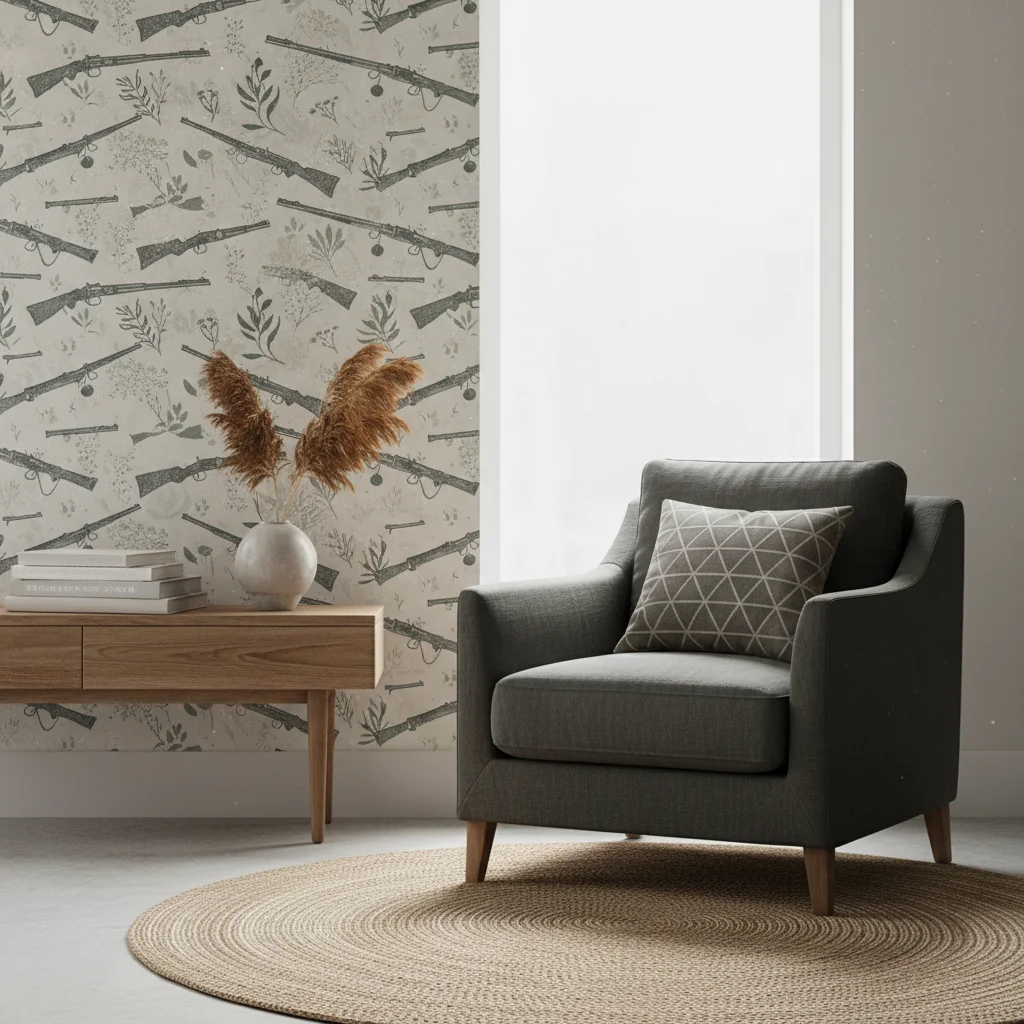
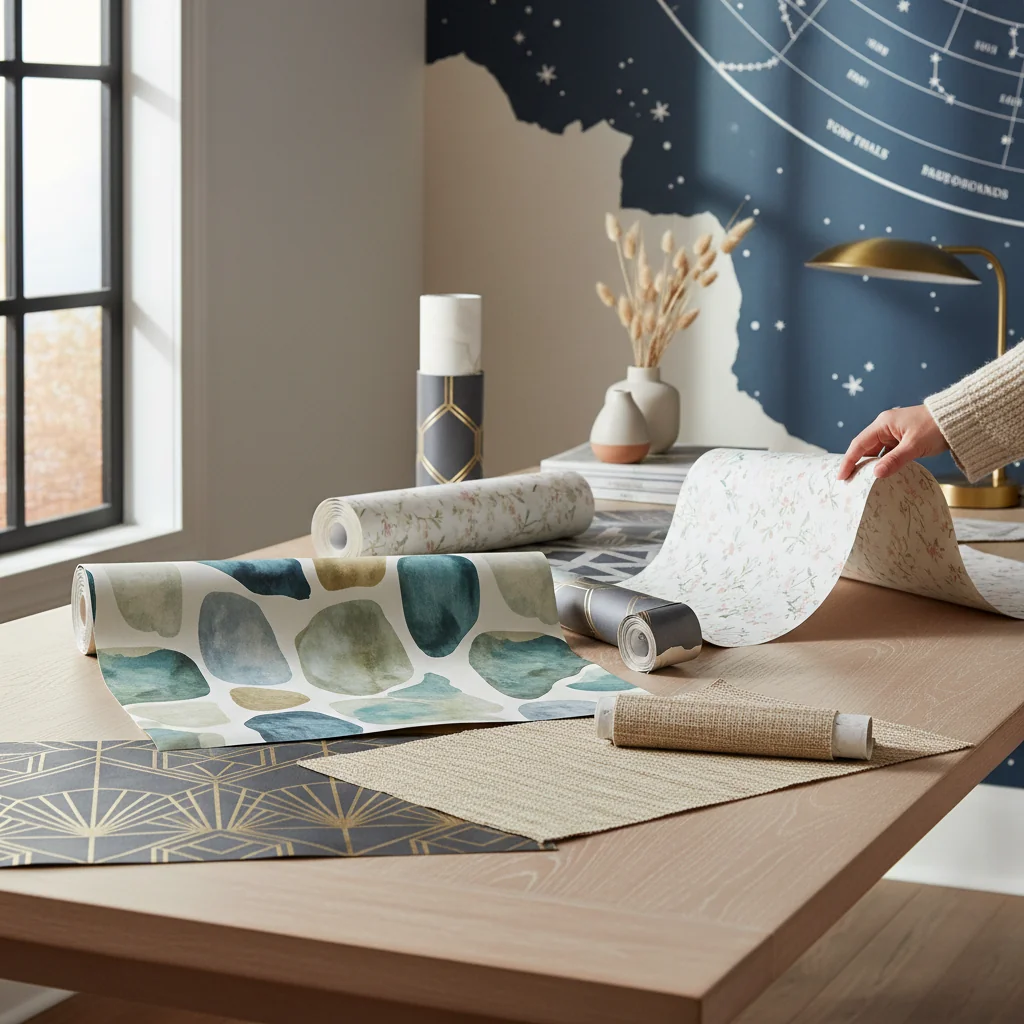
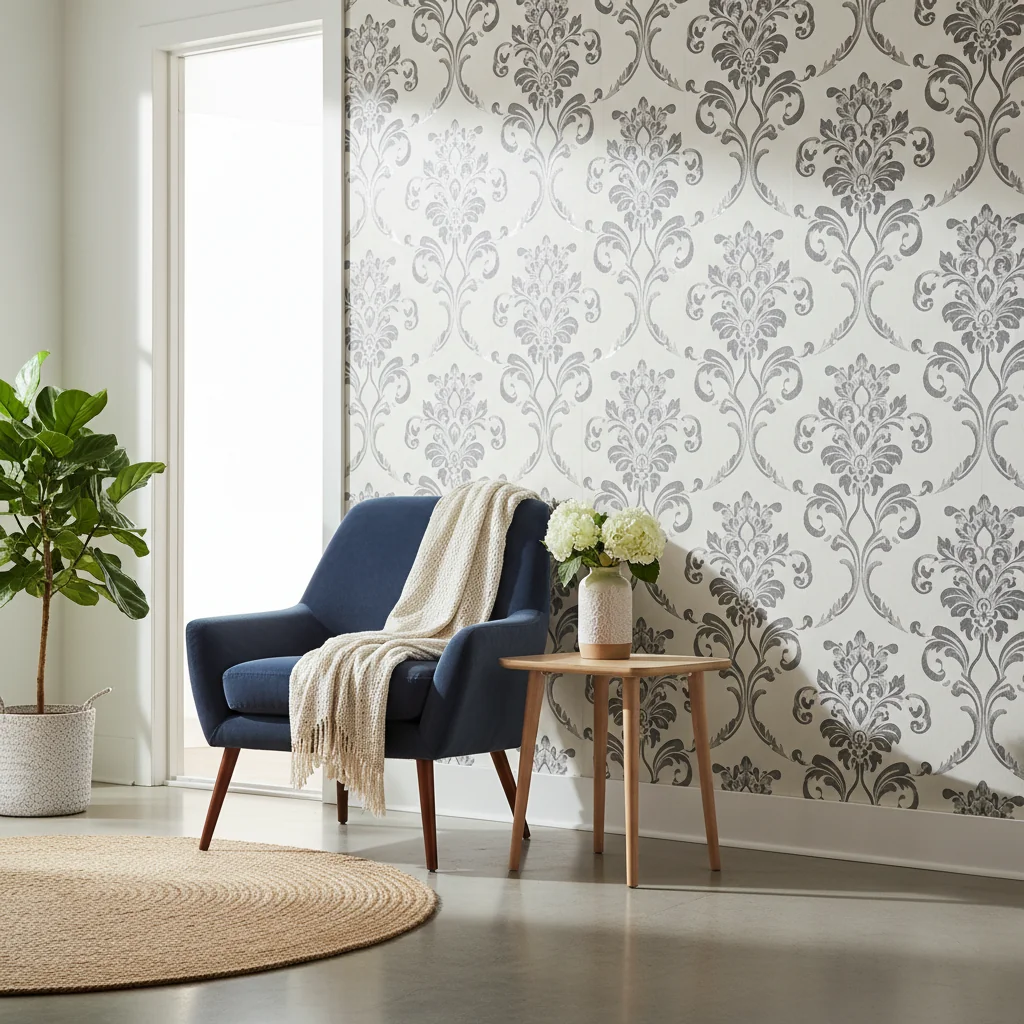
Peel and stick wallpaper, also known as removable wallpaper or self-adhesive wallpaper, is a versatile and user-friendly wall covering solution that features an adhesive backing protected by a removable liner, eliminating the need for messy glues or pastes. This innovative material allows for easy application and repositioning, making it an ideal choice for renters, DIY enthusiasts, and anyone seeking a flexible design update without a permanent commitment. Its construction typically involves a durable vinyl or fabric-based substrate, pre-coated with a low-tack adhesive that adheres firmly to smooth, prepared surfaces yet removes cleanly without damage, offering a transformative aesthetic impact with unparalleled convenience.
Key Takeaways
- Peel and stick wallpaper is a self-adhesive wall covering designed for easy application and clean removal, making it ideal for temporary or flexible design updates.
- It offers significant advantages over traditional wallpaper, including mess-free installation, repositionability, and damage-free removal, perfect for renters and DIY projects.
- Material choices range from vinyl and fabric to textured options, each offering distinct aesthetic qualities, durability, and suitability for various environments like bathrooms or high-traffic areas.
- Accurate measurement is crucial; always measure wall height and width, accounting for pattern repeat and adding a 2-4 inch buffer to each dimension for trimming.
- Proper surface preparation—cleaning, smoothing, and priming if necessary—is essential for optimal adhesion and a professional-grade finish.
- Styling peel and stick wallpaper effectively involves considering room size, lighting, existing decor, and using it to create accent walls, define zones, or add architectural interest.
- Care involves gentle cleaning with a damp cloth; avoid harsh chemicals to preserve the material and adhesive integrity.
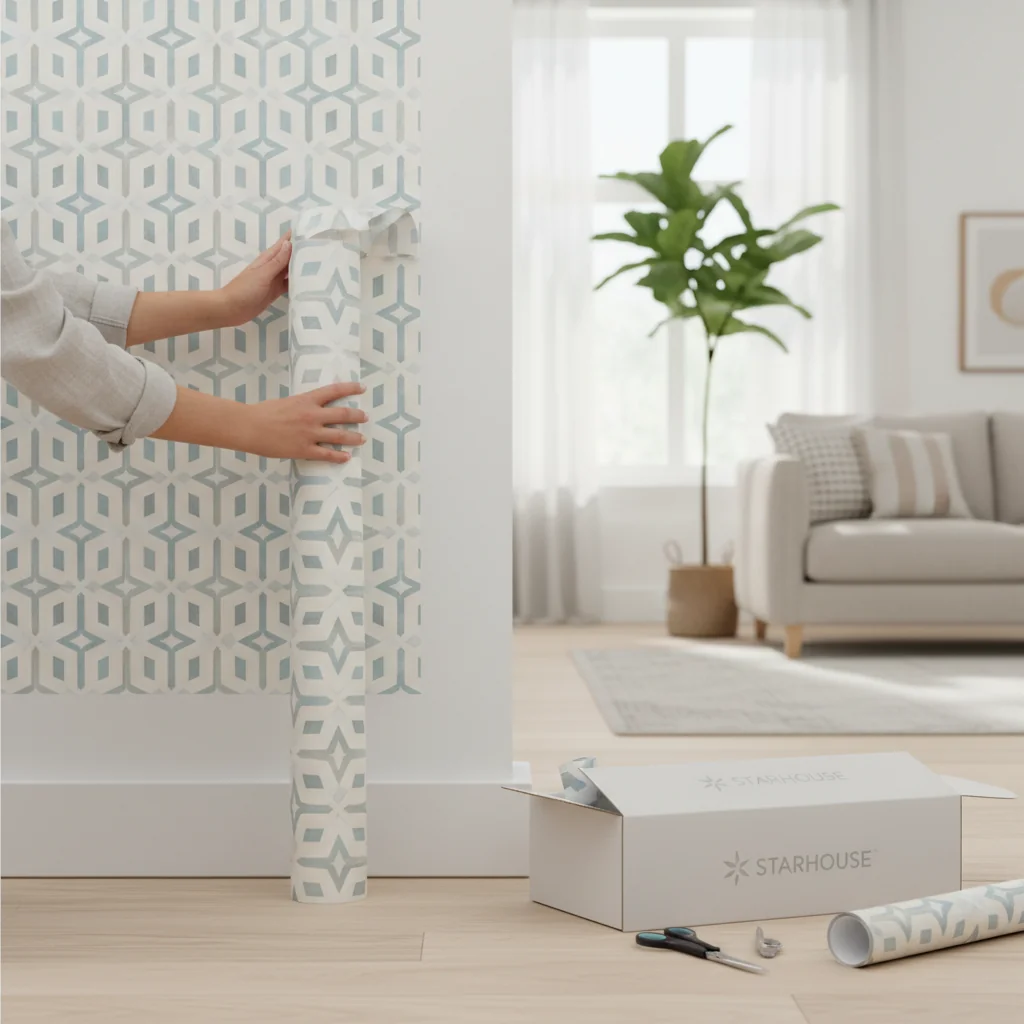
What is Peel and Stick Wallpaper?
Peel and stick wallpaper is a self-adhesive wall covering that provides an immediate, transformative aesthetic without the commitment or mess of traditional wallpaper. It features a decorative top layer, typically made from vinyl, fabric, or a blend, backed with a pressure-sensitive adhesive that is protected by a release liner. The core innovation lies in its adhesive, which is designed to bond securely to a prepared surface yet allows for repositioning during installation and clean removal later, leaving no residue or damage.
This modern wall covering has revolutionized interior design by offering unparalleled flexibility. Unlike traditional wallpaper that requires separate paste application, peel and stick varieties come pre-glued, simplifying the installation process significantly. It is engineered for both durability and ease of use, making high-impact design accessible to homeowners and renters alike. The adhesive technology has advanced considerably, ensuring robust adhesion for years while maintaining its removable properties.
A key characteristic of peel and stick wallpaper is its construction: a face material, an adhesive layer, and a release liner. The face material provides the aesthetic, ranging from smooth matte finishes to embossed textures, and is often water-resistant or washable. The adhesive is typically a low-tack, acrylic-based formulation that cures slightly over time for stronger hold but remains reversible. The release liner, usually a silicone-coated paper, protects the adhesive until application. This multi-layered design ensures both decorative appeal and practical functionality.
Why Choose Peel and Stick Wallpaper?
Peel and stick wallpaper offers a compelling array of benefits that make it a superior choice for many modern design projects, particularly for those seeking flexibility, ease of application, and cost-effectiveness. Its primary advantage is the simplified, mess-free installation process, which eliminates the need for water, paste, or specialized tools, making it a popular option for DIY enthusiasts. The ability to reposition panels during application ensures a perfect alignment, mitigating common installation frustrations.
One of the most significant draws of peel and stick wallpaper is its removability. It adheres firmly but can be peeled off cleanly when it’s time for a change, leaving walls intact and free of residue. This feature makes it ideal for renters who want to personalize their space without violating lease agreements, as well as for homeowners who enjoy frequent design updates. This commitment-free nature allows for experimentation with bold patterns and colors that might feel too permanent with traditional options.
Beyond ease of use, peel and stick wallpaper is often more budget-friendly than hiring a professional for traditional wallpaper installation. While the material cost per square foot can sometimes rival traditional options, the savings on labor and specialized equipment are substantial. Furthermore, modern peel and stick options boast impressive durability and variety in design, offering everything from sophisticated textures to vibrant murals, ensuring there is a style to suit any aesthetic preference.
The material’s versatility extends to various applications beyond full wall coverage. It can be used to line shelves, update furniture, create custom headboards, or add a pop of pattern to stair risers, transforming everyday items into custom design elements. This adaptability, combined with its low-maintenance nature—most varieties are wipeable—solidifies its position as a go-to choice for dynamic and practical interior design.
Peel and Stick vs. Traditional Wallpaper: A Comparative Look
Understanding the distinctions between peel and stick and traditional wallpaper is crucial for selecting the right option for your project. While both aim to enhance wall aesthetics, their application, removal, and overall commitment levels differ significantly.
| Feature | Peel and Stick Wallpaper | Traditional Wallpaper |
|---|---|---|
| **Adhesive** | Pre-applied, pressure-sensitive adhesive; protected by a liner. | Requires separate paste application (unpasted) or pre-pasted backing activated by water. |
| **Installation** | Peel off liner, smooth onto wall. No water or paste mess. Repositionable. | Apply paste to wall or paper (or activate pre-paste), hang, smooth. Less forgiving for repositioning once paste sets. |
| **Removal** | Peels off cleanly and easily without tools or chemicals, leaves no residue, no wall damage. | Often requires wetting, steaming, or scraping; may damage drywall or leave residue. More labor-intensive. |
| **Commitment** | Temporary to semi-permanent; ideal for renters, frequent redecorators, or accent walls. | Permanent; intended for long-term wall covering. Removal is a significant undertaking. |
| **Surface Prep** | Smooth, clean, dry, and often primed walls are best. | Smooth, clean, dry, and primed walls are essential for optimal adhesion. |
| **Cost (DIY)** | Lower overall cost due to DIY-friendliness and no need for professional installation. | Higher overall cost if professional installation is required; material costs can be similar or higher. |
| **Material Types** | Primarily vinyl, fabric, polyester blends; wide range of finishes and textures. | Paper, vinyl, non-woven, grasscloth, silk, anaglypta; vast array of specialized textures and materials. |
| **Durability** | Good, especially vinyl options; generally durable for several years. | Excellent, often designed for decades of wear, depending on material. |
Types and Materials of Peel and Stick Wallpaper
Peel and stick wallpaper is available in a diverse array of materials, each offering distinct tactile qualities, durability levels, and aesthetic finishes suitable for various applications. Understanding these material differences is crucial for selecting the ideal wallpaper that meets both your design preferences and functional requirements. The most common types include vinyl, fabric, and textured options, with advancements continually introducing new variations.
**Vinyl peel and stick wallpaper** is the most prevalent type, valued for its exceptional durability, water resistance, and ease of cleaning. Vinyl, a synthetic plastic polymer, provides a smooth, often slightly glossy or matte finish that stands up well to moisture and wear, making it an excellent choice for high-traffic areas like entryways, kitchens, and bathrooms. Its robust nature means it resists tears and scratches better than some other materials, and it can typically be wiped clean with a damp cloth. Vinyl options also excel at replicating the look of natural materials like wood, stone, or tile with impressive realism.
**Fabric-based peel and stick wallpaper**, often made from polyester or a polyester blend, offers a softer, more luxurious feel. These materials typically have a matte finish and a subtle textile texture, which can add warmth and depth to a room. Fabric wallpapers are generally more breathable than vinyl, which can be advantageous in certain environments. While still durable, they might not be as water-resistant as vinyl and are often preferred for bedrooms, living rooms, and dining areas where a sophisticated, tactile aesthetic is desired. They are highly flexible and conform well to slightly irregular surfaces.
Beyond these primary categories, specialized types offer unique benefits:
- **Textured Peel and Stick Wallpaper:** This type incorporates raised patterns or embossed surfaces, mimicking natural fibers, plaster, or intricate designs. Textural elements add visual interest and dimension to walls, creating a custom, high-end look. They can also help to mask minor wall imperfections.
- **Metallic Peel and Stick Wallpaper:** Featuring subtle shimmers or bold reflective surfaces, metallic options introduce a touch of glamour and sophistication. They are often made with vinyl or a specialized paper blend to achieve their luminous effect, and they can dramatically influence a room’s lighting by reflecting ambient light.
- **Eco-Friendly Options:** As sustainability gains importance, manufacturers are developing peel and stick wallpapers made from recycled content, natural fibers, or printed with water-based, VOC-free inks. These options provide an environmentally conscious choice without compromising on design or performance.
- **Thickened or Heavy-Duty Peel and Stick:** Designed for increased durability and often with a more substantial feel, these wallpapers are excellent for covering minor wall imperfections or for areas requiring extra resilience. They are typically made from thicker vinyl or reinforced fabric.
When considering materials, assess the room’s function and traffic. For instance, a bathroom or kitchen will benefit from the moisture resistance of vinyl, whereas a bedroom might be enhanced by the soft texture of a fabric-based option. Always check the product specifications for details on durability, cleaning instructions, and recommended applications.
Styles and Designs for Every Aesthetic
The expansive range of styles and designs available in peel and stick wallpaper ensures that there is a perfect match for virtually any interior aesthetic, from minimalist modern to richly traditional. This versatility allows designers and homeowners to express individuality and transform spaces with patterns, colors, and textures that resonate with their personal vision. The design landscape for peel and stick wallpaper is constantly evolving, incorporating both timeless motifs and cutting-edge trends.
Popular Design Styles and Their Characteristics:
- **Modern & Contemporary:** Characterized by clean lines, geometric patterns, abstract art, and often a monochromatic or limited color palette. Think bold shapes, subtle textures, and designs that emphasize simplicity and sophistication. Metallics and high-contrast patterns are common.
- **Bohemian (Boho):** Embraces eclectic patterns, global influences, natural elements, and a relaxed, free-spirited vibe. Designs often feature intricate mandalas, ethnic prints, botanical motifs, and rich, earthy color schemes. Textured fabric wallpapers are particularly suited for this style.
- **Farmhouse & Rustic:** Focuses on comfort, warmth, and natural materials. Popular patterns include shiplap, reclaimed wood textures, buffalo check, simple florals, and understated plaids. Muted colors and distressed finishes are key, evoking a cozy, rural charm.
- **Traditional & Classic:** Draws inspiration from historical designs, featuring damasks, toile, elaborate floral patterns, stripes, and neoclassical motifs. These designs often come in refined color palettes and can add a sense of grandeur and timeless elegance to a space.
- **Mid-Century Modern:** Reflects the design sensibilities of the mid-20th century, with organic shapes, atomic patterns, geometric repeats, and a vibrant yet sophisticated color palette. Starbursts, abstract forms, and clean, functional designs are hallmarks.
- **Transitional:** A harmonious blend of traditional and contemporary elements, offering a balance of comfort and sophistication. Designs might include understated patterns, subtle textures, and a neutral color scheme with pops of color, creating a fresh yet timeless appeal.
- **Industrial:** Inspired by urban lofts and factories, this style often uses patterns mimicking exposed brick, concrete, distressed metals, or raw wood. The color palette is typically muted, focusing on grays, browns, and blacks, to evoke a rugged, utilitarian aesthetic.
- **Coastal & Nautical:** Evokes the serenity of the ocean with patterns like subtle waves, coral, seashells, stripes, and sea-inspired motifs. Color schemes typically feature blues, whites, sandy beiges, and greens, creating a light, airy, and relaxing atmosphere.
- **Eclectic:** A bold fusion of various styles, periods, and origins, unified by a cohesive color scheme or theme. Eclectic wallpaper can feature unexpected patterns, vibrant colors, and unique artistic expressions, celebrating individuality and creativity.
Beyond broad styles, peel and stick wallpaper offers specific design categories:
- **Geometric Patterns:** From simple stripes and polka dots to complex tessellations and abstract shapes, geometric designs add structure and a modern edge.
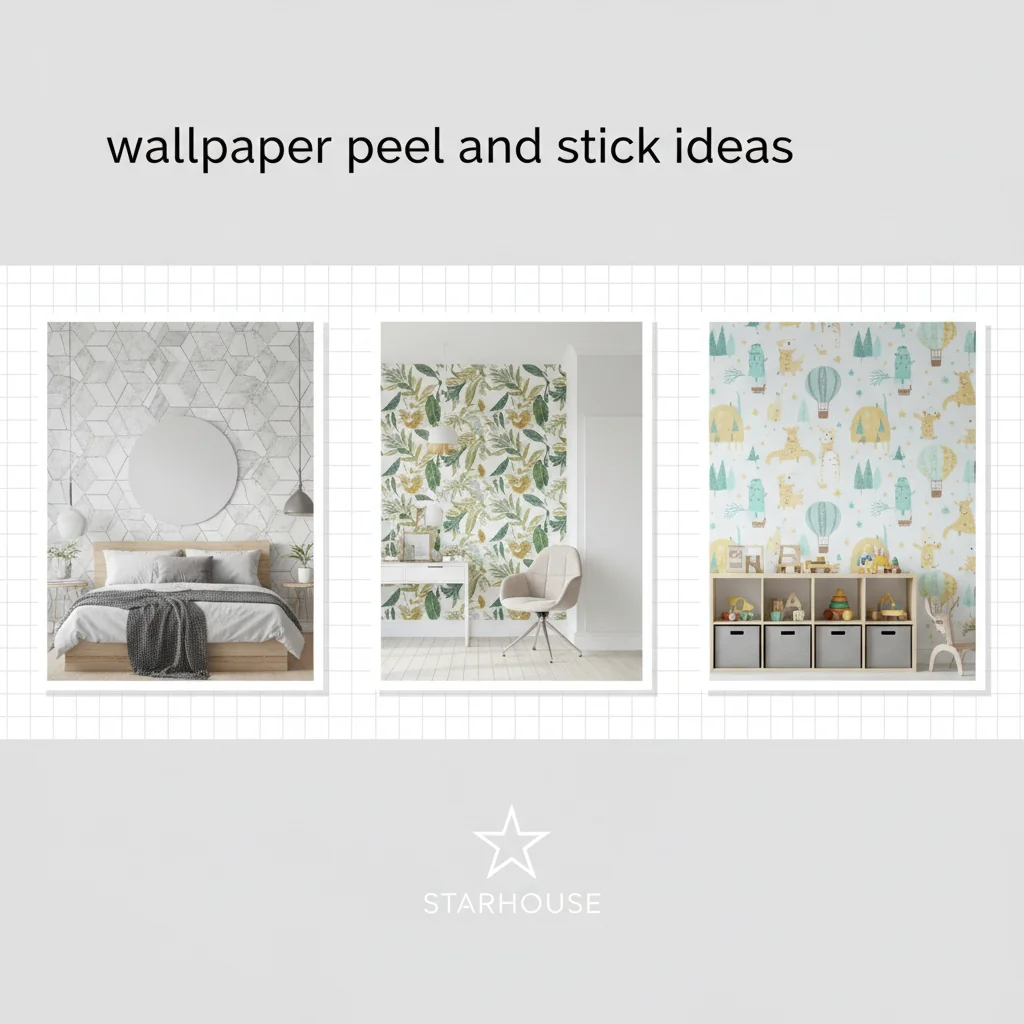
- **Botanical & Floral:** Ranging from delicate, illustrative blooms to lush, oversized tropical leaves, these patterns bring the beauty of nature indoors.
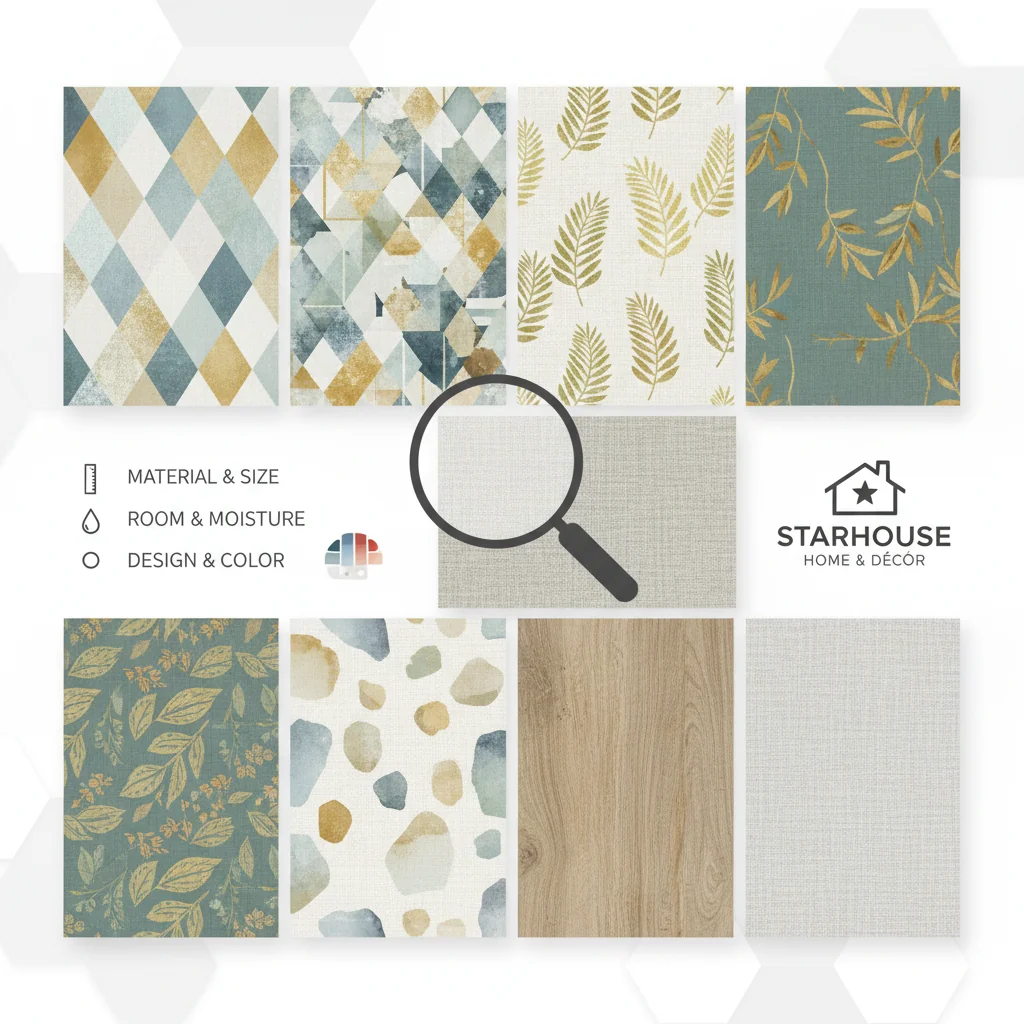
- **Textural Impressions:** Designs that mimic the look and feel of natural materials like grasscloth, linen, wood grain, marble, or concrete, adding depth without the cost or complexity of the real material.
- **Murals & Scenic Designs:** Large-scale images or continuous scenes that cover an entire wall, creating a dramatic focal point or transporting the room to another environment.
- **Children’s & Nursery Themes:** Playful patterns featuring animals, whimsical illustrations, celestial bodies, or educational motifs designed to spark imagination.
When selecting a design, consider the size of your room, the amount of natural light it receives, and the existing furniture and decor. Large, bold patterns can make a statement in spacious rooms, while smaller, delicate prints might be better suited for compact areas. Lighter colors and subtle patterns can expand a room visually, while darker, more saturated designs can create a cozy, intimate atmosphere. Starhouse curates a diverse selection to ensure you find the perfect pattern to articulate your vision.
How to Choose the Right Peel and Stick Wallpaper for Your Space
Selecting the ideal peel and stick wallpaper requires a thoughtful consideration of your room’s specific characteristics, your personal aesthetic, and practical factors to ensure a harmonious and lasting design. The right choice can dramatically enhance a space, while an unsuitable one can detract from its potential. Begin by assessing the room’s function and the existing elements that will remain.
**1. Consider Room Function and Traffic:** The purpose of the room heavily influences material and pattern choice. For high-moisture areas like bathrooms or kitchens, a durable, water-resistant vinyl peel and stick wallpaper is essential. In high-traffic zones like hallways or children’s rooms, opt for robust, wipeable materials that can withstand wear and tear. For bedrooms or low-traffic living areas, fabric-based or more delicate textural options might be suitable for a softer aesthetic.
**2. Evaluate Room Size and Lighting:**
- **Small Rooms:** Lighter colors and smaller, delicate patterns can make a compact room feel more expansive and open. Avoid overly busy or large-scale patterns that can overwhelm the space. Vertical stripes can visually increase ceiling height, while horizontal stripes can widen a narrow room.
- **Large Rooms:** Can comfortably accommodate larger, bolder patterns and darker, richer colors without feeling cramped. A dramatic mural or an oversized botanical print can create a stunning focal point in a spacious area.
- **Natural Light:** Rooms with abundant natural light can handle darker, more saturated colors and intricate patterns without appearing dim. In poorly lit rooms, choose lighter, reflective wallpapers (like those with a subtle sheen or metallic accents) to brighten the space.
**3. Harmonize with Existing Decor and Color Palette:** The wallpaper should complement your current furniture, textiles, and paint colors, rather than clashing with them. If your room has a busy rug or vibrant artwork, opt for a more subdued wallpaper pattern or a solid texture to provide balance. Conversely, if your existing decor is neutral, the wallpaper can introduce a much-needed pop of color or pattern. Consider the dominant colors in your room and choose a wallpaper that incorporates one or two of those hues or introduces a complementary accent color.
**4. Define Your Personal Style:** Reflect on your preferred design aesthetic (e.g., modern, bohemian, traditional, farmhouse). Browse inspiration images and identify recurring patterns, colors, and textures that appeal to you. Starhouse curates a wide range of styles to help you find your perfect match. Do you prefer geometric precision, organic florals, or the subtle elegance of a textured solid? Your wallpaper should be an extension of your personal taste.
**5. Order Samples:** This step is absolutely critical. Colors and patterns can appear significantly different on a screen compared to how they look in person under your room’s specific lighting conditions. Order several samples of your top choices and adhere them to your wall for a few days, observing them at different times of day and night. This allows you to see how light interacts with the pattern, how the colors truly appear, and how the texture feels.
**6. Consider the Wall Surface:** Peel and stick wallpaper performs best on smooth, clean, and properly primed walls. Textured walls (like heavily textured plaster or orange peel finishes) are generally not suitable, as the adhesive may not fully bond, leading to bubbling or peeling. For such surfaces, it is recommended to smooth them out or apply a wallpaper liner first. Ensure the wall is free of dust, grease, and moisture before application.
**7. Read Reviews and Specifications:** Pay attention to product descriptions regarding material (vinyl, fabric), durability, cleaning instructions, and specific application recommendations. Reviews from other customers can offer valuable insights into the actual color, ease of installation, and how well the product holds up over time.
By systematically evaluating these factors, you can confidently select a peel and stick wallpaper that not only looks stunning but also functions beautifully within your unique living environment.
As you consider the vast possibilities, remember that the perfect wallpaper is one that transforms your space into a reflection of your unique style and comfort. Starhouse is dedicated to helping you discover just that. We are curating our collection to feature the finest peel and stick options available, designed to inspire and delight. We invite you to share what you’re looking for, your design aspirations, and the specific needs of your space to help us tailor our offerings. Tell us what you’re looking for, and get early access to our exclusive selections.
Accurate Sizing and Measuring for Flawless Application
Accurate sizing and meticulous measuring are the most critical steps in achieving a professional and seamless finish when installing peel and stick wallpaper. Underestimating your wall dimensions or neglecting pattern repeat can lead to costly mistakes, visible seams, or insufficient material. Precision in this phase ensures you purchase the correct quantity of wallpaper rolls and minimizes waste.
Step-by-Step Measuring Guide:
**1. Gather Your Tools:** You will need a metal tape measure (at least 25 feet long), a pencil, a notepad, and a calculator. A stepladder may also be necessary for high walls.
**2. Measure Wall Height:**
- Measure the height of your wall from the baseboard to the ceiling.
- Take measurements at several points across the wall (e.g., left, center, right) as walls are rarely perfectly uniform. Use the tallest measurement as your definitive height for each strip of wallpaper.
- For walls with irregular features like sloped ceilings or architectural niches, measure the maximum height for each section to ensure adequate coverage.
**3. Measure Wall Width:**
- Measure the width of your wall from corner to corner, or from the edge of one architectural feature to another.
- Again, measure at multiple points (top, middle, bottom) and use the widest measurement to determine your total width requirement.
**4. Calculate Total Square Footage:**
- Multiply the maximum wall height (in feet) by the maximum wall width (in feet) to get the total square footage. For example, a wall 8 feet high and 12 feet wide is 96 sq ft.
**5. Account for Doors and Windows:**
- While you will cut around these features, it is generally recommended to measure the entire wall as if they weren’t there. This accounts for the material needed to cut around the openings and provides a necessary buffer. Subtracting these areas can lead to under-ordering, especially with patterned wallpaper.
**6. Factor in Pattern Repeat (Crucial for Patterned Wallpaper):**
- If your chosen wallpaper has a repeating pattern, you must account for this when calculating how many rolls to purchase. The pattern repeat measurement is usually listed in the product specifications (e.g., 24 inches, 36 inches).
- Add one full pattern repeat to the height of each strip you will cut. For example, if your wall is 96 inches tall and the pattern repeat is 24 inches, each cut strip should be 96 + 24 = 120 inches long. This extra length allows for precise pattern matching between strips.
**7. Add a Buffer/Waste Factor:**
- Always add an additional 15-20% to your total square footage calculation to account for trimming, mistakes, pattern matching, and future repairs. This buffer is especially important for intricate patterns or oddly shaped rooms. It is always better to have a little extra material than to run short mid-project.
**8. Determine Number of Rolls:**
- Check the product specifications for the square footage covered by a single roll or the dimensions of each roll (e.g., 20.5 inches wide x 18 feet long).
- Divide your total required square footage (including the waste factor and pattern repeat adjustment) by the square footage per roll. Round up to the nearest whole number.
- Alternatively, calculate the number of vertical strips needed: Divide the total wall width by the width of one wallpaper panel. Round up. Then multiply this by the adjusted strip height (wall height + pattern repeat + buffer) to find the total linear feet required. Divide by the linear feet per roll.
**Example Calculation:**
Wall Height: 8 ft (96 inches)
Wall Width: 10 ft (120 inches)
Wallpaper Roll Width: 20.5 inches
Pattern Repeat: 24 inches
Linear Feet Per Roll: 18 feet
**a. Calculate adjusted strip height:** 96 inches (wall) + 24 inches (pattern repeat) + 4 inches (trim buffer) = 124 inches per strip.
124 inches / 12 inches/foot = 10.33 feet per strip.
**b. Calculate number of strips needed:** 120 inches (wall width) / 20.5 inches (roll width) = 5.85 strips. Round up to 6 strips.
**c. Calculate total linear feet required:** 6 strips * 10.33 feet/strip = 61.98 linear feet.
**d. Calculate number of rolls:** 61.98 linear feet / 18 linear feet/roll = 3.44 rolls. Round up to 4 rolls.
Always purchase all rolls from the same dye lot to ensure color consistency. The dye lot number is usually printed on the label. Following these precise measuring steps will ensure a successful and satisfying peel and stick wallpaper installation.
Installation Guide: A Step-by-Step Approach
Installing peel and stick wallpaper is a straightforward process that can be easily accomplished by a DIY enthusiast, provided careful preparation and methodical execution are followed. Unlike traditional wallpaper, it eliminates the need for messy paste and allows for repositioning, which simplifies the process significantly. A successful application hinges on proper wall preparation and patient, precise panel placement.
Tools You Will Need:
- Tape measure
- Pencil
- Level or plumb bob
- Straightedge or ruler
- Utility knife with fresh blades
- Smoothing tool (wallpaper squeegee or plastic smoothing tool)
- Clean, damp sponge or cloth
- Stepladder (if needed)
Step-by-Step Installation:
**1. Prepare Your Walls (The Most Crucial Step):**
- **Clean:** Ensure your walls are immaculately clean, dry, and smooth. Wipe down the entire surface with a damp cloth and mild soap (if necessary), then rinse with clean water. Allow the walls to dry completely, typically 24-48 hours.
- **Smooth:** Any bumps, holes, or textures will show through the wallpaper. Patch any holes or cracks with spackle, sand smooth, and remove any dust. For heavily textured walls, it is strongly recommended to skim coat them smooth or apply a wallpaper liner before installation.
- **Prime:** While not always strictly required for peel and stick, priming provides an optimal surface for adhesion and ensures clean removal. Use a high-quality, water-based primer, such as a stain-blocking primer, especially if your walls are freshly painted, have a flat finish, or are dark in color. Allow primer to cure fully according to manufacturer instructions, typically 2-3 days. Newly painted walls should cure for at least 3-4 weeks before wallpaper application.
**2. Pre-Cut Your Panels (Optional but Recommended):**
- Based on your measurements (wall height + pattern repeat + 2-4 inches buffer), unroll your wallpaper and carefully cut each panel to size. Label the back of each panel with its corresponding number (e.g., 1, 2, 3) and an arrow indicating the top, especially for patterns with a distinct direction.
**3. Establish Your Starting Point:**
- Do not start in a corner, as corners are rarely perfectly straight. Instead, start about 6-12 inches from a corner or in the most inconspicuous corner if using a full wall application.
- Using a level or plumb bob, draw a perfectly vertical line on the wall where the edge of your first panel will begin. This line is crucial for ensuring your first strip is straight, which dictates the alignment of all subsequent strips.
**4. Apply the First Panel:**
- Peel back only about 4-6 inches of the backing paper from the top of your first panel.
- Align the top edge of the wallpaper with your ceiling line (allowing for an overlap for trimming) and the side edge precisely along your plumb line.
- Gently press the top few inches of the wallpaper to the wall.
- Slowly peel down more of the backing paper, about 6-12 inches at a time, while simultaneously smoothing the wallpaper onto the wall with your squeegee. Work from the center of the panel outwards to push out air bubbles.
- If you encounter bubbles, gently lift the wallpaper and re-smooth. The repositionable nature of peel and stick wallpaper is a major advantage here.
**5. Apply Subsequent Panels:**
- For the second panel, repeat the process. Peel back a small section of the backing.
- Align the second panel’s edge precisely with the edge of the first panel, matching the pattern carefully if applicable. Most peel and stick wallpapers are designed for a butt joint (edges meeting exactly) rather than an overlap, but always check manufacturer instructions.
- Smooth the panel onto the wall, working from the top down and center out, ensuring the pattern aligns seamlessly with the previous panel.
- Continue this process for all remaining panels.
**6. Trim Excess:**
- Once a panel is fully adhered, use your straightedge and a sharp utility knife to carefully trim any excess wallpaper at the ceiling, baseboards, and around windows or doors. Change your blade frequently for clean, crisp cuts.
**7. Finish and Inspect:**
- After all panels are installed, use your squeegee or a clean, dry cloth to go over the entire surface, paying close attention to seams and edges, to ensure maximum adhesion and remove any lingering air bubbles.
- For stubborn bubbles, you can carefully prick them with a fine needle and smooth the air out.
- Wipe down the wallpaper with a clean, damp cloth to remove any pencil marks or fingerprints.
Patience and a steady hand are your best allies throughout this installation process. Taking your time, especially with the first panel, will yield a professional and satisfying result.
Caring for Your Peel and Stick Wallpaper
Proper care and maintenance are essential for preserving the beauty and longevity of your peel and stick wallpaper, ensuring it remains vibrant and adhered for years. While designed for durability, these wall coverings benefit from gentle, regular cleaning and adherence to specific care guidelines. The material composition, whether vinyl or fabric-based, dictates the most appropriate cleaning methods.
General Care Guidelines:
**1. Regular Dusting:** The simplest and most effective way to maintain your wallpaper is regular dusting. Use a soft, dry cloth, a feather duster, or a vacuum cleaner with a soft brush attachment on a low setting. This prevents dust and cobwebs from accumulating and embedding into the surface, which can make deeper cleaning more challenging.
**2. Spot Cleaning for Stains:**
- **Vinyl Wallpaper:** Most vinyl peel and stick wallpapers are highly washable. For light stains or marks, gently wipe the affected area with a clean, damp (not soaking wet) sponge or cloth. Use a mild, non-abrasive soap or a diluted all-purpose cleaner if water alone is insufficient. Always test any cleaning solution in an inconspicuous area first to ensure it does not affect the color or finish. Rinse with a clean, damp cloth and pat dry.
- **Fabric-Based Wallpaper:** Fabric wallpapers are generally less resistant to moisture than vinyl. For spot cleaning, use a very slightly damp cloth with minimal or no soap. Blot the stain gently rather than rubbing, which can push the stain deeper or damage the fibers. For tougher stains, consult the manufacturer’s specific care instructions, as some may recommend dry cleaning methods or specialized fabric cleaners. Avoid excessive moisture.
**3. Avoid Harsh Chemicals and Abrasive Tools:** Never use harsh chemical cleaners, abrasive sponges, scouring pads, or stiff brushes on any type of peel and stick wallpaper. These can strip the finish, fade the colors, damage the material, or compromise the adhesive. Bleach, ammonia-based cleaners, and solvent-based products are particularly detrimental. Stick to mild soaps and soft materials.
**4. Address Peeling Edges Promptly:** If you notice any edges or corners starting to lift, address them immediately. Gently press the edge back down with your hand or a clean smoothing tool. For persistent lifting, a small amount of wallpaper adhesive (specifically formulated for peel and stick or removable wallpaper) can be applied sparingly to the back of the edge and pressed firmly. This prevents further peeling and potential damage.
**5. Protect from Direct Sunlight:** Prolonged exposure to direct sunlight can cause wallpaper colors to fade over time, regardless of material. Consider using UV-blocking window treatments (blinds, curtains, or sheer shades) in rooms that receive intense sun exposure to protect your wallpaper and other furnishings.
**6. Maintain Room Environment:** Extreme fluctuations in temperature and humidity can affect wallpaper adhesion. Maintain a consistent indoor temperature and humidity level, especially in the first few weeks after installation, to allow the adhesive to fully cure and bond. High humidity can sometimes weaken adhesion, while very dry conditions can cause certain materials to become brittle.
By following these simple care instructions, your peel and stick wallpaper will continue to be a stunning feature in your home for its intended lifespan. Always refer to the specific care instructions provided by the wallpaper manufacturer for the best results.
Styling and Pairing for Cohesive Design
Styling peel and stick wallpaper effectively involves more than just applying it to a wall; it requires thoughtful consideration of how the pattern, color, and texture interact with other elements in your room to create a cohesive and harmonious design. When expertly paired with furniture, textiles, lighting, and accessories, wallpaper can transform a space, defining its character and enhancing its overall aesthetic. The key is to balance the visual weight and complexity of the wallpaper with the surrounding decor.
Strategies for Seamless Styling:
**1. Accent Walls for Impact:**
- The most popular way to use peel and stick wallpaper is to create a dramatic accent wall. Choose a wall that naturally draws attention, such as the wall behind a bed, sofa, or dining table.
- For an accent wall, you can opt for bolder patterns, richer colors, or more intricate designs that might be overwhelming on all four walls. This allows you to introduce a strong design statement without committing to a full room overhaul.
- Ensure the colors and style of the accent wall wallpaper complement the paint color on the other walls and the main pieces of furniture in the room. For example, a large floral pattern can be balanced by solid-colored upholstery and minimalist accessories.
**2. Defining Zones in Open-Concept Spaces:**
- In open-plan living areas, wallpaper can effectively delineate different functional zones without the need for physical barriers. Apply a distinct pattern to the wall behind the dining area to visually separate it from the living room, for instance.
- This technique adds visual interest and structure to large, undifferentiated spaces, making them feel more organized and purposeful.
**3. Enhancing Architectural Features:**
- Use wallpaper to highlight architectural details like recessed panels, fireplace surrounds, or the back of built-in shelving.
- A subtly textured or metallic wallpaper can draw attention to these features, adding depth and sophistication. For example, a faux grasscloth wallpaper inside a bookshelf niche adds a layer of curated elegance.
**4. Pairing with Furniture and Textiles:**
- **Color Harmony:** Select wallpaper that shares at least one color with your existing furniture or textiles (e.g., throw pillows, rugs, curtains). This creates a visual bridge and makes the room feel unified. Complementary colors can also be used for a more dynamic look.
- **Pattern Play:** If your wallpaper has a busy pattern, opt for solid-colored or subtly textured furniture and textiles to avoid visual clutter. Conversely, if your wallpaper is a solid texture or a very subtle pattern, you can introduce more patterned elements in your cushions or rugs. Aim for a balance: if the wallpaper is the star, let other elements support it.
- **Scale:** Consider the scale of patterns. Large patterns on wallpaper generally pair well with smaller-scale patterns or solids in textiles, and vice-versa.
**5. Integrating with Lighting and Accessories:**
- **Lighting:** Wallpaper with metallic accents or a slight sheen can reflect light beautifully, brightening a room. Position lighting fixtures to highlight textured or patterned walls, creating interesting shadows and focal points.
- **Accessories:** Choose accessories that echo colors or motifs found in the wallpaper. For example, if your wallpaper features a botanical print, incorporate real plants or botanical-themed artwork. Minimalist accessories can prevent a busy wallpaper from feeling overwhelming, while ornate accessories can enhance a traditional wallpaper’s grandeur.
**6. Creative Applications Beyond Walls:**
- Peel and stick wallpaper is incredibly versatile. Use it to update furniture, such as dresser drawers, tabletops, or the backs of bookshelves, for a custom look.
- Adorn stair risers with a fun pattern, line the inside of a closet, or create a temporary backsplash in a rental kitchen. These smaller applications allow for bold experimentation without a large commitment.
By carefully considering how your chosen peel and stick wallpaper interacts with all the elements within your space, you can achieve a sophisticated, cohesive, and deeply personal design that truly reflects your style.
Current Trends in Peel and Stick Wallpaper
The world of peel and stick wallpaper is a dynamic realm, continually evolving to reflect current interior design sensibilities, technological advancements, and a renewed appreciation for personalized spaces. As of June 2026, several key trends are dominating the market, offering homeowners and designers innovative ways to infuse personality and style into their homes with ease and flexibility. These trends emphasize natural aesthetics, bold statements, and a return to artisanal craftsmanship.
Key Trends Shaping Peel and Stick Wallpaper:
**1. Nature-Inspired Murals and Botanicals:**
- **Lush Landscapes:** Large-scale murals depicting serene forests, misty mountains, or expansive abstract natural scenes are incredibly popular. These designs create an immersive experience, bringing the tranquility of the outdoors inside.
- **Exaggerated Florals and Foliage:** Oversized floral prints, tropical leaves, and dense botanical patterns continue to thrive. These are often rendered in sophisticated, muted tones or vibrant, jewel-toned palettes, adding a dramatic yet organic touch to accent walls or entire rooms.
- **Biophilic Design:** Reflecting a broader movement towards connecting with nature, these wallpapers feature organic shapes, earthy textures, and natural motifs that promote well-being and a sense of calm.
**2. Textured and Tactile Designs:**
- **Faux Finishes with Depth:** Beyond simple prints, advancements in printing technology allow for highly realistic textures that mimic natural materials. Think peel and stick options that convincingly replicate the look and feel of grasscloth, woven linen, raw concrete, Venetian plaster, or exposed brick. These add significant depth and tactile interest to walls.
- **Subtle Embossing:** Wallpapers with subtle raised patterns or embossed details are gaining traction, offering a sophisticated, understated elegance that catches the light beautifully and adds a refined touch without being overly busy.
**3. Geometric and Abstract Artistry:**
- **Modern Geometrics:** Clean, crisp geometric patterns remain a staple, evolving with more intricate tessellations, optical illusions, and abstract arrangements. These often feature monochromatic schemes or two-tone contrasts for a sleek, contemporary look.
- **Art-Inspired Abstracts:** Wallpaper designs that resemble abstract paintings, with brushstrokes, watercolor effects, or fluid forms, are trending. These offer a gallery-like feel, turning walls into expansive canvases.
**4. Vintage Revival and Archival Prints:**
- **Art Deco Glamour:** Patterns inspired by the Art Deco era, with their characteristic geometric shapes, metallic accents, and luxurious motifs, are making a strong comeback, adding a touch of old-world sophistication.
- **Chinoiserie and Toile:** Traditional patterns like Chinoiserie (ornate Chinese-inspired designs) and Toile de Jouy (scenic pastoral motifs) are being reinterpreted in fresh colorways, offering a classic yet updated feel.
**5. Maximalism and Bold Statements:**
- **Layered Patterns and Colors:** Moving away from minimalist trends, maximalism embraces rich colors, diverse patterns, and a curated abundance of decor. Wallpaper plays a crucial role here, with bold, intricate designs becoming central to the aesthetic.
- **Dark and Moody Palettes:** Deep jewel tones (emerald green, sapphire blue, amethyst purple) and rich, dark neutrals (charcoal, forest green) are popular, creating intimate, sophisticated, and dramatic spaces, especially when paired with metallic accents.
**6. Sustainable and Eco-Conscious Options:**
- **Environmentally Friendly Materials:** A growing demand for sustainable products has led to more peel and stick wallpapers made from recycled content, FSC-certified paper, or printed with water-based, VOC-free inks. This trend reflects a broader consumer shift towards eco-responsible choices in home decor.
These trends highlight peel and stick wallpaper’s capacity to deliver high-impact design with convenience. Whether you seek to create a serene sanctuary, a vibrant statement, or a sophisticated backdrop, the current market offers an abundance of stylish, easy-to-install options to transform any space.
Common Mistakes to Avoid
While peel and stick wallpaper is remarkably forgiving and user-friendly, certain common mistakes can undermine its appearance and longevity. Being aware of these pitfalls and taking preventative measures will ensure a smoother installation and a more satisfying, professional-looking result. Precision and patience are your greatest assets.
**1. Inadequate Wall Preparation:** This is, by far, the most frequent and impactful mistake.
- **Not Cleaning Walls Thoroughly:** Dust, grime, and grease prevent the adhesive from bonding properly, leading to peeling. Always wash walls with a mild cleaner and allow them to dry completely.
- **Ignoring Wall Imperfections:** Peel and stick wallpaper is thin enough that bumps, nail holes, or textured surfaces (like orange peel or knockdown textures) will show through, creating an uneven and unprofessional finish. Patch holes, sand rough spots, and for textured walls, either smooth them with skim coat or apply a wallpaper liner.
- **Applying to Freshly Painted Walls:** Paint needs adequate time to cure, typically 3-4 weeks, before wallpaper application. Applying too soon can cause the wallpaper to lift or even pull off the paint when removed.
- **Skipping Primer:** While optional, a high-quality, water-based primer (like a stain-blocking primer) creates an optimal, consistent surface for adhesion and ensures clean removal. It’s especially recommended for flat paints, dark walls, or porous surfaces.
**2. Incorrect Measuring and Ordering:**
- **Under-ordering:** Not accounting for pattern repeat, trimming, or a waste factor (15-20% extra) can leave you short on material. Running out mid-project means ordering more, risking dye-lot differences and delaying completion.
- **Not Factoring Pattern Repeat:** For patterned wallpaper, failing to add a full pattern repeat to each strip’s length will result in mismatched designs and visible seams.
- **Ignoring Dye Lots:** Always purchase all rolls for a single project from the same dye lot. Different dye lots can have subtle but noticeable color variations.
**3. Rushing the Installation Process:**
- **Not Using a Plumb Line:** Starting the first strip without a perfectly vertical plumb line is a recipe for disaster. Even a slight tilt will compound with each subsequent strip, leading to crooked patterns and uneven seams. Use a level or plumb bob to draw a precise vertical guide.
- **Pulling Off Too Much Backing at Once:** This makes the wallpaper unwieldy and prone to sticking to itself or creating large air bubbles. Peel back only 4-6 inches at a time, gradually revealing more as you smooth.
- **Not Smoothing Properly:** Trapped air bubbles are a common issue. Use a smoothing tool (squeegee) and work slowly from the center outwards, pushing air to the edges. Gently lift and re-smooth if bubbles appear.
**4. Using Dull Blades:**
- Trimming excess wallpaper with a dull utility knife blade results in jagged, uneven edges that look unprofessional. Change your blade frequently, ideally after every few cuts, for clean, crisp lines.
**5. Overlapping Panels Incorrectly:**
- Most peel and stick wallpapers are designed for a “butt joint,” meaning the edges of panels should meet precisely without overlapping. Overlapping can create visible seams and uneven texture. Always check manufacturer instructions, as some specific types might recommend a slight overlap.
**6. Neglecting Environmental Factors:**
- **Humidity and Temperature:** Extreme fluctuations in temperature or humidity can affect the adhesive. Install in a stable environment, ideally between 65-75°F (18-24°C) with moderate humidity. Avoid installing in excessively damp or hot conditions.
- **Direct Sunlight:** Prolonged direct sunlight can cause colors to fade and, in some cases, weaken the adhesive over time. Consider window treatments for sun-drenched walls.
By exercising patience, following instructions, and paying close attention to detail, you can easily avoid these common pitfalls and achieve a beautiful, long-lasting peel and stick wallpaper installation.
Sources
Frequently Asked Questions
Can peel and stick wallpaper be used in bathrooms?
Yes, peel and stick wallpaper can be used in bathrooms, but it is crucial to select a durable, water-resistant vinyl material designed for high-humidity environments. Ensure proper ventilation in the bathroom to minimize moisture buildup, which can compromise adhesion over time.
Will peel and stick wallpaper damage my walls upon removal?
No, peel and stick wallpaper is specifically engineered to remove cleanly without damaging properly prepared walls or leaving sticky residue. For optimal results, ensure walls are clean, smooth, and primed before application, and allow new paint to cure for at least 3-4 weeks.
How do I clean peel and stick wallpaper?
Most vinyl peel and stick wallpapers are wipeable; clean them with a soft, damp cloth and a mild, non-abrasive soap for spot cleaning. Fabric-based options require gentler care, often just a dry cloth or a slightly damp blot. Avoid harsh chemicals or abrasive scrubbers, which can damage the material or finish.
Can I install peel and stick wallpaper over textured walls?
Peel and stick wallpaper performs best on smooth, non-textured surfaces. Applying it to textured walls (e.g., orange peel, knockdown) is not recommended as the adhesive may not fully bond, leading to bubbling, peeling, and the texture showing through. For textured walls, it is advisable to smooth them with skim coat or apply a wallpaper liner first.
How long does peel and stick wallpaper last?
With proper installation and care, high-quality peel and stick wallpaper can last anywhere from 3 to 10 years or even longer. Factors like surface preparation, environmental conditions (humidity, direct sunlight), and the material quality significantly influence its lifespan.
Is peel and stick wallpaper repositionable?
Yes, a key feature of peel and stick wallpaper is its repositionability during the initial installation phase. This allows for easy adjustments to align patterns and smooth out bubbles without damaging the wall or the wallpaper. Once fully adhered for a period, it becomes more permanent but remains removable.
Do I need to prime my walls before applying peel and stick wallpaper?
While not always strictly mandatory, priming walls before applying peel and stick wallpaper is highly recommended. A high-quality, water-based primer creates a uniform surface for optimal adhesion, prevents paint from being pulled off during removal, and ensures a smoother finish, especially on flat or porous paints.
Conclusion
Peel and stick wallpaper has unequivocally redefined wall decor, offering an unparalleled blend of aesthetic versatility, ease of application, and commitment-free design. From its foundational definition as a self-adhesive, removable wall covering to its diverse material compositions and styling potential, this innovative product empowers homeowners and renters alike to transform their spaces with confidence and creativity. Its ability to mimic luxurious textures, showcase intricate patterns, or present dramatic murals makes high-impact design accessible and adaptable.
The comprehensive guide we’ve provided underscores the precision required for accurate measurement, the meticulous attention to detail during installation, and the simple yet effective strategies for care and maintenance. By understanding the nuances of material types, leveraging current design trends, and diligently avoiding common pitfalls, you can ensure your peel and stick wallpaper not only looks stunning but also performs flawlessly for years to come. This modern solution stands as a testament to how practical innovation can meet sophisticated design, providing endless possibilities for personal expression in every room.
At Starhouse, we believe your home should be a true reflection of your personal style and comfort. We are meticulously curating a collection of premium peel and stick wallpapers, alongside furnishings, textiles, lighting, and accessories, designed to inspire and elevate every corner of your space. As we prepare to launch our full catalog, your input is invaluable. We invite you to share what you’re looking for, your design aspirations, and the specific needs of your space to help us tailor our offerings to perfection. Tell us what you’re looking for, and be among the first to receive early access to our exclusive collection, crafted to bring your design dreams to life.