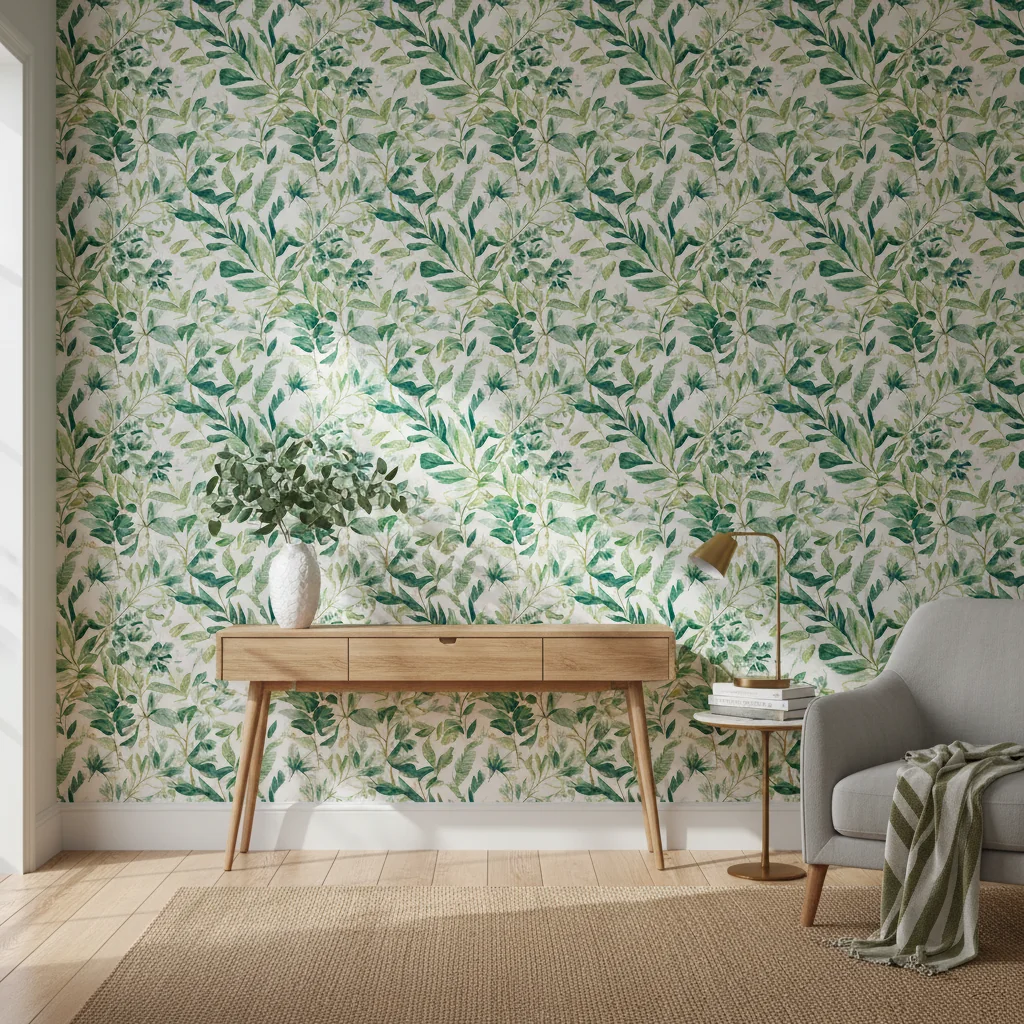
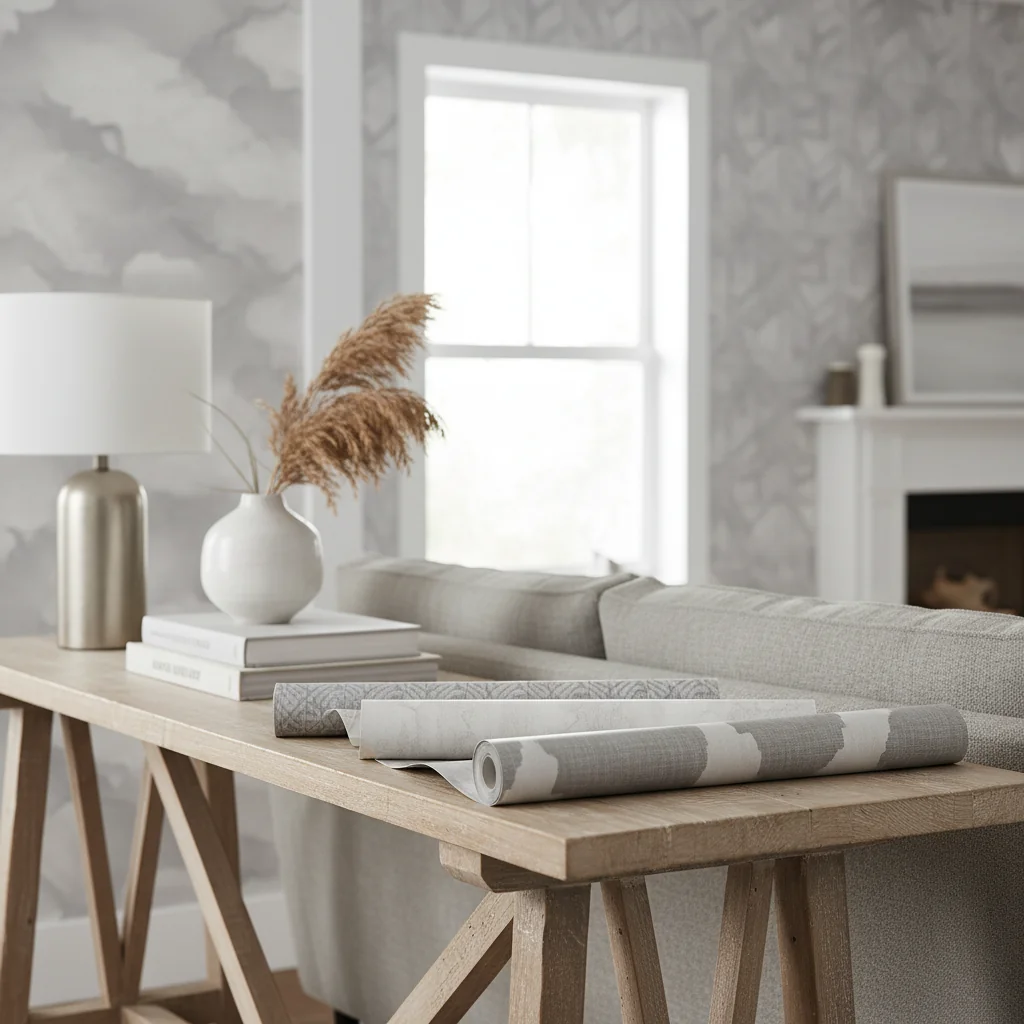
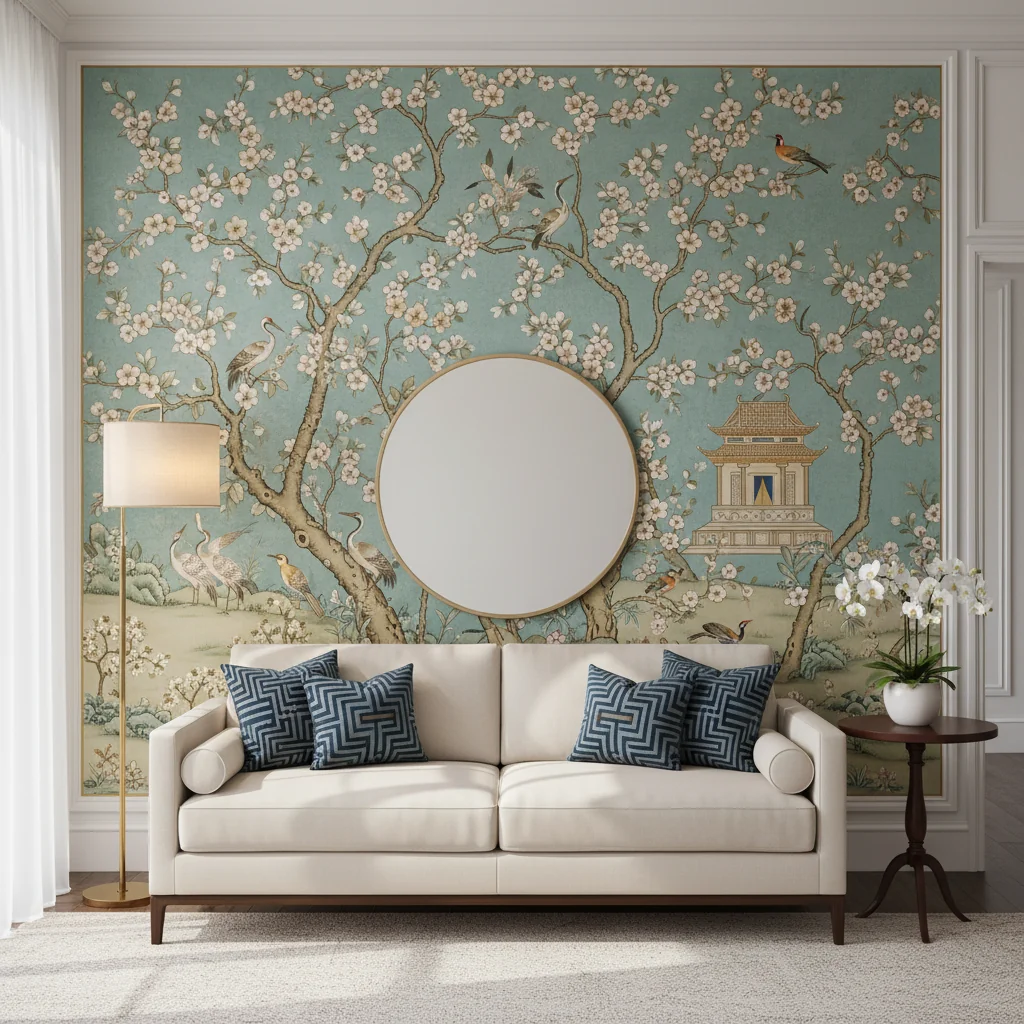
White textured wallpaper offers a sophisticated and versatile solution for elevating interior spaces, providing both visual depth and tactile interest without overwhelming a room with color or overt patterns. It is a design element that subtly transforms walls into focal points, reflecting light uniquely and adding a layer of refinement that paint alone cannot achieve, often featuring durable materials like non-woven fabric or solid vinyl that ensure longevity and ease of maintenance. At Starhouse, we understand that selecting the right wallcovering is foundational to creating a truly curated home environment, and white textured wallpaper stands as a testament to timeless elegance and contemporary adaptability.
Key Takeaways
- White textured wallpaper introduces subtle visual depth and tactile interest, enhancing a room’s perceived spaciousness and sophistication.
- Key types include embossed, anaglypta, grasscloth, vinyl, and non-woven options, each offering distinct textures, durability, and installation characteristics.
- Accurate measurement, proper surface preparation, and selecting the correct adhesive are critical for a professional and lasting installation.
- This versatile wallcovering complements a wide array of interior design styles, from minimalist and Scandinavian to traditional and industrial, by serving as a refined backdrop.
- Consider the room’s function, lighting, and desired maintenance level when choosing a white textured wallpaper to ensure optimal performance and aesthetic harmony.
- Proper care, including gentle dusting and appropriate cleaning methods based on material type, is essential for preserving the wallpaper’s pristine appearance and extending its lifespan.
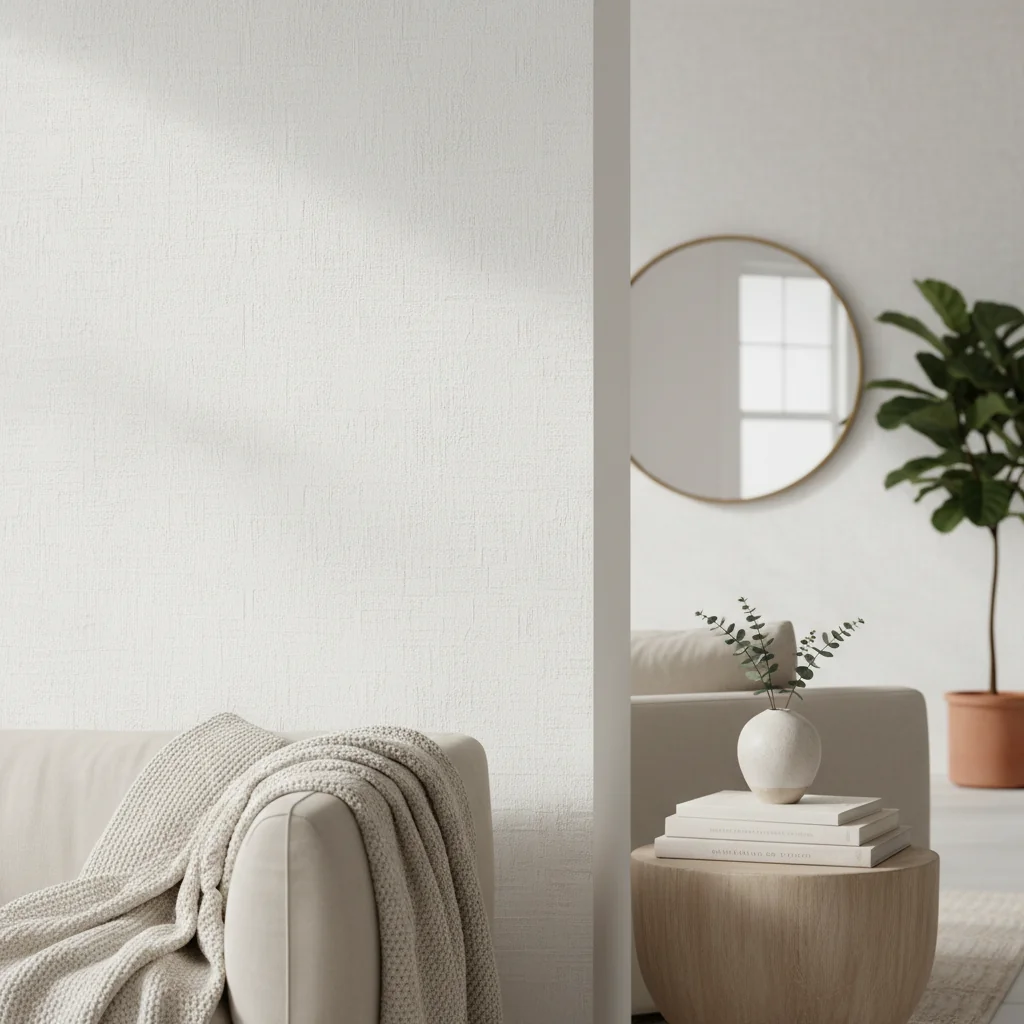
What is White Textured Wallpaper?
White textured wallpaper is a wallcovering characterized by its monochromatic white or off-white hue combined with a three-dimensional surface that creates tactile and visual interest. This textural quality differentiates it from flat painted surfaces, adding depth, character, and often an element of sophisticated artistry to a room. The texture can range from subtle patterns like linen weaves or fine striae to more pronounced designs such as embossed damasks, faux brick, or natural grasscloth, offering a diverse palette for design expression.
This category of wallpaper capitalizes on the inherent qualities of white—light reflection, spaciousness, and purity—and enhances them through physical surface variation. The interplay of light and shadow on these textures creates a dynamic effect that shifts throughout the day, providing a living backdrop that is anything but static. It serves as a foundational design element, capable of elevating the perceived value and aesthetic appeal of any interior, from residential living rooms to commercial reception areas.
An essential characteristic of white textured wallpaper is its ability to introduce visual complexity without introducing color saturation, making it an ideal choice for creating serene, expansive, and highly adaptable environments. The texture itself becomes the primary decorative feature, allowing other design elements, such as furniture, art, and lighting, to stand out while maintaining a cohesive and polished aesthetic.
What is anaglypta wallpaper?
Anaglypta wallpaper is a type of deeply embossed, paintable wallpaper, typically made from paper or a paper-and-cotton blend, designed to replicate ornate plasterwork or decorative ceilings. It is known for its durability and ability to conceal wall imperfections.
The Enduring Appeal of White in Interior Design
White holds a perennial and powerful position in interior design due to its unparalleled ability to create a sense of spaciousness, purity, and calm, serving as a versatile canvas that enhances natural light and allows other design elements to truly shine. Its psychological impact is profound, often associated with cleanliness, simplicity, and new beginnings, which contributes to its enduring popularity across diverse aesthetic preferences. Unlike saturated colors that can dictate a mood, white provides a neutral foundation that fosters tranquility and adaptability.
The strategic use of white can visually expand small rooms, making them feel larger and more open by reflecting ambient light. This quality is particularly valuable in urban dwellings or spaces with limited natural light. Furthermore, white acts as a perfect foil for texture, allowing the subtle nuances of a textured surface to become the focal point without competition from color. This symbiotic relationship between white and texture creates sophisticated visual interest that is both understated and impactful.
Designers frequently utilize white to establish a sense of balance and harmony within a space. It can temper vibrant accents, provide a restful backdrop for bold artwork, or unify disparate elements within a room. The absence of strong chromatic interference means that white textured wallpaper can seamlessly integrate into virtually any design scheme, from the stark minimalism of modern interiors to the layered elegance of traditional settings, offering a timeless appeal that transcends fleeting trends.
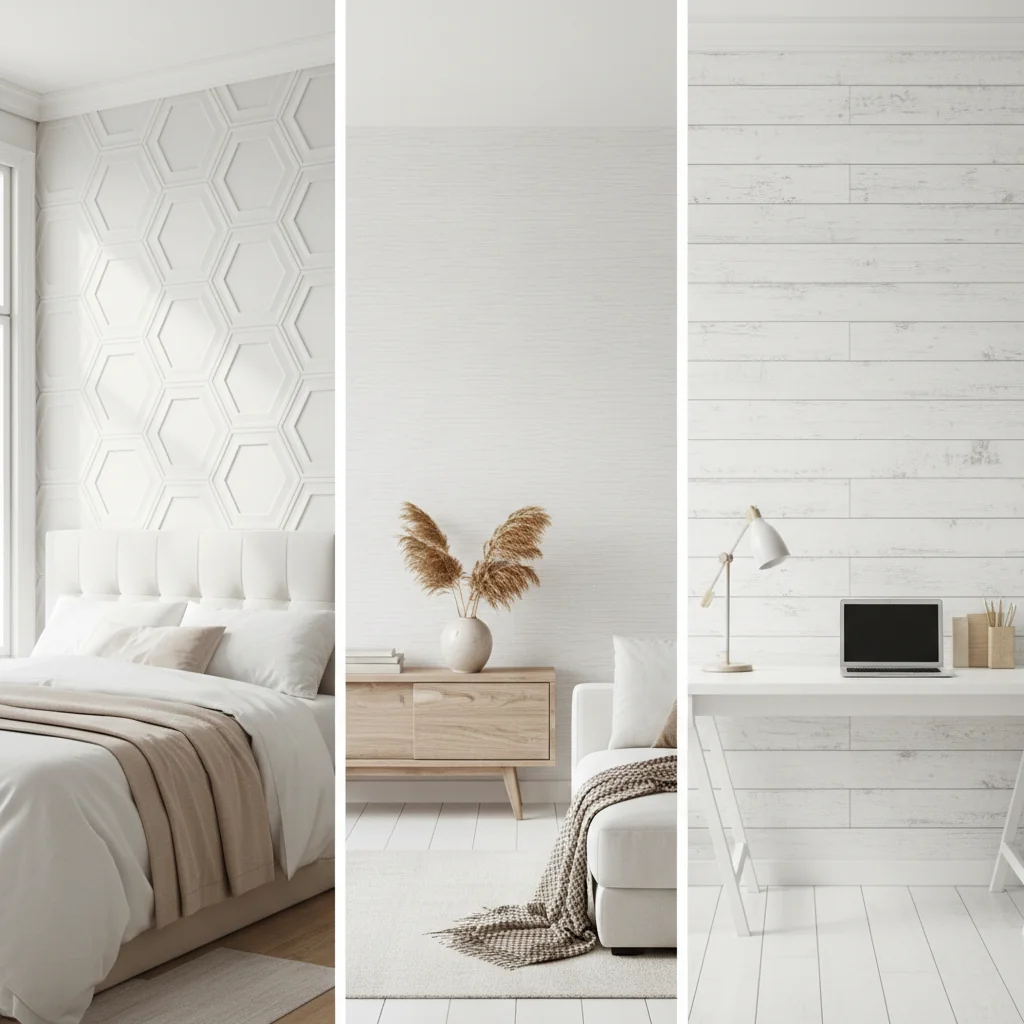
Exploring the Types of White Textured Wallpaper
The market for white textured wallpaper encompasses a wide array of materials and manufacturing techniques, each offering distinct aesthetic qualities, durability, and installation considerations suitable for various applications. Understanding these types is crucial for making an informed selection that aligns with both your design vision and practical requirements. From highly durable vinyl options to delicate natural fibers, the diversity ensures there is a white textured wallpaper for every project.
Peel and Stick (Self-Adhesive)
Peel and stick wallpaper, also known as self-adhesive or removable wallpaper, features an adhesive backing protected by a removable liner, making it exceptionally easy to install and remove without damaging walls. This type is ideal for renters, DIY enthusiasts, or those who enjoy frequently updating their décor, as it requires no messy paste and allows for repositioning during installation. White textured peel and stick options often mimic natural textures like linen, plaster, or subtle geometric patterns, providing a quick and effective way to add depth.
Non-Woven Wallpaper
Non-woven wallpaper is a high-quality, breathable material made from a blend of natural and synthetic fibers, offering excellent durability and ease of removal. It is celebrated for its paste-the-wall application method, which simplifies installation by allowing the adhesive to be applied directly to the wall rather than the paper. This material is resistant to tearing and shrinking, making it a robust choice for various rooms, and many white textured designs leverage its ability to hold embossed patterns effectively.
Vinyl Wallpaper (Solid Vinyl, Fabric-Backed Vinyl)
Vinyl wallpaper is highly durable, washable, and moisture-resistant, making it an excellent choice for high-traffic areas, kitchens, and bathrooms where longevity and easy cleaning are paramount. Solid vinyl wallpapers consist of a paper backing with a vinyl surface, while fabric-backed vinyl features a more robust fabric substrate for enhanced strength and dimensional stability. White textured vinyl options are widely available, often replicating the look of natural materials like wood grain, concrete, or tile with remarkable realism and resilience.
Anaglypta and Lincrusta
Anaglypta and Lincrusta are traditional, deeply embossed wallpapers known for their paintable surfaces and exceptional durability, designed to emulate intricate plasterwork or carved wood. Anaglypta, typically made from paper or a paper-and-cotton blend, features raised patterns that create a dramatic three-dimensional effect once painted. Lincrusta, an even more robust material made from a gel of linseed oil and wood flour pressed onto a paper base, offers unparalleled depth and longevity, often lasting for decades. Both types, when finished in white, provide a luxurious and historically rich texture.
Grasscloth and Natural Fibers
Grasscloth wallpaper is crafted from natural materials like woven grasses, reeds, or hemp, creating a distinct, organic texture with subtle variations in color and weave. This type of wallpaper introduces an unparalleled sense of warmth, authenticity, and natural elegance to a space. While more delicate and generally not washable, white grasscloth provides a sophisticated, tactile backdrop, often revealing slight imperfections that add to its handcrafted charm. Its natural fibers also offer a degree of sound absorption.
Flocked Wallpaper
Flocked wallpaper features raised patterns created by applying tiny fibers (flock) onto the surface of the paper, resulting in a velvety, tactile texture. This luxurious and opulent style adds a soft, plush dimension to walls, often seen in more formal or traditional settings. White flocked wallpaper provides a subtle yet rich sensory experience, though it requires careful handling and is not typically washable, making it best suited for low-traffic areas.
Mica and Glass Bead Wallpaper
Mica and glass bead wallpapers incorporate reflective elements into their surface, offering a shimmering, iridescent, or sparkling effect that dramatically responds to light. Mica wallpaper uses crushed mica flakes to create a natural, mineral-like sparkle, while glass bead wallpaper features tiny glass beads adhered to the surface for a dazzling, crystalline texture. These types of white textured wallpaper are ideal for creating a glamorous focal point or adding a touch of sophisticated sparkle to a room, especially where ambient light can catch their reflective qualities.
Embossed/Raised Patterns
Embossed wallpaper refers to any wallpaper where a pattern is pressed into the material, creating a raised, three-dimensional effect. This broad category includes many of the types mentioned above, but also encompasses designs with subtle geometric motifs, damasks, stripes, or organic patterns that are simply raised from the surface. White embossed wallpaper adds elegant depth and visual interest without introducing color, allowing the pattern to emerge through the play of light and shadow.
Faux Textures (Brick, Wood, Concrete, Linen, Plaster)
Faux texture wallpapers are designed to realistically mimic the look and feel of other materials, providing the aesthetic without the cost, weight, or installation complexity of the real thing. White faux textures are particularly popular for achieving industrial (faux concrete, brick), rustic (faux wood panels), or minimalist (faux plaster, linen) looks. These wallpapers are often made from vinyl or non-woven materials, combining durability with convincing visual texture.
What is non-woven wallpaper?
Non-woven wallpaper is a durable, breathable wallcovering made from a blend of natural and synthetic fibers, known for its paste-the-wall application, tear resistance, and easy dry-strippable removal.
| Type | Primary Material | Texture Characteristic | Durability & Washability | Ideal Use Cases | Installation Notes |
|---|---|---|---|---|---|
| Peel and Stick | Vinyl or Fabric with Adhesive Backing | Varies (faux linen, plaster, subtle geometrics) | Moderate durability, often wipeable. Highly removable. | Rentals, temporary décor, accent walls, DIY projects. | Self-adhesive, repositionable, no paste required. |
| Non-Woven | Natural & Synthetic Fibers | Smooth, subtly textured, or embossed patterns | High durability, breathable, washable, tear-resistant. | Bedrooms, living rooms, hallways, general residential use. | Paste-the-wall method, easy dry-strippable removal. |
| Vinyl (Solid & Fabric-Backed) | PVC Surface on Paper or Fabric Backing | Deeply embossed, faux materials (brick, wood, concrete) | Very high durability, highly washable, moisture-resistant. | Kitchens, bathrooms, high-traffic areas, commercial spaces. | Paste-the-paper or paste-the-wall depending on backing. |
| Anaglypta/Lincrusta | Paper/Cotton Blend (Anaglypta), Linseed Oil/Wood Flour (Lincrusta) | Deeply embossed, ornate patterns, paintable. | High durability (especially Lincrusta), paintable. | Historic homes, traditional interiors, concealing wall imperfections. | Requires painting after installation. Lincrusta needs soaking. |
| Grasscloth/Natural Fibers | Woven Grasses, Reeds, Hemp | Organic, fibrous, subtle variations, visible seams. | Moderate durability, not washable, delicate. | Bedrooms, dining rooms, living rooms, accent walls, seeking organic feel. | Requires professional installation, special adhesive, visible seams are inherent. |
| Flocked | Fibers (flock) adhered to paper/vinyl backing | Soft, velvety, raised, luxurious. | Low durability, not washable, delicate. | Formal living rooms, master bedrooms, elegant accent walls. | Requires careful handling, delicate cleaning. |
| Mica/Glass Bead | Mica flakes or glass beads on paper/non-woven backing | Shimmering, reflective, sparkling. | Moderate durability, typically wipeable (not scrubbable). | Accent walls, glamorous spaces, areas with good lighting. | Can be delicate during installation due to surface texture. |
| Faux Textures | Vinyl or Non-Woven | Realistic imitation of brick, wood, concrete, linen, plaster. | Varies by base material (often high durability, washable). | Modern, industrial, rustic, or minimalist interiors. | Installation varies by base material. |
Choosing the Right White Textured Wallpaper for Your Space
Selecting the ideal white textured wallpaper involves a careful consideration of several key factors, including the room’s function, existing lighting conditions, desired aesthetic, and practical maintenance requirements. A thoughtful approach ensures the chosen wallpaper not only enhances the visual appeal of your space but also performs optimally for its intended use, creating a cohesive and enduring design. This decision process moves beyond mere aesthetics to encompass the practicalities of daily living.
Consider the Room’s Function and Traffic
The intended use of a room significantly influences the appropriate wallpaper material. For high-traffic areas like hallways, entryways, or children’s rooms, a highly durable and washable material such as vinyl or fabric-backed vinyl is recommended. These materials can withstand frequent cleaning and resist scuffs and tears. In contrast, for a master bedroom or a formal dining room where wear and tear are minimal, more delicate options like grasscloth or flocked wallpaper can introduce a luxurious touch without concern for heavy use.
Assess Existing Lighting Conditions
Natural and artificial lighting dramatically impact how white textured wallpaper appears, influencing its perceived color and the prominence of its texture. In rooms with abundant natural light, a subtle texture might appear more pronounced as shadows shift throughout the day, while a highly reflective mica wallpaper could create a dazzling effect. For dimly lit spaces, choosing a white with warmer undertones or a texture that reflects light efficiently can brighten the room. Always observe samples in your space at different times of day to gauge their true appearance.
Harmonize with Your Interior Design Style
White textured wallpaper is exceptionally versatile, but its specific texture should complement your overall design aesthetic. A clean, subtle linen texture suits a minimalist or Scandinavian style. For a modern or industrial look, consider faux concrete or exposed brick textures. Traditional or transitional spaces might benefit from embossed damasks or classic anaglypta patterns. The goal is to select a texture that integrates seamlessly with your furniture, textiles, and decorative accents, creating a unified narrative.
Evaluate Maintenance and Durability Needs
Different wallpaper materials have varying maintenance requirements. Vinyl wallpapers are generally the easiest to clean, often requiring just a damp cloth. Non-woven wallpapers are also quite durable and washable. However, natural fiber wallpapers like grasscloth are more delicate and typically require dry dusting, making them unsuitable for moisture-prone areas or homes with young children and pets. Understanding these needs upfront prevents future disappointment and ensures the longevity of your investment.
Determine Desired Aesthetic Impact
Decide whether you want the wallpaper to be a subtle backdrop or a distinct design statement. A fine striae or subtle plaster texture provides a sophisticated, understated elegance, allowing other elements in the room to take center stage. For a more dramatic effect, consider deeply embossed patterns, bold geometric textures, or highly tactile grasscloth, which can serve as a striking accent wall or define a specific zone within an open-plan space. York Wallcoverings emphasizes wallpaper’s ability to transform a space, making it a powerful design tool, underscoring the importance of this aesthetic decision.
At Starhouse, we are curating a collection designed to meet these diverse needs, offering a refined selection of white textured wallpapers that marry aesthetic appeal with practical functionality. We believe the right choice can profoundly enhance your home.
As Starhouse curates its collection of exquisite home décor, we invite you to be part of our journey. Share what you envision for your ideal space and receive early access to our exclusive offerings. Tell us what you’re looking for to unlock a world of sophisticated design possibilities.
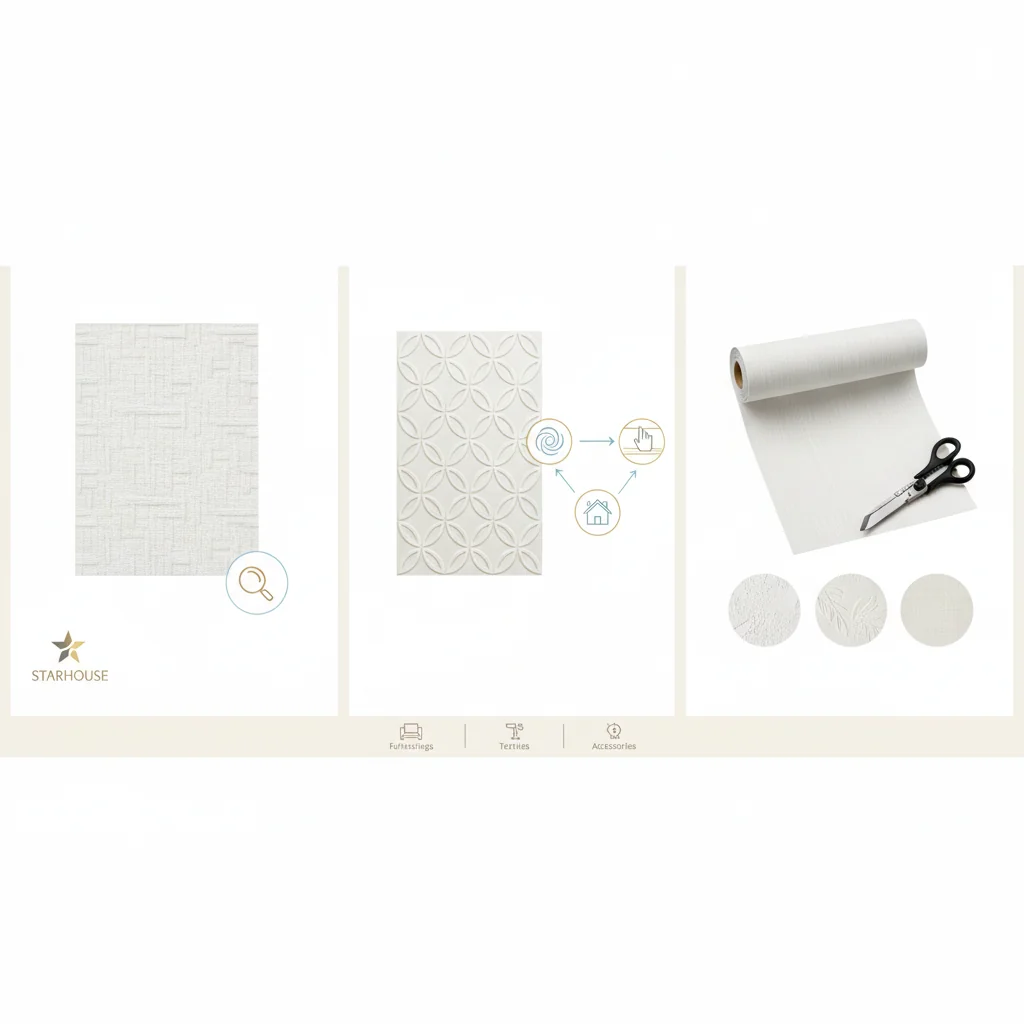
- Room Environment: High-humidity areas (bathrooms) require vinyl; low-traffic areas (bedrooms) permit more delicate materials.
- Light Exposure: Bright rooms highlight subtle textures; dim rooms benefit from light-reflecting or bolder textures.
- Design Cohesion: Ensure the texture complements existing furniture, artwork, and architectural features.
- Maintenance Expectations: Choose washable options for active households; dry-clean only for formal, low-contact areas.
- Installation Skill Level: Peel and stick for DIY beginners; traditional pasted options or natural fibers may benefit from professional installation.
Mastering Measurement and Installation
Accurate measurement and meticulous surface preparation are foundational to achieving a professional and lasting installation of white textured wallpaper, ensuring a seamless finish that enhances the room’s aesthetic. Proper planning prevents costly errors and ensures that the texture aligns correctly across seams, delivering the refined look characteristic of high-quality wallcoverings. Both DIY enthusiasts and those considering professional assistance must understand these critical steps.
Accurate Measurement for Material Calculation
Begin by measuring the height and width of each wall you intend to cover, accounting for doors, windows, and other architectural features. Multiply the height by the width of each wall to calculate its square footage, then sum these totals for the room’s total square footage. For wallpapers with a pattern repeat, it is crucial to factor this into your calculations; generally, add an extra 6-12 inches per strip to allow for pattern matching and trimming. A common industry practice is to purchase 15-20% more wallpaper than the exact square footage calculation to account for waste, pattern repeats, and future repairs. Most wallpaper rolls specify their coverage in square feet, making it straightforward to determine the number of rolls required.
Essential Surface Preparation
A pristine installation begins with a pristine surface. Walls must be clean, dry, smooth, and free of any dust, grease, or peeling paint. Fill any holes or cracks with spackle, sand them smooth, and wipe down the entire surface. For optimal adhesion and to prevent the wallpaper from blistering or bubbling, apply a high-quality wallpaper primer, often referred to as a “sizing” agent. This step is non-negotiable, particularly for new drywall or previously painted glossy surfaces, as it creates an ideal, uniform surface for the adhesive to bond.
Installation Techniques: DIY vs. Professional
While peel and stick wallpaper is designed for easy DIY application, traditional pasted wallpapers, especially those with intricate textures or delicate materials like grasscloth, often benefit from professional installation. Professionals possess specialized tools, experience with pattern matching, and techniques for handling challenging corners and architectural details, ensuring a flawless result. For DIYers, starting with a plumb line drawn vertically from the ceiling down to the baseboard is critical to ensure the first strip is perfectly straight, setting the foundation for the entire installation.
- Measuring Tape: For precise wall dimensions.
- Utility Knife with Snap-Off Blades: For clean, sharp cuts.
- Smoothing Tool/Wallpaper Smoother: To eliminate air bubbles and wrinkles.
- Plumb Bob or Laser Level: To ensure vertical alignment of the first strip.
- Seam Roller: To secure seams without damaging the texture.
- Wallpaper Paste/Adhesive: Specific to the wallpaper type (pre-pasted, non-woven, heavy-duty).
- Primer/Sizing: For optimal surface preparation and adhesion.
- Sponge and Bucket: For cleaning excess paste.
- Stepladder: For reaching high areas safely.
Proper attention to these details ensures that your white textured wallpaper not only looks exceptional upon installation but also maintains its integrity and beauty for years to come.
Styling White Textured Wallpaper: A Designer’s Guide
Styling white textured wallpaper effectively involves leveraging its inherent versatility to complement existing décor, layer textures, and define the mood of a space, transforming a simple backdrop into an integral design element. Its neutral palette allows for creative freedom, enabling designers and homeowners to introduce color, pattern, and form through furnishings and accessories while maintaining a cohesive and sophisticated aesthetic. The key is to understand how the texture interacts with light and other materials.
Pairing with Furniture Styles
White textured wallpaper serves as an exceptional foundation for a multitude of furniture styles. For a minimalist or Scandinavian aesthetic, pair a subtle linen or plaster texture with clean-lined, light-wood furniture and understated upholstery. In a modern setting, a faux concrete or geometric textured white wallpaper can complement sleek metal and glass pieces. For traditional or transitional interiors, an embossed damask or a classic anaglypta texture provides a rich backdrop for ornate wooden furniture and plush fabrics. The texture of the wallpaper should echo the overall design language of your furnishings, creating harmony.
Layering Textures and Materials
The beauty of white textured wallpaper lies in its ability to invite further textural layering within a room. Combine it with soft, tactile textiles like wool throws, velvet cushions, or jute rugs to create depth and warmth. Introduce elements of natural wood, polished stone, or woven baskets to add organic contrast. Metallic accents in brass, chrome, or matte black can provide a sophisticated sparkle or an edgy counterpoint. The interplay between the wallpaper’s texture and these varied materials creates a rich, multi-dimensional sensory experience.
Accent Walls vs. Entire Rooms
White textured wallpaper can be utilized for both accent walls and full room coverage, each approach yielding a different impact. An accent wall, such as behind a bed or in a dining nook, can draw attention to a specific area and highlight the texture without overwhelming the space. When applied to an entire room, white textured wallpaper creates a cohesive, enveloping atmosphere, enhancing spaciousness and providing a serene, unified backdrop. For smaller rooms, covering all walls with a subtle white texture can make the space feel larger and more refined.
Leveraging Lighting to Enhance Texture
Lighting is paramount when working with textured wallpaper. Strategically placed lighting can dramatically enhance the three-dimensional qualities of the texture. Wall sconces, picture lights, or recessed lighting positioned to graze the wall surface will cast subtle shadows, emphasizing the relief of embossed patterns or the weave of grasscloth. Natural light, too, will animate the texture throughout the day, creating a dynamic visual effect. Consider both ambient and accent lighting to bring out the best in your chosen wallpaper.
Introducing Pops of Color and Art
Given its neutral base, white textured wallpaper is the perfect canvas for introducing vibrant pops of color or showcasing striking artwork. A bold piece of abstract art, a brightly colored armchair, or a collection of vivid decorative objects will stand out against the understated elegance of the white texture without competition. The texture adds a layer of interest, preventing the white from feeling flat, and allows the colorful elements to truly resonate within the space.
Creating Specific Moods
The choice of texture can help establish a particular mood. A soft, cloud-like texture can contribute to a serene and dreamy bedroom. A crisp, geometric texture might evoke a sophisticated and contemporary feel in a living room. A rough, faux plaster texture can create a sense of rustic charm or industrial chic. By carefully selecting the texture, you can intentionally craft the emotional resonance of your space, making it feel more tranquil, energetic, or luxurious.
Care and Maintenance for Longevity
Proper care and maintenance are essential for preserving the pristine appearance and extending the lifespan of white textured wallpaper, ensuring it continues to enhance your home for years. The specific cleaning methods depend significantly on the wallpaper’s material, as some are highly durable and washable, while others require delicate handling. Adhering to manufacturer guidelines is paramount to avoid damage and maintain the wallcovering’s integrity.
Understanding Material-Specific Cleaning
Before cleaning, identify the material of your white textured wallpaper.
- Vinyl and Non-Woven Wallpapers: These are generally the most durable and washable. For everyday dust, a soft, dry cloth or a duster is sufficient. For minor smudges or marks, gently wipe with a damp sponge or cloth using a mild, non-abrasive soap solution. Always wring out the sponge thoroughly to avoid oversaturating the wallpaper, and test the solution in an inconspicuous area first. Avoid harsh chemical cleaners, as they can damage the surface or cause discoloration.
- Grasscloth and Natural Fibers: These materials are delicate and typically not washable. Water can cause staining, shrinking, or damage to the natural fibers. For these types, regular, gentle dusting with a soft brush or a vacuum cleaner with a brush attachment is the recommended method for maintenance. Spot cleaning is generally not advised; if a stain occurs, professional cleaning may be necessary.
- Flocked Wallpaper: Due to its velvety texture, flocked wallpaper is also delicate and not washable. Dust gently with a soft brush or a lint roller. Avoid rubbing or using any liquids, as this can flatten the flock or cause permanent damage.
- Anaglypta and Lincrusta (Painted): Once painted, the durability and washability of these wallpapers depend on the type of paint used. Generally, a semi-gloss or satin finish interior paint will allow for gentle wiping with a damp cloth. Always use mild soap and avoid abrasive cleaners that could strip the paint.
General Care Tips
Beyond material-specific cleaning, a few general practices contribute to the longevity of all white textured wallpapers:
- Regular Dusting: Dust accumulates on textured surfaces, making them appear dull. Regular, gentle dusting prevents buildup and keeps the wallpaper looking fresh.
- Immediate Spot Cleaning: Address spills or marks as quickly as possible, especially on washable materials, to prevent them from setting.
- Avoid Harsh Chemicals: Never use abrasive cleaners, strong detergents, or solvents unless specifically recommended by the manufacturer for a particular type of wallpaper.
- Humidity Control: Maintain consistent humidity levels in your home, especially for natural fiber wallpapers. Excessive humidity can lead to warping or mildew, while extreme dryness can cause shrinking or cracking.
- Protect from Direct Sunlight: Prolonged exposure to direct sunlight can cause any wallpaper, including white, to fade or yellow over time. Use blinds, curtains, or UV-filtering window treatments to protect your investment.
By following these guidelines, your white textured wallpaper will retain its beauty and sophisticated appeal, continuing to be a stunning feature in your Starhouse home.
Common Mistakes to Avoid When Using White Textured Wallpaper
Even with the versatile and forgiving nature of white, certain missteps in selection, measurement, or installation of textured wallpaper can detract from its intended elegance and impact. Avoiding these common errors ensures a professional, lasting, and aesthetically pleasing result that truly elevates your space. Awareness of these pitfalls is key to a successful project.
- Underestimating Pattern Repeat and Waste: Failing to account for the pattern repeat when calculating wallpaper quantities is a frequent and costly mistake. This leads to insufficient material and noticeable seams where patterns don’t align. Always add 15-20% extra to your square footage calculation to accommodate for pattern matching and trimming.
- Neglecting Wall Preparation: Applying wallpaper to dirty, uneven, or unprimed walls will result in imperfections showing through, poor adhesion, and potential bubbling or peeling. Properly clean, repair, and prime your walls for a smooth, durable finish.
- Choosing the Wrong Material for the Room: Installing delicate grasscloth in a high-humidity bathroom or a high-traffic entryway is a recipe for premature wear and damage. Match the wallpaper’s durability and washability to the room’s function and expected use.
- Ignoring Lighting Conditions: White textured wallpaper’s beauty lies in its interaction with light. Ignoring how natural and artificial light hits the wall can result in the texture appearing flat or, conversely, overly dramatic. Test samples in various lighting conditions.
- Improper Adhesive Selection: Using the wrong type of adhesive for your wallpaper material can lead to poor adhesion, staining, or difficulty in removal. Always use the adhesive recommended by the wallpaper manufacturer for your specific product type (e.g., heavy-duty paste for vinyl, ready-mixed for non-woven).
- Not Using a Plumb Line: Starting the first strip without a perfectly vertical plumb line will cause subsequent strips to drift, resulting in crooked patterns and uneven seams. A plumb line is the foundation of a straight installation.
- Overlooking Seam Management: Visible seams can significantly detract from the finished look. Ensure edges are butted tightly together, not overlapped (unless specified by the manufacturer), and use a seam roller gently to secure them without flattening the texture.
- Cutting Corners on Tools: Attempting to install wallpaper with inadequate or improper tools can lead to frustration and a subpar finish. Invest in essential tools like a sharp utility knife, smoothing tool, and plumb bob for a professional result.
Sources
Frequently Asked Questions About White Textured Wallpaper
Is white textured wallpaper suitable for small rooms?
Yes, white textured wallpaper is highly suitable for small rooms, as white inherently reflects light and creates a sense of spaciousness, while the added texture prevents the walls from appearing flat or sterile, contributing depth without visual clutter.
Can white textured wallpaper be painted?
Some types of white textured wallpaper, specifically Anaglypta and Lincrusta, are designed to be painted, allowing for customization of color while retaining the intricate texture; however, most other types are not intended for painting and may lose their original aesthetic or texture if painted.
How do I clean white textured wallpaper?
Cleaning methods depend on the material: washable types like vinyl and non-woven can be gently wiped with a damp cloth and mild soap, while delicate natural fibers such as grasscloth and flocked wallpapers require only dry dusting or a soft brush to prevent damage.
Is peel and stick white textured wallpaper durable?
Peel and stick white textured wallpaper is generally durable for light to moderate use and offers good resistance to minor scuffs, making it a practical choice for accent walls or temporary décor due to its easy removability and often wipeable surface.
Does textured wallpaper make a room feel smaller?
No, white textured wallpaper, particularly with subtle patterns, typically does not make a room feel smaller; instead, the white color expands the space, and the texture adds visual interest and depth, enhancing the perceived size and sophistication of the room.
Can I install white textured wallpaper in a bathroom?
Yes, you can install white textured wallpaper in a bathroom, provided you select a moisture-resistant material like vinyl or fabric-backed vinyl, which can withstand high humidity and occasional splashes without damage or peeling.
What is the best way to remove old wallpaper before installing new white textured wallpaper?
The best way to remove old wallpaper is to score the surface, apply a wallpaper stripper solution, and then carefully scrape it off with a broad knife, ensuring all adhesive residue is removed to create a clean, smooth surface for the new installation.
Conclusion
White textured wallpaper stands as a cornerstone of sophisticated interior design, offering an unparalleled blend of versatility, elegance, and tactile appeal. It masterfully combines the expansive qualities of white with the dynamic interest of three-dimensional surfaces, creating spaces that feel both refined and inviting. From the subtle weave of a faux linen to the dramatic relief of an anaglypta pattern, each type provides a unique opportunity to infuse character and depth into your home without relying on bold color. Its adaptability across various design styles—from minimalist to traditional—underscores its enduring relevance as a powerful decorative tool.
By carefully considering the material, understanding the nuances of installation, and embracing thoughtful styling, white textured wallpaper can transform any room into a curated sanctuary. It is more than just a wall covering; it is a canvas that reflects light, enhances mood, and serves as a quiet yet compelling backdrop for the stories your home tells. At Starhouse, we believe in empowering you to create spaces that resonate with your unique aesthetic and functional needs.
As we meticulously curate our collection to bring you the finest in home décor, we invite you to share your vision. What textures, patterns, and styles will define your next dream space? Join our community and gain exclusive early access to Starhouse’s exquisite offerings. Tell us what you’re looking for to begin your journey toward a beautifully textured home.